
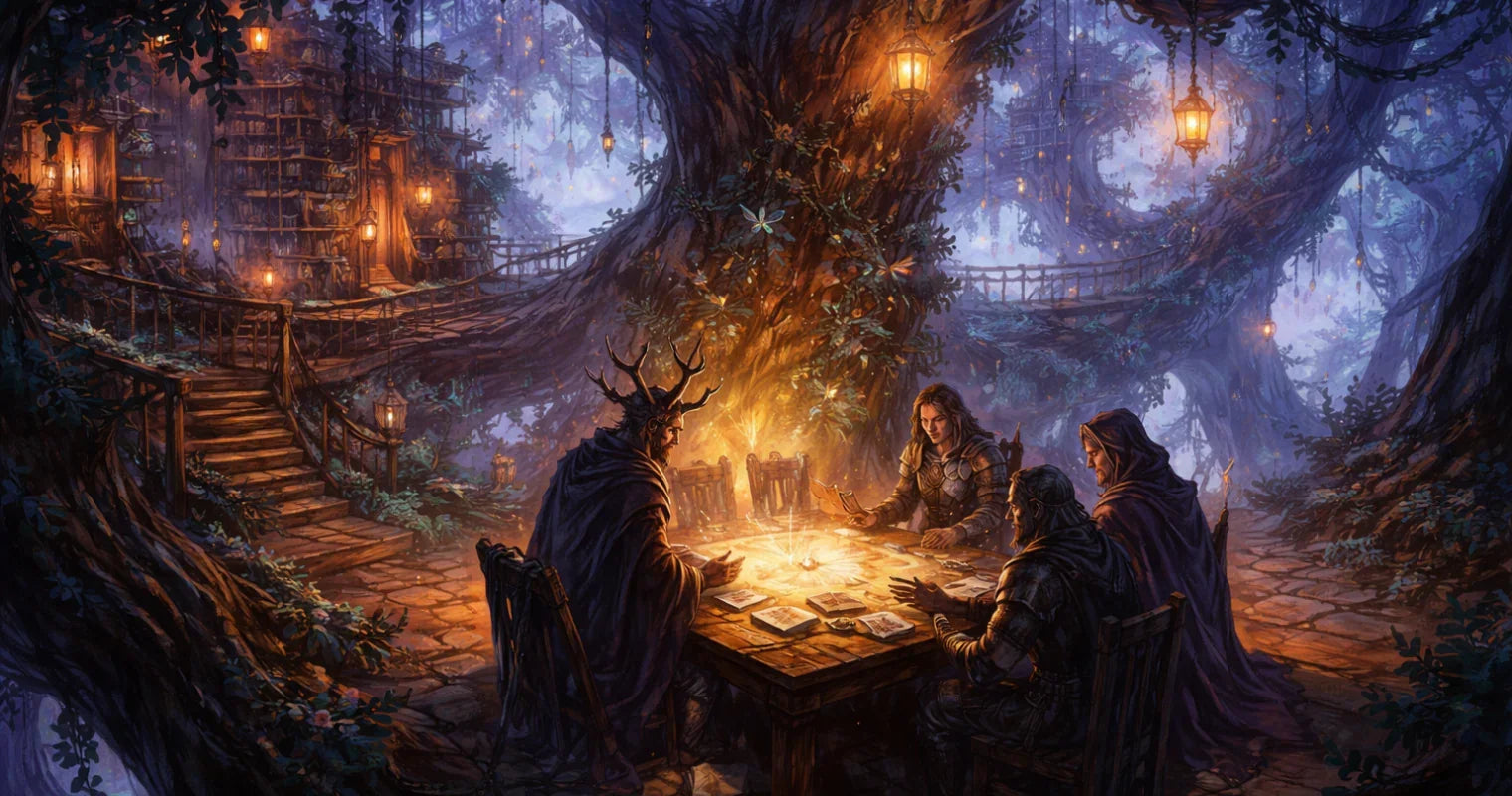
Tabletop Roleplaying Games: A Crisp Campaign Mastery Guide
Tabletop roleplaying games are built from shared decisions. A Game Master may create the world, prepare conflicts, and portray its inhabitants, but a campaign becomes meaningful through what the players choose to do.
Memorable campaigns do not require hundreds of pages of lore, professional acting, complicated maps, expensive terrain, or perfect rules knowledge. They need clear expectations, useful preparation, consistent communication, and a group willing to build a story together.
The challenge is turning separate game nights into a connected tabletop RPG campaign that stays focused without becoming rigid. This campaign mastery guide covers the practical habits that help players and Game Masters create that continuity.
What Is a Tabletop RPG Campaign?
A single session is one game night. A one-shot is designed to tell a mostly complete adventure in one session. A short adventure may continue across several sessions.
A campaign follows characters through a connected series of adventures and consequences. During a roleplaying campaign, characters may pursue long-term goals, build relationships, discover new locations, face recurring enemies, and change the world through their decisions.
Some campaigns last a month. Others continue for years. Length does not determine quality. A focused six-session campaign can be more satisfying than a long-term RPG campaign that has lost its direction.
Campaign Success Is a Shared Responsibility
The Game Master often presents the world, runs NPCs, prepares challenges, interprets rules, and determines how the world responds to player actions.
Players have responsibilities too. They should understand their characters, participate in scenes, track important abilities, respect boundaries, share attention, and create characters willing to engage with the campaign.
Everyone shares responsibility for communication, scheduling, listening, cooperation, and helping sessions move forward. The Game Master is not an entertainer responsible for satisfying every request. Collaborative storytelling works when everyone contributes.
Start with a Clear Campaign Concept
Strong RPG campaign planning begins with a simple idea that explains what the characters are likely to do.
Examples include:
-
Adventurers protecting a dangerous frontier
-
Investigators solving magical crimes
-
Rebels opposing an occupying empire
-
Explorers mapping a lost continent
-
Treasure hunters pursuing cursed relics
-
Mercenaries caught between rival factions
-
Survivors escaping a supernatural disaster
A useful concept establishes tone, likely challenges, and a reason for the party to stay together. It provides direction without deciding every outcome in advance.
Use Session Zero to Build the Foundation
Session Zero is a conversation before regular play begins. It allows the group to discuss the campaign before misunderstandings become problems.
| Session Zero Topic | Question to Discuss | Why It Matters |
|---|---|---|
| Campaign tone | Is the game heroic, dark, humorous, or mysterious? | Helps players create suitable characters |
| Character connection | Why does the party work together? | Supports group cooperation |
| Scheduling | How often will the group meet? | Improves consistency |
| Boundaries | Which themes should be avoided or handled carefully? | Builds trust and comfort |
| Rules | Which options and house rules are allowed? | Reduces confusion |
| Player goals | What does each player enjoy most? | Helps balance session content |
Groups should also discuss expected session length, attendance, combat difficulty, roleplaying expectations, and communication between sessions.
Session Zero is not an unchangeable contract. Expectations can be revisited as the campaign develops.
Create Characters Who Fit the Campaign
An interesting character needs a reason to participate.
A campaign-friendly character should have a goal, a connection to the setting, a reason to cooperate with the party, an unresolved problem, and room to change.
Characters who reject every quest, constantly betray allies, or refuse cooperation create unnecessary obstacles. Character conflict can still be enjoyable when the players behind those characters remain cooperative.
A useful question is simple: Why does this character stay with this group when things become difficult?
Plan Campaign Arcs Without Writing a Fixed Story
Game Masters should prepare situations rather than scripts. Instead of deciding exactly what the players will do, establish the forces already moving through the world.
A basic campaign plan might include:
-
A central threat
-
Several factions
-
Important locations
-
NPC and villain goals
-
Character connections
-
Possible turning points
-
Consequences if major problems are ignored
A flexible structure can follow seven stages: introduce the problem, let the party respond, reveal wider consequences, complicate the conflict, present meaningful choices, resolve the main threat, and show how the world changed.
Players should be able to alter alliances, resources, locations, villain plans, and even the final conflict.
Prepare Only What the Next Session Needs
Overpreparation can consume time while making improvisation harder.
For effective RPG session planning, prepare the starting situation, important NPC motivations, likely locations, relevant clues, a few possible encounters, useful rules, and the consequences of likely choices.
Before a session, ask:
-
What is happening now?
-
What do the important NPCs want?
-
What choices can the players make?
-
What happens if the party does nothing?
-
What information can the characters discover?
-
Which challenges are most likely?
-
Where could the session end naturally?
Unused material rarely needs to be discarded. Locations, encounters, and NPCs can often be adjusted and reused later.
Build Sessions with a Clear Rhythm
Strong sessions usually change activity and tension over time.
| Session Phase | Purpose | Common Problem |
|---|---|---|
| Opening | Reconnect players with the situation | Recaps become too long |
| Decision | Give the party something meaningful to address | Players lack useful information |
| Development | Explore, investigate, negotiate, or travel | Scenes lose focus |
| Challenge | Test resources, plans, or priorities | Conflict feels disconnected |
| Discovery | Reveal information or consequences | Progress depends on one roll |
| Closing | End with a decision, reveal, or achievement | The session stops without direction |
Every session does not need combat. The structure should serve the current situation and the style of tabletop roleplaying game being played.
Balance Combat, Exploration, and Roleplaying
Many tabletop roleplaying games use some combination of combat, exploration, and social interaction, although the exact balance varies by system and group.
Combat
Combat works best when enemies have goals and the outcome matters. Good encounters create tactical decisions, resource pressure, or meaningful consequences.
Avoid battles that exist only to fill time.
Exploration
Exploration includes travel, investigation, navigation, searching, environmental challenges, and discovering hidden information.
Make exploration interactive. Give players choices, risks, and discoveries instead of simply describing a journey from beginning to end.
Roleplaying
Roleplaying includes negotiations, conversations, planning, disagreements, and character moments.
Useful NPCs have goals, fears, limits, information, and reasons to cooperate or resist. Players should not need professional acting skills or dramatic speeches to participate effectively.
A campaign does not need equal amounts of all three activities. The right balance depends on the group.
Give Players Meaningful Choices
Player agency means decisions can affect what happens.
A meaningful choice usually provides more than one reasonable option, enough information to make a decision, a possible cost, and a consequence.
“Take this quest or the campaign ends” is a weak choice.
“Protect the village, pursue the escaping enemy, or rescue captured allies” creates competing priorities.
Player freedom does not require an unlimited world. Game Masters can offer focused choices while maintaining campaign direction.
Use Consequences to Create Continuity
A tabletop RPG campaign feels connected when earlier actions matter later.
An ally may return. A faction may become hostile. A rescued NPC may provide help. A villain may change tactics. A damaged town may remain damaged.
Track a small number of meaningful consequences instead of trying to record everything. Those recurring results create stronger tabletop storytelling than disconnected adventures with no lasting effect.
Keep Players Engaged and Share the Spotlight
Player engagement improves when people understand the situation and believe their decisions matter.
Give characters personal goals, vary encounter types, provide clear stakes, and ask players what they want to pursue next. Use backstories selectively rather than forcing every personal detail into the main plot.
Game Masters can share the spotlight by addressing different characters, designing challenges for varied abilities, and limiting overly long solo scenes.
Players can help by inviting others into conversations, avoiding interruptions, sharing information, and supporting another character's plan.
Equal spotlight does not mean equal time every session. It means everyone receives meaningful opportunities over the course of the campaign.
Keep Combat Moving
Players can speed up combat by knowing their common actions, preparing before their turns, tracking conditions, and keeping frequently used rules accessible.
Game Masters can group similar enemies, use clear initiative tracking, know enemy goals, and avoid adding unnecessary creatures.
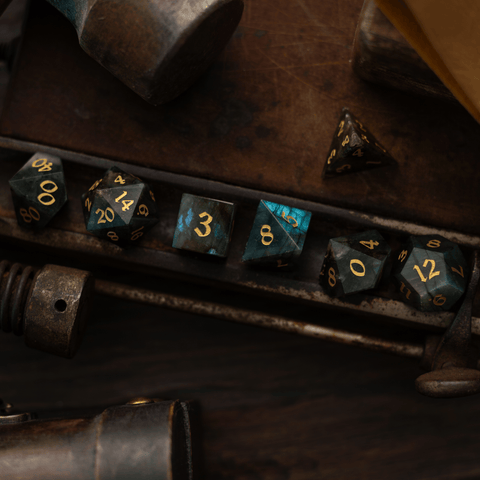
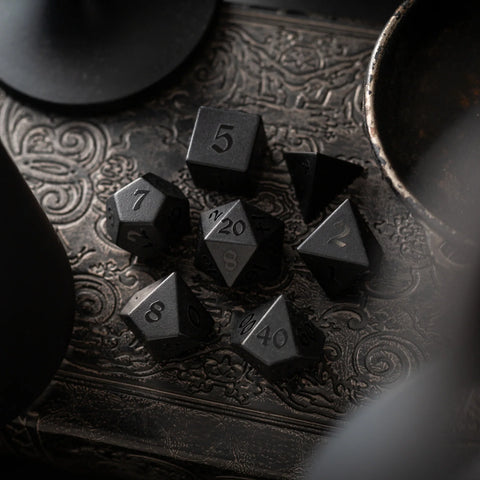
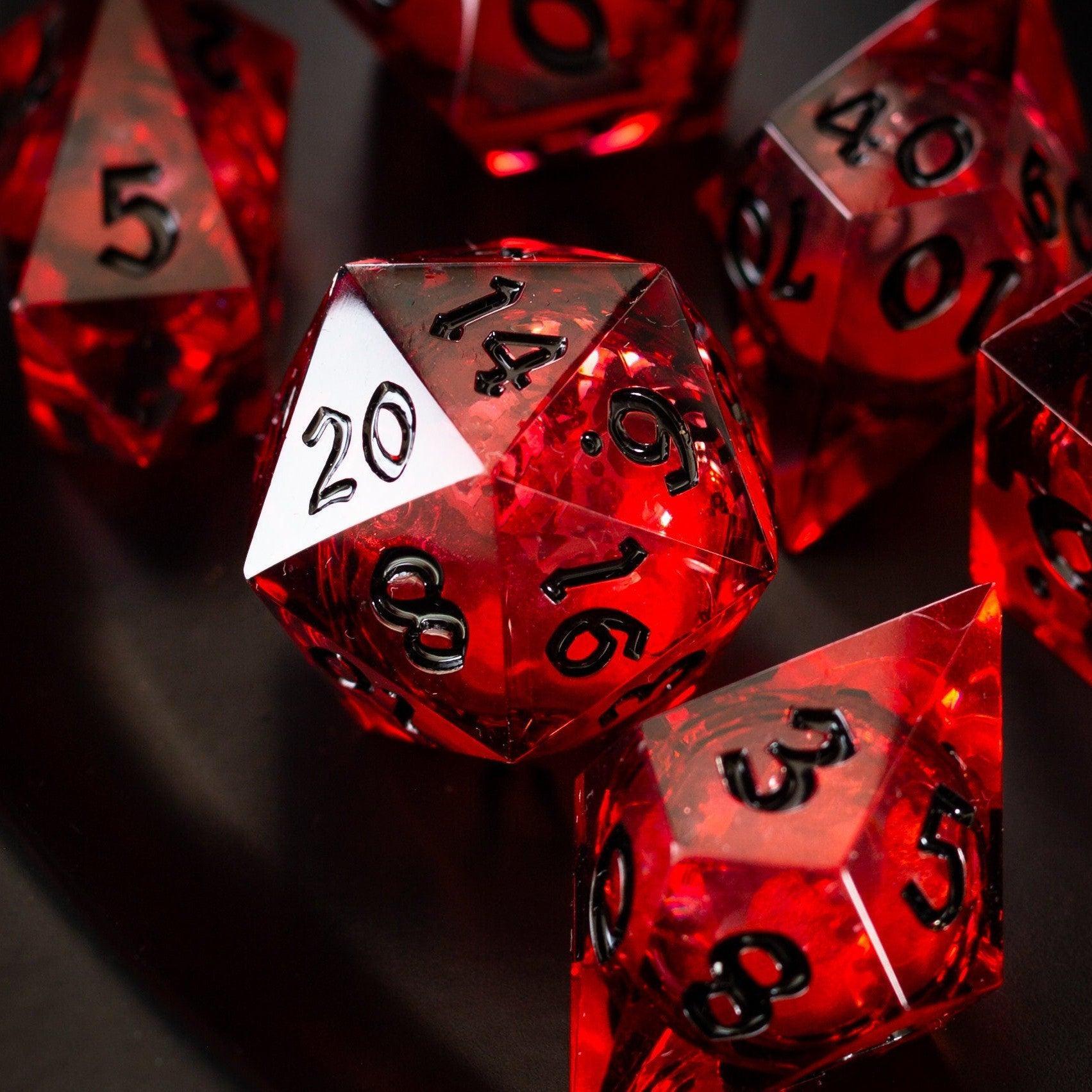
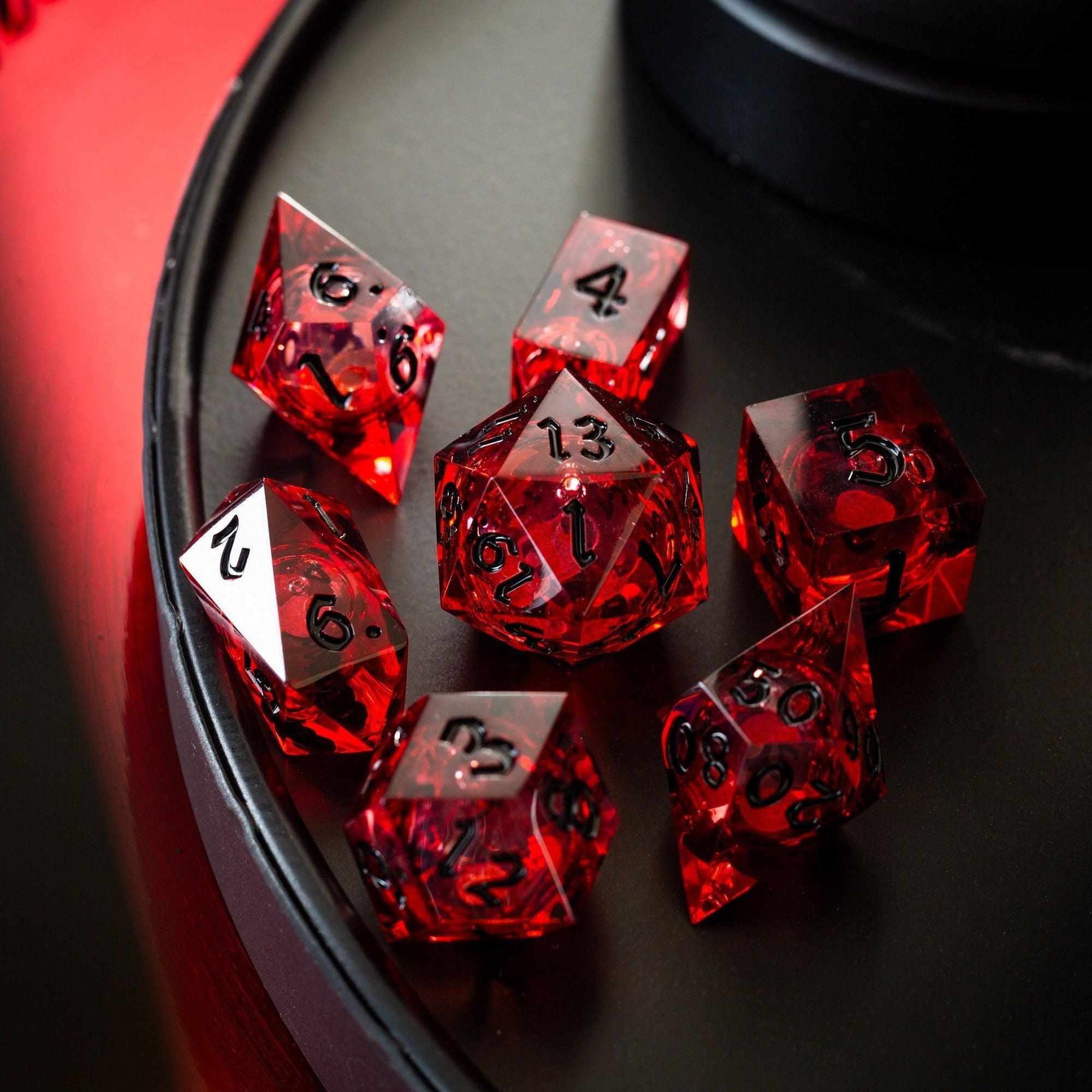
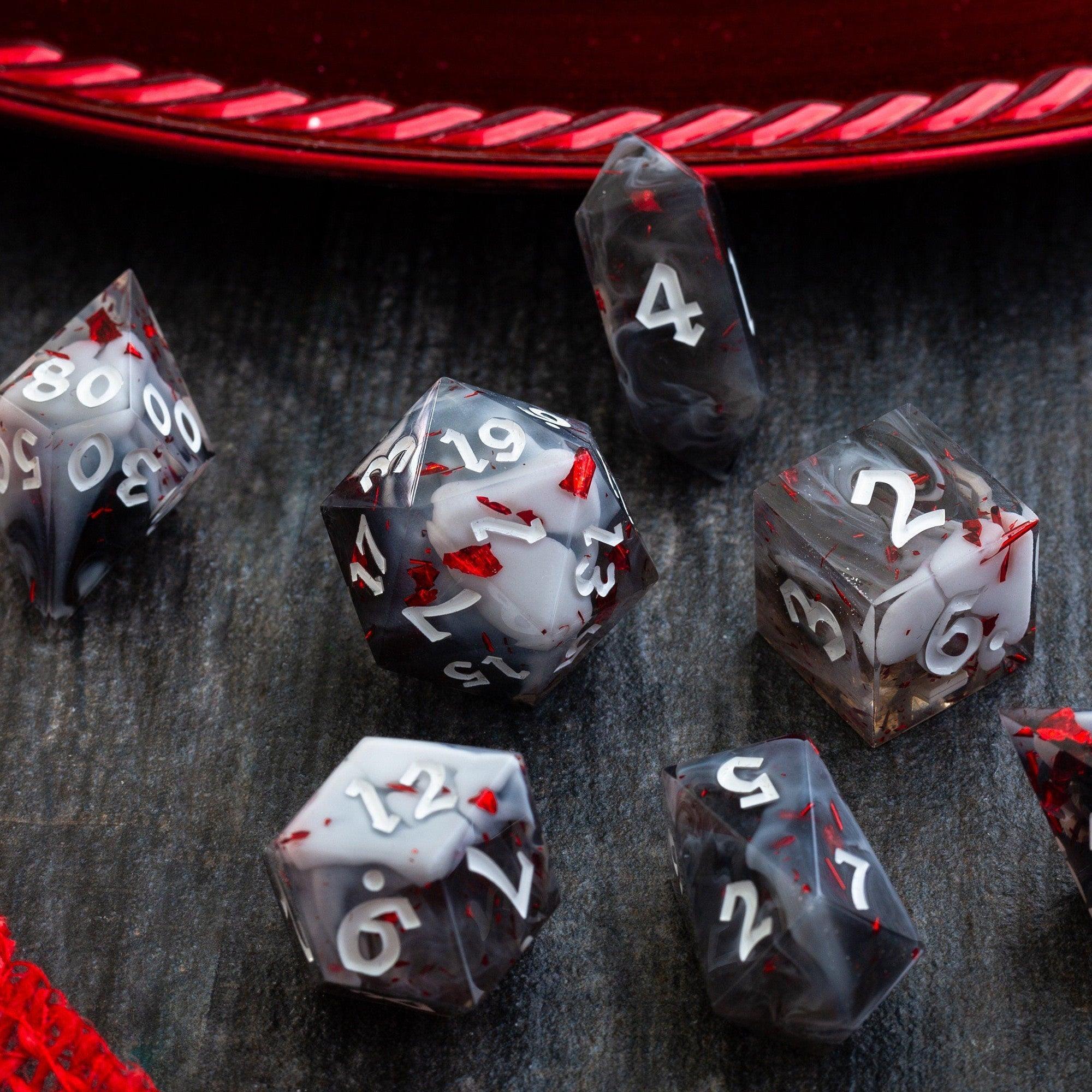
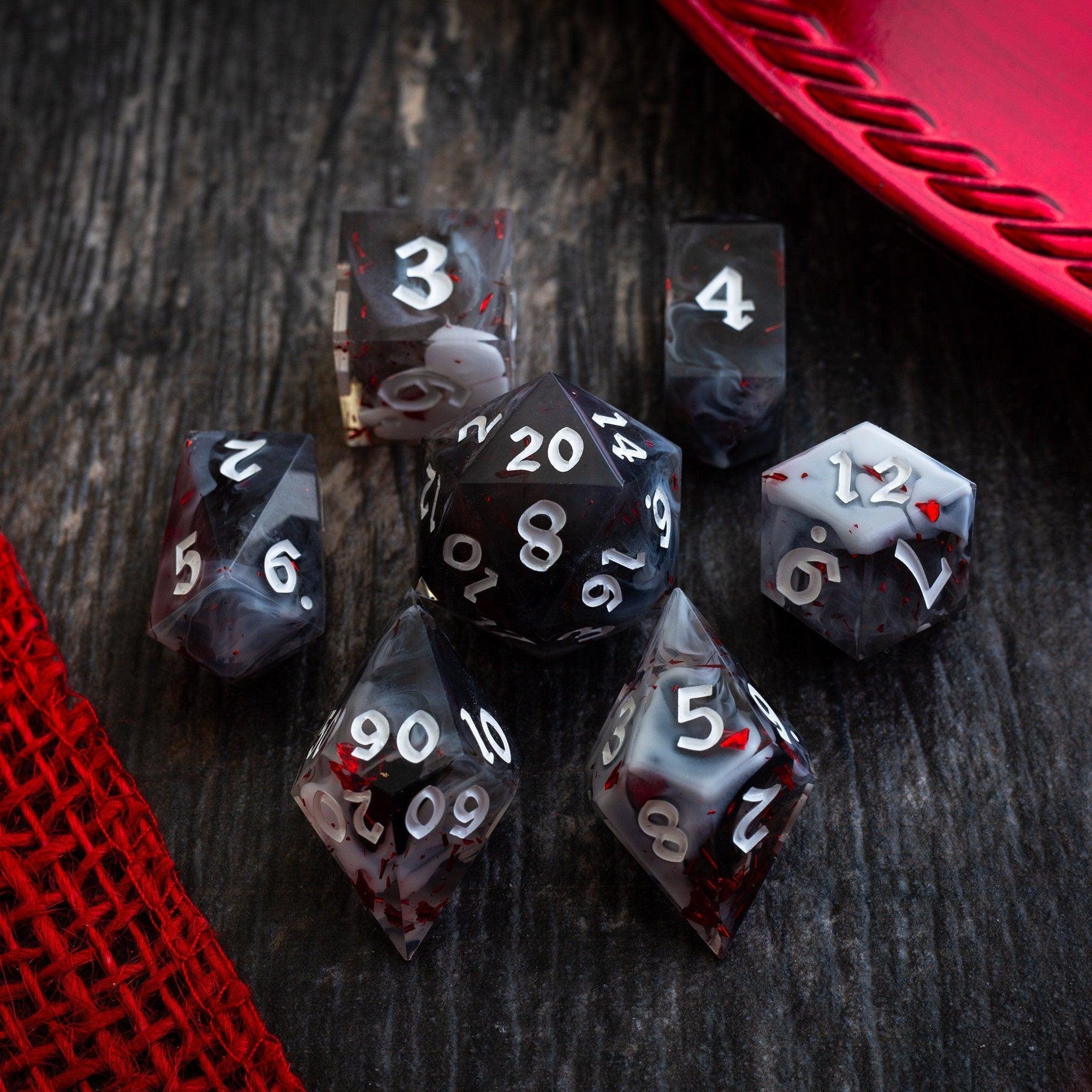
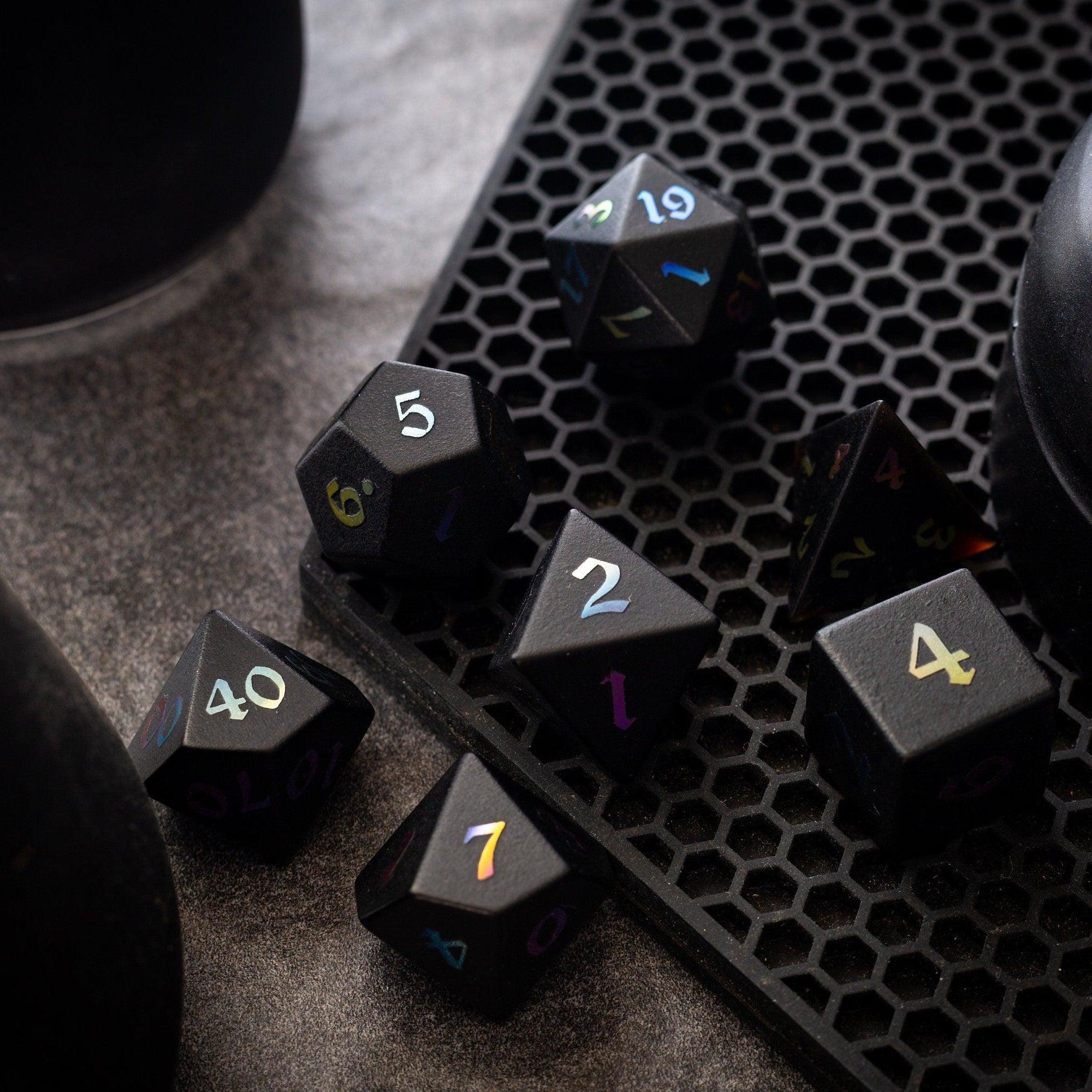
Physical organization can also help. Dice trays keep rolls away from maps and miniatures, while condition rings make ongoing effects easier to see during miniature-based encounters.
Speed should support tactical play, not remove meaningful decisions or dramatic moments.
Improvise Without Losing Consistency
Good improvisation is not random invention. It builds from the campaign tone, existing factions, established rules, NPC goals, and logical consequences.
Use a simple process:
-
Decide what makes sense.
-
Connect it to something already established.
-
Give the players one clear detail.
-
Write it down afterward if it may matter again.
When a rules question would take too long to research, make a temporary ruling if the system allows it, review the issue later, and tell the group if the ruling changes.
Different systems handle uncertainty differently, so avoid treating procedures from a D&D campaign guide as universal rules for every tabletop RPG.
Organize Campaign Information
Good campaign organization supports continuity without creating unnecessary paperwork.
Track the information most likely to matter again:
-
Character goals
-
Important NPCs
-
Locations and factions
-
Active quests
-
Unresolved clues
-
House rules
-
Major decisions
-
Rewards
-
Villain progress
A campaign binder, digital notes, NPC cards, a timeline, a spreadsheet, or a shared player document can all work.
Notes should be useful rather than exhaustive. A few accurate details that are easy to find are better than pages nobody can navigate.
Use Recaps to Maintain Momentum
A useful recap answers five questions: What happened? What did the party learn? Which problems remain active? Where are the characters now? What decision comes next?
Keep it brief.
Players can also contribute details they remember. Their answers may reveal which characters, discoveries, and decisions made the strongest impression.
Manage Long-Term Campaign Pacing
Long campaigns often lose momentum when goals become unclear.
Break the campaign into shorter arcs with clear objectives. Resolve some problems before adding new ones. Change locations, update factions, allow downtime, and show visible progress.
Every session does not need to advance the central villain. Character development, travel, recovery, and side quests can support a long-term RPG campaign when they serve a purpose.
Downtime can include research, crafting, training, relationships, faction work, recovery, or preparation. Keep it focused by asking each player what they want to accomplish.
Protect the Campaign Through Scheduling and Communication
Reliable scheduling is one of the strongest practical Game Master tips for campaign survival.
Choose a regular schedule when possible. Confirm sessions in advance, establish how many players are needed to continue, decide how absent characters are handled, and communicate cancellations early.
A shorter campaign that meets regularly may work better than an ambitious campaign that rarely reaches the table.
When table problems appear, address them early. Frequent interruptions, spotlight imbalance, rules arguments, repeated lateness, ignored boundaries, and mismatched expectations rarely improve through in-game punishment.
Discuss specific behavior and its effect on the group. If repeated harmful behavior continues after clear communication, removing a player may sometimes be necessary.
Prevent Game Master Burnout
Campaign mastery also means protecting the Game Master's energy.
Prepare less when possible. Reuse locations and NPCs. Ask players to help with scheduling or recaps. Run shorter arcs, take breaks, use published material, simplify encounters, or rotate Game Masters.
The person running the game should enjoy the campaign too. No professional performance is required.
If the campaign no longer fits the group, change it. Shorten an arc, move to a new region, adjust house rules, retire characters, take a break, or end the campaign.
Changing direction can protect the group's enjoyment.
Common Campaign Mistakes
Many campaign problems come from a few recurring habits:
-
Beginning without expectations: Use Session Zero.
-
Creating uncooperative characters: Give everyone a reason to stay with the party.
-
Planning a fixed story: Prepare situations and consequences instead.
-
Preparing too much: Focus on the next session.
-
Offering unclear choices: Give players enough information to decide.
-
Ignoring consequences: Track major decisions and let them matter.
-
Allowing one player to dominate: Share meaningful opportunities.
-
Using combat without stakes: Make conflict change the situation.
-
Letting rules debates take over: Make temporary rulings when appropriate.
-
Adding too many plots: Resolve some threads before opening more.
-
Avoiding table conversations: Address problems directly.
-
Forgetting the ending: Recognize when the campaign has reached its natural conclusion.
FAQ: Tabletop Roleplaying Game Campaigns
What is a tabletop roleplaying game campaign?
It is a connected series of sessions in which characters, events, and consequences continue over time.
How long should a campaign last?
As long as the group remains interested and the campaign still has meaningful direction. Some last a few sessions, while others continue for years.
What is the difference between a one-shot and a campaign?
A one-shot is designed to reach a conclusion quickly, usually in one session. A campaign develops across multiple connected sessions.
Do tabletop RPGs always need a Game Master?
No. Many traditional systems use one, but some tabletop roleplaying games use shared or GM-less structures.
How much should a Game Master prepare?
Prepare enough to understand the current situation, important motivations, likely challenges, and useful consequences. Avoid trying to predict every decision.
What should happen during Session Zero?
Discuss tone, character creation, scheduling, rules, boundaries, party connections, and player expectations.
How do I keep players interested in a long campaign?
Maintain clear goals, meaningful choices, varied challenges, visible consequences, and opportunities for different characters to matter.
How should I handle absent players?
Agree on a policy before absences become a problem. The group might continue without the character, allow another player to manage them, or postpone important sessions.
How can I balance combat and roleplaying?
Ask what your group enjoys and adjust over time. There is no universal ratio.
What should I do when players ignore the main quest?
Consider why. They may lack information, prefer another goal, or believe something else is more urgent. Let their decision create logical consequences.
How do I manage campaign notes?
Track only information likely to matter again and use a system you can search quickly.
How can I prevent Game Master burnout?
Reduce preparation, share responsibilities, take breaks, simplify the campaign, and remember that the Game Master is also a participant.
When should a campaign end?
Consider ending when the major conflict reaches a natural resolution, the characters complete important goals, or the group is ready for something new.
Master the Campaign by Mastering the Table
Campaign mastery does not come from controlling every event. It comes from creating a table where expectations are clear, characters have reasons to participate, players make meaningful choices, and preparation supports flexibility.
Begin with a clear concept. Use Session Zero. Create cooperative characters. Prepare situations instead of scripts. Balance different types of play according to your group. Track meaningful consequences, share the spotlight, keep notes simple, and protect everyone's time and energy.
Most importantly, recognize when the campaign should change or end.
The strongest tabletop roleplaying games are not remembered because every rule was handled perfectly or every plan worked. They are remembered because a group of people made choices together and created a story that none of them could have written alone.






Leave a comment
This site is protected by hCaptcha and the hCaptcha Privacy Policy and Terms of Service apply.