
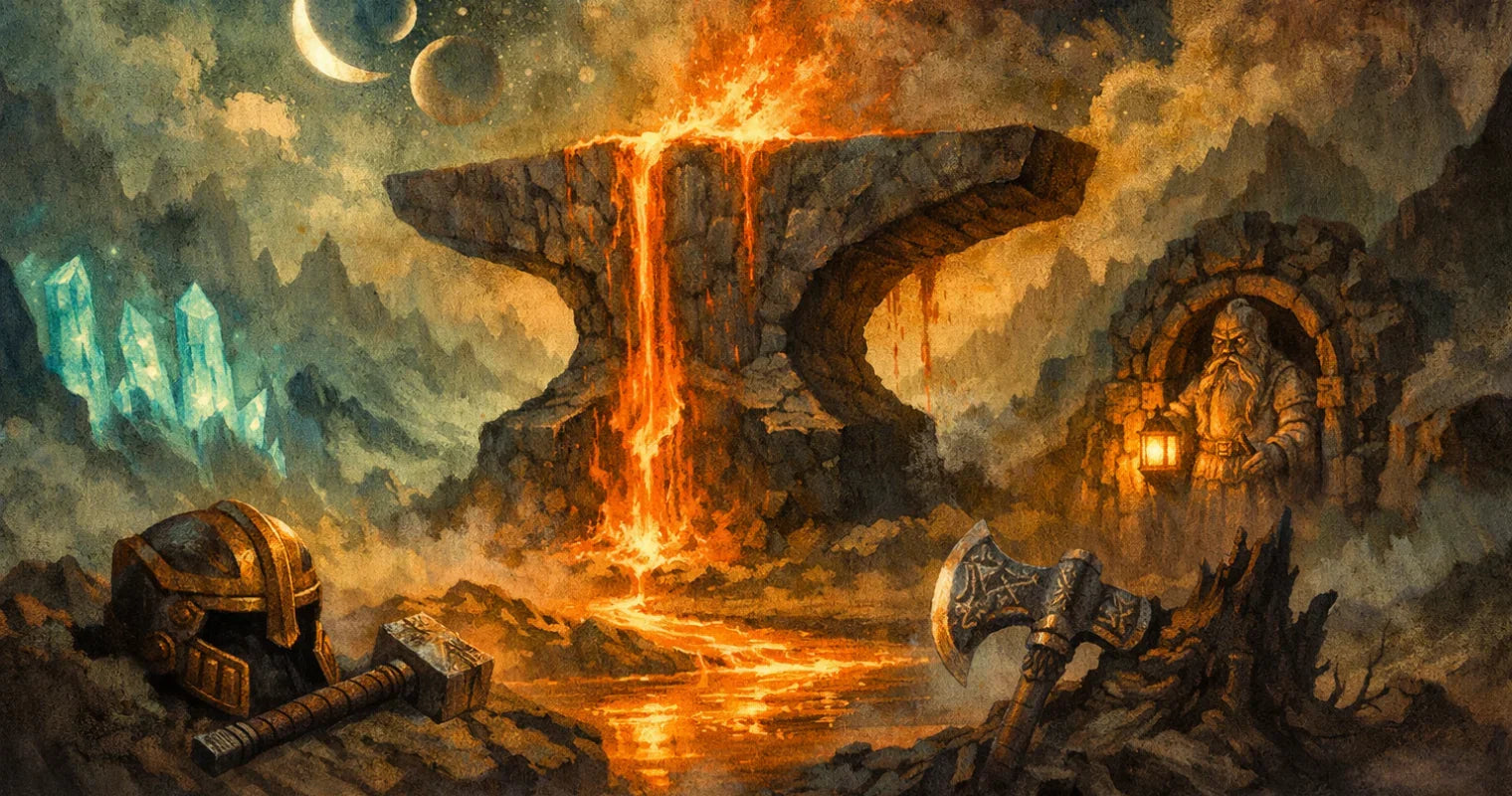
D&D Dwarf Race Guide: Traits, Subraces, and Best Builds for Beginners

If you’re looking for a character who can take a hit, hold the line, and keep swinging long after others fall back, you can’t go wrong with a Dwarf.
In Dungeons & Dragons, Dwarves are among the most dependable and beginner-friendly character options. Their natural durability, poison resistance, and ability to navigate dark environments make them useful in almost any adventuring party. Whether you want to be a frontline warrior, a resilient healer, or a powerful spellcaster, the Dwarf is a solid starting point.
This D&D Dwarf race guide covers racial traits, subraces, the best Dwarf builds, roleplaying ideas, and beginner tips for both versions of fifth edition. As of 2026, D&D Beyond officially labels the original 2014 rules as 5e and the revised 2024 rules as 5.5e.
What Is a Dwarf in D&D 5e?
Dwarves are an ancient people traditionally associated with craftsmanship, resilience, mining, and a deep connection to stone and metal. Many Dwarven communities live in mountain strongholds and underground cities filled with forges, grand halls, and centuries of history.
Dwarves typically stand between 4 and 5 feet tall, are classified as Medium creatures, and have an average lifespan of around 350 years.
In gameplay terms, Dwarves are:
- Durable characters who benefit from defensive traits.
- Naturally suited to frontline combat and dungeon exploration.
- Flexible enough to play martial classes and spellcasters.
- Beginner-friendly without requiring complicated racial abilities.
Although Dwarves are commonly portrayed as warriors and blacksmiths, their abilities support many different character concepts.
Core Dwarf Traits Explained
The D&D Dwarf race received several significant changes in the revised Player’s Handbook. Before creating your character, confirm which rules your Dungeon Master is using.
Ability Score Improvements
- 2014 Rules: Dwarves receive +2 Constitution, with additional bonuses determined by their subrace.
- 2024 Rules: Ability score improvements come from your character’s background instead of your species.
Constitution remains valuable because it affects your hit points and helps spellcasters maintain concentration. Under the revised rules, Dwarves can prioritize whichever ability scores best suit their class.
Darkvision
- 2014 Rules: 60-foot Darkvision.
- 2024 Rules: 120-foot Darkvision.
Darkvision allows you to navigate ordinary darkness, although you cannot distinguish colors in darkness. You can still have difficulty spotting hidden objects and traps, so carrying a torch remains useful.
Dwarven Resilience
- Resistance to poison damage in both versions.
- Advantage on saving throws against poison under the 2014 rules.
- Advantage on saving throws to prevent or remove the Poisoned condition under the 2024 rules.
This trait is particularly useful when fighting venomous creatures or exploring dangerous ruins. For example, if an attack deals 12 poison damage, your resistance reduces that damage to 6.
Dwarven Combat Training
Under the 2014 rules, Dwarves receive proficiency with the following weapons:
- Battleaxe
- Handaxe
- Light hammer
- Warhammer
They also gain proficiency with smith’s tools, brewer’s supplies, or mason’s tools. These automatic proficiencies are not included in the revised Dwarf species.
Dwarven Toughness
Previously exclusive to Hill Dwarves, Dwarven Toughness is now available to all Dwarves using the revised rules. It increases your maximum hit points by one for every character level, including level 1.
A level 10 Dwarf receives 10 additional hit points from this feature alone, making it useful regardless of class.
Stonecunning
- 2014 Rules: Add twice your proficiency bonus to Intelligence (History) checks concerning the origins of stonework.
- 2024 Rules: Activate 60-foot Tremorsense as a bonus action for 10 minutes while maintaining contact with a stone surface.
The revised ability can be used a number of times equal to your proficiency bonus per long rest. It helps locate creatures sharing the same surface, even when they are hidden from view. However, Tremorsense is not actual sight and cannot detect airborne creatures.
Armor and Speed
- 2014 Rules: Dwarves have a walking speed of 25 feet and ignore movement reductions caused by wearing heavy armor.
- 2024 Rules: Dwarves have a speed of 30 feet but no longer receive the special heavy armor movement benefit.
Under either ruleset, you still need the appropriate armor proficiency or training to wear armor effectively.
Dwarf Subraces Explained
The original D&D 5e rules feature two main Dwarf subraces: Hill Dwarf and Mountain Dwarf. The revised core rules combine these into a single Dwarf species, although both cultural identities remain part of D&D lore.
Hill Dwarf
Key Features (2014 Rules):
- +1 Wisdom in addition to the standard Constitution bonus.
- Dwarven Toughness grants one additional hit point per level.
Best for:
- Clerics
- Druids
- Support characters
- Defensive builds
Hill Dwarves are particularly suitable for Wisdom-based spellcasters who benefit from extra survivability.
Mountain Dwarf
Key Features (2014 Rules):
- +2 Strength in addition to the standard Constitution bonus.
- Proficiency with light and medium armor.
Best for:
- Fighters
- Paladins
- Barbarians
- Spellcasters without access to medium armor.
Mountain Dwarves work well for Strength-based characters, although their armor proficiency can be especially valuable for classes that lack it.
Duergar (Gray Dwarf)
Duergar are another playable Dwarf option found in supplemental books, including Mordenkainen Presents: Monsters of the Multiverse. Their magical abilities include access to Enlarge/Reduce and Invisibility at specific levels. Ask your Dungeon Master whether this option is available in your campaign.
Best Dwarf Builds for Beginners
The best Dwarf builds take advantage of their natural durability while prioritizing the ability scores and equipment required by their class.
| Build | Best Class | Why It Works |
|---|---|---|
| The Iron Wall | Fighter | Excellent armor options, reliable attacks, and defensive abilities. |
| The Stone Priest | Cleric | Extra survivability combined with healing and divine magic. |
| The Oathbound Guardian | Paladin | Strong defenses, healing, and powerful melee attacks. |
| The Unbreakable Berserker | Barbarian | High hit points and Rage-related damage resistance. |
| The Stalwart Scout | Ranger | Useful exploration abilities and flexible combat options. |
Fighter (Beginner Favorite)
Fighters offer straightforward combat mechanics, excellent equipment options, and self-healing through Second Wind. Choose Strength and Constitution for a traditional armored warrior.
Cleric (Especially Hill Dwarf)
Prioritize Wisdom and Constitution. Extra durability helps you survive dangerous encounters while healing allies, maintaining concentration, and casting offensive spells.
Paladin
Focus on Strength, Charisma, and Constitution. Paladins combine melee attacks, protective abilities, and healing, making them dependable frontline characters.
Barbarian
Strength and Constitution are essential. Dwarven Toughness complements the Barbarian’s large health pool, while poison resistance covers a damage type that standard Rage does not resist.
Ranger
Prioritize Dexterity and Wisdom for a ranged build. Darkvision and additional durability are useful during wilderness exploration and underground adventures.
Beginner-Friendly Dwarf Fighter Build (2026)
- Species: Dwarf (2024 rules)
- Class: Fighter
- Background: Soldier
- Primary Ability Scores: Strength and Constitution
- Equipment: Chain mail, warhammer, and shield
- Fighting Style: Defense
- Subclass: Champion at level 3
With Constitution 16, this Fighter starts with 14 hit points. Chain mail, a shield, and the Defense Fighting Style provide an Armor Class of 19 when properly equipped.
Dwarf Playstyle: What It Feels Like
Playing a D&D Dwarf often means being the character your party can depend on during difficult encounters. Extra durability and poison resistance give you more room to learn combat mechanics without being knocked unconscious as easily.
However, being durable does not mean you must fight on the front line. Dwarf Wizards, Rogues, and other ranged characters can benefit just as much from their defensive traits.
Roleplaying a Dwarf
Dwarves have a recognizable identity in fantasy settings, but your character does not have to follow every traditional Dwarven stereotype.
Here are a few roleplaying ideas:
- A gruff warrior loyal to their clan above all else.
- A master blacksmith seeking rare materials.
- A stoic guardian protecting ancient ruins.
- A wandering adventurer who loves ale and good stories.
- A scholar determined to uncover the history of a forgotten kingdom.
Honor, craftsmanship, loyalty, and tradition are common themes in Dwarven cultures. Consider whether your character embraces those values, questions them, or has abandoned them entirely.
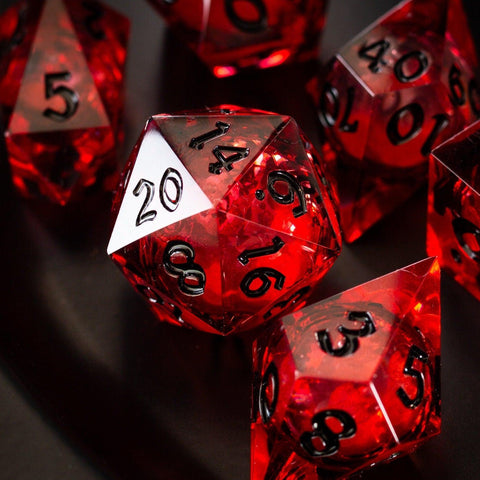
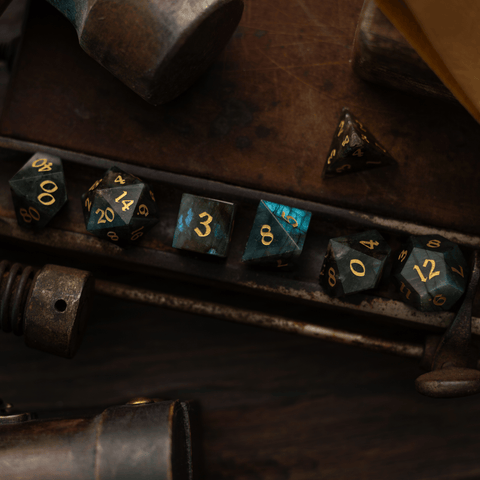
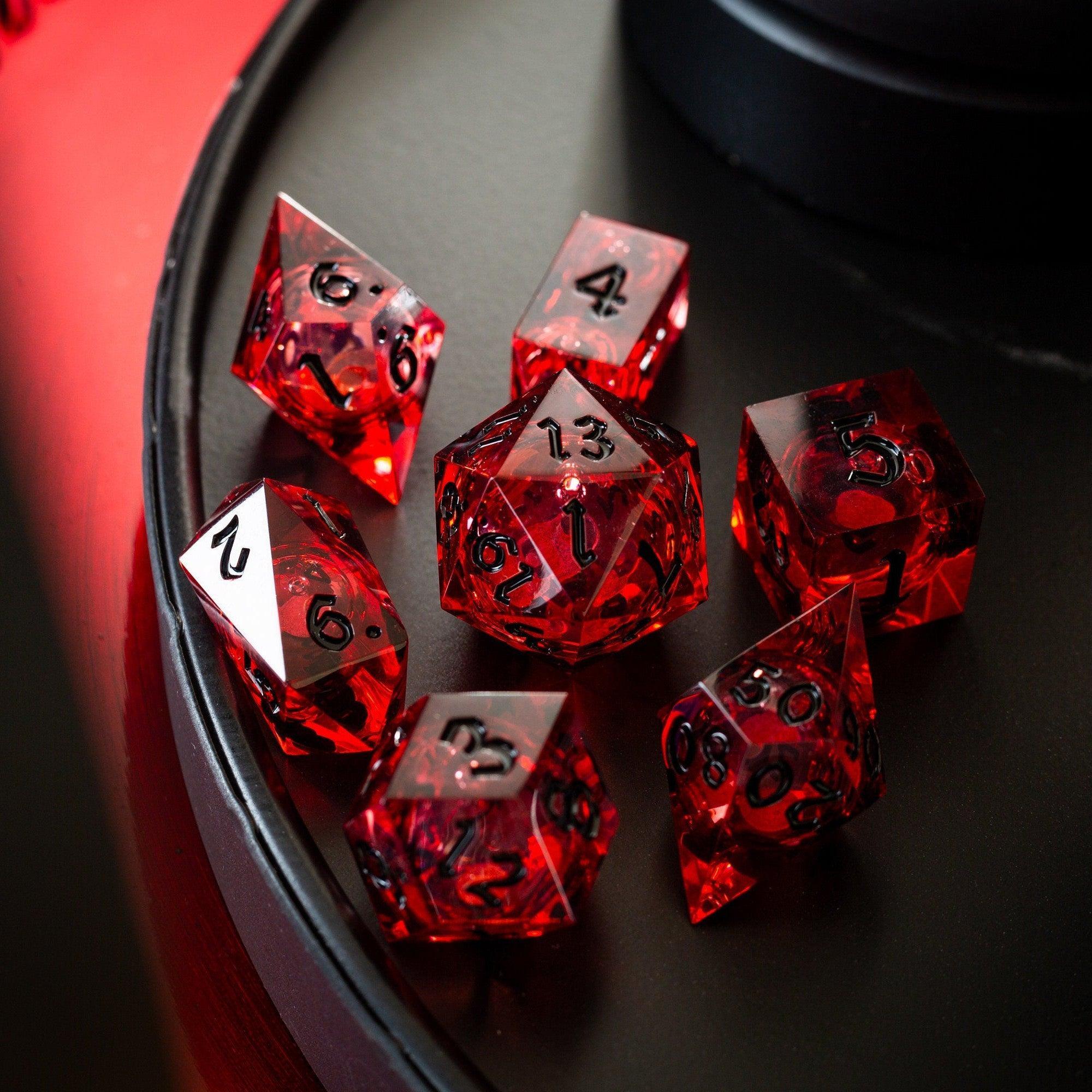
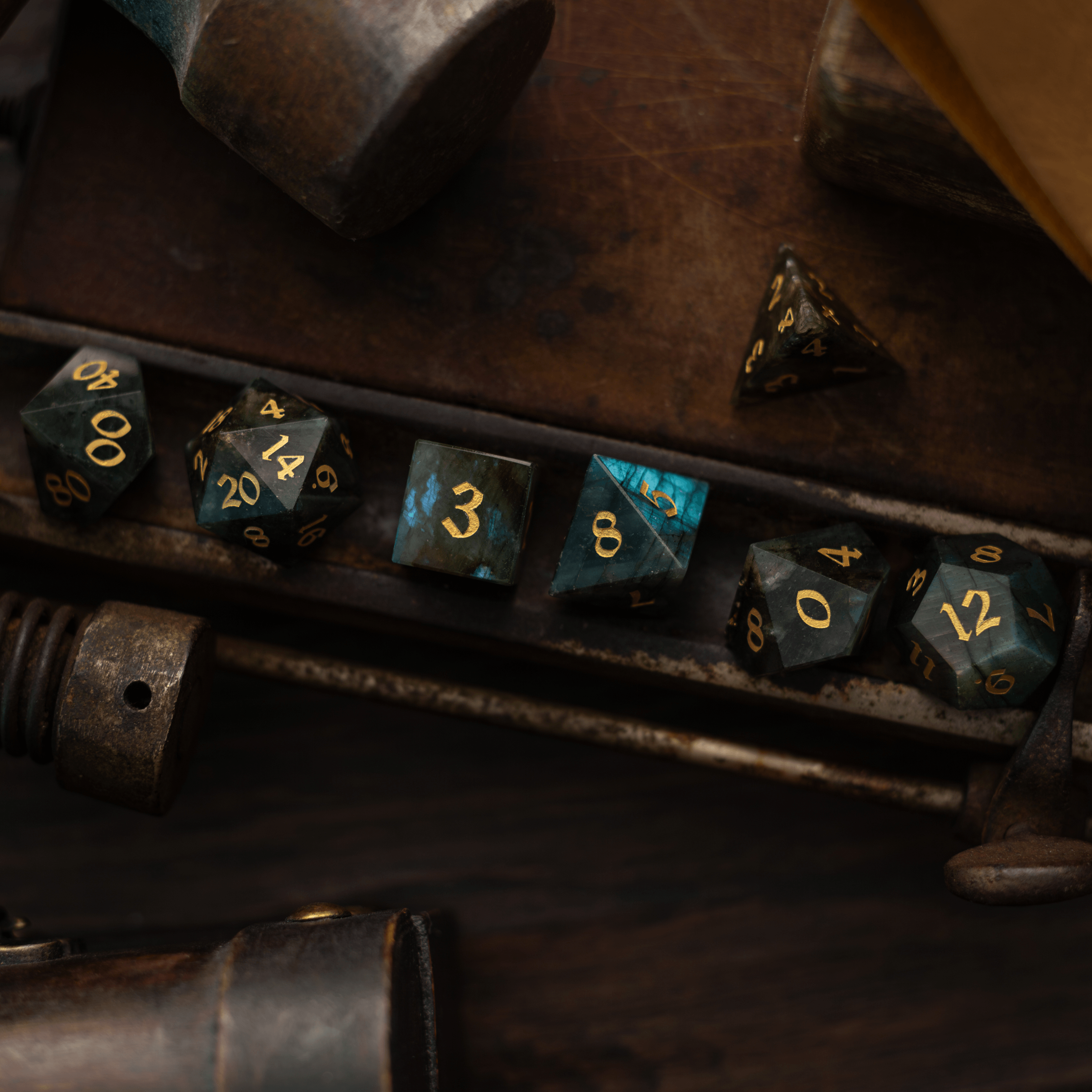
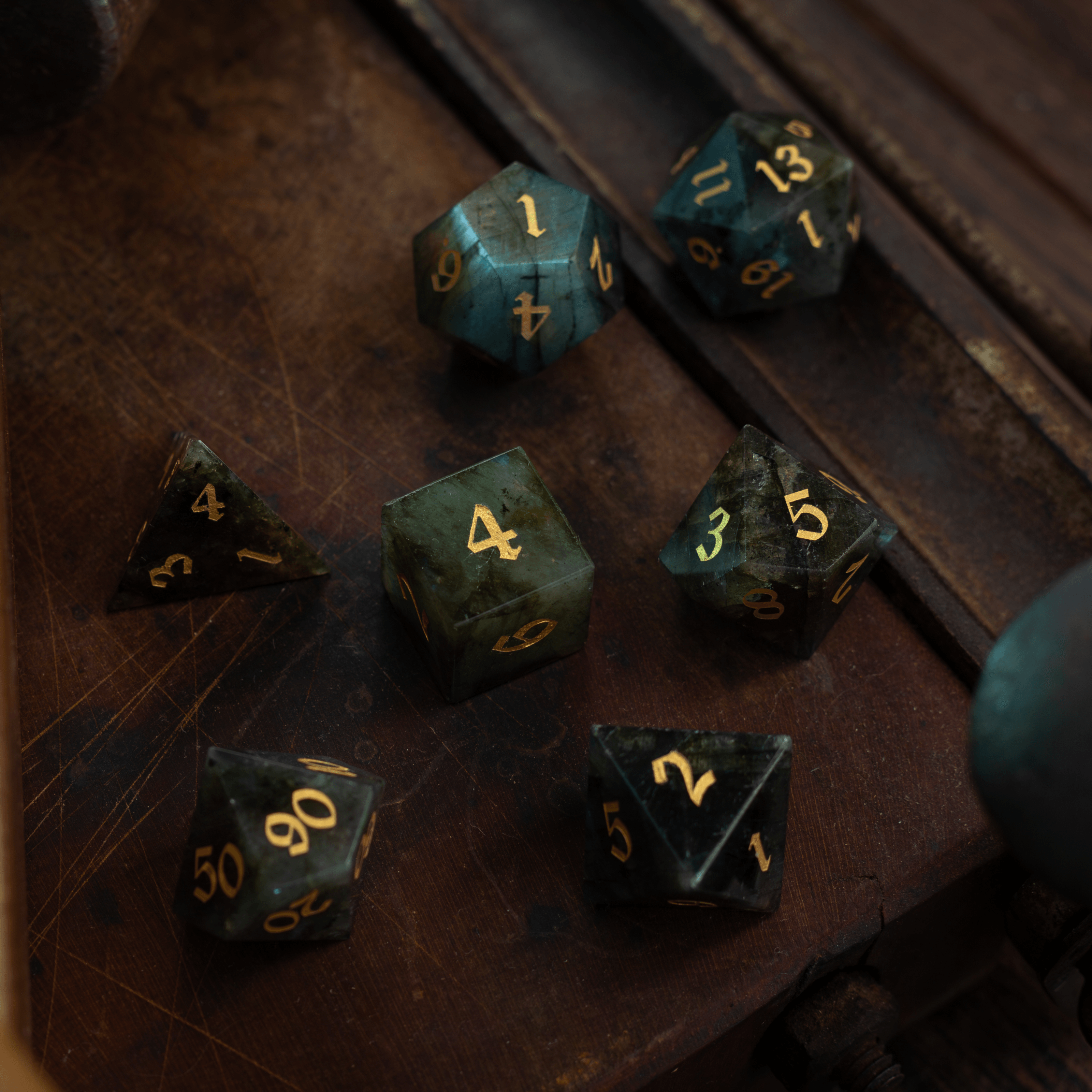
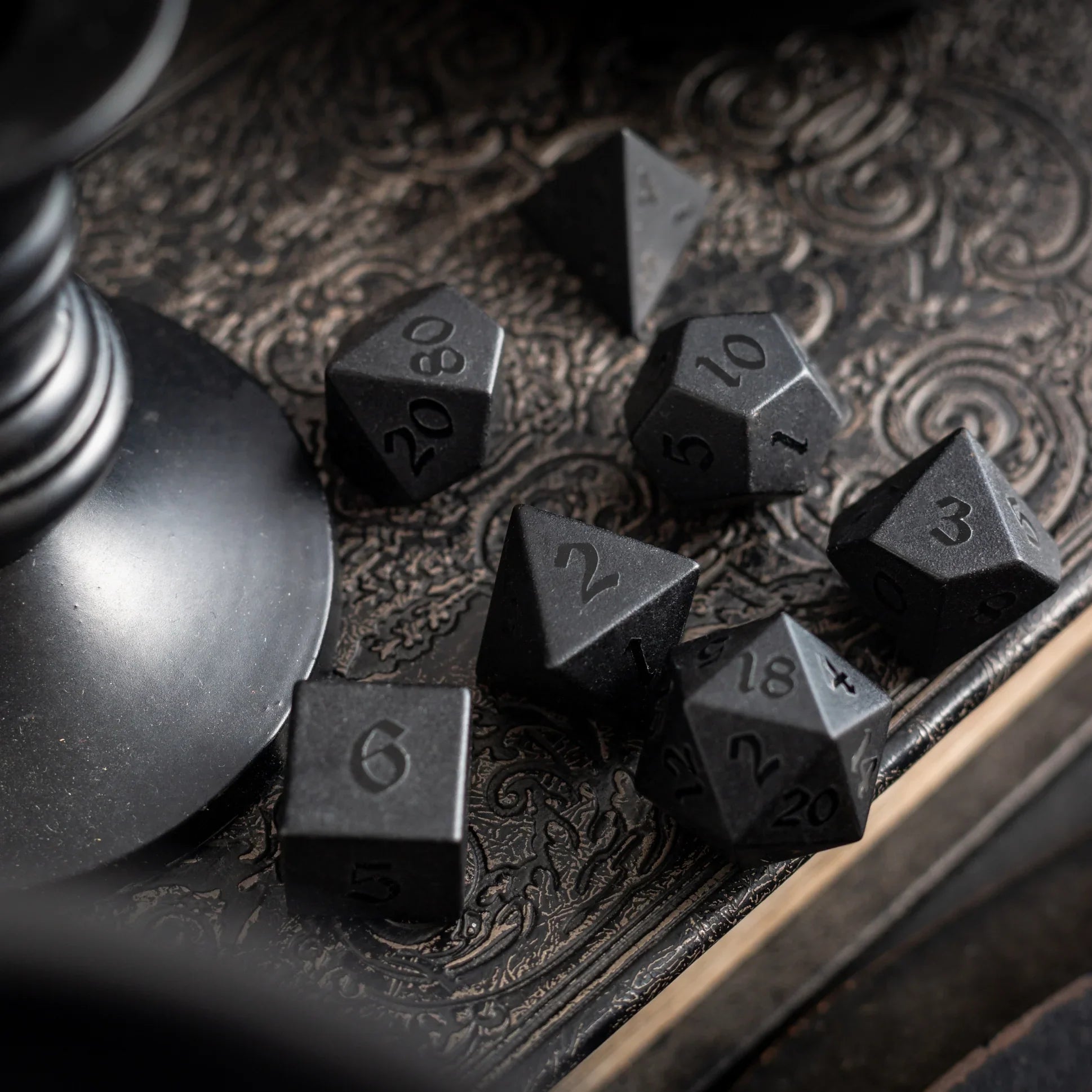
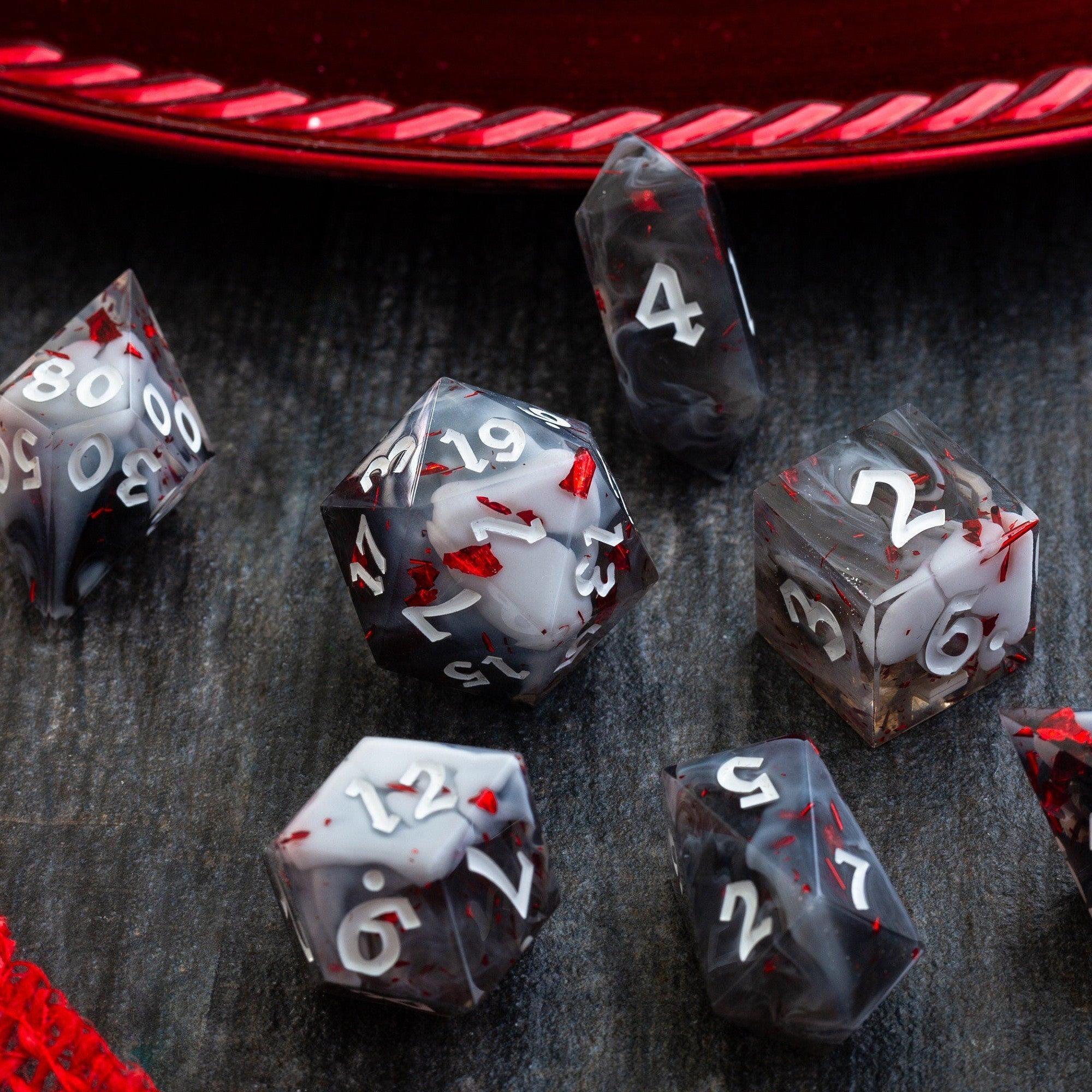
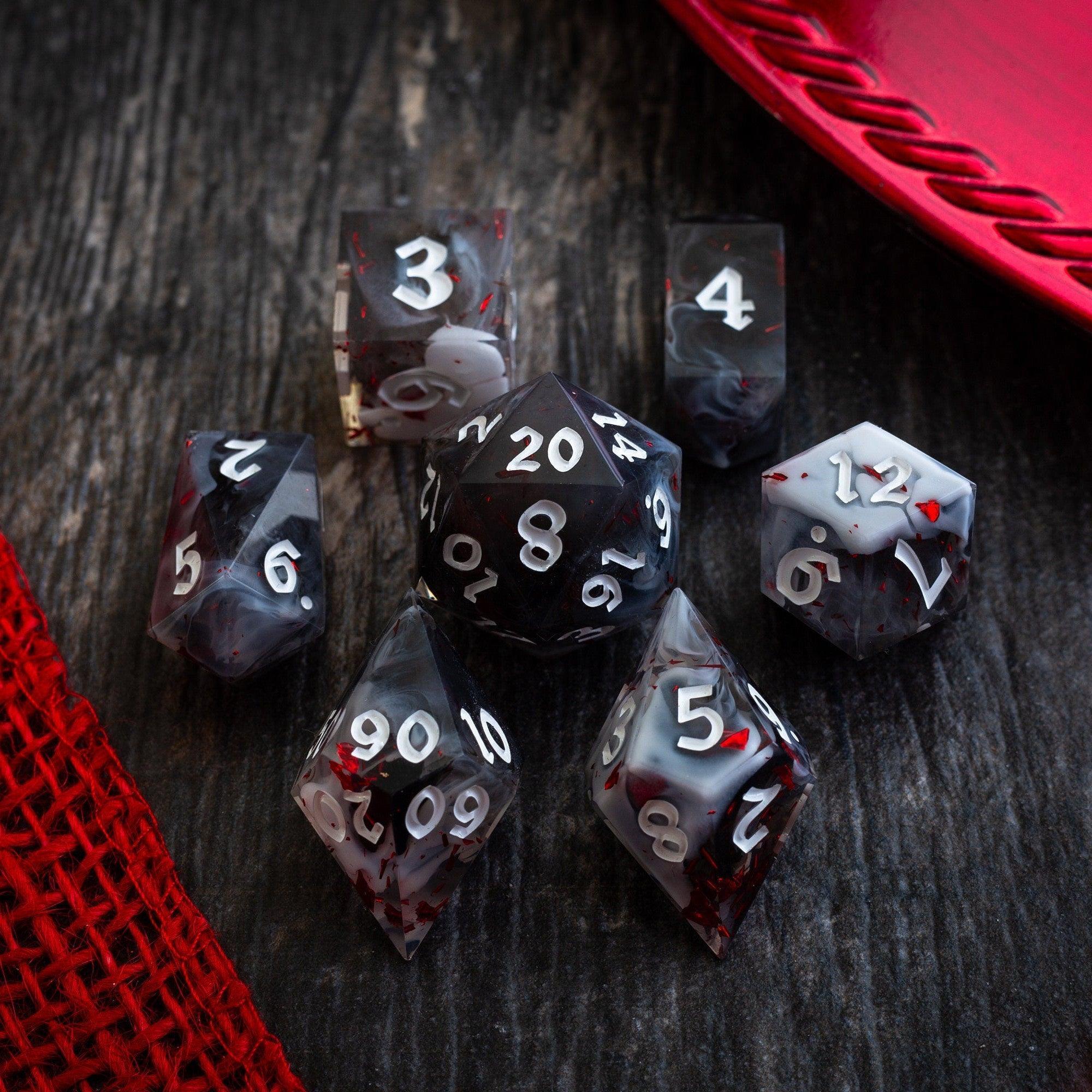
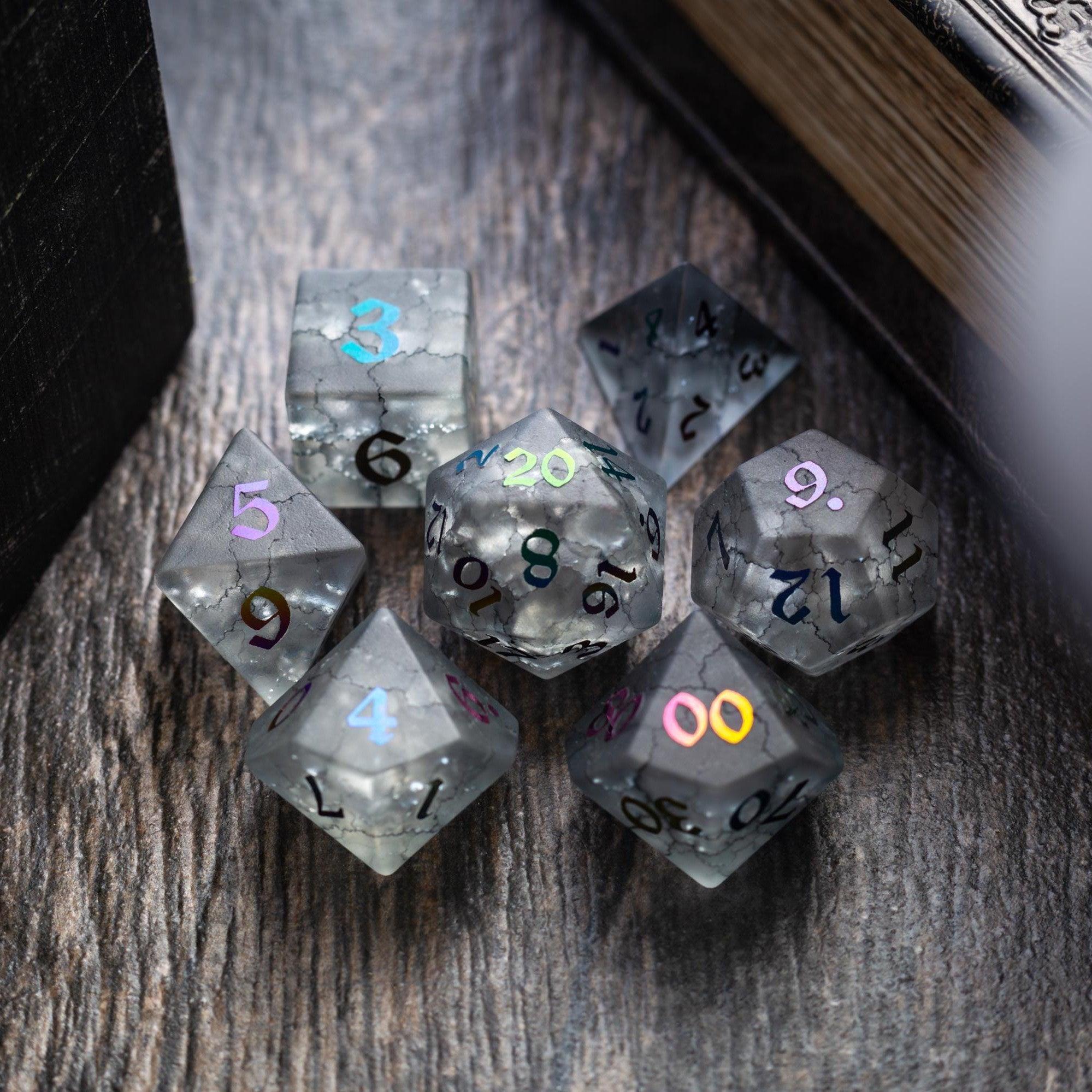
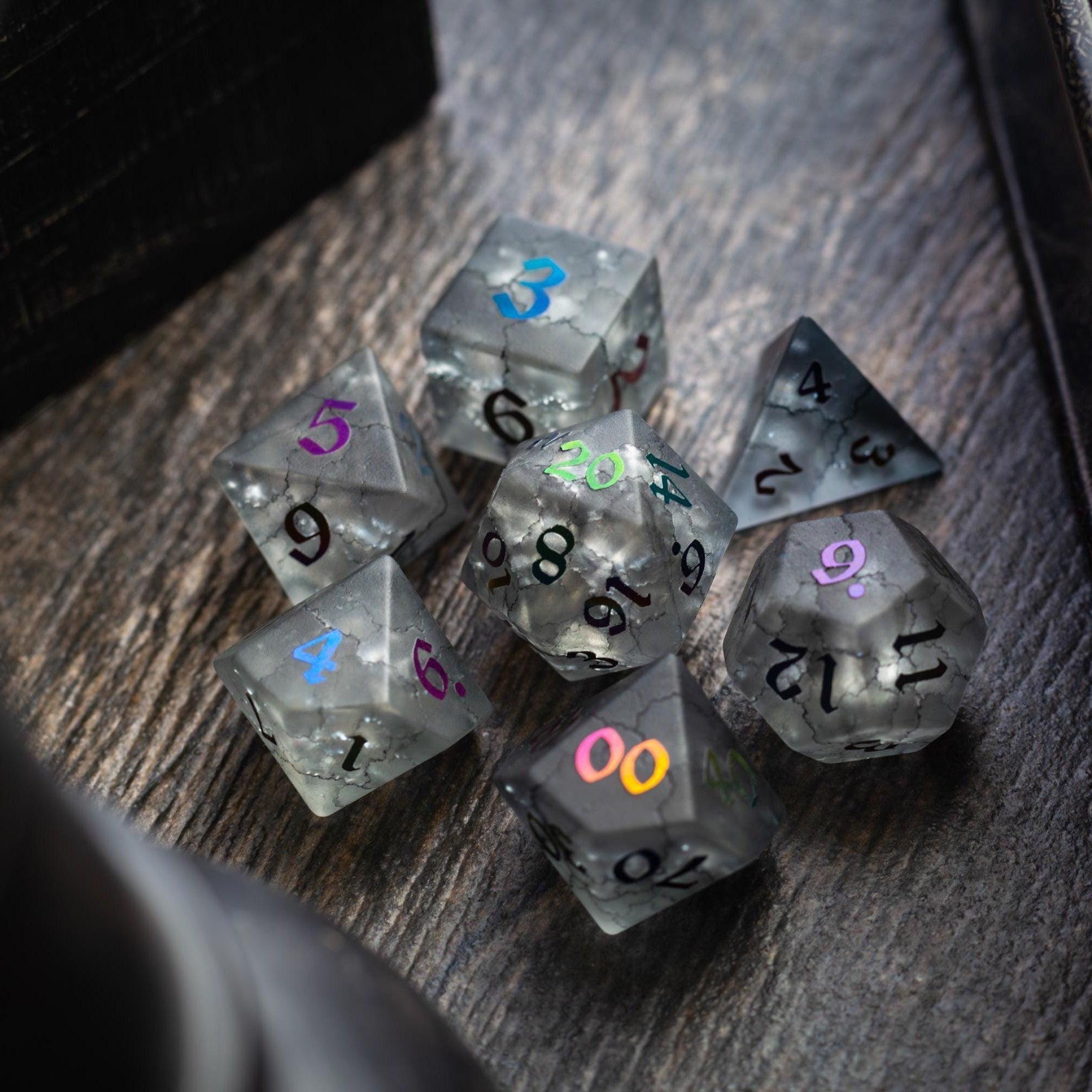
Dice Recommendations for Dwarf Characters
When you’re playing a Dwarf, your gear should feel just as solid as your character.
A few dice styles that match the Dwarf theme:
- Metal dice
- Heavy, weighty, and satisfying
- Feels like something forged in a mountain smithy
- Earth-tone gemstone dice
- Colors like granite, jade, or obsidian
- Reflect the deep stone halls of Dwarven cities
- Dark iron or steel-colored dice
- Clean, rugged aesthetic
- Perfect for a no-nonsense warrior
- Gold-accented sets
- A nod to Dwarven craftsmanship and treasure
Think of your dice as part of your character’s story. Something they might carry in their pack, forged or found along the way.
Beginner Tips for Playing a Dwarf
- Confirm your ruleset: Do not combine legacy racial traits with revised species traits.
- Use your defensive abilities: Remember to apply poison resistance when appropriate.
- Remember Stonecunning: Use it when investigating stonework or detecting nearby threats, depending on your ruleset.
- Choose suitable equipment: Match your weapons and armor to your class.
- Protect your allies: Position yourself carefully rather than rushing into every fight.
Frequently Asked Questions About Dwarves in D&D
Are Dwarves good for beginners?
Yes. Their defensive traits are relatively easy to understand and useful throughout a campaign.
What is the best class for a Dwarf?
Fighters and Clerics are excellent starting choices, although revised Dwarves can perform well with any class.
Are Hill Dwarves and Mountain Dwarves still available in 2026?
Yes, through the original 2014 rules. The revised core rules use a unified Dwarf species without separate Hill and Mountain Dwarf mechanical options.
Are Dwarves immune to poison?
No. Dwarves have poison damage resistance and certain saving throw advantages, not immunity.
Is the Dwarf the Right Choice for Your D&D Character?
Dwarves remain a dependable choice for anyone exploring D&D races and species in 2026. Their durability, useful exploration abilities, and flexible character builds make them suitable for beginners and experienced players alike.
Whether you’re holding the line as a Fighter, calling on divine power as a Cleric, or charging into battle as a Barbarian, a Dwarf gives you a strong foundation for your next adventure.









Leave a comment
This site is protected by hCaptcha and the hCaptcha Privacy Policy and Terms of Service apply.