Dungeon Master Workbook Guide: Essential Planning Tools for Better D&D Campaigns

Running a Dungeons & Dragons campaign is one of the most rewarding parts of the hobby, but it can also get messy fast. One session, your players meet a suspicious innkeeper. Three sessions later, they decide that same innkeeper is their favorite NPC and want to know his life story, business rival, and opinion on dragons.
That is where a good dungeon master workbook saves the day.
A well-built dnd dungeon master workbook gives you one reliable place for your campaign ideas, session notes, NPC details, quest threads, maps, encounters, treasure, and loose story hooks. It does not need to be fancy. It just needs to help you find the right information quickly when the table is staring at you, waiting to see what happens next.
This guide will walk through the essential sections, tools, and habits that make a dm campaign planner useful for both new and experienced Dungeon Masters.
What Is a Dungeon Master Workbook?
A Dungeon Master workbook is a campaign organization system. It can be a physical notebook, a binder full of printable pages, a digital document, a tablet planner, or a mix of all four.
The format matters less than the purpose. Your workbook should keep your dnd campaign notes organized so you are not digging through random scraps of paper, old messages, or half-finished documents during a session.
A strong workbook helps you:
-
Prep sessions faster
-
Track NPCs and locations
-
Remember player choices
-
Manage quests and story arcs
-
Build encounters without starting from scratch
-
Keep long campaigns consistent
Think of it as your personal dungeon master guide for your own campaign world.
Essential Sections Every DM Workbook Needs
Every Dungeon Master has a different style, but most campaigns benefit from a few core sections.
Campaign Overview
This is your big-picture page. Keep it short and useful.
Include:
-
Campaign title
-
Main theme
-
Starting location
-
Major factions
-
Central conflict
-
Tone of the adventure
-
Player character goals
This page reminds you what the campaign is really about when side quests, jokes, and surprise decisions start pulling the story in new directions.
Session Summaries
After each game, write a quick recap. Do not try to record every line of dialogue. Focus on what changed.
Track:
-
Important choices
-
New NPCs introduced
-
Combat outcomes
-
Treasure found
-
Clues discovered
-
Loose ends
-
Player theories
Good session summaries are one of the best dm prep tools because they help you start the next session with confidence.
NPC Database
NPCs are often what players remember most. Your workbook should give them a home.
For each recurring NPC, note:
-
Name
-
Role
-
Location
-
Personality
-
Goal
-
Secret
-
Relationship to the party
-
Last appearance
This keeps your world feeling alive instead of improvised in a way you cannot repeat later.
Quest Tracker
A quest tracker helps with campaign management, especially once players are juggling multiple leads.
Separate quests into:
-
Active quests
-
Completed quests
-
Failed quests
-
Rumored quests
-
Personal character goals
This also helps you bring back old threads at the perfect moment.
Location Notes
Every important town, dungeon, tavern, temple, ruin, or faction base should have a simple page.
Include:
-
Description
-
Key NPCs
-
Secrets
-
Shops or services
-
Dangers
-
Current problems
-
Player impact
A dedicated location page makes travel and return visits much easier to run.
Encounter Planning
Combat prep does not need to be complicated, but it should be clear.
Track:
-
Monsters or enemies
-
Terrain features
-
Starting positions
-
Enemy goals
-
Rewards
-
Possible complications
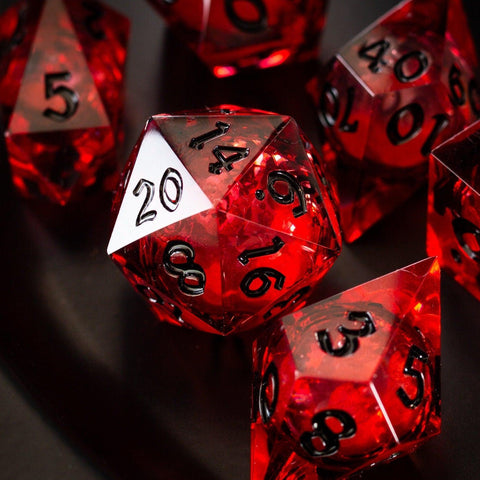
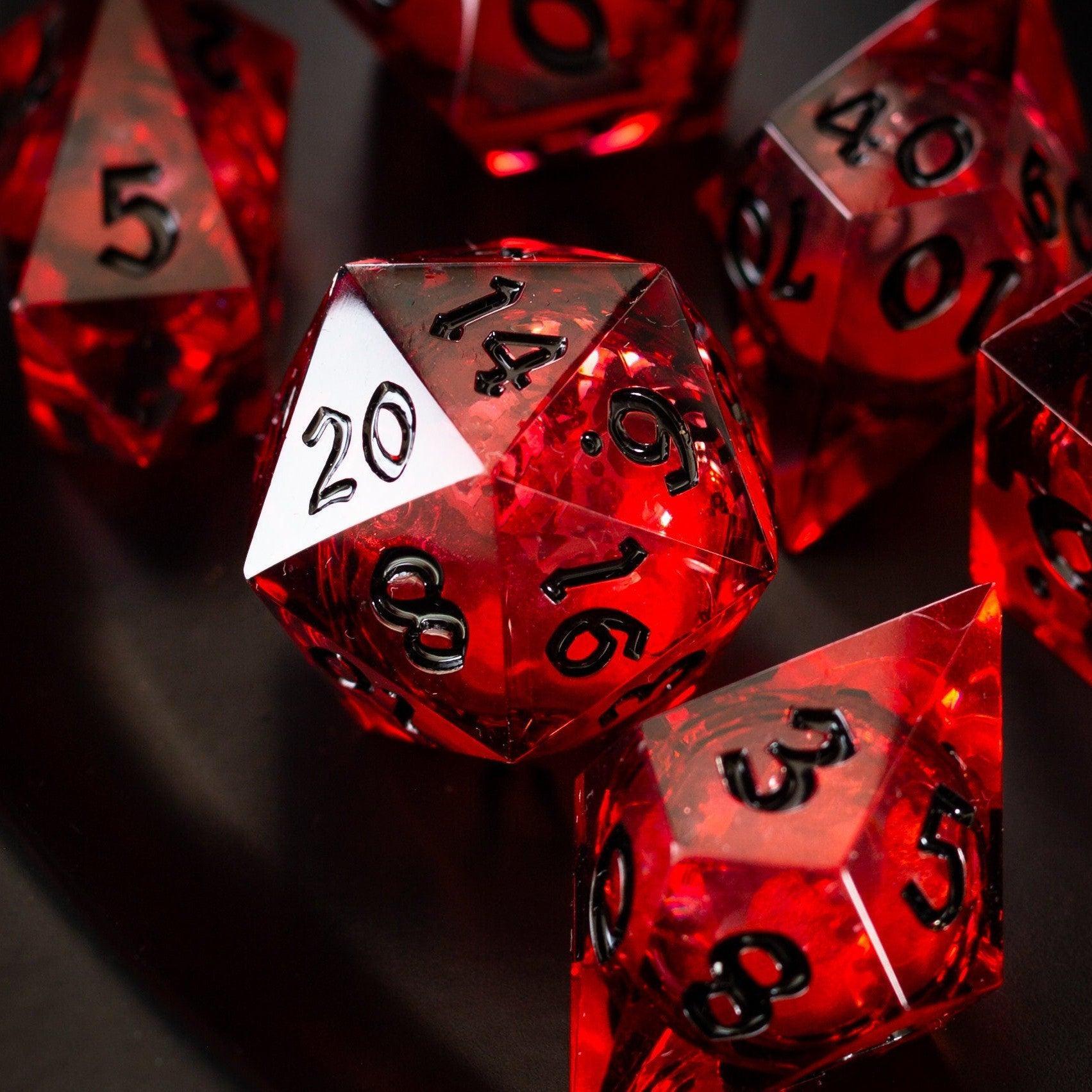
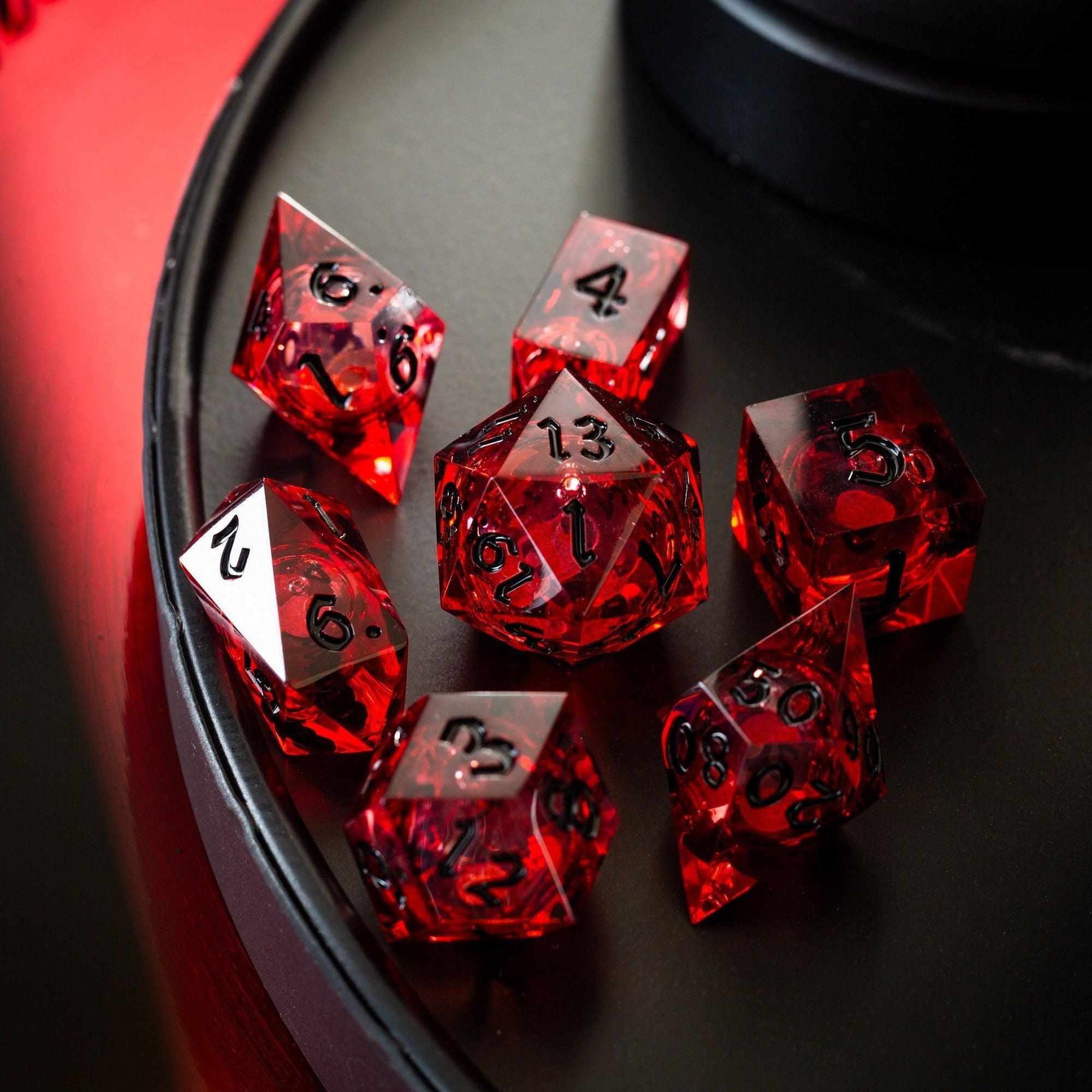
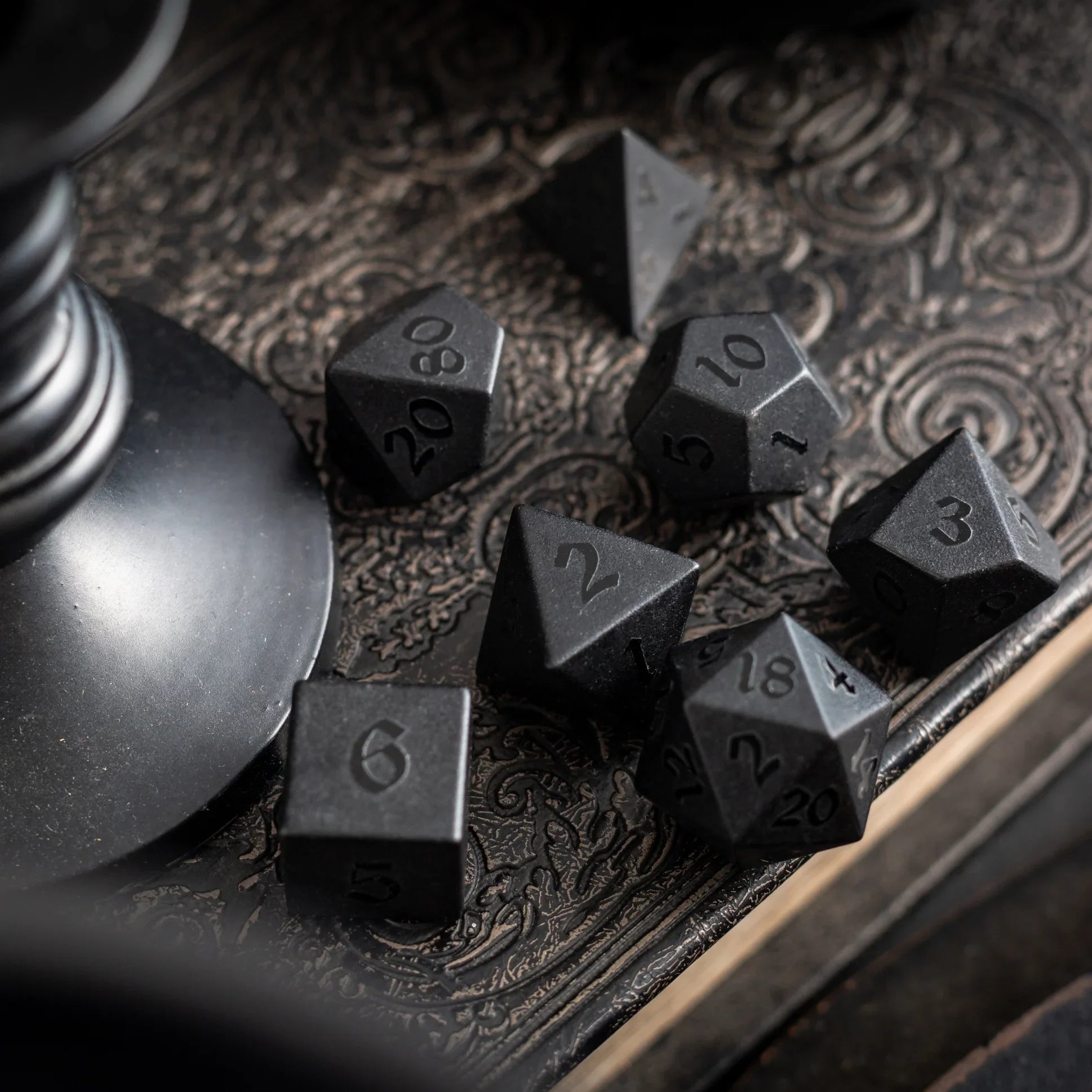
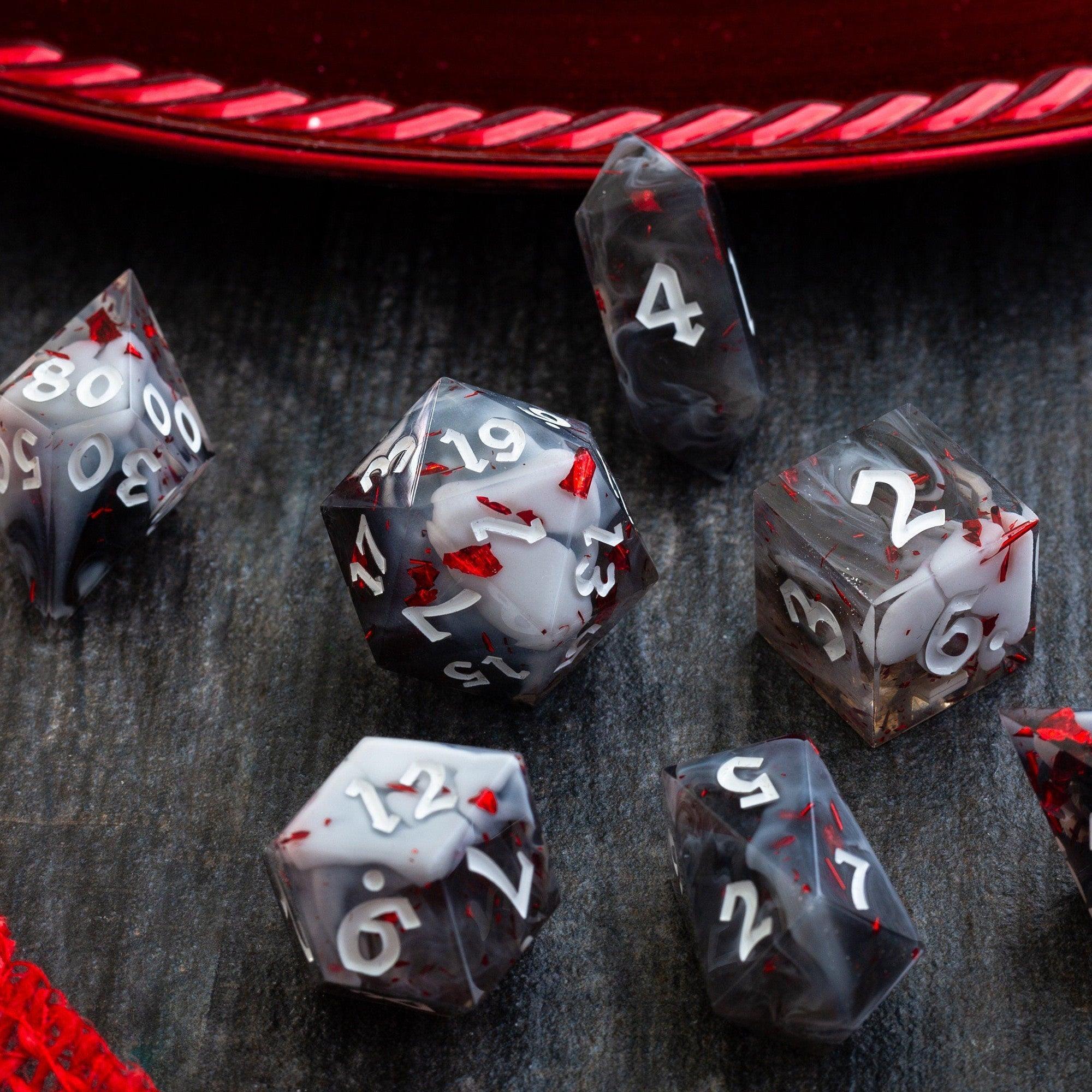
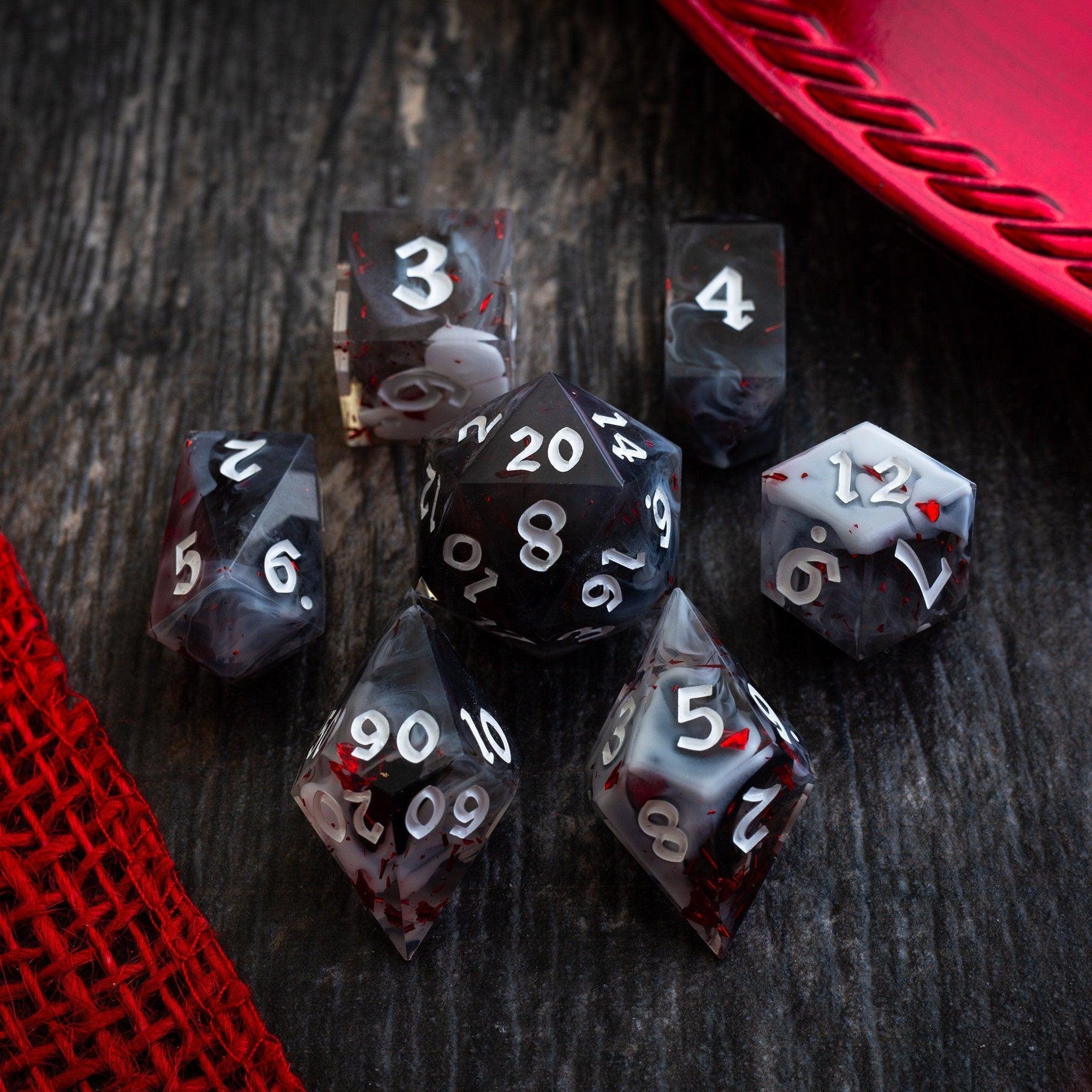
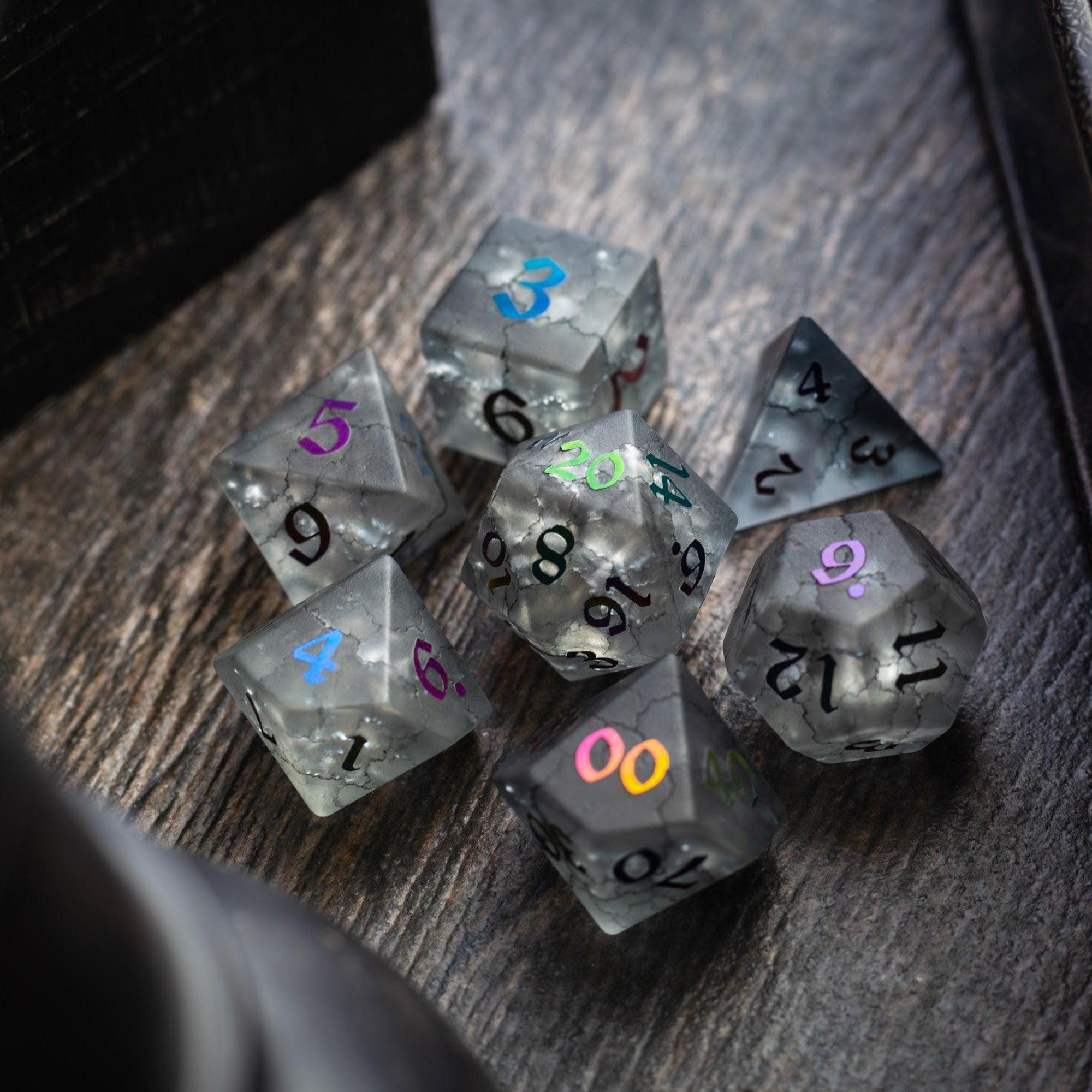
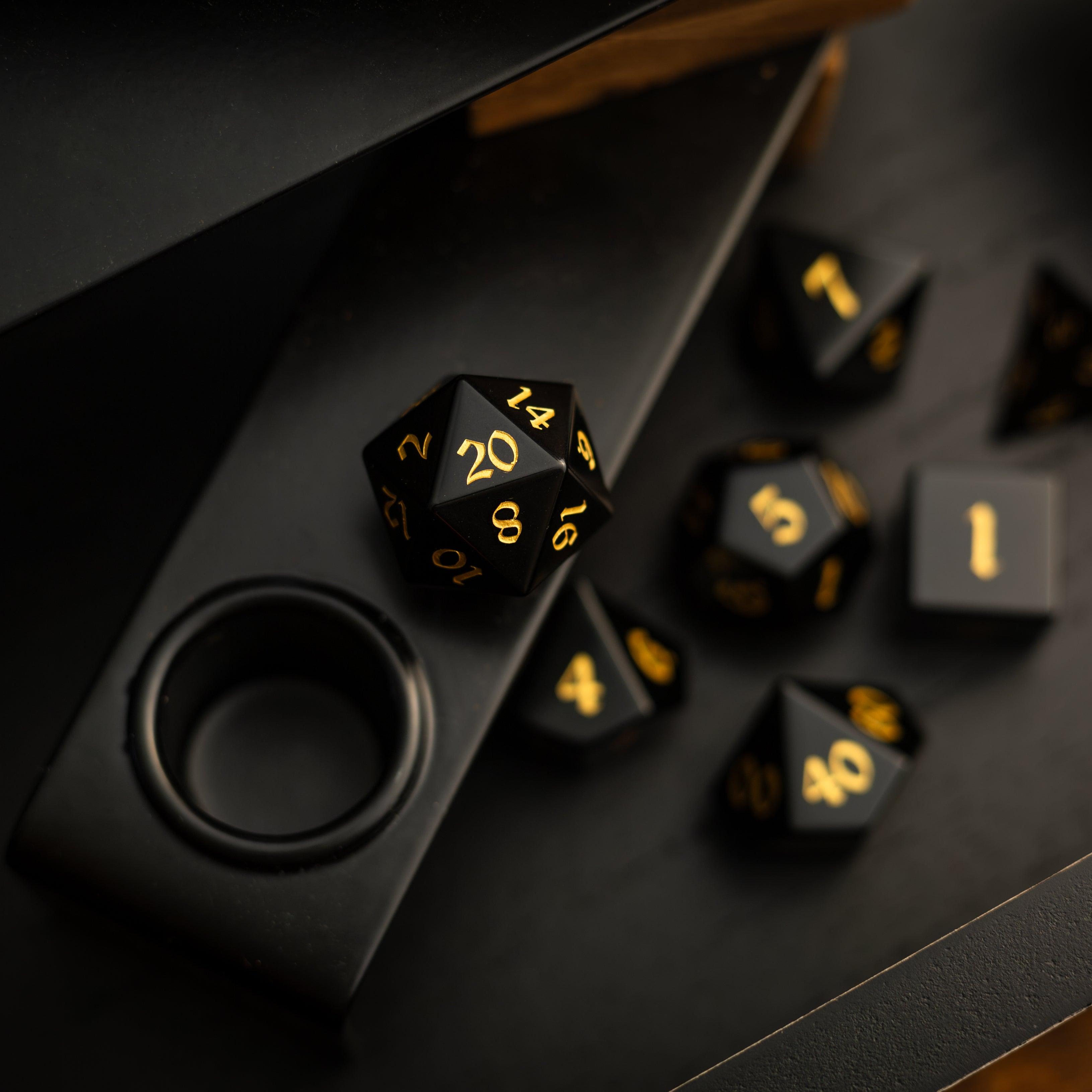
For dramatic encounters, you can even assign a special dice set to the moment. A liquid core dice set reserved for boss battles can make those big rolls feel extra memorable. A resin chonk die can be perfect for one huge critical moment, like a dragon’s breath recharge or a villain’s final saving throw.
Treasure Tracking
Players remember treasure. You should too.
Track:
-
Gold and gems
-
Magic items
-
Clues hidden in loot
-
Items promised but not yet found
-
Rewards from factions
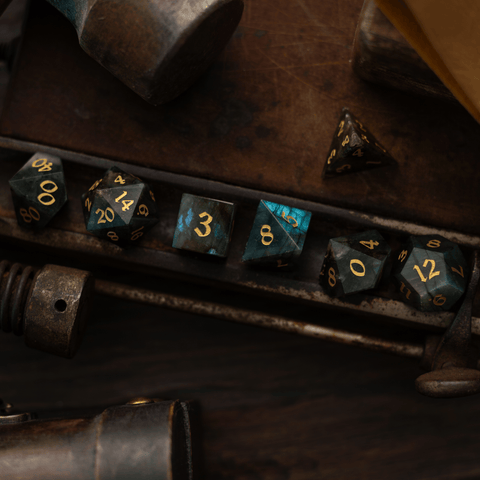
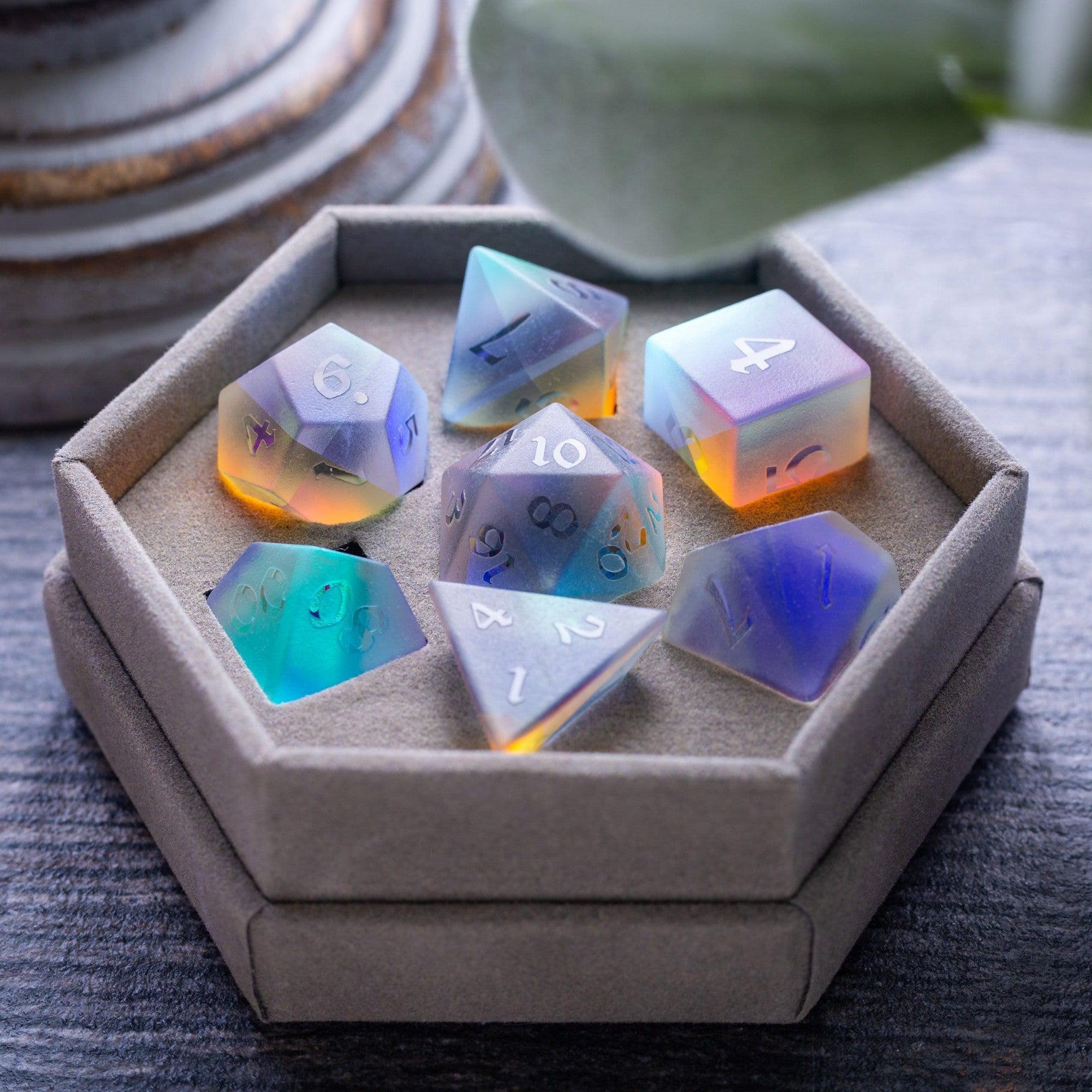
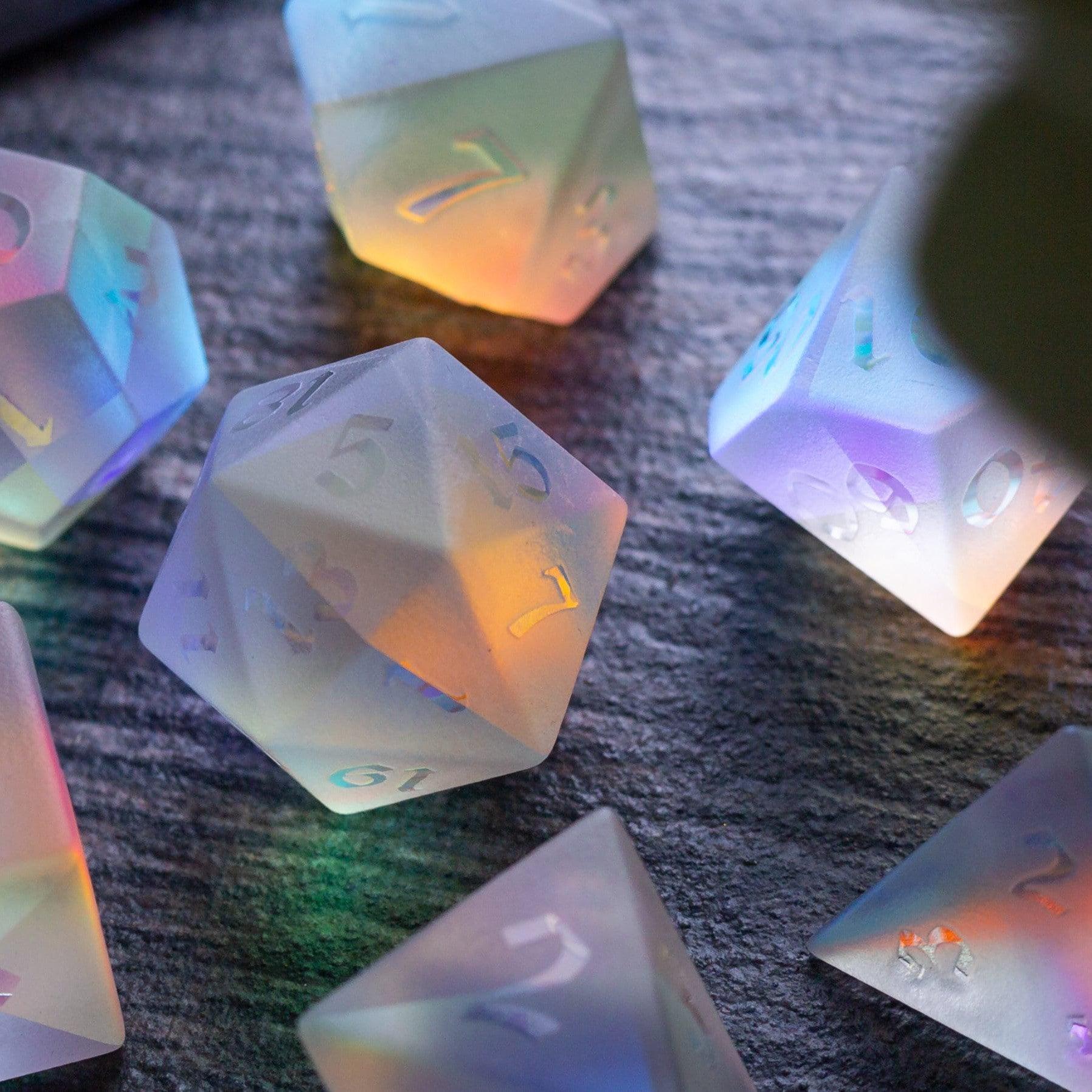
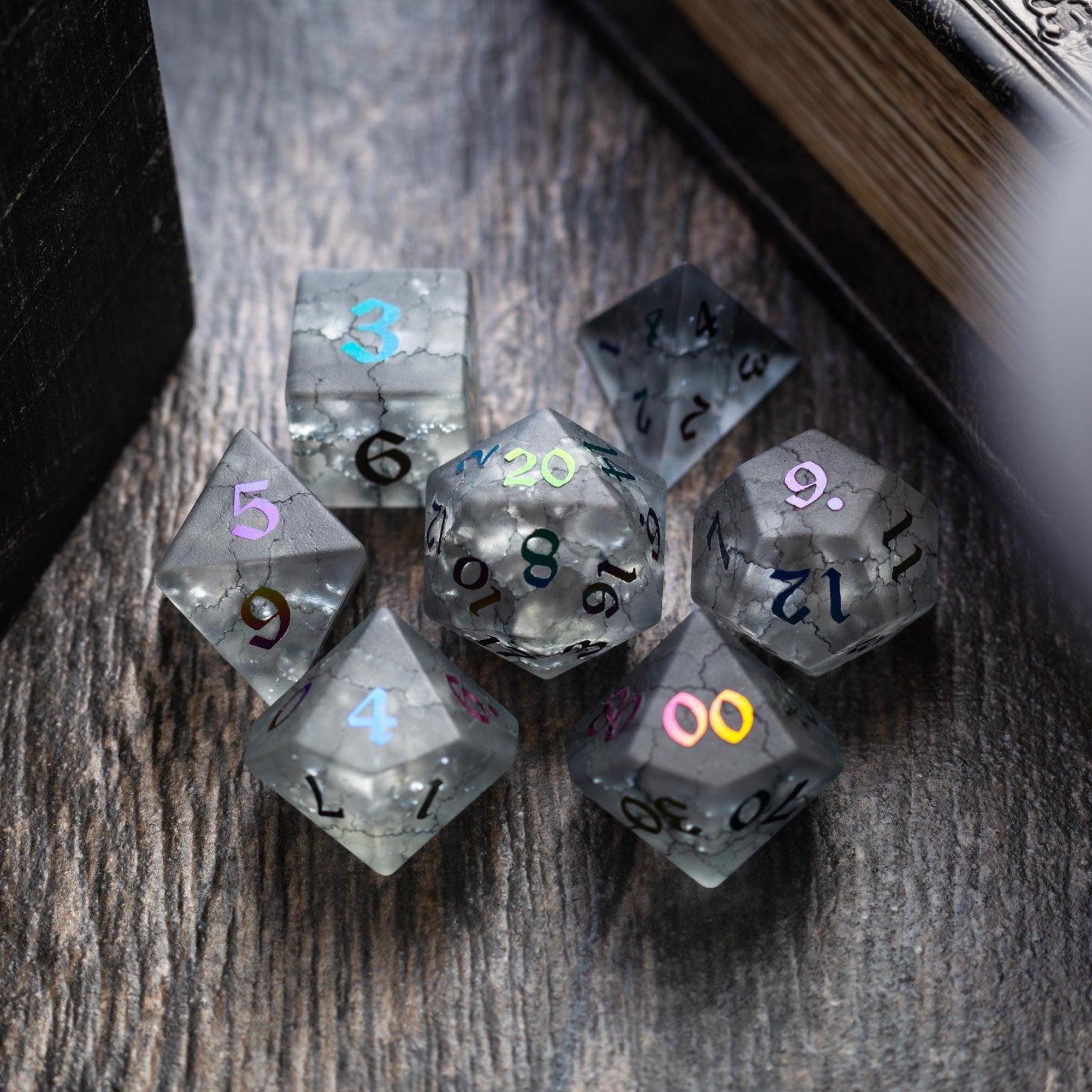
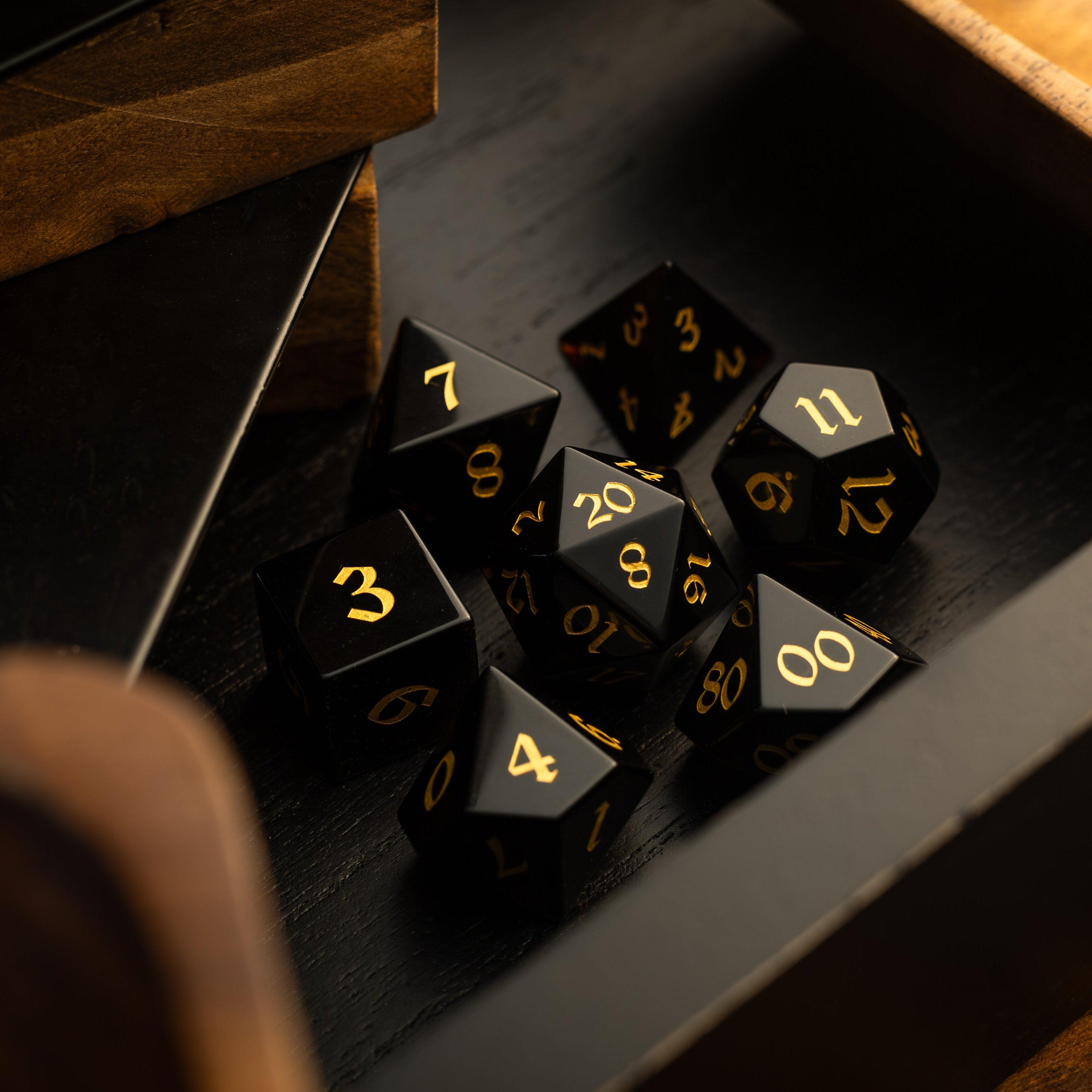
A dedicated gemstone dice set can also be a fun table tradition for major villain loot, ancient relics, or high-stakes treasure rolls.
Campaign Planning Workbook Table
|
Workbook Section |
Purpose |
Example Contents |
|
Campaign Overview |
Big-picture planning |
Story arcs, themes, tone, major conflict |
|
NPC Tracker |
Character management |
Names, motivations, secrets, relationships |
|
Quest Log |
Progress tracking |
Active, completed, failed, and rumored quests |
|
Session Notes |
Historical record |
Key events, decisions, treasure, consequences |
|
Encounter Planner |
Combat preparation |
Monsters, terrain, tactics, rewards |
|
Worldbuilding Notes |
Setting continuity |
Locations, factions, lore, timelines |
|
Treasure Tracker |
Reward management |
Gold, gems, magic items, clues |
|
Quick References |
Faster improvisation |
Names, taverns, rumors, random encounters |
How to Track NPCs Efficiently
NPC tracking is one of the most important parts of a dnd dungeon master workbook. Players often latch onto characters you never expected, so your notes need to be flexible.
A good NPC entry should answer four questions:
-
What does this person want?
-
What do they know?
-
How do they feel about the party?
-
What might they do next?
You do not need a full biography for every shopkeeper. A few useful details are better than a full page you never read.
For recurring NPCs, update their notes after major interactions. If the party saves their village, insults their family, steals their horse, or reveals a dangerous secret, write it down. Those details create stronger immersion later.
Session Prep Without Overpreparing
One of the biggest mistakes new DMs make is preparing too much. A good workbook should reduce stress, not create homework.
For better dnd session planning, focus on what is most likely to matter at the table.
Before each session, prep:
-
A short recap
-
Three likely scenes
-
One flexible combat encounter
-
A few NPC notes
-
Important clues
-
Possible rewards
-
A backup complication
Flexible prep is better than rigid prep. Instead of writing exactly how players must solve a problem, prepare the situation, the people involved, and what happens if no one intervenes.
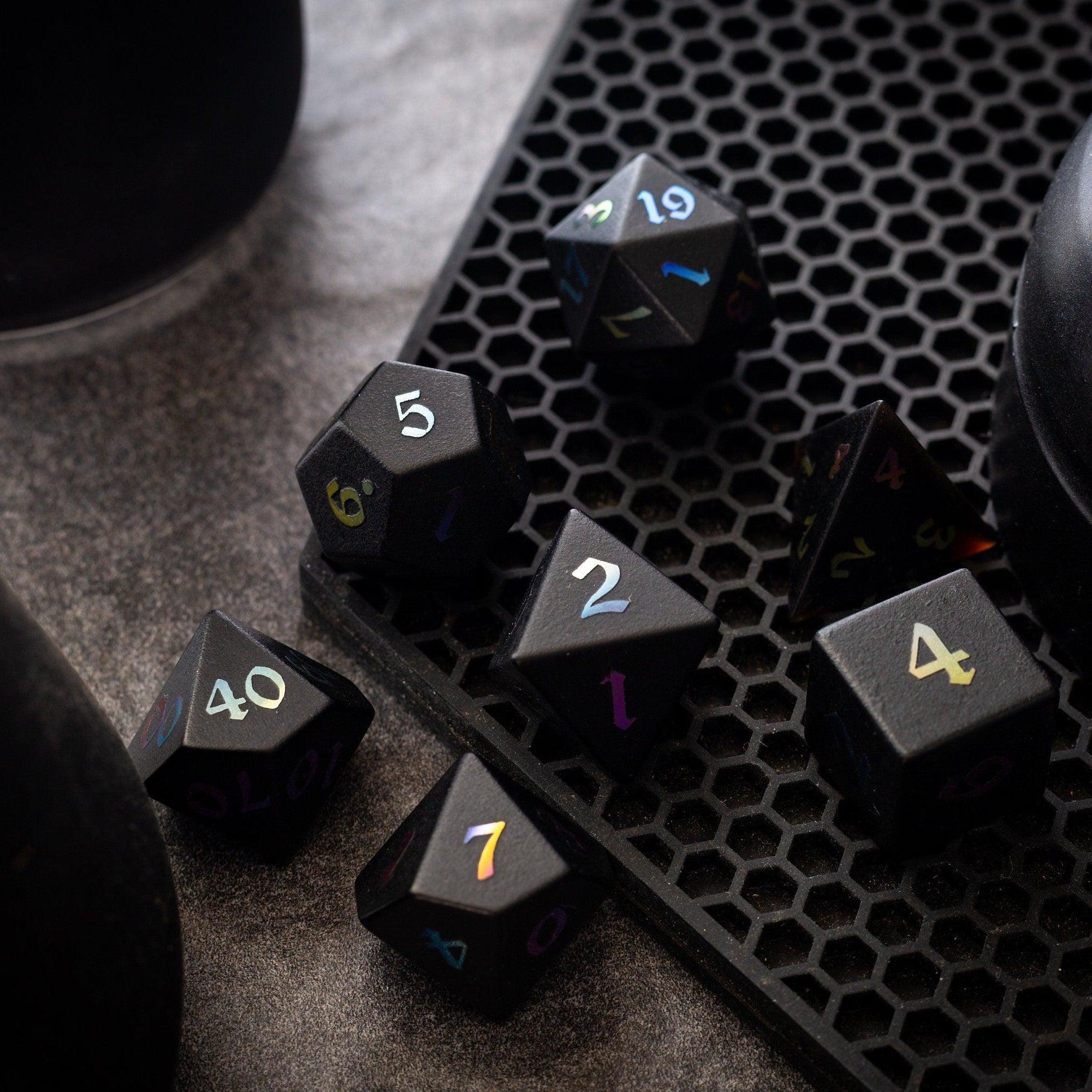
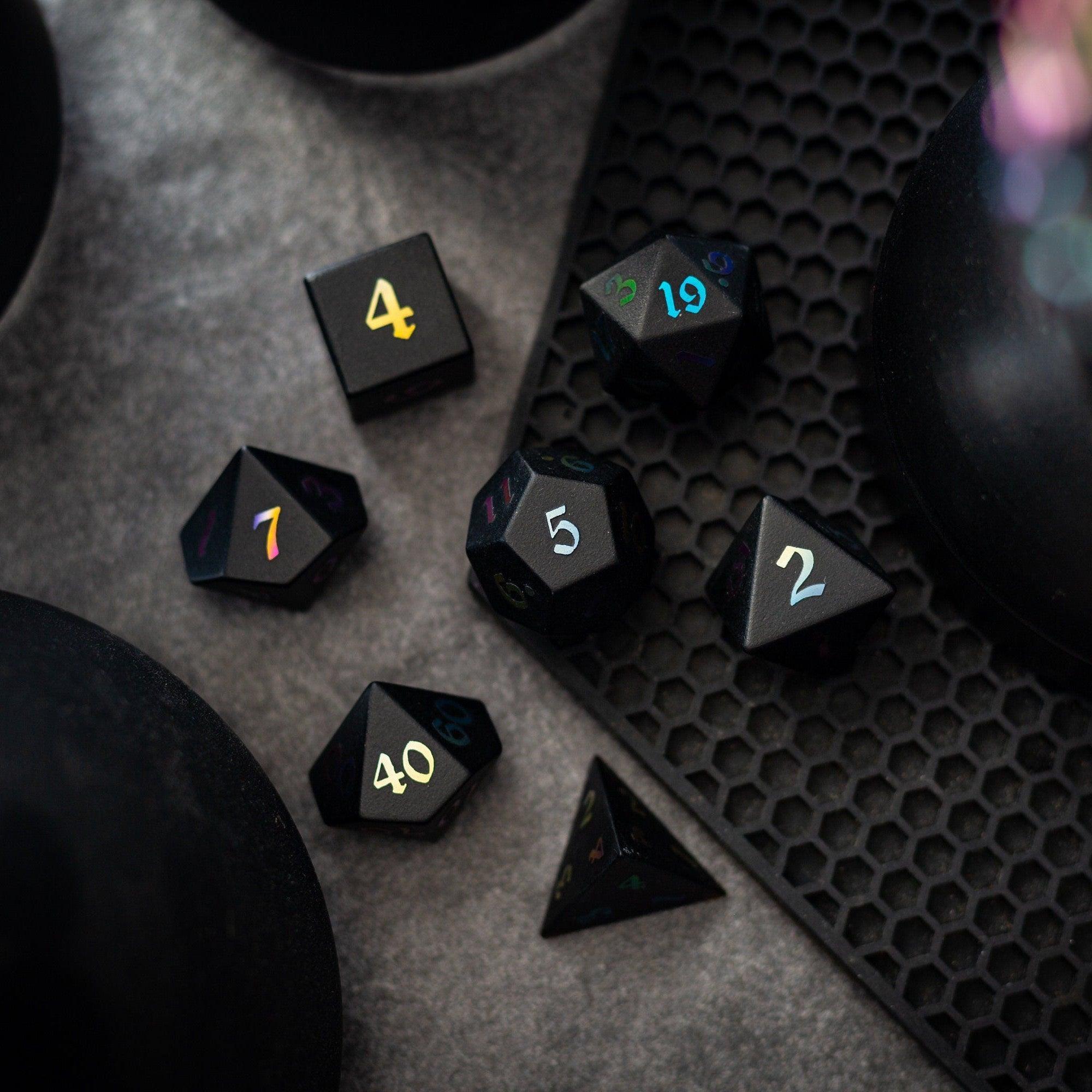
Resin dice are great everyday campaign companions for these normal session rolls. Keep them near your notes for travel checks, NPC reactions, random encounters, and quick improvisation.
Keeping Long Campaigns Organized
Long campaigns are where campaign organization really matters. After ten, twenty, or fifty sessions, even great DMs forget details.
Your workbook should help you track the living history of the campaign.
Useful long-term pages include:
-
Campaign timeline
-
Faction status
-
Player character goals
-
Villain progress
-
World events
-
Recurring locations
-
Unresolved mysteries
-
Promises made to NPCs
A timeline is especially helpful. It keeps festivals, wars, villain schemes, travel time, and downtime from becoming confusing.
You can also keep a “consequences” page. This is where you record what changes because of player actions. Did they spare a bandit captain? Did they expose a corrupt noble? Did they ignore a haunted mine for too long? Write it down and let the world respond.
Common DM Workbook Mistakes
A workbook should make your life easier. If it becomes a burden, simplify it.
Common mistakes include:
-
Creating too many sections
-
Tracking details you never use
-
Writing long recaps instead of useful summaries
-
Forgetting to update notes after sessions
-
Mixing campaign notes with unrelated ideas
-
Building a system that looks nice but is hard to use
The fix is simple: keep only what helps you run the game.
If a page does not help with prep, play, or continuity, cut it. Your workbook is a tool, not a museum.
Digital vs Physical Workbooks
Both physical and digital systems work. The best choice depends on how you think.
Physical Workbooks
Physical notebooks and binders are great if you like writing by hand.
Pros:
-
Easy to flip through
-
Great for sketches and maps
-
No screen distractions
-
Feels natural at the table
Cons:
-
Harder to search
-
Can get messy
-
Limited space
-
Harder to reorganize
Digital Workbooks
Digital notes are great for searchable dnd campaign management.
Pros:
-
Easy to edit
-
Searchable
-
Simple to copy templates
-
Good for large campaigns
Cons:
-
Can become cluttered
-
Requires a device
-
Easy to overbuild
-
Less tactile
A hybrid system works well for many DMs. Use a digital dm campaign planner for long-term notes, then print or write a one-page session sheet for game night.
Workbook Templates and Quick-Reference Pages
Templates are some of the most useful dungeon master resources because they save mental energy.
Consider adding quick pages for:
-
Random NPC names
-
Tavern ideas
-
Shop inventories
-
Rumor tables
-
Encounter templates
-
Treasure tables
-
Travel complications
-
Session recap sheets
-
Villain plans
-
Faction goals
These pages are especially helpful when players go somewhere unexpected. Instead of freezing, you can flip to a quick-reference page and keep the game moving.
A simple encounter template might include:
-
Scene goal
-
Enemies
-
Terrain
-
Twist
-
Reward
-
Escape route
-
What happens if the party loses
That last question is important. Not every failed combat needs to end in a total party kill. Capture, retreat, bargains, curses, lost items, and changed objectives can all keep the story alive.
Building a Workbook That Fits Your DM Style
The best dungeon master workbook is the one you will actually use.
For a homebrew campaign, focus on worldbuilding notes, factions, timelines, and NPCs.
For a published adventure, focus on chapter summaries, changed details, player choices, and reminders for future sessions.
For a sandbox game, build strong location pages, rumor tables, faction goals, and random encounters.
For a narrative-heavy campaign, track character arcs, emotional beats, secrets, relationships, and long-term consequences.
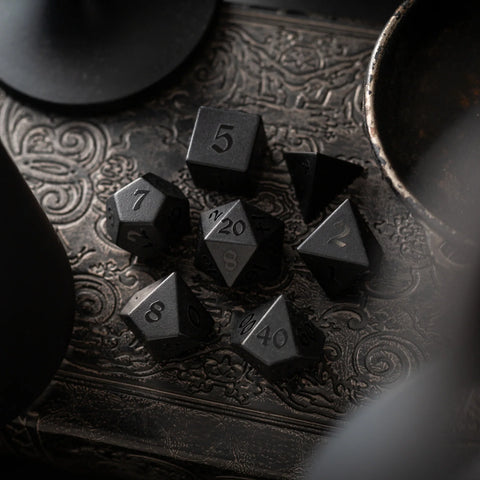
Your dice habits can fit your style too. Resin dice might be your everyday table set. Gemstone dice can mark ancient magic or important lore moments. Liquid core dice can come out when reality bends, the villain acts, or the party reaches a major turning point. Resin chonk dice are perfect when everyone at the table knows one roll could change everything.
Final Thoughts
A Dungeon Master workbook is not about creating more work. It is about making the work you already do easier to find, easier to use, and easier to build on.
You do not need a perfect system before your next session. Start with the basics: campaign overview, session notes, NPC tracker, quest log, and encounter planner. Add more only when your campaign needs it.
The real goal is smoother play. When your notes are organized, you can spend less time searching and more time describing haunted forests, suspicious nobles, desperate battles, strange magic, and the choices that make every campaign unforgettable.

Leave a comment
This site is protected by hCaptcha and the hCaptcha Privacy Policy and Terms of Service apply.