

Monster Hunting in D&D: Tracking, Preparation, and Combat Tactics for Epic Hunts

Monster hunting in D&D is more than finding a creature and rolling initiative. A great hunt feels like a dangerous journey into the unknown. The party follows broken branches, studies claw marks, questions terrified villagers, prepares the right tools, and finally faces something powerful enough to become a story everyone remembers.
That is what separates a random encounter from a true monster hunting DND adventure. A random encounter happens suddenly. A hunt builds anticipation. The players know something is out there. They see what it has done. They learn how it moves. They make plans, second-guess themselves, and hope they are ready when the creature finally appears.
For Dungeon Masters and players alike, a monster hunt campaign can bring together investigation, wilderness survival, teamwork, and tactical combat in one thrilling package. It gives every character something to do before the final fight, whether they are reading old legends, tracking prints through mud, preparing traps, or choosing the perfect moment to strike.
What Makes a Great Monster Hunt?
A strong monster hunt needs more than a big stat block. The best hunts create tension long before combat begins.
A memorable hunt usually includes:
-
Mystery: What is attacking the region?
-
Investigation: What clues can the party uncover?
-
Danger: What happens if the hunters fail?
-
Preparation: What tools, spells, and plans give the party an edge?
-
Confrontation: Where and how does the final battle happen?
Anticipation matters because players love feeling like they earned the victory. When they discover the monster’s habits, prepare for its tricks, and survive its territory, the final battle feels personal.
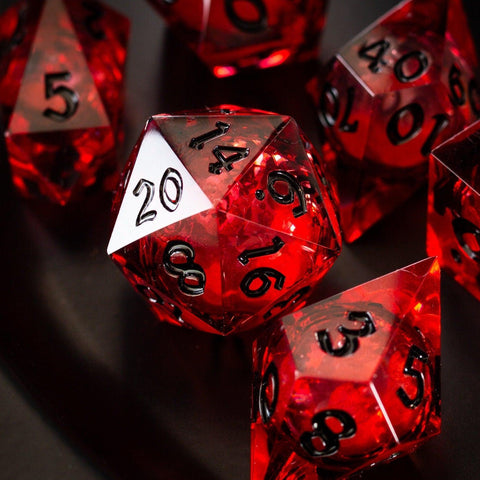
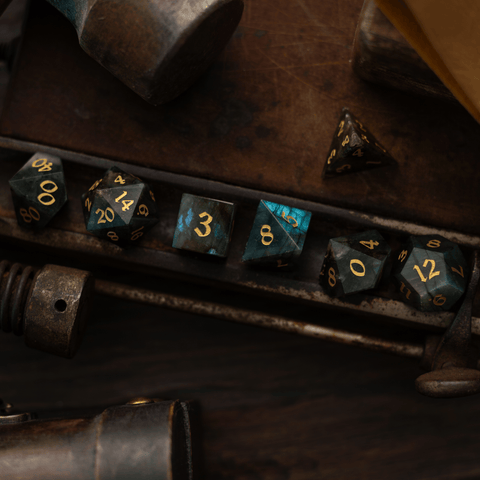
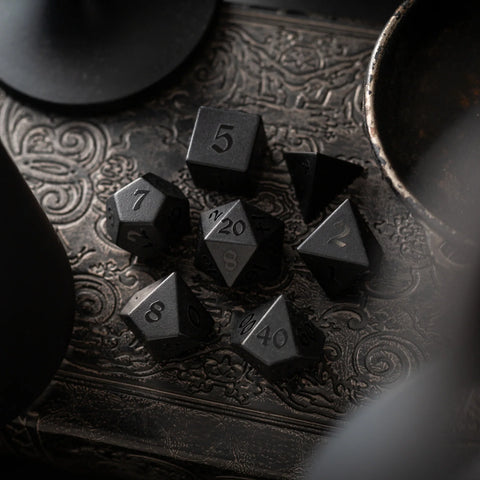
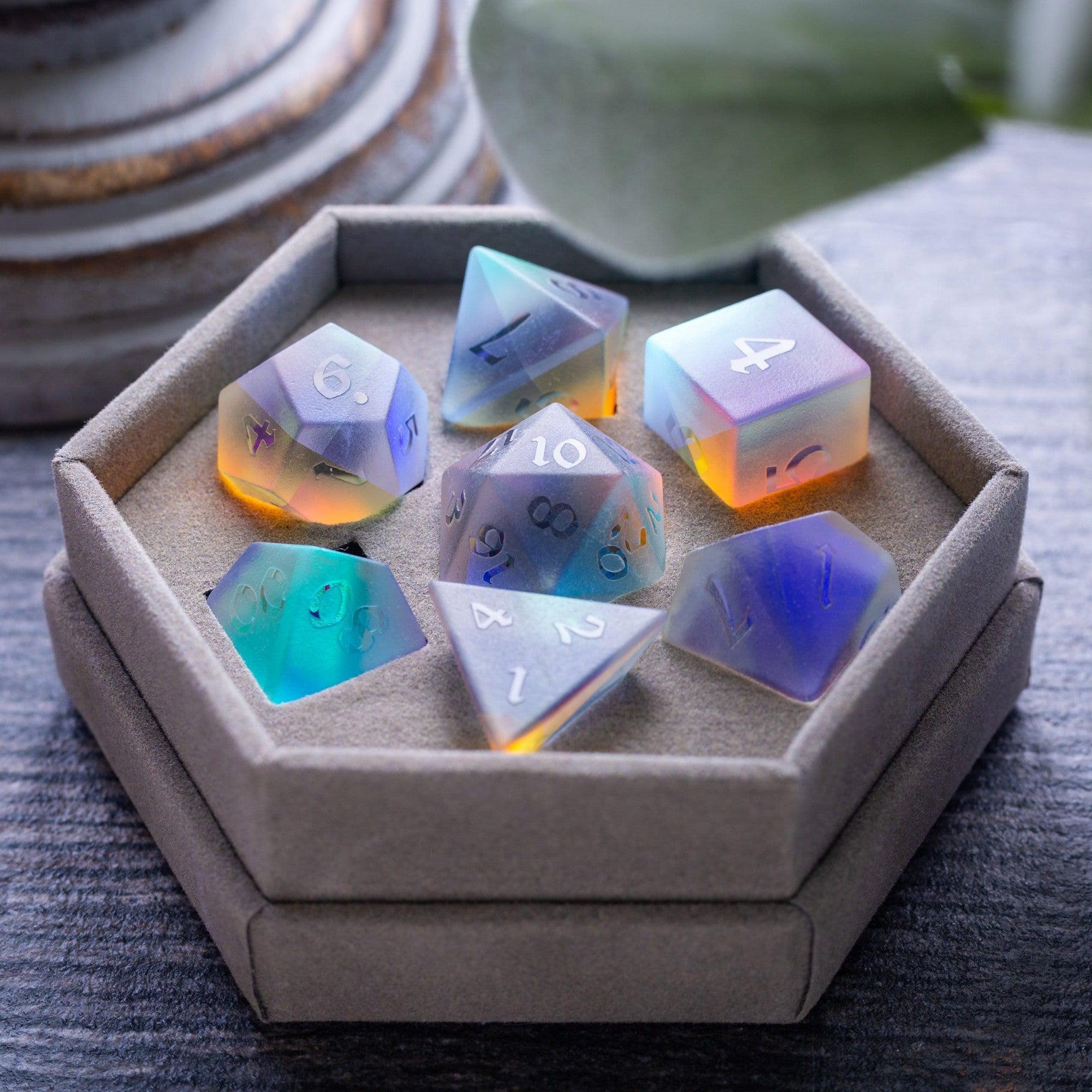
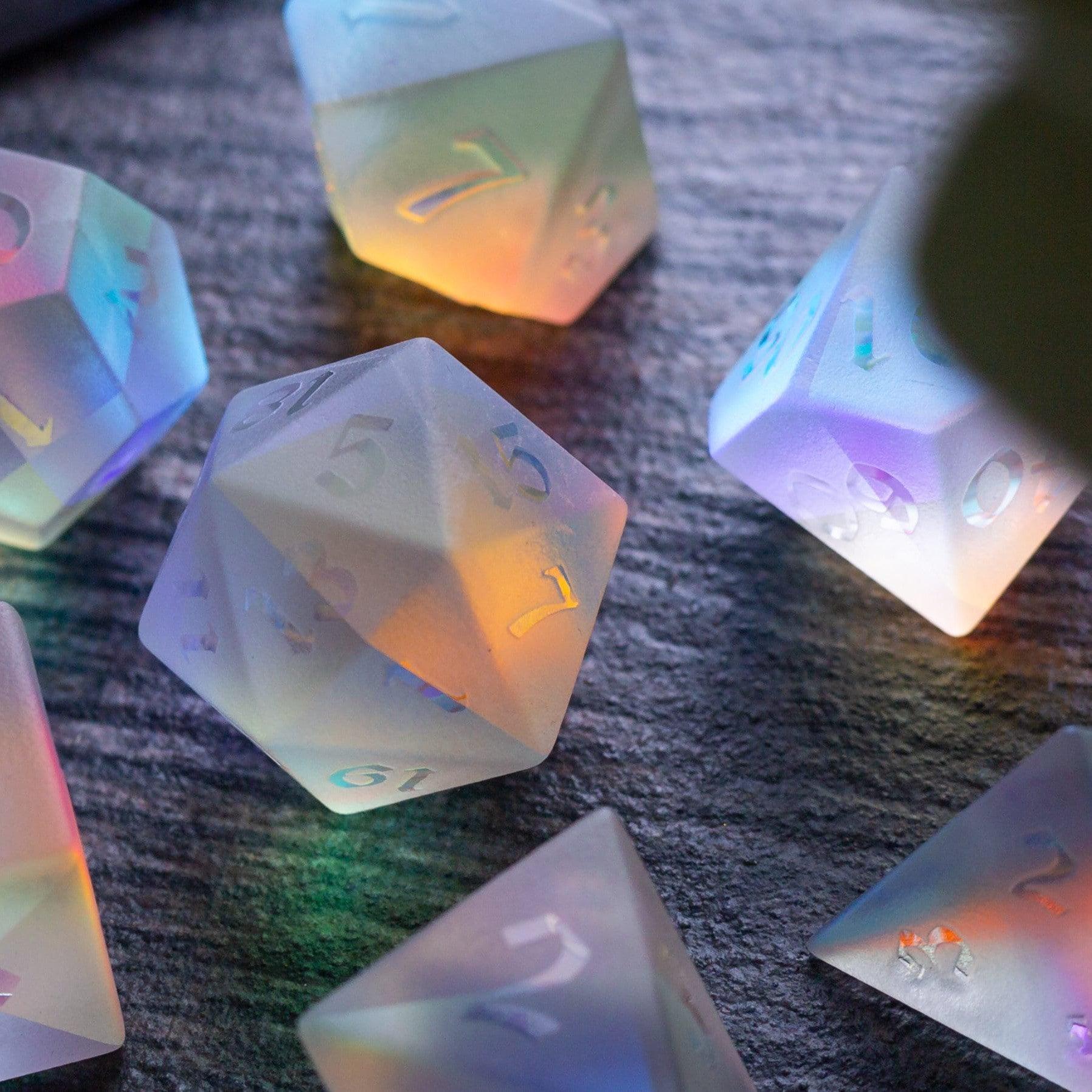
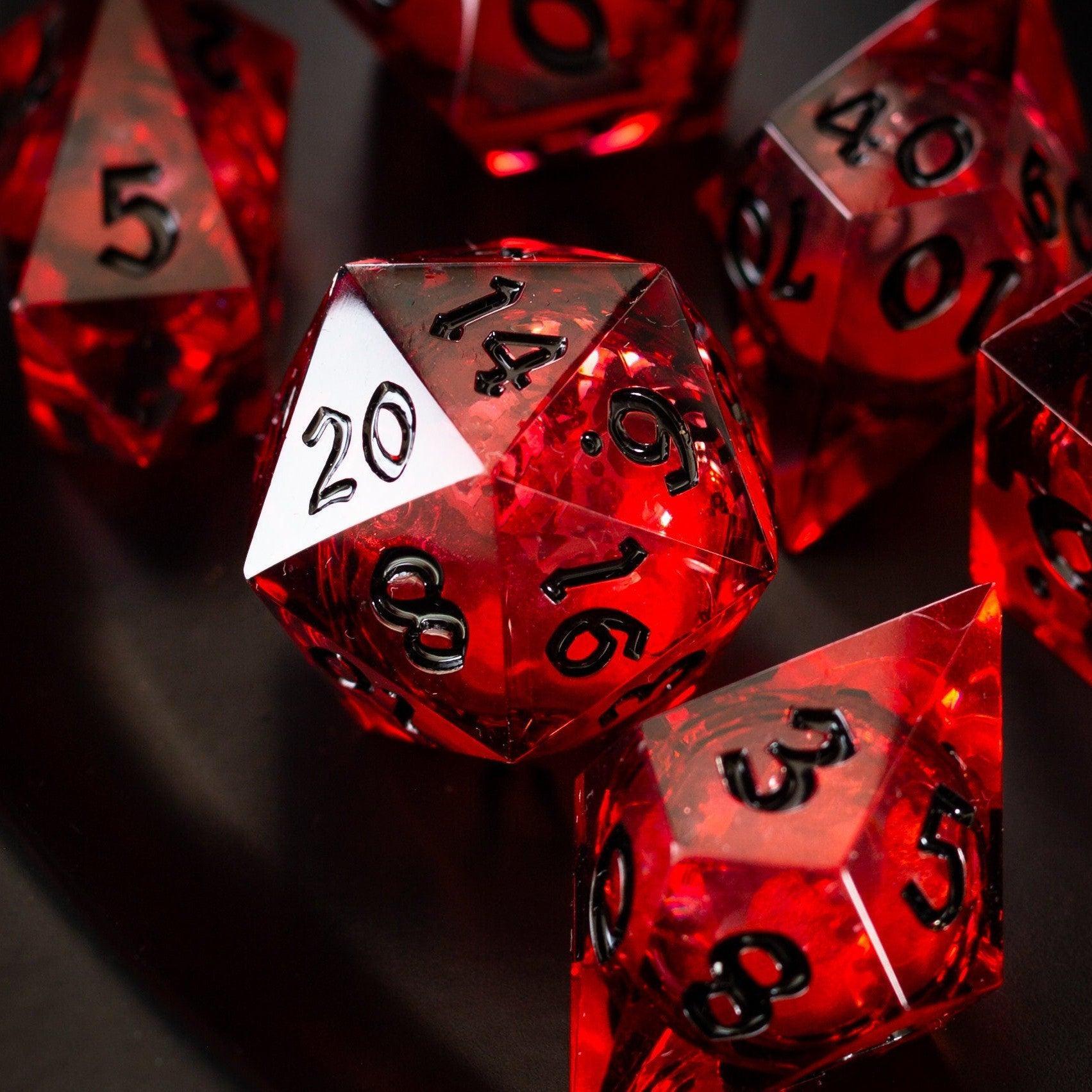
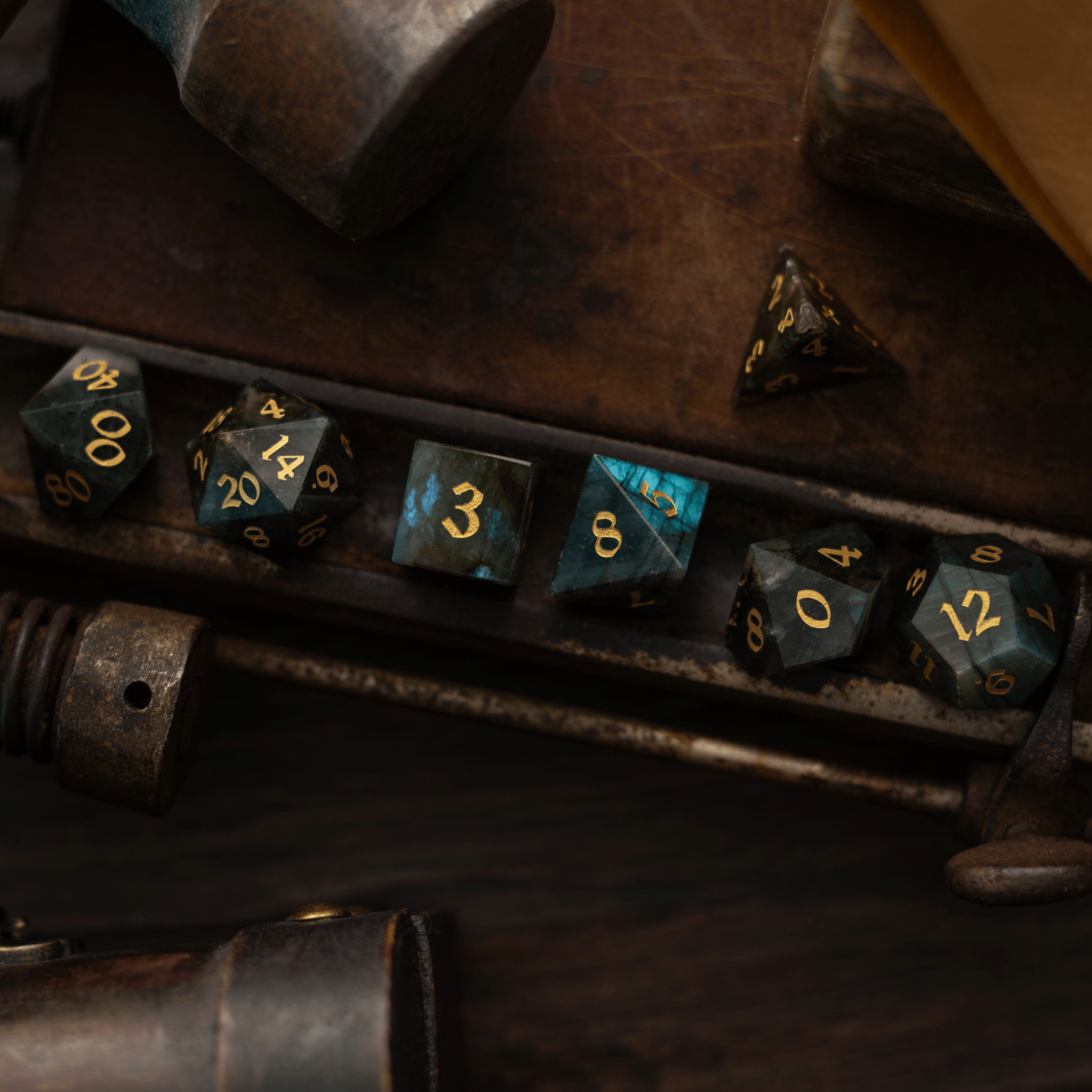
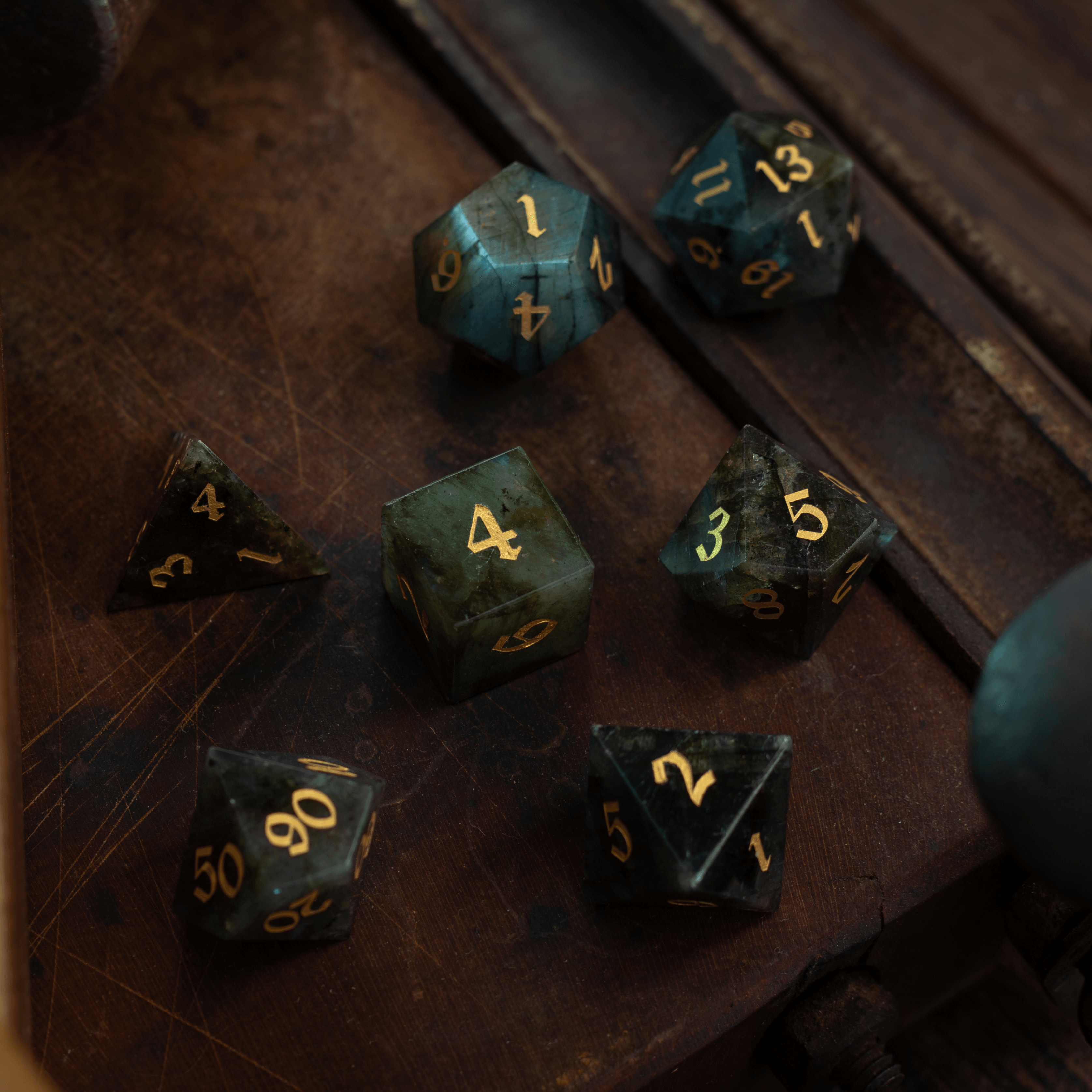
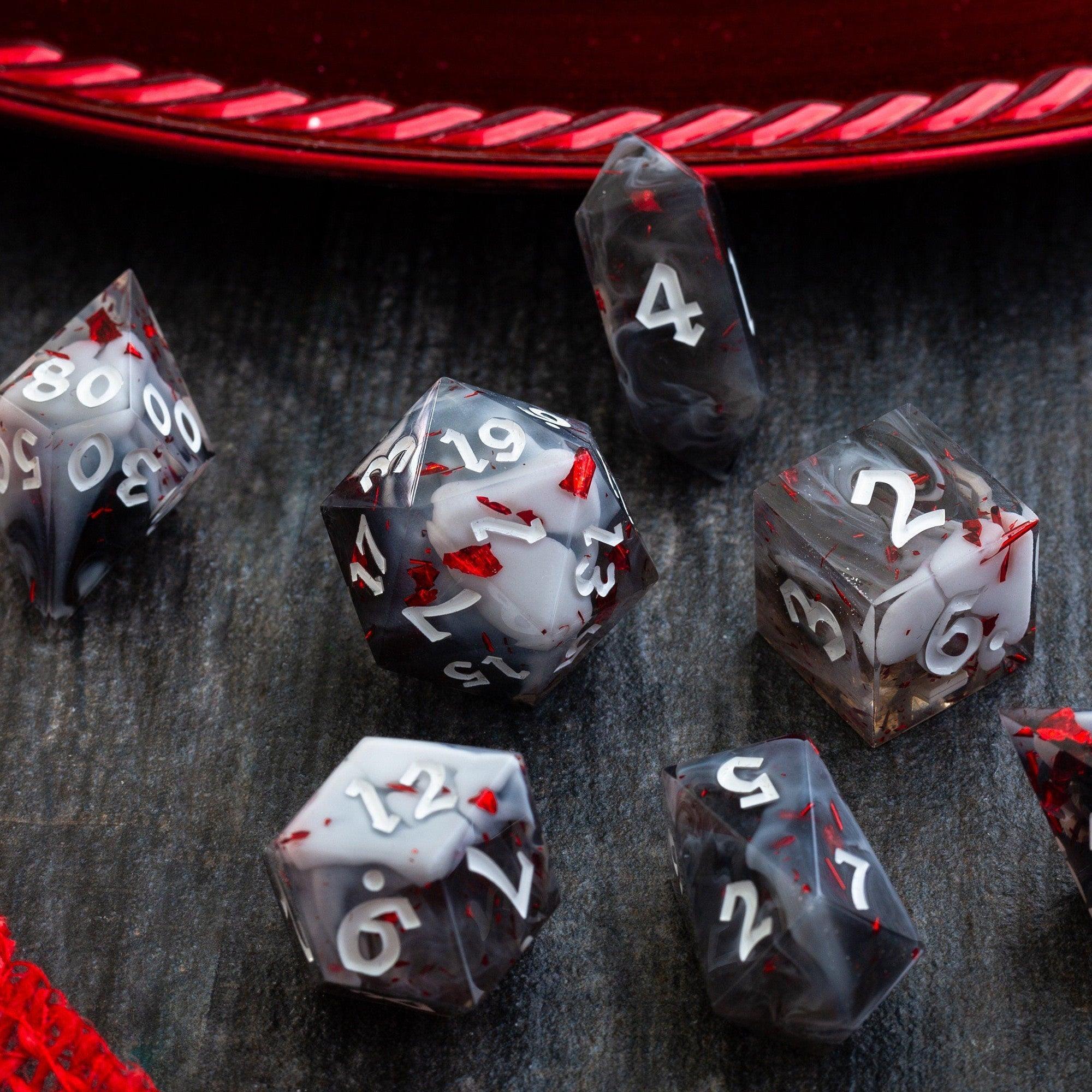
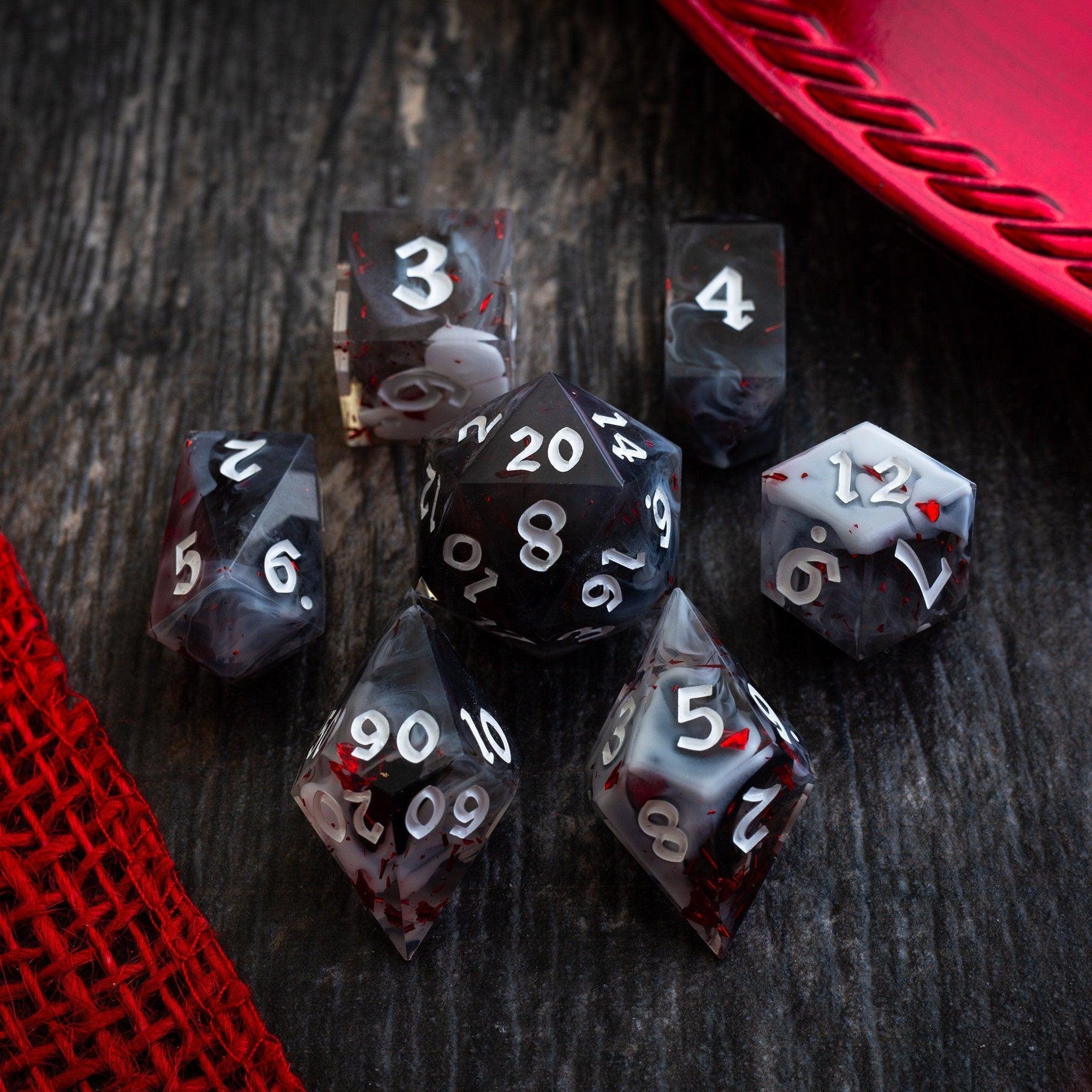
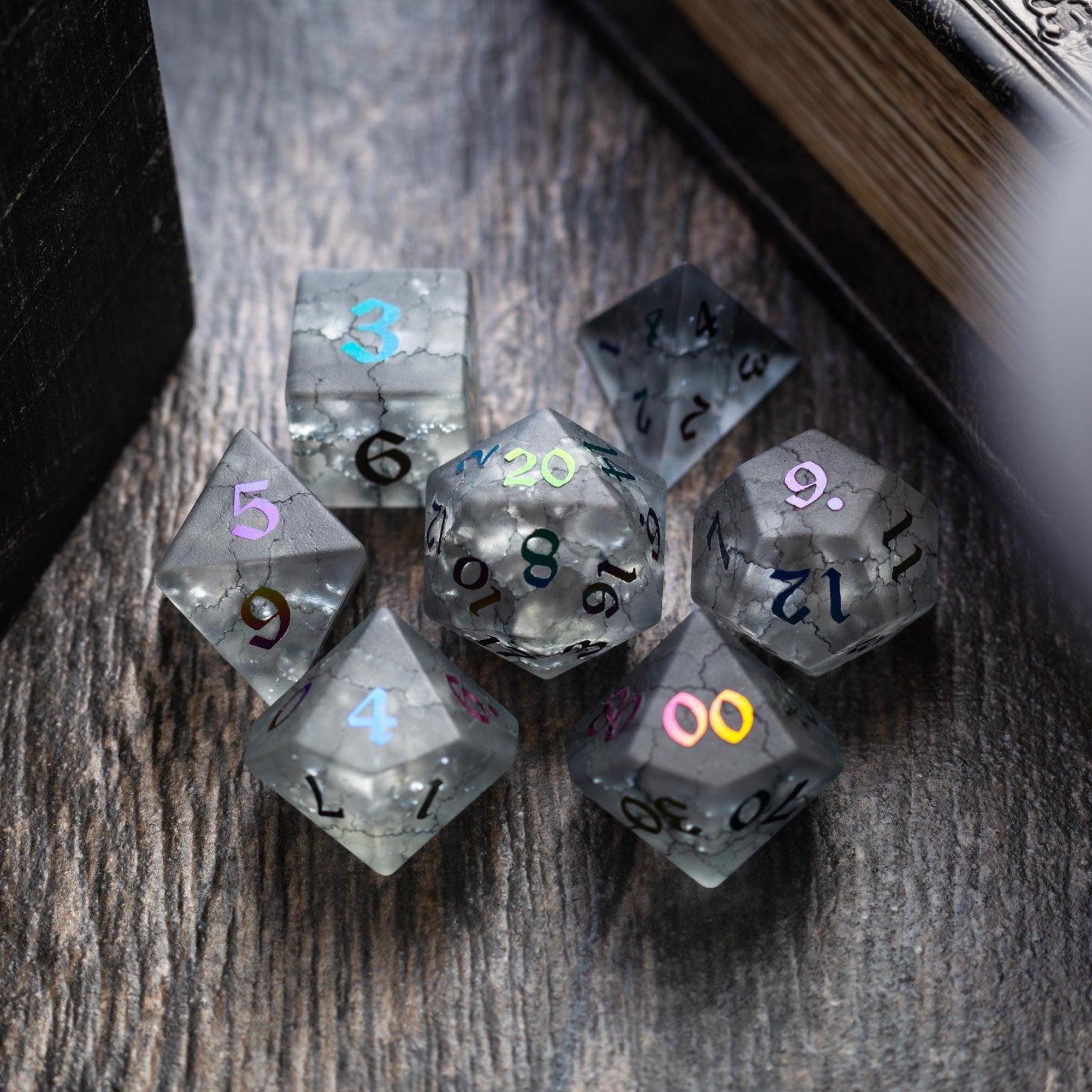
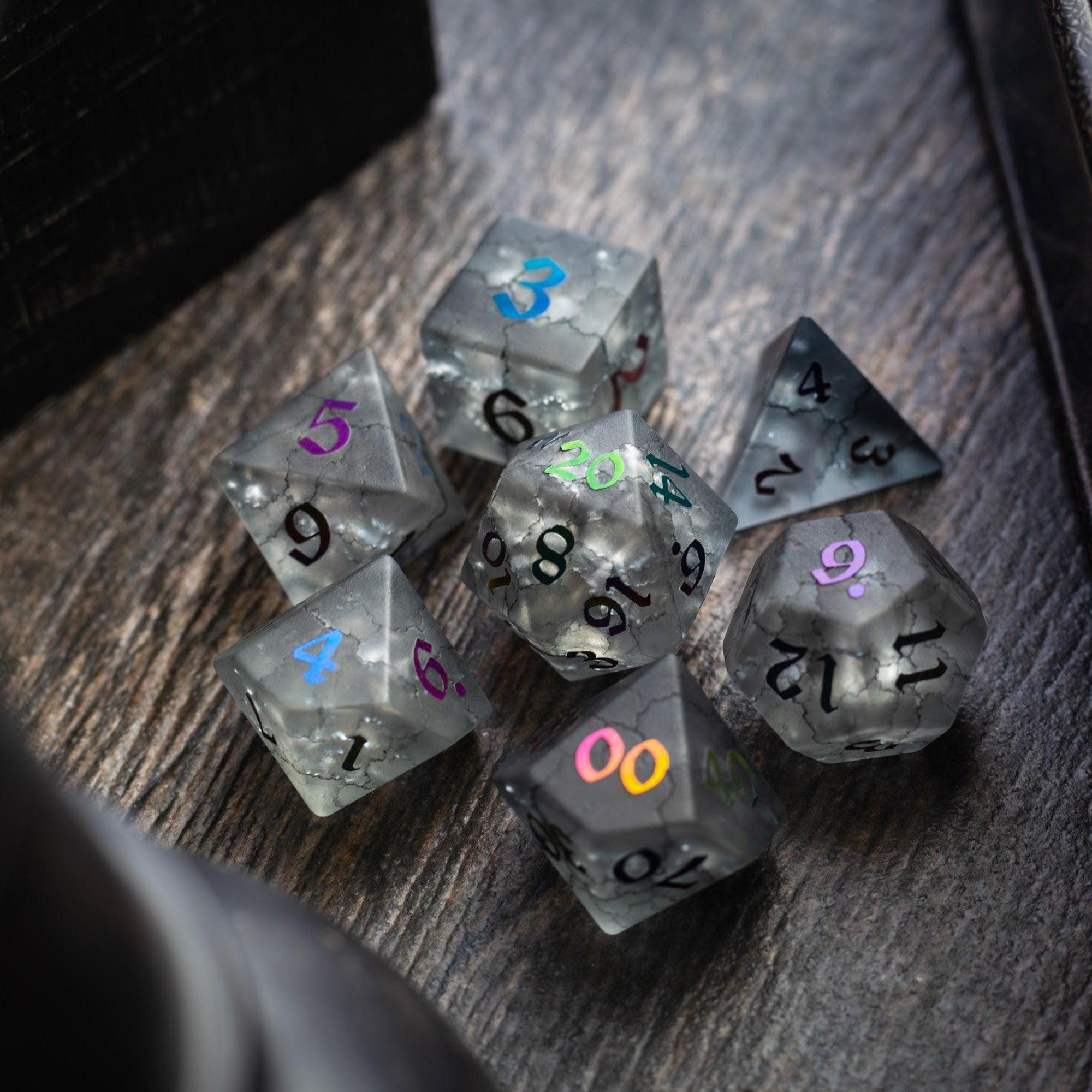
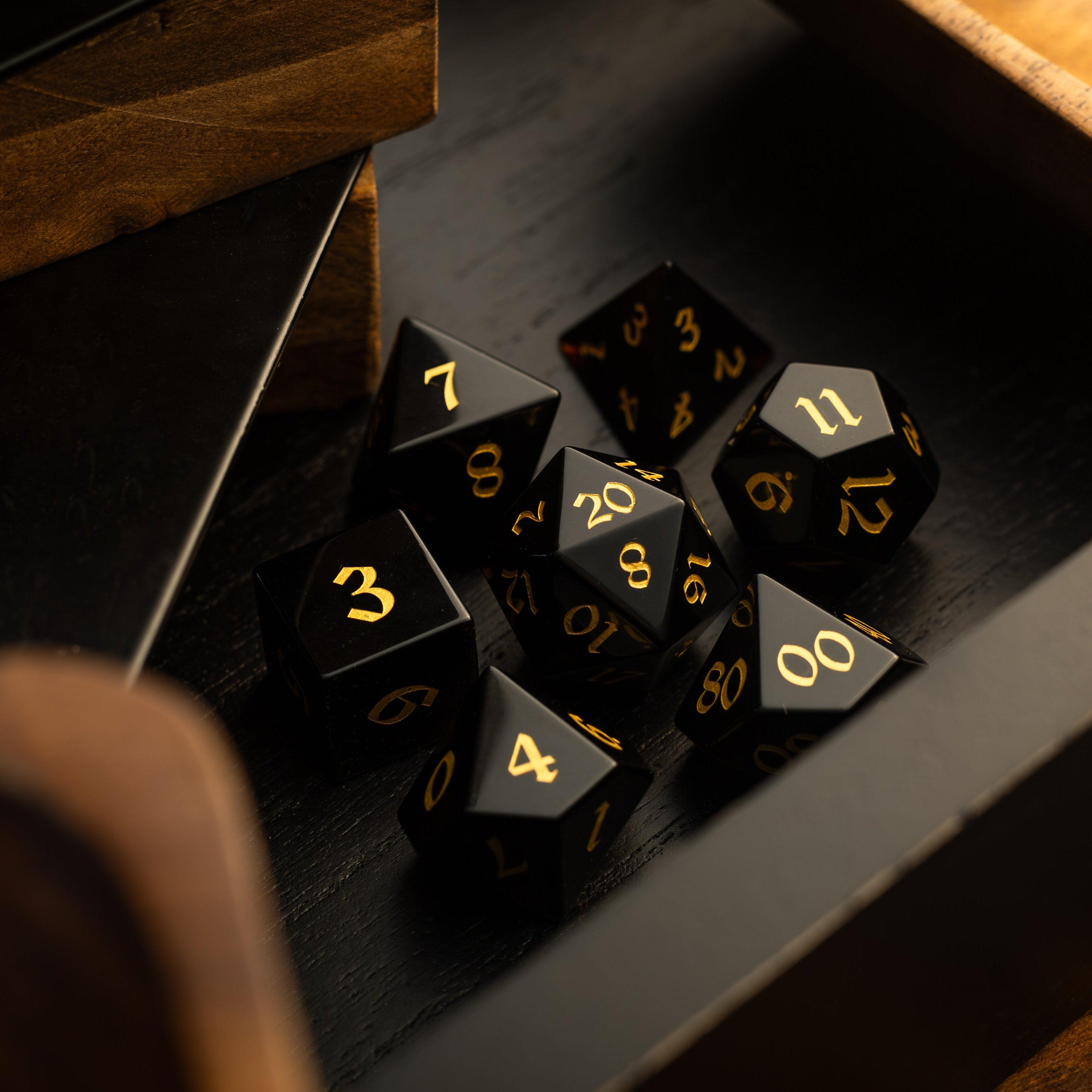
This is also where table atmosphere matters. Rolling gemstone dice during a legendary dragon hunt, liquid core dice during a strange magical pursuit, or rugged resin dice during a harsh wilderness expedition can make the moment feel more vivid without pulling focus from the story.
Tracking Dangerous Creatures
Good monster tracking gives players a trail to follow. The monster should leave signs behind, but those signs do not all need to be obvious.
Hunters might discover:
-
Huge tracks pressed into soft earth
-
Trees snapped at strange angles
-
Burn marks, frost patches, or acidic scars
-
Half-eaten prey
-
Strange feathers, scales, slime, or fur
-
Witness reports from frightened travelers
-
Changes in animal behavior
-
Abandoned campsites
-
Scratches on stone walls
-
Unnatural silence in the forest
These clues help the party understand the creature before they fight it. A dragon may leave scorched hunting grounds. A giant may crush fences and livestock pens. An undead horror may leave villages cold and lifeless. An aberration might warp plants, dreams, or memories around its lair.
The key is to make tracking interactive. Let players ask questions, follow hunches, compare clues, and make choices. A good DND wilderness adventure feels alive when the land itself tells part of the story.
Research Before the Hunt
Smart hunters do not charge into danger with no plan. Before DND hunting monsters, characters should gather information.
They might visit:
-
Libraries and temples
-
Local hunters
-
Surviving witnesses
-
Monster scholars
-
Old battlefields
-
Ruined shrines
-
Rival adventuring groups
Research can reveal important details like weaknesses, resistances, hunting habits, lair locations, and behavior patterns. Maybe the beast only attacks during fog. Maybe it avoids silver bells. Maybe it hunts by sound. Maybe it retreats to flooded tunnels when wounded.
This stage gives clever players a chance to shine. It also makes the hunt feel less like simple combat and more like a living problem to solve.
Monster Hunt Planning Table
|
Hunt Phase |
Goal |
Example Activities |
|
Investigation |
Learn about the target |
Interview witnesses, study legends, inspect attacks |
|
Tracking |
Locate the creature |
Follow tracks, read terrain, scout hunting grounds |
|
Preparation |
Build a strategy |
Gather gear, prepare spells, set traps, plan roles |
|
Confrontation |
Defeat or survive the monster |
Use terrain, teamwork, and tactical choices |
|
Aftermath |
Resolve consequences |
Claim rewards, help survivors, decide what the victory means |
Best Monster Types for Hunting Adventures
Some creatures naturally fit a legendary monster hunt because they leave a powerful mark on the world around them.
Dragons
Dragons make excellent hunts because they are intelligent, territorial, and iconic. A dragon hunt can involve burned villages, stolen treasure, terrified kingdoms, and dangerous lairs. Gemstone dice are a perfect fit here, especially for hunts involving ancient dragons, glittering hoards, and high-stakes boss battles.
Giants
Giants create large-scale danger. Their movements reshape the land, crush roads, and threaten settlements. Hunting a giant feels physical and dramatic because the players can see the damage from miles away.
Aberrations
Aberrations are wonderful for strange, unsettling hunts. They might twist reality, influence dreams, or leave clues that make no sense at first. Liquid core dice fit this mood beautifully, especially when the monster feels magical, alien, or impossible to fully understand.
Undead Horrors
Undead hunts bring dread and atmosphere. The party may follow grave dust, cold winds, missing bodies, or old curses. These hunts work especially well when the monster has a tragic history.
Magical Beasts
Magical beasts are great for wilderness adventures. They can be fierce, beautiful, territorial, and tied to the natural world. Resin dice with earthy colors, smoky swirls, or forest tones can match this rugged adventuring feel.
Ancient Predators
Not every monster needs to be supernatural. A massive prehistoric hunter, mutated beast, or forgotten apex predator can create a thrilling survival story where the party is not just hunting, but being hunted.
Tactical Combat Tips for Monster Hunters
Great DND boss encounters reward preparation. The final fight should feel connected to everything the party learned during the hunt.
Here are practical tactics for monster hunters:
-
Control positioning. Do not let the monster isolate weaker party members.
-
Use terrain. Cliffs, trees, ruins, rivers, and caves can all change the fight.
-
Protect resources. Save key spells and abilities for the right moment.
-
Exploit discoveries. If the party learned a weakness, let it matter.
-
Assign roles. One character distracts, one protects, one controls space, one deals damage.
-
Expect movement. Many monsters should climb, fly, burrow, retreat, or ambush.
-
Bring backup plans. Traps fail. Spells miss. Monsters adapt.
For dramatic moments, resin chonk dice can be a fun table centerpiece during the climactic roll against a massive creature. Used sparingly, that oversized die can turn one saving throw or final attack into a moment everyone leans in to watch.
Common Monster Hunting Mistakes
Even experienced parties make mistakes. That is part of the fun.
Rushing Into Battle
Charging straight at the monster removes the best part of the hunt. Give players reasons to investigate first, such as unknown resistances, dangerous terrain, or missing villagers.
Ignoring Clues
If the party skips clues, the fight should be harder but not impossible. Let clues offer advantages, not mandatory solutions.
Poor Preparation
A monster hunt should reward smart planning. Rope, nets, antitoxin, climbing gear, holy water, silvered weapons, or protective magic can all matter depending on the target.
Fighting on the Monster’s Terms
A creature should know its territory. If the party enters its lair carelessly, the monster should use that advantage.
Underestimating the Environment
Weather, darkness, exhaustion, cliffs, swamps, and unstable ruins can be just as dangerous as claws and teeth.
Creating Monster Hunts as a Dungeon Master
A Dungeon Master can turn almost any monster into a hunt by building the adventure in layers.
Start with the creature’s impact. What has changed because this monster exists? Are caravans missing? Are forests silent? Are rivers poisoned? Are villagers afraid to leave their homes?
Then create clues that point toward the truth. A good clue should either reveal something about the monster, show where it has been, or hint at how it can be defeated.
To make the hunt satisfying:
-
Give the monster a pattern
-
Let players uncover useful information
-
Make the terrain meaningful
-
Build a lair that reflects the creature
-
Reward preparation with real advantages
-
Let the monster react intelligently
-
Make victory change the world in some way
The best hunts feel like stories of survival, not just combat scenes.
Why Players Love Monster-Hunting Campaigns
Players love monster hunts because they provide a clear goal with room for creativity. Everyone understands the mission: find the monster and stop it. But how the party does that can change wildly from table to table.
A DND monster hunter adventure can include roleplay, exploration, danger, mystery, and tactical teamwork. Rangers, druids, rogues, fighters, clerics, wizards, and barbarians can all contribute in different ways. Even a player building a monster hunter build does not need to focus only on damage. Skills, survival tools, knowledge, mobility, and protective abilities all matter.
Most importantly, monster hunts create memorable victories. Defeating a creature after studying its trail, surviving its ambushes, and preparing for its final attack feels earned.
Legendary Hunt Ideas for Your Next Campaign
Here are a few adventure hooks you can drop into almost any campaign.
The Ash-Wing Dragon
An ancient dragon burns only abandoned places, but each ruin contains the same strange symbol. The party must learn whether the dragon is destroying threats or hiding evidence.
The Bellows Below
A sea monster drags ships beneath the waves near a coastal city. Survivors claim it follows music, not movement.
The Velvet-Stag of the Feywood
A beautiful fey predator lures hunters into moonlit clearings, leaving no bodies behind. Only their shadows remain.
The Grave-Horn Beast
An undead nightmare roams old battlefields, growing stronger wherever warriors died without burial rites.
The Thing Under the Glacier
A forgotten horror begins thawing from ancient ice. The party must track its dreams before its body fully awakens.
Conclusion
Monster hunting in D&D works best when it becomes more than a fight. The real adventure is in the trail: the broken trees, the frightened witnesses, the strange tracks in the mud, the careful planning before nightfall, and the moment the party realizes the monster has been watching them too.
Whether your table is chasing dragons through stormy mountains, following undead tracks across frozen fields, or preparing for a final boss encounter in a ruined temple, the heart of a great hunt is teamwork. The players survive because they pay attention, trust each other, and turn hard-earned knowledge into action.
The best monster hunts are not just about damage rolls. They are stories of preparation, fear, courage, and survival. And when the final creature falls, the party does not just win a battle.
They earn a legend.







Leave a comment
This site is protected by hCaptcha and the hCaptcha Privacy Policy and Terms of Service apply.