

Tales of the Valiant RPG Guide: Building Epic Campaigns for Players and GMs

Tales of the Valiant RPG is a heroic fantasy tabletop roleplaying game from Kobold Press. It uses a 5E-compatible foundation, so players familiar with fifth-edition fantasy RPGs will recognize the basic rhythm of ability checks, combat, classes, spells, and adventures. At the same time, Tales of the Valiant introduces its own character-building choices, including lineages, heritages, backgrounds, and talents.
For groups looking for a different take on familiar fantasy roleplaying, the game offers a practical middle ground. You can build bold heroes, explore dangerous ruins, fight monsters, negotiate with rival factions, and run long campaigns without learning an entirely unfamiliar style of play.
What Is Tales of the Valiant?
Tales of the Valiant is a high-fantasy roleplaying game built around adventuring parties, exploration, magic, danger, and heroic action. Its core rules are presented in the Tales of the Valiant Player's Guide, which includes character creation, classes, lineages, heritages, backgrounds, talents, spellcasting, equipment, downtime, and the rules needed to run the game.
The Monster Vault supports Game Masters with creatures and encounter material, while the Game Master's Guide adds advanced tools for worldbuilding, encounter design, homebrew content, campaign customization, and table management. New groups can start with the core rules and add advanced tools when they are useful.
Tales of the Valiant Character Creation
Tales of the Valiant character creation works best when you begin with a simple hero concept and then use the rules to give that idea mechanical shape. Before choosing every feature, ask what your character wants, what they fear losing, why they travel with the party, and what kind of person they might become.
Character identity is built through several layers. Lineage describes part of a hero's inherited nature, heritage helps define culture and upbringing, backgrounds connect the character to past experience, and talents provide more ways to specialize. Your class then establishes many of the abilities you will use during exploration, combat, and problem-solving.
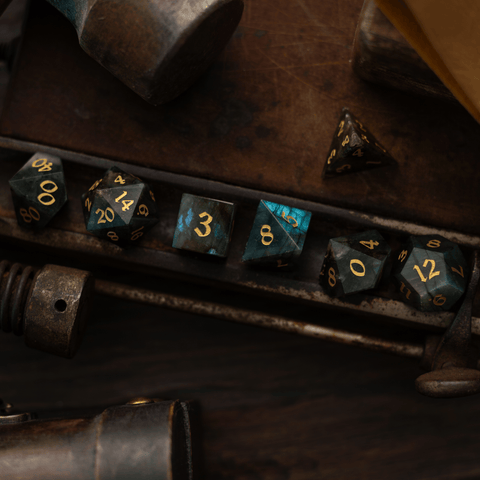
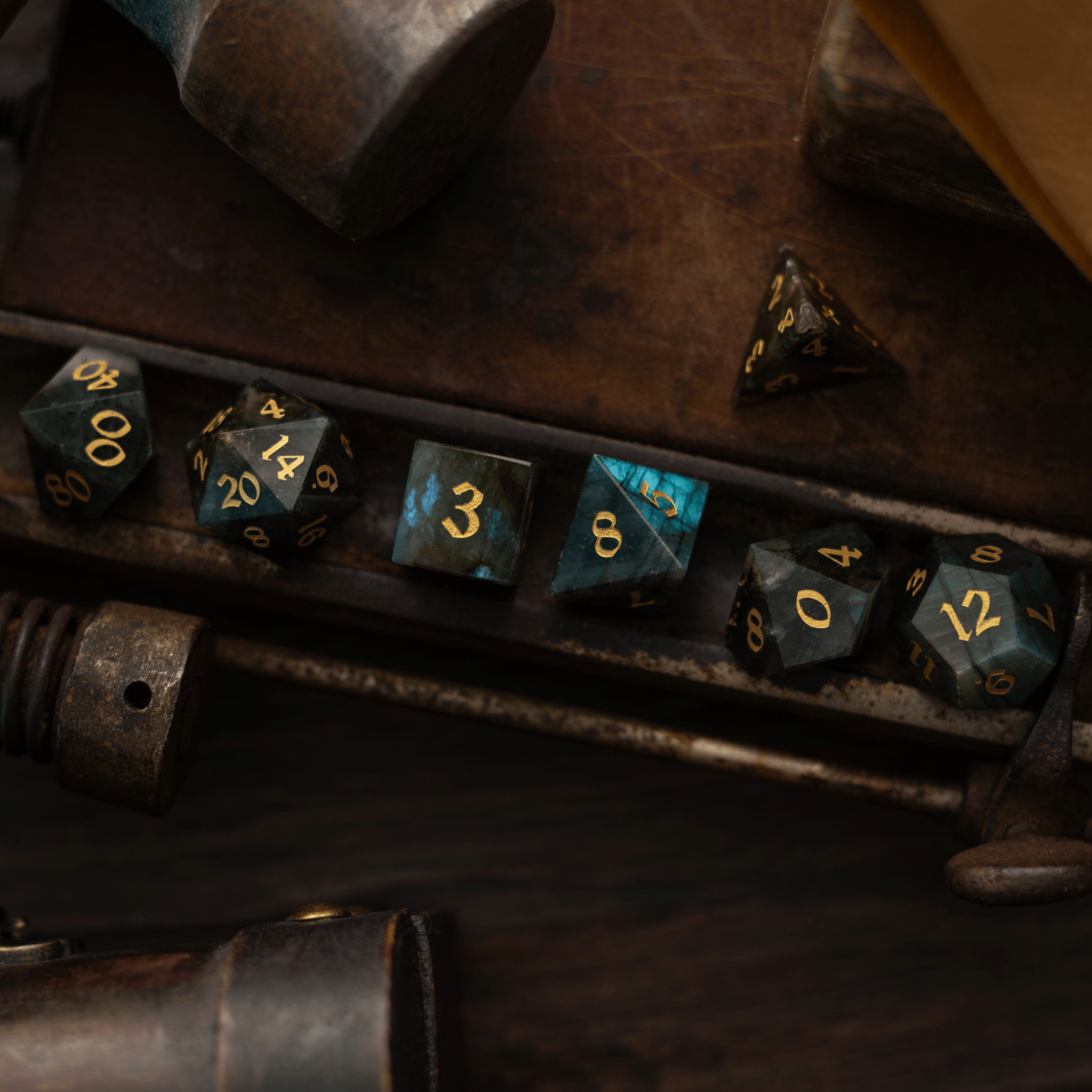
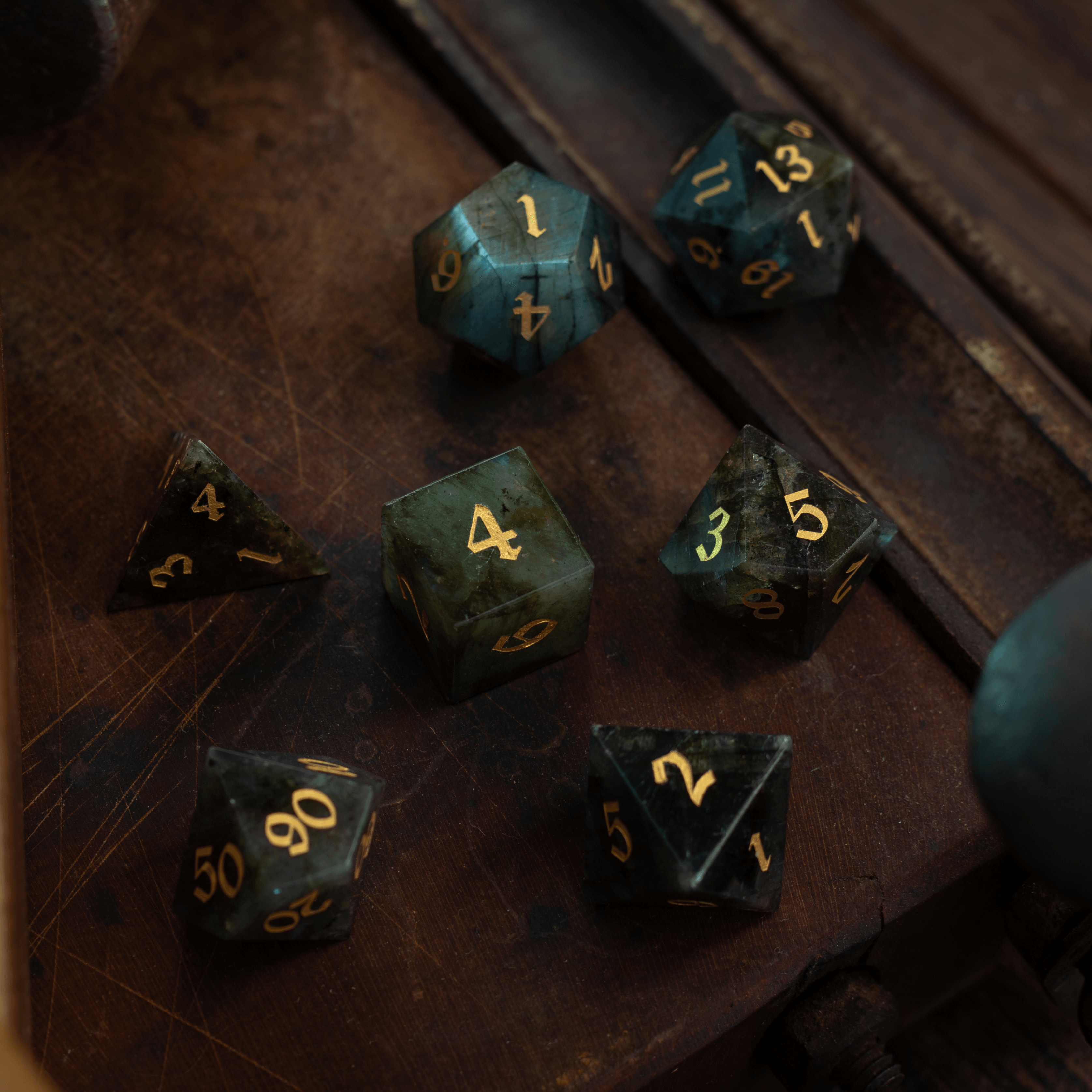
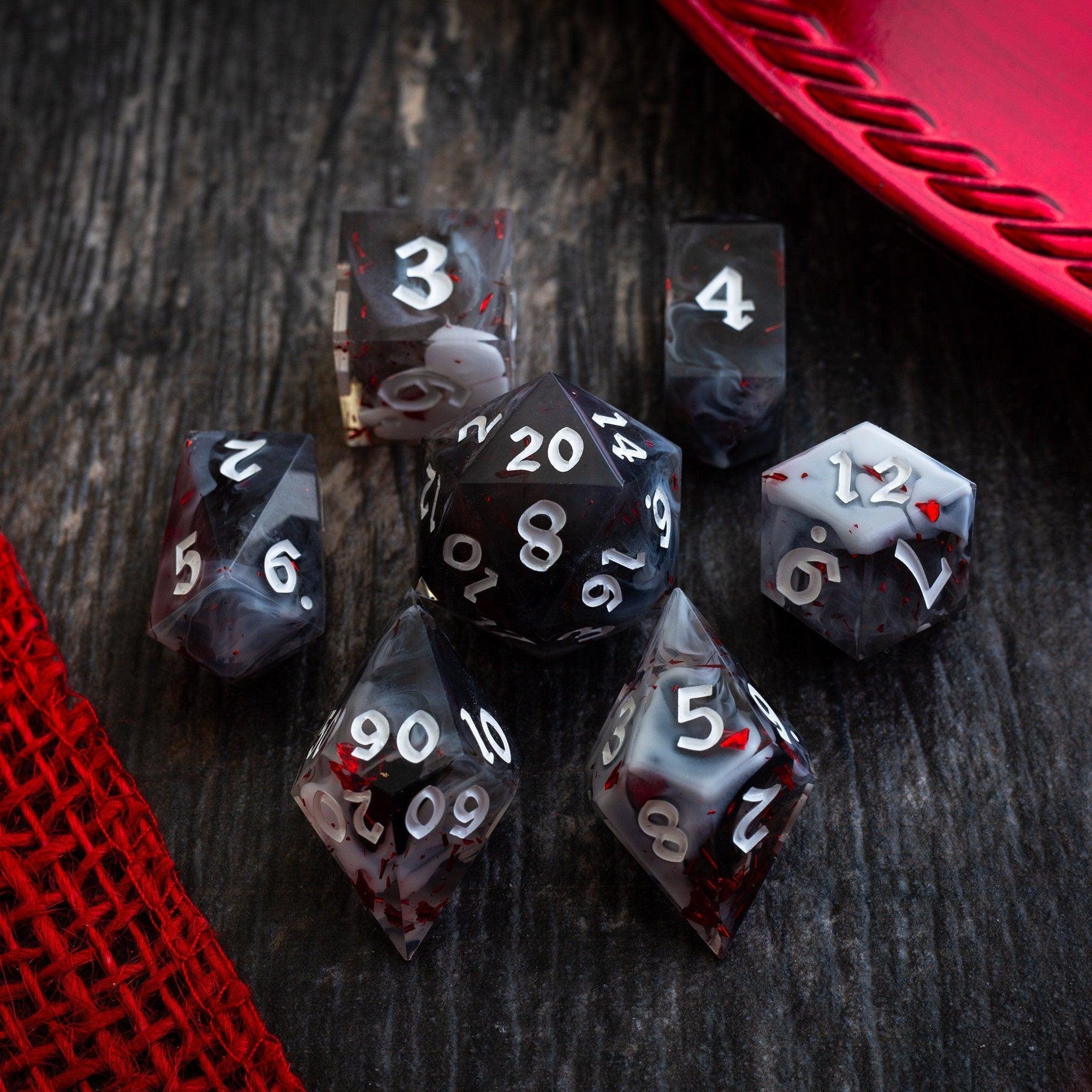
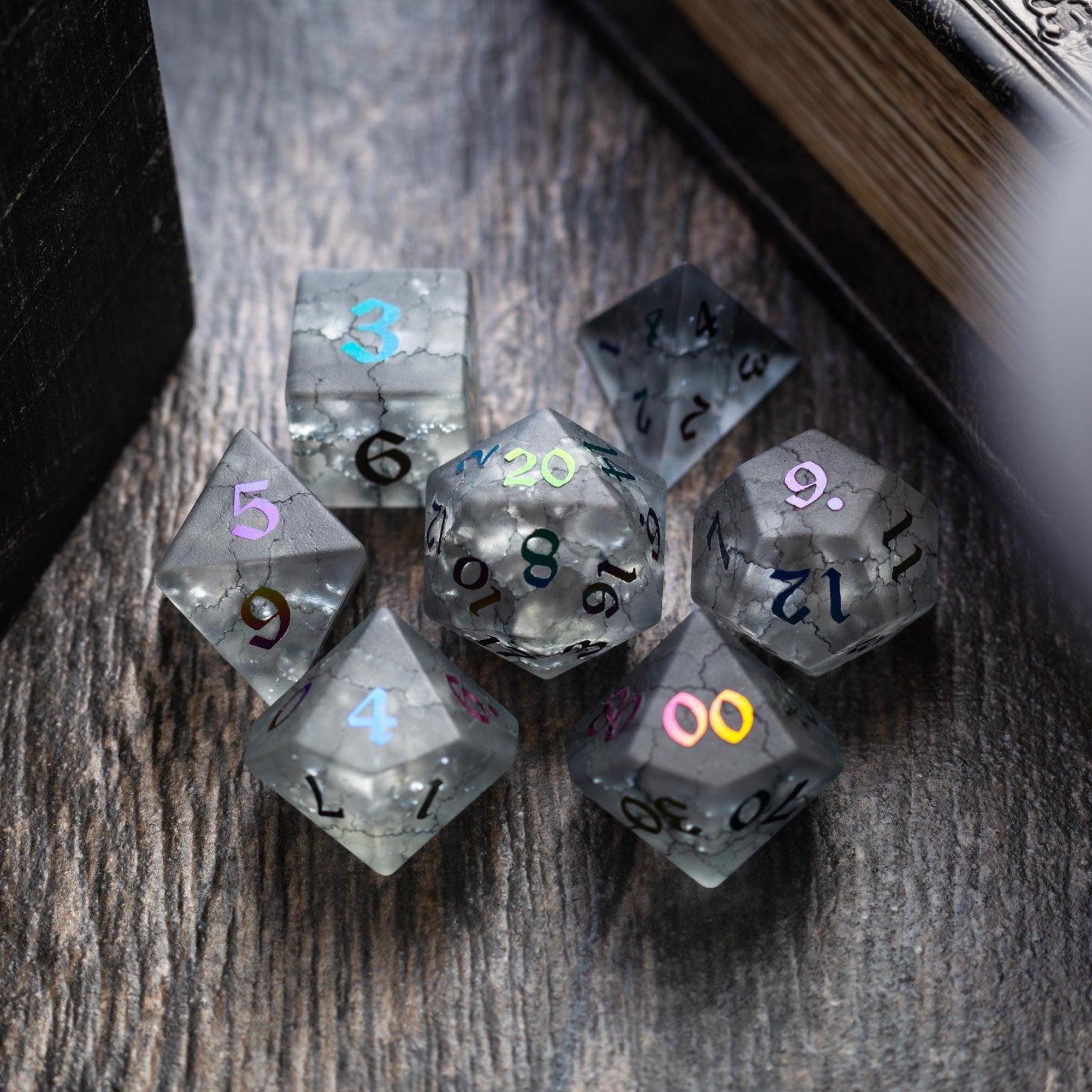
If your group likes matching table accessories to a character theme, gemstone dice can suit ancient or divine characters, resin dice can fit almost any visual concept, and liquid core dice can match characters built around magic, prophecy, stars, or strange supernatural power.
Tales of the Valiant Classes and Party Roles
The Player's Guide includes 13 base classes: Barbarian, Bard, Cleric, Druid, Fighter, Mechanist, Monk, Paladin, Ranger, Rogue, Sorcerer, Warlock, and Wizard. Players coming from 5E will recognize many of these archetypes, but they should still read the Tales of the Valiant version rather than assume every feature works exactly the same way.
When building a party, do not focus only on damage. Think about what the group can do when no attack roll is involved. A well-rounded party often has characters who can survive on the front line, use magic, notice clues, navigate dangerous places, handle social scenes, support allies, and solve unusual problems. The goal is to make sure different players have chances to contribute.
Tales of the Valiant Campaign Planning Table
| Campaign Element | Purpose | Example |
| Character Goals | Give players personal reasons to act | A knight seeking redemption or a mage hunting forbidden lore |
| Villains | Create pressure and conflict | A corrupt noble, rival faction, cult leader, or ancient monster |
| Locations | Encourage exploration | Ruined temples, cursed forests, underground cities, or floating citadels |
| Encounters | Challenge different strengths | Combat, negotiation, investigation, hazards, or survival scenes |
| Rewards | Show that choices matter | Allies, information, titles, safe havens, equipment, or magic items |
Use the table before session one, but keep each entry flexible. A campaign plan works best when it gives the Game Master strong situations instead of a fixed sequence of scenes.
Building a Strong Adventuring Party
A good Tales of the Valiant campaign starts with collaboration. Before the first adventure, ask each player to connect their hero to at least one other character. Two heroes might have survived the same disaster, served the same mentor, worked for rival organizations, or share an enemy. Even a small connection gives the party a reason to act together from the beginning.
It also helps to discuss what everyone enjoys. One player may love tactical combat, another may care most about character drama, and someone else may want mysteries or exploration. The campaign does not need to satisfy every preference in every scene, but it should regularly give different playstyles room to matter.
Game Master Tips for Tales of the Valiant
The best Game Master preparation gives you options without locking the party onto one path. Useful preparation can still be simple.
- Prep situations, not scripts. Know what is happening, who wants what, and what may happen if the party does nothing.
- Give important NPCs a clear goal. A merchant who wants safety or a duke who wants control is easier to improvise than an NPC with pages of unused history.
- Build encounters around choices. Terrain, time pressure, hidden information, and competing objectives can make encounters more interesting.
- Let decisions change later sessions. Allies should remember help, rivals should react to setbacks, and ignored threats should keep moving.
- End with momentum. A clue, danger, decision, or unexpected arrival gives the group something to think about before the next session.
Creating Memorable Villains and Story Arcs
A memorable villain needs more than strong combat statistics. Give the villain a clear belief, a goal, and a method. A ruler may believe strict control is the only path to peace. A mage may think dangerous knowledge should belong only to the powerful. A returning hero may believe the world has become weak and needs harsher leadership.
Then connect the villain to something the party cares about. The villain might threaten a character's home, offer a tempting alliance, control information the heroes need, or pursue a reasonable-sounding goal with a terrible cost. This creates conflict the players can understand.
Running Short and Long Tales of the Valiant Campaigns
A short adventure works best with one urgent problem and a clear reason to act. A haunted keep, missing relic, dangerous creature, political murder, or village under threat can support a focused session or short arc.
For a longer campaign, let the stakes grow in stages. Begin with a local danger, reveal a wider regional problem, connect that threat to powerful factions or magic, and then bring the larger story back to the characters' personal goals. This makes escalation easier to follow because the campaign grows from events the players have already experienced.
Common Mistakes New Groups Make
- Overcomplicated backstories: Start with a few useful details and leave room for discoveries during play.
- Weak campaign hooks: Give the party a clear reason to care about the first problem.
- Ignoring character goals: Revisit what the heroes want and let those goals influence adventures and consequences.
- Planning too far ahead: Prepare the next few likely situations instead of trying to predict an entire campaign.
- Using only treasure as a reward: Information, allies, access, status, favors, and safe places can matter as much as equipment.
Why Tales of the Valiant Appeals to 5E Players
Tales of the Valiant keeps a 5E-compatible structure while giving Kobold Press room to build its own version of heroic fantasy. Familiar concepts can shorten the learning curve, while lineages, heritages, talents, class changes, and other game-specific details give players reasons to read the rules with fresh eyes.
Compatibility should not be mistaken for complete rules identity. When a class feature, monster, spell, or character option matters, use the Tales of the Valiant version at the table instead of assuming it matches another 5E ruleset word for word.
Adventure Hooks to Start Your Next Campaign
- An ancient kingdom awakens beneath the mountains and claims that the surface world stole its lands.
- Dragons arrive as diplomats, offering protection to border towns in exchange for permanent obedience.
- A lost magical civilization begins returning one district at a time, bringing old wonders and unfinished wars with it.
- Rival noble houses hire the party to investigate a murder that could trigger a civil war.
- A supernatural storm crosses the region, revealing buried ruins and creatures that should have remained forgotten.
- A legendary hero returns after generations away, but their idea of justice now threatens the people who once celebrated them.
Start Your Next Tales of the Valiant Adventure
Tales of the Valiant gives players and Game Masters a familiar framework for heroic fantasy while adding its own character options and campaign tools. For a first campaign, keep the setup manageable: create heroes with clear motivations, connect the party before play begins, prepare a strong opening problem, and let player choices shape what happens next.
You do not need a perfect world map or a fully planned villain arc before session one. You need a reason for the heroes to act, a few interesting people and places, and enough flexibility to follow the group's decisions. Gather the party, bring your favorite DND dice, and let the story grow from the table.















Leave a comment
This site is protected by hCaptcha and the hCaptcha Privacy Policy and Terms of Service apply.