

DnD Character Roles How to Build a Balanced Party Today
Updated on: April 10, 2026
Understanding Dungeons and Dragons character roles is essential for both new and experienced players who want to enhance their gameplay experience. This guide explores the various positions characters take within a party, from damage dealers to healers and strategists. Whether you are preparing for your first campaign or looking to deepen your knowledge, learning about each role's responsibilities and playstyle will help you make informed decisions when building your character and contribute meaningfully to your group's adventures.
- Did You Know?
- Understanding Party Positions in Tabletop Gaming
- The Tank: Frontline Defense and Protection
- The Damage Dealer: Offense and Impact
- The Healer: Restoration and Support
- The Controller: Crowd Management and Strategy
- Expert Tips
- A Day at the Table: One Player's Journey
- Summary and Key Takeaways
- Frequently Asked Questions
Did You Know?

- The concept of defined roles in fantasy gaming emerged from early tabletop games in the 1970s and has evolved into a cornerstone of modern game design
- Many experienced players take on hybrid roles that blend multiple responsibilities, creating unique and dynamic party compositions
- The most successful adventuring parties often feature a balance of complementary roles that work together strategically
- Role selection significantly impacts how players engage with the game world and interact with fellow party members
- Different campaigns and settings may require parties to adapt their roles based on challenges and enemy types they encounter
Understanding Party Positions in Tabletop Gaming
When you gather around a table for an adventure, each character contributes something unique to the group dynamic. The structure of Dungeons and Dragons character roles helps players understand how their choices affect the team's ability to overcome challenges. These positions represent different playstyles, abilities, and responsibilities that shape how the campaign unfolds.
Party composition matters significantly because it determines what challenges the group can tackle and how they approach problem-solving. A well-rounded team typically includes members who can protect allies, deal damage, provide healing, and control the battlefield. Understanding these roles helps you appreciate why your fellow adventurers make the choices they do and how everyone's strengths complement each other.
The beauty of these roles is their flexibility. While traditional positions exist, many characters blend multiple functions. A cleric might serve as both healer and support, while a rogue could combine damage dealing with reconnaissance. Learning about fundamental roles empowers you to create characters that feel authentic to your vision while contributing meaningfully to your party's success.

The Tank: Frontline Defense and Protection
The tank occupies the frontline of combat, drawing enemy attention and absorbing damage that might otherwise harm vulnerable allies. This role requires high defensive capabilities, substantial hit points, and the ability to withstand repeated attacks. Characters who excel as tanks possess armor, protective spells, or natural resilience that keeps them standing when others would fall.
Tanks do more than simply absorb punishment. They control where enemies position themselves on the battlefield, create opportunities for allies to act safely, and determine the flow of combat through their tactical choices. A skilled tank player recognizes when to advance aggressively and when to maintain a defensive stance, always considering how their position protects the rest of the party.
Common tank classes include paladins, fighters, and certain ranger builds. These characters invest in heavy armor, shield proficiency, and abilities that attract enemy attacks. Personality-wise, tanks often embody courage and determination, representing the brave souls who stand between danger and their companions.
The Damage Dealer: Offense and Impact
Damage dealers focus on defeating enemies efficiently by maximizing the harm they inflict during each turn. This role rewards players who understand positioning, resource management, and timing. Damage dealers might specialize in melee combat, ranged attacks, or magical assault, each approach offering distinct advantages and playstyle considerations.
The responsibility of a damage dealer extends beyond simply attacking. Effective damage dealers identify high-priority targets, manage their action economy, and adapt their tactics based on evolving battlefield conditions. They must balance aggressive offense with awareness of their own vulnerability, as being caught without proper positioning can quickly turn them into liabilities.
Rogues, wizards, rangers, and sorcerers frequently occupy damage-dealing positions. These classes offer varied approaches to offense, from precise strikes and elemental spells to strategic positioning and sustained attacks. Players who enjoy tactical decision-making and seeing immediate consequences find satisfaction in the damage dealer role.
The Healer: Restoration and Support
Healers maintain party vitality by restoring health and removing harmful conditions. This role carries significant responsibility since the healer often determines whether a dangerous situation becomes a heroic comeback or a tragic defeat. Healers invest in restoration magic, supportive abilities, and knowledge of when to intervene most effectively.
Healing extends beyond simply casting restoration spells. Skilled healers manage resources carefully, predict incoming damage, and position themselves to stay safe while remaining close enough to help. They often serve as secondary support, providing buffs that enhance ally capabilities and removing debilitating effects that compromise the party's effectiveness.
Clerics and druids represent classic healing choices, though bards and other prepared casters can also provide substantial healing support. The healing role appeals to players who enjoy being the backbone of their party, deriving satisfaction from keeping allies conscious and capable throughout the adventure.
The Controller: Crowd Management and Strategy

Controllers shape the battlefield through crowd control abilities, environmental manipulation, and strategic magic. This role emphasizes reducing enemy effectiveness rather than directly dealing damage. Controllers use abilities that stun, immobilize, frighten, or otherwise limit what opponents can accomplish, transforming the nature of combat through clever spell selection.
Playing a controller requires understanding how to position abilities for maximum impact and recognizing when control abilities prove more valuable than damage. Controllers often excel at handling multiple enemies simultaneously, preventing dangerous foes from reaching vulnerable allies, and creating tactical opportunities their party can exploit.
Wizards frequently serve as controllers through careful spell selection, while monks, rogues, and other classes can enhance their control capabilities through smart ability choices. Players who enjoy puzzle-solving and complex tactical situations find the controller role deeply rewarding.
Expert Tips
- Communicate with your party about role selection before the campaign begins to ensure balanced coverage of essential functions
- Consider your table's playstyle preference when selecting a role, as some groups emphasize combat while others prefer exploration and roleplay
- Hybrid roles can adapt to your party's needs, especially if someone cannot attend a session or the group faces unexpected challenges
- Invest in abilities that complement your team's existing strengths rather than duplicating what others already provide
- Remember that roles can evolve as your character gains experience and learns new abilities that expand their capabilities
- Discuss backup plans with your party for situations where role flexibility becomes necessary during critical moments
- Study how published adventures balance party composition to understand design principles that make campaigns engaging
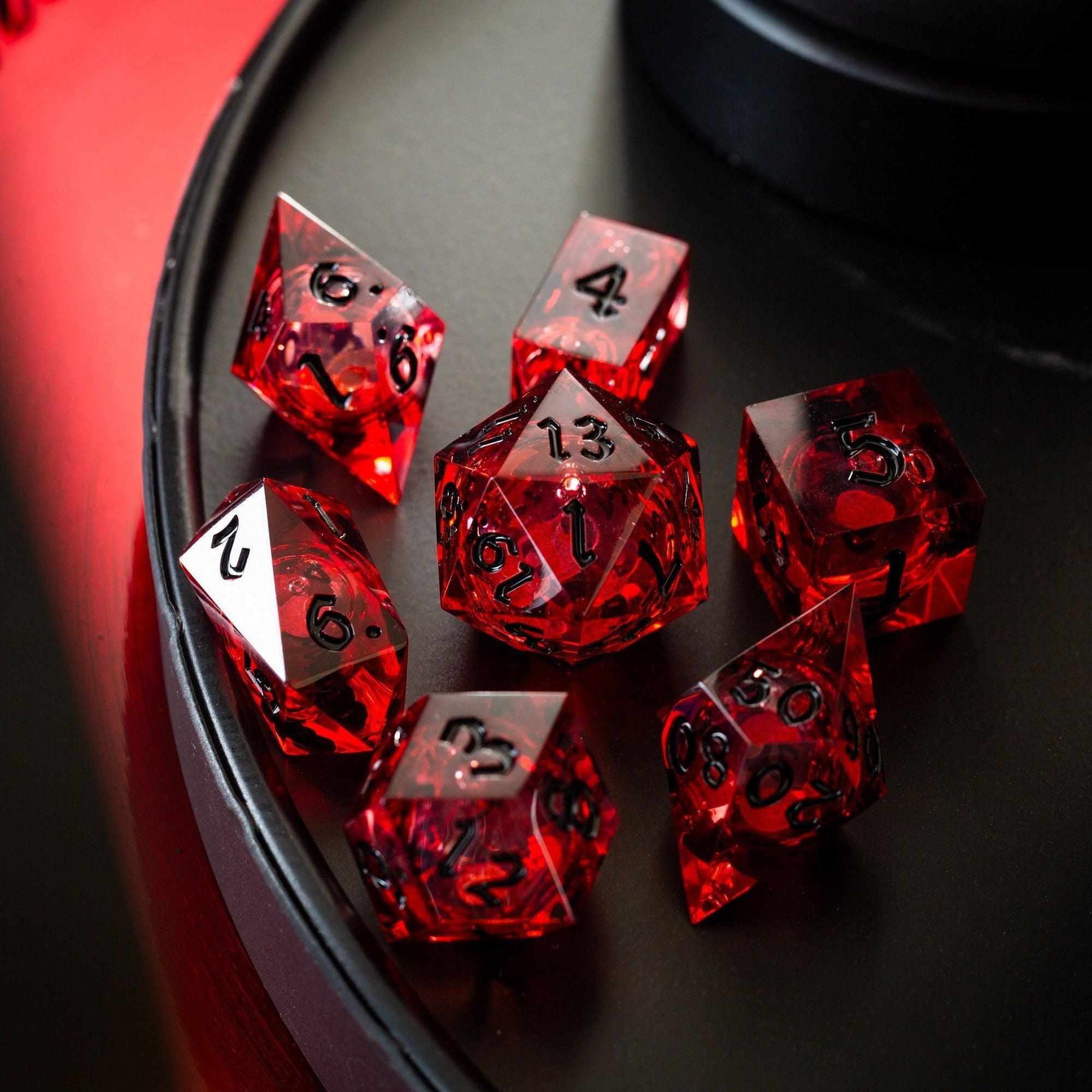
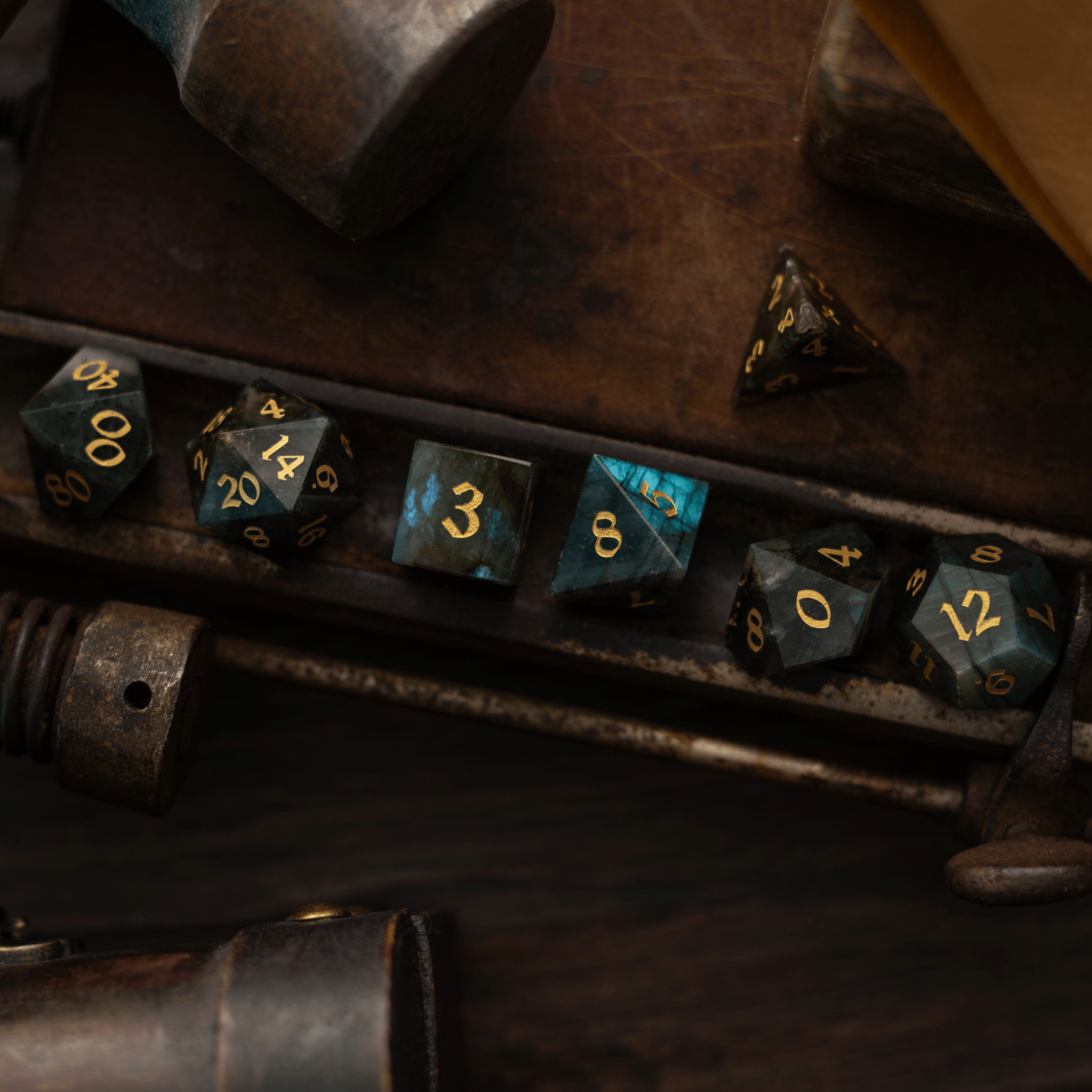
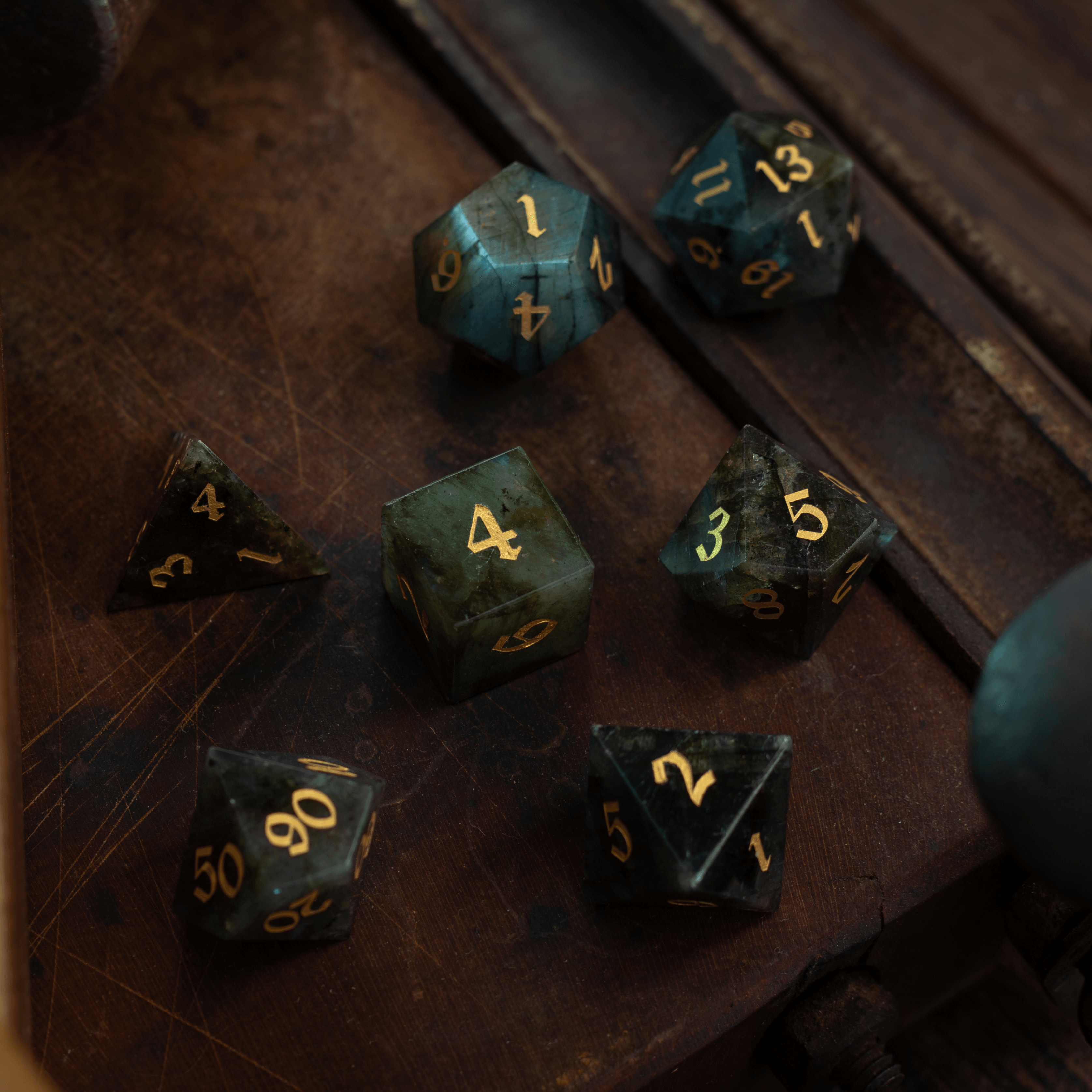
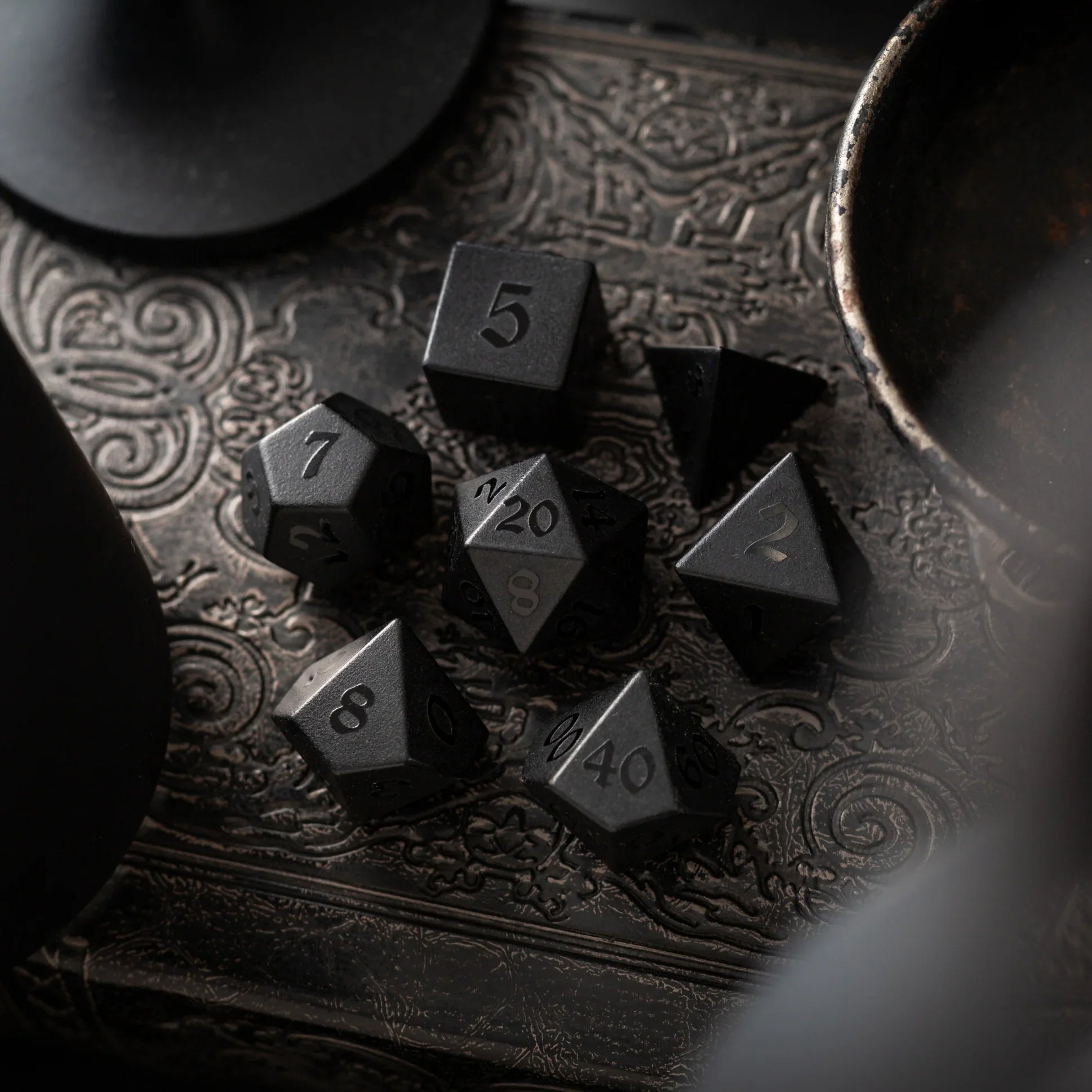
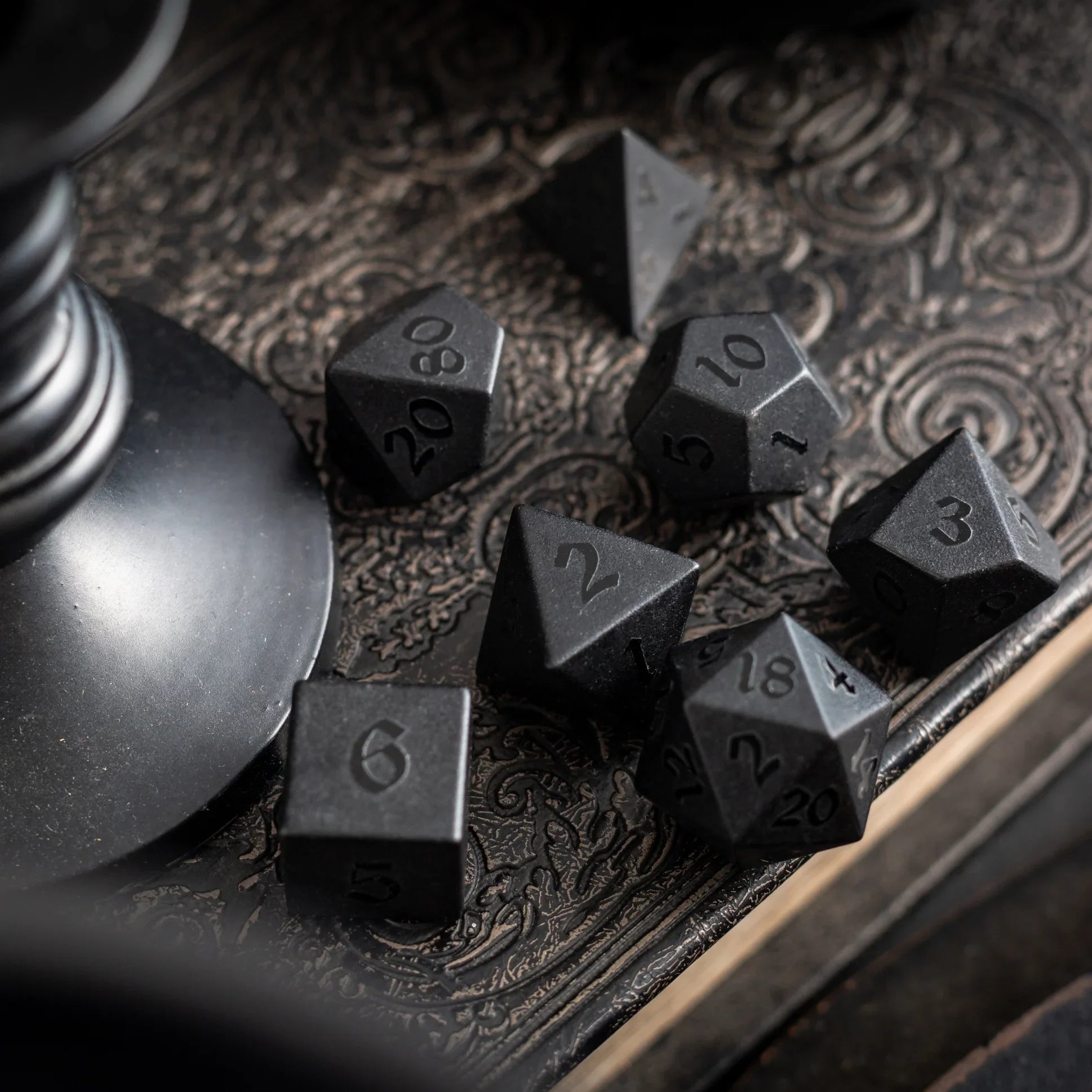
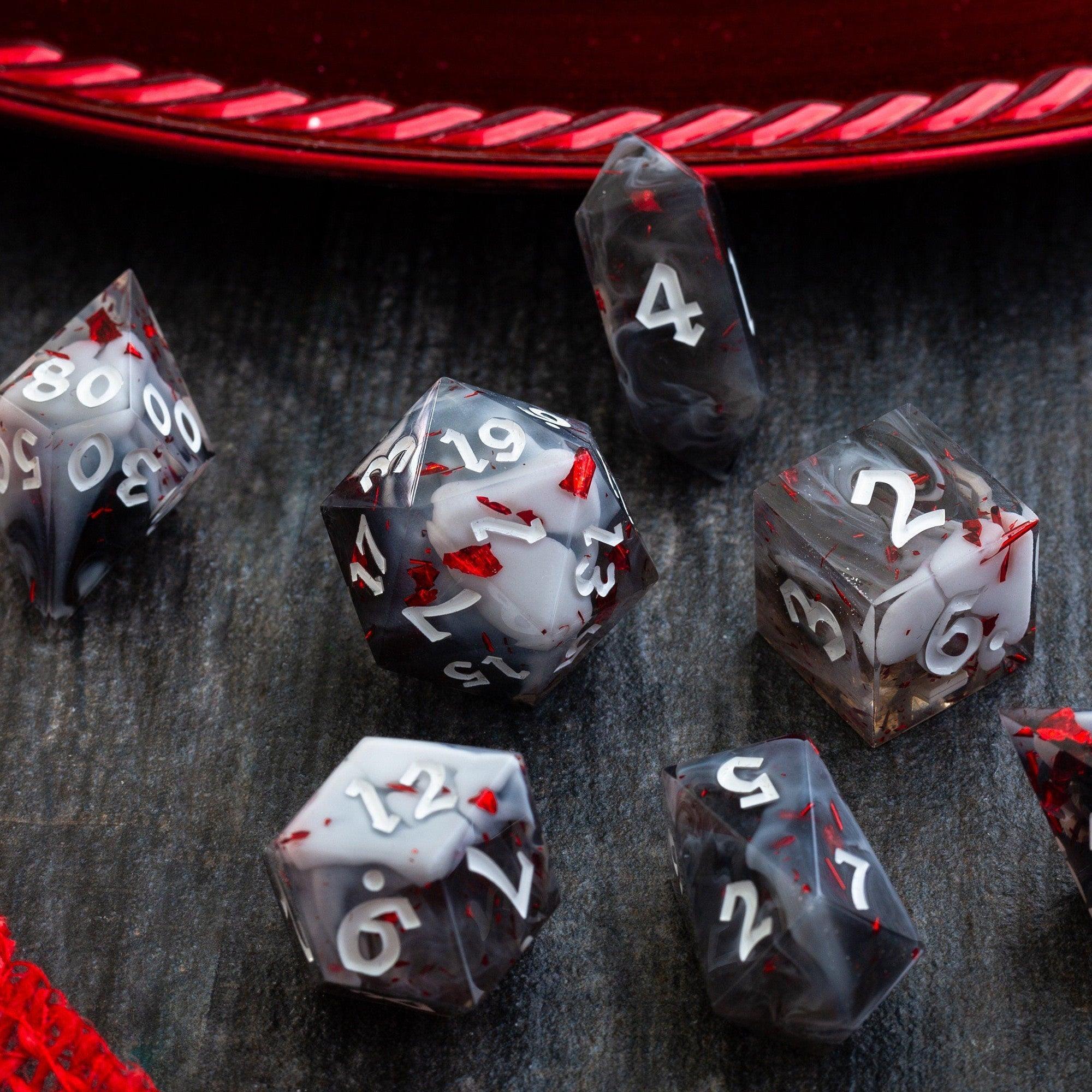
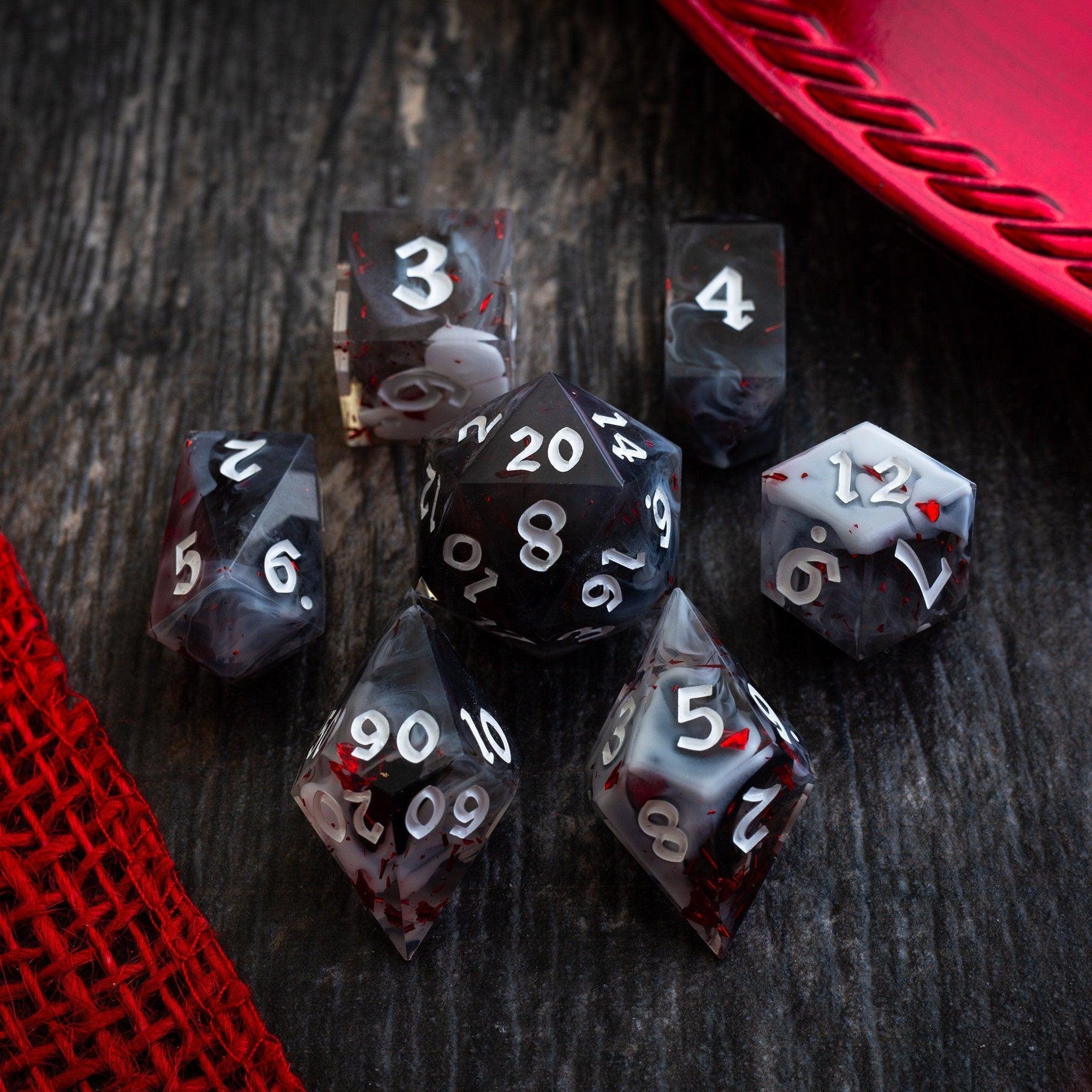
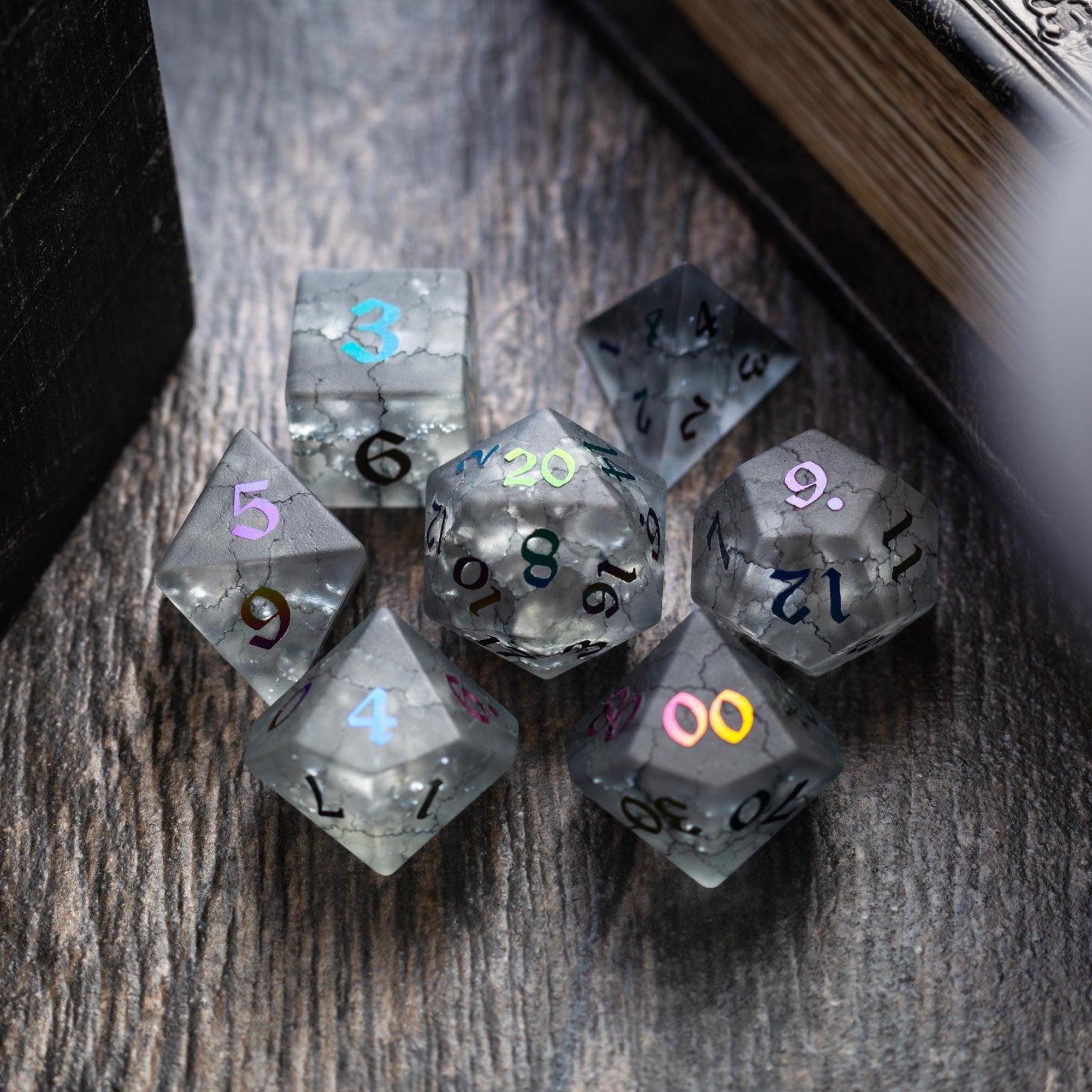
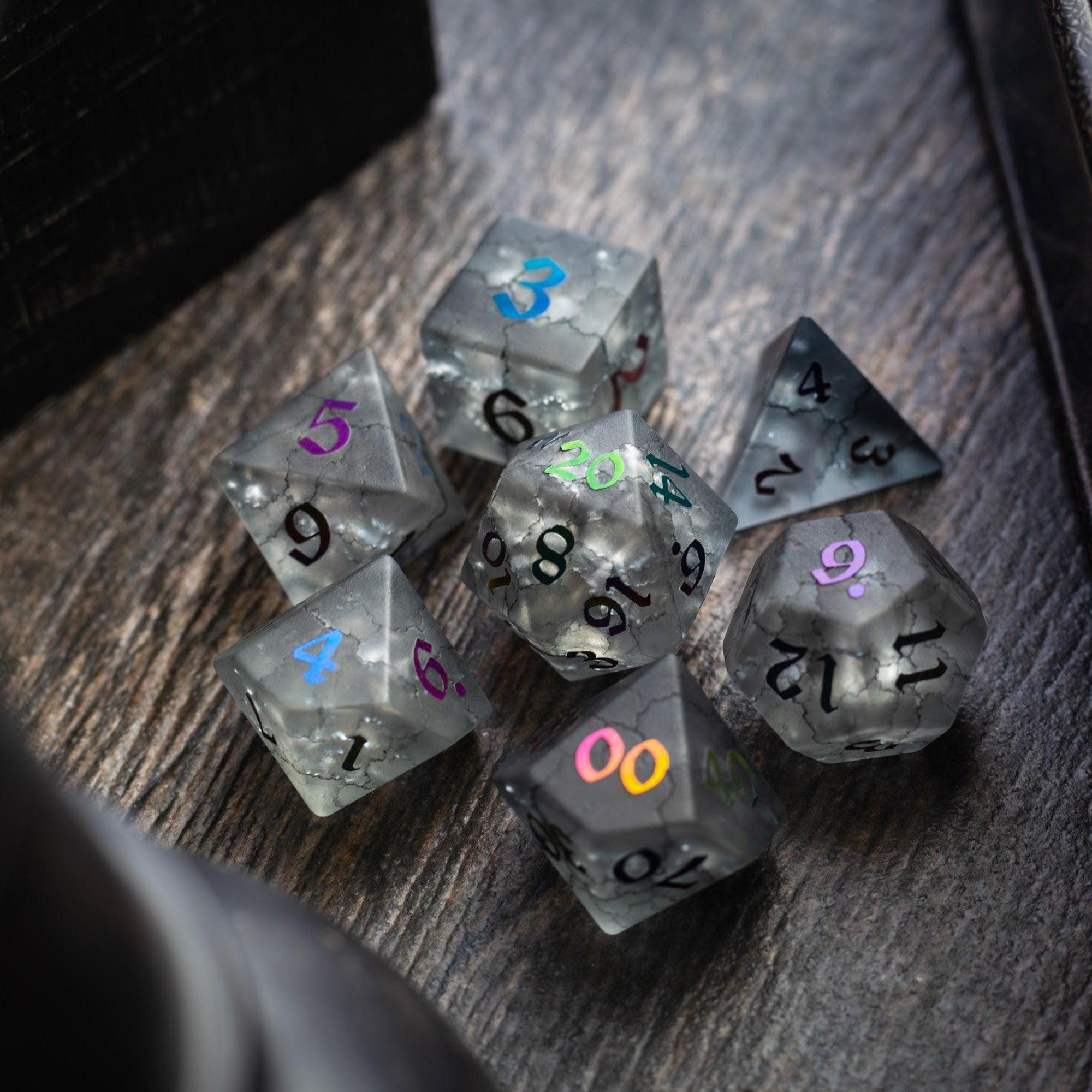
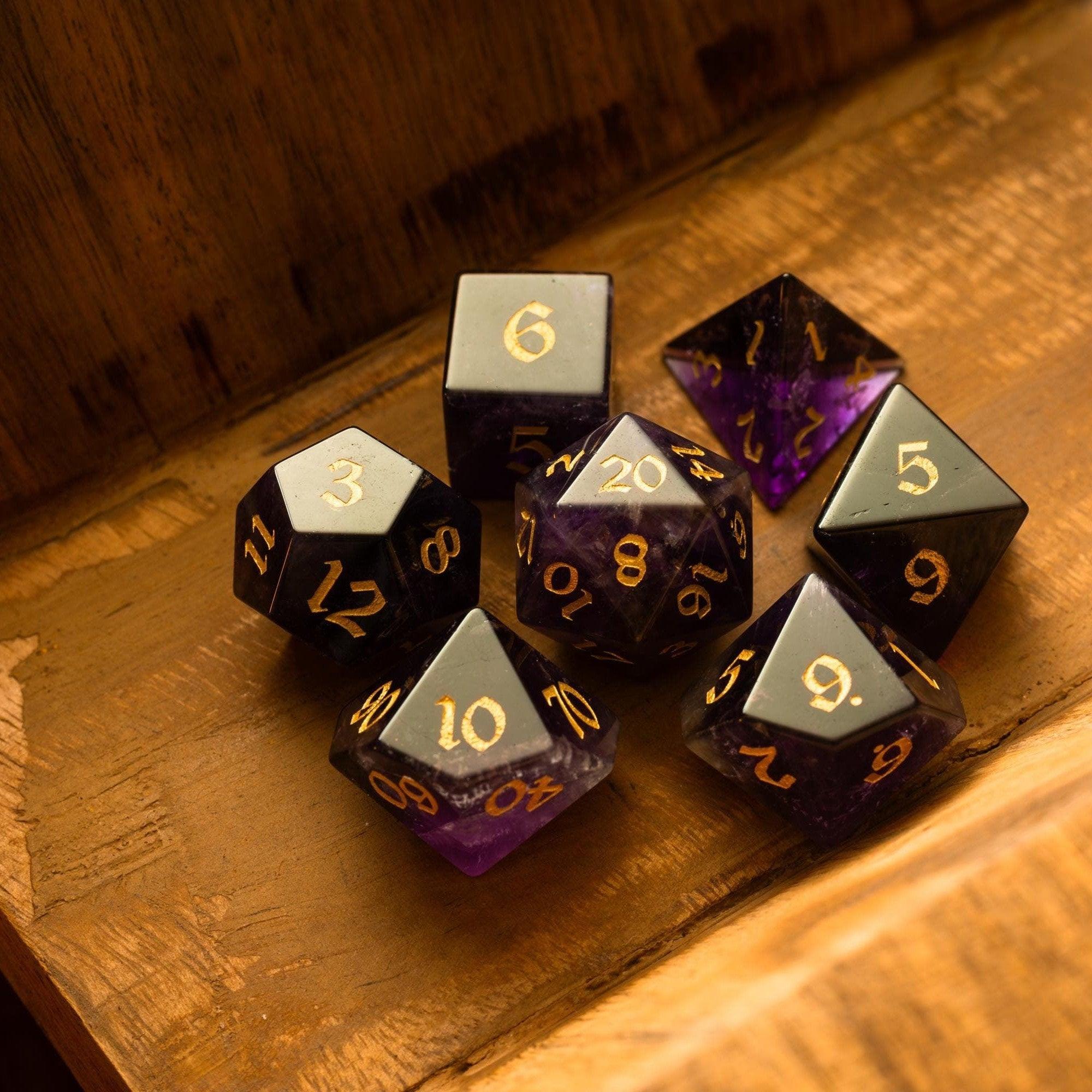
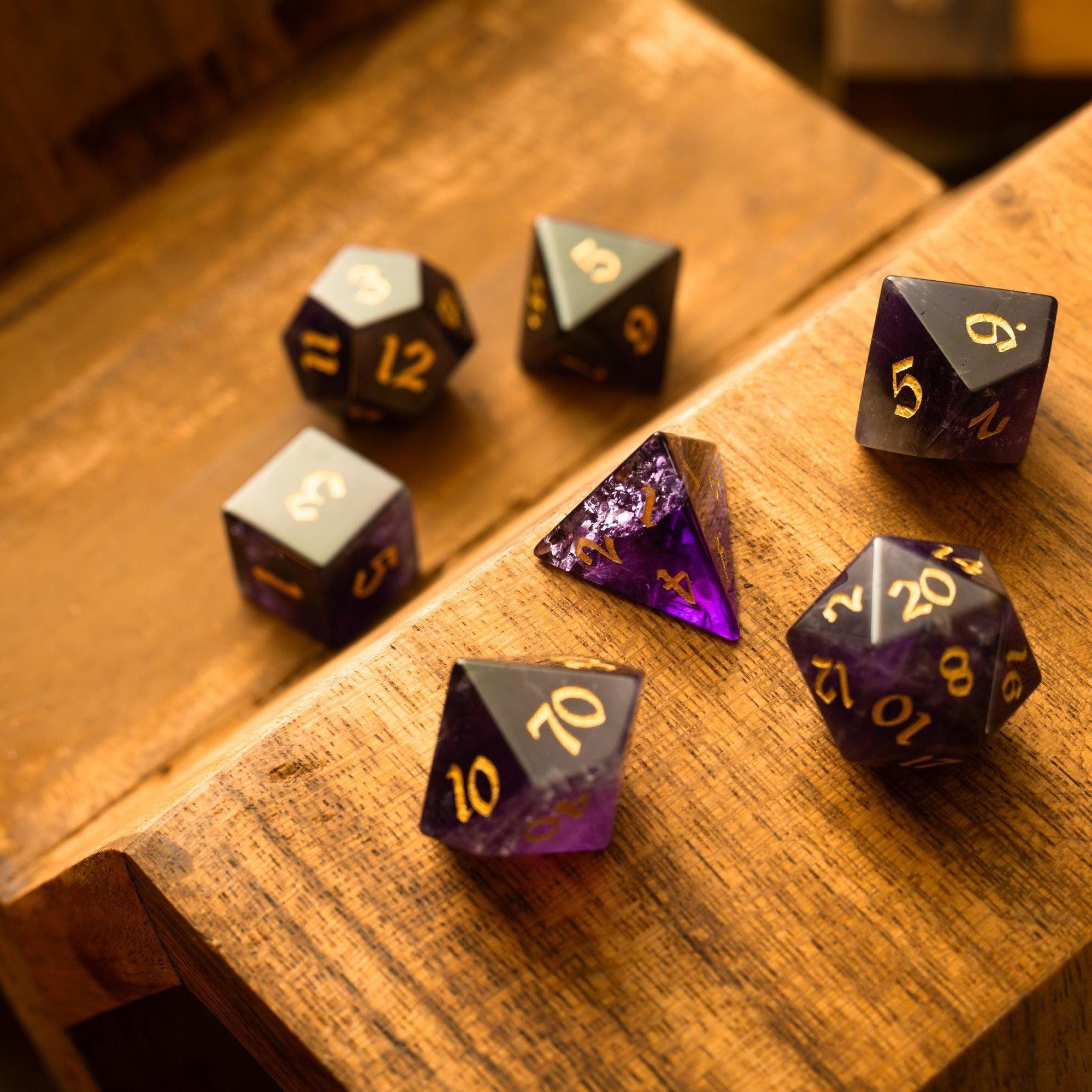
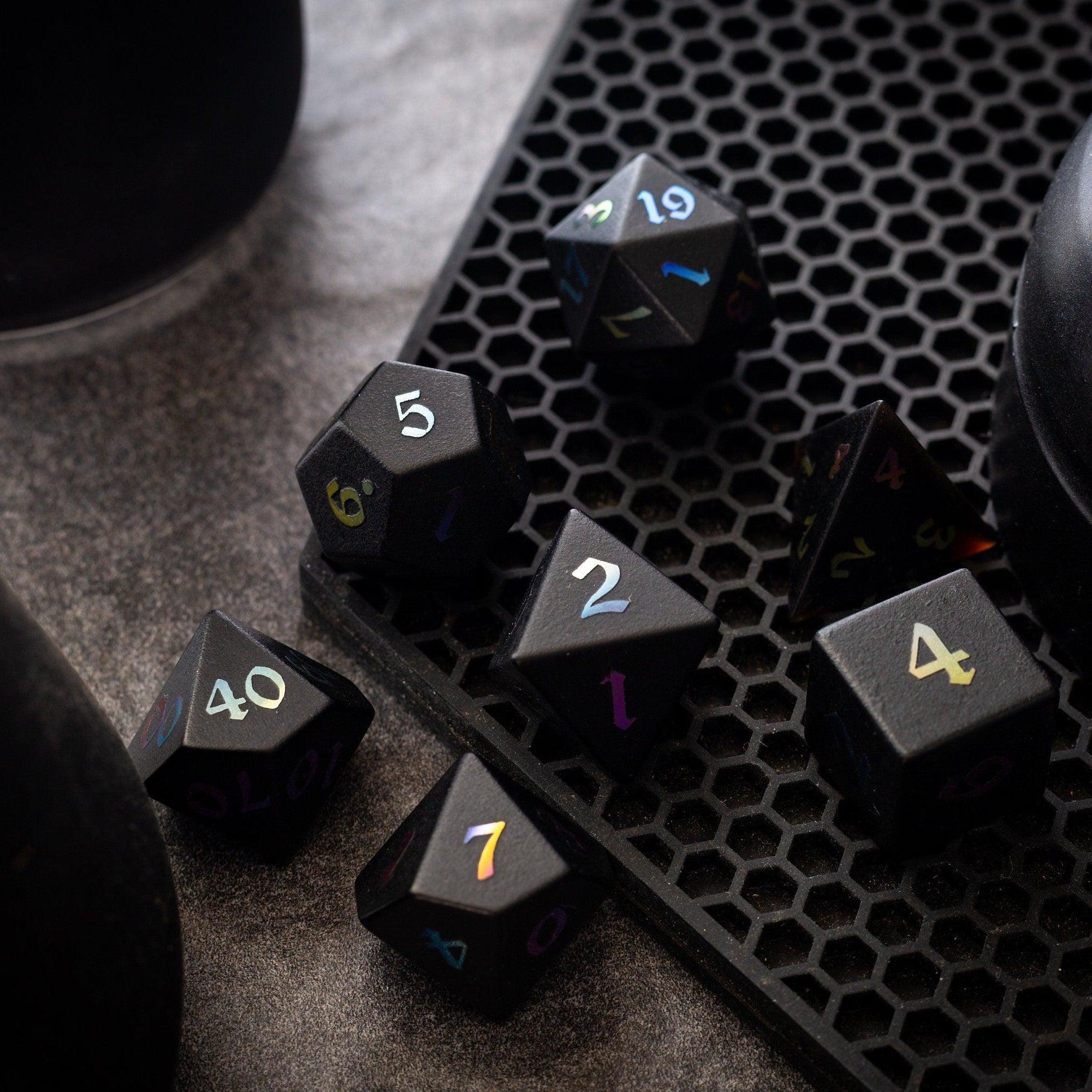
When selecting the perfect aesthetic for your character's journey, consider exploring gemstone dice collections that resonate with your chosen role's personality and appearance. Many players find that rolling dice that match their character's essence enhances immersion and enjoyment.
A Day at the Table: One Player's Journey
I still remember my first campaign where I tried playing every role simultaneously, convinced I could handle everything myself. As a newly formed dungeon master, I created a wizard that could heal, control the battlefield, and deal damage. Within three sessions, I realized my mistake. I was spending more time managing spells and debating ability choices than actually playing and enjoying the adventure.
That experience taught me something valuable about character roles. When I restarted with a focused wizard who specialized purely in control magic, everything changed. I made faster decisions, felt more invested in my character's identity, and contributed more meaningfully to our party's success. My companions had space to shine in their own roles, and our sessions became more dynamic and enjoyable for everyone.
The turning point came during a critical battle where my crowd control spell prevented a powerful enemy from reaching our healer. I felt genuine accomplishment, not because I had dealt the most damage or healed the most wounds, but because my focused expertise had made exactly the difference our party needed. That moment solidified my understanding that roles exist to create opportunities for specialization and contribution, not to limit players, but to enhance their impact through expertise.
Summary and Key Takeaways
Understanding D&D character roles transforms how you approach building characters and participating in campaigns. Each role offers distinct playstyles, responsibilities, and opportunities for meaningful contribution. Tanks protect and control, damage dealers eliminate threats, healers maintain vitality, and controllers shape the battlefield through clever strategy.
The most rewarding campaigns feature parties where each member embraces their role while remaining flexible enough to adapt when circumstances demand. By recognizing how different positions complement each other, you can make informed character choices that align with your interests while supporting your group's success.
Whether you prefer standing on the frontline, unleashing devastating attacks, ensuring allies survive, or controlling combat through intelligent positioning, a role exists that matches your playstyle. Your choice of position shapes not only your character's mechanical capabilities but also your personal engagement with the game and your relationships with fellow players.
Consider exploring specialty dice sets that inspire confidence as you embrace your chosen role and begin your next adventure with renewed clarity and purpose.
Frequently Asked Questions
Can a single character effectively combine multiple roles?
Absolutely. Many characters successfully blend roles, particularly hybrid classes like clerics who heal and damage, or bards who support and control. However, attempting to excel equally at all roles often leads to mediocre performance across the board. The most effective hybrid characters typically specialize in one primary role while offering secondary support in another area. This balanced approach lets you contribute meaningfully without spreading your resources too thin.
What happens if our party lacks a healer?
Parties without dedicated healers require creative problem-solving and careful resource management. Characters can use healing potions, take short rests to recover hit points naturally, or focus on avoiding damage through superior positioning and control. Many successful parties function without traditional healers by emphasizing prevention over restoration. However, having at least one party member capable of emergency healing significantly improves survival chances during difficult encounters.
How do I choose a role that matches my playstyle?
Consider what activities excite you most. Do you enjoy protecting others and standing firm against danger? The tank role suits you. Do you love dealing massive damage and eliminating threats quickly? Try the damage dealer position. Prefer keeping allies healthy and supporting their efforts? Healing satisfies you. Enjoy complex tactical decisions and manipulating the battlefield? Controllers thrive on these challenges. Your ideal role aligns with activities that naturally engage your interest and decision-making preferences.
Do roles remain fixed throughout a campaign?
No. As characters gain experience and new abilities, their roles can shift and expand. A fighter might develop into a tank-damage hybrid after learning additional combat techniques. A rogue could transition from pure damage into a damage-control specialist. Many players intentionally design character progression to evolve their role over time, creating development arcs that mirror their character's journey and growth throughout the campaign.





Leave a comment
This site is protected by hCaptcha and the hCaptcha Privacy Policy and Terms of Service apply.