Encounter Tools for D&D: Speed Up Encounters Easily
Updated on: April 10, 2026
Running a memorable Dungeons and Dragons campaign hinges on creating engaging, dynamic combat encounters. Encounter tools for D&D help game masters craft balanced battles, manage initiative, and track monsters with ease. Whether you're a seasoned dungeon master or running your first session, understanding how to use these tools transforms your storytelling and keeps players on the edge of their seats. From encounter difficulty calculators to initiative trackers, we'll explore everything you need to master the art of combat design.
- What Are Encounter Tools for D&D?
- Buyer's Checklist for Game Masters
- Step-by-Step Guide to Building Balanced Encounters
- Frequently Asked Questions
What Are Encounter Tools for D&D?

Encounter tools for D&D are resources designed to help game masters plan, execute, and manage combat scenarios. These instruments range from digital applications to physical calculators and reference sheets. They assist with determining monster difficulty ratings, adjusting enemy numbers for party size, tracking hit points, managing initiative order, and pacing encounters for optimal player engagement.
Think of these tools as your behind-the-screen allies. They handle the math so you can focus on storytelling. Whether you're calculating whether three goblins and an ogre chieftain make a deadly encounter or tracking which player's character goes next in combat, encounter tools take the guesswork out of D&D preparation. They're not just about mechanics—they're about creating moments that make your players remember the campaign for years to come.
The beauty of these resources lies in their versatility. Some dungeon masters prefer digital platforms that integrate with character sheets. Others love printed charts they can mark up during sessions. Many use a combination of both. The key is finding what works for your playstyle and campaign setting.

Buyer's Checklist for Game Masters
Before investing time or money into encounter tools for D&D, consider these essential factors:
- Ease of Use: Does the tool fit your technical comfort level? Some platforms require no learning curve, while others need setup time.
- Compatibility: Will it work with your favorite D&D edition (Fifth Edition, Pathfinder, etc.)? Ensure it supports your specific rules system.
- Monster Database: Does it include a comprehensive library of creatures, or will you need to add custom monsters manually?
- Initiative Tracking: Can it handle turn order management, condition tracking, and round counting automatically?
- Party Size Scaling: Does it adjust difficulty for different numbers of players? This is crucial for balanced encounters.
- Offline Access: Can you use it without internet? Session interruptions due to connectivity are frustrating.
- Cost: Is it free, subscription-based, or one-time purchase? Consider your budget and frequency of use.
- Community Support: Are there tutorials, forums, or active communities where you can get help?
- Mobile Functionality: Do you need access from phones or tablets during play?
- Customization Options: Can you add house rules, homebrew creatures, or unique mechanics specific to your campaign?
Step-by-Step Guide to Building Balanced Encounters

Creating engaging encounters isn't magic—it's a process. Here's how to use encounter tools for D&D to build battles your players will discuss for months.
Step 1: Determine Your Party's Level and Size
Start by noting how many characters will participate and their average level. Encounter tools use this information as the baseline for difficulty calculations. A balanced fight for four level-five characters looks very different from one designed for six level-two characters. Most tools allow you to input this data quickly.
Step 2: Choose Your Monster or Monsters
Select creatures that fit your narrative. Whether you're facing a dragon, cultists, or animated armor, encounter tools typically contain extensive monster libraries. If you're using homebrew creatures, you can input their statistics manually. The tool then calculates how that creature impacts overall encounter difficulty.
Step 3: Adjust Creature Numbers Based on Difficulty
Here's where encounter tools shine. Input your desired difficulty level—easy, medium, hard, or deadly—and the tool suggests how many creatures to include. You might start with one ogre that seems manageable, then the tool recommends adding goblin allies to increase challenge. This prevents encounters from being either trivial or party-wiping disasters.
Step 4: Calculate Experience Points
Quality encounter tools calculate total experience point values automatically. This helps you track character progression and ensures you're rewarding players appropriately for their victories.

Step 5: Prepare Initiative and Combat Tracking
Before the session begins, enter all creature information into your tracking tool. Include hit points, armor class, attack modifiers, and special abilities. During combat, you'll have everything at your fingertips. Some tools roll initiative automatically; others let you manually input results. Either way, you're prepared to move combat quickly without flipping through multiple sourcebooks.
Step 6: Test Your Encounter (Optional But Recommended)
Many dungeon masters mentally simulate combat or run quick tests to ensure balance. Does your encounter last too long? Are creature abilities likely to overwhelm players? Adjustments made during prep time prevent awkward mid-session changes.
Step 7: Run the Encounter and Track in Real Time
During the session, use your encounter tool to track rounds, character and monster hit points, conditions like poisoning or stunning, and spell slots if desired. Update information as abilities are used and damage is taken. This real-time tracking keeps combat flowing without manual record-keeping distractions.
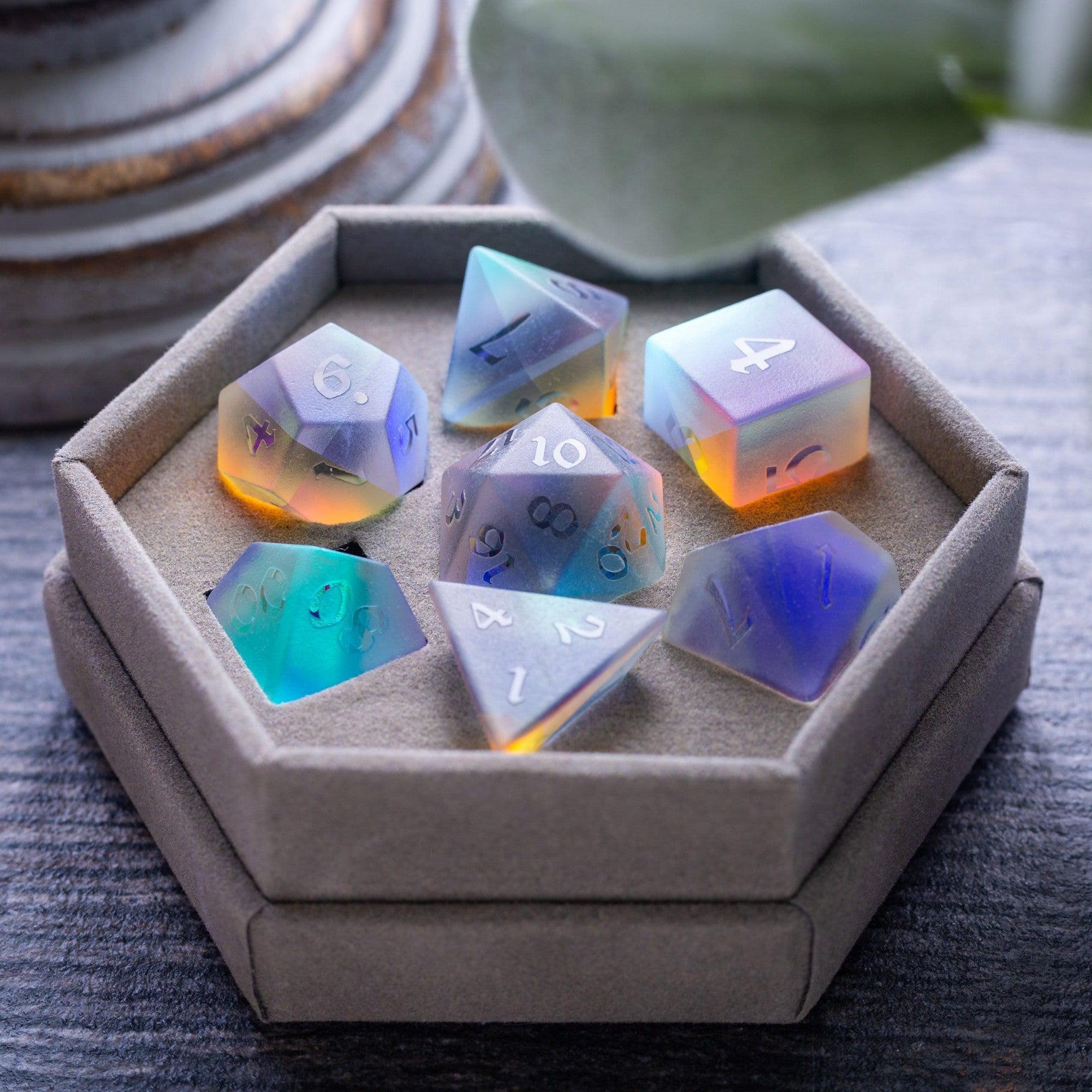
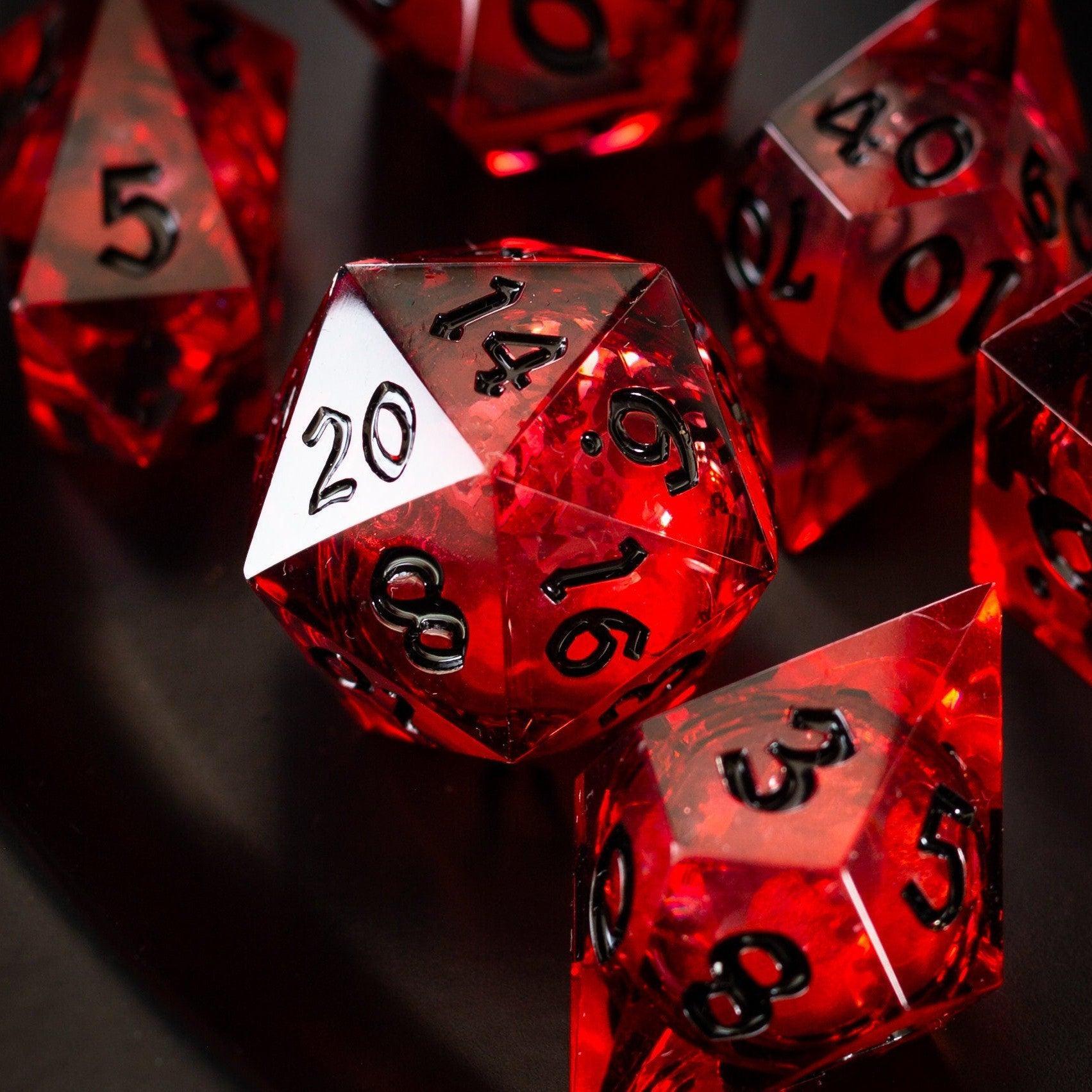
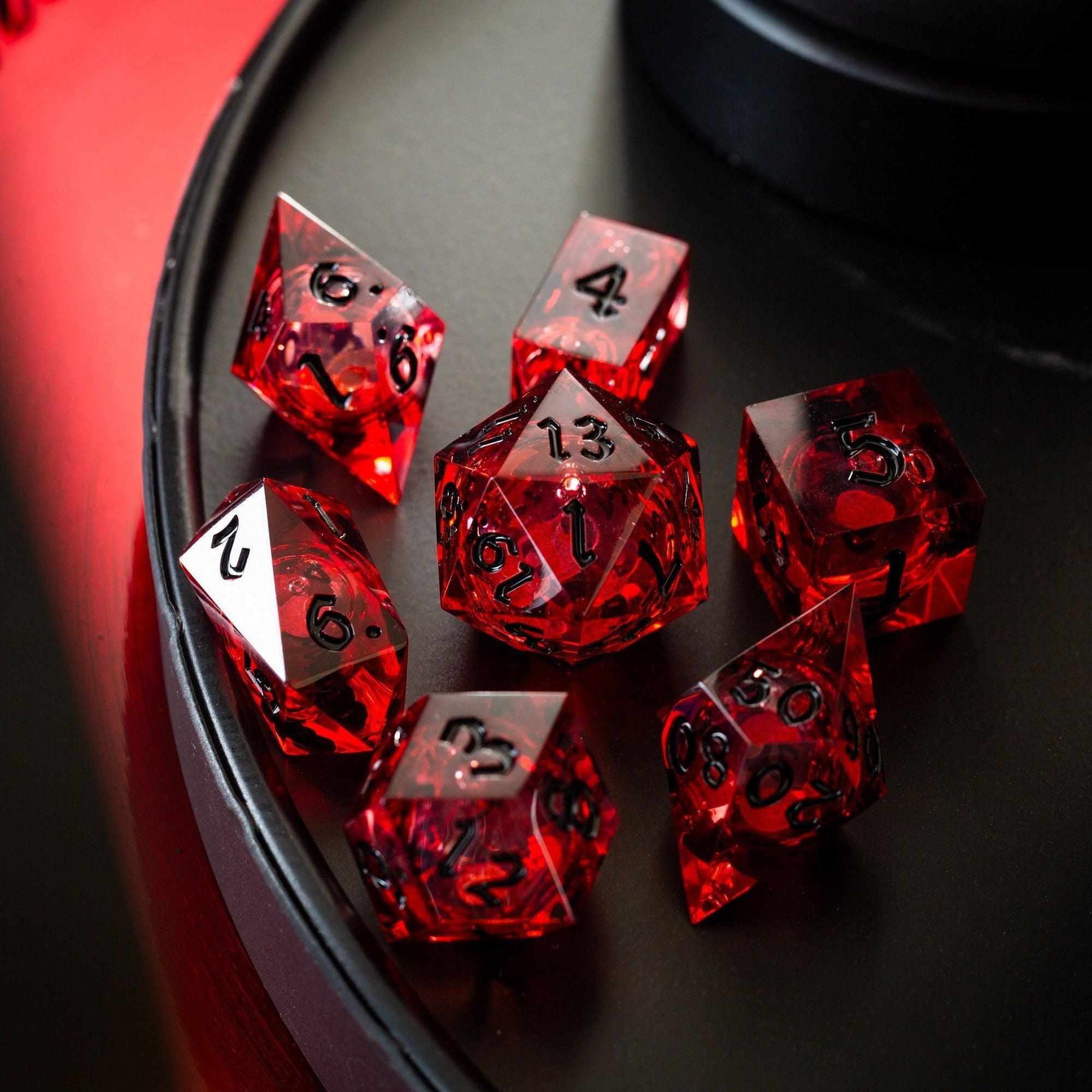
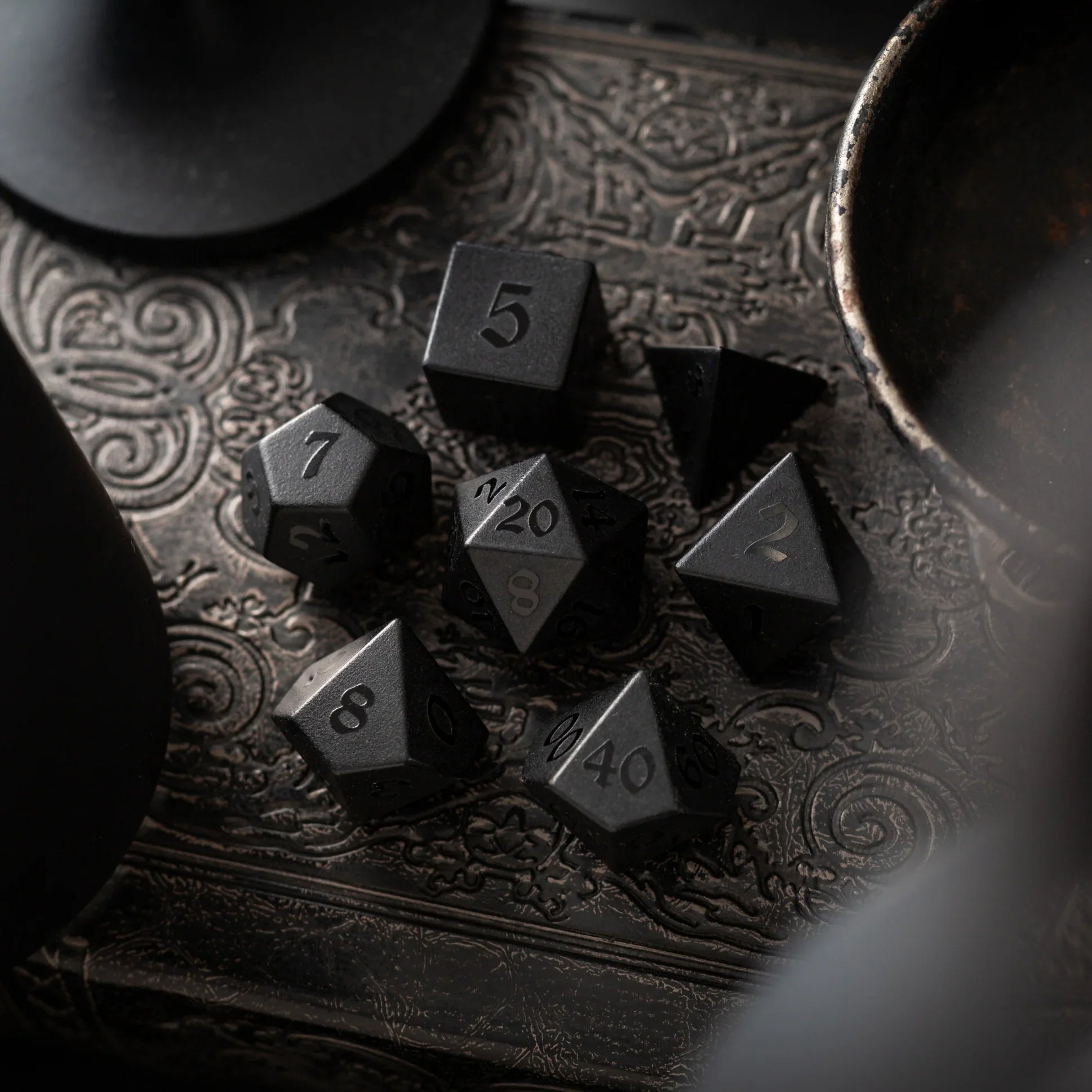
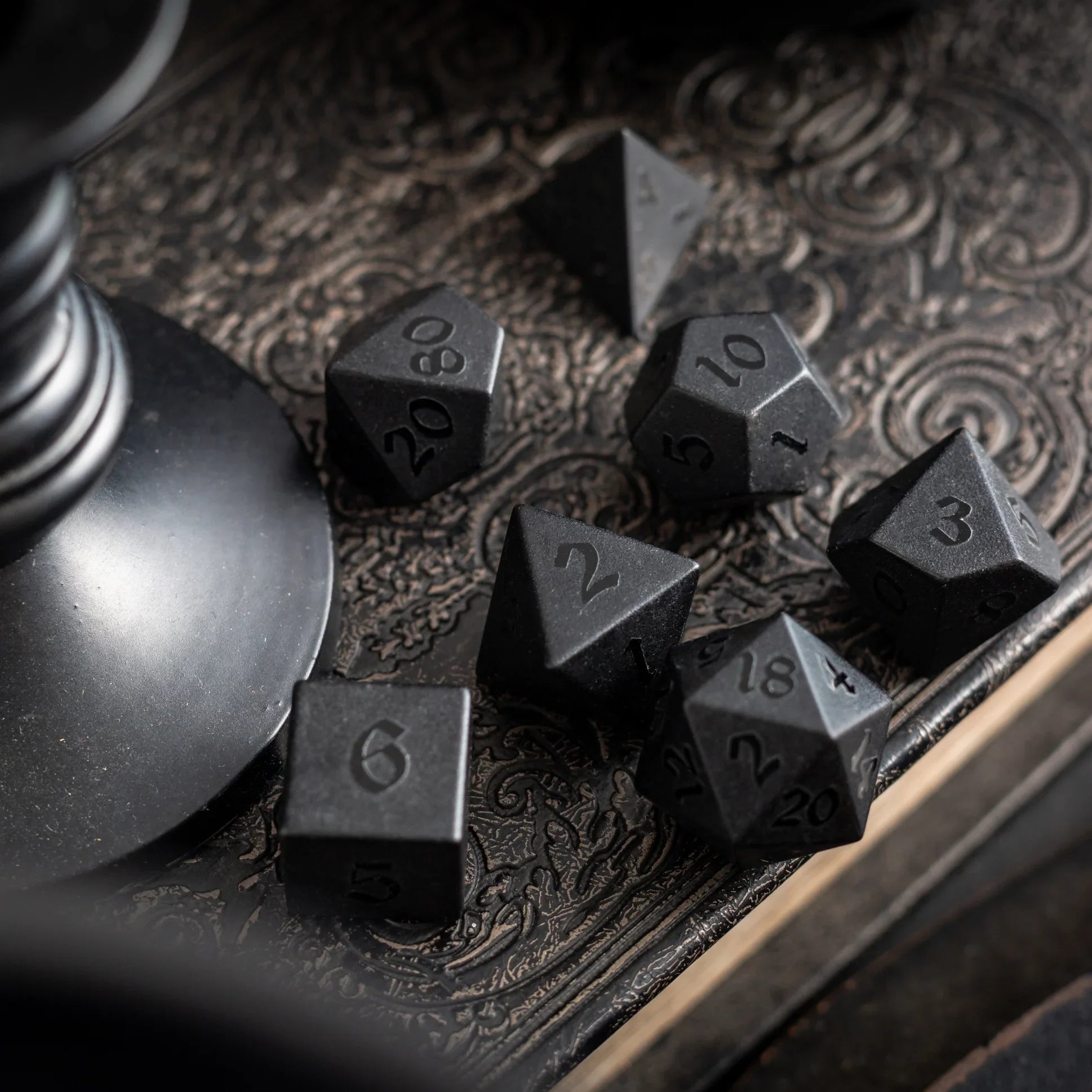
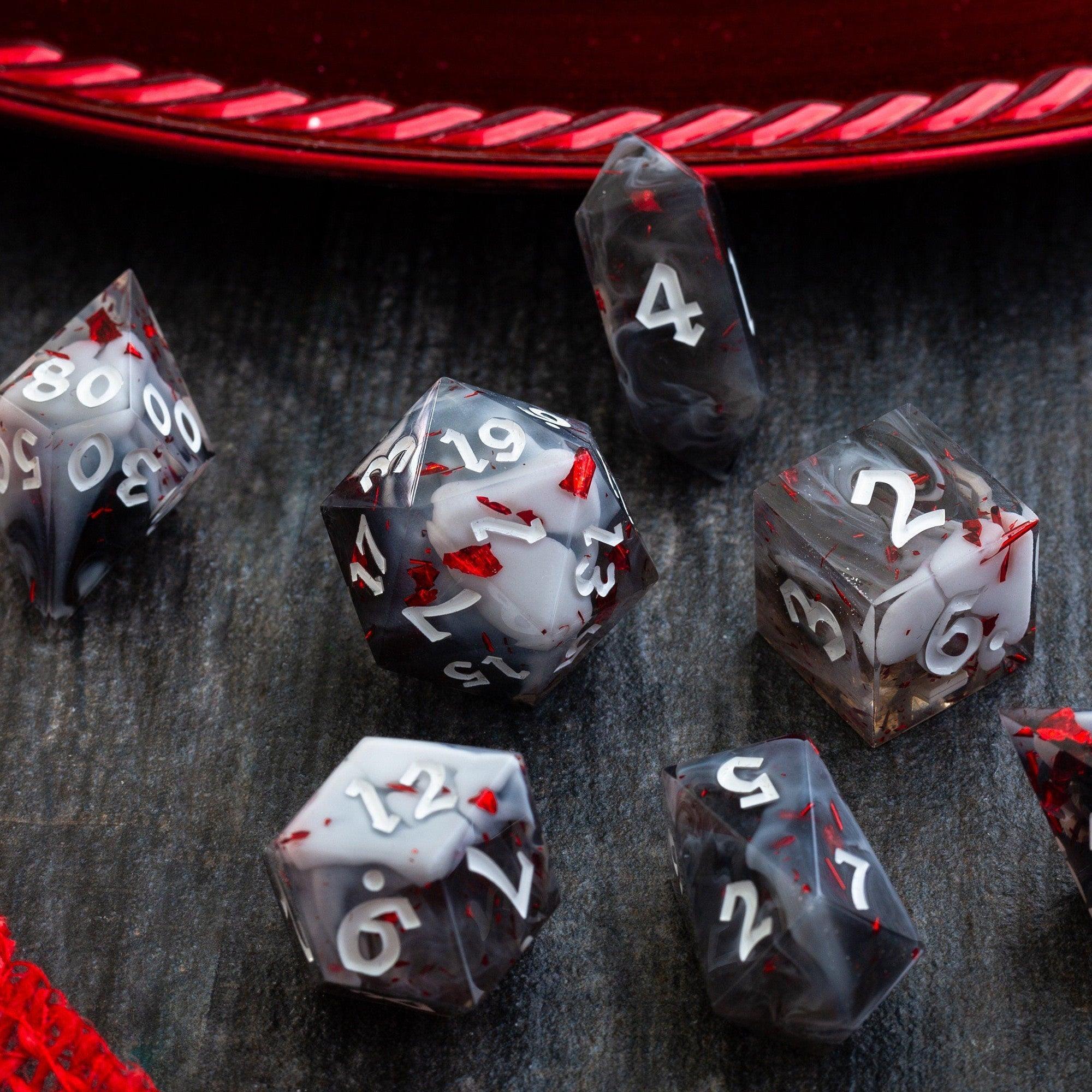
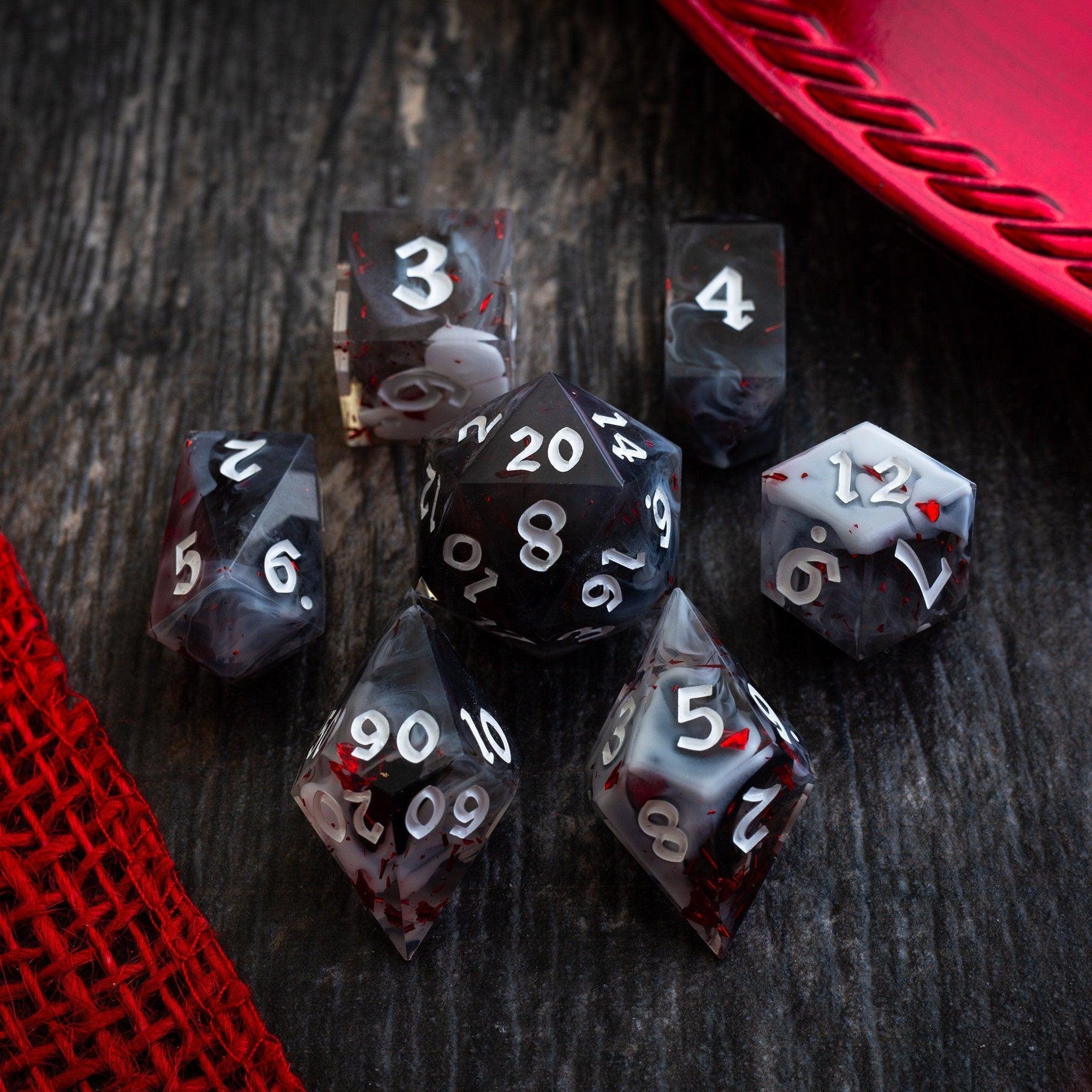
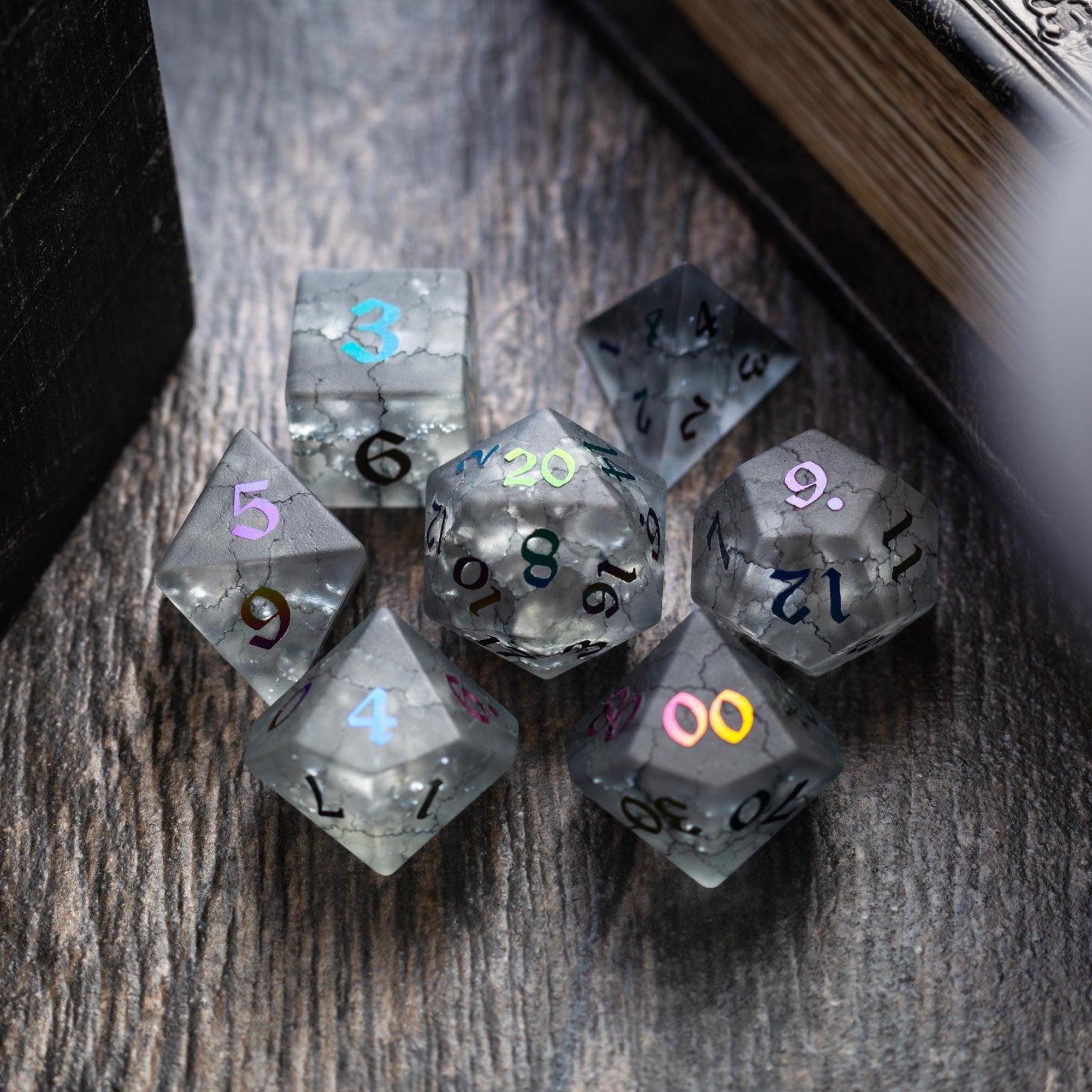
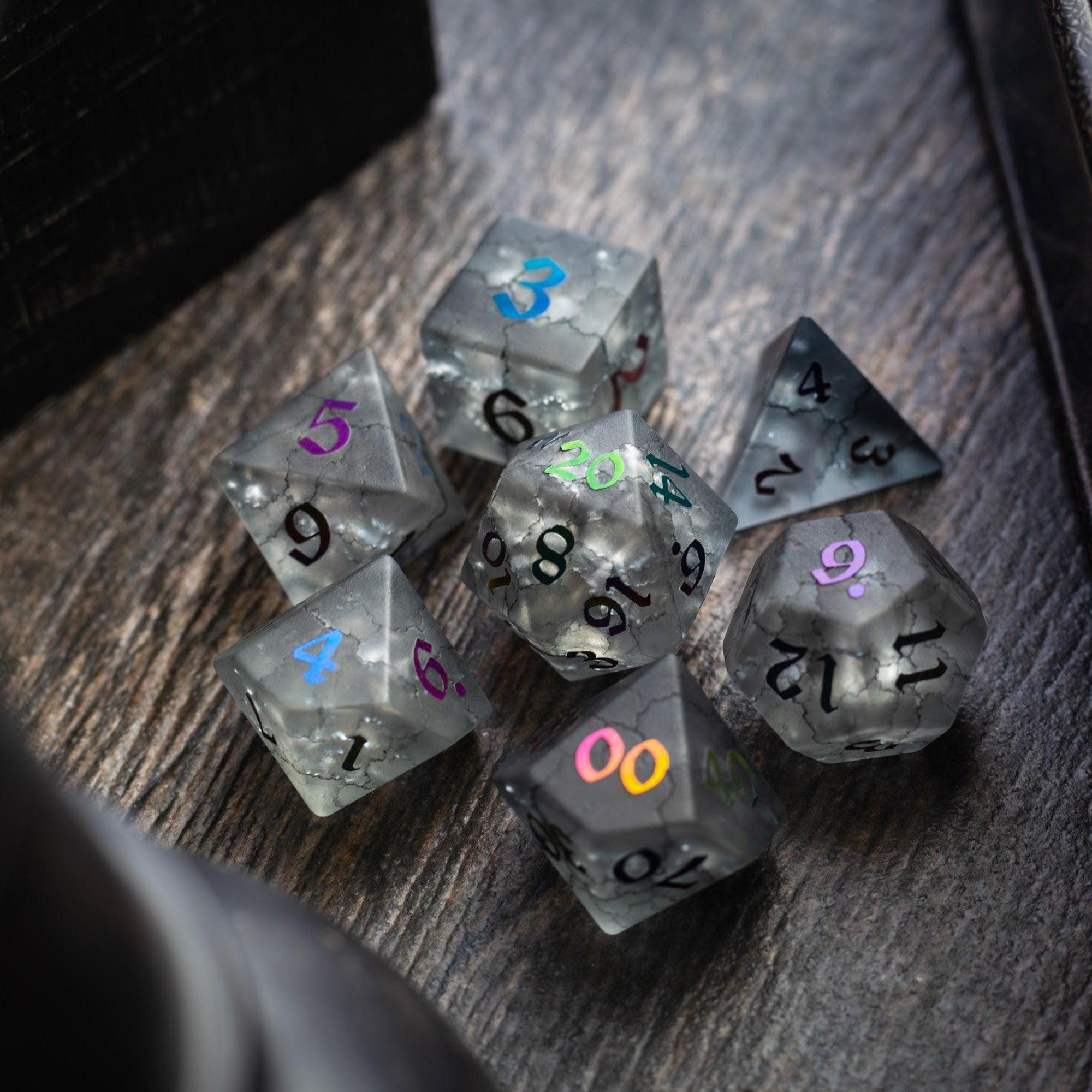
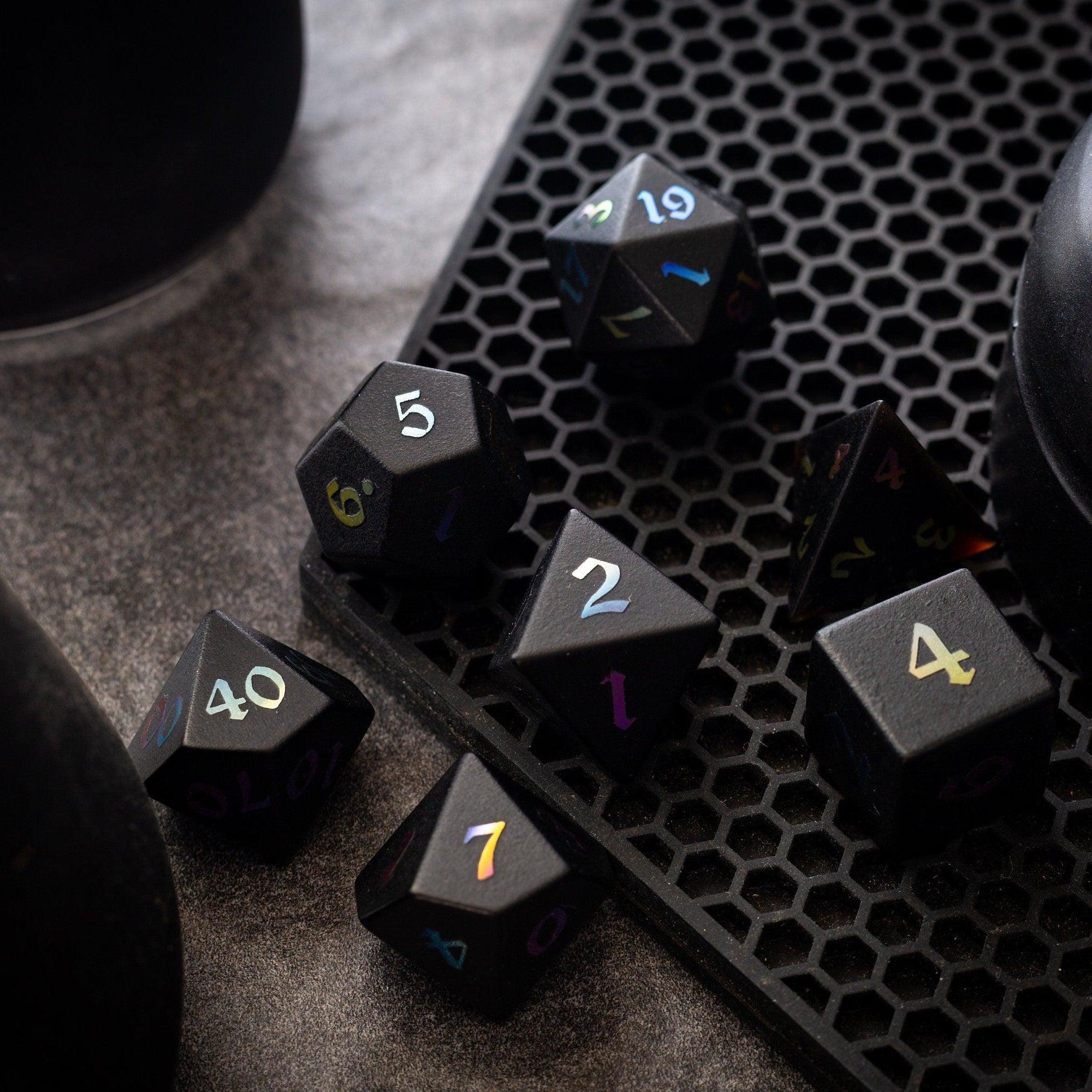
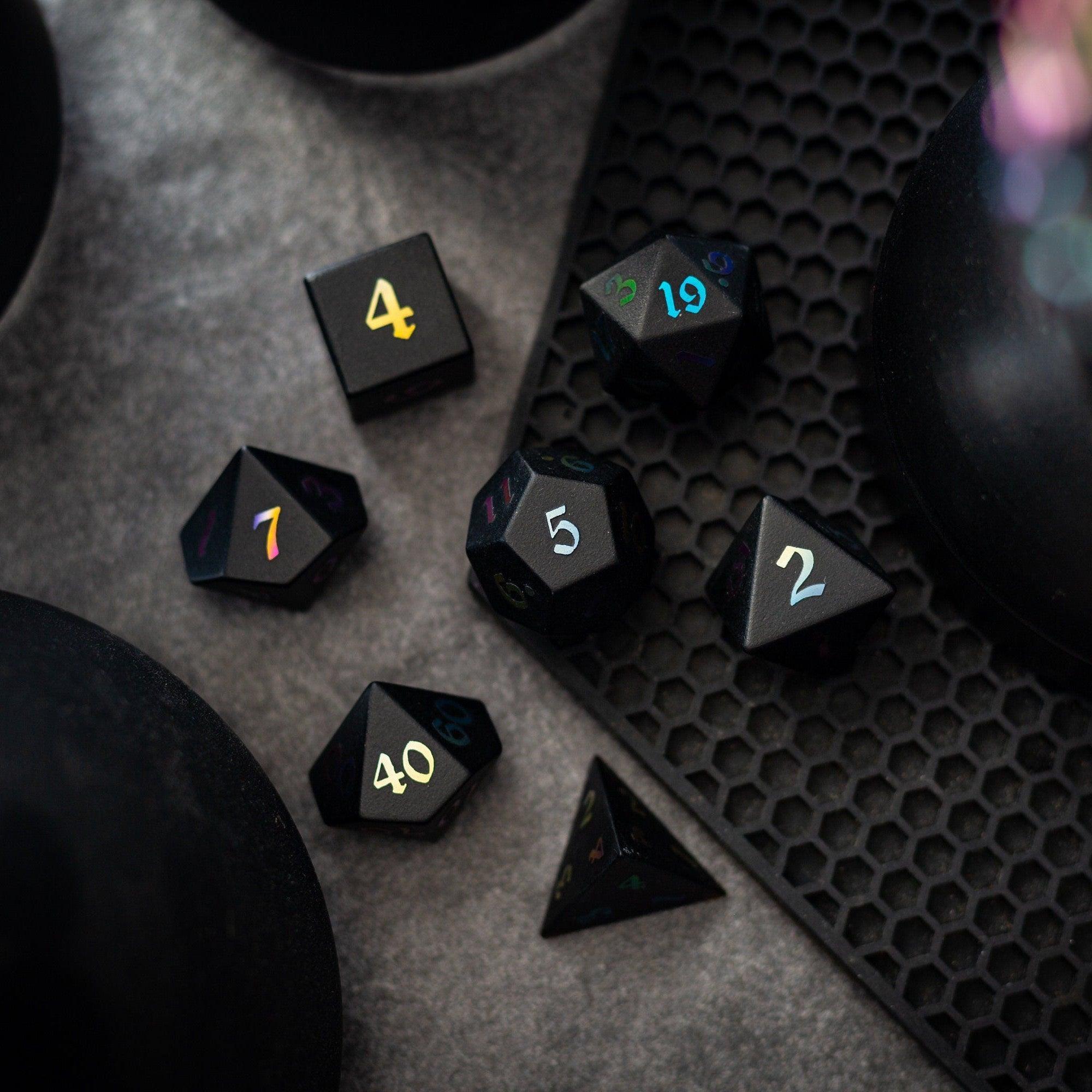
Many game masters enhance their setup with quality dice. Sharp-edge resin dice provide excellent rolling visibility during tense combat moments, making attack rolls and damage rolls feel satisfying.
Frequently Asked Questions
What's the difference between "hard" and "deadly" encounters?
Hard encounters use roughly 60-70% of the party's total hit points as the monster experience budget. Deadly encounters exceed that amount, meaning characters risk unconsciousness or death. Most encounter tools apply these formulas automatically, but understanding the distinction helps you make intentional difficulty choices. A hard encounter should make players sweat; a deadly one should make them fearful.
Can encounter tools account for player character abilities and spells?
Better encounter tools include this functionality. They might account for healing spells, crowd control magic, or damage-dealing abilities that affect combat length and difficulty. However, most dungeon masters still adjust encounters somewhat based on party composition. Fighters and rogues demand different encounters than wizards and clerics.
How do I use encounter tools if I enjoy homebrewing monsters?
Quality tools let you create custom creatures by inputting statistics manually. Once a homebrew monster is in the system, the tool treats it like any other creature for difficulty calculations. Some dungeon masters prefer tools with extensive customization options, while others use tools for standard monsters and manually calculate homebrew encounters. Find what matches your preferences.
Should I use encounter tools for every combat encounter?
There's no requirement to use them for every fight. Many dungeon masters use these tools for major story battles but run minor skirmishes more casually. Some use tools exclusively. Others don't use them at all, preferring intuition and experience. The right approach depends on your comfort level with balancing encounters and how much prep time you're willing to invest.
Do encounter tools work for non-combat encounters?
Most focus on combat encounters, but smart dungeon masters adapt them. Use initiative trackers for timed social situations. Use difficulty scaling concepts for skill challenges or social encounters. While specifically designed for battles, the underlying logic applies to many scenarios.
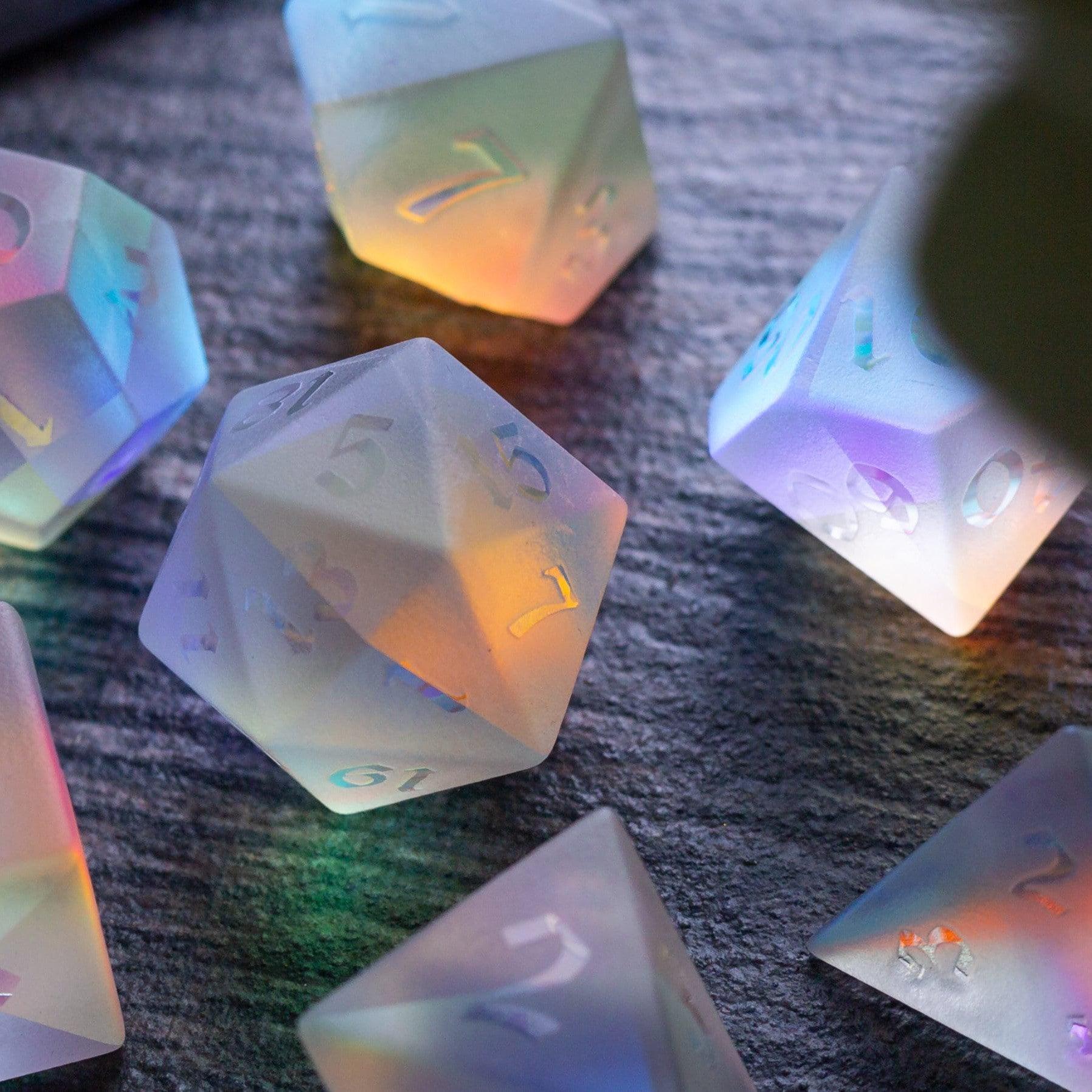
Consider pairing your encounter preparation with quality gaming accessories. Liquid core dice sets add an extra layer of immersion to your table, making rolls memorable for everyone involved.
Enhancing Your Encounter Tools Setup
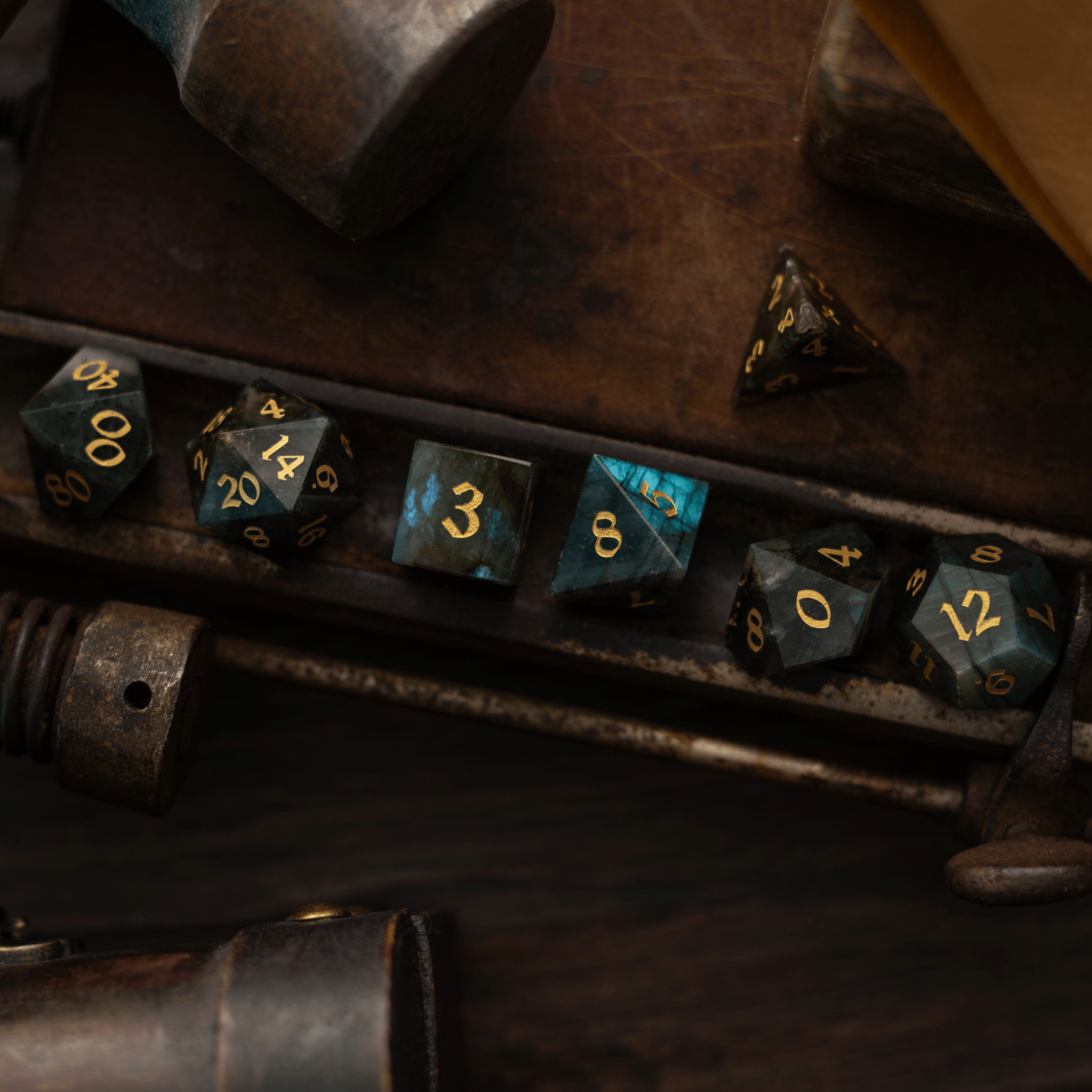
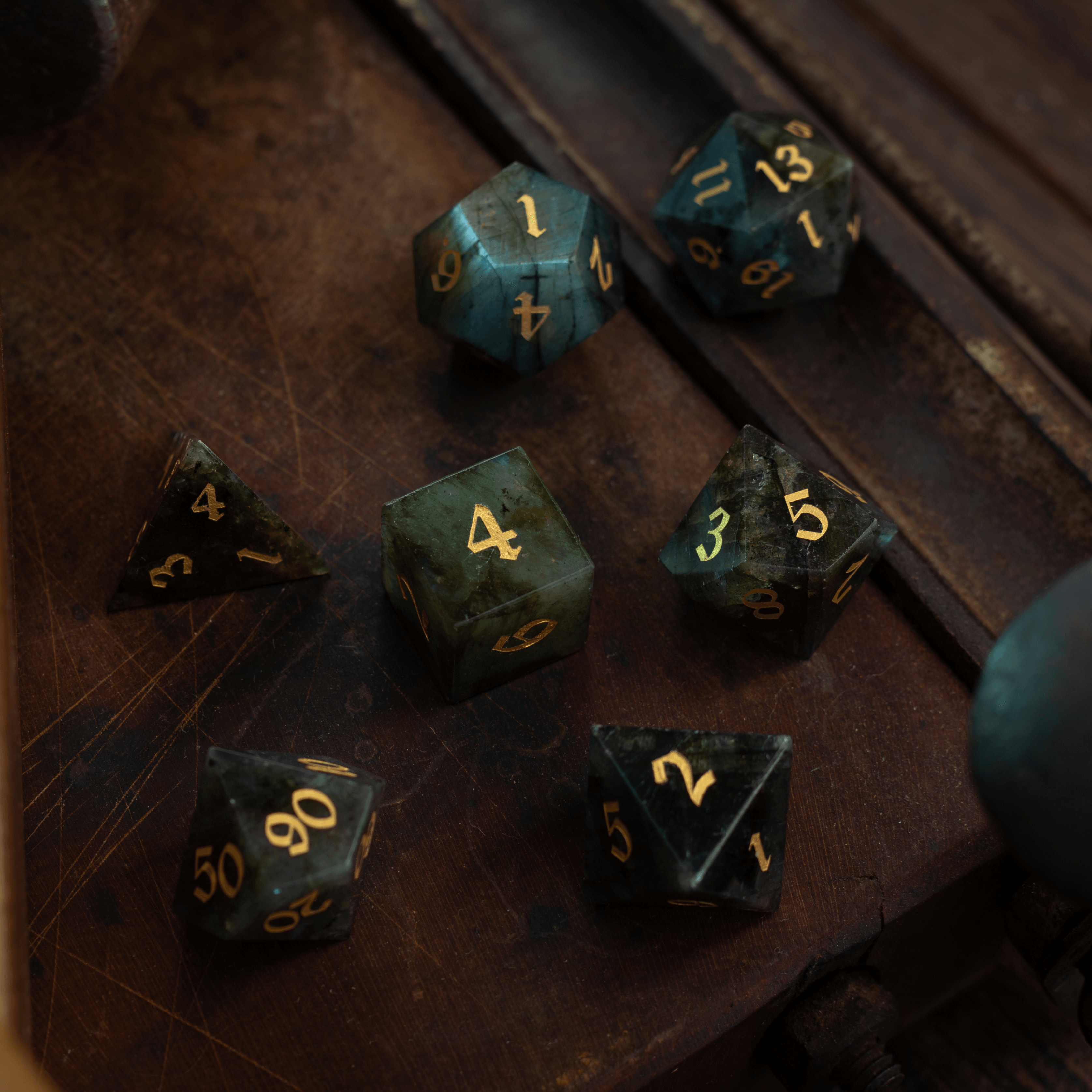
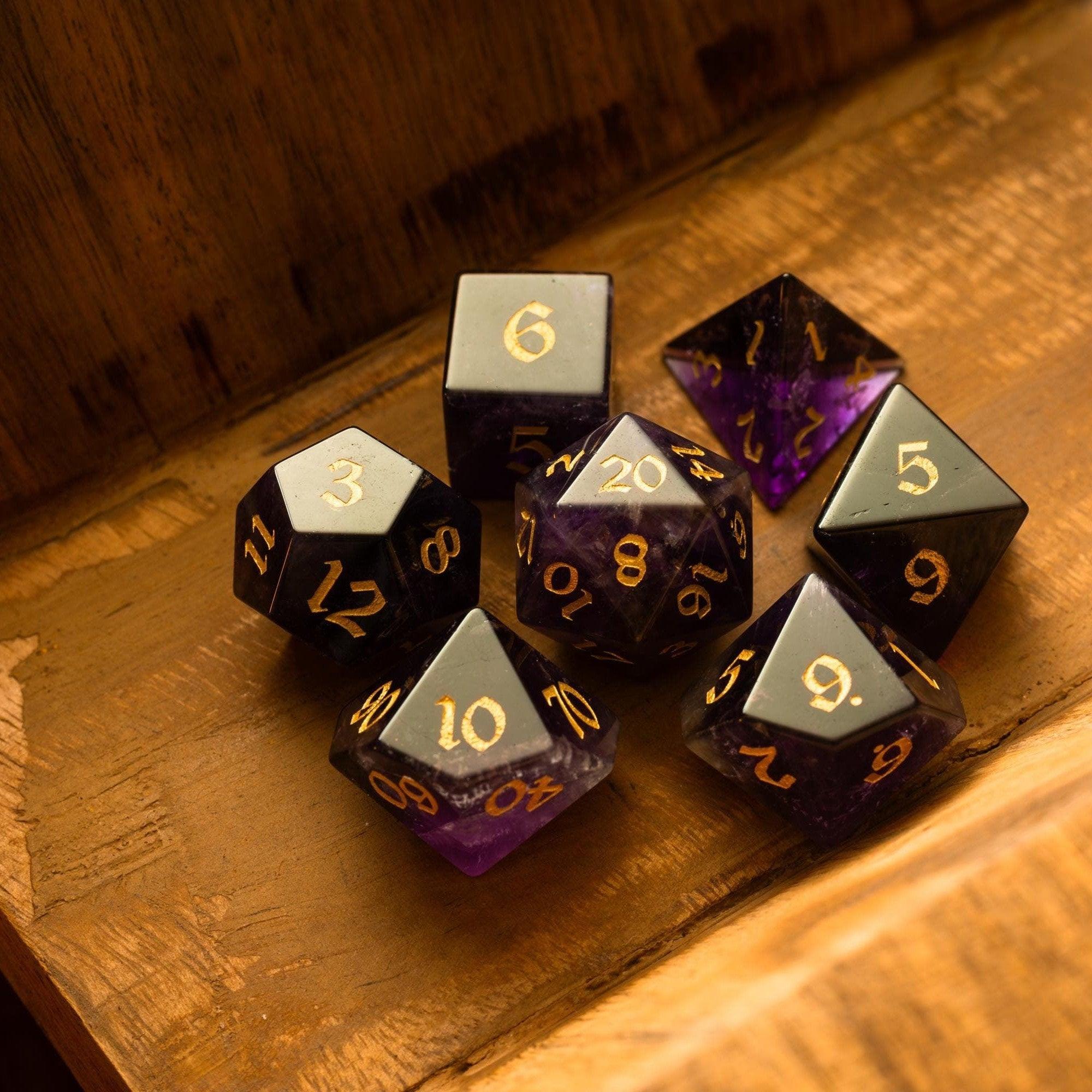
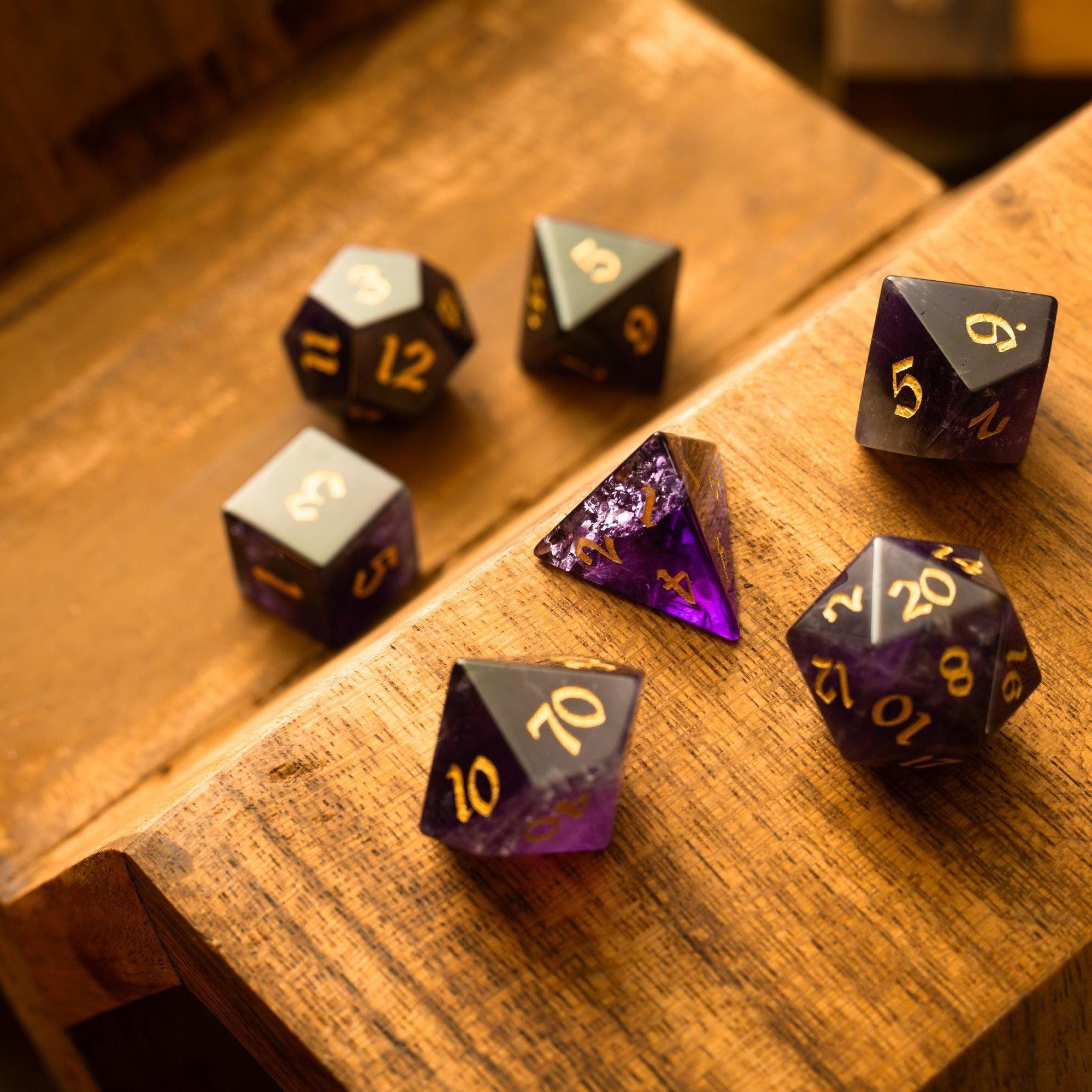
Your encounter tools become even more effective when combined with quality gaming materials. Runic Dice collections offer beautiful dice sets that make combat rolls feel special. Whether you prefer gemstone dice that catch the light during crucial saving throws or handcrafted resin sets that tell a story, the right dice enhance your table's atmosphere.
Organization matters too. Keep your encounter tools, reference materials, and character sheets neatly arranged. Many dungeon masters use binders or digital folders for quick access during sessions. The smoother your setup runs, the more your players focus on the story rather than waiting for you to find information.
Remember that encounter tools are guides, not rigid rules. If your tool suggests an encounter feels medium difficulty but you sense your players need a challenge, adjust accordingly. You know your party better than any algorithm. Use these resources to inform your decisions, not dictate them.
Creating Memorable Combat Experiences
The ultimate goal of using encounter tools for D&D isn't just mechanical balance—it's creating moments that stick with players. A perfectly balanced encounter where the party barely survives, where a single spell turns the tide, where an unexpected critical hit shifts everything—that's the magic you're aiming for.
Tools handle the math. Your creativity handles the storytelling. Together, they create unforgettable sessions. Whether you're running your first campaign or your fiftieth, encounter tools help you spend less time calculating and more time narrating epic battles that your players will discuss in the tavern for years to come.
Start with whichever tool appeals to you most. Try different resources. Some dungeon masters eventually develop such strong instincts they rarely consult tools. Others build entire campaigns around their favorite encounter planning software. Both approaches work. The key is removing obstacles between your imagination and your table.
Your campaign deserves encounters that challenge, surprise, and delight your players. Encounter tools for D&D make that goal achievable, even if you're juggling multiple responsibilities and limited prep time. Embrace the resource that fits your style, combine it with quality materials and passionate storytelling, and watch your table come alive.

Leave a comment
This site is protected by hCaptcha and the hCaptcha Privacy Policy and Terms of Service apply.