

DnD Character Mastery Strategies for Stronger PCs
Updated on: April 10, 2026
Ready to level up your tabletop roleplay experience? Dungeons and Dragons character mastery transforms how you play, making your sessions more immersive, strategic, and genuinely fun. Whether you're a seasoned adventurer or stepping into your first campaign, this guide walks you through the essential techniques to build compelling characters, understand mechanics inside and out, and truly own the table. Discover practical steps to develop depth, personality, and tactical prowess that'll make your character unforgettable.
- Pros and Cons of Mastering Your Character
- Building Your Character Foundation
- Understanding Game Mechanics
- Developing Roleplay Skills
- Mastering Combat Strategy
- Character Growth and Evolution
- Wrap-Up
- Frequently Asked Questions
Getting Started with D&D Character Mastery

Creating and playing a memorable character in Dungeons and Dragons is one of the most rewarding aspects of tabletop gaming. True character mastery goes beyond rolling dice and reading stats—it's about breathing life into a personality, understanding how your abilities work within the game world, and making tactical decisions that keep you and your party engaged. Whether you're playing a cunning rogue, a noble paladin, or a mischievous bard, mastering your character means you'll have more fun at the table and contribute meaningfully to your group's adventures.
This comprehensive guide will walk you through everything you need to know to achieve genuine mastery of your Dungeons and Dragons character. We'll cover building a solid foundation, understanding game mechanics, developing your roleplay presence, and making smart combat choices. By the end, you'll have a clear roadmap to becoming the player at the table everyone wants to adventure with.
Pros and Cons of Mastering Your Character
The Benefits
-
Enhanced Enjoyment
- When you truly understand your character inside and out, the game becomes more immersive. You'll make decisions that feel natural to your character rather than just following mechanics, creating memorable moments.
-
Better Group Dynamics
- Mastering your character means you're prepared, engaged, and contributing meaningfully to the story. Your table will appreciate your dedication, and sessions will flow more smoothly.
-
Strategic Advantage
- Understanding your abilities, spells, and tactics means you'll make smarter choices in combat. You'll know when to take risks and when to play defensively, which can mean the difference between victory and a character death.
-
Emotional Investment
- A well-developed character with clear motivations and personality creates deeper emotional connections. You'll care about your character's journey, making victories sweeter and defeats more meaningful.
The Challenges
-
Time Investment
- Achieving true mastery requires reading, studying rules, and practicing. It's not something you accomplish in an evening.
-
Analysis Paralysis
- Knowing too much about optimization can sometimes make decision-making harder. You might overthink every action instead of just playing naturally.
-
Adaptation Difficulty
- A deeply planned character might struggle when the story takes unexpected turns or when your Dungeon Master introduces new challenges you didn't anticipate.
-
Table Expectations
- Not every group values the same level of mastery. You might feel out of sync if you're deeply invested while others are more casual players.
Building Your Character Foundation
Choose Your Race and Class Combination Thoughtfully
Your race and class form the backbone of everything your character can do. Rather than just picking what sounds cool, think about synergies. A dwarven fighter gains benefits from their racial traits that complement martial combat. An elf wizard benefits from dexterity bonuses that improve armor class. This doesn't mean you need to min-max everything, but understanding how these pieces work together gives you a solid starting point for character mastery.
Define Your Character's Background and Motivation
The mechanical choices matter, but your character's story matters just as much. Why did your character become an adventurer? What do they want? What are they afraid of? These questions create depth that makes roleplay natural rather than forced. Your background shouldn't just be flavor text—it should inform your decisions at the table and give your Dungeon Master hooks to pull you into the story.

Plan Your Ability Score Distribution
Understanding how to distribute your ability scores is fundamental to character mastery. Your primary ability score should reflect your main role. A wizard needs intelligence, a rogue needs dexterity, and a cleric needs wisdom. But don't neglect secondary stats. Constitution keeps everyone alive, and investing in a dump stat should be intentional, not accidental. Many players regret poor ability score decisions later, so think this through carefully during character creation.
Understanding Game Mechanics
Master Your Abilities and Spells
If you're a spellcaster, knowing your spells inside and out is crucial. Understand what each spell does, what the saving throw is, whether it requires concentration, and how it interacts with other abilities. If you're a martial character, know your action economy and what bonus actions, reactions, and interactions you have available. Spend time outside of gameplay reading your character sheet and your class description. This preparation means you'll never waste your turn fumbling through options.
Learn the Combat System
Combat mechanics might seem straightforward until you're in the thick of it. Understanding advantage and disadvantage, how modifiers stack, when you can use reactions, and what triggers opportunity attacks will make you a devastating combatant. Also learn how your abilities interact with environmental factors. Can you use that open window? Will that floor trap affect you? Dungeon Masters love players who engage with the world creatively and understand the mechanics well enough to suggest interesting tactics.
Understand the Social and Skill System
Not all character mastery happens in combat. Skill checks, ability checks, and social encounters make up huge portions of most campaigns. Know which skills your character is good at and which ones they struggle with. Understand when to use different abilities for checks. If you have expertise in persuasion, you're your party's negotiator. If you're trained in perception, you're the lookout. Playing to your strengths makes the party more effective overall.

Developing Roleplay Skills
Create a Distinct Voice or Speech Pattern
You don't need to be a voice actor to roleplay well, but giving your character a distinctive way of speaking helps. Maybe your character uses formal language, uses specific catchphrases, or has an accent. Maybe they're quiet and thoughtful or loud and boisterous. These small touches make your character memorable and help others at the table distinguish between characters when the action gets fast-paced.
Develop Clear Motivations and Flaws
A character without flaws is boring. Real people, and really interesting characters, have weaknesses, contradictions, and bad habits. Maybe your brave fighter has a phobia of spiders. Maybe your intelligent wizard is terrible with money. Maybe your sneaky rogue struggles with loyalty. These flaws make characters interesting to roleplay and give your Dungeon Master leverage to create compelling personal quests and moral dilemmas.

Character depth emerges through conflicting traits, personal struggles, and meaningful choices.
Engage with Party Dynamics
Your character exists in a party. Mastery means understanding how your character relates to the others. Do you clash with someone? Are you protective of someone? Do you have inside jokes? These relationships create the best moments in Dungeons and Dragons. Make your character someone others want to adventure with, and your sessions become stories everyone remembers.
Mastering Combat Strategy
Know Your Action Economy
In combat, every action matters. You get one action, one bonus action, one reaction, and movement per turn. Knowing what you can accomplish with these limited resources means you'll never waste a turn. Should you attack twice or cast a spell? Should you use your bonus action to dash or dodge? These decisions determine whether your character is merely present or actually contributing to victory.
Position Yourself Tactically
Combat isn't just about numbers. Where you stand matters tremendously. Staying in melee range with that archer while your fighter needs support might get someone killed. Moving to high ground might give you advantage. Standing near the wizard who's about to cast a fireball spell probably isn't smart. Thinking about positioning and movement each turn separates good players from great ones.
Coordinate with Your Party
The best character doesn't win battles alone. Coordinating with your party members means combining abilities for maximum effect. Your rogue's sneak attack does more damage if someone else already attacked that enemy. Your fireball wizard should know where the melee fighters are standing. Your healer should know who's in danger. Communication and planning before combat starts often means you'll win without anyone dropping to zero hit points.
Character Growth and Evolution
Plan Your Multiclassing or Subclass Choices
As you gain levels, you'll make choices about specialization or multiclassing. Think ahead about where you want your character to go. If you're playing a fighter who might multiclass into rogue, start building toward that synergy. If you're picking a subclass, understand what it offers and whether it aligns with your character's story. These big decisions should feel like natural progression, not optimization charts.
Adjust Based on Campaign Events
The best characters evolve as the story unfolds. Maybe your character learns something that changes their worldview. Maybe they develop a nemesis or an unexpected friendship. Maybe a traumatic event reshapes their motivations. Real character mastery means being flexible enough to let your character grow while staying true to who they are at their core. When something meaningful happens in the story, let it matter to your character.
Track Your Character's Resources and History
Keep detailed notes about your character's inventory, gold, relationships, and important events. This attention to detail shows respect for the shared story and helps you roleplay consistently. Reference past adventures when making decisions. Remember NPCs you've met. This creates continuity that makes the world feel real and lived-in.
Wrap-Up
Achieving true Dungeons and Dragons character mastery isn't about being the best optimizer or the most talented roleplay actor at the table. It's about care—caring about your character's story, caring about the mechanics that make them work, and caring about your fellow players' experiences. Master the fundamentals we've covered here, and you'll find yourself playing sessions that stick with you long after the dice stop rolling. You'll develop characters that your friends talk about years later, and you'll contribute meaningfully to some genuinely great stories.
Start with one aspect of character mastery that speaks to you. Maybe that's mechanical knowledge, maybe it's roleplay depth, or maybe it's combat strategy. Build from there. Before long, you'll find that all these elements come together naturally. Your character will feel like a real person with agency, power, and purpose. That's when the real magic of tabletop gaming happens. That's when you know you've truly mastered the art of bringing a character to life.
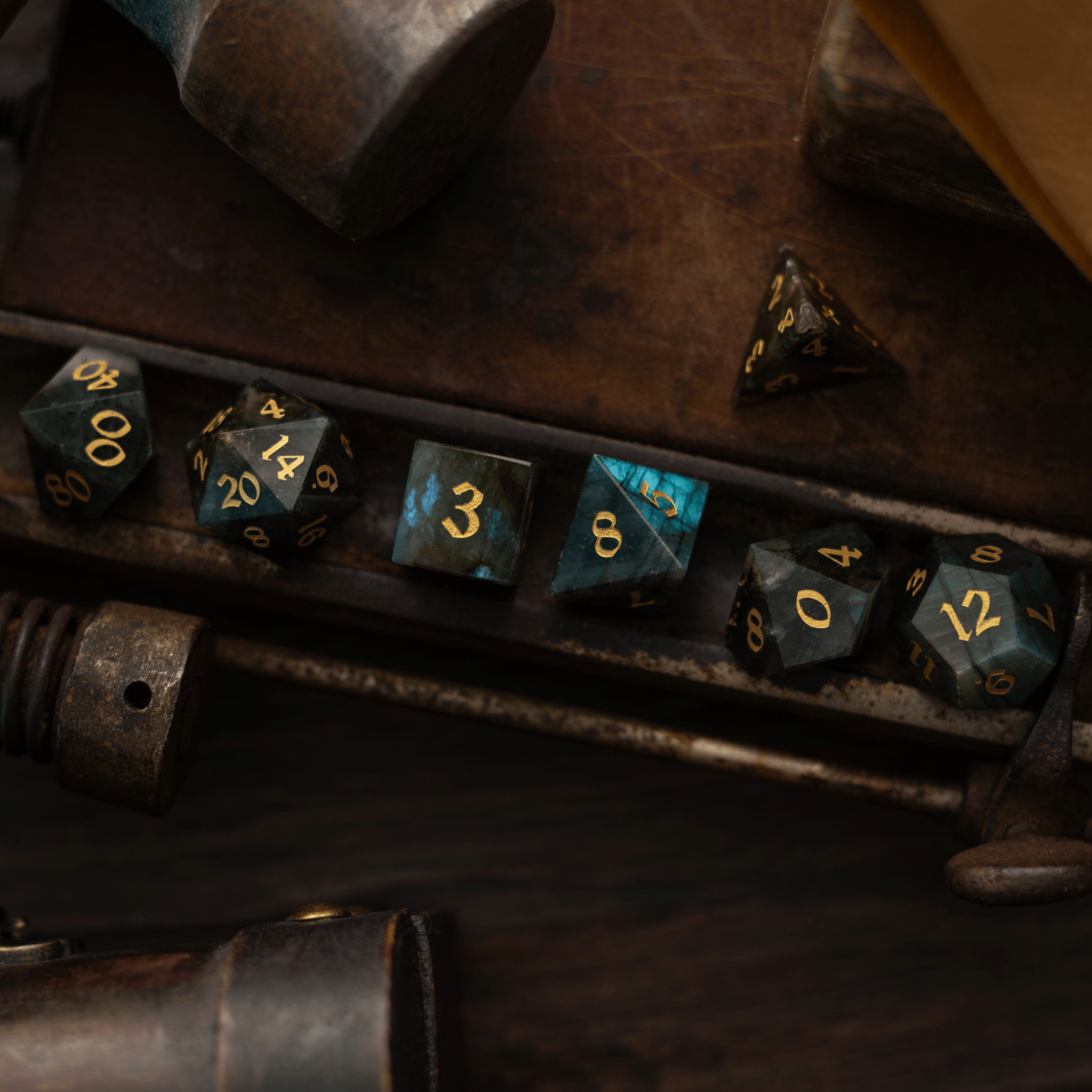
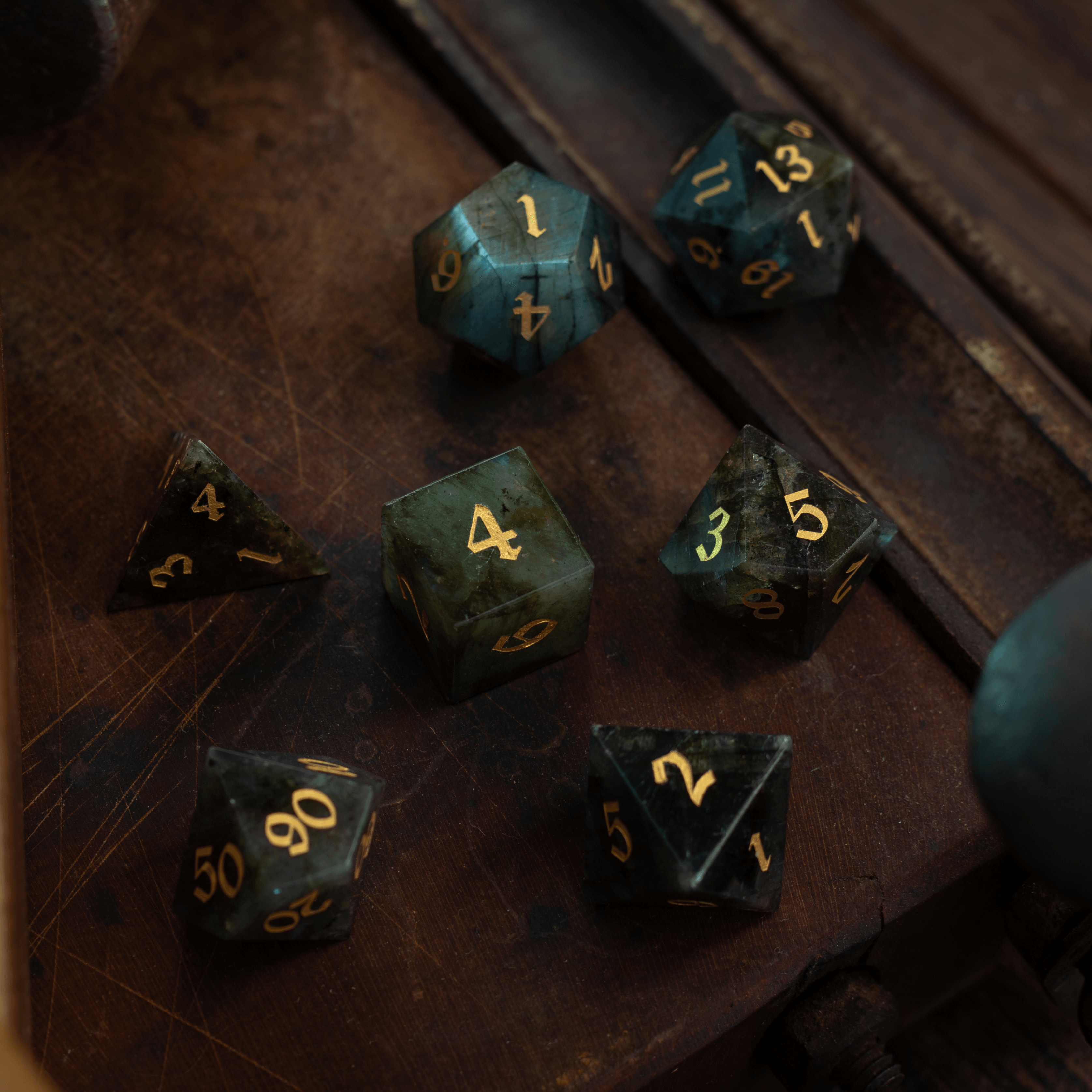
If you're looking for quality dice sets that match your character's personality, consider exploring our collections to find pieces that resonate with your character's aesthetic and story. Whether you're drawn to elegant gemstone designs or striking liquid core sets, the right dice can enhance your connection to your character and make every roll feel special.
Frequently Asked Questions
What's the difference between optimization and character mastery?
Optimization focuses purely on mechanical efficiency—making the best possible character build for damage output or survivability. Character mastery includes optimization but goes much deeper. It encompasses understanding how your abilities work, developing a compelling personality, making decisions that fit your character's story, and contributing positively to the group experience. You can have a highly optimized character who's boring to play, or a moderately optimized character who's absolutely unforgettable.
Can new players achieve character mastery, or is it only for experienced gamers?
Anyone can achieve character mastery, regardless of experience level. New players might focus more on understanding mechanics and learning the rules, while experienced players might dive deeper into complex roleplay dynamics. The key is genuine engagement and care for your character. A new player who reads their character sheet carefully, asks good questions, and thinks about their character's motivations will experience character mastery faster than a veteran who treats their character as a collection of stats.
How do I recover if I've made mechanical mistakes on my character sheet?
Talk to your Dungeon Master. Most reasonable Dungeon Masters will work with you to correct honest mistakes, especially early in a campaign. If you've leveled up and want to retrain a spell or change a feat, discuss it. The game is meant to be fun for everyone, and a supportive table will help you fix errors rather than punishing you for them. That said, don't use this as an excuse to constantly reoptimize. Make thoughtful choices and stick with them.
What if my character concept doesn't match the party's needs?
This is a common concern, and the answer depends on your group's priorities. Some tables value party balance and strategic composition. Others value individual character concepts and find ways to make things work. Have a conversation with your group before character creation. If you're playing a sixth wizard and the party has no healer, consider adjusting your concept slightly to fill a gap while keeping what you love about your character. There's usually middle ground between perfect optimization and pure concept.
How much preparation should I do before each session?
Review your character sheet before sessions, but don't over-prepare roleplay. Know what spells or abilities you might use, but stay flexible about how the story actually unfolds. Over-preparation can lead to rigid roleplay where you're focused on your pre-written monologue instead of reacting genuinely to what's happening. Light preparation means you're ready, but you're also present and responsive to the moment.















Leave a comment
This site is protected by hCaptcha and the hCaptcha Privacy Policy and Terms of Service apply.