
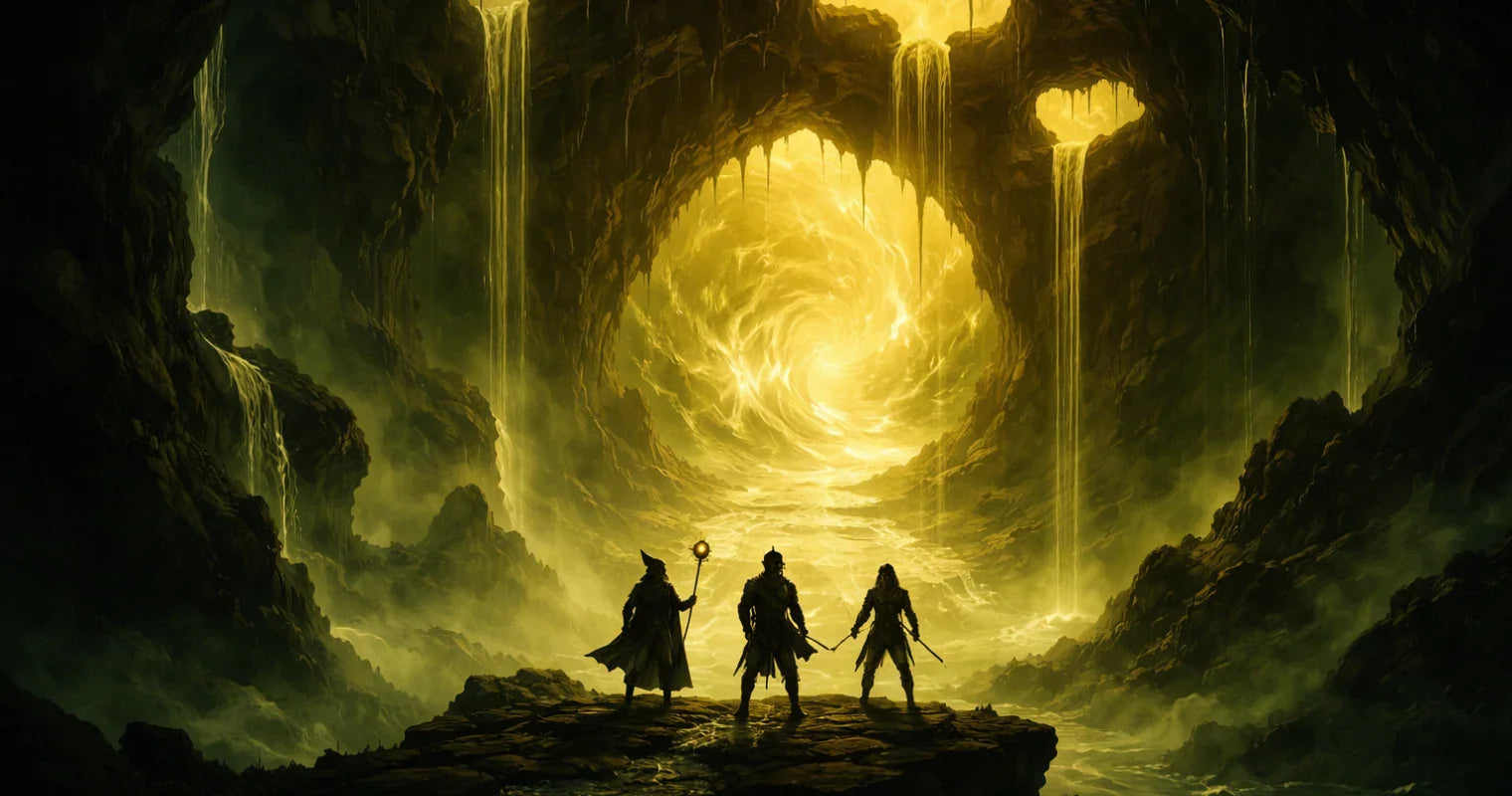
Engaging Dungeons & Dragons 5e Adventures for Campaigns
A Dungeons & Dragons campaign is built from individual adventures. Each one gives the characters something important to pursue, whether they are rescuing a missing person, investigating a strange event, exploring dangerous ruins, protecting a settlement, recovering a lost object, or stopping a powerful enemy.
The best Dungeons and Dragons 5e adventures do more than move characters from one combat encounter to another. They give players a reason to act, choices that affect what happens next, memorable people to meet, and consequences that shape the wider campaign.
An adventure does not need to involve a world-ending threat to be memorable. A missing caravan, haunted bridge, or local feud can become the foundation of an excellent session when the problem matters to the characters and allows several possible solutions.
What Makes a D&D 5e Adventure Engaging?
Strong D&D 5e adventures usually combine several important elements:
-
A clear goal
-
A strong reason to care
-
Meaningful choices
-
Memorable locations
-
Interesting NPCs
-
Varied challenges
-
Useful clues
-
Visible consequences
-
Opportunities for different characters to contribute
Not every adventure needs an equal amount of combat, exploration, and social interaction. A political mystery may involve hours of negotiation with only one battle, while a dangerous expedition may focus heavily on exploration and survival.
The important part is variety. Repeating the same encounter structure can make even a good 5e campaign feel predictable.
Begin with a Strong Adventure Hook
The adventure hook is the event, mystery, request, or threat that draws the party into the story.
Possible hooks include:
-
A village well begins producing black water.
-
A merchant caravan vanishes along a supposedly safe road.
-
A noble offers a reward for a stolen family relic.
-
A ghost appears every night beside an abandoned bridge.
-
A local festival is interrupted by a magical disaster.
-
A former ally asks the characters to investigate a secret society.
A strong hook answers two questions: What is happening, and why should the characters care?
The second question is especially important. A promised reward may work, but personal connections are often stronger. Tie the adventure to character backstories, existing NPC relationships, faction loyalties, personal goals, local consequences, or moral responsibilities.
Instead of hoping the characters accept a random stranger's job, give them a reason to become involved.
Give the Party a Clear Goal
Mystery does not require confusion.
Players can be uncertain about the true villain or hidden history while still understanding their immediate objective. A goal might be:
-
Find the missing scout.
-
Reach the ruined observatory.
-
Identify the creature attacking travelers.
-
Prevent a ritual before midnight.
-
Negotiate peace between rival groups.
-
Escape a collapsing dungeon.
Clear goals help players make decisions. The situation can become more complicated as new information appears, but the party should usually understand what meaningful action they can take next.
Create Meaningful Choices
Player choice is central to engaging D&D campaign adventures. A meaningful decision should change something.
The party might choose to negotiate with a bandit leader instead of attacking the camp. They might protect a village while allowing the villain to escape. They could expose a corrupt official or secretly use that official's influence. They might destroy a dangerous artifact or risk using its power.
Choices can affect:
-
Which allies support the party
-
Which enemies become more dangerous
-
What information is discovered
-
Which locations are explored
-
How limited resources are used
-
How the final confrontation unfolds
-
What happens in future adventures
You do not need to prepare every possible outcome. Understand the major characters, threats, and consequences well enough to respond when the players surprise you.
Balance Combat, Exploration, and Roleplaying
Good D&D adventure design gives different abilities and playstyles opportunities to matter.
Combat
Combat should have a purpose beyond reducing enemy hit points. A battle might protect a clue, delay the party, reveal a new threat, force a difficult decision, or introduce a recurring enemy.
Enemies can also have objectives besides fighting to the death. They may be trying to escape, steal an object, complete a ritual, capture someone, or delay the characters.
Exploration
Exploration can involve searching ruins, crossing dangerous terrain, following tracks, investigating rooms, discovering hidden routes, or managing time and supplies.
A good exploration challenge creates decisions rather than simply asking for repeated ability checks.
Social Interaction
Social scenes can involve negotiation, deception, gathering rumors, questioning witnesses, earning trust, or resolving disputes between factions.
Changing the type of challenge allows different characters to contribute. A Fighter may dominate one battle, while a Rogue, Wizard, Ranger, Bard, or Cleric becomes essential in another scene.
Build Locations That Encourage Discovery
An adventure location should be more than a background.
Consider a flooded library where books drift between ruined shelves, a mountain shrine built over a sealed elemental gate, or a crumbling fortress occupied by soldiers who still believe an old war continues.
A memorable location usually has:
-
A clear identity
-
A history
-
Signs of recent activity
-
Something useful to discover
-
A danger
-
A secret
-
A decision
Environmental details can communicate information without requiring a long explanation. Broken barricades, fresh footprints, damaged statues, abandoned supplies, or strange magical effects can tell players what happened before they arrived.
Create NPCs with Goals
Memorable NPCs want something.
An NPC might want to protect a secret, gain influence, find a missing relative, restore a damaged reputation, obtain magical knowledge, prevent a war, or take revenge.
For each important NPC, prepare:
-
A clear goal
-
A recognizable personality
-
A connection to the adventure
-
A reason to help or oppose the party
-
One memorable detail
Allies do not need to agree with the characters in every situation. Villains also do not need to believe they are evil. Conflicting goals create stronger roleplaying opportunities than simple labels.
Design Villains Who Affect the Story
A strong villain should not simply wait in the final room.
The villain's presence can be felt through orders given to followers, damaged locations, threats against NPCs, false information, magical effects, or plans that become more dangerous over time.
Give major villains:
-
A clear goal
-
A believable motive
-
Useful resources
-
Weaknesses
-
Important relationships
-
A plan that advances if nobody interferes
Players may hear rumors, discover letters, recognize symbols, or witness the consequences of the villain's actions before meeting them directly.
Connect Encounters to the Adventure
Every encounter should serve at least one useful purpose.
An encounter might reveal information, drain resources, introduce an NPC, create urgency, present a choice, reward exploration, or advance an enemy's plan.
Do not add a battle simply because you feel every session requires a certain number of fights. A tense negotiation, dangerous crossing, or environmental puzzle can sometimes create more excitement than another unrelated group of monsters.
Adjust Difficulty for the Party
Challenge ratings and encounter-building guidelines are useful tools, but they cannot perfectly predict how difficult a battle will be.
Difficulty can change based on:
-
Party size and character level
-
Player experience
-
Magic items
-
Terrain and surprise
-
Rest availability
-
Enemy tactics
-
Character abilities
-
Resources already spent
Consider the larger adventuring day rather than judging every encounter in isolation.
Useful adjustments include adding or removing minor enemies, using terrain the party can interact with, allowing enemies to retreat, or giving characters warnings about unusually dangerous threats.
Failure does not always need to mean death. It can cost time, resources, allies, information, or opportunities. Avoid changing every result merely to force the story toward a predetermined ending.
Use Failure to Move the Adventure Forward
A failed ability check does not always need to stop progress.
Instead, failure might mean:
-
The characters find the clue but lose valuable time.
-
They attract unwanted attention.
-
They damage an important object.
-
They receive incomplete information.
-
They need help from an unwanted ally.
-
The villain gains an advantage.
-
The next encounter becomes more difficult.
Failure should have consequences, but repeatedly blocking every path can bring an adventure to a halt.
Essential information should rarely depend on one successful roll with no alternative way forward.
Prepare for Unexpected Player Decisions
Players may ignore clues, trust the wrong NPC, avoid the dungeon you prepared, or invent a solution you never considered.
Prepare flexible elements instead of a rigid sequence of scenes:
-
NPC goals
-
Important clues
-
Location details
-
Enemy plans
-
Possible consequences
-
Faction reactions
-
Encounters that can occur in several appropriate places
Some encounters can move when circumstances change, but avoid secretly making every path lead to exactly the same scene. Player decisions should genuinely affect the adventure.
Adventure Planning Table
A simple framework can turn a basic homebrew D&D adventure idea into a playable session.
| Adventure Element | Key Question | Example |
|---|---|---|
| Hook | What draws the party in? | A mining town reports voices beneath a sealed tunnel |
| Goal | What must the characters accomplish? | Find the missing miners and stop the disturbance |
| Stakes | What happens if they fail? | The tunnels collapse and release an ancient creature |
| Main Location | Where does the adventure happen? | An abandoned underground temple |
| Important NPC | Who helps or complicates the mission? | A foreman hiding the mine's true history |
| Villain or Threat | What drives the conflict? | A cult attempting to awaken a buried oracle |
| Key Choice | What difficult decision must be made? | Seal the temple or use its power to save the miners |
| Consequence | How does the ending affect the campaign? | A regional faction learns what lies beneath the town |
This table does not dictate how the players must proceed. It gives the Dungeon Master enough structure to respond when the adventure changes direction.
Connect Adventures into a Larger Campaign
Separate DnD adventures can become a unified campaign through recurring elements.
Connections might include a recurring villain, a shared faction, clues pointing toward a larger mystery, returning NPCs, consequences from earlier choices, character backstory developments, or a magical object with a greater purpose.
Not every adventure needs to advance the main plot. Side adventures can develop characters, strengthen relationships, reveal the world, or provide resources that become important later.
Leave a few open threads. An NPC spared in the third adventure might return as an ally in the tenth. A strange symbol discovered in forgotten ruins may eventually connect to a larger threat.
These connections help D&D campaign ideas grow naturally instead of feeling like unrelated quests.
Adapt Published Adventures to Fit Your Group
Published adventures are tools, not scripts.
Dungeon Masters can adapt locations, NPC names, villain motives, rewards, factions, hooks, and encounter difficulty to better fit their group.
Before running a section, understand:
-
The central conflict
-
The important NPCs
-
The major locations
-
Likely character choices
-
What changes if the party delays
You do not need to memorize every page. Short notes and encounter summaries are often more useful during play.
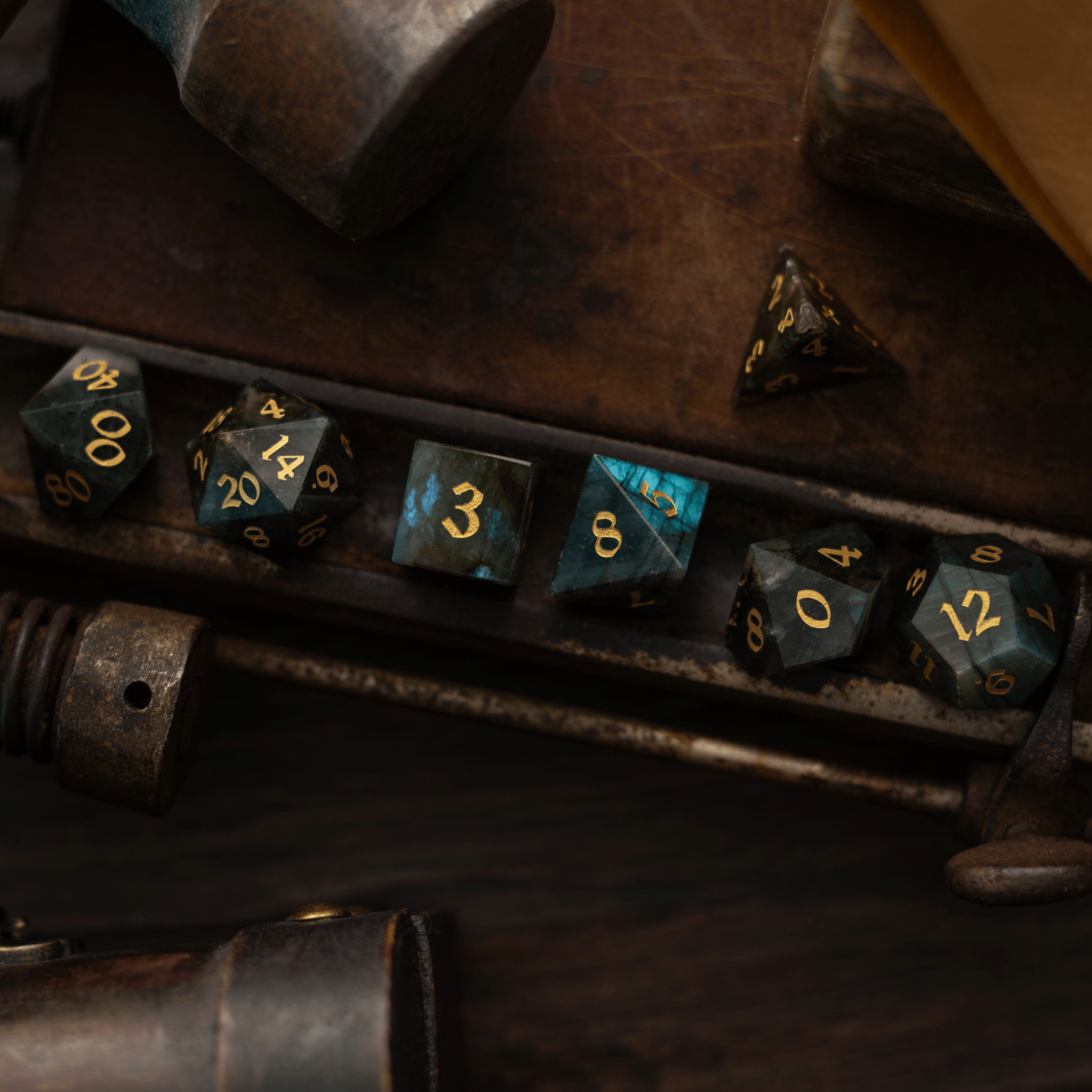
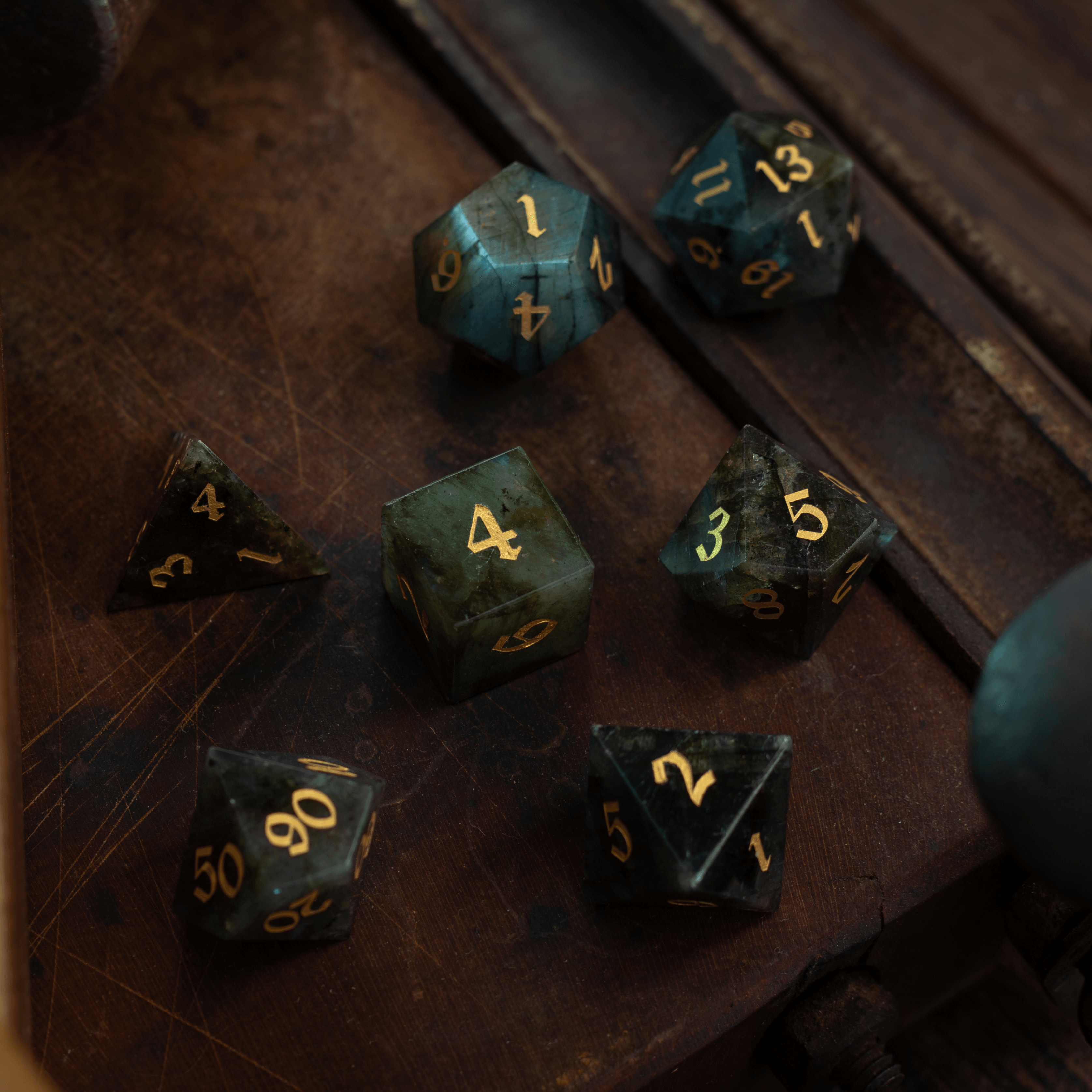
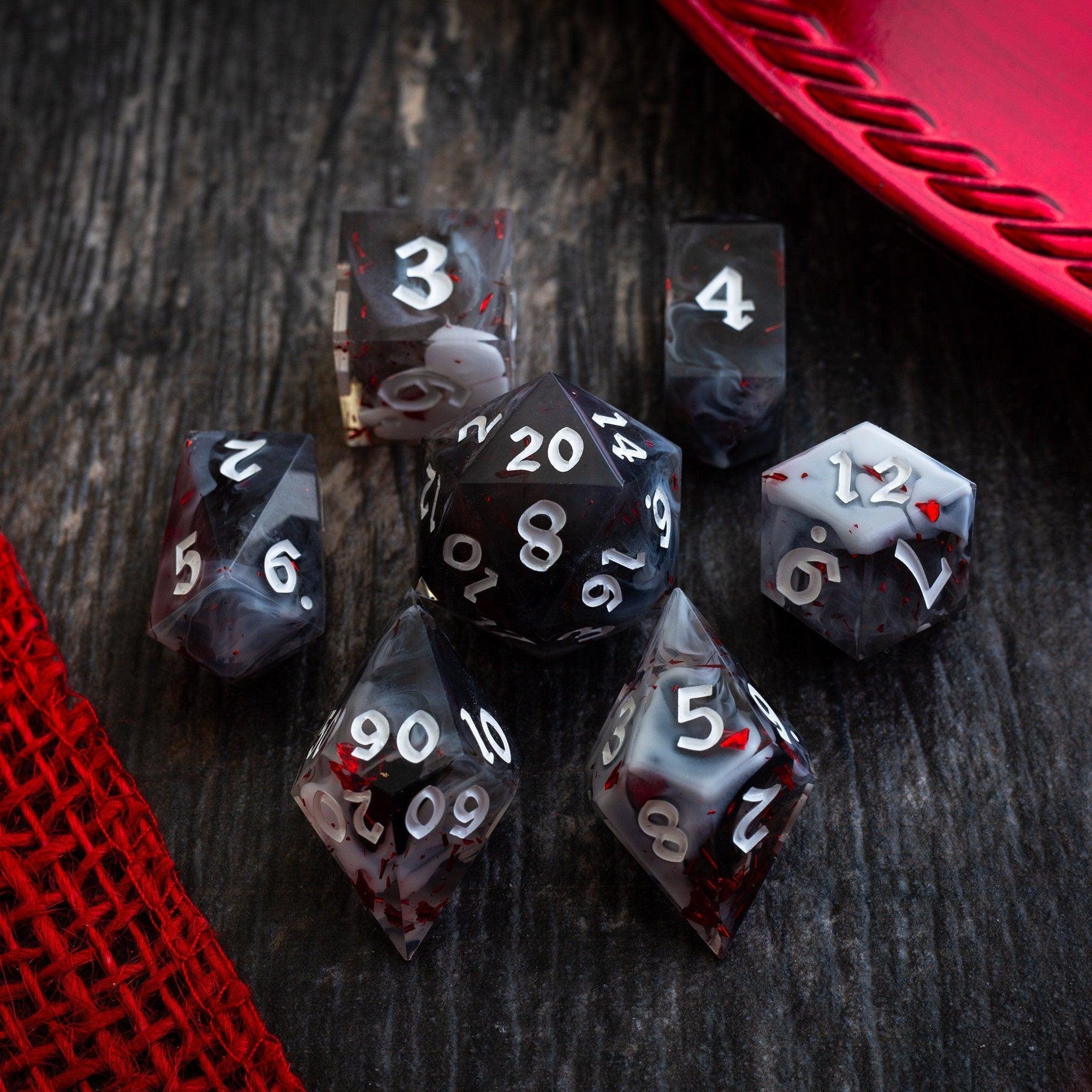
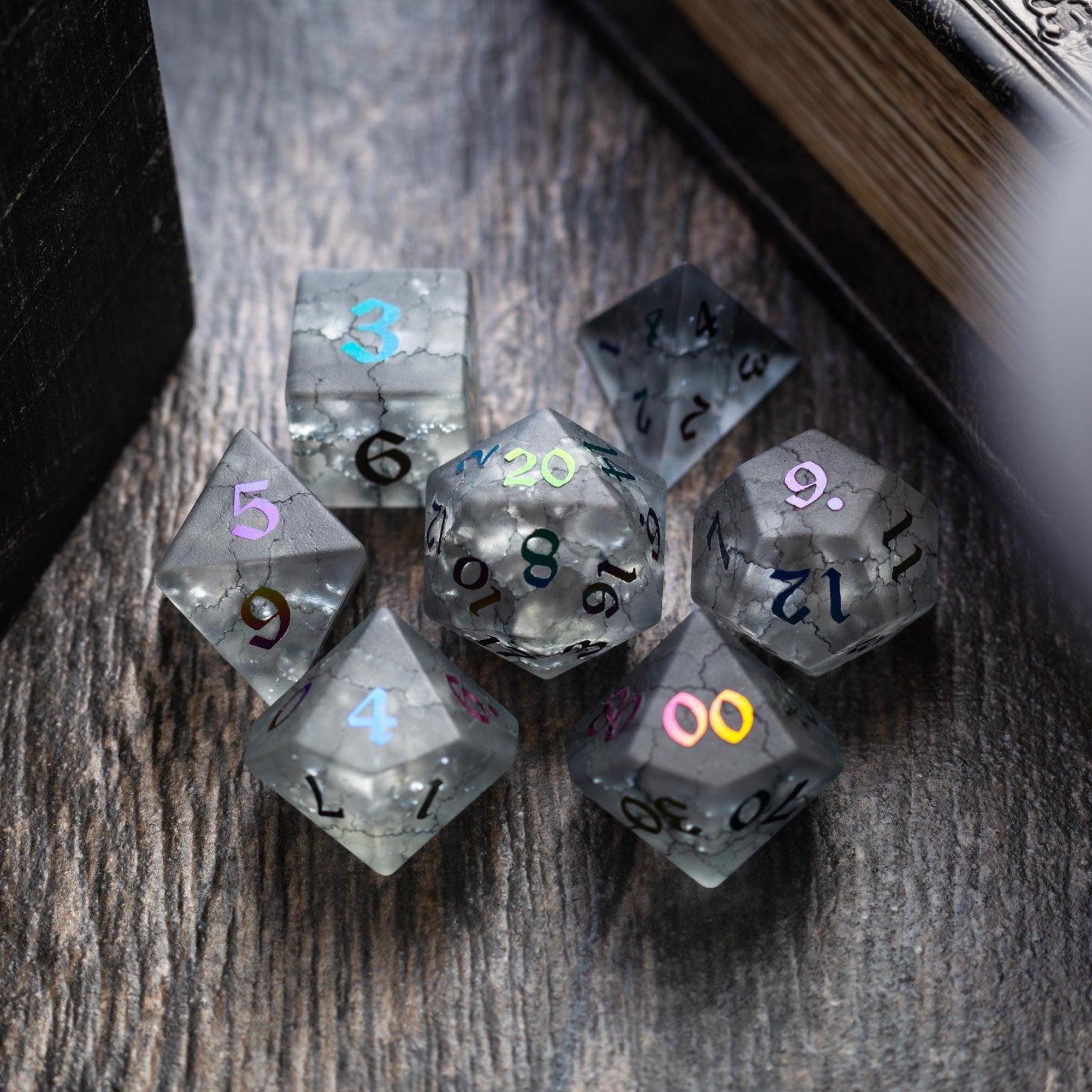
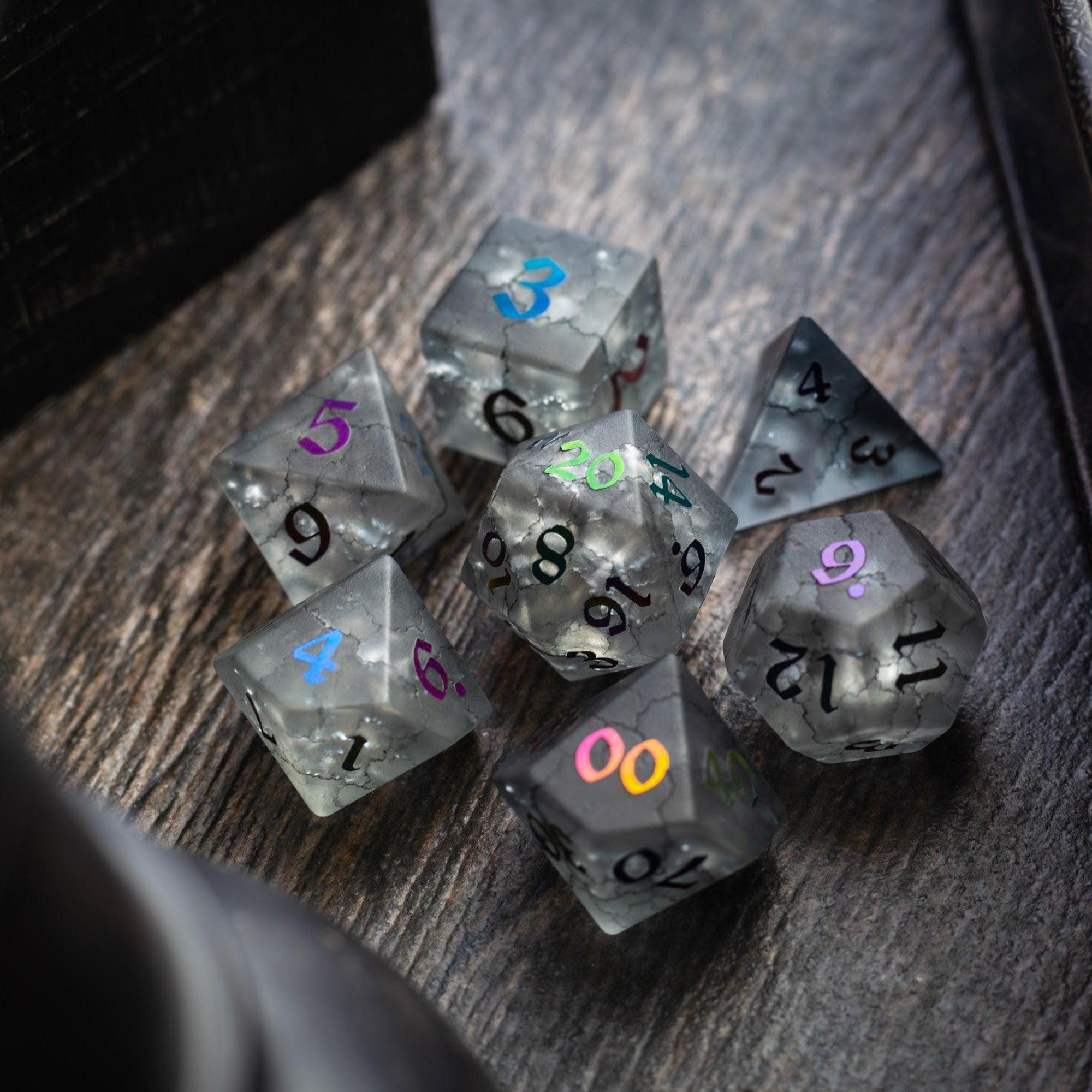
An organized table also reduces distractions. A dice tray can keep rolls away from maps, books, and miniatures, while visible condition rings can help track ongoing effects during complicated combat encounters.
Make Combat Encounters More Memorable
Some of the best D&D encounter ideas come from changing what victory actually means.
Try giving enemies clear goals, using terrain and elevation, adding moving hazards, creating time pressure, or placing objects in the environment that characters can interact with.
For example, instead of fighting cultists in an empty room, place the battle inside a collapsing observatory while the enemies attempt to complete a ritual. The characters can fight the cultists, disrupt the ritual, rescue a captive, or escape before the structure falls.
Interesting objectives often matter more than simply using stronger monsters.
End Sessions with Momentum
A strong session ending gives players something to discuss before the next game.
Possible endings include:
-
A new clue
-
A villain's message
-
The discovery of a hidden location
-
An unexpected betrayal
-
A difficult choice
-
The arrival of a dangerous creature
-
A victory followed by a new complication
Do not force a cliffhanger every time. Sometimes a hard-earned victory or meaningful character decision is the right place to stop.
A Simple Checklist for Engaging D&D Adventures
Before running your next session, ask:
-
Is there a clear hook?
-
Does the party have a reason to care?
-
Is the main goal understandable?
-
Are the stakes meaningful?
-
Can the players try several approaches?
-
Are there varied types of challenges?
-
Do important NPCs have clear goals?
-
Does combat connect to the story?
-
Are there consequences for success and failure?
-
Does the difficulty fit the actual party?
-
Is there room for unexpected ideas?
-
Can the ending connect to future adventures?
Common Adventure Design Mistakes
Many problems in fantasy RPG adventures come from making the structure too rigid.
Common mistakes include beginning with a weak hook, requiring one exact solution, hiding essential clues behind a single roll, adding combat with no story purpose, or creating villains who never influence events until the final battle.
Other problems include overloading players with lore, ignoring character backstories, preparing a fixed sequence of scenes, and refusing to adapt when players create a clever plan.
One of the most useful Dungeon Master tips is to prepare situations rather than scripts. Know what the important characters want, what the threat is doing, and what may happen if nobody intervenes. Then allow the players to determine how the situation develops.
Build Adventures Around Choices and Consequences
Engaging Dungeons and Dragons 5e adventures are not defined by the number of monsters, maps, or pages of preparation.
The strongest adventures give players a reason to care, a clear objective, several possible approaches, memorable people and places, meaningful risks, and consequences that shape the campaign.
Dungeon Masters do not need to predict every decision. They need to understand the central conflict, the goals of the major characters, and what changes when the party acts or fails to act.
Start with one strong hook, one memorable location, one active threat, and one difficult choice.
A campaign becomes engaging when each adventure gives the characters another opportunity to change the world and discover how that world responds.














Leave a comment
This site is protected by hCaptcha and the hCaptcha Privacy Policy and Terms of Service apply.