Mythical Creature Reference A Guide to Lore and Legends
Updated on: February 26, 2026
Fantasy worlds come alive through legendary beings and magical creatures that capture our imagination. Whether you're exploring tabletop games, crafting stories, or diving into epic adventures, understanding the rich tapestry of fantasy lore helps deepen your connection to these worlds. This guide breaks down common misconceptions about these fascinating entities and shows you how they shape modern entertainment and gaming culture.
- Myths vs. Facts About Legendary Beings
- Personal Experience with Fantasy Worldbuilding
- Understanding Different Fantasy Creature Types
- How These Beings Inspire Modern Gaming
- Frequently Asked Questions
- Final Thoughts and Takeaways
Myths vs. Facts About Legendary Beings

When we talk about fantasy creature reference material, plenty of misconceptions float around. Let's clear up some confusion and separate fact from fiction:
-
Myth: All legendary beings are evil or dangerous.
Fact: Fantasy lore includes countless benevolent creatures, from wise ancient dragons to helpful forest spirits. Alignment varies tremendously across different mythologies and storytelling traditions. -
Myth: Fantasy creature reference guides are only for hardcore gamers.
Fact: These resources appeal to writers, educators, artists, and anyone interested in worldbuilding and creative storytelling. They're tools for imagination at every level. -
Myth: Ancient mythology and modern fantasy creatures are completely separate.
Fact: Modern fantasy heavily draws from classical mythology, folklore, and historical legends, blending them with contemporary creative twists. -
Myth: You need to memorize everything about fantasy lore to enjoy fantasy stories.
Fact: You can absolutely enjoy fantasy without deep knowledge. Learning lore simply enriches the experience and helps you appreciate layered storytelling. -
Myth: All legendary beings follow consistent rules across different stories.
Fact: Different authors, games, and cultures interpret these creatures differently, creating unique versions that suit their narratives.

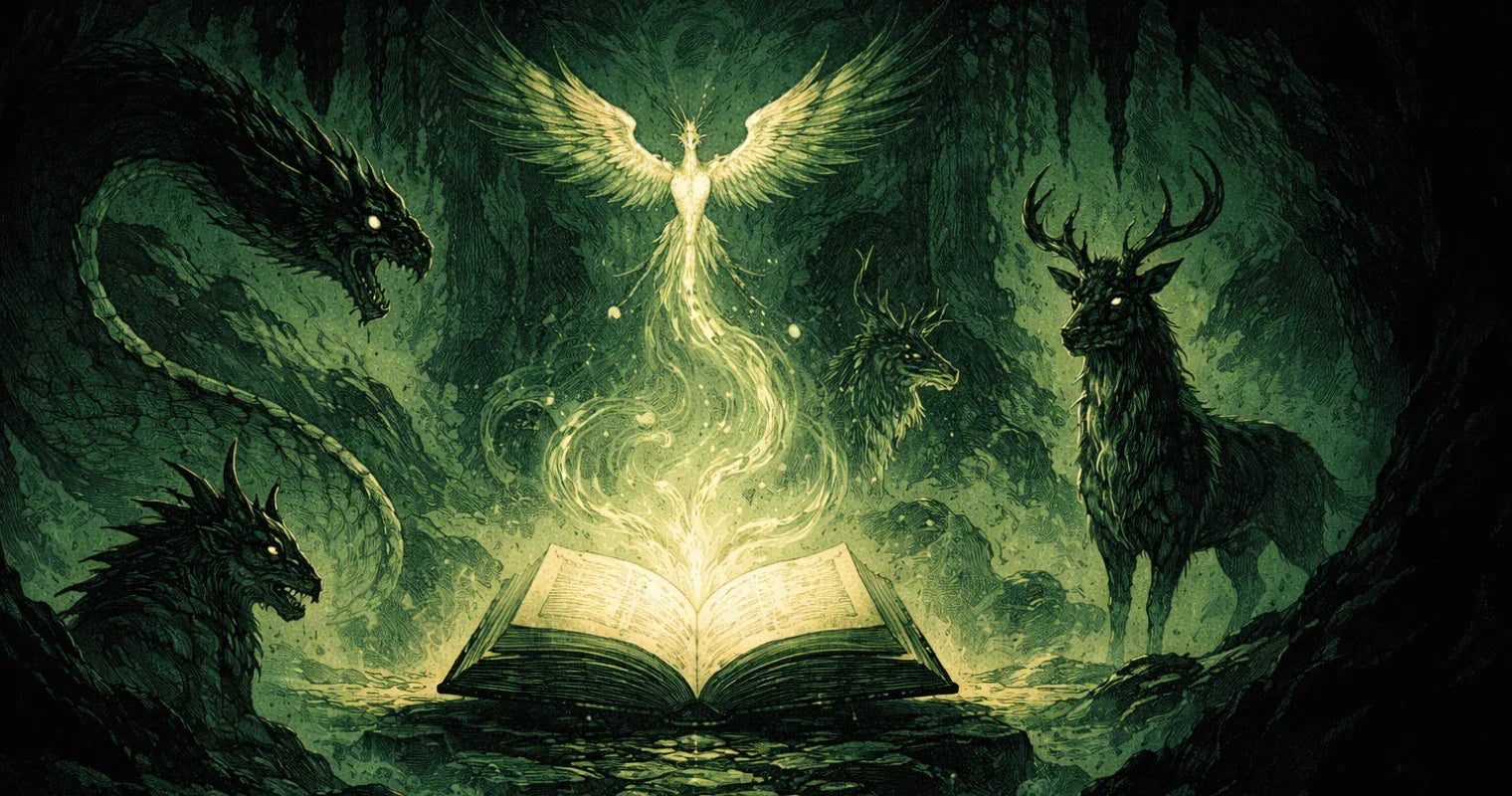
Ancient scrolls and mystical symbols depicting legendary creatures across various mythologies and stories.
Personal Experience with Fantasy Worldbuilding
I've spent countless hours diving into fantasy worlds, and honestly, the moment everything clicked was when I stopped trying to memorize facts and started understanding the purpose behind each creature type. I was running a tabletop campaign with friends, and I kept referencing different fantasy creature reference materials just to get the lore right. My players didn't care about perfect accuracy—they cared about how these beings fit into the story we were creating together.
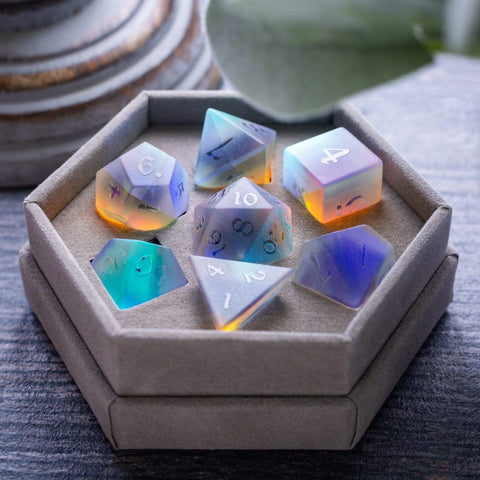
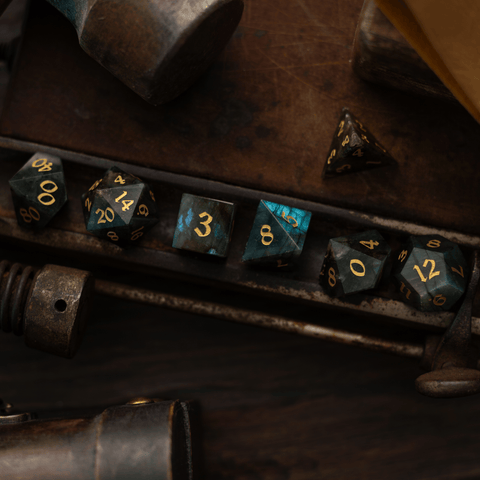
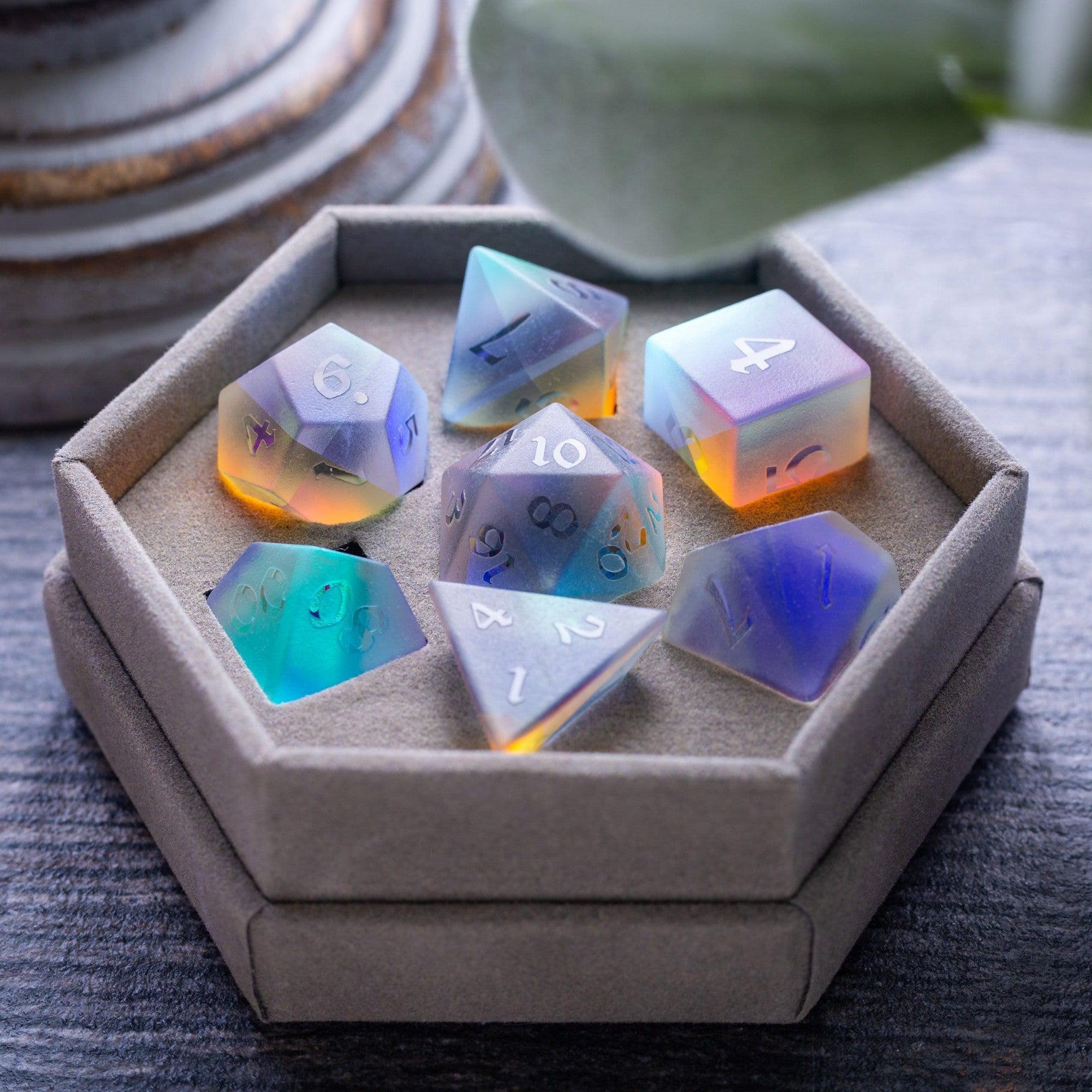
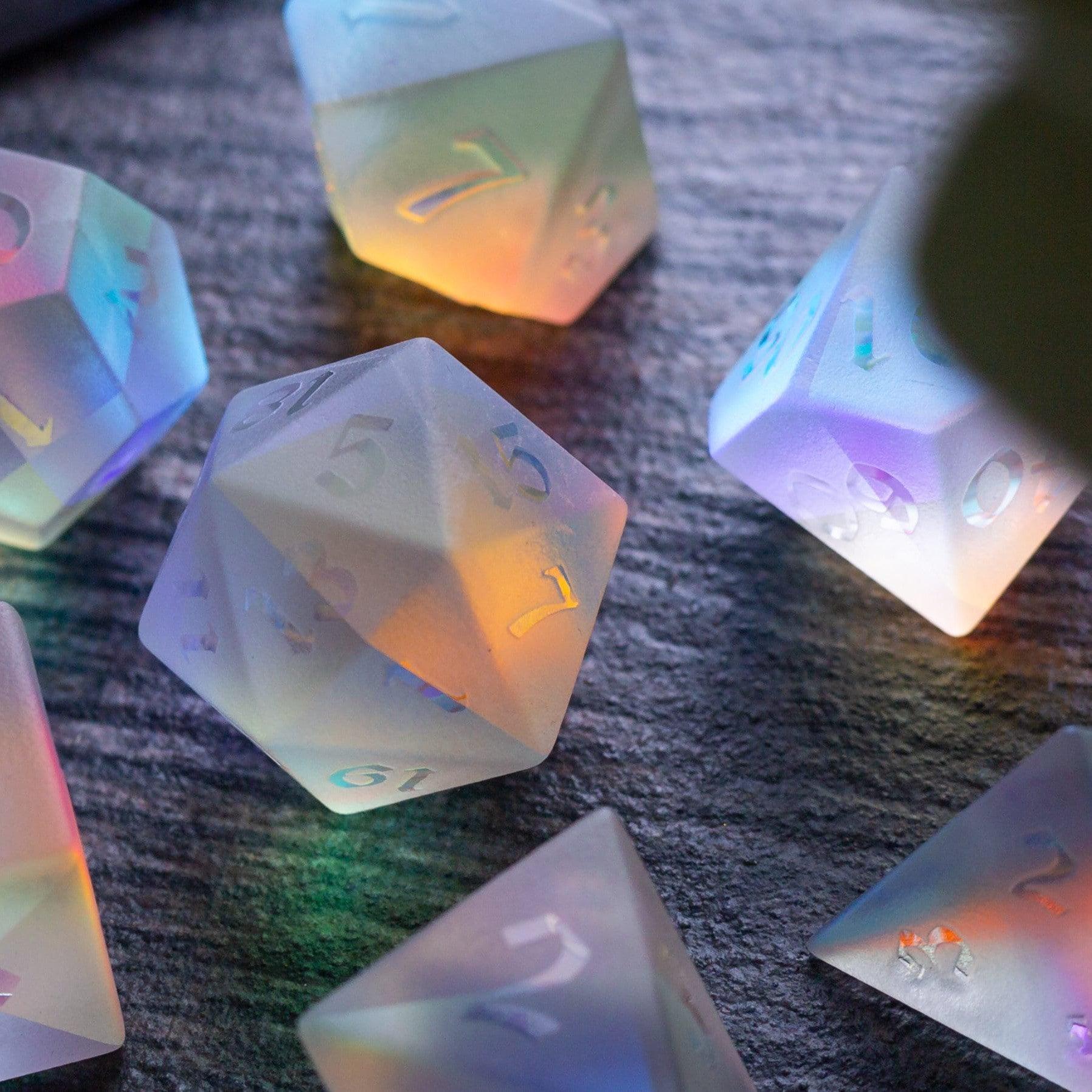
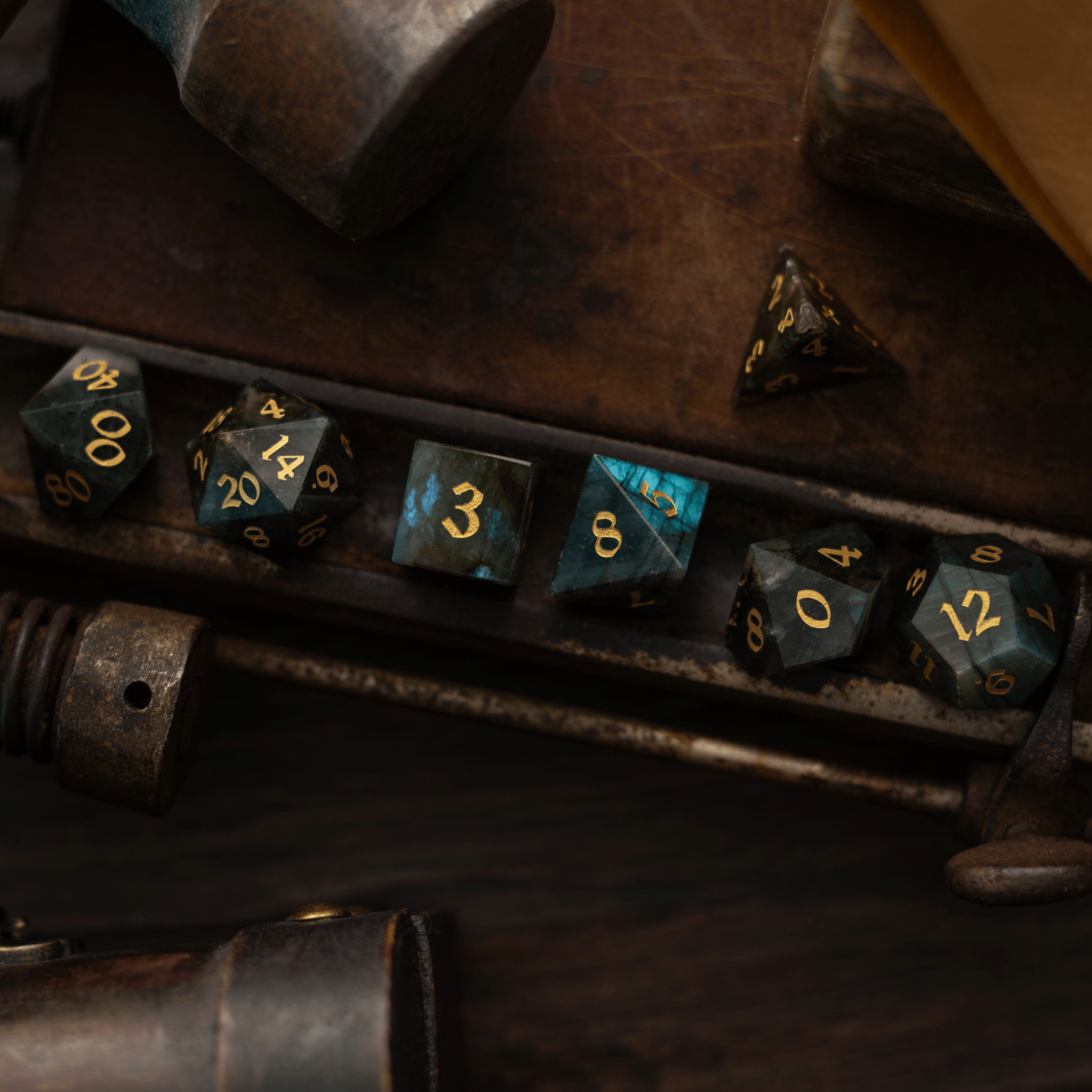
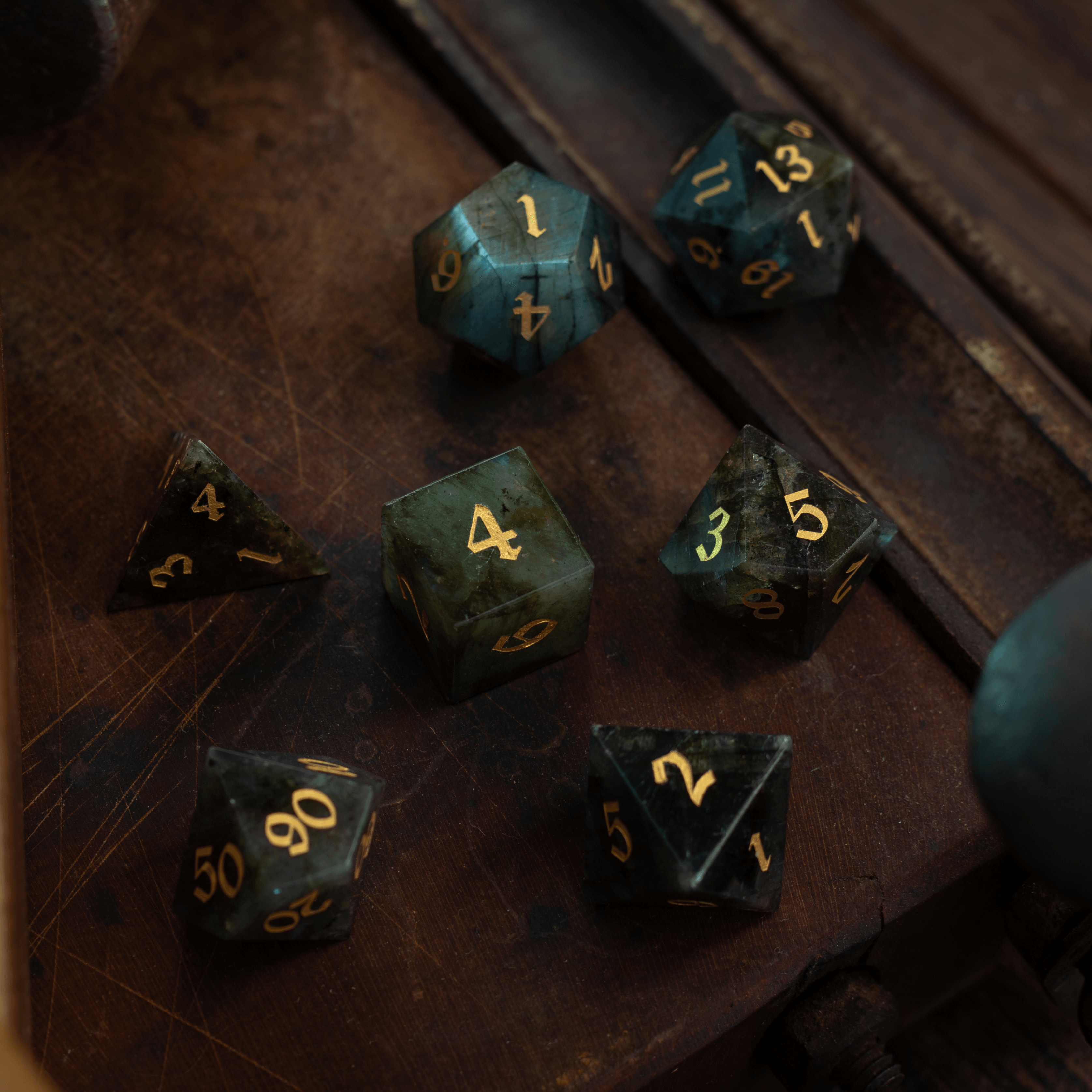
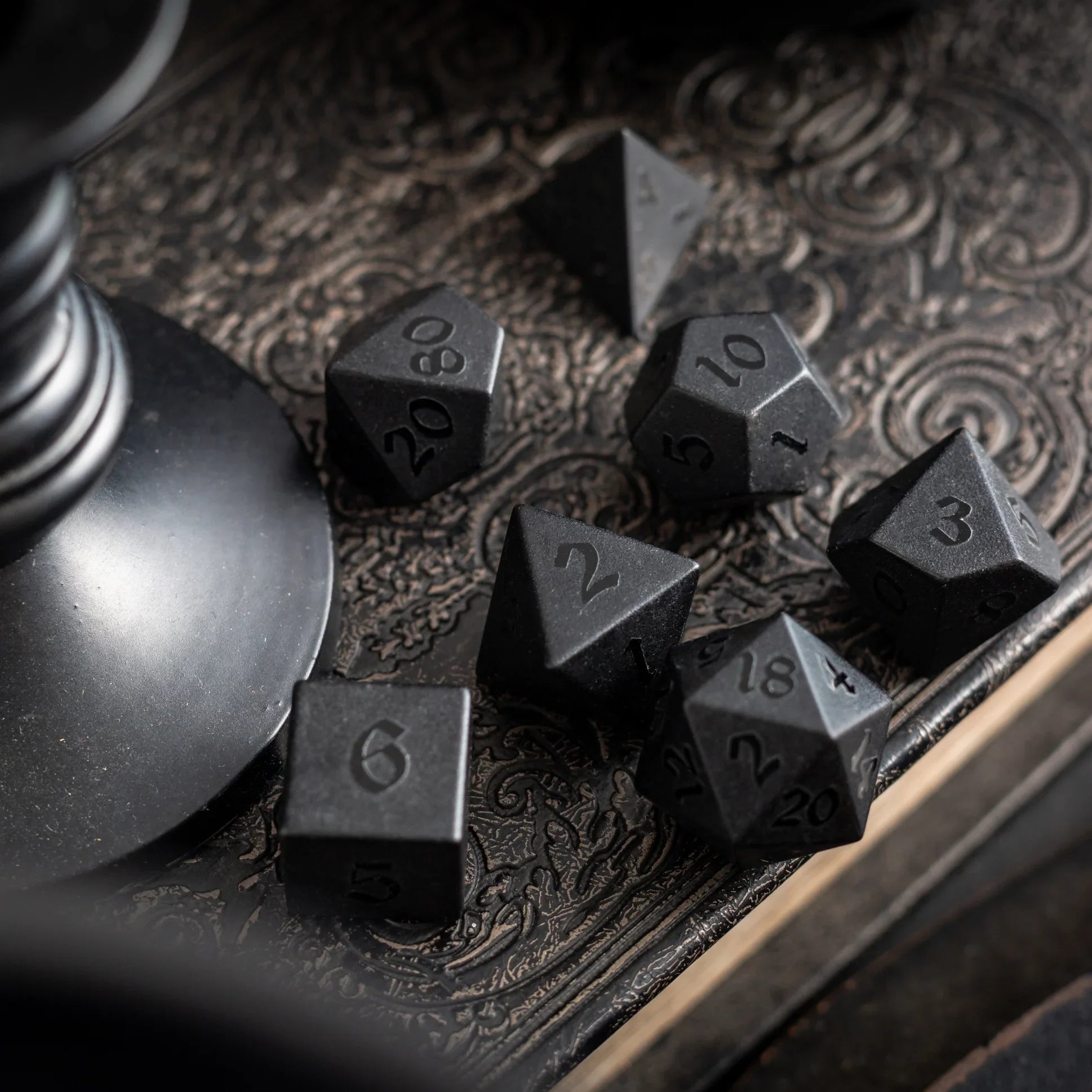
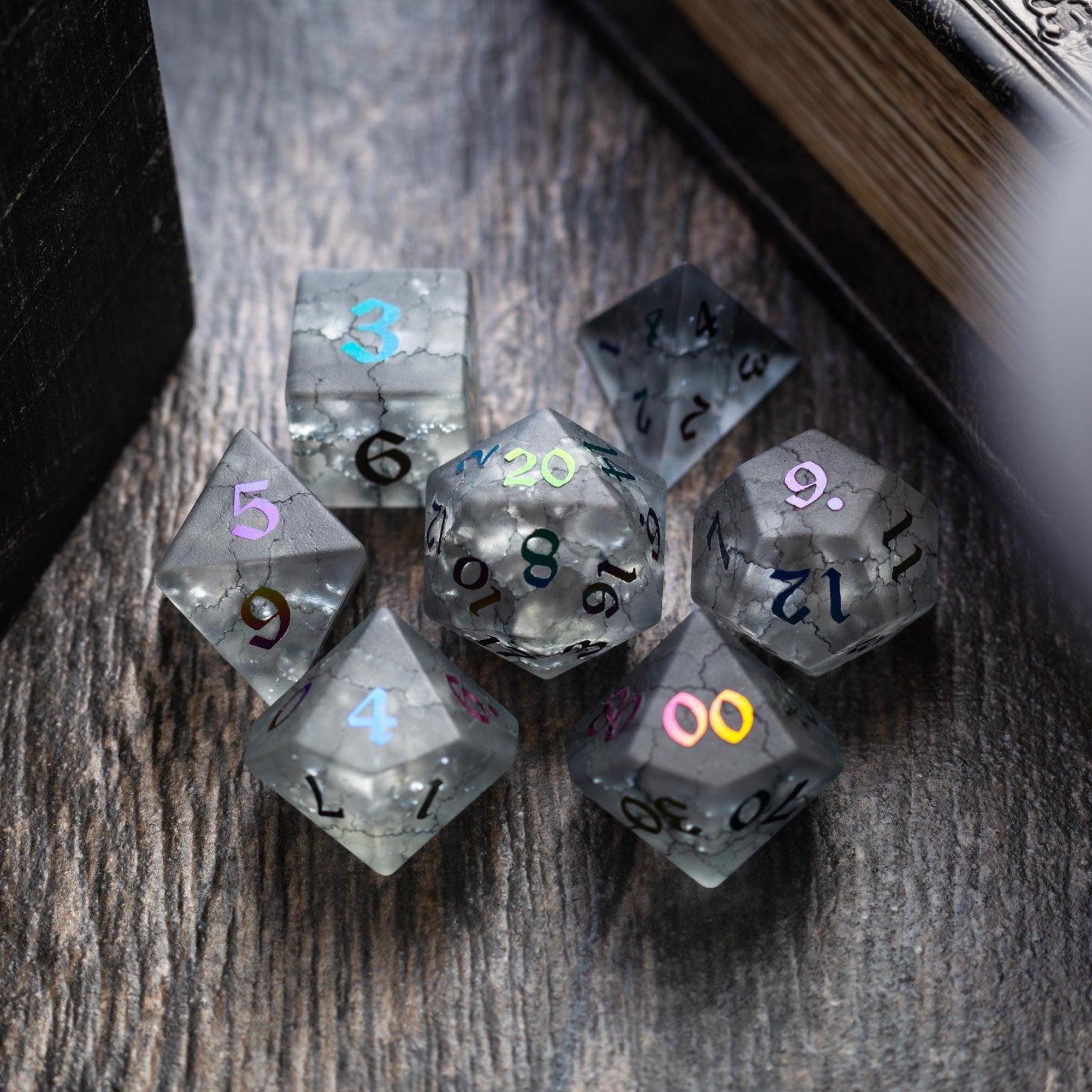
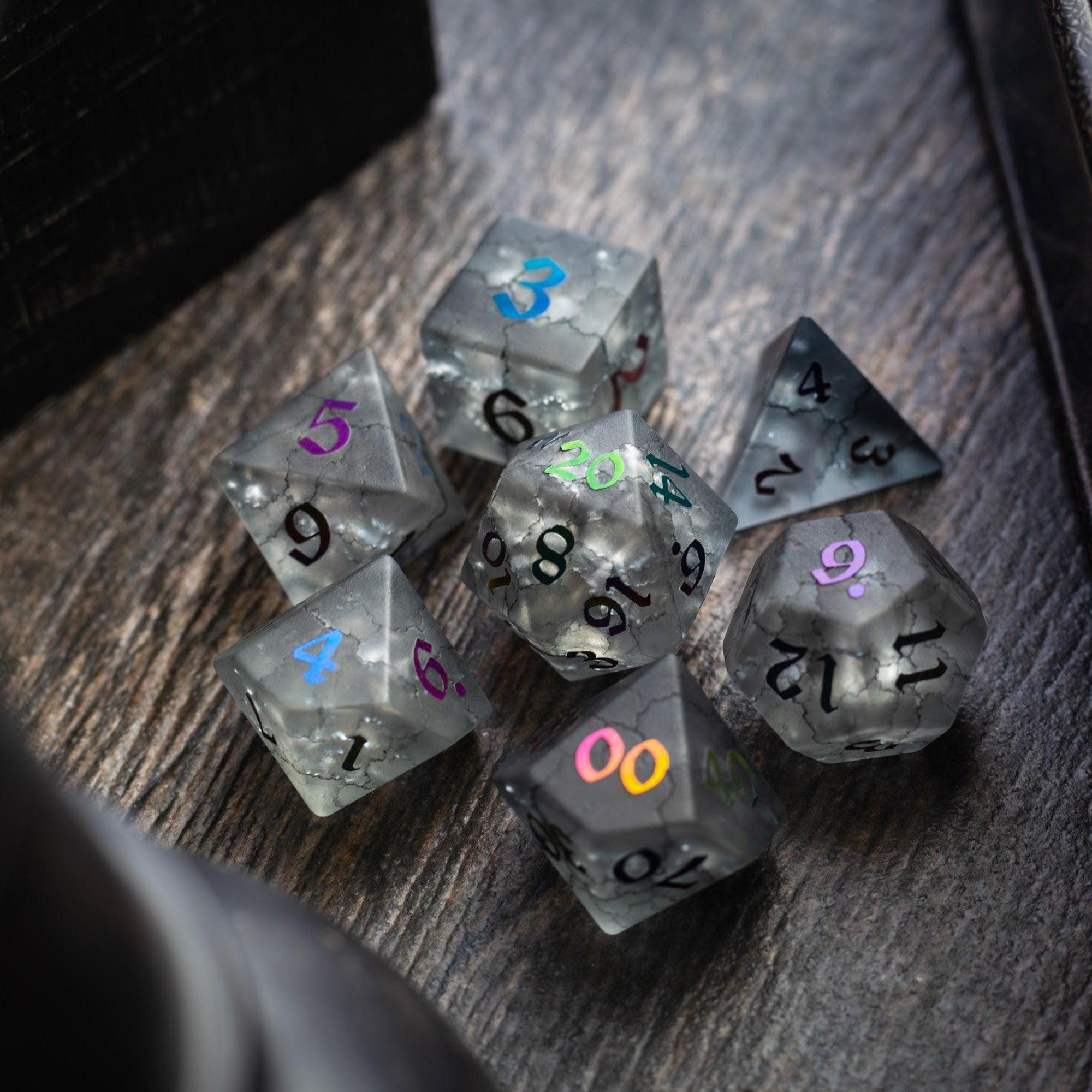
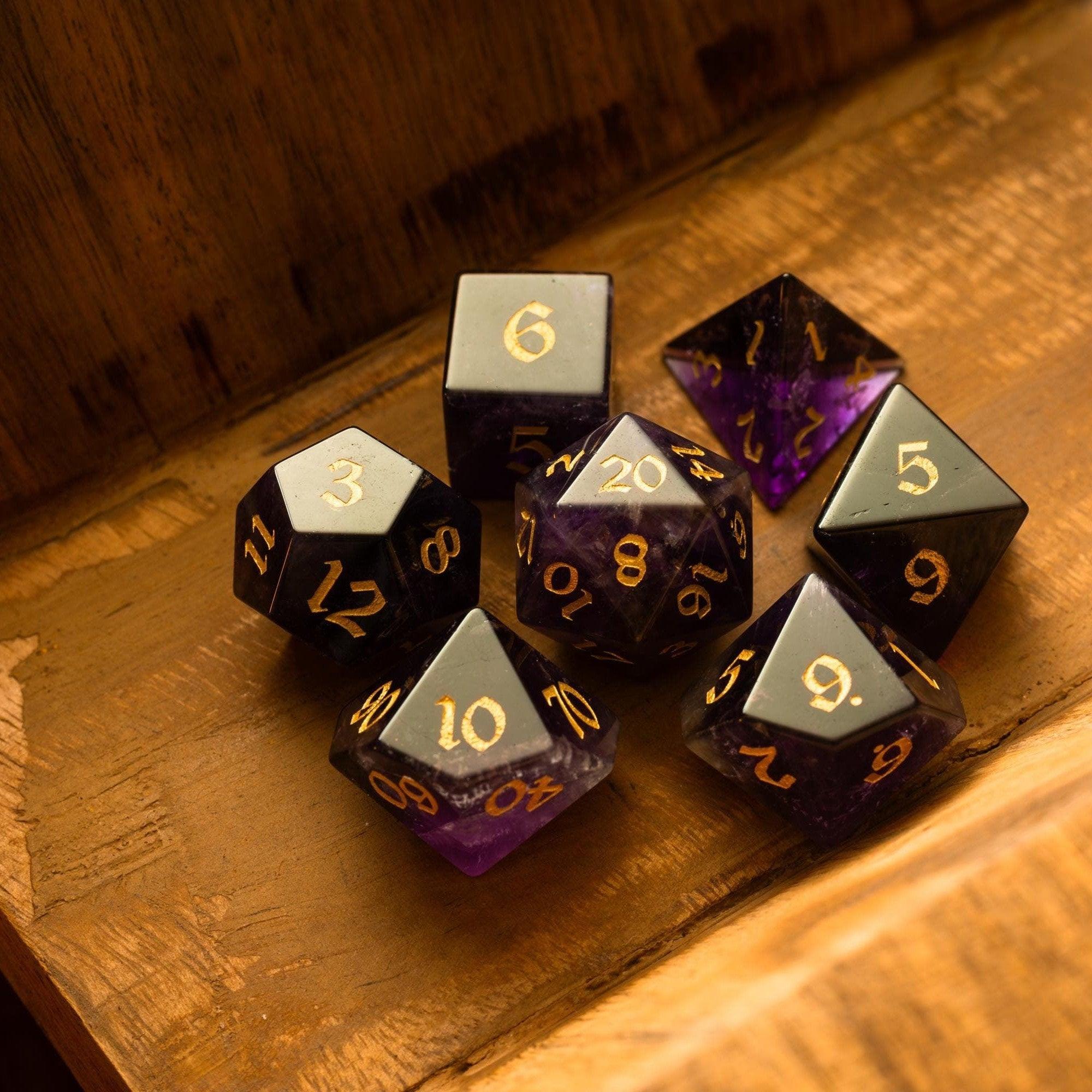
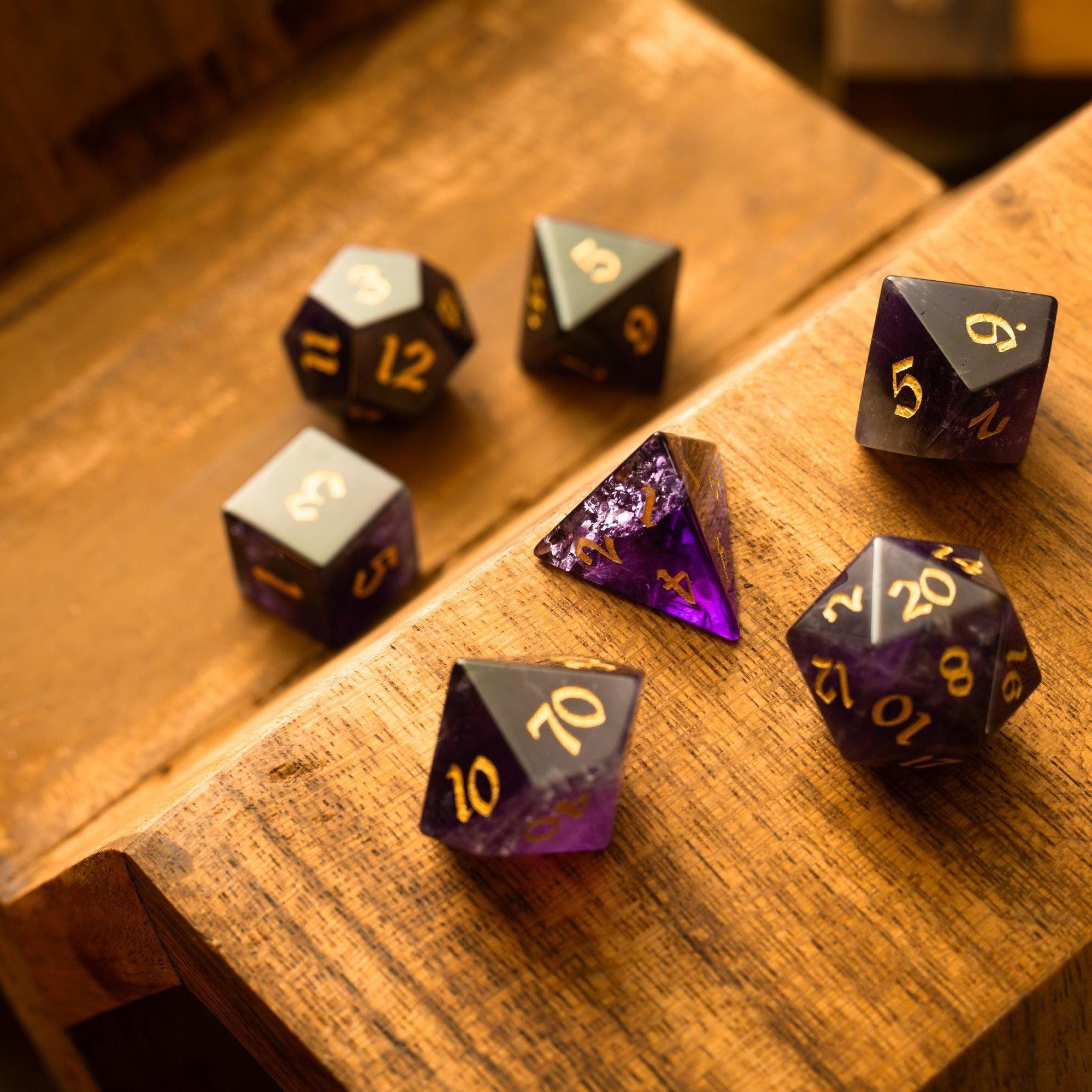
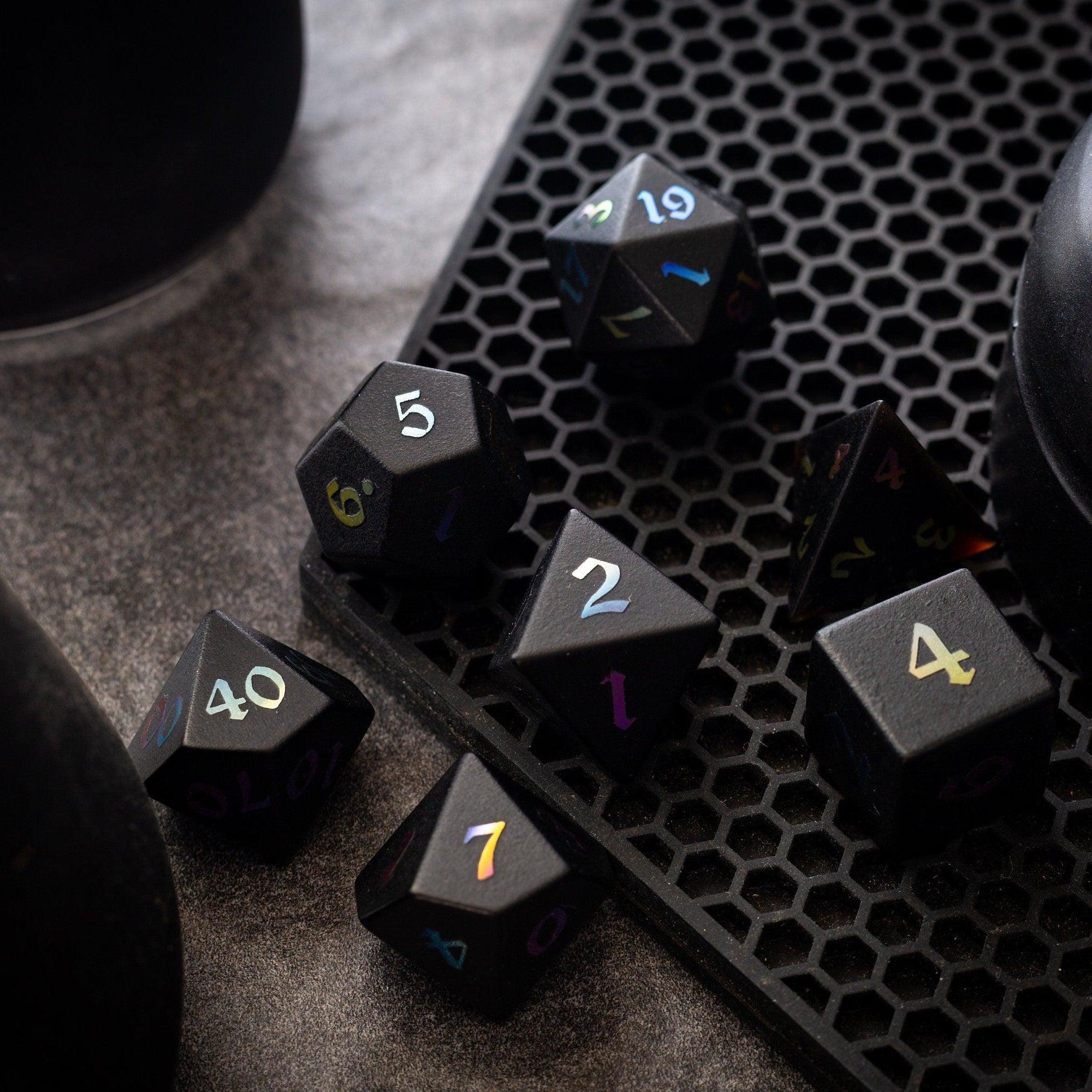
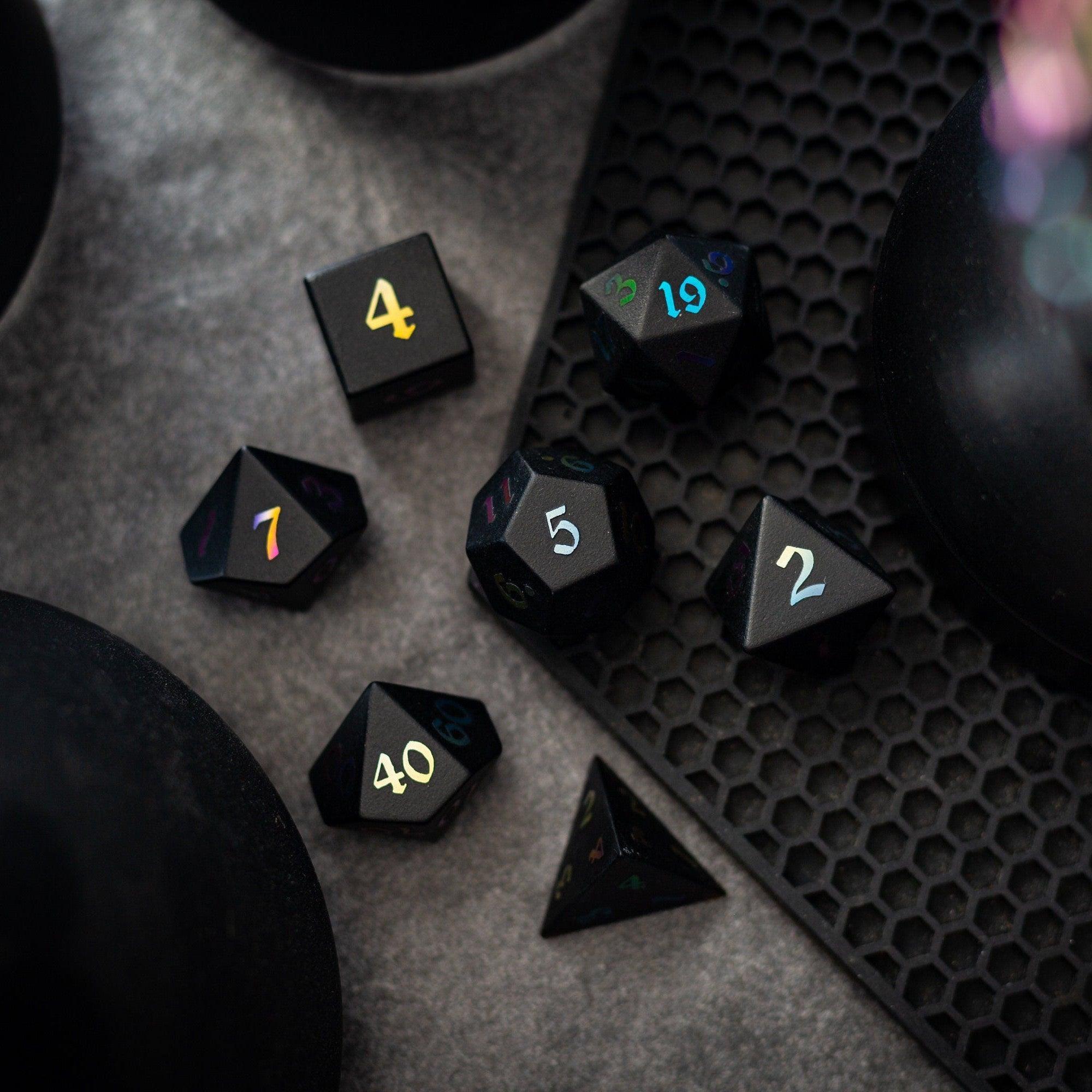
That's when I realized these legendary beings aren't just cool additions to a world. They're storytelling tools. They carry themes, challenge characters, and create memorable moments. Whether you're rolling dice to determine outcomes or writing in a notebook at midnight, the connection you build with these fantasy creatures makes the experience meaningful. I started collecting special gemstone dice sets that matched the tone of different campaigns, and it deepened my immersion even further. The ritual of rolling became part of the adventure itself.
Understanding Different Fantasy Creature Types
Fantasy creature reference categories help organize the incredible diversity you'll encounter in fantasy worlds. Here's a breakdown of the main types:
Dragons and Draconic Beings
These powerful creatures appear across nearly every fantasy tradition. From ancient greedy hoarders to noble dragon lords, they represent power, wisdom, chaos, or order depending on how they're portrayed. They're often centerpiece characters in epic tales and serve as ultimate challenges or unexpected allies.
Humanoid Races
Elves, dwarves, orcs, and countless other humanoid species populate fantasy worlds. Each typically has distinct cultural values, physical characteristics, and roles in their societies. These beings often mirror human societies while exploring "what if" scenarios about civilization and culture.

Magical Beasts
From phoenixes rising from ashes to chimeras with multiple animal parts, magical beasts blend animal characteristics with supernatural abilities. These creatures often embody natural forces or represent transformation and magic itself.
Undead and Spirits
Ghosts, vampires, liches, and other undead beings explore themes of mortality, loss, and redemption. They challenge characters both physically and morally, asking difficult questions about life, death, and what makes someone human.
Fey and Ethereal Entities
Fairies, spirits, and beings from alternate dimensions operate by different rules than the material world. They often represent nature's wildness, magic's unpredictability, and the unknown aspects of existence.

How These Beings Inspire Modern Gaming
Tabletop gaming communities have embraced fantasy creature reference materials as essential tools. Whether you're playing dungeon exploration games, storytelling campaigns, or competitive adventures, these legendary beings form the backbone of memorable experiences.
Game designers carefully balance these creatures to create challenging encounters that feel fair and exciting. A skilled game master uses fantasy creature reference knowledge to build tension, surprise players with unexpected abilities, and create emotional stakes when characters face formidable foes or meet fascinating allies.
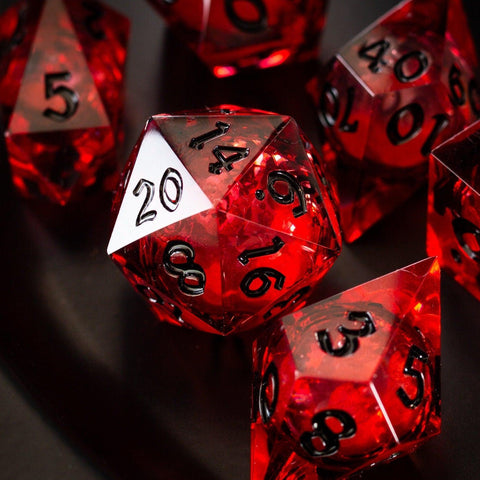
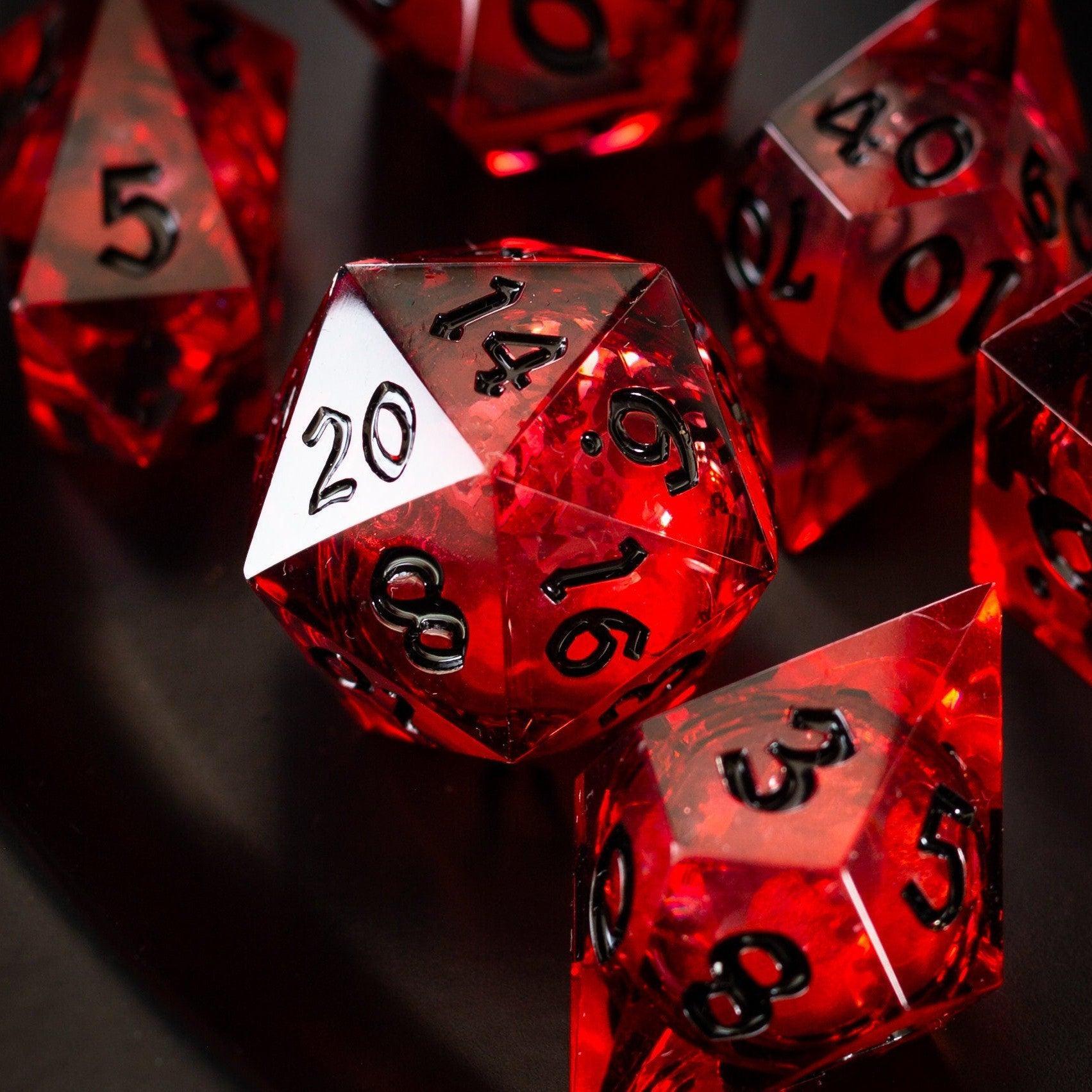
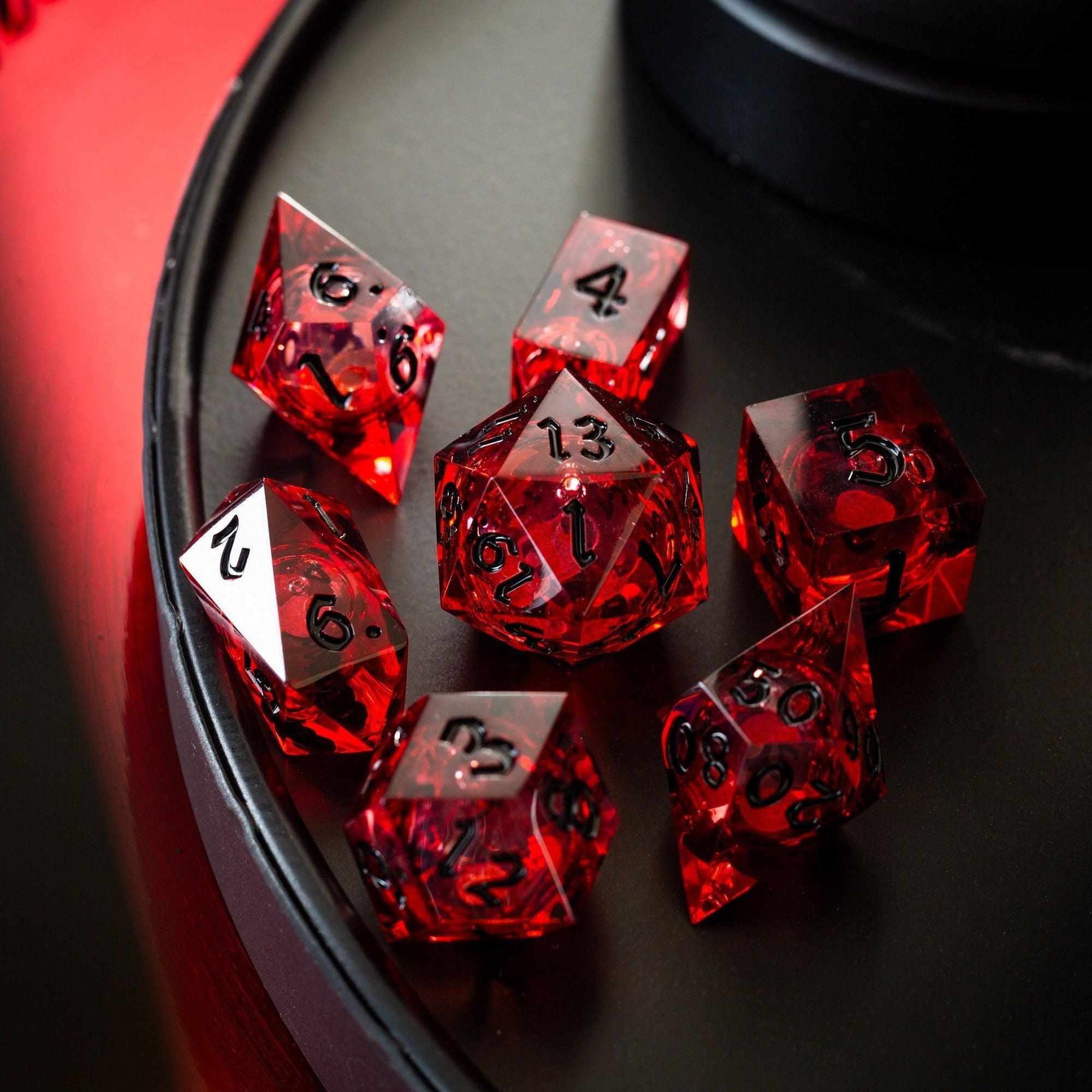
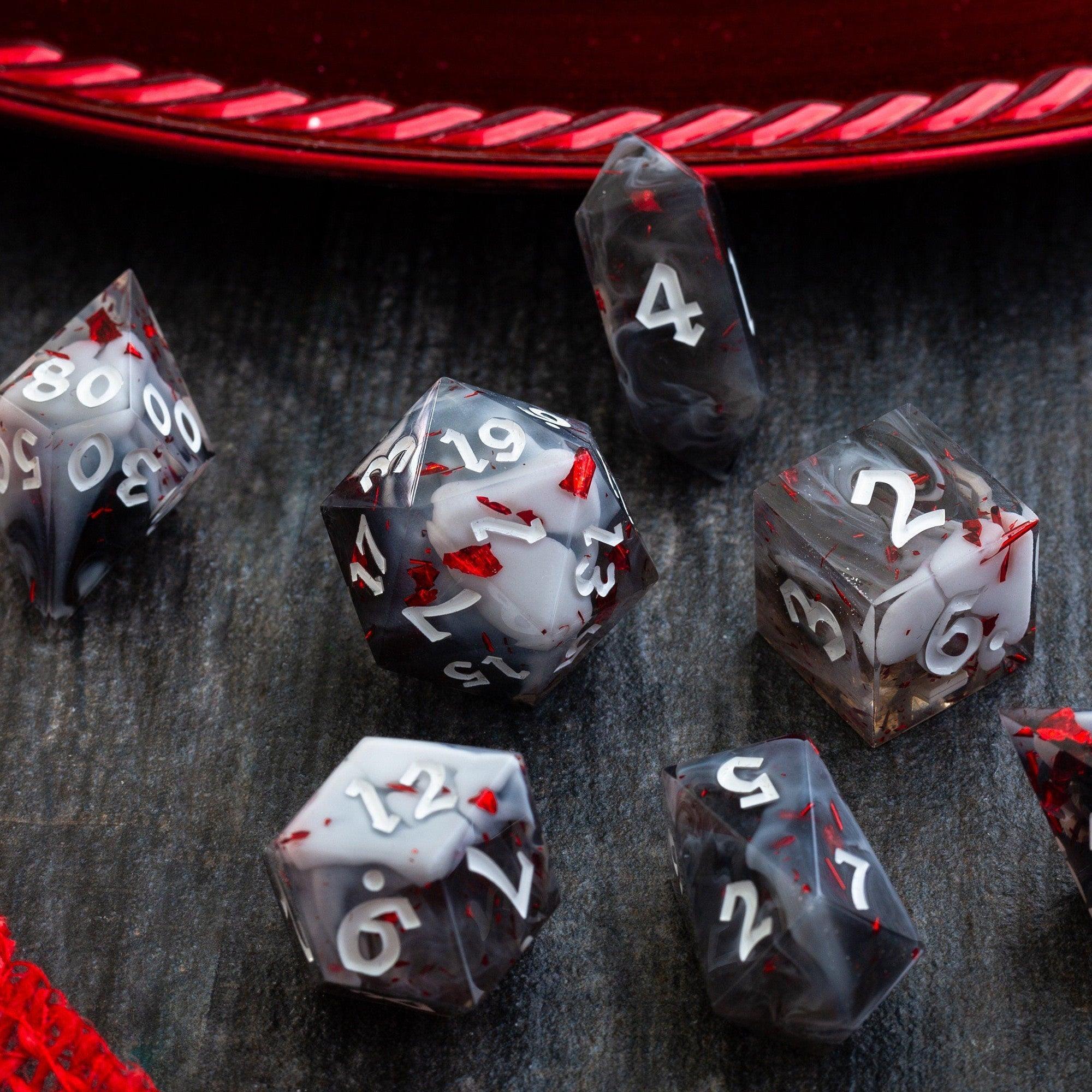
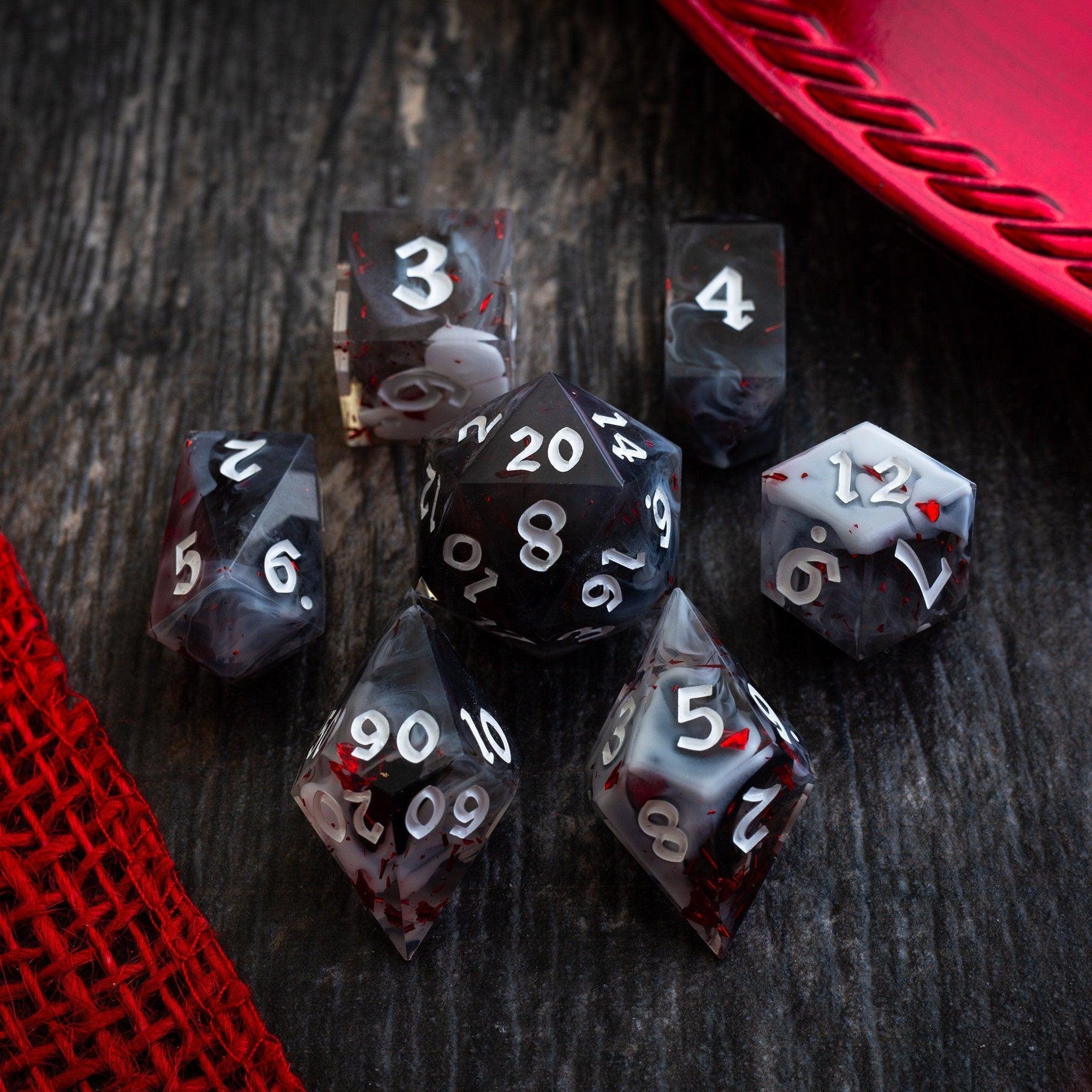
The beauty of modern gaming is that you can customize everything. Some groups want strict adherence to published lore, while others remix creatures entirely to match their campaign's unique flavor. Both approaches work beautifully. Players often invest in special equipment like handmade resin dice sets that reflect their campaign's aesthetic, creating a tangible connection to their fantasy adventures.
Beyond combat encounters, these legendary beings inspire character development, moral dilemmas, and unexpected alliances. A player might befriend a creature they were supposed to fight, or discover that a seemingly evil being has understandable motivations. These moments happen because the fantasy creature reference material provides depth worth exploring.
Building Your Fantasy Knowledge
Start with what interests you most. Love dragons? Dive deep into draconic lore. Fascinated by mischievous fey? Explore that tradition. You don't need complete encyclopedic knowledge—you need genuine curiosity and the willingness to explore.
Read fantasy novels, watch fantasy shows, and engage with communities discussing these topics. Each source adds another layer to your understanding. Many game systems offer excellent starter resources that explain their version of fantasy creature reference materials in accessible ways.
Consider checking out specialized collections like gemstone dice collections that appeal to fantasy enthusiasts, as these high-quality tools often come with lore-rich packaging that adds flavor to your understanding of fantasy worlds.
Frequently Asked Questions
What's the difference between fantasy creatures and real animals?
Fantasy creatures typically have magical abilities, intelligence levels exceeding real animals, or supernatural origins. They're designed to serve narrative purposes—representing concepts, challenging characters, or embodying themes. Real animals behave according to biological imperatives, while fantasy creatures act with agency, emotion, and often complex motivations.
Can I use fantasy creature reference material for my own creative work?
Absolutely! Public domain mythology and folklore are free to use and reinterpret. Published game materials may have copyright restrictions, so check the source. Most creators actively encourage fan works, worldbuilding, and creative retellings. The key is adding your own unique perspective and not copying proprietary game statistics directly.
How do I choose which fantasy creatures fit my story?
Consider what role each creature plays in your narrative. Ask yourself: What do they represent? What challenges do they present? What emotional response should they evoke? Your story's tone, setting, and themes should guide these choices. A creature that works perfectly in a dark, gritty tale might feel out of place in a lighthearted adventure.
Are there any cultural considerations when using fantasy creatures from mythology?
Yes, absolutely. Many legendary beings originate from specific cultures with rich histories and meanings. Treating source material respectfully, understanding the cultural context, and avoiding harmful stereotypes matters. Research the origin of creatures you're using, and consider how you're representing different cultures and traditions.
Final Thoughts and Takeaways
Fantasy creature reference exploration transforms how you experience storytelling, gaming, and creative expression. These legendary beings aren't just cool visual designs or stat blocks in rule books—they're vessels for exploring human themes, challenging our characters, and expanding our imaginations.
The most important takeaway? There's no "right" way to engage with fantasy lore. Whether you're a casual fan enjoying a fantasy movie, a dedicated game master building campaigns, or a writer creating entirely new worlds, your approach is valid. Start with curiosity, let your interests guide you, and don't worry about perfect knowledge.
The fantasy community welcomes newcomers and celebrates those who find joy in these imaginative spaces. Share your enthusiasm, ask questions, and discover that the friends you make while exploring fantasy worlds often become lifelong companions on countless adventures.
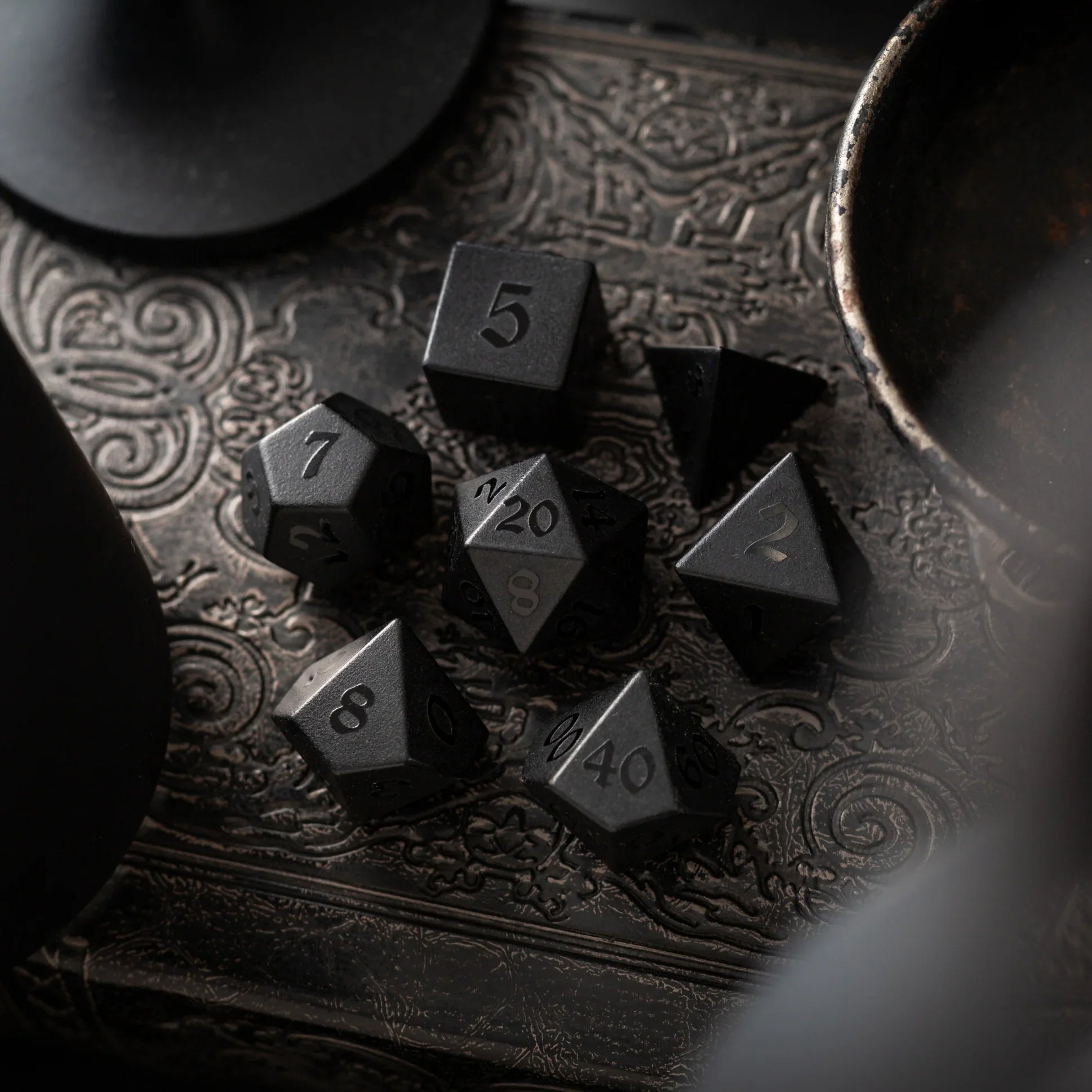
Ready to enhance your gaming experience? Explore our sharp edge resin dice collection to find the perfect tools for your next adventure. Whether you're delving into ancient dragon lairs or negotiating with fey lords, quality dice elevate every roll and bring your fantasy stories to life.

Leave a comment
This site is protected by hCaptcha and the hCaptcha Privacy Policy and Terms of Service apply.