

Design Immersive Worlds with a Fantasy Map Generator
Updated on: 2025-12-09
Designing a world map doesn’t have to be intimidating. With smart tools and a clear workflow, you can sketch continents, climates, and cultures that feel real and play smoothly at the table. This guide gives you practical steps, pro tips, and quick answers so you can go from blank canvas to a ready-to-run setting without getting lost. You’ll also find ways to connect your new map to session prep, encounter design, and tactile accessories that make game nights memorable.

Whether you’re building a one-shot locale or a sprawling campaign setting, a fantasy map generator can save hours and spark ideas you wouldn’t get from a blank page. The trick is knowing how to guide the tool so the results fit your story, your players, and your table time. Below, you’ll learn a simple process that keeps you creative and efficient, with tips to avoid analysis paralysis and turn raw maps into adventures that flow.
How-To Steps
-
Define your scope and play goals
Before you click “generate,” write two lines: where the campaign starts and what players will likely do in session one. Are they coastal smugglers, desert caravan guards, or dungeon delvers near a frontier town? This keeps your first map area tight and relevant. You can always expand later.
-
Pick a base style that matches your tone
Choose a cartography style that reflects the vibe you want. Rugged, inked coastlines feel gritty; soft watercolor palettes feel whimsical. Consistency helps players remember locations, and it makes quick updates less jarring between sessions.
-
Generate landmasses with intent
Use the tool’s random seed or slider controls to create continents and islands, but guide the shape around your story needs. If maritime adventures are key, add bays, archipelagos, and reefs. For overland treks, include long mountain chains with passes that naturally funnel travel.
-
Lay down climate and biomes
Quickly sketch temperature bands and prevailing winds in your head, then place deserts, forests, and grasslands accordingly. Even a rough pass makes the world feel coherent. Rivers should flow from high elevation to sea, converging instead of splitting in most cases.
-
Add settlements and routes that tell a story
Place towns at river mouths, crossroads, and natural harbors. Connect them with roads and trade routes that make sense. A lone mountain fortress with a single cliff path screams intrigue; a harbor with three roads promises politics and commerce.
-
Tag adventure density and session hooks
Mark at least five “hot spots” near your starting area: a ruined tower, a haunted fen, a caravan ambush site, a smuggler’s cove, and a contested bridge. Tie each to a rumor or NPC lead. Now your map isn’t just pretty—it’s playable tonight.
-
Export layers for flexible use
Save labeled and unlabeled versions. Export a player-facing map with fewer secrets, and a GM version with notes. Layers let you zoom from region to city without redrawing everything, and they make it easy to reveal new areas as the party travels.
-
Playtest with a short travel scene
Run a 10–15 minute travel montage using the map. Ask yourself: Did the routes make choices interesting? Did distances feel fair? Tweak before the next session so the map supports pacing rather than fights it.
Fantasy Map Generator Tips and Workflow
Start small. A single province with a coastline, a mountain pass, and a river valley offers more adventure variety than a full continent you never use. Expand the edges only when the party pushes beyond them. This keeps prep focused and avoids worldbuilding sprawl.
Name with purpose. Use phonetic families for regions so names feel related without being clones. You might use hard consonants for a militaristic kingdom and flowing syllables for a coastal confederacy. Keep a shortlist of themes—minerals, winds, constellations—to inspire quick town names during play.
Balance realism with readability. You don’t need perfect tectonics, but broad plausibility helps players suspend disbelief. A few rules—rivers run downhill, rain shadows exist, trade routes follow terrain—go a long way. Then simplify symbols so the eye finds what matters: routes, danger, and opportunities.

Turn randomness into narrative. When the tool surprises you with an odd lagoon or split peninsula, ask “why.” Maybe a fallen star carved the bay, seeding rare crystals. Maybe ancient magic warped a river. Use anomalies as plot engines, not errors to delete.
Set visual hierarchy. Strong coastlines and mountain ridges first; rivers and roads next; then labels. If everything shouts, nothing’s clear. Vary line weight and color value so the player route pops at a glance, and reserve decorative elements for the GM version to keep the player map crisp.
Schedule “map maintenance.” After each session, add new landmarks the party discovered and note travel times they proved at the table. A five-minute cleanup keeps your map aligned with the story and prevents the dreaded “Which village was that?” moment.
From Map to Table: Bringing Your World to Life
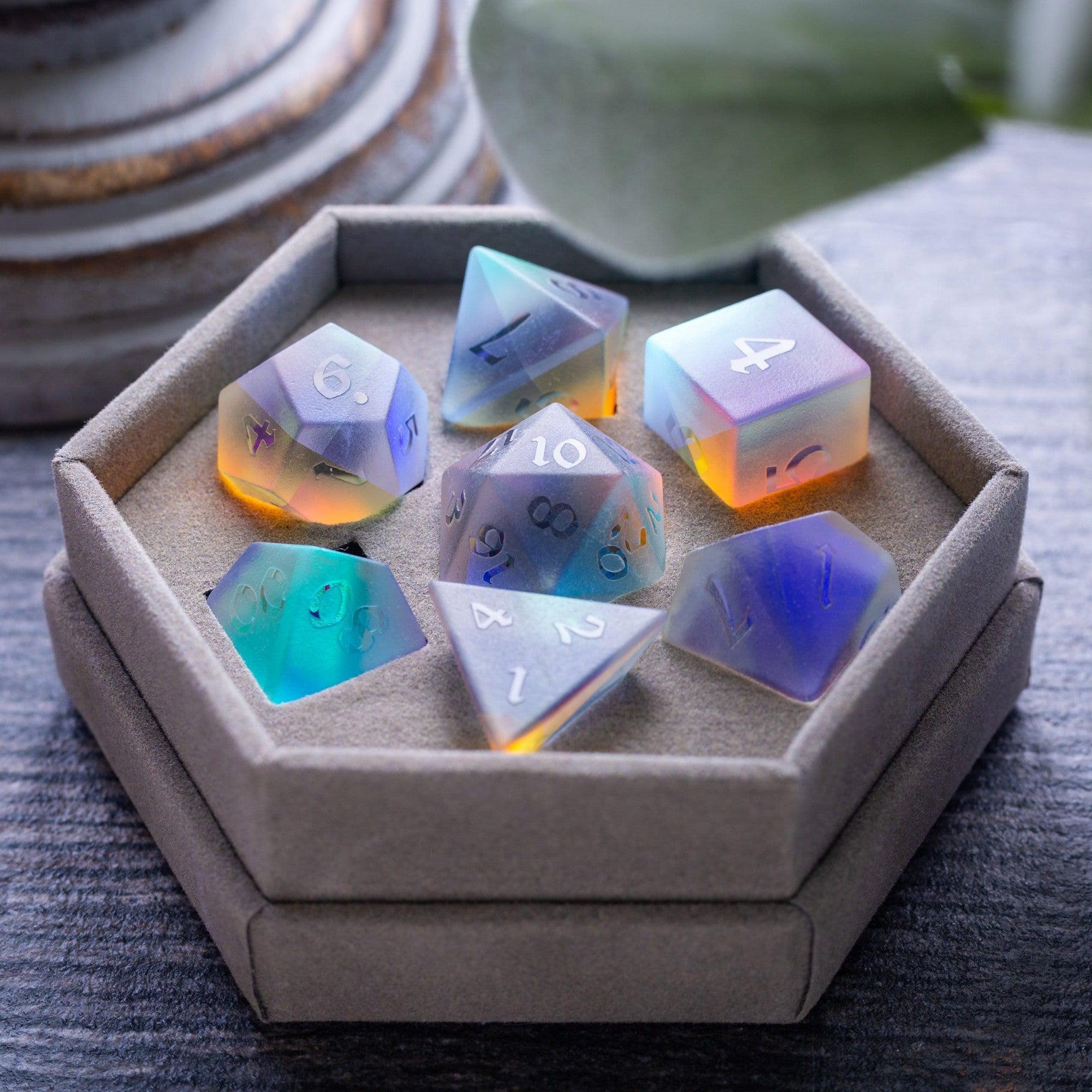
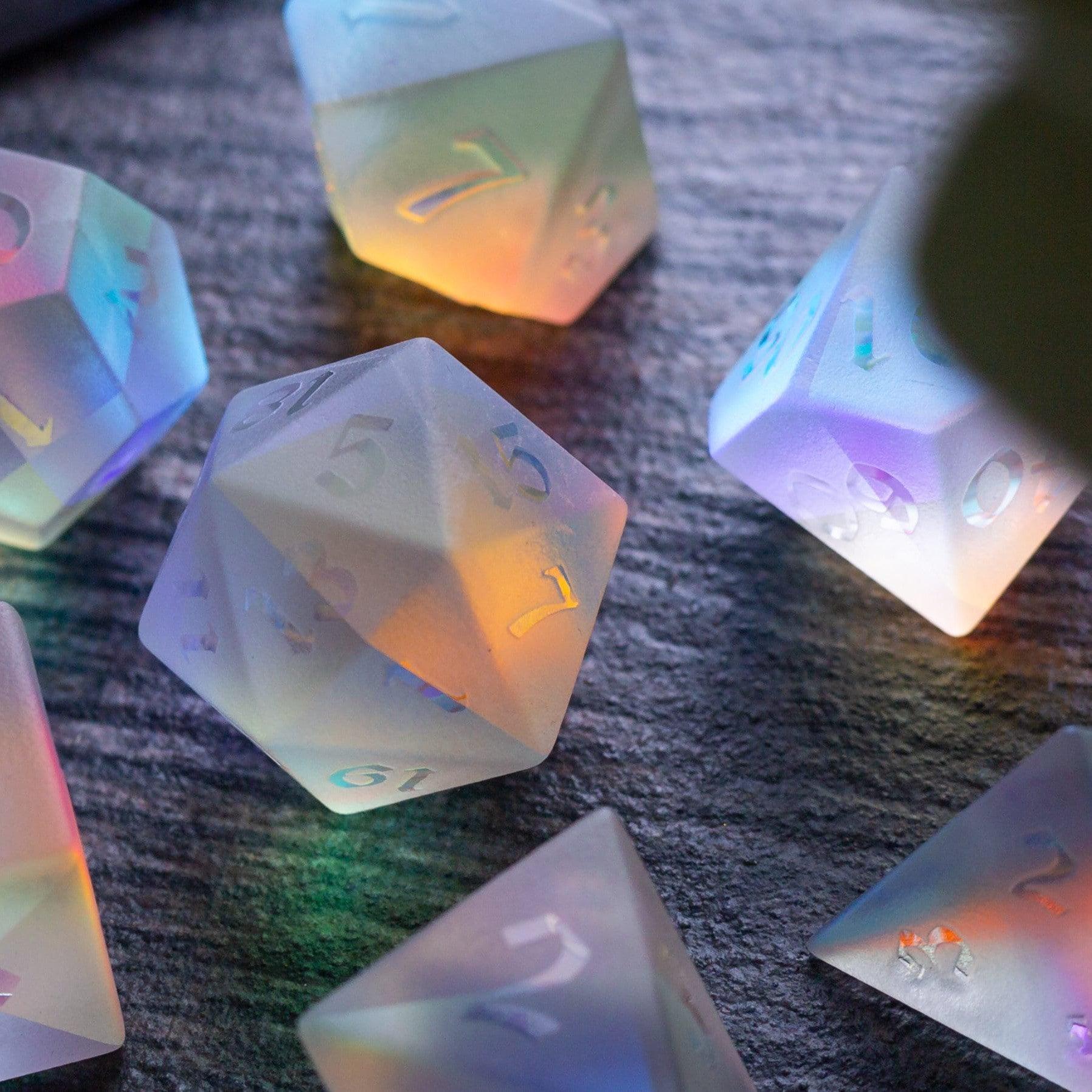
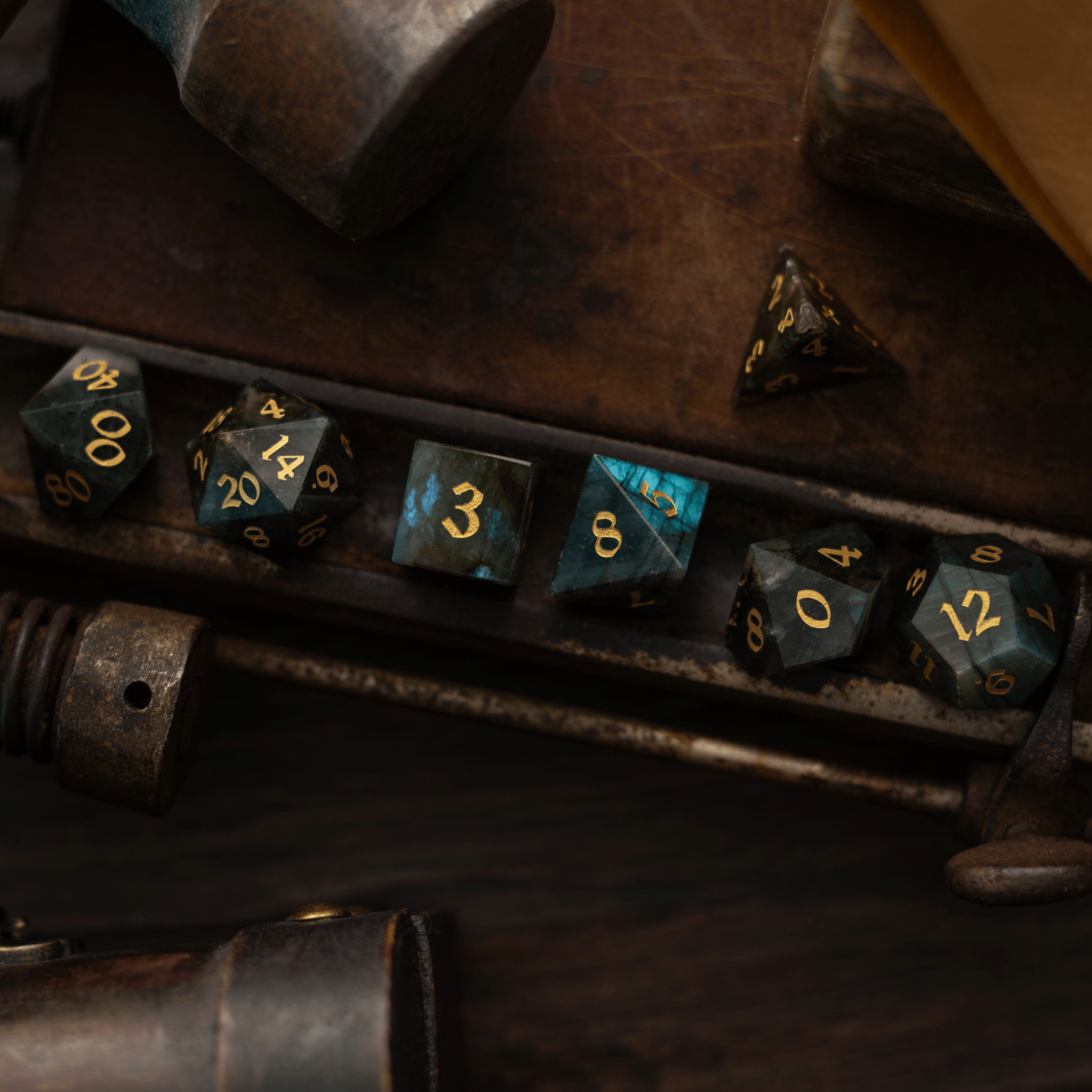
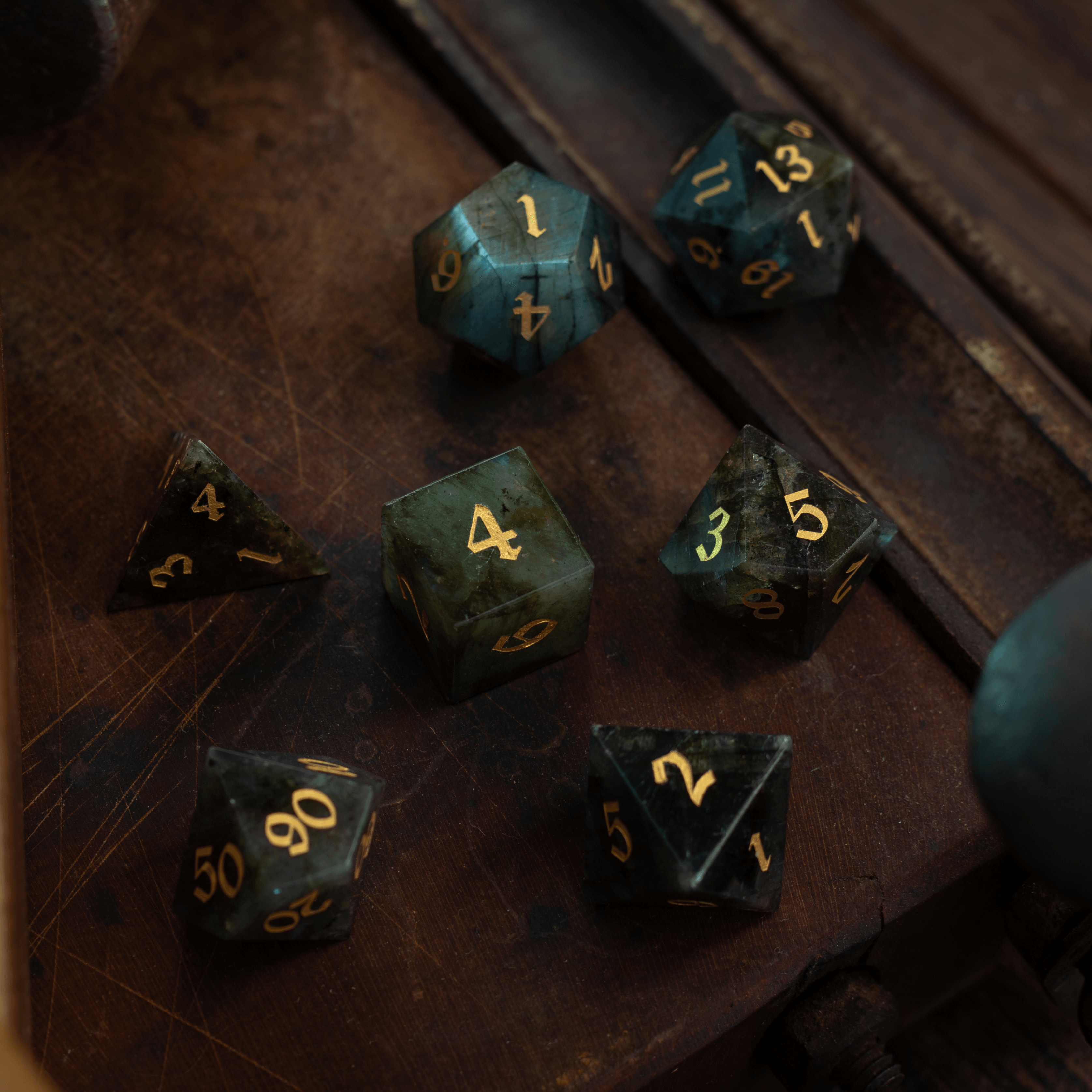
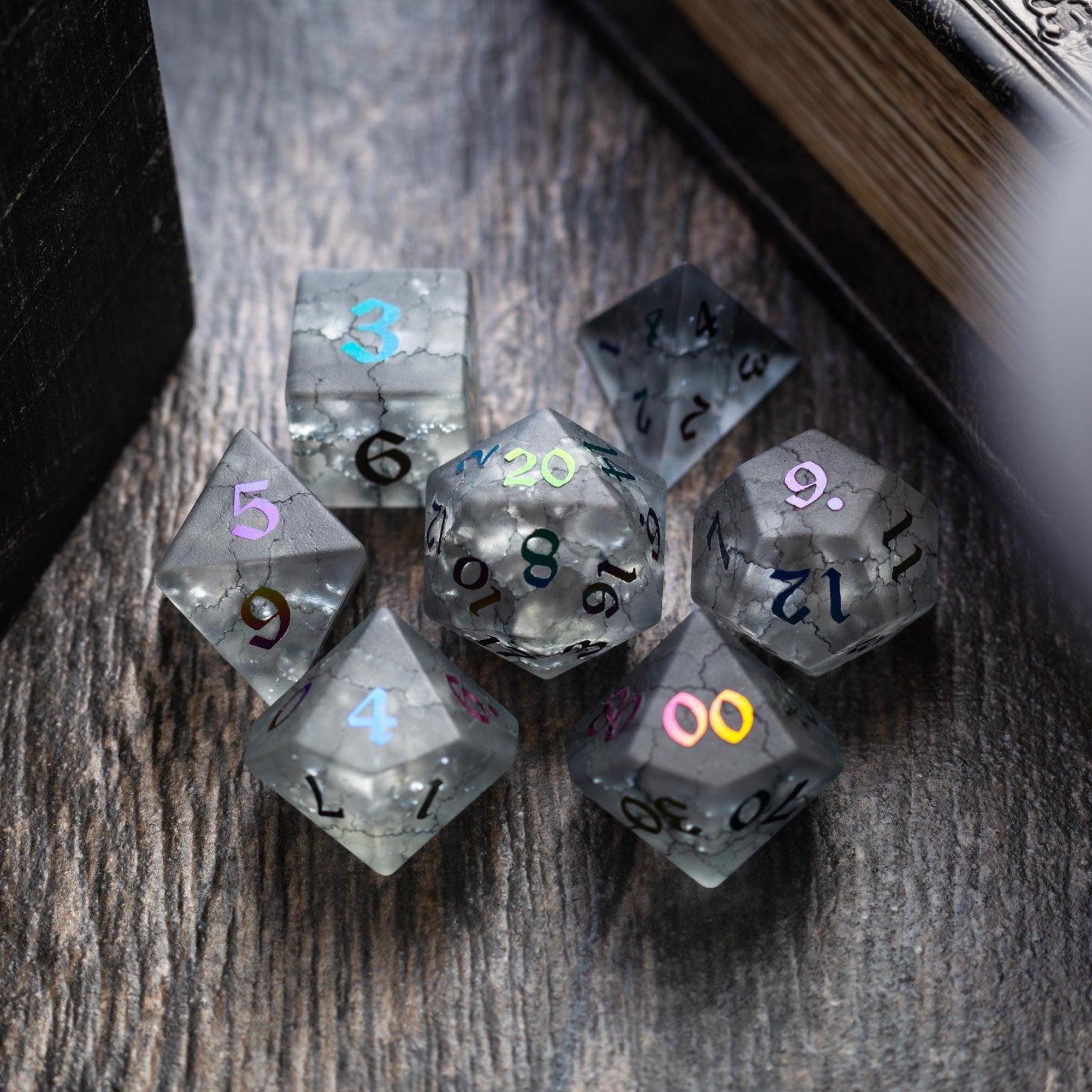
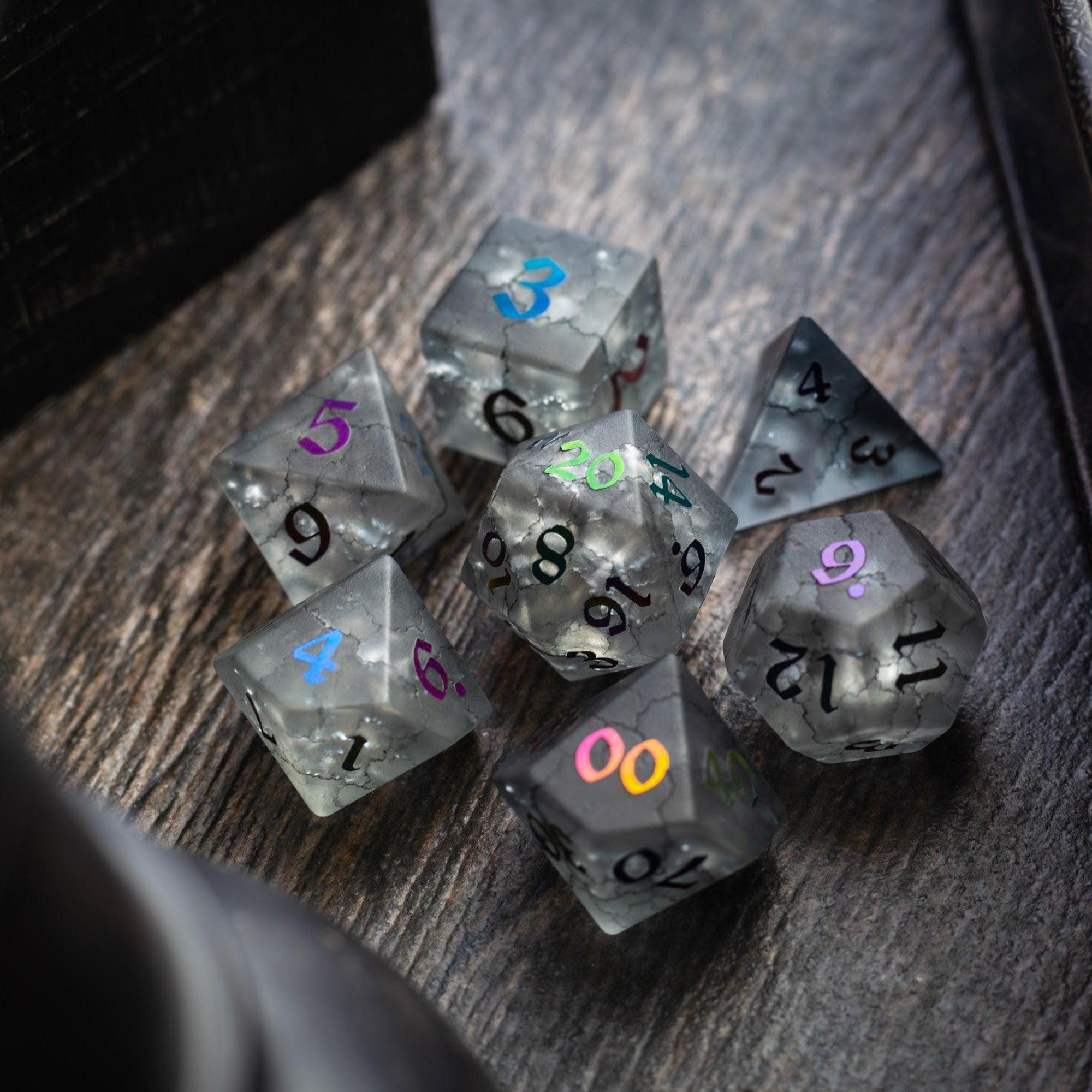
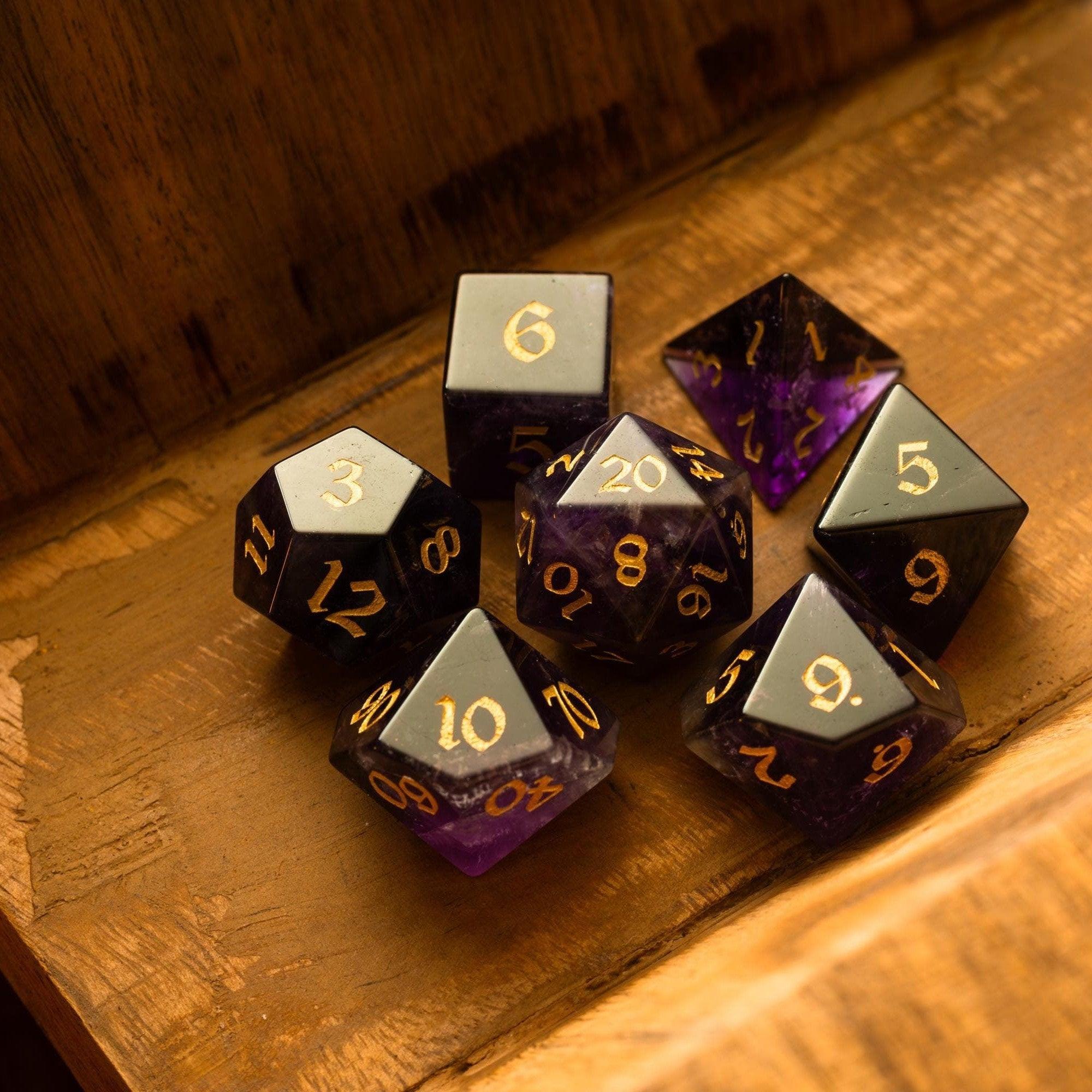
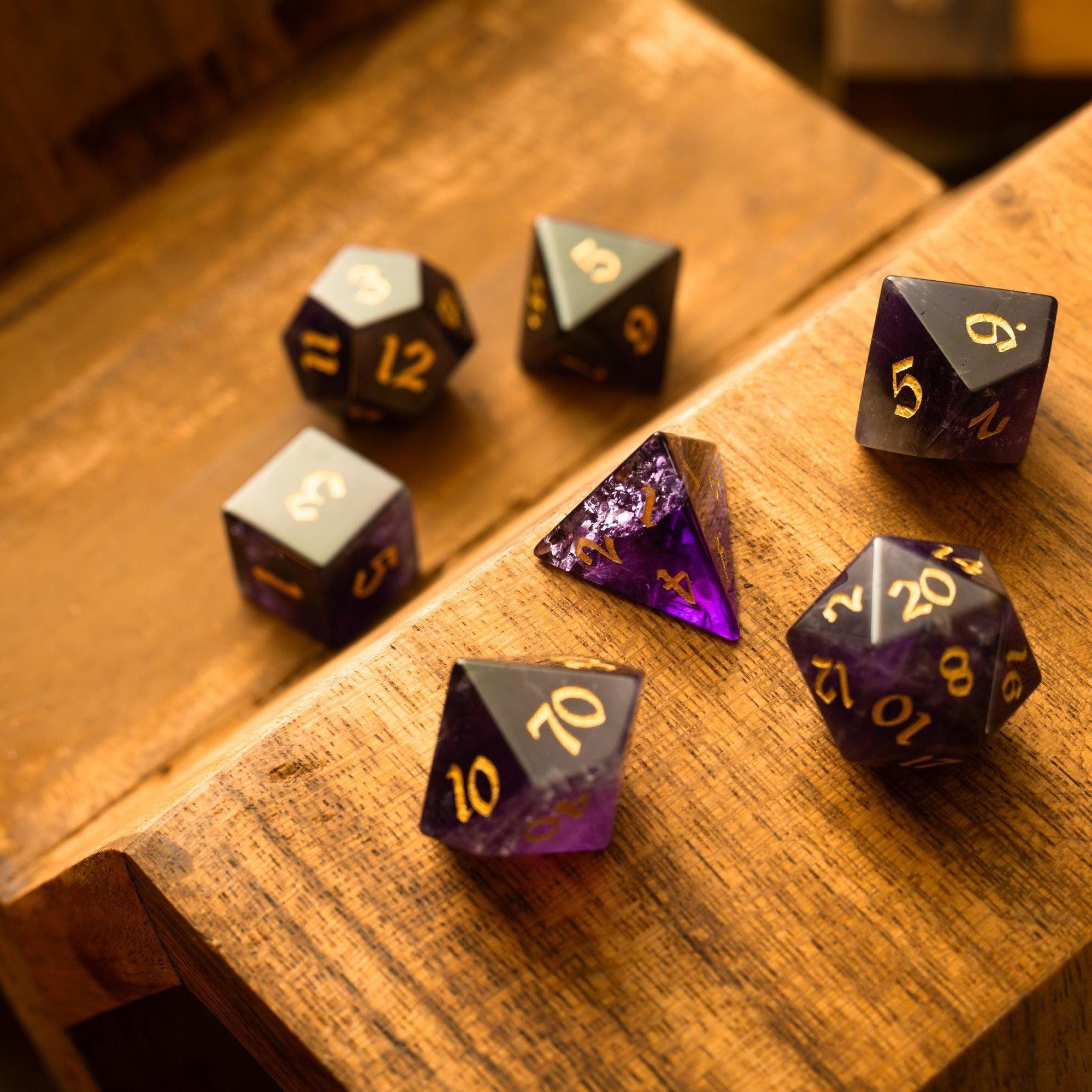
Great maps shine when they connect to tactile moments. If a region features crystal caverns and aurora-lit peaks, show that vibe with striking accessories on game night. For a dramatic reveal, lay the map down, point to a glittering valley, and roll with matching gemstone dice for the first encounter. The visual echo helps players remember the place and the stakes.
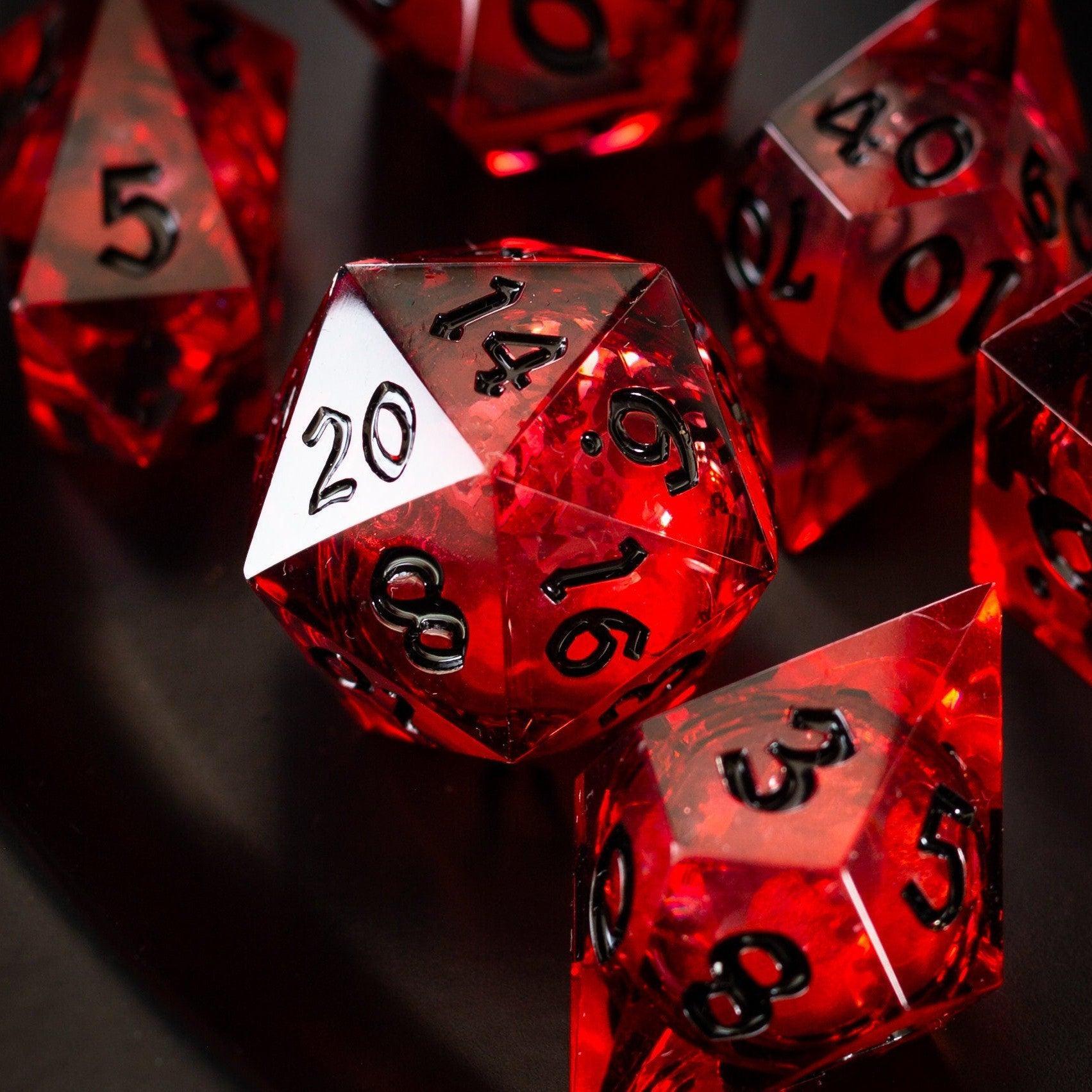
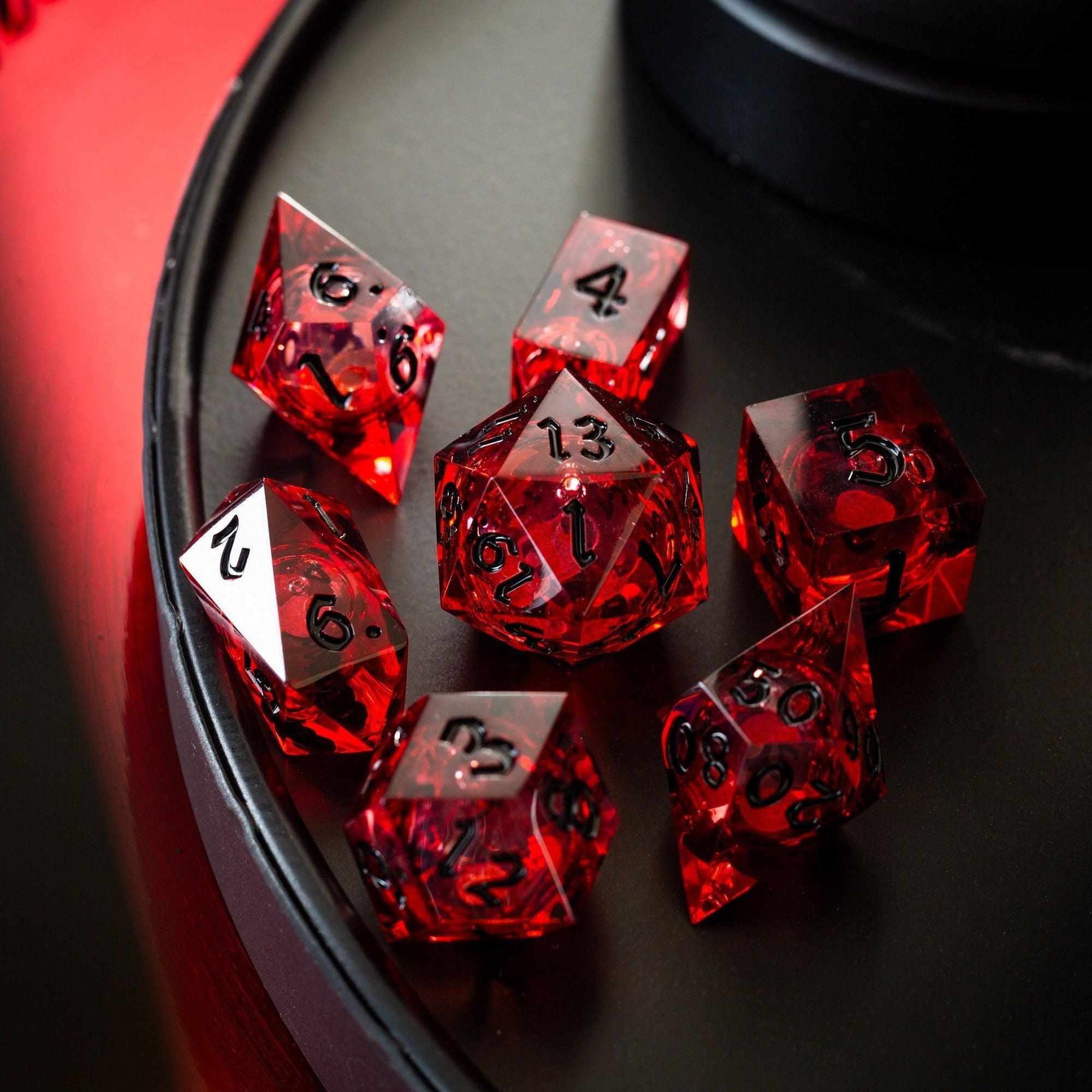
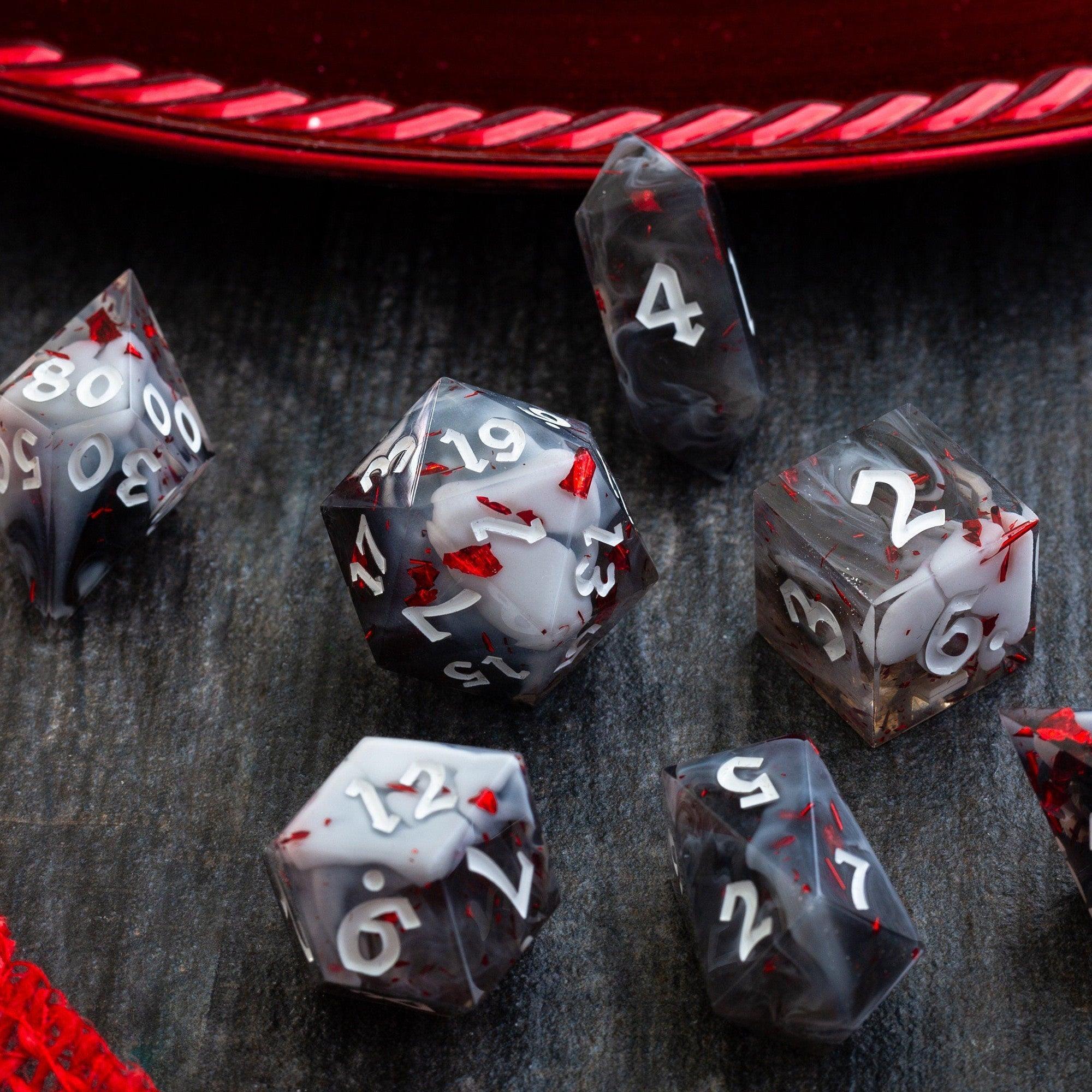
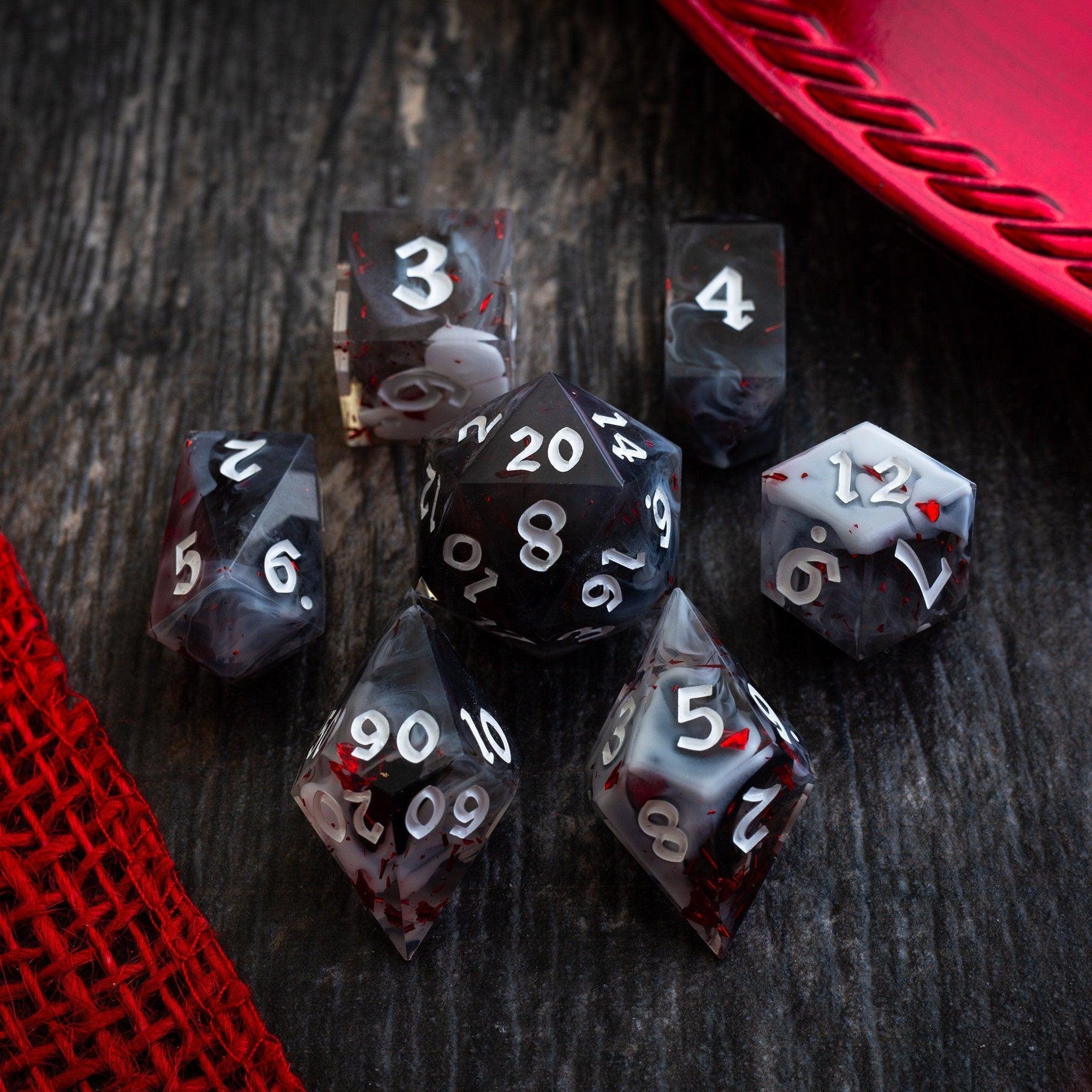
Use props to reinforce travel choices. If the party follows a river toward a storm-lashed harbor, let watery swirls and suspended sparkles from your liquid-core sets set the tone. For tense sieges over canyon bridges, keep rolls contained and dramatic with sturdy dice towers, so nobody nudges the map or knocks minis.
When you update your setting, refresh the look with subtle palette tweaks or new icon styles, then celebrate the next chapter with a few new arrivals. Little rituals—unfurling a region map, swapping in thematic dice, adding a compass rose sticker—signal progress and make each travel arc feel like an episode worth remembering.
Finally, keep a session log tied to coordinates or hexes. Write “H-5: wyvern nest; 2-hour climb; safe camp at cedar spur.” These tiny notes transform your procedural map maker into a living atlas of the party’s deeds, ready to fuel rumors, rivals, and callbacks months later.
FAQ
How detailed should my first draft be?
Keep it lean. Show coastlines, major mountains, a handful of rivers, five to seven settlements, and two or three roads. That’s enough to frame choices and spark encounters without locking you in. As sessions unfold, layer in new landmarks and labels where the party actually travels.
What’s the best way to name places?
Pick two or three naming rules that match your culture or vibe—sound families, suffix patterns, or themes like stars, metals, or weather. Keep a list of 15–20 name seeds nearby. When the table asks “What’s this village called?” you can pick fast and stay consistent.
How do I balance realism with fun?
Use light realism for believability—rivers, biomes, and trade routes that make sense—then prioritize clarity and story. If a perfectly realistic feature makes travel boring, add a pass, a ferry, or a mystery tunnel. The goal is playable geography that invites dilemmas and discoveries.
When you’re ready to expand, revisit your tool settings, duplicate your current region, and grow the border by one hex ring or one day’s travel. That slow, steady rhythm keeps prep enjoyable—and your world coherent—while the fantasy map generator stays a trusted partner rather than a rabbit hole.





Leave a comment
This site is protected by hCaptcha and the hCaptcha Privacy Policy and Terms of Service apply.