
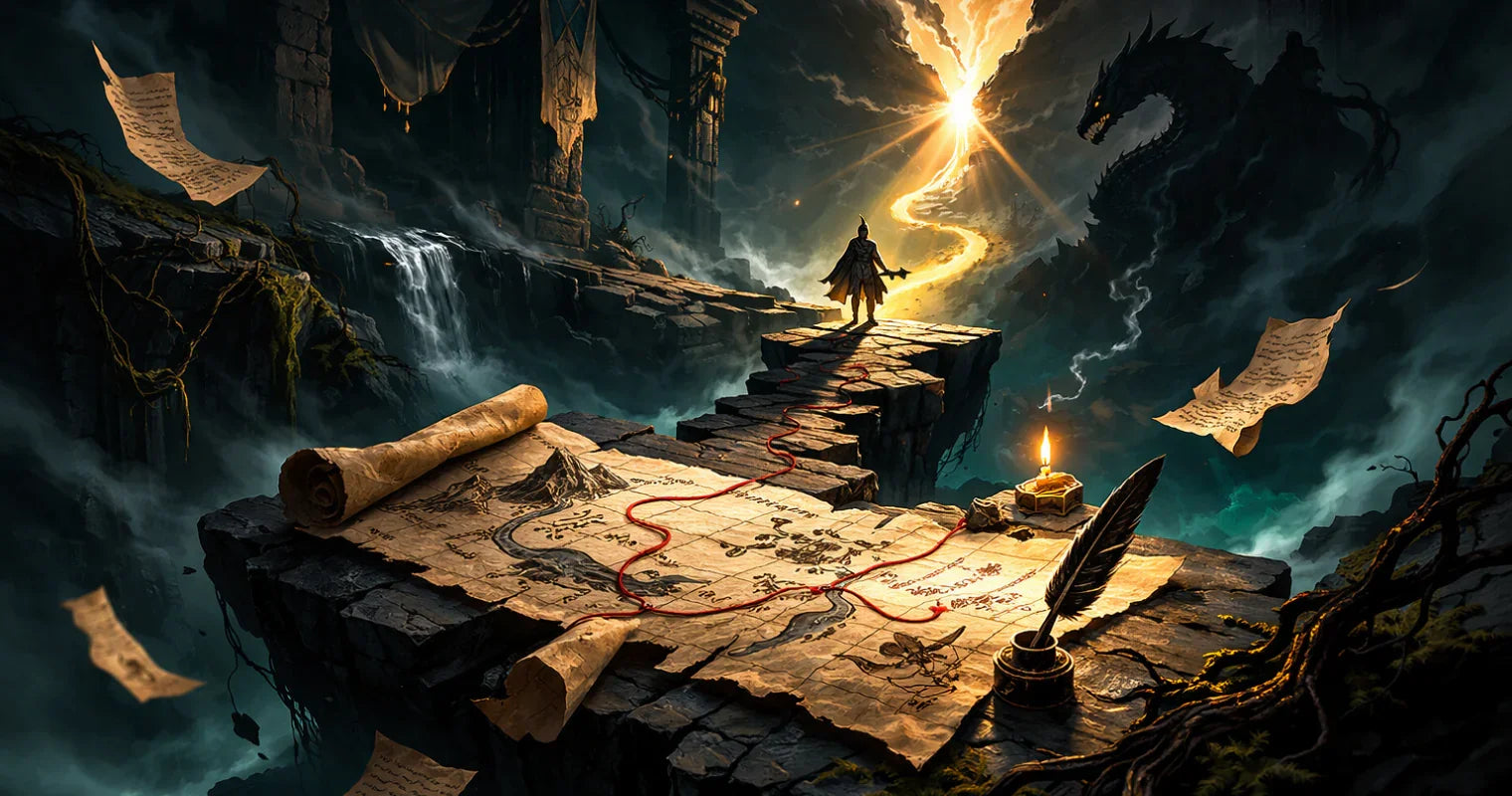
Designing a Dungeons and Dragons Storyline That Captivates
Updated on: February 26, 2026
Building an epic Dungeons & Dragons narrative adventure is one of the most rewarding experiences you can have as a dungeon master or player. Whether you're creating your first campaign or your hundredth, understanding how to craft compelling storylines keeps everyone at the table invested and excited. This guide walks you through the essential elements that make fantasy narratives memorable, engaging, and genuinely fun for everyone involved.
- Understanding the Foundations of D&D Narratives
- Creating Unforgettable Characters and Villains
- Building Your Plot Architecture Step by Step
- Developing Your Fantasy World
- Common Questions About Creating Fantasy Adventures
Understanding the Foundations of D&D Narratives

Every great Dungeons & Dragons storyline starts with a solid foundation. Think of it like building a house—you need strong bones before you add the decorations. The foundation includes your core conflict, the stakes involved, and the general tone you want to establish. Are you creating a gritty, dark campaign where morality gets murky? Or something lighter with humor and whimsy? Your answer shapes everything that follows.
The best narratives in role-playing games balance structure with flexibility. You're not writing a novel where every word is predetermined. Instead, you're creating a framework that responds to your players' choices. This might feel intimidating at first, but it's actually liberating. Your players will surprise you constantly, pushing the story in directions you never anticipated, and that's precisely what makes the experience so special.
Consider starting with a simple premise. Maybe there's a town plagued by mysterious disappearances, or a noble family hiding a dark secret, or an ancient evil awakening after centuries of slumber. The specific concept matters less than whether it genuinely excites you. Your enthusiasm becomes contagious, and your players will sense when you're genuinely invested in what unfolds.
Creating Unforgettable Characters and Villains
Characters make or break any Dungeons & Dragons storyline. Your players' characters are obvious, but non-player characters matter equally. A memorable villain isn't evil for evil's sake—they believe they're doing the right thing, even if their methods are terrible. Maybe the antagonist wants to "save" the world by reshaping it according to their vision. Perhaps they're protecting something precious and see your players as threats. This complexity makes confrontations genuinely dramatic rather than simply mechanical.
Supporting characters deserve just as much thought. The innkeeper who casually mentions strange happenings, the grizzled veteran who knows more than they initially share, the merchant with hidden connections to powerful forces—these personalities breathe life into your world. When players encounter consistent, believable characters with their own motivations and quirks, they develop attachments. They'll remember that NPC for years and often mention them in future campaigns.
Give your characters distinct voices, mannerisms, and speech patterns. You don't need to do elaborate accents if that's not your style, but simple tells work wonders. Maybe one character always complains about the weather. Another constantly adjusts their spectacles nervously. These small details make people feel real and recognizable.
Building Your Plot Architecture Step by Step
Start with the Inciting Incident
Every good narrative needs something that disrupts normal life and forces your players to act. The inciting incident could be an offer they can't refuse, a threat they can't ignore, or a mystery they feel compelled to solve. This opening moment should arrive relatively quickly—within the first session or two. Don't spend too long on world-building exposition before letting action happen.
Establish the Rising Action
After the inciting incident comes a series of escalating challenges and revelations. Each encounter should raise stakes, introduce new information, or complicate the situation. Your players should feel like they're making progress while simultaneously discovering the situation is more complex than they initially believed. This is where side quests, character development, and interesting encounters live.
A well-paced Dungeons & Dragons storyline includes moments of tension followed by breathing room. Not every scene should be combat. Dialogue, exploration, and investigation create variety. Your players need chances to connect with characters, uncover clues, and plan their approach. Combat encounters matter more when they're interspersed with quieter moments.

Design Meaningful Choices
The most engaging fantasy adventures give players real choices with genuine consequences. When players decide to help the rebels or accept the king's quest, those decisions should matter. Different paths might lead to the same ultimate confrontation, but the journey and alliances change. This is called "branching narratives," and it's easier to manage than it sounds if you stay flexible about how goals get achieved rather than fixating on specific paths.
Build Toward Your Climax
The climactic encounter should feel earned. By this point, your players have invested hours in this story and these characters. The final battle or confrontation should be appropriately challenging and meaningful. This doesn't necessarily mean the hardest combat encounter—it means the moment where everything comes together and your players feel the weight of their choices. The villain they've been chasing finally confronts them. The dark ritual begins. The city erupts in chaos. Make it memorable.
Plan Your Resolution
After the climax comes resolution. This is where loose threads get tied up and consequences become clear. Did the players save the town, or did they fail? What happens to key characters? How does the world change? Good fantasy narratives don't need to wrap everything perfectly, but they should feel like they've reached a natural stopping point. Leave some mysteries unsolved if it serves the story, but resolve the central conflict clearly enough that players feel satisfied.

Developing Your Fantasy World
Your fantasy world doesn't need to be exhaustively detailed before your campaign begins. Many excellent dungeon masters build their worlds organically as play happens. However, having some foundational elements prepared helps. Know the general geography—where major cities are, what regions exist, how long travel takes. Understand the political landscape. Who holds power? What tensions exist between factions? This context makes encounters feel connected rather than random.
Create a few interesting locations your players will actually visit. Describe them vividly. What smells fill the air? What sounds do people hear? What textures can they touch? Sensory details transform locations from abstractions into immersive spaces. Rolling dice in a vibrant tavern feels more exciting than rolling them in a generic location.
Consider what magic exists in your world and what its limitations are. How common is magic? Who can access it? Does it have costs or consequences? Understanding your own magical rules prevents contradictions and makes the world feel more cohesive. Your players will absolutely test the boundaries of what's possible, so having clear answers ready helps.
Your fantasy world should include cultures, religions, and belief systems. Different peoples value different things. Not everyone worships the same gods or follows the same customs. This diversity creates friction points that generate interesting story moments. It also prevents your world from feeling flat and one-dimensional.
Common Questions About Creating Fantasy Adventures
How do I keep my players engaged if they go completely off the rails?
Welcome to dungeon master life! Players absolutely will ignore plot hooks and pursue weird tangents. This is normal and often leads to the most memorable moments. Stay flexible. If your players want to investigate the suspicious baker instead of following the main quest, let them investigate. Build on their interests. The baker can have secrets that eventually connect to the larger story, or their detour becomes its own mini-adventure. Your job isn't controlling the narrative—it's reacting to player choices in ways that feel natural and rewarding.
What should I do if a player's character dies during a crucial story moment?
Character death happens in Dungeons & Dragons, and sometimes it's dramatic. However, you have options. The player could find a way to resurrect their character, take over a new character who joins the party, or even play the villain temporarily. Talk with your player about what they'd find most fun. Some people love the finality of death and enjoy creating new characters. Others find it devastating. Meeting them where they are keeps everyone having fun.
How do I balance player character spotlight time with advancing the main plot?
Good campaigns include moments where each player gets attention. One session might focus heavily on the rogue's backstory while light plot advancement happens. The next session could feature the cleric's personal quest intertwined with major story developments. Epic fantasy adventures thrive when everyone feels their character matters. Weaving personal stakes into the larger narrative ensures spotlight moments feel integrated rather than tangential.
Should I reveal my entire plot to my players in advance?
Absolutely not. Your players should discover the story alongside their characters. That said, if you're running a published adventure, being transparent about that helps set expectations. For original campaigns, keep the big twists to yourself. Your genuine surprise and enthusiasm about player discoveries fuel the experience. You don't need to hide absolutely everything—dropping subtle foreshadowing and hints makes the world feel alive—but major revelations should genuinely surprise your table.
Bringing It All Together
Crafting an excellent Dungeons & Dragons storyline is a craft that improves with practice. Start with simple stories and build complexity as you gain confidence. Remember that the best campaigns balance preparation with improvisation, structure with flexibility, and challenge with fun. Your players come to your table wanting to have a great time, and genuinely trying to give them that experience is honestly the only requirement you need.
Pay attention to what moments land and what falls flat. Take mental notes about character interactions your players loved, NPCs they connected with, and encounters they'll remember. Use that feedback to shape future sessions. Every campaign teaches you something about what works at your specific table with your specific players.
The most important element isn't perfect plotting, intricate worldbuilding, or elaborate preparation. It's your genuine enthusiasm for the story you're telling and your investment in making sure everyone has fun. When players see you're excited about the adventure you've created, that energy becomes contagious. They'll meet that enthusiasm with their own, and the resulting experience becomes genuinely magical.
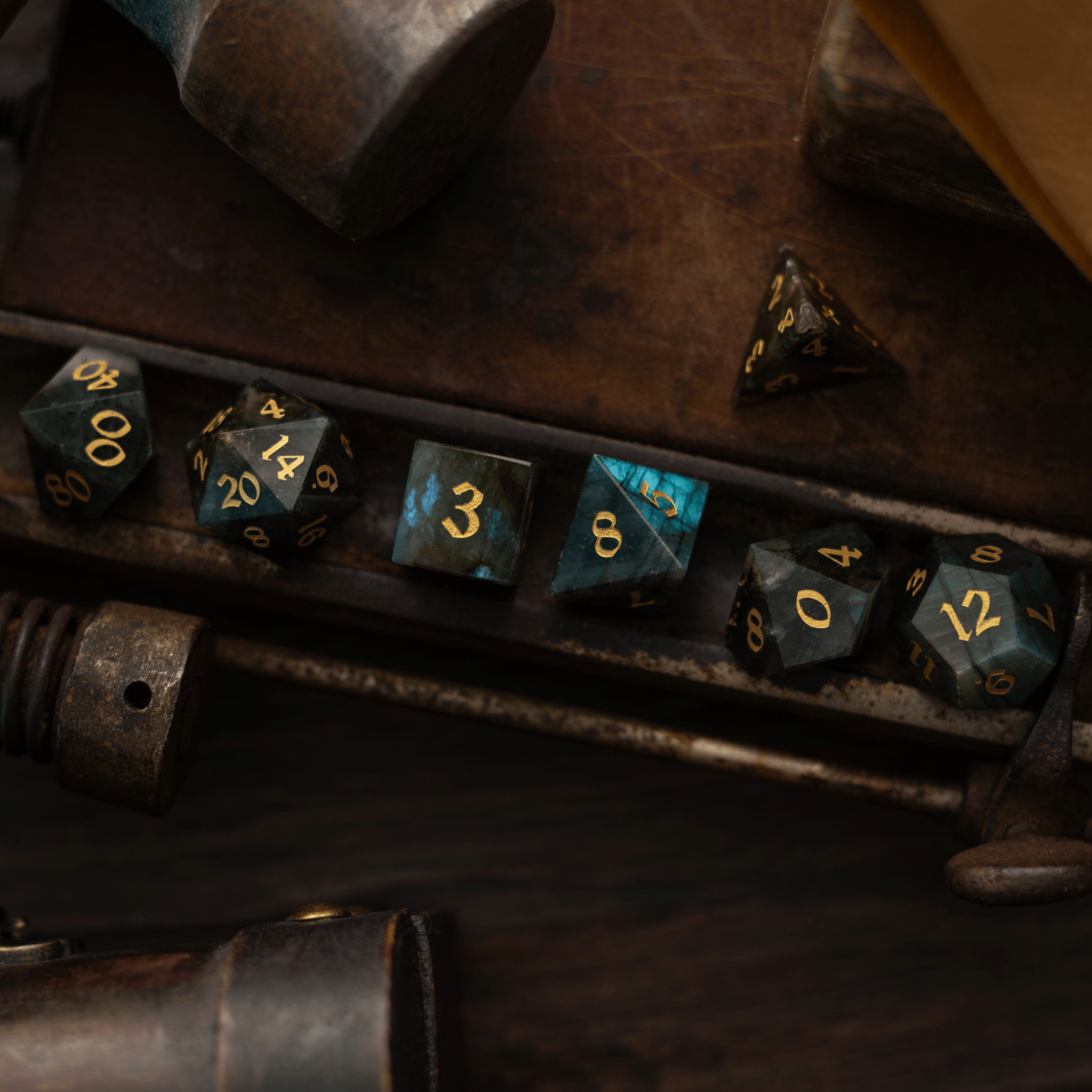
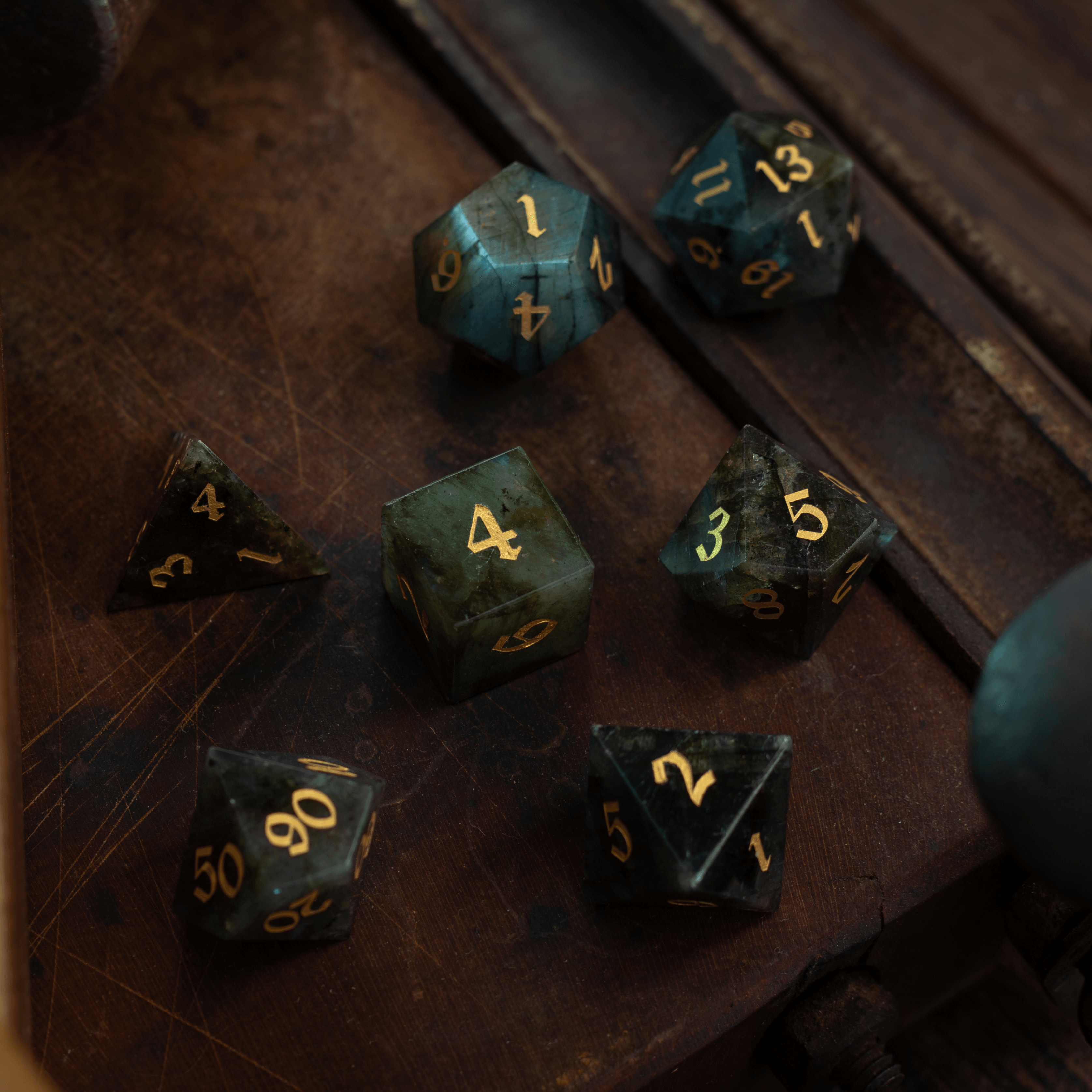
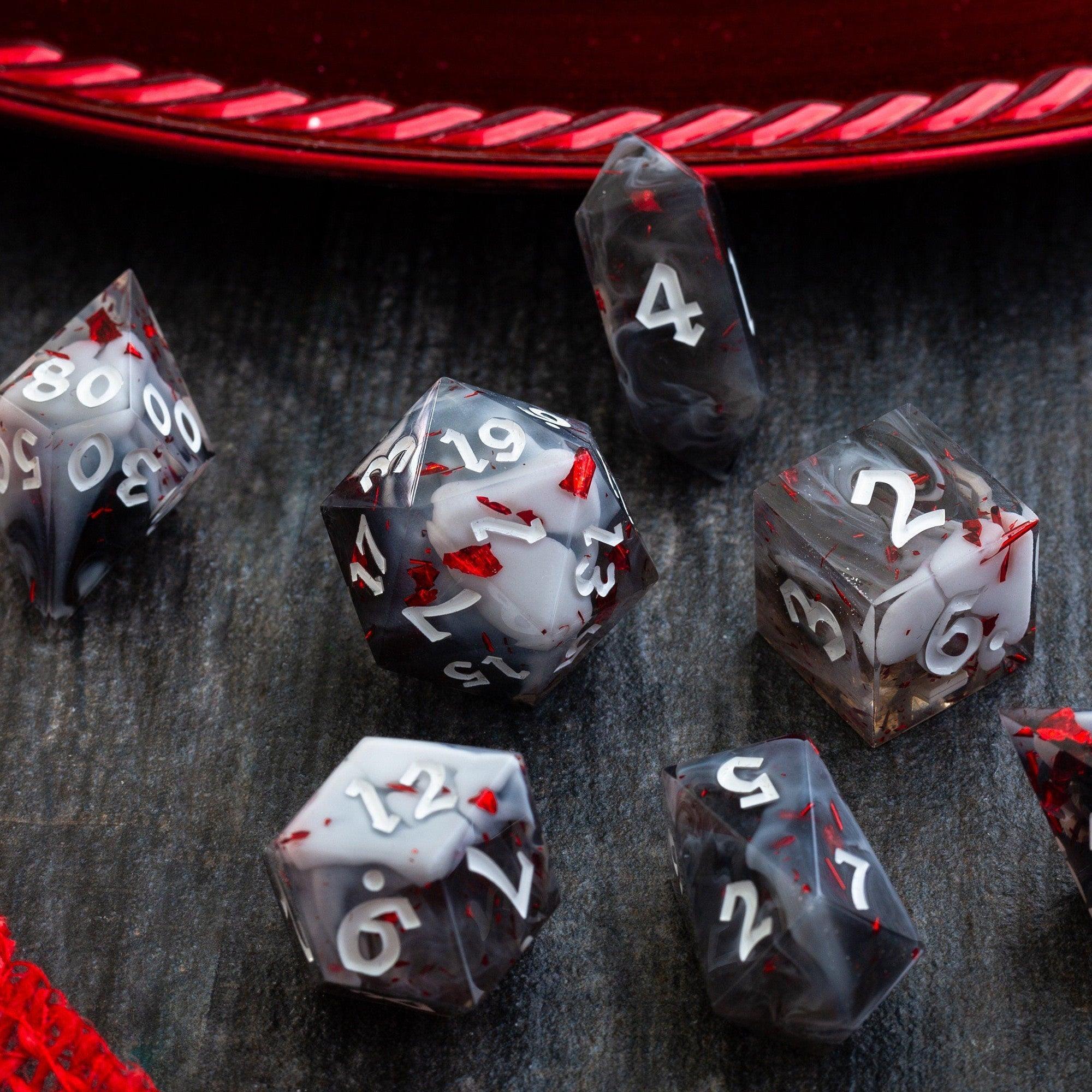
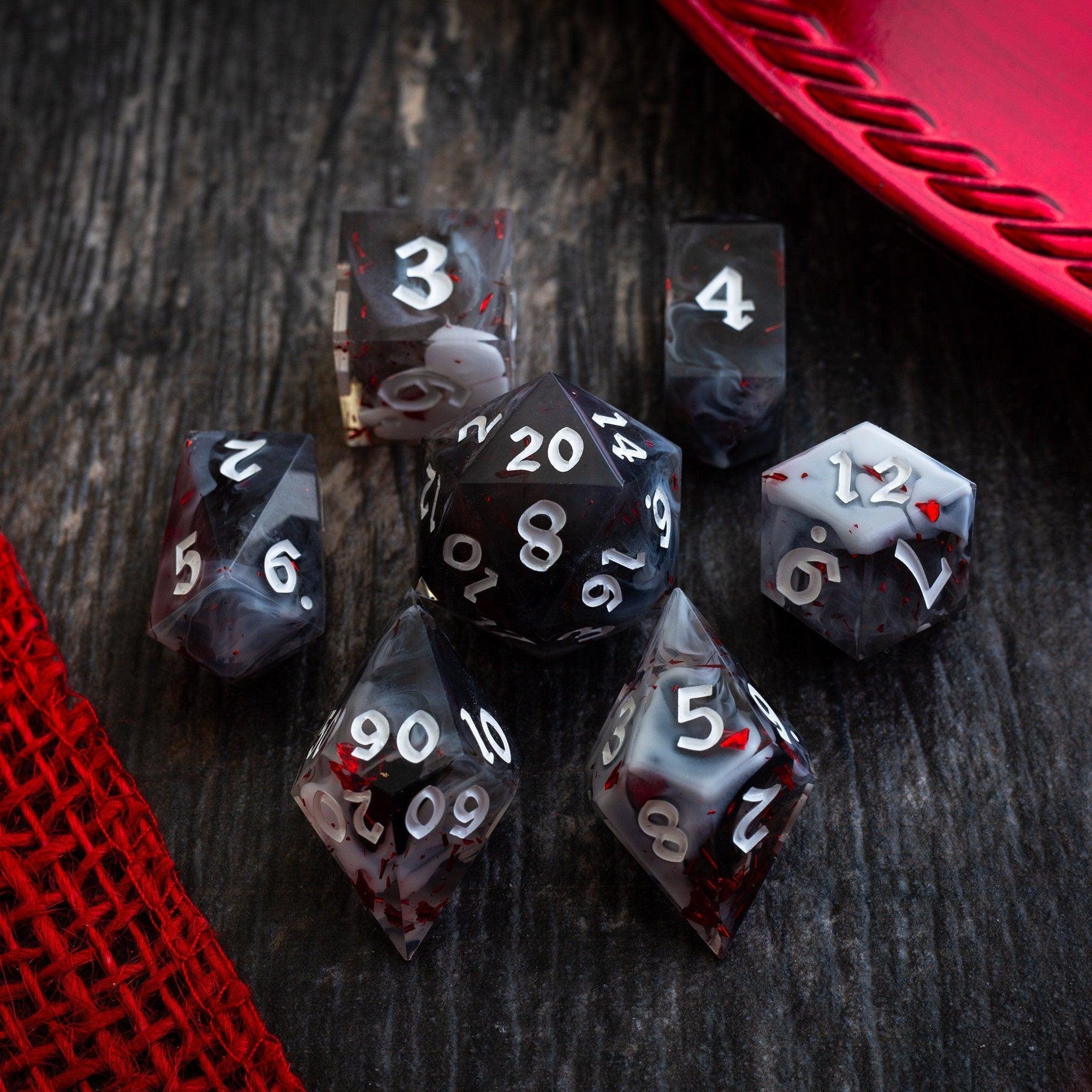
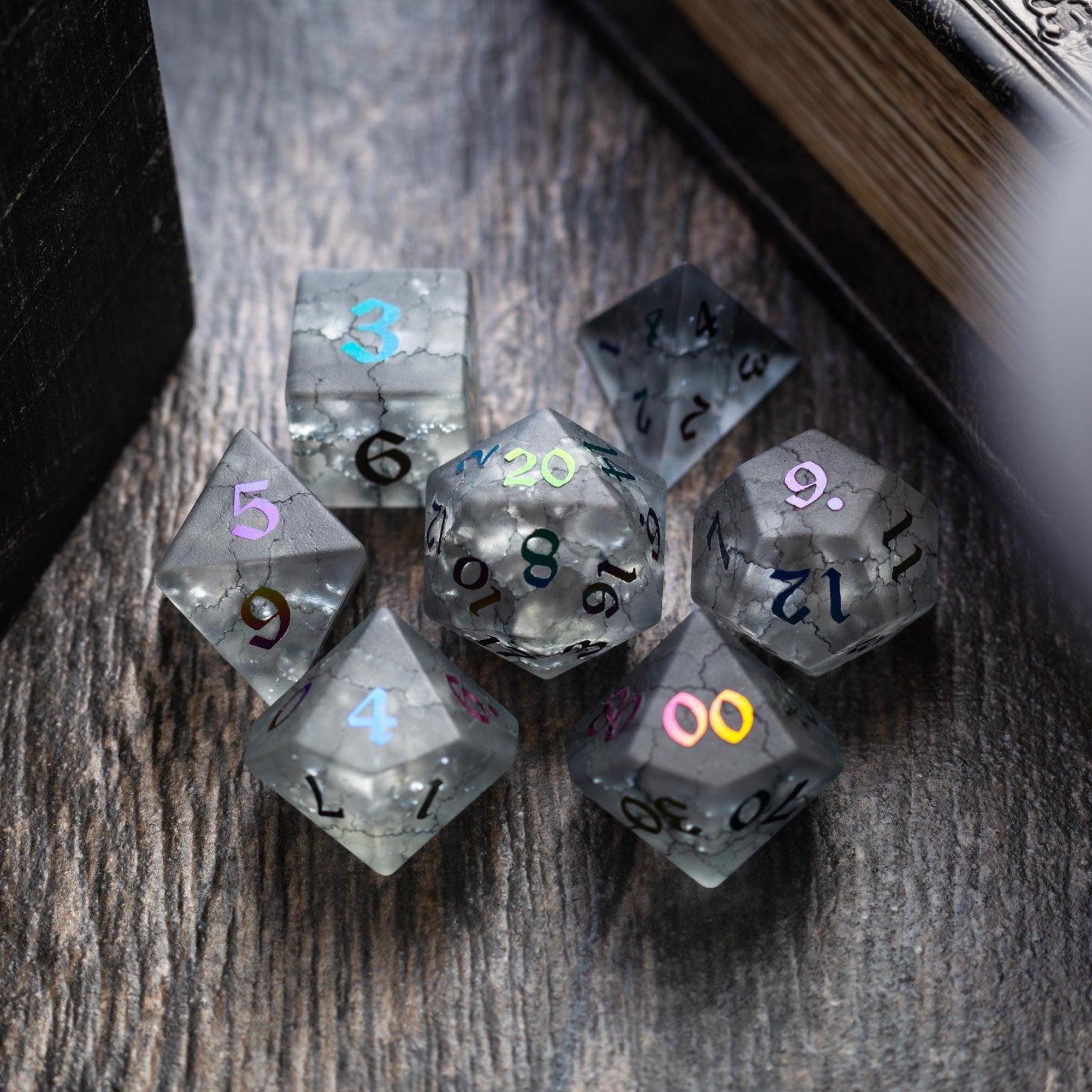
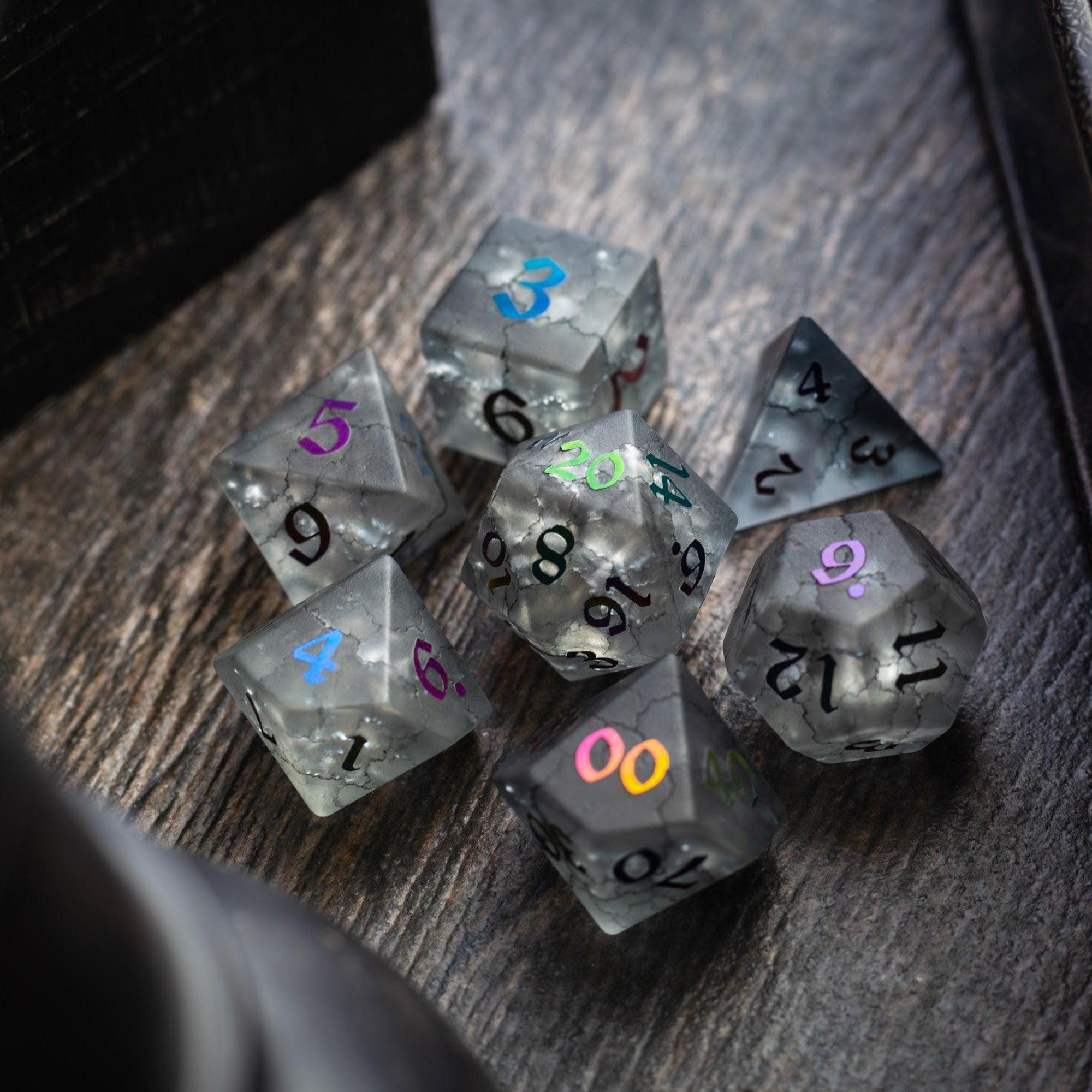
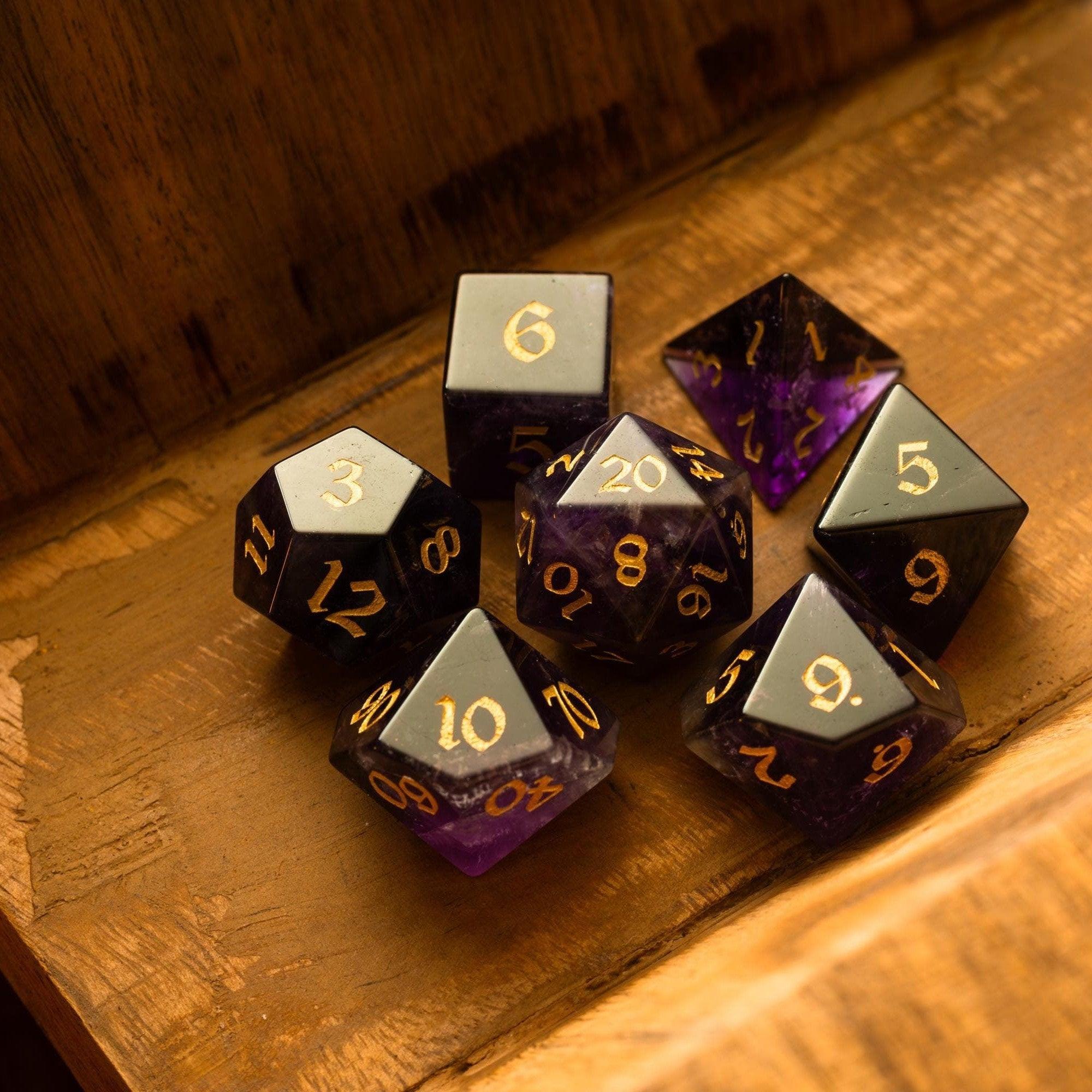
Whether you're using beautiful handcrafted dice to roll your most important moments or simple plastic ones you've owned for years, the dice are just tools. The real magic comes from the stories you tell together and the memories you create around your table. That's what makes fantasy narratives in this game genuinely special.












Leave a comment
This site is protected by hCaptcha and the hCaptcha Privacy Policy and Terms of Service apply.