
Defensive Duelist Feat Guide: Best Builds and Combat Tips for D&D 5e

Defensive combat in Dungeons & Dragons is often overlooked until a character survives a deadly hit by a single point of Armor Class. That is exactly where the Defensive Duelist feat shines. Instead of relying on heavy armor or massive hit point pools, this feat rewards timing, positioning, and quick reflexes.
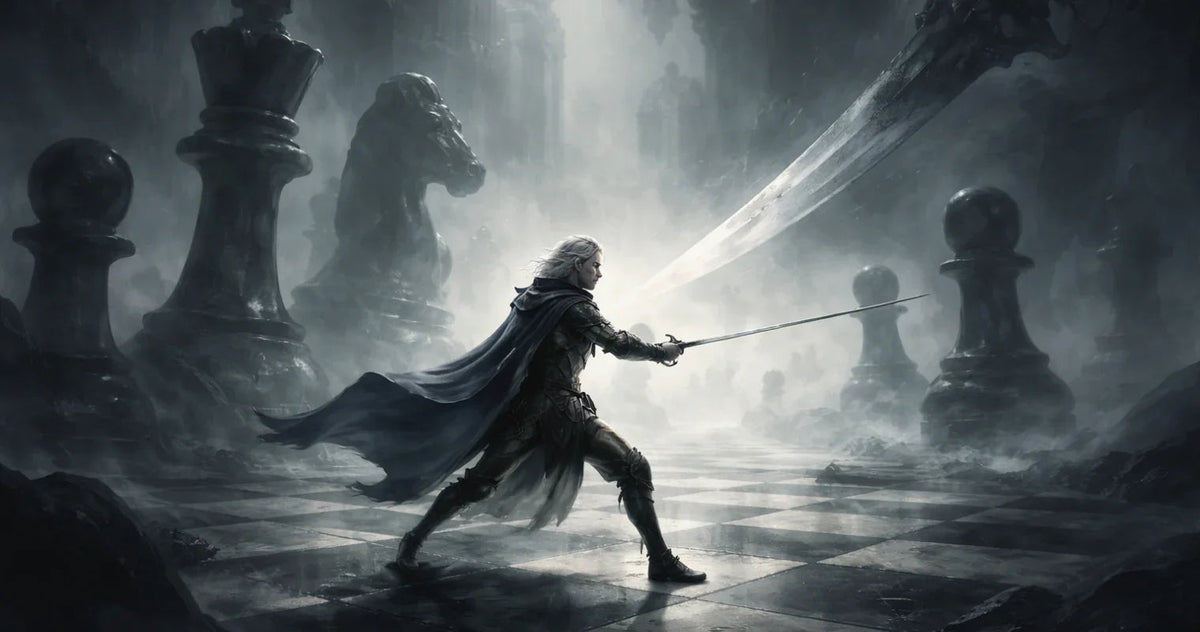
For Dexterity-focused melee characters, Defensive Duelist can turn a near-fatal strike into a dramatic miss. Rogues, swashbucklers, agile fighters, and wandering swordsmen all benefit from its reactive style of defense. It feels cinematic at the table too. One precise parry can completely change the momentum of combat.
Whether you enjoy tactical combat or stylish swordplay, this guide breaks down how the feat works, which builds benefit most, and how to use it effectively in real D&D 5e encounters.
How Defensive Duelist Works
The Defensive Duelist feat allows you to use your reaction to temporarily boost your Armor Class against one melee attack.
To use the feat:
-
You must be wielding a finesse weapon you are proficient with
-
Another creature hits you with a melee attack
-
You use your reaction
-
Your AC increases by your proficiency bonus against that attack only
If the increased AC causes the attack to miss, you avoid the damage entirely.
This is important because the feat only works against one attack. It does not protect you for the entire round.
A level 5 character with a +3 proficiency bonus gains +3 AC against the triggering attack. At higher levels, the feat becomes much stronger because proficiency bonus scales naturally over time.
Important Limitations
Defensive Duelist has several restrictions players sometimes miss:
-
It only works against melee attacks
-
You must wield a finesse weapon you are proficient with
-
It consumes your reaction
-
It protects against only one attack
Because reactions are limited, timing matters more than raw statistics.
Best Classes for Defensive Duelist
Defensive Duelist works best on agile melee characters with high Dexterity scores and consistent frontline exposure.
Rogue
Rogues are arguably the best users of the feat.
Why it works:
-
High Dexterity already boosts AC
-
Rogues rely on mobility over toughness
-
Sneak Attack encourages melee positioning
-
Uncanny Dodge pairs well defensively
Swashbuckler Rogues especially benefit because they thrive in one-on-one combat.
Fighter
Dexterity Fighters gain extra survivability without needing a shield.
Battle Masters and Samurai can use Defensive Duelist to stay aggressive while maintaining mobility. A rapier-and-light-armor build works especially well here.
Ranger
Rangers who fight in melee often struggle with survivability. Defensive Duelist helps skirmishing builds survive longer while weaving through combat.
Dual-wielding shortswords or using a rapier gives Rangers reliable access to the feat.
Bard
College of Swords and Valor Bards make excellent duelists. Their spellcasting already improves survivability, and Defensive Duelist adds another layer of protection without sacrificing offensive pressure.
Monk Multiclass Builds
Pure Monks cannot fully maximize the feat because many Monk weapons are not finesse weapons. However, Monk multiclass combinations with Rogue or Fighter can create highly mobile defensive builds.
Defensive Duelist Build Comparison
| Class | Why It Works | Best Weapon Style |
|---|---|---|
| Rogue | High Dexterity and mobility | Rapier |
| Fighter | Extra survivability | Duelist build |
| Ranger | Skirmishing combat | Shortswords |
| Bard | Defensive finesse combat | Rapier and spells |
| Swashbuckler Rogue | Strong reaction-based play | Single finesse weapon |
Best Weapons for Defensive Duelist
Because the feat requires finesse weapons, weapon choice matters a lot.
Rapier
The rapier is usually the strongest option.
Why players love it:
-
1d8 damage
-
Finesse property
-
Works with duelist-style builds
-
Excellent for Rogues and Fighters
Shortsword
Shortswords work well for dual wielders and Rangers.
Advantages:
-
Light weapon property
-
Flexible combat style
-
Easy off-hand attacks
Scimitar
Scimitars fit agile or flashy characters nicely. They are especially thematic for swashbucklers or desert wanderers.
Daggers
Daggers offer utility through throwing and concealment, though their damage is lower.
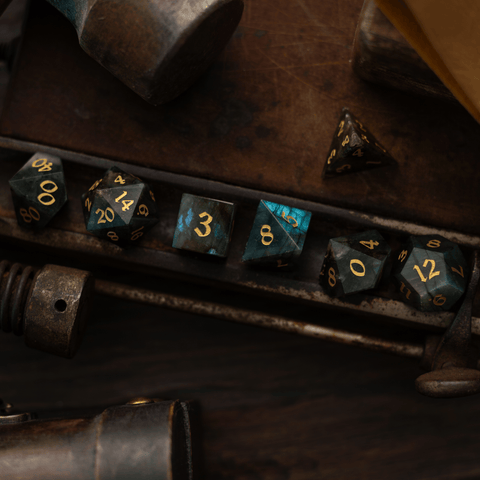
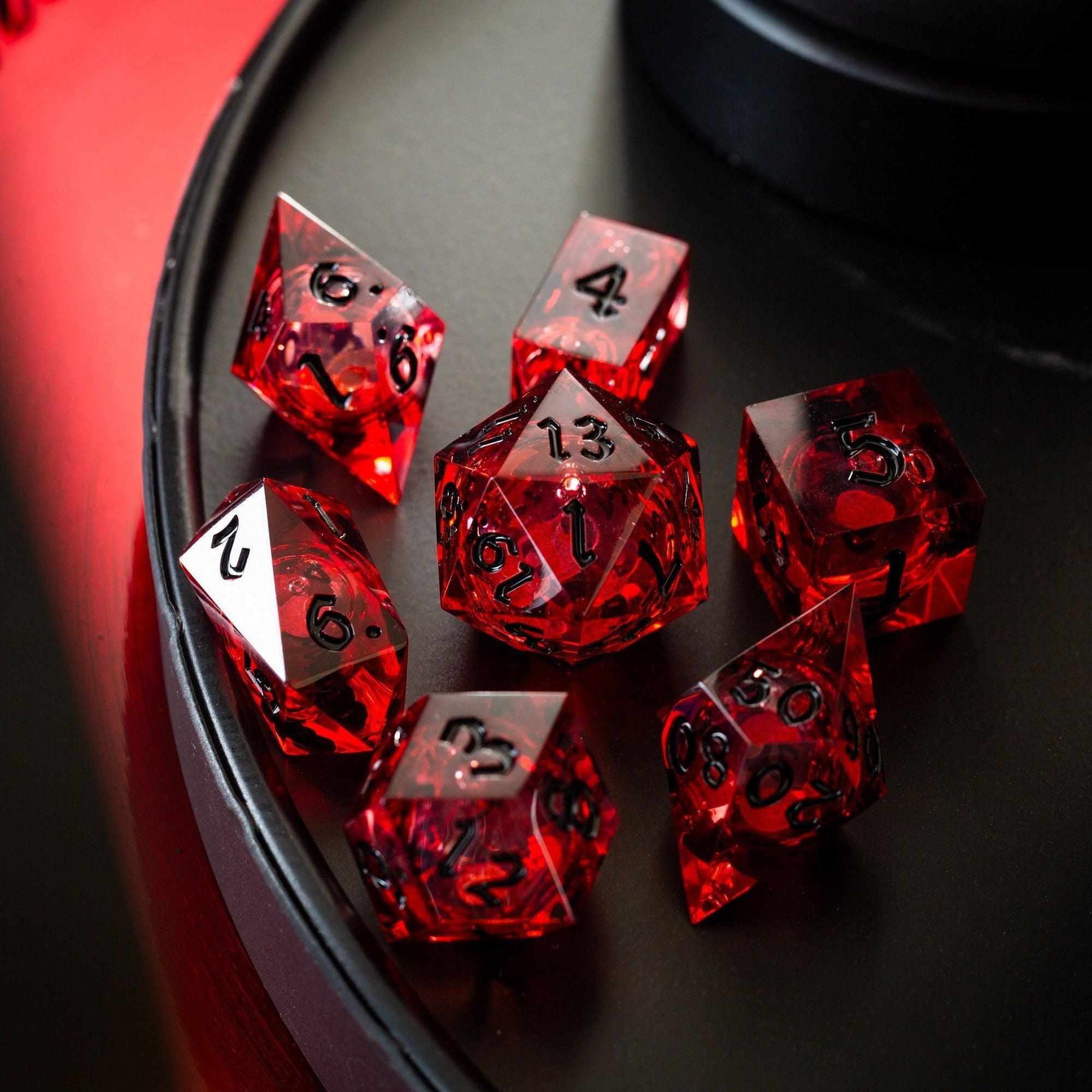
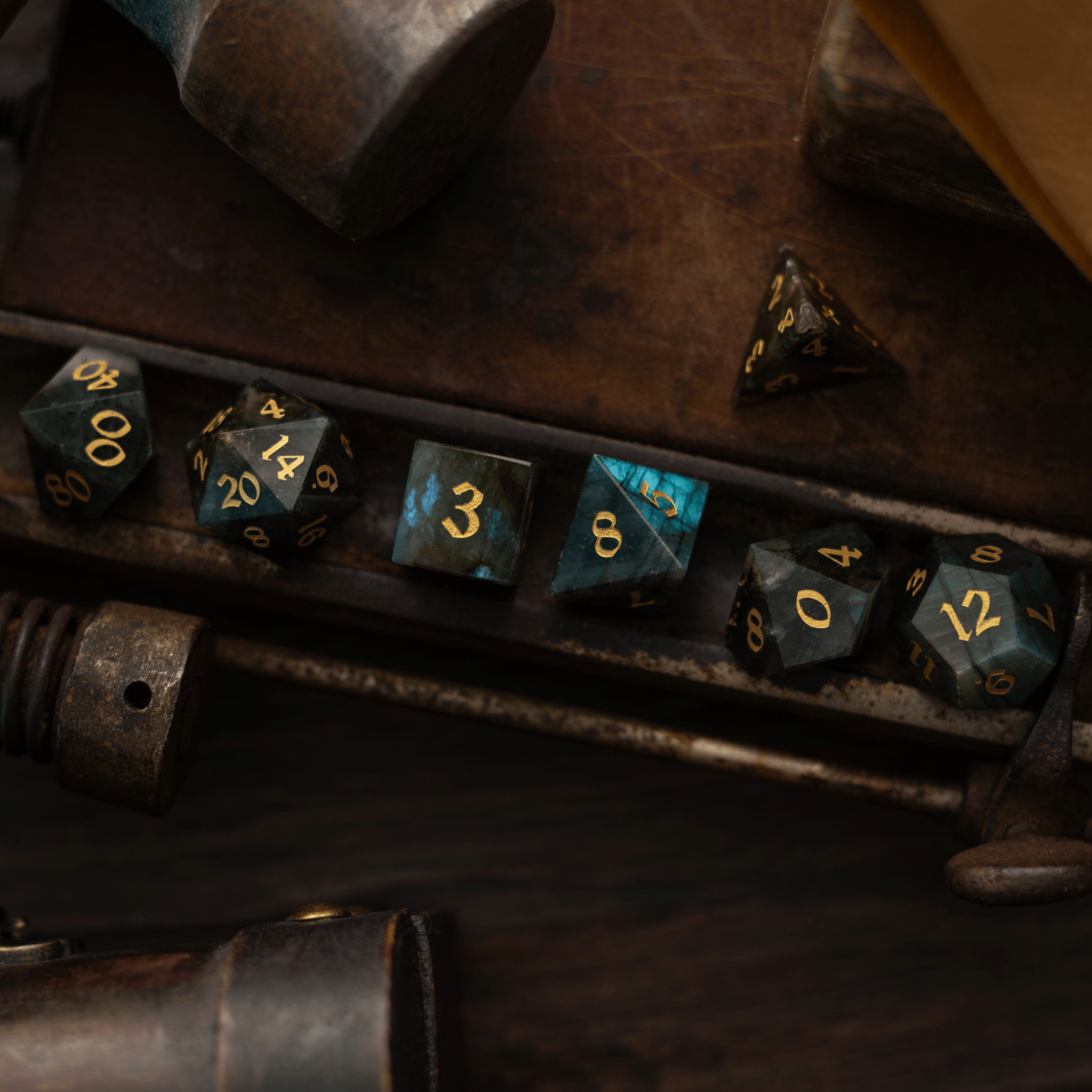
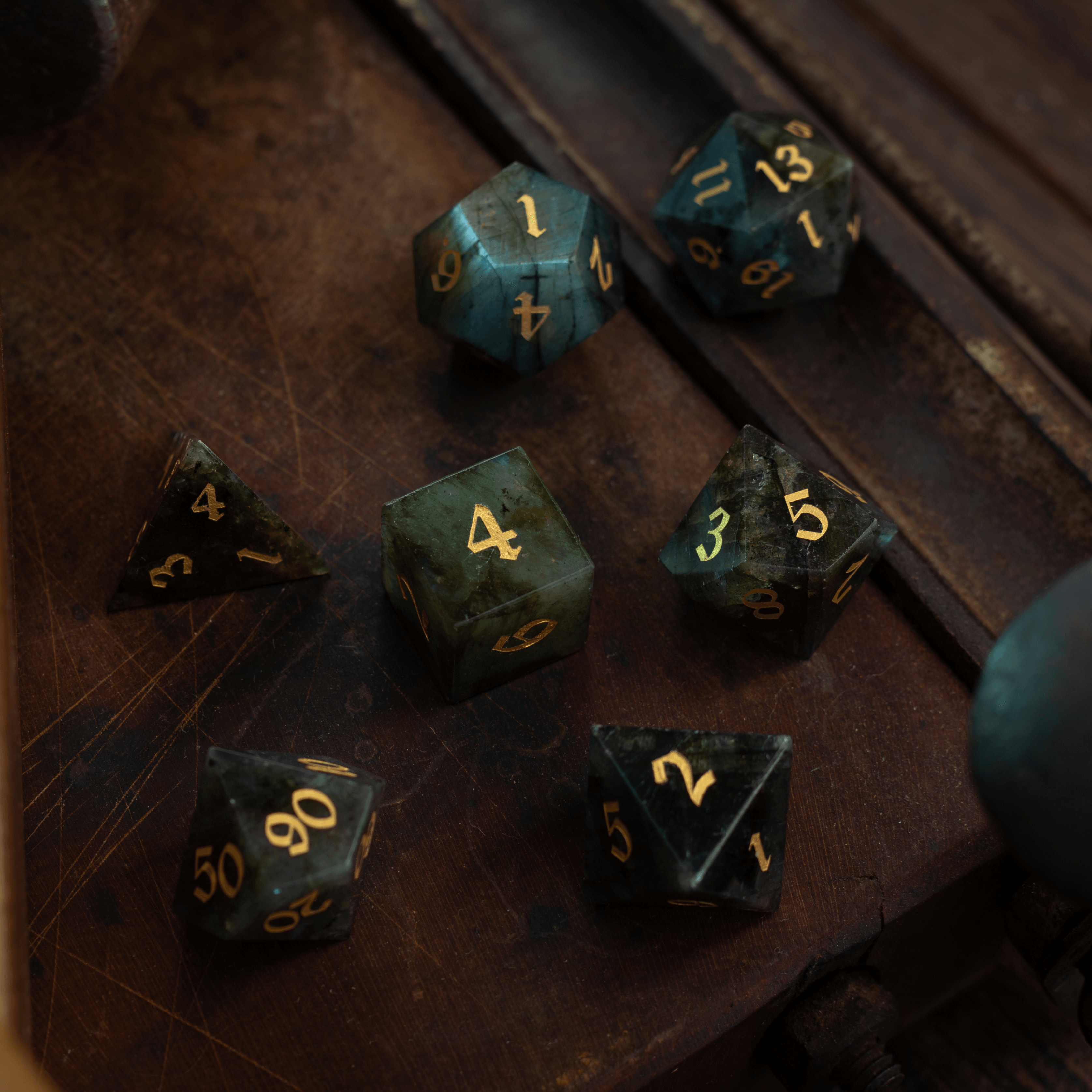
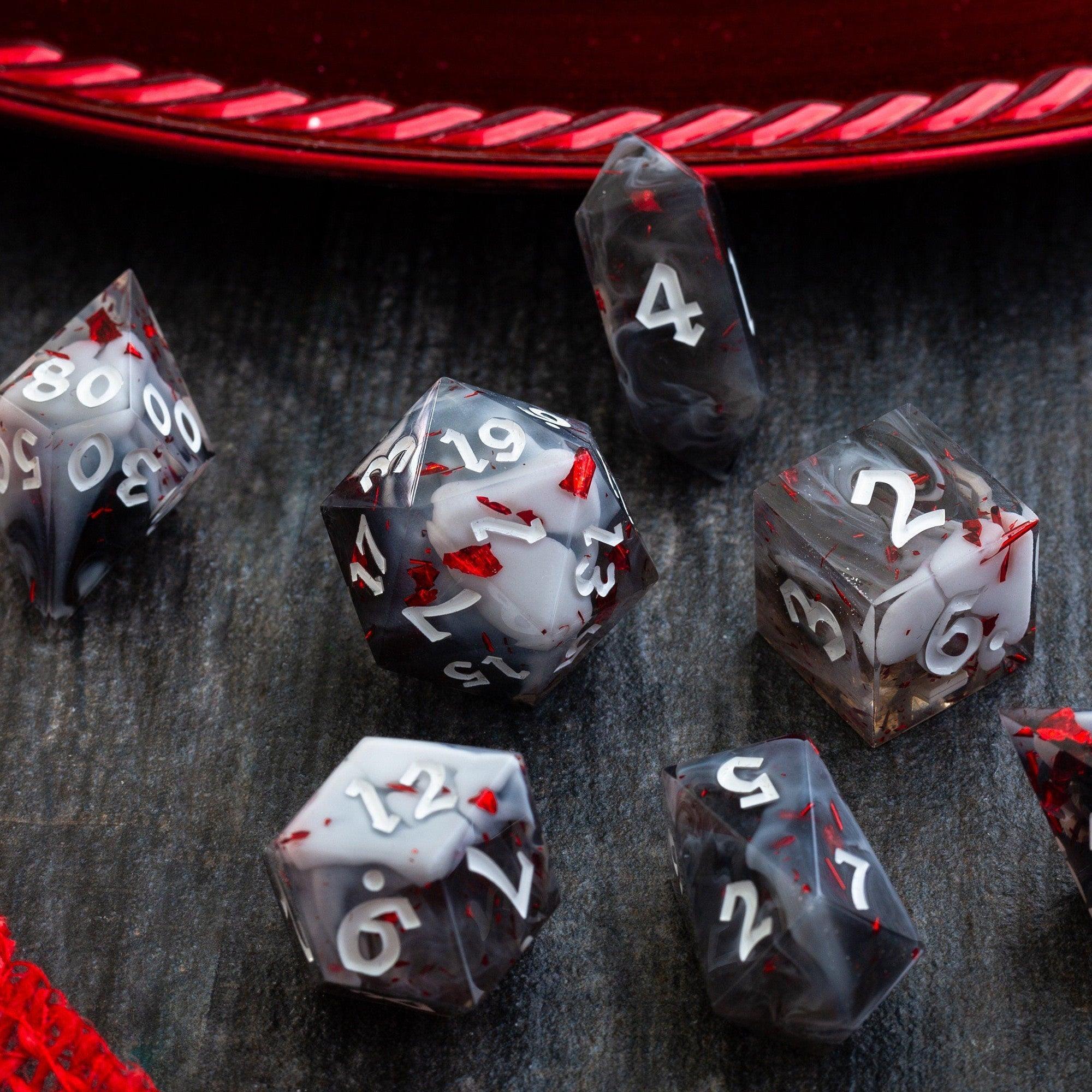
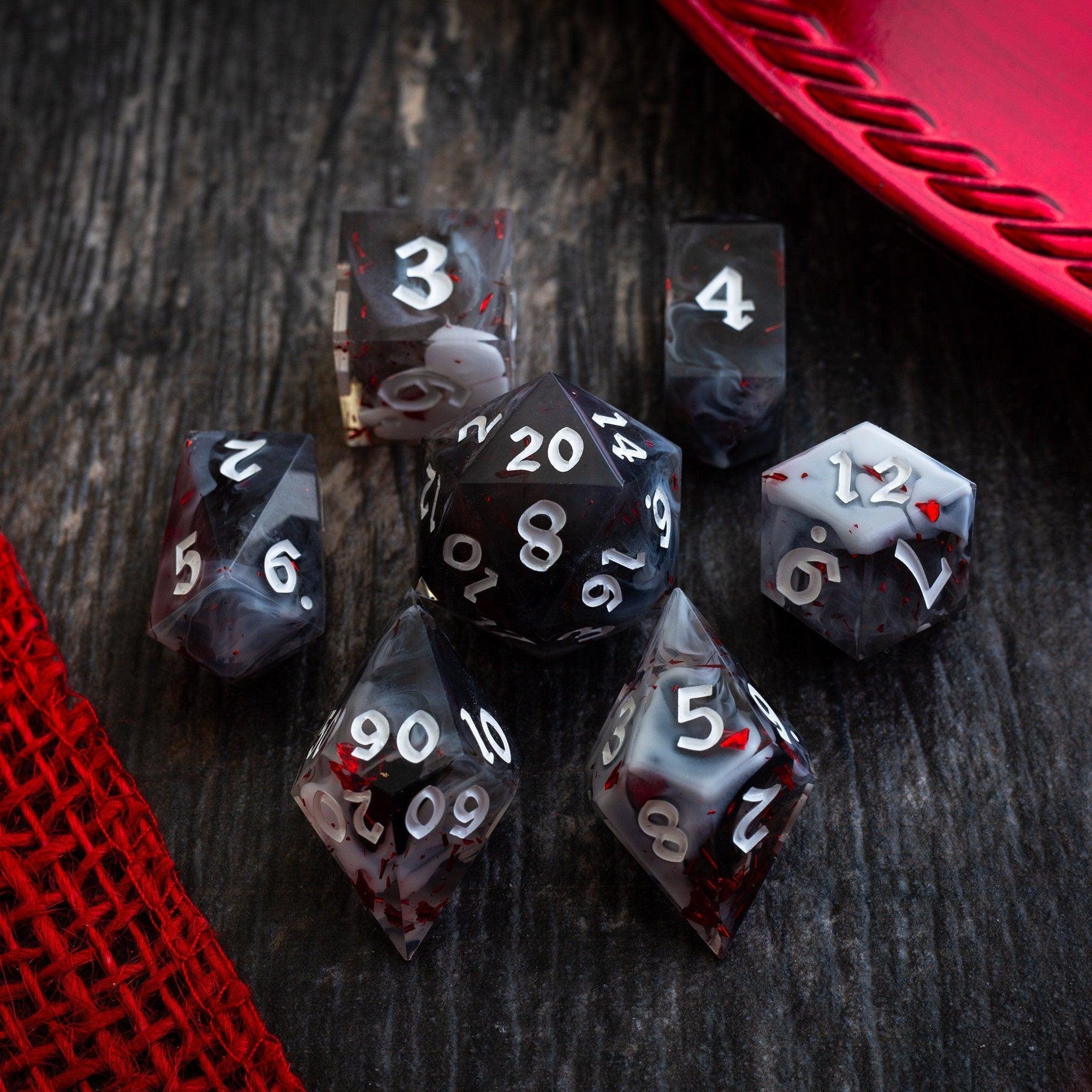
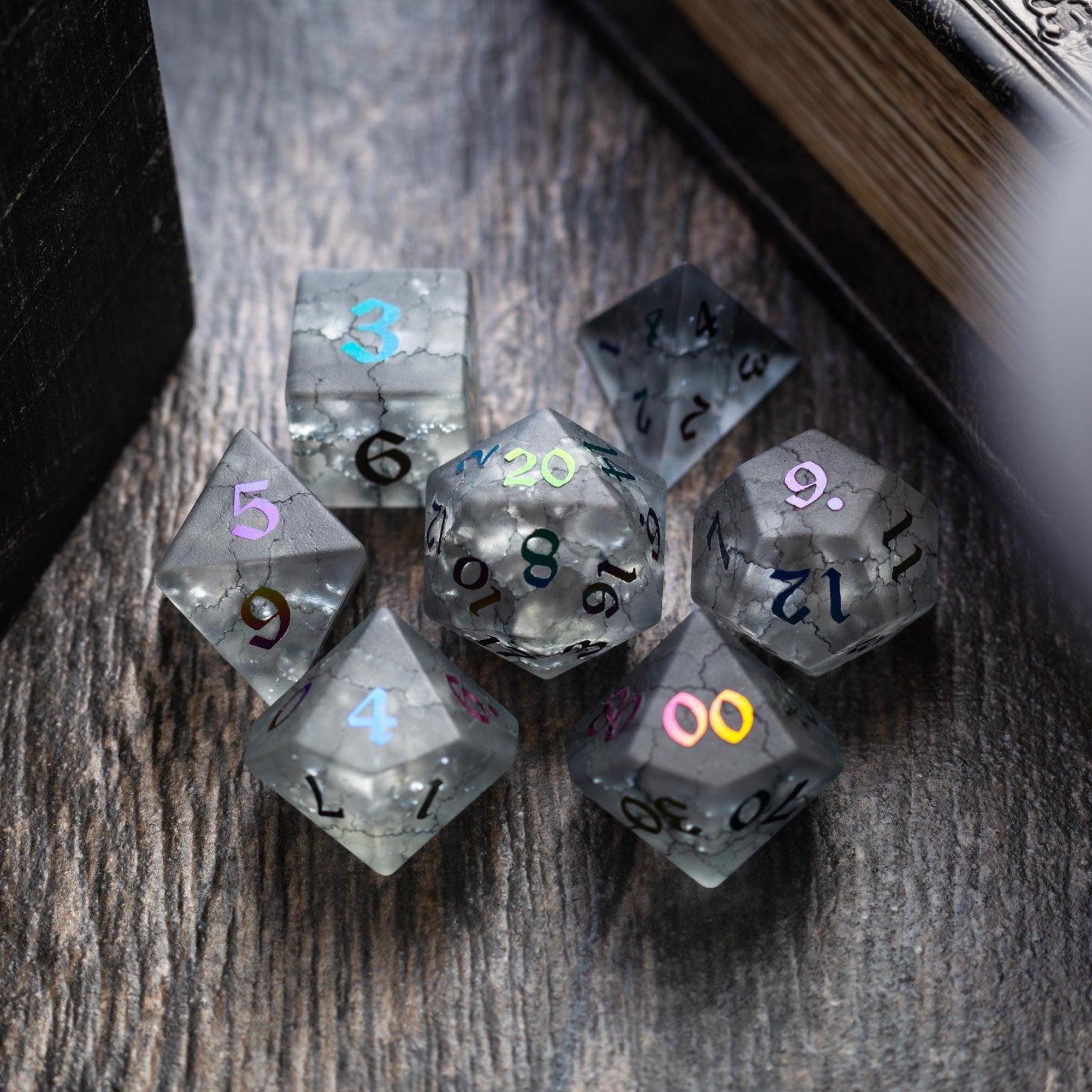
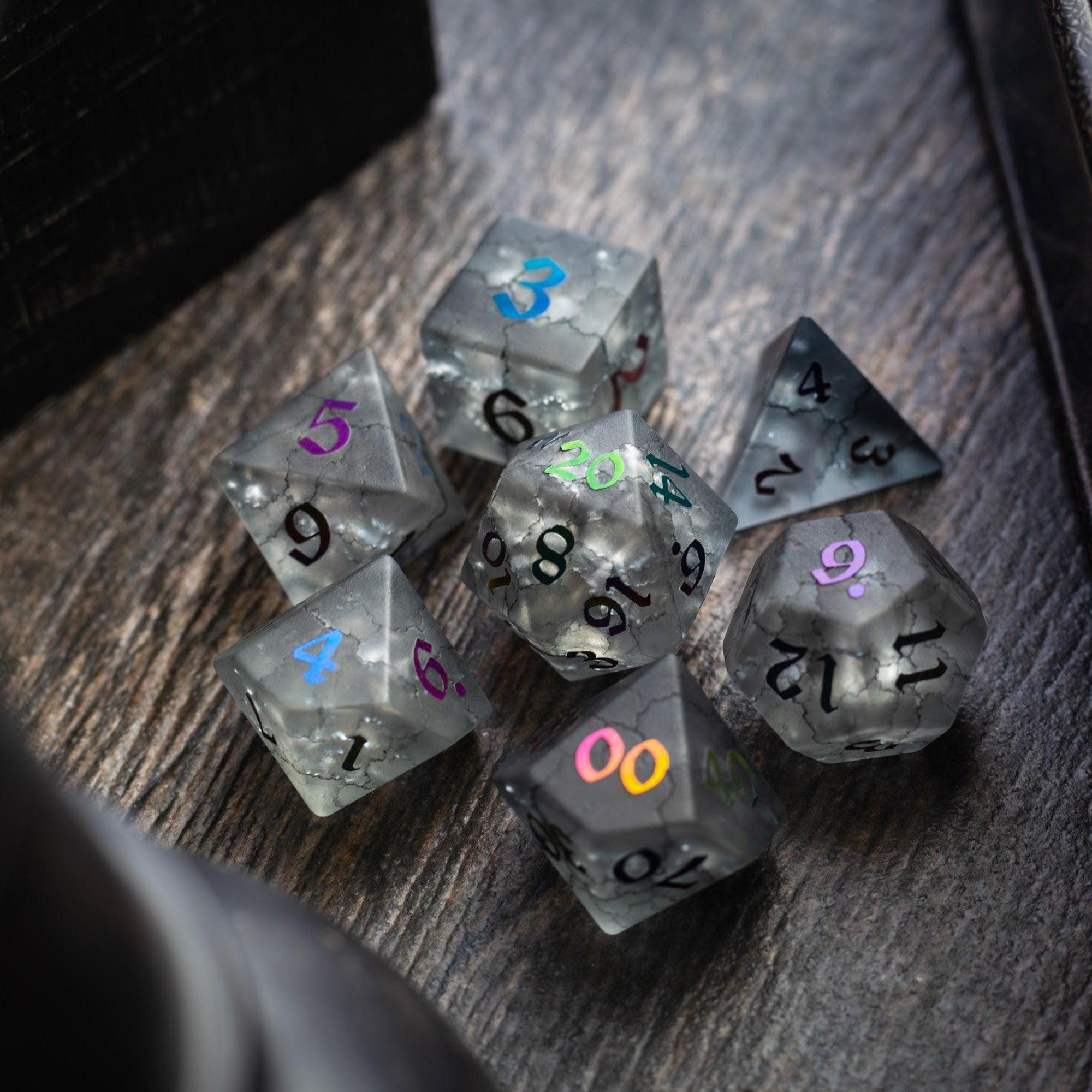
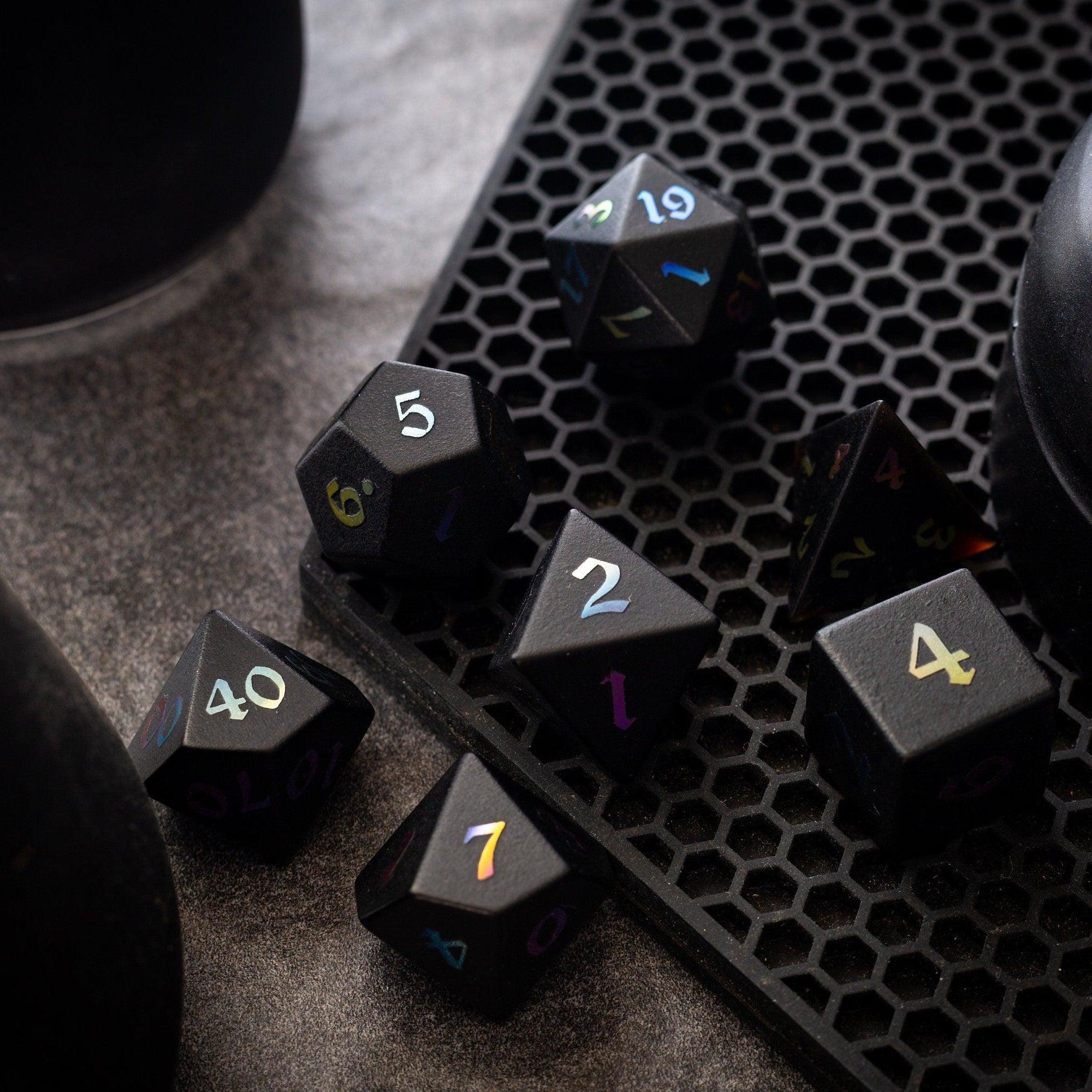
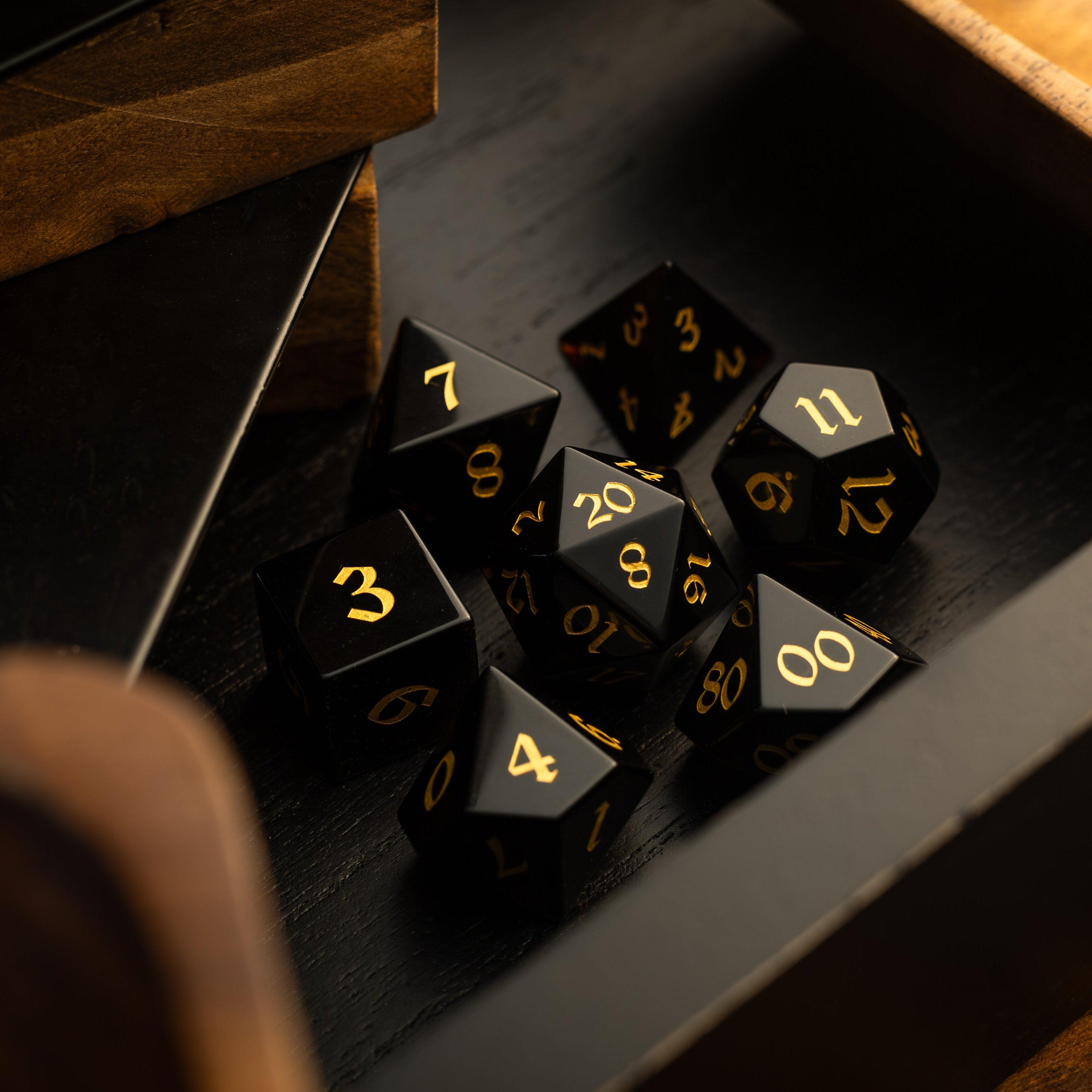
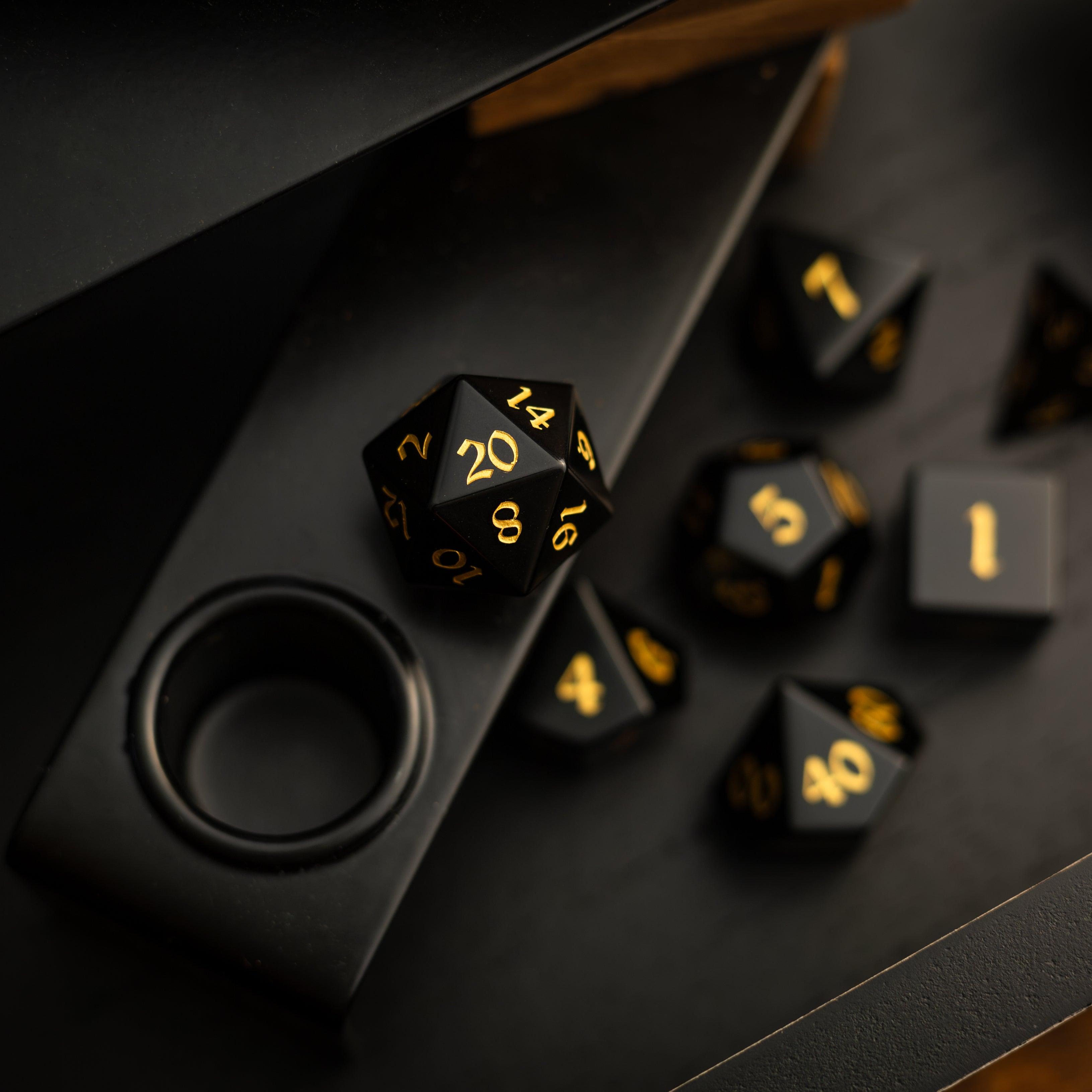
Many players enjoy using elegant gemstone dice during duelist-style sessions because the polished appearance matches refined swordplay characters so well. Liquid core dice also add dramatic flair when rolling a last-second defensive reaction during tense boss fights.
Smart Combat Tactics
Defensive Duelist rewards careful play more than reckless aggression.
Save Your Reaction
The biggest mistake players make is triggering the feat too early.
Ask yourself:
-
Is this attack likely to hit hard?
-
Is the attacker making multiple attacks?
-
Would Uncanny Dodge be more valuable?
Sometimes taking minor damage is smarter than spending your reaction immediately.
Use Positioning Carefully
Defensive Duelist works best when enemies cannot surround you.
Good positioning includes:
-
Holding chokepoints
-
Staying near allies
-
Avoiding flanking situations
-
Moving after attacking
Pair With Mobility
Characters with strong movement options become much harder to pin down.
Excellent mobility pairings include:
-
Cunning Action
-
Mobile feat
-
Fancy Footwork
-
Misty Step
-
High movement speed
Avoid Overexposure
The feat does not replace armor or hit points. If five enemies surround you, blocking one attack rarely saves the situation.
Think like a duelist, not a tank.
Defensive Duelist vs Other Defensive Feats
Shield Master
Shield Master works better for shield users and improves survivability against Dexterity saves. Defensive Duelist is stronger for agile one-handed finesse builds.
Tough
Tough simply increases hit points. It is reliable but less tactical.
Defensive Duelist rewards player decision-making instead of passive durability.
Mobile
Mobile pairs extremely well with Defensive Duelist because movement prevents enemies from focusing attacks.
Resilient
Resilient improves saving throws and overall consistency. Defensive Duelist is narrower but often feels more cinematic during combat.
Defensive Fighting Style
The Defense Fighting Style gives constant AC, while Defensive Duelist offers burst protection during key moments.
Both together create surprisingly durable Dexterity builds.
Common Mistakes Players Make
Wasting Reactions Early
Many players trigger the feat against weak attacks instead of dangerous ones.
Patience matters.
Ignoring Mobility
Standing still defeats the purpose of an agile defensive build.
Keep moving whenever possible.
Using Low-Dexterity Builds
Defensive Duelist performs poorly on Strength-heavy characters. The feat scales best when paired with naturally high AC and finesse weapons.
Expecting Tank-Level Defense
This feat is about precision defense, not absorbing punishment indefinitely.
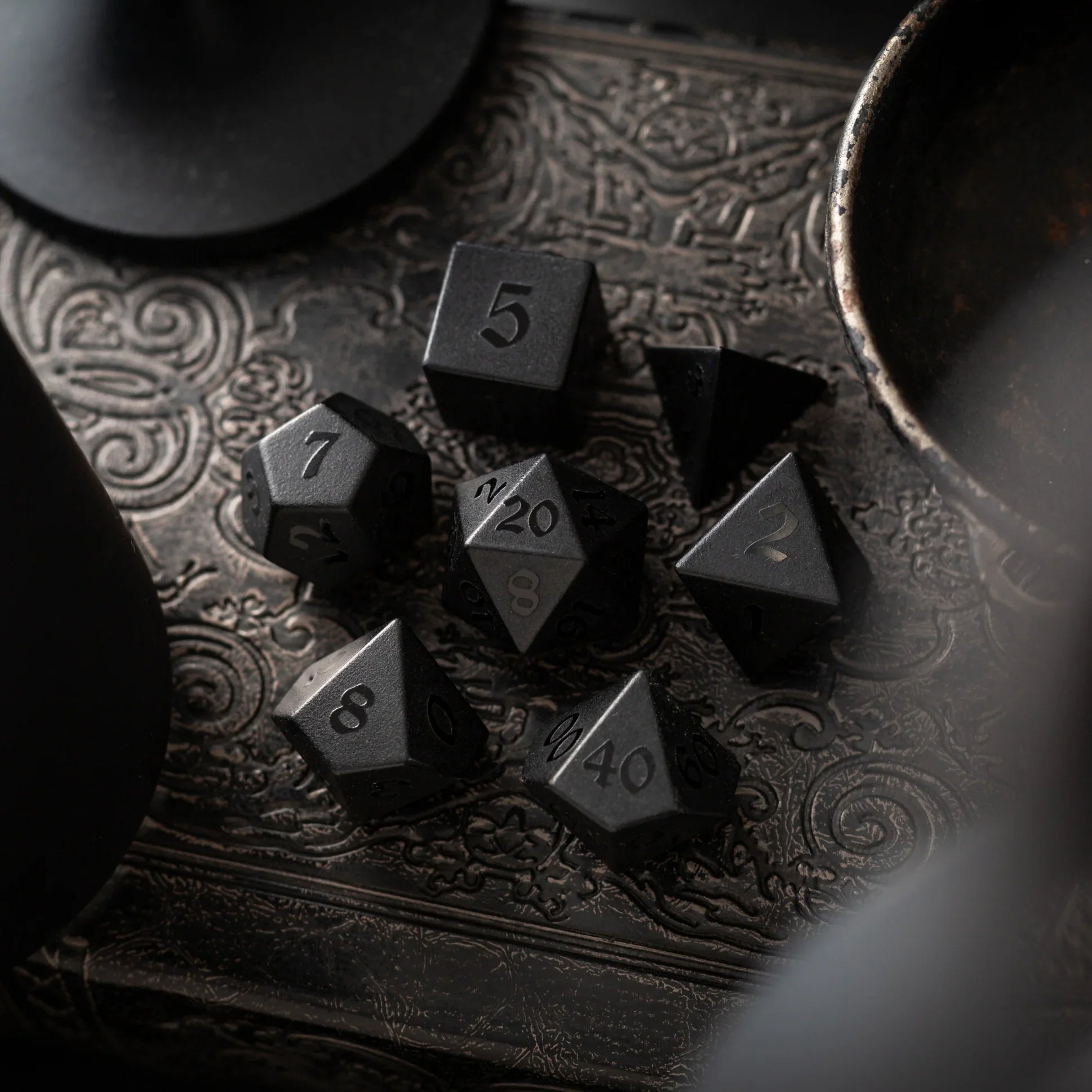
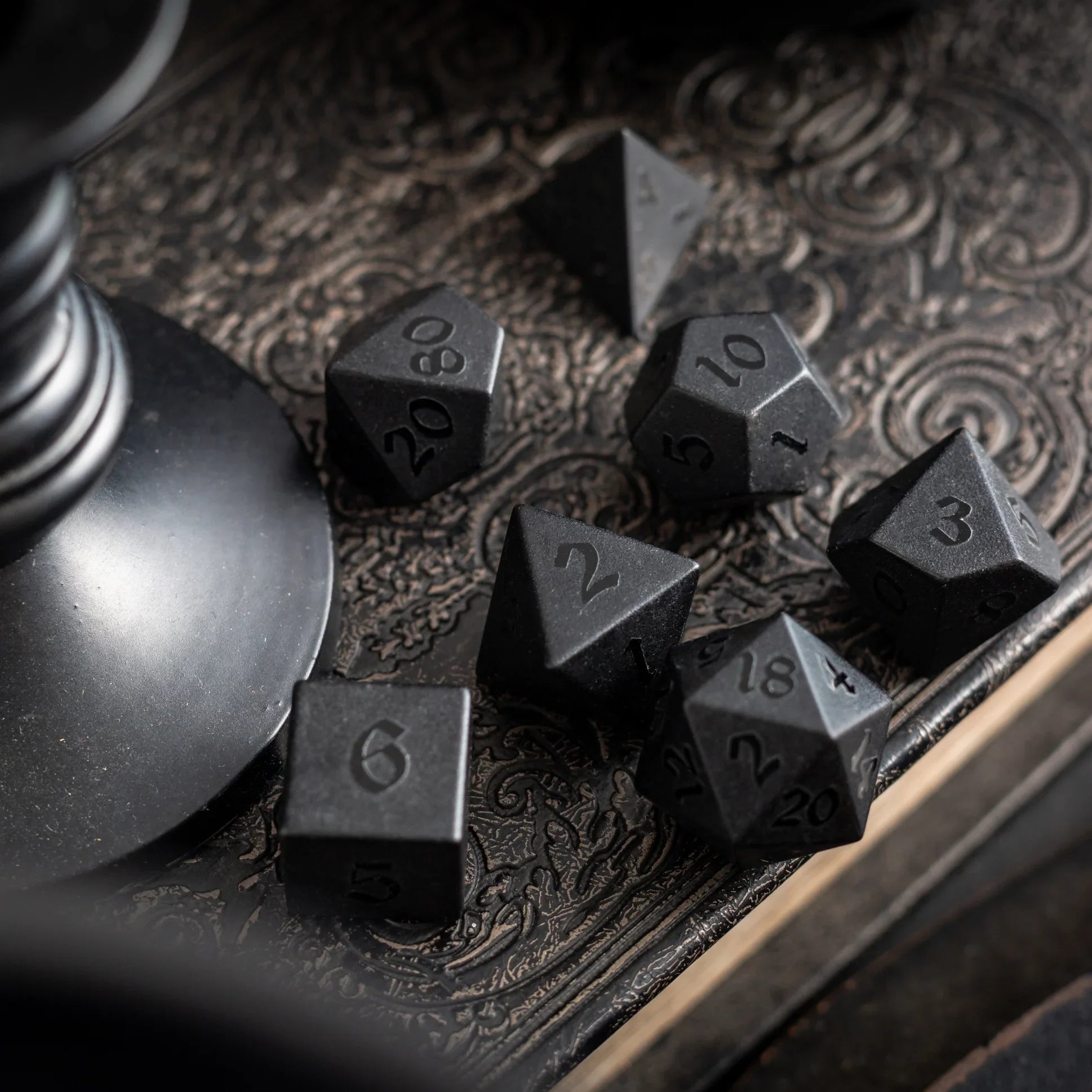
Some groups even reserve oversized resin chonk dice for major defensive moments, turning successful parries into memorable table events during boss encounters.
Combining Defensive Duelist With Other Abilities
Several abilities synergize extremely well with the feat.
Uncanny Dodge
Rogues can either reduce damage with Uncanny Dodge or avoid it completely with Defensive Duelist.
Choosing correctly each round creates meaningful tactical decisions.
Evasion
Evasion handles Dexterity saving throws while Defensive Duelist handles melee attacks. Together they create extremely slippery characters.
High Initiative
Acting early lets duelists position themselves safely before enemies engage.
Defensive Fighting Style
A permanent AC bonus combined with reactive AC spikes creates excellent survivability.
Mobility Features
Any ability that improves movement increases the value of Defensive Duelist dramatically.
Roleplaying an Agile Duelist
The feat also supports strong character fantasy.
Great concepts include:
-
Noble swordsmen
-
Swashbuckling pirates
-
Arcane duelists
-
Royal bodyguards
-
Wandering bladesmasters
Describe your defenses creatively:
-
Deflecting blades with precise parries
-
Twisting away at the last second
-
Redirecting attacks elegantly
-
Turning enemy momentum against them
Elegant resin dice or refined gemstone dice often fit these stylish characters perfectly during immersive roleplay-heavy sessions.
Is Defensive Duelist Worth Taking?
Defensive Duelist is not universally powerful, but it excels in the right build.
Strengths
-
Scales naturally with proficiency bonus
-
Excellent for Dexterity melee builds
-
Creates cinematic combat moments
-
Rewards tactical decision-making
-
Works especially well for Rogues
Weaknesses
-
Consumes reactions
-
Only blocks one attack
-
Requires finesse weapons
-
Less effective when surrounded
-
Weak for low-Dexterity characters
The feat shines most in campaigns featuring:
-
Tactical combat
-
Smaller encounters
-
Mobile melee characters
-
Skilled duelists
-
Fast-paced skirmishing fights
Players who enjoy thoughtful positioning and reaction-based gameplay will likely love it.
Conclusion
Defensive Duelist is one of the most flavorful defensive options in D&D 5e because it rewards timing, precision, and battlefield awareness instead of raw durability.
A skilled duelist survives not by standing still behind heavy armor, but by reading enemy movements and reacting at exactly the right moment. Whether you are playing a cunning Rogue, a graceful Fighter, or a wandering swashbuckler, the feat turns defense into an active part of combat strategy.
When used wisely, Defensive Duelist can create some of the most cinematic moments at the table: a blade narrowly turned aside, a deadly strike avoided by inches, or a lone swordsman surviving against impossible odds through pure skill and agility.






Leave a comment
This site is protected by hCaptcha and the hCaptcha Privacy Policy and Terms of Service apply.