

New D&D Rules: Quick Clarity for Your Campaign
Updated on: 2026-02-05
Dungeons & Dragons just got a major refresh, and if you're still playing by the old ruleset, you're missing out on some genuinely exciting changes. Whether you're a seasoned dungeon master or picking up the game for the first time, understanding the latest mechanics will level up your gameplay experience. We've broken down everything you need to know about the fresh updates, how they impact your adventures, and how to get started with confidence.
Understanding the Latest Changes in D&D Gameplay

If you've been playing Dungeons & Dragons for years, or you're thinking about starting your first campaign, you've probably heard buzz about the refreshed mechanics. The new D&D rules represent a significant evolution in how the game plays, what options are available to your characters, and how encounters feel at the table. These aren't just tweaks to a few numbers here and there—they're thoughtful adjustments designed to make the game more balanced, more fun, and more accessible to newcomers.
The beauty of these updated mechanics is that they maintain the spirit of what makes D&D so special while addressing pain points that longtime players have discussed for years. Combat feels snappier. Character creation has more flexibility. And the overall pacing of campaigns can be faster or slower depending on what your group prefers. Whether you're rolling dice for a high-stakes boss battle or navigating a tense roleplay moment, these changes enhance almost every aspect of your experience.
Buyer's Checklist: What You Need to Know Before Starting
Before you dive into a campaign using the latest ruleset, here's a practical checklist to ensure you're fully prepared:
- Get the Official Books: Grab the core rulebooks that contain the updated rules. These are your foundation, and having them handy beats relying solely on online resources.
- Understand Core Mechanics: Familiarize yourself with how attacks, saves, and ability checks work under the current system. Small changes here can shift strategy significantly.
- Review Class Changes: Different classes received various adjustments. If you're playing a specific class, spend time with those sections.
- Check Spell Updates: Many spells have been rebalanced or clarified. If magic is central to your character, review the spell list thoroughly.
- Learn New Conditions: Additional conditions and status effects have been introduced or refined. Understanding these prevents confusion mid-game.
- Prepare Your Character Sheet: Ensure your character sheet reflects the latest rules. Some calculations may have changed from previous editions.
- Communicate with Your Group: Make sure everyone at the table is using the same ruleset. Consistency matters for fair play and fun.
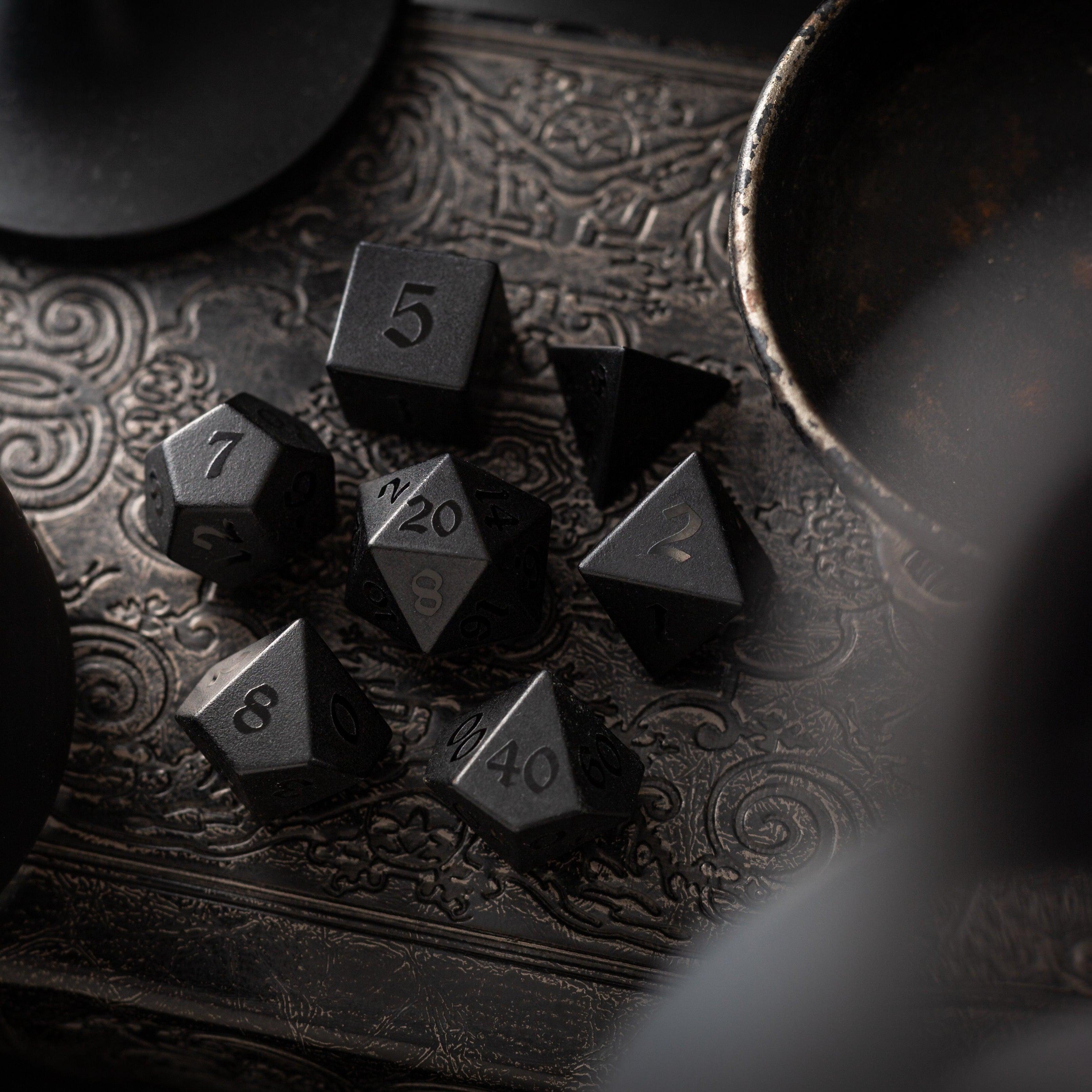
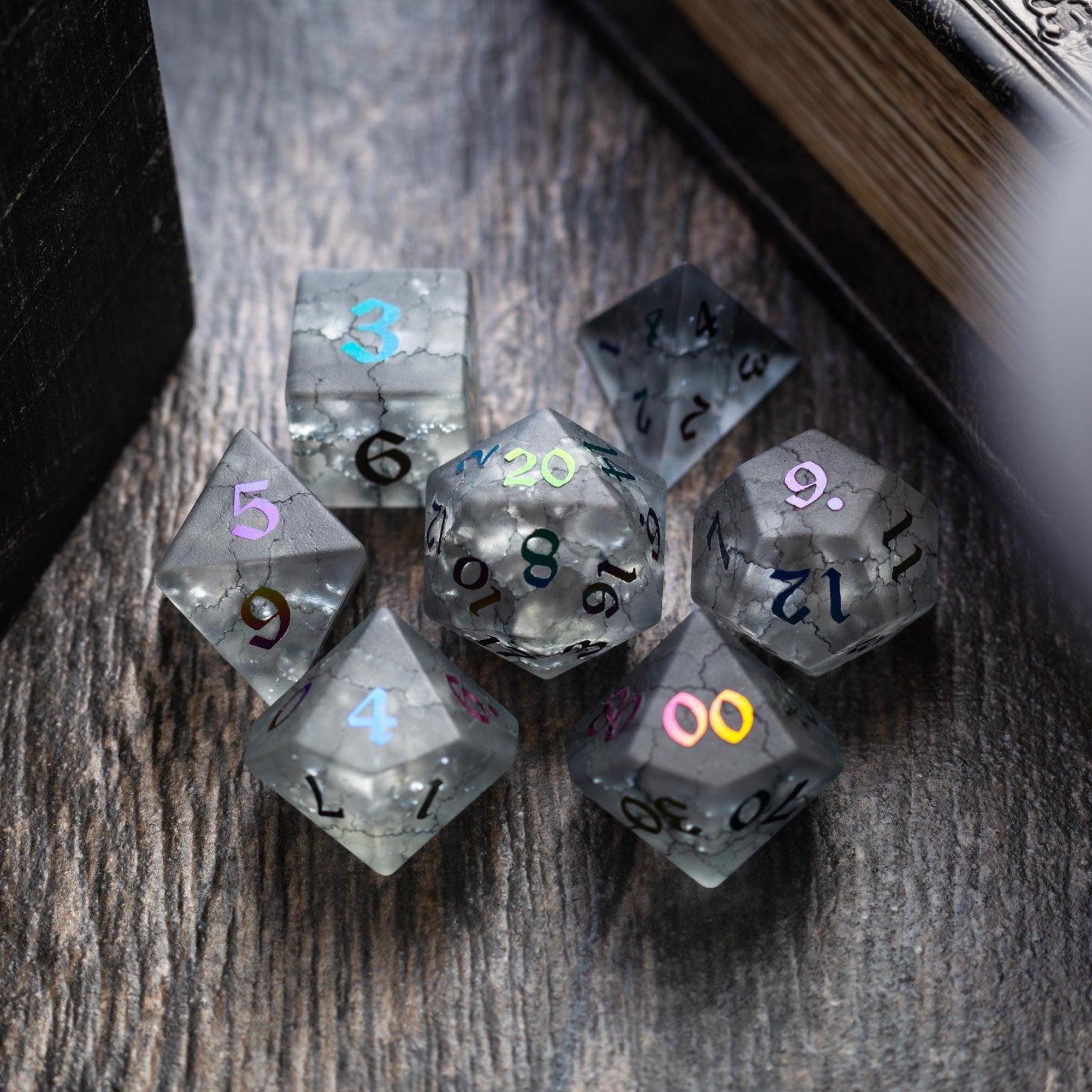
- Grab Quality Dice: While not mandatory, having reliable dice makes rolling more satisfying. Consider sharp edge resin dice sets that feel great in hand and roll smoothly.
- Set House Rules Early: Decide as a group which optional rules you'll use and communicate them before the campaign starts.
- Have a Reference Sheet: Create a one-page guide of the most commonly referenced rules to speed up gameplay.
Step-by-Step Guide to Getting Started with the Latest Ruleset
Step 1: Read the Player's Handbook Introduction
Don't skip the introduction. It sets the foundation for how the game works and explains the philosophy behind the new D&D rules. You'll understand not just what changed, but why those changes were made. This context helps you internalize the mechanics more effectively.
Step 2: Master the Core Mechanics
Focus on the fundamental systems first. How do you roll for attacks? How do you determine if you succeed at a difficult task? What's the difference between advantage and disadvantage? These basics underpin everything else, so spend real time here.
Step 3: Create Your First Character
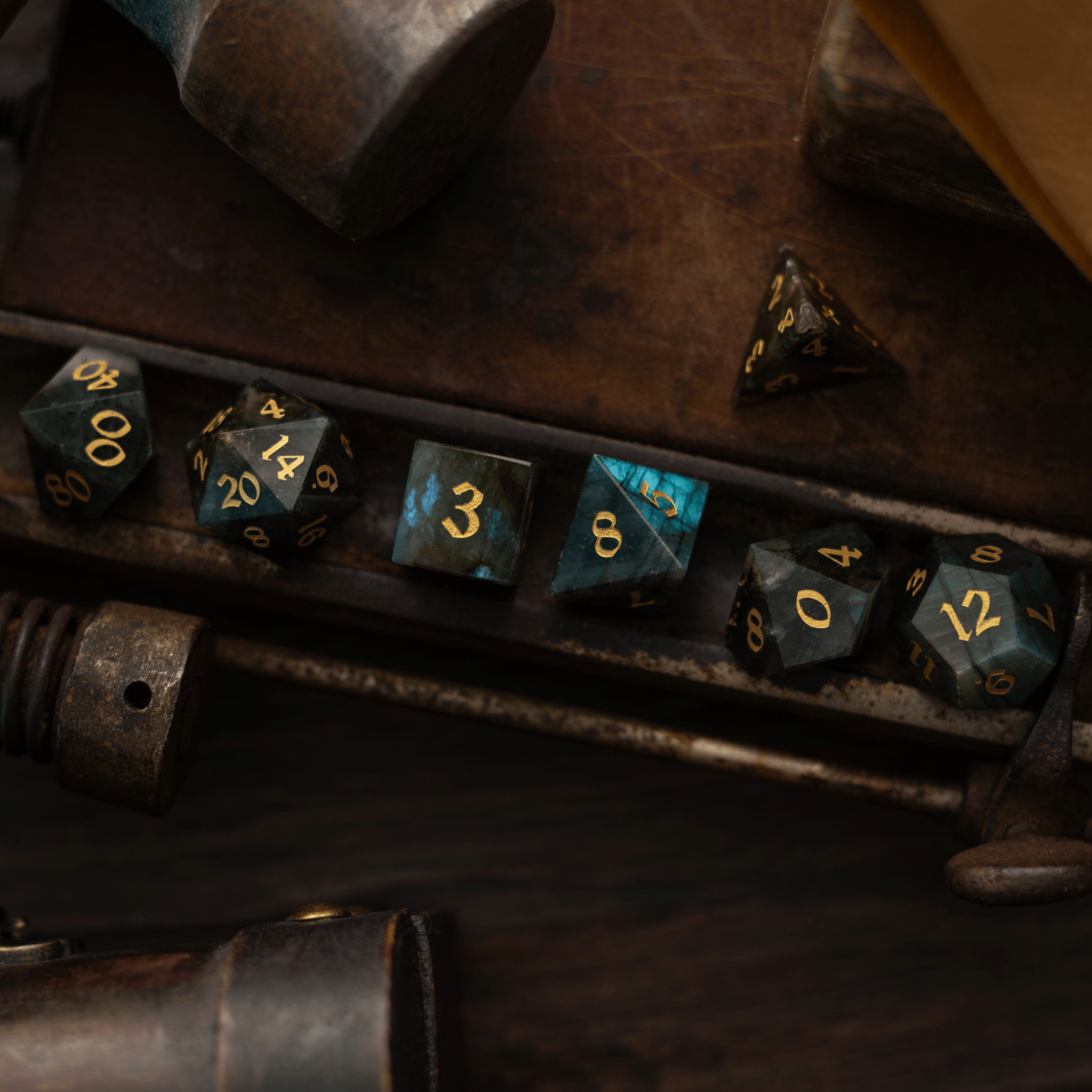
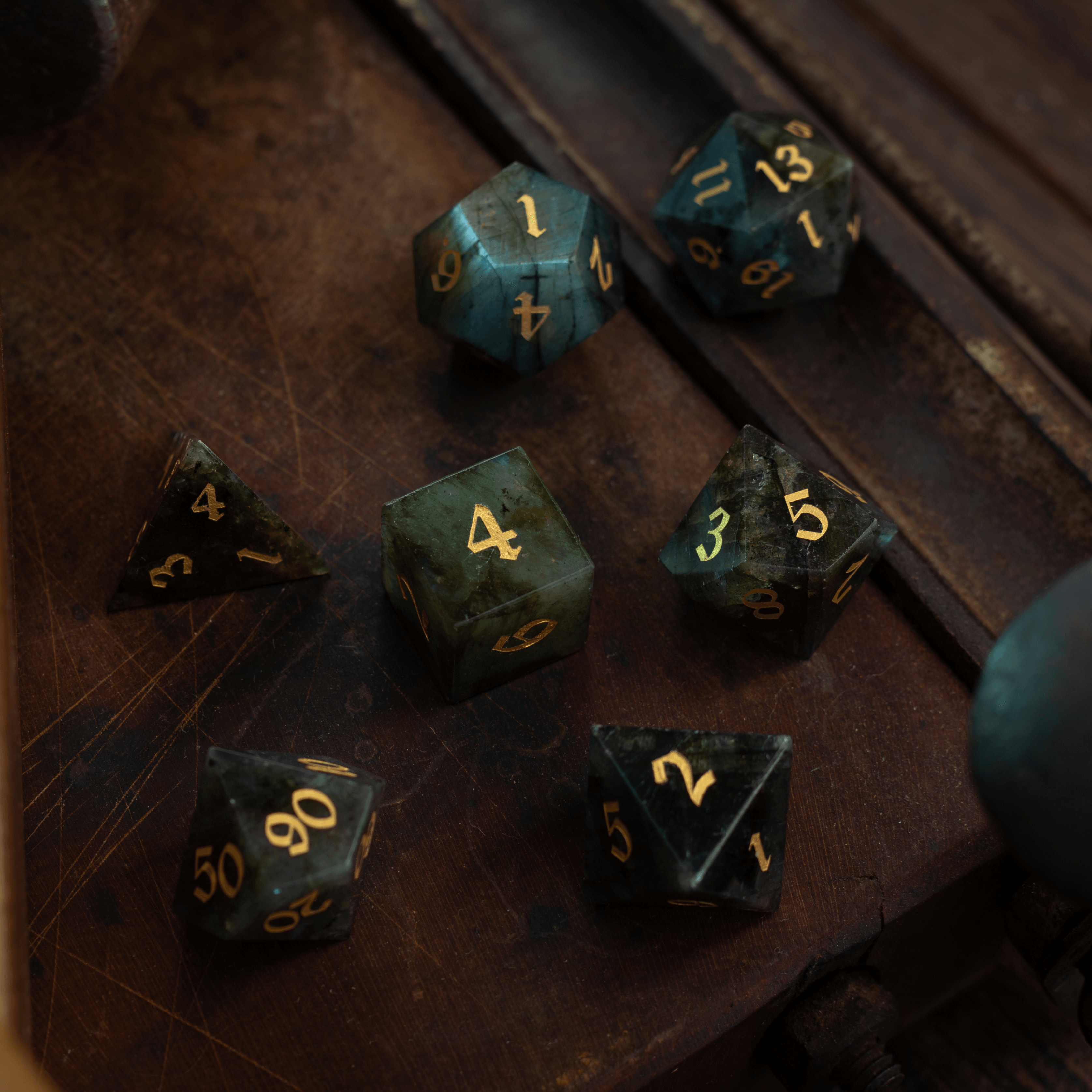
Walk through character creation step by step using the updated rules. Choose a race and class that appeals to you, and follow the book's guidance. This hands-on experience teaches you far more than just reading about mechanics. If you want your character to feel extra special, pair your journey with gemstone dice sets that match their personality.
Step 4: Learn Your Class Abilities
Every class has unique features and abilities. Read through your class section thoroughly. Understand when you gain new abilities, how they work, and how they interact with other mechanics. This prevents awkward moments in-game where you forget about a powerful ability you could've used.
Step 5: Study the Equipment Section
Equipment isn't just flavor—it mechanically affects your character. Different weapons have different properties. Armor provides varying levels of protection. Understand the gear available to you and how it impacts your capabilities in and out of combat.

Step 6: Get Comfortable with Spellcasting (If Applicable)
If your character casts spells, this deserves dedicated study. Learn how spell slots work, what modifies your spell attack bonus, how saving throws function, and which spells are available to you. Spellcasting can feel overwhelming initially, but breaking it into chunks makes it manageable.
Step 7: Review Combat Procedures
Combat is where most rules questions arise. Read through the combat section carefully. Understand initiative, actions available during your turn, bonus actions, reactions, and how combat ends. When you sit at the table and combat begins, you'll feel confident about what you can do.
Step 8: Gather Your Group and Establish Expectations
Have a session zero before your first real game. Discuss the tone you're going for, talk about house rules, clarify any confusing mechanics together, and get everyone excited. This investment upfront prevents confusion later and ensures everyone's on the same page.
Step 9: Start With a One-Shot
Rather than jumping into a long campaign immediately, consider running a one-shot adventure. This lower-stakes scenario lets everyone get comfortable with the new mechanics without worrying about derailing a months-long narrative arc.
Step 10: Refine and Adjust
After your first few sessions, reflect with your group. What felt clunky? What worked great? Be willing to adjust your approach. Maybe certain rules need clarification, or perhaps your house rules need tweaking. This iterative process helps your table find its rhythm with the updated mechanics.
Frequently Asked Questions
How different are the new D&D rules from previous versions?
The changes are substantial but not revolutionary. If you've played before, you'll recognize the core DNA of the game. However, enough has shifted that it's worth reading the updates rather than assuming things work the way they used to. Class balance is improved, some abilities have been reworded for clarity, and certain mechanics have been simplified. It's familiar but noticeably refined.
Can I use old character sheets with the new ruleset?
Some aspects of your old character sheet will still apply, but you'll need to recalculate several elements. Ability modifiers might shift, some class features have changed, and certain bonuses are calculated differently. Your best bet is creating a fresh character sheet using the current rules. It's actually a great opportunity to explore new character builds you might not have considered before.
Do I need to buy new books to play with the latest mechanics?
Yes, the official rulebooks contain the most accurate and comprehensive information about the updated mechanics. While some resources exist online, owning the books gives you a physical reference that doesn't require internet access and ensures you're following the official guidance. Plus, there's something satisfying about having those books on your shelf as you plan your adventures.
Are the new D&D rules suitable for beginners?
Absolutely. In fact, the updates make the game more approachable for newcomers. Many confusing mechanics have been clarified, and the overall progression feels smoother. If anything, this is an excellent time to introduce new players to the game since they won't be learning outdated systems.
How long does it take to learn the new system?
That depends on your experience level. If you're completely new to D&D, expect to spend several hours reading and maybe 2-3 sessions before everything clicks. If you've played before, you might feel comfortable within a few hours of reading. The key is not rushing—let the mechanics sink in gradually through actual play.
What's the best way to teach others the new ruleset?
Start simple and build complexity gradually. Explain the core concept first (rolling d20 for most actions), then layer in modifiers and advantages. During actual play, look things up together rather than trying to memorize everything. Your first few sessions will naturally teach everyone through experience. And having quality dice like lucky dice sets makes the learning process feel more exciting and memorable for everyone at the table.
Are there any controversial changes in the latest updates?
The D&D community, like any passionate fanbase, has opinions about various changes. Some adjustments shifted class balance in ways certain players debated. However, the overall reception has been positive, with most players appreciating how the refined mechanics address long-standing concerns. Your table can always use optional rules or house rules to customize your experience.
Where can I find official clarifications if I'm confused about a rule?
The official rulebooks contain comprehensive explanations and often include examples of how mechanics work in practice. Additionally, official D&D resources online provide errata and clarifications for rules questions. Your dungeon master can also make a ruling in the moment and check the official sources later—keeping the game flowing is more important than perfect rules mastery early on.
Should I retire my old character to use the new ruleset?
Not necessarily. Many dungeon masters allow converting existing characters to the new system, adjusting abilities as needed. However, if you want to experience what the new mechanics offer, creating a fresh character is worthwhile. You might discover playstyles or character concepts you never considered before. For an even more immersive experience, pair your new adventure with hand-crafted gemstone dice that feel special and intentional for your character's story.
Embracing the latest D&D mechanics opens up a world of refined gameplay, better balance, and more fun at the table. Whether you're a veteran player or stepping into this world for the first time, these updates represent the game evolving in genuinely positive ways. Take time learning the rules, be patient with yourself and your group, and most importantly, remember that D&D is ultimately about creating amazing memories together. Happy adventuring!













Leave a comment
This site is protected by hCaptcha and the hCaptcha Privacy Policy and Terms of Service apply.