
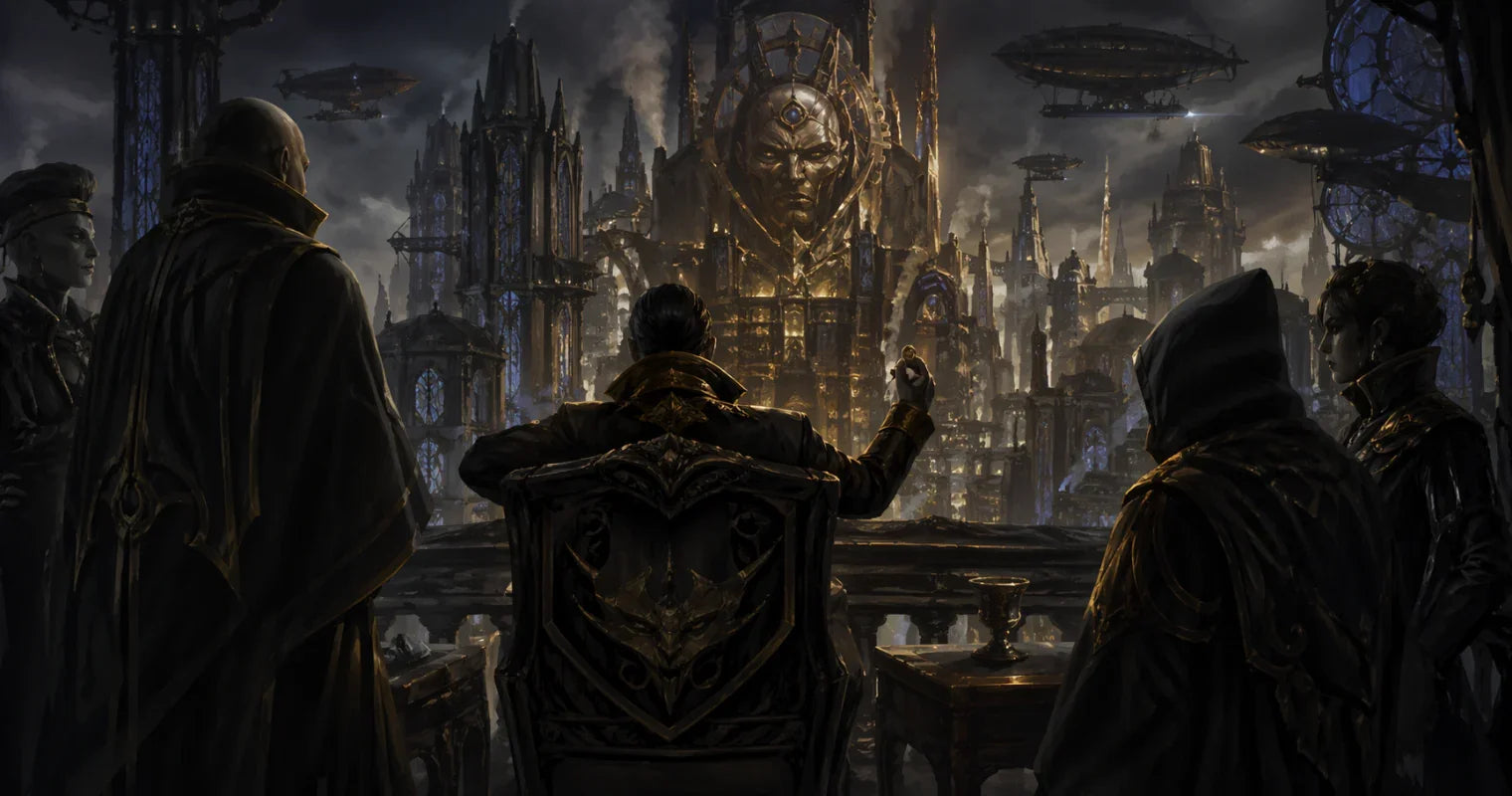
D&D Mystic Arts Monk Guide for Warrior Focus
Updated on: 2026-04-22
If you’re building a character who blends disciplined combat with mystical flavor, the D&D Warrior of the Mystic Arts Monk is a great direction. This guide walks you through core playstyle ideas, smart equipment choices, and how to avoid common mix-ups. You’ll also get practical tips for roleplay, teamwork, and dice selection so your table experience feels smooth. By the end, you’ll have a simple plan to bring your monk to life without overthinking it.
Let’s be honest: monks can feel intimidating at first. You might hear “they’re complicated” or “they need perfect builds,” and then you stall out before you even start. But the D&D Warrior of the Mystic Arts Monk is a refreshing way to play. You get the confidence of a frontline fighter, plus the calm, focused style that makes monk gameplay feel unique. In this post, I’ll help you understand the vibe, set up a realistic approach, and choose things that make your character fun to run at the table.
We’ll cover what makes this archetype shine, common myths that trip people up, and practical ways to support your party. You’ll also see how the right dice and accessories can make your sessions feel more immersive (and honestly, more fun). No pressure to “min-max.” Just clear guidance you can actually use.
Product Spotlight
If you’re leaning into mystic energy and disciplined movement, your tabletop should match that mood. A monk often focuses on fast decisions, frequent checks, and lots of moments where dice results matter. That’s why many players look for dice sets that feel special in hand and look striking on the table.
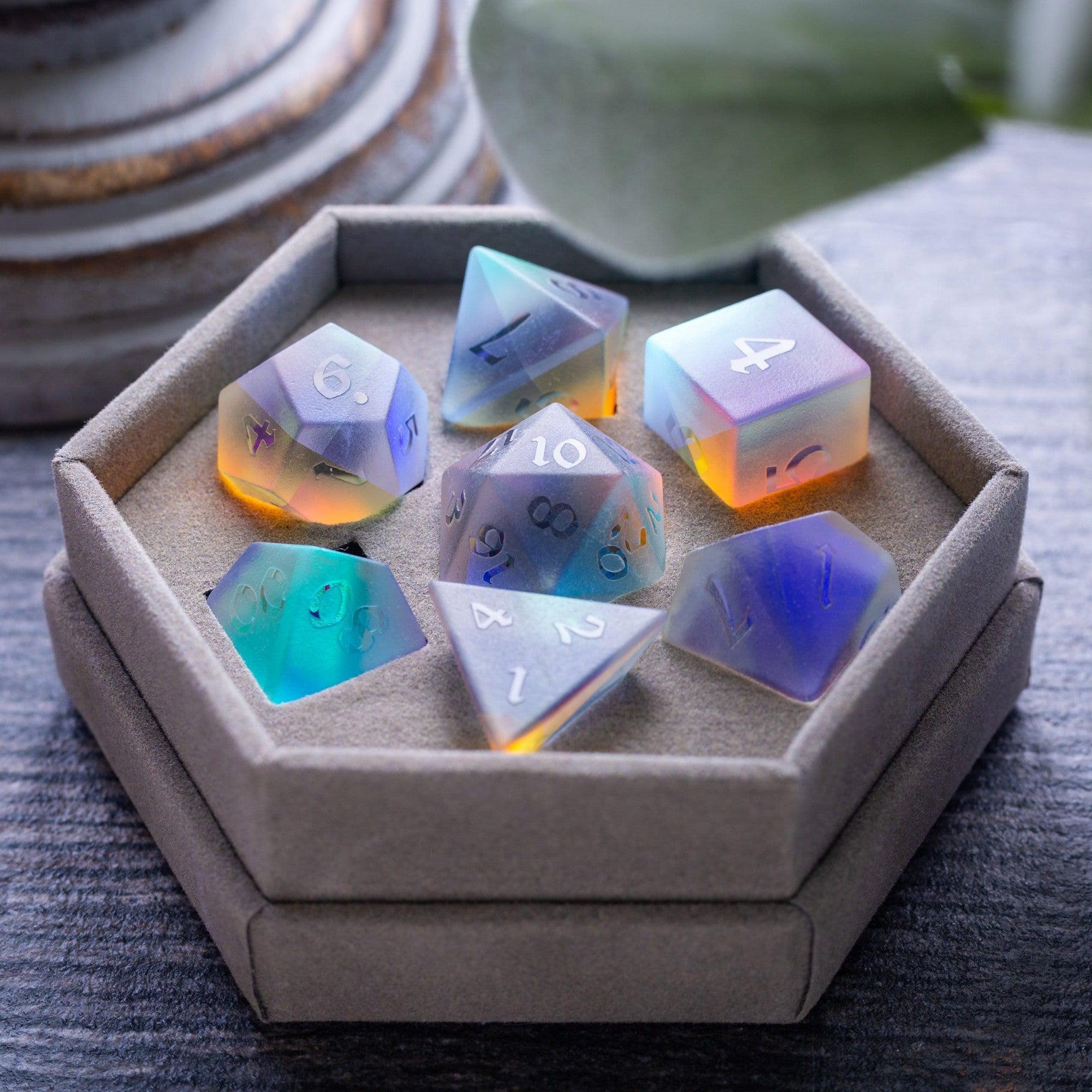
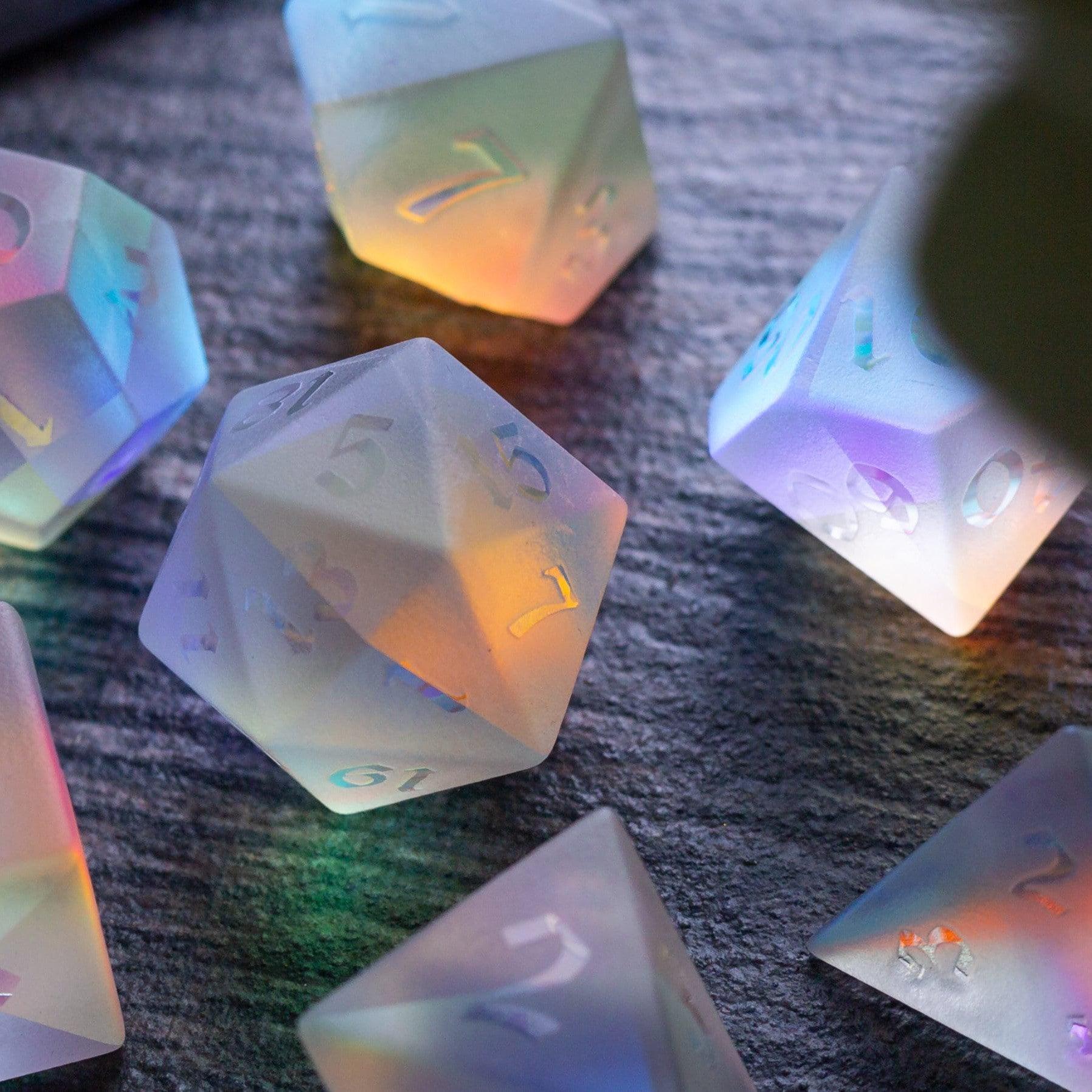
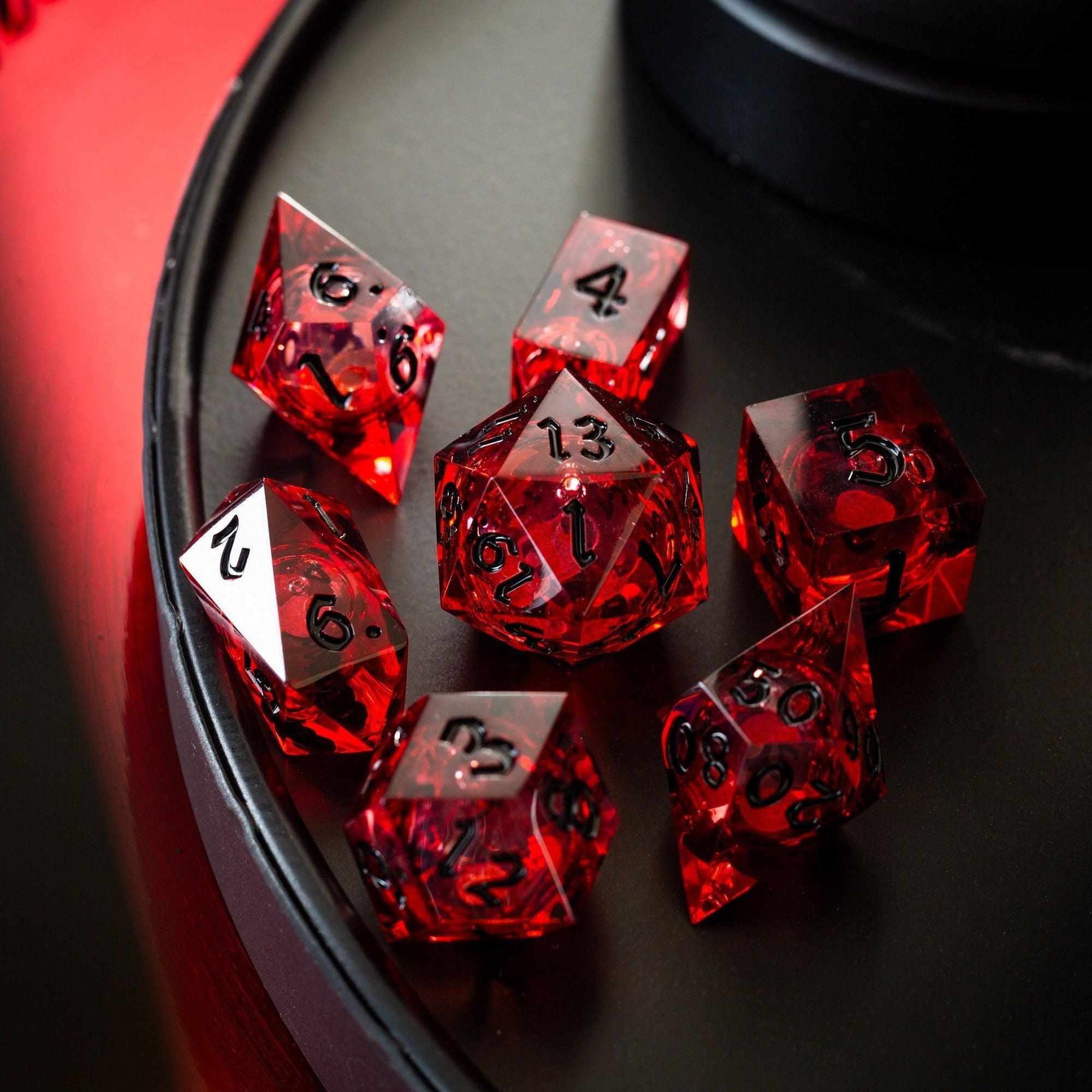
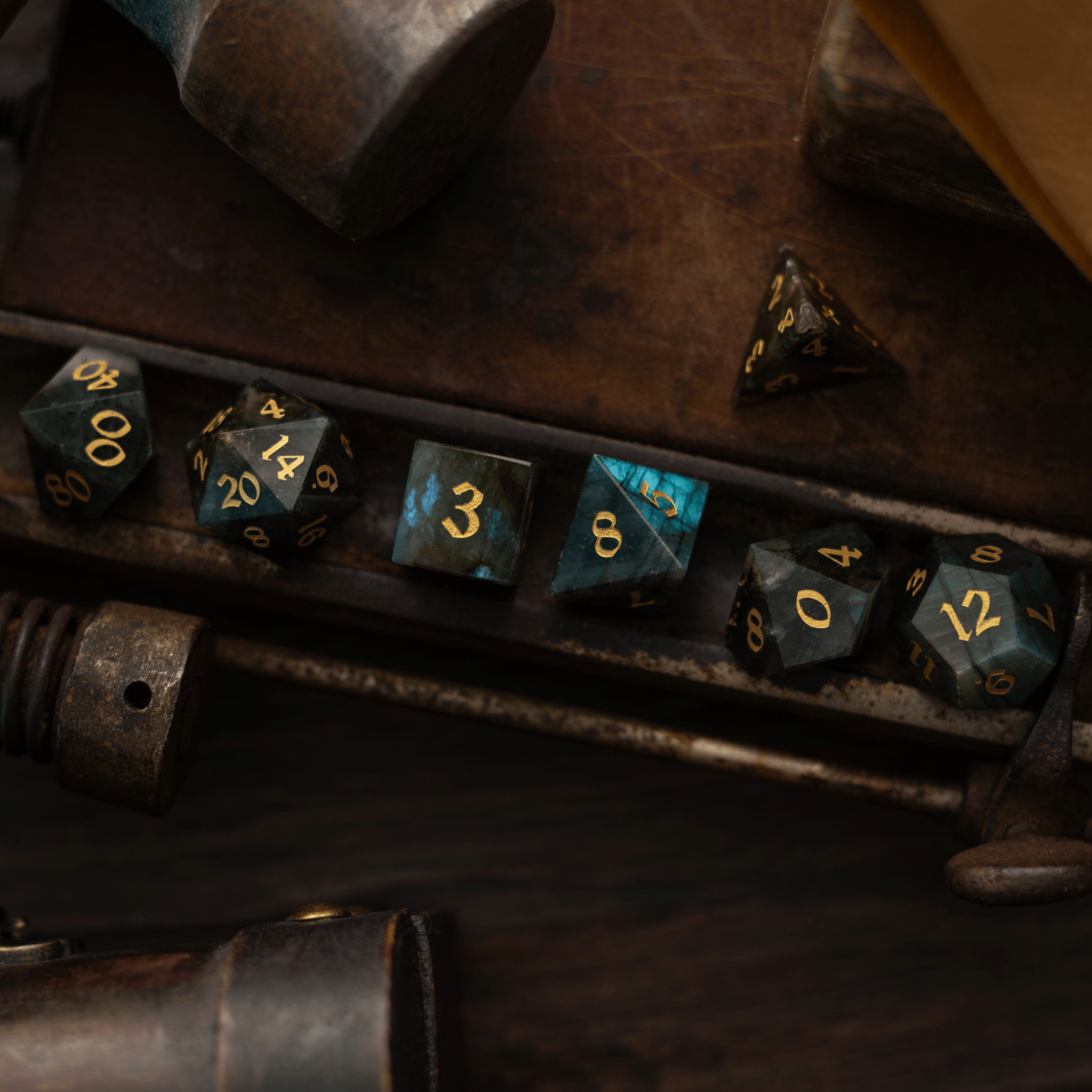
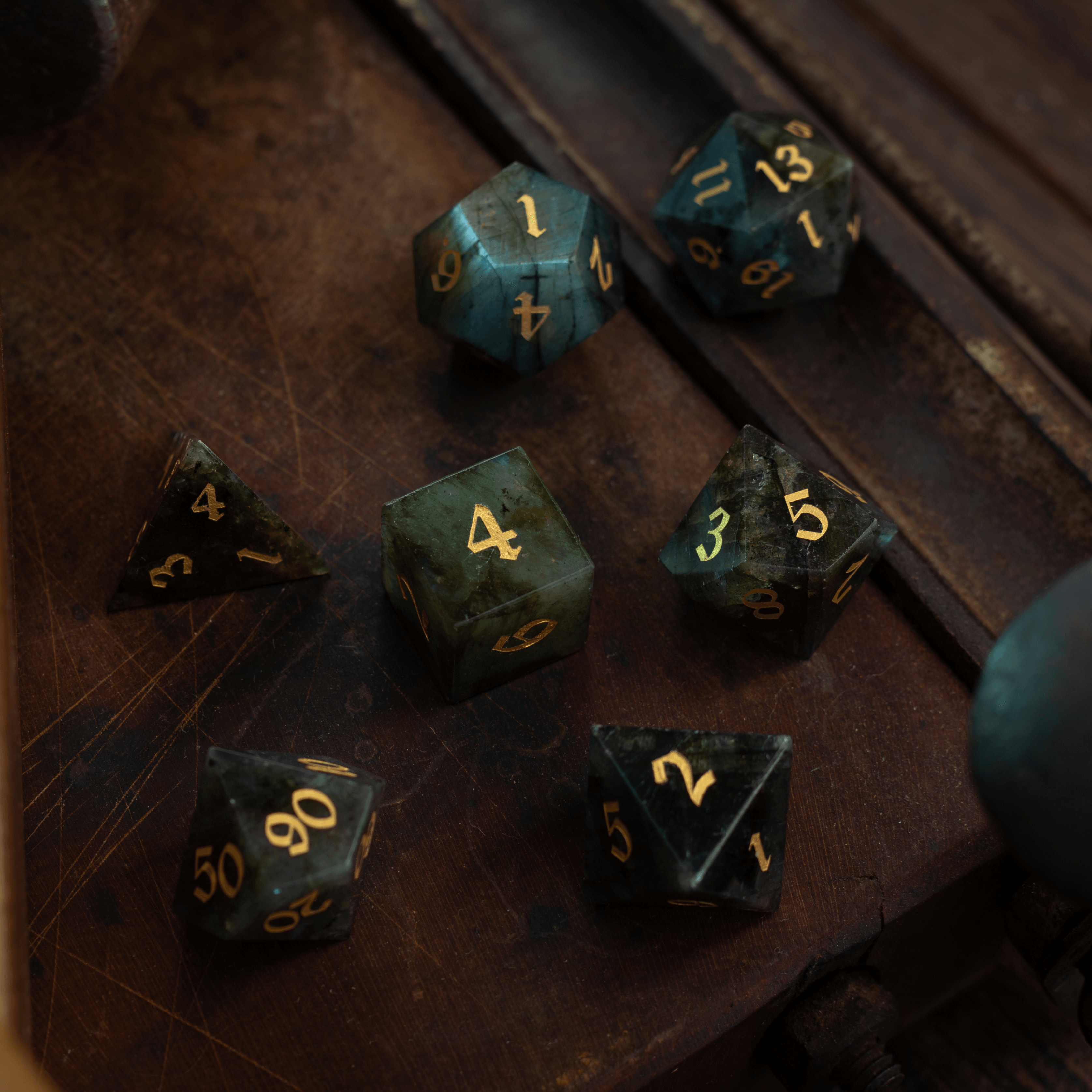
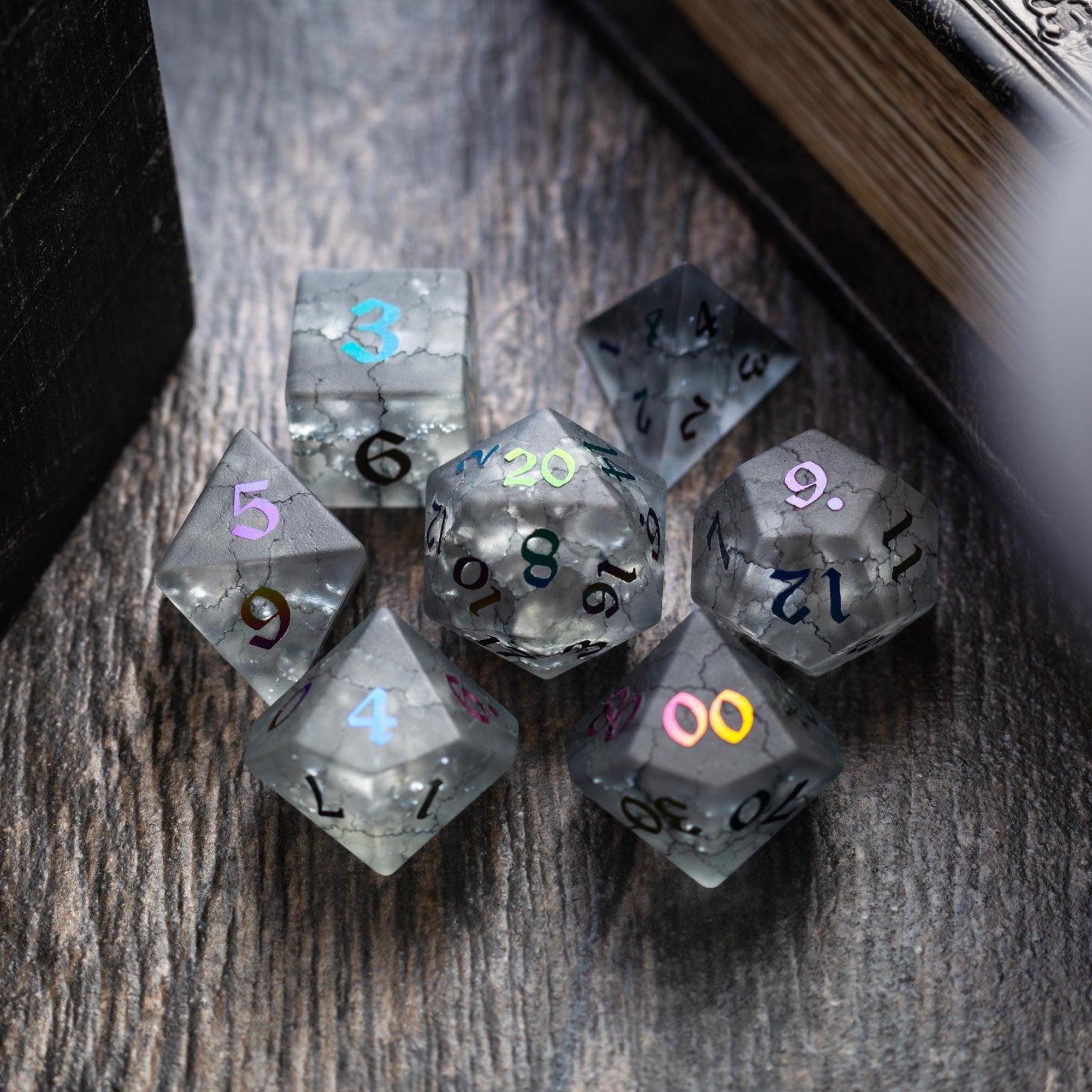
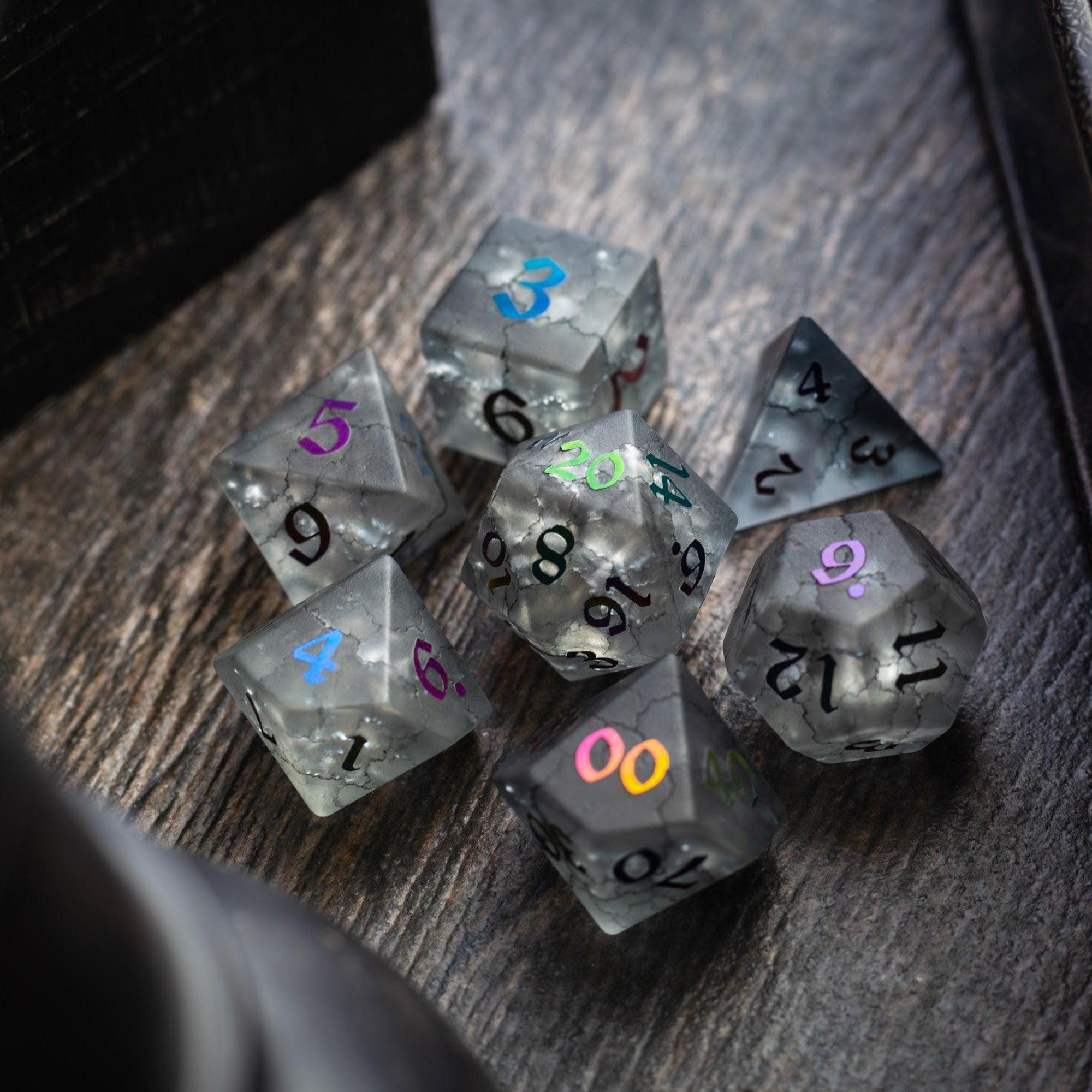
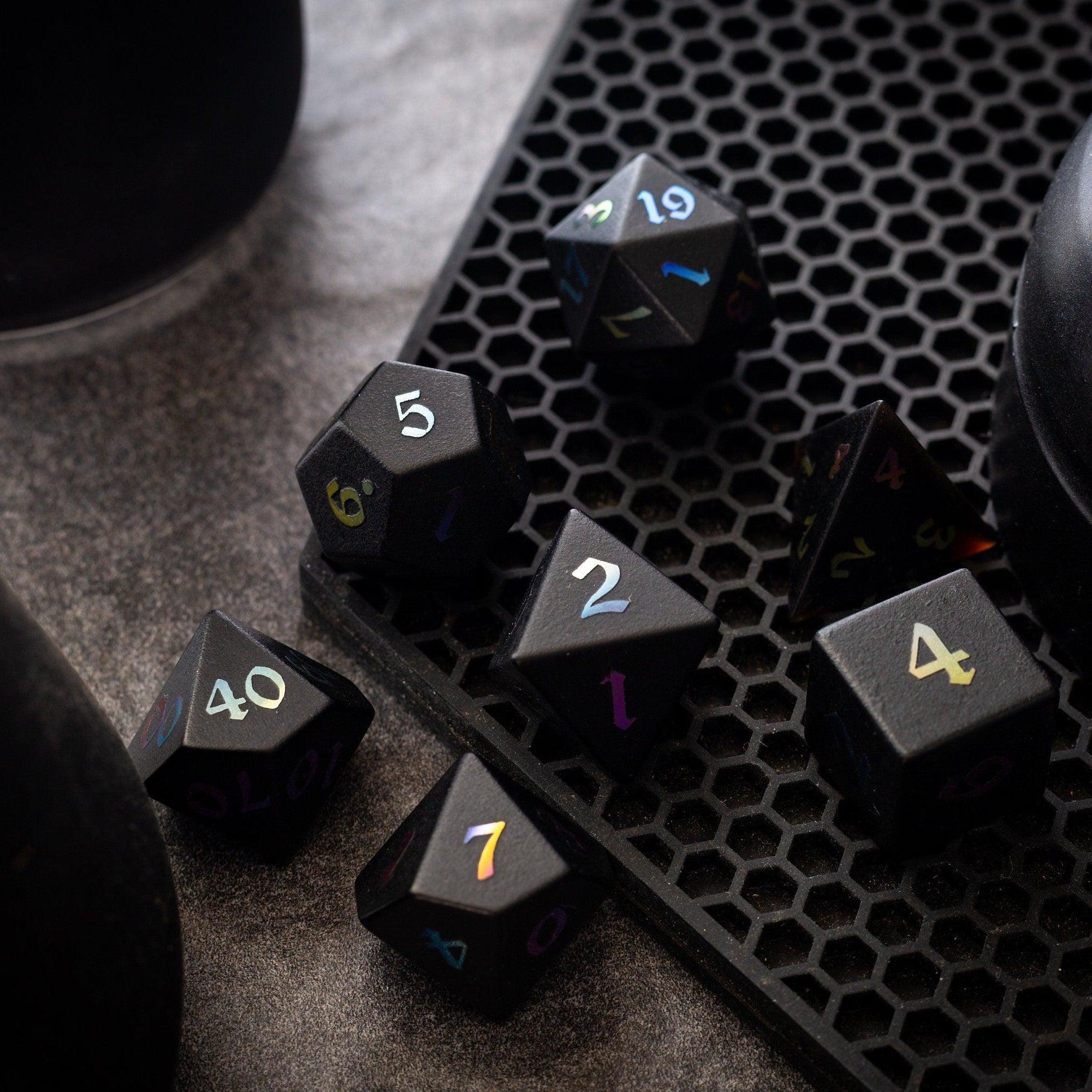
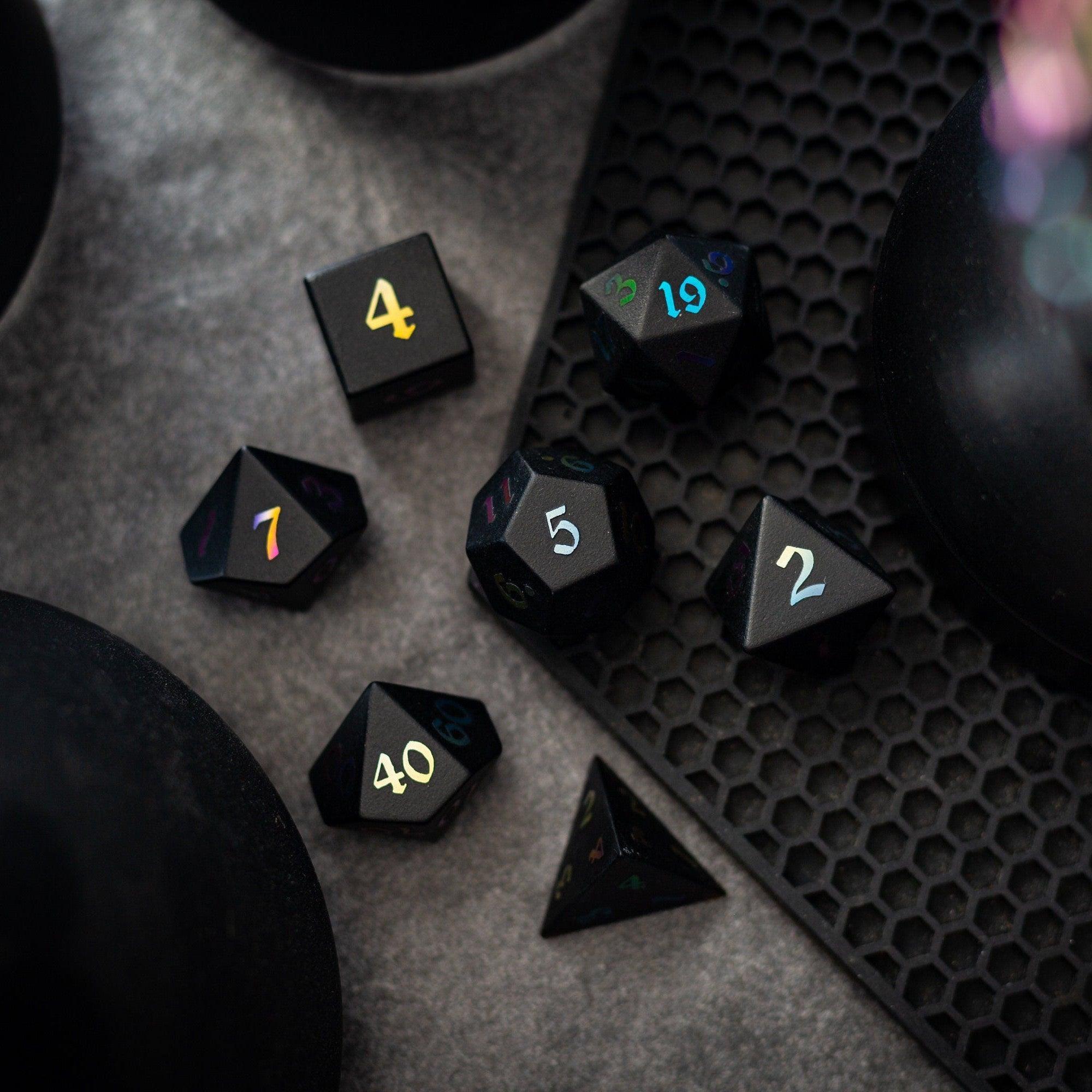
One option is the dichroic glass gemstone dice. They’re visually dynamic, so they fit the “mystic arts” theme without feeling too loud. Another great match for a monk vibe is a gemstone dice set that feels grounded and dramatic, like labradorite gemstone dice. The patterning can look like shifting light, which pairs nicely with the idea of inner focus and controlled power.
And if you want something that feels fiery but still sleek for fast-paced combat, you can browse Lucky Dice for a mix of styles that keep your gameplay feeling fresh. The big idea: pick dice that you enjoy using repeatedly. When you love the aesthetic, you’re more likely to stay engaged during turns.
Myths vs. Facts
Monk characters get a lot of opinions, and not all of them are helpful. Here are a few common myths, along with real-world truths you can use immediately.
Myth 1: “Mystic monks are only for roleplay, not real combat.”
Fact: A well-run monk can be a consistent attacker. Even if your style is “mystic,” your turns still matter. Think of it like controlled momentum: you’re not doing random chaos, you’re applying repeatable pressure.
Myth 2: “You must build perfectly to be effective.”
Fact: You don’t need a perfect sheet to enjoy the character. What you need is a clear priority for what your monk wants to do each round. If you know whether you’re reaching targets, protecting allies, or controlling space, you’re already ahead.
Myth 3: “Dice choice doesn’t matter.”
Fact: Dice won’t change balance, but they absolutely affect your experience. If your dice feel good and look inspiring, you’ll likely track modifiers better and stay excited about each roll. That’s a real advantage at the table, even if it’s not a rules advantage.
How to Play a Mystic Arts Monk
Let’s translate “Warrior of the Mystic Arts Monk” into a practical playstyle. You’re aiming for a blend: disciplined melee skills, smart positioning, and an in-character sense of technique. Here’s a simple way to picture it.
1) Choose a clear combat rhythm
Most monk gameplay feels best when you have a rhythm. For example: step into range, apply quick strikes, then move again to keep pressure without getting trapped. If your plan is always “hit and reposition,” your decisions start to feel natural.
Try this mindset shift: you’re not just swinging at enemies. You’re shaping the battlefield like it’s a flow chart. Every turn is a small step in a larger pattern.
2) Think in “targets,” not “attacks”
Instead of asking, “What can I do this turn?” ask, “Who do I need to impact?” That could be the enemy that blocks an ally, the foe who threatens backline casters, or the target that looks like it’s about to break formation. When you pick targets with purpose, your monk’s mystic style becomes more meaningful.
3) Use movement like a language
Movement is the monk’s signature. Even when your kit changes from one campaign to another, movement decisions usually stay central. If you’re always moving with intent, your character feels like a “mystic warrior,” not just another attacker.
Quick example: if the party is advancing, move to the edge of your group’s danger zone so you can intercept threats. If the party is defending, position to limit enemy options. Either way, your movement tells the story.
Dice and Gear That Fit the Vibe
Now let’s talk about something that makes sessions feel smoother: dice and accessories. You don’t need anything fancy to play D&D, but choosing tools you enjoy can improve focus and reduce “turn friction.”
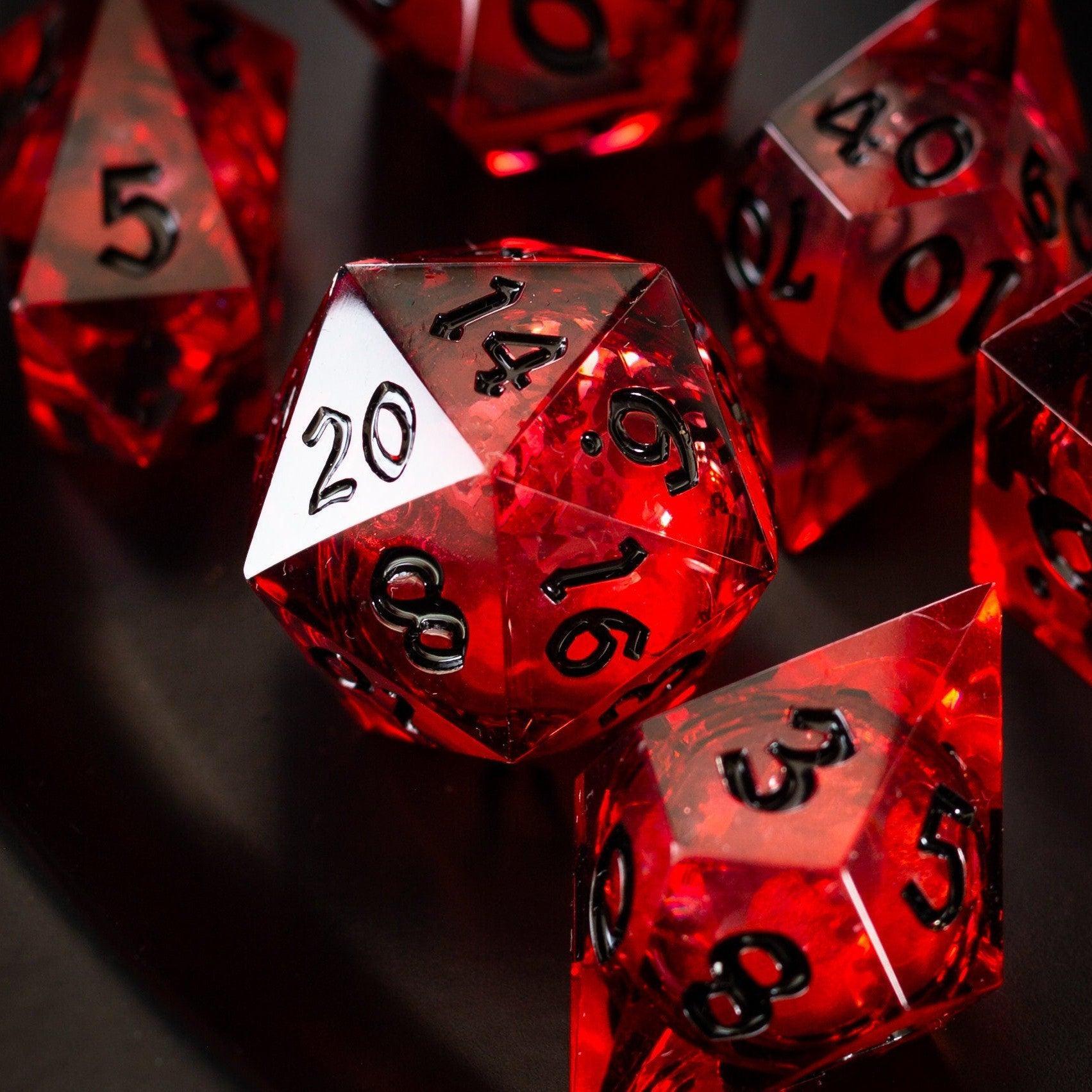
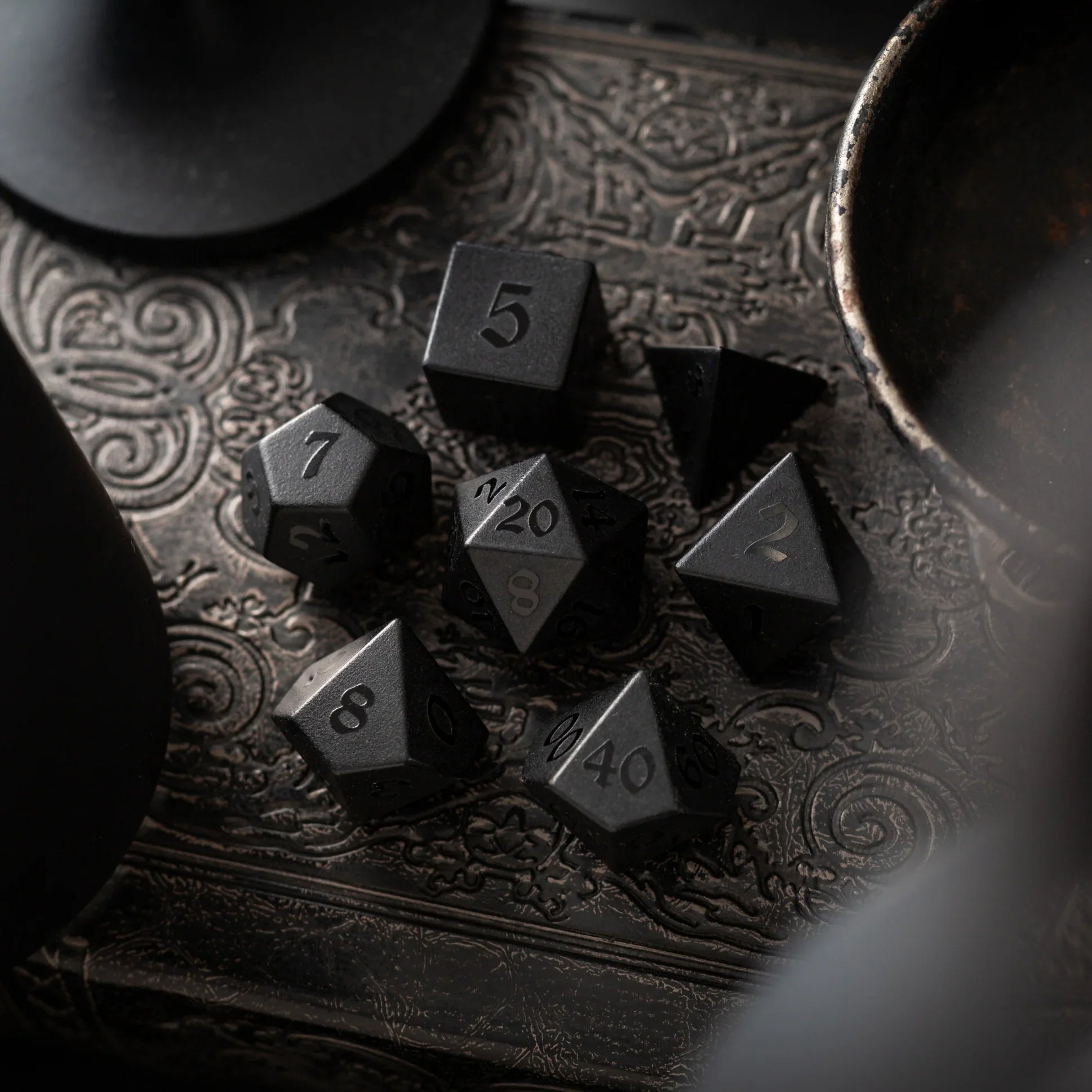
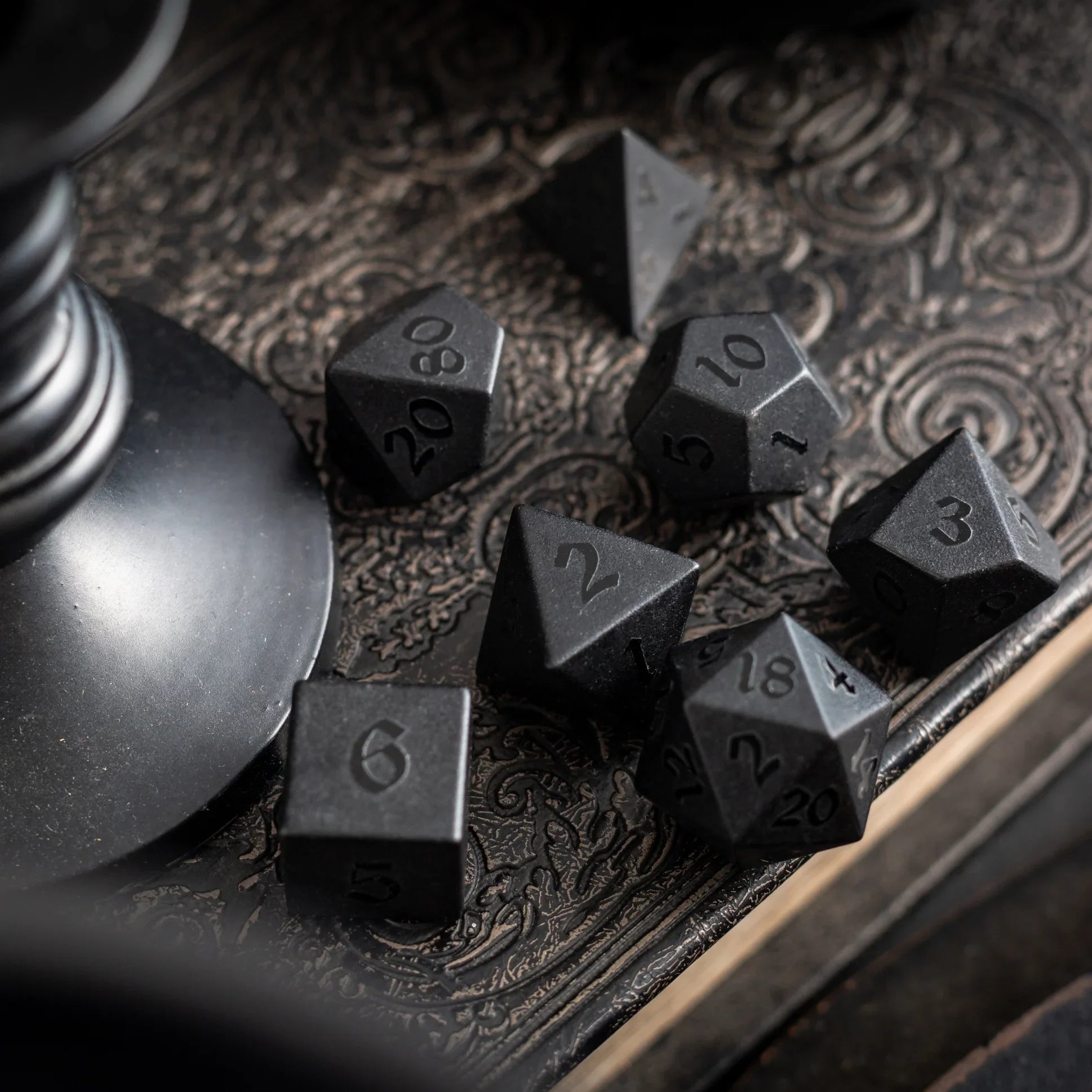
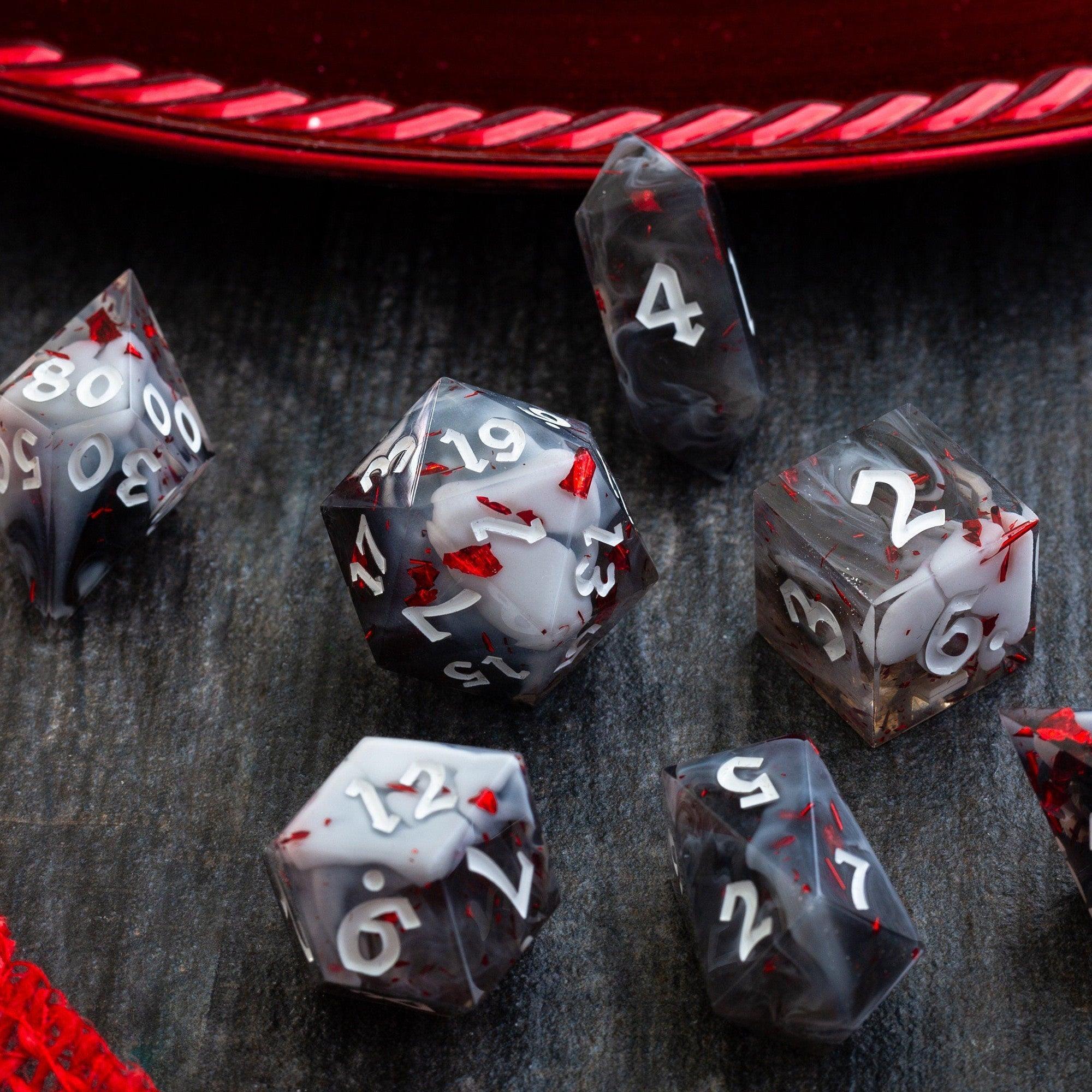
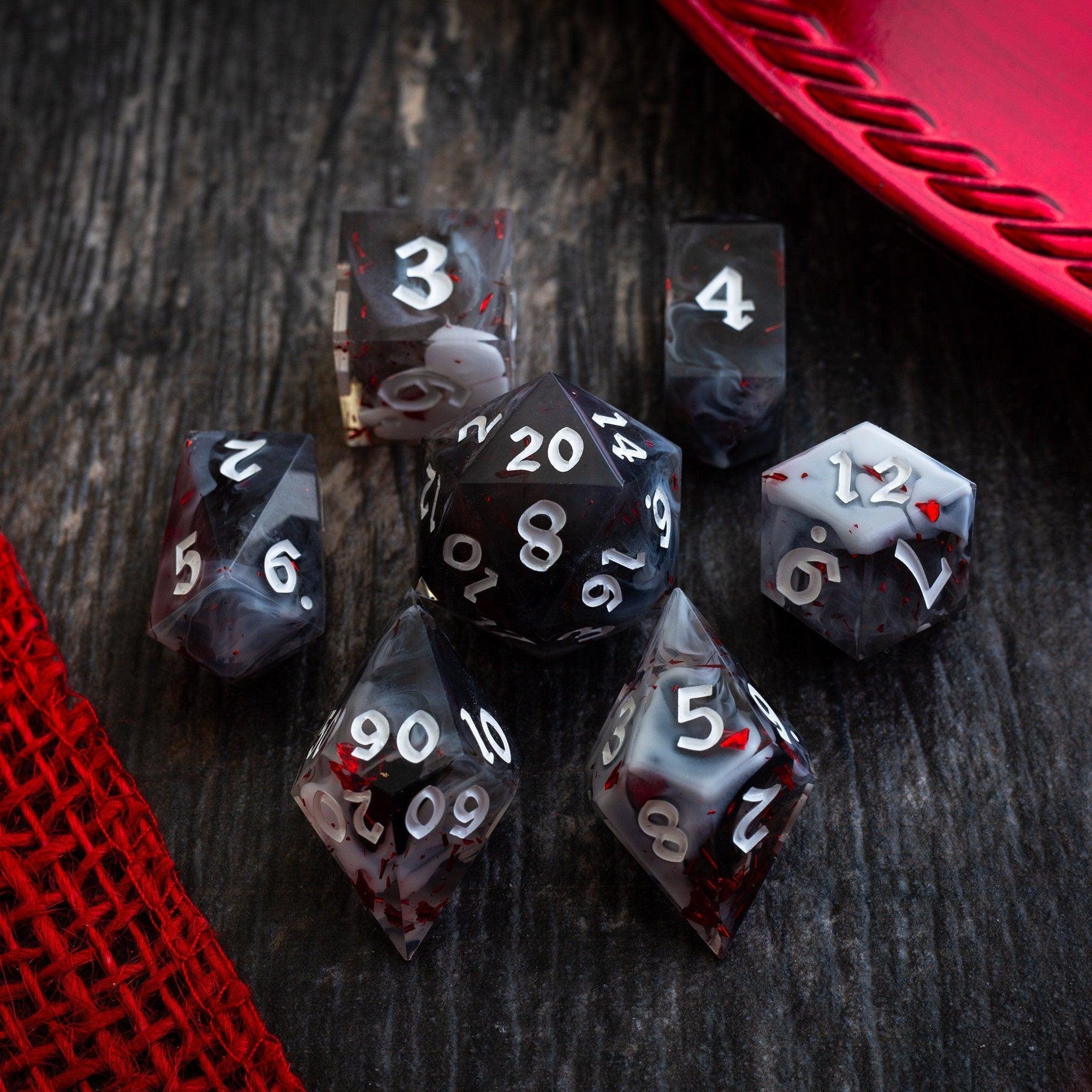
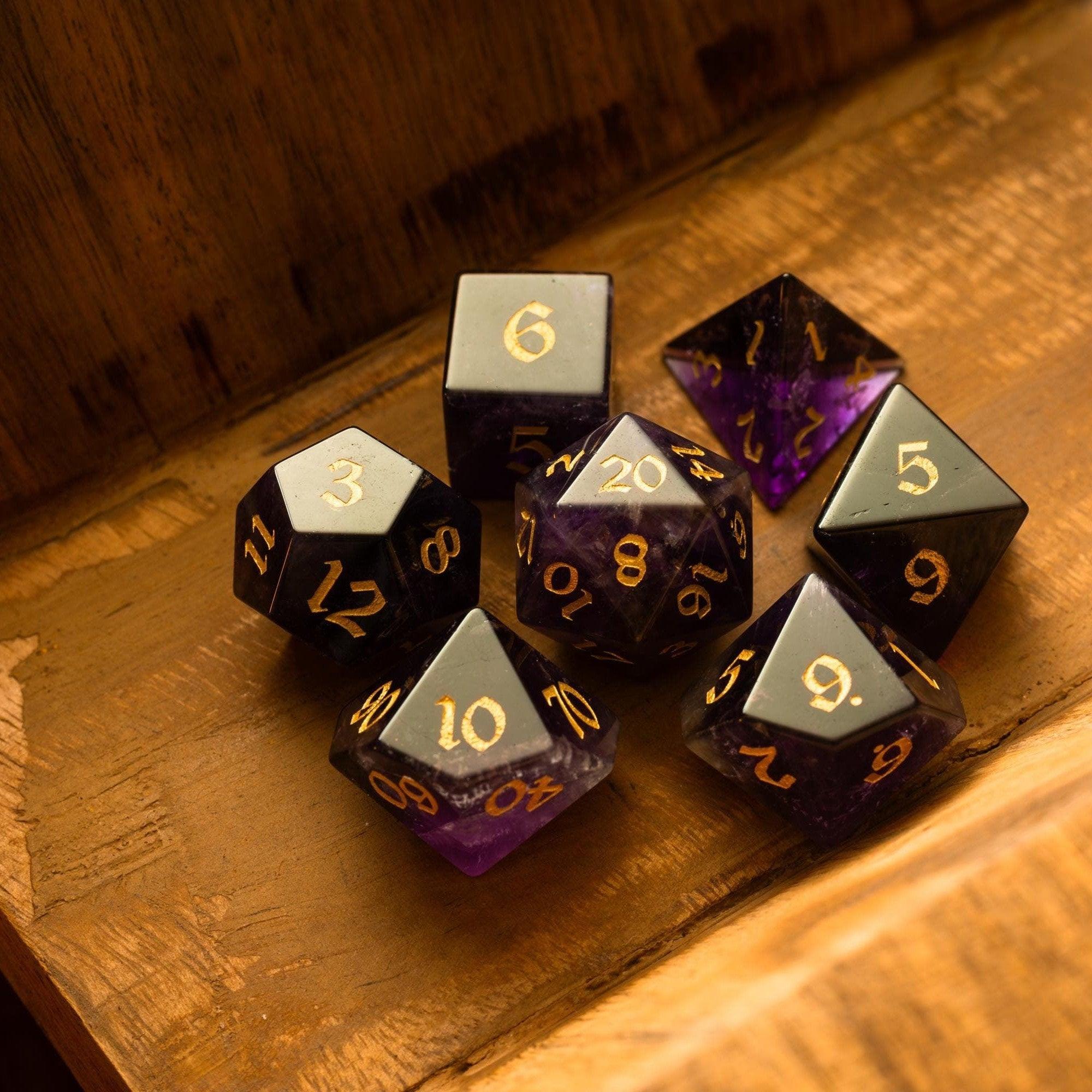
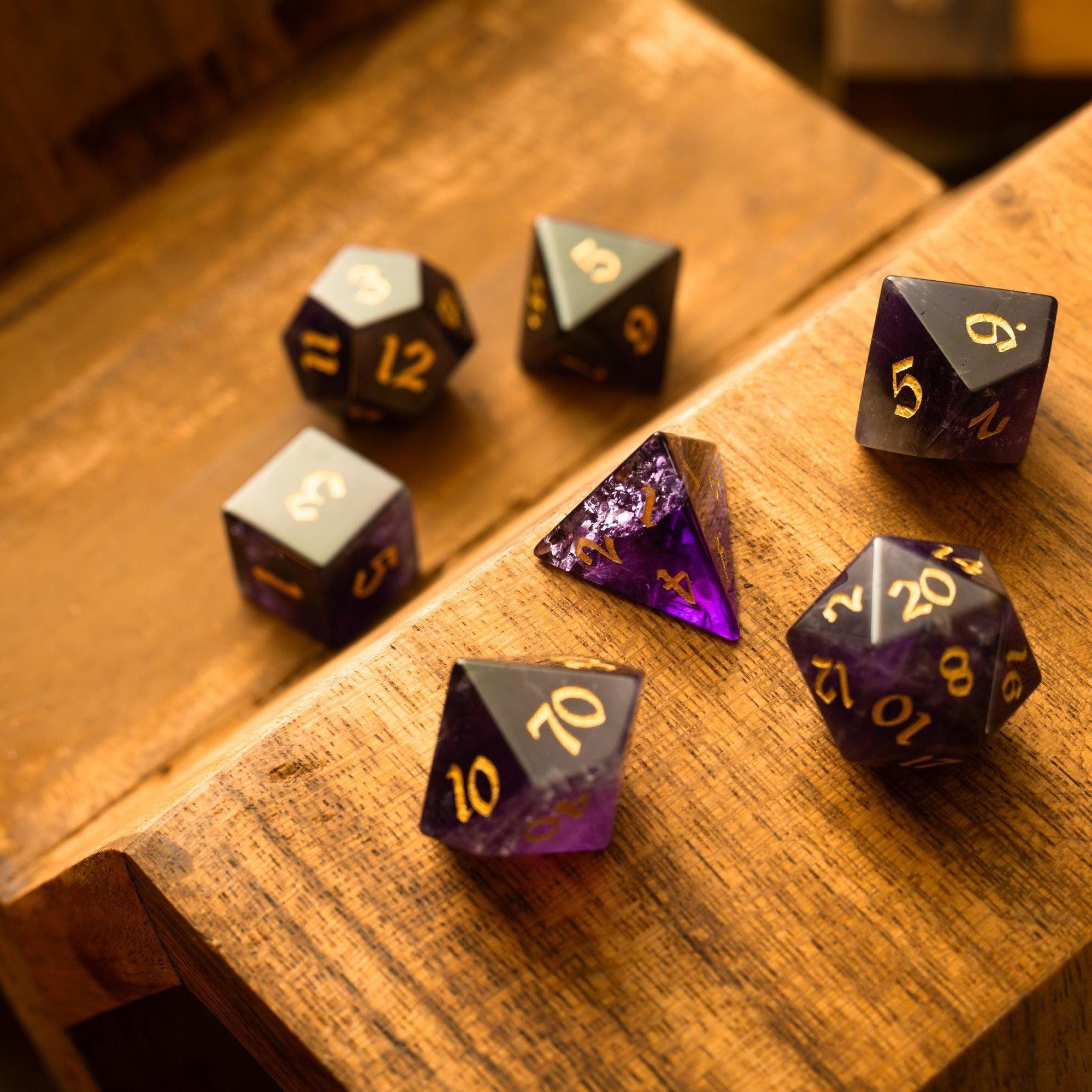
For a mystic monk, you might prefer dice colors and finishes that look like controlled energy. For instance, deep, smoky tones can feel like inner calm. If you like that aesthetic, consider browsing obsidian-style gemstone dice. If your vibe is darker but still vivid, you could also look at dark dream resin dice for a dramatic look that still feels intentional.
And if you want something that feels like energy breaking through a calm surface, labradorite dice is a smart pick. The visuals can feel “alive,” which matches the concept of a mystic warrior learning to channel power.
For practical table flow, grab dice that include common needs like D20, D12, and D6. That way you’re not hunting for missing dice mid-turn. Your monk may make a lot of frequent rolls, and having a complete set keeps the game moving.
Party Role and Team Tactics
The Warrior of the Mystic Arts Monk works best when you understand your role. You’re often in a sweet spot: close enough to apply pressure, but mindful enough to avoid reckless damage. Here are a few team tactics that tend to play nicely with most party compositions.
Protect without smothering
You want to keep threats off your allies, but don’t ignore what your party needs. If the healer is behind you, you’re in a good position to intercept. If your ranged allies are vulnerable, consider moving to create a barrier with your body language and your positioning.
Control space with smart engagement
Monks can be “dangerous” by being where enemies don’t want to move. Even when you can’t end a fight quickly, you can shape it. Encourage your party to take advantage of that space. For example, if you’re tying up a target, your rogue or spellcaster should get easier angles.
Communicate your plan
A quick “I’m going left to flank” or “I’m holding this lane” goes a long way. It helps your team coordinate. And it makes your character feel like a real strategist, not just a solo actor.
Visual Guide: Mindset and Movement
Sometimes the easiest way to improve your monk play is to think visually. Picture your character as someone who moves with meaning, not just speed. Your mystic arts are the story, but your movement is the delivery.
When you approach combat, try these three mental markers:
- Breath: pause mentally before committing to a move, just like your character is “centering.”
- Step: move with purpose, even if it’s small. A short reposition can be more valuable than a big risk.
- Signal: show your team what you’re doing. Your actions guide allies without extra words.
This is where the “warrior” and “mystic” blend really clicks. You’re not random. You’re intentional.
Frequently Asked Questions
Is the D&D Warrior of the Mystic Arts Monk good for beginners?
It can be a great first monk-style character. You don’t need to learn every advanced option at once. Start with a clear routine: choose a target, attack with discipline, then reposition. If you keep your turns simple, you’ll build confidence fast.
What should I prioritize for a mystic monk playstyle?
Prioritize a consistent combat rhythm, smart positioning, and clear target choice. In other words: decide how you want to move each round, then make your attacks support that movement. When your plan stays steady, the mystic theme feels more convincing.
Do dice choices affect gameplay or balance?
No, dice choice doesn’t change game balance. But the right set can help you enjoy the game more. If your dice feel good to handle and match your character’s aesthetic, you’re likely to stay focused during frequent checks.
How do I keep my monk from getting surrounded?
Use positioning and movement as your first defense. Stay near allies when possible, avoid deep isolation, and use engagement decisions to limit enemy options. If you see multiple threats approaching, reposition earlier instead of waiting until you’re already locked in.
Final Recommendations
If you want a character concept that feels grounded yet mystical, the D&D Warrior of the Mystic Arts Monk is a strong pick. The key is to stop overcomplicating it. Give yourself a repeatable combat rhythm, pick meaningful targets, and treat movement like a signature tool. When you do those basics well, your monk becomes engaging no matter what kind of story your group is playing.
For your tabletop setup, choose dice that match your desired mood. If you’re into darker, grounded vibes, explore obsidian-style dice. If you like shifting light and a more mystical feel, labradorite dice can be a great fit. And if you want to try something different without overthinking, check Lucky Dice for options that suit your style.
If you’re ready to tune your character experience, start small: keep your combat plan simple for the next session, then refine it based on how the fight actually felt. D&D is supposed to be fun, and your monk will evolve as you learn what your party needs.
Disclaimer: This article is for general informational purposes about roleplaying game concepts and tabletop hobby inspiration. It is not affiliated with or endorsed by any tabletop game publisher. Always follow your group’s rules and your specific campaign guidance.

Leave a comment
This site is protected by hCaptcha and the hCaptcha Privacy Policy and Terms of Service apply.