
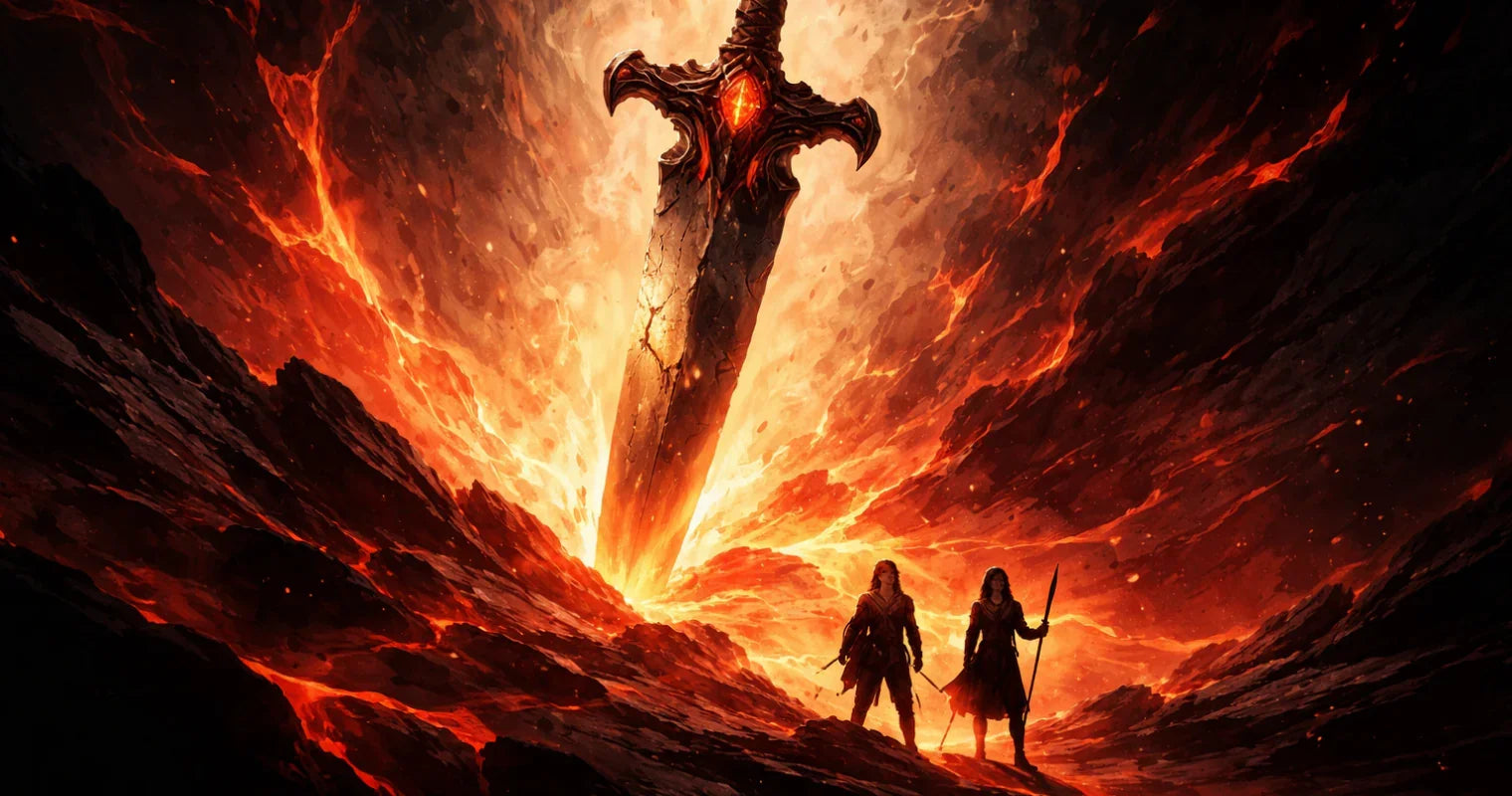
Daggerheart Game Mechanics Explained for Clear Rounds
Daggerheart stands out because it blends structured rules with collaborative storytelling. Instead of treating mechanics as obstacles between players and the narrative, the system uses them to push every scene forward. Understanding the core rules helps both players and the Game Master spend less time searching for answers and more time creating memorable adventures.
Whether your group is brand new to the game or transitioning from another fantasy RPG, learning how Daggerheart game mechanics work together makes encounters feel smoother, faster, and more exciting. From the unique Duality Dice to the Hope and Fear system, every mechanic encourages meaningful choices instead of slowing the story down.
The Core Gameplay Loop
At its heart, Daggerheart gameplay follows a simple rhythm.
-
A player describes what they want to do.
-
The Game Master decides whether a roll is needed.
-
The Duality Dice determine the outcome.
-
Hope or Fear shapes what happens next.
-
The story continues with new opportunities or complications.
Unlike systems that rely on constant tactical calculations, Daggerheart rules encourage players to think first about their characters' intentions. The mechanics exist to support those choices rather than replace them.
Every roll should answer an interesting question. If success or failure would not change the scene, there is often no need to roll at all.
Understanding Duality Dice
The centerpiece of Daggerheart game mechanics is the Duality Dice.
Instead of rolling a single die to determine success, players roll two twelve-sided dice together:
-
One represents Hope.
-
One represents Fear.
The combined total determines whether the action succeeds, while whichever die rolls higher determines whether Hope or Fear influences the result.
This creates four possible outcomes:
-
Success with Hope
-
Success with Fear
-
Failure with Hope
-
Failure with Fear
That extra layer helps every roll tell a richer story.
Example
A ranger attempts to leap across a collapsing bridge.
The total beats the difficulty, so the jump succeeds. If the Hope die is higher, the ranger lands safely and gains Hope for future challenges.
If the Fear die is higher, the ranger still reaches the other side, but loose stones collapse behind them, separating the party or creating a new obstacle.
Both results move the adventure forward.
Hope and Fear Explained
Hope and Fear are more than narrative ideas. They are resources that shape the flow of every session.
Hope
Hope represents confidence, momentum, and heroic opportunity.
Players earn Hope through favorable outcomes and can spend it to improve future actions or activate abilities, depending on their character's options.
Managing Hope wisely often means deciding whether to spend it immediately or save it for a more dangerous encounter.
Fear
Fear gives the Game Master a way to introduce meaningful complications without stopping the story.
Rather than punishing players randomly, accumulated Fear allows the GM to:
-
Introduce new threats
-
Increase tension
-
Activate powerful adversary abilities
-
Change the battlefield
-
Escalate the stakes naturally
The Fear economy keeps Daggerheart encounters dynamic because setbacks become opportunities for dramatic storytelling instead of dead ends.
How Actions Flow During Encounters
One of the biggest differences in Daggerheart combat is the lack of a traditional initiative order.
Instead of waiting through long turn rotations, players and the GM move the action forward naturally as the situation develops.
A typical encounter often looks like this:
-
A player announces an action.
-
The GM determines whether a roll is required.
-
The action resolves.
-
The fiction changes.
-
Another player or an adversary responds.
This conversational flow keeps everyone engaged because players remain part of the unfolding scene instead of waiting several minutes for another turn.
Clear communication helps tremendously.
Before rolling, briefly explain:
-
What you're attempting
-
Who you're helping
-
Where you're moving
-
What outcome you're hoping for
The clearer everyone's intentions are, the faster each round progresses.
Keeping Combat Clear
Combat becomes much easier when everyone shares the same understanding of the battlefield.
Players can help by:
-
Declaring actions before gathering dice.
-
Thinking ahead while others act.
-
Asking questions before their turn arrives.
-
Describing intentions clearly.
Game Masters can help by:
-
Summarizing the battlefield regularly.
-
Keeping enemy conditions visible.
-
Explaining consequences before difficult choices.
-
Narrating results immediately after rolls.
Unlike many tactical systems, positioning often serves the story first while still influencing danger, opportunities, and teamwork.
The goal is not to measure every square but to understand where characters are relative to the action.
Managing Resources
Good resource management keeps Daggerheart gameplay moving smoothly.
Players should regularly track:
-
Hope
-
Stress
-
Hit Points
-
Armor
-
Recovery options
Stress often represents mounting pressure rather than physical injury alone. Learning when to absorb challenges through Stress and when to protect more valuable resources becomes an important strategic decision.
Armor helps reduce incoming danger, while Recovery provides opportunities to prepare for future scenes.
Groups that consistently update these resources avoid slowing the game with repeated bookkeeping.
Experiences and Character Identity
Experiences are one of the most distinctive parts of the Daggerheart RPG.
Rather than functioning as simple background flavor, Experiences represent meaningful parts of a character's history, training, or personal expertise.
Examples might include:
-
Former Royal Scout
-
Apprentice Monster Hunter
-
Desert Caravan Guide
These Experiences can influence how characters approach challenges, giving players creative ways to explain why they are especially suited to a particular situation.
Because Experiences encourage roleplaying and problem-solving, they help every character feel unique without relying entirely on combat abilities.
Teamwork Makes Every Round Better
As with most tabletop RPG mechanics, cooperation is one of the strongest tools available.
Successful groups communicate constantly.
Good teamwork includes:
-
Sharing useful information.
-
Supporting vulnerable allies.
-
Coordinating attacks.
-
Setting up dramatic moments.
-
Solving problems together.
Imagine a warrior distracting a dangerous creature while the rogue slips behind cover and the mage prepares a powerful spell. Each individual action becomes more meaningful because the players build on one another's ideas.
The collaborative nature of Daggerheart rewards this style of play from beginning to end.
Running Better Encounters as a Game Master
A skilled Daggerheart Game Master focuses less on controlling every moment and more on maintaining momentum.
Helpful habits include:
-
Spend Fear to create interesting complications instead of simply increasing difficulty.
-
Encourage creative solutions.
-
Keep descriptions brief but vivid.
-
Let successful ideas change the scene.
-
Avoid unnecessary dice rolls.
Unexpected player choices are not problems to solve. They are opportunities to build a more memorable story.
Daggerheart vs Traditional Fantasy RPG Combat
| Feature | Daggerheart | Traditional Tactical RPG |
|---|---|---|
| Turn Flow | Narrative-first | Initiative-based |
| Dice | Duality Dice | Usually a single d20 |
| Narrative Impact | Every roll shapes the story | Often focused on success or failure |
| Resource Focus | Hope and Fear | Spell slots, abilities, and other resources |
| Encounter Feel | Collaborative and cinematic | Tactical and structured |
Neither approach is inherently better.
Groups looking for cinematic storytelling often enjoy Daggerheart's flexible encounter flow, while players who prefer detailed tactical planning may appreciate more traditional systems.
Keeping the Table Organized
Organization helps every session move faster.
Simple habits include:
-
Keep character sheets visible.
-
Track Hope and Fear where everyone can see them.
-
Use reference cards for common abilities.
-
Keep frequently used rules nearby.
-
Encourage players to plan ahead.
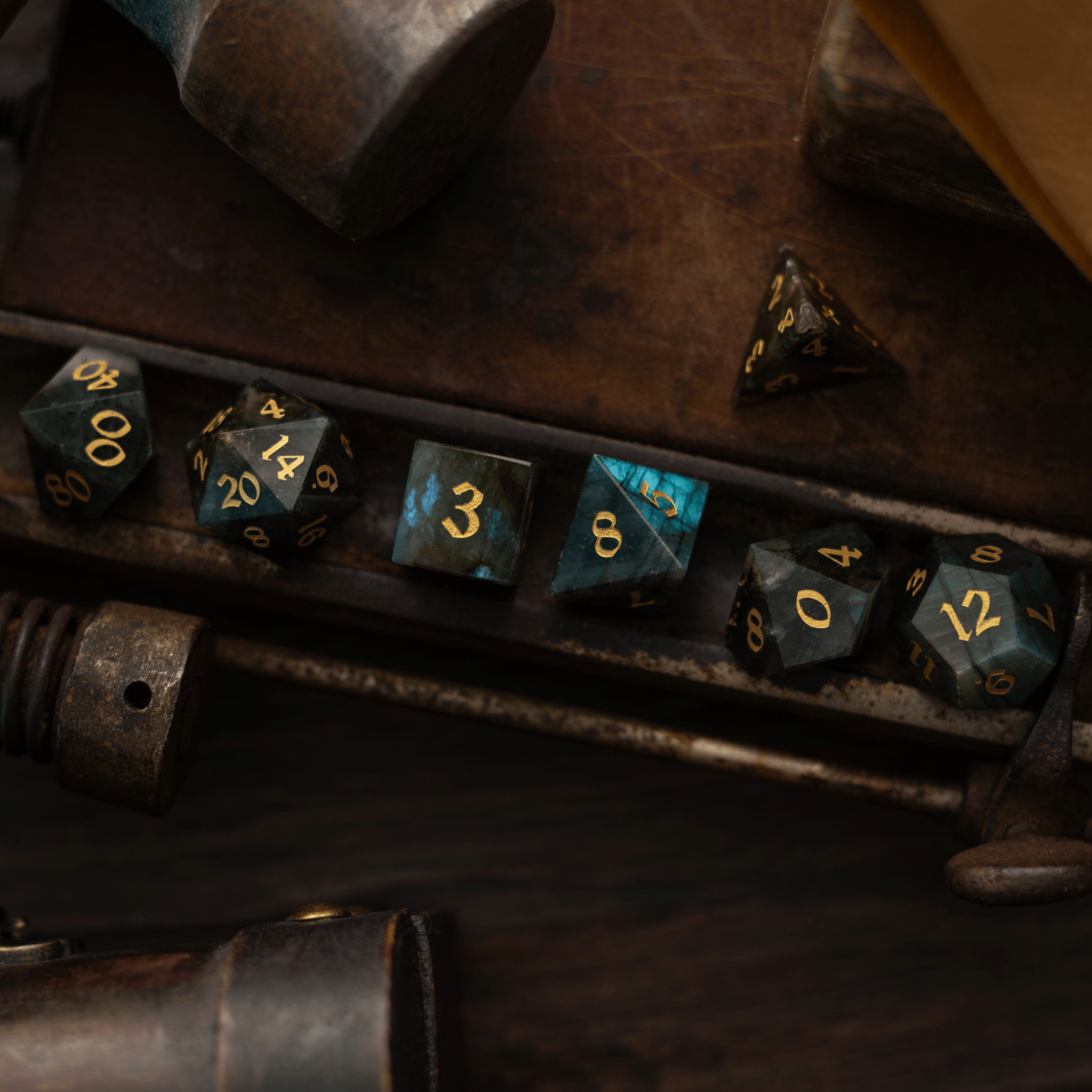
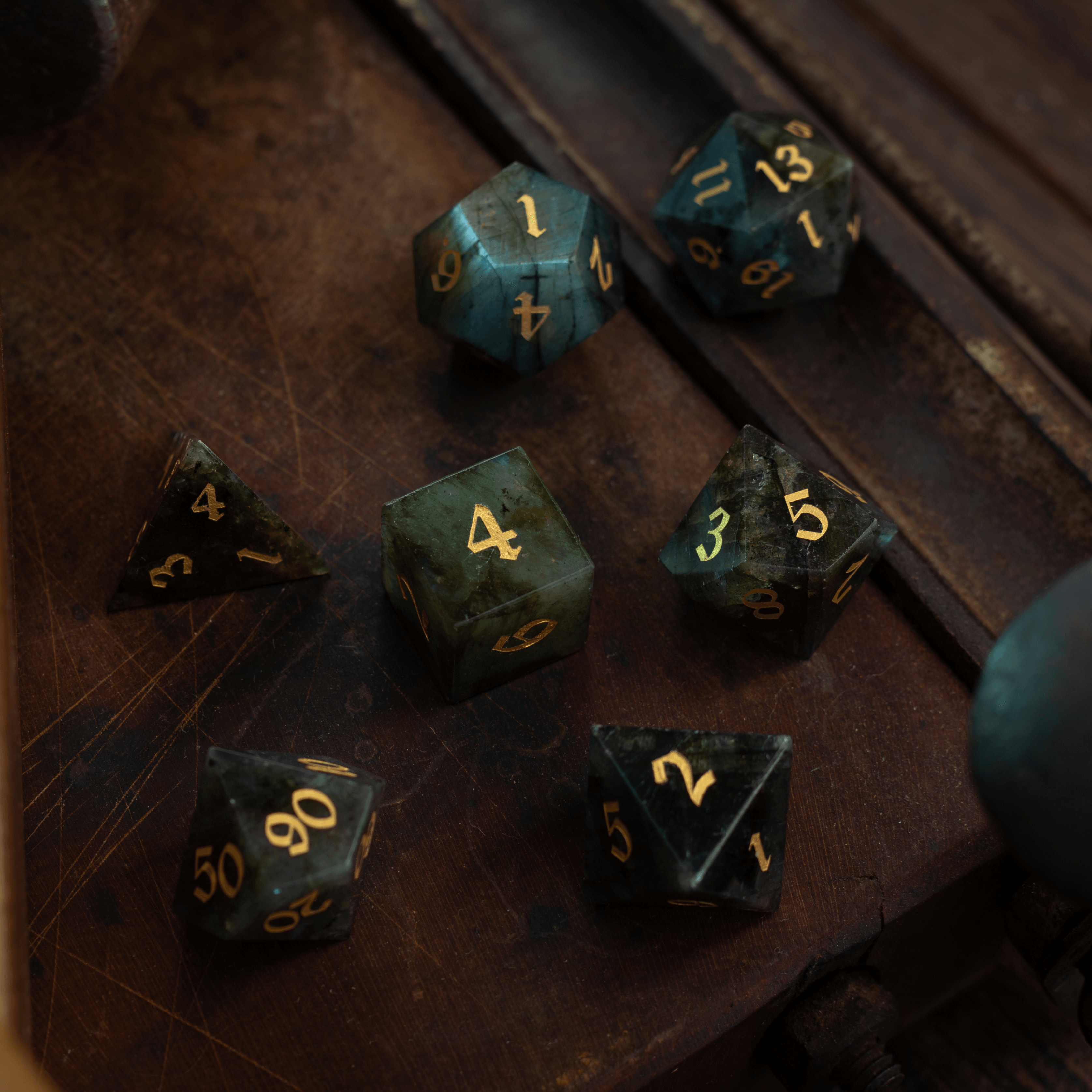
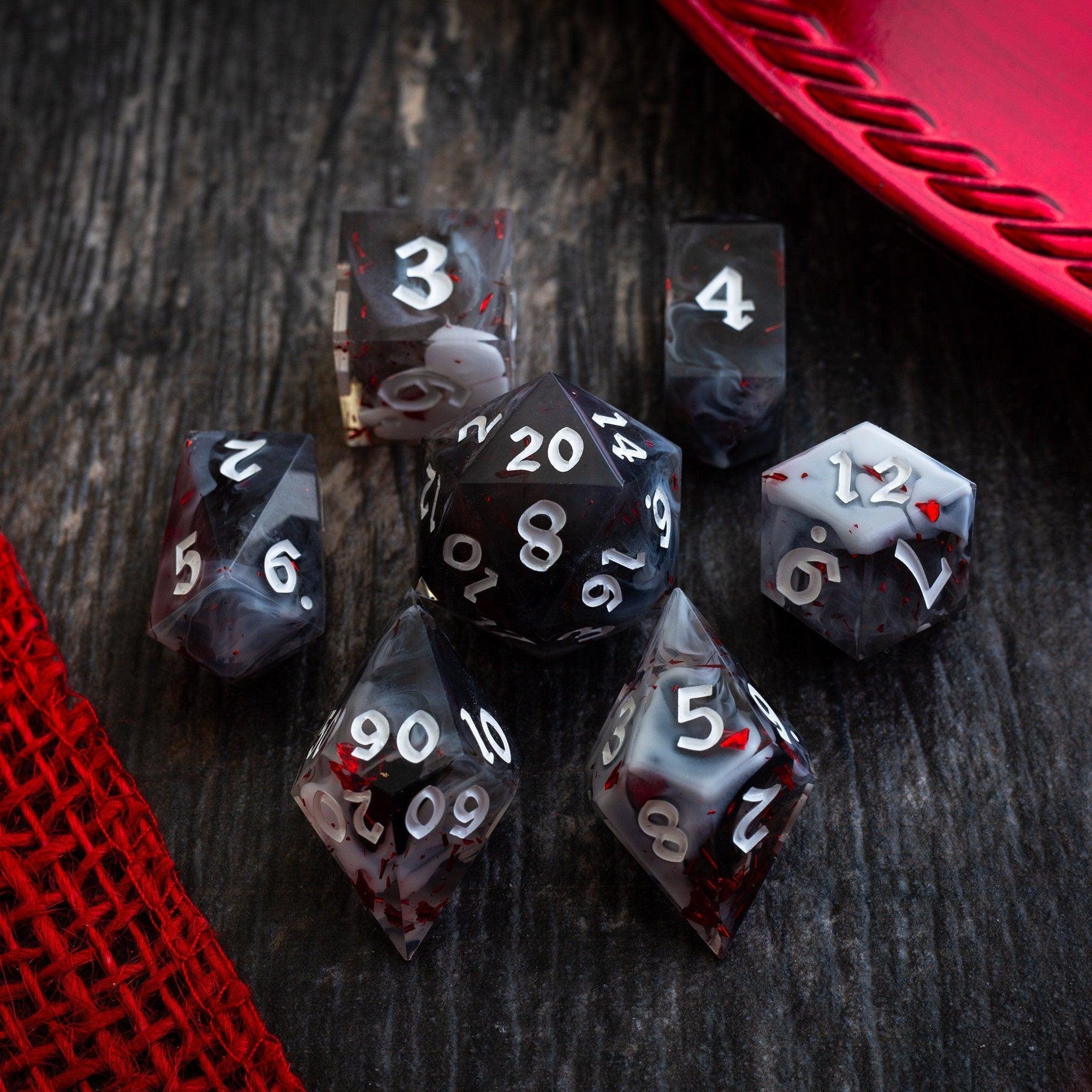
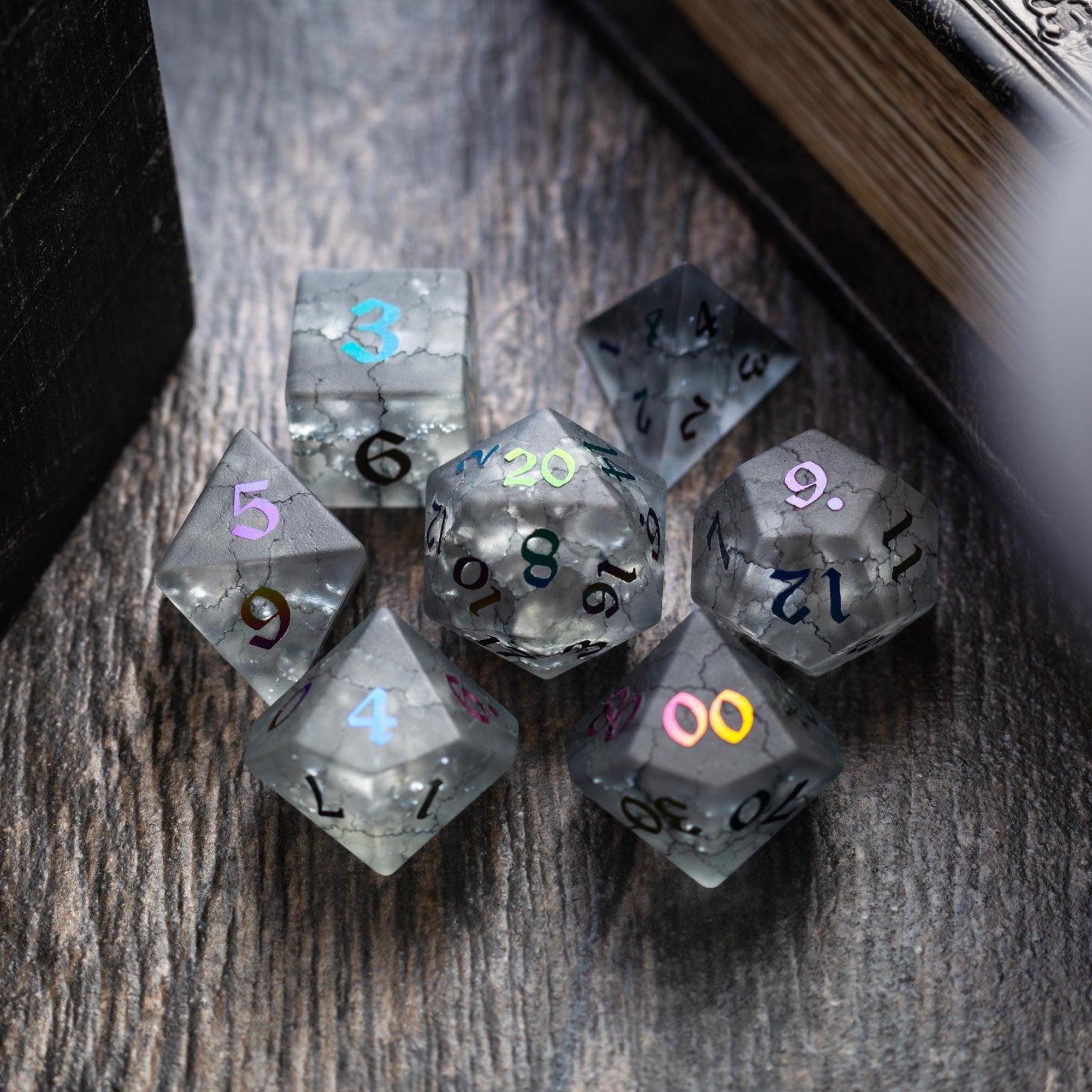
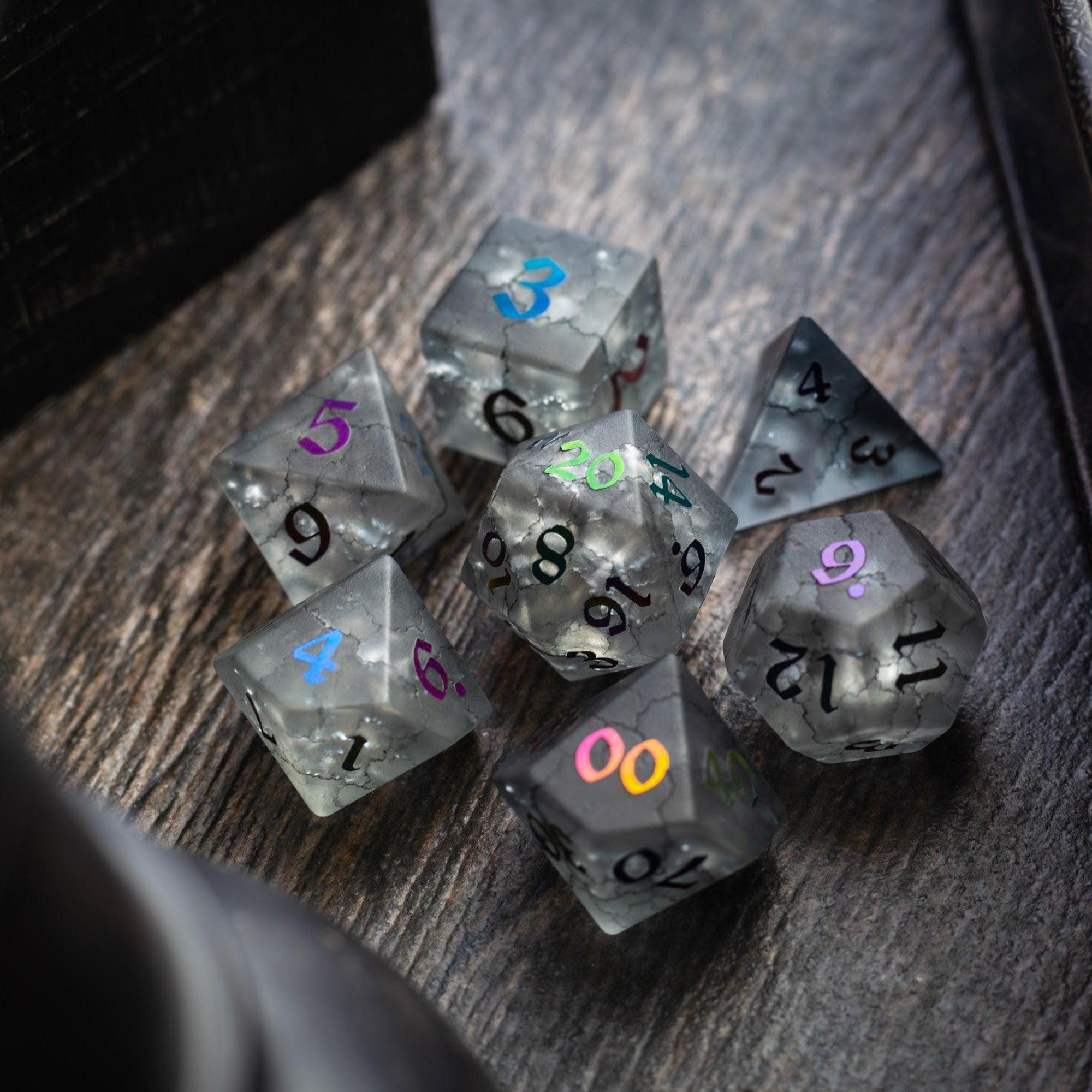
Accessories can also reduce table clutter. A dice tray keeps Duality Dice contained, matching dice pairs make Hope and Fear easier to distinguish, and condition rings provide clear reminders of ongoing effects during longer encounters without interrupting the flow of play.
Common Beginner Mistakes
New players often slow themselves down by making a few avoidable mistakes.
Common examples include:
-
Forgetting to track Hope.
-
Ignoring the Game Master's Fear economy.
-
Treating every situation like another fantasy RPG.
-
Spending too much time searching for perfect actions.
-
Forgetting to use Experiences creatively.
-
Letting resource tracking fall behind.
-
Looking up rules during every decision.
Preparation and familiarity solve most of these issues after only a few sessions.
Quick Gameplay Checklist
Before every session, remember to:
-
Know your character's abilities.
-
Understand how Hope and Fear affect play.
-
Keep Stress, Armor, and Hit Points updated.
-
Think about your next action while others act.
-
Support your teammates whenever possible.
-
Describe your actions clearly.
-
Accept narrative consequences.
-
Keep the story moving.
-
Help everyone stay engaged.
Mechanics That Support the Story
The best Daggerheart beginner guide is experience at the table, but understanding the game's core mechanics makes those first adventures far more enjoyable. The combination of Duality Dice, Hope and Fear, Experiences, and narrative-first encounter design creates a system where every decision helps shape the story instead of interrupting it.
As your group grows more comfortable with Daggerheart rules, rounds become quicker, conversations flow naturally, and encounters feel less like isolated battles and more like chapters in a shared fantasy tale. Learn the mechanics well enough that they become second nature, and you'll spend less time managing rules and more time creating unforgettable adventures together.














Leave a comment
This site is protected by hCaptcha and the hCaptcha Privacy Policy and Terms of Service apply.