D10 and D12 Uses Explained: A Practical Guide for D&D Players
Most Dungeons & Dragons players learn to love the D20 first. It decides attacks, saving throws, ability checks, and plenty of dramatic “please don’t roll low” moments. But a good dnd dice guide should never stop at the D20.
The D10 and D12 may not get the same spotlight, but they do important work in D&D and other fantasy RPGs. These dice help shape class identity, weapon damage, hit points, monster attacks, and even percentile rolls. Once you understand how d10 dice and d12 dice are used, the whole polyhedral dice set starts to make more sense.
What Are D10 and D12 Dice?
D10 dice are ten-sided dice numbered 1 through 10, though many are marked 0 through 9, with the 0 representing 10. A standard D&D dice set usually includes one regular D10 and one percentile D10.
D12 dice are twelve-sided dice numbered 1 through 12. They are larger and rounder than many other tabletop gaming dice, which makes them easy to spot in a dice tray.
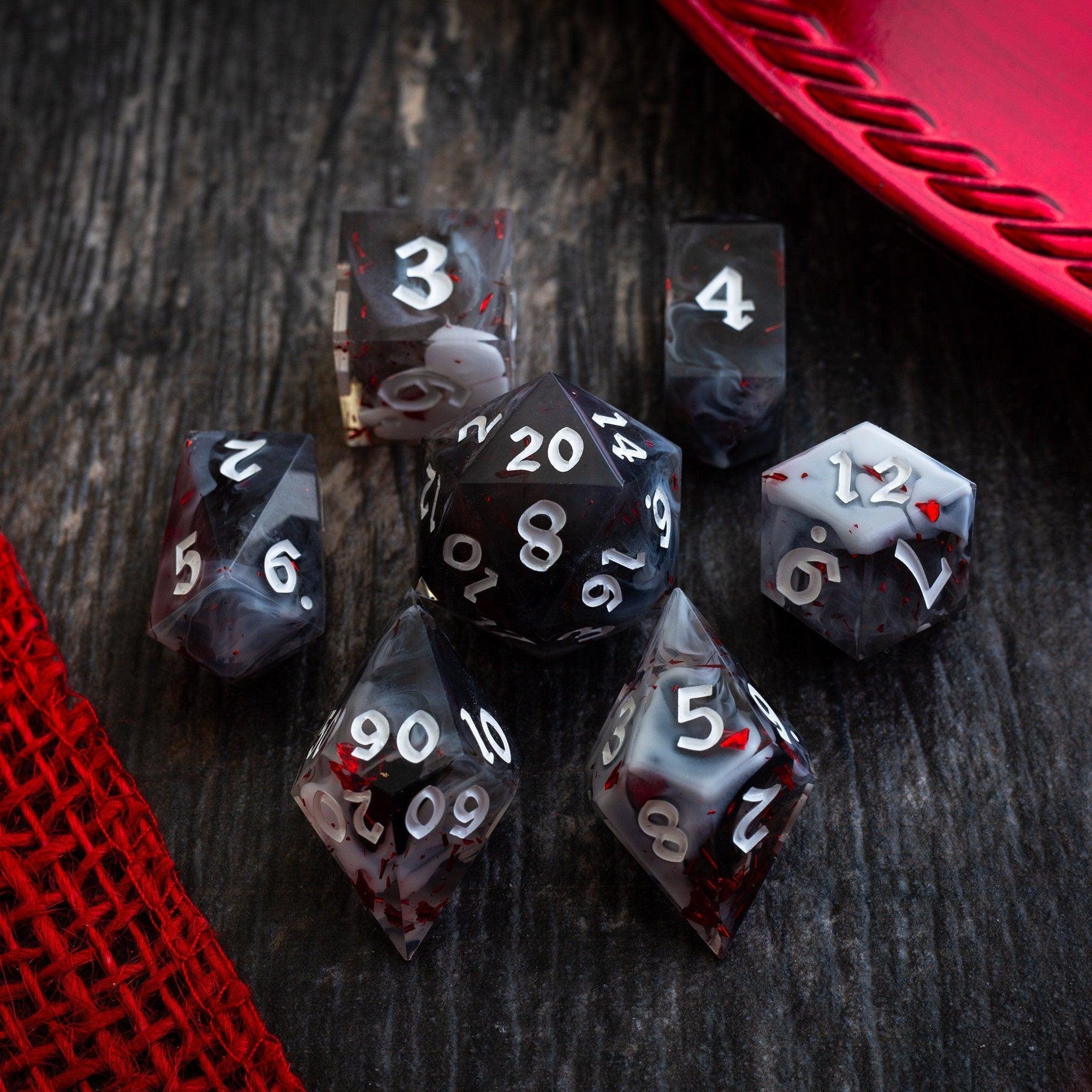
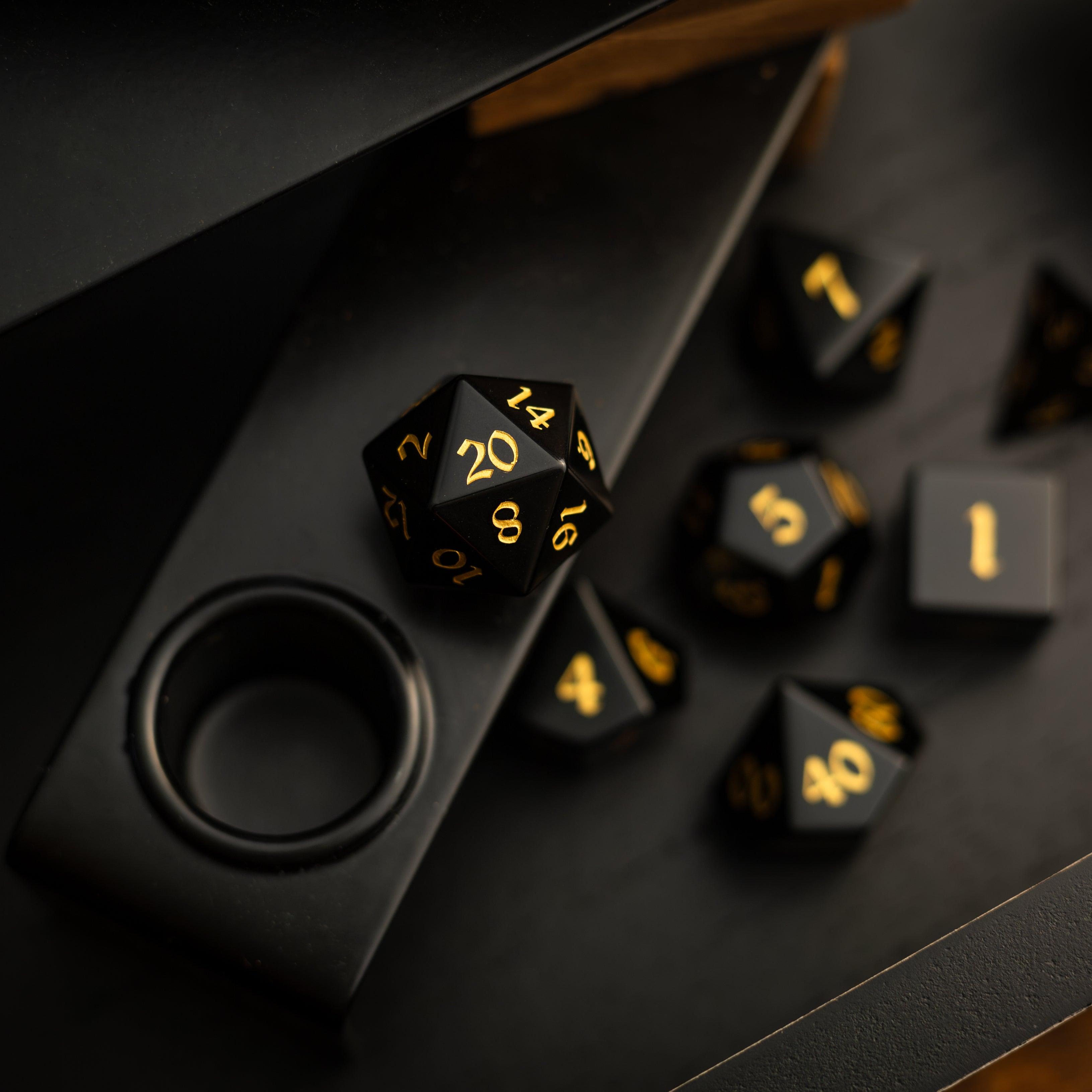
In a standard polyhedral dice set, you usually get:
-
D4
-
D6
-
D8
-
D10
-
Percentile D10
-
D12
-
D20
Understanding each die helps players move faster during the game. When your character sheet says “1d10” or “1d12,” you should know exactly which die to grab and why it matters.
Common D10 Uses in D&D
D10 uses show up more often than many new players expect. While the D20 handles success or failure, the D10 often determines how strong the result is.
Fighter Hit Dice
In D&D 5e and 5.5e, Fighters use a D10 as their Hit Die. That means when a Fighter gains a level, their maximum hit points are based on a D10. During a short rest, they can also spend Hit Dice to recover health.
For example, if your Fighter takes a beating during a dungeon crawl, they might spend one Hit Die during a short rest, roll a D10, add their Constitution modifier, and regain that many hit points.
That single D10 can be the difference between marching into the next room confidently or begging the Cleric for another healing spell.
Weapon and Spell Damage
Some weapons and spells also use d10 dice for damage. For example, certain heavy weapons, versatile weapon attacks, and magical effects may call for a D10 damage roll.
A spellcaster might roll D10s for a powerful damage spell, while a martial character may use a D10 when wielding a weapon in a specific way. The exact die depends on the weapon, spell, or feature being used.
Percentile Rolls
One of the most unique d10 uses is percentile rolling. This uses two D10s together: one for the tens digit and one for the ones digit.
For example:
-
30 on the percentile die and 7 on the regular D10 = 37
-
80 and 4 = 84
-
00 and 0 usually means 100
Dungeon Masters often use percentile rolls for random tables, treasure results, wild magic effects, or unusual chance-based outcomes.
Class Features and Abilities
Some class features, including certain Warlock features or subclass abilities, may use D10s depending on the option chosen. This is why it helps to read your character sheet carefully instead of assuming every damage roll uses the same die.
Common D12 Uses in D&D
D12 uses are less common than D10 uses, but they tend to feel big when they appear. The D12 is often tied to powerful hits, tough characters, and heavy damage.
Barbarian Hit Dice
Barbarians use a D12 as their Hit Die, which is the largest class Hit Die in D&D 5e and 5.5e. This fits the class perfectly. Barbarians are built to take hits, stay standing, and charge back into danger.
When a Barbarian levels up or spends Hit Dice during a short rest, the D12 helps represent their raw toughness. It gives them a strong hit point base compared to many other classes.
Greataxe Damage
One of the most famous d12 uses is the greataxe. A greataxe deals 1d12 slashing damage, making it one of the most iconic weapons for Barbarians and other heavy-hitting characters.
Picture a Barbarian raging in the middle of combat, landing a greataxe strike, and rolling a 12 on the damage die. That moment feels huge because the D12 has a wide range and a high ceiling.
Monster Attacks
Dungeon Masters also use D12s for powerful monster attacks. Big creatures, brutal claws, crushing bites, and heavy weapon strikes may involve D12 damage dice.
When a monster rolls a D12, players usually pay attention. It signals that the attack is meant to feel dangerous.
Magical Effects
Some magical effects may also use D12s, especially when the design calls for heavier damage or a more dramatic result. These rolls are not as common as D6 or D8 damage, but they stand out when they happen.
D10 vs D12 Comparison Table
| Feature | D10 | D12 |
|---|---|---|
| Number Range | 1–10 | 1–12 |
| Common Classes | Fighter | Barbarian |
| Typical Uses | Damage, hit dice, percentile rolls | Damage, hit dice |
| Average Roll | 5.5 | 6.5 |
| Frequency of Use | Moderate | Less common but impactful |
| Common Feel at the Table | Reliable and flexible | Heavy and dramatic |
Why These Dice Matter for Balanced Gameplay
D10 dice and d12 dice help D&D feel balanced without making every class play the same way.
A Fighter’s D10 Hit Die gives them strong durability without reaching the raw toughness of a Barbarian. A Barbarian’s D12 Hit Die helps support their role as the party’s front-line bruiser. Weapon damage works the same way. A D10 weapon feels strong and dependable, while a D12 weapon like a greataxe feels swingy and powerful.
These dice also help create class identity. The Barbarian rolling a D12 for hit points just feels right. The Fighter using a D10 reinforces that they are sturdy, trained, and ready for long battles.
You do not need advanced math to understand the basic idea. Bigger dice can roll higher numbers, but they also create different feelings at the table. A D10 feels steady. A D12 feels bold.
Common New Player Mistakes
New players mix up dice all the time. That is normal. Dungeons and Dragons dice can look strange at first, especially when several dice have similar shapes.
Here are a few common mistakes:
-
Confusing the regular D10 with the percentile D10
-
Forgetting to use Hit Dice during short rests
-
Rolling a D12 for a weapon that actually uses a D10
-
Misreading the 0 on a D10 as zero instead of ten
-
Grabbing the D12 when the character sheet says D20
The best fix is simple: keep your dice organized and read the rule text carefully. If your character sheet says “1d10,” grab the ten-sided die. If it says “1d12,” grab the twelve-sided die. If it says “percentile,” roll both D10s together.
Choosing Quality D10 and D12 Dice
A good rpg dice guide should also talk about usability. Beautiful dice are fun, but they should also be easy to read during play.
When choosing dice, look for:
-
Clear number visibility
-
Strong contrast between numbers and dice color
-
Comfortable weight and feel
-
A complete matching polyhedral dice set
-
Durable materials suited to your table setup
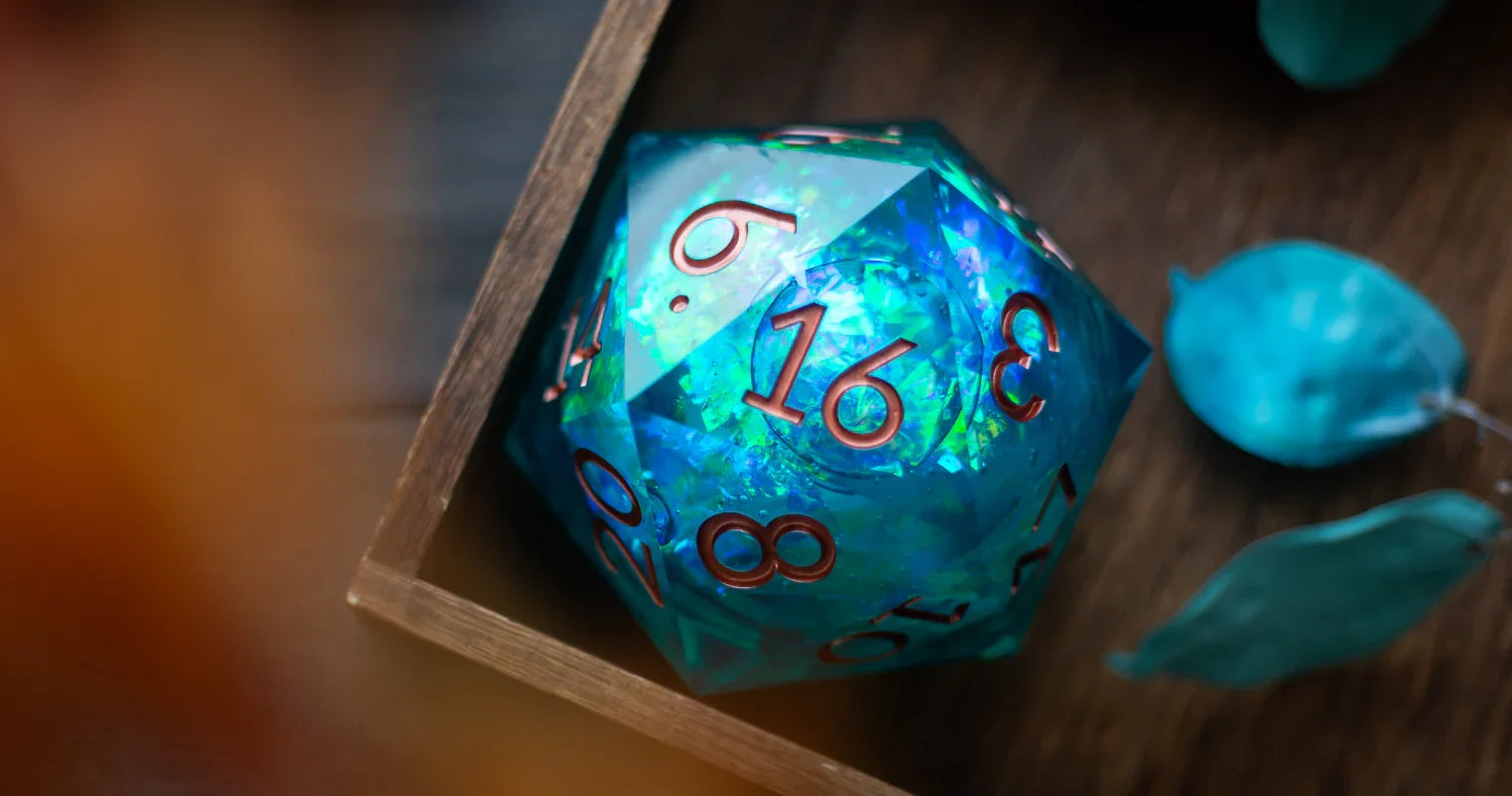
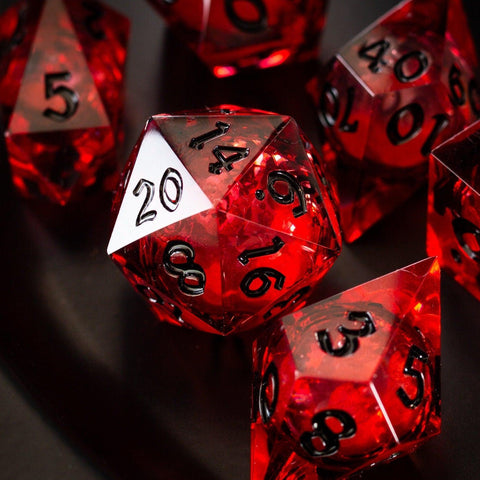
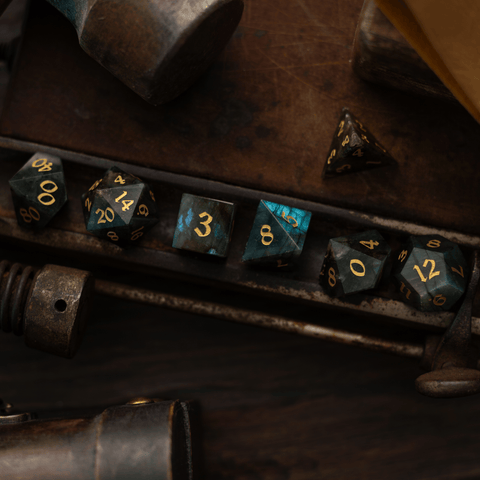
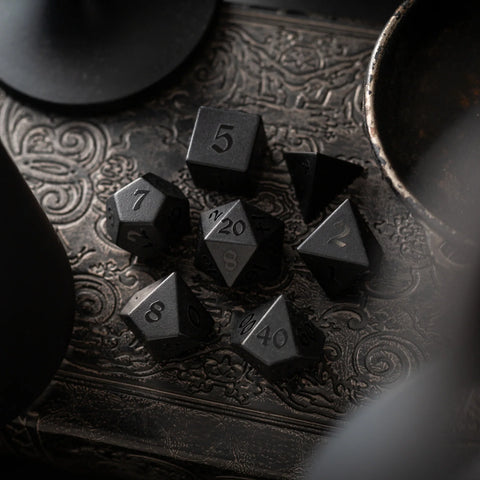
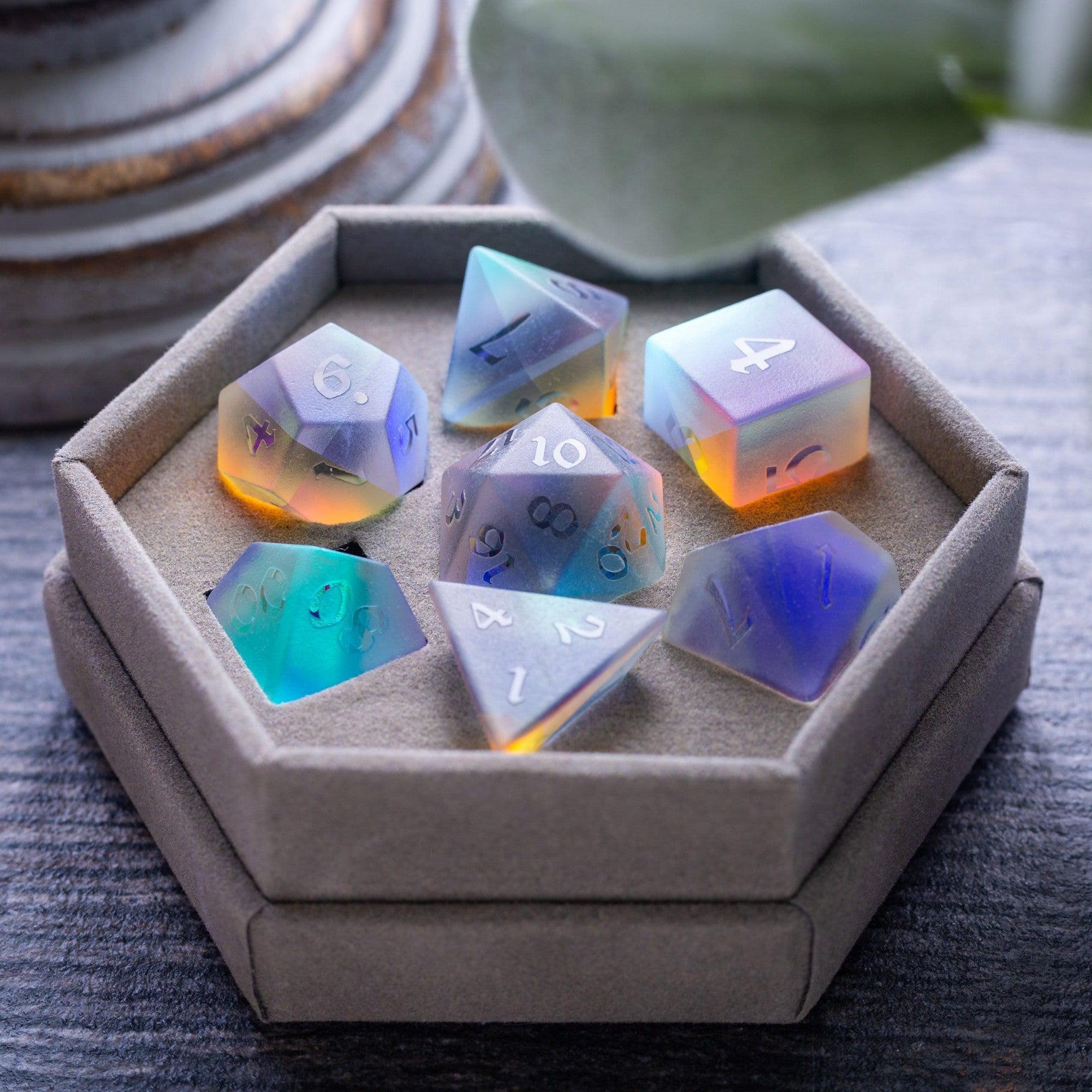
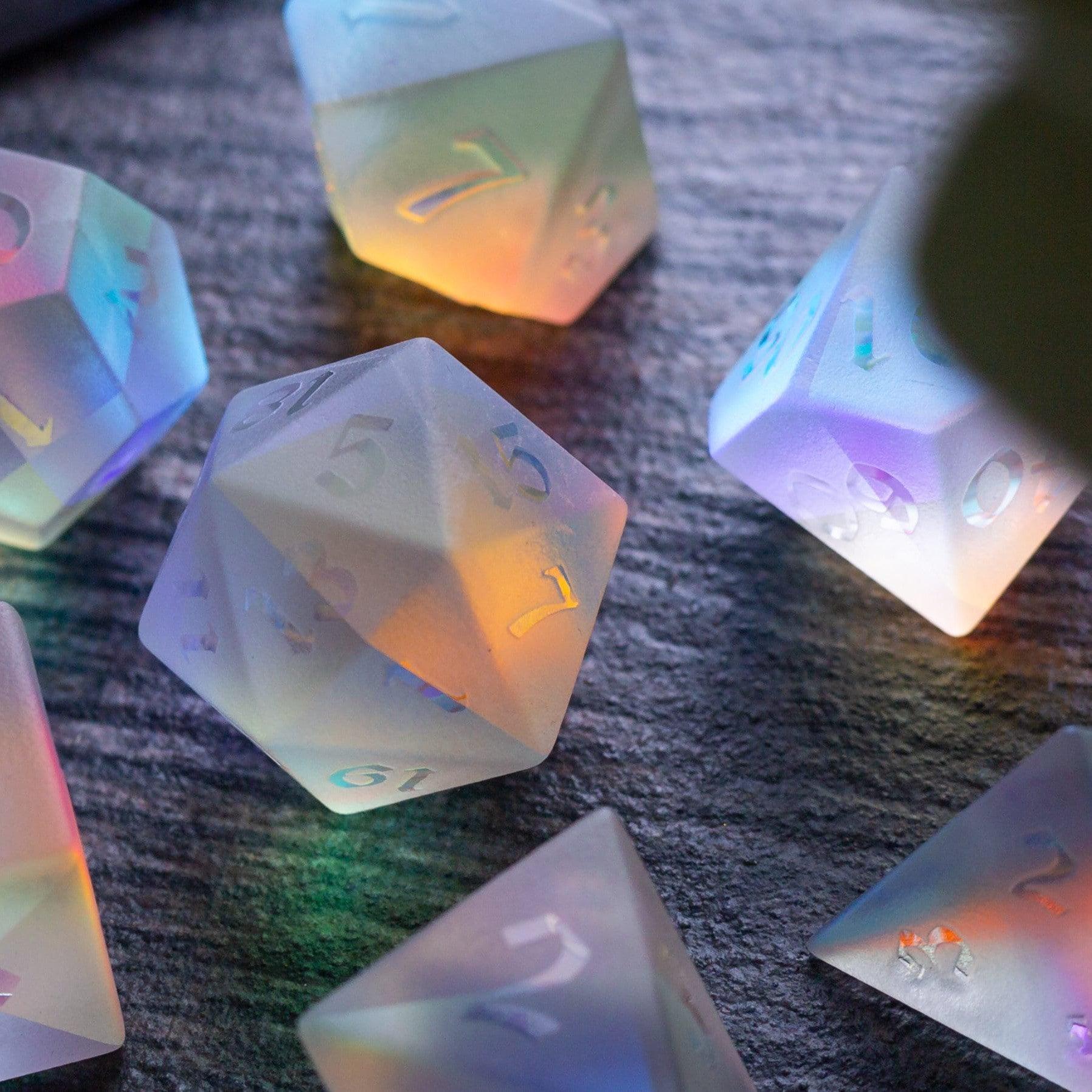
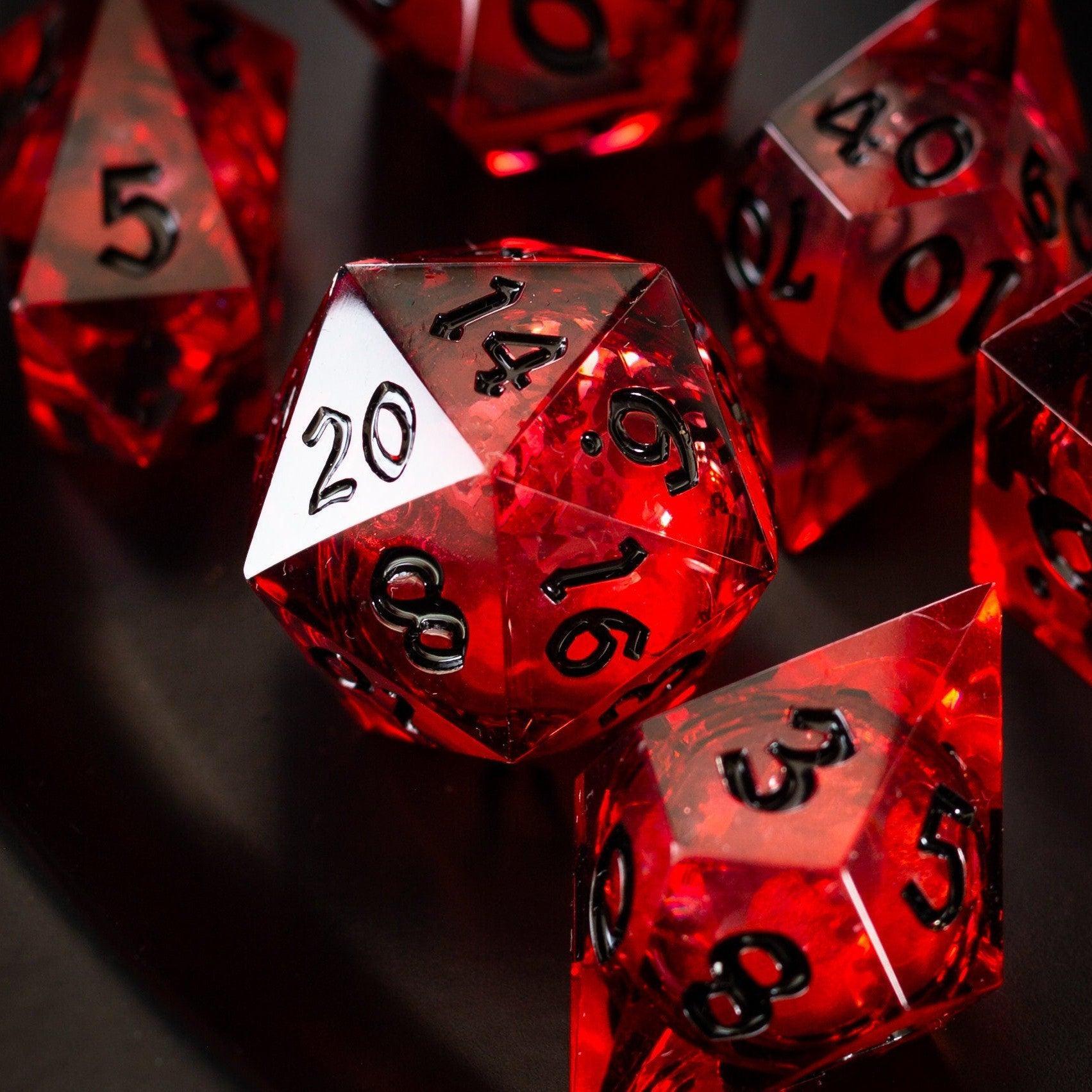
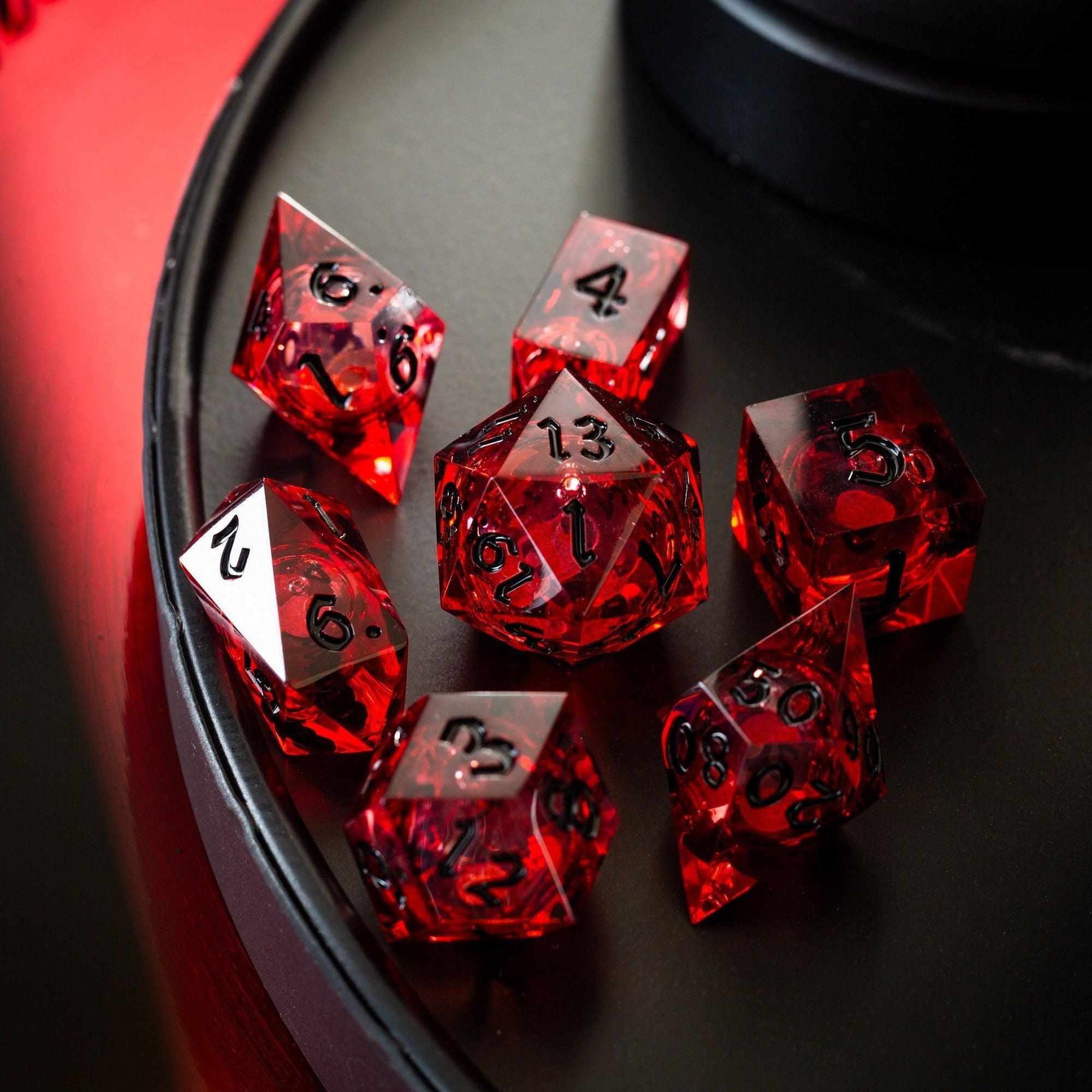
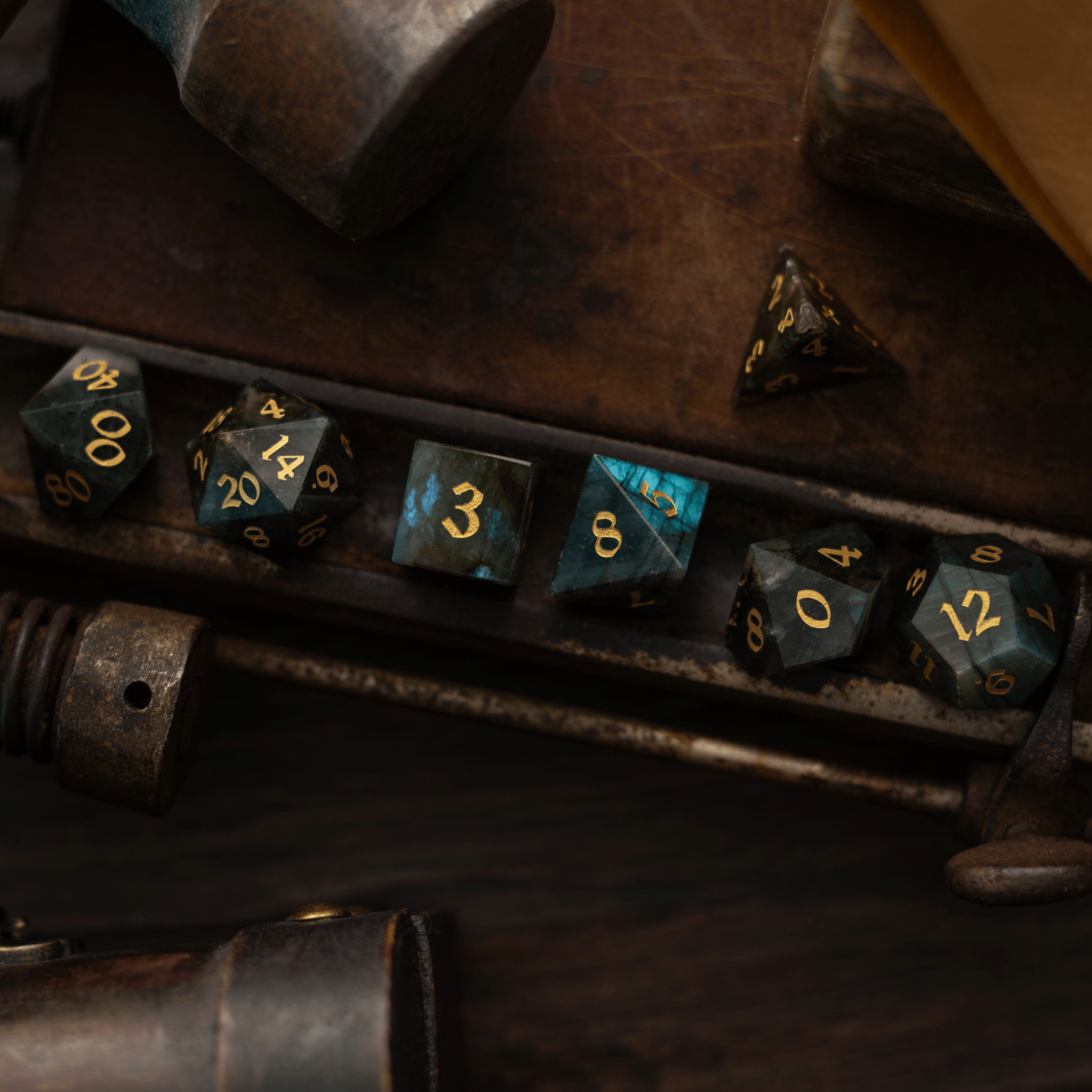
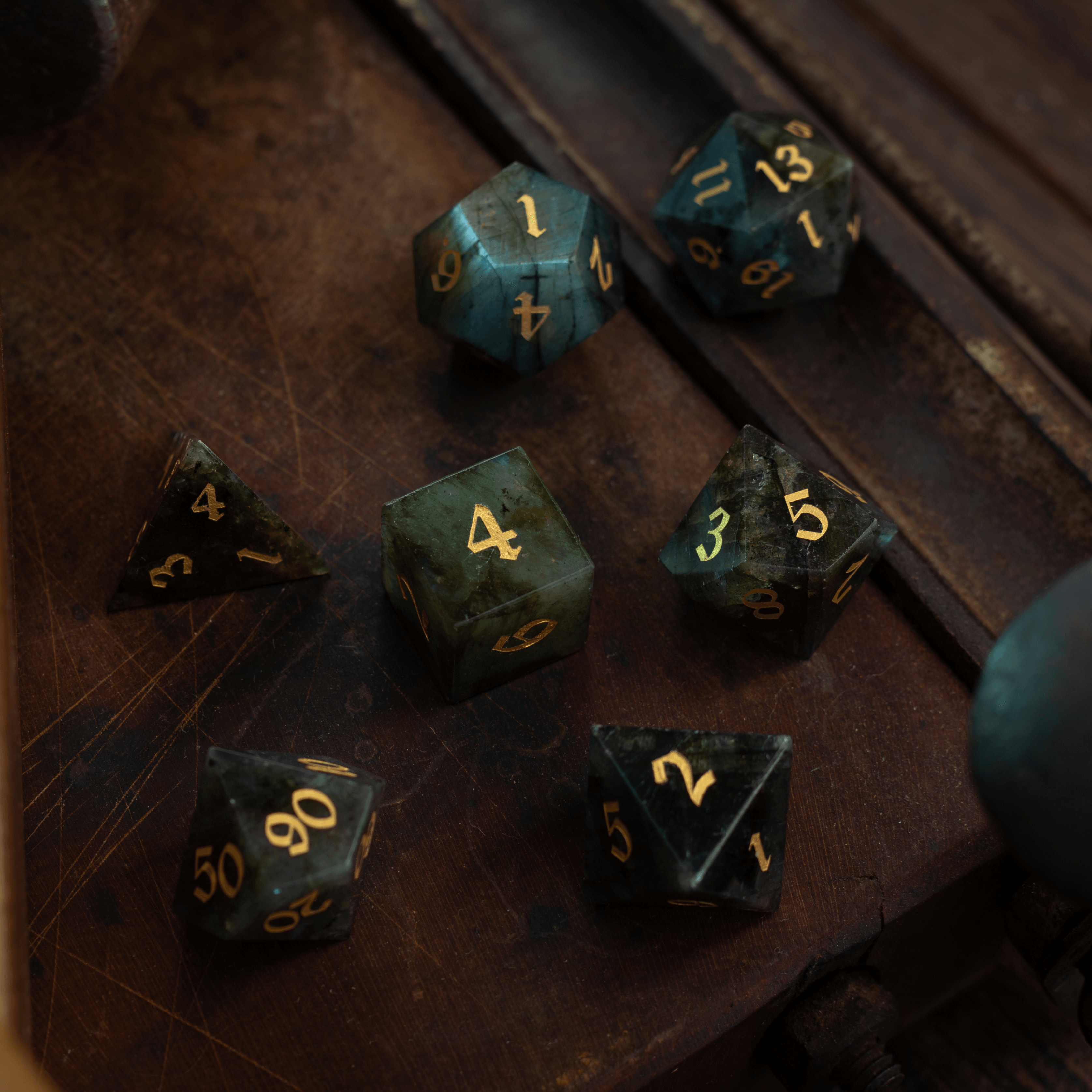
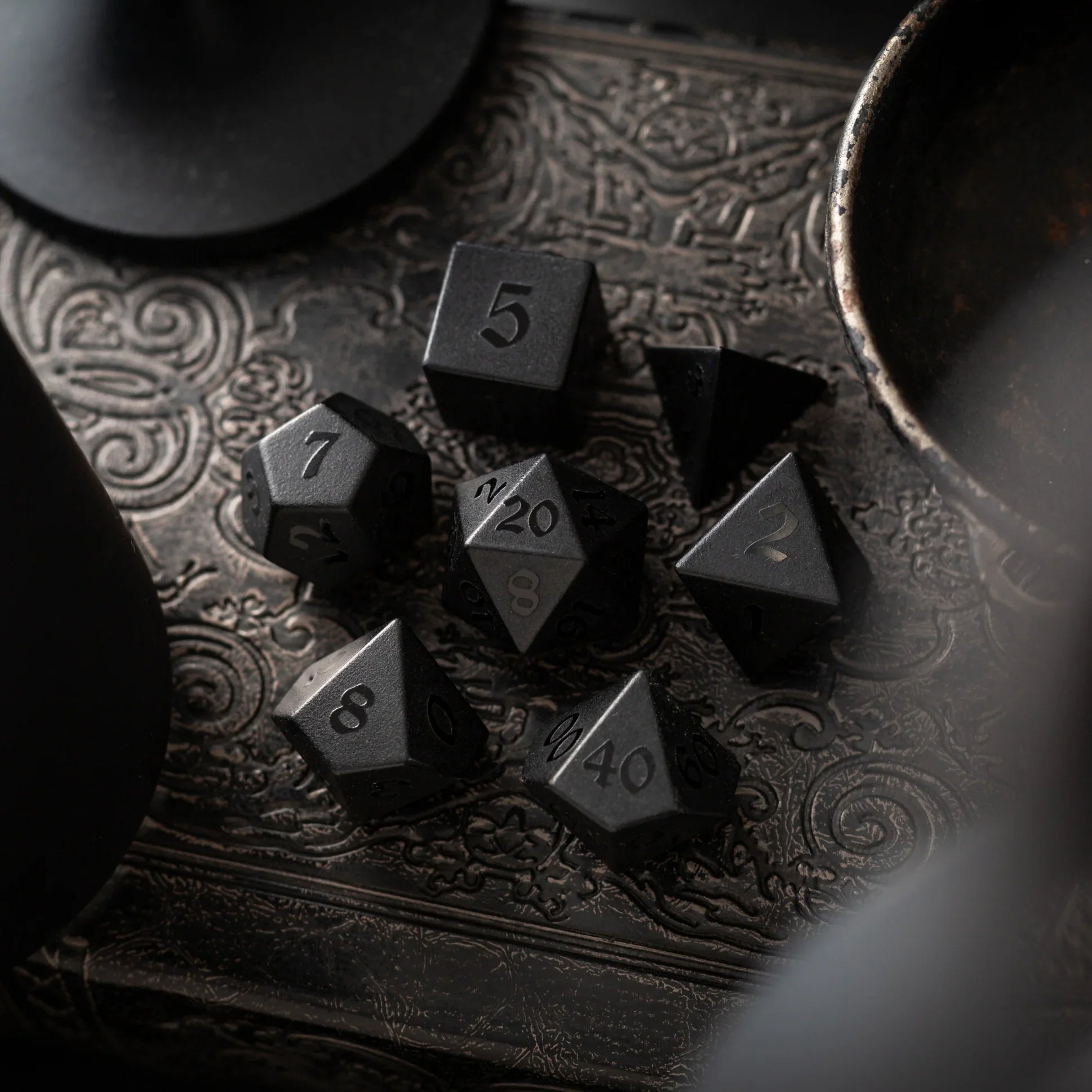
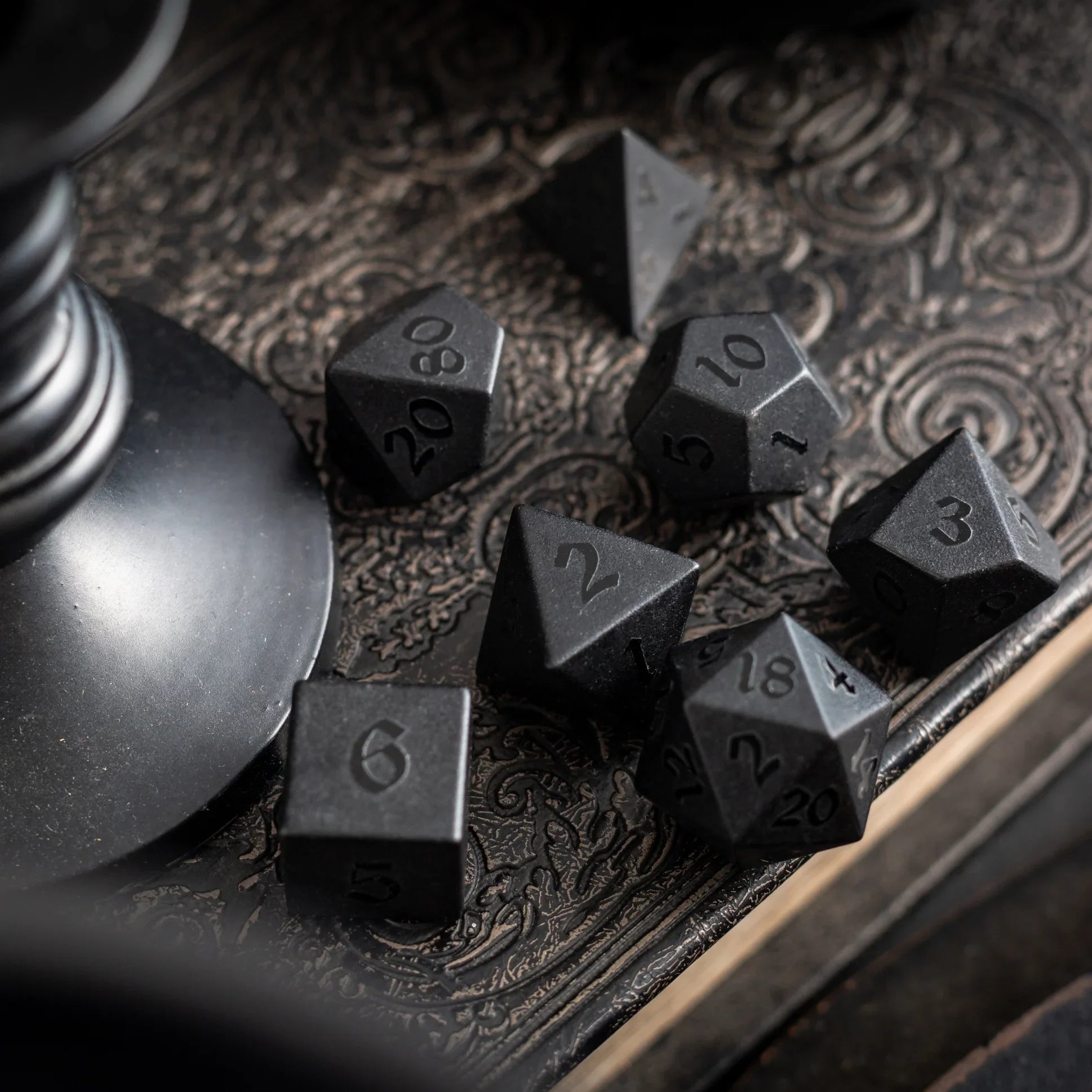
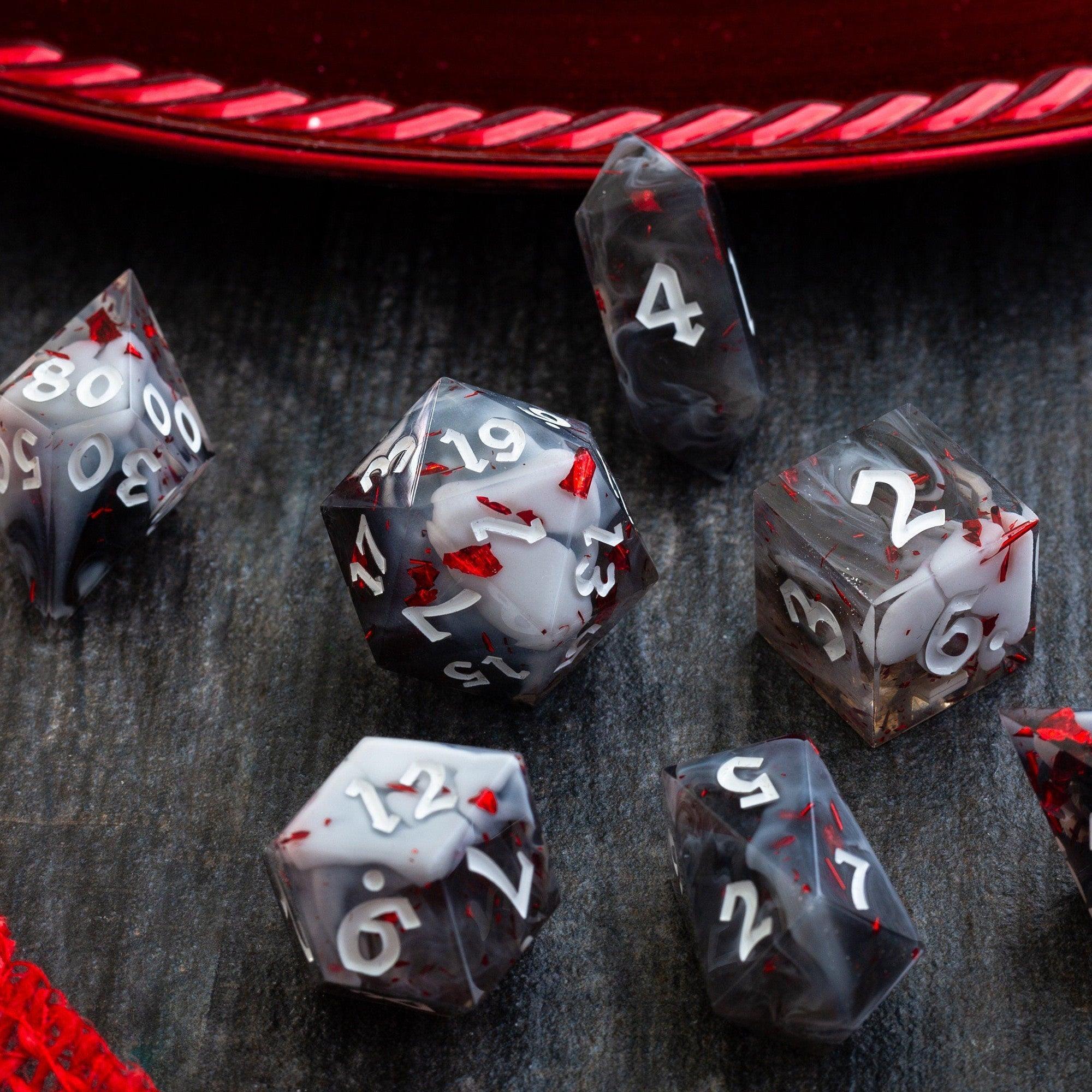
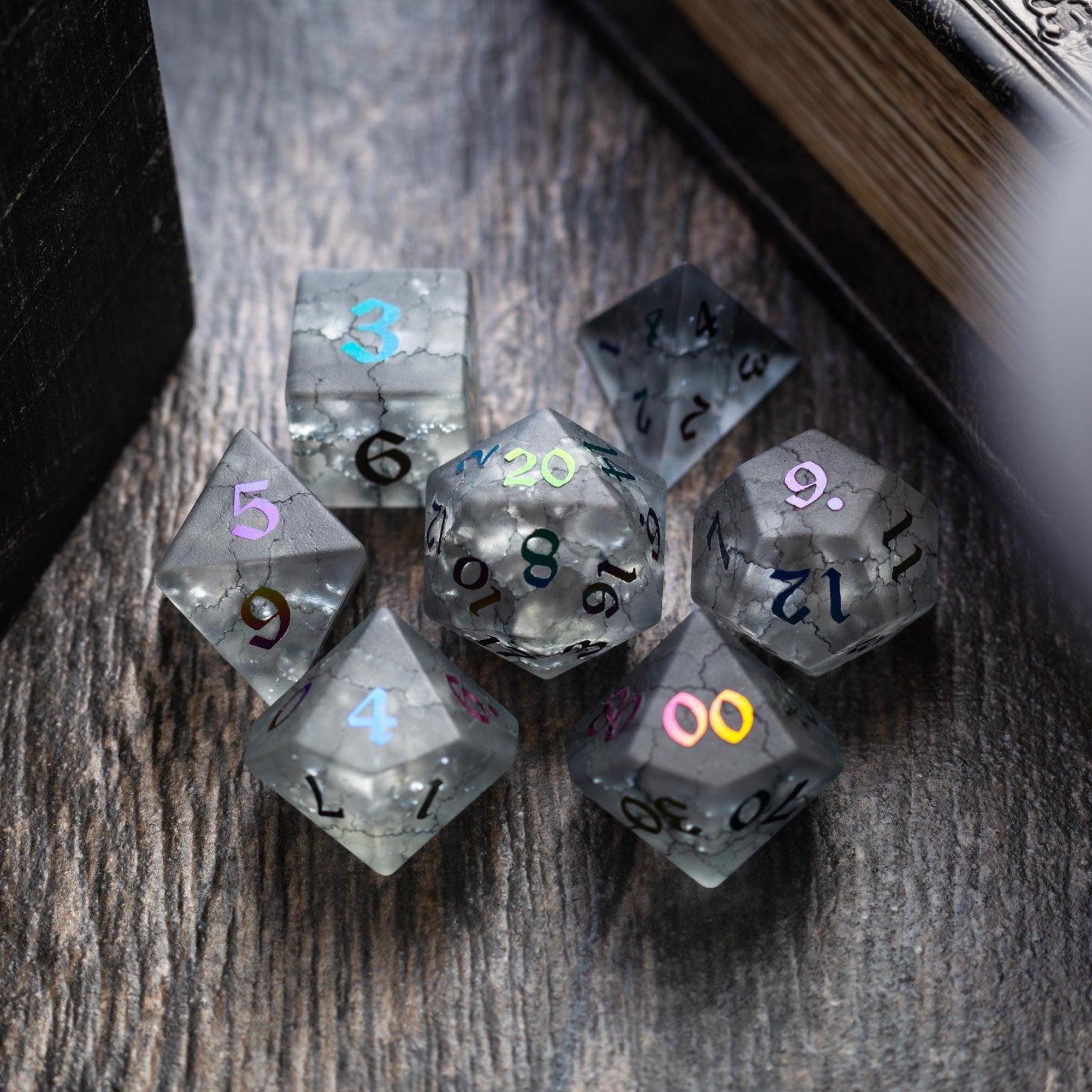
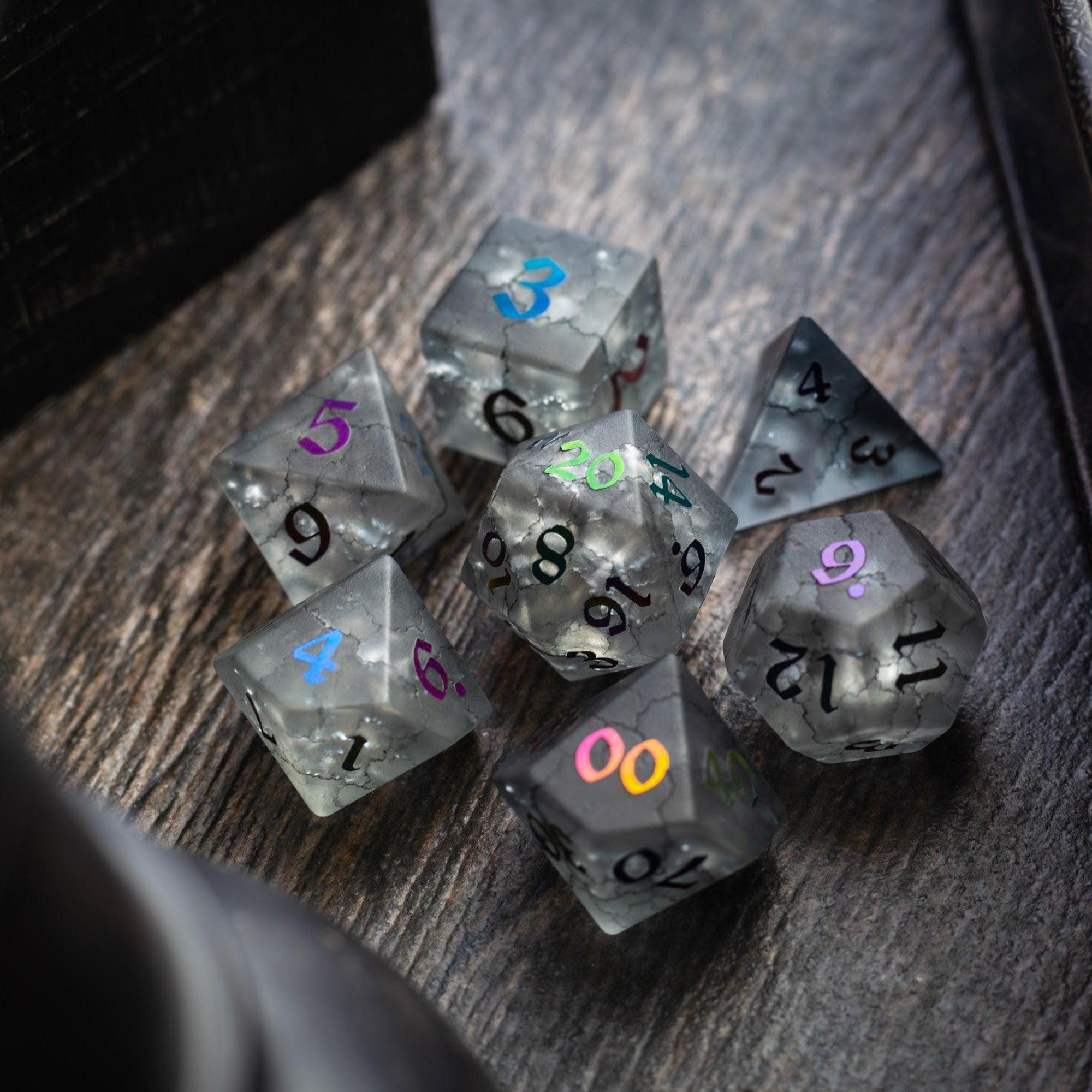
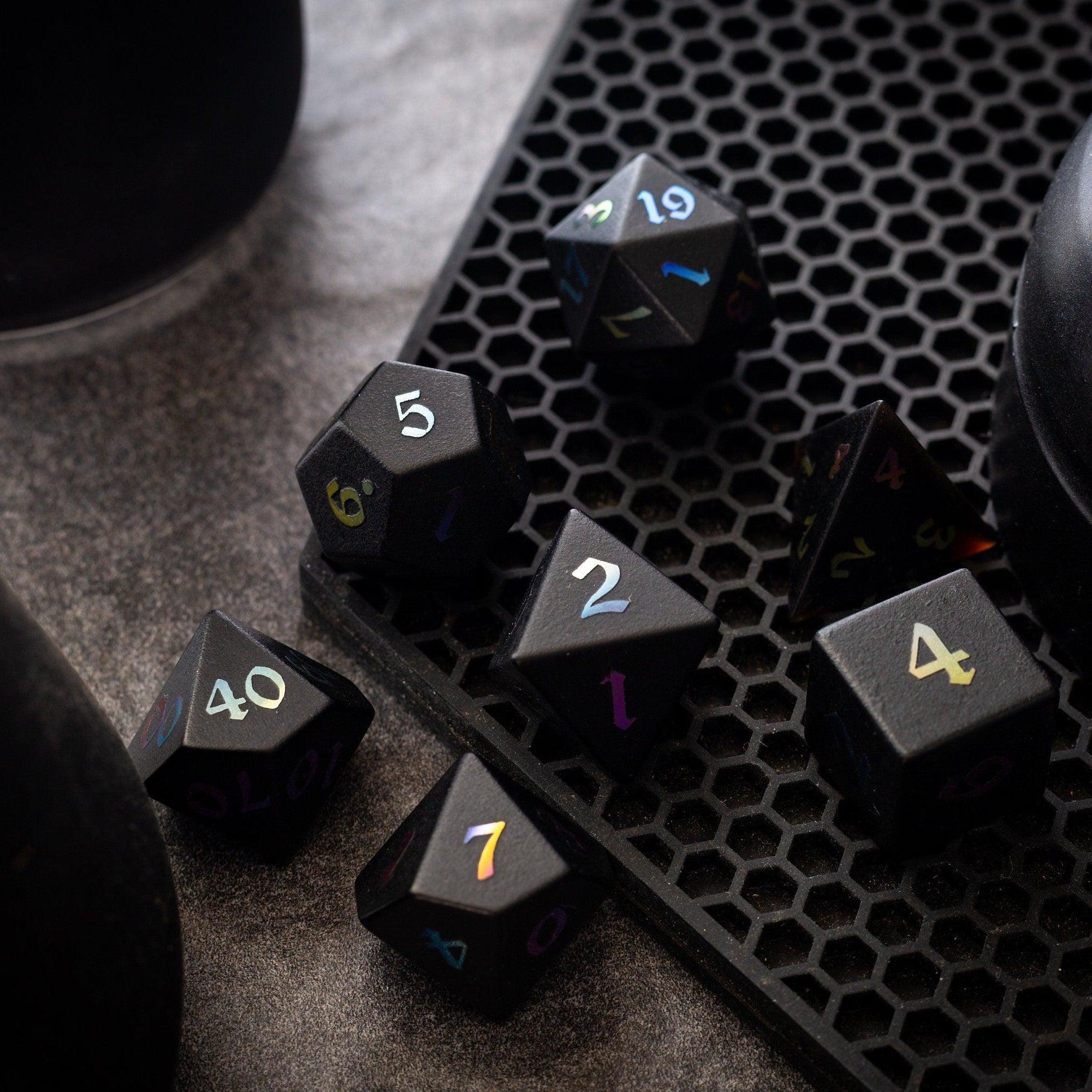
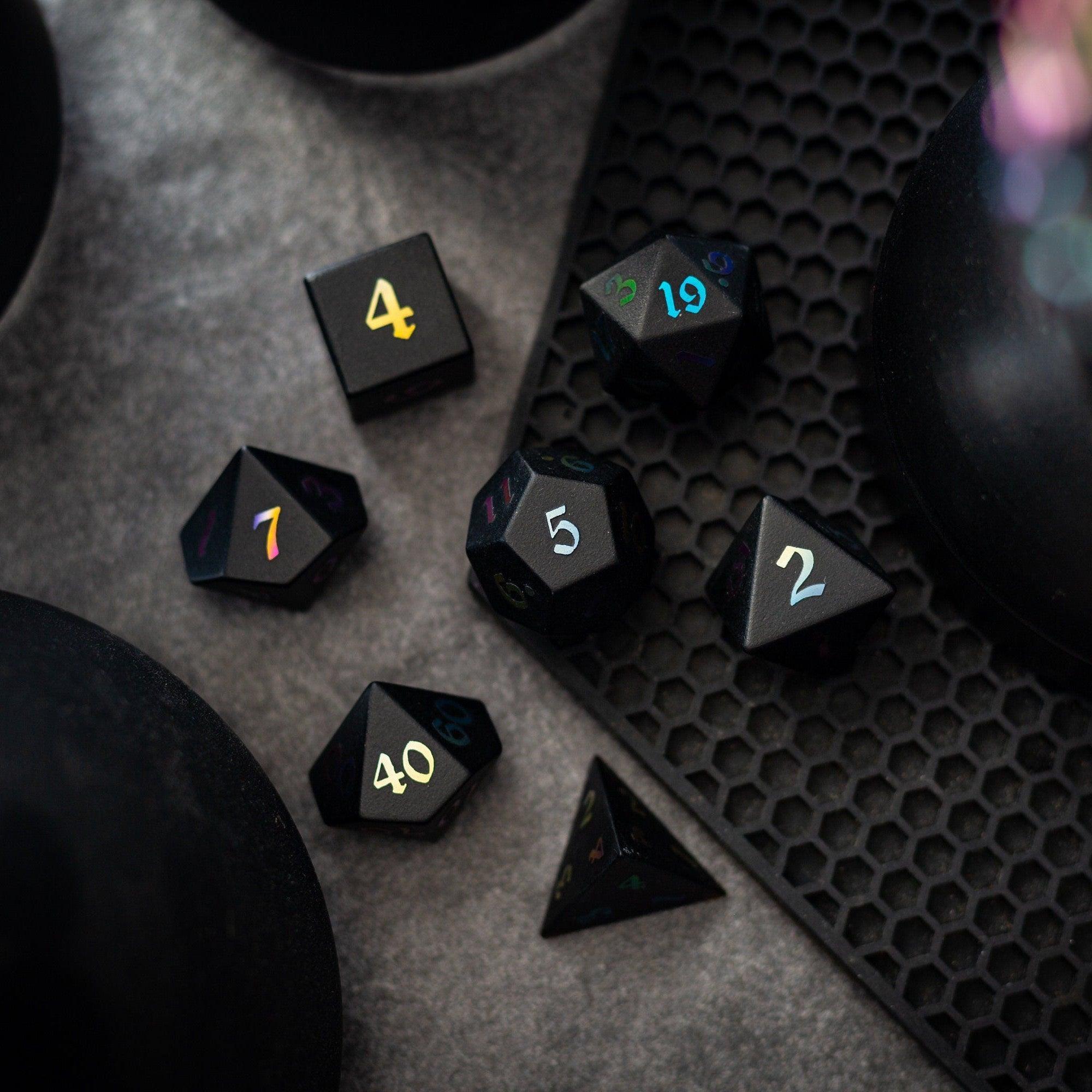
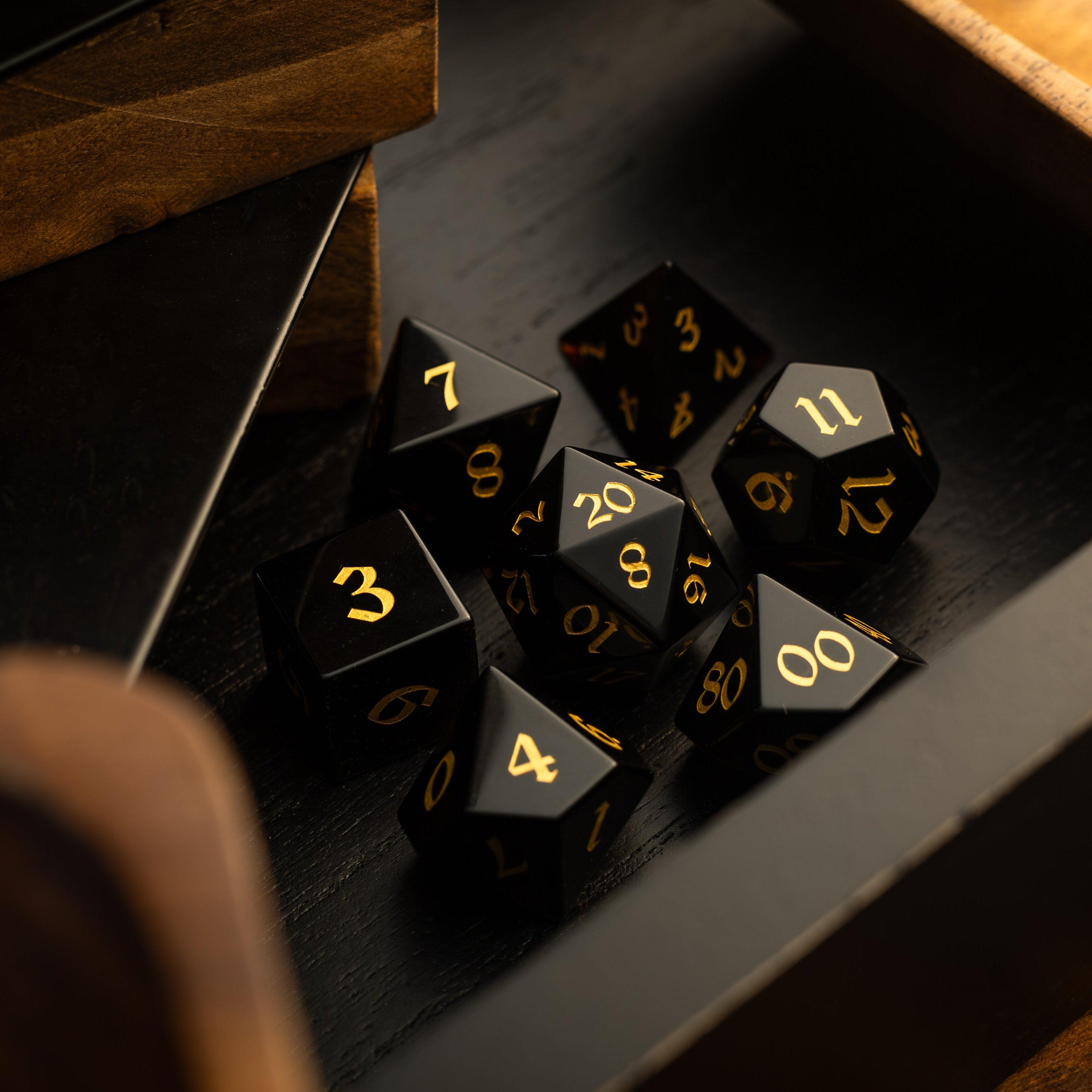
Runic Dice offers several styles that can work well for different players. Resin dice are lightweight, colorful, and easy to handle, making them a great everyday choice. Metal dice have a heavier table presence and feel satisfying in a dice tray. Liquid core dice add movement and visual flair while still giving players a full functional set. Gemstone dice bring a premium, collectible feel, though they should be rolled with care on a soft surface.
For D10 and D12 rolls, readability matters a lot. A Fighter player may roll D10s often for Hit Dice or damage, while a Barbarian player will want a D12 that is easy to read at a glance. Number visibility helps keep combat moving, especially when the table is already full of character sheets, miniatures, snacks, and spell cards.
No material makes dice roll better, but material does affect the rolling experience. Some players like the light bounce of resin dice. Others enjoy the weight of metal dice. Collectors may love the look and feel of gemstone dice. The best choice is the set that feels good in your hand and stays readable during the game.
Final Thoughts
The D10 and D12 may not be as famous as the D20, but they are essential parts of any dnd dice explained properly. They shape hit points, weapon damage, class identity, monster attacks, and memorable combat moments.
The D10 is flexible, practical, and more common than many beginners realize. The D12 is rarer, but when it appears, it usually means something big is happening.
Learning how these tabletop gaming dice work makes you a more confident player. You will understand your character sheet better, move faster during combat, and appreciate the full design of your polyhedral dice set.
So next time you reach for your dice bag, give the D10 and D12 a little respect. They may not decide whether the attack hits, but they often decide how hard the story lands.

Leave a comment
This site is protected by hCaptcha and the hCaptcha Privacy Policy and Terms of Service apply.