Best Uncommon D&D Subclasses for Unique and Memorable Campaigns

Most D&D players have a few favorite subclass choices they return to again and again. Maybe it is the Champion Fighter, the Life Cleric, the Assassin Rogue, or the Evocation Wizard. There is nothing wrong with the classics. They are popular for a reason.
But some of the most memorable D&D character builds come from the subclasses that do not always get the spotlight.
Uncommon D&D subclasses can change the entire feeling of a campaign. They give players fresh mechanics, unexpected party roles, and roleplaying hooks that go beyond “I hit the monster” or “I cast the obvious spell.” If you are looking for unique D&D characters, strange story angles, or creative D&D builds that feel different from your usual table, these underrated D&D subclasses are worth a serious look.
Why Uncommon Subclasses Deserve More Attention
The best D&D subclasses are not always the strongest on a damage chart. Sometimes, the best choice is the one that gives your character a clear identity.
Uncommon subclasses can help you:
-
Bring a fresh personality to the party
-
Explore rare themes like dreams, spirits, psionics, or planar travel
-
Build stronger ties to the campaign world
-
Surprise your group with unexpected abilities
-
Fill party roles in creative ways
A subclass like Mastermind Rogue can turn a campaign into a web of secrets and favors. A Horizon Walker Ranger can make planar travel feel personal. A Circle of Dreams Druid can become the emotional heart of the party instead of just another nature spellcaster.
That is the fun of exploring dnd 5e subclasses beyond the usual picks.
What Makes a Great Uncommon Subclass?
A great uncommon subclass does not need to be perfect. It needs to feel distinct.
When choosing from underrated D&D subclasses, look for three things:
-
Unique mechanics: Does it do something other subclasses do not?
-
Strong story identity: Can you describe the character concept in one exciting sentence?
-
Campaign flexibility: Can the subclass shine in combat, roleplay, and exploration?
The best uncommon D&D subclasses give you more than a list of features. They give you a reason to care about who your character is.
Standout Uncommon D&D Subclasses
Circle of Dreams Druid
The Circle of Dreams Druid feels like it stepped out of a fairy tale. Instead of leaning only into wild shape and battlefield control, this subclass connects your druid to the Feywild, healing magic, rest, and mysterious dreamlike power.
Why it is often overlooked: Many players choose Moon Druid for combat or Shepherd Druid for summoning, so Circle of Dreams can seem quieter by comparison.
What makes it fun: This subclass is wonderful for players who like soft magic, emotional storytelling, and characters who protect others through comfort rather than intimidation.
Best campaign types: Feywild adventures, wilderness journeys, fairy-tale campaigns, long travel arcs.
Ideal players: Roleplayers, support players, and anyone who likes mystical but gentle character concepts.
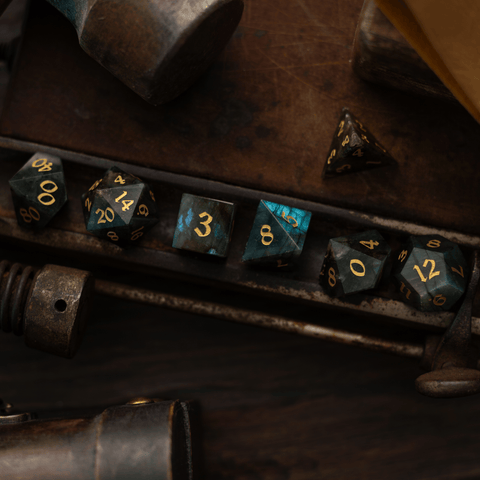
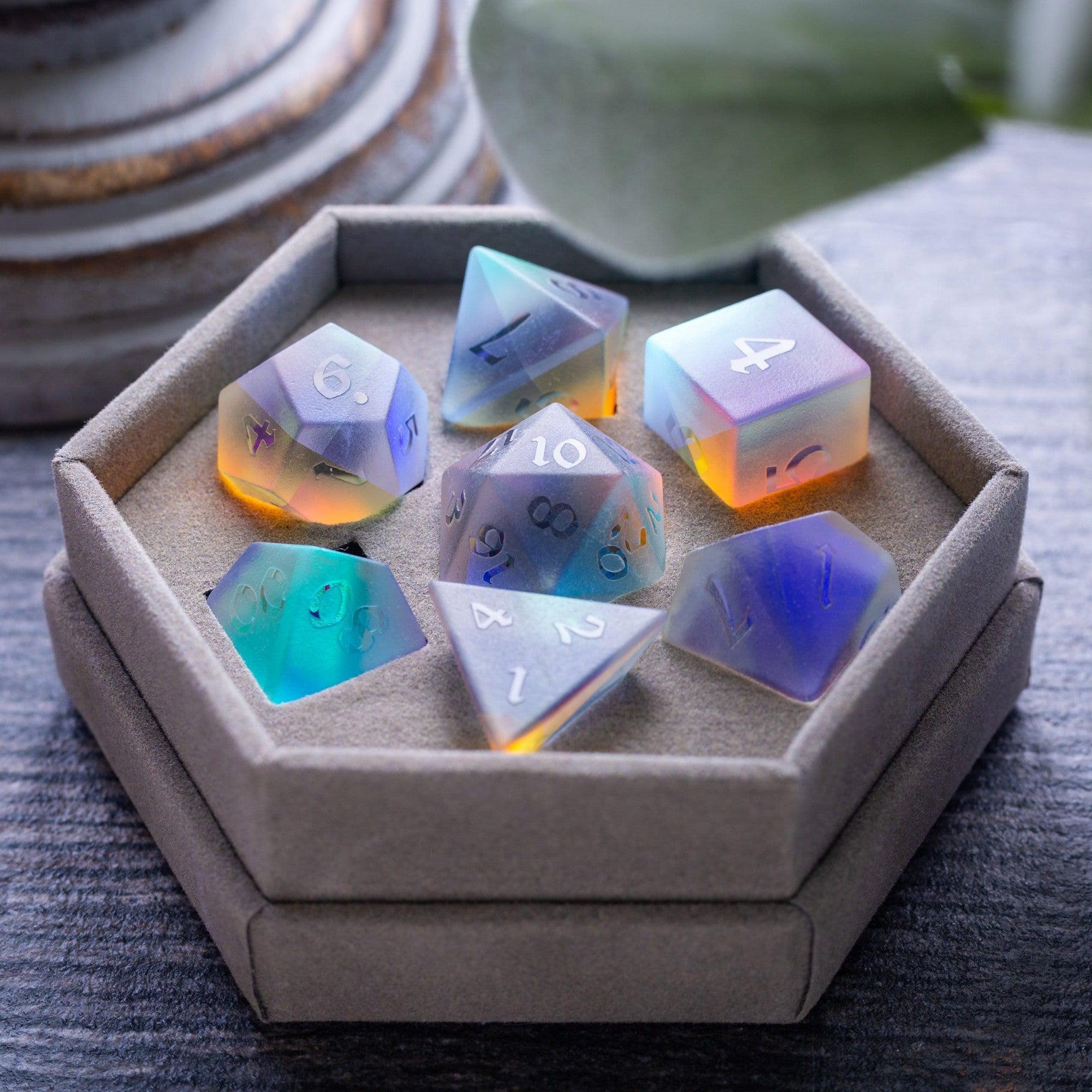
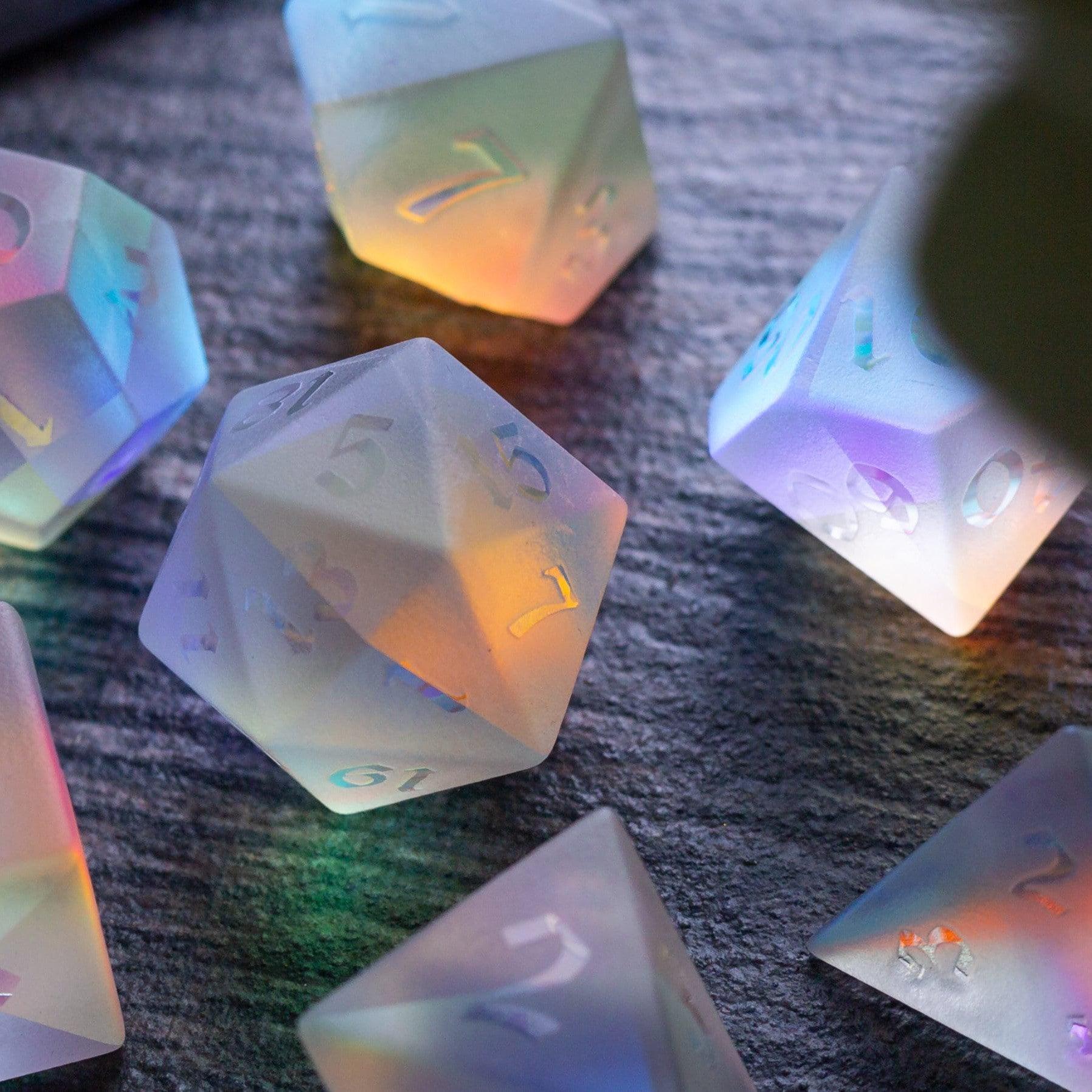
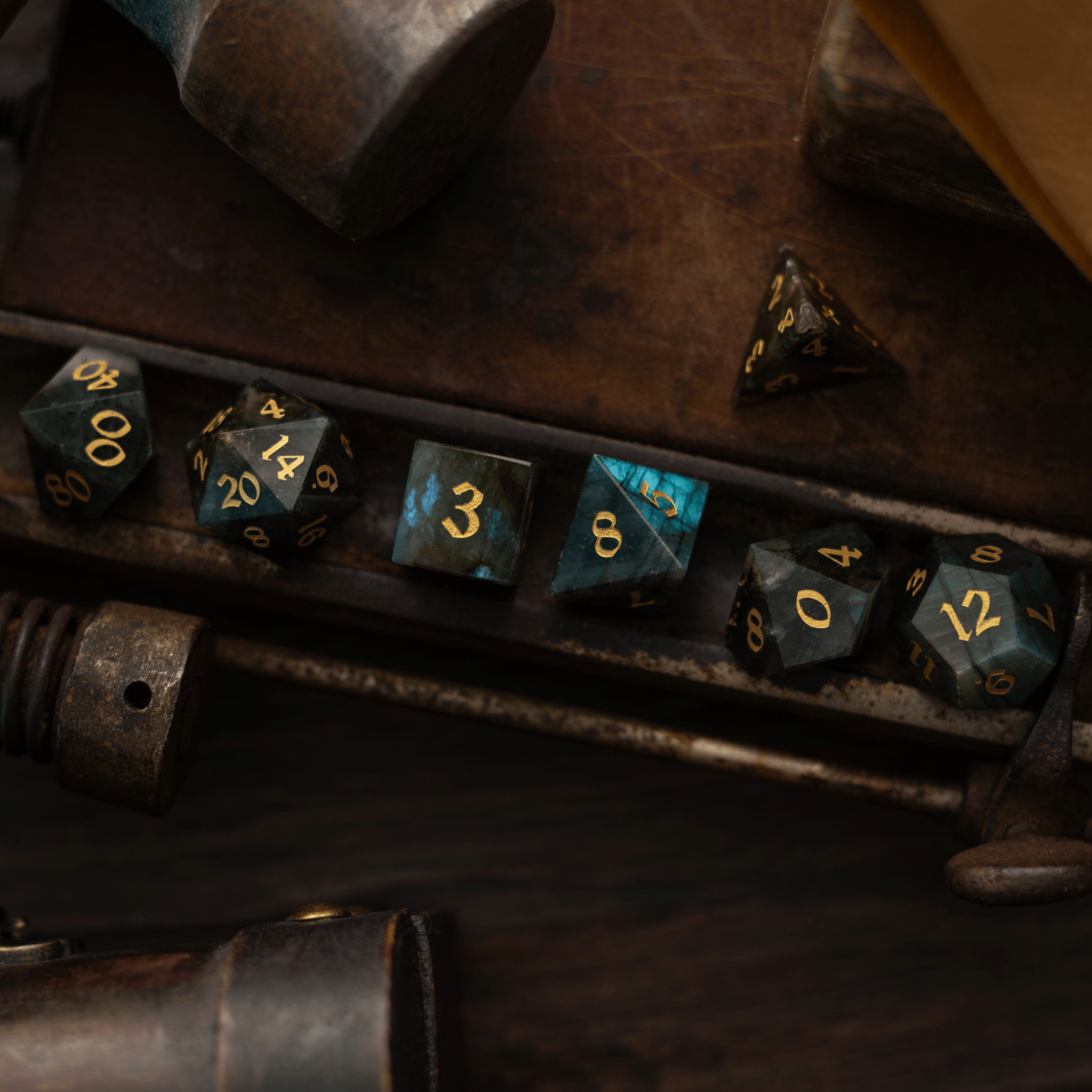
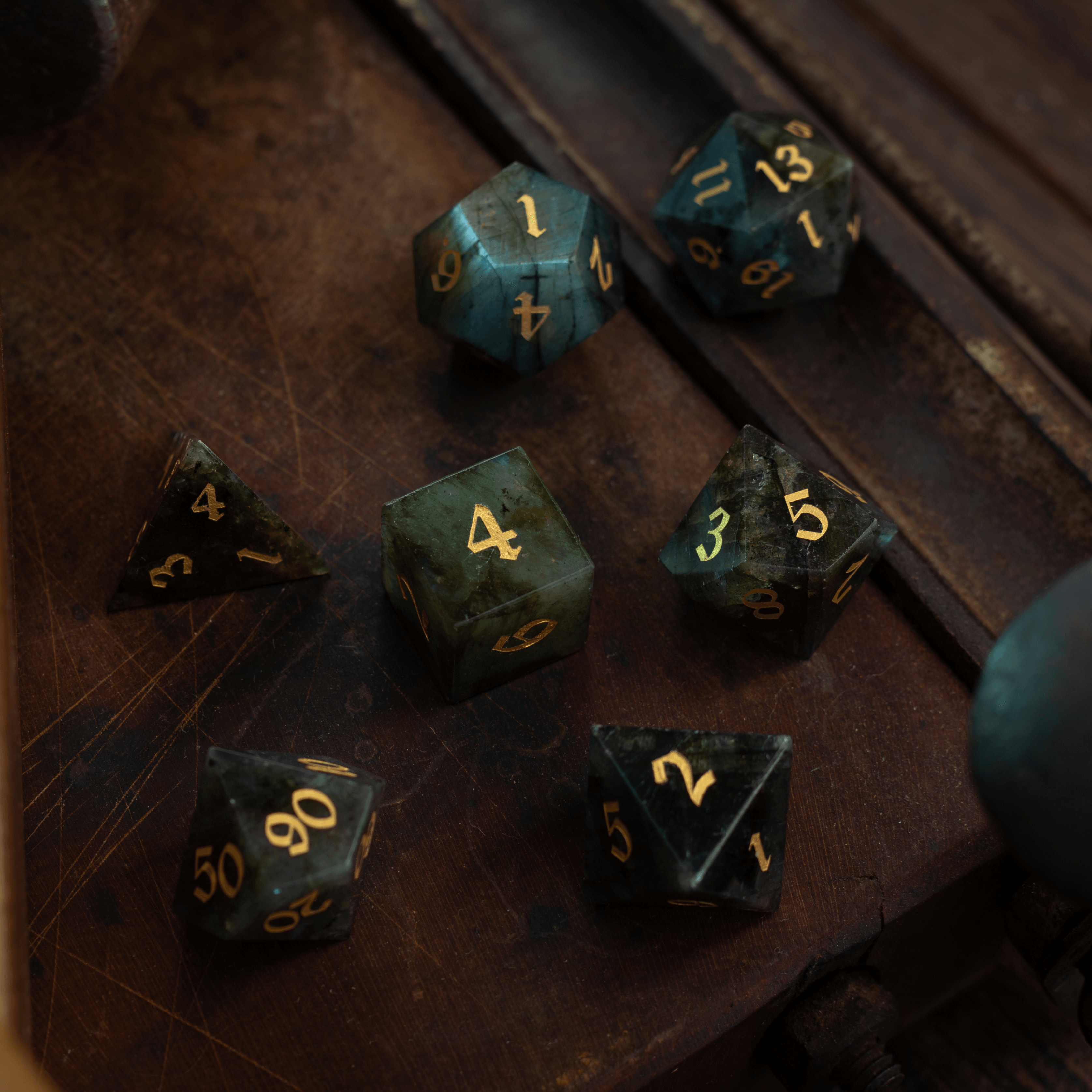
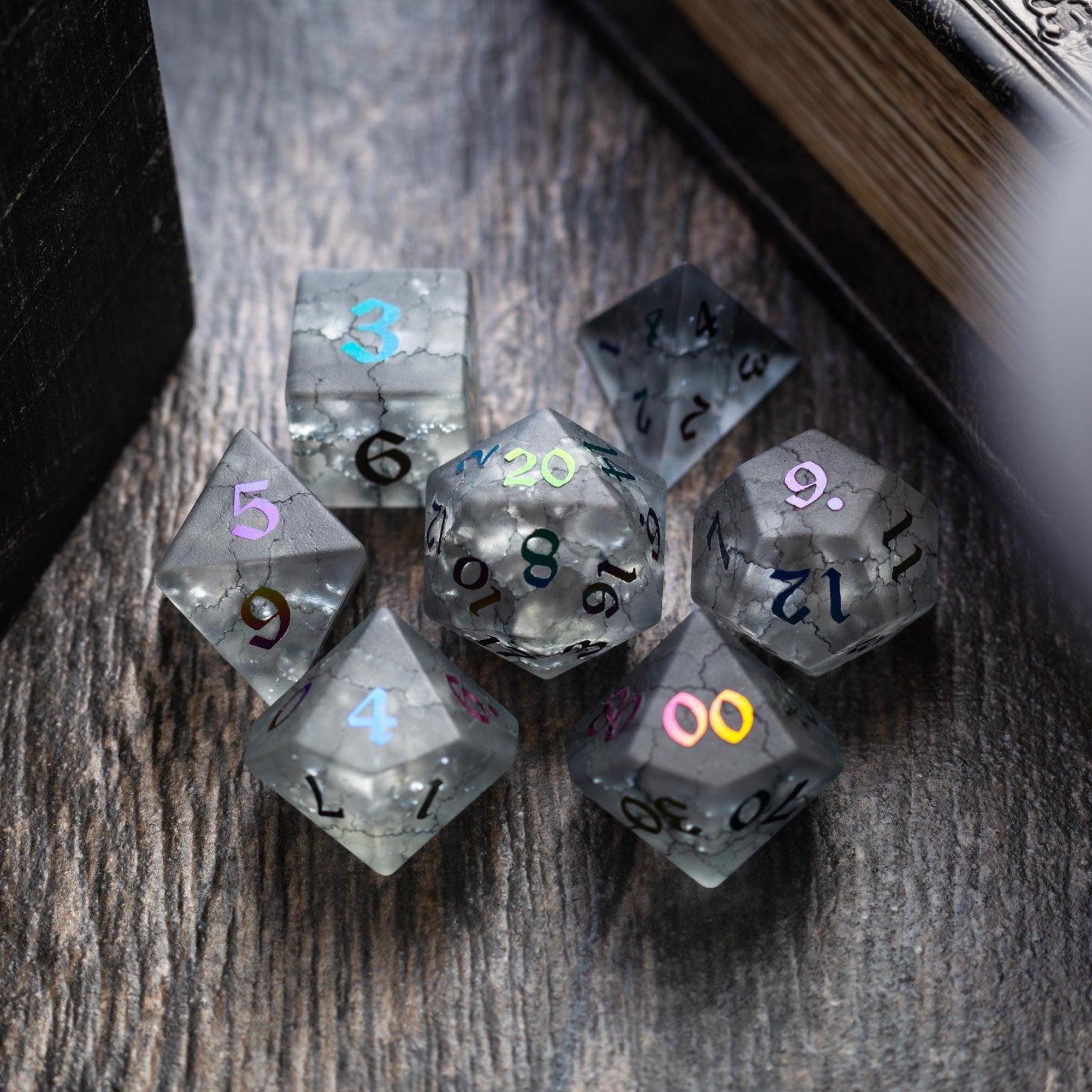
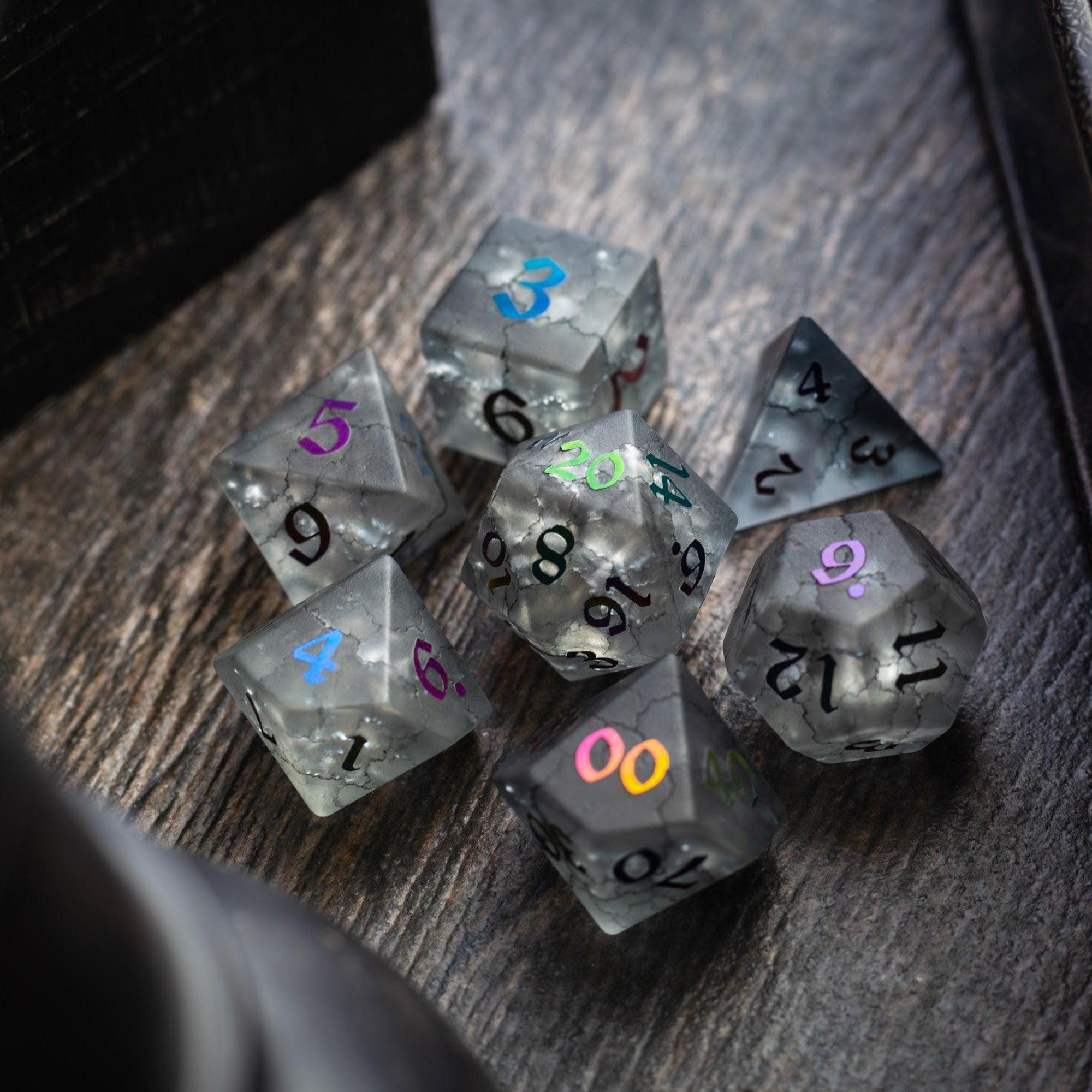
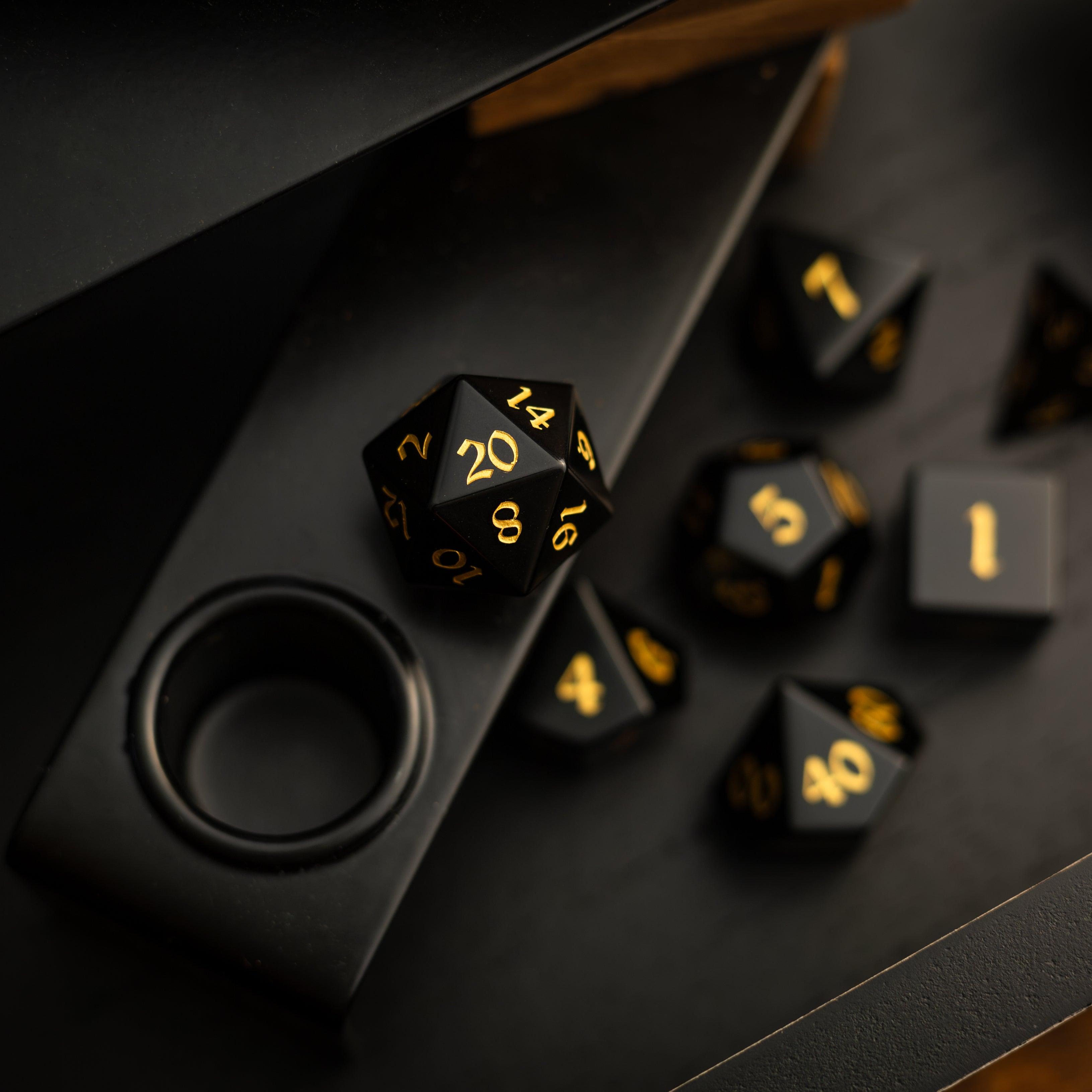
Gemstone dice pair beautifully with this subclass, especially sets with soft greens, moonlit blues, or dreamy purple tones. They help sell the feeling that your character carries a little piece of the Feywild wherever they go.
College of Spirits Bard
The College of Spirits Bard is perfect for players who want their bard to feel mysterious instead of flashy. This subclass tells stories through spirits, omens, legends, and supernatural tales.
Why it is often overlooked: Many players gravitate toward Lore, Valor, or Eloquence because their roles are easier to understand.
What makes it fun: You are not just performing songs. You are channeling stories from beyond the veil. Every spell can feel like a ghost story waiting to happen.
Best campaign types: Gothic horror, mystery campaigns, haunted settings, folklore-heavy adventures.
Ideal players: Storytellers, improvisers, and players who love eerie roleplay.
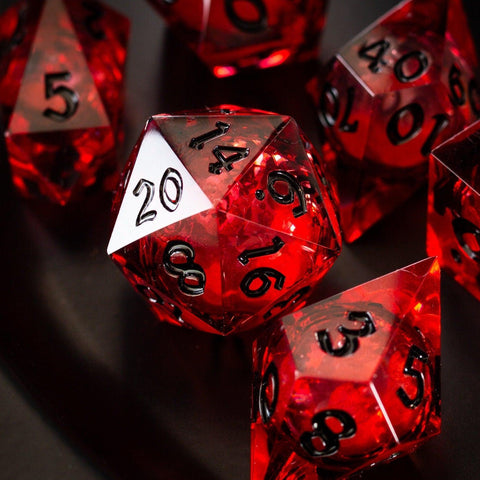
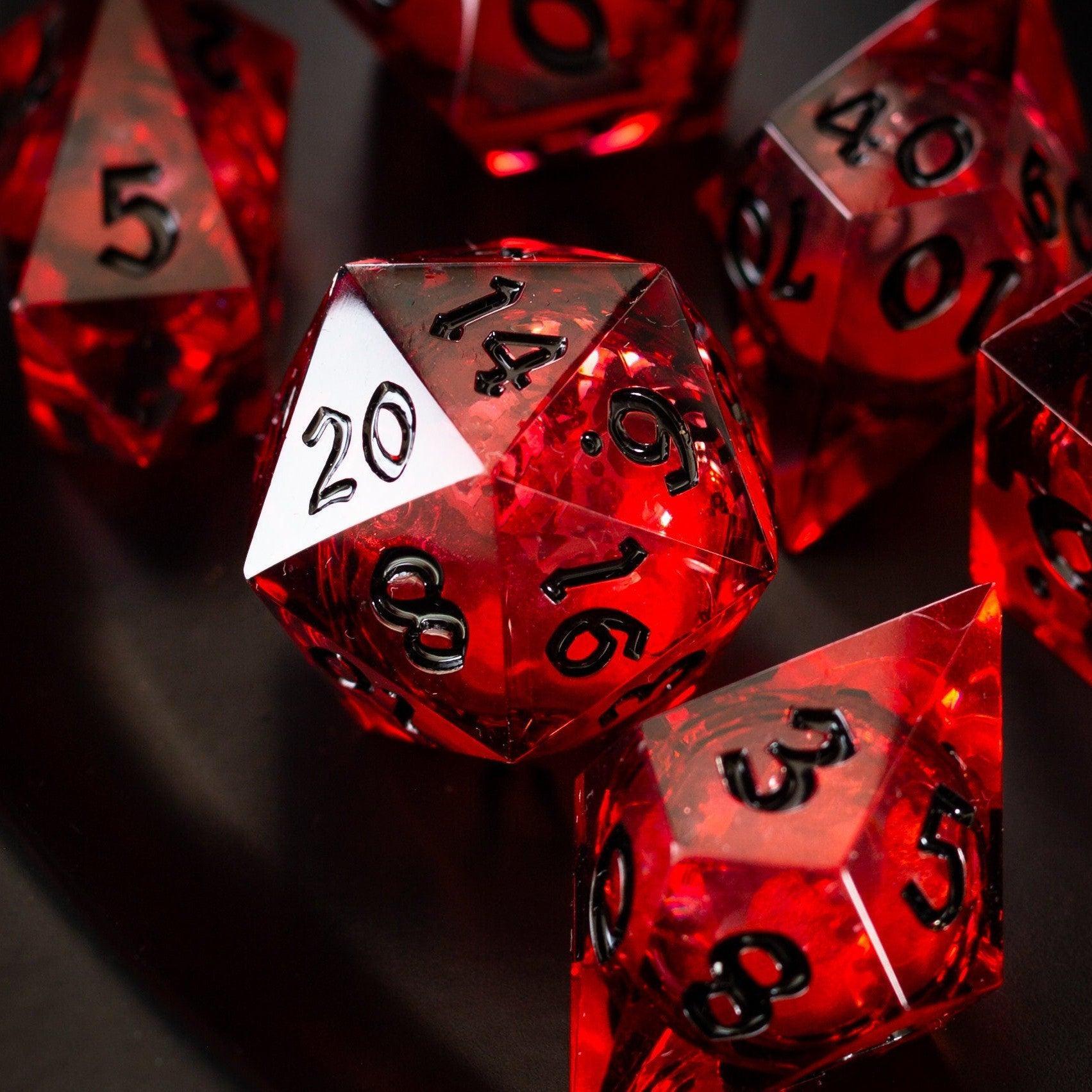
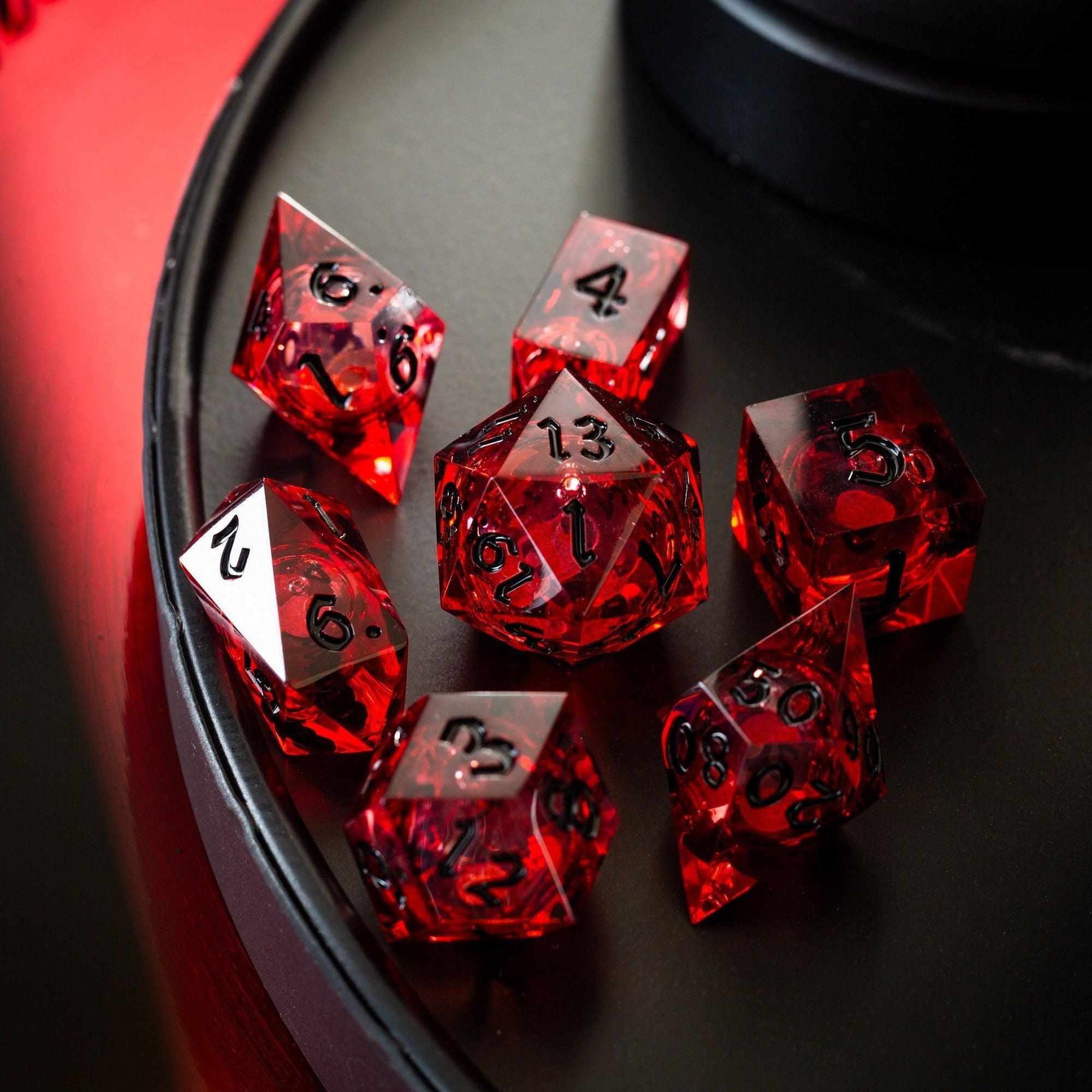
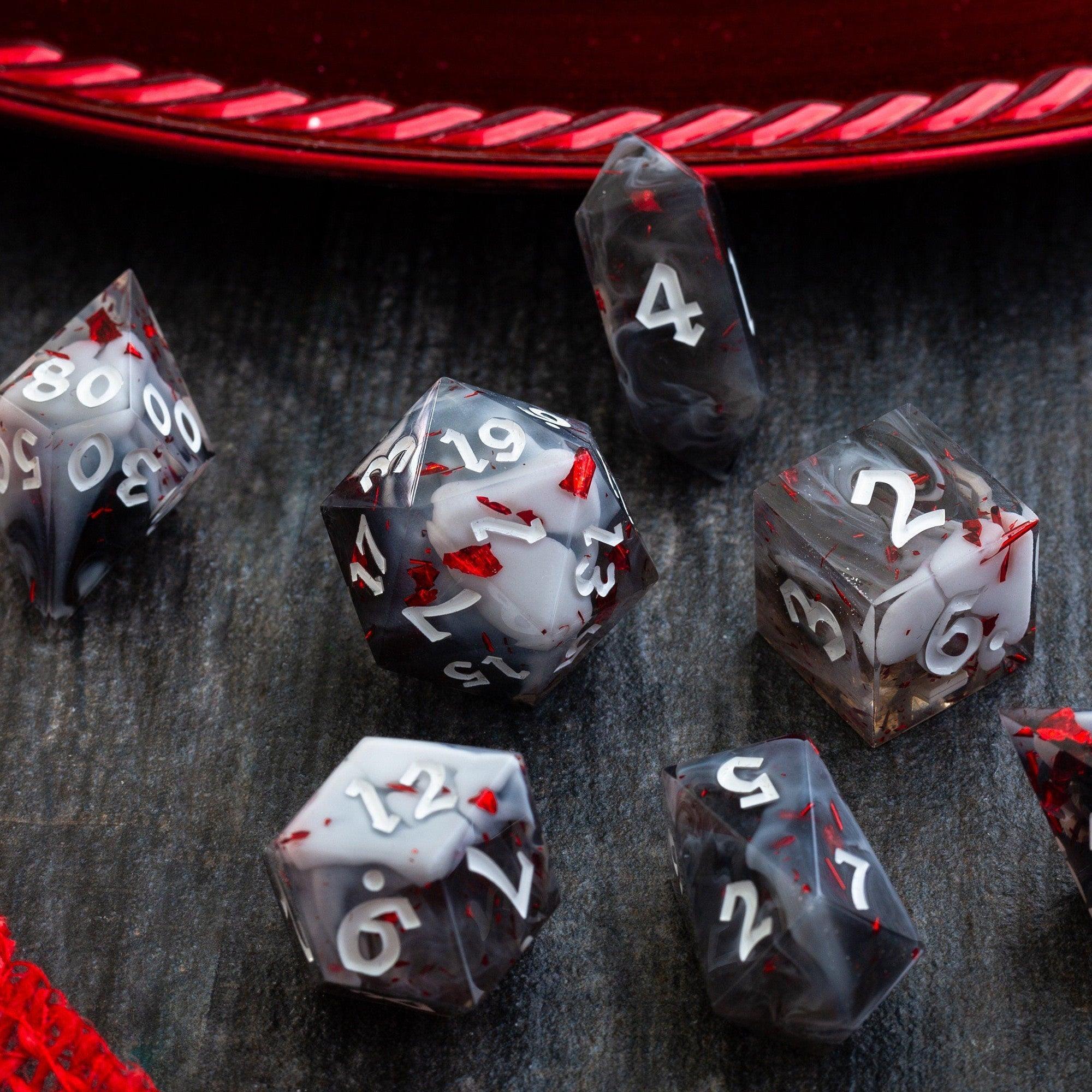
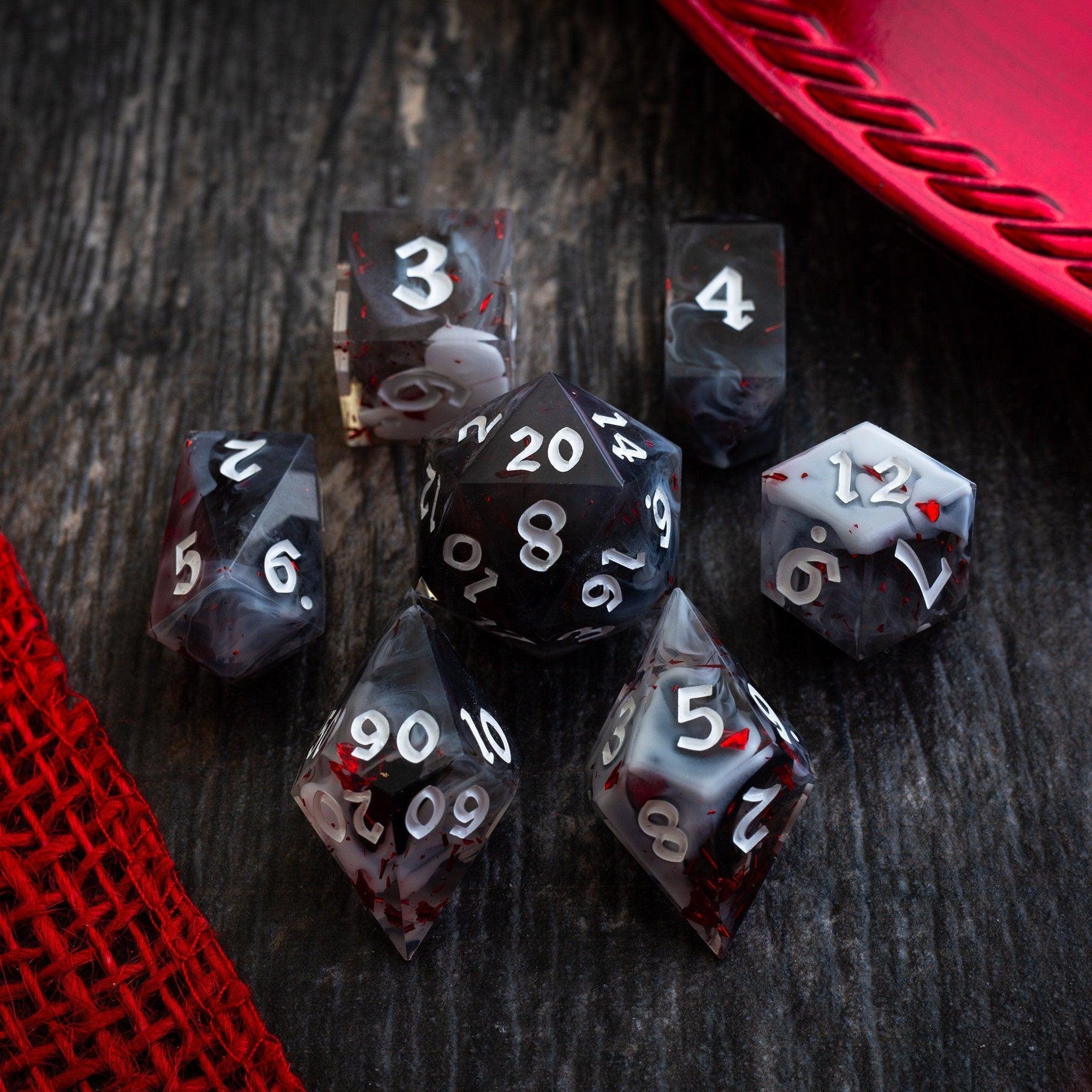
Liquid core dice or smoky resin dice are a great fit here. A swirling set on the table can feel like a spirit trapped inside the roll.
Arcana Domain Cleric
The Arcana Domain Cleric is a fantastic pick for players who want divine magic with an arcane twist. Instead of being only a healer or holy warrior, this cleric feels like a guardian of magical knowledge.
Why it is often overlooked: Cleric players often choose Life, Light, Tempest, or Forge because their themes are more obvious.
What makes it fun: You can build a priest of magic, a temple scholar, a divine librarian, or a holy investigator hunting dangerous spells.
Best campaign types: Mage schools, ancient ruins, magical mysteries, campaigns with lost artifacts.
Ideal players: Cleric fans who also love wizard flavor.
This is a great subclass for gemstone dice with deep blues, silver flashes, or starry patterns. It makes every roll feel tied to old magic and sacred knowledge.
Oath of Glory Paladin
The Oath of Glory Paladin is not just a holy knight. This subclass is built around heroic ambition, physical excellence, and legendary deeds.
Why it is often overlooked: Oath of Vengeance and Oath of Devotion are more familiar choices for paladin players.
What makes it fun: Your character wants to become the hero from the songs. That can be inspiring, funny, tragic, or all three depending on how you play it.
Best campaign types: Mythic adventures, arena arcs, heroic quests, high-fantasy campaigns.
Ideal players: Players who love bold speeches, dramatic entrances, and big character goals.
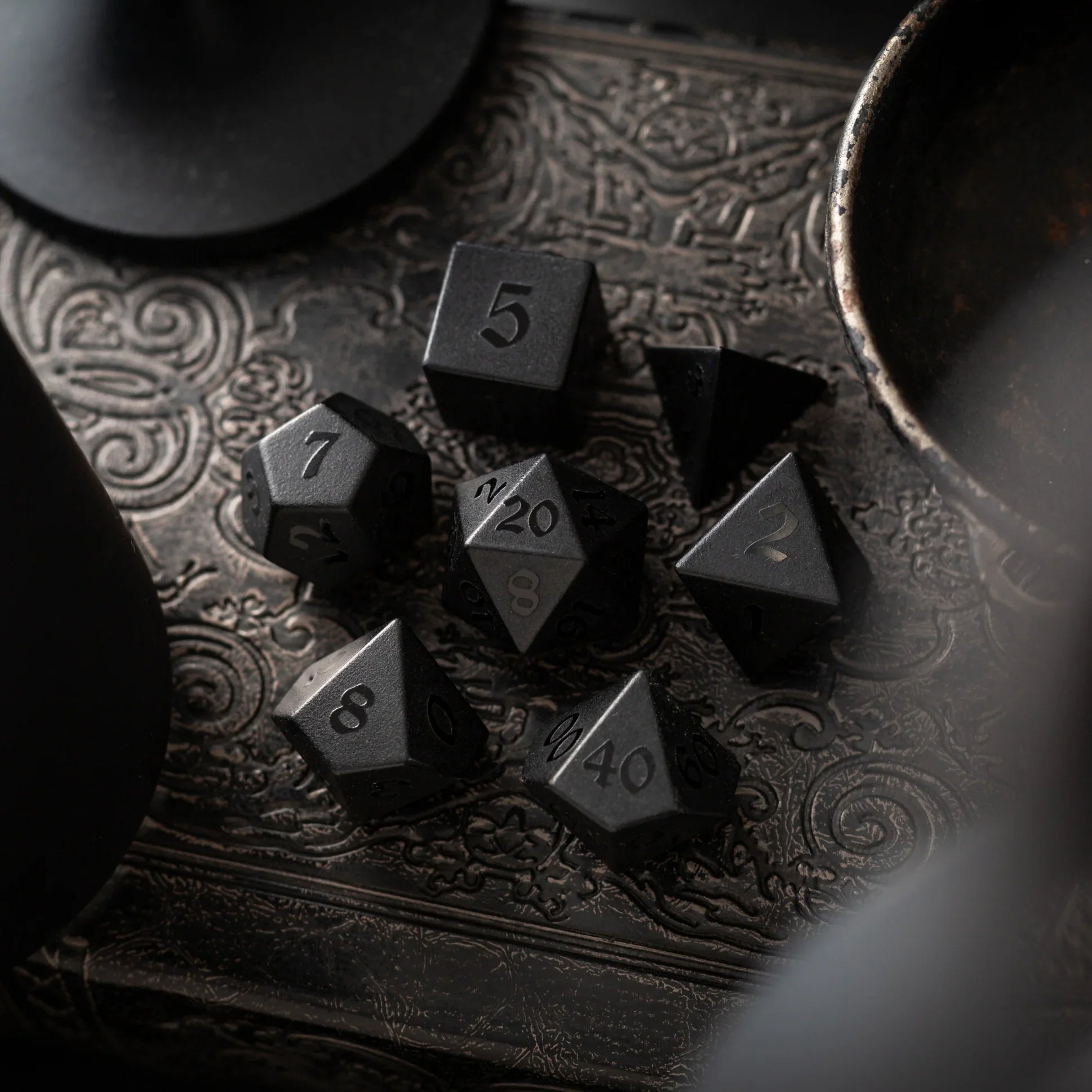
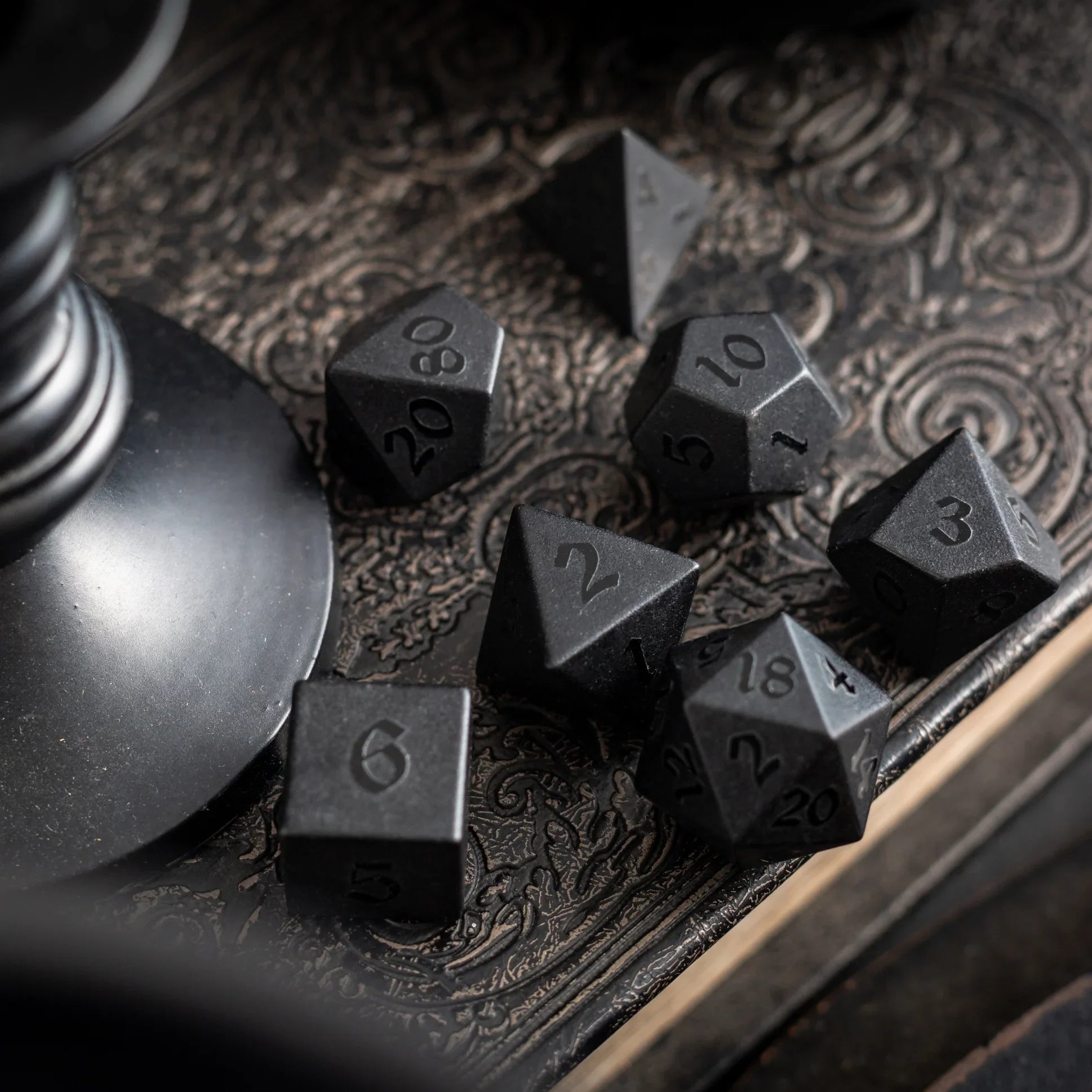
Metal dice work especially well for martial archetypes like this. A heavy set feels right for a paladin who wants every roll to land with confidence.
Mastermind Rogue
The Mastermind Rogue is one of the best dnd subclasses for players who enjoy social strategy. Instead of focusing only on sneaking and stabbing, this rogue thrives on information, manipulation, and teamwork.
Why it is often overlooked: Assassin, Thief, and Arcane Trickster are more recognizable rogue choices.
What makes it fun: You can play a spy, noble schemer, battlefield coordinator, criminal advisor, or charming fixer.
Best campaign types: Political intrigue, heists, urban adventures, faction-heavy campaigns.
Ideal players: Tactical roleplayers and players who enjoy talking their way through trouble.
Storm Herald Barbarian
The Storm Herald Barbarian brings elemental flavor to a class often seen as simple. Instead of only raging, you carry the power of desert, sea, or tundra around you.
Why it is often overlooked: Totem Warrior and Zealot often get more attention.
What makes it fun: Your rage becomes part of the environment. You are not just angry. You are a walking storm.
Best campaign types: Survival campaigns, elemental adventures, harsh wilderness journeys.
Ideal players: Barbarians who want a stronger visual theme and more atmosphere.
Psi Warrior Fighter
The Psi Warrior Fighter adds psionic force to a martial class, creating a character who feels controlled, tactical, and slightly supernatural.
Why it is often overlooked: Many fighter players choose Battle Master for tactics or Eldritch Knight for magic.
What makes it fun: You can shove, shield, leap, and strike with psychic power while still feeling like a fighter.
Best campaign types: Tactical combat, sci-fantasy themes, ancient psychic orders, strange magical worlds.
Ideal players: Strategic players who want a martial character with unusual powers.
Liquid core dice are a strong match for psionic characters, especially sets with shifting colors or suspended shimmer.
Astral Self Monk
The Astral Self Monk is a strange and stylish subclass that lets your monk manifest a spiritual form. It is perfect for players who want martial arts with a mystical identity.
Why it is often overlooked: Monk subclasses can be hard to compare, and many players choose Open Hand for simplicity.
What makes it fun: Your character can be calm and disciplined while their astral form reveals something huge, ancient, or terrifying.
Best campaign types: Spiritual journeys, planar stories, monastery arcs, self-discovery campaigns.
Ideal players: Players who enjoy visual storytelling and inner conflict.
Horizon Walker Ranger
The Horizon Walker Ranger is made for players who want their ranger to feel connected to portals, planes, and strange worlds.
Why it is often overlooked: Many players think of rangers as forest archers, so planar magic feels unexpected.
What makes it fun: You are not just tracking beasts. You are hunting threats across reality.
Best campaign types: Planar adventures, magical ruins, extraplanar invasions, travel-heavy campaigns.
Ideal players: Explorers and players who love big fantasy concepts.
Great Old One Warlock
The Great Old One Warlock is a classic weird-magic choice, but it is still less common than many flashier warlock patrons.
Why it is often overlooked: Hexblade often dominates warlock discussions because of its combat strength.
What makes it fun: Your patron does not need to be evil or even understandable. That gives you room for dreams, whispers, alien symbols, and unsettling character moments.
Best campaign types: Cosmic horror, mystery, dark fantasy, ancient ruins.
Ideal players: Players who like eerie roleplay and slow-burn secrets.
Subclass Comparison Table
| Subclass | Class | Playstyle | Best For |
|---|---|---|---|
| Circle of Dreams | Druid | Support & Exploration | Roleplayers |
| Mastermind | Rogue | Social Intrigue | Political campaigns |
| Horizon Walker | Ranger | Planar Adventure | Explorers |
| Psi Warrior | Fighter | Tactical Combat | Strategic players |
| College of Spirits | Bard | Storytelling & Mystery | Narrative campaigns |
| Oath of Glory | Paladin | Heroic Combat | Mythic quests |
| Astral Self | Monk | Mystical Martial Arts | Visual roleplay |
| Storm Herald | Barbarian | Elemental Frontline | Survival campaigns |
Building Characters Around Uncommon Subclasses
When building uncommon dnd character ideas, start with the question: “Why is this character different?”
A few easy hooks:
-
A Circle of Dreams Druid who protects children from nightmares
-
A Mastermind Rogue who used to advise a corrupt prince
-
A Psi Warrior Fighter trained by a forgotten order
-
A Horizon Walker Ranger hunting the creature that destroyed their home plane
-
A College of Spirits Bard who inherited a haunted instrument
These ideas give your Dungeon Master something to work with. They also help your character feel connected to the story before the first session begins.
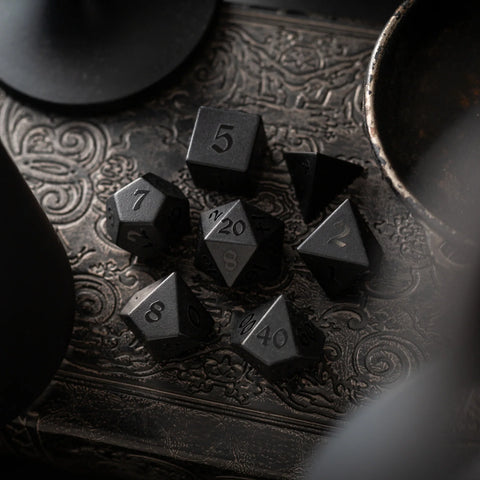
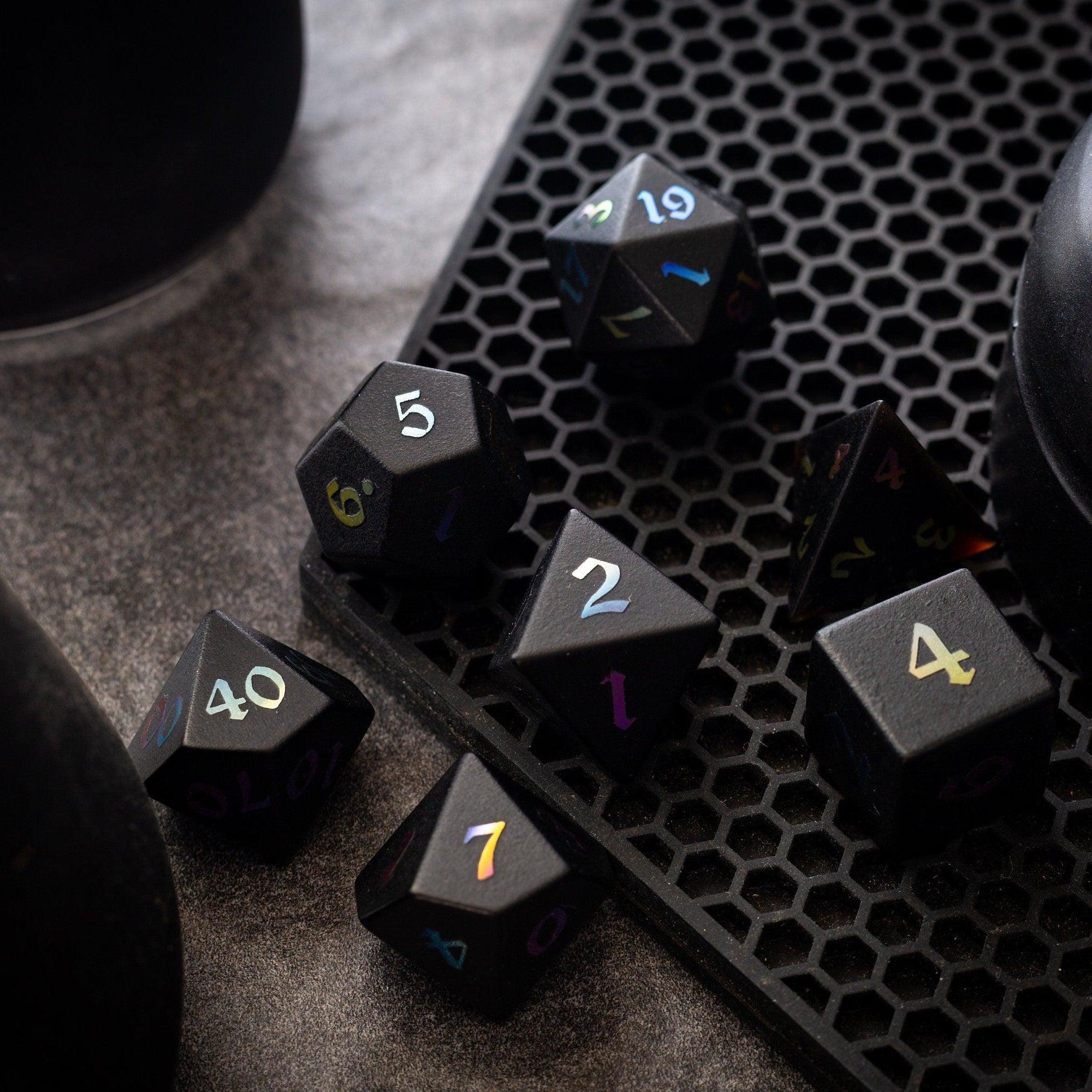
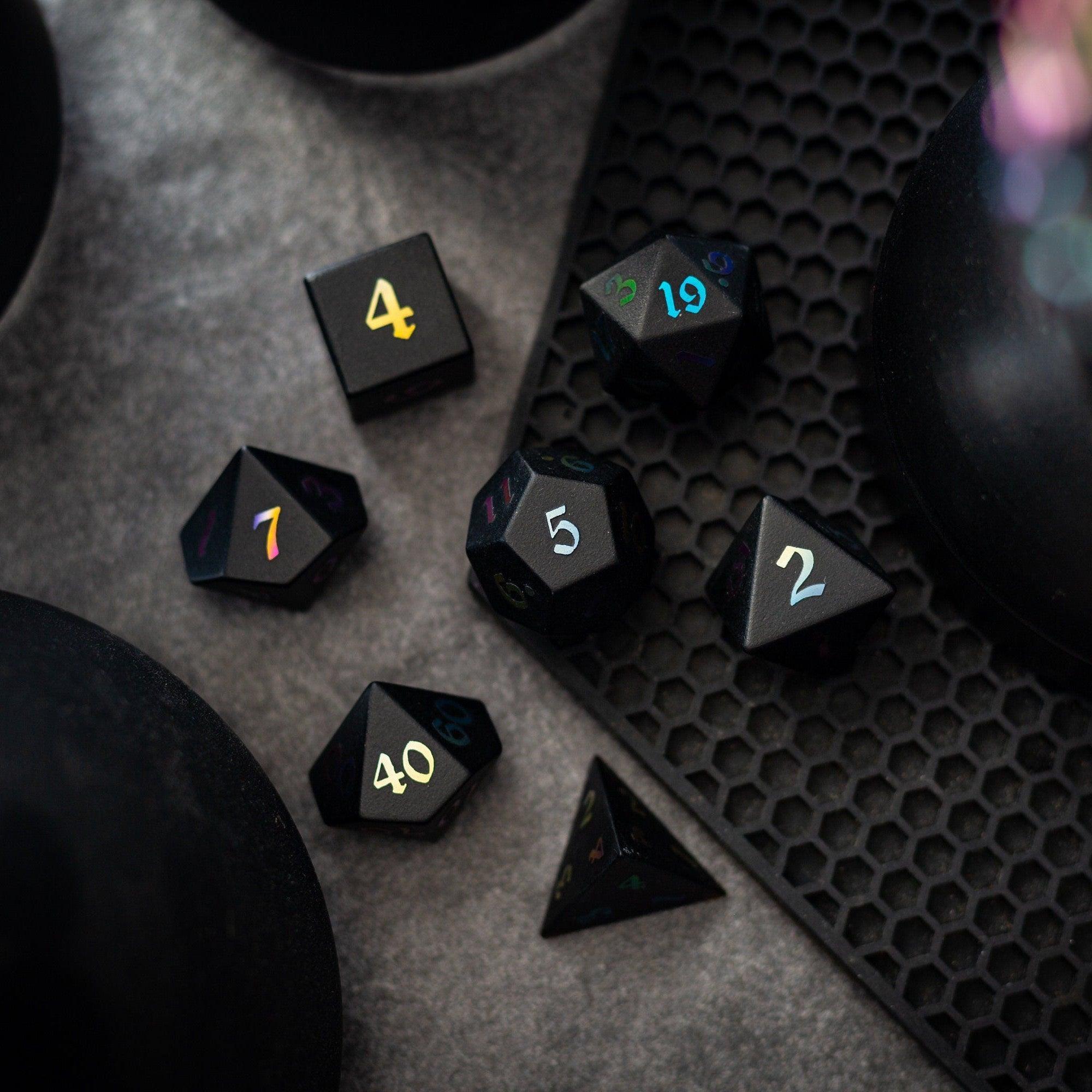
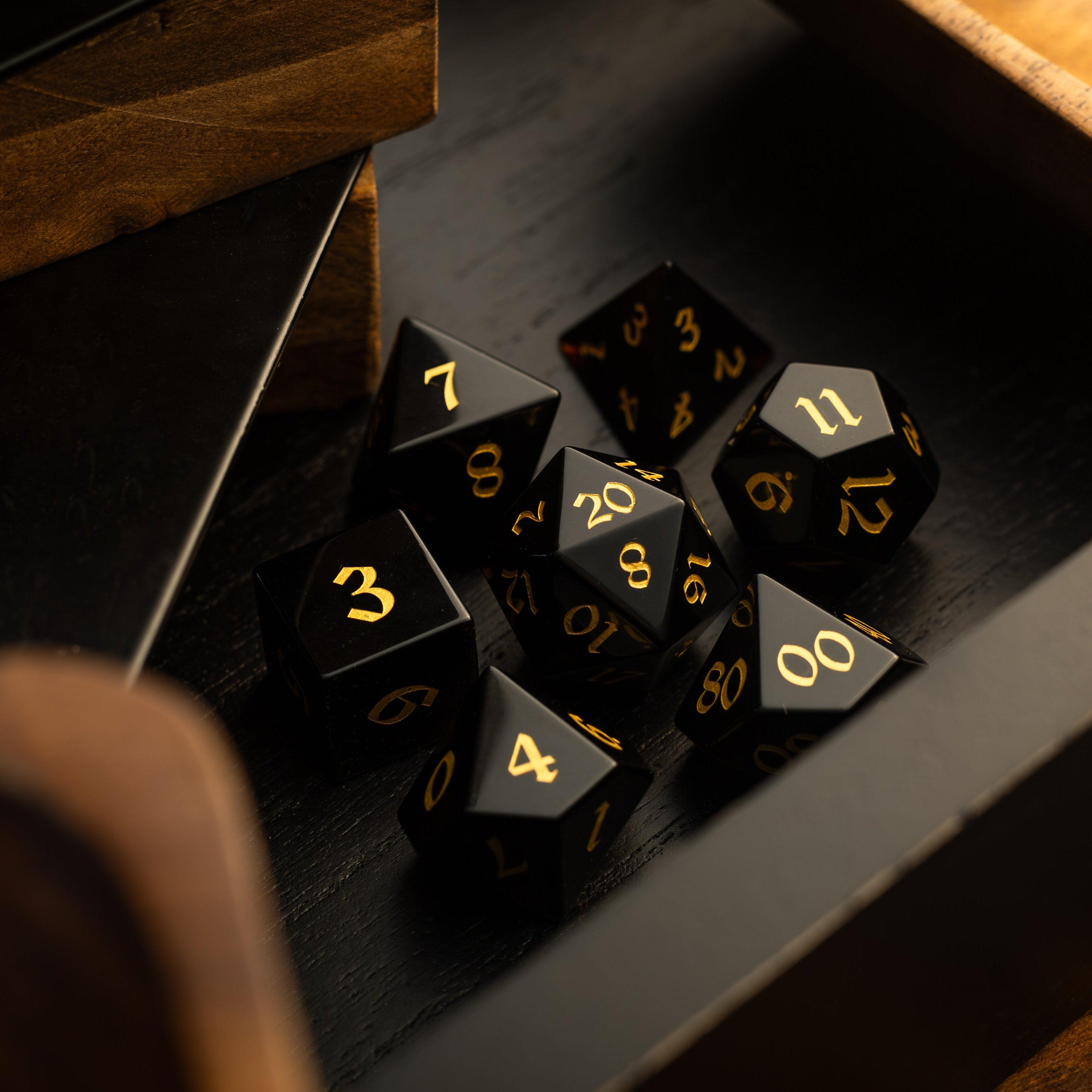
Your dice can support that identity too. Resin dice fit colorful roleplaying builds, metal dice suit bold martial heroes, gemstone dice feel right for mystical subclasses, and liquid core dice are perfect for strange magic, psionics, and cosmic power.
Tips for Dungeon Masters
Dungeon Masters can make uncommon subclasses shine by creating space for their themes.
Try adding:
-
Fey crossings for Circle of Dreams Druids
-
Political factions for Mastermind Rogues
-
Planar rifts for Horizon Walker Rangers
-
Ancient psychic ruins for Psi Warriors
-
Ghost stories and omens for College of Spirits Bards
You do not need to rewrite the whole campaign. A few NPCs, locations, or rewards tied to a subclass can make a player feel like their choice matters.
Why Power Is Not Everything
Optimization can be fun, but power is not the only path to a great character. Some of the best dnd character builds are remembered because they created stories.
The paladin who wanted glory but learned humility. The rogue who saved the kingdom through secrets instead of daggers. The warlock who never fully understood what was answering their prayers.
That is where uncommon subclasses shine. They invite players to think beyond damage numbers and build characters with personality, mystery, and purpose.
Conclusion
The next time you create a character, look past the obvious choices. The most popular options may be reliable, but uncommon D&D subclasses can bring a whole new spark to your table.
Whether you are building a dream-touched druid, a spirit-channeling bard, a psychic fighter, or a planar ranger, these subclasses offer fresh ways to experience D&D. They create unique D&D characters, inspire creative D&D builds, and help every campaign feel a little less predictable.
Sometimes the hero everyone remembers is not the strongest one.
Sometimes it is the strange one no one saw coming.

Leave a comment
This site is protected by hCaptcha and the hCaptcha Privacy Policy and Terms of Service apply.