
Homebrew Spells for RPGs: How to Create Balanced and Memorable Magic

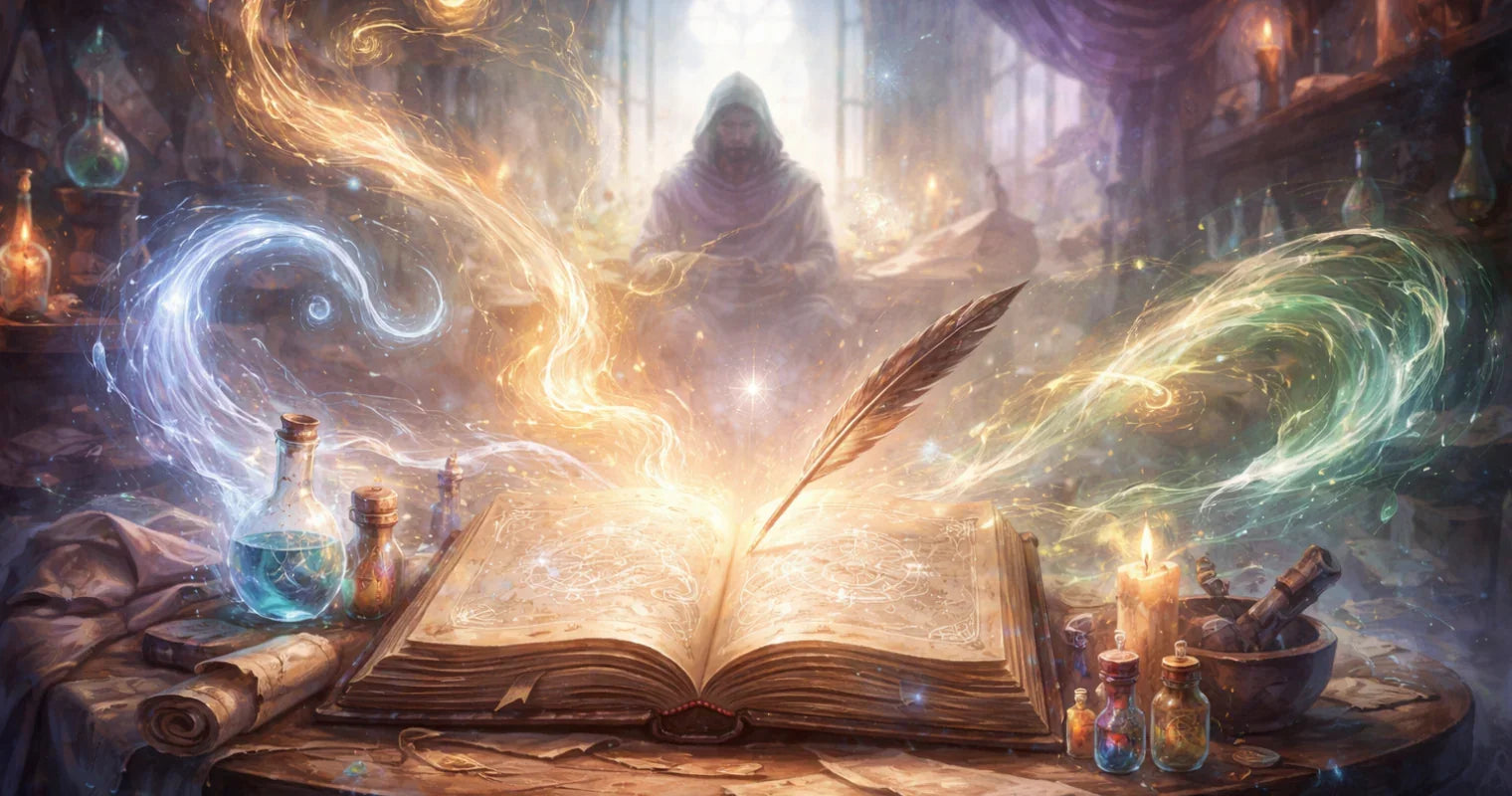
Homebrew spells are one of the most exciting ways to make a tabletop RPG campaign feel truly your own. A custom spell can reveal a character’s personality, deepen a world’s history, or turn a simple combat moment into something everyone remembers.
In Dungeons & Dragons, homebrew magic lets players and Dungeon Masters create effects that official spell lists may not cover. Maybe your wizard studies forgotten star magic. Maybe your druid channels the memory of an ancient forest. Maybe your warlock’s patron grants strange magic that feels nothing like a normal spell.
The trick is making that magic fun without making it too powerful. Good homebrew spells should feel exciting, flavorful, and fair at the table.
What Are Homebrew Spells?
Homebrew spells are custom spells created by players or Dungeon Masters instead of being taken directly from official rulebooks. They can be made for D&D, fantasy tabletop RPGs, or custom magic systems built for home campaigns.
Players and DMs often create homebrew spells to:
-
Match a character’s theme more closely
-
Add unique magic to a campaign setting
-
Create spells tied to ancient lore, gods, dragons, or lost civilizations
-
Fill a small gap in an existing spell list
-
Make villains, factions, or magical schools feel distinct
The main difference between official spells and dnd homebrew spells is testing. Official spells are designed, edited, and balanced before publication. Homebrew magic needs table testing, careful comparison, and a willingness to adjust.
The Foundations of Good Spell Design
Before choosing damage dice or saving throws, start with the spell’s purpose.
Ask yourself:
-
What problem does this spell solve?
-
Which class should use it?
-
What does it look and feel like?
-
Does it fit the campaign world?
-
Is it stronger than similar official spells?
A strong spell concept keeps the mechanics focused. For example, “a frost spell that slows enemies” is easier to balance than “a frost spell that damages, freezes, blinds, and creates difficult terrain.”
Good dnd spell creation usually starts simple. Pick one main effect, then support it with flavor. If the spell tries to do everything, it can quickly become confusing or overpowered.
Balancing Damage and Utility
When designing custom spells dnd players will actually use, compare your idea to existing spells of the same level. This is the best balance tool you have.
Look at:
-
Spell level
-
Casting time
-
Range
-
Duration
-
Damage dice
-
Saving throw or attack roll
-
Concentration requirement
-
Area of effect
-
Whether it scales at higher levels
For damage spells, compare damage to similar official spells. A 1st-level spell should not hit like a 3rd-level spell. A spell with a wide area should usually deal less damage than a single-target spell.
For utility spells, think about how often the spell solves problems. A spell that opens one locked door is very different from a spell that bypasses every dungeon obstacle for an hour.
Action economy also matters. A spell cast as a bonus action can be much stronger than one that uses a full action. Reactions are powerful because they happen outside the caster’s turn. Concentration is a useful limit for control, buffs, and ongoing effects.
Sample Spell Design Comparison Table
| Spell Type | Design Goal | Common Balance Check |
|---|---|---|
| Damage Spell | Direct combat impact | Compare to existing damage spells |
| Utility Spell | Solve problems creatively | Limit frequency of use |
| Control Spell | Influence battlefield | Require saves or concentration |
| Support Spell | Help allies | Avoid excessive stacking bonuses |
| Exploration Spell | Encourage discovery | Maintain meaningful limitations |
This table is a simple spell design guide for checking whether your idea is focused. If a spell fits three or four categories at once, it may need to be narrowed down.
Common Homebrew Spell Mistakes
Homebrew spells usually become a problem when they do too much for too little cost.
Common mistakes include:
-
Dealing too much damage for the spell level
-
Adding strong effects without requiring concentration
-
Giving unlimited utility with no meaningful limit
-
Replacing several official spells at once
-
Using unclear wording
-
Ignoring class identity
-
Making the spell useful in every situation
A good custom spell should have a reason to exist, but it should not make other spells pointless. If your 2nd-level spell is better than several 3rd-level options, it probably needs adjustment.
Also avoid overly complex wording. Players should understand what the spell does after one or two reads. If it takes a full debate every time someone casts it, simplify it.
Creating Memorable Spell Themes
The best fantasy spell ideas usually come from theme first, mechanics second.
Try drawing inspiration from:
-
Dragons
-
Elemental storms
-
Ancient ruins
-
Celestial beings
-
Shadow magic
-
Fey bargains
-
Cosmic forces
-
Forgotten gods
-
Haunted battlefields
-
Lost magical schools
For example, a fire spell does not have to be just another blast of flame. It could create ghostly blue fire from a ruined kingdom, golden dragonfire that marks enemies, or a candle-like flame that reveals invisible spirits.
This is where homebrew magic can really shine. The mechanics may be simple, but the description can make the spell unforgettable.
Practical Homebrew Spell Examples
Here are a few balanced-style examples to show how custom magic can stay flavorful without getting out of hand.
Embermark
Level: 1st-level evocation
Casting Time: 1 action
Range: 60 feet
Duration: 1 round
Effect: You hurl a small ember at one creature. On a hit, the target takes fire damage, and the next attack roll against it before the start of your next turn gains a small bonus.
This works because it has a clear combat purpose. It deals damage and supports one follow-up attack, but it does not apply a long-lasting condition or affect multiple enemies.
Moonlit Step
Level: 2nd-level conjuration
Casting Time: Bonus action
Range: Self
Duration: Instantaneous
Effect: You teleport a short distance to a space you can see in dim light or darkness.
This spell is thematic and useful, but the lighting requirement keeps it from replacing every movement spell.
Archivist’s Whisper
Level: 1st-level divination
Casting Time: 1 action
Range: Touch
Duration: 10 minutes
Effect: You touch a book, scroll, or carved inscription and gain a brief sense of its subject, age, and emotional tone.
This is a good exploration spell because it gives clues without solving the entire mystery.
Using Dice to Support Spellcasting Atmosphere
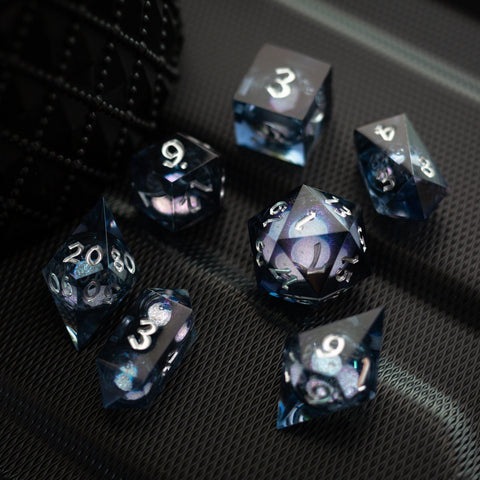
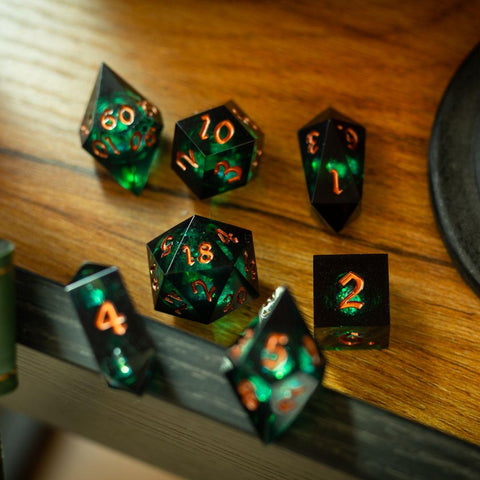
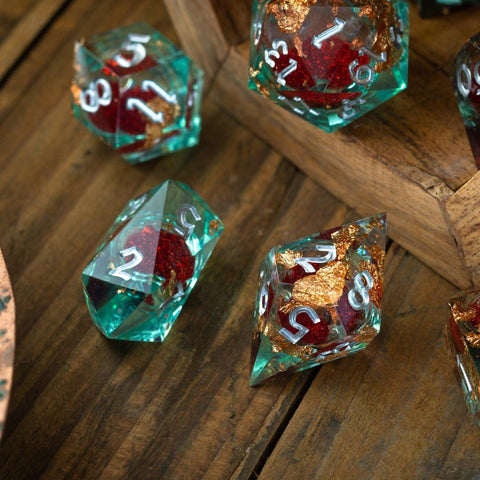
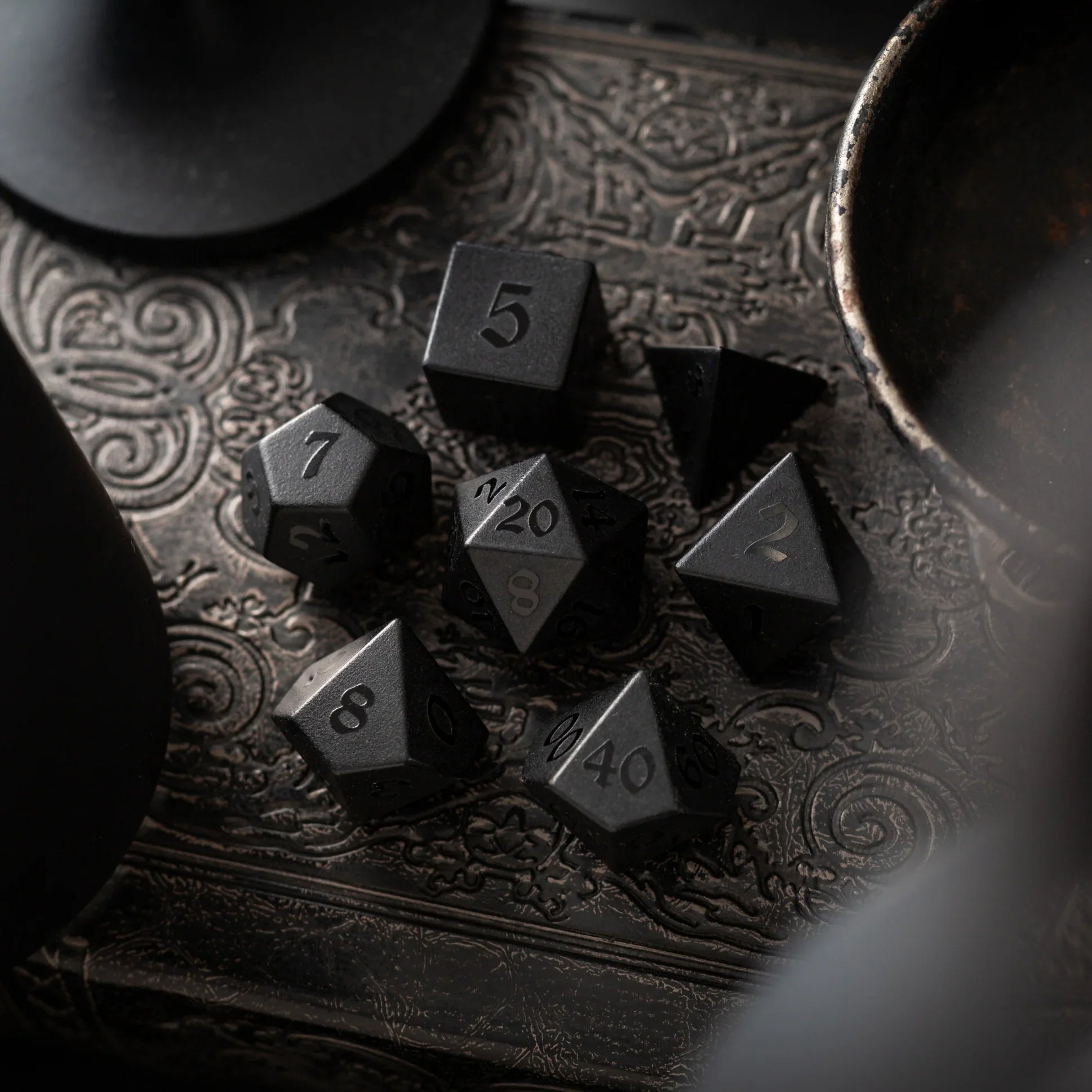
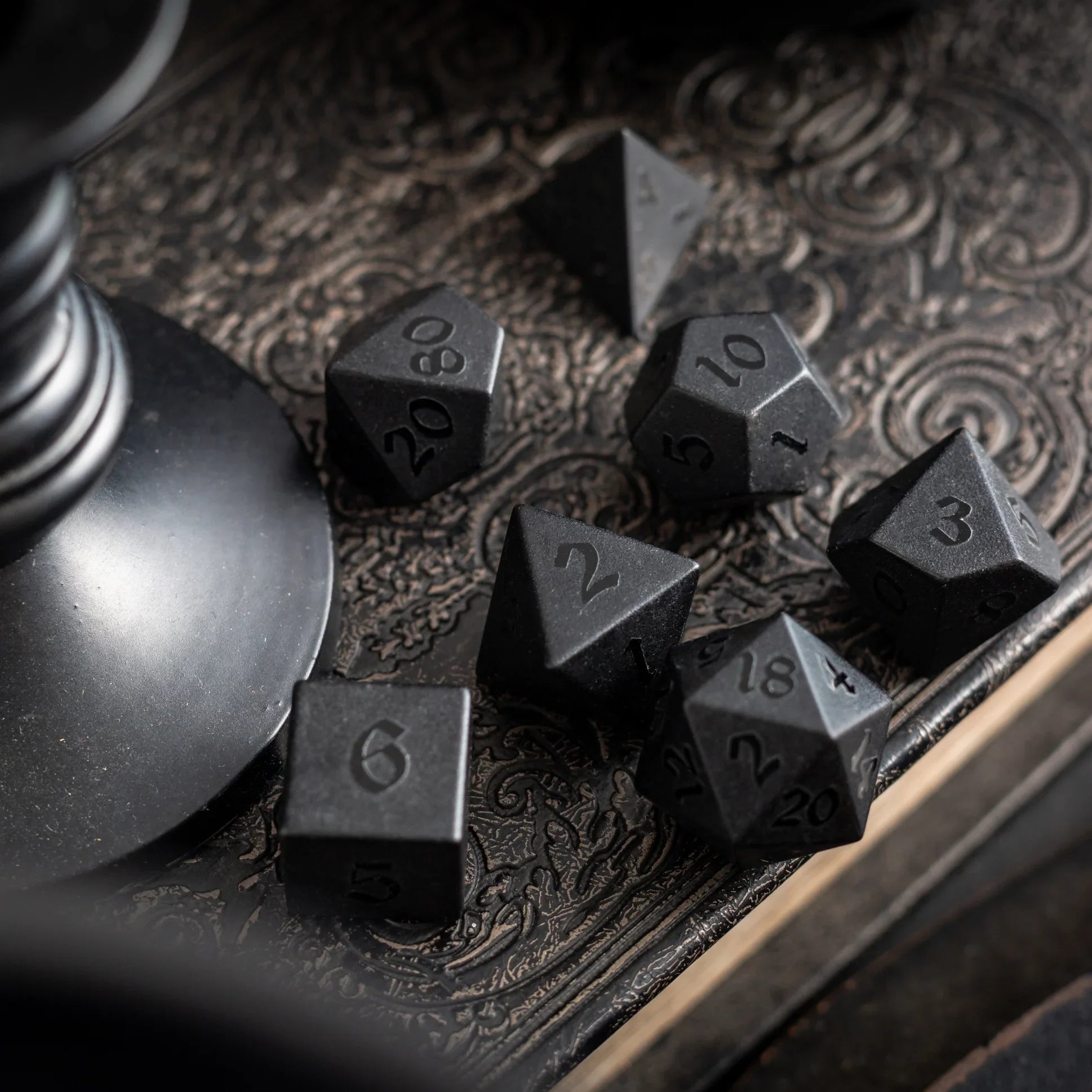
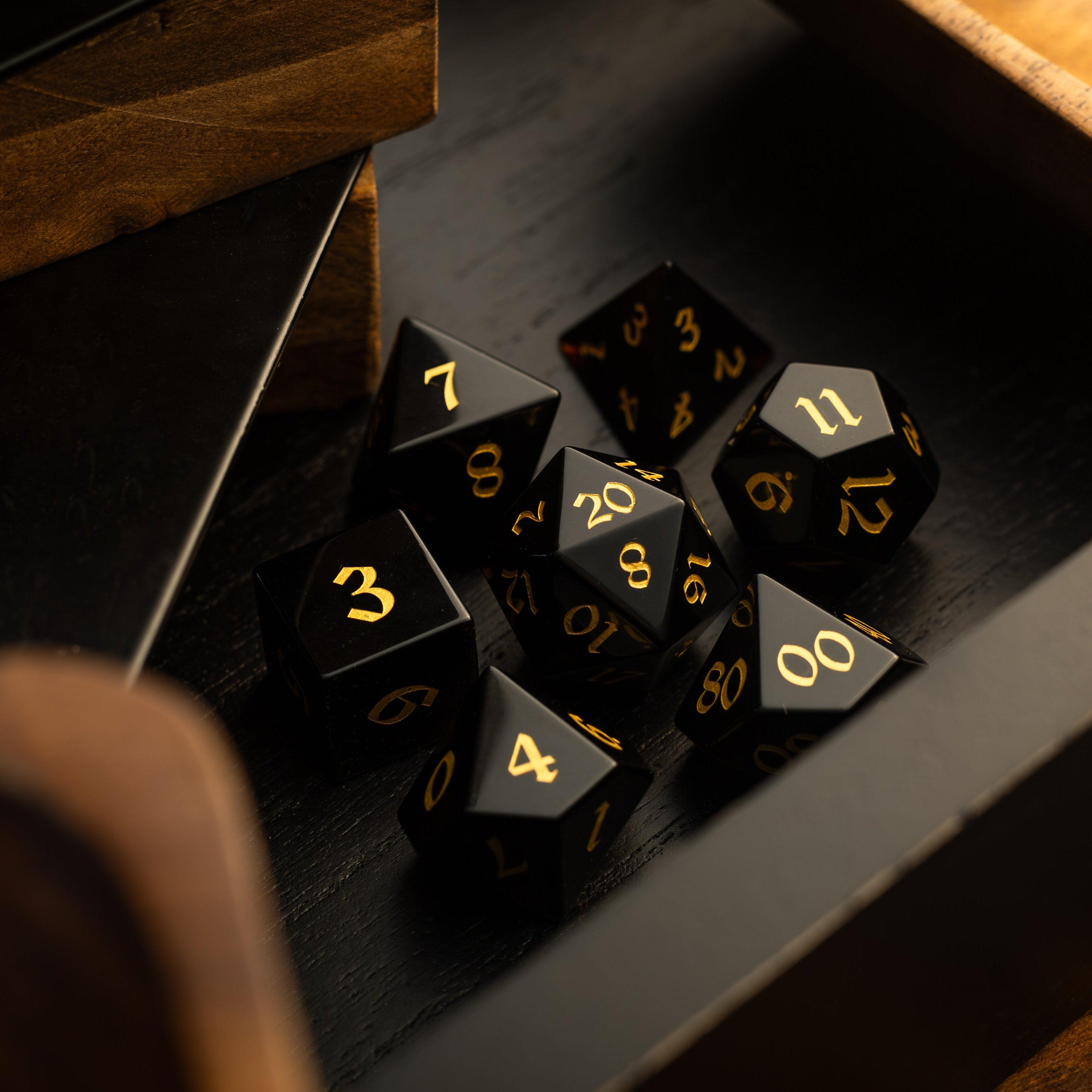
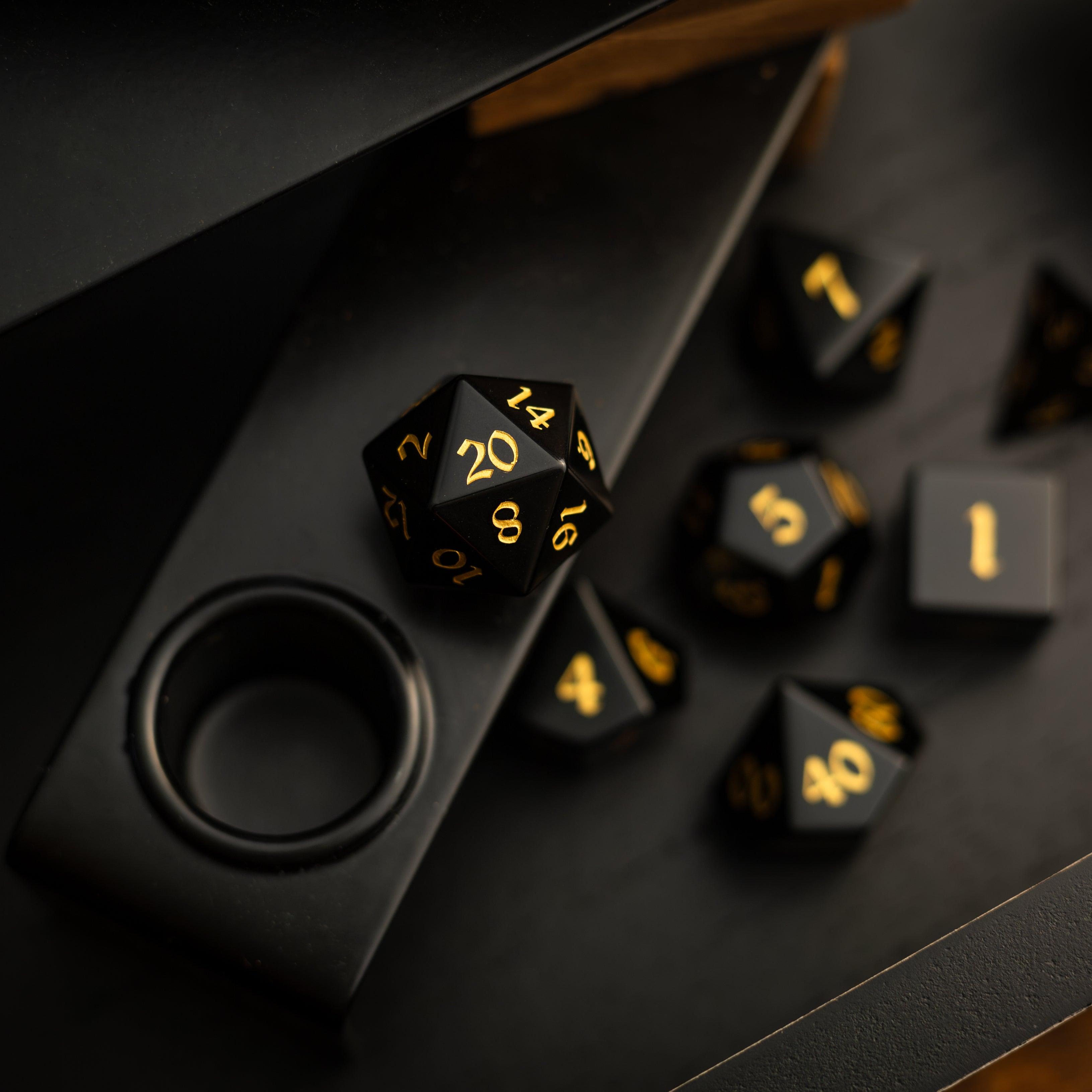
For spellcasters, the right dice can make custom magic feel more immersive at the table. A wizard casting star magic with galaxy dice, a sorcerer using liquid core dice for unstable arcane energy, or a druid rolling earthy resin dice can add a small but memorable layer of character flavor.
Gemstone dice can feel especially fitting for powerful wizards, ancient spellbooks, and rare magical traditions. Liquid core dice work beautifully for wild magic, cosmic forces, and spells that feel alive in the hand. For everyday adventurers, resin dice are practical, colorful, and easy to match with a character’s spellcasting style.
These details do not change the rules, but they do help create table atmosphere. For many players, that little spark of visual storytelling makes the magic feel more personal.
Testing Your Homebrew Spells
Never assume a homebrew spell is perfect on the first try. Even experienced Dungeon Masters need to test and revise.
Try these steps:
-
Test the spell in a one-shot before adding it to a long campaign
-
Compare it to official spells after each session
-
Ask players if it felt fun, fair, or confusing
-
Watch whether it gets used too often or never at all
-
Adjust damage, duration, range, or concentration as needed
A spell that looks balanced on paper can feel very different during play. Maybe it slows combat down. Maybe it solves too many encounters. Maybe it is weaker than expected and needs a small boost.
Good dungeon master homebrew is flexible. The goal is not to protect the first draft. The goal is to make the spell better.
Using Custom Magic to Enhance Worldbuilding
Homebrew spells are not just mechanics. They can also tell players what makes your world different.
A desert empire might teach glass and sun magic. A coastal kingdom might use storm chants and tide spells. A ruined elven city might leave behind moonlit illusions that modern wizards struggle to understand.
Custom magic systems can help define:
-
Regional spell traditions
-
Forgotten civilizations
-
Magical guilds
-
Divine orders
-
Legendary archmages
-
Villain spell lists
-
Rare schools of magic
When spells belong to the world, players remember them. “Fire burst” is useful. “The Ashen Crown’s Last Command” feels like history.
Final Tips for Better Homebrew Magic
Before adding a new spell to your game, run through this checklist:
-
Does the spell have one clear purpose?
-
Is the spell level appropriate?
-
Does it need concentration?
-
Is the action cost fair?
-
Is the wording easy to understand?
-
Does it fit the class spell list?
-
Does it support the story?
-
Can it be adjusted after playtesting?
If the answer is yes, you probably have a strong starting point.
Conclusion
Homebrew spells can make tabletop RPG spells feel personal, cinematic, and deeply connected to the campaign world. They let players express character identity and give Dungeon Masters another tool for building memorable adventures.
The best homebrew spells are not the ones that deal the most damage or solve every problem. They are the spells that feel exciting, balanced, and meaningful when they hit the table.
Start with a strong theme. Compare your mechanics to existing spells. Respect action economy, concentration, range, duration, and class identity. Then test, adjust, and keep refining.
That is how custom magic becomes more than a rule on a page. It becomes part of the story.













Leave a comment
This site is protected by hCaptcha and the hCaptcha Privacy Policy and Terms of Service apply.