
Curse of Strahd Halloween One-Shot: How to Run Death House
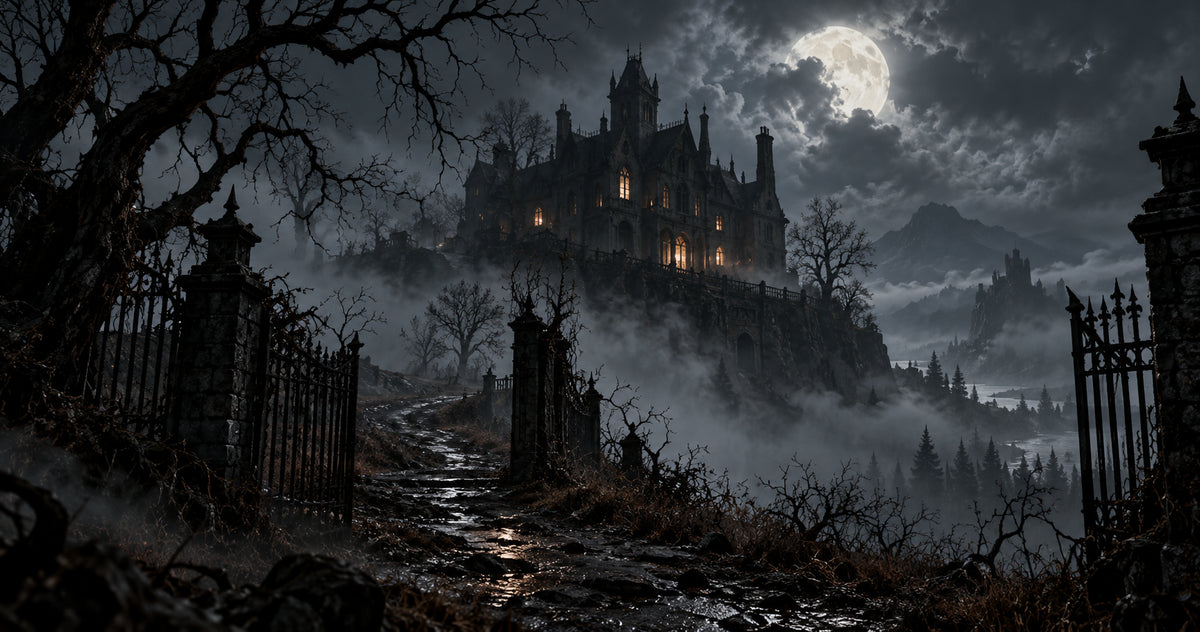
A lonely mansion stands in the mist-covered village of Barovia. Its windows are dark, its halls are strangely quiet, and two frightened children claim something terrible is hiding inside.
Welcome to Death House, one of the most memorable haunted-house adventures in Dungeons & Dragons.
Originally designed as an introduction to Curse of Strahd, Death House combines gothic horror, disturbing family secrets, supernatural encounters, and dangerous decisions. Its atmosphere makes it especially suitable for a Halloween D&D one-shot.
However, the original adventure can take several sessions to complete. Running it in one evening requires careful preparation, shorter exploration sequences, and a focused ending.
This guide explains how to run Death House as a complete Halloween adventure while preserving its strongest mysteries and frightening moments.
What Is Death House in Curse of Strahd?
Death House is an introductory adventure included in Appendix B of Curse of Strahd, originally published in 2016.
Set in the village of Barovia, the adventure follows a group of characters investigating a mysterious townhouse once occupied by the Durst family.
Behind its elegant furnishings and unsettling decorations lies a history involving a secret cult, disturbing rituals, and supernatural forces.
The adventure features:
-
Haunted rooms filled with mysterious clues
-
The tragic history of Rose and Thorn Durst
-
Secret passages connecting different floors
-
Undead creatures and animated objects
-
Underground chambers connected to a sinister cult
-
A dangerous final encounter involving a ritual altar
The original adventure begins with 1st-level characters, advances them to 2nd level after discovering the secret dungeon stairs, and reaches 3rd level after their escape.
For a standalone Death House one-shot, these progression milestones can be simplified.
Spoiler Warning: The following sections discuss important characters, hidden locations, monsters, and the adventure's ending. Dungeon Masters should read the published adventure before running these scenes.
Preparing Death House for a Halloween One-Shot
A successful Curse of Strahd one shot begins with deciding which parts of Death House matter most.
Choose Your Session Length and Character Levels
Plan approximately 3–5 hours, understanding that some groups will need longer.
For beginners, starting at level 2 or 3 can reduce the risk of early character deaths. This is a suggested adjustment, not the original starting level.
Level 3 is especially convenient when you want players to access their subclass features under the revised 2024 D&D rules.
Focus on Essential Locations
Prioritize rooms that reveal important information about the Durst family.
Keep these locations:
-
The library and secret room
-
The nursery and nursemaid's quarters
-
Rose and Thorn's bedroom
-
The secret stairs leading underground
-
The family crypts
-
The cult's underground chambers
-
The final ritual chamber
Other rooms can receive shorter descriptions unless players show particular interest.
Discuss Horror Boundaries
Before the game, explain that Death House includes themes of child neglect, death, cult activity, and ritual sacrifice.
Ask players which subjects they would prefer to avoid or keep offscreen.
Horror works best when everyone feels comfortable participating.
Death House Halloween Preparation Table
Use this suggested timeline to organize a four-hour Death House walkthrough.
|
Adventure Section |
Main Objective |
Horror Element |
Suggested Time |
One-Shot Adjustment |
|
Village entrance |
Introduce the mystery |
Barovian mist |
20 minutes |
Begin near the house |
|
Main mansion |
Discover family secrets |
Haunted furnishings |
70 minutes |
Shorten empty rooms |
|
Attic |
Learn the children's fate |
Restless spirits |
30 minutes |
Make clues accessible |
|
Underground chambers |
Investigate the cult |
Undead threats |
60 minutes |
Reduce optional fights |
|
Ritual chamber |
Face the final decision |
Supernatural ritual |
35 minutes |
Simplify the climax |
|
Escape |
Survive the house |
Deadly obstacles |
25 minutes |
Use a shorter escape sequence |
These times are planning targets, not guarantees. Allow flexibility for investigation, roleplaying, and unexpected decisions.
Starting the Adventure: Drawing Players Into Death House
The opening should immediately establish mystery and concern.
Introduce Barovia Through Atmosphere
Describe a nearly abandoned village surrounded by unnatural mist.
The streets are quiet, the windows are dark, and distant sounds disappear into the fog.
Avoid spending too long explaining Barovia's history. Players only need enough information to understand that something is wrong.
Make Rose and Thorn Important
In the published adventure, the party encounters illusory versions of Rose and Thorn, who claim a monster is trapped inside their home.
Their request provides the main reason to investigate.
Give Rose a protective personality while portraying Thorn as frightened and uncertain.
For example, Rose might refuse to leave until someone checks on their younger sibling.
Players should feel motivated by the mystery rather than forced into the building.
Establish an Immediate Question
Before entering, give the party something unsettling to investigate.
Perhaps a candle burns behind a sealed window, or the mansion's front door opens without anyone touching it.
These are optional atmospheric additions, not published adventure events.
Exploring Death House Without Slowing the Session
Exploration is the heart of this haunted house D&D adventure, but investigating every room in detail can consume valuable time.
Describe Rooms With Purpose
Use two or three memorable details when introducing each location.
A hallway might contain:
-
A portrait whose subjects appear unusually lifelike
-
Dust-covered furniture arranged too neatly
-
An unexplained noise from the floor above
Then ask what the characters want to investigate.
Make Important Clues Discoverable
The library, secret room, attic, and family crypts reveal important pieces of the Durst family's history.
If players investigate an appropriate location, provide essential information without requiring repeated successful checks.
Use ability checks to reveal additional details rather than blocking the main mystery.
Keep Exploration Moving
When players spend too long examining an unimportant room, introduce a sound or visual clue that points toward another location.
Avoid forcing them forward. Give information that supports an informed choice.
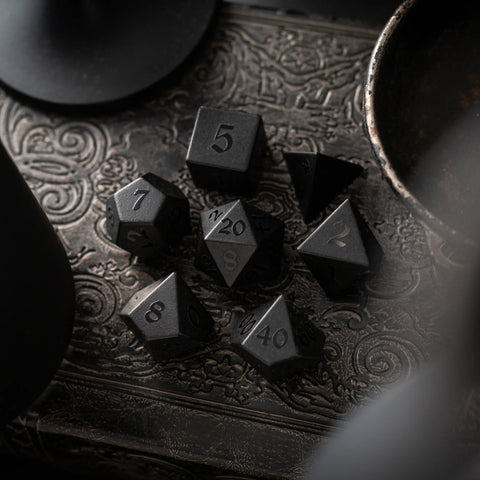
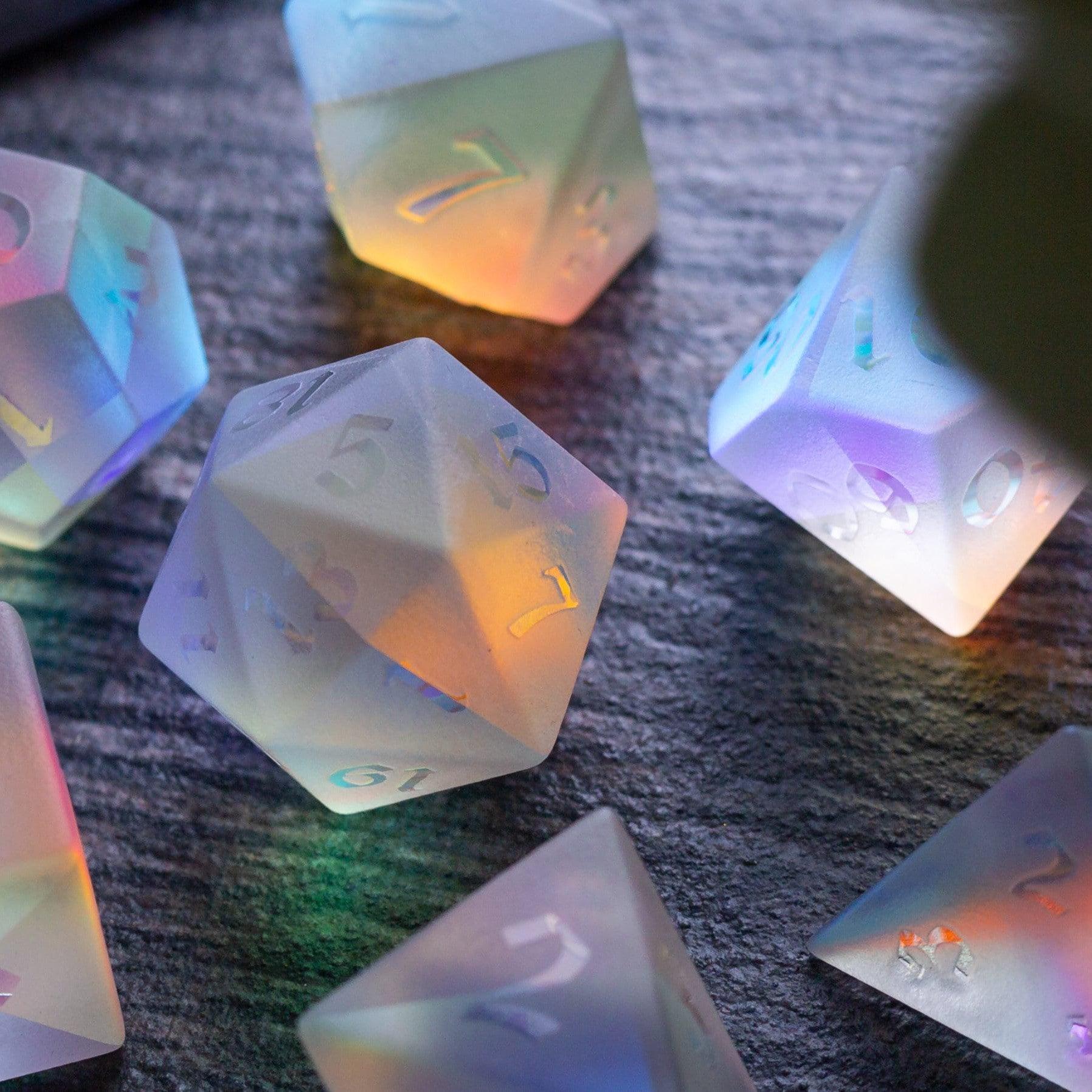
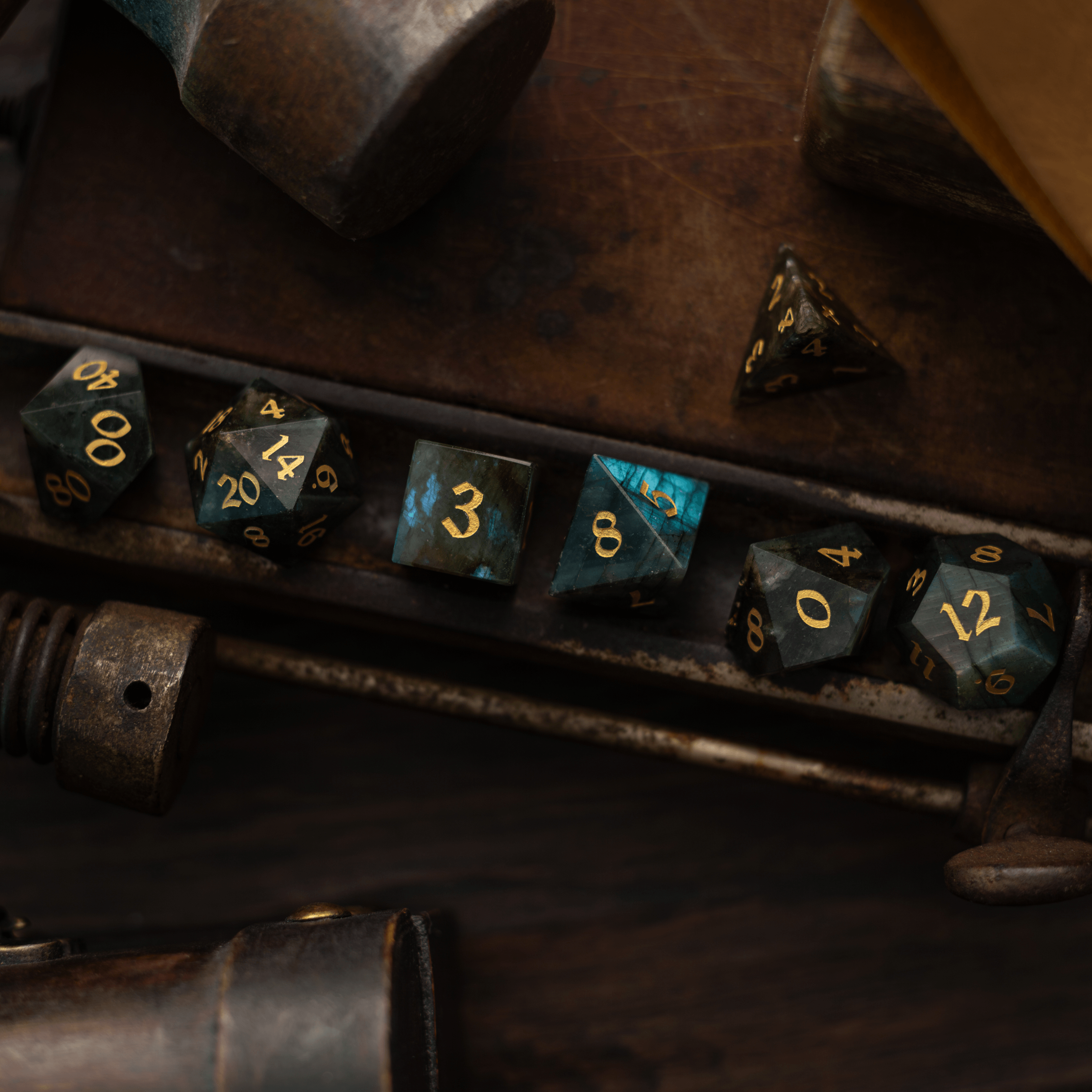
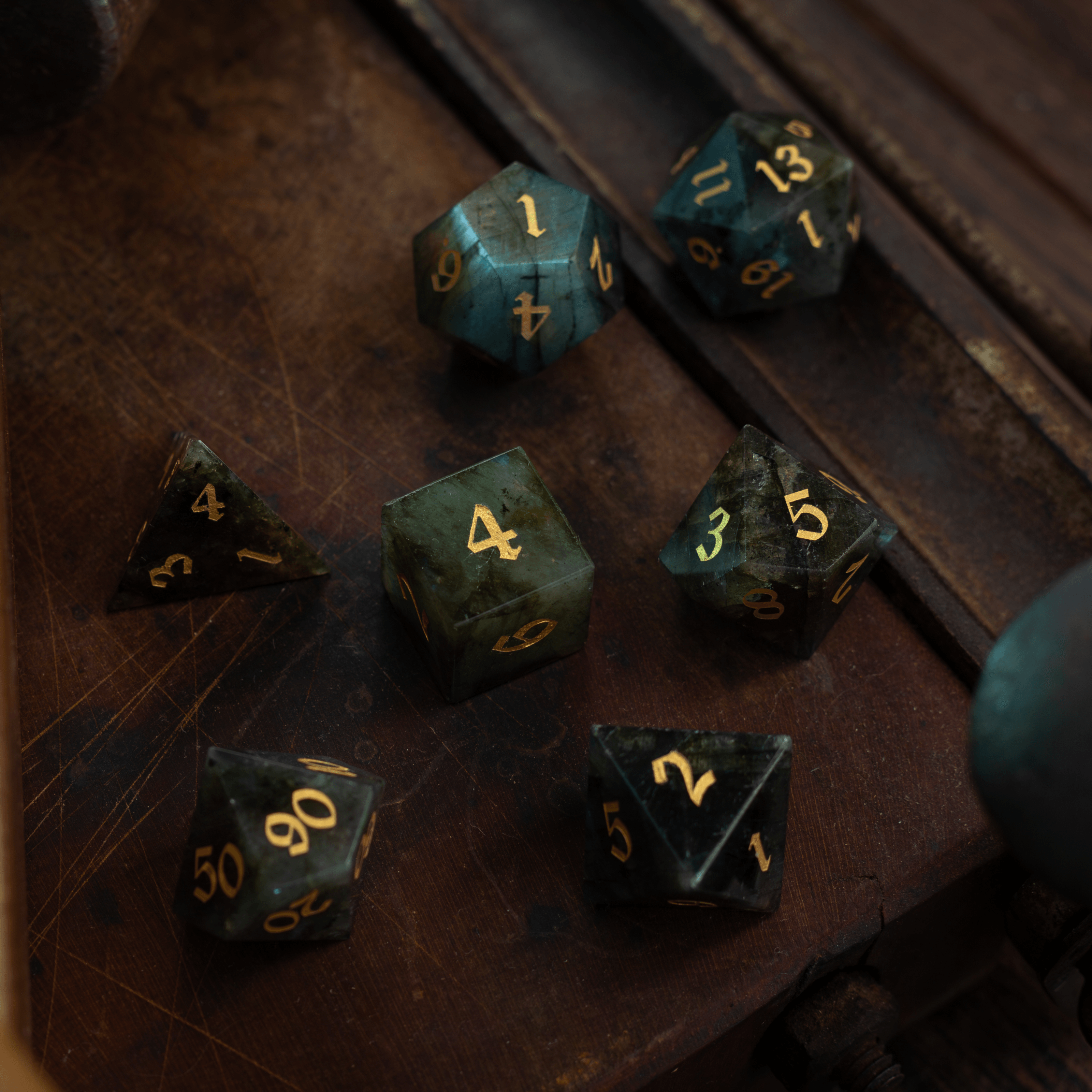
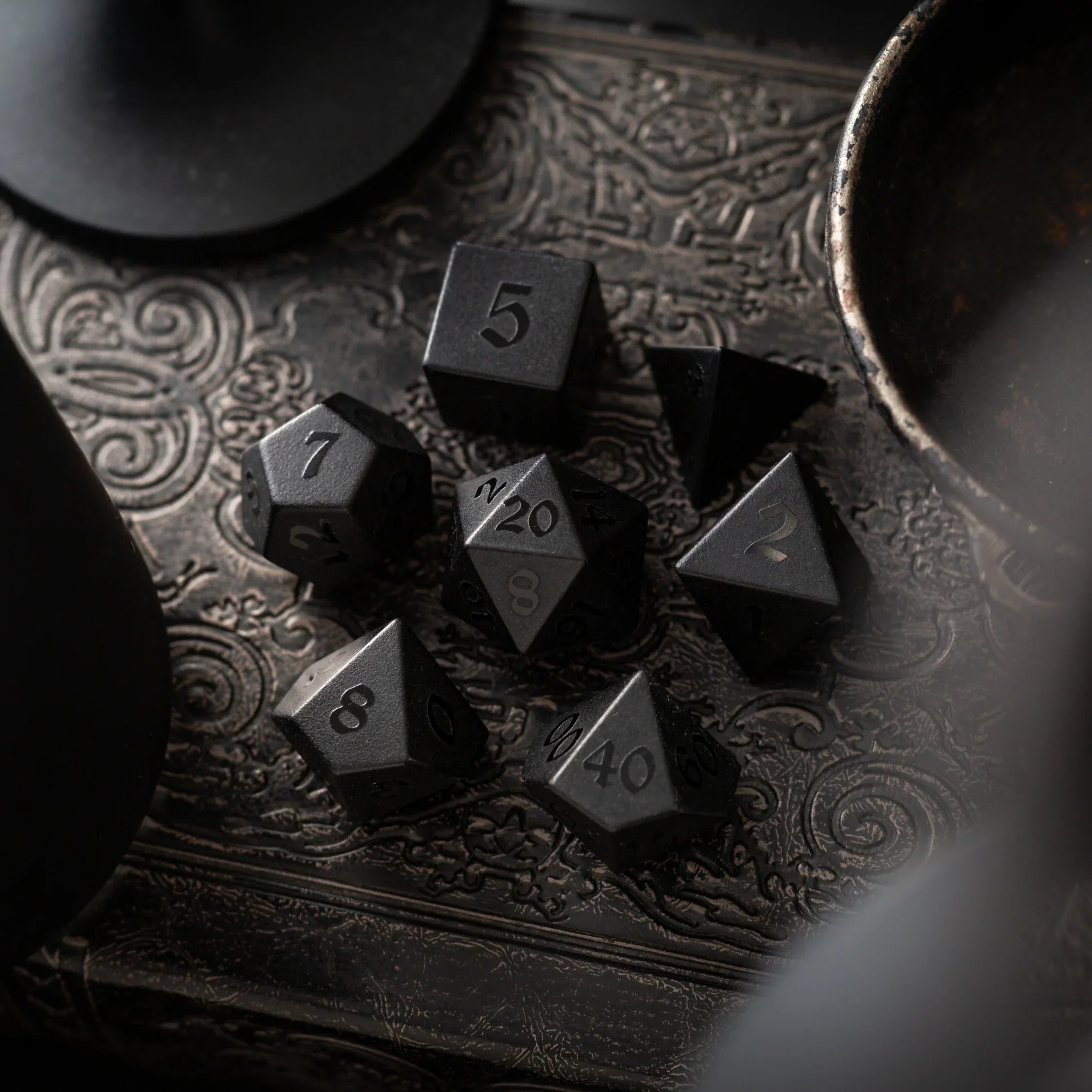
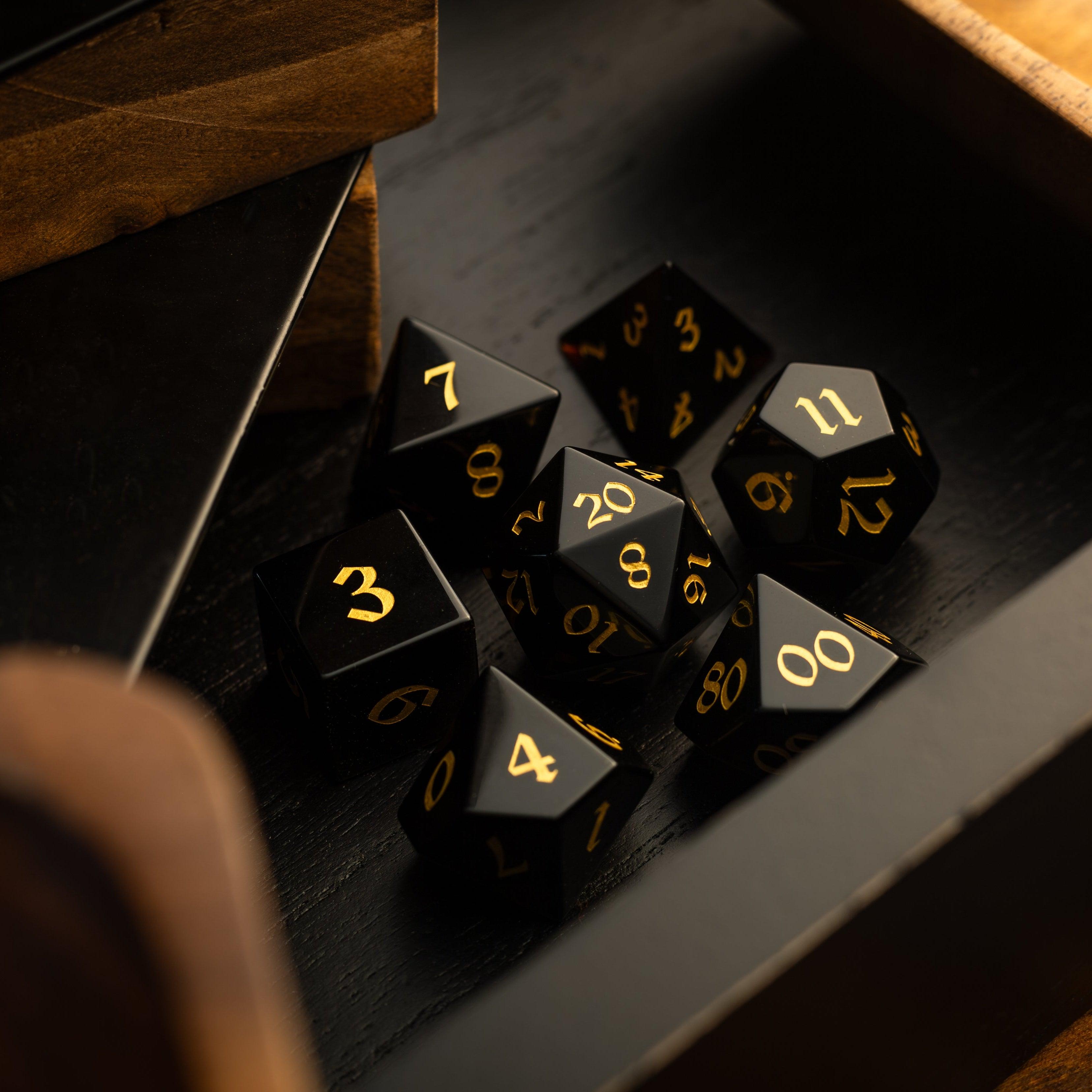
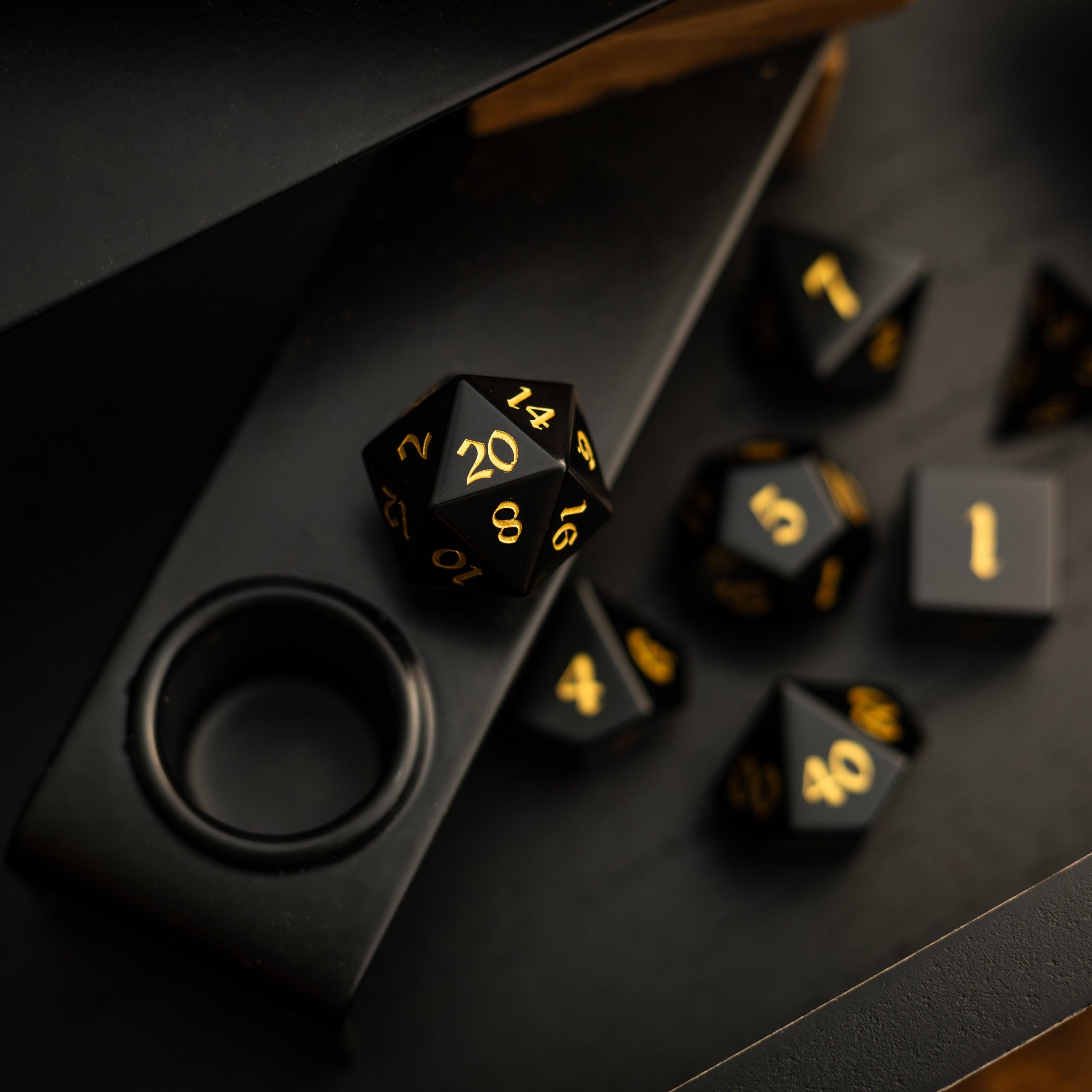
For tabletop atmosphere, Runic Dice's Inked Black Night Raised Obsidian Dice Set suits the mansion's dark aesthetic. Use a padded rolling surface to protect delicate gemstone dice during play.
Running Death House Monsters and Dangerous Encounters
One challenge of Death House DnD is its difficulty.
The original adventure includes animated armor, shadows, ghouls, ghasts, and other dangerous creatures.
Several encounters can overwhelm low-level characters, especially after earlier fights have reduced their resources.
Adjust Encounters Carefully
For a Halloween one-shot, consider:
-
Reducing the number of enemies in group encounters
-
Removing optional combat scenes
-
Allowing players to retreat from certain threats
-
Providing environmental warnings before dangerous encounters
-
Making investigation or clever avoidance worthwhile
These are optional modifications rather than official encounter changes.
Under the revised 2024/5.5e rules, the Dungeon Master's Guide uses Low, Moderate, and High combat encounter difficulty categories. Review the current monster statistics and encounter-building guidance when adapting the original 2016 adventure.
Death House has not been assumed here to have received a complete 2026 mechanical rewrite.
Build Suspense Before Combat
A monster is often more frightening before players see it.
Before an animated object attacks, describe its unnatural position or subtle movement.
Before undead creatures emerge, mention a strange smell, scraping sounds, or disturbed earth.
These details communicate danger while giving players opportunities to prepare.
For physical sessions, keep combat dice in a Runic Dice leather dice tray so rolls stay contained during tense encounters.
Building Gothic Horror Throughout the Adventure
Effective gothic horror depends on uncertainty.
Use environmental details that gradually suggest the house is watching its visitors.
Try incorporating:
-
Candles that flicker without a breeze
-
Footsteps from an empty room
-
Portraits that seem subtly different
-
Whispering sounds behind closed doors
-
Doors that slowly move on their own
-
Sudden silence after a disturbing discovery
Balance these moments with ordinary exploration.
If every room contains a frightening event, players may become accustomed to the danger.
Quiet discoveries often make the next supernatural encounter more effective.
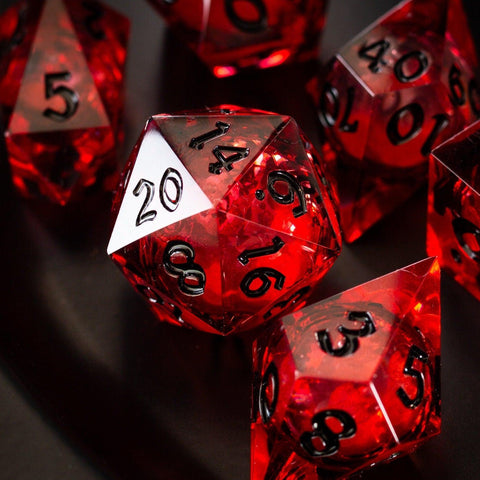
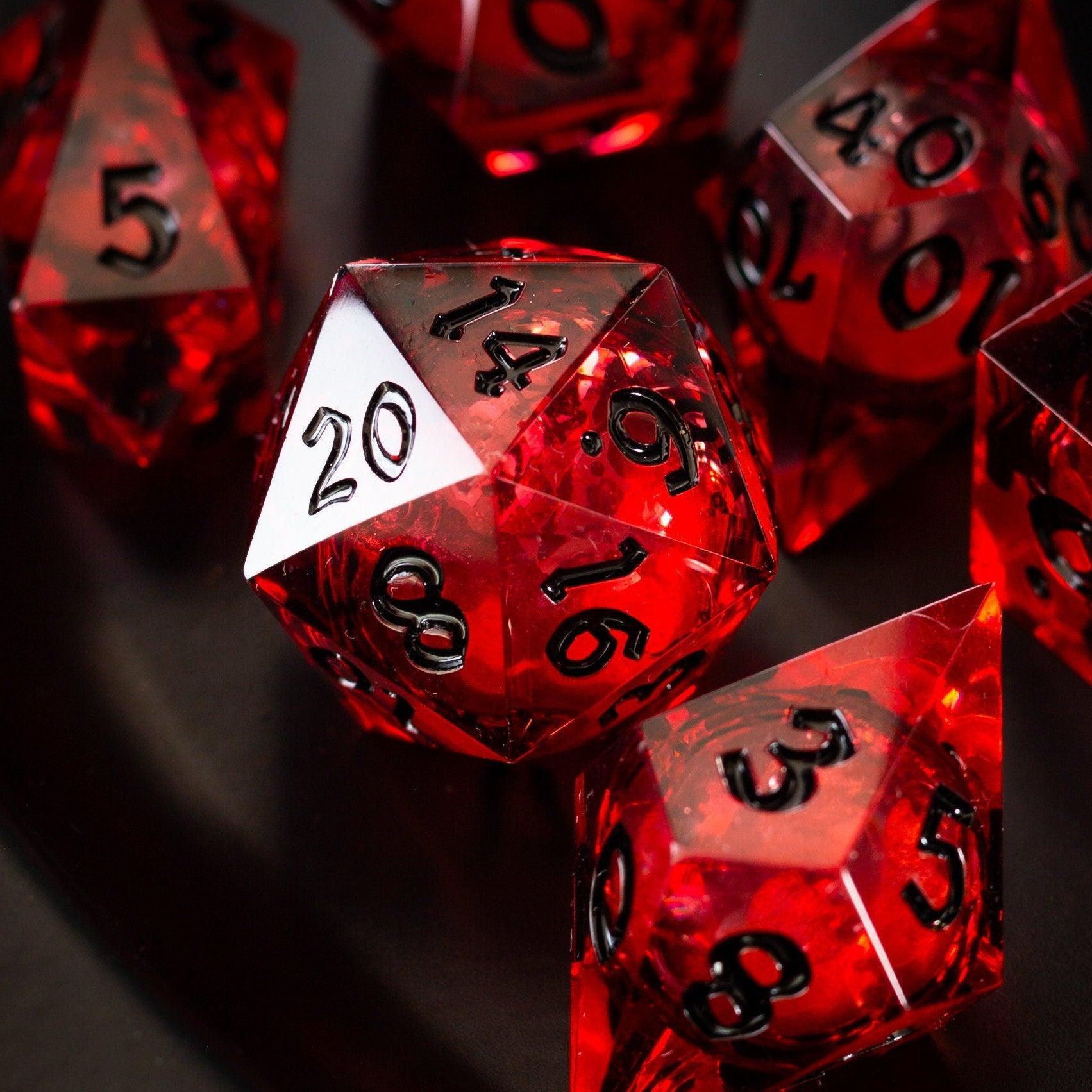
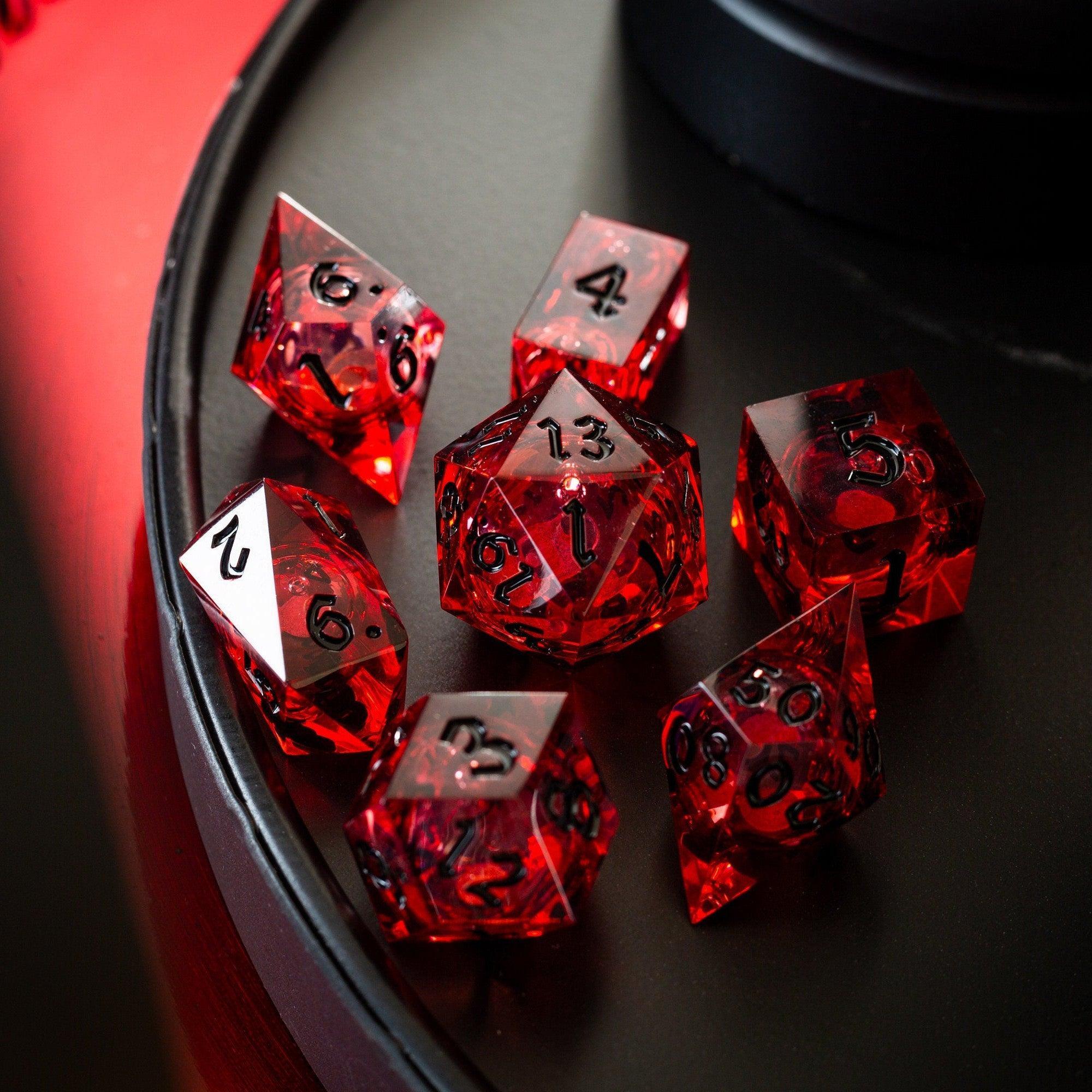
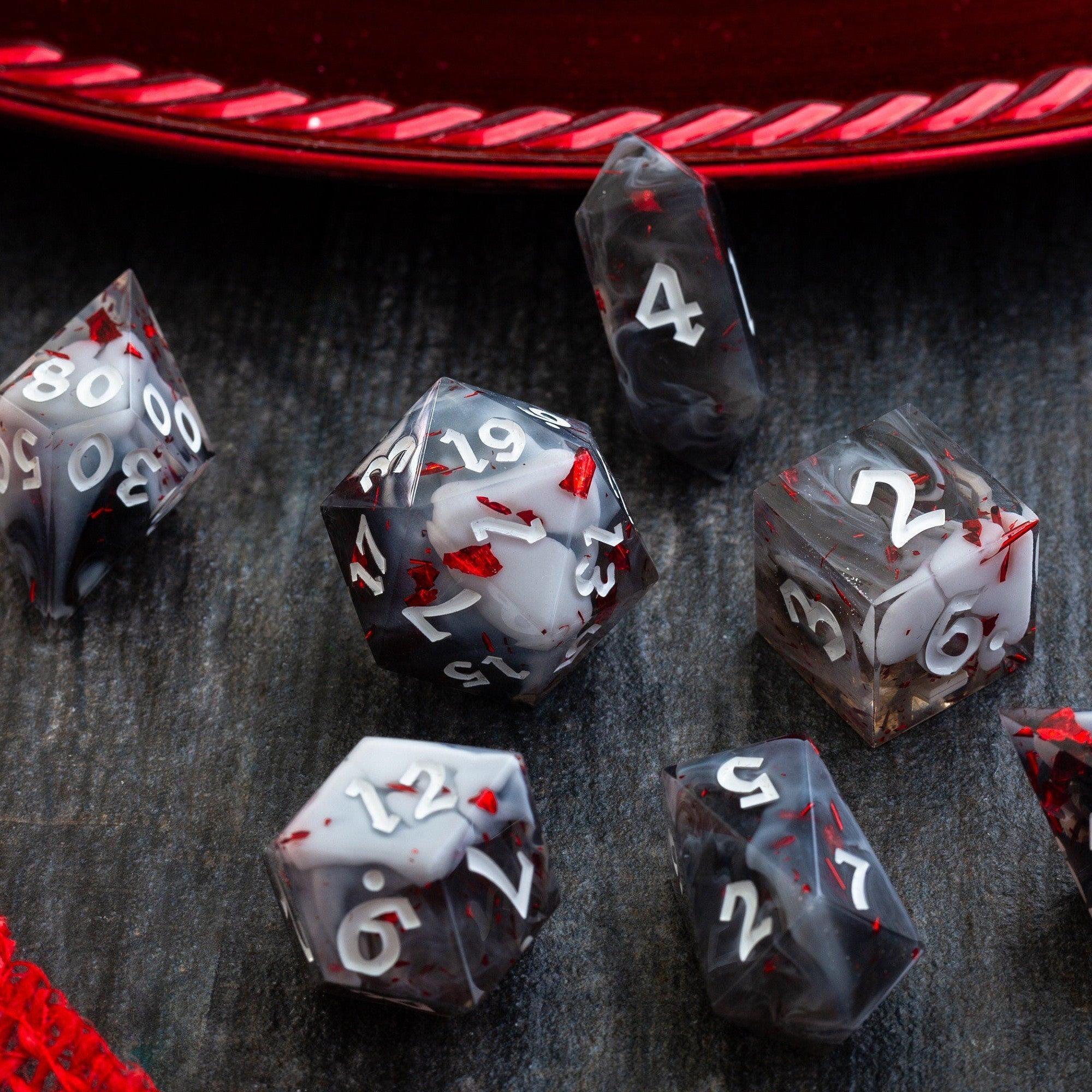
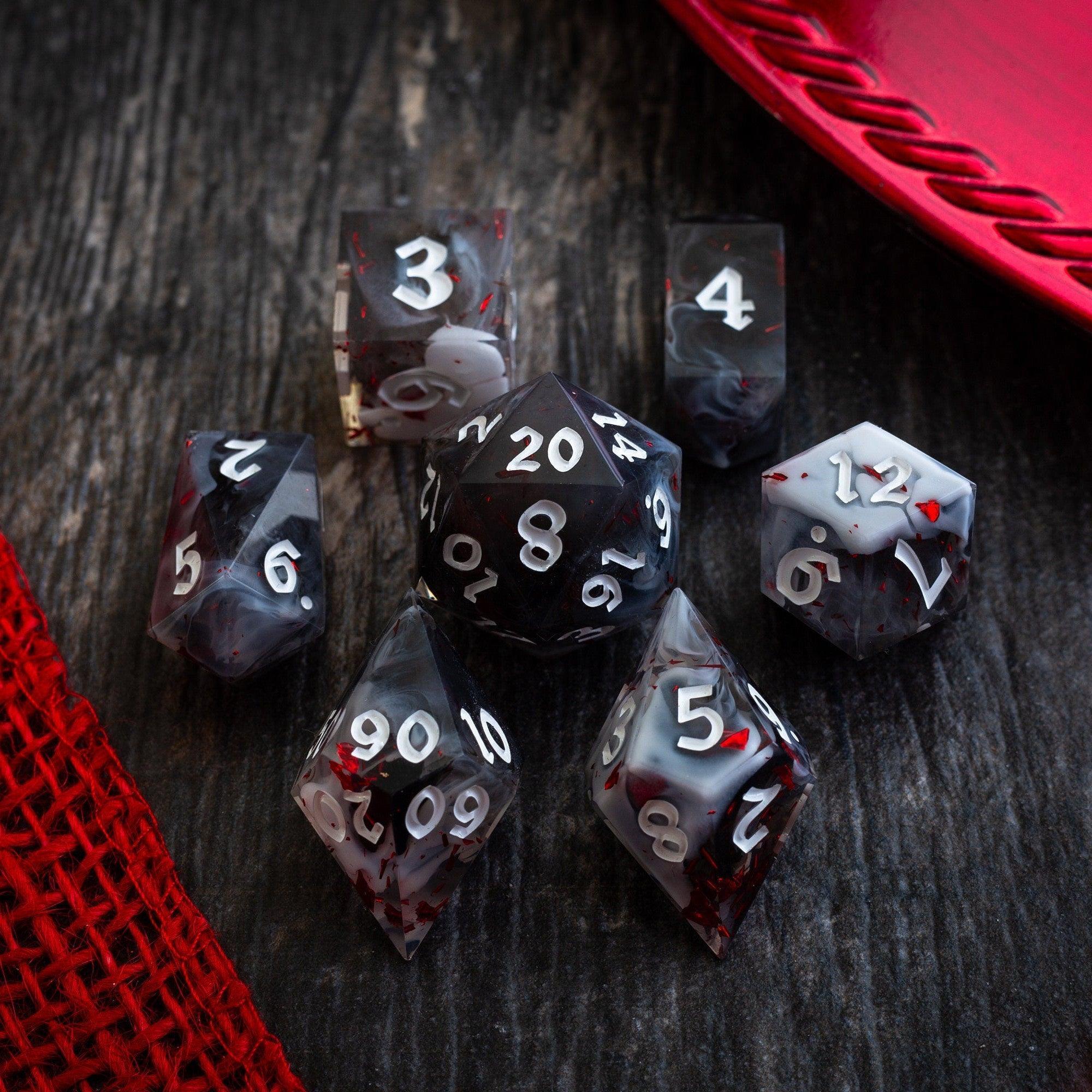
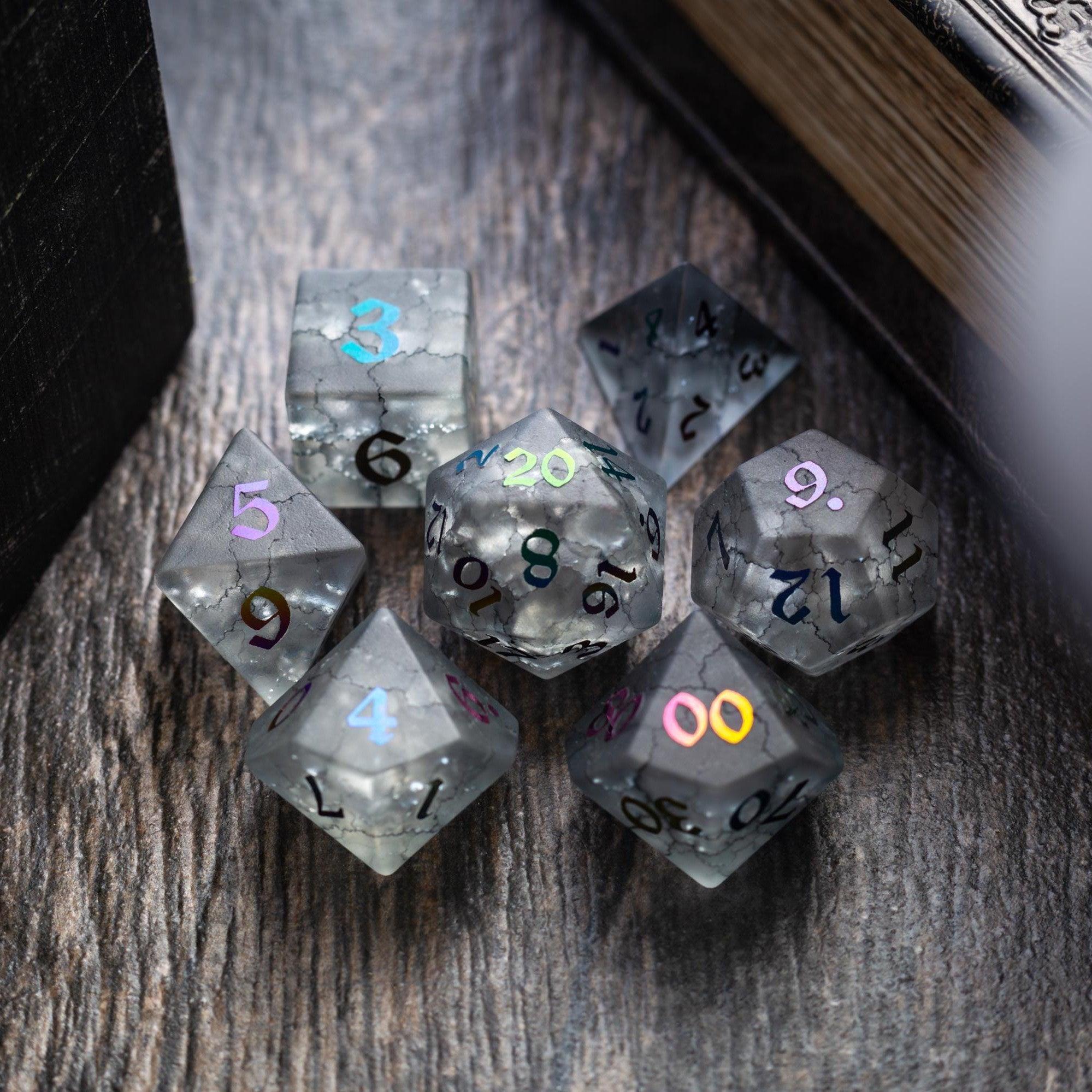
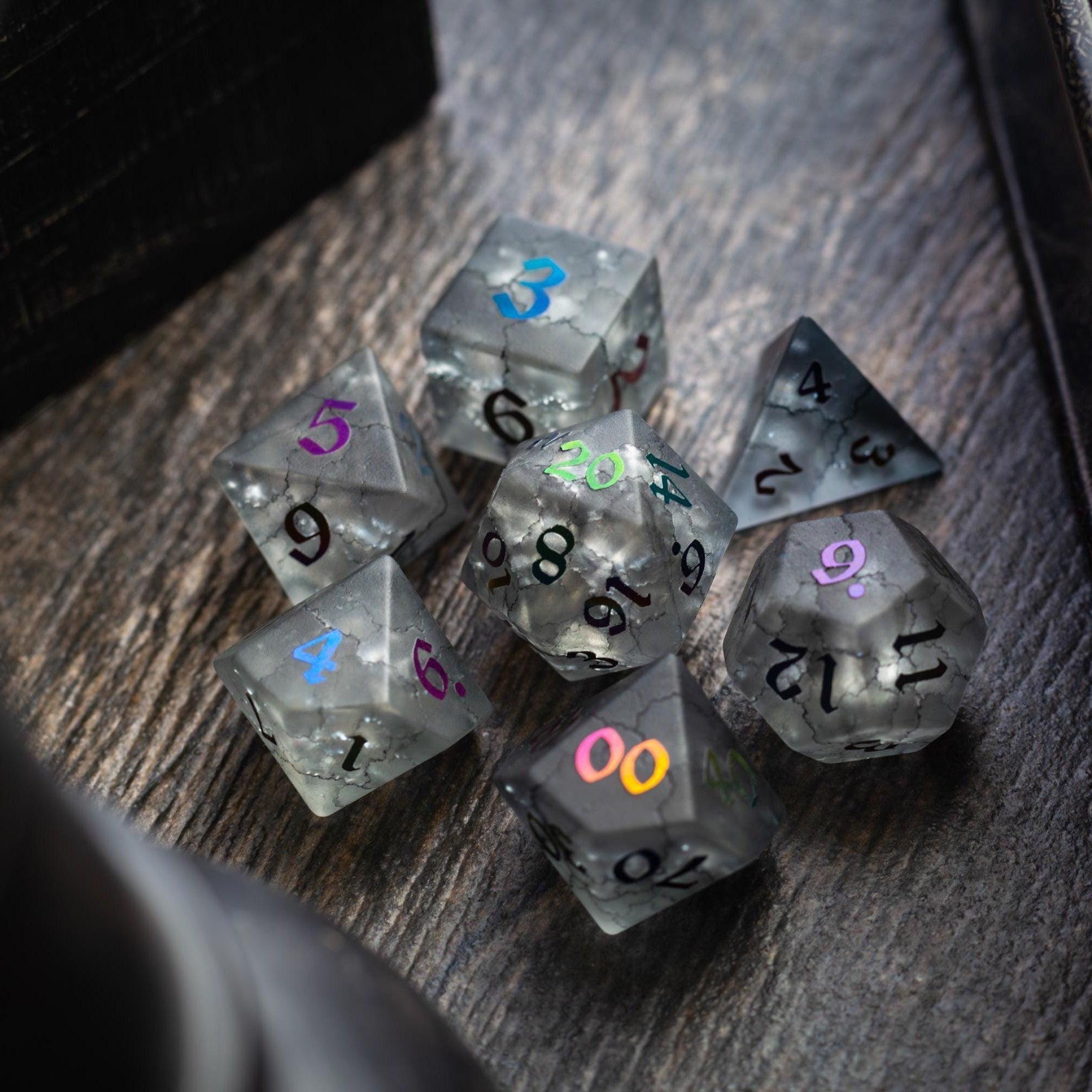
The Black and Silver Glitter Liquid Core Dice Set from Runic Dice can also suit spectral characters or magical scenes, although lighting, descriptions, and pacing should remain the focus.
Adapting the Final Encounter and Ending
The final ritual chamber is one of the most important locations in Curse of Strahd Death House.
In the published adventure, the spirits of the cult demand a sacrifice. Refusing their demand can awaken a powerful shambling mound named Lorghoth the Decayer.
This confrontation can be extremely dangerous for inexperienced characters.
Make the Final Choice Meaningful
Clearly communicate the ritual's demand and allow players to discuss their options.
Avoid assuming they will immediately fight.
A frightening choice becomes memorable when players understand the consequences and can decide how to respond.
Suggested One-Shot Adaptations
For a shorter Halloween session, consider one of these homebrew modifications:
-
Escape-focused climax: Allow the party to flee while the monster pursues them rather than requiring its defeat.
-
Shortened confrontation: Reduce the final creature's durability after checking the party's abilities and current rules.
-
Alternative ritual: Let characters disrupt the cult's supernatural influence through a clearly established puzzle or group challenge.
These options are not part of the original adventure.
[Image: mysterious underground crypt beneath an ancient gothic house]
Give the Adventure a Complete Ending
The published adventure includes a dangerous escape sequence depending on how the ritual concludes.
For a one-shot, streamline the escape into a few meaningful obstacles rather than resolving every original hazard.
Once the party escapes, describe the mansion falling silent as the Barovian mist begins to retreat.
Suggested standalone ending: Instead of sending the party deeper into Strahd's domain, allow the mist to return them to their original world at dawn.
Behind them, the mansion disappears.
The adventure ends without requiring a full Curse of Strahd campaign.
Common Mistakes When Running Death House
Even experienced Dungeon Masters can encounter difficulties when adapting this adventure.
Trying to Include Every Room
The original Death House contains more exploration than many short sessions can comfortably support.
Focus on essential clues and memorable discoveries.
Making Every Encounter a Fight
Too many battles can exhaust the party before the final chamber.
Use fewer, more meaningful confrontations.
Hiding Essential Information Behind Dice Rolls
Important discoveries should not depend entirely on successful checks.
Provide basic clues when characters investigate appropriately.
Forgetting the Final Escape
Prepare the ending before the session begins. Knowing how the adventure finishes will help you manage the remaining time.
Ignoring Player Comfort
Dark subject matter should be discussed before the adventure.
Players can enjoy supernatural suspense without being exposed to themes they would rather avoid.
Making Death House Memorable for Halloween
A few thoughtful tabletop details can make the adventure feel more immersive.
Consider preparing:
-
Quiet gothic background music
-
Dim but comfortable lighting
-
Haunted mansion maps for important encounters
-
Short handouts containing essential clues
-
Distinct voices for Rose, Thorn, and other characters
-
Organized miniatures and condition markers
-
A designated dice rolling area
-
A short break before the final underground sequence
[Image: Halloween D&D tabletop session with haunted mansion maps, dice, and miniatures]
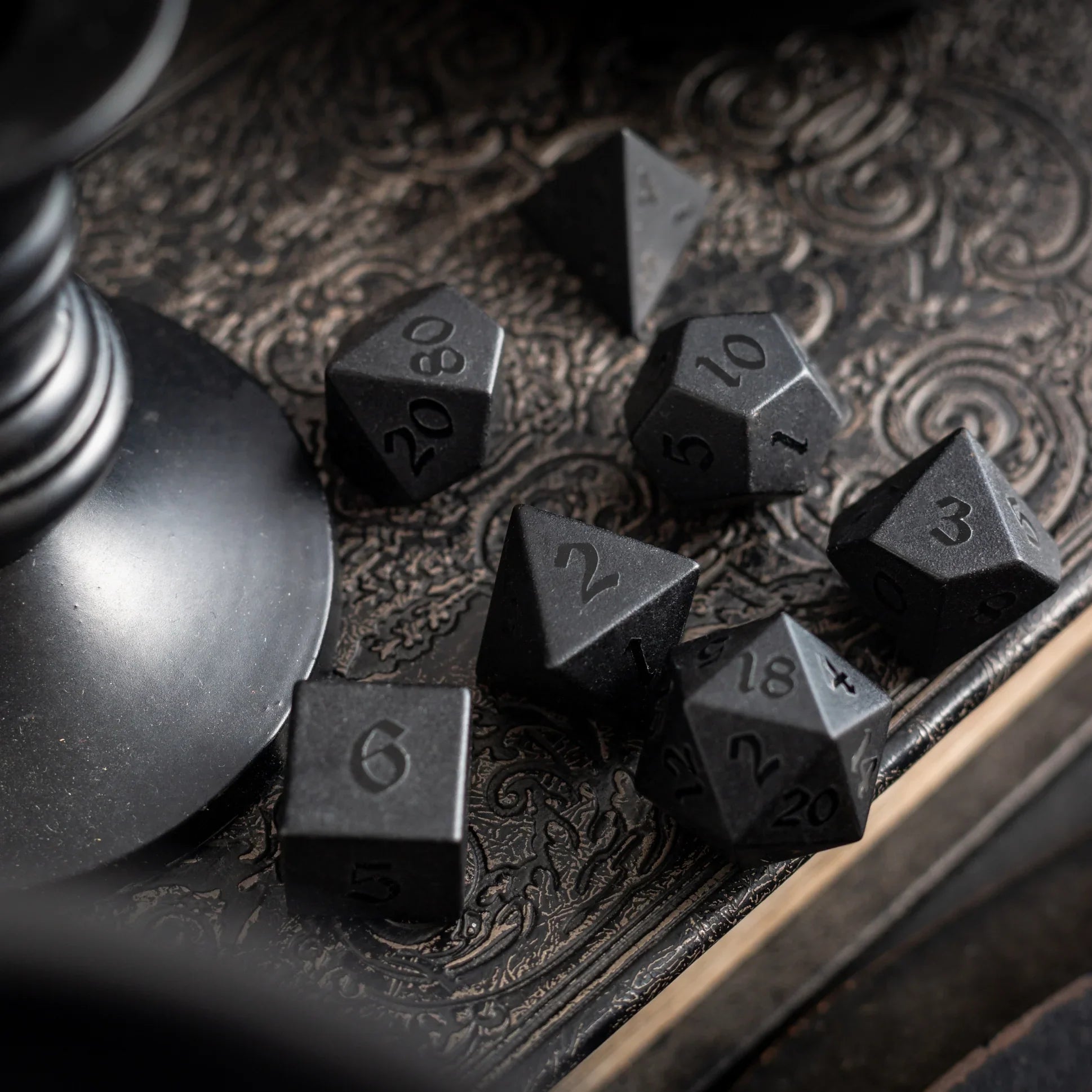
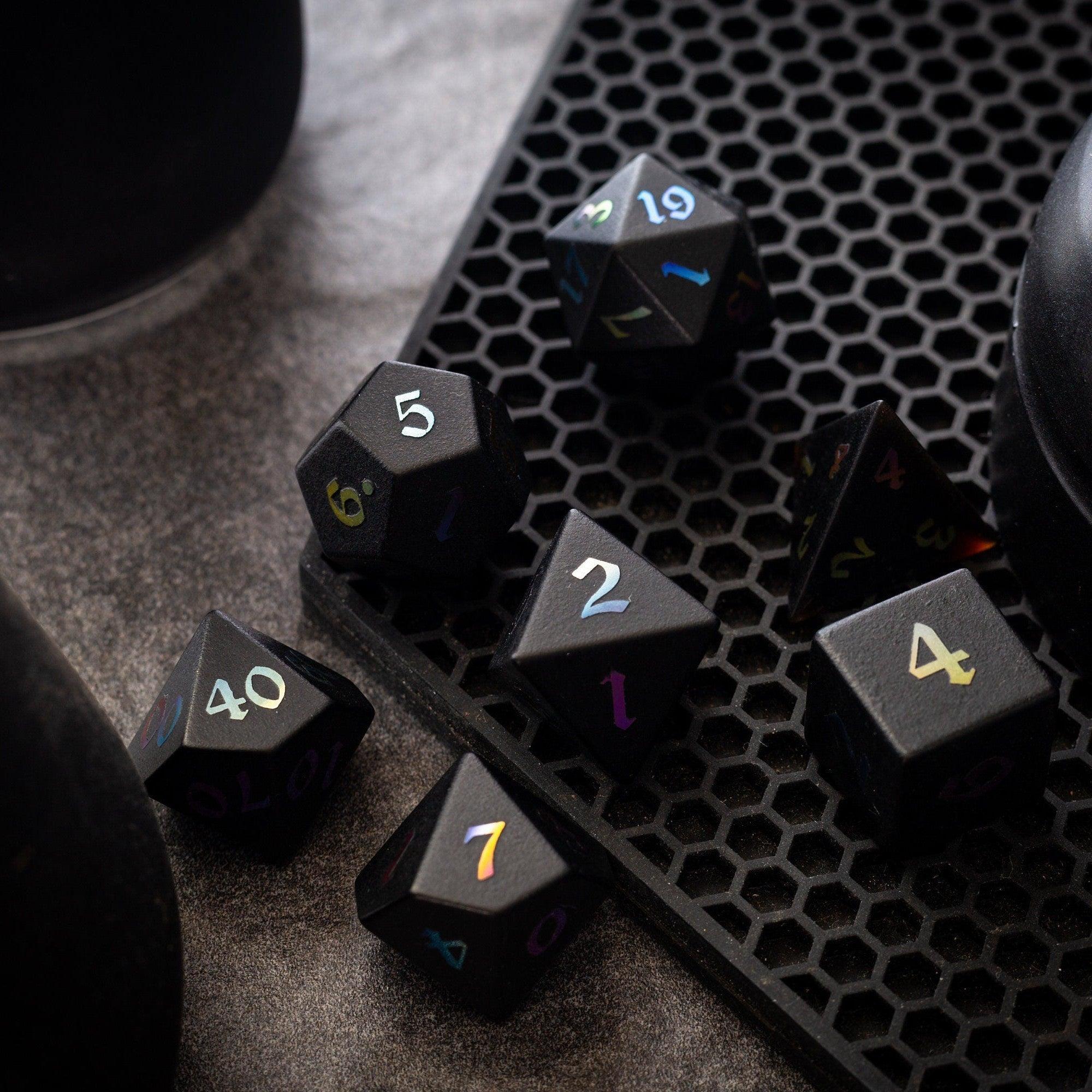
A Runic Dice Bloodthorn Hollow Metal Dice Set can match the gothic setting during dramatic rolls. Pair metal dice with a padded tray to protect the table.
Keep every accessory secondary to the adventure itself.
One Last Night in Death House
A memorable Curse of Strahd Halloween adventure doesn't require every room, monster, or original encounter.
What matters is the feeling of entering somewhere dangerous, uncovering a disturbing mystery, and making difficult decisions when escape seems impossible.
Let the players investigate the Durst family's secrets, discover the truth behind the mansion, and determine how their story ends.
Whether they confront the darkness or flee into the mist, their choices should shape the outcome.
And when the final candle goes out, perhaps someone will wonder whether Death House truly allowed them to leave.



Leave a comment
This site is protected by hCaptcha and the hCaptcha Privacy Policy and Terms of Service apply.