
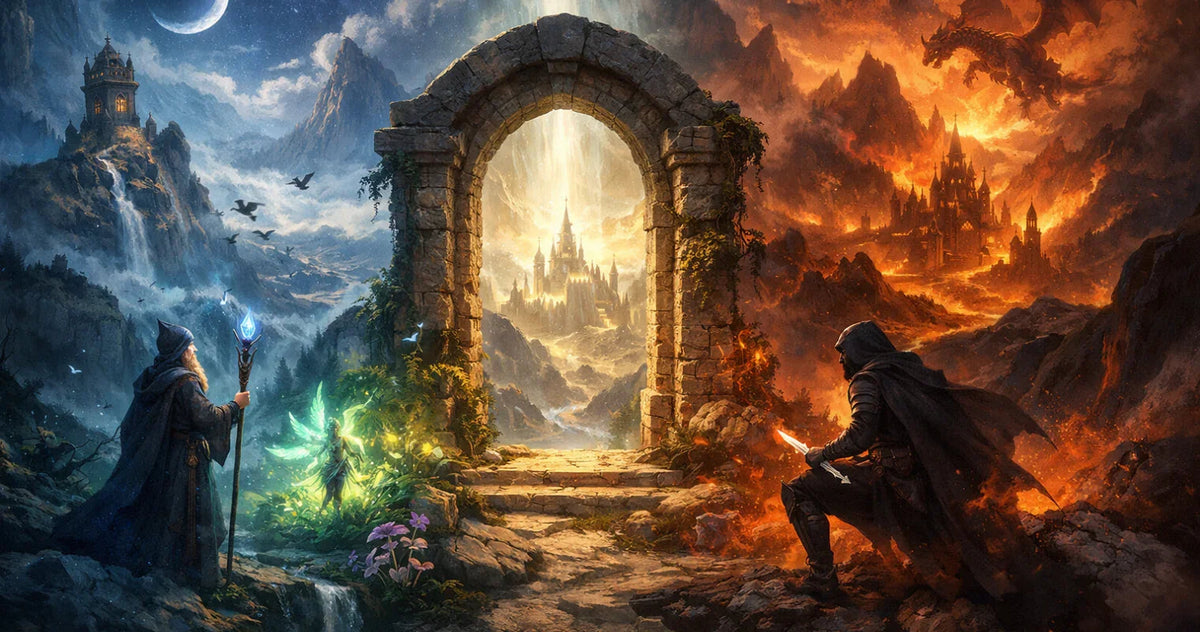
Creative Multiclass Ideas You Haven’t Tried Yet in D&D 5e
Multiclassing is one of the most flexible ways to build a character in Dungeons & Dragons. Instead of advancing in only one class, you can take levels in two or more classes and combine their features into a character with a different story, playstyle, and set of options.
Creative D&D multiclass ideas do not have to focus on maximum damage. A Bard/Rogue can feel like a performer with a second life as a spy. A Druid/Barbarian can become a primal guardian who fights through tooth, claw, and fury. The best multiclass builds usually begin with a clear character concept, then use the rules to support it.
What Is Multiclassing in D&D 5e?
Under the revised fifth-edition rules used in 2026, multiclassing lets you take a level in a new class whenever you gain a character level. To qualify, you need a score of at least 13 in the primary ability of the new class and in the primary abilities of your current classes. Your Proficiency Bonus is based on your total character level, while class features are gained according to your level in each individual class.
Multiclassing has important limits. You gain only certain proficiencies from a new class, Extra Attack features do not stack, and multiple Armor Class formulas cannot be combined. Multiclass spellcasters also use special rules. Under the revised rules, for example, half your Paladin and Ranger levels, rounded up, count toward multiclass spell slots. Every level spent in a second class also delays features from your first class.
Why Try Creative Multiclass Builds?
Unusual D&D multiclass ideas can create characters that feel more personal. A new class might represent a major event in the story, such as a soldier discovering divine faith, a wilderness scout awakening strange magic, or a scholar learning martial discipline.
- Create a concept that a single class does not fully capture.
- Combine skills, spells, and combat options in new ways.
- Build character growth directly into your level choices.
- Gain different tools for exploration, social scenes, and combat.
The important question is not only, “Is this strong?” It is also, “Will I enjoy playing this character for several levels?”
Creative D&D Multiclass Ideas You Haven’t Tried Yet
Bard + Rogue: The Charming Trickster
Concept: A performer, con artist, courier, or spy who can work a crowd one minute and disappear through a locked window the next.
Playstyle: Bard adds spells and Bardic Inspiration, while Rogue brings Sneak Attack, Expertise, and mobility. This combination suits campaigns with investigation, infiltration, and social encounters.
Roleplay idea: Your performances might provide cover for gathering secrets or slipping into places you do not belong.
Cleric + Fighter: The Battle Priest
Concept: A disciplined warrior who treats combat as service to a higher cause.
Playstyle: Fighter adds martial features, while Cleric provides spells, healing, and support. Fighter levels delay stronger Cleric spells, so plan the split carefully. Cleric requires Wisdom, while Fighter multiclassing uses Strength or Dexterity.
Roleplay idea: You might be a temple guard, a veteran who found faith after a war, or an adventurer who believes protecting others is a sacred duty.
Warlock + Paladin: The Oathbound Pactbearer
Concept: A sworn champion whose sacred oath exists beside a dangerous, mysterious, or unexpected pact.
Playstyle: Both classes use Charisma, but Paladin multiclassing still requires at least 13 Strength and 13 Charisma. Warlock Pact Magic also follows its own interaction with Spellcasting rather than simply being added to the normal multiclass spell-slot table.
Roleplay idea: Your oath and patron do not have to be enemies. Their different expectations can create a strong personal conflict.
Druid + Barbarian: The Wild Shapeshifter Berserker
Concept: A guardian who channels both animal transformation and primal battle fury.
Playstyle: Druid provides Wild Shape and nature magic, while Barbarian adds Rage and durability. Rage prevents spellcasting and maintaining Concentration. Wild Shape also prevents spellcasting while transformed, although Wild Shape alone does not end Concentration. Decide whether a fight calls for spell support or a physical Rage-focused approach.
Roleplay idea: You could be the protector of a sacred wilderness or a warrior who treats transformation as a ritual tied to ancestral traditions.
Wizard + Monk: The Arcane Martial Artist
Concept: A scholar who studies magic and physical discipline as parts of the same philosophy.
Playstyle: Wizard relies on Intelligence, while Monk requires Dexterity and Wisdom, so this build can stretch your ability scores thin. In return, it offers movement, utility spells, defensive options, and unusual tactical choices.
Roleplay idea: Your monastery may teach geometry, meditation, and arcane theory together, or your Wizard may have sought martial training after learning that spells cannot solve every problem.
Ranger + Sorcerer: The Elemental Hunter
Concept: A tracker whose wilderness training is mixed with innate magical power.
Playstyle: Ranger brings weapons, exploration tools, and nature magic, while Sorcerer adds arcane options. Ranger multiclassing requires Dexterity and Wisdom, while Sorcerer requires Charisma, so plan your ability scores carefully.
Roleplay idea: Your magic might have awakened after surviving a supernatural storm, entering an ancient ruin, or encountering a creature connected to your Sorcerous origin.
Artificer + Rogue: The Gadgeteer Infiltrator
Concept: A thief, scout, or field agent who treats every locked door like an engineering problem.
Playstyle: The revised Artificer appears in Eberron: Forge of the Artificer, published in 2025. Rogue adds stealth and infiltration tools, making the pairing a good fit for campaigns that reward preparation and scouting. Check the Artificer’s multiclass rules before choosing your split.
Roleplay idea: You might be a guild burglar obsessed with magical devices or an inventor who learned security by figuring out how to bypass it.
D&D Multiclass Ideas at a Glance
| Combo | Theme | Playstyle | Main Consideration |
|---|---|---|---|
| Bard + Rogue | Charming Trickster | Skills, social play, stealth | Balance spellcasting with Rogue progression |
| Cleric + Fighter | Battle Priest | Front-line support | Fighter levels delay stronger Cleric spells |
| Warlock + Paladin | Oathbound Pactbearer | Weapons and magic | Needs Strength and Charisma for Paladin |
| Druid + Barbarian | Wild Berserker | Transformation and melee | Rage blocks spells and Concentration |
| Wizard + Monk | Arcane Martial Artist | Mobility and utility | Needs several strong ability scores |
| Ranger + Sorcerer | Elemental Hunter | Ranged combat and magic | Ability scores can be stretched thin |
| Artificer + Rogue | Gadgeteer Infiltrator | Tools, stealth, preparation | Uses the revised Artificer rules |
Tips for Building a Multiclass Character
- Start with the character concept. Decide what the combination represents before choosing exact levels.
- Check the prerequisites. Make sure your ability scores qualify for your current class and the class you want to enter.
- Look ahead two or three levels. Note which class features, feats, Extra Attack improvements, or spell levels you may delay.
- Know how features interact. Extra Attack does not stack, Armor Class formulas do not combine freely, and multiclass spellcasting uses special rules.
- Plan your main ability scores. A build that depends on three or four high abilities can be harder to play than one whose classes share the same primary ability.
- Talk with your DM. A story-driven class change is easier to fit into a campaign when the DM knows what your character is trying to become.
Common Multiclass Mistakes to Avoid
A common mistake is taking a new class for one exciting feature without considering what you give up. A short detour can delay Extra Attack, a feat, a subclass feature, or a new spell level.
Another mistake is assuming similar features always stack. Your Proficiency Bonus uses total character level, but most class features depend on your level in that class. Spell preparation also remains tied to each spellcasting class separately, even when combined levels give you higher-level spell slots.
Bringing Your Character to Life
A multiclass build becomes more memorable when the second class changes the character’s story, not just the character sheet. Think about who trained you, what event changed your path, and whether your two sources of power agree.
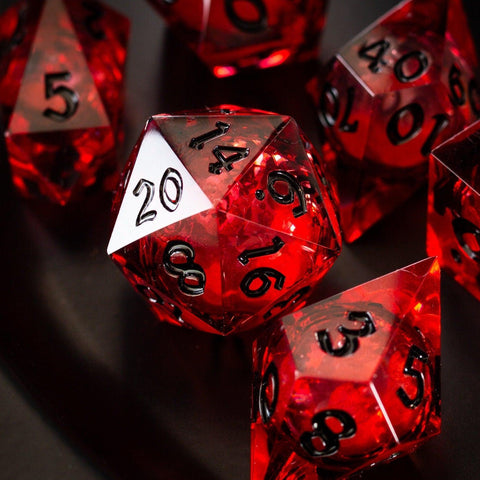
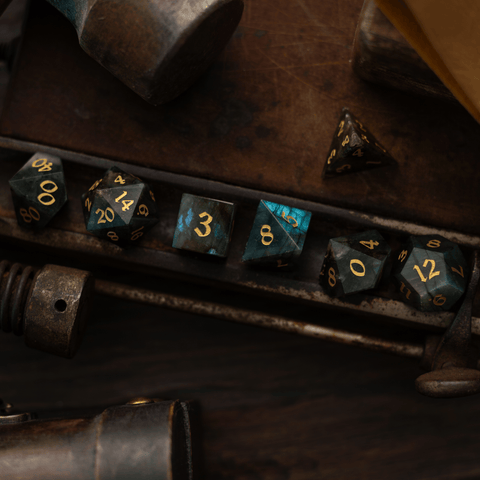
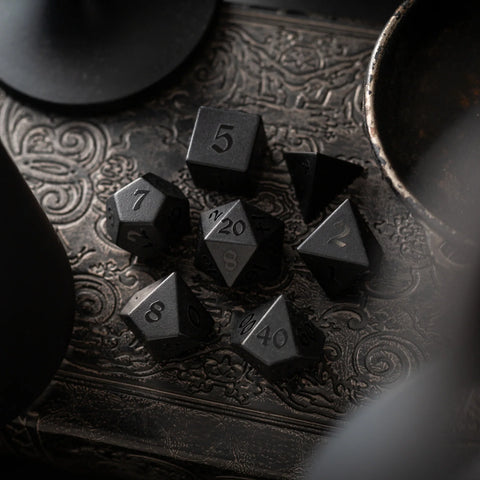
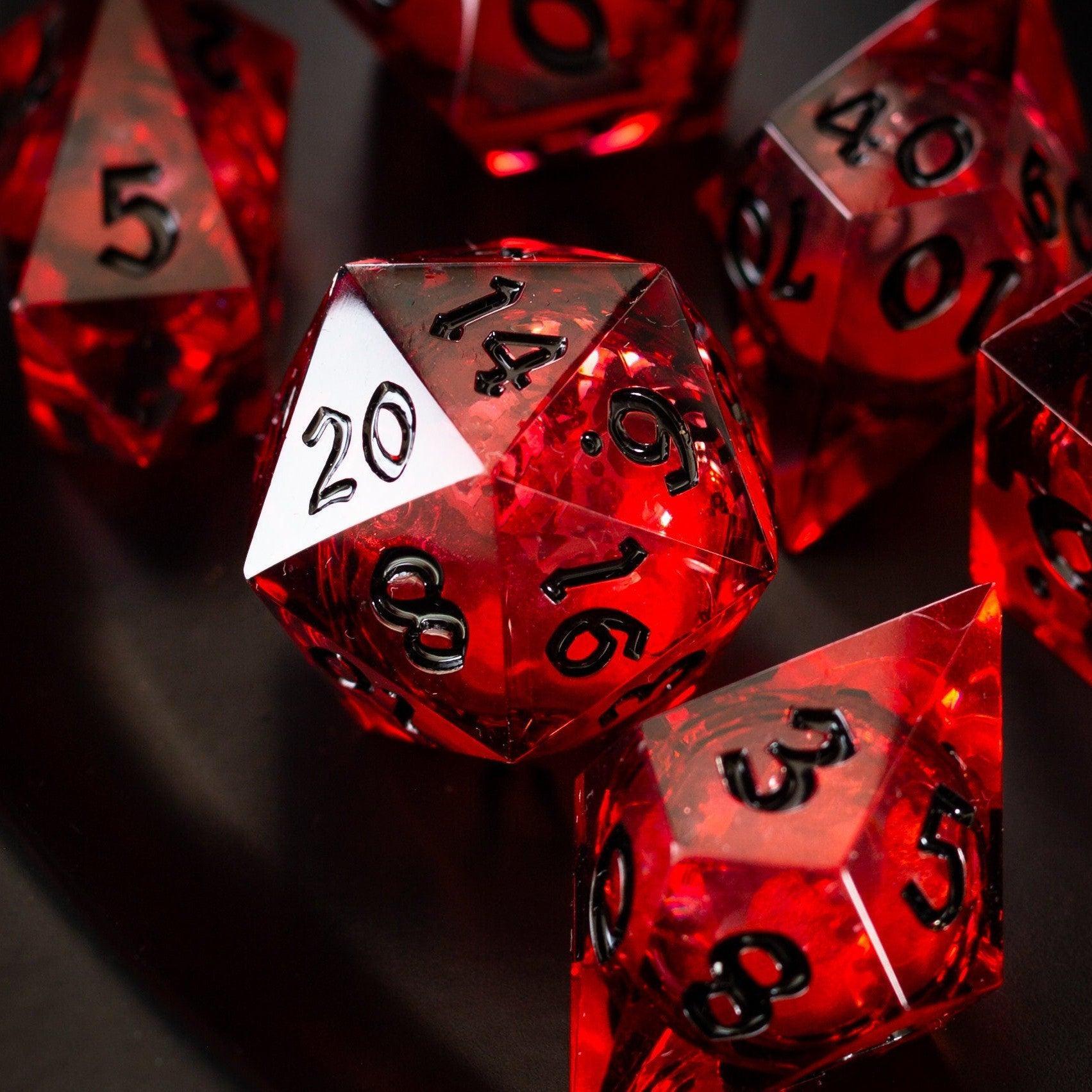
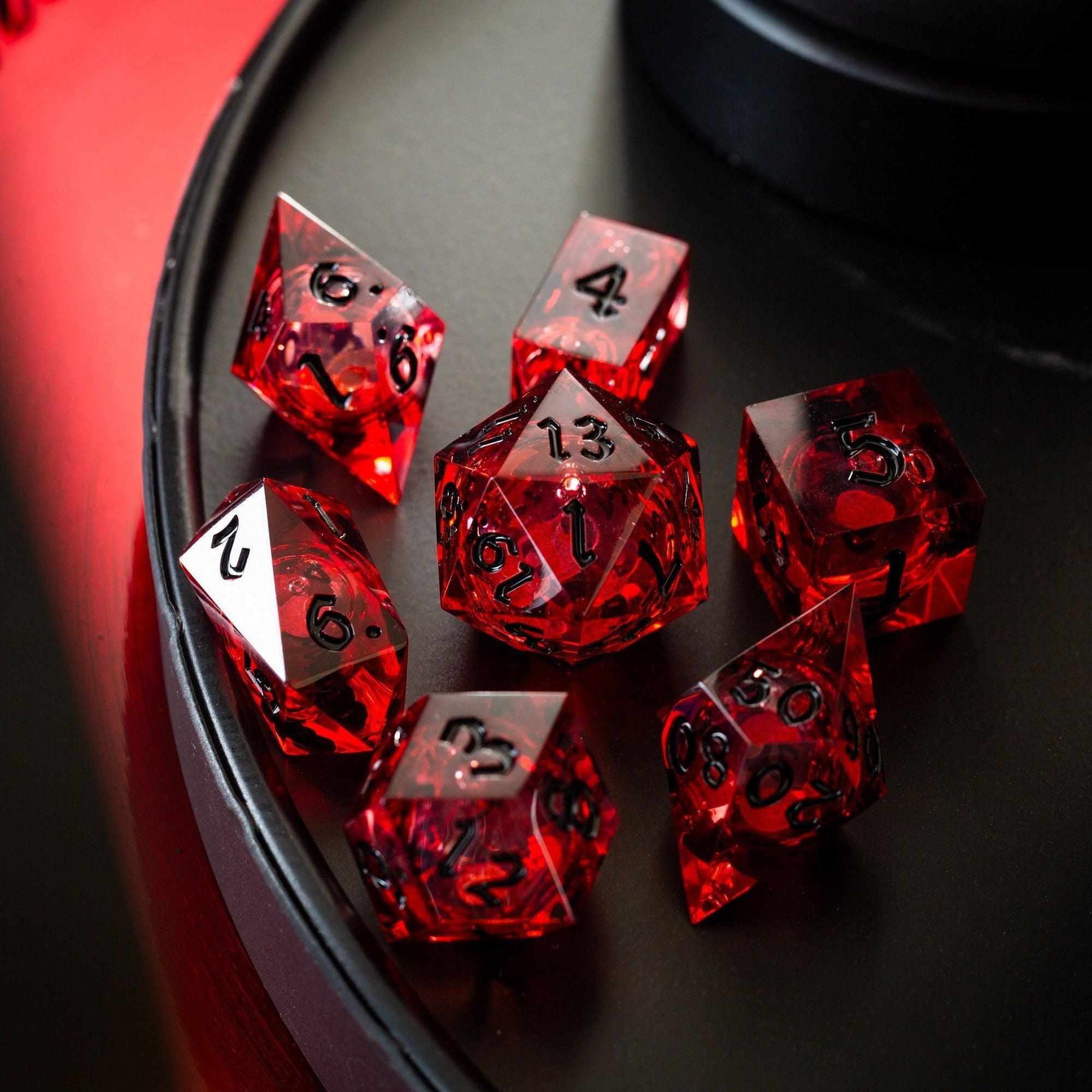
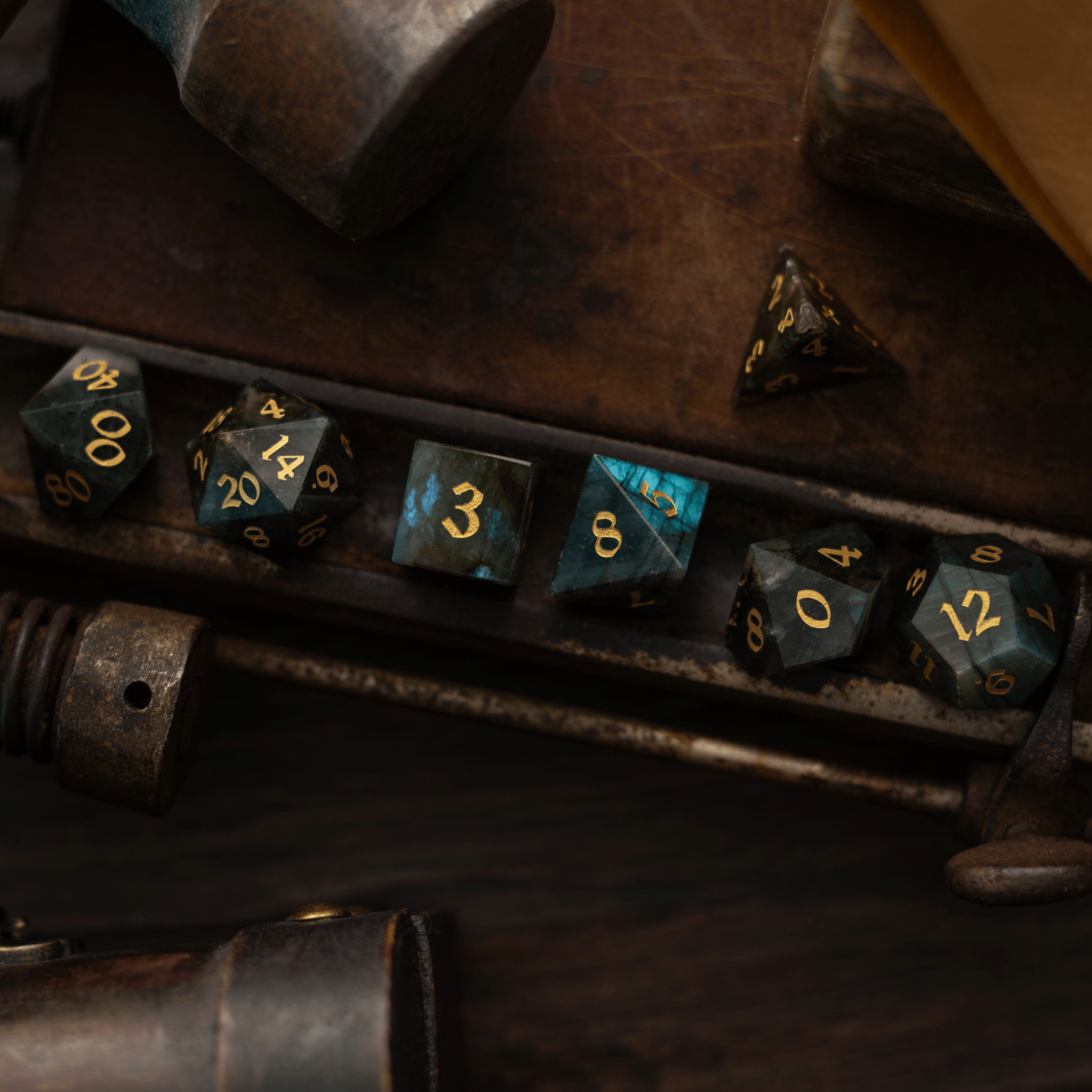
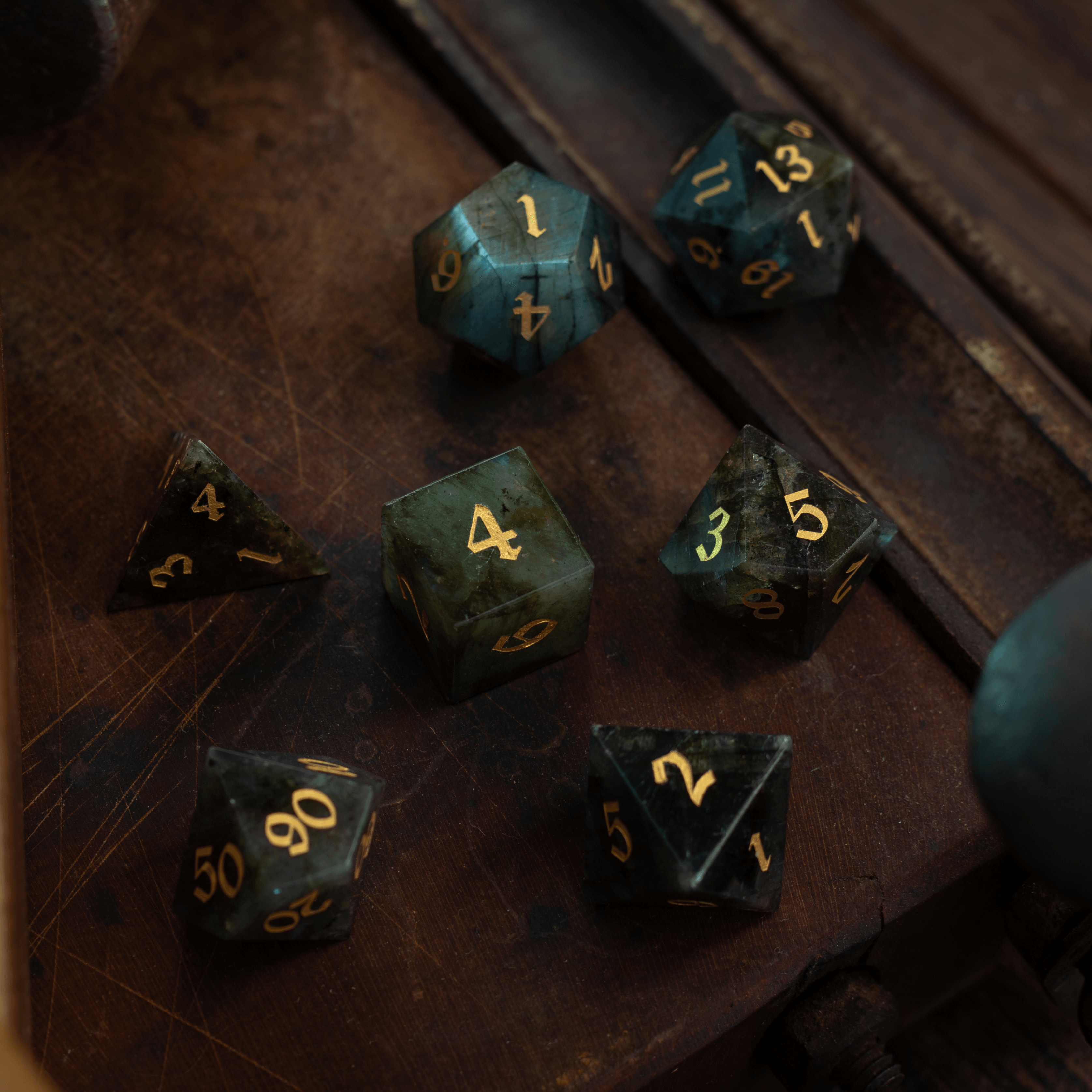
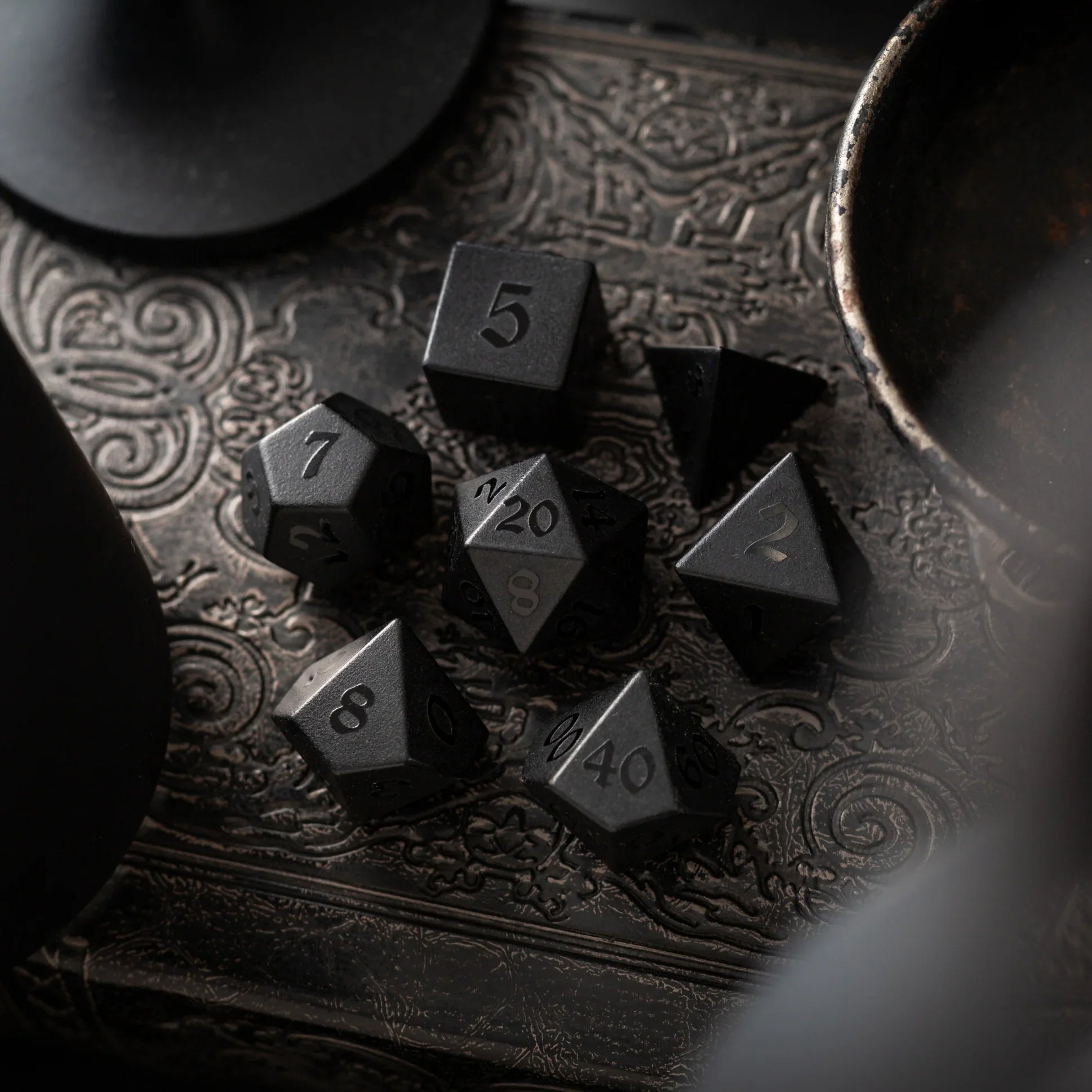
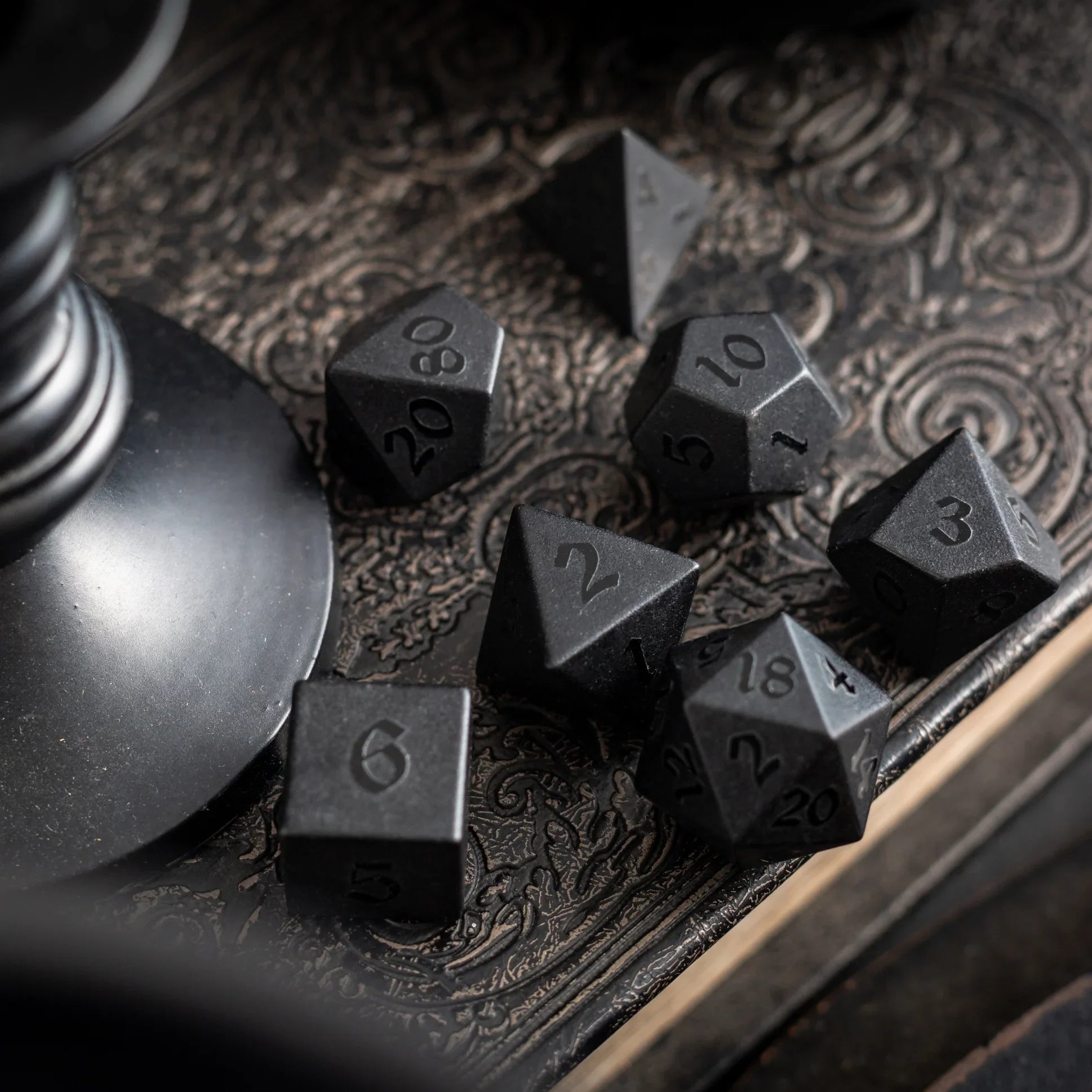
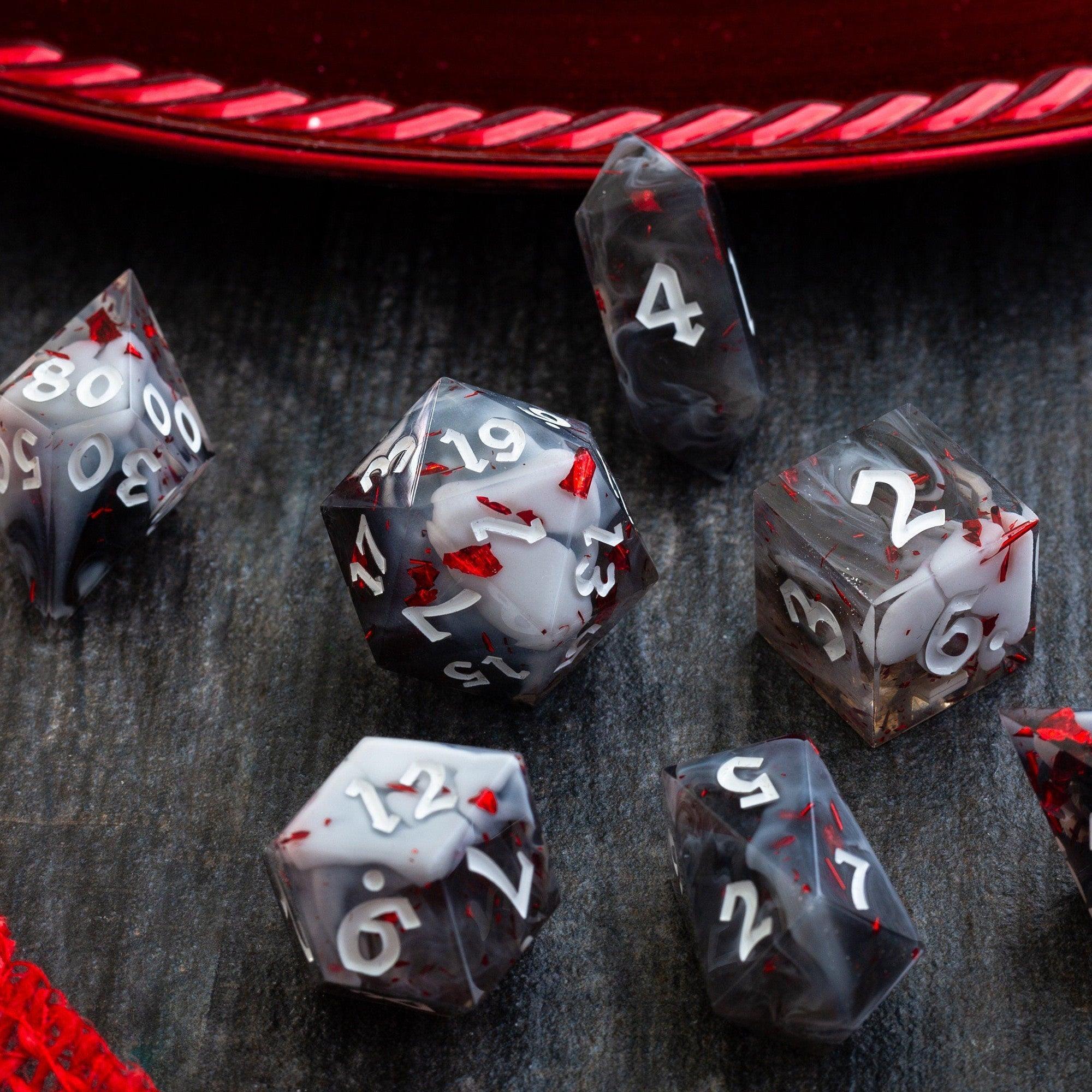
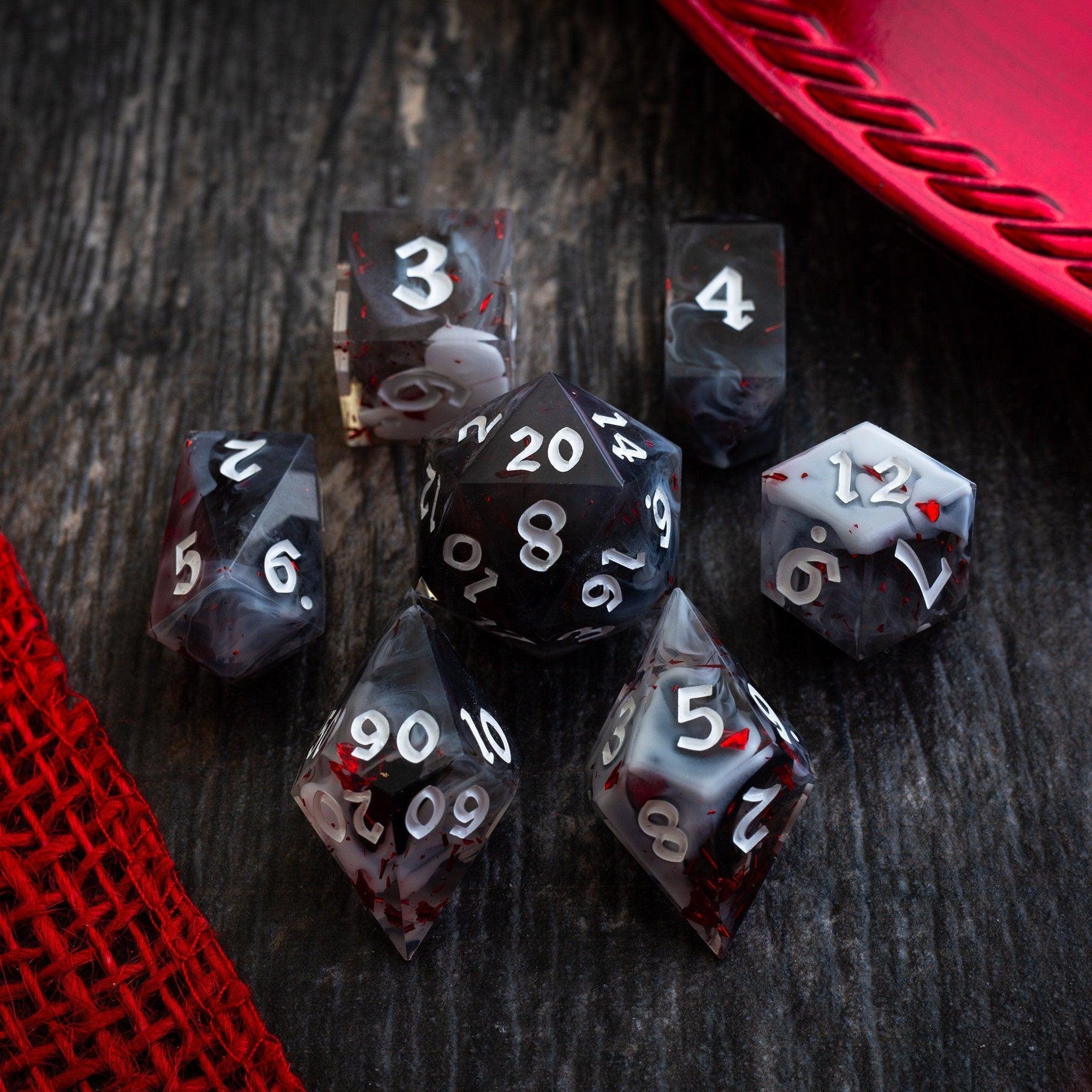
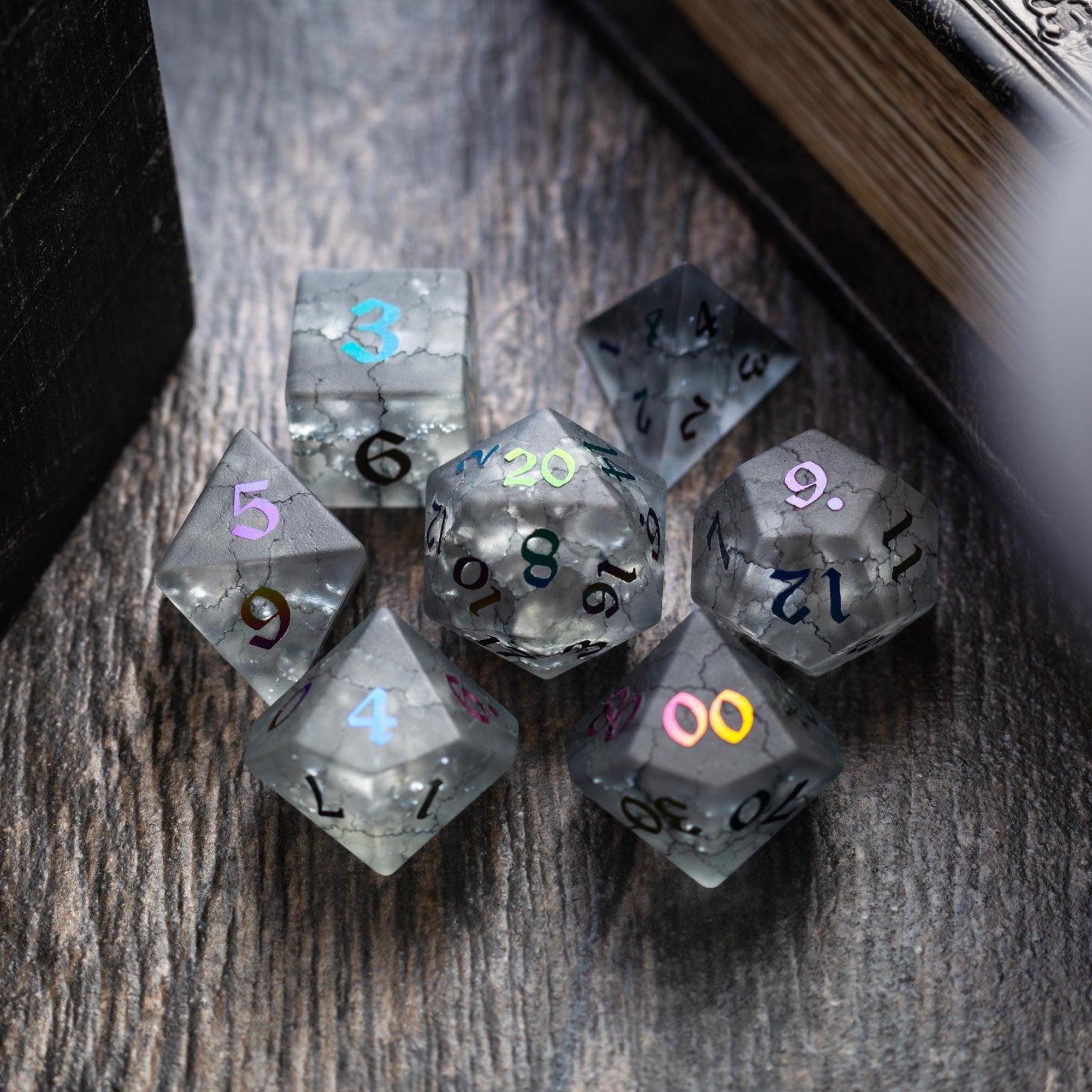
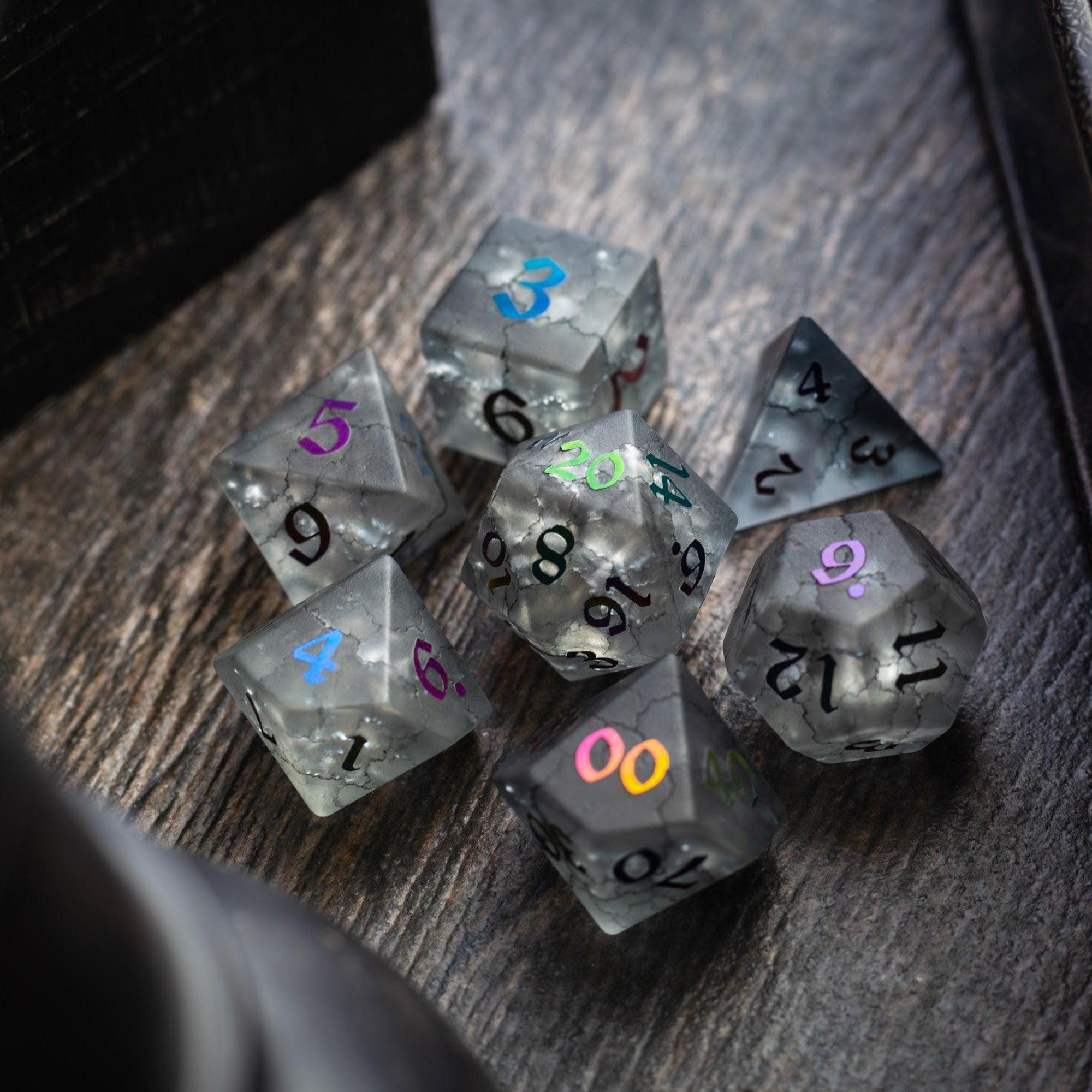
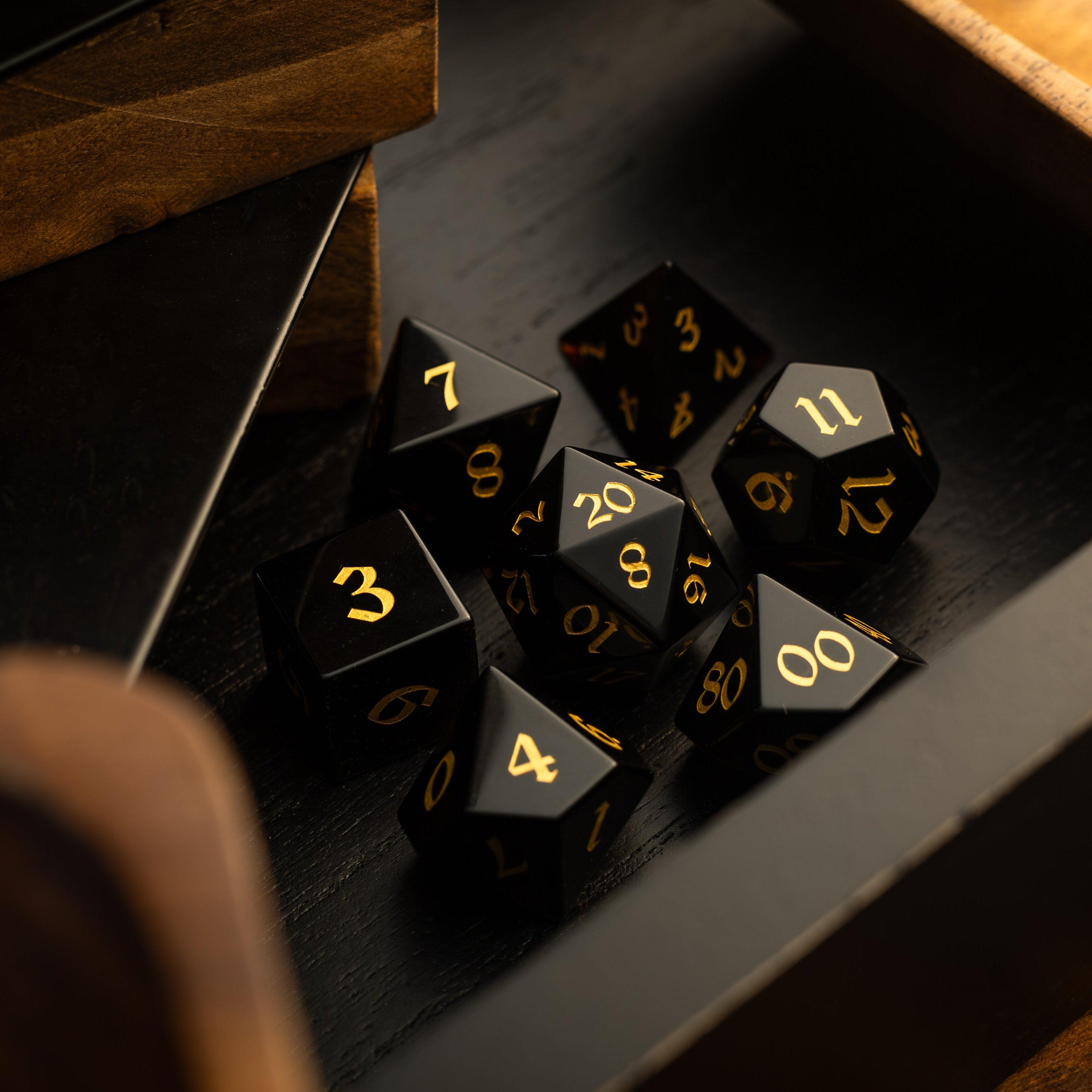
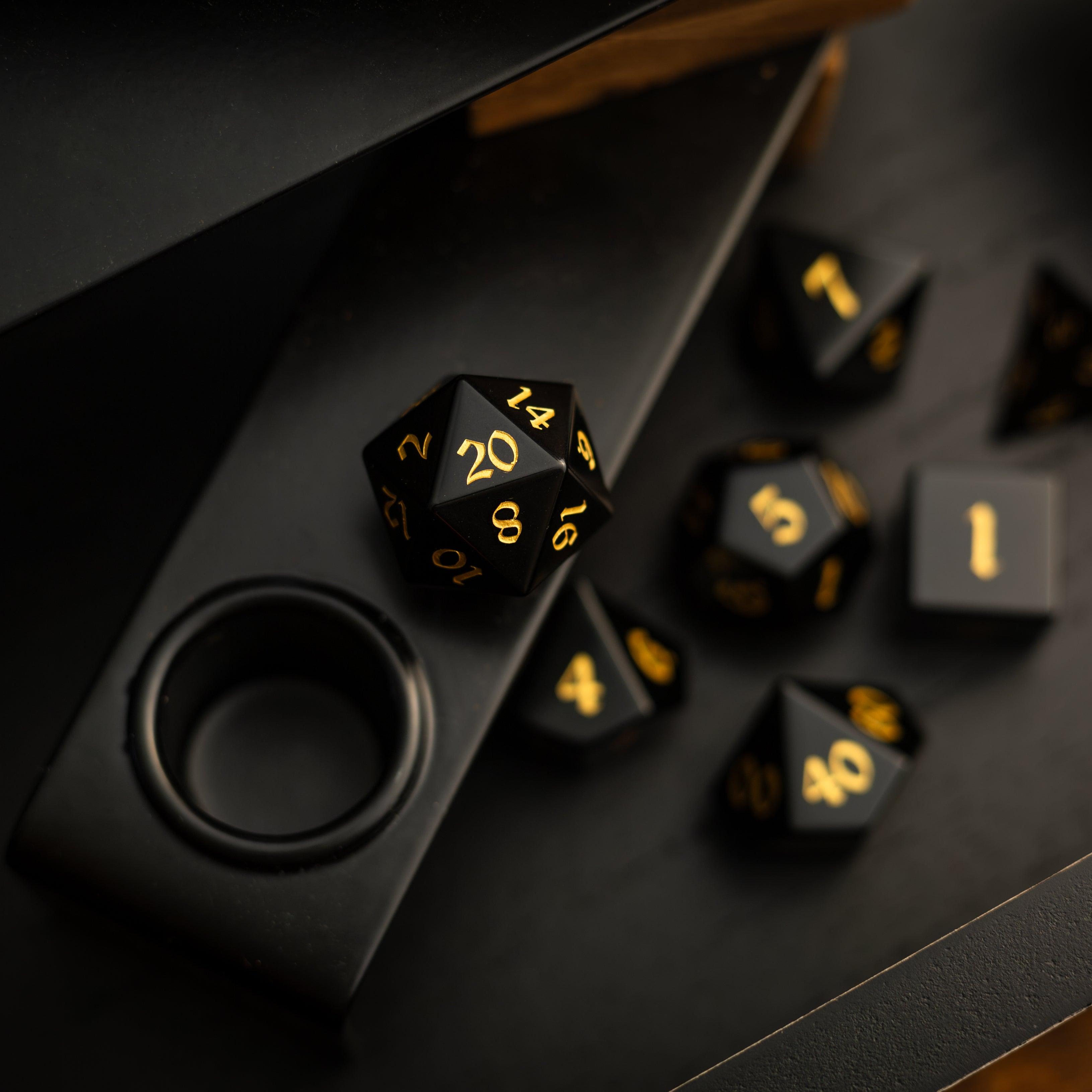
Visual details can help too. A Cleric/Fighter might carry a battered holy symbol on a military chain, while an Artificer/Rogue could keep lockpicks beside compact arcane tools. Even the dice you use can match the character’s theme without becoming the focus of the build.
Build for the Character You Want to Play
Multiclassing in D&D 5e is a tradeoff between specialization and flexibility. Before committing, check the prerequisites, compare the next few levels in each class, and make sure the combination supports the playstyle you enjoy.
The strongest reason to multiclass is that the combination creates a character you are excited to play. Choose a concept, understand the rules, plan the level split, and leave room for the campaign to change your ideas. A memorable multiclass character should feel like one person with a believable path, not two class sheets taped together.





Leave a comment
This site is protected by hCaptcha and the hCaptcha Privacy Policy and Terms of Service apply.