
Beginner Mistakes in D&D (And How to Avoid Them)
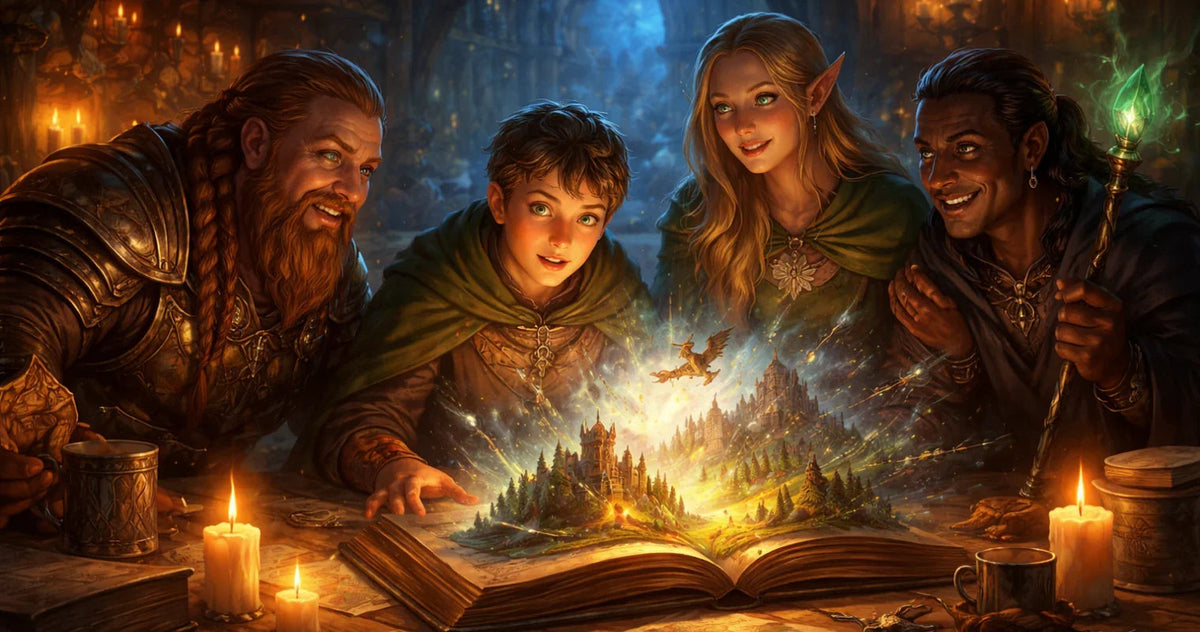
Starting your first game of Dungeons & Dragons can feel like stepping into a whole new world. There are dice, character sheets, rules, and a story unfolding all at once. It’s exciting, but it can also feel a little overwhelming.
Here’s the good news: every single player starts as a beginner. Even the most experienced Dungeon Masters once forgot how spell slots worked or had to ask which die to roll.
Mistakes aren’t just normal—they’re part of how you learn the game. And with a few simple adjustments, you can improve quickly and start feeling more confident at the table.
Let’s walk through some of the most common D&D beginner mistakes and how to avoid them.
Trying to Learn Everything at Once
One of the biggest dnd beginner mistakes is trying to memorize all the rules before your first session.
D&D has a lot going on: combat rules, spells, abilities, roleplay, and more. Trying to absorb everything at once can make the game feel stressful instead of fun.
What to do instead:
Focus on the basics:
- How your character works
- How dice rolls work
- What happens on your turn
That’s it.
You’ll naturally learn the rest as you play. Think of your first few sessions as practice, not a test.
Not Knowing Your Character
It’s completely normal to forget abilities or spells when you’re new. But not knowing your character at all can slow things down and make you feel lost.
Common signs:
- Forgetting what your spells do
- Not knowing your attack bonus
- Missing abilities that could help the party
Simple ways to improve:
- Highlight or circle your most-used abilities
- Keep a short “cheat sheet” of your main actions
- Review your character sheet for 5 minutes before the session
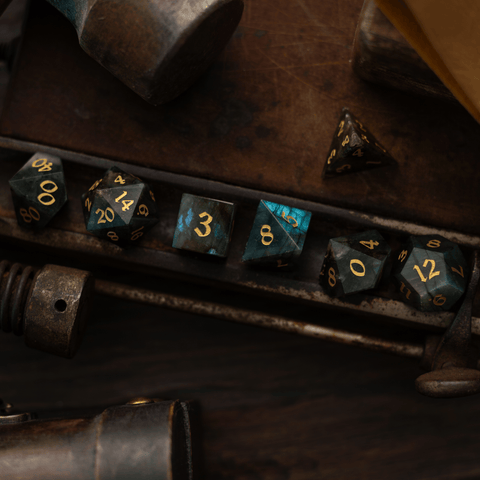
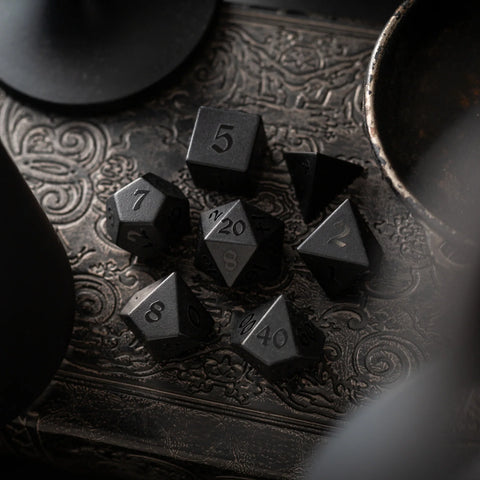
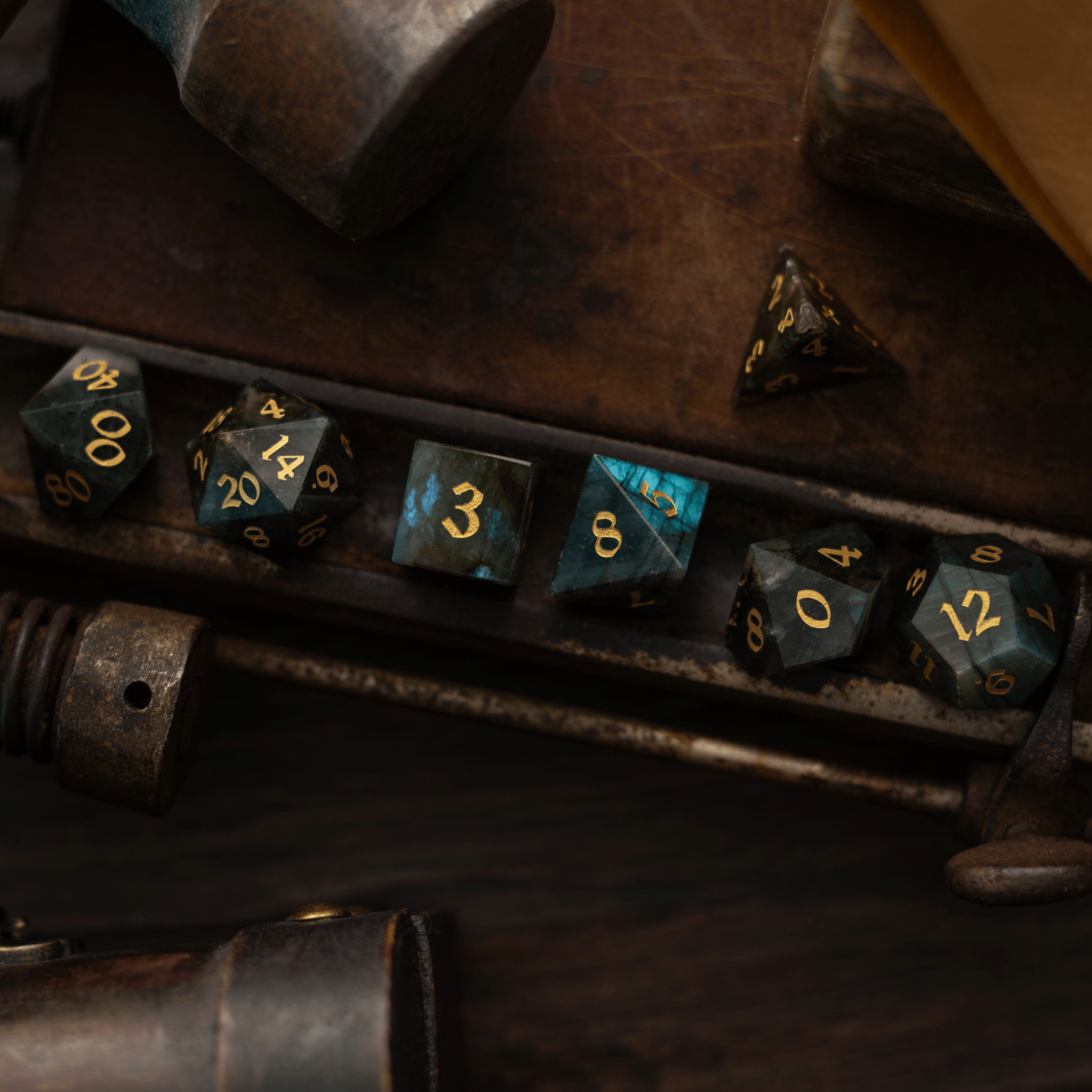
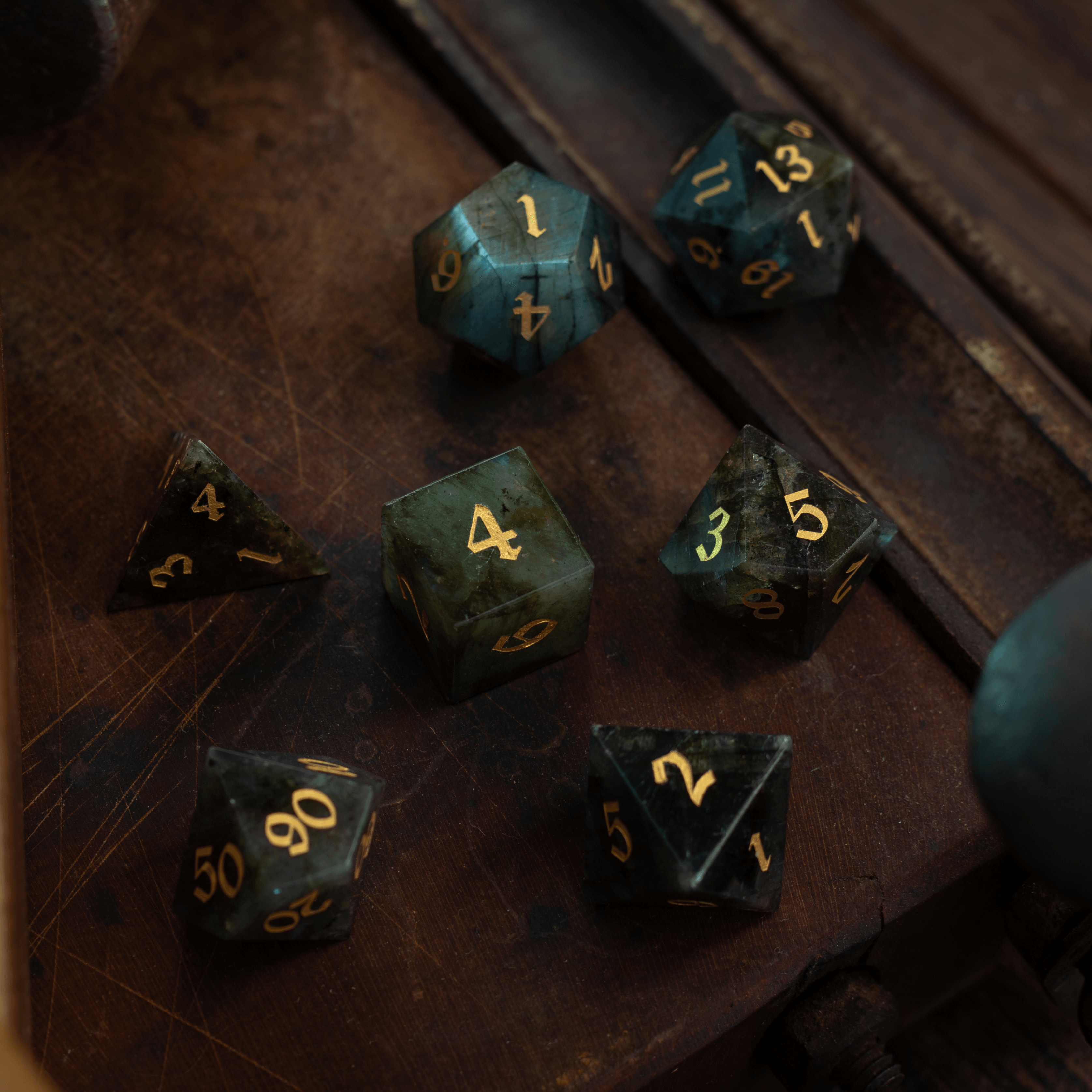
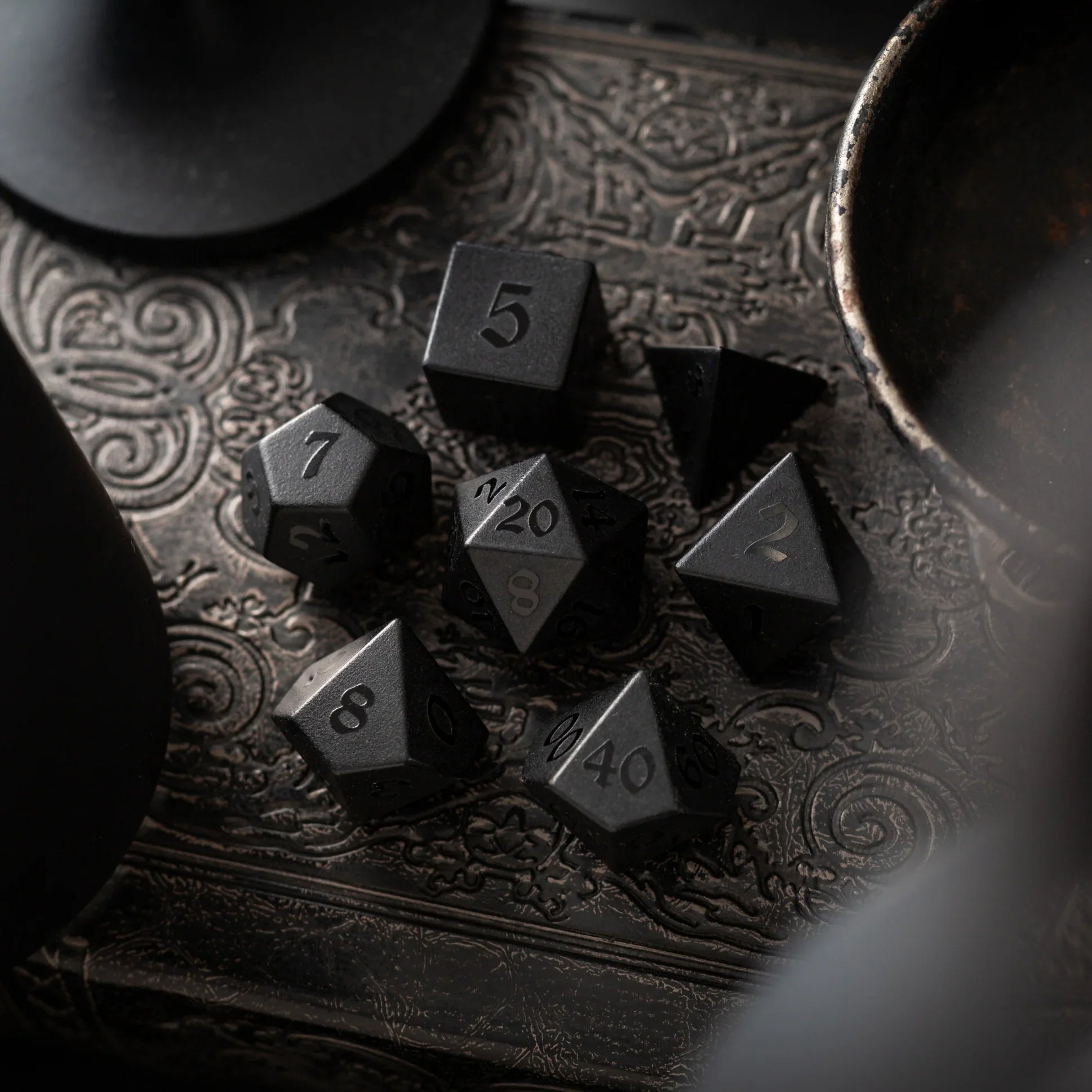
Having your own set of clear, easy-to-read dice can also help here. When you know exactly which die to grab and can read it quickly, it removes one more layer of confusion during important moments.
Taking Too Long on Your Turn
Combat is one of the most exciting parts of the game—but it can slow down quickly if players aren’t ready.
A common dnd gameplay tip is this: plan your turn before it starts.
Why this happens:
- You’re unsure what your options are
- You’re waiting until your turn to think
- You’re afraid of making the “wrong” choice
How to fix it:
- Think about your action while others are playing
- Pick 1–2 “go-to” actions (like attack or a favorite spell)
- Accept that not every move has to be perfect
Quick turns keep the game flowing and make combat more fun for everyone.
Being Afraid to Roleplay
Roleplaying can feel intimidating, especially if you’re not used to speaking in character.
But here’s something important: you don’t have to be an actor to roleplay.
Easy ways to start:
- Describe what your character does instead of acting it out
- Speak in your normal voice
- Add small details, like emotions or reactions
For example:
- Instead of acting: “I say this dramatically…”
- Try: “My character nervously asks the guard for help.”
That’s roleplay—and it counts.
Beginner Mistakes at a Glance
Here’s a quick reference table to help you spot and fix common issues:
|
Mistake |
Why It Happens |
Simple Fix |
|
Trying to learn everything |
Too many rules at once |
Focus on basics only |
|
Forgetting abilities |
New character, lots to track |
Use a cheat sheet |
|
Slow turns |
Unprepared decisions |
Plan ahead |
|
Avoiding roleplay |
Feeling awkward |
Start small |
|
Not paying attention |
Long sessions |
Stay engaged with notes |
|
Playing to “win” |
Video game mindset |
Focus on story |
|
Not asking questions |
Fear of interrupting |
Speak up early |
Not Paying Attention During the Game
It’s easy to zone out during long sessions, especially when your character isn’t in the spotlight.
But missing details can lead to confusion later:
- Forgetting important story clues
- Not knowing what’s happening in combat
- Slowing things down when it’s your turn
How to stay engaged:
- Take simple notes (names, places, goals)
- Listen for moments that involve your character
- Stay ready for your turn
Even small habits like organizing your dice and keeping them within reach can help you stay focused and ready to act.
Focusing Too Much on “Winning”
D&D isn’t a video game. There’s no scoreboard, no leaderboard, and no perfect outcome.
One of the most common dnd beginner mistakes is treating the game like something you need to “beat.”
What D&D is really about:
- Telling a story together
- Solving problems creatively
- Sharing memorable moments
Sometimes the best moments come from failure:
- A missed attack that leads to a funny situation
- A risky decision that changes the story
- A chaotic plan that somehow works
Let go of “winning” and focus on the experience.
Not Communicating with the Group
D&D is a team game. When communication breaks down, frustration can build.
Common issues:
- Not asking questions when confused
- Staying quiet instead of sharing ideas
- Assuming others know what you’re thinking
How to improve:
- Ask questions freely
- Share your ideas, even if they’re simple
- Talk to your group about what you enjoy
Most players are happy to help beginners. Speaking up makes the game smoother for everyone.
Comparing Yourself to Experienced Players
It’s easy to look at experienced players and feel like you’re falling behind.
They know the rules. They act confidently. They make quick decisions.
But here’s the truth: they learned the same way you are—by playing and making mistakes.
How to build confidence:
- Focus on your own progress
- Celebrate small improvements
- Ask for tips instead of comparing
Confidence grows over time, not overnight.
Tips for Improving Quickly
If you want to get better fast, focus on small, consistent habits.
Simple dnd tips for beginners:
- Review your character before each session
- Learn one new rule or ability at a time
- Stay engaged, even when it’s not your turn
- Ask questions when unsure
- Keep your dice and tools organized
Having your own set of dice can make a bigger difference than you might expect. It gives you a sense of ownership, helps you stay prepared, and adds excitement to every roll—especially during those big, story-defining moments.
Final Thoughts
Every great D&D player started exactly where you are now.
They forgot rules.
They made awkward roleplay attempts.
They took too long on their turns.
And they improved—one session at a time.
Mistakes aren’t something to avoid completely. They’re how you learn, grow, and become part of the game.
So take your time. Ask questions. Roll the dice. Enjoy the story.
You’re already doing it right just by showing up.















Leave a comment
This site is protected by hCaptcha and the hCaptcha Privacy Policy and Terms of Service apply.