

Dungeons and Dragons Manuals Your Essential Starter Library
Updated on: 2026-02-05
Whether you're a seasoned dungeon master or just starting your tabletop adventure, understanding Dungeons and Dragons manuals is essential for an immersive gaming experience. This guide walks you through the core rulebooks, what each one covers, and how to pick the right resources for your campaign. We'll help you navigate the essential guides, build your collection strategically, and enhance your gameplay with proper manual knowledge.
- What Are Dungeons and Dragons Manuals?
- The Core Rulebooks Explained
- How to Choose the Right Manuals for Your Game
- Organizing Your Reference Library
- Frequently Asked Questions
What Are Dungeons and Dragons Manuals?

Dungeons and Dragons manuals are your gateway to creating unforgettable campaigns and epic adventures. These guidebooks contain the rules, mechanics, lore, and inspiration you'll need to run or play the world's most popular tabletop RPG. Whether you're building character sheets, crafting encounters, or designing entire worlds, these reference materials become your trusted companions at the gaming table.
The beauty of D&D resources is that they're designed to be accessible. You don't necessarily need to own every single supplement—many players and dungeon masters get started with just one or two core books. That said, having the right manuals on hand transforms your game from casual fun into a rich, detailed experience that'll keep your players coming back for more.
The Core Rulebooks Explained

There are three essential D&D rulebooks that form the foundation of the fifth edition (the current standard). Understanding what each one offers helps you decide which ones you actually need for your specific playstyle.
The Player's Handbook
The Player's Handbook is arguably the most important Dungeons and Dragons manual you can own. It's packed with everything players need to create characters, understand class abilities, learn spells, and grasp the fundamental mechanics that make the game work. Inside, you'll find detailed descriptions of all playable races, classes, and backgrounds. You'll also discover equipment lists, combat rules, and a comprehensive spell index that covers hundreds of magical abilities.
If you're a player, this is the one manual you absolutely need. Dungeon masters benefit from owning a copy too, since you'll reference it constantly to understand how your players' abilities work and to answer rules questions that come up during gameplay.
The Dungeon Master's Guide
The Dungeon Master's Guide is your creative playbook. This manual is designed specifically for those running campaigns, offering advice on world-building, encounter design, treasure distribution, and campaign management. You'll find random tables for generating NPCs, dungeons, and plot hooks. It also includes rules for magic items, optional gameplay mechanics, and guidelines for creating balanced encounters that'll challenge without overwhelming your party.
What makes this reference special is its emphasis on narrative structure. It's not just rules—it's a mentor guiding you through the creative process of crafting memorable stories and worlds.
The Monster Manual
The Monster Manual contains stat blocks and descriptions for hundreds of creatures your players might encounter. From lowly goblins to ancient red dragons, every monster has detailed abilities, hit points, armor class, and special attacks. This resource is essential for dungeon masters who want quick access to creature statistics during gameplay without hunting through other materials.
Many experienced DMs memorize common monster stats, but having the manual nearby lets you implement creatures on the fly and ensures consistency in how creatures behave and perform in combat.
How to Choose the Right Manuals for Your Game

Not every player or dungeon master needs the same set of resources. Your needs depend on your role, playstyle, and campaign goals. Let's walk through how to make smart choices about which D&D rulebooks to invest in.
Step 1: Determine Your Role
Are you a player or a dungeon master? Players primarily need the Player's Handbook. Everything you require for character creation, leveling up, and understanding your abilities lives here. Dungeon masters benefit from all three core books but can technically start with just the Dungeon Master's Guide and Monster Manual if necessary.
Step 2: Consider Your Campaign Style
Do you run high-magic campaigns with lots of spellcasters? The Player's Handbook's spell section becomes crucial. Running a gritty, low-magic setting? You might prioritize the Monster Manual and Dungeon Master's Guide instead. Your campaign's tone and focus should influence which manuals matter most to you.
Step 3: Explore Supplementary Materials
Once you've mastered the core three manuals, countless supplements exist. Books like Xanathar's Guide to Everything, Tasha's Cauldron of Everything, and Mordenkainen's Tome of Foes offer expanded options for characters, mechanics, and monsters. These aren't essential but enrich your game significantly once you understand the fundamentals.
Step 4: Budget Strategically
D&D manuals represent an investment. Quality editions with hardcover bindings last longer and look stunning on any shelf. Start with what you absolutely need, then gradually build your collection as your group's interests expand. Many gaming groups share books, so coordinate with your fellow players to avoid redundant purchases.

Step 5: Choose Your Edition Wisely
Fifth edition is the current standard and what most active gaming communities use. If you're joining an existing group, find out what edition they play before purchasing anything. Older editions exist, but unless you're specifically interested in retro gameplay, fifth edition offers the most accessible rules and the largest community for finding answers and advice.
Organizing Your Reference Library
Once you've accumulated several D&D manuals, organization matters. A well-organized reference system means you'll spend less time hunting for rules and more time enjoying your game. Here's how to set up a system that works.
Physical Organization
Keep your most-used manuals within arm's reach of where you sit during gameplay. For dungeon masters, the Monster Manual and Dungeon Master's Guide should be easily accessible. Consider using bookends or a small shelf dedicated to your core references. Tabs or sticky notes marking frequently referenced sections save precious minutes during sessions.
Digital Backups
Many players maintain digital copies of their manuals for quick searching during gameplay. Official digital versions exist through D&D Beyond, which includes searchable databases and character-building tools. Having both physical and digital versions gives you flexibility depending on your gaming environment.
Index Management
Create a simple index of where specific topics live within your collection. A few handwritten notes about which manual contains rules for specific mechanics helps you reference information faster when questions arise mid-session.
Frequently Asked Questions
Do I really need all three core Dungeons and Dragons manuals?
If you're a player, the Player's Handbook is essential—the other two are helpful for dungeon masters primarily. If you're running a campaign, all three core manuals become invaluable, though you can technically start with just the Dungeon Master's Guide and Monster Manual. Most gaming groups share resources, so check if your group already owns copies before buying your own.
What's the difference between different D&D editions?
Different editions have varying rule systems, complexity levels, and available content. Fifth edition is the current standard and most accessible for new players. Older editions like third edition or Pathfinder have dedicated followings but smaller active communities. Stick with fifth edition unless your group specifically prefers another system.
Are supplementary manuals worth the investment?
Supplementary materials like Xanathar's Guide to Everything expand your options significantly, offering new subclasses, spells, and creatures. They're absolutely worth it once you've mastered the core three manuals and want to deepen your gameplay. Start with core books first, then add supplements based on your group's interests and needs.
How often do D&D manuals get updated?
The core manuals remain largely consistent, though occasional errata updates address rules clarifications. New supplementary materials release regularly, introducing fresh content and options. You don't need to replace your core manuals frequently—they hold their value and remain relevant across many campaigns.
Can I play D&D without owning the manuals?
Absolutely! Free basic rules exist online, and many dungeon masters provide printed character sheets and rules summaries for their players. However, owning a Player's Handbook enhances your experience by giving you complete access to character options and a deeper understanding of game mechanics.
Building your D&D reference collection is a personal journey that evolves with your gaming experience. Start with the essentials, add materials that match your interests, and enjoy watching your gaming knowledge grow. Whether you're running your first session or your hundredth, quality manuals remain your best companions at the table.
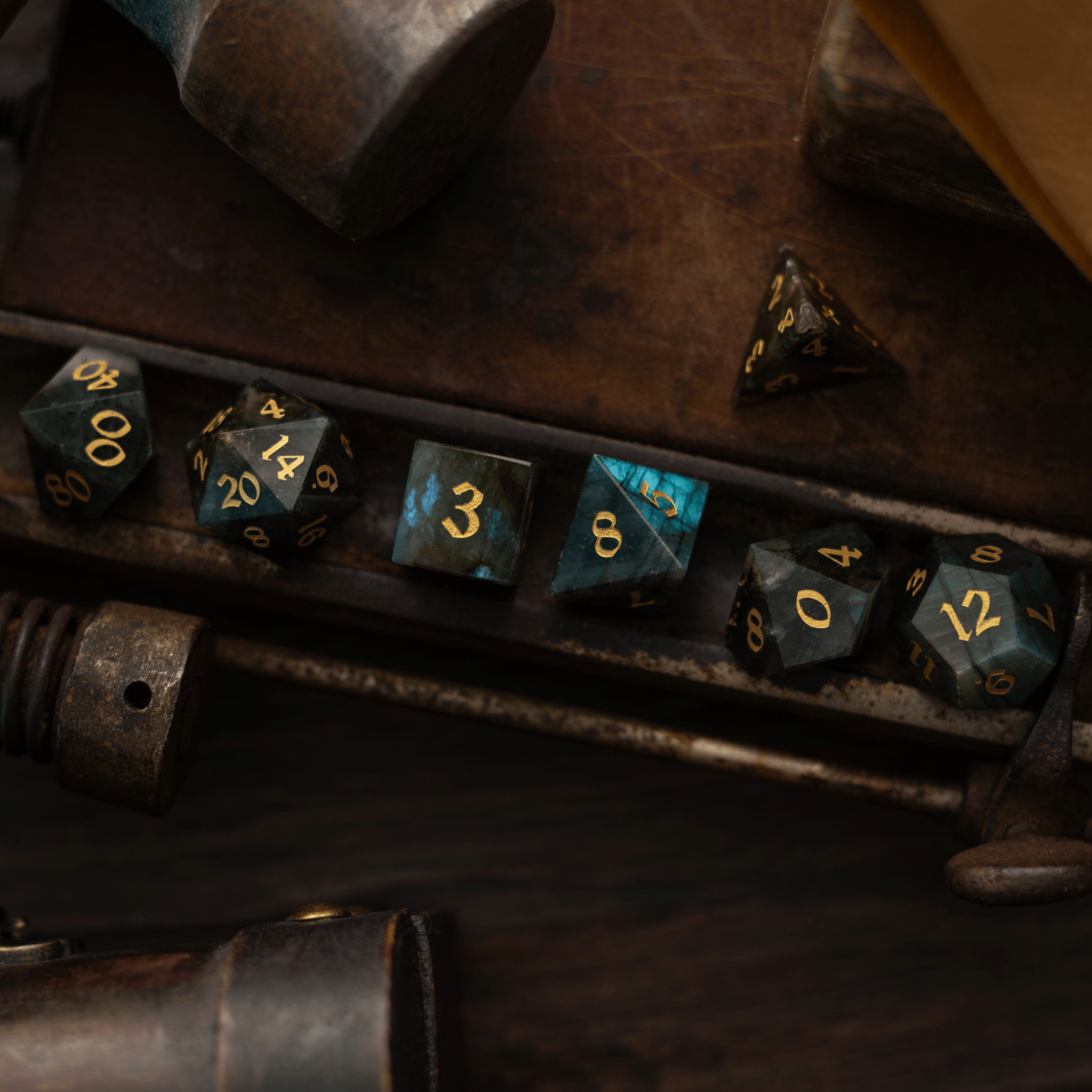
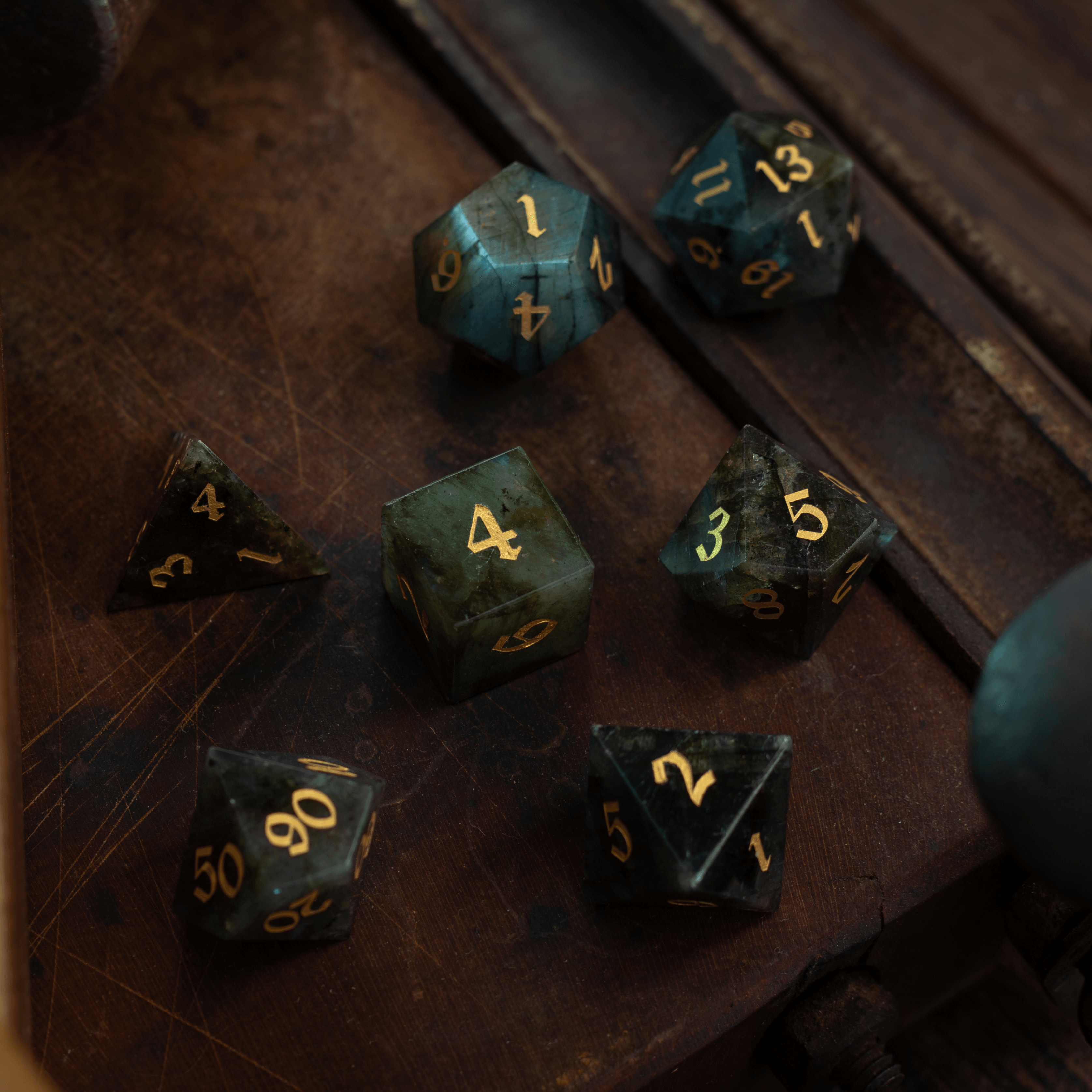
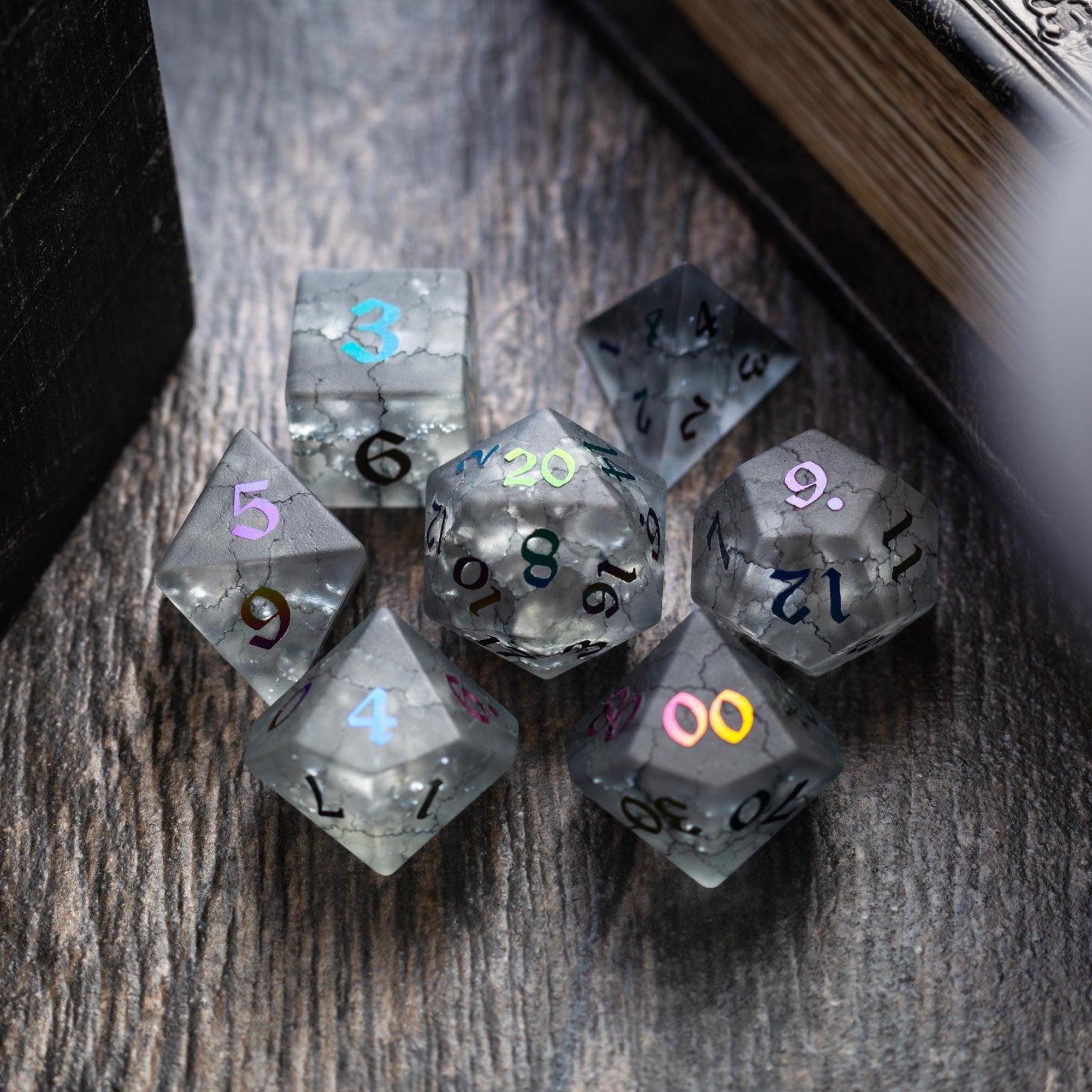
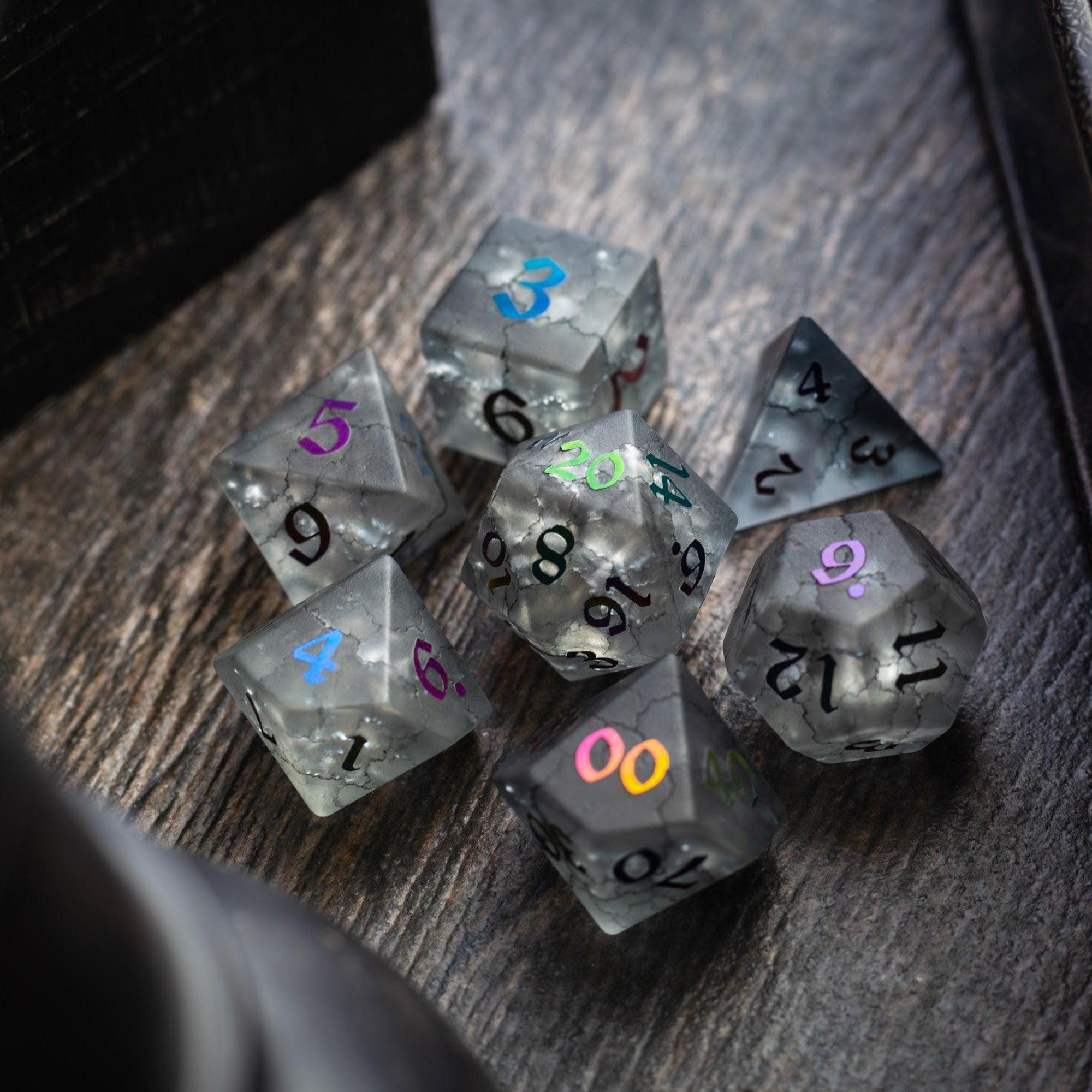
Ready to enhance your tabletop experience beyond just books? Explore our dice collections to find the perfect set for rolling those critical moments in your campaigns. From gemstone options to artisan resin designs, quality dice complement your gaming investment beautifully. Check out our premium dwarf-cut gemstone dice or our handcrafted resin sets to complete your gaming arsenal.
Disclaimer: This article provides general guidance about Dungeons and Dragons rulebooks and is not affiliated with Wizards of the Coast or official D&D licensing. All references to Dungeons and Dragons materials are for informational purposes. Always refer to official publications for accurate rule interpretations and gameplay mechanics.













Leave a comment
This site is protected by hCaptcha and the hCaptcha Privacy Policy and Terms of Service apply.