
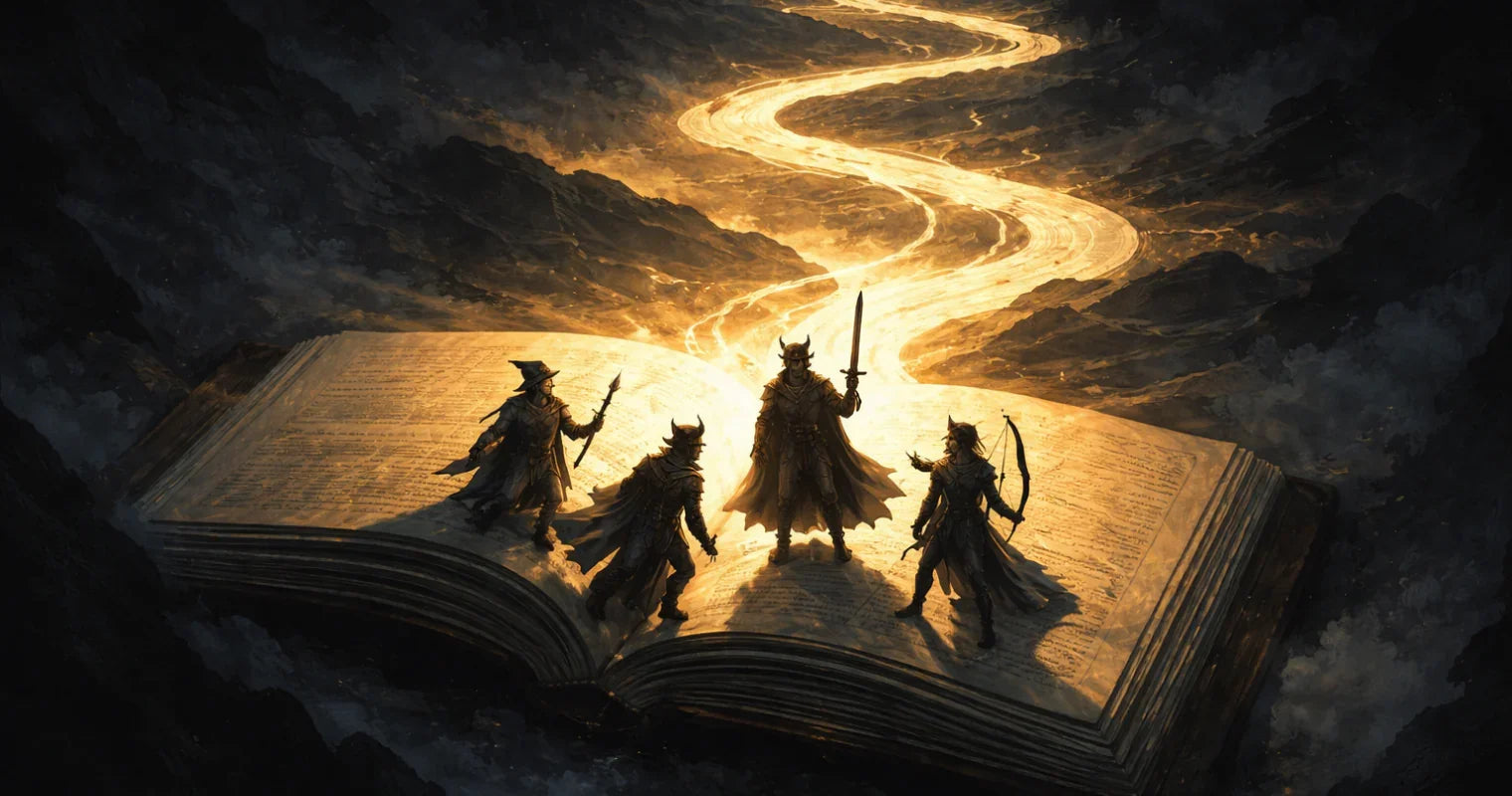
Collaborative storytelling in DnD for epic campaigns
Updated on: March 4, 2026
Collaborative storytelling in Dungeons and Dragons transforms your game from a simple ruleset into an unforgettable shared adventure. When everyone at the table contributes to the narrative, your campaign becomes richer, more engaging, and deeply personal. Discover how to embrace this creative approach, build stronger player investment, and craft stories that your group will talk about for years. Whether you're a seasoned Dungeon Master or a curious newcomer, these strategies will help you unlock the true magic of cooperative narrative building.
- Understanding Collaborative Storytelling in D&D
- Building Trust and Psychological Safety at Your Table
- Practical Steps to Implement Collaborative Storytelling
- Managing Conflicting Creative Visions
- Tools and Techniques for Enhanced Narrative Building
- Frequently Asked Questions
Understanding Collaborative Storytelling in D&D

Dungeons and Dragons has always been about more than just combat mechanics and skill checks. At its heart, the game is a shared storytelling experience where the Dungeon Master sets the stage, but players drive the narrative forward through their choices and creativity. When you embrace collaborative storytelling in D&D, you're recognizing that everyone at the table has something valuable to contribute to the world you're building together.
Traditional gameplay often places the Dungeon Master as the sole architect of the story, with players simply reacting to predetermined scenarios. While this approach works, it misses the incredible potential that emerges when you invite your players into the creative process. Collaborative approaches recognize that your players have insights, ideas, and emotional investments that can enrich every session. When a player suggests that their character has a history in a particular town, you're not just getting a backstory detail—you're getting a hook for an entire subplot that they'll genuinely care about.
The beauty of collaborative storytelling lies in its flexibility. You don't have to abandon your carefully crafted campaign plans. Instead, you're weaving player contributions into your existing framework, creating a hybrid approach where structure and spontaneity work together harmoniously. Your players feel heard and valued, while you maintain the narrative coherence that keeps the story compelling.

Building Trust and Psychological Safety at Your Table
Before you can implement collaborative storytelling effectively, you need to establish an environment where everyone feels safe sharing ideas. Psychological safety means players believe they won't be judged, embarrassed, or punished for contributing their thoughts, asking questions, or even making mistakes during roleplay.
Start by setting clear table expectations. Have a conversation before your campaign begins about what kind of stories you all want to tell together. What tone are you aiming for? Is humor welcome? How dark can the content get? These discussions prevent misunderstandings and ensure everyone's on the same page. When players know your boundaries and values align, they're much more likely to open up creatively.
Model vulnerability as the Dungeon Master. Share when you're excited about an idea, admit when you're unsure how to handle something, and genuinely celebrate player contributions. When your players see you're invested in their ideas rather than wedded to your original outline, they'll feel empowered to take creative risks. Remember that collaborative storytelling isn't about who's right—it's about building something meaningful together.
Create space for quieter players to contribute. Not everyone feels comfortable speaking up in group settings. Some people prefer written contributions, private conversations before sessions, or smaller moments to shine. A good Dungeon Master recognizes these different communication styles and creates multiple pathways for involvement. Ask your shy players directly for their input. They often have brilliant ideas they're just waiting for permission to share.
Practical Steps to Implement Collaborative Storytelling
Step 1: Establish Your Collaborative Framework
Before session one, decide which story elements are open to collaborative input. Some Dungeon Masters welcome player suggestions for major plot points, while others prefer collaboration focused on character moments and local details. Be explicit about this. You might say, "I've planned the main villain and the climactic battle, but I'd love your input on how your characters' personal stories intersect with this larger plot." This clarity prevents frustration and confusion.
Step 2: Create Regular Opportunities for Input
Don't wait for players to randomly suggest ideas. Build moments into your sessions where you actively invite their contributions. Between encounters, you might ask, "Does anyone want to explore a location more deeply, or should we move on?" During downtime in the story, you could pose open-ended questions: "What does your character do during this quiet evening?" These invitations signal that you genuinely want their input, not just tolerating it.
Step 3: Honor Backstory Integration
One of the easiest ways to practice collaborative storytelling is to weave character backstories directly into your campaign. When a player mentions their character grew up in a port city, make that detail matter. Perhaps you introduce an NPC from their past, or a mysterious figure from their childhood reappears. This approach transforms backstories from isolated narratives into living, breathing elements of your world. Your players will immediately feel more invested because the story has become personal.

Step 4: Implement Collaborative World-Building Sessions
Consider scheduling dedicated sessions before or during your campaign where everyone helps design the world. You might collaboratively create a town the party will visit, design the politics of a particular faction, or establish the history and culture of a region. These sessions are wonderfully efficient—you're getting content directly from your players' imaginations while simultaneously deepening their investment in the world.
Step 5: Use "Yes, and..." Improv Principles
Borrow from theatrical improvisation by embracing "yes, and..." thinking. When a player suggests something reasonable, say yes and add to it. If they suggest their character's family owns a bakery in the village, don't just accept it—build on it. "Yes! And people say the sweet bread there is blessed by a minor forest spirit. That's why it never goes stale." This approach is collaborative magic because it shows you're genuinely interested in their ideas and willing to expand them together.

Step 6: Establish Feedback Loops
After each session, take a few minutes to ask for feedback. What worked well? What did people wish had gone differently? Did anyone feel unheard or sidelined? This regular communication prevents small frustrations from becoming big problems. It also shows your players that you genuinely care about their experience, which deepens trust and encourages more collaborative participation going forward.
Managing Conflicting Creative Visions
Not every collaborative conversation will be smooth. Sometimes players will suggest something that contradicts your planned narrative. Sometimes multiple players will want different things. These moments require diplomacy and creativity rather than authority.
When a player suggests something that conflicts with your vision, resist the immediate impulse to shut it down. Instead, ask yourself whether their idea could work within your framework. Often, it can—you just need to adjust slightly. If a player wants their character to have a twin sister, but you've planned for them to be an only child, can you incorporate the sister? Maybe she's estranged, or maybe she's a new element that enriches the story. The willingness to adapt signals respect for your players' creativity.
When you genuinely can't accommodate an idea, explain why with honesty and kindness. "I love where you're going with this, and I want to honor your character's story, but it would create problems for the larger plot I've planned. Can we find a different way to accomplish what you're aiming for?" Most players will appreciate the transparency and will work with you to find a solution.
Tools and Techniques for Enhanced Narrative Building
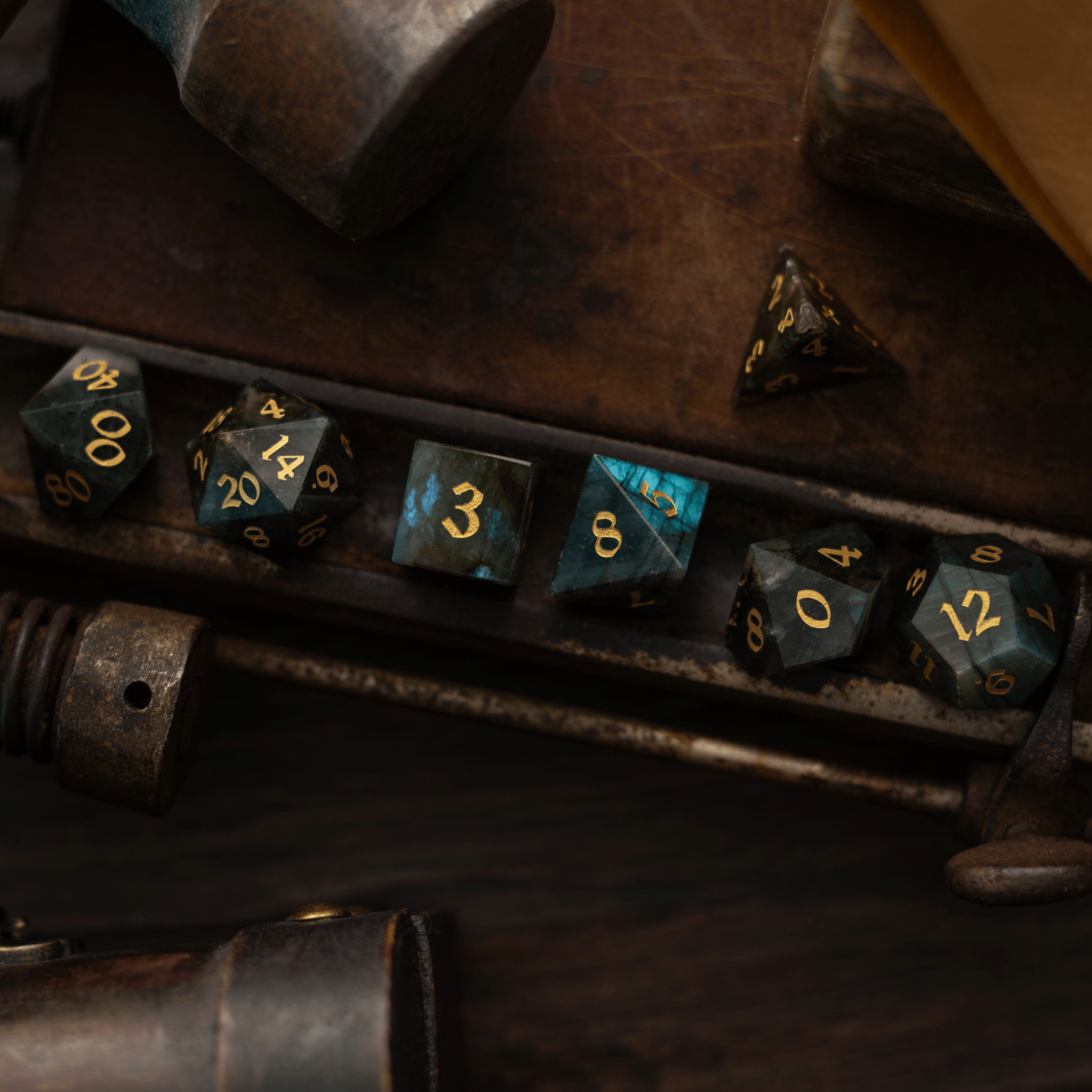
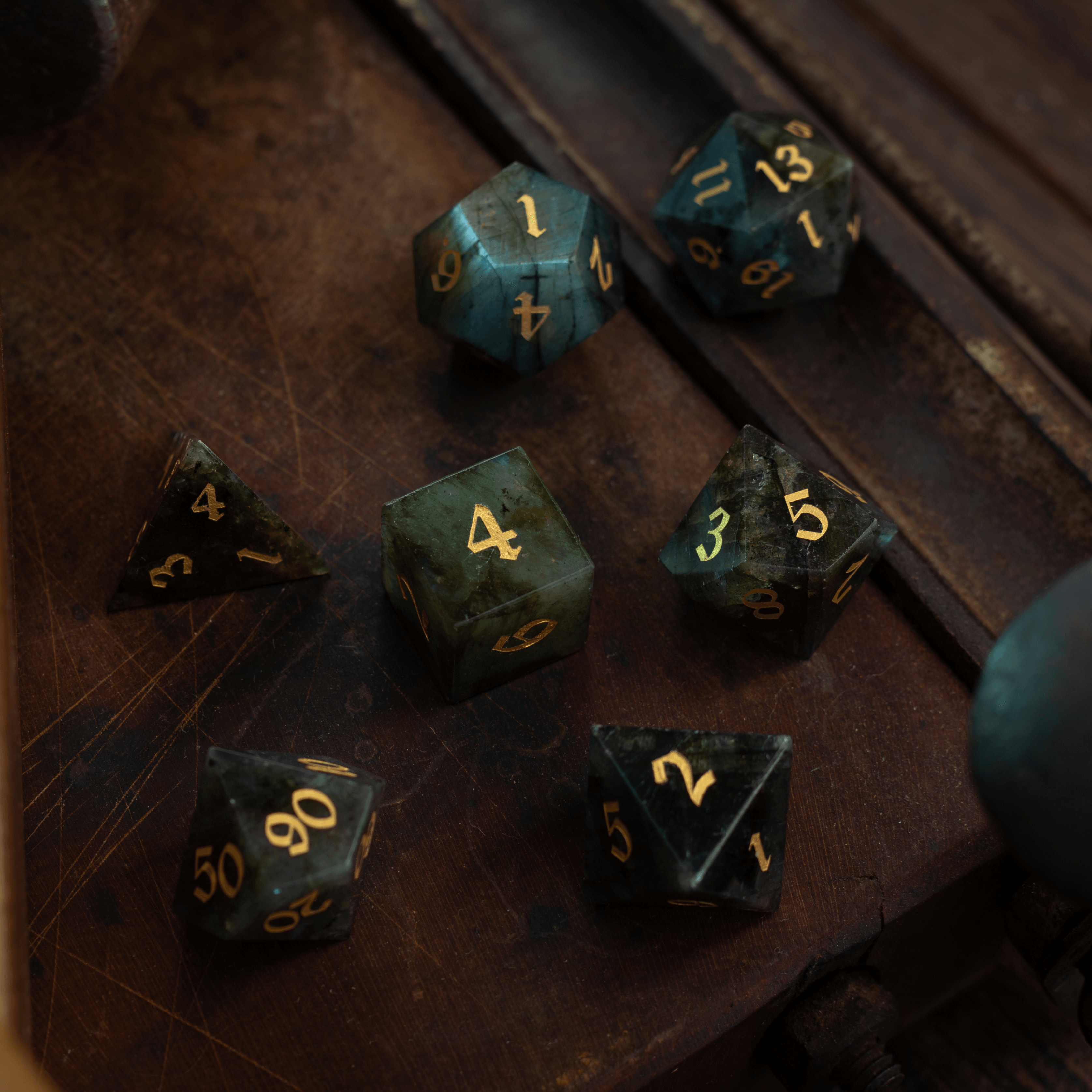
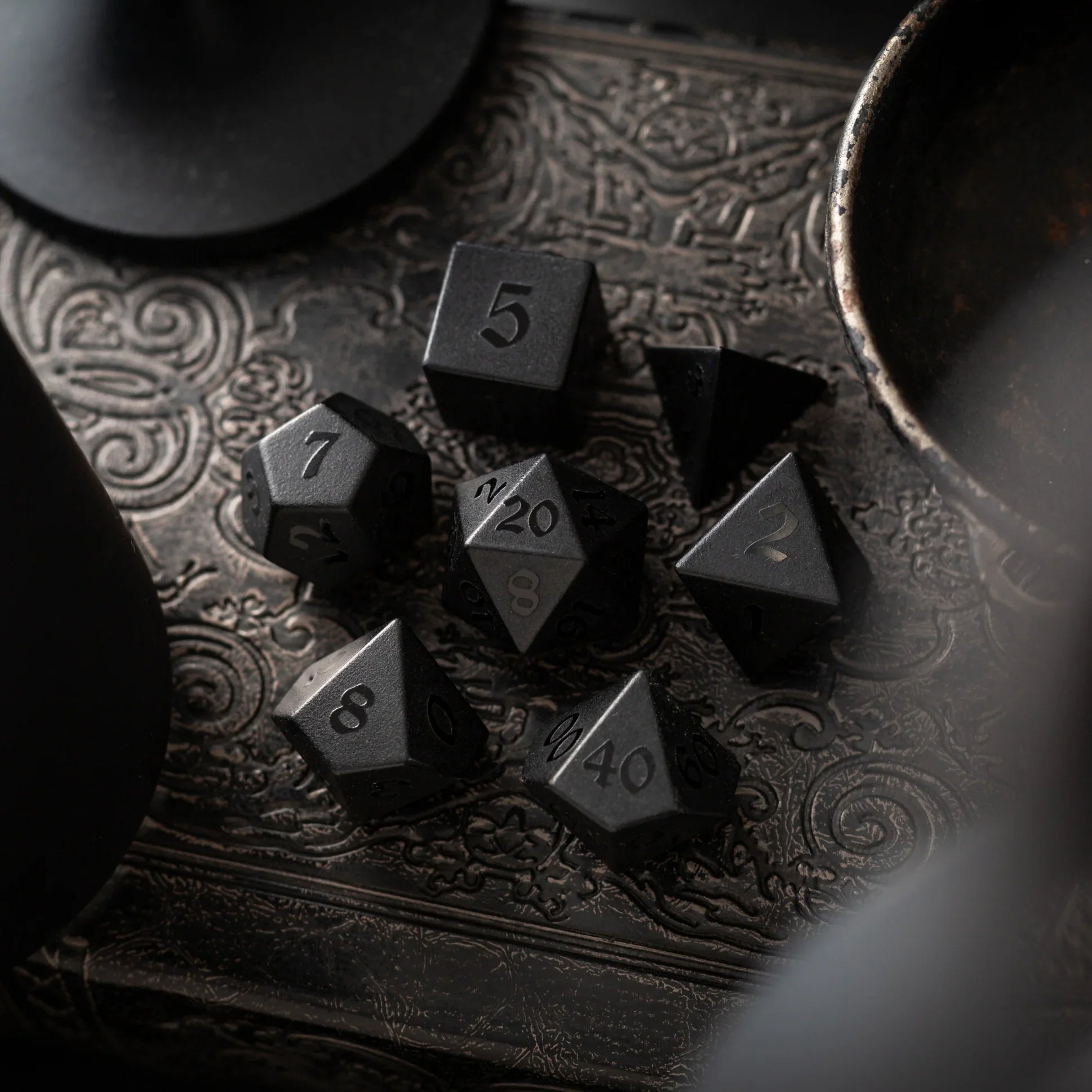
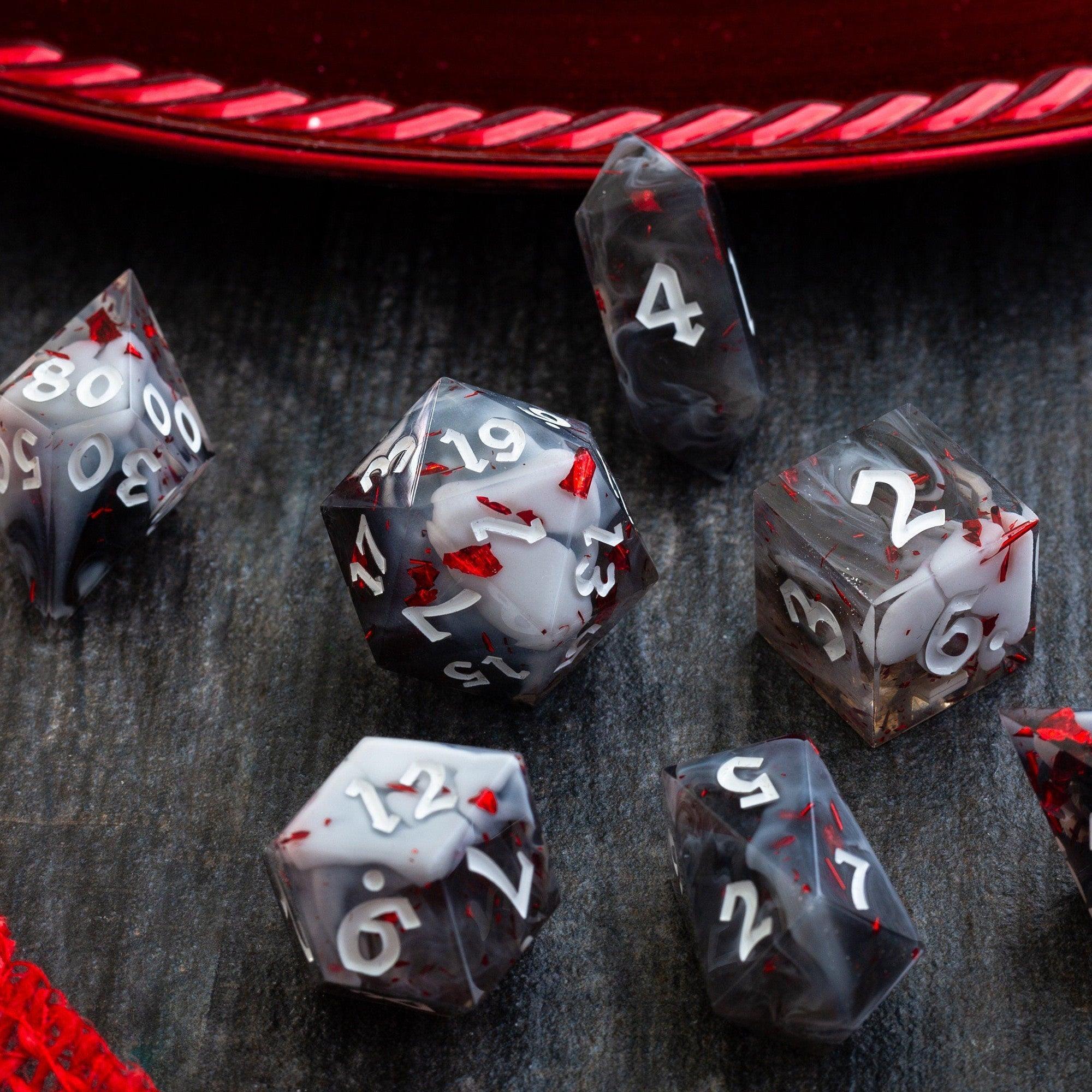
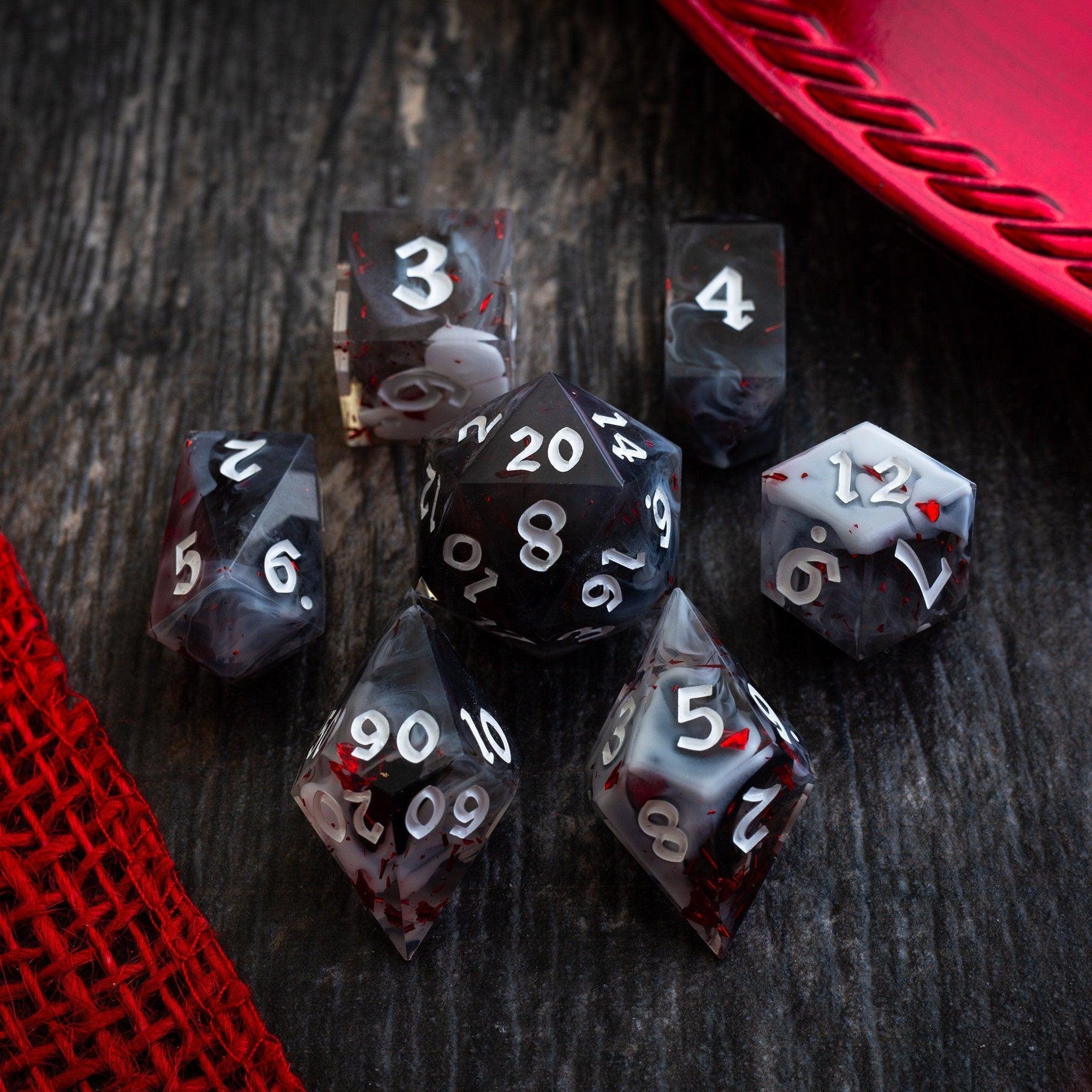
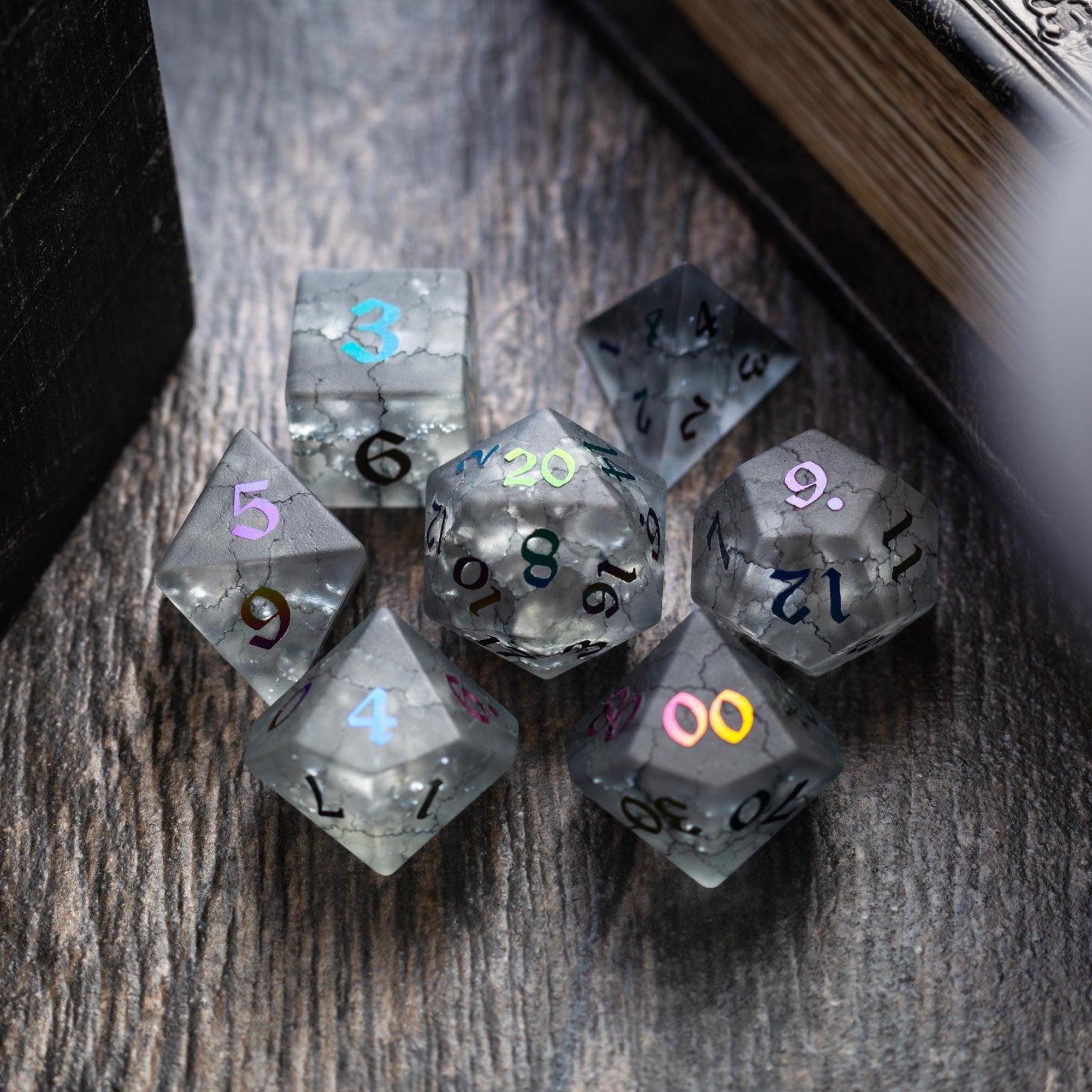
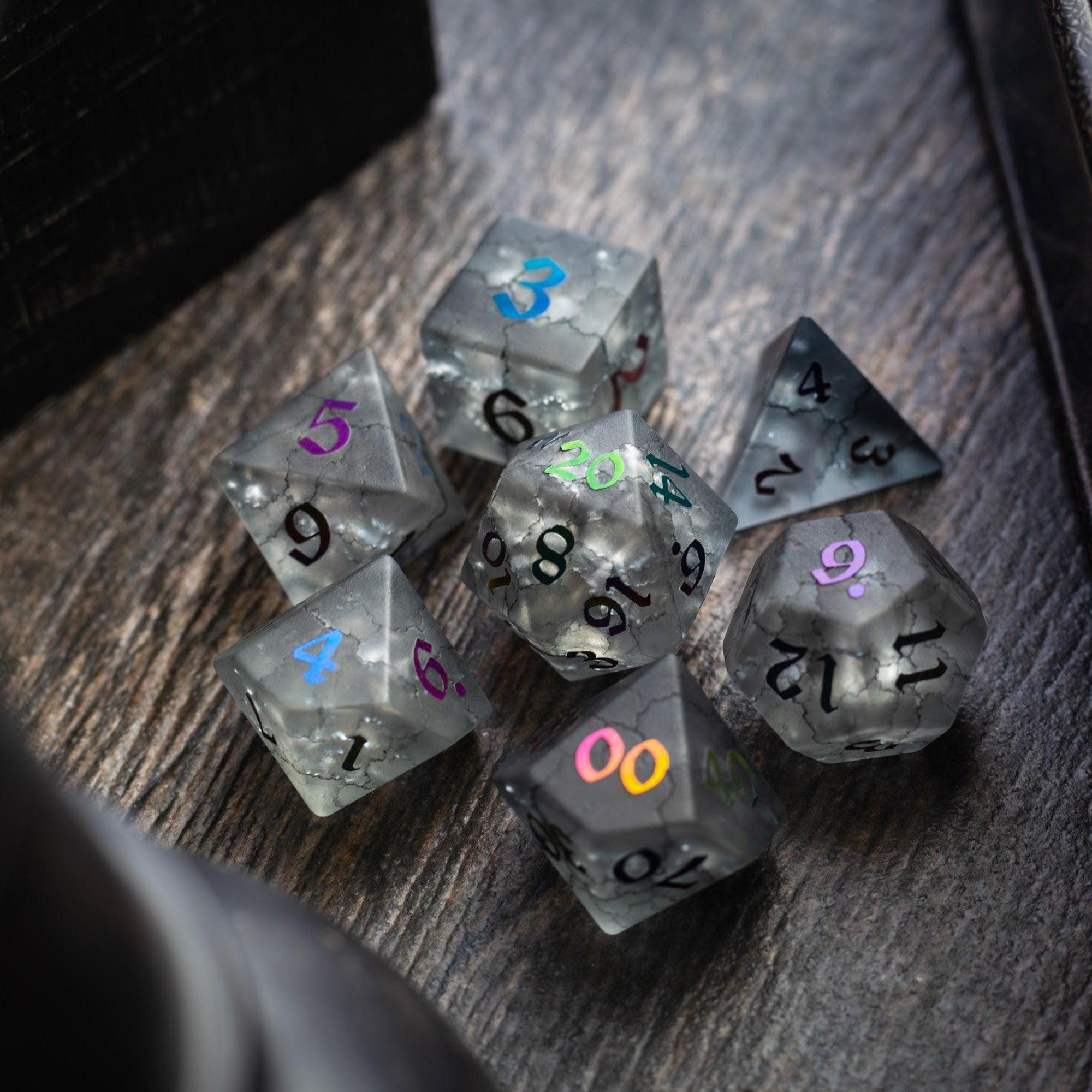
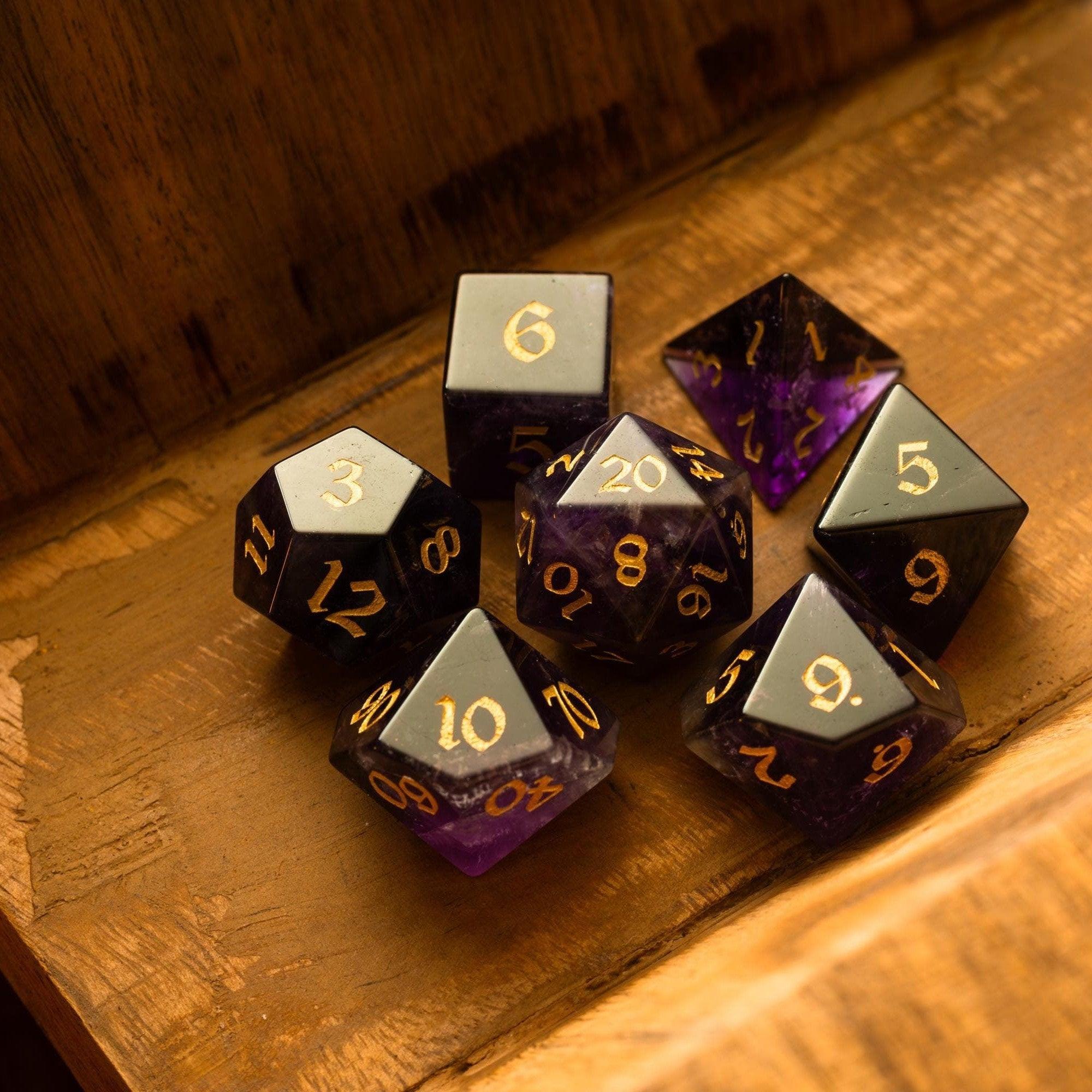
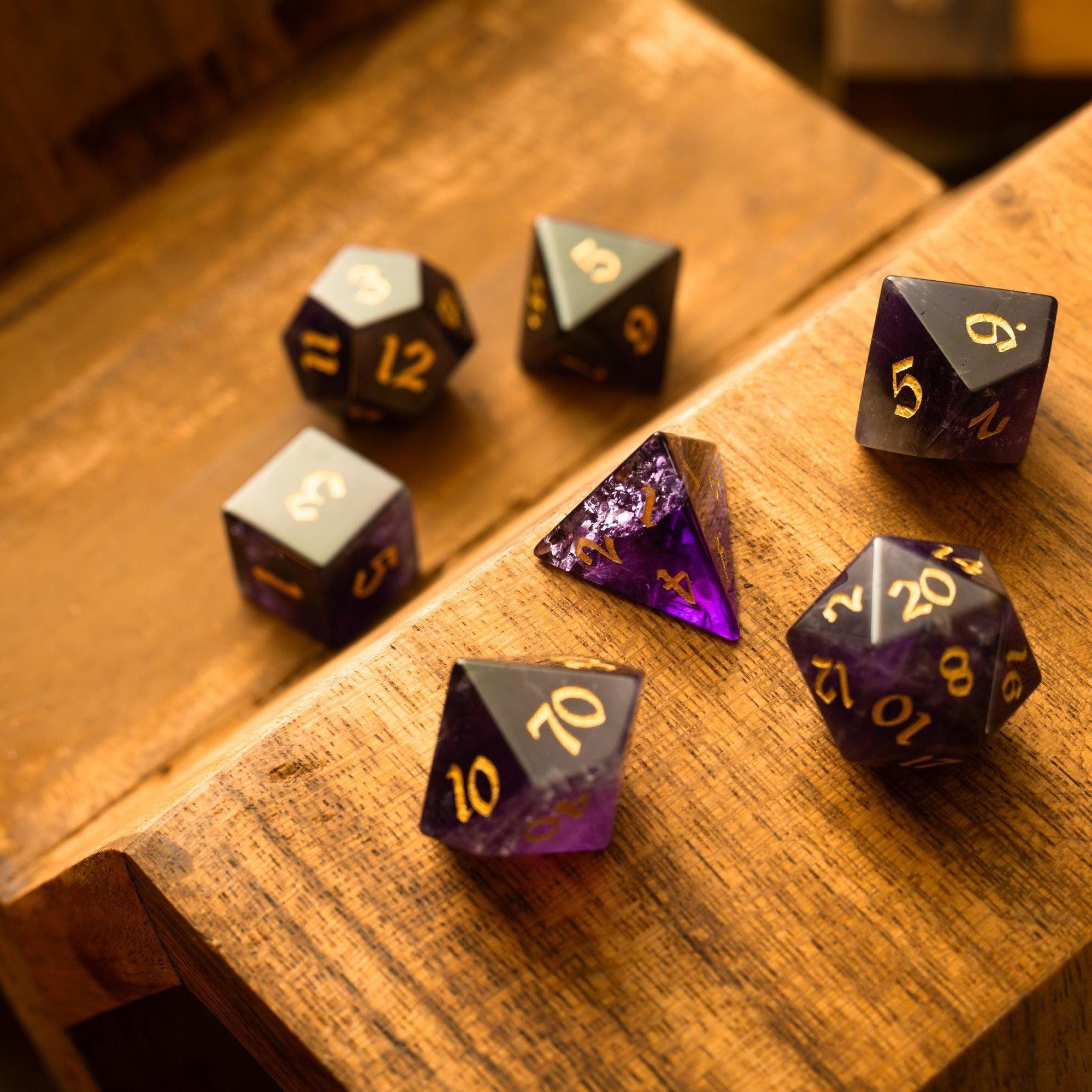
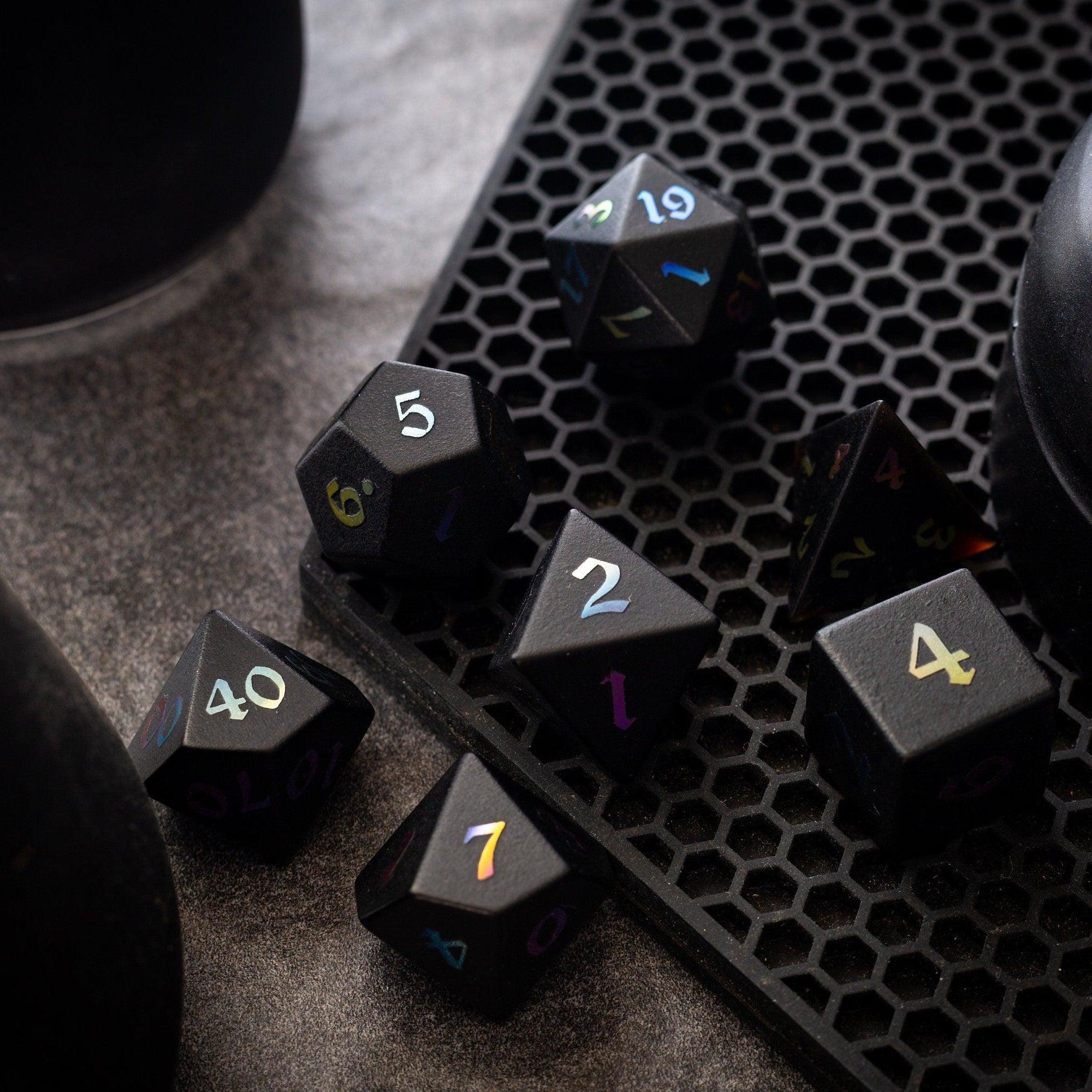
Several practical tools can enhance collaborative storytelling at your table. Consider using specialty dice collections to add randomness to collaborative moments—players can roll to determine how their ideas manifest or how NPCs react to their contributions. This gamification can make collaborative decisions feel more organic and unpredictable.
Character journals encourage players to reflect on their experiences and share deep insights into their emotional lives. When players write about what their character felt during a particular moment, it often sparks new story ideas and connections you never anticipated. Some Dungeon Masters have players read excerpts from their journals during sessions, weaving these personal narratives directly into the game.
Session recap documents created collaboratively can also deepen engagement. After each session, have one player write a summary that includes elements highlighted by different party members. This reinforces key moments that mattered to different players and ensures everyone's contributions feel valued.
Consider using props and visual aids. When players can see something physical—whether it's a beautiful gemstone dice set or a hand-drawn map—it sparks creative conversation more readily than abstract discussion. Visual elements ground collaborative storytelling in the moment and often inspire ideas that pure discussion might not generate.
Collaborative playlist creation is another wonderful technique. Ask each player to choose music that represents their character's journey or themes. Playing these pieces during relevant moments creates emotional resonance and helps everyone stay connected to the collaborative vision you're building.
Frequently Asked Questions
How do I balance collaborative storytelling with my prepared campaign?
Think of your campaign as a skeleton, and collaborative storytelling as the flesh that brings it to life. Your main plot points, important NPCs, and climactic moments can remain as you planned. But the details of how you get there—the side quests, personal relationships, and world flavor—should be shaped by player input. This approach gives you structure while embracing spontaneity. You're not abandoning your vision; you're enriching it through collaboration.
What if my players aren't interested in collaborative storytelling?
Not every table thrives on the same approach. Some players genuinely prefer a more traditional experience where the Dungeon Master makes all the narrative decisions. Have a conversation about preferences. You might discover they'd enjoy limited collaboration—perhaps just backstory integration—without full story input. Respect your players' preferences. A game where everyone's comfortable is better than one with forced collaboration that makes people anxious.
How do I prevent collaborative storytelling from slowing down sessions?
Set time boundaries for collaborative moments. You don't need long discussions—quick input often works best. A player suggests an idea in thirty seconds, you affirm it in ten seconds, and you're moving forward. Establish norms about how much table time collaborative decisions deserve. Some Dungeon Masters schedule dedicated world-building sessions outside regular gameplay, keeping session time focused on adventure rather than extended creative meetings.
Can collaborative storytelling work in one-shot campaigns?
Absolutely. Even in a single session, you can invite players to name NPCs, describe locations, or contribute to how scenes unfold. One-shots often benefit from collaborative input because players feel like they're genuinely shaping a complete narrative arc from beginning to end. The shorter timeline actually makes collaboration feel more immediate and rewarding.
Collaborative storytelling in D&D transforms the experience from passive entertainment into active co-creation. When your players feel genuinely heard and their contributions directly shape the narrative, they invest more deeply in the story and their characters' journeys. Start with small collaborative moments—asking for input on descriptions, incorporating backstory details, or inviting suggestions about how to solve a problem. These seeds of collaboration will grow naturally, and your table will discover depths of storytelling you couldn't have achieved alone. The magic of D&D isn't just in the rulebook or the imagination of one person—it's in the shared creative energy when everyone at the table becomes a storyteller together. So invite your players in, listen to their ideas, and watch your campaign transform into something truly special. Visit our collections to find beautiful dice that celebrate these collaborative moments of adventure and creativity.







Leave a comment
This site is protected by hCaptcha and the hCaptcha Privacy Policy and Terms of Service apply.