

Clear Dice for True Rolls Master Your RPG Sessions
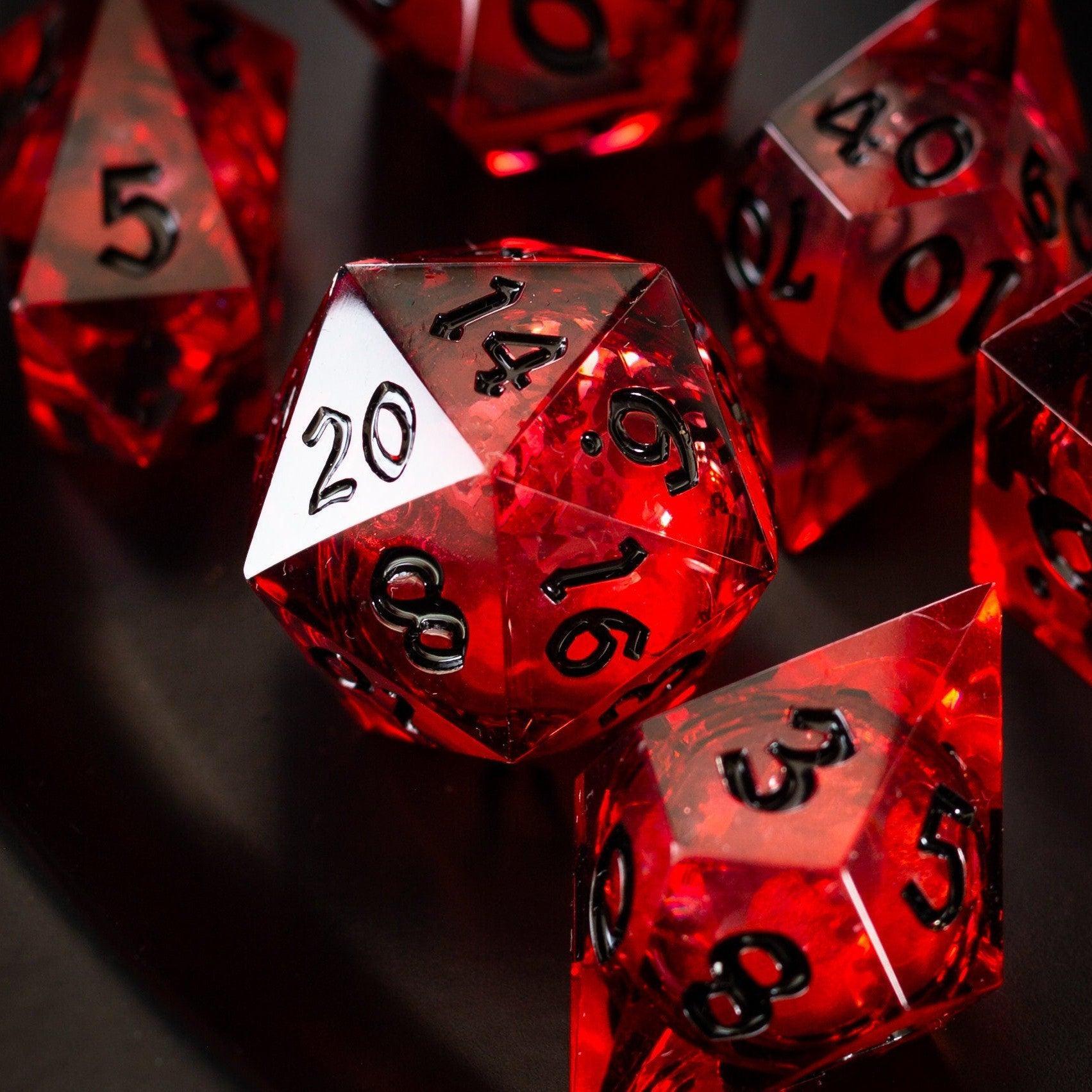
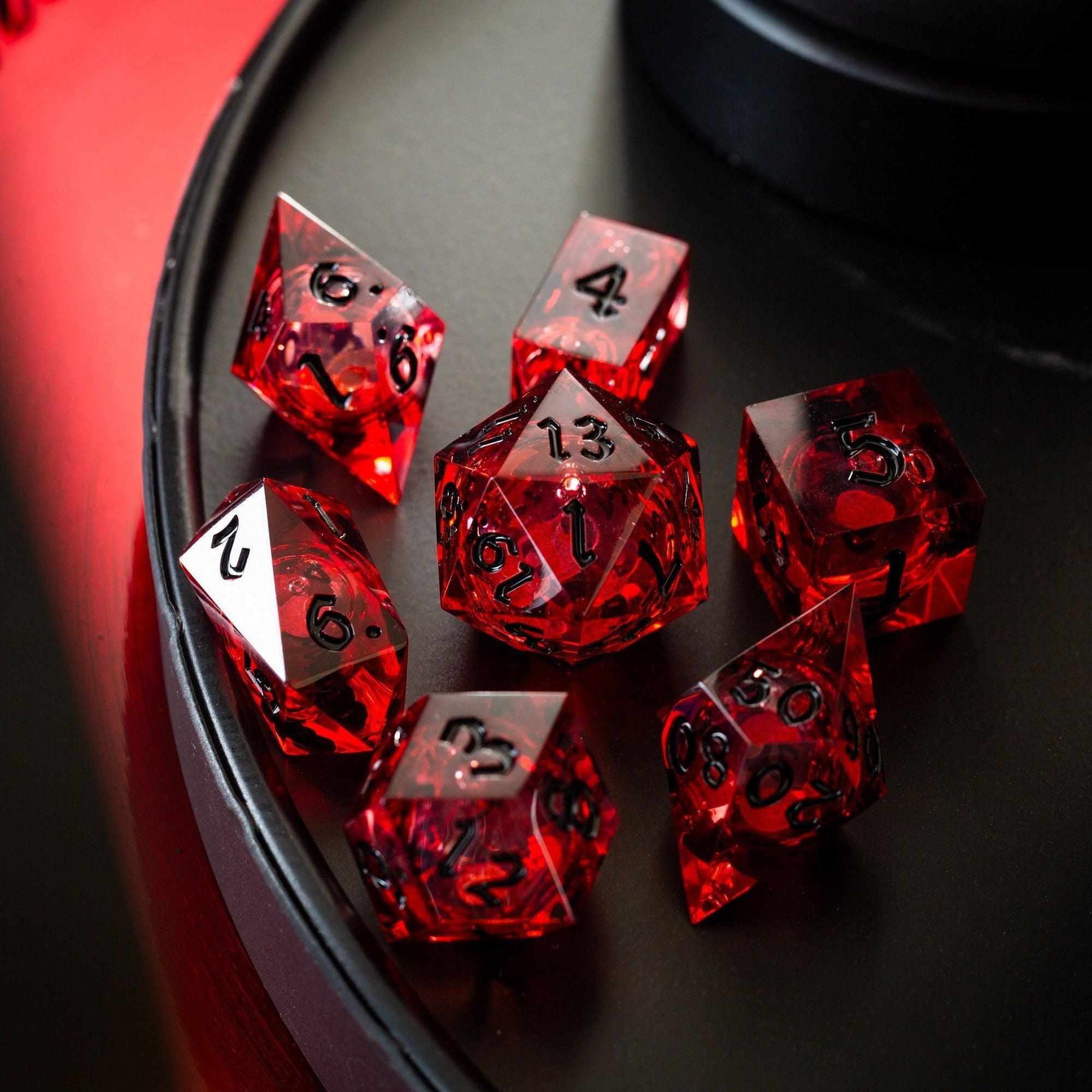
If you love table presence, transparent dice offer a sleek, minimal style that lets the light do the talking. When you set them on the table, they catch highlights, show off crisp edges, and pair with any theme—from high fantasy to sci-fi. But not all see-through sets are made the same. Manufacturing methods, materials, and finishing steps affect balance, readability, and longevity. In this guide, we’ll break down the benefits, show you a simple buying process, and share easy care tips. By the end, you’ll know exactly what to look for and how to keep your set rolling smoothly.
Key Benefits of Clear Dice
- Timeless, minimal style: Transparent dice never clash with your character sheet, terrain, or minis. They’re subtle and elegant, letting your table setup shine.
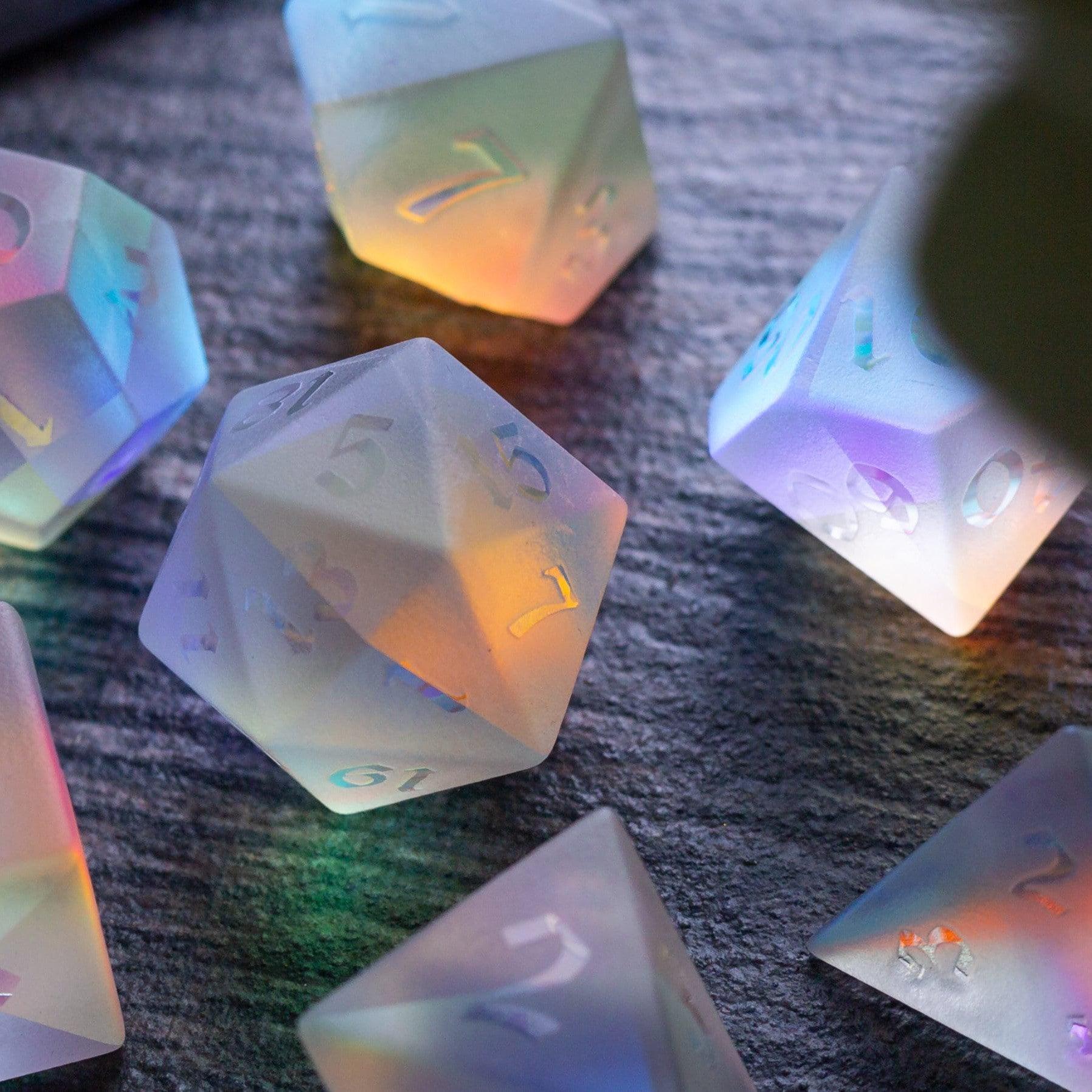
- Light-play and sparkle: Because they transmit light, these sets can glow under bright lamps, sparkle in daylight, or shimmer with embedded materials—perfect for photos and streams.
- Easy to pair with any theme: Whether your campaign feels gritty, whimsical, or arcane, a see-through set complements your vibe without stealing focus.
- Enhanced focus on numbers: With high-contrast inking, your eyes go straight to the result. No busy patterns to distract you from the roll.
- Versatile materials: You’ll find options in acrylic, resin, glass, and gemstone, each offering a different feel in the hand—from feather-light to satisfyingly weighty.
- Display-ready: Transparent polyhedrals look great in photos, dice trays, or display cases, making them an easy upgrade for collectors and creators.
- Room to personalize: From frosted finishes to subtle inclusions, you can pick a look that matches your character’s story or your own taste.
Step-by-Step Guide: Choosing and Caring for Transparent Dice
Step 1: Define your purpose
Start by asking how you’ll use them. Are you rolling weekly at a crowded table, filming content, or curating a display collection? Frequent rollers may want durable materials and bold ink contrast. Streamers and photographers might prefer sets that sparkle under light. Collectors can lean into distinctive finishes and unique cuts. This simple clarity about your use case will guide every other choice, and prevent impulse buys you don’t truly love.
Step 2: Pick a material that fits your needs
Different materials change the feel and look:
- Acrylic: Lightweight, budget-friendly, and often very clear.
- Resin: Crisp edges and glass-like looks; mind the possibility of microbubbles in lower-quality casts.
- Glass or gemstone: Heavier, premium feel, and striking clarity; handle with care on hard tabletops.
If you’re exploring premium options, browse elegant gemstone dice to compare craftsmanship, edge finish, and readability. Consider how each material pairs with your play style and storage habits.
Step 3: Check for fairness and consistency
Fairness depends on even material distribution and consistent faces. Spin-test a d20 on a smooth surface: it should not repeatedly settle on the same numbers. Roll in batches and look for patterns across many rolls, not just a few. Avoid visible voids or lopsided inclusions that might shift weight. If you want extra consistency at the table, using dice towers can help standardize how your dice land.
Step 4: Inspect clarity, bubbles, and inclusions
Hold the die up to a light source and inspect each face. High-quality transparent dice should show minimal bubbles and no cloudy areas that weren’t intended. Edges should be clean, with even bevels or sharp facets (depending on style). If inclusions are part of the design, they should be centered or balanced, not clumped near one side. Look for consistent polish that doesn’t leave haze or micro-scratches.
Step 5: Prioritize numbering contrast
With clear dice, high-contrast inking matters. Bold black, deep navy, or metallic inks are usually easiest to read across the table. If you prefer white or pale ink, make sure the edge finish (frosted vs. glossy) still provides enough contrast. When in doubt, set the die on your usual table surface and check readability from a few feet away. If you can’t read it fast, you probably won’t love it during game night.
Step 6: Practice gentle care and storage
Treat your set like a small piece of gear. Roll on a mat or in a tray to protect edges. Store them in a padded pouch or case, not loose in a backpack. Keep them away from prolonged direct sunlight or heat to protect ink and finish. For heavier materials (glass or stone), avoid rolling on hard surfaces to prevent chipping. Small habits go a long way toward preserving that fresh-out-of-the-box look.
Step 7: Clean safely for a lasting shine
Use a soft microfiber cloth to dust, and a tiny bit of mild soap with lukewarm water for deeper cleans. Rinse and dry immediately to avoid water spots. Skip harsh chemicals, alcohol, and abrasive pads that can haze resin or acrylic. If your set has metallic ink, be gentle around the numbers. A quick wipe before photos or streams can make them look studio-ready without any special products.
FAQ Section
Are transparent dice fair?
They can be, but fairness depends on quality. Balanced material distribution, consistent faces, and clean internal casting all matter. Look for minimal bubbles and well-centered inclusions. Test by rolling in batches or using a spin test on a smooth surface. If results feel suspiciously repetitive, consider using a tower or switching to a better-crafted set.
How do I clean without scratching?
Use a microfiber cloth first. For grime, wash with mild soap and lukewarm water, then pat dry with a soft towel. Avoid rough cloths, paper towels, alcohol, acetone, and abrasive cleaners. If you’re polishing before photos, a gentle wipe is usually enough. Keep them in a pouch to minimize dust and fingerprints between sessions.
Acrylic vs. resin vs. glass or gemstone—what’s the difference?
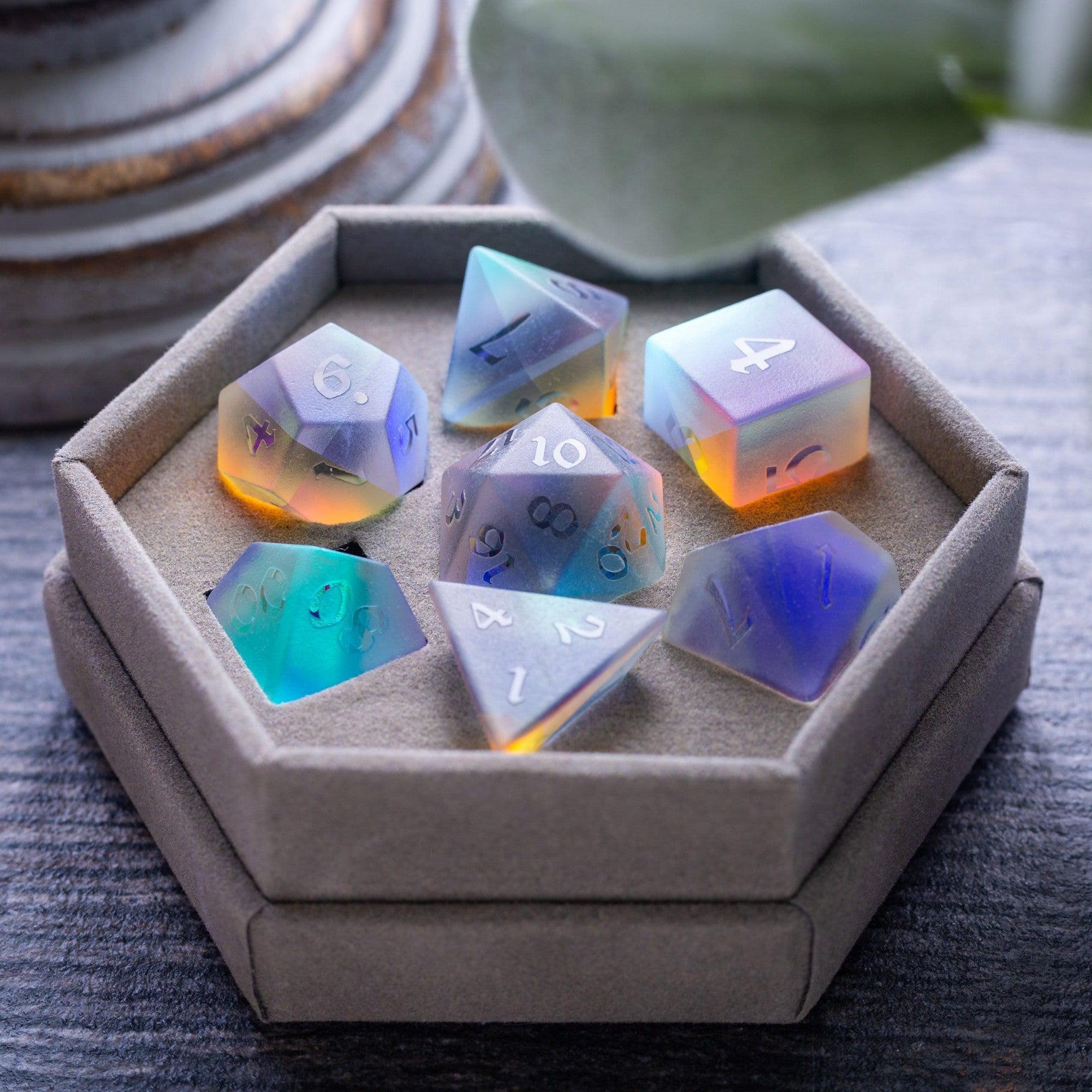
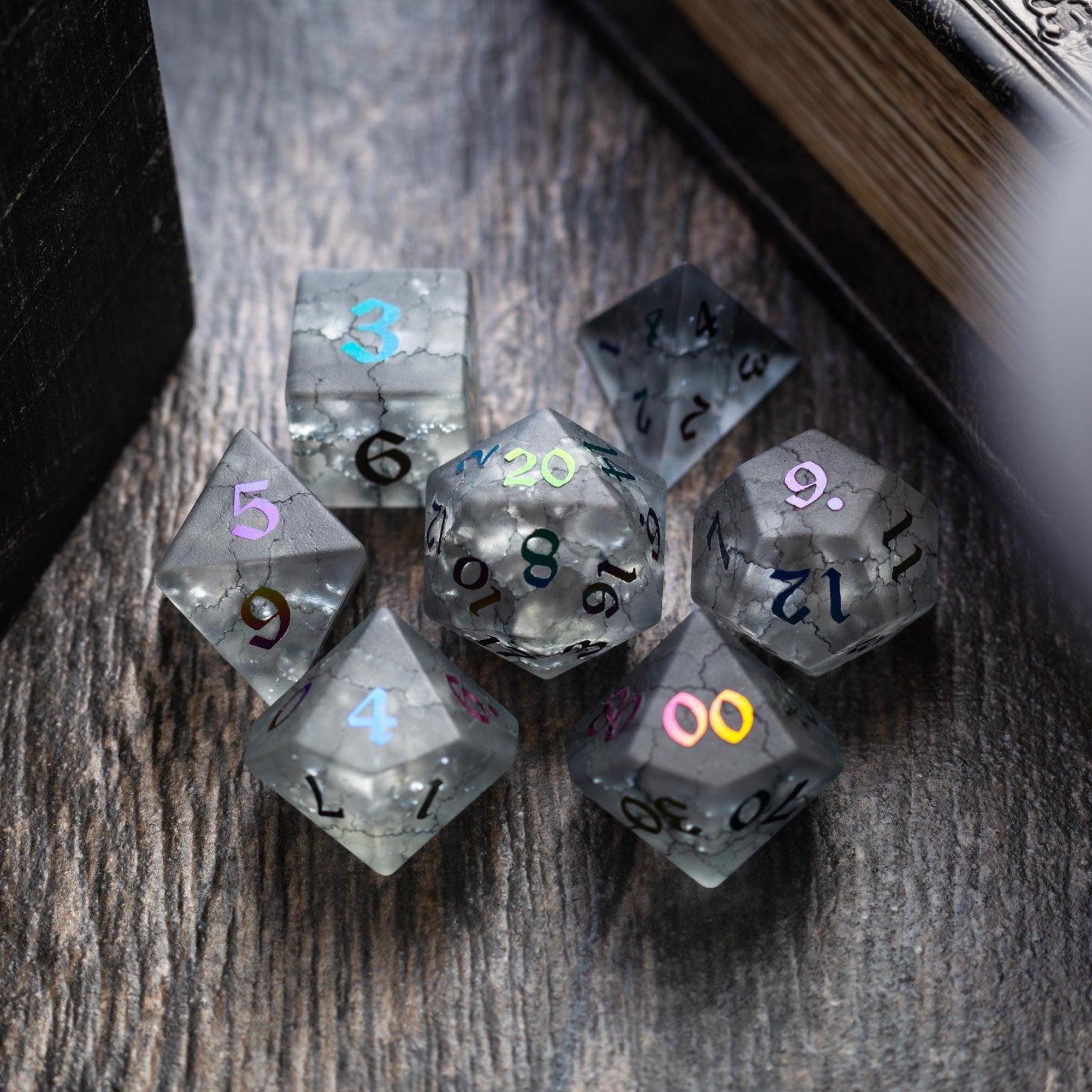
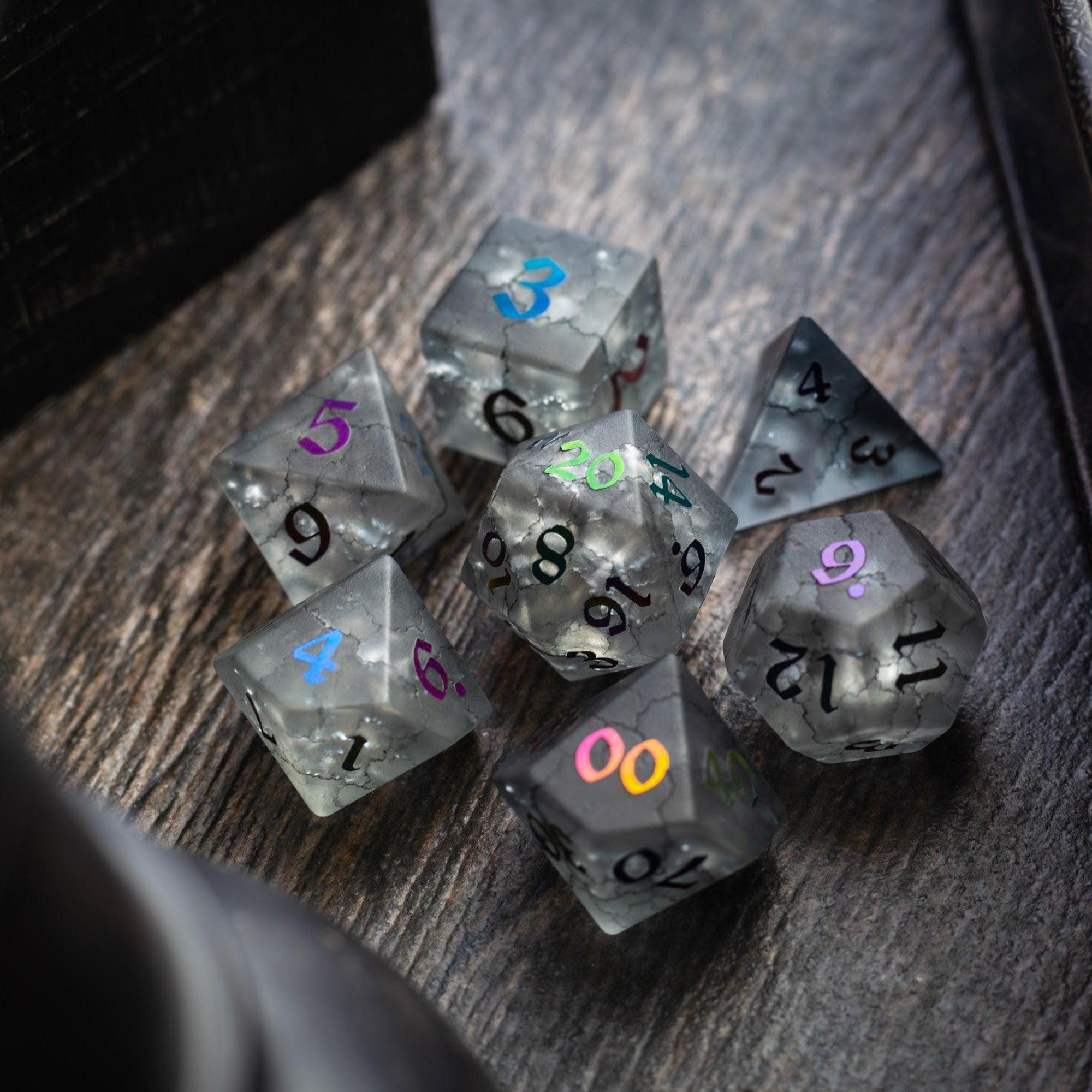
Acrylic is affordable, durable, and often very clear; it’s great for everyday rolling. Resin can offer sharp edges and a glass-like finish; quality varies by caster. Glass and gemstone bring weight and stunning clarity; they feel premium but need careful handling. Compare options and finishes by checking a detailed product page like this shimmering dichroic glass set.
Do see-through dice yellow over time?
Some materials can discolor with prolonged UV exposure or high heat, especially certain resins. Keep your set out of direct sunlight, avoid hot car dashboards, and store in a pouch or case. With normal care and low-UV storage, most modern transparent sets maintain their clarity for years of play.
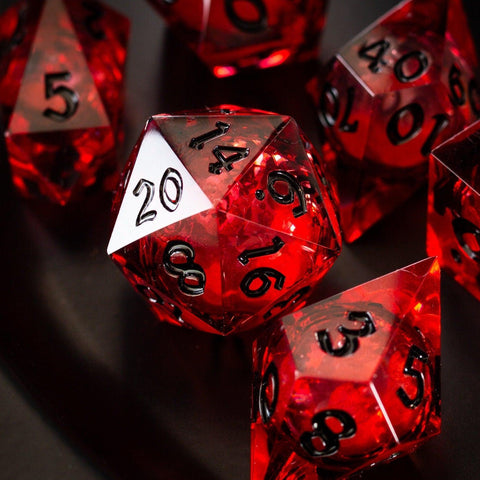
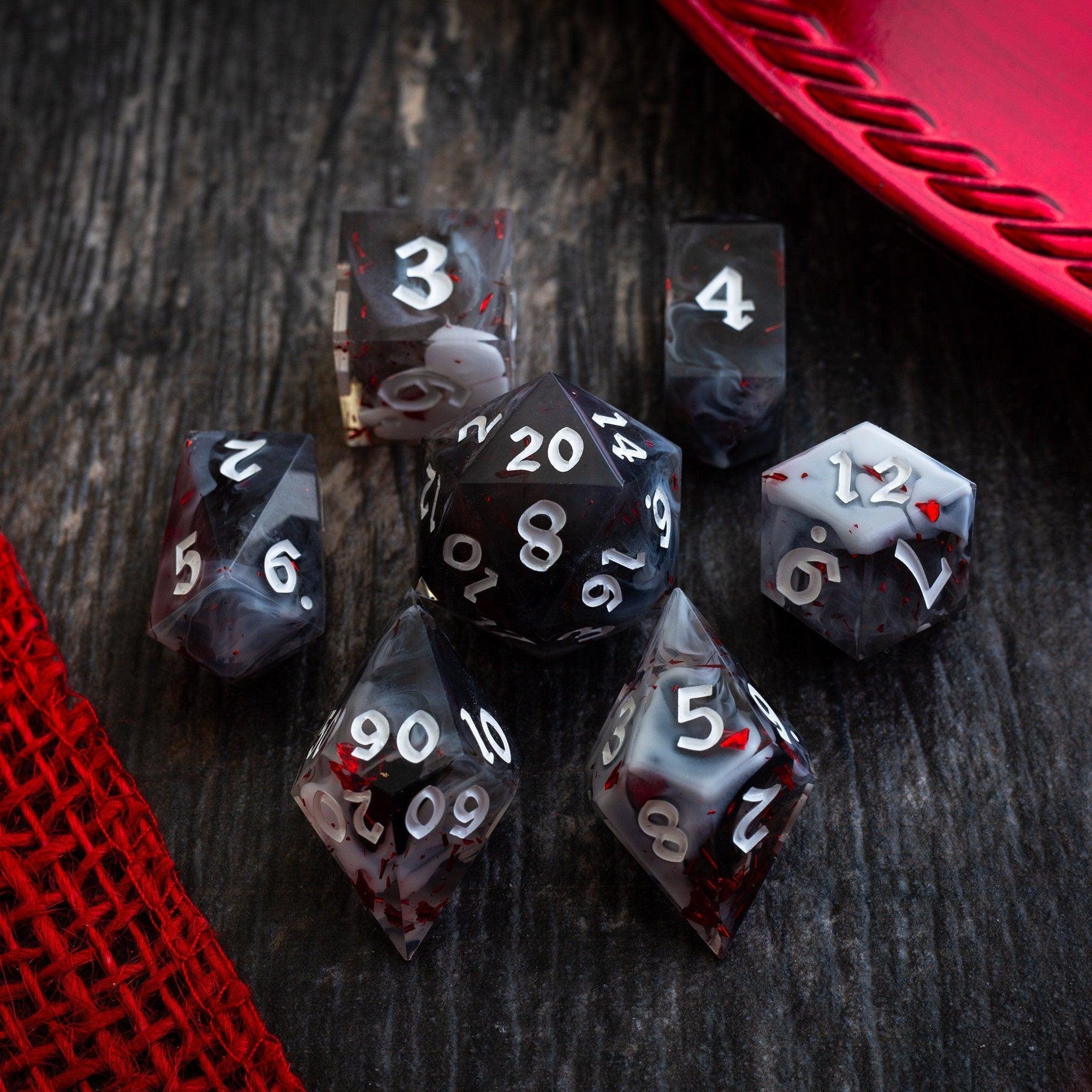
Ready to find a set that matches your table vibe? Explore shimmering options, from weighty stones to innovative fluids. If you want mesmerizing motion on the roll, check out liquid core styles, or if you love dramatic blends, this smoky resin set is a bold pick. For collectors who crave premium sparkle, browse curated gemstone dice or the luminous facets of a dichroic glass set.








Leave a comment
This site is protected by hCaptcha and the hCaptcha Privacy Policy and Terms of Service apply.