

Upgrade Your RPG Sessions With Premium Gaming Mats
If you’ve ever wondered whether gaming mats for role playing games are worth it, the short answer is yes. A good surface keeps minis steady, makes movement rules clear, and protects your table from markers, spills, and frequent dice rolls. It also saves time. You don’t have to redraw the same corridors or forest paths session after session—just lay down your grid or hex map and go. Whether you’re running a crunchy dungeon crawl or a story-first campaign with the occasional set-piece battle, the right mat will make your game feel smoother, cleaner, and more immersive.
How to Choose and Use Gaming Mats for Role Playing Games
Here’s a practical, step-by-step approach so you get the right surface the first time and keep it table-ready for years:
- 1) Measure your table and your play space. Most dining tables run between 30–40 inches wide. Leave a few inches of clearance so dice and elbows don’t hang off the edge. If you run theater-of-the-mind scenes between battles, a smaller mat may be less intrusive on snack space.
- 2) Pick your grid style based on rules and minis. If your system counts in 5-foot squares, choose a 1-inch square grid. For systems that support hex movement, a hex map helps with clean diagonal movement and line-of-sight calls. If you draw custom maps, consider a blank, wet-erase surface.
- 3) Choose a material that matches your habits. Neoprene feels like a premium mouse pad—soft, non-slip, and great for minimizing dice clatter. Vinyl is durable, budget-friendly, and easy to wipe clean. Dry-erase laminates let you sketch fast, erase cleanly, and redraw as often as you like.
- 4) Consider portability and storage. If you travel to game, a lightweight roll-up is your friend. For home use, thicker neoprene lies flatter and feels luxe. Whatever you pick, a storage tube or sleeve prevents creases and keeps edges from fraying.
- 5) Prep and flatten before game night. Unroll the mat a few hours early. Reverse-roll it gently, then lay it flat. If edges lift, place rulebooks on the corners for a short time. Wipe the surface with a slightly damp, lint-free cloth to remove dust so minis sit flush.
- 6) Use high-contrast markers and tokens. Dark marker on a light mat (or vice versa) improves visibility for everyone around the table. Color-code hazards, difficult terrain, and cover. Keep a small eraser or cloth handy so you can tweak layouts without pausing the session.
- 7) Protect the surface during rolling. Dice can scuff or ding softer surfaces over time. A compact tray or tower keeps the mat in great shape and your rolls fair. If someone prefers free rolls, designate a rolling corner to avoid knocking minis or smudging ink.
Why a Quality RPG Mat Matters
Clarity beats debate. A crisp grid or hex keeps movement, ranges, and areas-of-effect readable at a glance. That cuts down on arguments and speeds turns, especially with large parties. A sturdy surface also prevents accidental bumps from plowing through a carefully arranged scene. On a practical level, mats protect wood tables from pens and moisture, and the right texture dampens dice noise so narration stays front and center.
There’s also a psychological boost. When you lay out a clean map with distinct lines and colors, players lock in. Minis stand where they’re supposed to, terrain stands out, and the whole table shares the same picture in their heads. The result is smoother pacing and more time focused on decisions, not format.
Care and Storage Tips
Routine care prevents most issues:
- • Wipe after each session with a barely damp, microfiber cloth. Let it air-dry fully before storing so moisture doesn’t get trapped.
- • If your mat is dry-erase, use low-odor markers and erase within a day. For faint “ghosting,” a small spritz of isopropyl alcohol on a cloth removes residue. Avoid harsh solvents.
- • Roll, don’t fold. Folding creates creases that are hard to relax. Roll the mat with the printed side facing out unless the manufacturer specifies otherwise.
- • Store vertically in a tube if possible. This reduces pressure points and keeps the roll uniform. Label the tube so you can grab the right map fast.
- • Keep heat away. Prolonged sunlight or a hot car can warp vinyl or loosen adhesives. Room temperature, low humidity storage is ideal.
Accessories That Elevate Your Table
The right add-ons amplify function and vibe:
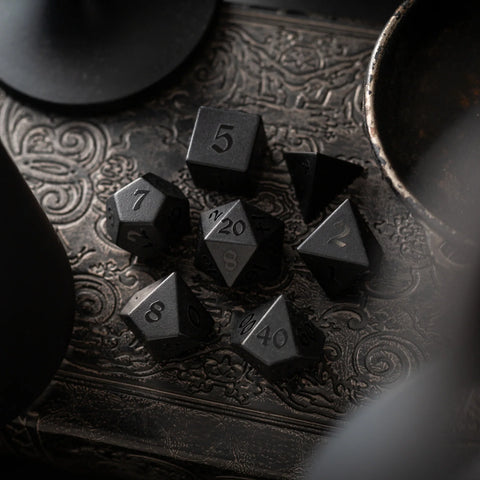
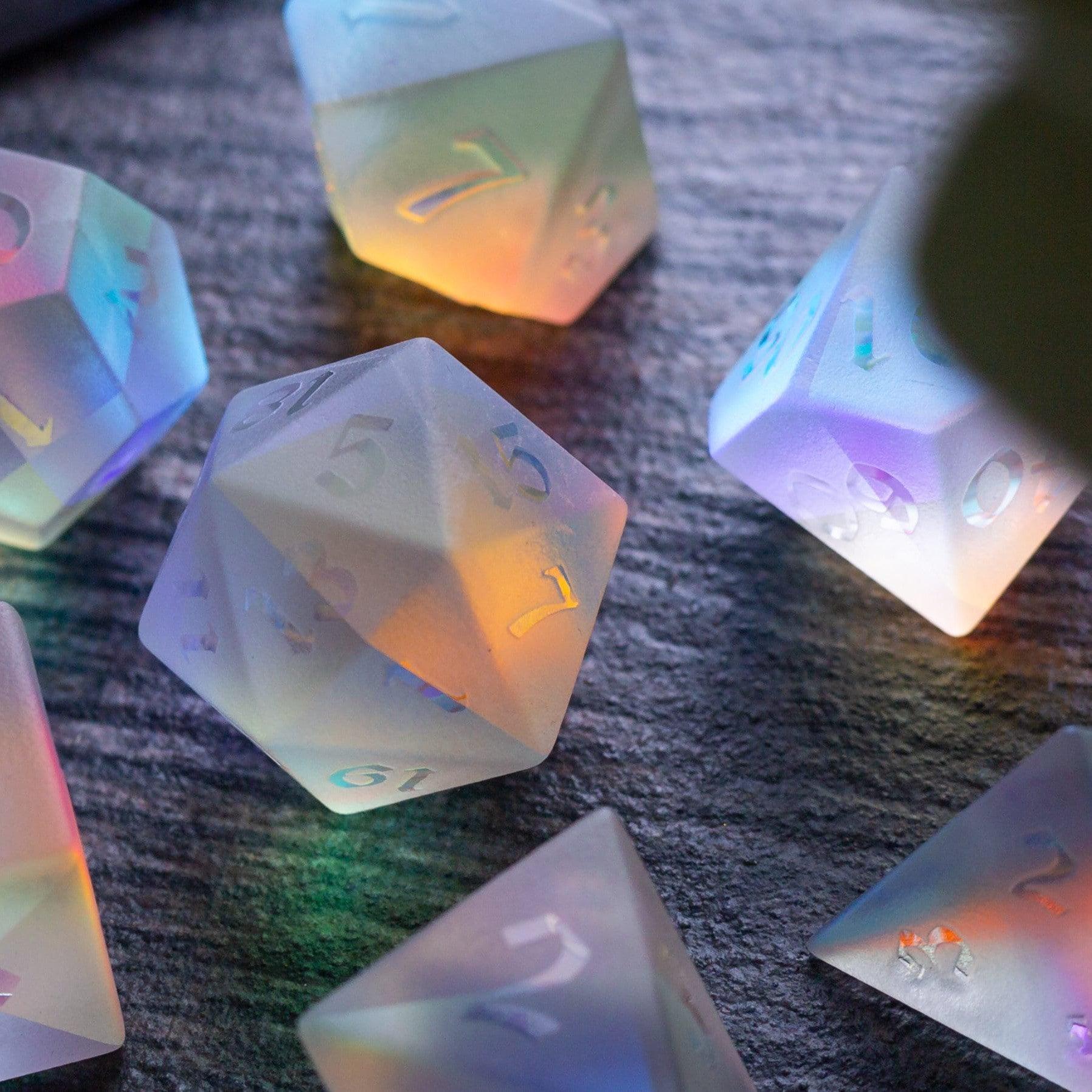
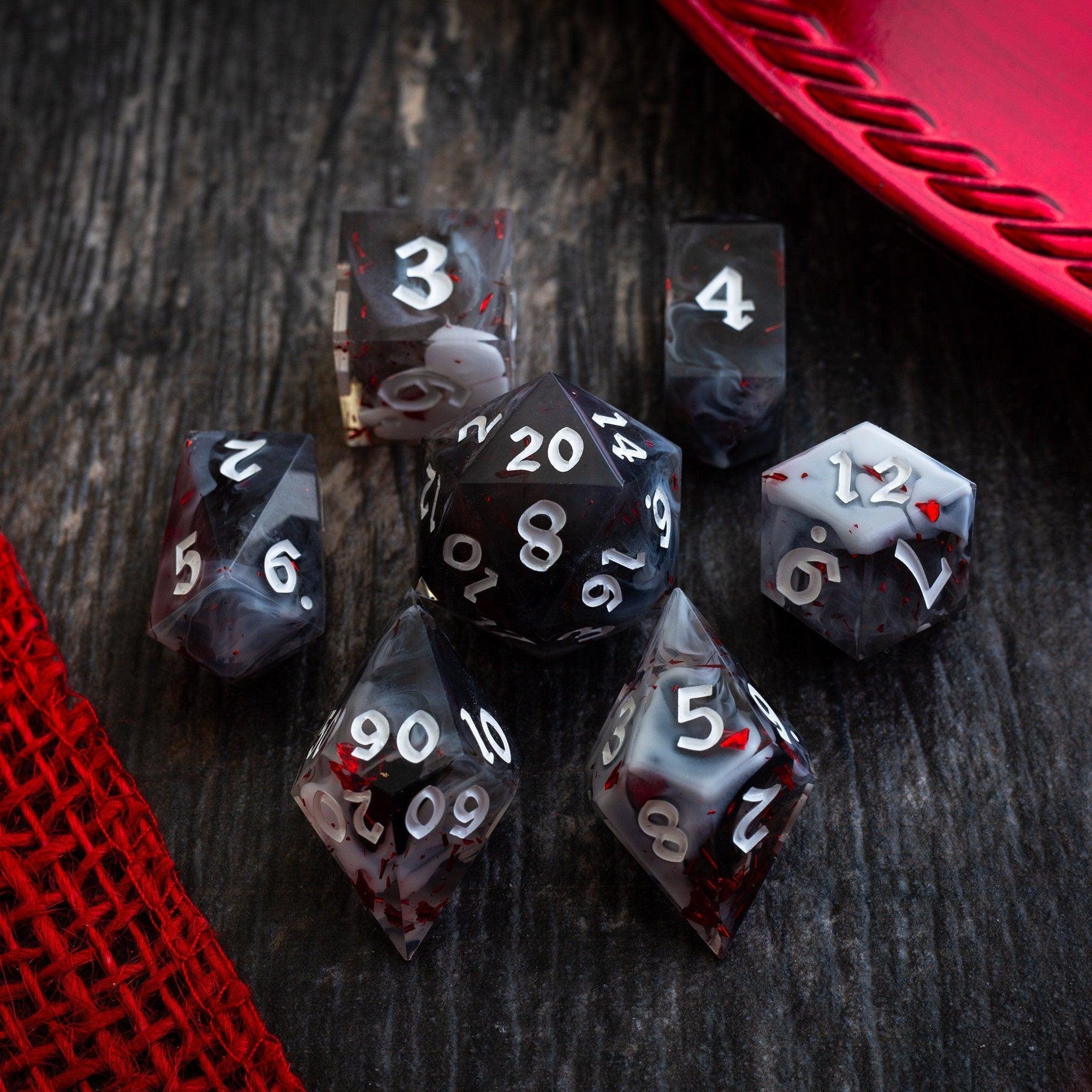
- • Dice with strong contrast are easier to read at a glance. If you want standout color and motion, browse liquid core dice.
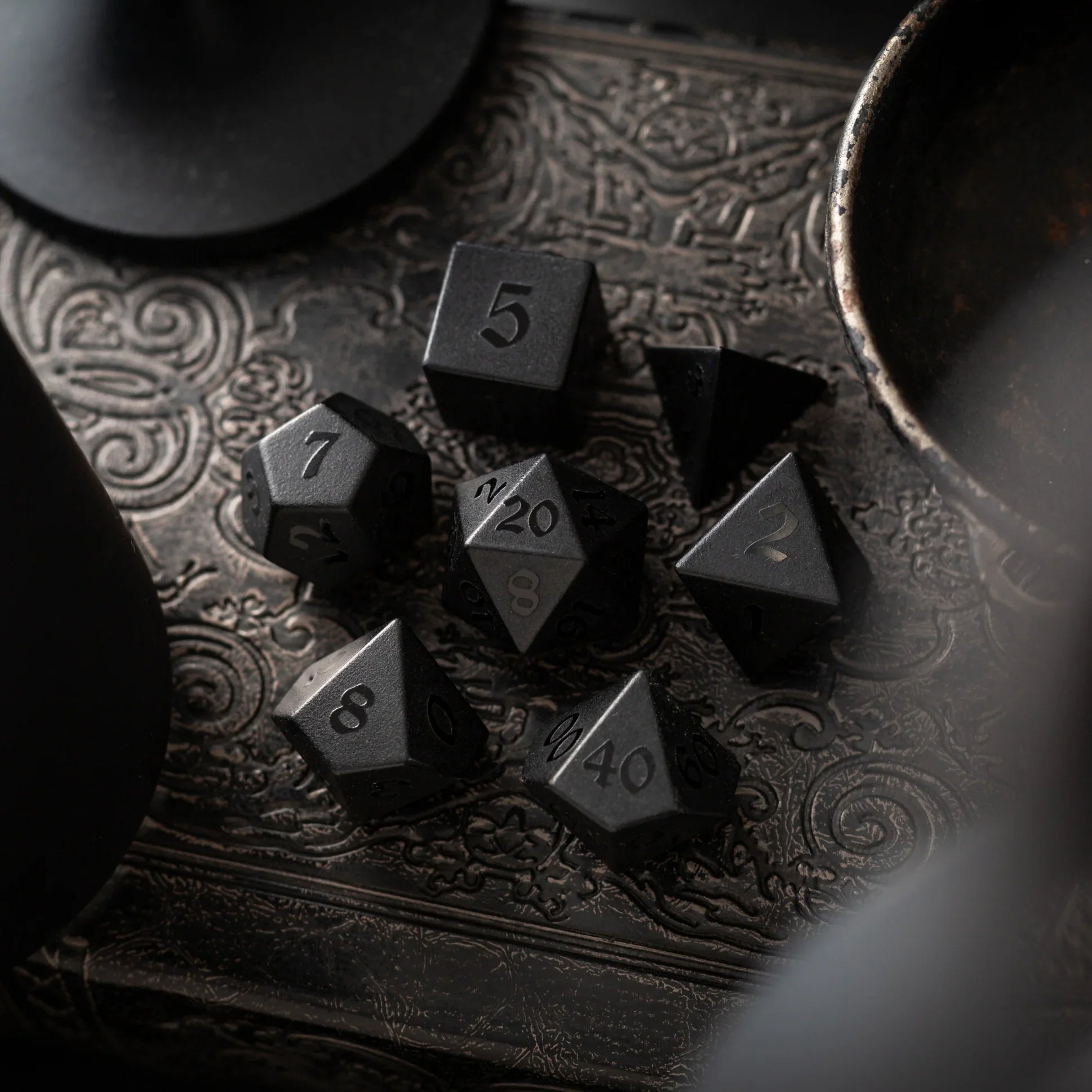
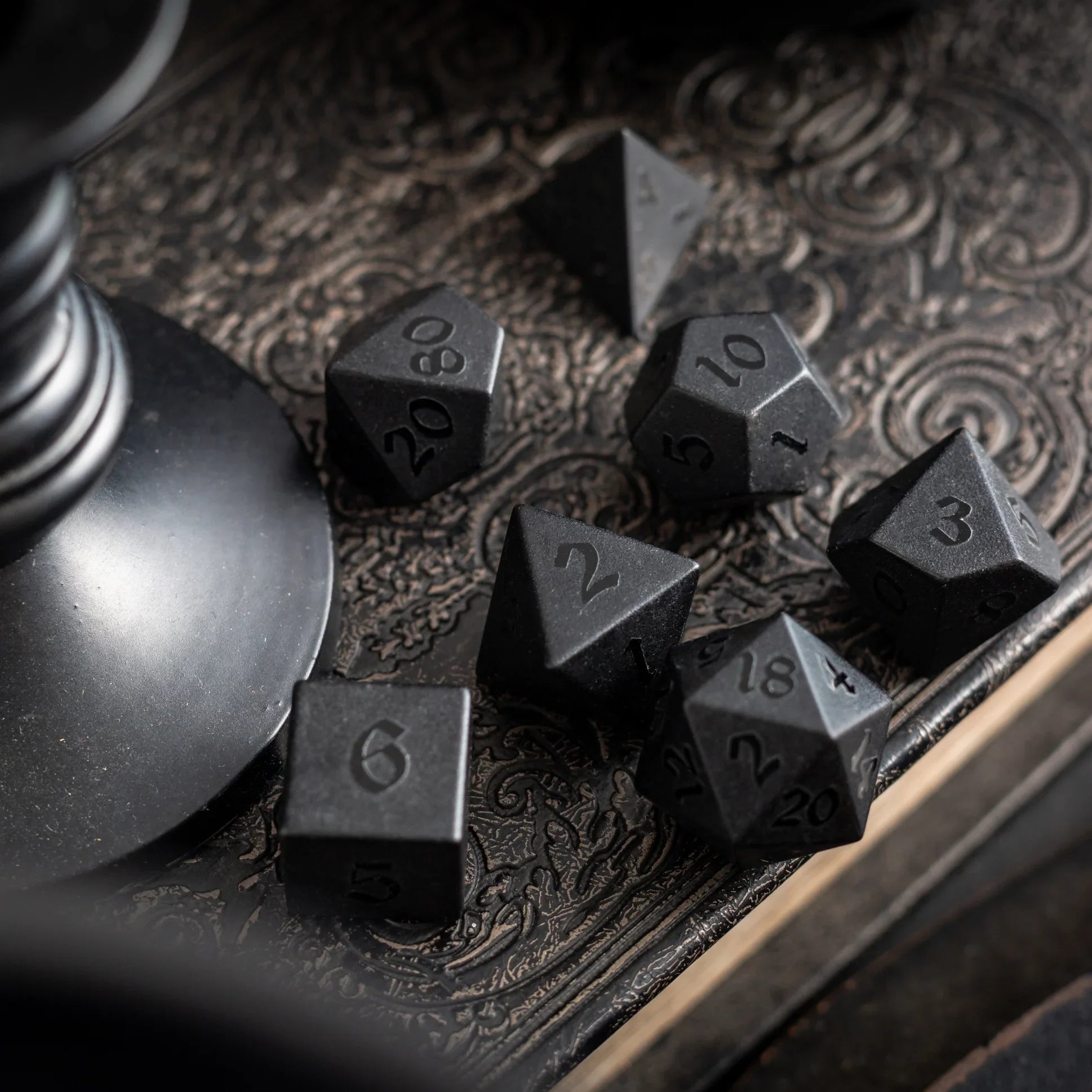
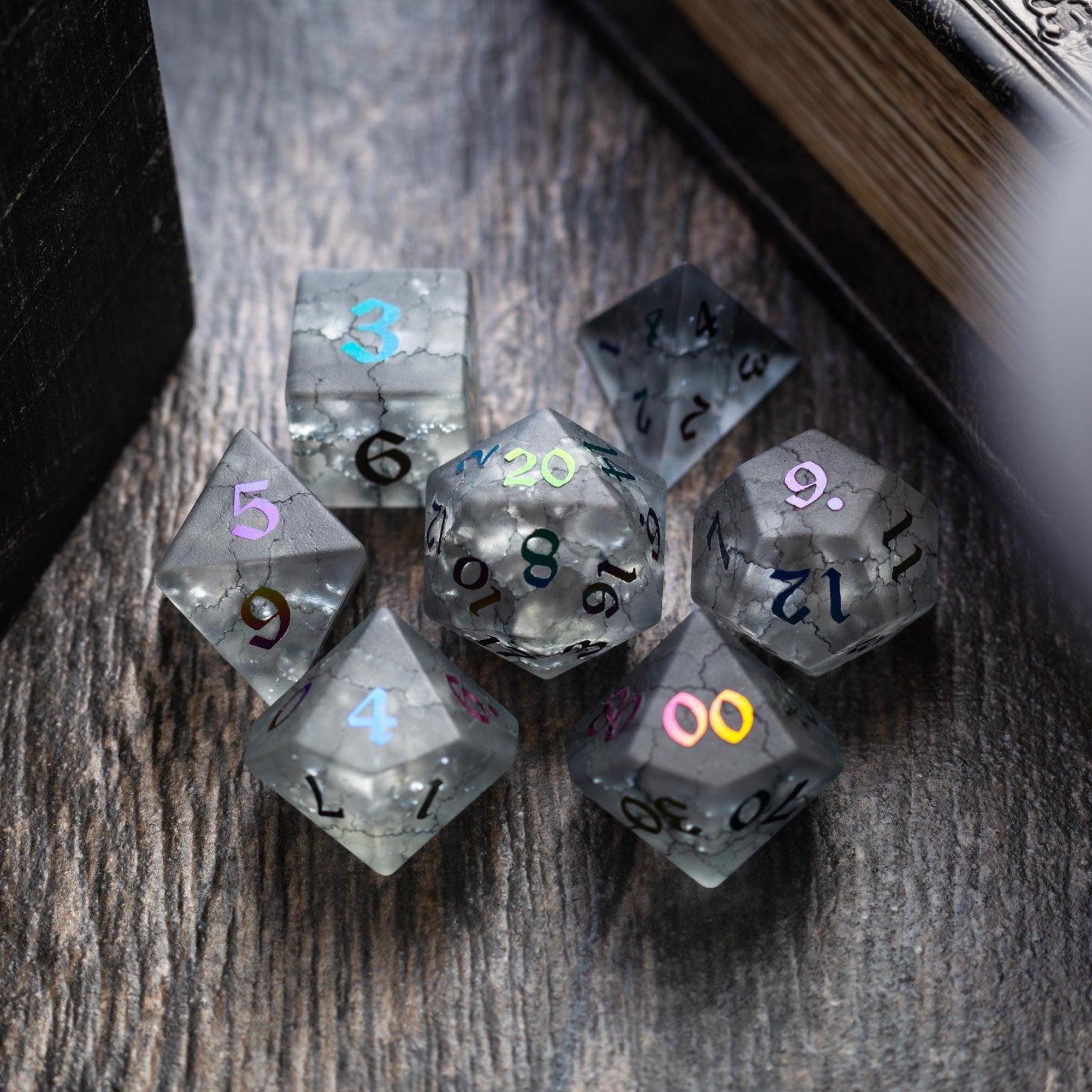
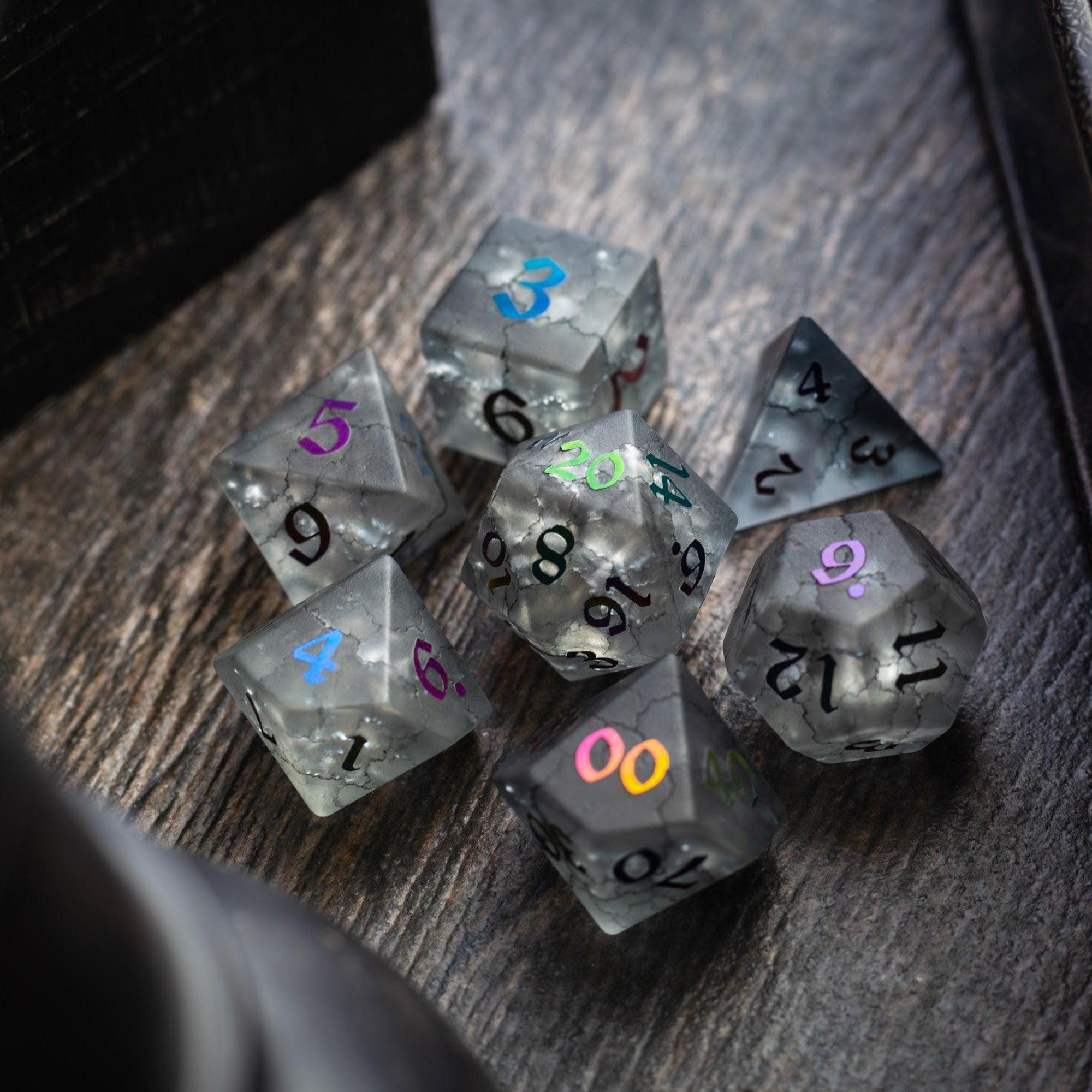
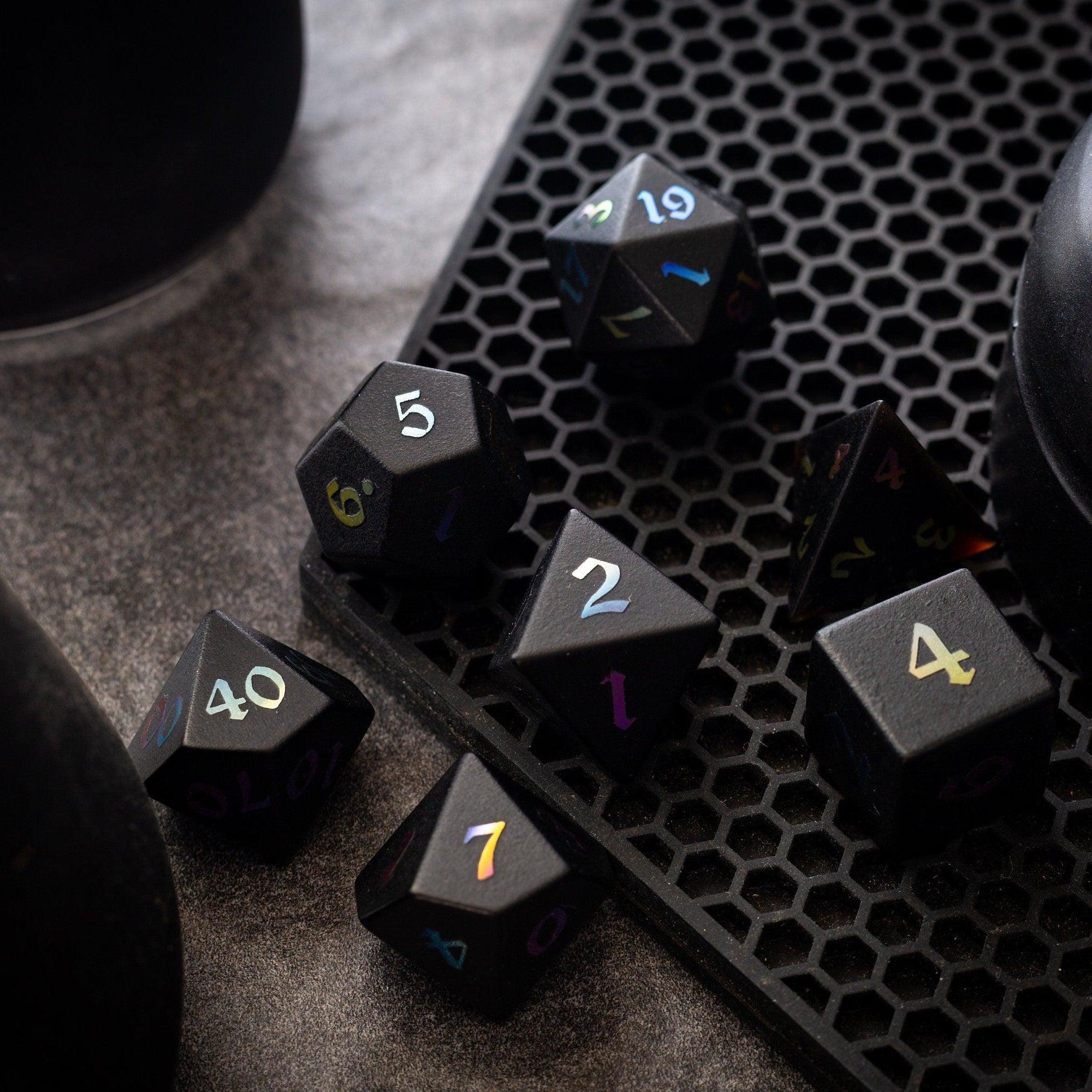
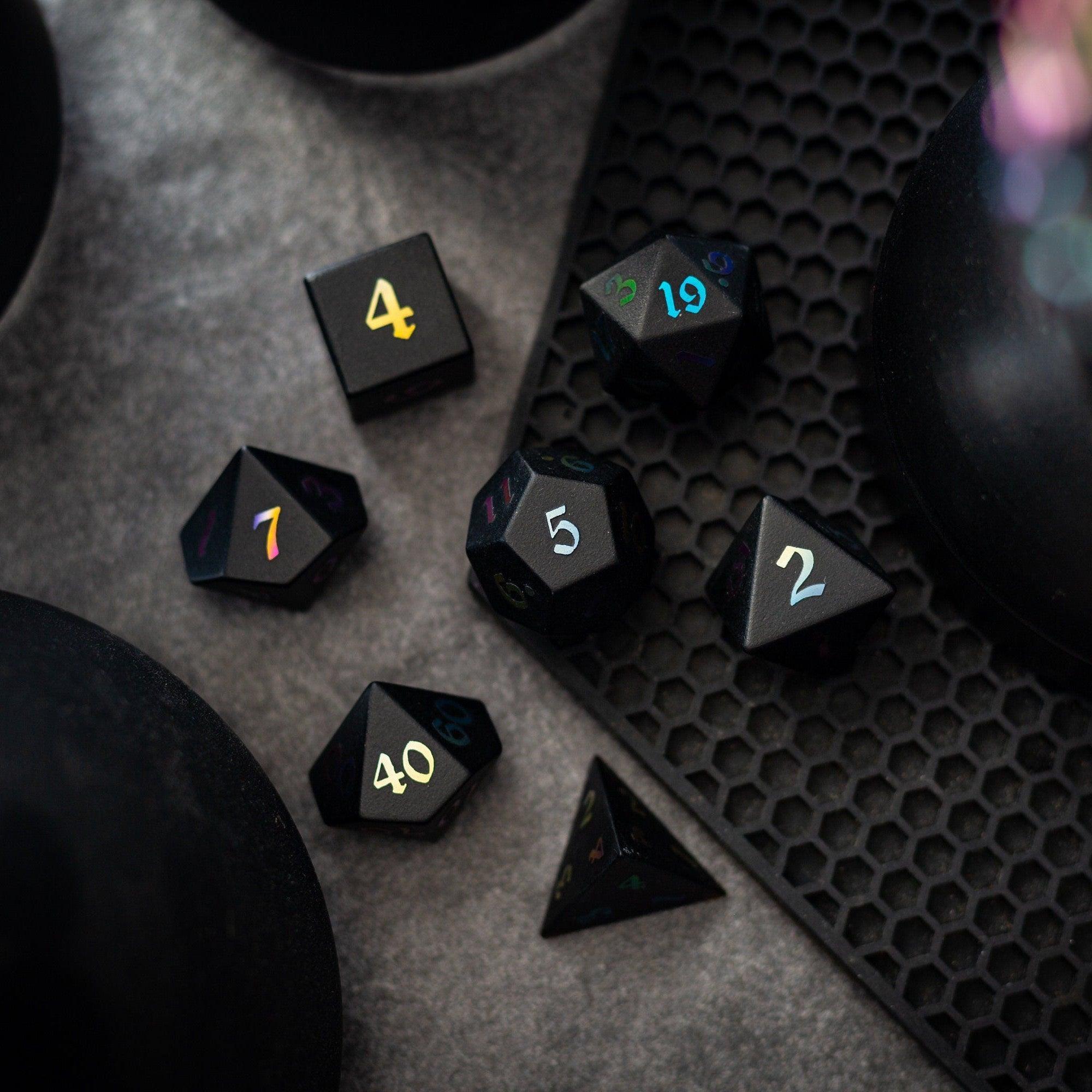
- • Precision edges feel crisp in hand and look sharp on the grid. Explore sharp-edge resin sets for bold readability.
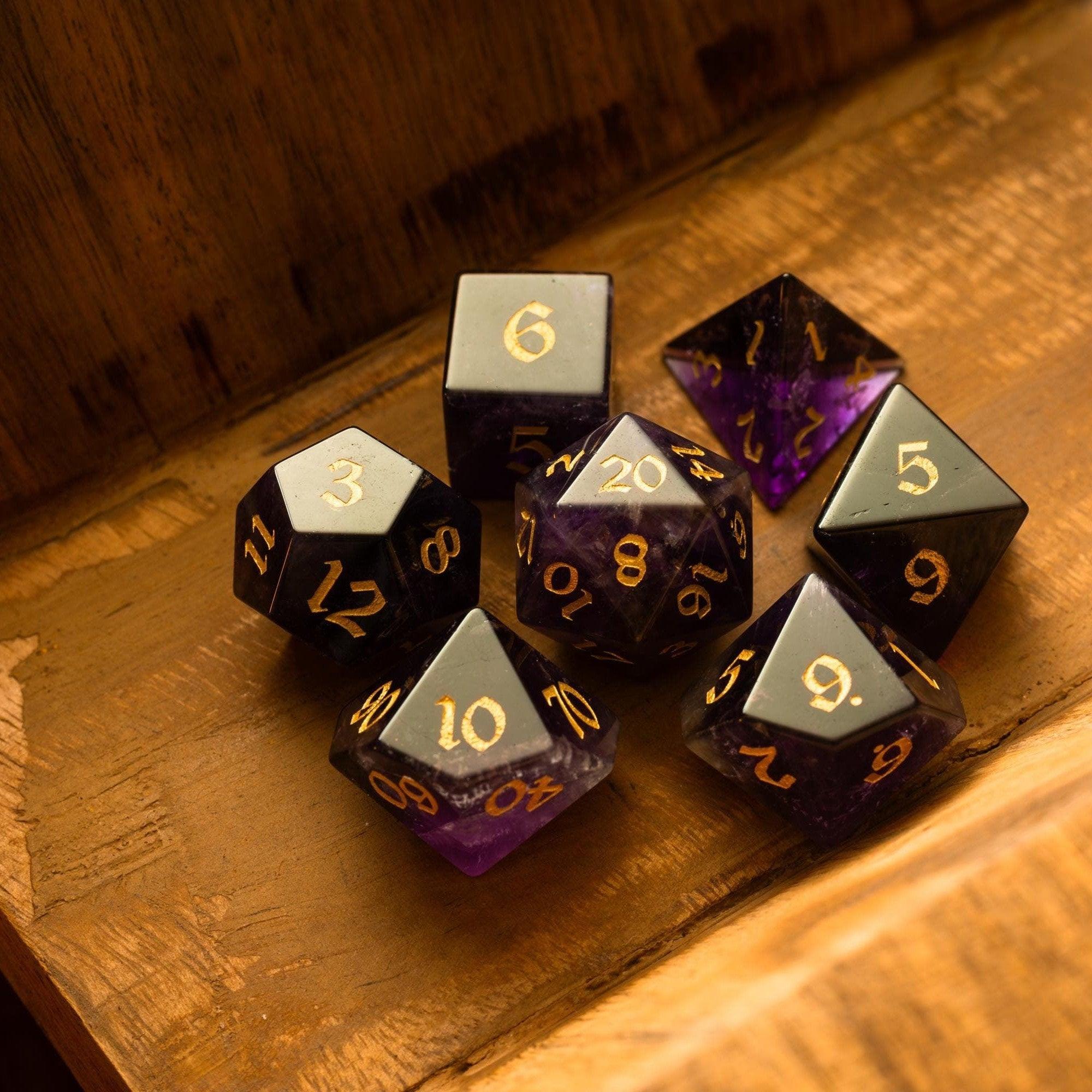
- • If variety is your jam, you can shop dice collections to match the theme of each arc—forest, underdark, or astral.
- • Want tidy, fair rolls that won’t nudge minis? Check out dice towers that keep results clear and your map pristine.
Small touches like color-coded bases, transparent area templates, and reusable terrain markers help too. Aim for high contrast and minimal table clutter so you spend less time managing props and more time telling the story.
FAQ
What size mat should I buy?
Measure your table’s usable surface first. A common sweet spot is around 24×36 inches for tight spaces or travel, and 36×48 inches for roomy dining tables. Leave a border for character sheets, drinks, and elbows. If you run large encounters with many minis, prioritize width so everyone can see the action without reaching across the map. When in doubt, choose the size that leaves at least a couple inches of clearance on every side.
Grid, hex, or blank surface—what’s best?
Use the format your rules emphasize most. Square grids pair well with 5-foot movement systems and cone or cube areas. Hexes make diagonal movement cleaner and can simplify line-of-sight calls. Blank, wet-erase surfaces are flexible for hand-drawn maps, zones, or abstract positioning. If your group hops between systems, a double-sided mat with grid on one side and hex or blank on the other gives you flexibility without extra gear.
How do I flatten a curled mat?
Reverse-roll it gently, then let it rest flat for a few hours. Place a couple of books on the corners if the curl persists. A quick wipe with a slightly damp cloth can help the surface “relax.” Avoid heat guns or direct sunlight; those can warp vinyl or damage print layers. If you store your mat rolled and upright in a tube, curls typically vanish within minutes at setup.
Ready to upgrade with gaming mats for role playing games? Start by measuring your table, then choose the grid and material that match your rules and routine. Keep a cloth, low-odor markers, and a dice tray nearby, and you’ll enjoy faster turns, cleaner maps, and less table wear—all campaign long.
Disclaimer: This guide shares general, non-legal tips for tabletop use. Always follow the care instructions provided by your product’s manufacturer. Availability and pricing of any mentioned items may change without notice.











Leave a comment
This site is protected by hCaptcha and the hCaptcha Privacy Policy and Terms of Service apply.