
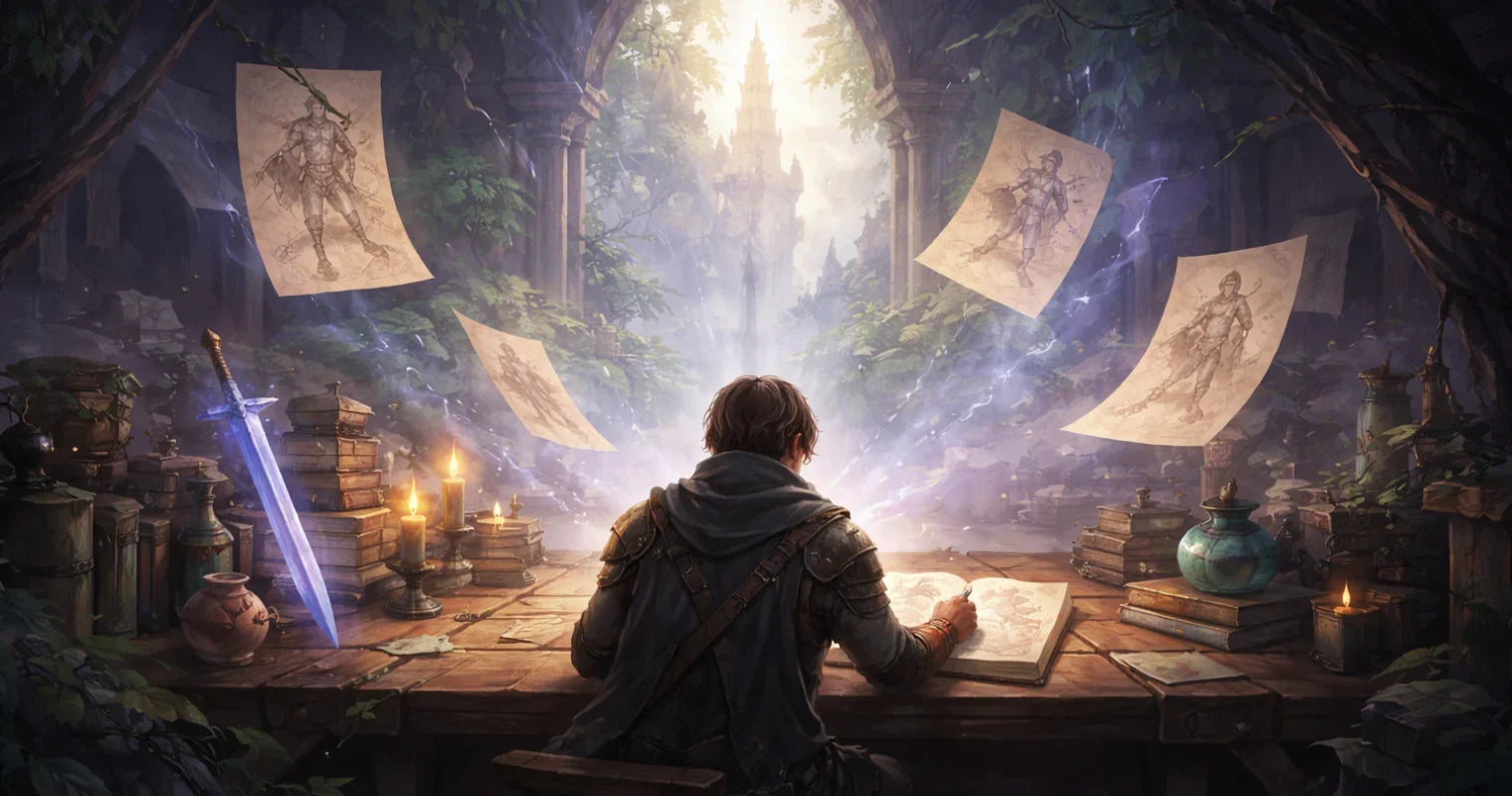
Character Creation Made Easy for Quick Strong PC Builds
Understanding the Basics of Easy Character Development

When you sit down to build a character for your favorite tabletop RPG, the blank character sheet can feel intimidating. But here's the truth: simplified character creation isn't about cutting corners. It's about knowing where to focus your creative energy so you don't get bogged down in decisions that don't matter.
Think of it like rolling dice before a big campaign. You wouldn't stress about every single detail on the first roll—you'd focus on what matters most. The same applies here. The core of making character building feel effortless involves three things: understanding your system's essentials, knowing your character's core concept, and having templates or shortcuts ready to speed up the process.
Most modern RPG systems have streamlined their character creation processes significantly. What used to take hours can now happen in minutes if you know the right approach. Whether you're playing Dungeons and Dragons, Pathfinder, or any other system, the principle remains the same: prioritize decisions that impact your gameplay, then add flavor once the foundation is solid.
Practical Guide to Streamlined Character Building
Step One: Choose Your Core Concept
Start by deciding what you want your character to be at their most basic level. Not every detail—just the essence. Are they a sneaky rogue? A powerful wizard? A noble knight? This single decision becomes your north star for every choice that follows.
Spend just five minutes on this. Don't overthink it. Your core concept might be something simple like "an old dwarf with a secret," "a clever human merchant," or "a mystical elf healer." This clarity helps you make faster decisions later because you'll have a clear lens to evaluate whether something fits your character.
Step Two: Match Your Mechanics to Your Concept
Once you've got your concept locked in, choosing your class, race, and abilities becomes much simpler. You're not making abstract decisions anymore—you're asking "does this serve my concept?" instead of "what's the most powerful option?"
This is where character building genuinely becomes easier. If your concept is a mysterious shadowcaster, you don't need to spend an hour comparing spells. You pick the abilities that resonate with "mysterious shadowcaster" and move forward. Most systems offer multiple paths to achieve similar concepts, so pick the one that feels right rather than hunting for the mathematically perfect combination.
Step Three: Use Pre-Made Options and Templates
Many RPG systems now include backgrounds, premade skill sets, or archetypes that handle bunches of decisions in one go. Instead of picking every single ability individually, you might pick a template that already has complementary abilities bundled together. This saves tremendous time and usually results in mechanically balanced characters anyway.
If your system doesn't offer templates, create your own mental checklist. Once you've built a few characters, you'll notice patterns in what works well together. Use those patterns as shortcuts for future builds.
Step Four: Add Personality Through Story, Not Stats
Here's where things get fun and where you absolutely don't need to complicate matters. Your character's personality, voice, mannerisms, and backstory don't require mechanical complexity. A deeply interesting character comes from small story details, not from having the perfect stat distribution.
Write down three quick things: one memorable quirk, one relationship to another player character, and one goal or motivation. That's honestly enough to play with and let your character's personality develop naturally during sessions. You don't need a hundred-page backstory written before session one. The table helps you build character depth as you play.
Step Five: Double-Check Balance and Call It Done
Once you've got your mechanics set and your basic personality sketched out, do a quick scan. Does your character have ways to contribute meaningfully in common situations (combat, social interaction, problem-solving)? Are your ability scores reasonable? Do your choices make sense together? Great. You're ready to play.
Stop second-guessing yourself at this point. The best way to truly understand your character is to play them. Tweaks and discoveries happen naturally during actual sessions, and that's not a failure—it's part of the fun.

Key Advantages of Simple Character Creation
- Less Analysis Paralysis: When you focus on essentials first, you avoid getting stuck in endless option-comparing. You make decisions faster and feel more confident about them.
- More Time for Actual Play: Spending two hours on character creation means less time adventuring. Simplified processes get you to the table quicker, which is where the real fun happens.
- Better Mechanical Diversity at the Table: When people aren't trying to build the "perfect" character, you often end up with more interesting party compositions because folks are building what excites them rather than what optimizes best.
- Easier Entry for New Players: Newcomers feel overwhelmed by thick rulebooks and thousands of options. Streamlined building processes welcome new players and get them excited rather than stressed.
- Freedom to Experiment: When character building feels simple, you're more willing to try weird concepts, unusual multiclass combinations, or quirky backgrounds you might otherwise skip.
- Natural Character Development: Characters evolve through play. When you don't lock everything in stone before session one, you leave room for your character to surprise you and grow in unexpected directions.
- Lower Stakes Decision-Making: Knowing that you can refine details during play removes pressure from every choice. You pick something reasonable and trust the process works itself out.
- Shared Storytelling Energy: Simple character creation means the whole table can focus on collaborative storytelling rather than one person wrestling with character sheets while others wait.
Common Questions About Character Development
How do I know if my character concept is too complicated?
If you can't explain your character in one or two sentences, it might be too elaborate. That doesn't mean your character can't be complex—but your initial concept should be simple. Complexity emerges through play. When you're building, keep your core idea clean and straightforward. Something like "a reformed pirate seeking redemption" works. "A half-elf paladin who was raised by monks but secretly studies forbidden magic while collecting rare artifacts and hiding a curse" is too much to carry into a first session.
Should I worry about optimization and power levels?
Not during initial builds, honestly. Most RPG systems are designed so that you can't accidentally make a completely broken character just by picking things that sound cool. Yes, some combinations are more powerful than others, but that's rarely the deciding factor in whether someone has fun. Play what excites you, what fits your concept, and what sounds fun at the table. If your GM and fellow players see that you're struggling, you can adjust between sessions.
What if I hate my character after the first session?
Talk to your GM. Most campaigns allow for mid-adventure adjustments if a character genuinely isn't clicking for you. You might swap out some abilities, adjust your character's focus, or in some cases, retire that character and roll a new one. The point of the game is fun—if something isn't working, change it. This is another reason why not over-investing in your build during character creation actually helps. You stay flexible and can adapt based on real play experience rather than assumptions.
How much backstory should I write?
Start with a paragraph or two. Seriously. Your character's backstory develops naturally when you interact with the world, meet NPCs, and discover what your GM has planned. Many GMs actually prefer when players don't write extensive backstories because it gives them room to weave your character into the world organically. Share your core concept and one or two important relationships or events, then let the campaign add layers.
If you love writing extensive backstory and your GM encourages it, go wild. But you don't need to write a novel to have a great character. Some of the most memorable characters come from simple premises that evolve through play.
Summary and Next Steps
Making character creation feel manageable comes down to smart priorities and trusting the process. Focus on your core concept, match your mechanics to that concept, use templates when available, build personality through story rather than stats, and then get to the table. The magic happens in play, not in perfect preparation.
Next time you're building a character, remember that simplicity isn't laziness—it's efficiency. You're not cutting out the fun. You're cutting out the anxiety so you can get to the fun faster. Start with your core concept, follow the steps we've discussed, and give yourself permission to discover your character through actual gameplay.
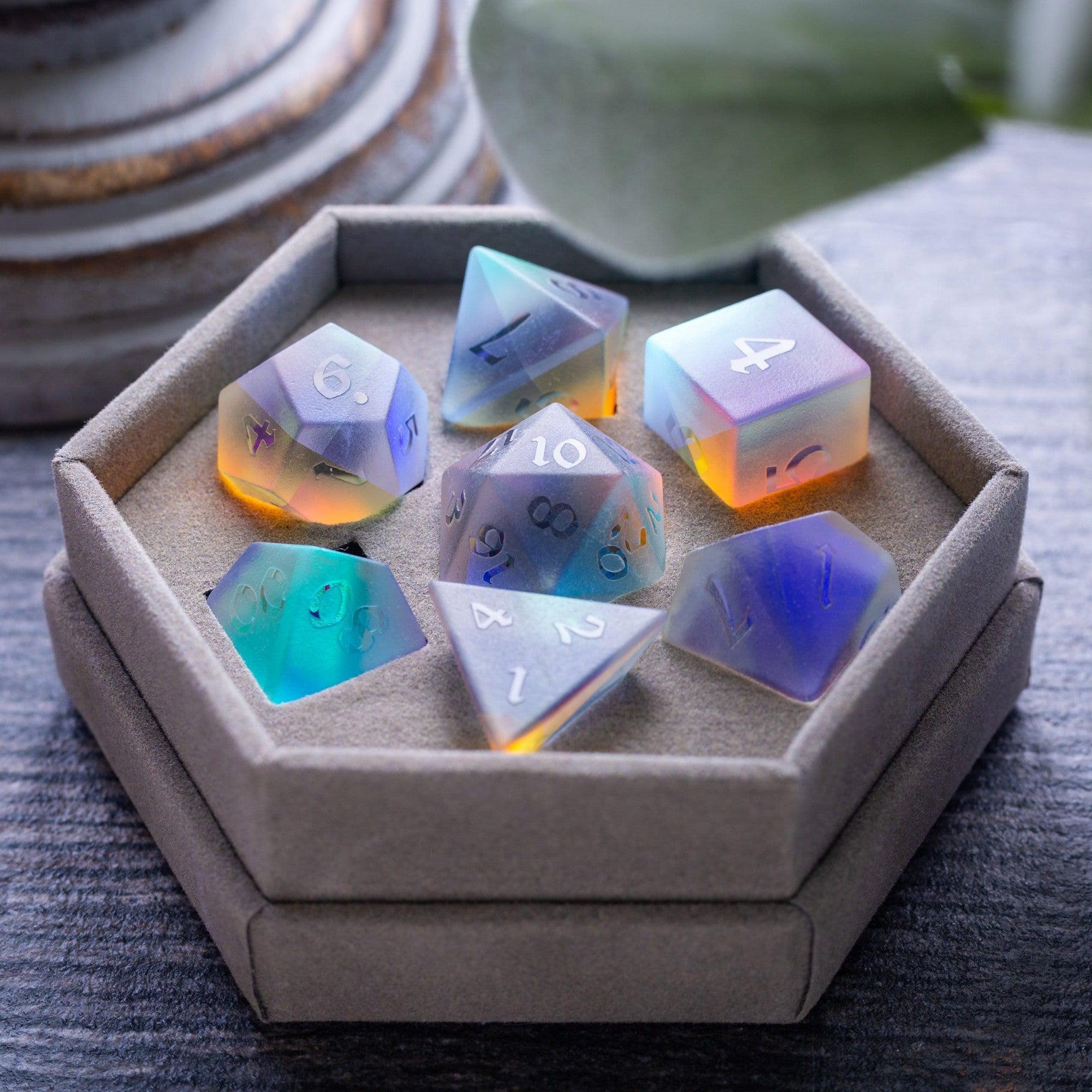
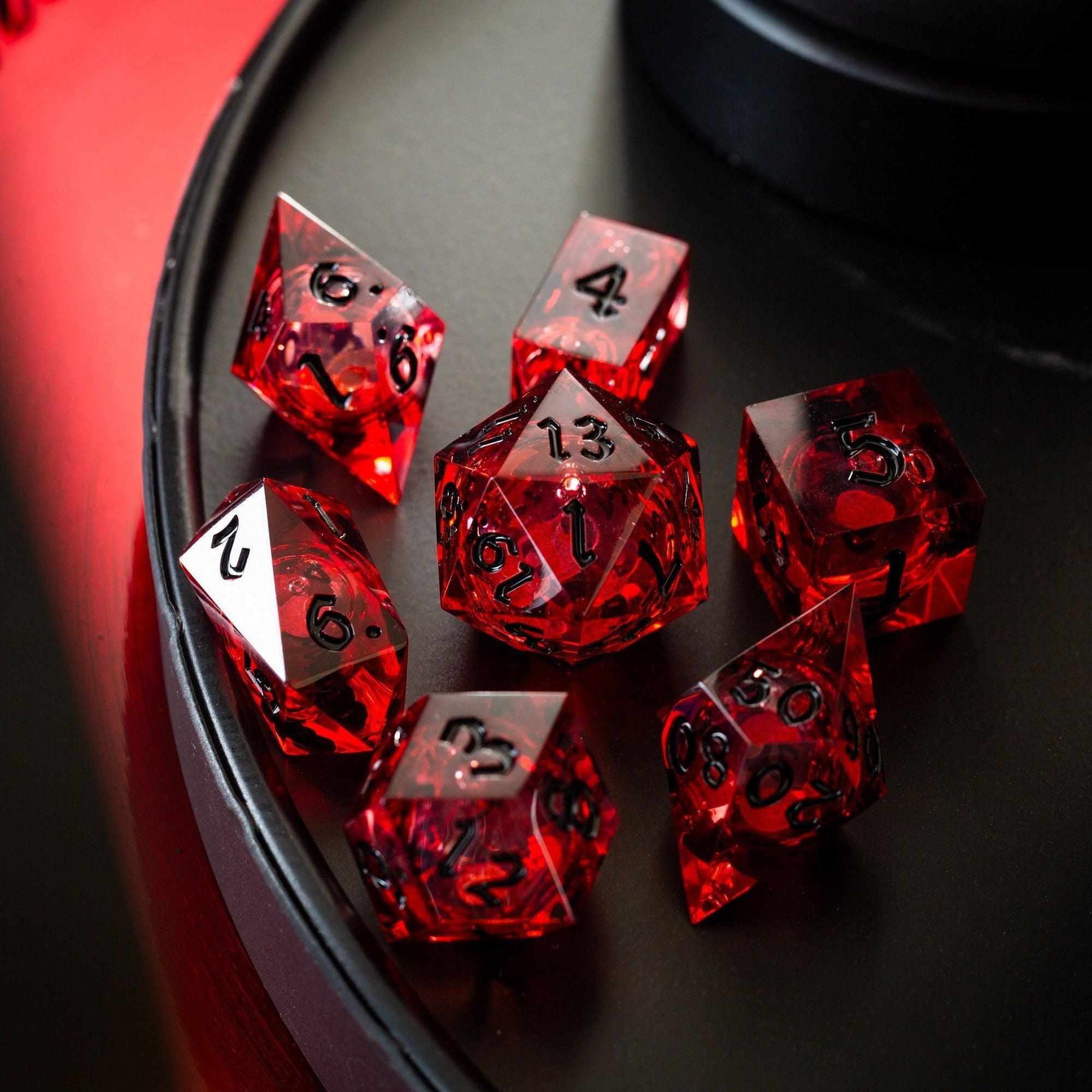
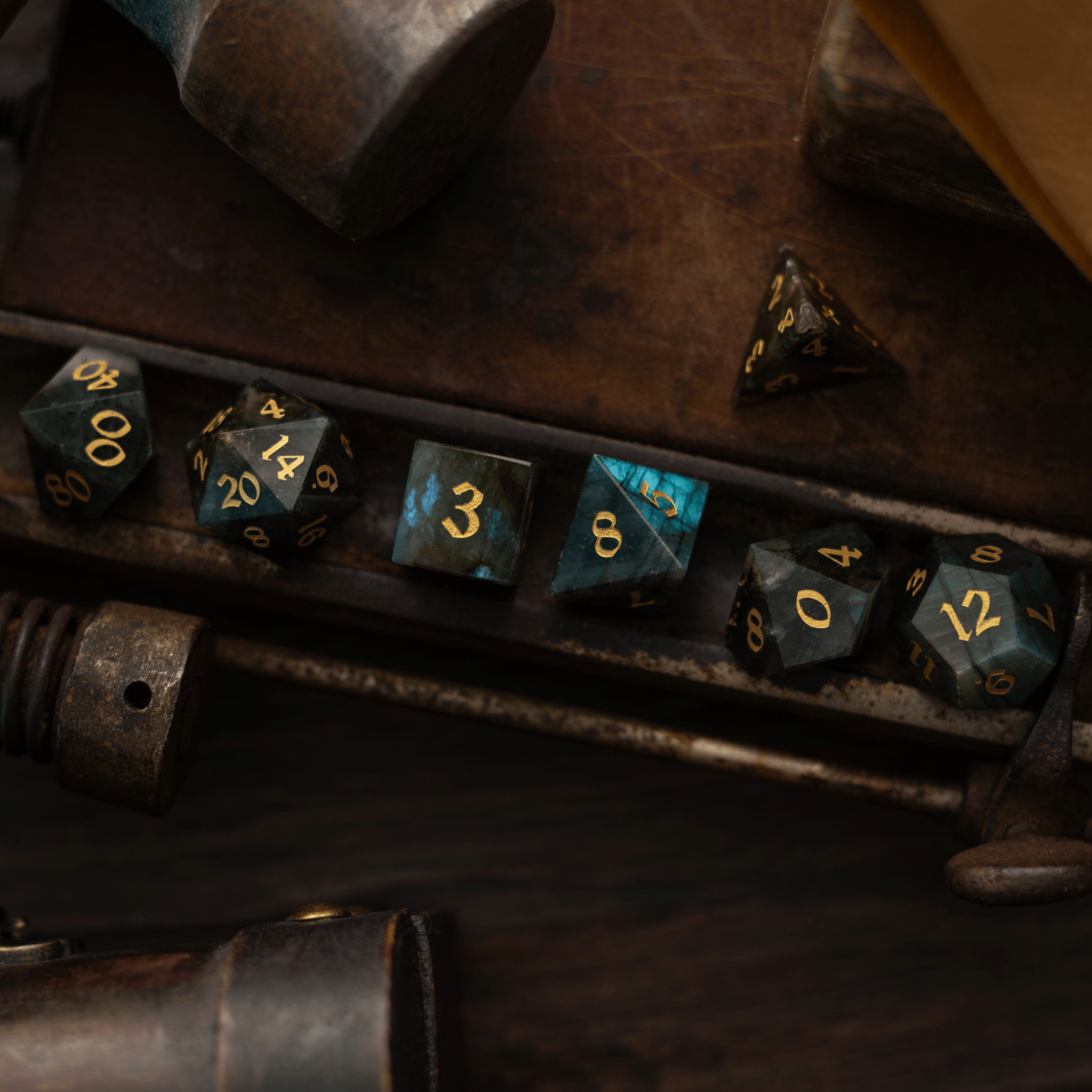
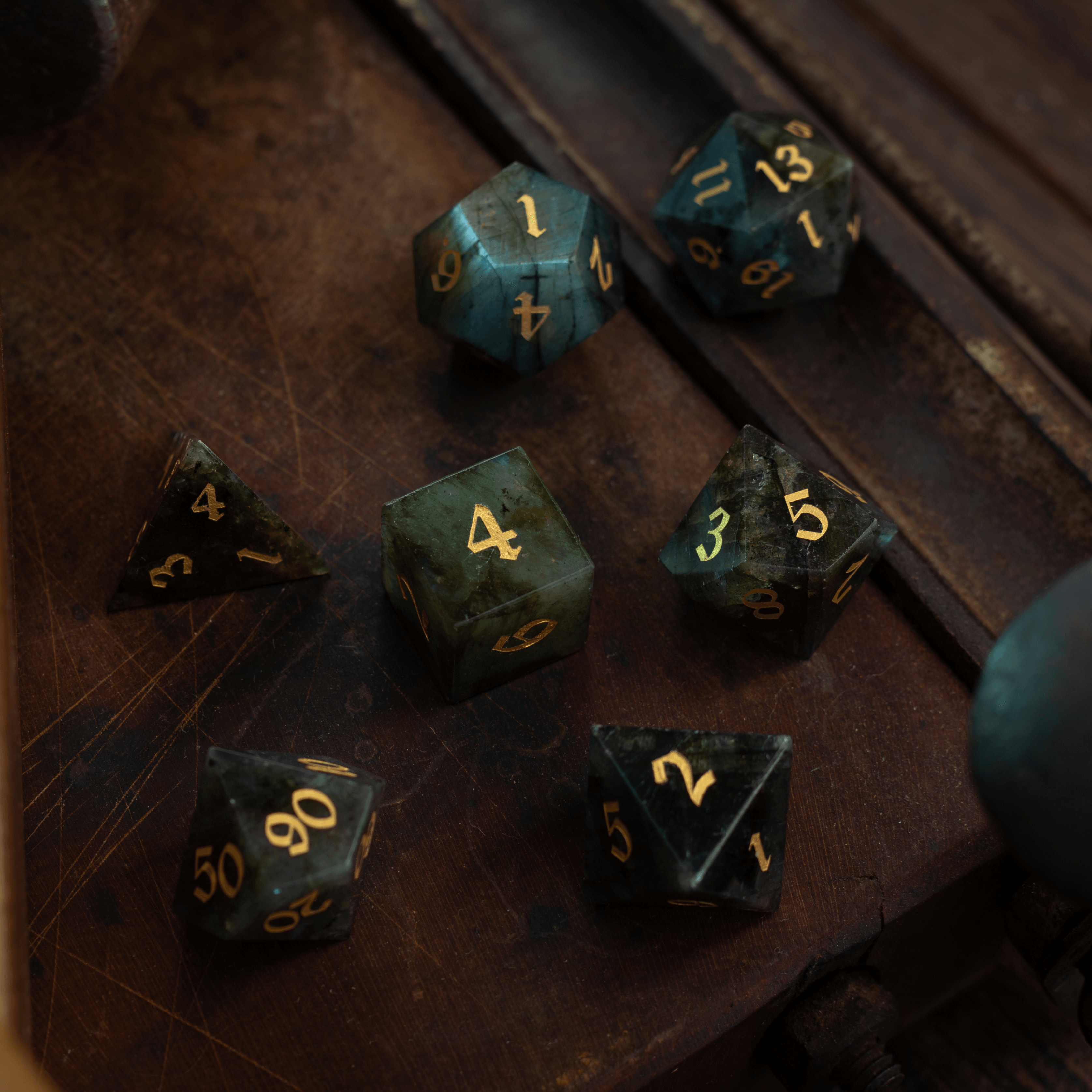
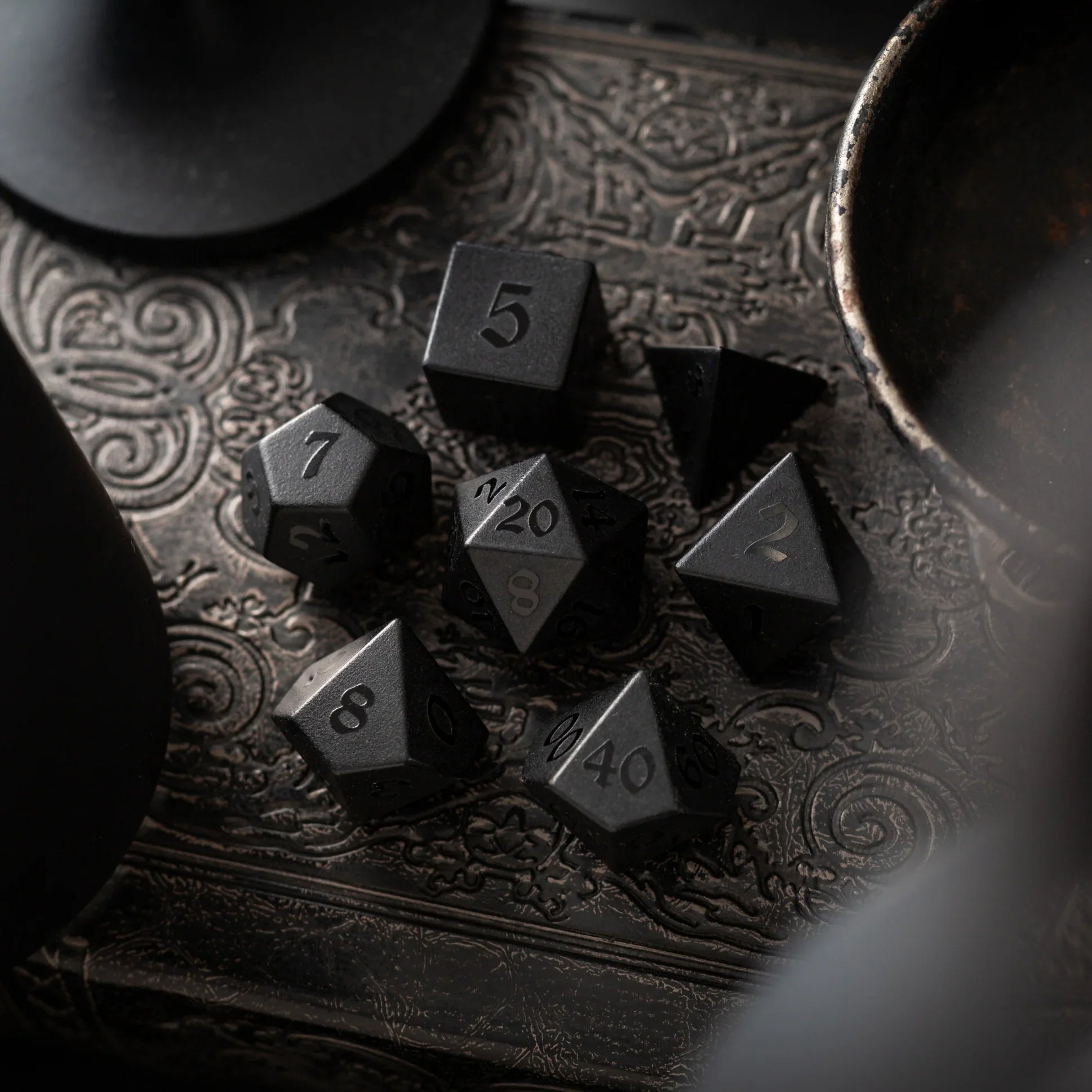
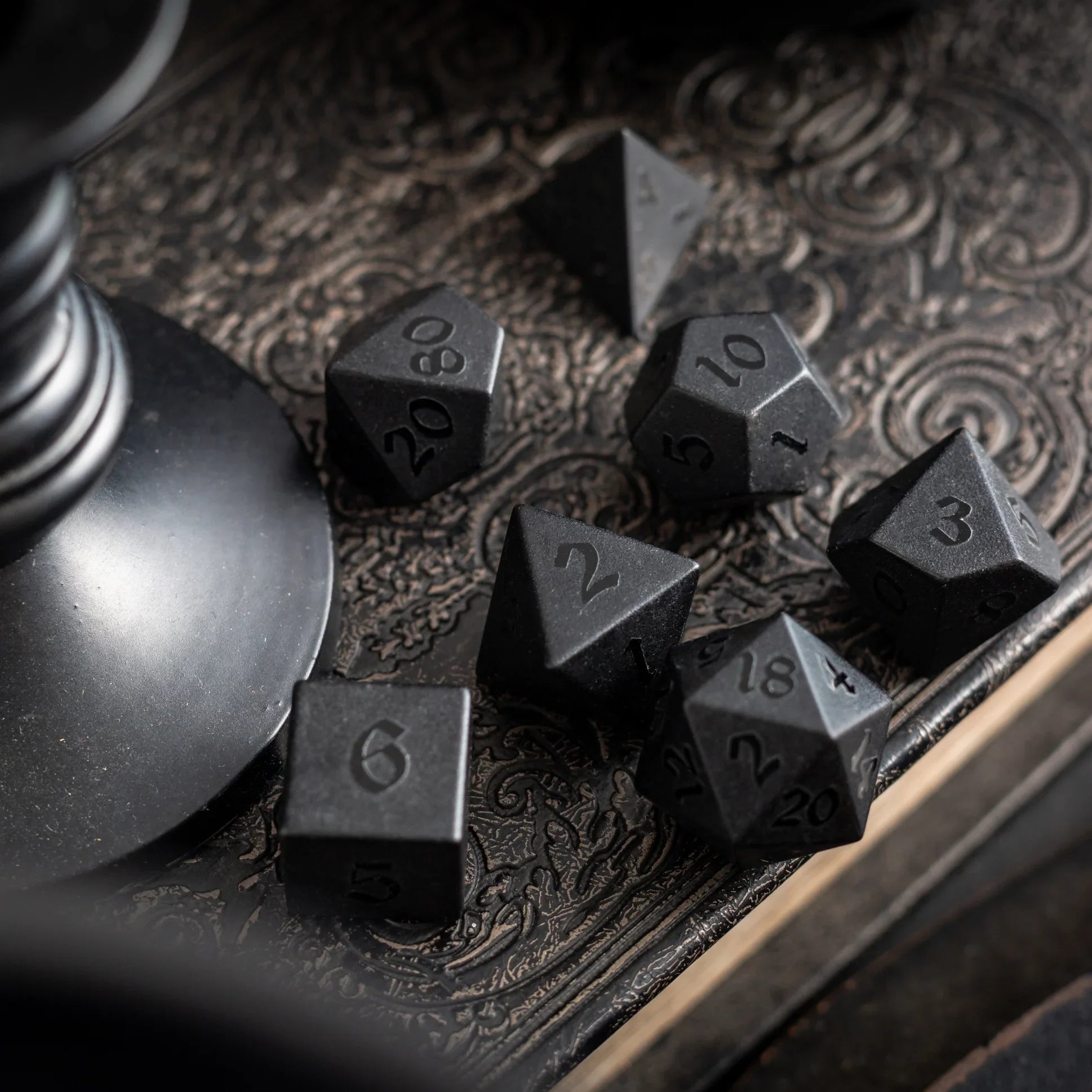
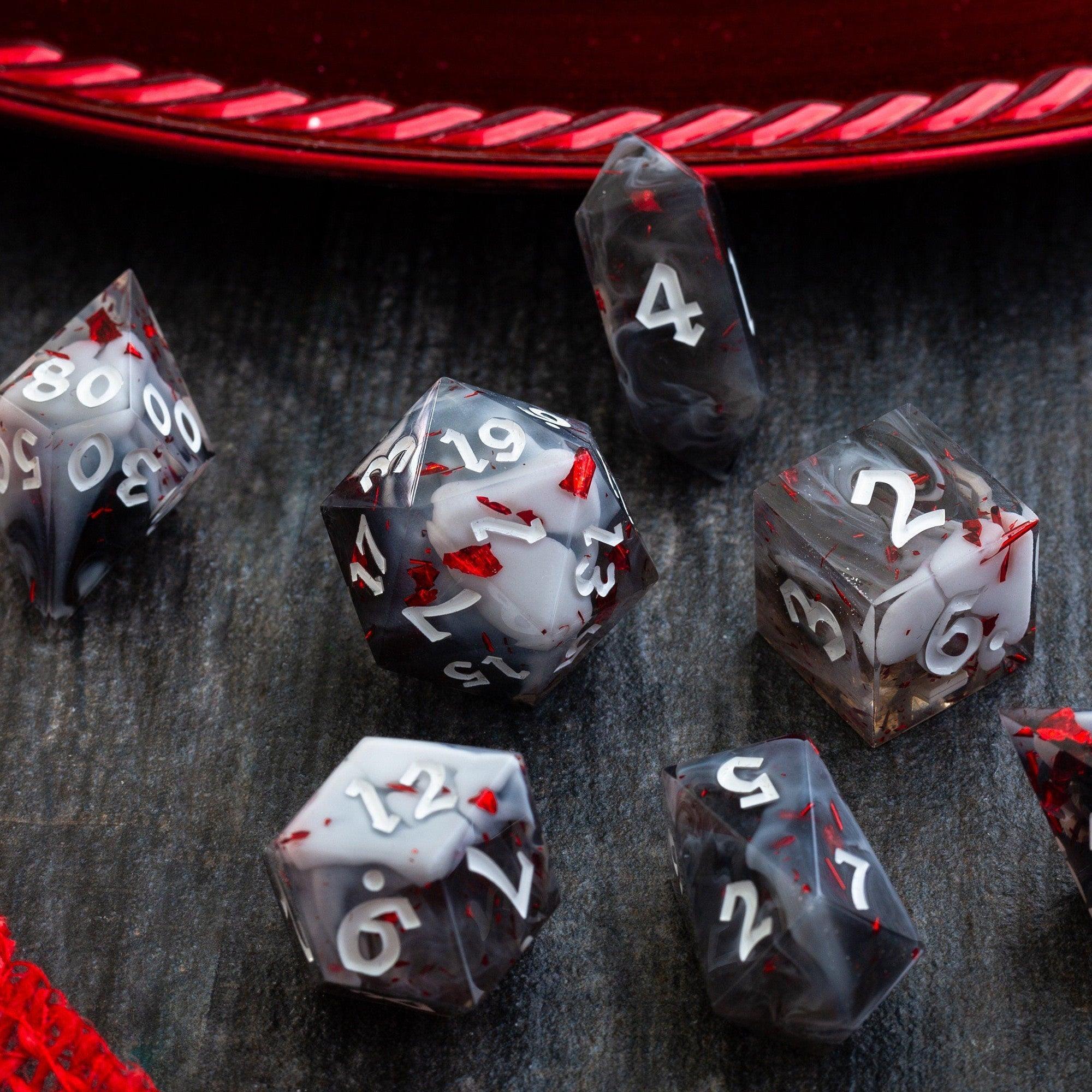
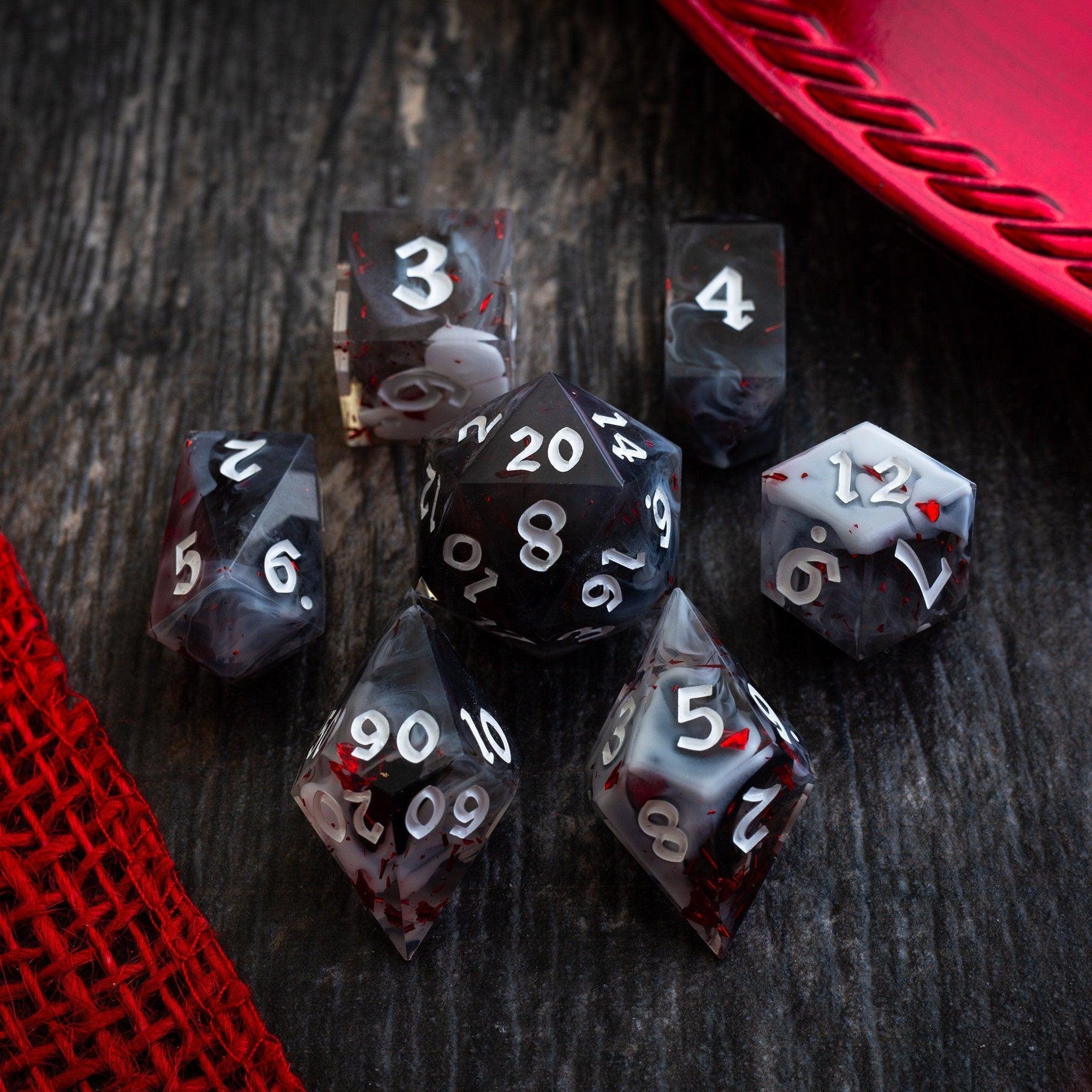
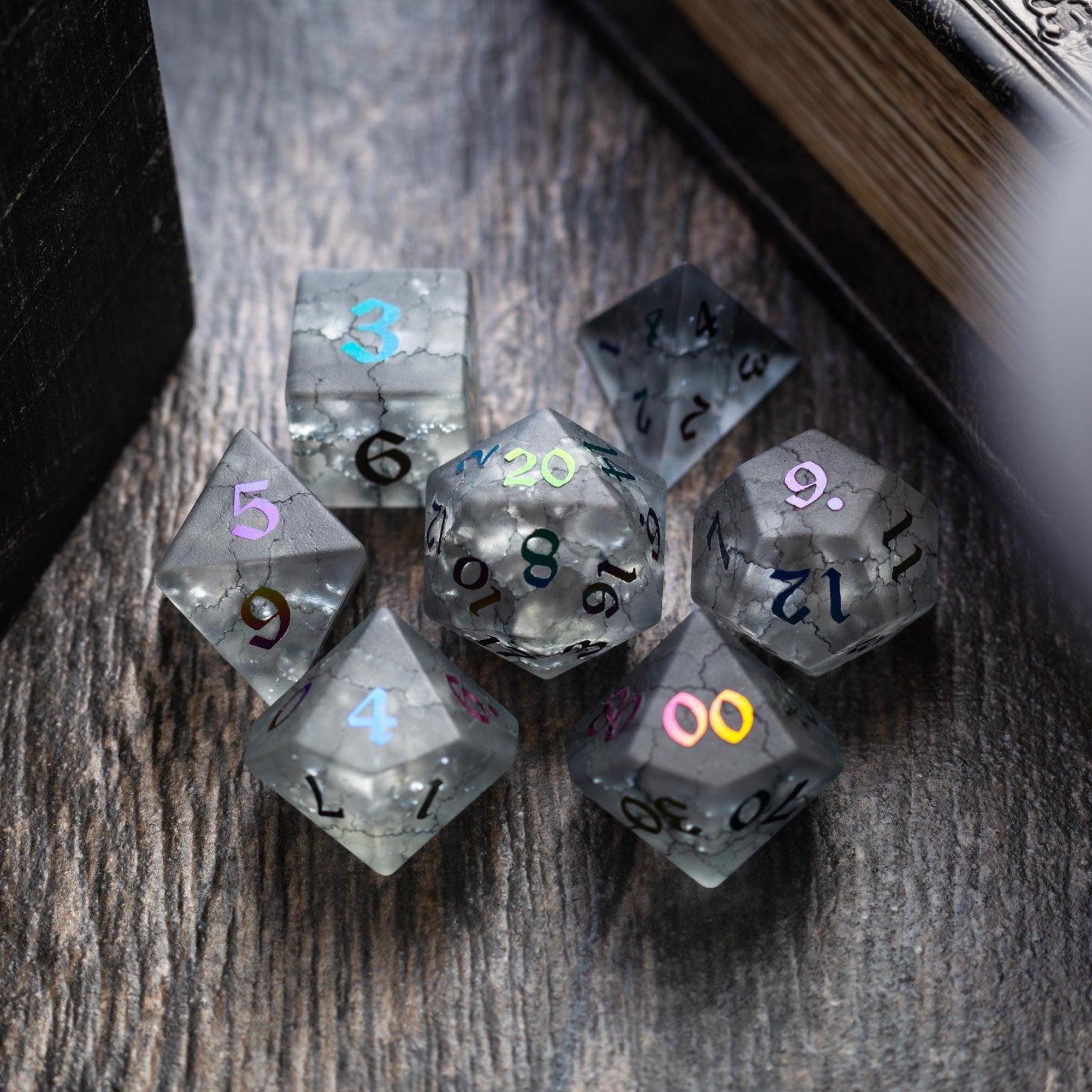
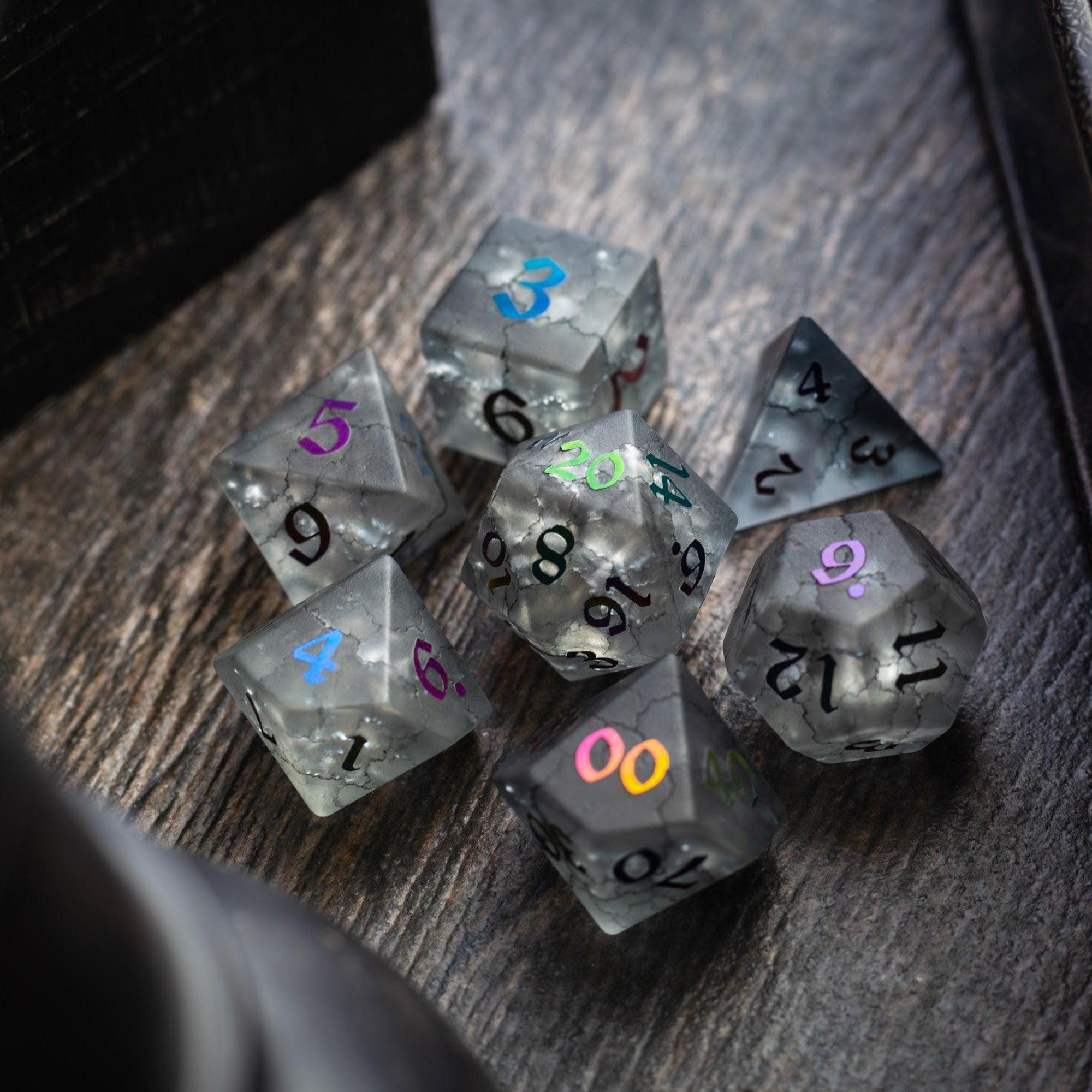
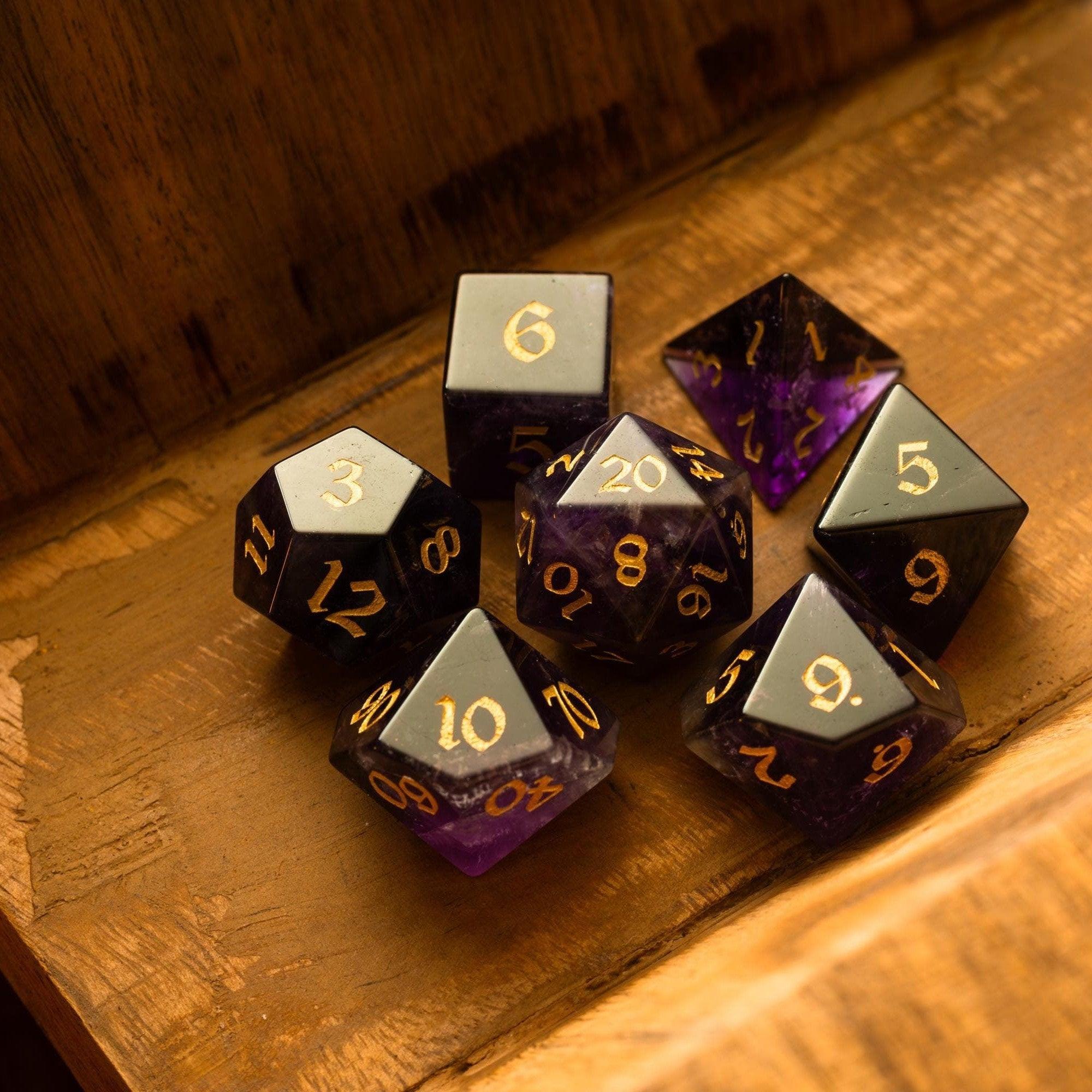
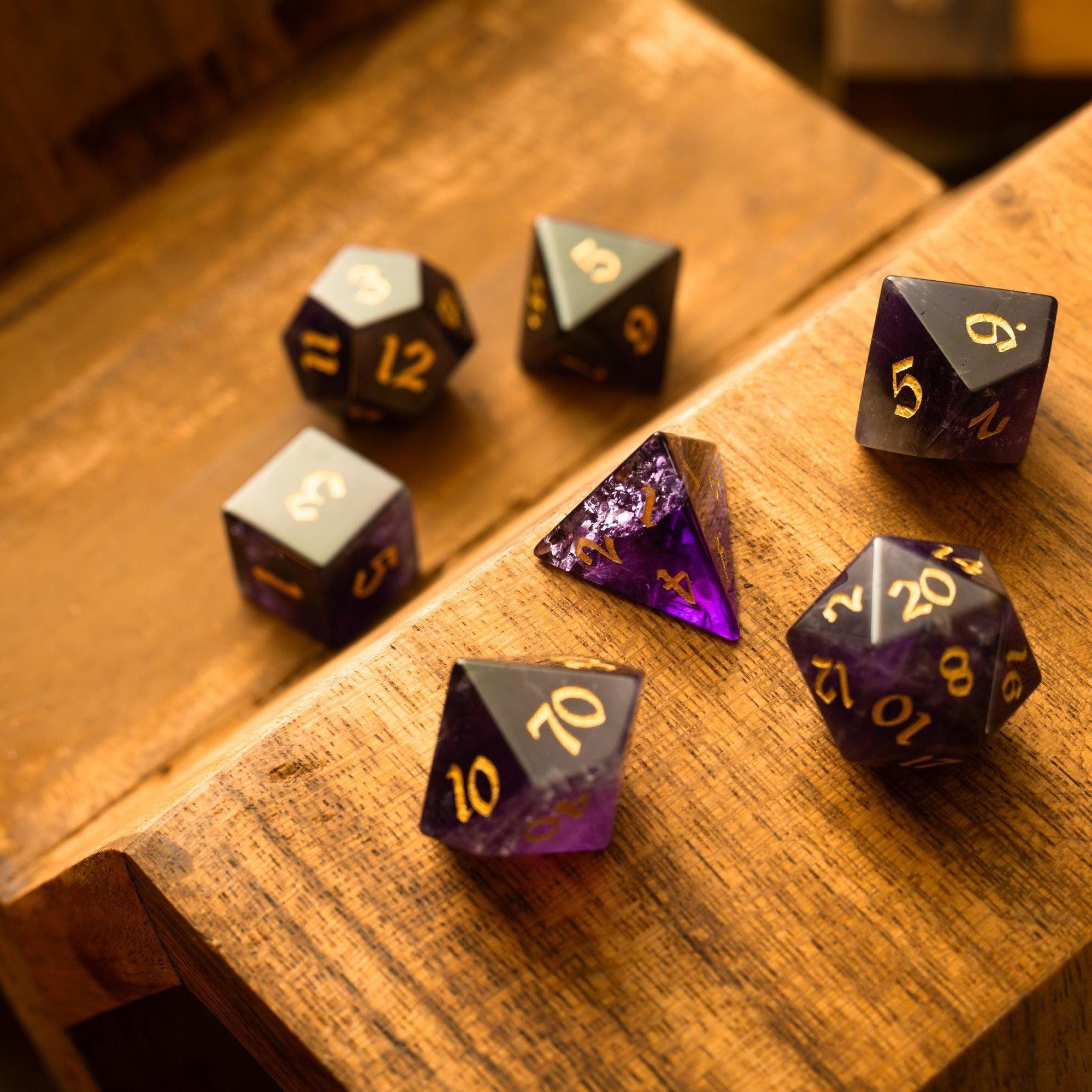
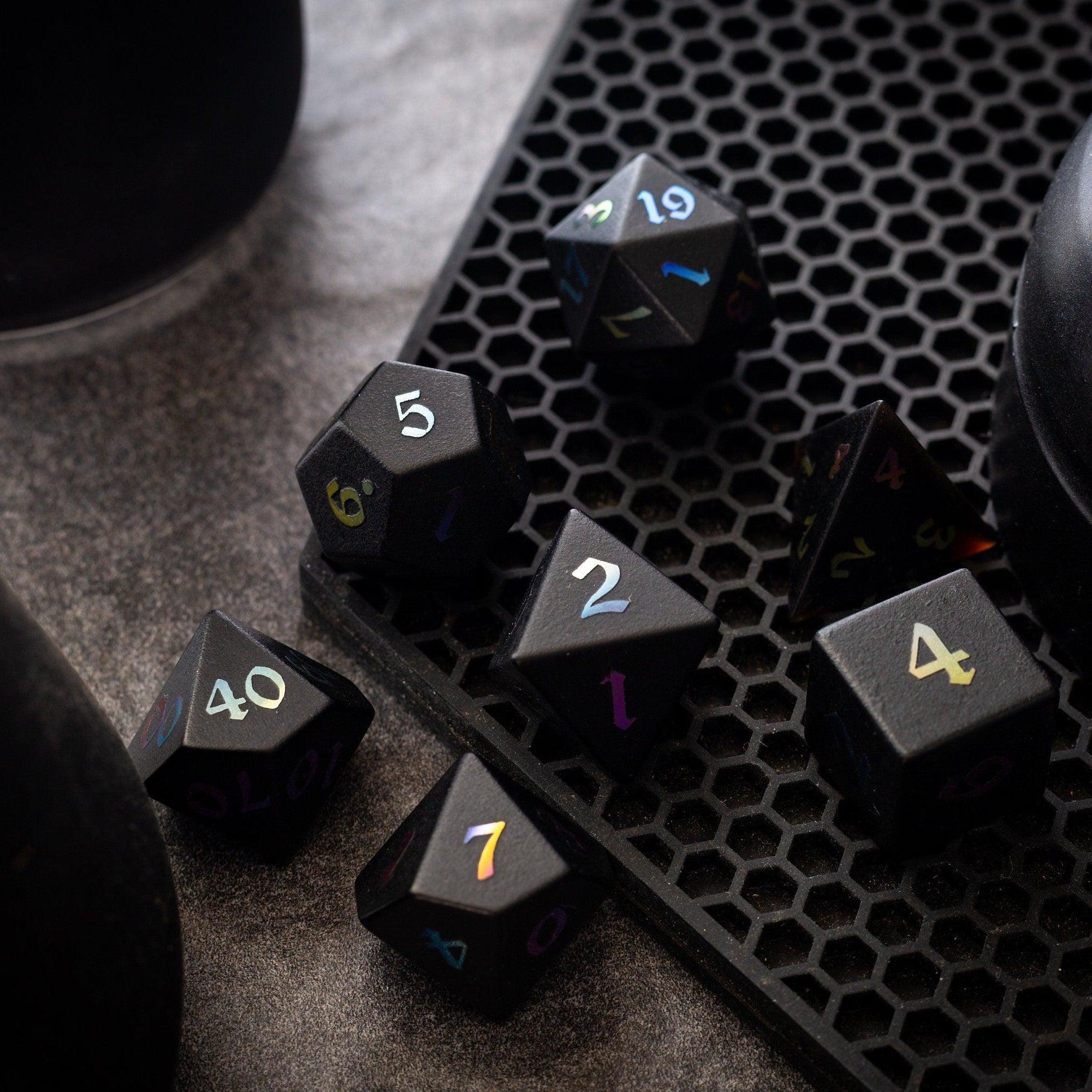
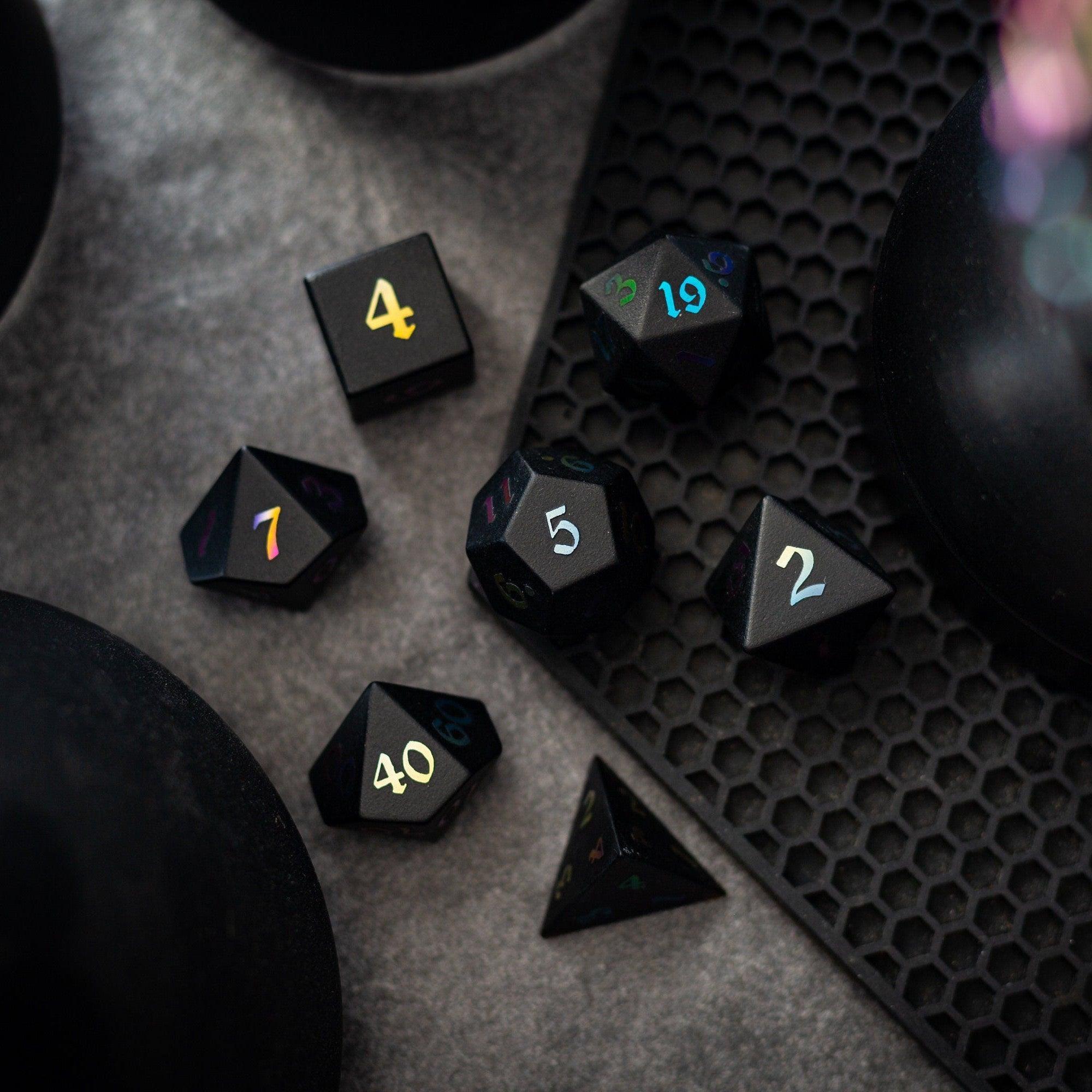
Ready to bring your character to life? Grab your favorite dice—maybe something special like our hand-cut gemstone sets—and roll your next adventure. Your character's story is waiting to unfold, and you've got everything you need to make it happen. Head over to our full collection to find dice that match your character's personality, and hit the table with confidence. Happy adventuring!

Leave a comment
This site is protected by hCaptcha and the hCaptcha Privacy Policy and Terms of Service apply.