

RPGBOT Character Building A Practical Guide for Strong PCs
Updated on: January 28, 2026
Creating a compelling character in tabletop role-playing games requires thoughtful planning and strategic decision-making. This guide walks you through essential steps for building memorable characters using character creation tools and systems. Whether you're new to gaming or refining your approach, understanding the fundamentals of character development will enhance your storytelling experience and gameplay enjoyment.
- Understanding Character Creation Fundamentals
- Common Mistakes to Avoid
- Builder's Checklist for Success
- Frequently Asked Questions
- Final Thoughts and Next Steps
Understanding Character Creation Fundamentals

When you begin the process of developing a character for your tabletop adventure, you're embarking on a creative journey that blends mechanics with storytelling. Character building in gaming systems involves balancing mechanical effectiveness with narrative depth, ensuring your character feels both capable and authentic within the game world.
The foundation of any strong character starts with concept. Before you dive into statistics and abilities, consider who your character is at their core. What motivates them? What are their fears, dreams, and flaws? These narrative elements will guide your mechanical choices and make your character memorable at the table.
Next, you'll want to familiarize yourself with your game system's rules. Each tabletop system has unique mechanics for ability scores, skills, and advancement. Taking time to understand these systems ensures you make informed decisions during the design phase. Many players find that reading through the character creation section of their rulebook helps clarify what's possible within their game world.
Once you understand the mechanical framework, consider your role within the party. Are you the frontline defender, the strategic thinker, the healing support, or the damage dealer? Understanding party composition helps you create a character that contributes meaningfully while still feeling true to your concept.
Common Mistakes to Avoid
Even experienced players can fall into traps during the character development process. Recognizing these common pitfalls helps you avoid frustration and create characters you'll genuinely enjoy playing.
Prioritizing Only Combat Effectiveness
Many builders focus exclusively on combat statistics and abilities while neglecting skills, personality, and roleplay potential. While mechanical strength matters, a character who can only fight becomes predictable and limiting. Consider how your character interacts socially, solves problems creatively, and engages with the narrative beyond battles.
Ignoring Party Dynamics
Creating a character in isolation sometimes leads to redundancy or gaps in party capability. Before finalizing your design, discuss general concepts with your fellow players. You needn't all plan together in detail, but understanding the basic direction prevents situations where five characters fulfill identical roles.
Overcomplicating Early Decisions
New players often feel paralyzed by the seemingly endless options available during character creation. Remember that most games allow character growth and evolution. Your first-level decisions aren't permanent, and you'll have opportunities to develop and refine your approach as you play.
Neglecting Believable Backstories
A character with impressive statistics but no coherent reason for their abilities feels hollow. Your backstory should justify your skills, explain your personality traits, and create hooks for the game master to weave into the campaign. Even a simple, genuine background beats an elaborate fabrication that contradicts your character's apparent experience.
Forgetting to Consider Weaknesses
Perfect characters with no vulnerabilities become boring and limit interesting storytelling moments. Intentionally building in some mechanical or narrative weaknesses makes your character more three-dimensional and allows for meaningful character development throughout the campaign.
Builder's Checklist for Success
Use this comprehensive checklist to ensure your character creation process covers all essential elements:
- Concept and Theme: Do you have a clear vision of who your character is conceptually?
- Mechanical Understanding: Have you thoroughly read the relevant character creation rules for your system?
- Ability Score Distribution: Are your primary stats aligned with your character's intended role?
- Skill Selection: Do your chosen skills reflect your character's background and story?
- Equipment and Resources: Have you properly equipped your character for their level and adventuring lifestyle?
- Personality and Traits: Can you articulate your character's personality, values, and mannerisms?
- Backstory: Does your character have a coherent history that explains their current situation?
- Party Compatibility: Have you discussed your character concept with your group to ensure good dynamics?
- Growth Potential: Are there areas where your character can realistically develop throughout the campaign?
- Player Enjoyment: Most importantly, are you excited to play this character?

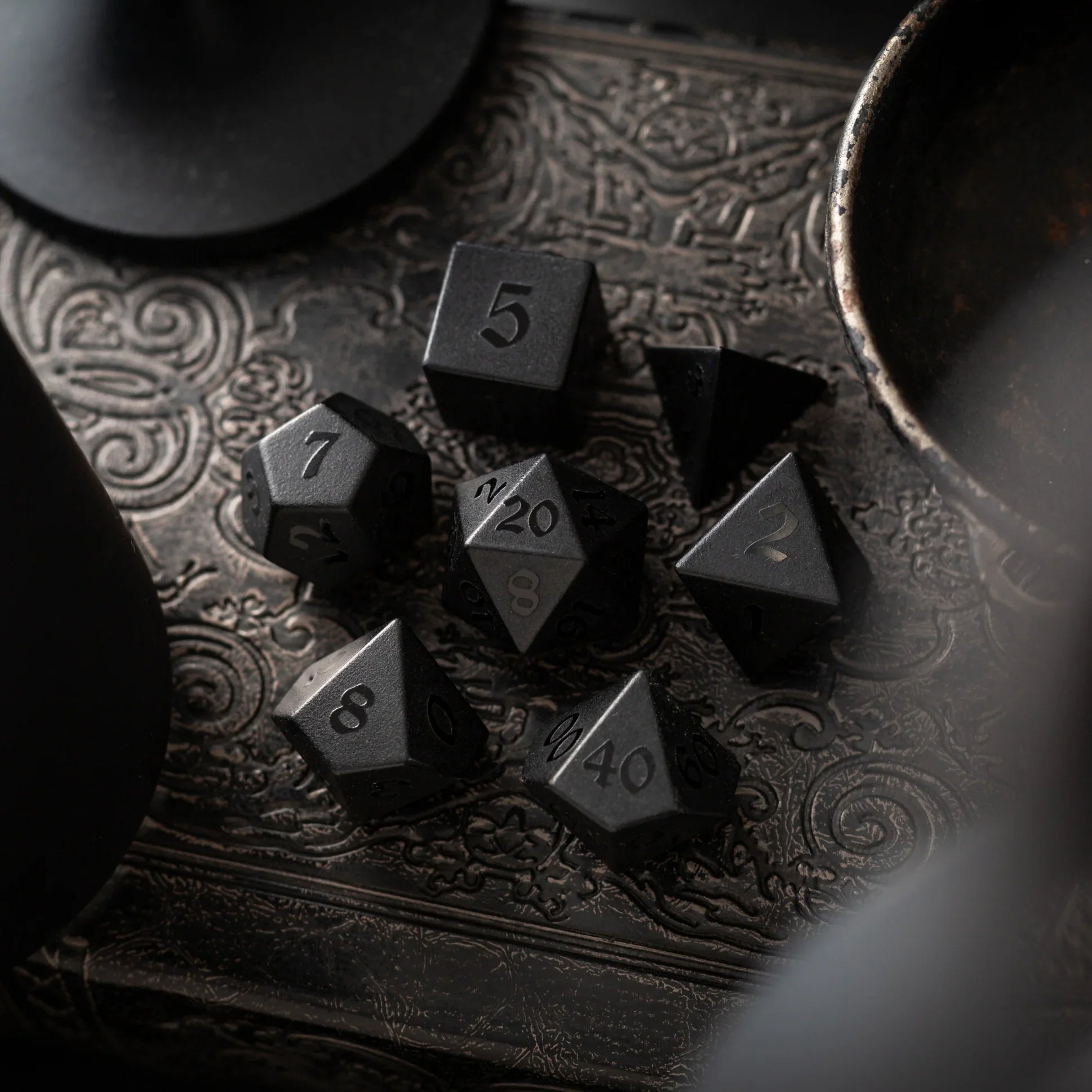
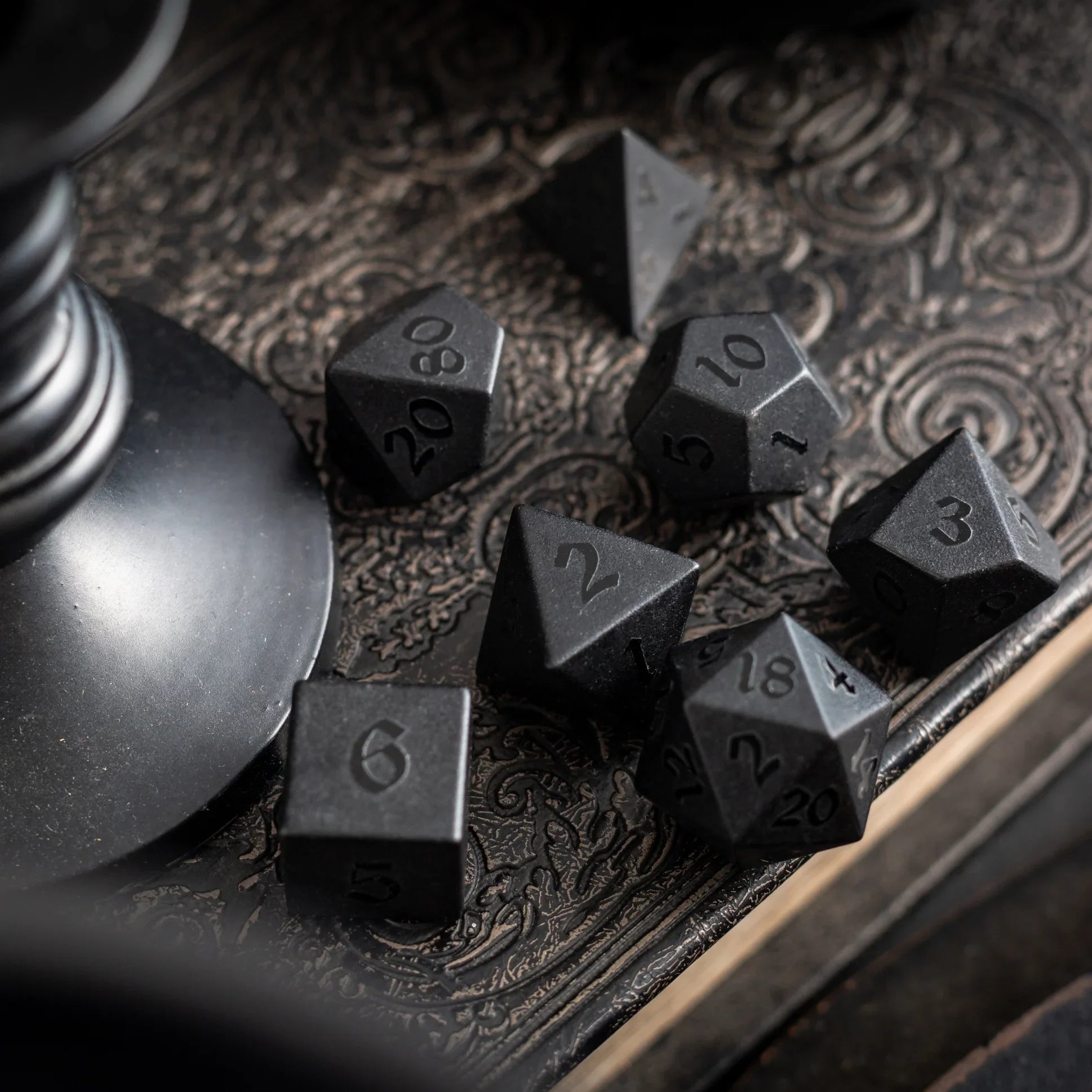
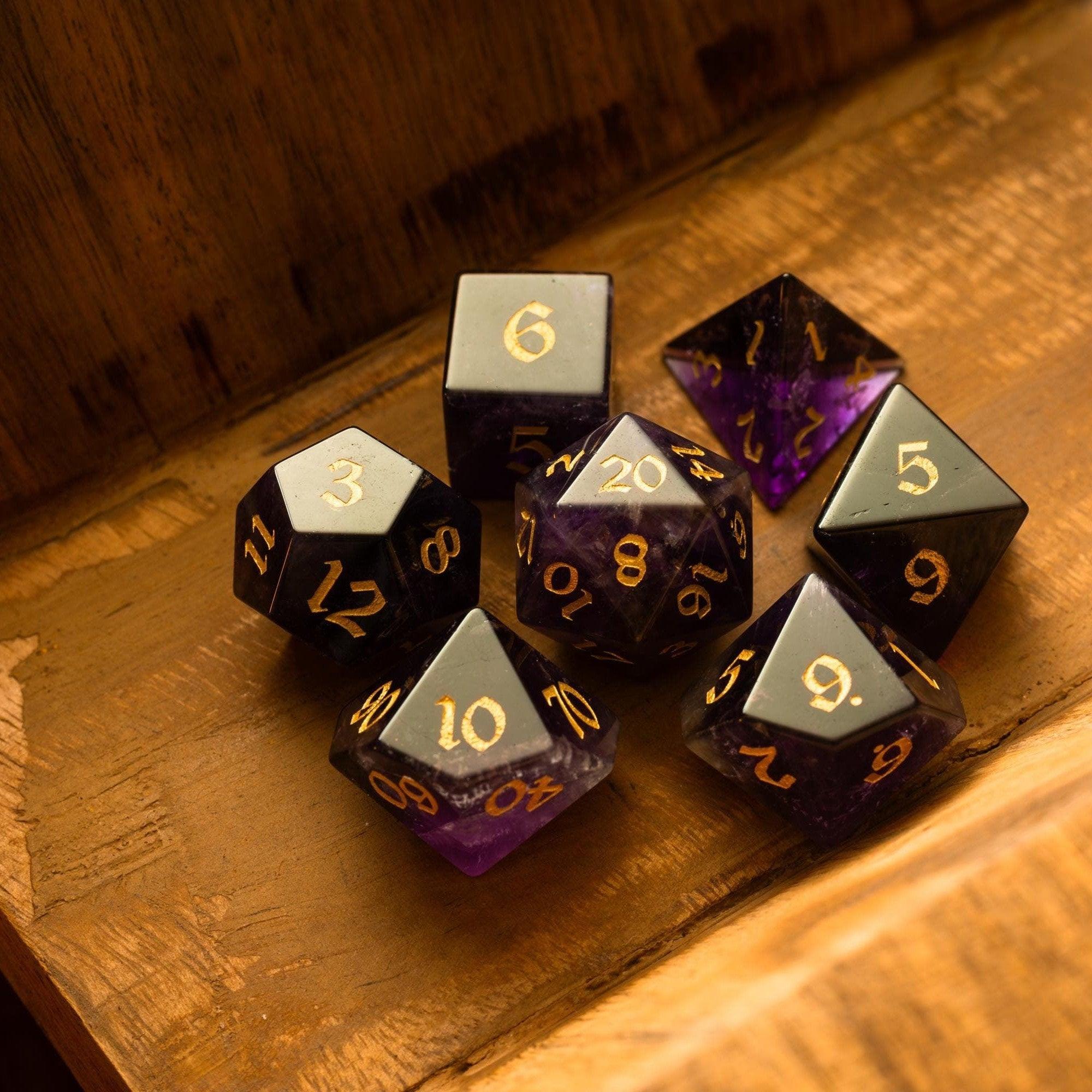
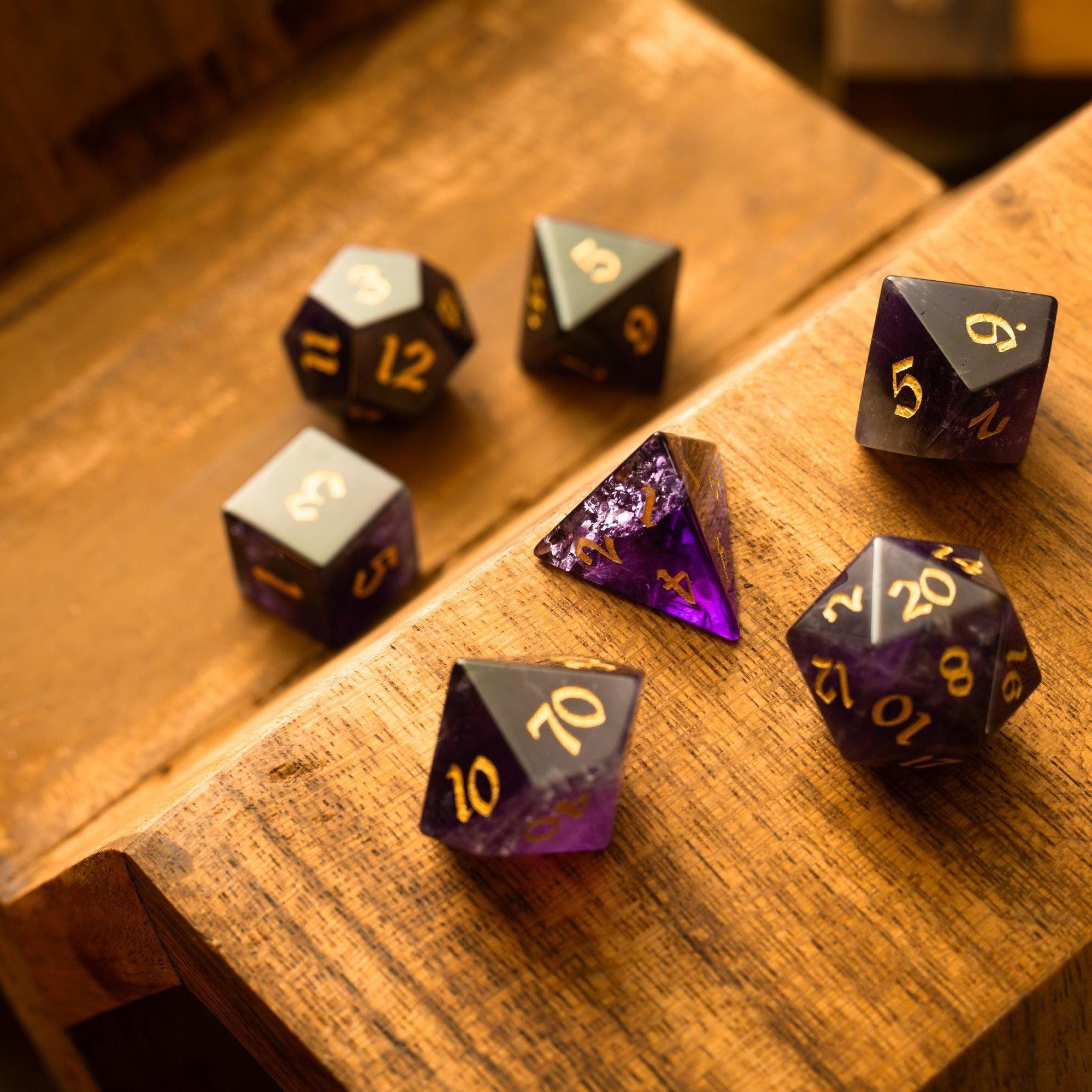
Beyond these mechanical considerations, remember that your character serves as your avatar in the shared storytelling experience. Having quality dice enhances the immersion and excitement at the table. Many players find that gemstone dice sets and carefully chosen character sheets contribute to their engagement with their characters throughout long campaigns.
Frequently Asked Questions
How Much Time Should I Spend on Character Creation?
There's no universal answer, as different players work at different paces. Some enjoy spending hours crafting every detail, while others prefer quick, intuitive creation. A reasonable guideline is to spend enough time that you feel confident about your choices and excited about your character, but not so much that the process becomes overwhelming. Thirty minutes to two hours is typical for most players creating a new character.
Can I Change My Character After Creating Them?
Absolutely. Most game masters allow some flexibility in character adjustments during the first session or two, especially for new players learning the system. Major changes might require in-game justification as your character develops, but evolution is natural and expected. Your character at level ten will be significantly different from your level one version, both mechanically and narratively.
What If My Character Concept Doesn't Work Mechanically?
If your narrative vision conflicts with the game system's mechanics, you have several options. First, explore the system more thoroughly—creative interpretations often make unusual concepts viable. Second, discuss with your game master about house rules or adjustments that could support your vision while maintaining game balance. Third, consider whether a slight adjustment to your concept could work within the existing rules. Game masters generally appreciate collaborative problem-solving that finds middle ground.
How Do I Balance Optimization with Roleplay?
The best characters aren't purely optimized or purely narrative—they blend both. Mechanical competence ensures your character contributes meaningfully in challenging moments, while personality and motivation make them interesting to play. You don't need to sacrifice effectiveness for character development. Strategic decisions that align with your character's personality often prove both thematically satisfying and mechanically sound.
Should I Follow My Game Master's Suggestions?
Your game master likely has valuable insights into what will work well in their campaign. While you should never feel pressured to create something you don't want to play, seriously considering their suggestions usually leads to better experiences. They might suggest themes, abilities, or concepts that align with the campaign setting or create interesting party dynamics you hadn't considered.
Final Thoughts and Next Steps
Character development in tabletop gaming is as much art as it is mechanics. The process of building your character is an opportunity to explore creativity, collaborate with your fellow players, and invest in the shared storytelling experience.
Remember that your first character won't be perfect, and that's perfectly fine. Each character you create teaches you something valuable about the system, the genre, and your own preferences as a player. Whether you're designing a cunning rogue, a noble paladin, or an eccentric wizard, the principles of thoughtful creation apply across all archetypes.
As you prepare to bring your character to life at the table, gather your materials and create the right atmosphere for your adventure. Many players enhance their experience with carefully selected game accessories. If you're looking to elevate your gaming sessions, consider exploring our gemstone collections that combine aesthetic beauty with functional quality.
Take your time with the creation process, ask questions when uncertain, and don't hesitate to iterate on your character concept as you learn more about your game system. Your fellow players and game master are typically your best resources for guidance and collaboration.
Finally, remember that the goal is enjoyment. Whether you're playing casually with friends or in a more serious campaign, your character should be someone you're excited to portray. With thoughtful planning, creative thinking, and attention to both mechanics and narrative, you'll create a character that enriches everyone's gaming experience.
Start your character creation journey today, and prepare to embark on an unforgettable adventure. Your unique perspective and creative choices will bring something special to your gaming table that no one else can provide.













Leave a comment
This site is protected by hCaptcha and the hCaptcha Privacy Policy and Terms of Service apply.