

Character Ability Scores A Simple Guide to RPG Power
Updated on: February 26, 2026
Character ability scores form the foundation of any tabletop role-playing game character. These six core statistics—Strength, Dexterity, Constitution, Intelligence, Wisdom, and Charisma—determine what your character can and cannot do. Understanding how to build, interpret, and leverage these scores will transform your gameplay experience and help you create more effective and memorable characters.
- Understanding Character Ability Scores
- Did You Know?
- The Six Core Abilities Explained
- Expert Tips for Optimizing Your Abilities
- Personal Anecdote
- Common Mistakes to Avoid
- Questions and Answers
- Summary and Takeaways
Understanding Character Ability Scores

When you're sitting down to create a new character for your favorite tabletop role-playing adventure, one of the first things you'll encounter is the process of determining your character ability scores. These numerical values—typically ranging from three to eighteen in most systems—represent your character's natural talents and limitations. They're not just numbers on a character sheet; they're the backbone of everything your character attempts to do throughout the game.
Think of ability scores as your character's raw potential. They influence skill checks, combat effectiveness, spellcasting, and how other characters perceive and interact with you. Whether you're trying to persuade a merchant, swing a sword, or cast a complex spell, your character ability scores play a crucial role in determining your success or failure. The higher your score in a particular ability, the better your character performs in activities related to that ability.
Most game systems calculate modifiers from these scores, which are then added to dice rolls to determine outcomes. A character with high Strength ability scores will have better chances at athletic feats, while one with high Intelligence ability scores might excel at solving puzzles and understanding arcane knowledge. This interconnected system creates depth and encourages players to think strategically about character creation.
Did You Know?
- The standard array for ability scores in many systems is typically 15, 14, 13, 12, 10, and 8, giving all players equal power distribution without randomness.
- Rolling for character ability scores traditionally uses four six-sided dice, dropping the lowest result, which creates more varied and exciting character concepts.
- A score of 10 or 11 represents average human ability, making it the baseline for comparison across all statistics.
- Each point above or below the average of 10 changes your ability modifier by one, creating a mathematical progression that scales naturally with power level.
- Some experienced players advocate for "point buy" systems, where you have a fixed pool of points to distribute, ensuring fairness and strategy.
- Character ability scores can be enhanced through leveling up, magical items, and potions throughout your adventuring career.
The Six Core Abilities Explained
Every character in most tabletop role-playing games has six core ability scores, each representing different aspects of capability. Let's break down what each one means and how they impact gameplay.
Strength
Strength measures your character's raw physical power and muscle. It affects melee attacks, carrying capacity, and athletic endeavors like jumping or climbing. A barbarian with high Strength ability scores can deliver devastating blows in combat, while a wizard with low Strength might struggle to carry heavy equipment. This ability is essential for any character planning to engage in physical combat.
Dexterity
Dexterity represents agility, balance, and hand-eye coordination. It influences ranged attacks, armor class, and initiative in combat. Rogues and rangers typically prioritize Dexterity ability scores because they rely on quick movements and precise strikes. High Dexterity helps you dodge incoming attacks and land critical hits before enemies react.
Constitution
Constitution reflects your character's health and endurance. It determines your hit points—essentially how much damage you can take before falling unconscious. Every character benefits from solid Constitution ability scores because they directly impact survival in combat. Even spellcasters want decent Constitution to avoid being eliminated quickly by enemy attacks.
Intelligence
Intelligence measures reasoning, memory, and knowledge. Wizards and artificers rely heavily on Intelligence ability scores because their spellcasting power scales with this stat. Intelligence also influences skills like investigation, history, and nature knowledge, making it valuable for any character interested in solving mysteries or understanding the world.
Wisdom
Wisdom represents awareness, insight, and intuition. Clerics, druids, and monks use Wisdom ability scores for spellcasting and special abilities. High Wisdom helps you notice hidden dangers, resist mental attacks, and maintain awareness of your surroundings. It's often considered one of the most valuable ability scores because it influences so many different aspects of gameplay.
Charisma
Charisma measures your force of personality and social influence. Bards, sorcerers, and warlocks depend on Charisma ability scores for spellcasting. Beyond magic, Charisma determines how effectively you persuade, deceive, or intimidate other characters. A high Charisma makes your character naturally likeable and influential in social situations.

Expert Tips for Optimizing Your Abilities
- Identify your character's role first, then prioritize the ability scores that support that role. A fighter should focus on Strength and Constitution, while a wizard needs Intelligence and Dexterity.
- Don't neglect Constitution regardless of your class. Extra hit points keep you alive longer, and everyone benefits from that durability.
- Consider multi-ability dependency. Some classes like clerics use multiple ability scores effectively, so balance your distribution rather than dumping stats unnecessarily.
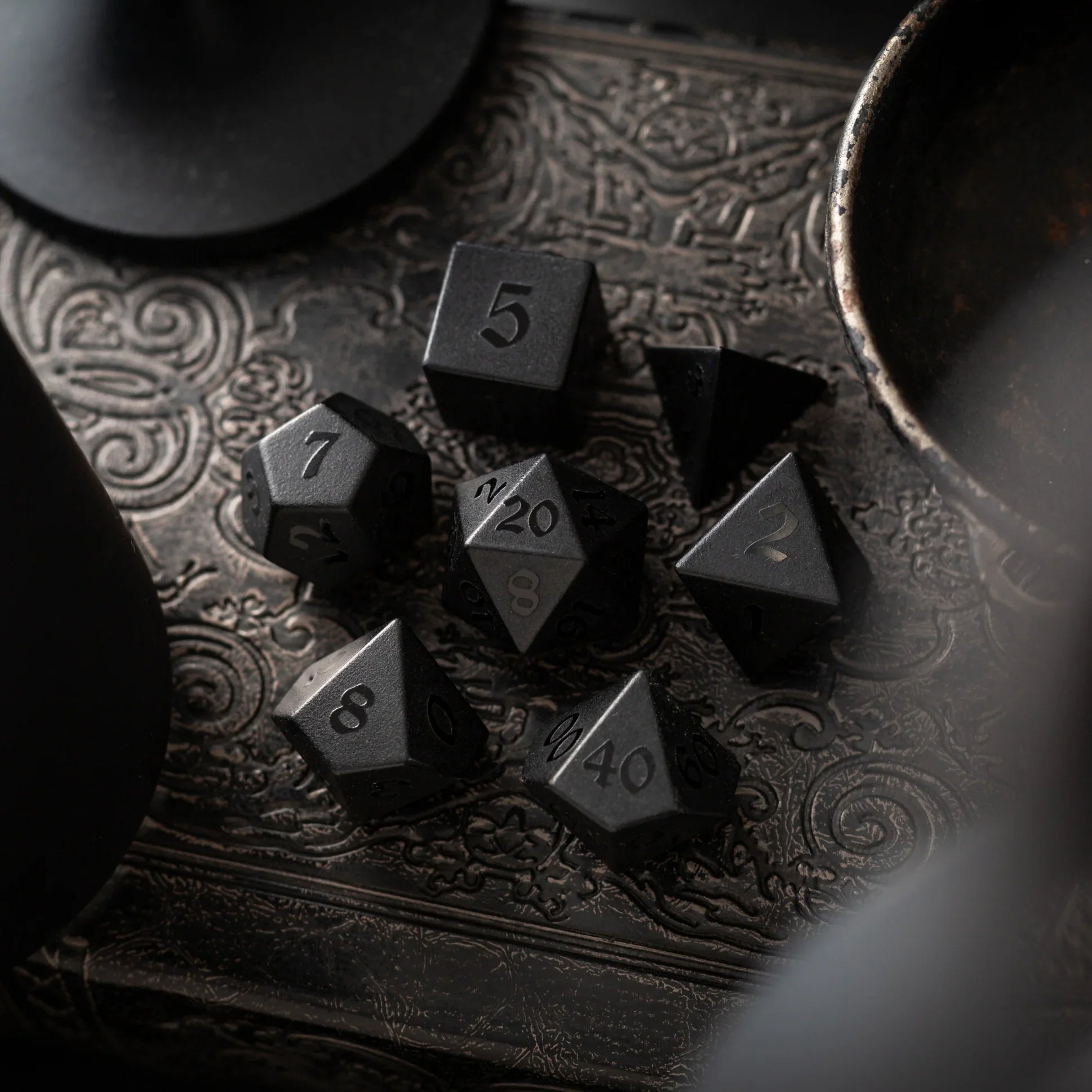
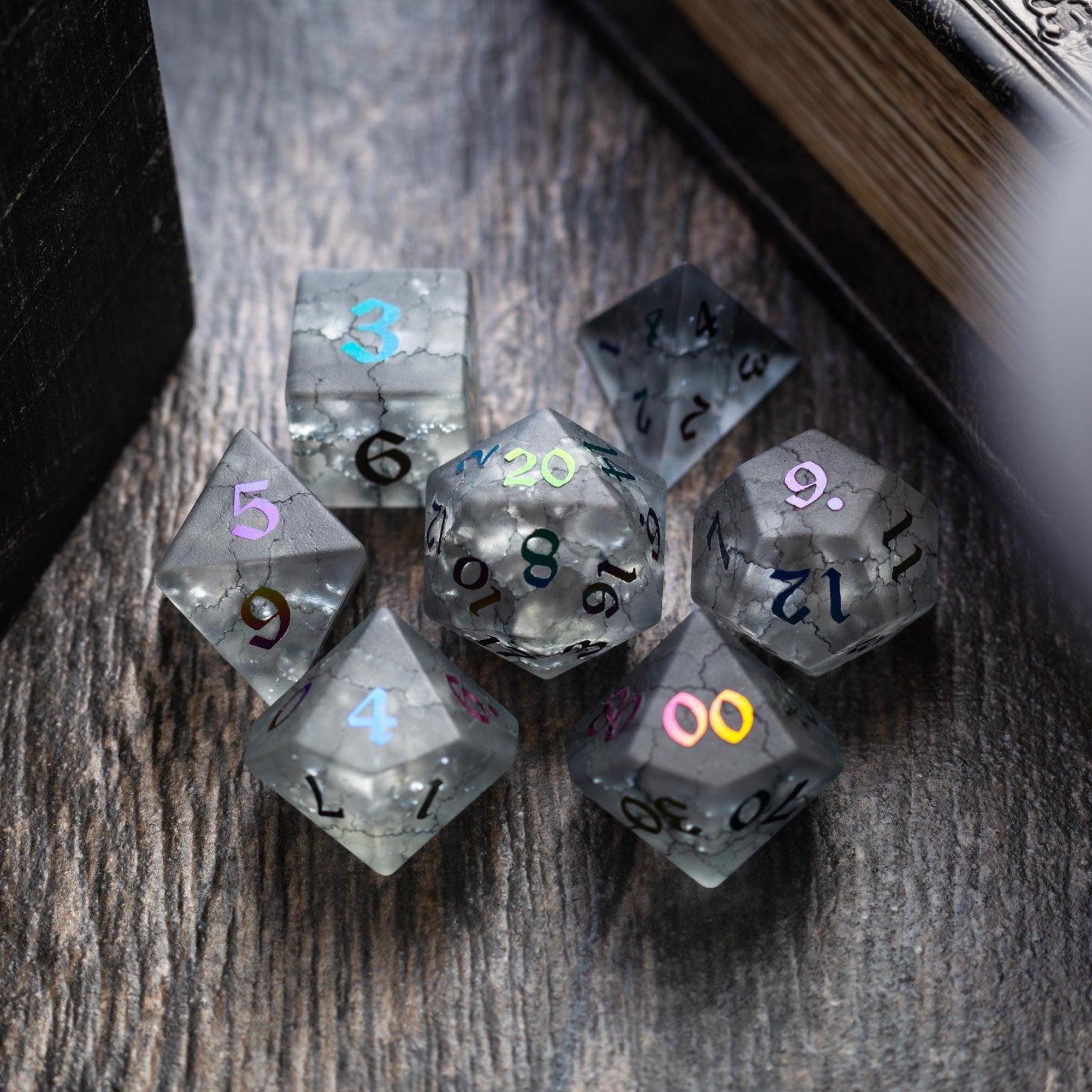
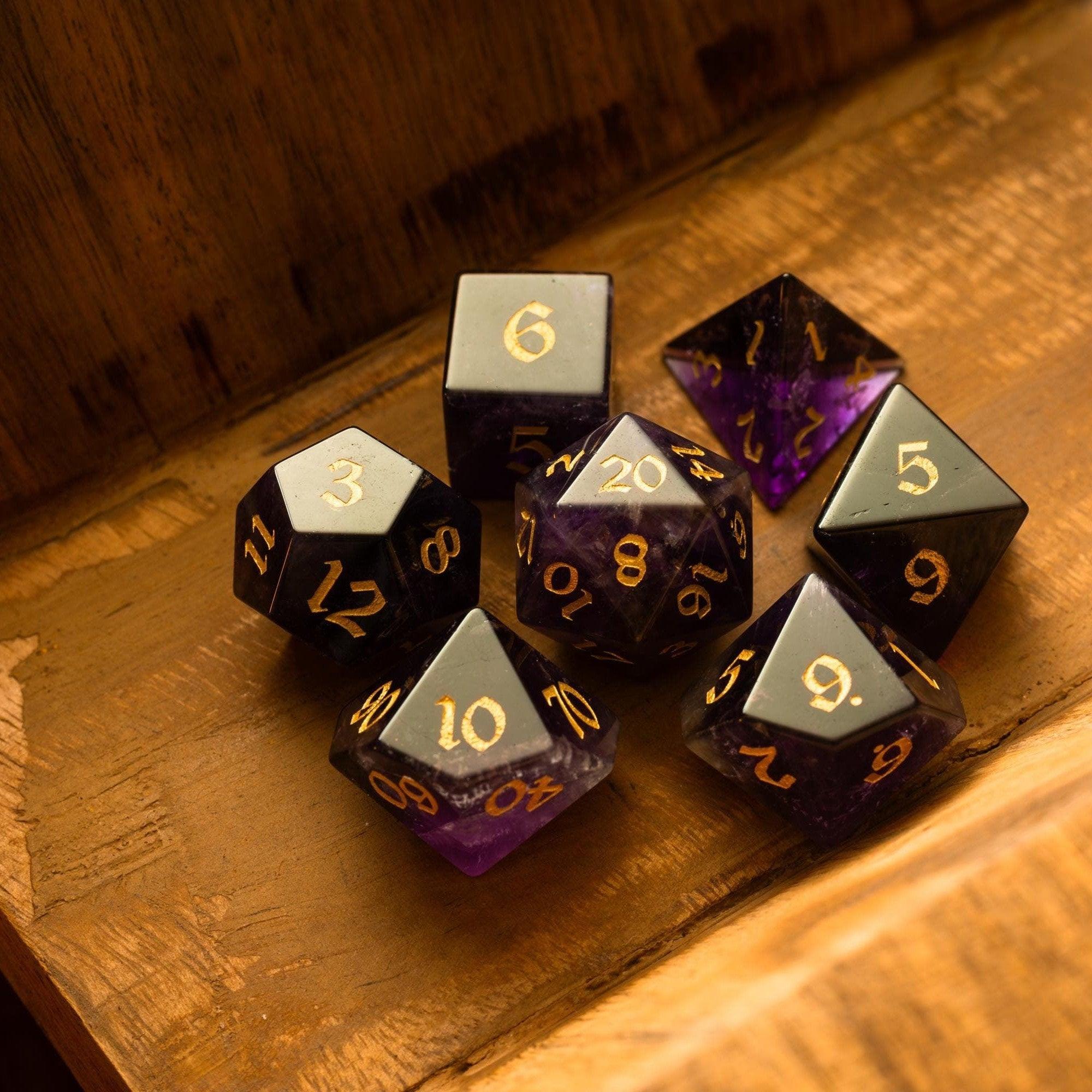
- Use quality dice sets when rolling for ability scores to ensure fair, unbiased results that everyone can trust.
- Plan ahead by knowing what ability score modifiers you'll need at higher levels. Some abilities become more important as you gain access to higher-level abilities and spells.
- Talk with your game master about the character creation method before building your character. Different methods reward different strategies, and understanding the system helps you create an optimized character.
- Remember that roleplay doesn't require perfect optimization. Sometimes playing a character with an unusual ability score distribution creates more interesting stories and memorable moments.
Personal Anecdote
 I'll never forget my first character creation experience. I rolled for my ability scores using standard six-sided dice, and I got incredibly lucky with some rolls and unlucky with others. My fighter had 18 Strength and 16 Constitution, which felt amazing, but I'd dumped Intelligence down to 8 because I thought it was irrelevant for a sword-swinging brute.
During our first adventure, we encountered a puzzle that required understanding basic geometry. My game master explained the trap mechanism, and suddenly my low Intelligence became a real problem. Not only did my character fail to understand the danger, but I also couldn't contribute meaningfully to solving the puzzle while my party waited. I learned that day that every ability score matters, even the ones that seem less important for your role. Since then, I've always maintained at least average scores across the board while still prioritizing my character's specialty. That lesson made me a better player and taught me to appreciate the depth that well-distributed ability scores bring to character creation.
Common Mistakes to Avoid
When working with character ability scores, newer players often make predictable errors. Understanding these mistakes helps you avoid frustration and create stronger characters.
First, don't dump any ability score too aggressively unless your game master explicitly allows it. Scores below 8 become crippling in unexpected situations. Second, avoid neglecting Wisdom because its effects are subtle. Wisdom saves protect you against mind control and illusions, and its absence leaves your character vulnerable to manipulation.
Third, don't assume you must follow strict optimization guides. Every character benefits from a little personality, and sometimes suboptimal ability distributions create more interesting characters. Fourth, remember that your ability scores aren't permanent. Many games allow improvements through leveling and magical enhancement, so don't stress endlessly during character creation.
Finally, communicate with your group about the character creation method before you begin. Misunderstanding how you'll generate ability scores can lead to disappointment when your expectations don't match reality. A quick conversation prevents major character concepts from clashing with the available options.
Questions and Answers
How do I calculate my modifier from an ability score?
Most systems use a simple formula: subtract 10 from your ability score, then divide by two, rounding down. So a Strength of 14 gives you a plus-two modifier, while a Dexterity of 9 gives you a minus-one modifier. This modifier gets added to relevant rolls throughout the game, directly influencing your success chances.
Can I improve my ability scores during the game?
Absolutely! Most systems allow ability score improvements through level-ups or by discovering magical items that permanently enhance your stats. Some games also offer temporary boosts through spells and potions. Talk to your game master about what's available in your campaign world to understand your character's growth potential.
What's the best way to roll for ability scores fairly?
Use a trusted method like rolling four six-sided dice and dropping the lowest result. When using quality gemstone dice, you ensure everyone has confidence in the randomness. Alternatively, many groups prefer the standard array or point-buy system for guaranteed fairness and strategic decision-making.
Should I prioritize one ability score or balance them?
Balance your distribution based on your character's role and party needs. A fighter might prioritize Strength and Constitution while accepting lower Intelligence, but maintaining an average Wisdom score prevents dangerous vulnerabilities. Consider what your party already has and fill gaps in party composition when possible.
Summary and Takeaways
Character ability scores are far more than arbitrary numbers on a character sheet—they're the foundation of who your character is and what they're capable of achieving. By understanding each ability's purpose and how scores influence gameplay, you can create characters that are both mechanically effective and narratively compelling.
Remember that optimization matters, but fun matters more. The best character is one you're excited to play, whether that's a perfectly optimized power-gamer or a quirky underdog with unusual ability distributions. Spend time understanding the six core abilities, discuss character creation methods with your group, and don't fear making mistakes. Every experienced player has created a character they later regretted, and those experiences teach valuable lessons about system mastery and character design.
As you embark on your next adventure, keep your ability scores in mind whenever you attempt something challenging. They're your character's voice in the world, speaking through dice rolls and mechanical bonuses. Roll quality dice, trust your character sheet, and embrace the journey that your unique ability score distribution creates. Whether you're wielding a sword, casting spells, or talking your way out of danger, your character ability scores are there supporting every action, every decision, and every moment of your adventure.

















Leave a comment
This site is protected by hCaptcha and the hCaptcha Privacy Policy and Terms of Service apply.