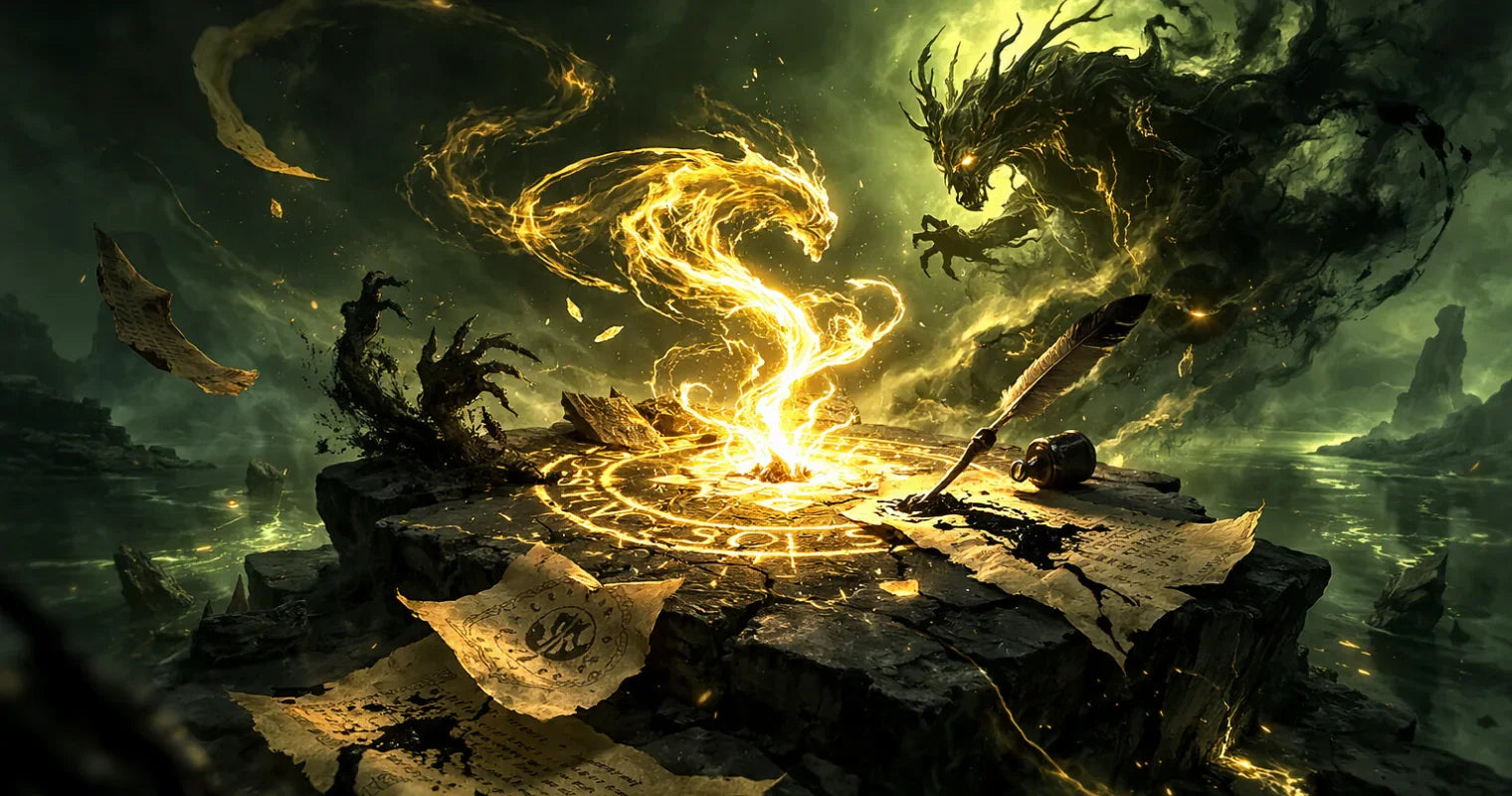
Homebrew Spells and Monsters Crafting Unique RPG Magic
Updated on: February 26, 2026
Creating custom spells and monsters for your tabletop role-playing games doesn't have to be intimidating. Whether you're a seasoned dungeon master or just starting out, homebrew spells and monsters bring fresh excitement to your campaigns. This guide walks you through designing balanced, creative abilities and creatures that'll keep your players engaged and challenged. You'll learn practical tips for testing your creations and discover how the right tools—like quality dice—can enhance your storytelling experience.
Buyer's Checklist

Before you dive into creating homebrew spells and monsters, make sure you've got the essentials ready. Here's what you'll want to consider:
- A complete understanding of your game's core ruleset and mechanics
- Notebooks or digital tools for brainstorming and organizing ideas
- Access to your campaign's existing spell and monster lists for reference
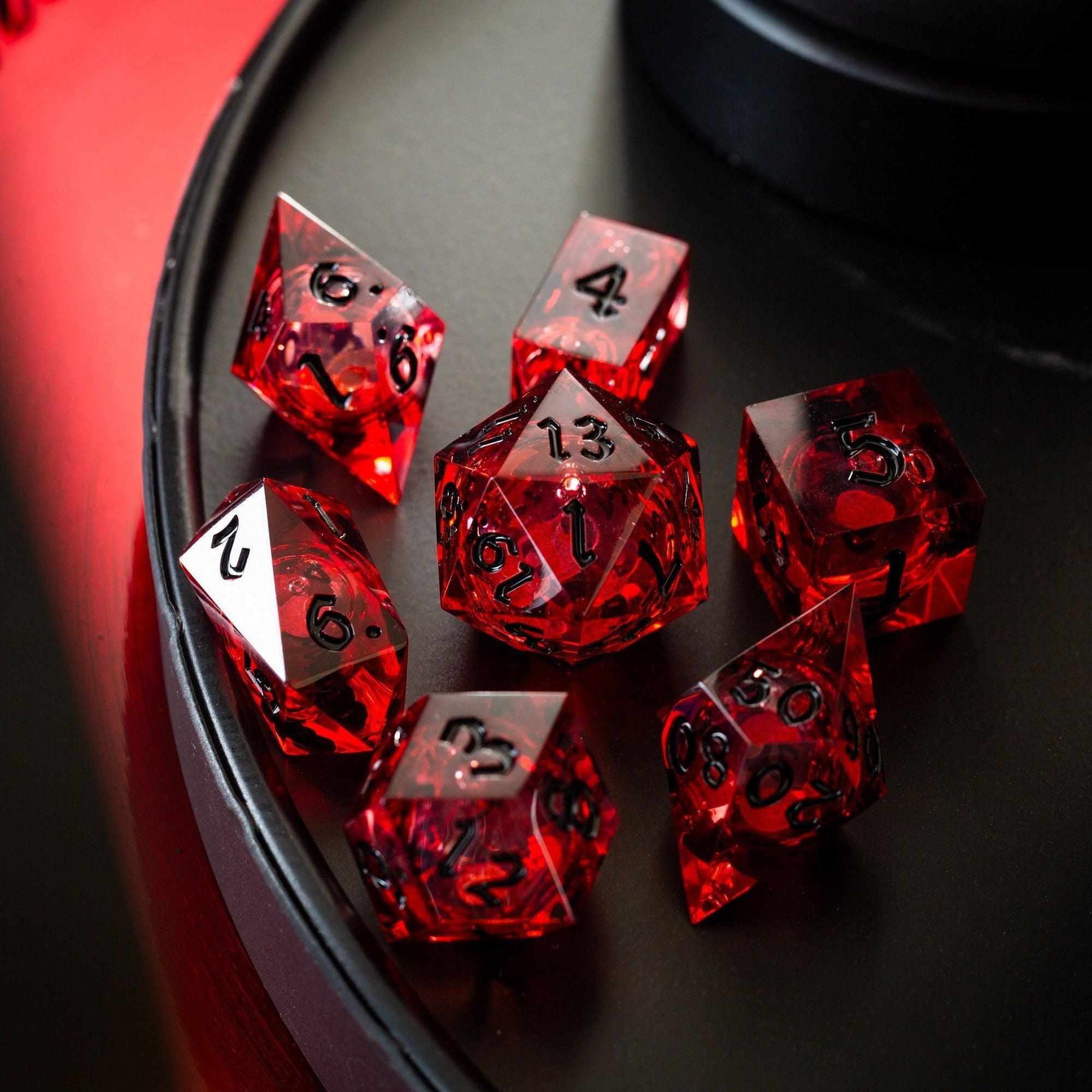
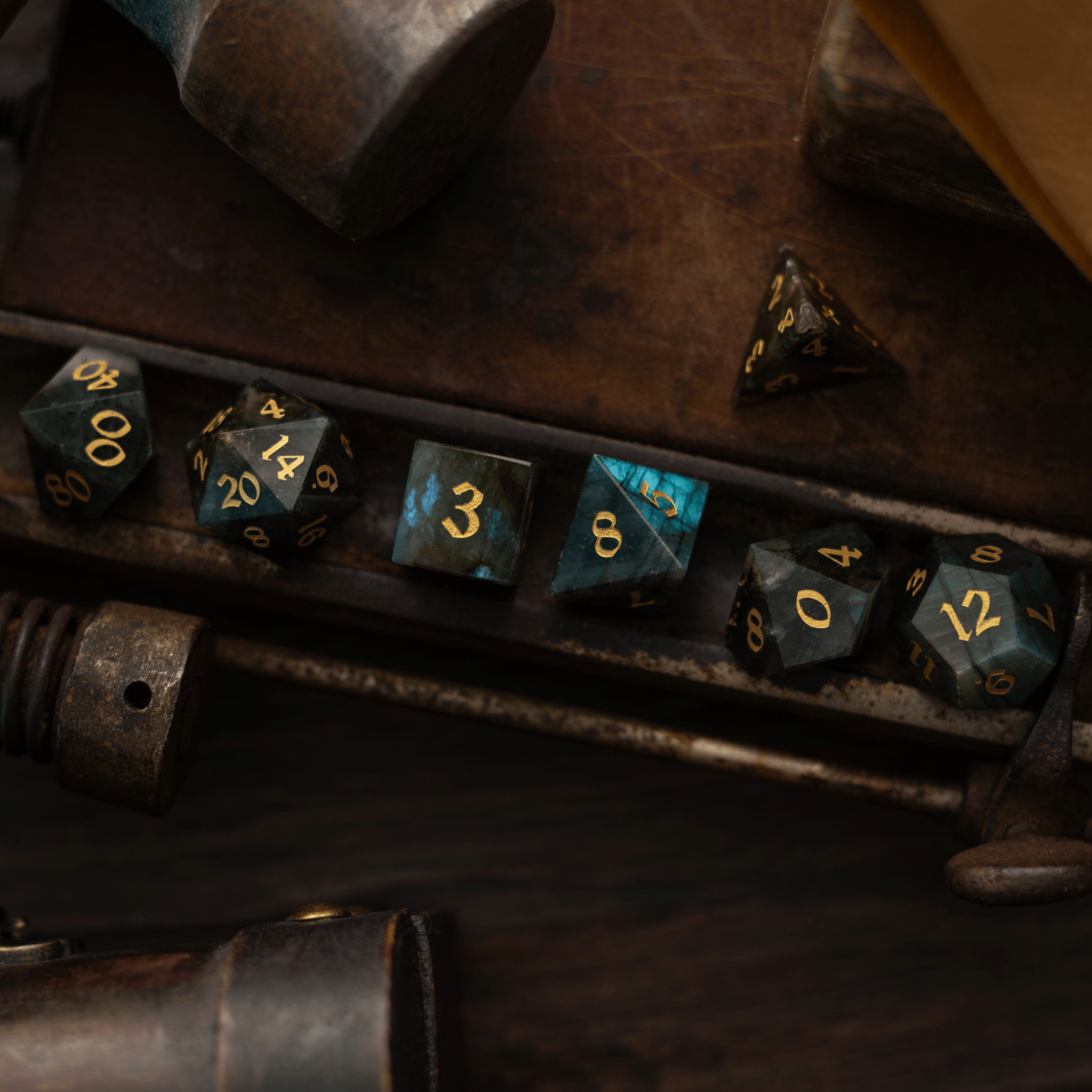
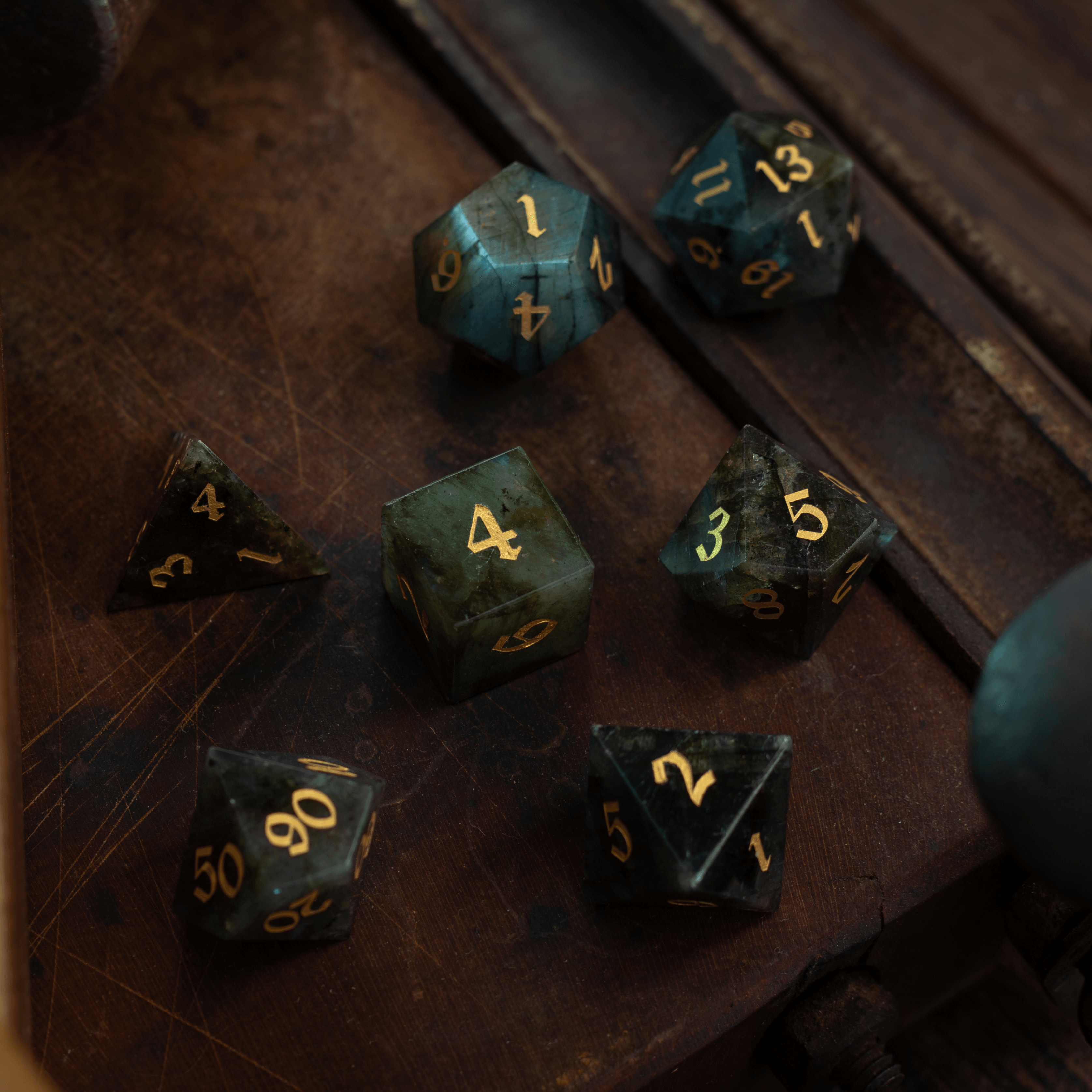
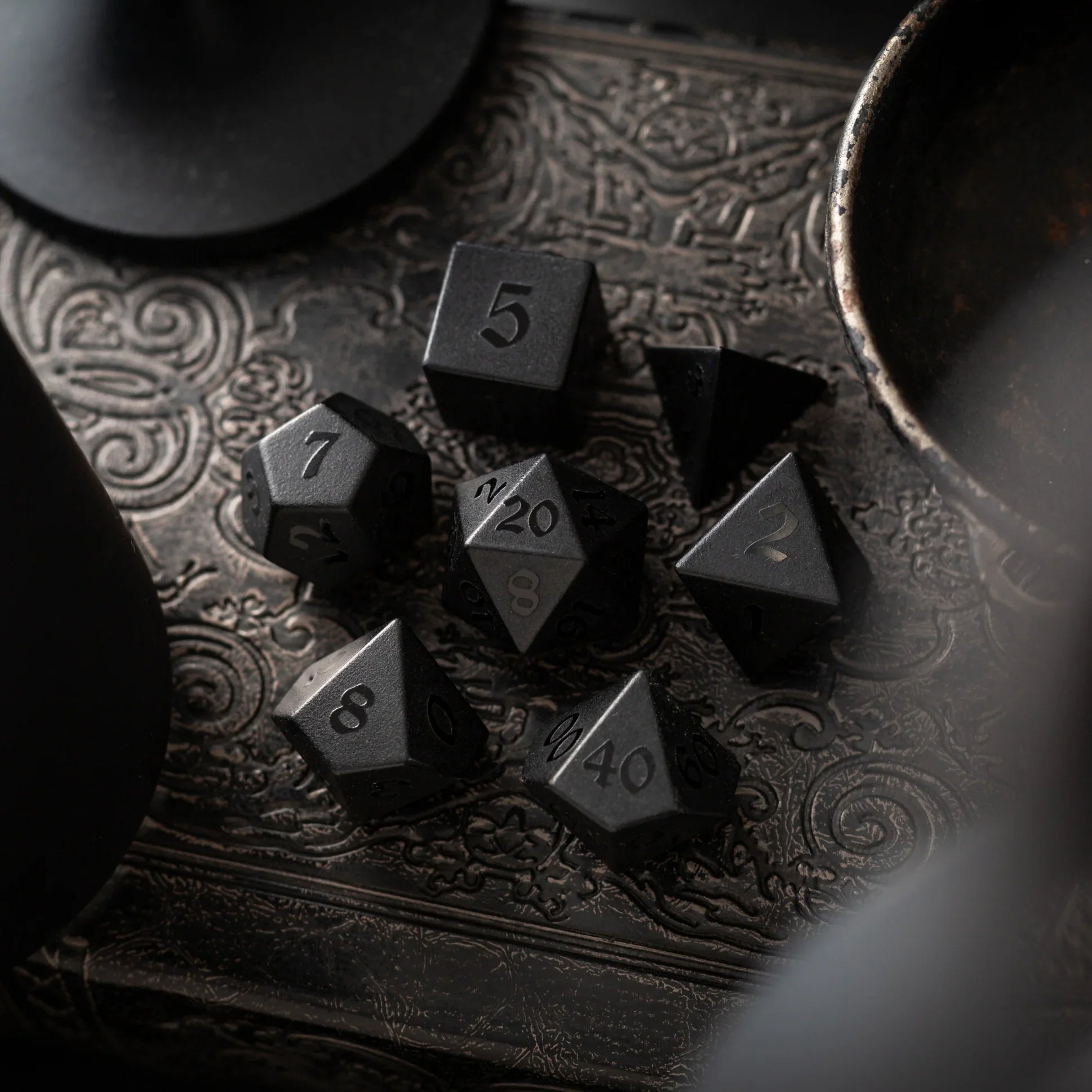
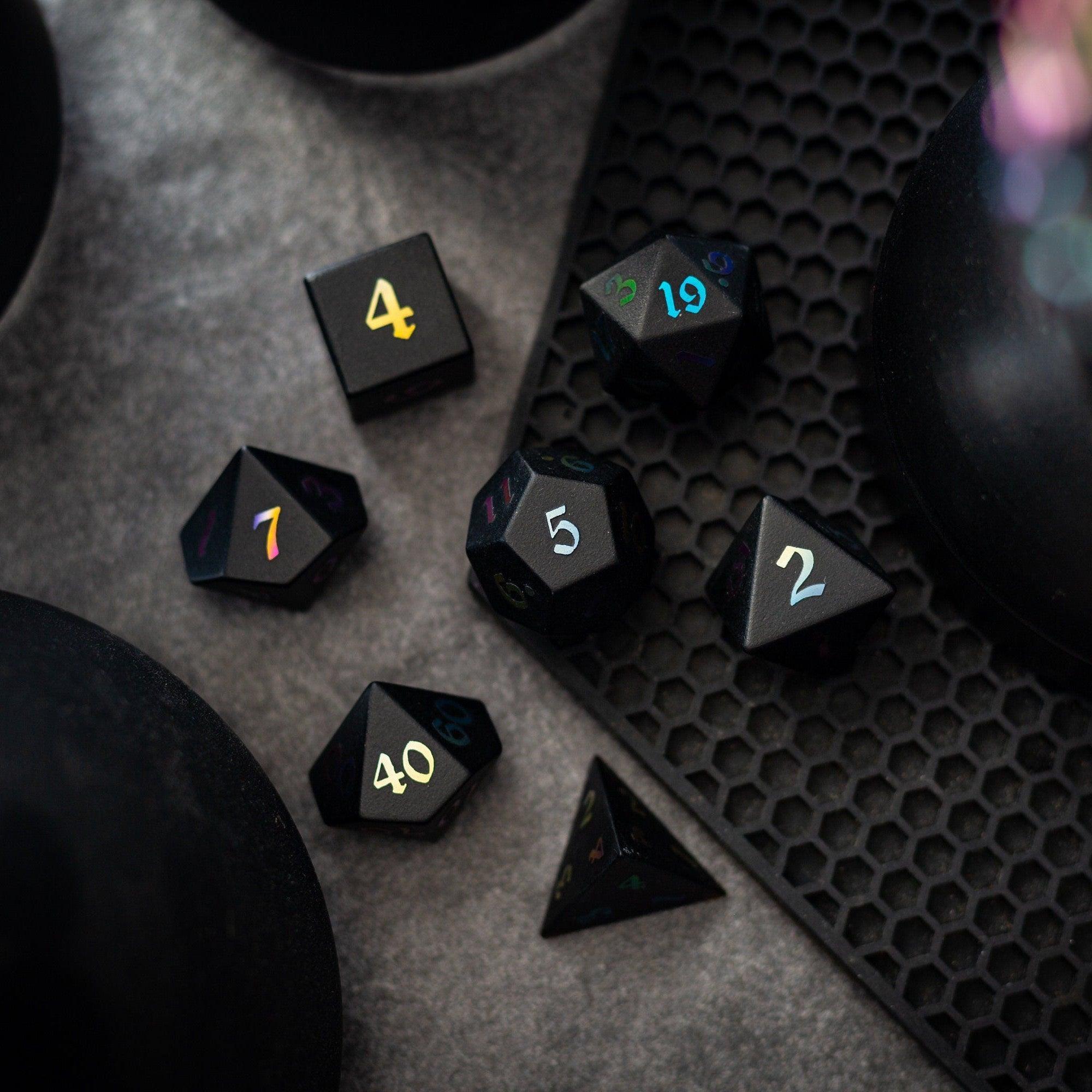
- Quality dice for testing encounter balance and rolling new abilities
- Feedback from your gaming group or trusted fellow game masters
- Time blocked out for playtesting and refining your creations
- Clear notes on power levels and how your custom content compares to official options
- A willingness to adjust and balance based on actual gameplay experience
Step-by-Step Guide to Creating Homebrew Spells and Monsters
Step 1: Define Your Creative Purpose
Start by asking yourself why you're creating this custom spell or monster. Are you filling a gap in your campaign's story? Do you want to challenge your players in a new way? Maybe you're building a villain that deserves a unique ability. Your purpose shapes everything else. A spell designed to solve a specific plot problem looks different from one meant to give a character class a cool new option. Take time to write down your goal clearly. This becomes your north star when you're balancing power levels and deciding what mechanics to include.
Step 2: Research Similar Existing Content
You're not reinventing the wheel here—you're building on a solid foundation. Look at existing spells and monsters that do something similar to what you're creating. Study how they're structured, what their damage or effects are, and how they interact with the game's economy. If you're making a fire spell, check out other fire-based spells in your ruleset. If you're designing a dragon-like creature, examine how official dragons are built. This research prevents you from creating something that's accidentally overpowered or underpowered. It also helps you understand the conventions your players already know, which makes learning your new content easier for everyone.

Step 3: Establish Power Level and Balance
Balance is absolutely crucial. A spell that's too powerful overshadows other player choices. A monster that's too weak wastes everyone's time in combat. Compare your creation to official content at similar levels. If you're making a spell for fifth-level casters, look at what fifth-level spells typically do. If you're designing a boss monster, check what official bosses of that challenge rating offer. Consider action economy—how many actions does your spell or ability take? What's the resource cost? What's the risk-reward ratio? Write down these mechanics clearly so you can compare them to the baseline. This systematic approach prevents the common mistake of creating something that sounds cool but breaks the game.
Step 4: Draft Your Spell or Monster Mechanics
Now comes the fun part—actually writing it down. For spells, include the spell level, casting time, range, components, duration, and effects. Be specific about damage numbers, saving throws, and what happens at higher levels. For monsters, determine armor class, hit points, ability scores, skills, special abilities, and actions. Write in clear, concise language. Avoid vague terms like "lots of damage" or "pretty fast." Instead, write "deals 3d8 fire damage" or "has a movement speed of 40 feet." Clear mechanics prevent confusion at the table and make playtesting much more productive. Don't worry about making it perfect—you're creating a draft that you'll refine through testing.
Step 5: Create Engaging Flavor and Narrative
The mechanics tell you what something does, but the flavor tells you why it's cool. A spell that deals fire damage is fine, but a spell that channels the fury of a sun god is memorable. Describe your monster in vivid language. What does it look like? How does it move? What's its personality or motivation? This flavor content doesn't change the mechanics, but it makes your creation feel alive at the table. Your players will talk about encounters with creatures that have memorable descriptions long after they forget the exact hit points. Invest in this creative work—it's what transforms mechanics into a story moment.

Step 6: Playtest Thoroughly
Here's where many home gamemasters skip ahead, and it's a mistake. Playtesting reveals problems that armchair design can't catch. Use your homebrew spells and monsters in actual games. Watch how players interact with them. Are they using the spell more often than anything else? Is the monster dying too quickly or lasting forever? Is anyone confused about how the mechanics work? Take notes during play. After the session, talk to your players about their experience. Did it feel fun? Challenging? Fair? This real-world data is invaluable. You might discover that something you thought was balanced actually needs tweaking, or that something you worried about turned out fine.
Step 7: Refine Based on Feedback
Use your playtesting notes to make adjustments. If a spell is too powerful, increase the casting time, add a component cost, or reduce the damage. If a monster feels weak, boost its hit points or give it an additional action. Small tweaks often work better than major overhauls. Make one change at a time and test again. This iterative approach prevents you from swinging too far in the other direction. Keep careful records of your changes so you remember why you made them. Sometimes a revision doesn't work out, and you need to revert to a previous version. Documentation makes this process smooth.
Frequently Asked Questions
How do I make sure my homebrew creations aren't overpowered?
Compare your mechanics directly to official content at the same level. Look at damage output, action economy, and resource costs. If your spell deals more damage than official spells of the same level without additional drawbacks, it's probably too strong. The same applies to monsters—use the challenge rating system as a guide. If you're unsure, err on the side of slightly weaker. It's easier to buff something that underperforms than to nerf something your players have grown attached to. Always playtest with people who'll give you honest feedback.
Can I use homebrew spells and monsters if my game group prefers official content only?
Absolutely—just talk to your group first. Not every table welcomes homebrew, and that's okay. Have a conversation about what you're creating and why. Show them your work and invite feedback. Most groups appreciate the effort their dungeon master puts into crafting custom content, especially if it serves the story. If your group's not interested, that's valuable information too. You can always create for future campaigns or share your work in online gaming communities.
What tools do experienced dungeon masters use to create homebrew spells and monsters?
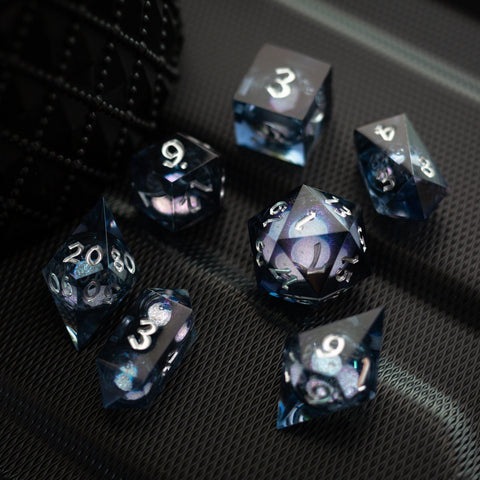
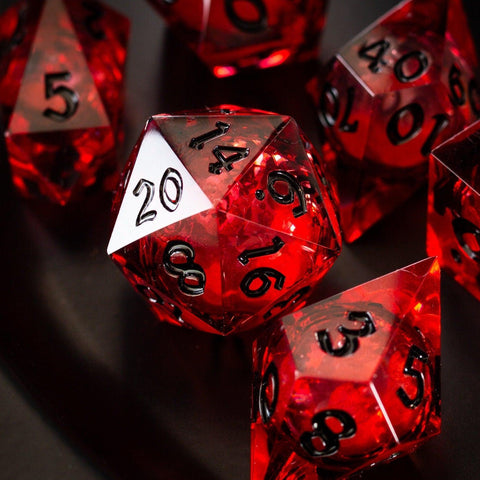
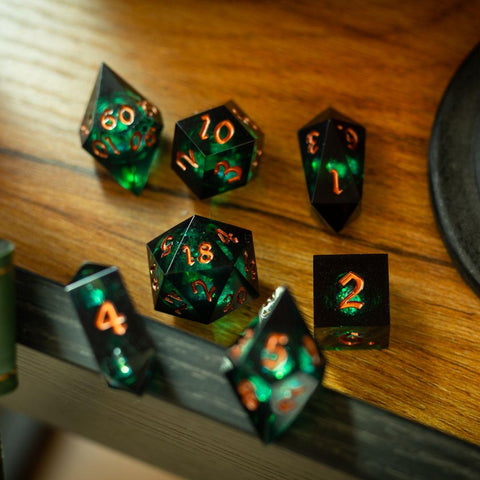
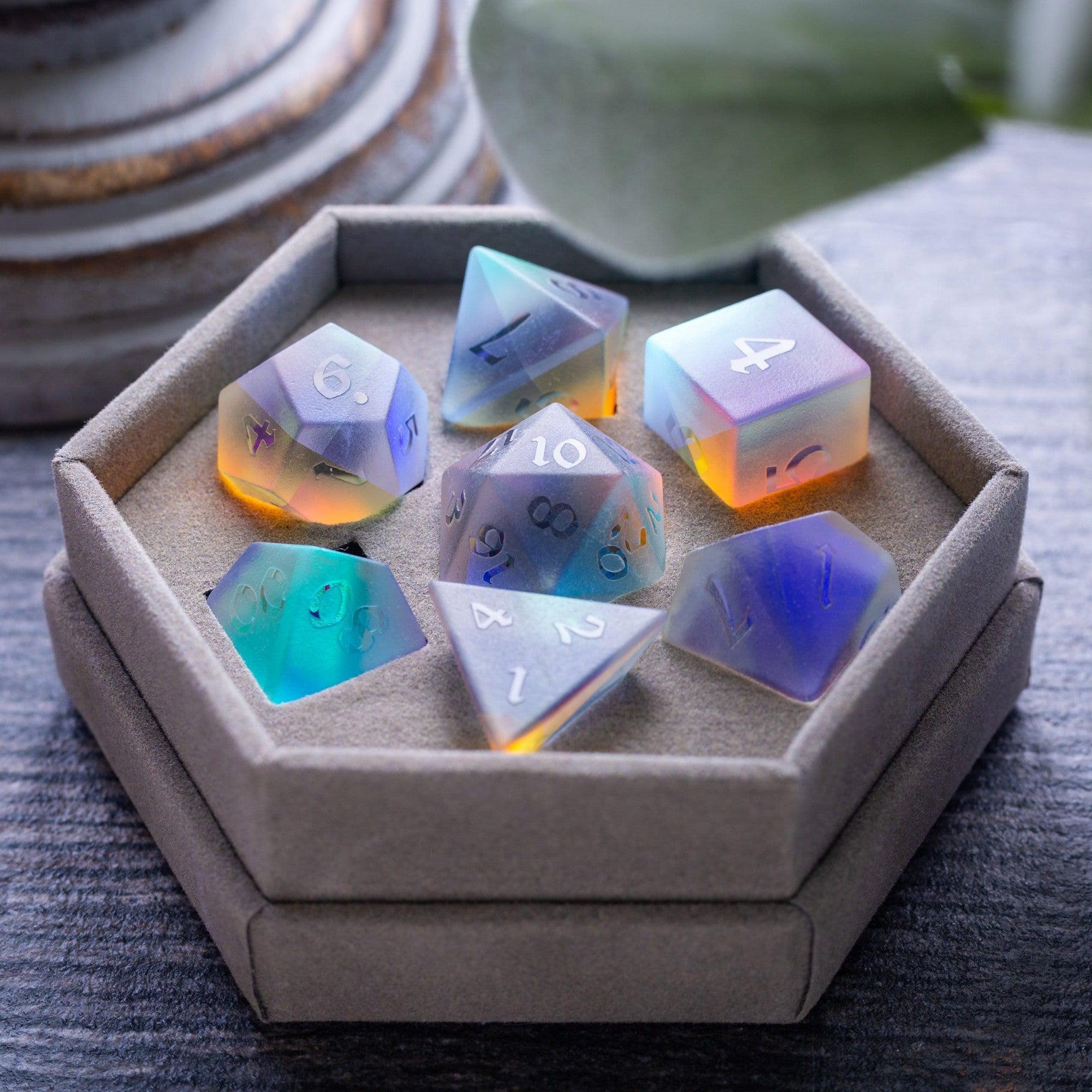
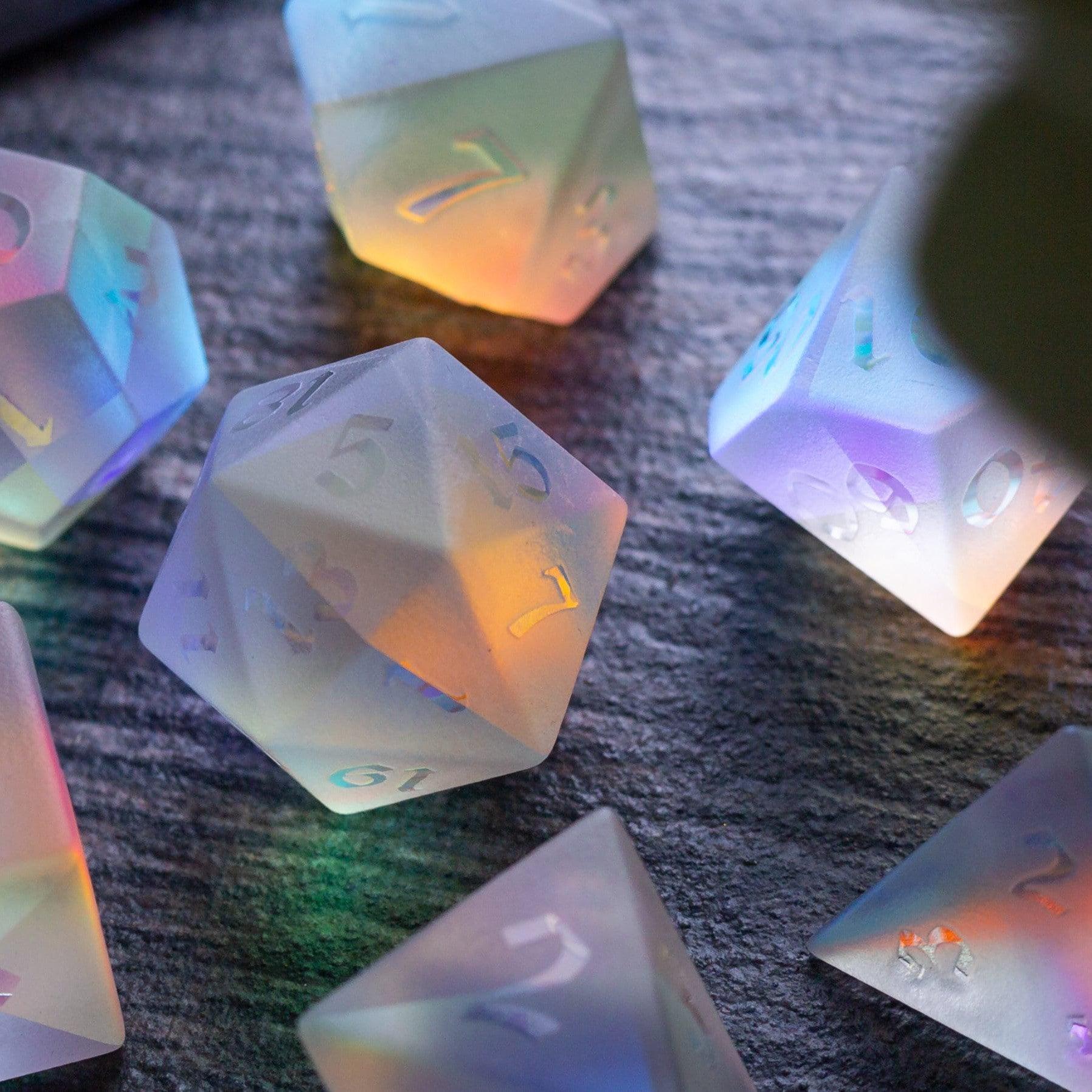
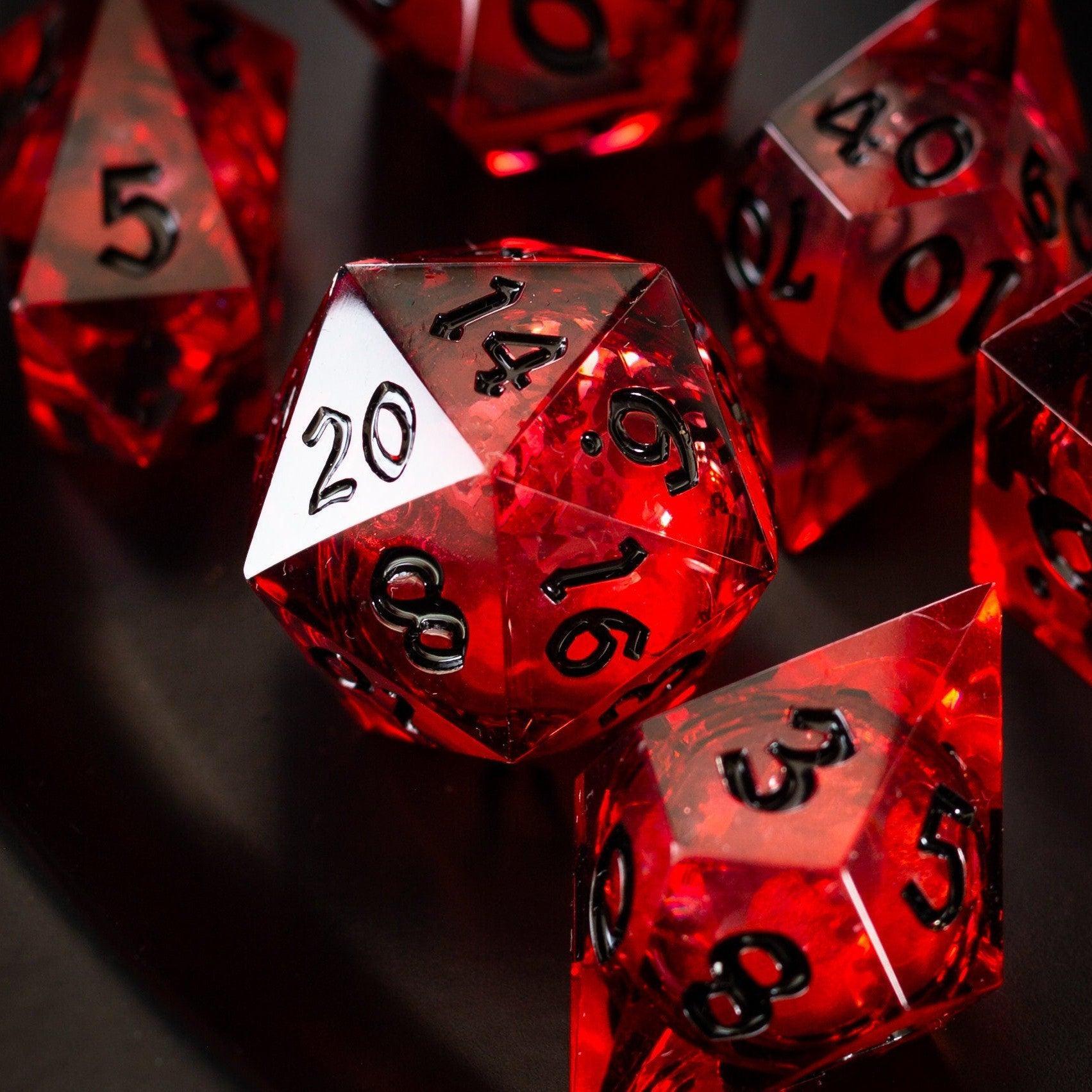
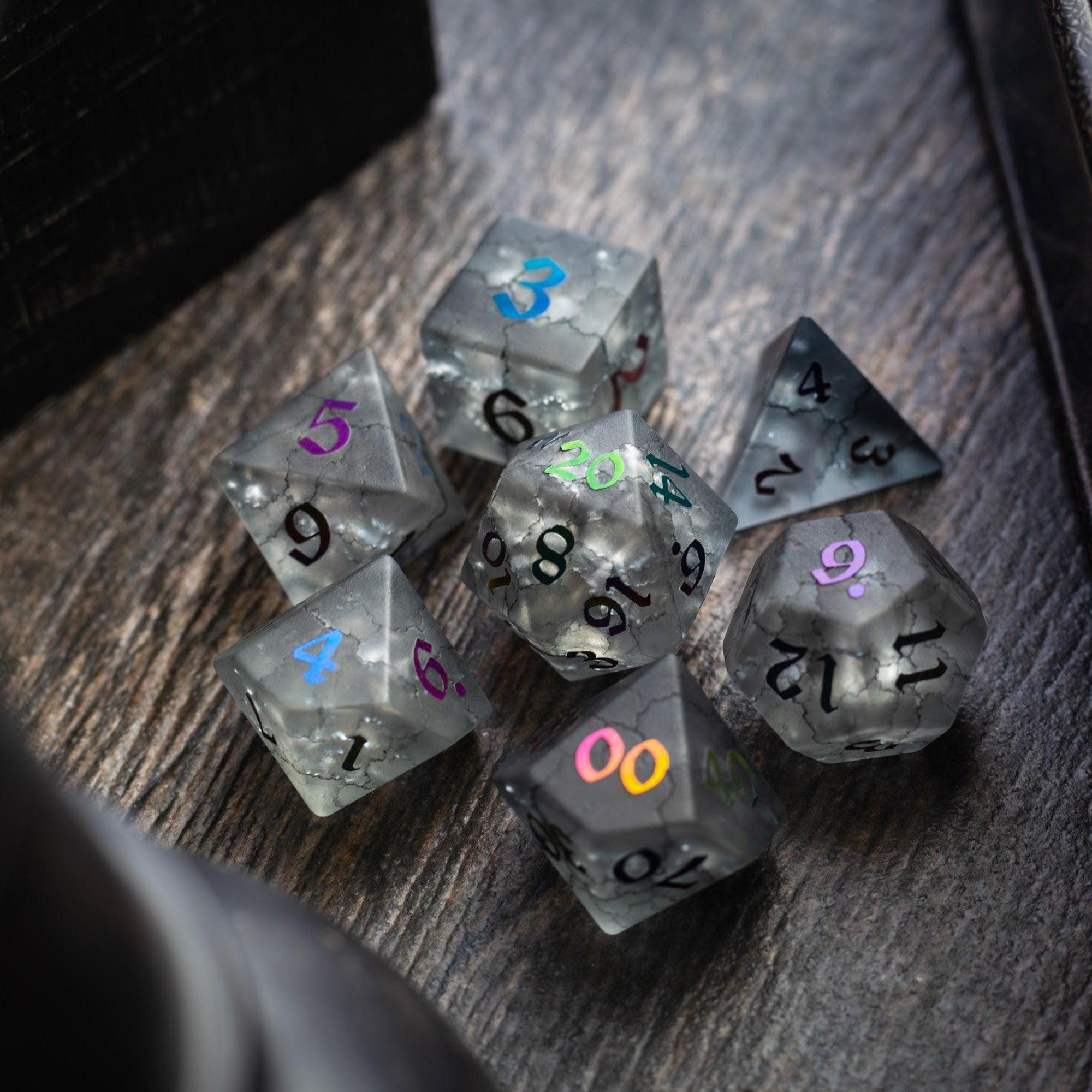
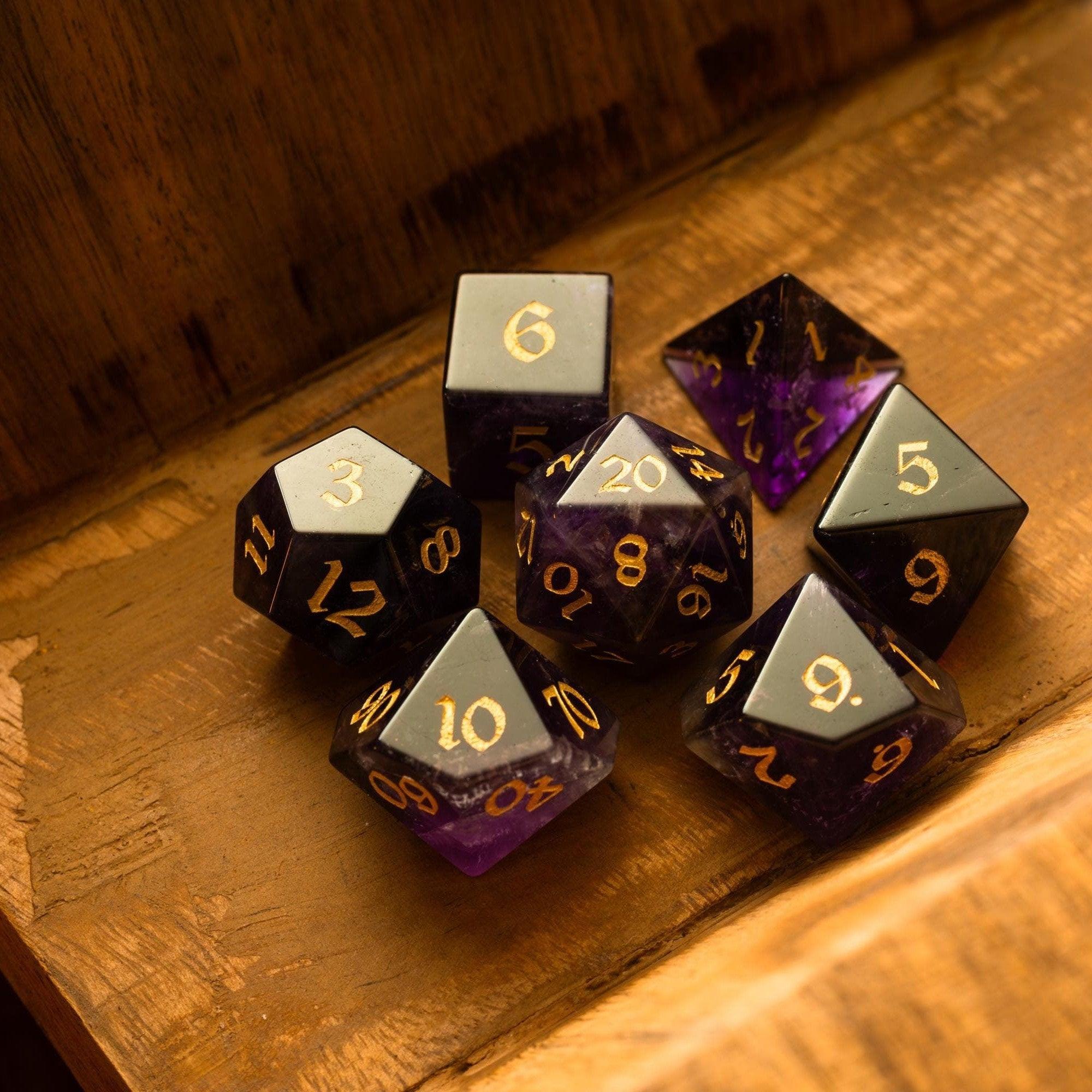
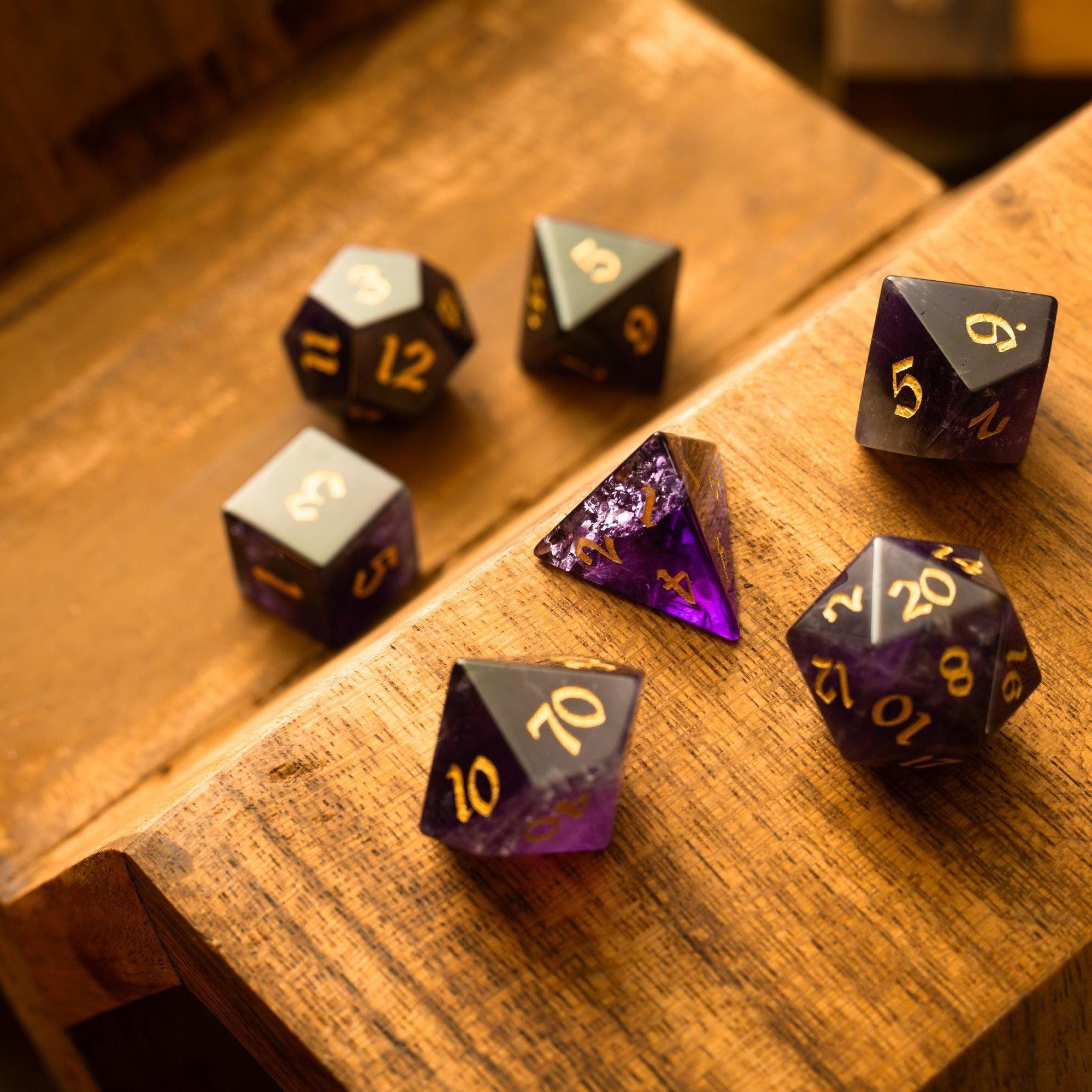
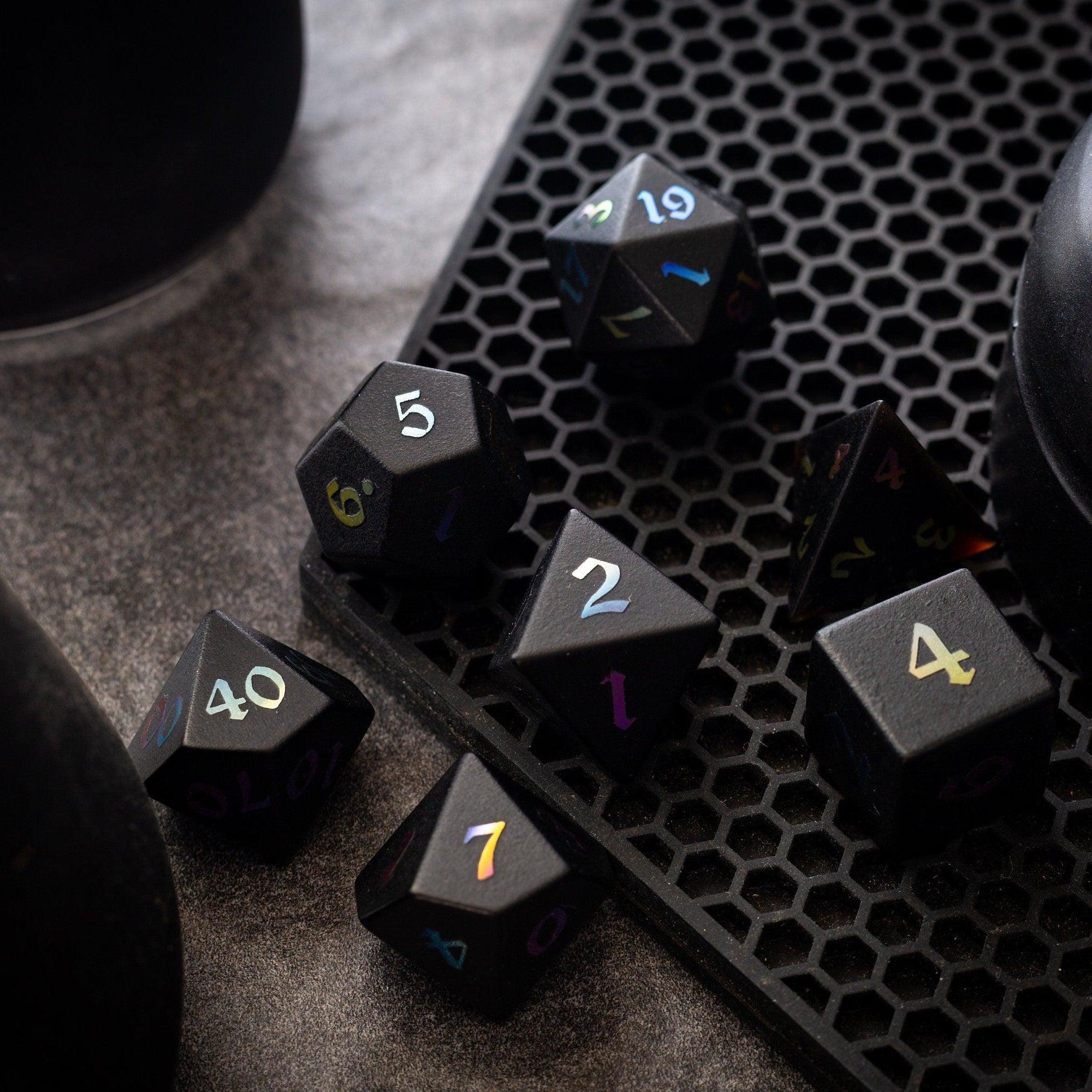
Some use simple spreadsheets to track mechanics and power levels. Others prefer dedicated apps designed for game mastering. Many still use pen and paper—there's something satisfying about handwriting your creations. The tool matters less than your process. What matters is that you're organized, comparing to official content, and playtesting seriously. Quality dice can also enhance your creative process when you're testing encounter difficulty or random generation mechanics. Explore specialty dice collections that match your game's aesthetic while you're developing encounters.
How many homebrew spells and monsters should I include in a campaign?
There's no magic number—it depends on your campaign's scope and your players' preferences. Some tables use mostly official content with occasional homebrew highlights. Others feature heavily customized worlds full of unique magic and creatures. Start small. Maybe introduce two or three custom spells or monsters and see how it goes. You can always add more as you grow comfortable with the process. Listen to your players too. If they're excited about your homebrew content, they'll let you know, and you can create more. If they seem indifferent, you'll notice that as well.
What's the best way to present homebrew content to my players?
Transparency works best. Share your creations with players before they encounter them in the game. Explain what you made and why. If a player character is learning a homebrew spell, work with them to make sure they understand the mechanics. When players fight homebrew monsters, they should have a fair chance to figure out what they're up against. Give them time to react and adjust tactics. The goal isn't to surprise them with unfair mechanics—it's to create engaging, memorable encounters. This honest approach builds trust and makes your game stronger.
How do I handle homebrew creations that don't work out?
Accept it gracefully and move on. Not every creative idea becomes a keeper, and that's completely normal. If something isn't working at the table, talk to your players about it. Maybe retire that particular spell or monster. Maybe redesign it from scratch. Or maybe save it for a future campaign where it might fit better. The most important thing is maintaining game balance and fun. Your willingness to adjust and improve shows respect for your players' time and enjoyment. They'll appreciate a dungeon master who admits when something needs fixing more than one who stubbornly holds onto broken mechanics.
Creating homebrew spells and monsters is a rewarding part of game mastering that deepens your connection to the world you've built. Start with clear purposes, research thoroughly, balance carefully, and playtest honestly. With these steps, you'll craft custom content that enhances your campaign and creates moments your players remember fondly. The journey of creating, testing, and refining is where the real magic happens—not just in the spells themselves, but in the community and storytelling you build around them. Consider equipping yourself with quality dice sets that inspire your creative process and bring your custom encounters to life at the table.

Leave a comment
This site is protected by hCaptcha and the hCaptcha Privacy Policy and Terms of Service apply.