

Campaign Worldbuilding Resources For Immersive Campaigns
Updated on: 2025-12-29
Short on prep time but want a world your players can’t stop talking about? This guide walks you through a practical toolkit for faster, richer campaign creation. You’ll learn how to set scope, pick the right tools, and streamline your process without losing the magic of discovery. From myth-busting to templates, checklists, and real-session tips, you’ll leave with a repeatable workflow and links to helpful gear that keeps your table inspired.
- Introduction
- Campaign worldbuilding resources — the smart, simple toolkit
- Myths vs. Facts
- Personal Experience
- Practical Tips and Best Practices
- Final Thoughts & Takeaways
- Q&A
Introduction
Let’s be honest: building a setting from scratch can feel huge. You start with a spark, then suddenly you’re juggling maps, cultures, timelines, and twenty tabs of inspiration. That’s where a focused set of campaign worldbuilding resources makes all the difference. Think of it like your GM go-bag: a compact kit that makes prep faster, play smoother, and your table more immersive. Today, I’ll show you a friendly, step-by-step approach to shape a living world without drowning in details.
Campaign worldbuilding resources — the smart, simple toolkit
The best toolkit is the one you’ll actually use. Keep it small, modular, and consistent across sessions. Here’s a framework that balances creativity with speed:
- Scope first: define your “Session Zero” geography (one region, three factions, five notable places).
- Reuse templates: repeatable docs reduce decision fatigue and keep tone consistent.
- Chunk your prep: 20–40 minute blocks for lore, encounters, and NPC flavor.
- Prioritize table-facing details: what players see, hear, and touch matters more than deep lore.
- Bank reusable content: names, rumors, and item descriptions you can plug in on demand.
Keep your kit portable. A single folder (digital or physical) that holds a world brief, a location roster, an NPC bench, and a rumor table is all you need to run a tight, cinematic session.
Starter checklist
- One-page world brief with a clear vibe and 3 tone words (e.g., “windswept, luminous, cursed”).
- Five landmarks with one sensory hook each (smell of brine, glow of moss, etc.).
- Three factions, each with a goal, a resource, and a weakness.
- Ten NPC names with a one-line quirk and a desire.
- Rumor table: eight hooks that hint at deeper plots.
- Encounter palette: 3 social, 3 travel, 3 combat scenes you can reskin on the fly.
Time-saving workflow
Try a simple sprint method:
- 10 minutes: update your world brief and stakes for the next session.
- 10 minutes: draft two locations with sensory details and a conflict.
- 10 minutes: prep three NPCs with motives tied to player goals.
- 10 minutes: seed two rumors that point toward your next arc.
That’s 40 minutes. You’ll be surprised how much “world” you can craft when every piece leads back to the players.
Myths vs. Facts
- Myth: You must map the entire world before session one. Fact: Map the adventure zone. Expand the edge of the map as players explore.
- Myth: More lore equals better immersion. Fact: Fewer, sharper details stick longer. Sensory cues beat encyclopedic entries.
- Myth: Every culture needs a full language and calendar. Fact: A signature custom (greeting, taboo, festival) says more with less.
- Myth: Prep must be 100% original. Fact: Remix tropes with a twist and focus on the player story—originality emerges in play.
- Myth: You can’t change canon once revealed. Fact: Worlds evolve. Use “what changed” scenes to show living history.
- Myth: Props and gear are fluff. Fact: Tactile items reinforce theme and pace play—especially when they signal stakes.
Personal Experience
In a coastal campaign, I spent weeks detailing trade routes, only to learn my players cared about one thing: a lighthouse with a singing lens. I pivoted. I wrote a one-page brief, sketched five landmarks, and built a rumor table that all looped back to that lens. The world felt deeper, not shallower, because everything echoed a single motif. When the party rolled dice for storm navigation, I put a shimmering set on the table, described bioluminescent spray, and leaned on a tight NPC bench—sailors with distinct goals. Prep time dropped, and engagement spiked. The world wasn’t “less.” It was focused.
Practical Tips and Best Practices
Use simple, repeatable beats. Your future self will thank you.
- Define stakes early. Every location should answer, “What can be gained or lost here?”
- Show culture through action: greetings at gates, food at markets, a ritual before a duel.
- Tie NPC motives to player goals. It creates momentum with minimal notes.
- Keep a “reskin bank.” The swamp wraith can become an ash drift or a mirror echo with two tweaks.
- Let rumors contradict. Conflict in information creates curiosity and player-led investigation.
- Mark “evergreen” details that can recur—folk songs, weather omens, heraldic colors.
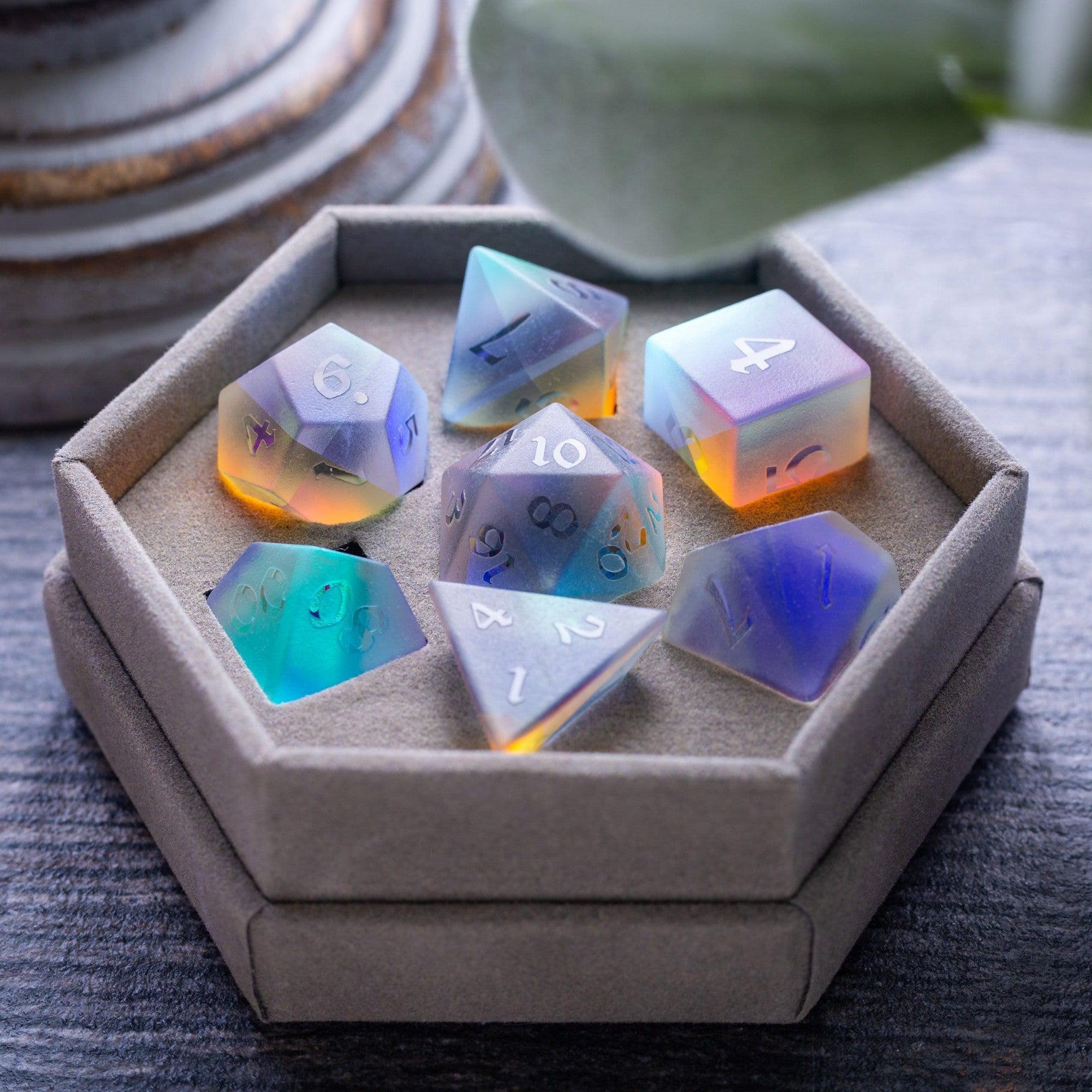
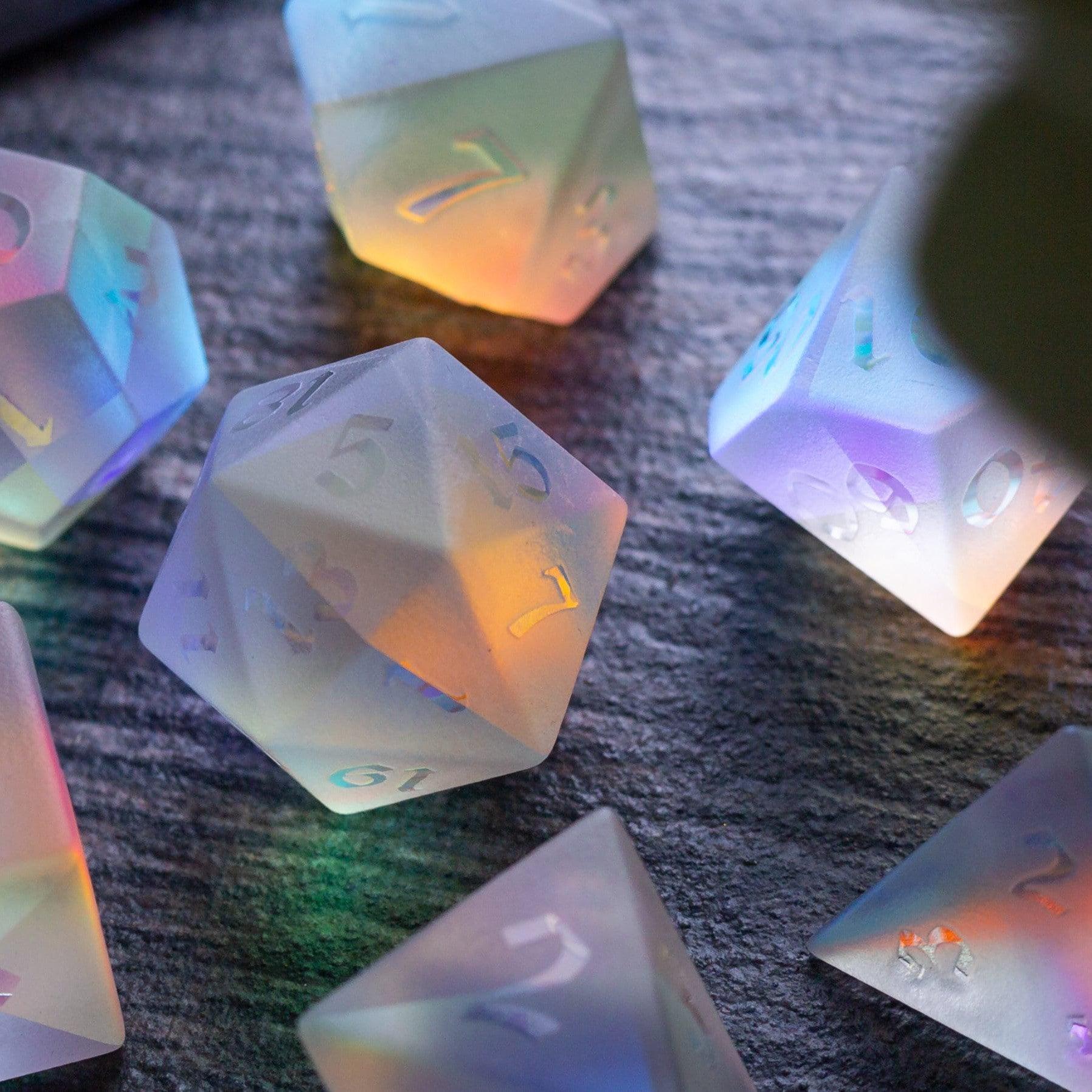
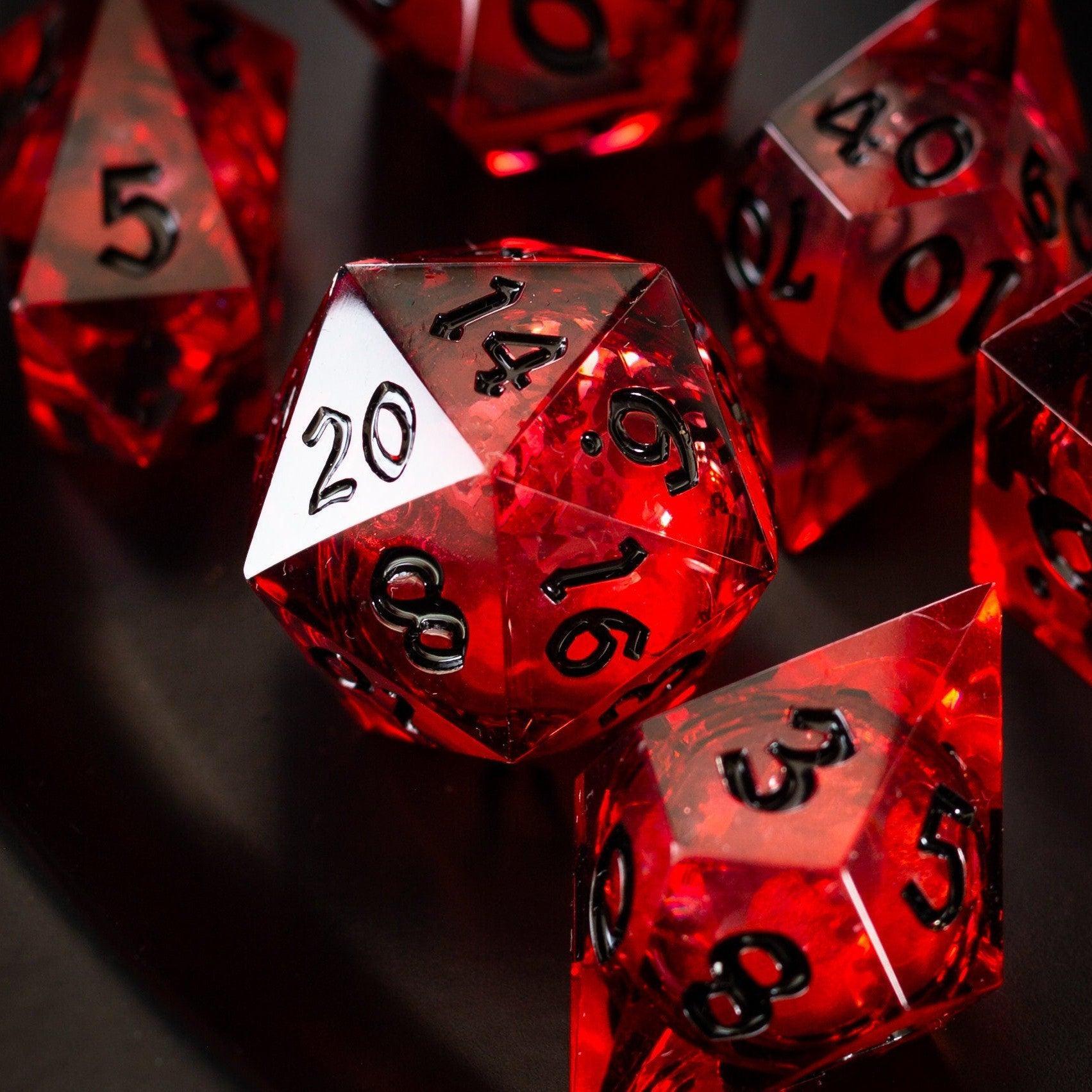
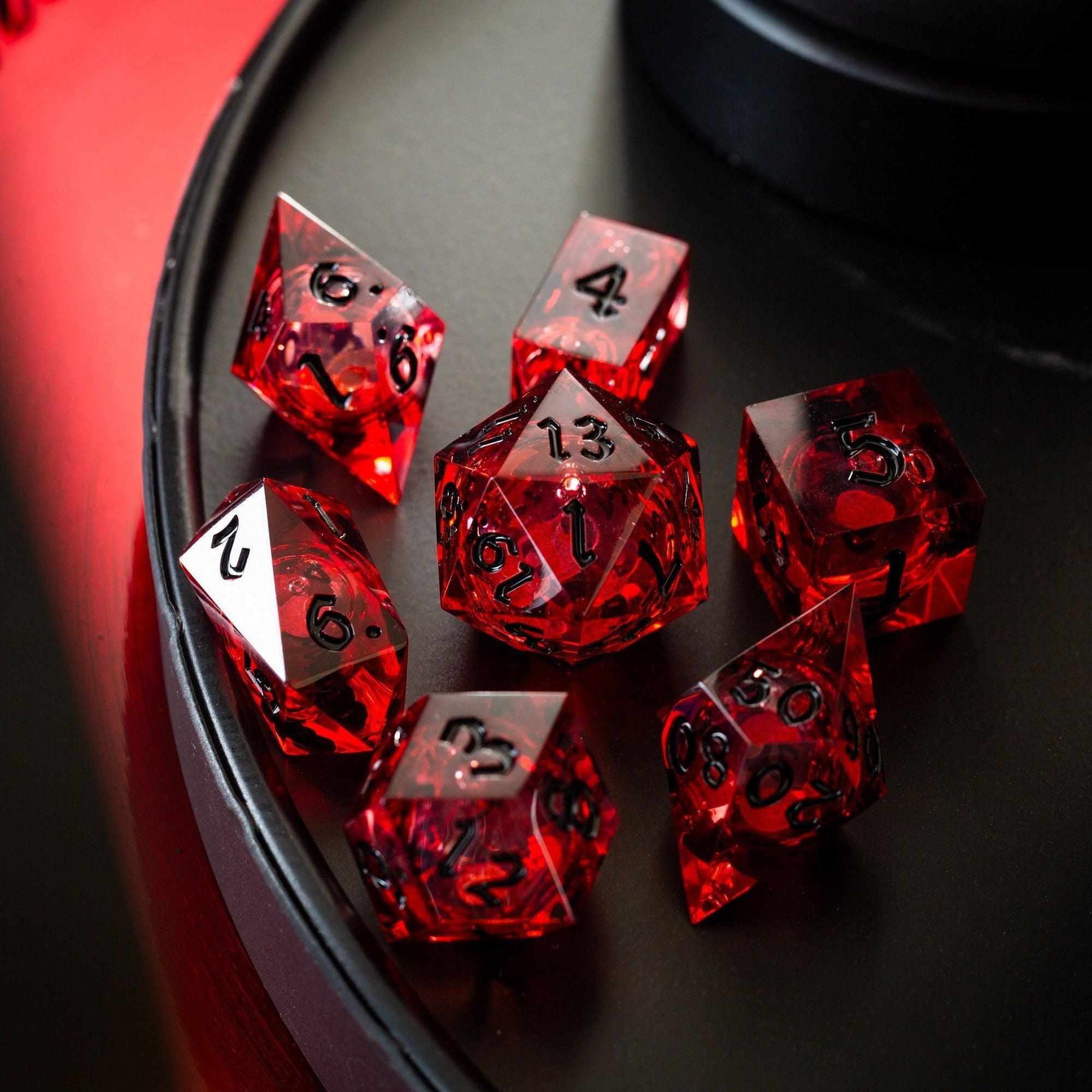
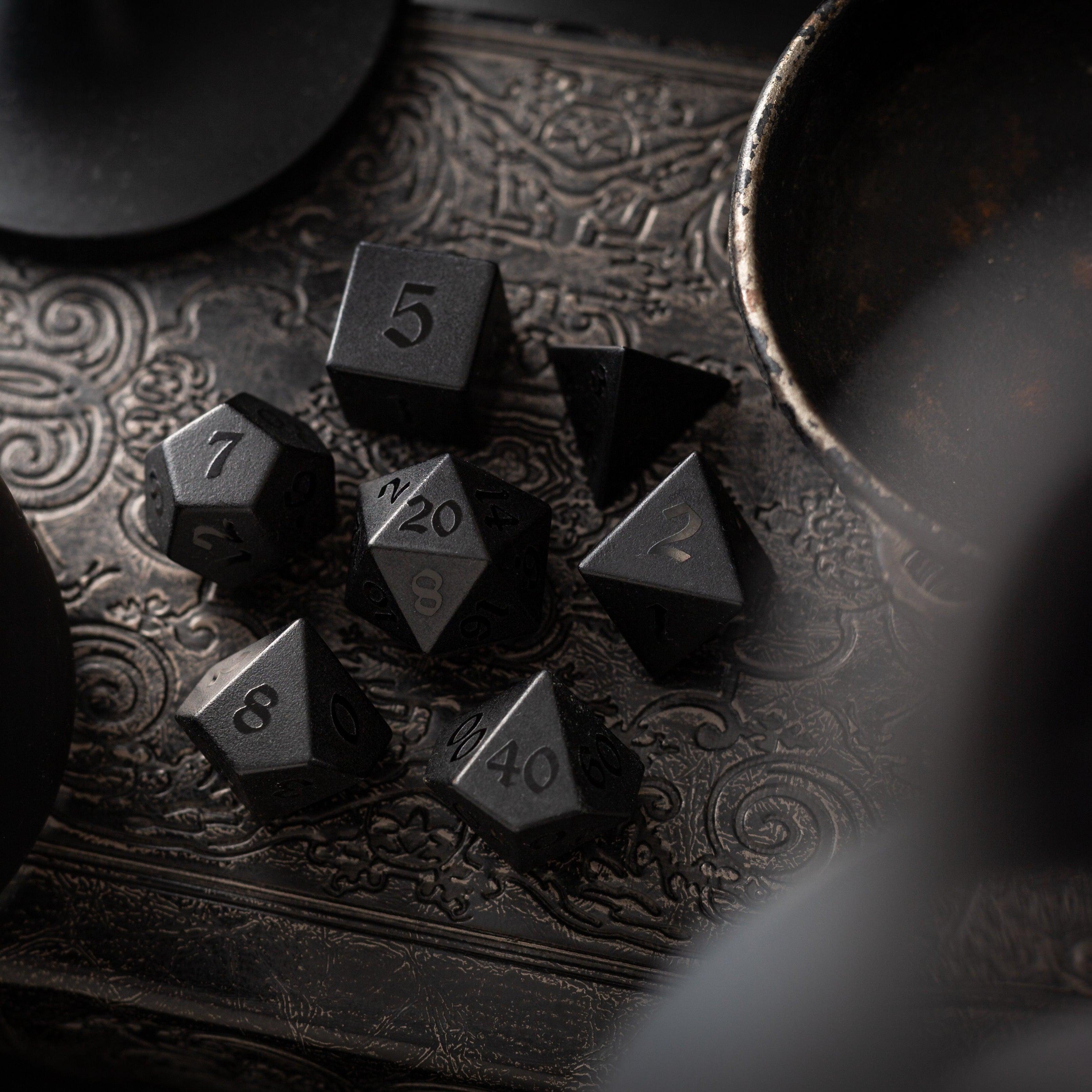
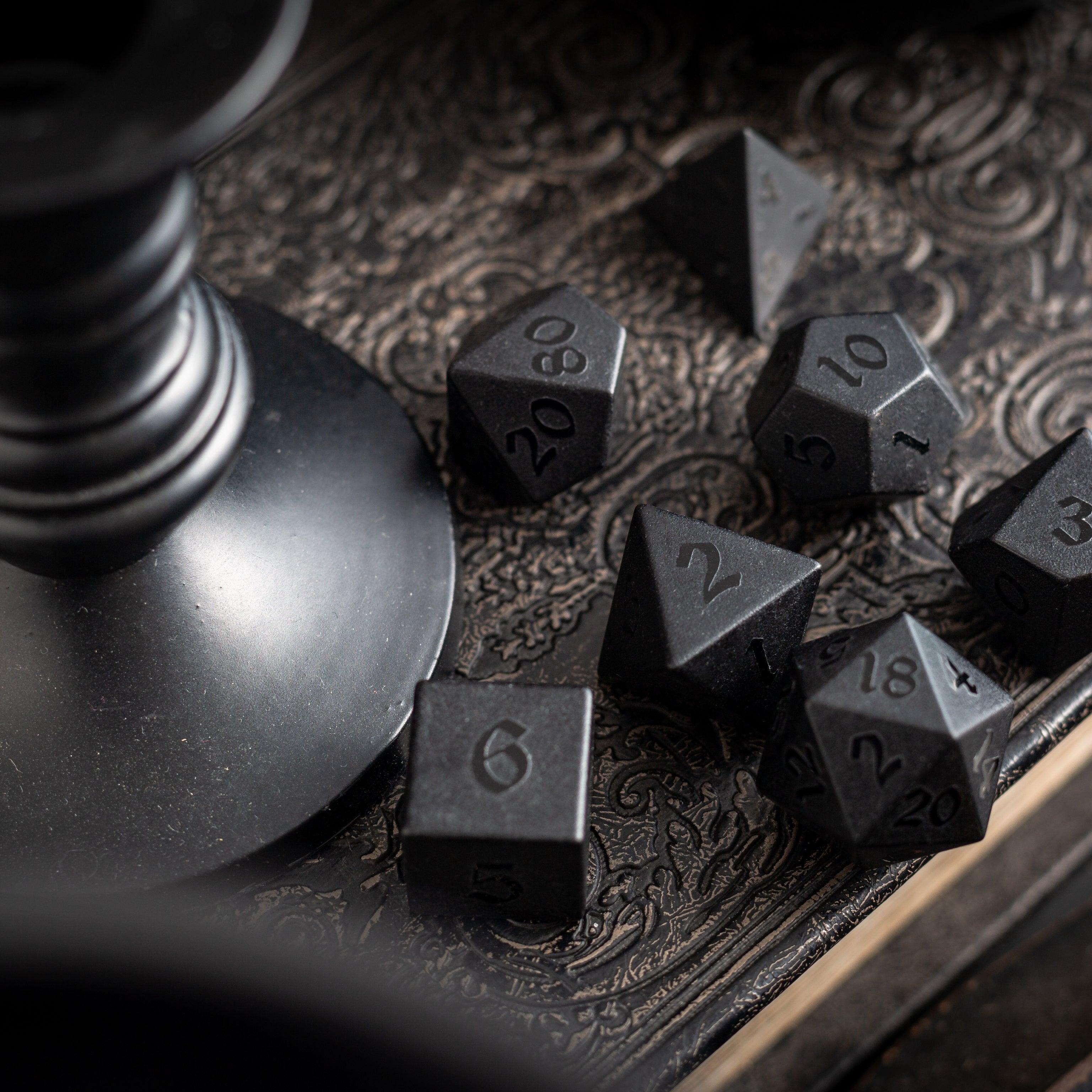
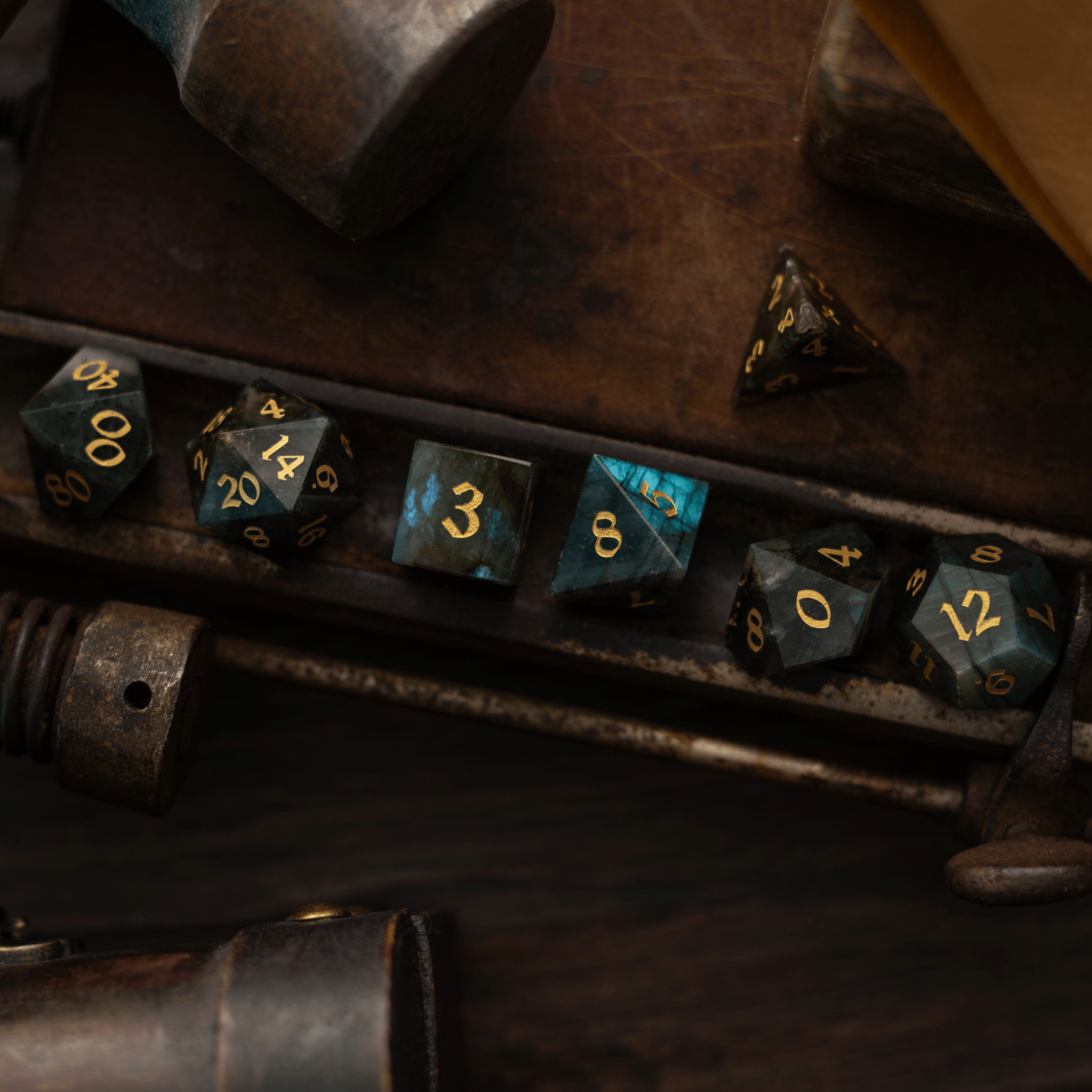
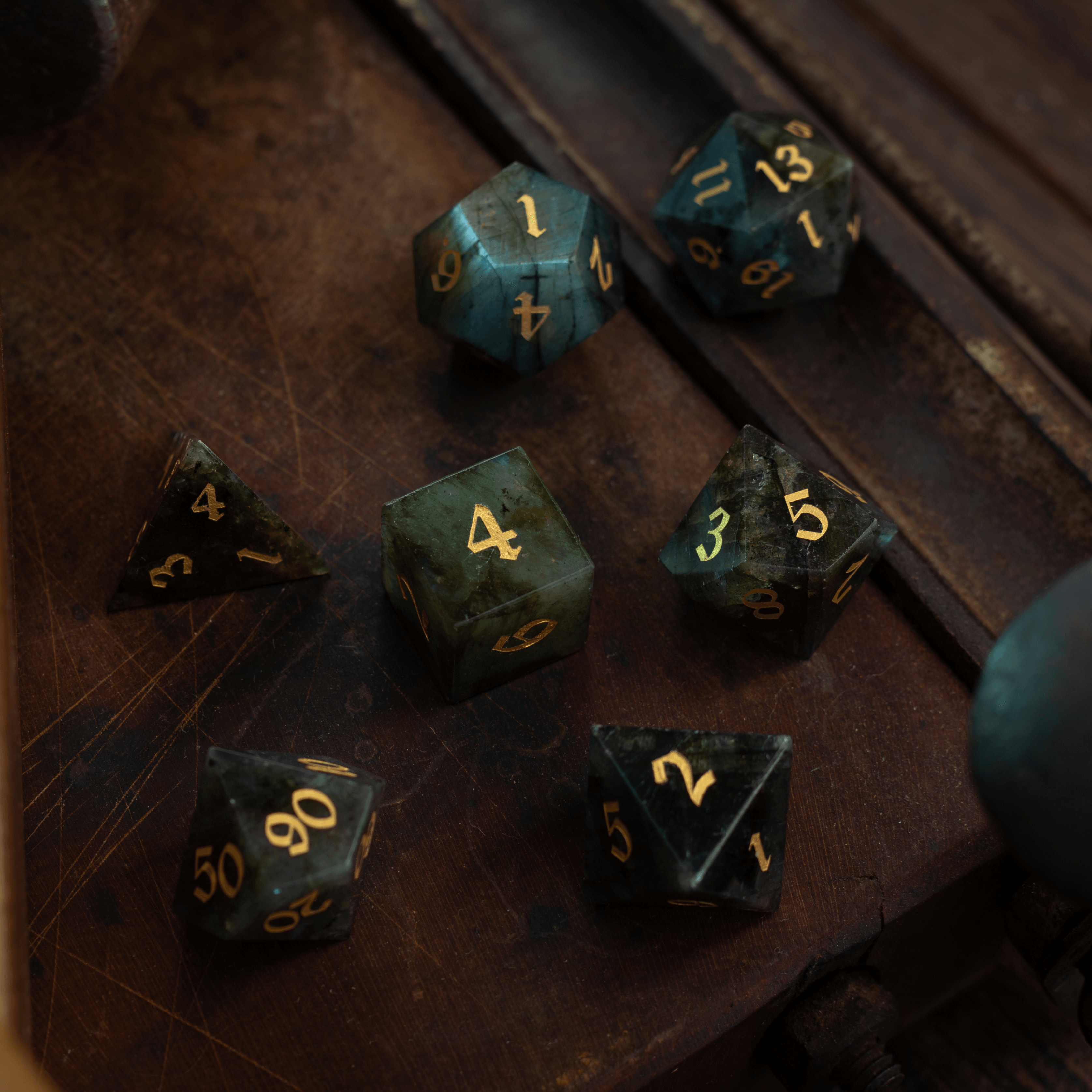
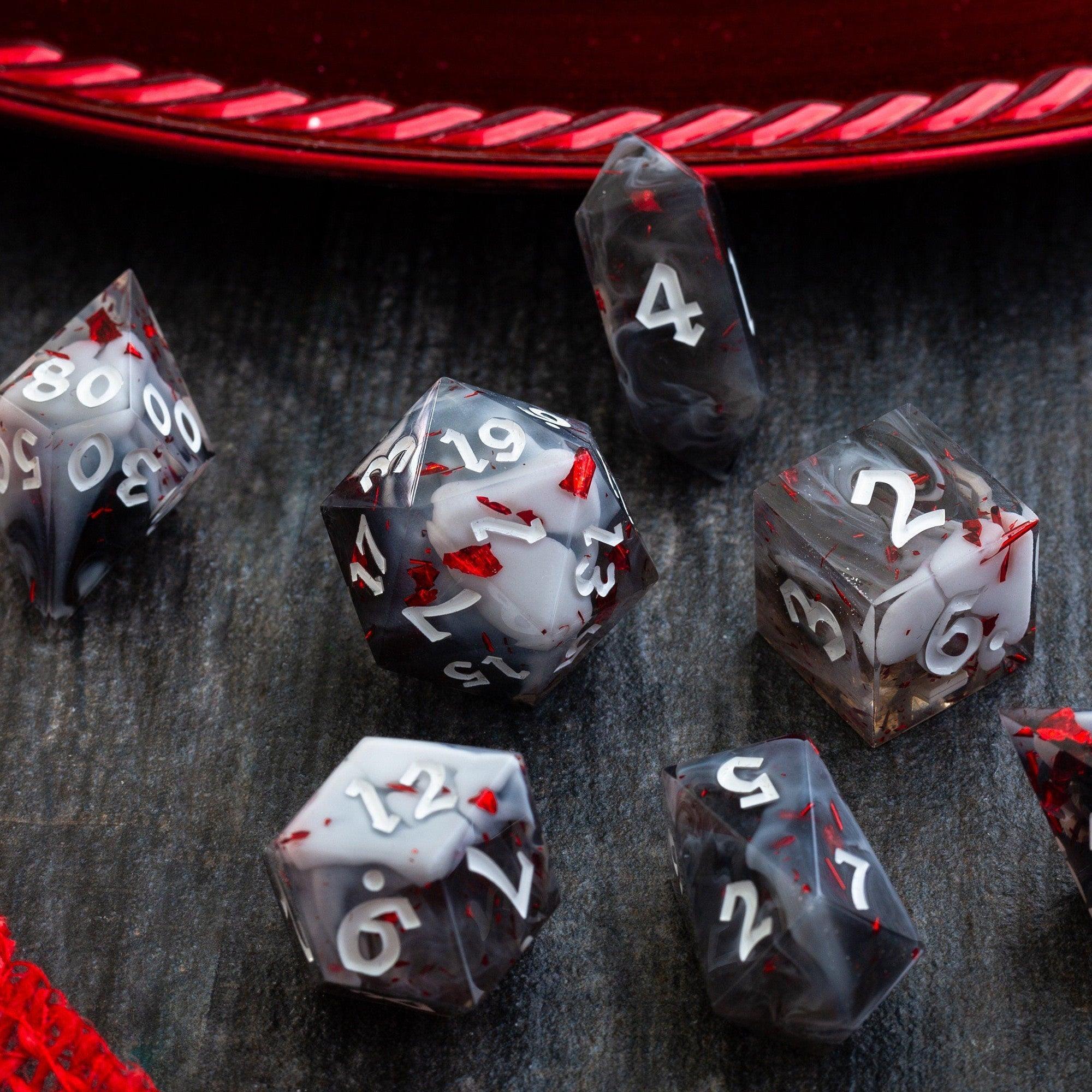
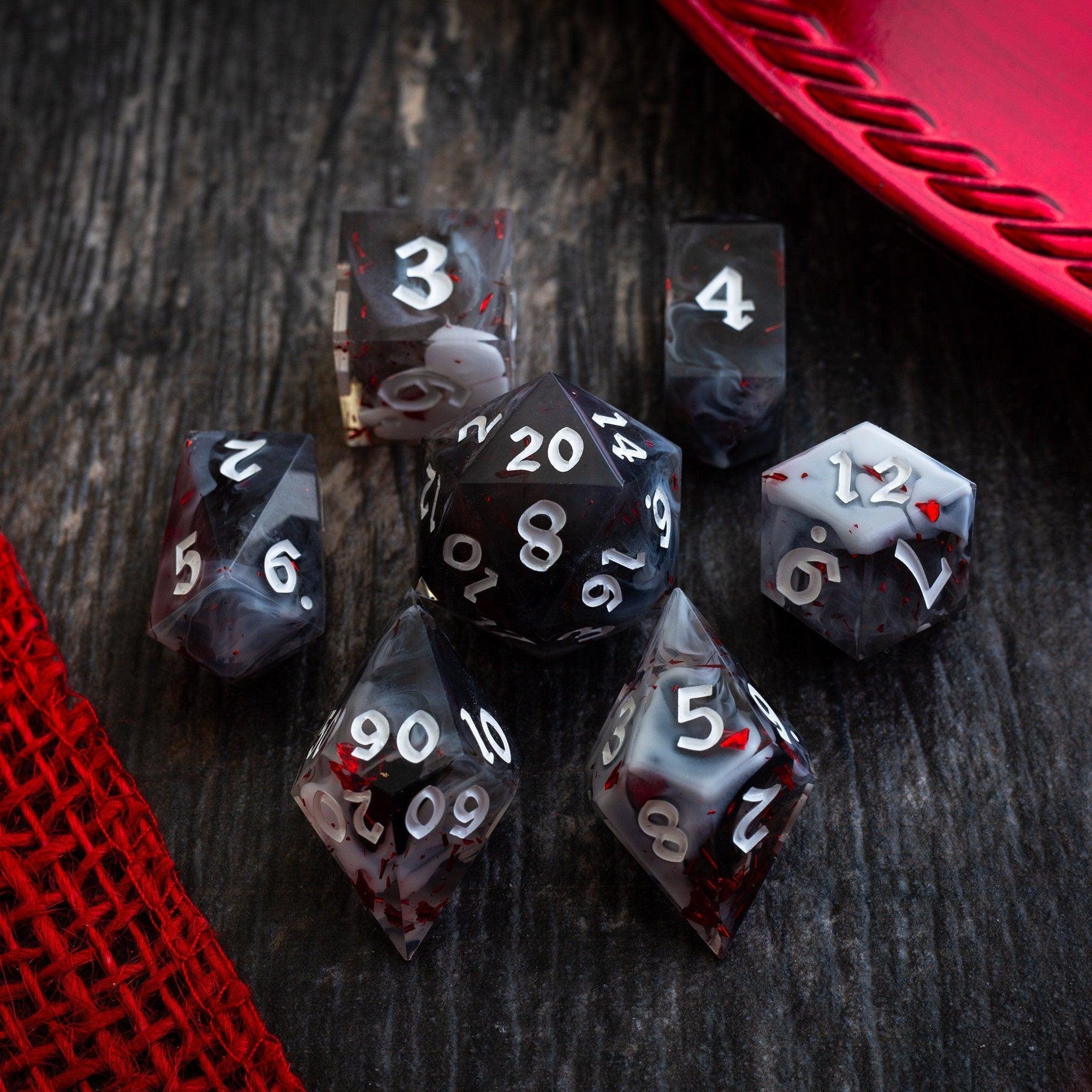
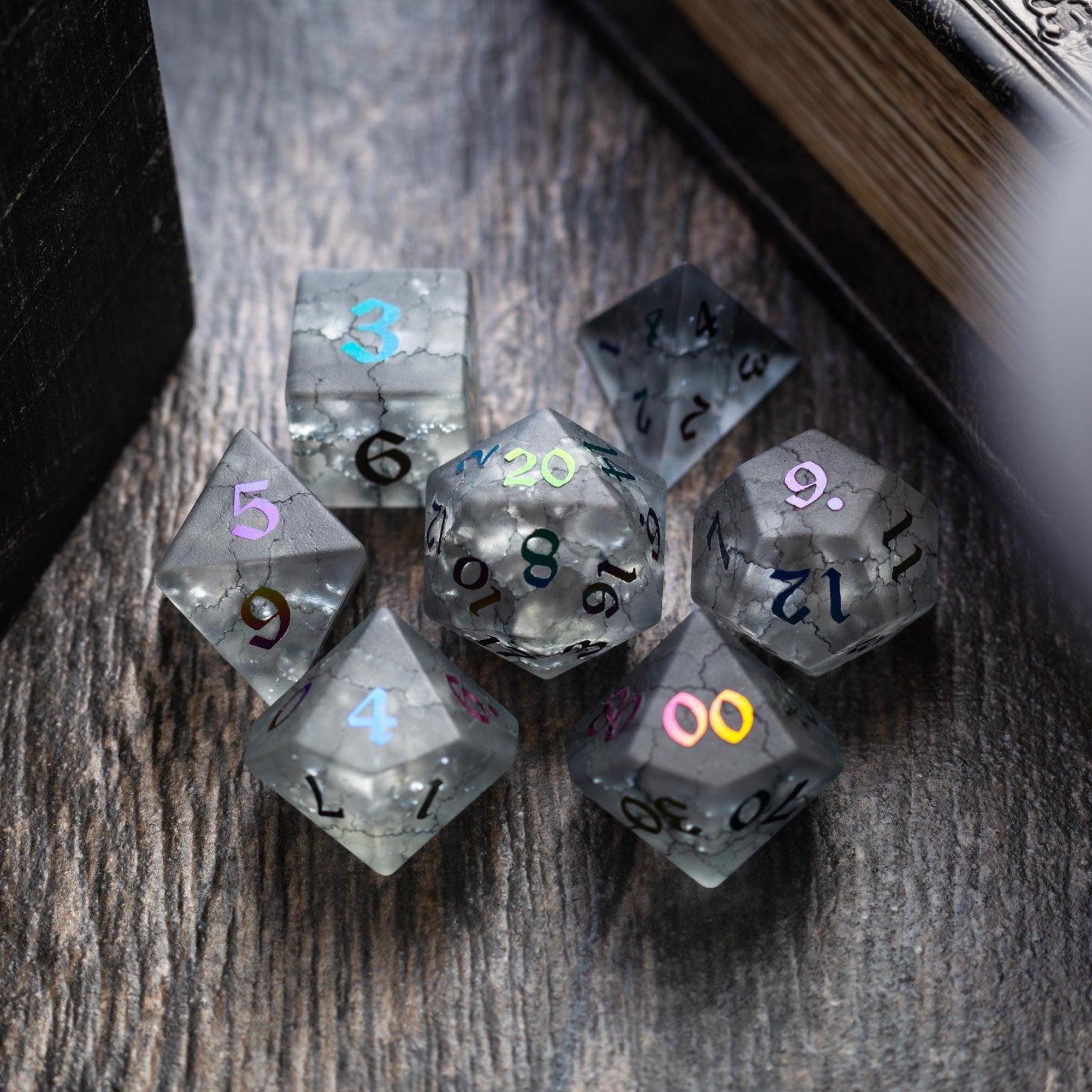
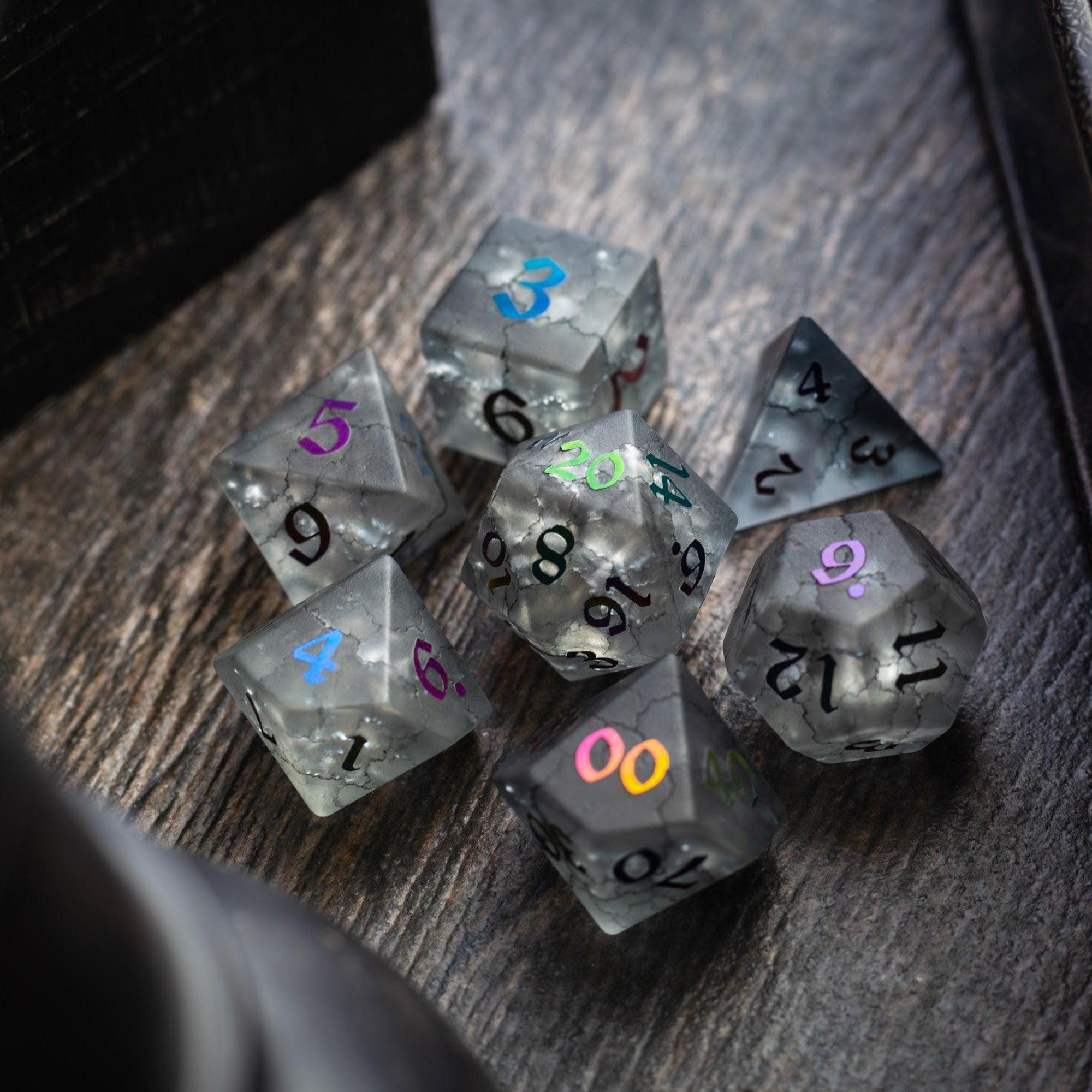
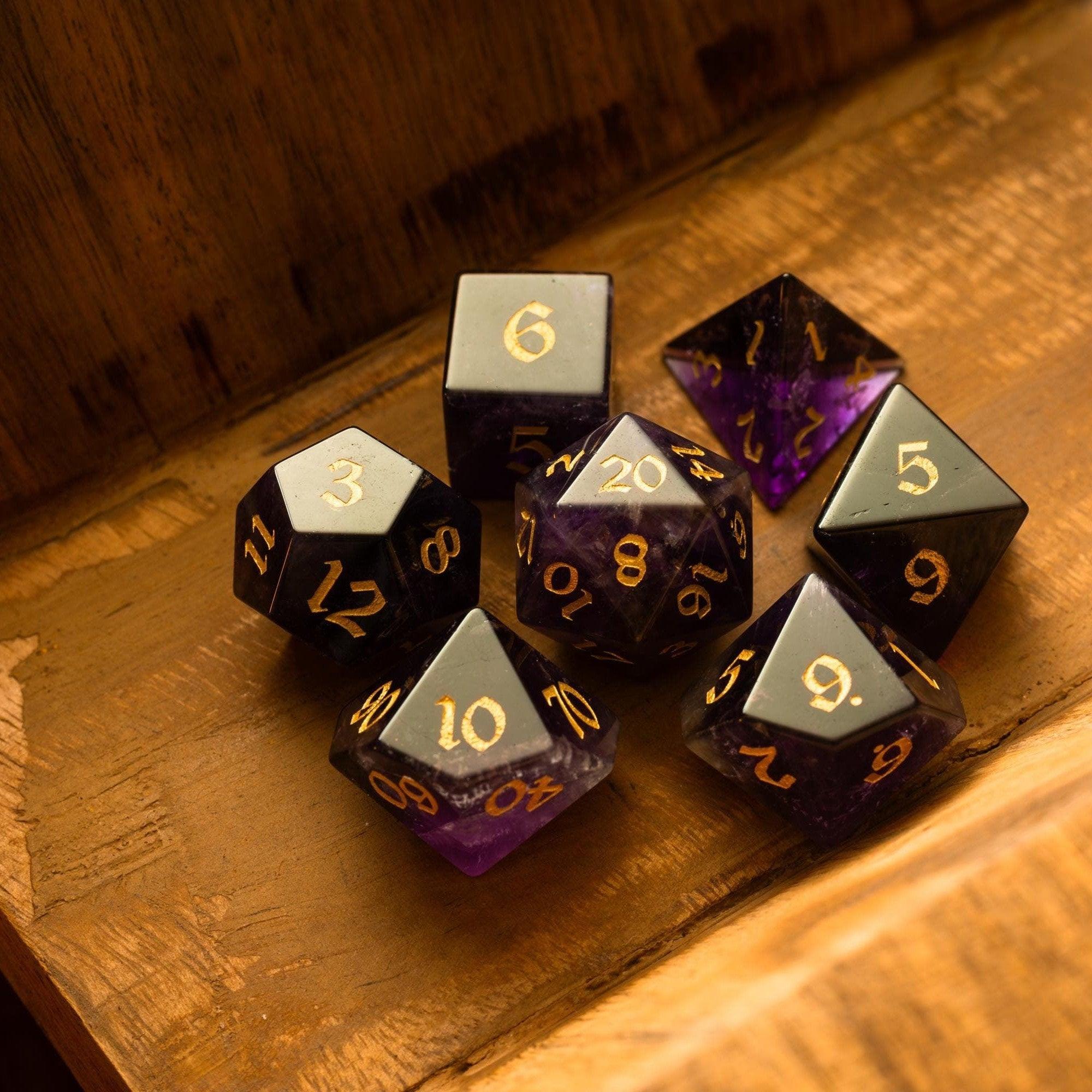
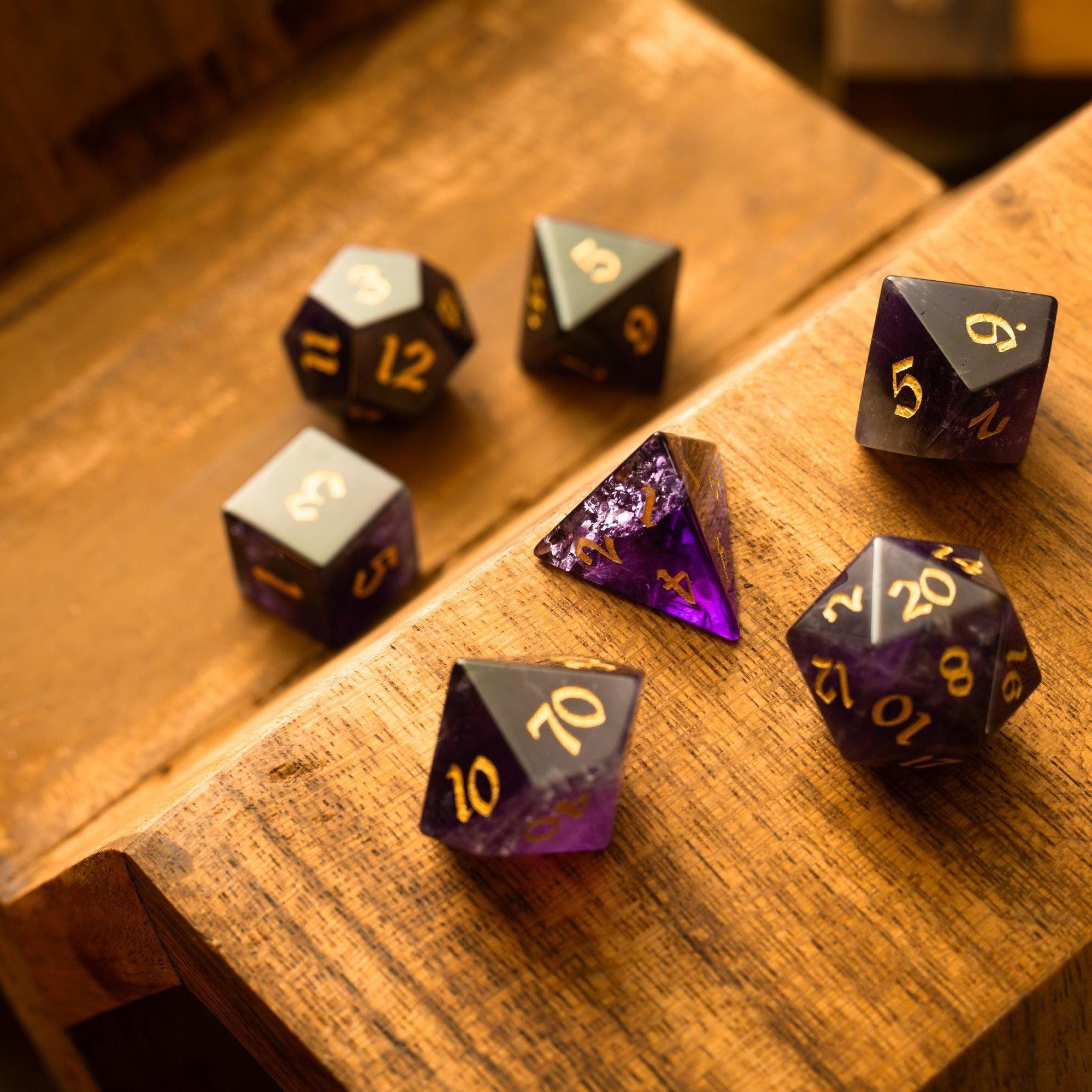
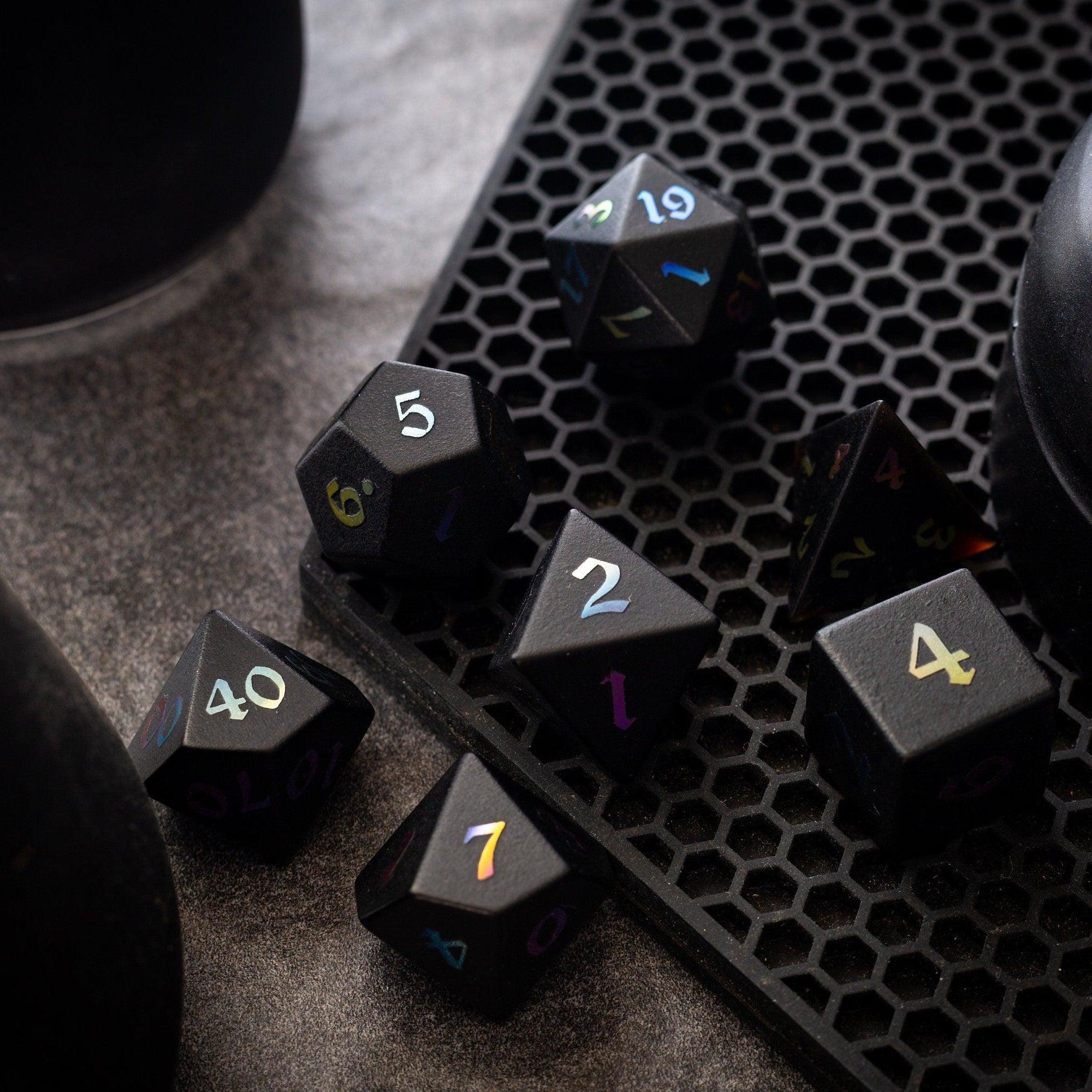
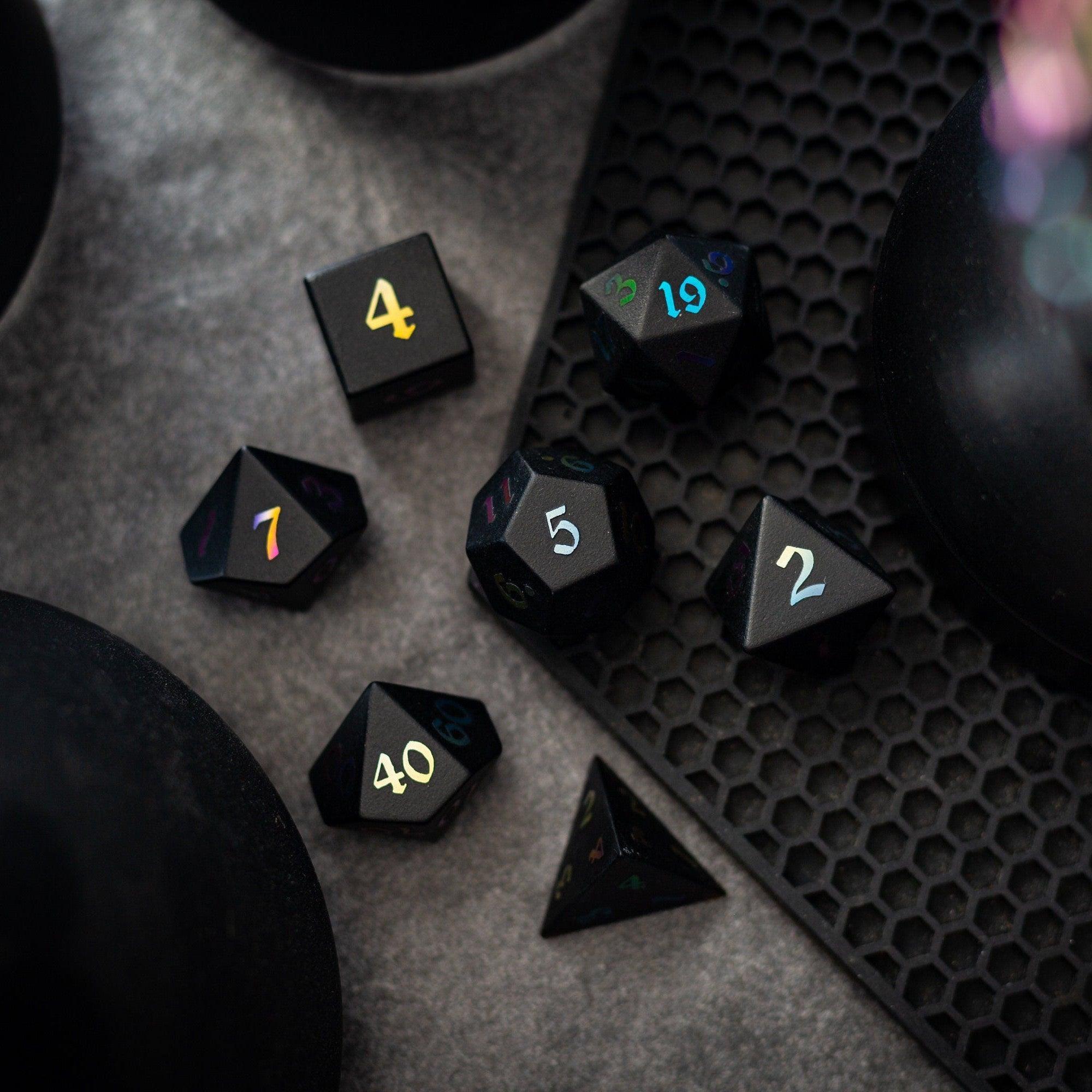
Want a tactile boost at the table? A distinctive set of dice can act as a scene anchor. During high-magic moments, I love rolling something that visually reinforces the vibe. Check out the Starlit Rift set for cosmic encounters, or reach for gorgeously cut stones like the gemstone dice when you want gravitas during courtly intrigue. If you need dramatic table presence for boss fights, a sturdy tower adds tension and speed—peek at the dice towers. And if you want that hypnotic, high-stakes shimmer, the liquid core dice bring instant spectacle.
The one-page world brief
This is your north star. Keep it to one page so you’ll actually read it before sessions.
- Vibe line: one sentence on tone and themes.
- Three motifs: natural, cultural, and mystical (e.g., wind, salt rites, aurora spirits).
- Conflict triangle: competitor factions with opposing pressures.
- Player ties: 2–3 ways any background can plug into the setting.
- Escalation ladder: a small, medium, and big shift you can trigger in the world.
This brief keeps your choices aligned. When you add a location or NPC, ask, “Does it echo the motifs? Does it push the conflict triangle?” If yes, it belongs.
The 10-minute NPC bench
Prep 10 reusable NPCs. Each gets:
- Name and role: Marla, pier warden.
- Desire and fear: wants peace at the docks; fears the lighthouse going dark again.
- Hook: offers a rumor or item for a small favor.
- Quirk: hums sea shanties when nervous.
That’s enough to improvise scenes without slowing down. When a player latches onto one, expand them after the session.
Final Thoughts & Takeaways
Worldbuilding doesn’t need to be a novel before it becomes a story. Focus your kit on what players will touch: places with stakes, factions with pressure, NPCs with motives, and details that spark the senses. Keep a one-page brief, a compact NPC bench, and a rumor table that nudges exploration. Borrow freely. Reskin boldly. And let your world grow at the pace of play.
Most importantly, pick tools that make you excited to sit down and run. If a visual prop or a special set of dice helps you set the mood and keep momentum, that’s not fluff—it’s a storytelling asset.
Q&A
How do I keep prep lean without my world feeling thin?
Use constraints. Limit each session’s scope to two locations and three conflicts. Fill them with strong sensory details and a clear “why now.” Reuse your NPC bench so relationships deepen over time. The result feels rich because the same elements recur with new angles.
What’s a good way to track lore and avoid contradictions?
Centralize your notes. Keep a single timeline and a glossary of names, places, and symbols. Add a short “What changed this session?” paragraph after every game. Those change logs are gold when you need to reconcile rumors and reveal consequences.
Players love to improvise, how do I adapt on the fly?
Prep in Lego bricks. Have portable locations, reskinnable encounters, and NPCs with clear motives. When players zig, combine a brick from each pile. Tie outcomes back to your motifs so it still feels like the same world. If you get stuck, ask a player to describe a detail, then build on it.


Leave a comment
This site is protected by hCaptcha and the hCaptcha Privacy Policy and Terms of Service apply.