
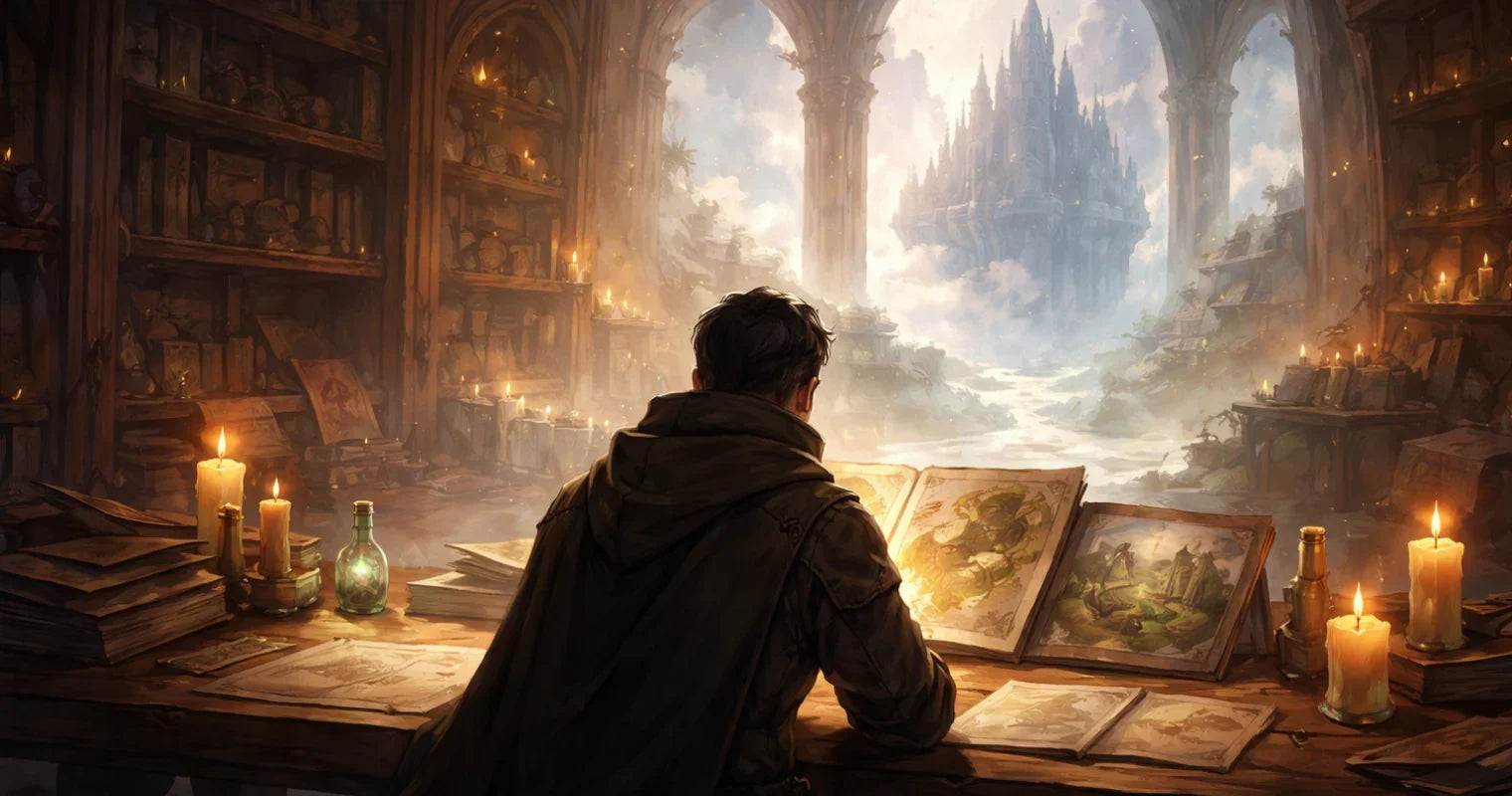
Best D&D Adventure Modules for Every Dungeon Master

Running a great Dungeons & Dragons campaign can feel overwhelming, especially for newer Dungeon Masters. Creating a world from scratch takes time, balancing encounters can be difficult, and preparing every session often becomes a second job. That is why so many DMs turn to published D&D adventure modules.
The best D&D adventure modules give you a strong foundation while still leaving room for creativity. They provide memorable villains, exciting locations, balanced encounters, story hooks, maps, and enough structure to help a campaign stay organized without removing player freedom.
Whether you are running your first campaign or searching for your next long-term story, choosing the right module can completely change your experience behind the screen.
This guide explores how to choose the best D&D modules for your group, what makes different adventures successful, and which official D&D adventures work best for different types of players and Dungeon Masters.
Why D&D Adventure Modules Are So Popular

Many Dungeon Masters eventually discover that published adventures are not “less creative” than homebrew campaigns. In fact, some of the best campaigns combine published material with personal storytelling.
Good D&D adventure modules help reduce preparation stress while still giving DMs room to customize NPCs, side quests, locations, and character arcs.
Here are a few reasons why so many groups use official D&D adventures:
-
Less preparation time between sessions
-
Professionally balanced encounters
-
Strong story structure and pacing
-
Detailed maps and locations
-
Built-in villains and plot hooks
-
Easier session planning for beginner DMs
-
Inspiration for homebrew content
-
Reliable progression from low to high levels
For many Dungeon Masters, modules also become learning tools. Reading published adventures teaches pacing, encounter design, storytelling structure, and worldbuilding techniques.
How to Choose the Right D&D Adventure Module
Not every campaign book fits every table. Some groups want intense dungeon crawls full of combat, while others prefer political intrigue, roleplay-heavy mysteries, or exploration-focused adventures.
Before choosing a module, think carefully about your group.
Consider Your Players’ Experience Level
Some beginner D&D campaigns are designed specifically to teach players how the game works. Others assume the group already understands combat tactics, spell interactions, and roleplay mechanics.
If your table is completely new to D&D, simpler adventures with straightforward goals usually work best.
Good beginner-friendly adventures often include:
-
Clear objectives
-
Smaller starting areas
-
Easy-to-follow story progression
-
Balanced combat encounters
-
Helpful guidance for Dungeon Masters
-
Flexible pacing
More advanced campaigns may include:
-
Sandbox exploration
-
Complex politics
-
Multiple factions
-
Open-ended storylines
-
Difficult encounter balancing
-
Heavy roleplay expectations
Matching the module’s complexity to your group is one of the biggest factors in campaign success.
Different Types of D&D Adventure Modules
One reason there are so many official D&D adventures is because players enjoy different experiences.
Understanding module styles makes it easier to find the right campaign.
Dungeon Crawl Adventures
Dungeon crawl campaigns focus heavily on exploration, traps, monsters, treasure, and tactical combat.
These adventures often feature:
-
Ancient ruins
-
Massive underground complexes
-
Dangerous monster lairs
-
Resource management
-
Survival pressure
-
Frequent combat encounters
Groups that enjoy strategy, combat optimization, and classic fantasy exploration usually love dungeon-heavy adventures.
These campaigns also work well for players who enjoy straightforward goals and consistent action.
Story-Driven Campaigns
Some D&D campaigns focus more on narrative storytelling and character development.
These adventures emphasize:
-
NPC relationships
-
Emotional storytelling
-
Character backstories
-
Moral decisions
-
Political conflict
-
Long-term mysteries
Story-focused modules tend to create memorable roleplay moments and emotional investment.
These adventures work especially well for groups that enjoy acting in character and building relationships within the world.
Sandbox Adventures
Sandbox-style modules give players freedom to explore the world however they want.
Instead of following a strict path, players choose where to travel, which factions to support, and which quests matter most.
Sandbox adventures often include:
-
Large world maps
-
Open exploration
-
Multiple quest paths
-
Optional locations
-
Dynamic factions
-
Emergent storytelling
These campaigns can feel incredibly immersive, but they also require Dungeon Masters who are comfortable improvising.
Horror and Survival Adventures
Some official D&D adventures focus heavily on atmosphere, tension, and danger.
These campaigns emphasize:
-
Psychological horror
-
Isolation
-
Resource scarcity
-
Difficult enemies
-
Dark storytelling
-
Emotional tension
Horror modules often succeed because they create strong emotional reactions at the table.
Lighting, music, pacing, and description become especially important when running these adventures.
Best D&D Modules for Beginner Dungeon Masters
Some adventures are much easier to run than others.
If you are new to being a DM, starting with an approachable module can dramatically improve your confidence.
Here are some qualities that make beginner D&D campaigns easier to manage:
| Feature | Why It Helps Beginner DMs |
|---|---|
| Linear progression | Easier session preparation |
| Smaller locations | Less world management |
| Clear villains | Strong player direction |
| Balanced encounters | Less rules stress |
| Helpful DM notes | Easier improvisation |
| Flexible pacing | More forgiving gameplay |
Campaigns that overwhelm the DM with dozens of factions, massive world maps, or constant improvisation can become exhausting for newer groups.
Starting smaller often leads to better long-term campaigns.
Popular Official D&D Adventures Worth Exploring
There are many official D&D adventures available, and each offers a very different style of gameplay.
Here are a few well-known campaign books that appeal to different groups.
Lost Mine of Phandelver
Often recommended as one of the best beginner D&D campaigns, this adventure introduces players and DMs to combat, exploration, roleplay, and dungeon crawling in a manageable way.
The adventure provides:
-
Clear progression
-
Strong introductory quests
-
Memorable villains
-
Flexible side content
-
Easy preparation
Many groups begin their D&D journey here for good reason.
Curse of Strahd
This gothic horror campaign remains one of the most beloved official D&D adventures ever published.
It combines:
-
Atmospheric storytelling
-
Memorable NPCs
-
Emotional roleplay
-
Sandbox exploration
-
A legendary villain
Dungeon Masters who enjoy immersive storytelling often love running this campaign.
Waterdeep: Dragon Heist
This urban adventure focuses more on investigation, roleplay, and faction politics than traditional dungeon crawling.
It works especially well for groups that enjoy:
-
Social interaction
-
City exploration
-
Intrigue and mystery
-
Character relationships
-
Creative problem-solving
The adventure also provides a fantastic setting for long-term homebrew expansion.
Tomb of Annihilation
This adventure blends wilderness survival, exploration, and deadly dungeon crawling.
Players must navigate dangerous jungles while uncovering ancient secrets.
The campaign appeals to groups that enjoy:
-
Challenging encounters
-
Exploration gameplay
-
Dangerous environments
-
Resource management
-
High-stakes adventures
It can be unforgiving, but many experienced players love that intensity.
Icewind Dale: Rime of the Frostmaiden
This campaign mixes survival horror, isolation, exploration, and mystery.
The frozen setting creates unique storytelling opportunities and memorable atmosphere.
It works especially well for groups that enjoy:
-
Harsh environments
-
Slow-burn mysteries
-
Dark fantasy themes
-
Open-ended exploration
-
Character-driven storytelling
How to Adapt D&D Modules for Your Group
One of the biggest mistakes new Dungeon Masters make is trying to run published adventures exactly as written.
The best DMs customize modules to fit their players.
Even small adjustments can make a campaign feel personal and unforgettable.
Connect Character Backstories
Players become far more invested when the campaign feels connected to their characters.
Try adding:
-
Family members
-
Personal rivals
-
Character-specific quests
-
Unique NPC relationships
-
Ties to important locations
A simple connection between a player character and the main story can dramatically increase engagement.
Adjust Encounter Difficulty
Not every group handles combat the same way.
Some parties are highly optimized, while others focus more on roleplay than tactical efficiency.
Do not be afraid to:
-
Reduce enemy numbers
-
Add environmental advantages
-
Modify monster tactics
-
Increase healing opportunities
-
Scale boss encounters
The goal is memorable tension, not frustration.
Change Pacing When Necessary
Some D&D modules move too quickly for roleplay-heavy groups, while others may feel slow for action-focused players.
You can always:
-
Add side quests
-
Skip weaker encounters
-
Expand favorite NPCs
-
Introduce downtime activities
-
Rearrange story beats
Published adventures are tools, not restrictions.
Common Mistakes When Running Published Adventures
Even excellent D&D campaigns can struggle if the Dungeon Master approaches them incorrectly.
Here are some common mistakes to avoid.
Over-Preparing Every Detail
Many DMs spend hours trying to memorize entire campaign books.
Instead, focus on:
-
Upcoming locations
-
Important NPC motivations
-
Major plot points
-
Session goals
-
Likely encounters
You do not need to know every page perfectly.
Ignoring Player Choices
Published adventures work best when players still feel freedom.
If the group wants to approach situations creatively, allow flexibility whenever possible.
Rigid storytelling can make players feel disconnected from the world.
Running the Book Word-for-Word
The module should support your table’s story, not replace it.
Adding personal touches often creates the most memorable campaign moments.
Using Campaign Books as Inspiration
Not every Dungeon Master uses official D&D adventures exactly as written.
Many people borrow:
-
Villains
-
Maps
-
Dungeons
-
Quest ideas
-
Magic items
-
Factions
-
Story hooks
-
Encounter concepts
Even a single campaign book can provide years of inspiration for homebrew campaigns.
Some DMs combine multiple modules into one larger world, creating entirely original stories built from published material.
Tips for Running Better D&D Adventures
No matter which module you choose, a few habits consistently improve campaigns.
Focus on Atmosphere
Players remember emotional moments more than rules.
Use:
-
Music
-
Lighting
-
Strong descriptions
-
Distinct NPC voices
-
Recurring themes
-
Environmental storytelling
Atmosphere transforms ordinary encounters into memorable scenes.
Keep Notes During Sessions
Campaigns become stronger when the world reacts to player decisions.
Track:
-
NPC relationships
-
Player choices
-
Ongoing quests
-
Unresolved mysteries
-
Party goals
-
Memorable moments
These notes help the world feel alive.
Let the Players Shape the Story
The best D&D adventures rarely unfold exactly as expected.
Unexpected choices often create the most memorable stories.
Instead of forcing the party toward a specific outcome, allow consequences to evolve naturally.
Choosing the Best D&D Adventure for Your Table
The “best” D&D adventure module depends entirely on the group sitting around the table.
Some players want intense tactical combat and dangerous dungeons. Others want emotional storytelling, political intrigue, or massive open-world exploration.
The most important thing is choosing a campaign that matches your group’s interests, experience level, and preferred style of play.
Published adventures are not shortcuts for lazy Dungeon Masters. They are creative tools that help groups build unforgettable stories together.
Whether you are exploring cursed castles, surviving frozen wastelands, uncovering hidden conspiracies, or battling ancient dragons, the right D&D campaign book can become the foundation for years of incredible memories.
And in the end, that is what great Dungeons & Dragons adventures are really about.








Leave a comment
This site is protected by hCaptcha and the hCaptcha Privacy Policy and Terms of Service apply.