D&D Fan Collaborations: Building Community-Driven Campaigns That Everyone Loves
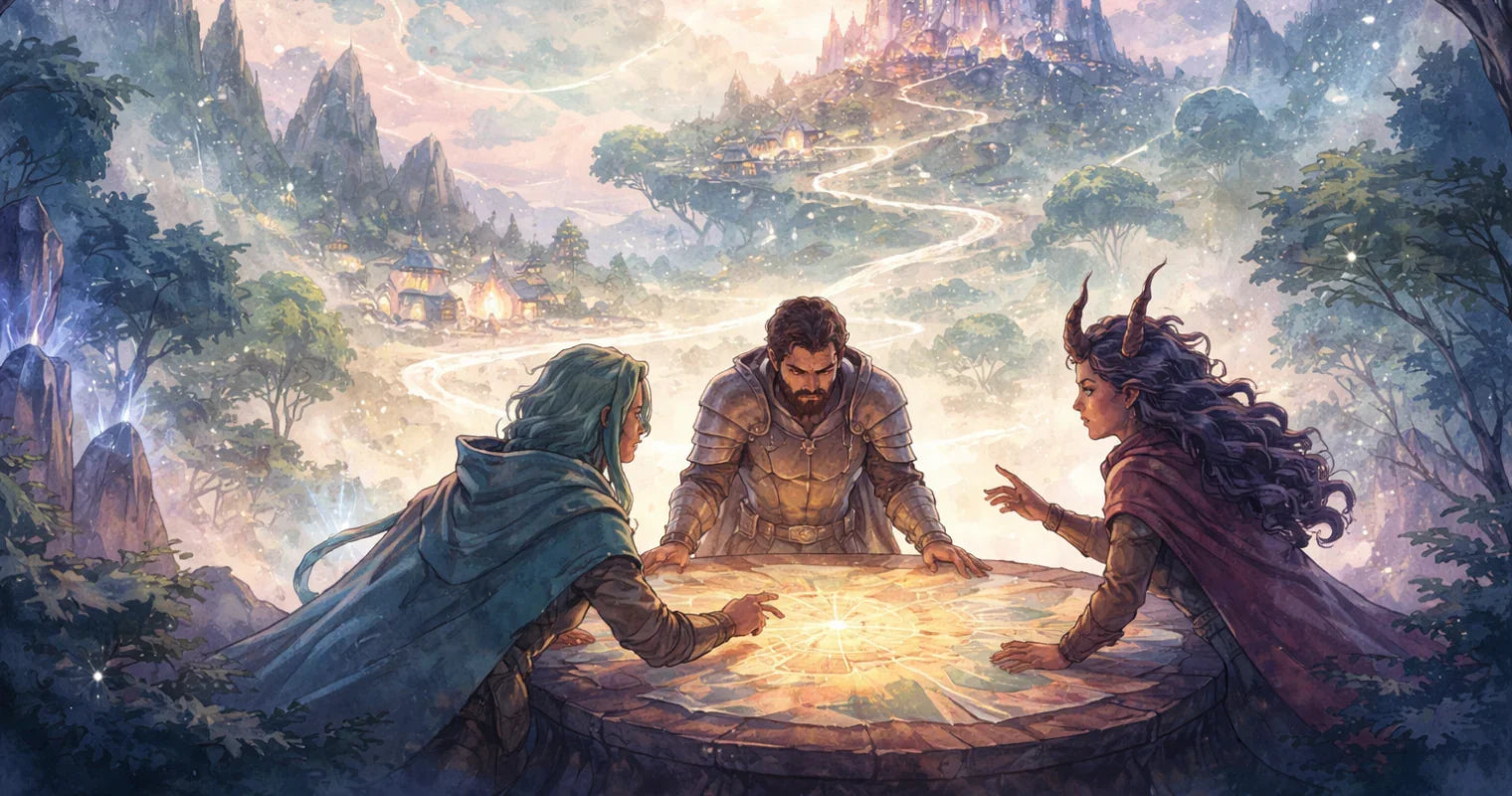
A memorable Dungeons & Dragons campaign isn't created by the Dungeon Master alone. While the DM prepares adventures, portrays characters, and guides the world, every player contributes to the story through their choices, ideas, and roleplaying.
The best campaigns often feel less like someone telling a story and more like a group discovering one together. Every joke, unexpected decision, emotional moment, and creative solution becomes part of a shared history that belongs to everyone at the table.
Whether you're starting your first campaign or looking for fresh dnd campaign ideas, embracing dnd fan collaborations can turn an ordinary adventure into something your group remembers for years.
Why Collaborative Campaigns Create Better Stories
Every gaming group brings together different personalities, imaginations, and storytelling styles. When those ideas are encouraged instead of limited, campaigns naturally become richer.
Instead of relying on one person to invent every location, NPC, and plot twist, collaborative groups build the world together.
A collaborative dnd campaign allows players to:
-
Feel invested in the setting
-
Care more about the people they meet
-
Create stronger character motivations
-
Discover surprises alongside the Dungeon Master
-
Build lasting friendships through shared creativity
Rather than asking, "What adventure did the DM prepare?" players begin asking, "What story are we creating together?"
What Is a Community-Driven Campaign?
A community-driven campaign treats everyone at the table as creative contributors.
The Dungeon Master still guides the adventure, manages pacing, and presents challenges, but players are encouraged to help shape the world through their characters' experiences.
A collaborative campaign usually includes:
-
Shared storytelling
-
Collaborative decision-making
-
Character-driven narratives
-
Flexible worldbuilding
-
Player-generated ideas
Instead of writing every detail months in advance, the DM leaves room for player inspiration.
For example:
A player casually mentions belonging to an old explorer's guild.
Rather than ignoring the idea, the DM asks:
"What was your guild famous for?"
Suddenly the campaign has a new organization with history, allies, rivals, and future adventures.
That is community storytelling in action.
Building a World Together
Worldbuilding becomes much more engaging when players help create pieces of the setting.
The Dungeon Master doesn't need to invent every kingdom from scratch.
Players can contribute ideas that make the world feel personal.
Hometowns
Ask players questions like:
-
What is your hometown known for?
-
What traditions does it celebrate?
-
What local legends frightened children?
Even a few answers create memorable places.
Guilds and Organizations
Characters often belong to groups before the campaign begins.
Examples include:
-
Merchant guilds
-
Mage academies
-
Monster hunters
-
Religious orders
-
Mercenary companies
These organizations naturally create allies, rivals, and future plot hooks.
Noble Families
Political intrigue becomes more meaningful when noble houses already matter to player characters.
Perhaps one character once served a royal family.
Another may have escaped from one.
Ancient Legends
Invite players to invent local myths.
Maybe villagers believe a sleeping dragon protects nearby mountains.
Perhaps an abandoned lighthouse is said to contain a ghostly captain who predicts storms.
The truth can remain a mystery until later.
Rival Factions
Player-created rival groups often become some of the campaign's best recurring villains.
Creating Connected Characters
Many campaigns begin with strangers meeting in a tavern.
While that classic introduction still works, connected characters often create stronger dnd roleplaying opportunities from the very first session.
Shared history gives players immediate reasons to trust, argue with, and support one another.
Some possibilities include:
-
Childhood friends
-
Former soldiers
-
Academic rivals
-
Cousins
-
Traveling companions
-
Members of the same guild
-
Survivors of a previous disaster
Common relationships create natural conversations without forcing roleplay.
Instead of awkward introductions, players already have shared memories.
Let Players Shape the Story
Players enjoy seeing their ideas become part of the world.
That doesn't mean allowing unlimited control.
Instead, encourage small contributions throughout the campaign.
For example, players might:
-
Name villages
-
Create taverns
-
Invent festivals
-
Design local organizations
-
Suggest rumors
-
Expand regional history
Imagine entering a new city.
Instead of describing every building yourself, ask:
"What kind of marketplace would your character expect to find here?"
One player imagines floating potion vendors.
Another describes enchanted bakeries.
Another suggests a statue honoring forgotten heroes.
Now everyone has helped create the location.
Encouraging Creativity During Sessions
Collaborative storytelling continues long after Session Zero.
The Dungeon Master can encourage creativity every session through small habits.
Reward Roleplaying
When players lean into their personalities and flaws, acknowledge those moments.
Interesting roleplay often creates better stories than perfect tactical decisions.
Practice "Yes, And..."
When possible, build upon player ideas.
Instead of saying:
"No, that wouldn't exist."
Try:
"Yes, and here's the unexpected consequence."
This approach keeps ideas flowing without sacrificing consistency.
Encourage Improvisation
Unexpected plans often become campaign highlights.
Players may negotiate with monsters instead of fighting.
They may solve puzzles in unusual ways.
They may turn villains into reluctant allies.
Allow creative thinking to flourish.
Celebrate Creative Solutions
Not every challenge needs a combat solution.
Reward clever diplomacy, deception, exploration, and teamwork just as much as successful attacks.
Balancing Collaboration and Structure
Creative freedom still benefits from thoughtful guidance.
Dungeon Masters should encourage ideas without allowing the campaign to lose focus.
Helpful practices include:
-
Guiding discussions back to the adventure
-
Keeping established lore consistent
-
Giving everyone opportunities to contribute
-
Respecting every player's creativity
-
Preventing one person from dominating conversations
-
Remembering the group's shared goals
Good collaboration feels organized rather than chaotic.
Community Collaboration Reference Table
| Collaborative Idea | How It Improves the Campaign |
|---|---|
| Shared backstories | Creates stronger party bonds from the beginning |
| Player-created NPCs | Builds emotional investment and recurring relationships |
| Custom locations | Makes the setting feel unique and personal |
| Group quest ideas | Increases player engagement and ownership |
| Collaborative lore | Produces richer, more memorable storytelling |
Common Mistakes to Avoid
Even enthusiastic collaboration can create problems if expectations aren't clear.
Avoid these common issues.
Giving One Player Too Much Influence
Every player deserves opportunities to contribute.
Avoid allowing one person's ideas to dominate every discussion.
Ignoring Quieter Players
Some players need direct invitations before sharing ideas.
Ask simple questions like:
"What would your character add?"
Small prompts encourage participation.
Rejecting Ideas Too Quickly
Not every suggestion fits perfectly.
Instead of dismissing ideas outright, look for ways to adapt them.
Overcomplicating the Setting
Players don't need hundreds of pages of history.
Simple, memorable details usually create stronger immersion.
Losing Campaign Consistency
New ideas should strengthen the existing world instead of contradicting it.
A few established rules help maintain believability.
Forgetting Group Goals
Personal character stories matter, but the campaign should continue moving toward shared objectives.
Simple Ways to Inspire Group Creativity
Creative campaigns often grow from simple habits.
Try introducing activities like:
-
Session Zero brainstorming
-
Collaborative regional maps
-
Shared campaign journals
-
NPC suggestion lists
-
Character questionnaires
-
Group discussions about long-term goals
[Image: fantasy campaign journal with maps and notes]
These activities don't require hours of preparation.
Even fifteen minutes before each session can generate exciting new ideas.
Supporting the Story at the Table
Immersion isn't created by imagination alone.
Simple organizational habits help everyone stay connected to the story.
Many groups enjoy keeping:
-
Character journals
-
Campaign maps
-
Quest logs
-
NPC relationship notes
-
Timeline summaries
Having these resources readily available helps players remember important events and build on previous sessions.
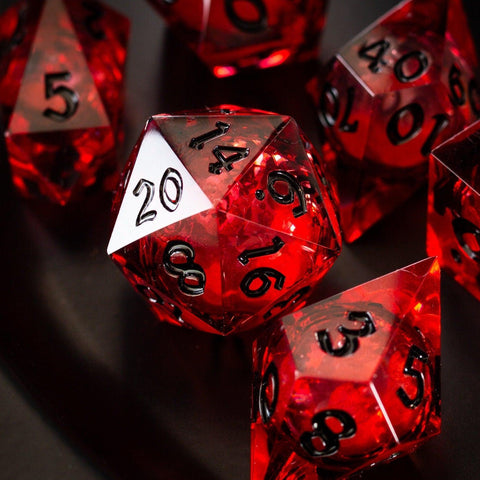
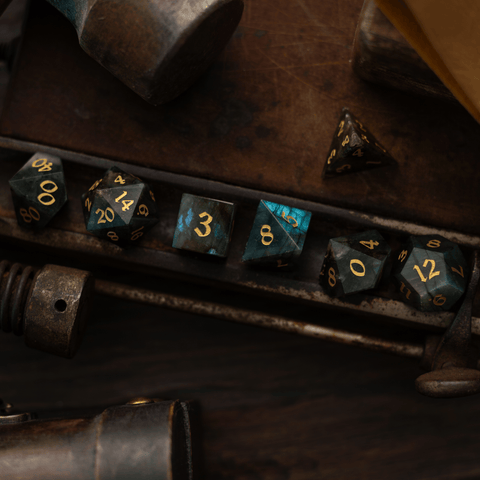
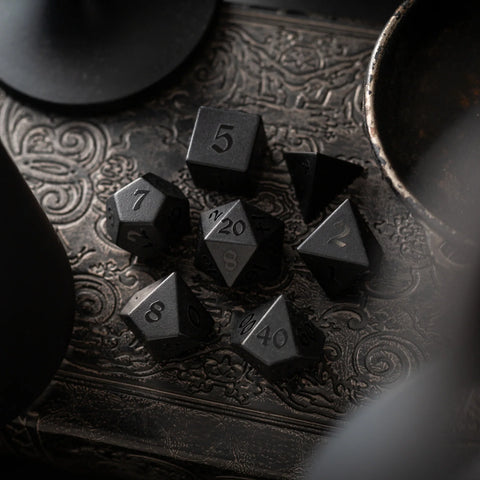
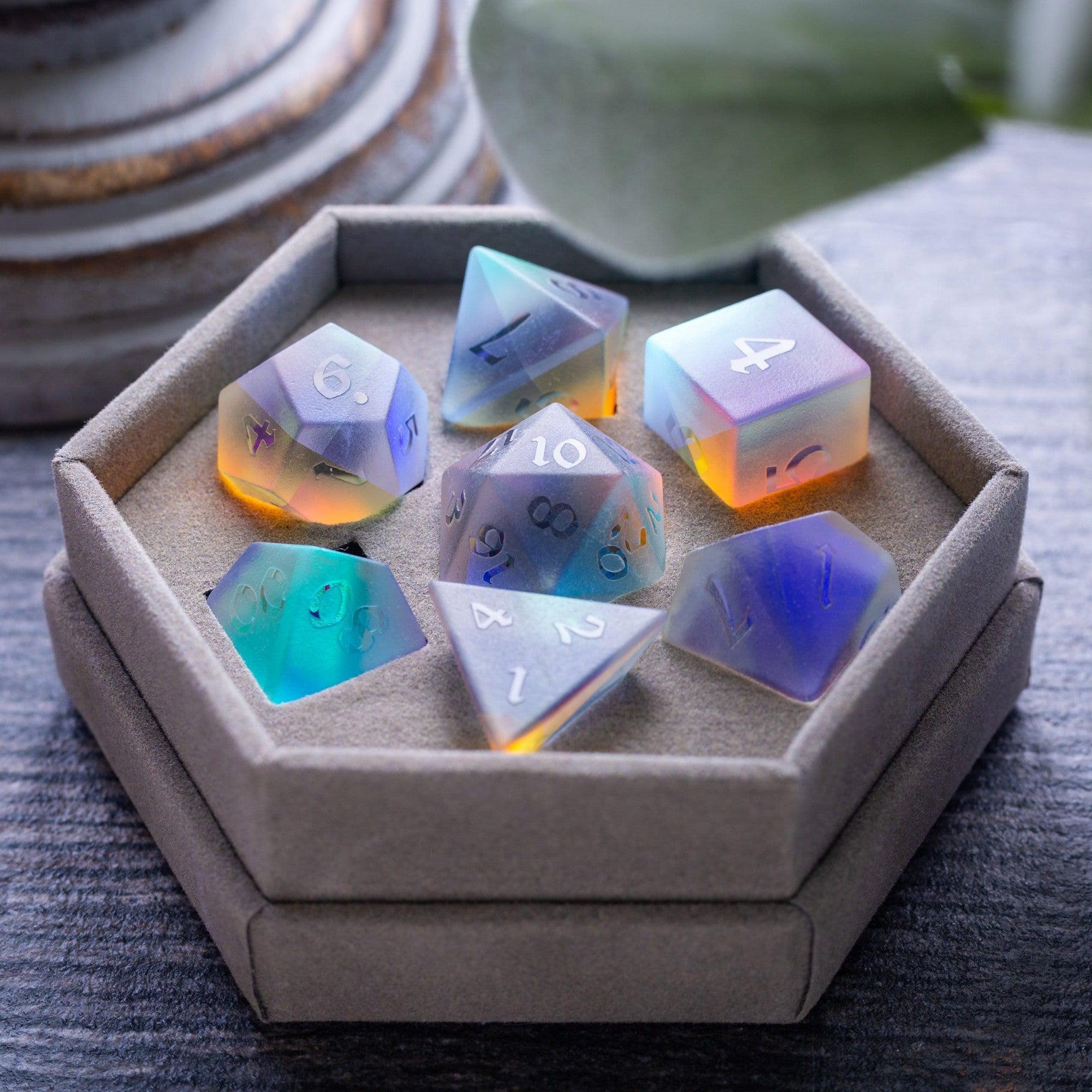
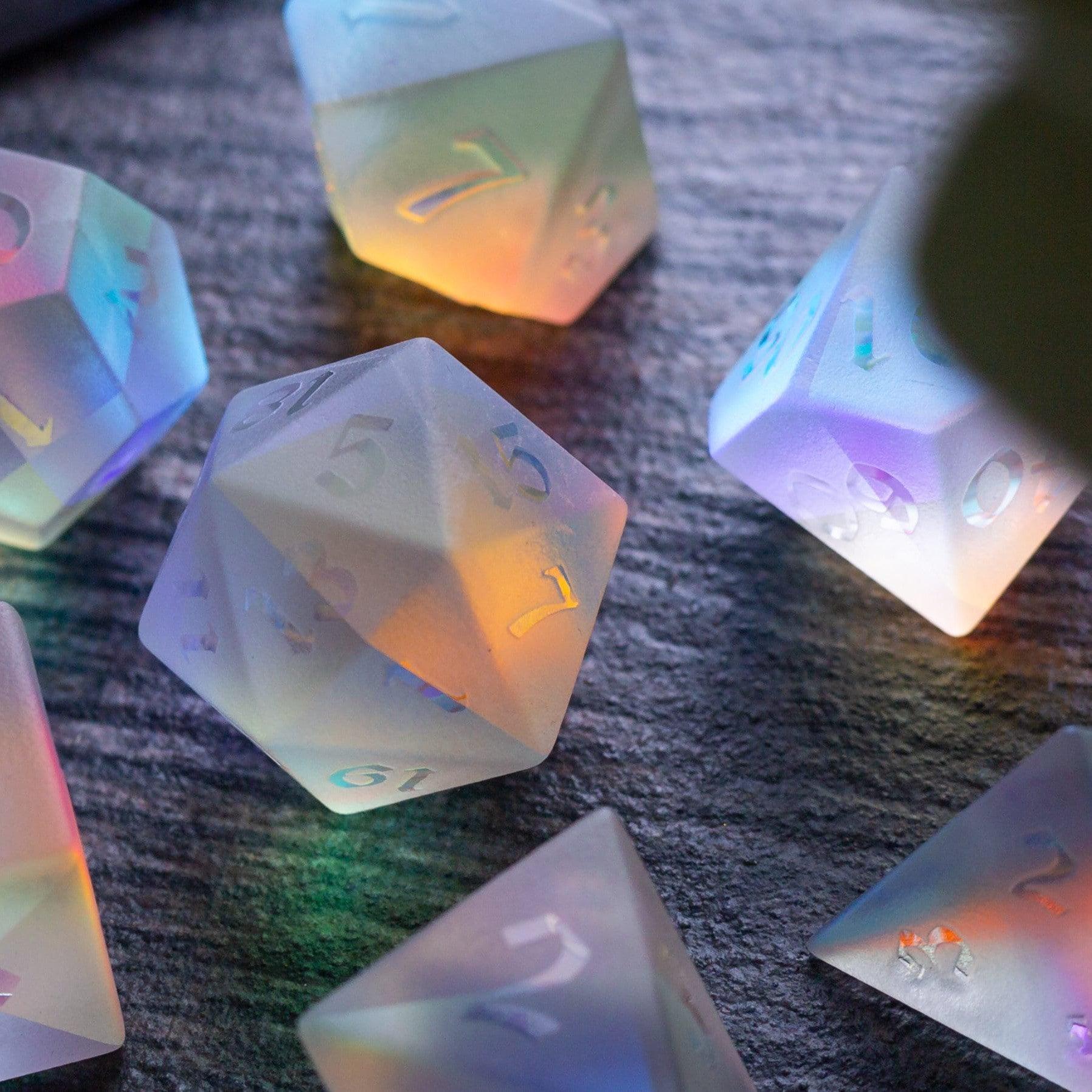
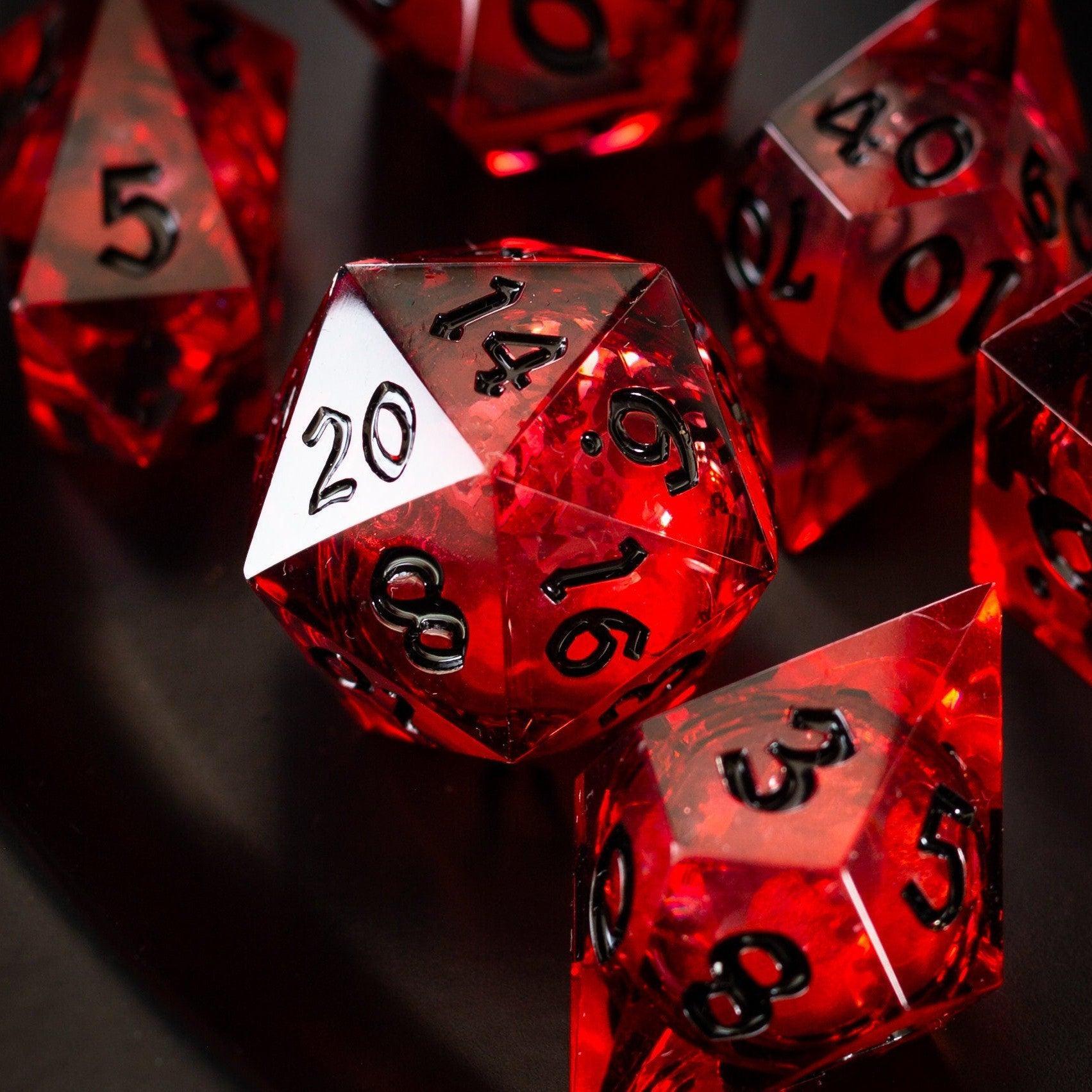
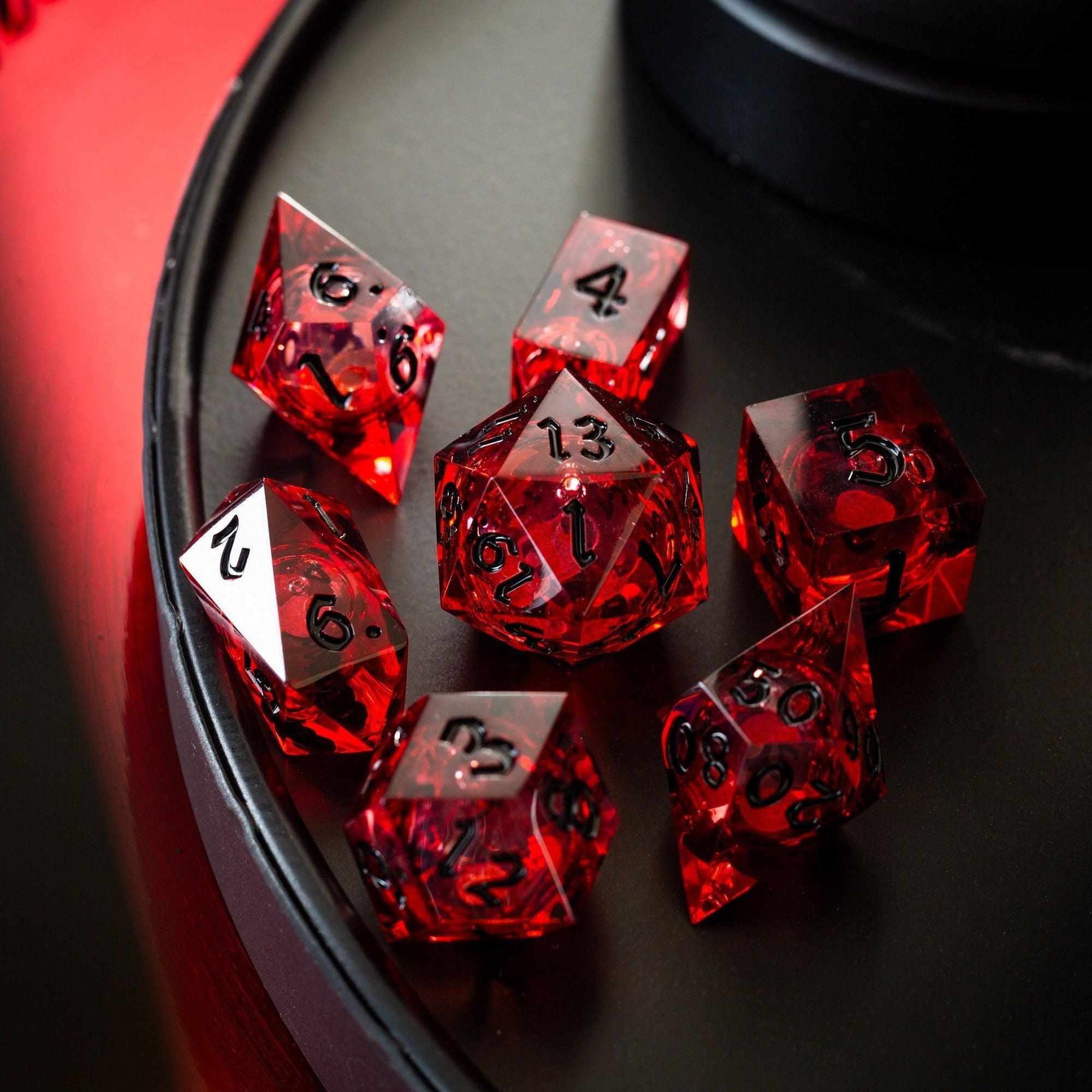
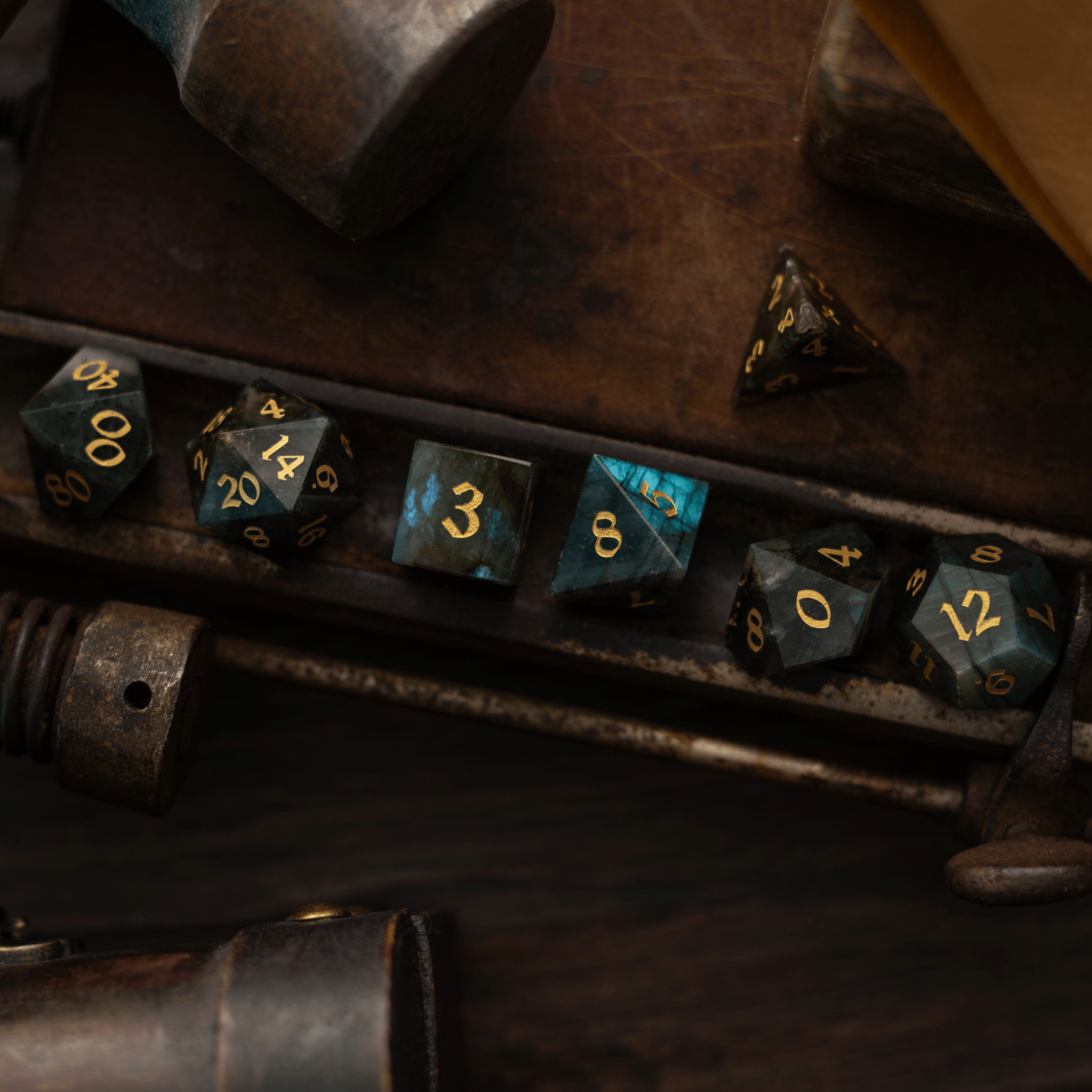
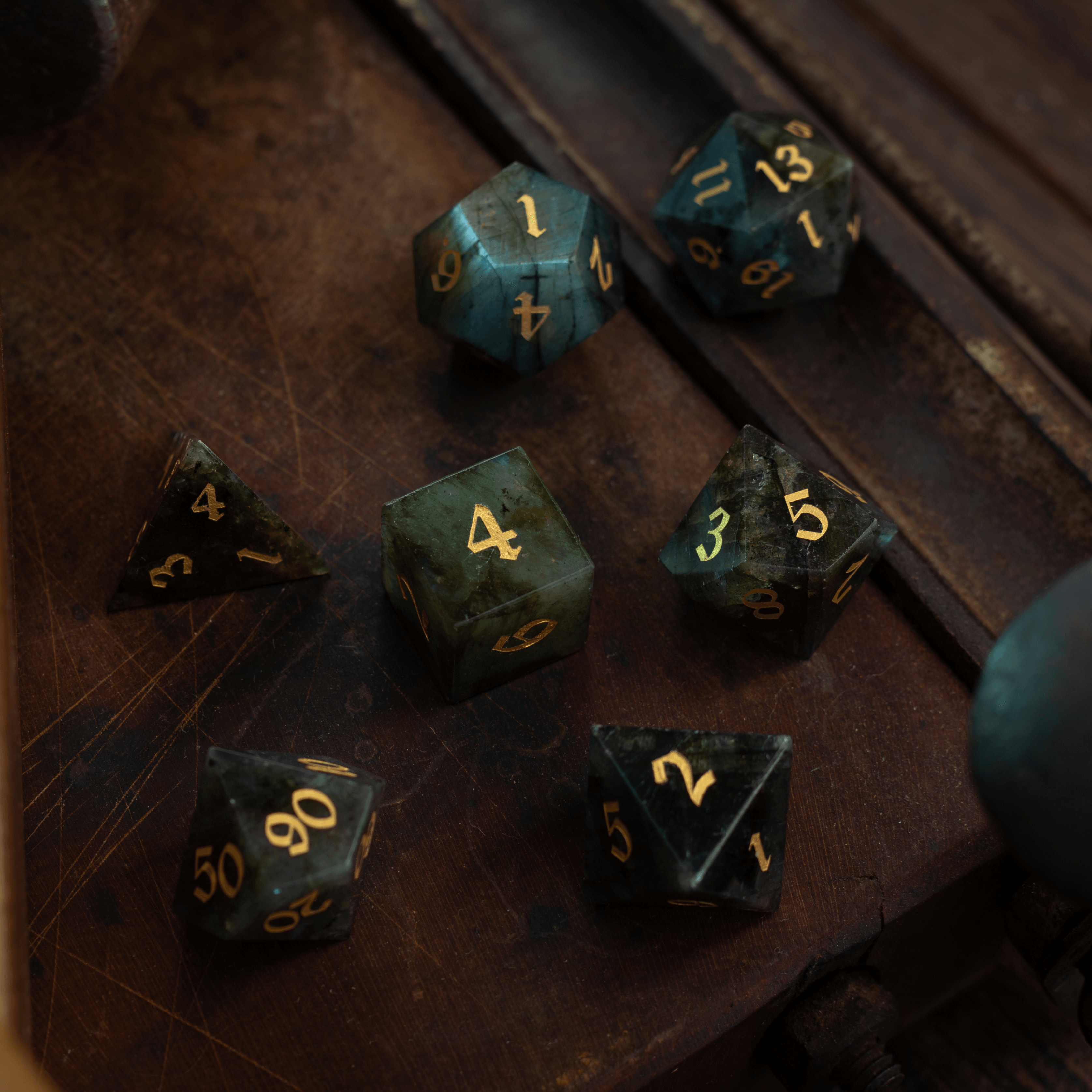
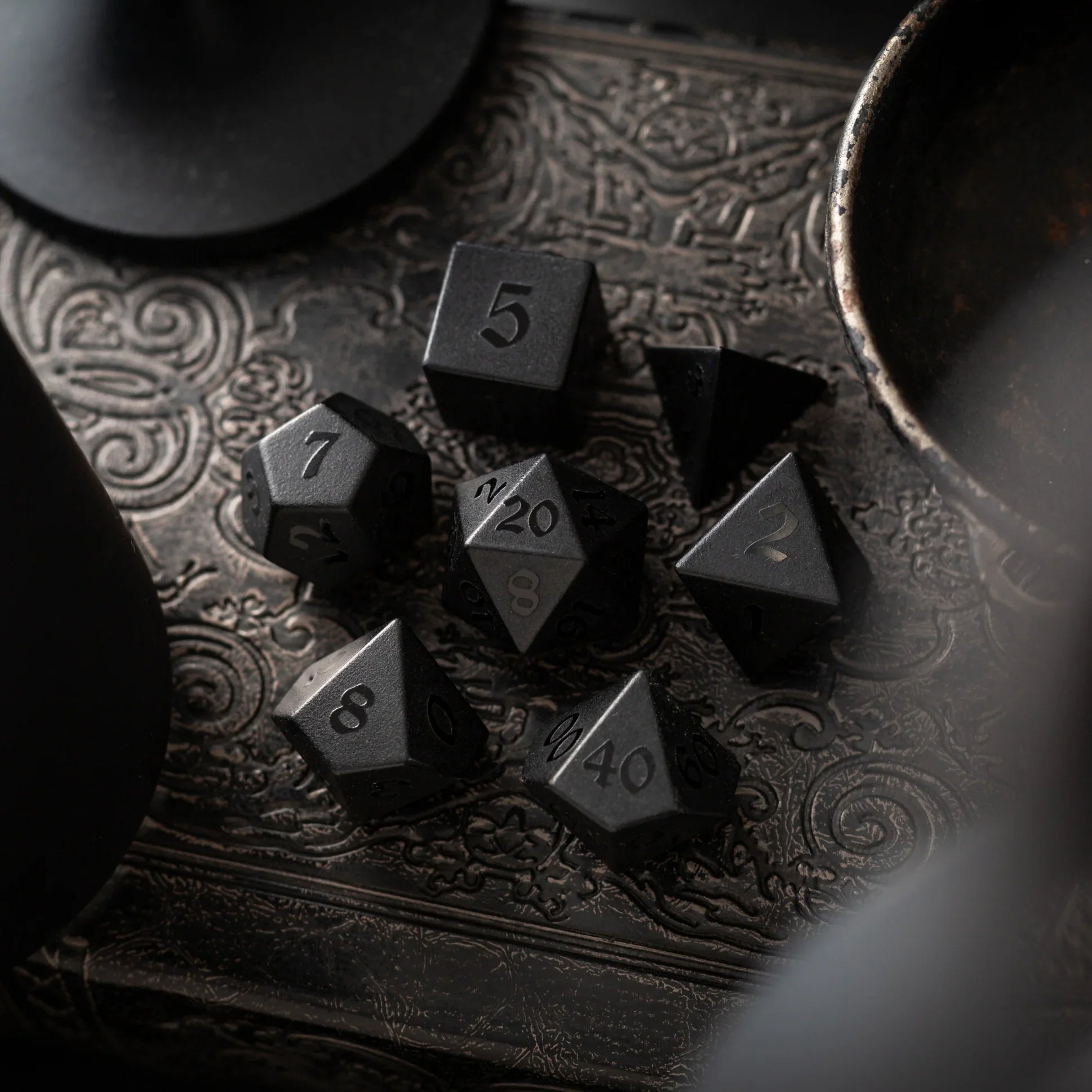
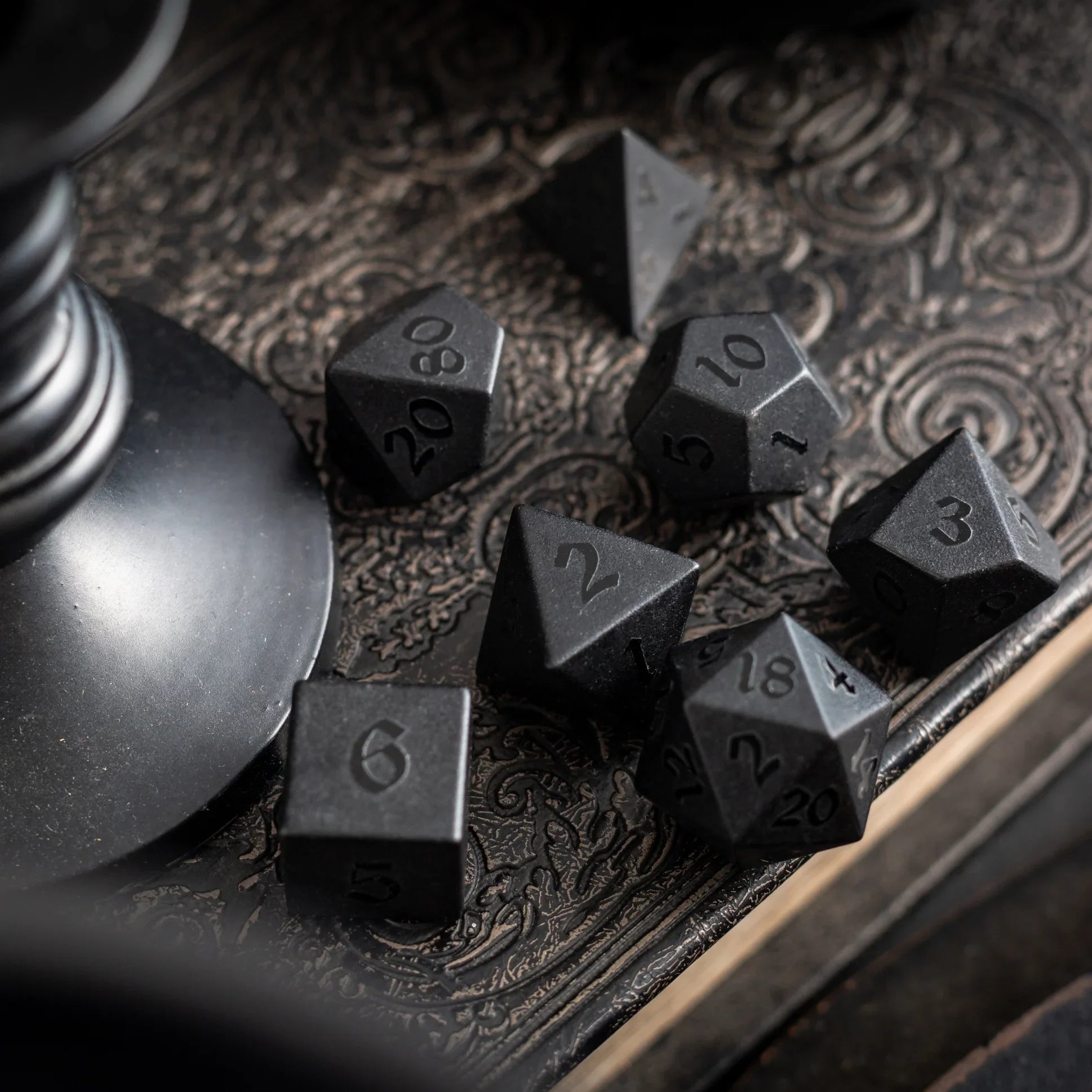
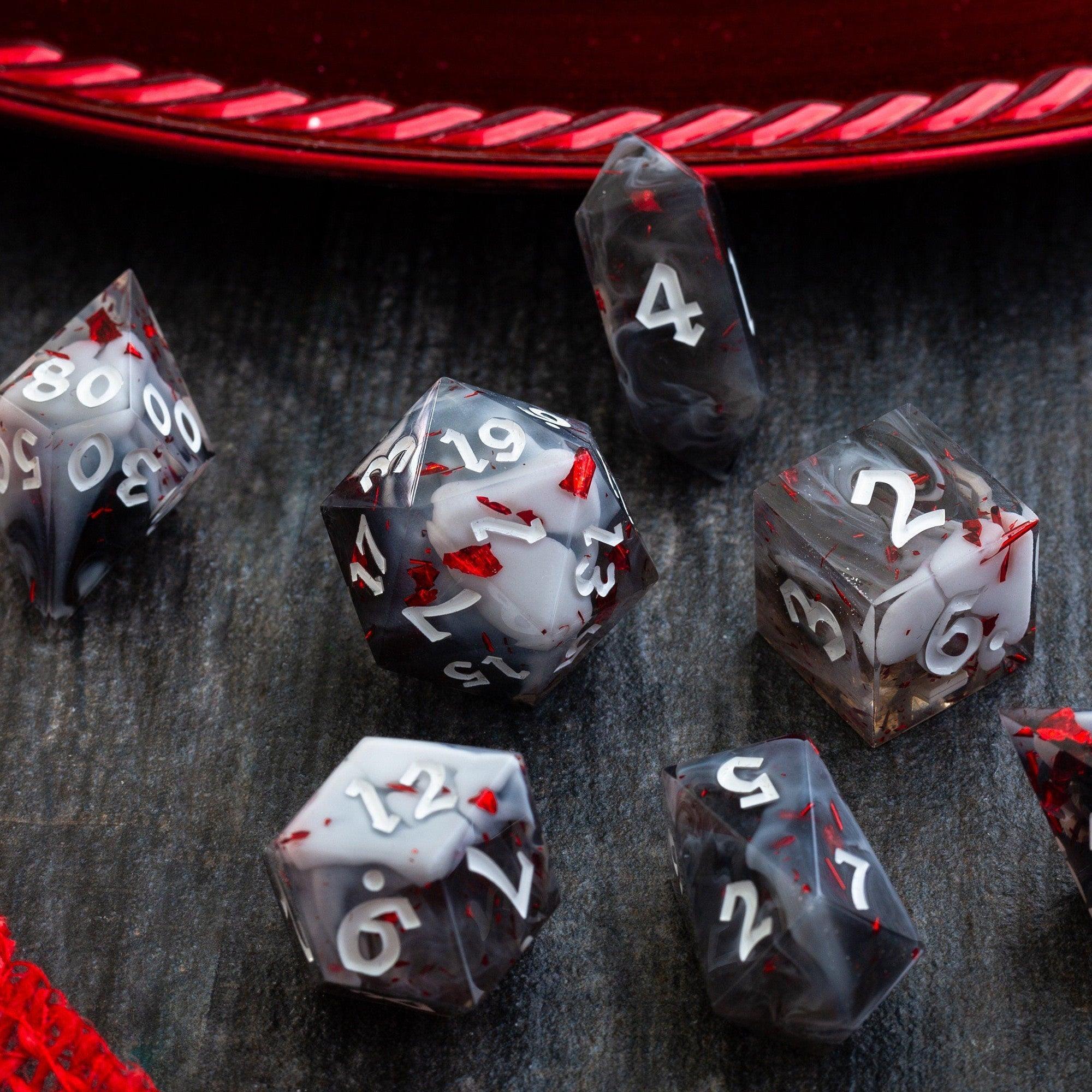
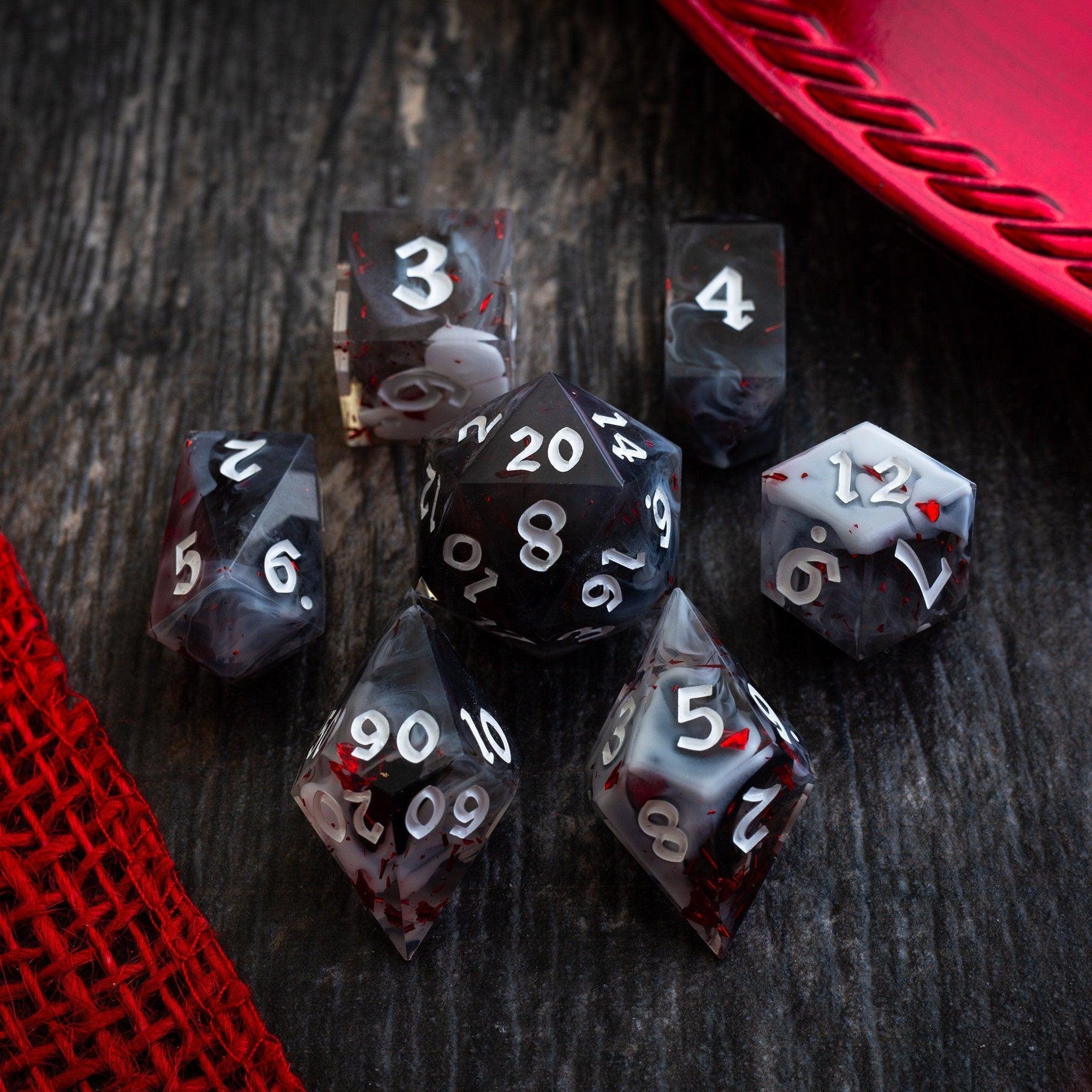
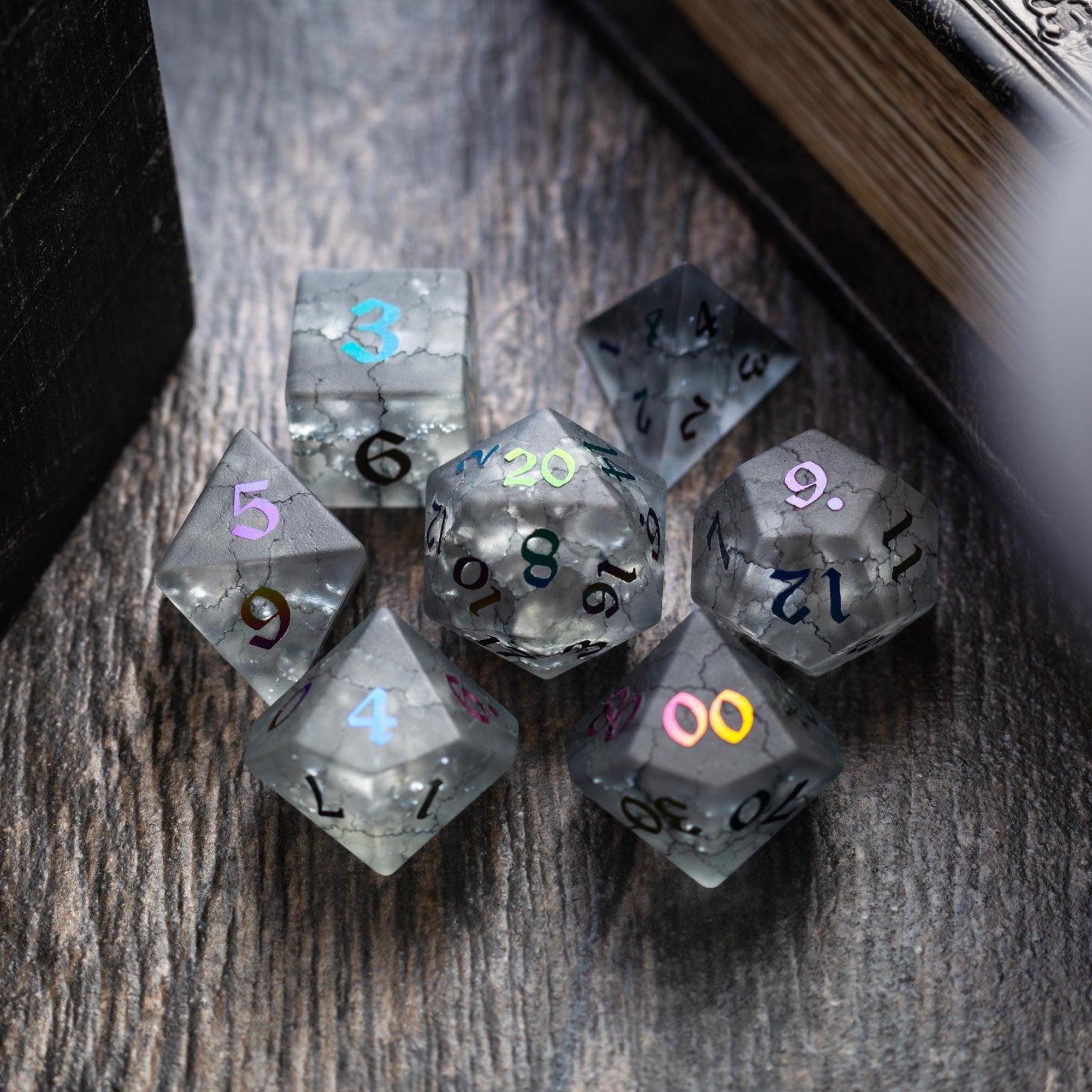
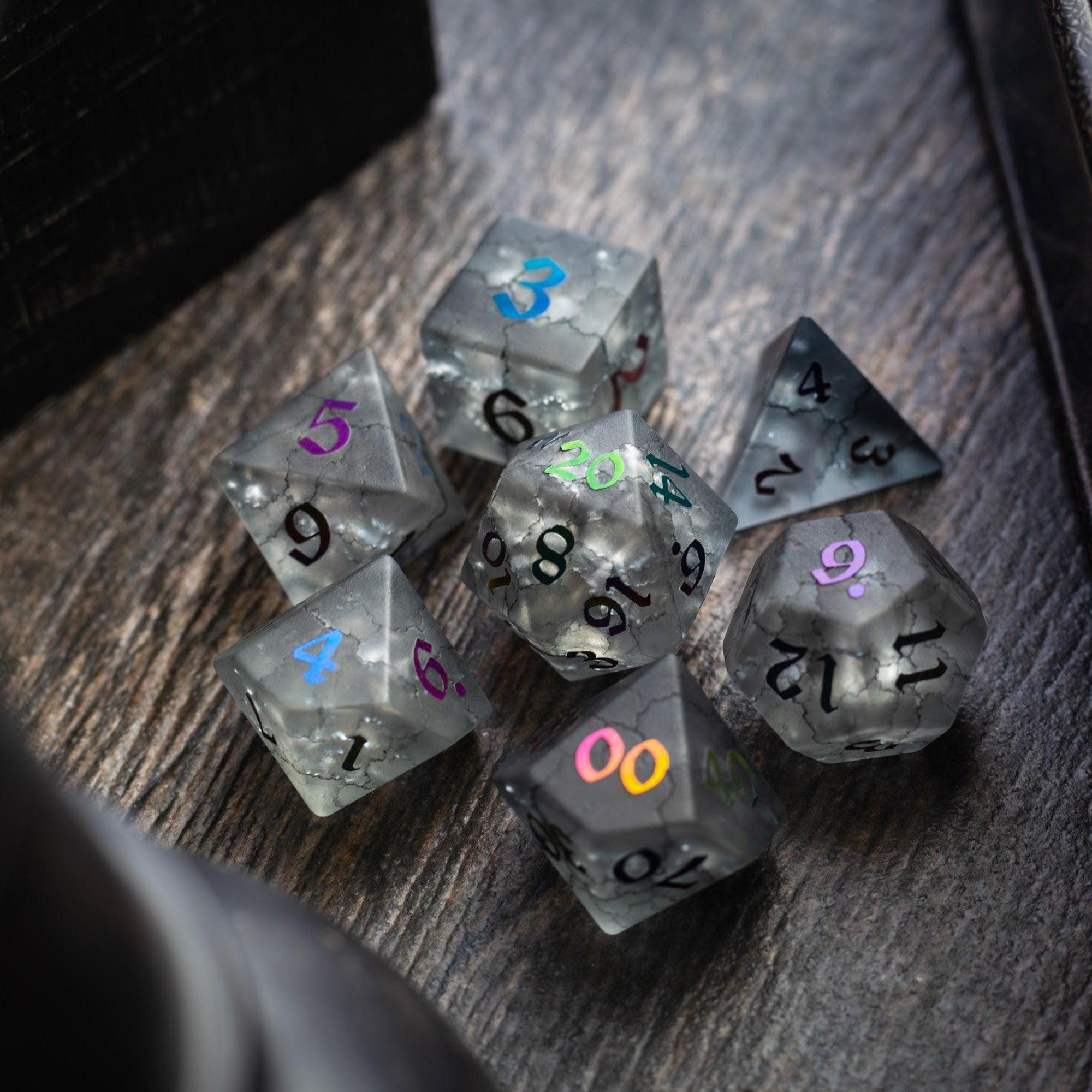
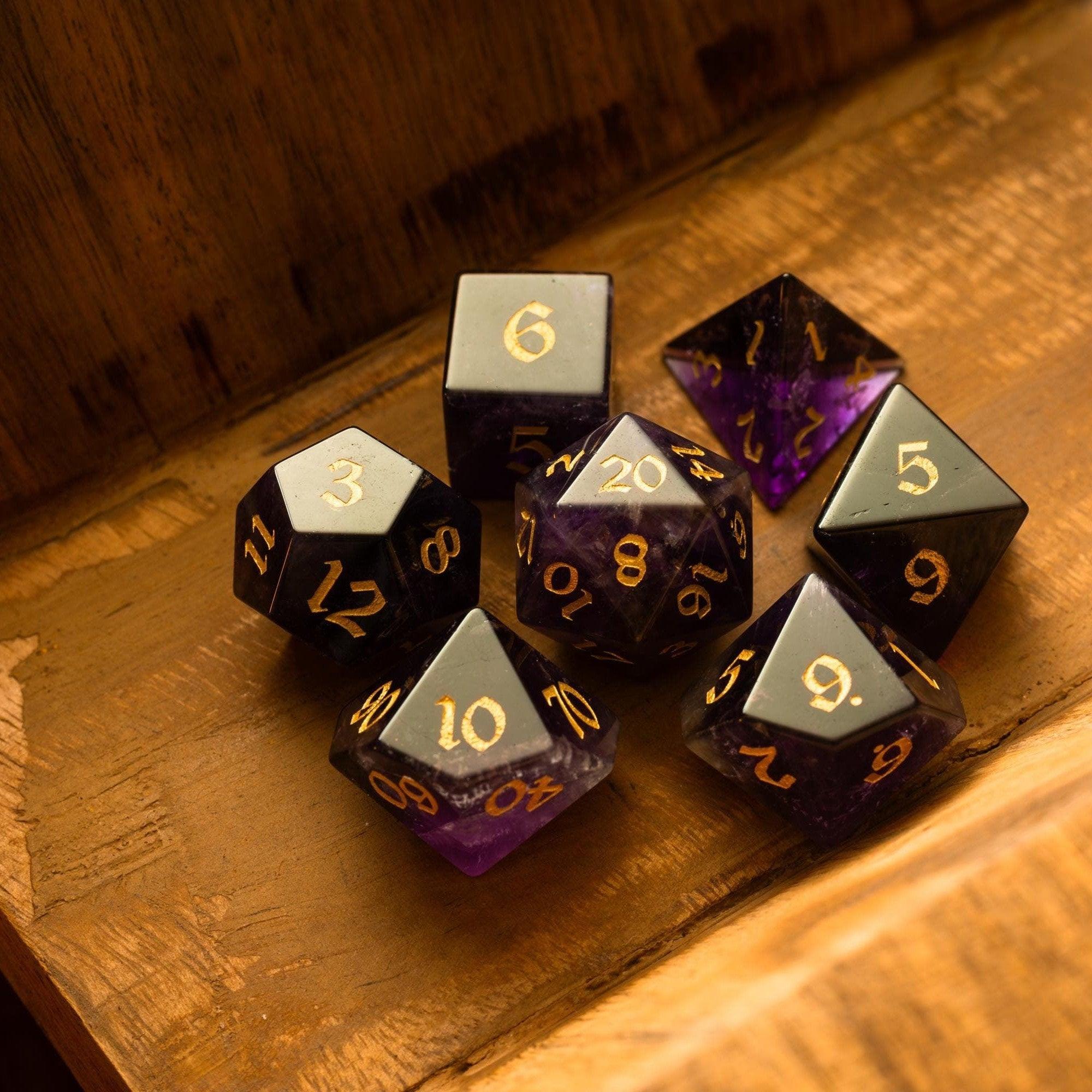
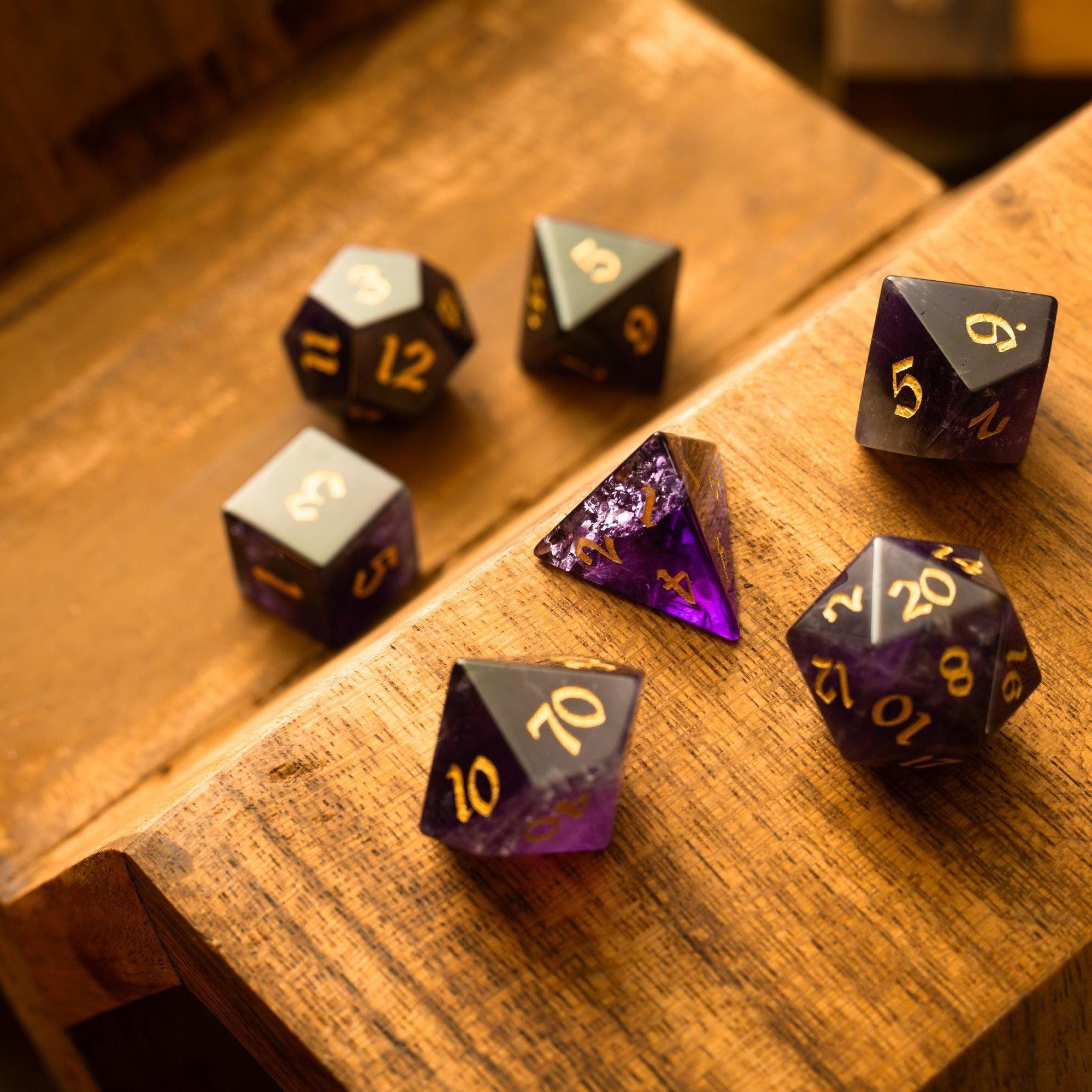
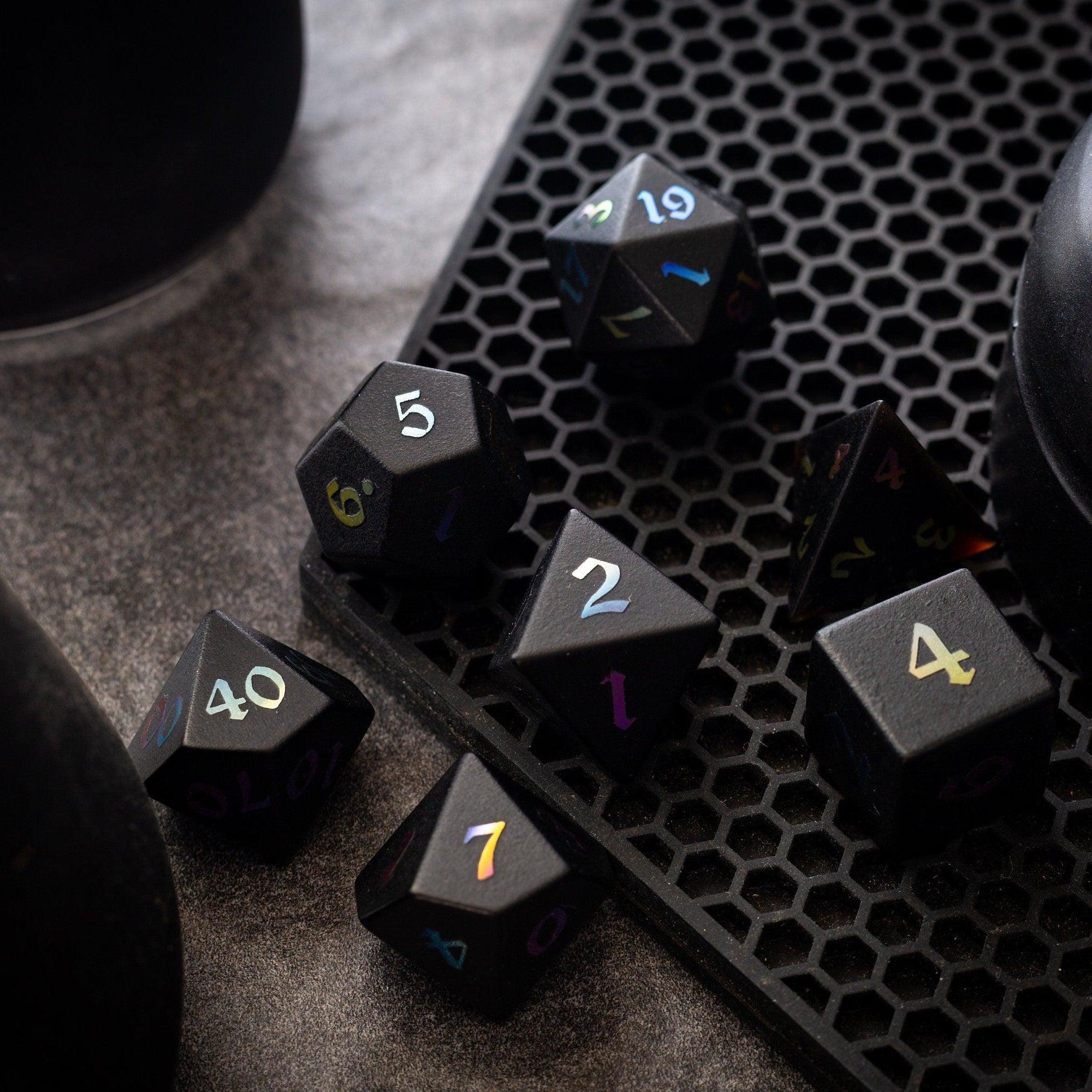
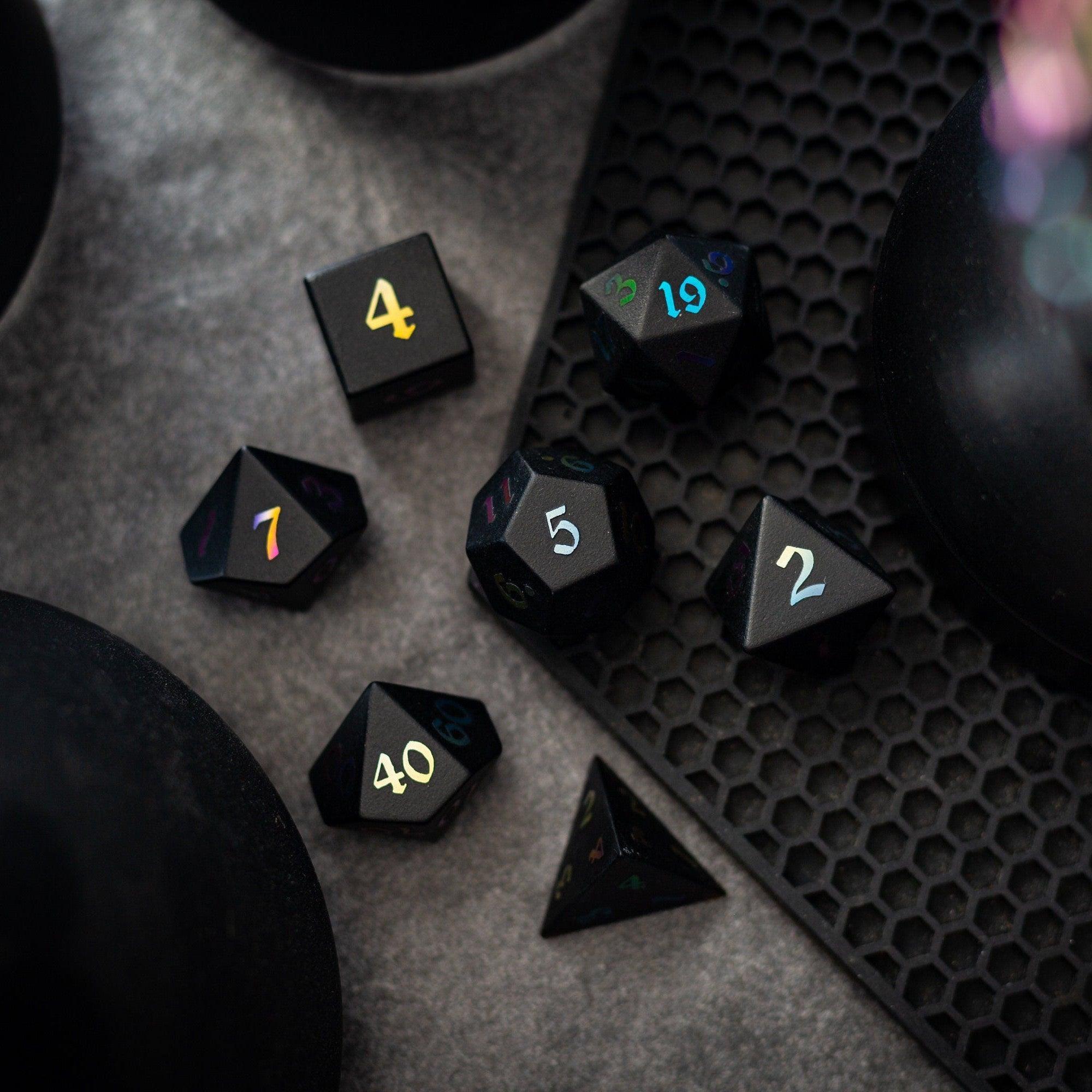
Some players also personalize their tabletop experience through the accessories they bring to the game. A mysterious warlock might enjoy rolling a gemstone or sharp-edge dice set that reflects ancient magic, while a steadfast paladin may appreciate the solid weight of metal dice during dramatic moments. A cheerful bard might reach for colorful resin or liquid core dice that match an energetic personality.
Many gaming groups enjoy rotating different Runic Dice collections between campaigns simply because matching the look and feel of their dice to a new character helps reinforce the story they're telling together. It's a small tradition, but one that can make each new adventure feel distinct without becoming the focus of the game.
Growing a Long-Term Gaming Community
Strong campaigns often lead to lasting friendships.
Groups that thrive over multiple adventures usually share a few common habits.
They:
-
Welcome new players with patience
-
Celebrate memorable victories and funny moments
-
Create traditions unique to the group
-
Share campaign artwork and journals
-
Continue discussing adventures between sessions
-
Encourage everyone to contribute future ideas
Over time, these traditions become part of the campaign itself.
Players begin referencing old adventures, recurring NPCs, legendary heroes, and unforgettable mistakes.
Those shared memories create something much larger than a single story.
They build a gaming community.
Creating Adventures Worth Remembering
Every unforgettable Dungeons & Dragons campaign is built through collaboration.
The Dungeon Master provides direction, but the players provide heart. Every shared backstory, improvised conversation, unexpected decision, and creative idea adds another layer to the adventure.
Whether you're experimenting with collaborative worldbuilding, exploring fresh dnd campaign ideas, or encouraging deeper tabletop roleplaying, the goal remains the same: create a world where everyone feels like their imagination matters.
When every voice helps shape the journey, the campaign becomes more than a game. It becomes a shared story that continues to grow with every session, strengthening friendships, inspiring creativity, and reminding everyone around the table that the greatest legends are the ones built together.

Leave a comment
This site is protected by hCaptcha and the hCaptcha Privacy Policy and Terms of Service apply.