

A practical guide to tabletop game mechanics explained
Updated on: 2025-12-22
If you want tabletop game mechanics explained in a friendly, practical way, this guide offers a clear path through the core systems that shape your favorite games. You will learn how dice, cards, resources, and player choices work together to create tension and fun. We also highlight premium dice that support smooth play and readability at the table. Myths are gently debunked, and a concise FAQ answers common questions so you can pick games and accessories with confidence.
- Core Mechanics Guide
- Product Spotlight
- Myths vs. Facts
- Frequently Asked Questions
- Final Recommendations

In this guide, you will find a clear, friendly introduction to how modern tabletop systems work. We cover common patterns, share quick examples, and explain why certain tools—like easy-to-read dice—improve the experience. Whether you host casual game nights or run narrative-rich campaigns, you will gain practical ways to evaluate rules, teach new players, and choose accessories that fit your style.
A Gentle Guide to tabletop game mechanics explained
At the heart of every great session is a reliable framework of rules, often called mechanics. If you want the idea of tabletop game mechanics explained without heavy jargon, think of them as repeatable procedures that turn choices into results. Designers combine these procedures to shape pacing, tension, and discovery.
Here are the most common families you will see across board games and roleplaying systems:
- Dice Resolution: Players roll one or more dice and compare the result to a target number or table. Single-die systems feel swingy and dramatic. Dice pools reduce wild variance and let players count successes. Advantage-style rules tilt odds gently, rewarding preparation or favorable positions.
- Card-Driven Play: Deck-building and hand management empower long-term planning. Shuffling uncertainty keeps turns fresh, while discard and draw windows shape tempo. Icons and clean card text reduce table lookups and speed decisions.
- Resource Economy: Players trade time, tokens, energy, or actions to pursue goals. Tight economies create interesting dilemmas: spend now for short-term gains, or save for a bigger power turn later. Good games keep costs visible and choices meaningful.
- Worker Placement and Action Selection: You place a marker to claim an action space. Early choices block rivals, which adds gentle pressure. Clear iconography and predictable outputs make these systems simple to teach and rewarding to master.
- Area Control and Positioning: Where you place units matters as much as what they do. Zones of control, adjacency, and line-of-sight rules guide tactical thinking and encourage map awareness.
- Push-Your-Luck: You can take another draw or roll, but the risk grows. These rules add suspense and table talk. Most designs cap losses to keep the mood light.
- Role Abilities and Asymmetry: Unique powers give each player a different way to win. Balanced asymmetry shines when rules are concise and long-turn combos are limited.
- Roll-and-Write and Track-Based Play: You roll, then mark results on a sheet or board. These games are quick to set up, easy to pause, and wonderful for mixed-experience groups.
- Narrative Choice and Skill Checks: In story-forward games, players explain actions first. The table then chooses a suitable rule, such as a skill test with modifiers. Clear difficulty bands keep rulings consistent and fair.
Game flow rests on a few simple pillars:
- Clarity: Use components that are easy to read across the table. High-contrast faces and precise edges limit misreads, which keeps turns smooth.
- Consistency: Similar actions follow similar steps. Players learn faster when exceptions are rare and well-signposted.
- Consequences: Every choice should change the state of the game. Even small gains, triggers, or rerolls help players feel progress.
- Downtime: Good designs reduce waiting. Simultaneous decisions or short turns keep energy high.
When you evaluate a new ruleset, scan for four signals: a simple core loop, clear odds, visible costs, and clean component design. If these are present, teaching becomes easier, and play feels fair. The right accessories, especially readable dice, reinforce all four.
Product Spotlight
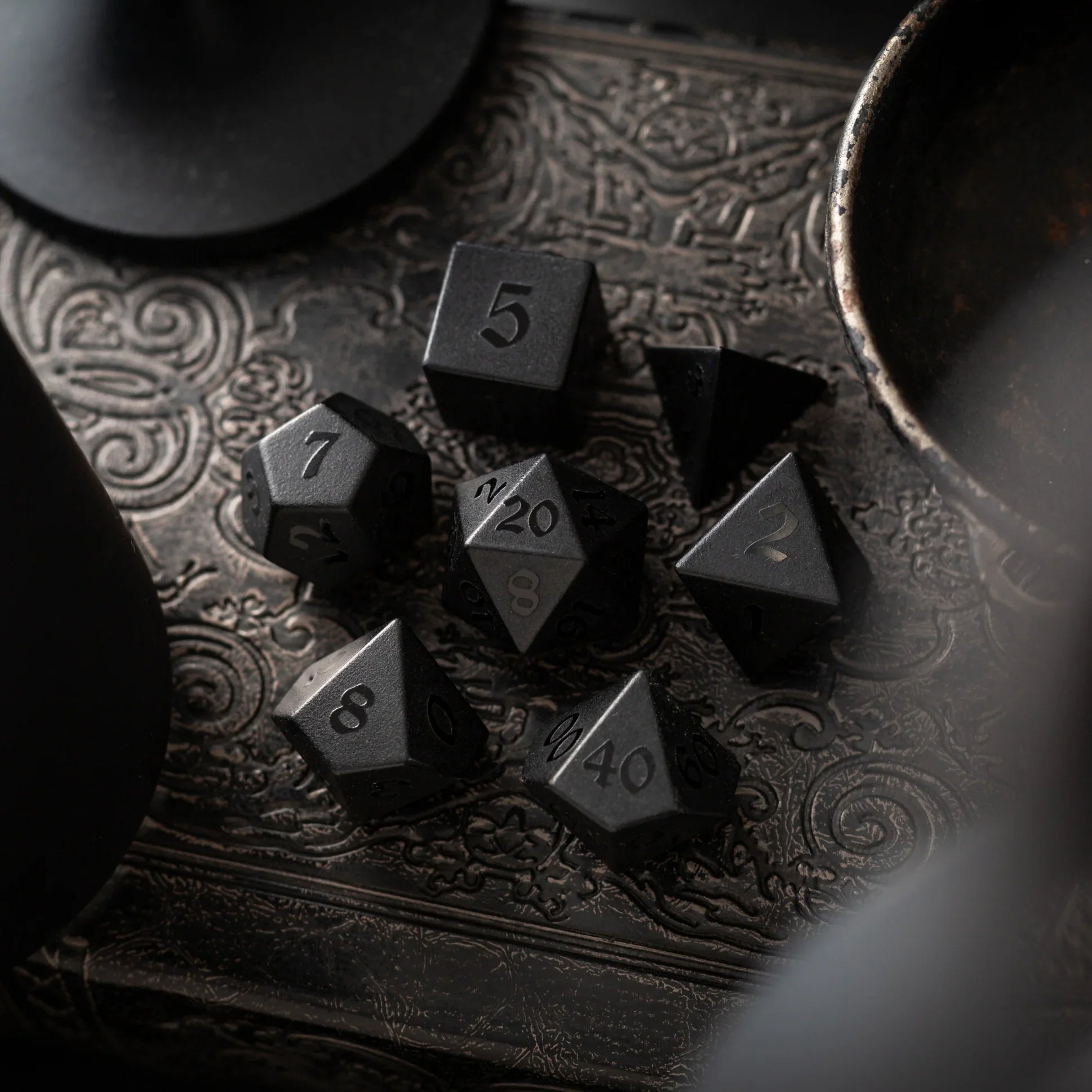
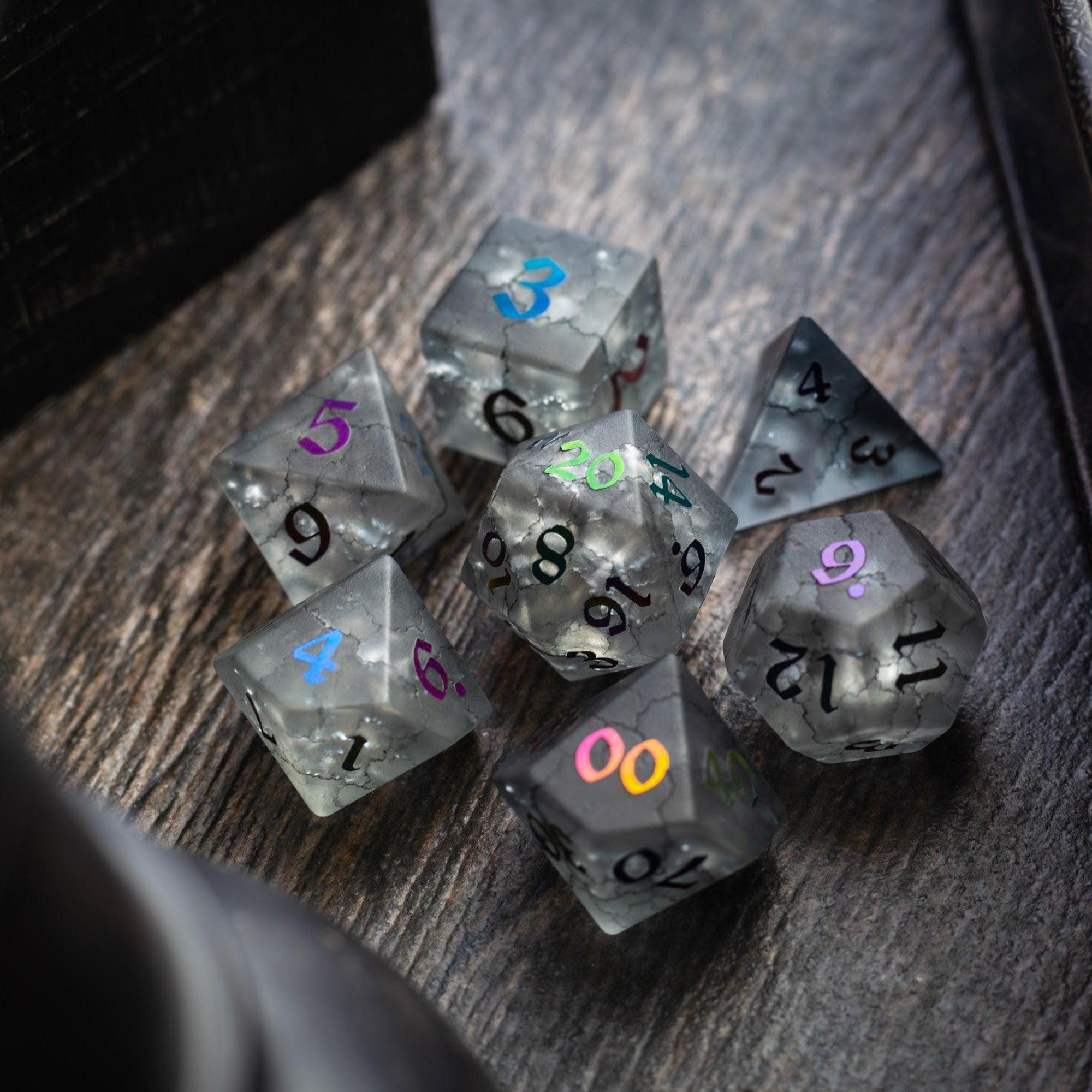
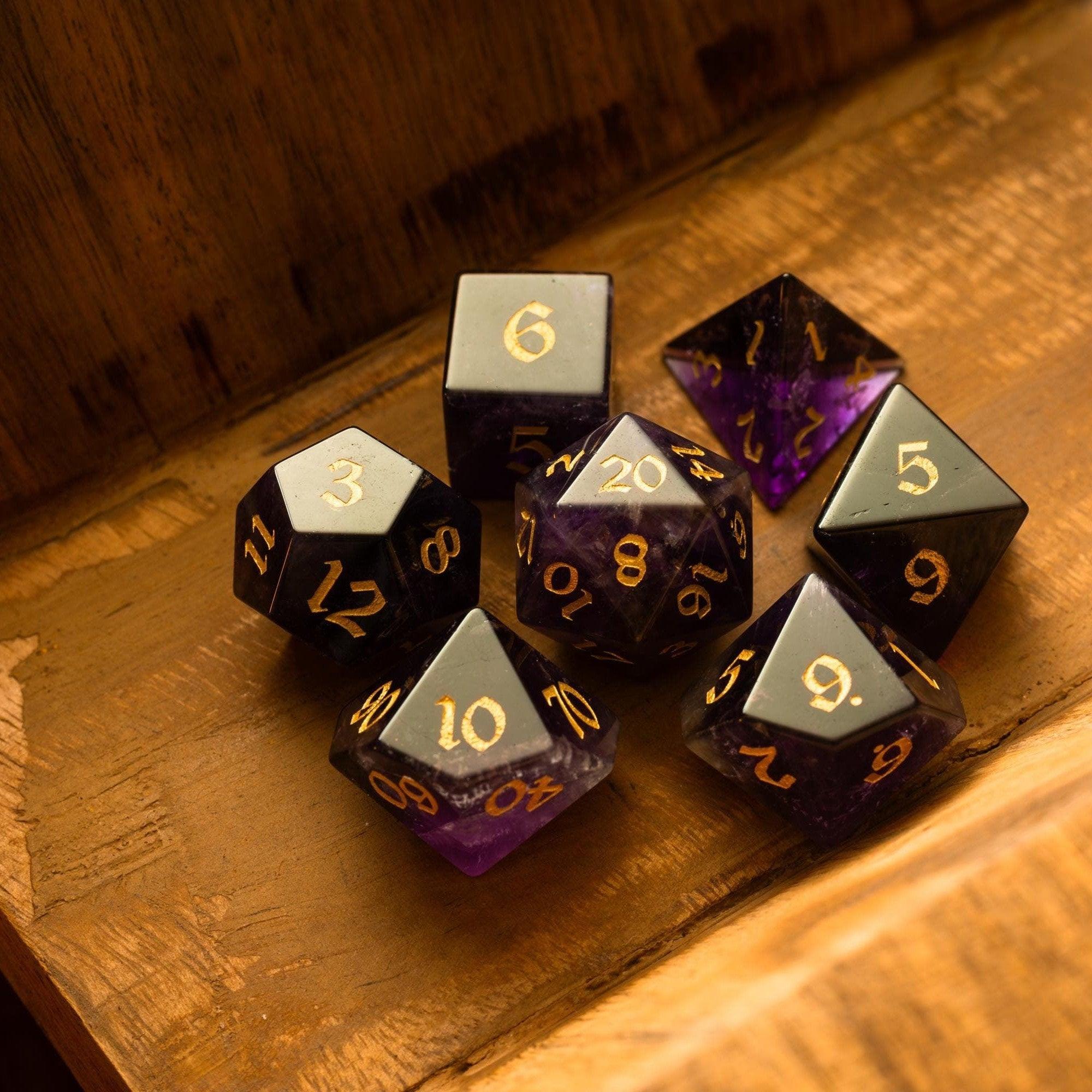
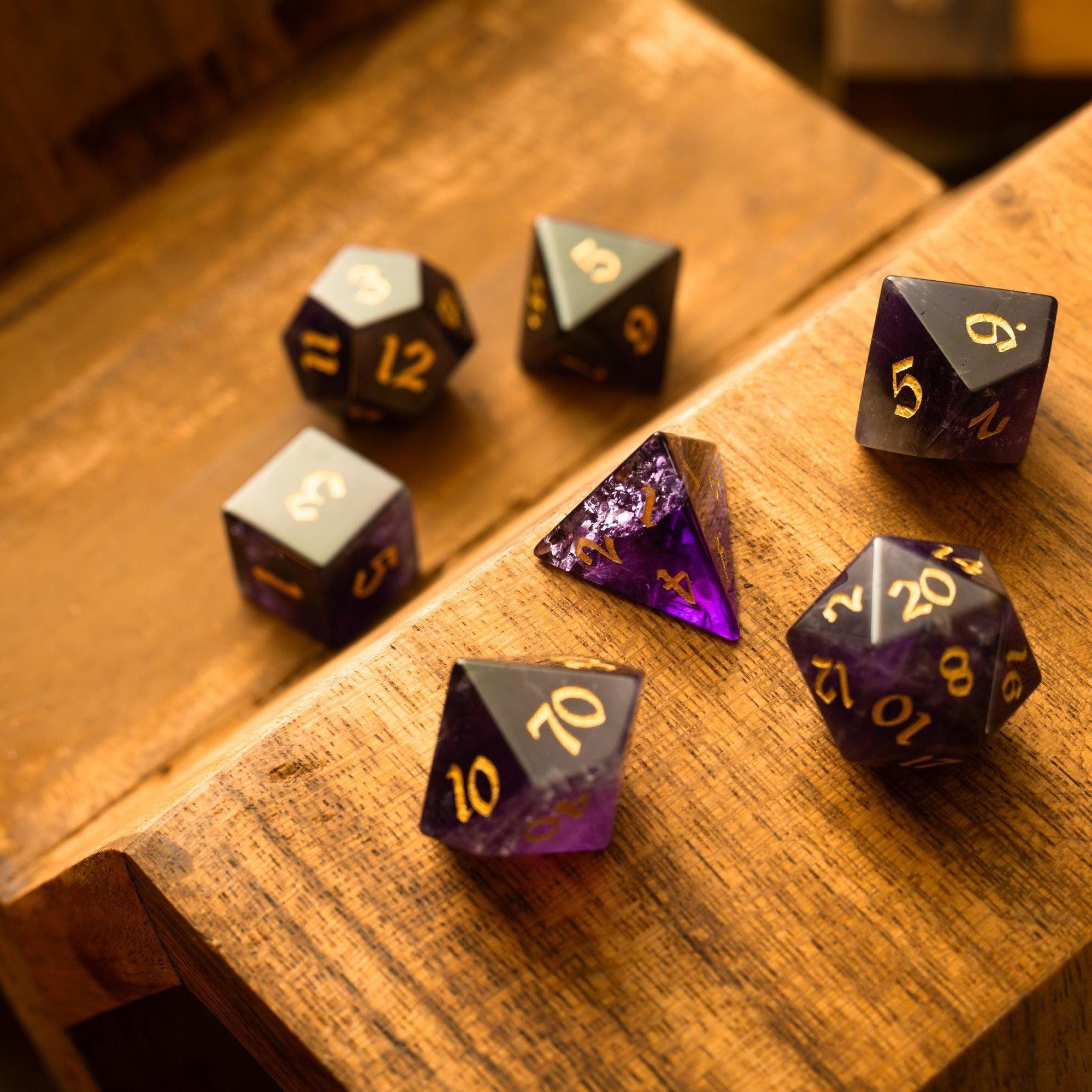
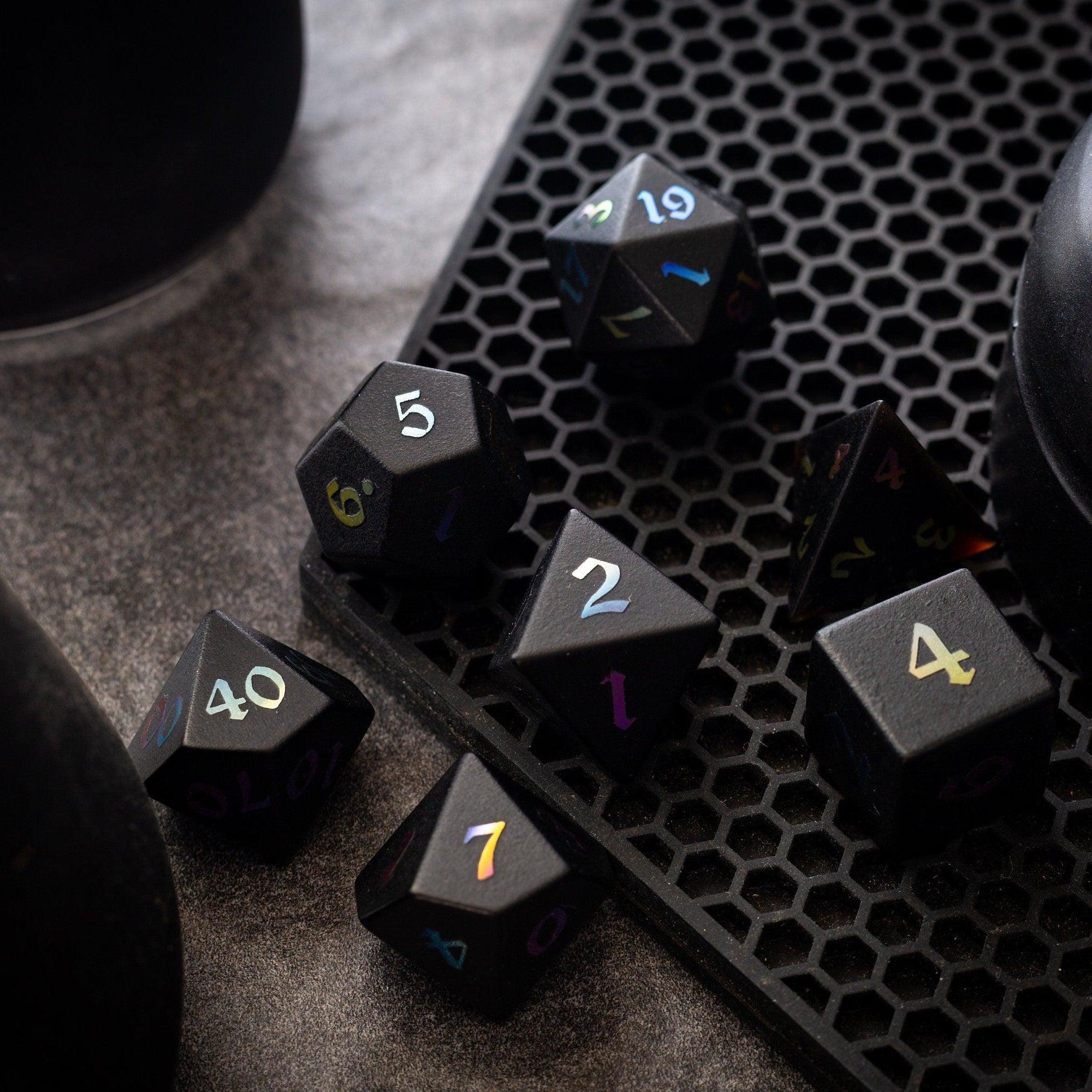
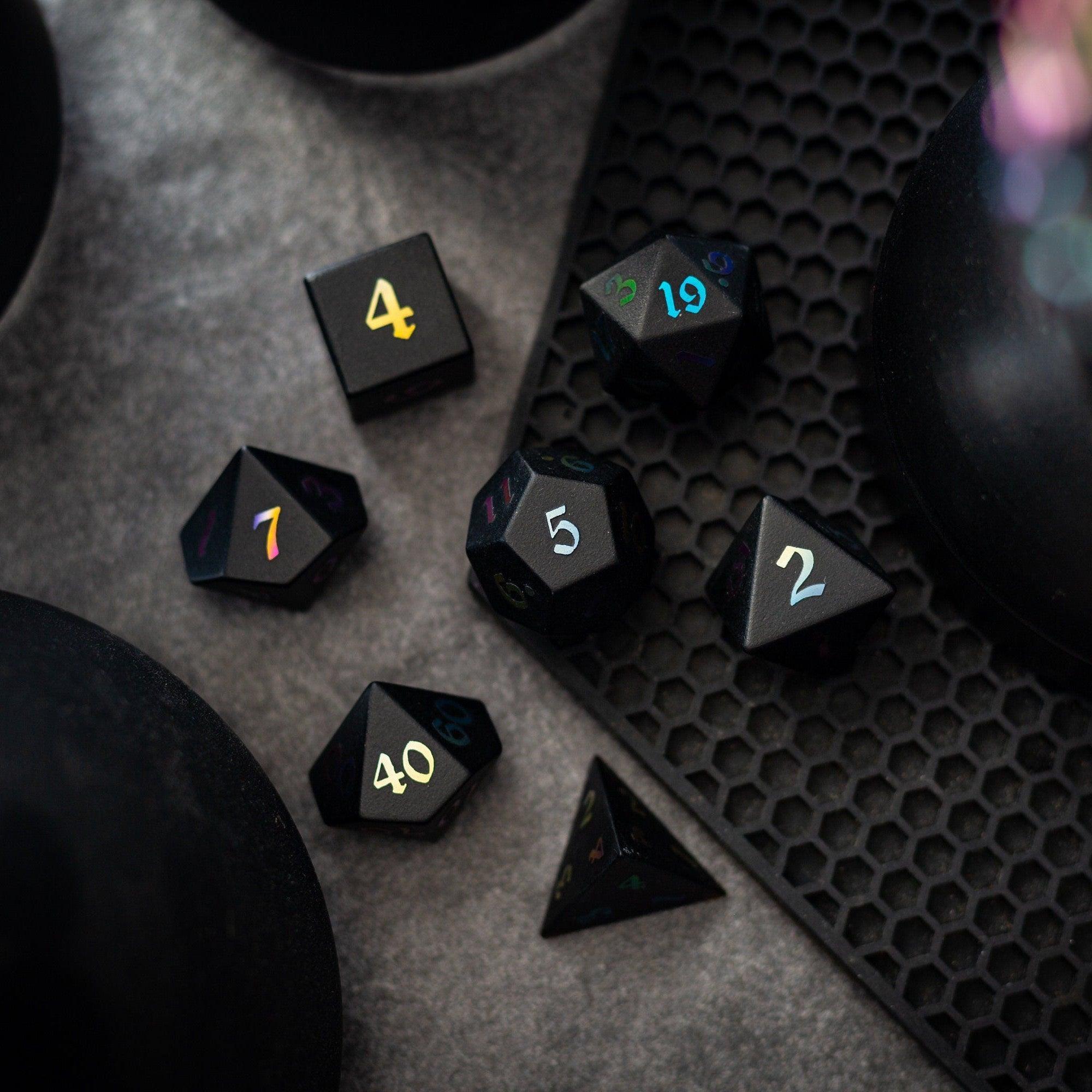
Thoughtful accessories elevate every session. Clear faces avoid confusion, crisp edges reduce cocked rolls, and durable materials protect your investment. If you favor dark themes, consider the elegant contrast of obsidian dice. Their raised numerals help reduce glare, which is kind on the eyes during long campaigns.
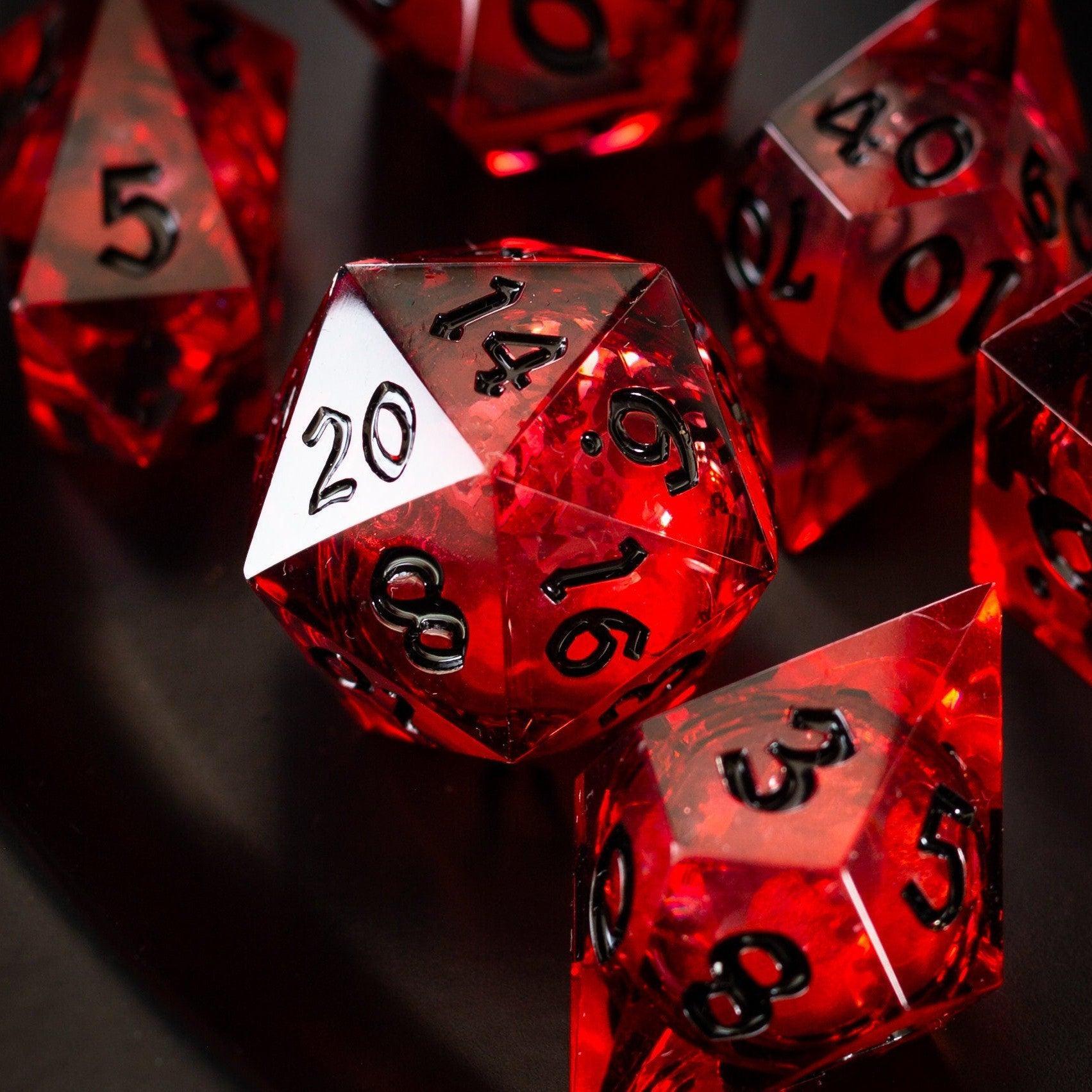
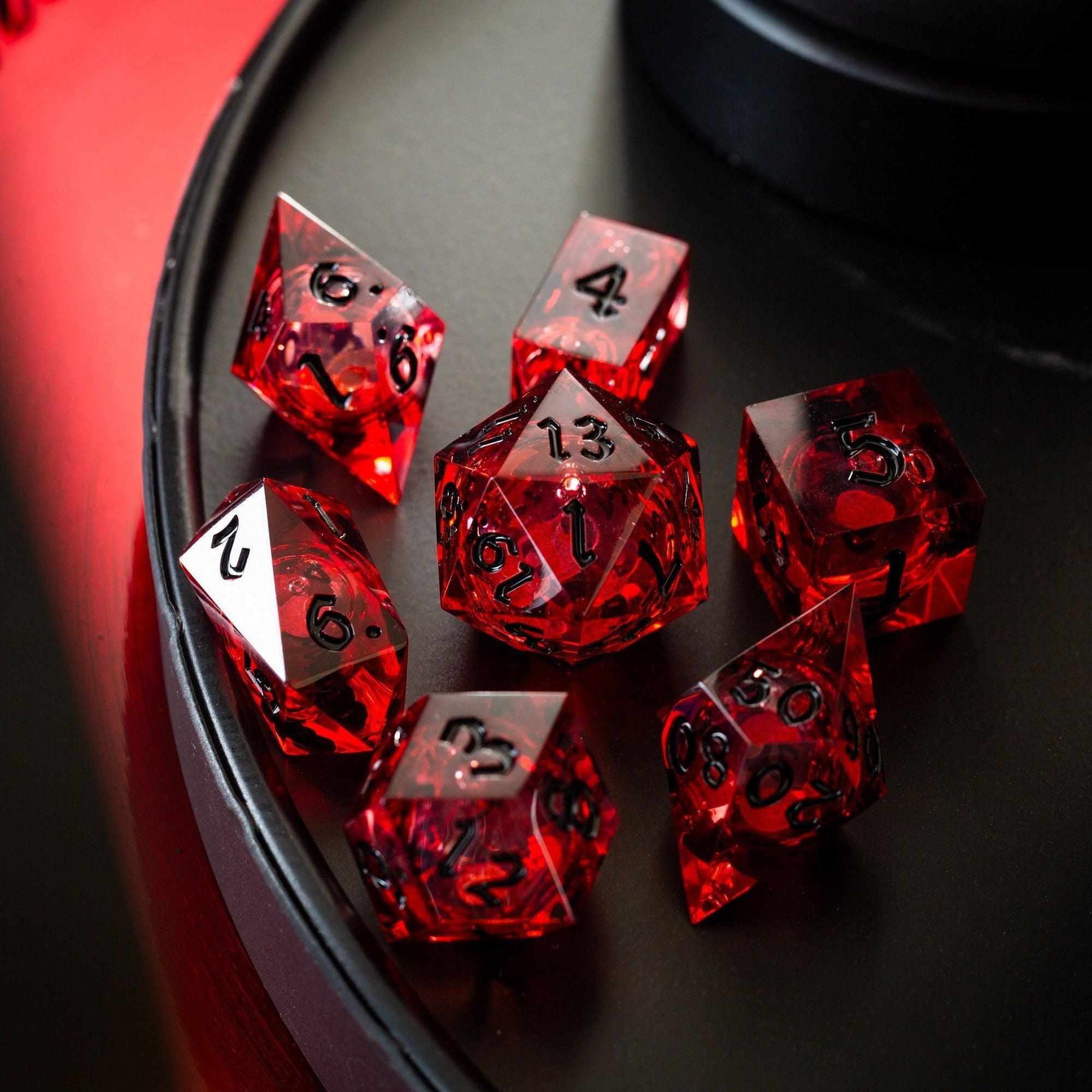
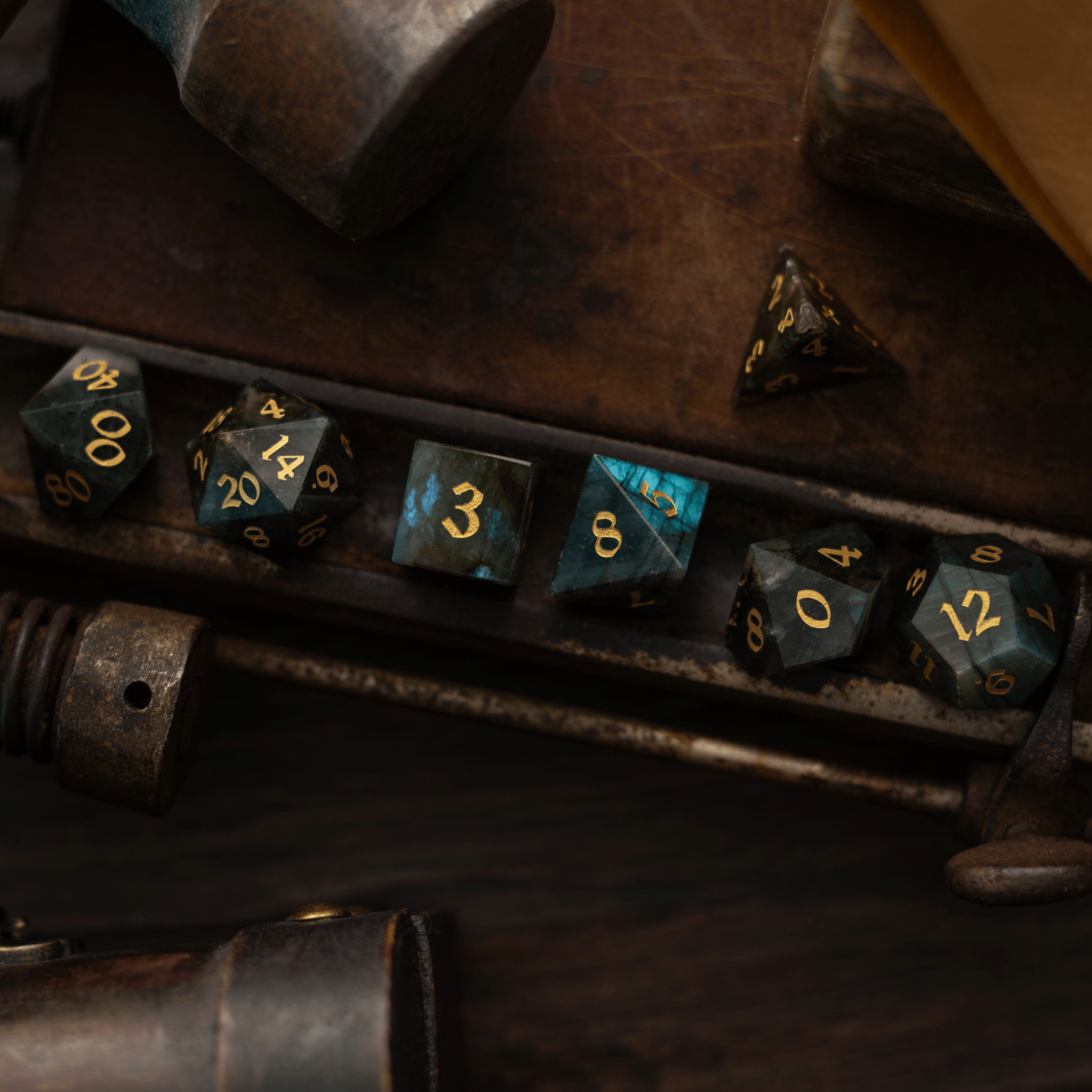
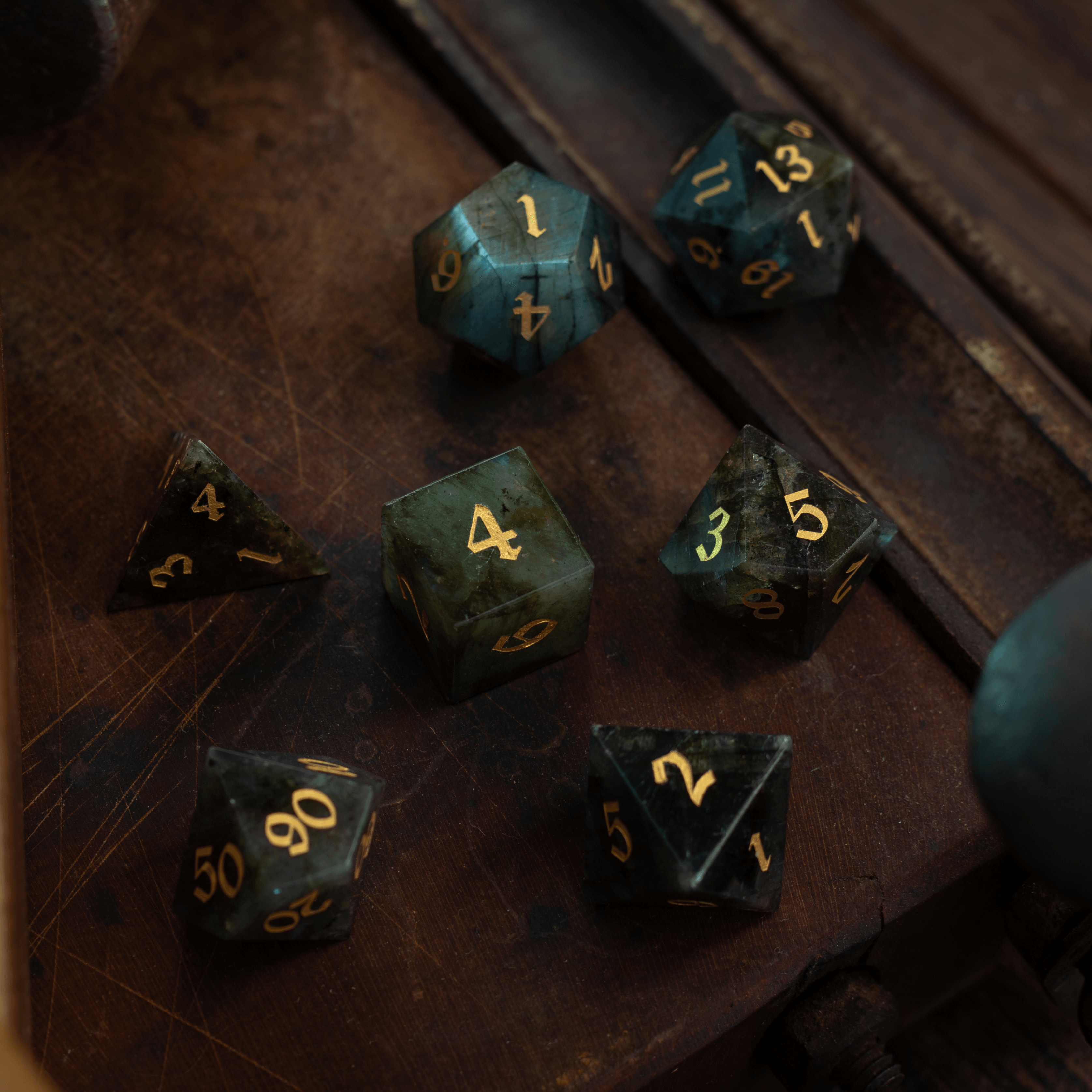
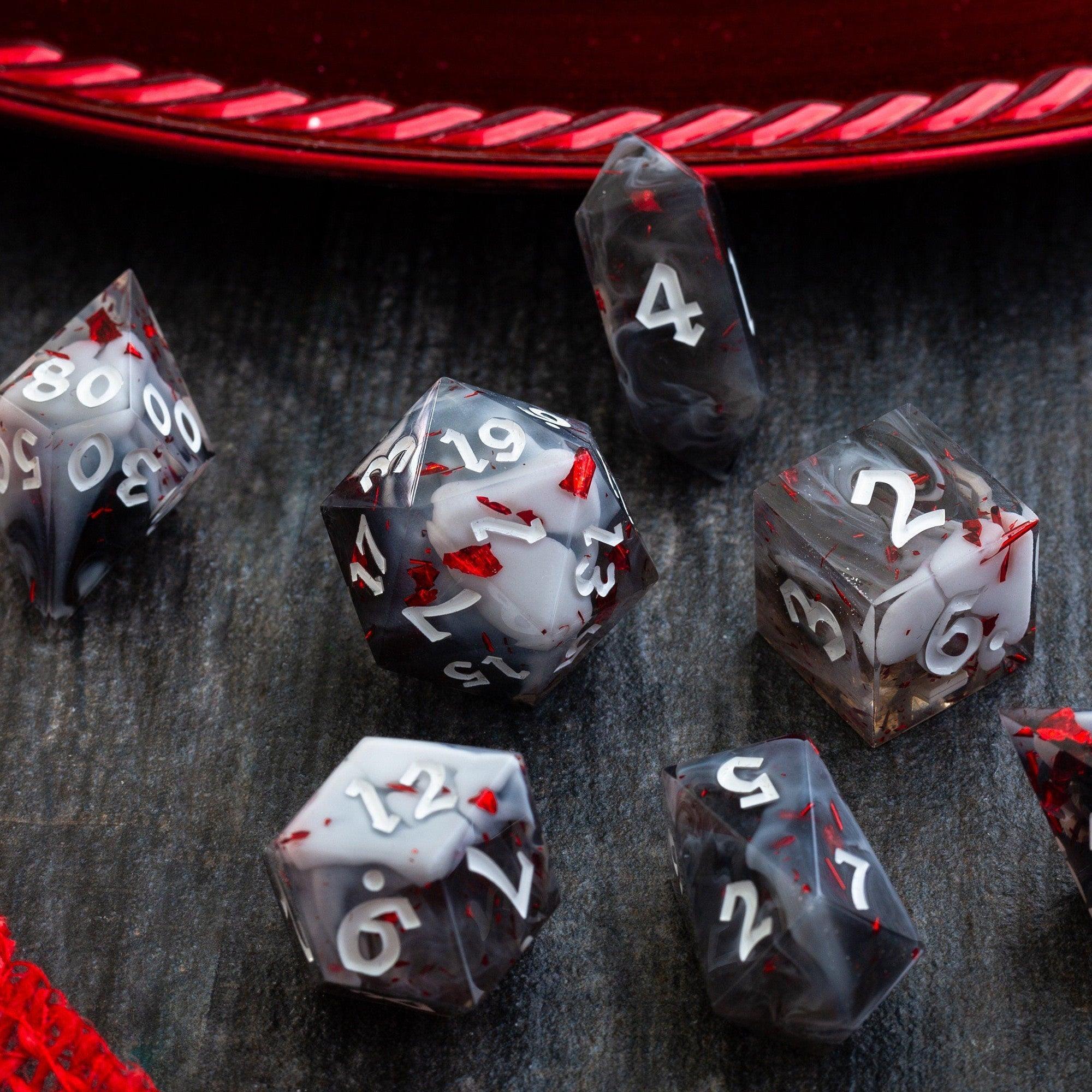
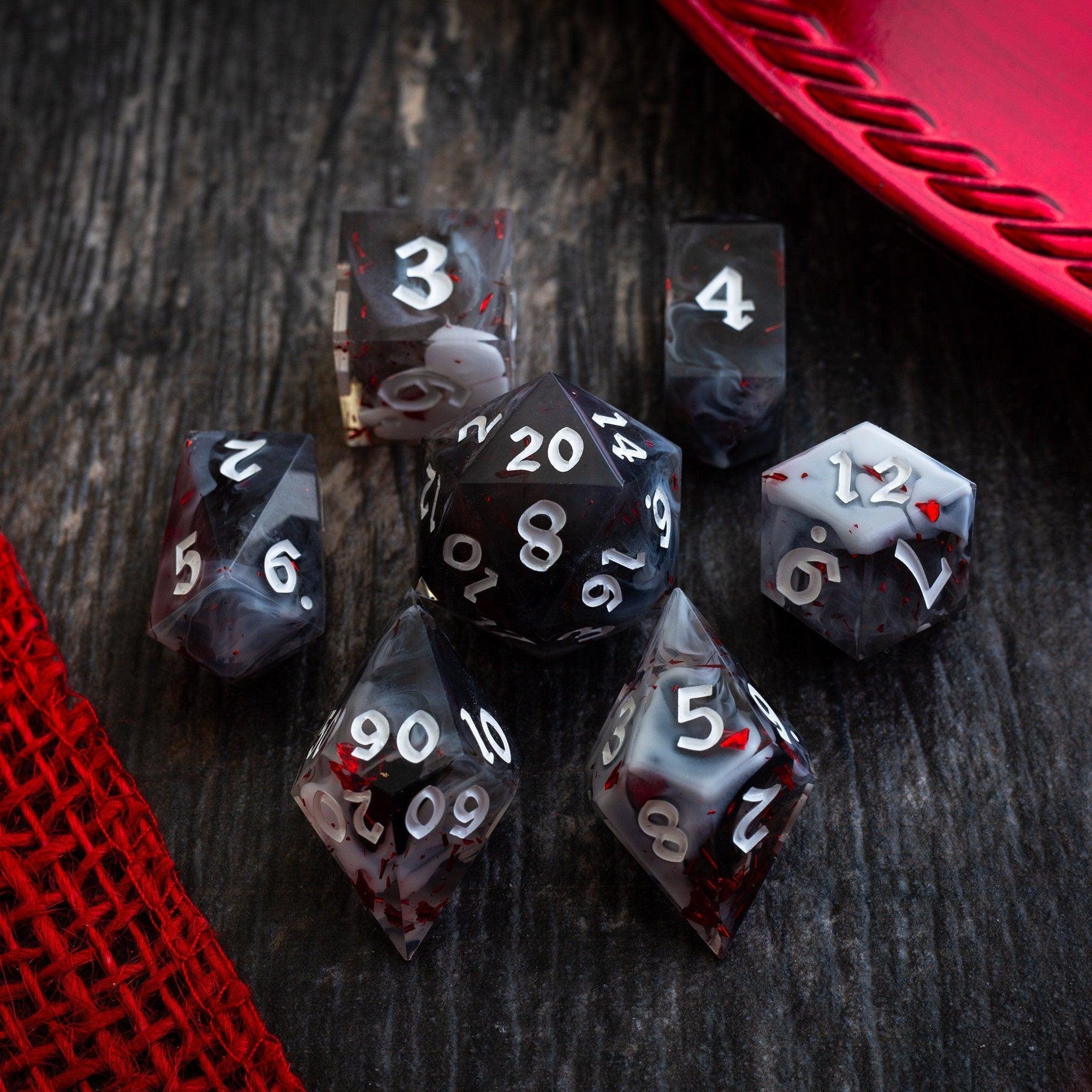
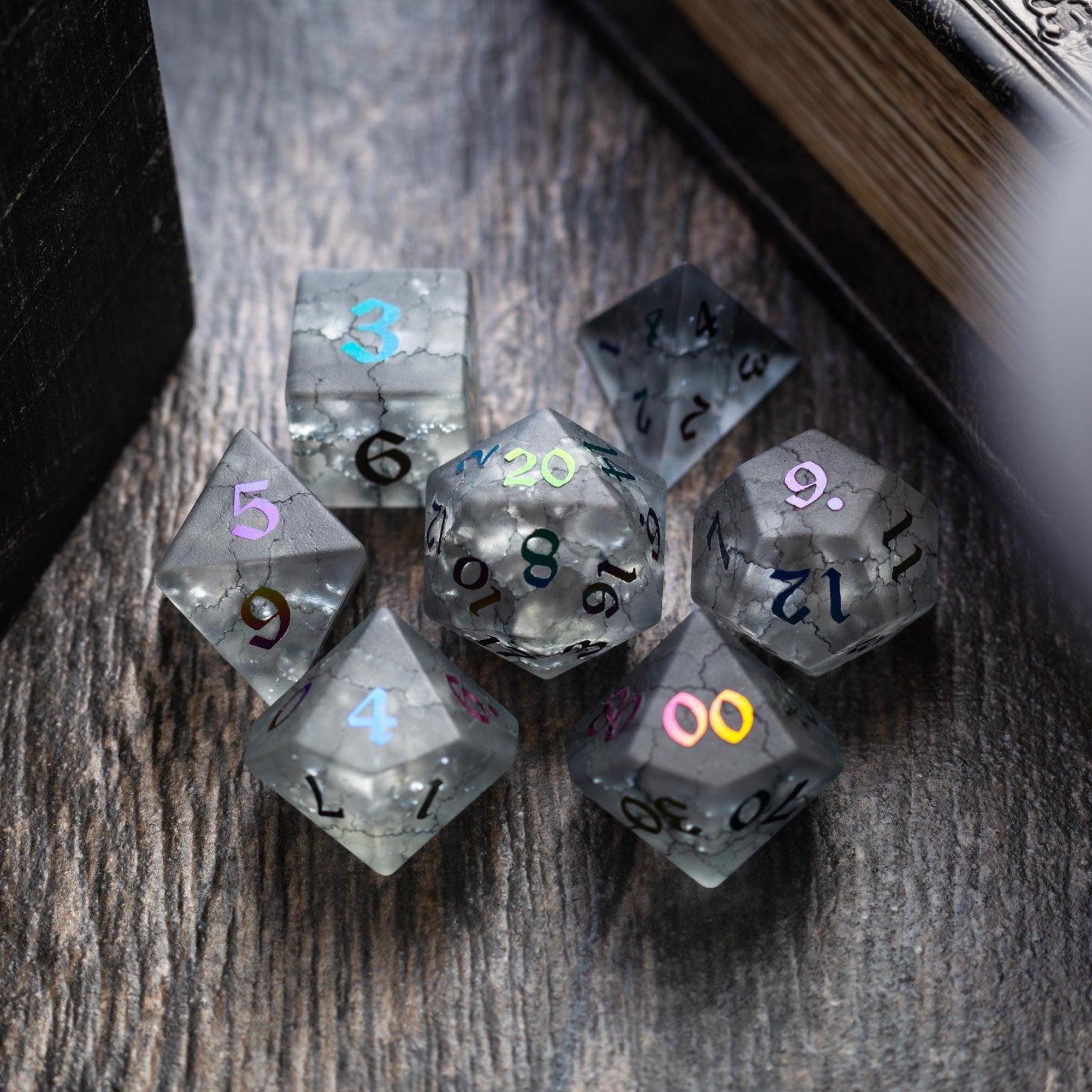
For a touch of iridescence, the polished Labradorite set offers natural shimmer and sturdy heft. The weight feels deliberate, helping rolls stay true on the table. If you enjoy dramatic reveals, explore liquid-core dice. The suspended core creates a striking focal point without sacrificing legibility.

Prefer classic beauty across multiple stones and finishes? Browse our curated gemstone dice. Each set is chosen for contrast and readability, making it easier to resolve results at a glance and keep the session moving with grace.
Myths vs. Facts
- Myth: More rules always mean more depth.
Fact: Depth comes from meaningful choices, not volume. A concise core loop with a few smart twists can offer rich strategy without heavy upkeep. - Myth: Dice make games random and unfair.
Fact: Dice create suspense, but systems control odds. Tools like modifiers, dice pools, and rerolls manage variance and reward preparation. - Myth: Components are cosmetic.
Fact: Readability and precision reduce friction. High-contrast numerals, sharp edges, and consistent weight support fair outcomes and faster turns. - Myth: If a rule is not in the book, you cannot do it.
Fact: Many designs encourage table rulings guided by principles. Clear difficulty bands and consistent adjudication keep play open and fair. - Myth: Balance means every option is equal.
Fact: Balance means every option has a purpose. Asymmetry shines when counters exist and trade-offs are visible.
Frequently Asked Questions
What is a “game mechanic,” and why does it matter?
A mechanic is a repeatable process that turns a player choice into a result. It could be rolling a die against a target number, spending resources, or drafting a card. Mechanics matter because they shape pacing, fairness, and the feeling of achievement. Clear procedures make learning easier and decisions more satisfying.
How do dice affect probability and fairness?
Single-die systems have wider swings, which feel dramatic. Dice pools narrow results and let players count successes, which improves predictability. Advantage and modifiers gently tilt odds based on preparation or position. Fairness improves when the table understands these odds and component design avoids misreads or cocked rolls.
Which game systems are gentle for beginners?
Look for a simple core loop and clear goals. Roll-and-write, light worker placement, and streamlined fantasy adventure rules are kind to new players. Short turns reduce anxiety, and readable components support quick resolutions. Many groups start with a rules-light system and add optional layers later.
How do mechanics increase replayability?
Modular content, asymmetrical powers, variable setup, and card shuffles create fresh puzzles each session. When costs and benefits are well tuned, players discover new lines of play over time. Gentle randomness adds surprise without undermining planning.
When you see tabletop game mechanics explained by designers, you will often notice a shared goal: make choices interesting, make results clear, and keep everyone engaged between turns. A few thoughtful accessories can help you reach that ideal in your own games.
Final Recommendations
To choose your next game with confidence, read the core loop first, glance at how odds are handled, and confirm that components support readability. Keep teaching scripts short and emphasize what a player does on their turn. If you want to refresh your table tools, consider sets with high-contrast numerals and reliable weight, such as the options highlighted above. When you are ready to explore further styles and finishes, you are welcome to browse our selections and find a set that fits your table’s tone and lighting.





Leave a comment
This site is protected by hCaptcha and the hCaptcha Privacy Policy and Terms of Service apply.