

Worldbuilding Toolkit for Roleplaying A Practical Guide
Updated on: 2026-01-05
If you enjoy crafting settings, cultures, and mysteries for tabletop games, a thoughtful worldbuilding approach can make your sessions smoother and more immersive. This guide offers a gentle, practical framework you can use right away, whether you are a first-time GM or a seasoned storyteller. You will find simple prompts, checklists, and examples you can adapt to any genre. By the end, you will have a clear, flexible plan to shape your next campaign with confidence and care, supported by a worldbuilding toolkit for roleplaying.
- Personal Experience or Anecdote
- Key Advantages: worldbuilding toolkit for roleplaying
- Quick Tips
- Summary & Next Steps

A simple, kind structure can ease creative pressure and help you focus on the fun part: telling stories with friends. This article shares a friendly process for shaping maps, cultures, factions, and encounters with less stress and more flow. It centers on small, repeatable habits that build momentum without demanding hours of prep. Most steps take a few minutes and are designed to work with any ruleset. Whether your table explores cosmic ruins or cozy towns, a worldbuilding toolkit for roleplaying can become a quiet companion that keeps your ideas organized and ready for play.
Personal Experience or Anecdote
Several years ago, I prepared for a campaign by writing a long gazetteer. It felt impressive, but session one arrived and I realized my players were more curious about a single harbor tavern than the twelve-page history of an empire. That night taught me a kind lesson: the right details are the ones that reach the table. Since then, I use a small set of repeatable prompts before each session: what the players can see, what they can hear, one secret, and one decision that might change the situation.
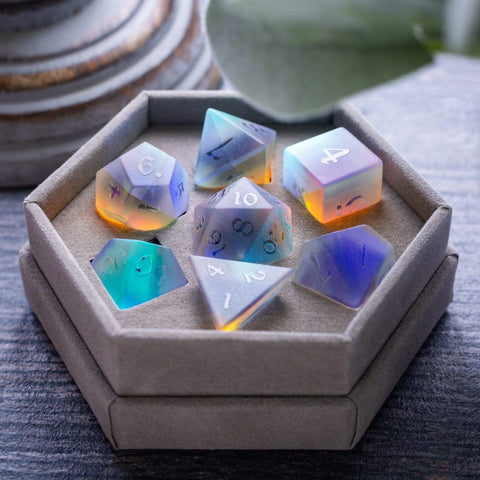
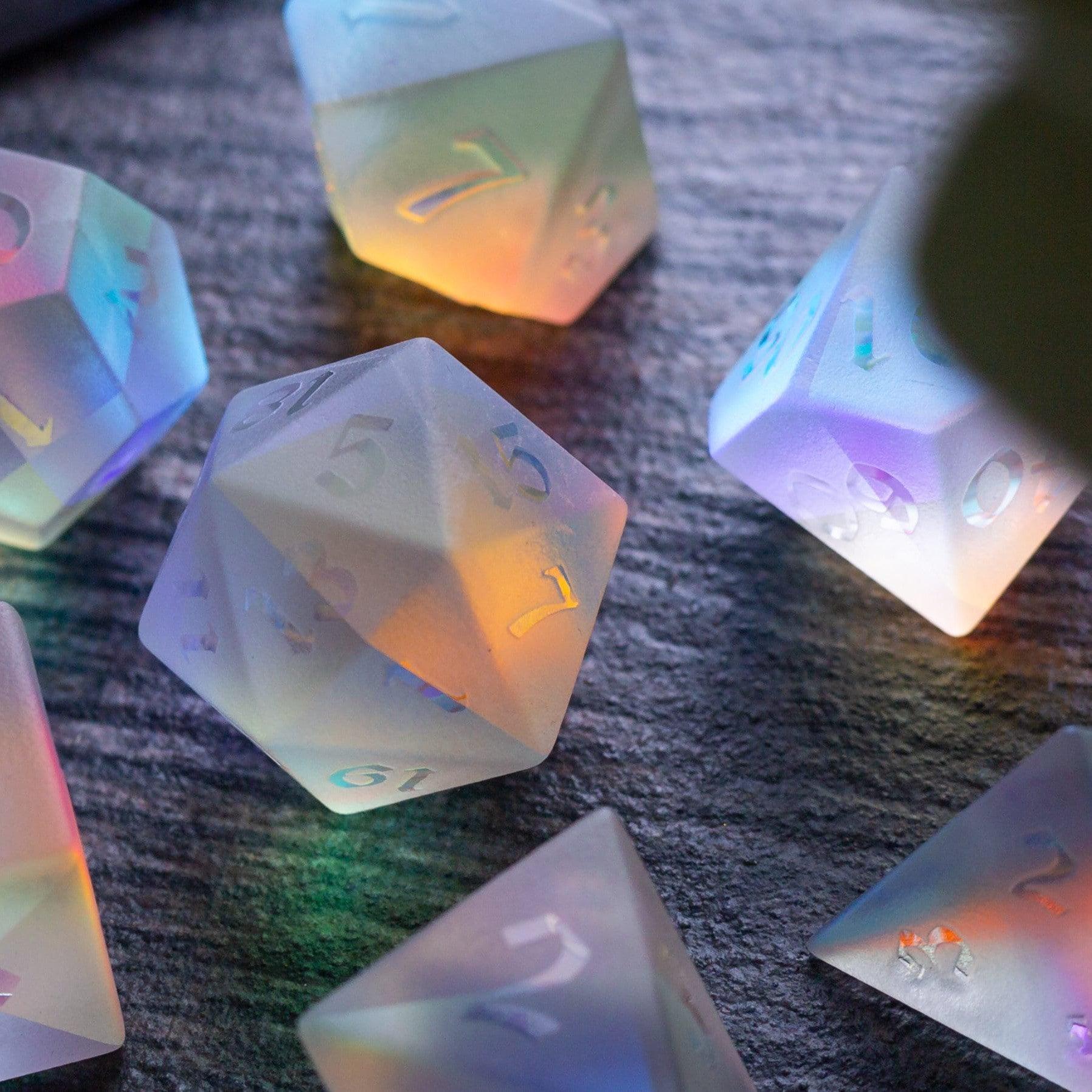
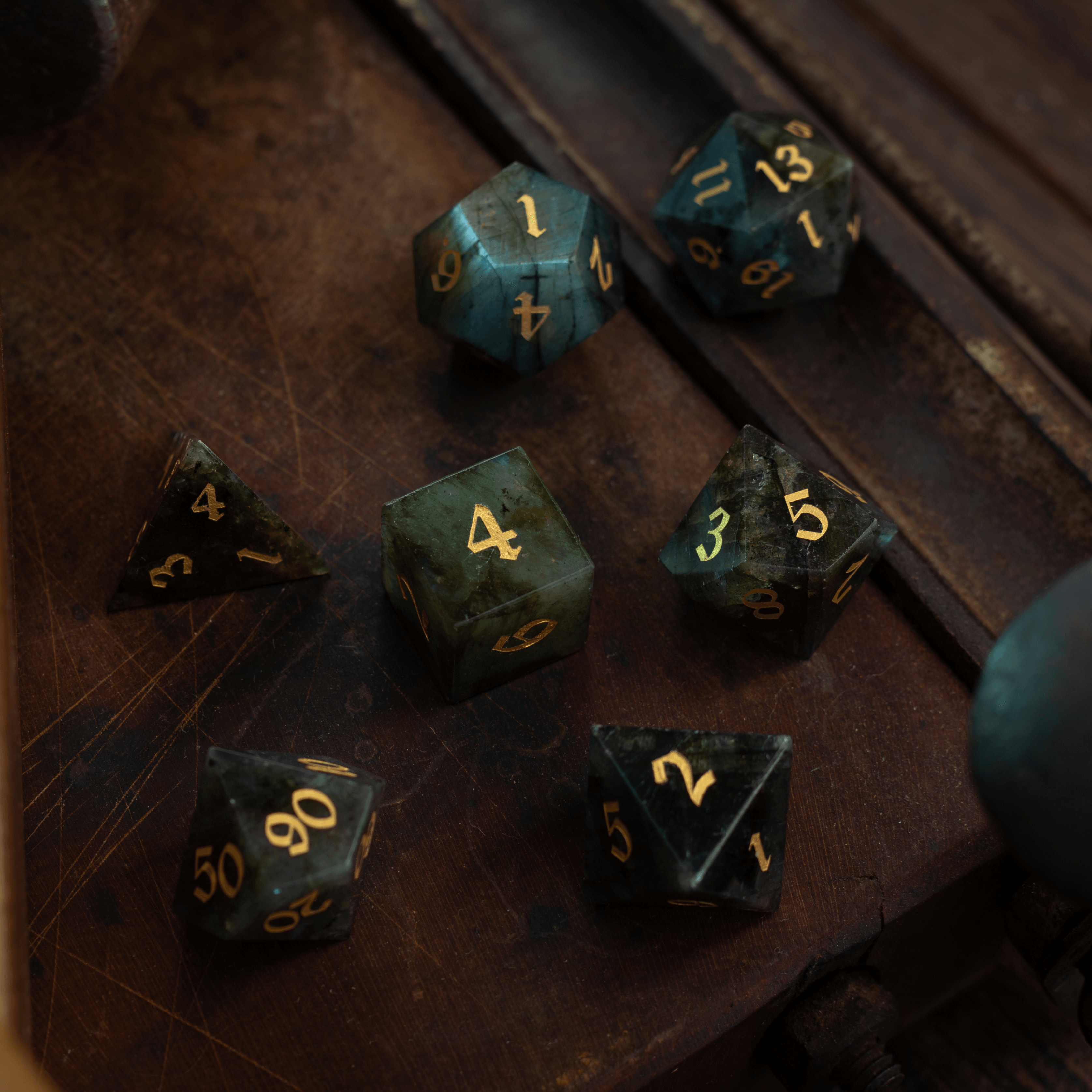
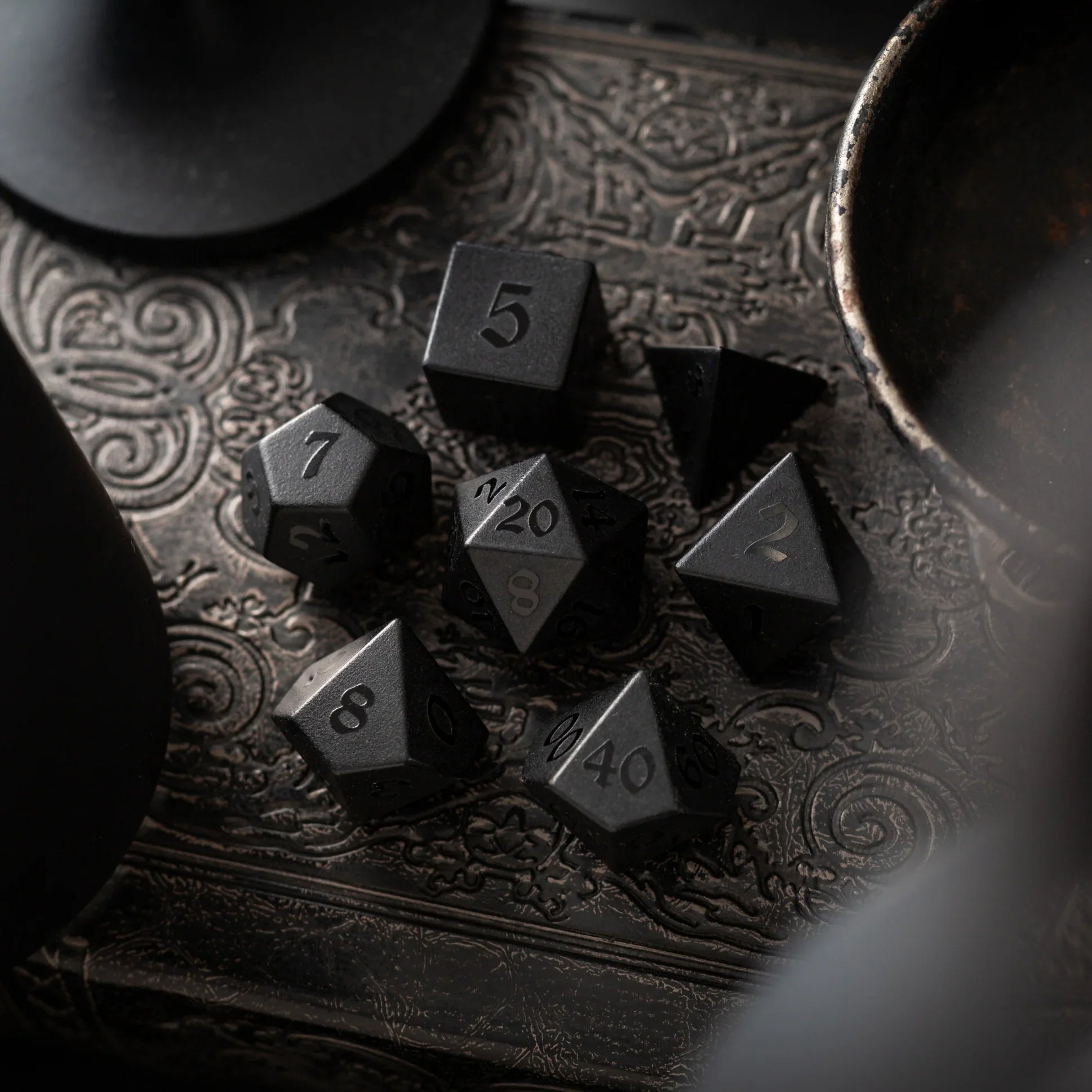
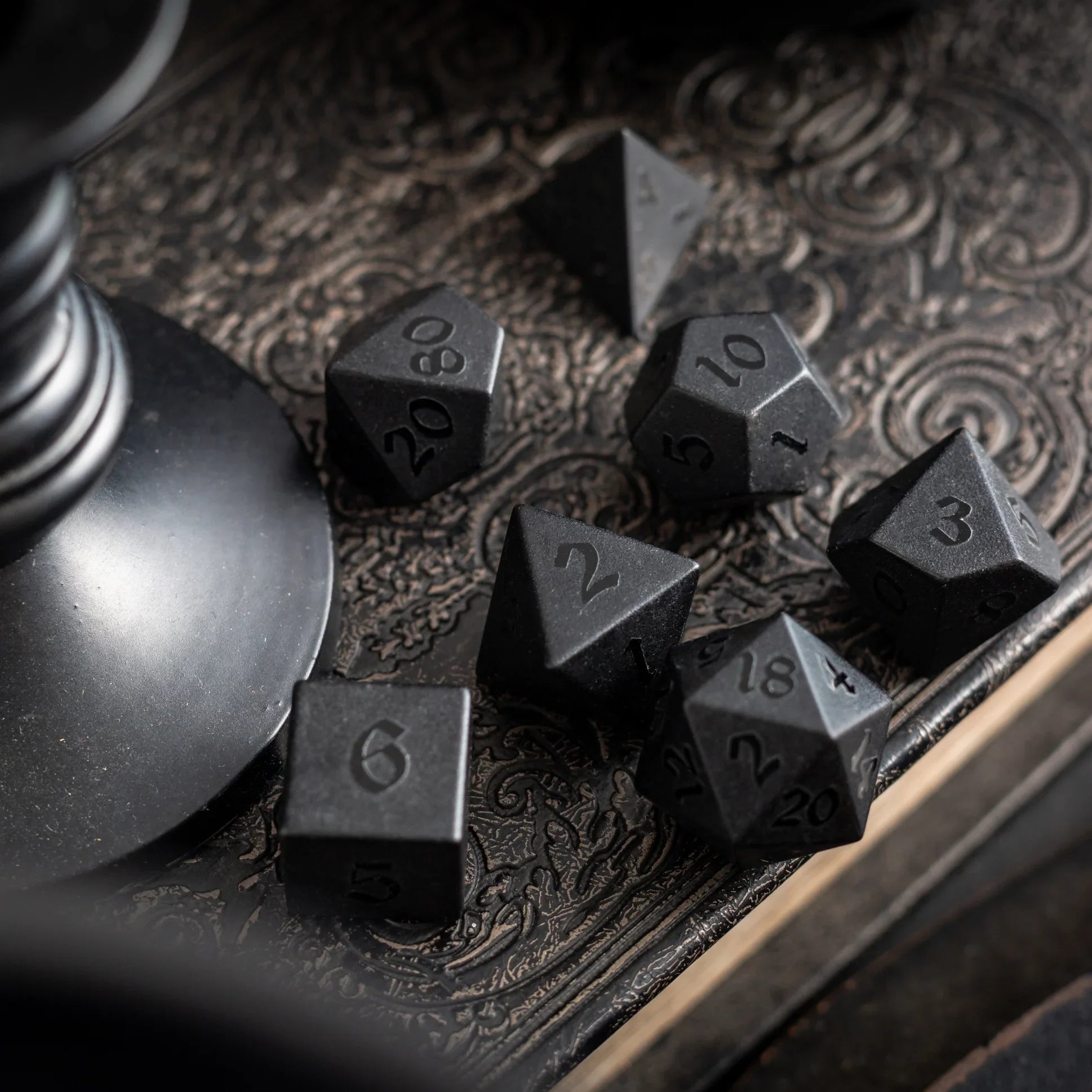
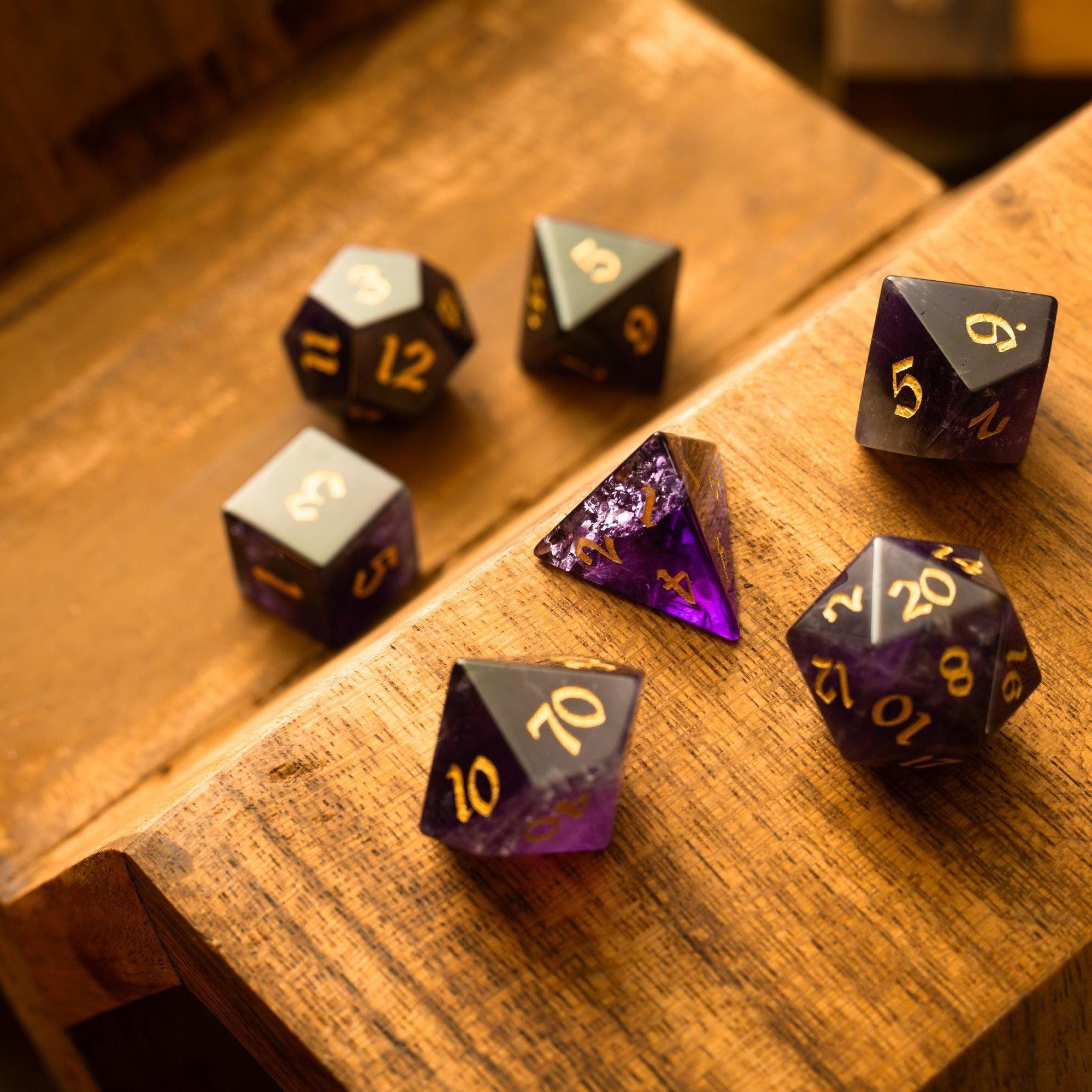
As I refined this practice, I learned to spark ideas with tactile tools. A handful of dice became scene seeds: a high roll suggested a friendly contact; a low roll hinted at rising tension; unmatched colors nudged me toward unexpected twists. Beautiful accessories can also make prep feel inviting. For example, browsing a curated selection of gemstone dice has helped me think about cultures, trade, and symbolism. A shimmering set can inspire a guild’s crest, a festival, or a relic. Small prompts, repeated gently, often create the strongest worlds.
Key Advantages: Toolkit for roleplaying
- Clarity over complexity: A compact framework keeps your notes focused on what players will notice—sights, sounds, choices, and consequences—rather than encyclopedias of lore.
- Consistency session to session: Repeatable checklists help you present towns, NPCs, and factions in a steady voice, which builds trust and immersion at the table.
- Faster prep: Short, structured prompts (one hook, one obstacle, one secret) reduce decision fatigue and let you prepare in minutes, not hours.
- Better pacing: When each scene has a clear goal and a visible change if the players act, sessions tend to move at a comfortable, engaging rhythm.
- Player-centered design: Tools that track relationships, rumors, and unresolved threads make it easier to honor player choices and weave their ideas into the world.
- Adaptable across genres: The same prompts work for high fantasy, sci-fi salvage, or cozy mystery; you only adjust tone and detail.
- Resilient improvisation: A few sensory notes plus a faction agenda often provide enough to improvise confidently when players take a surprising path.
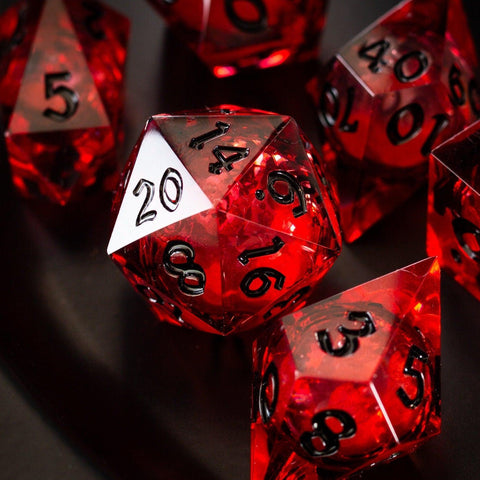
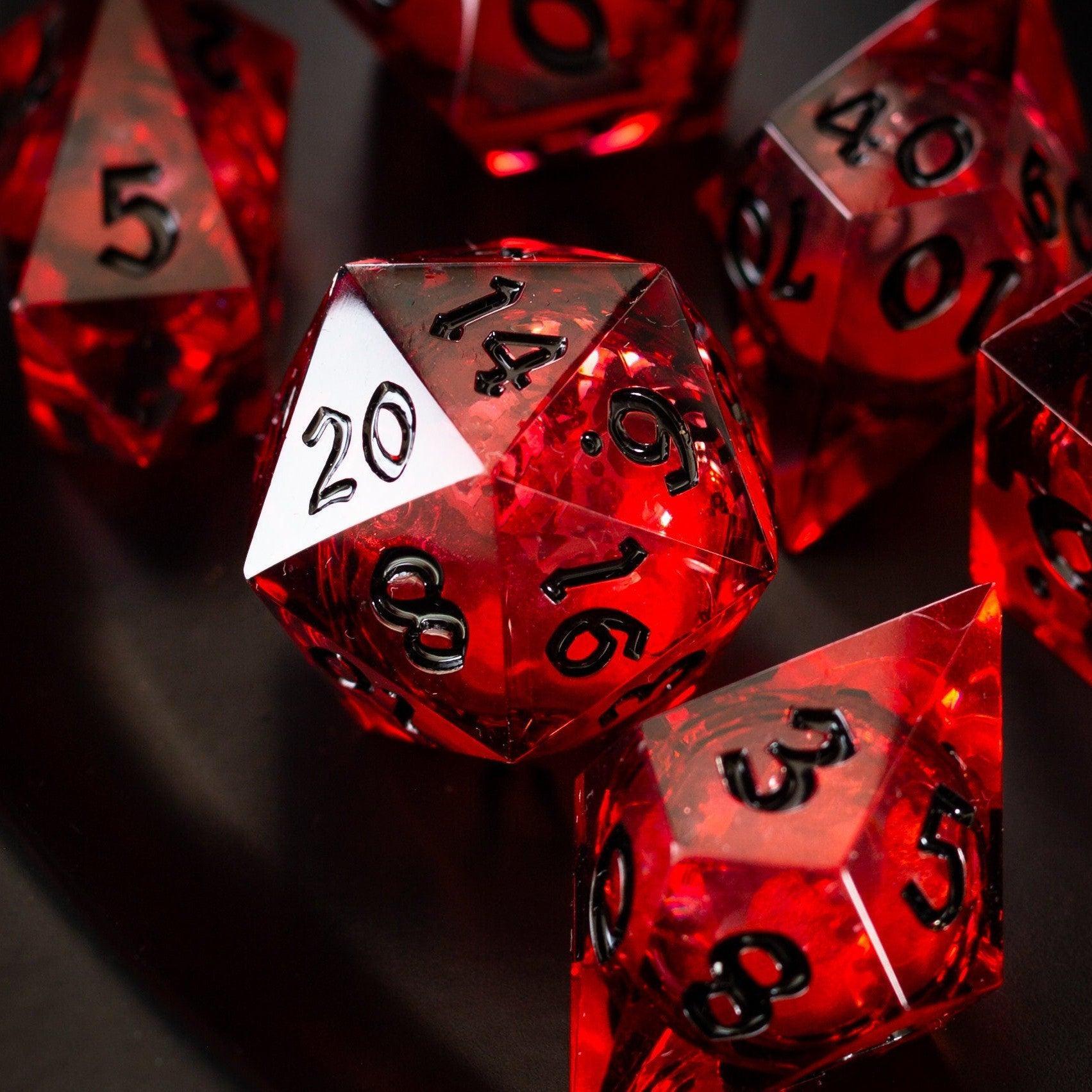
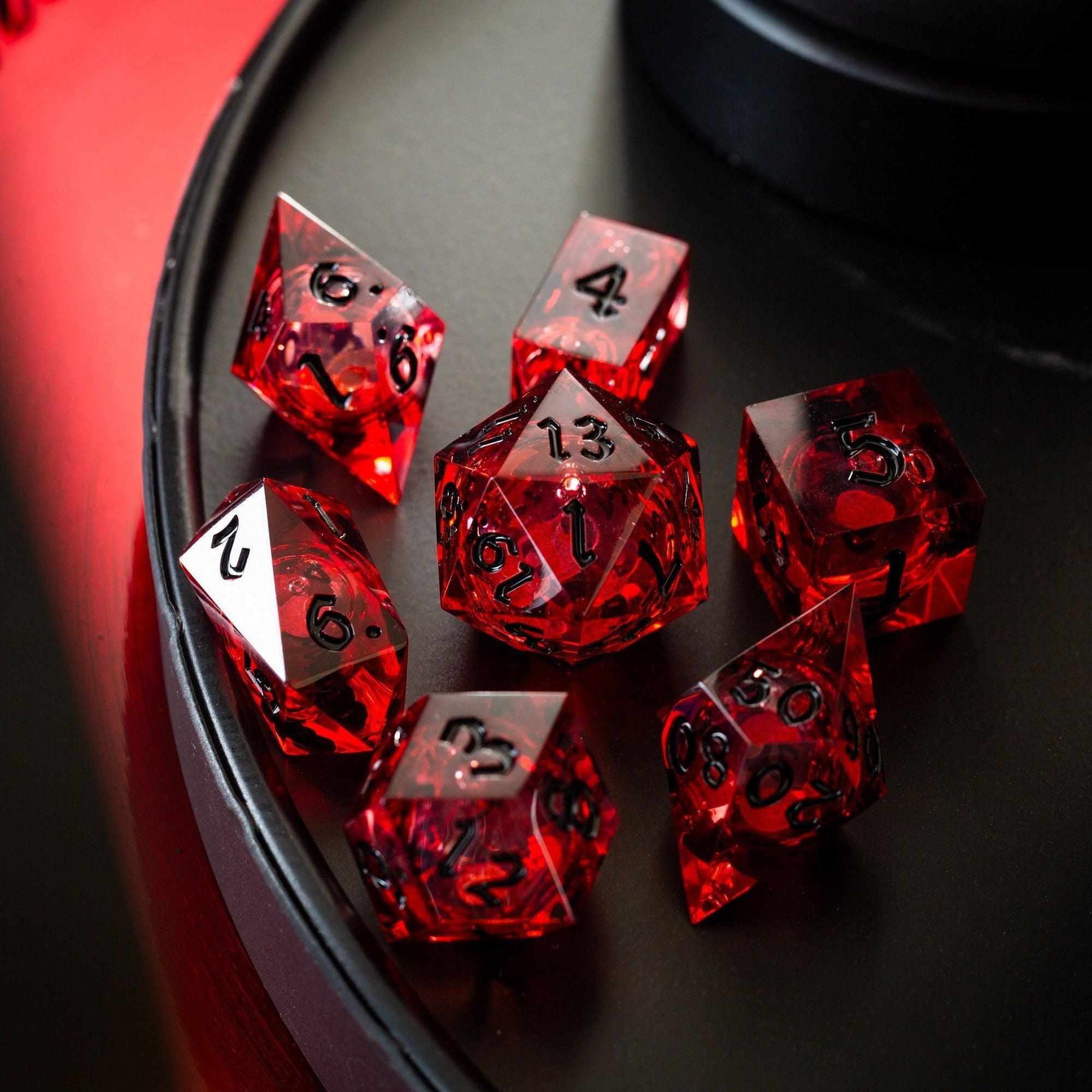
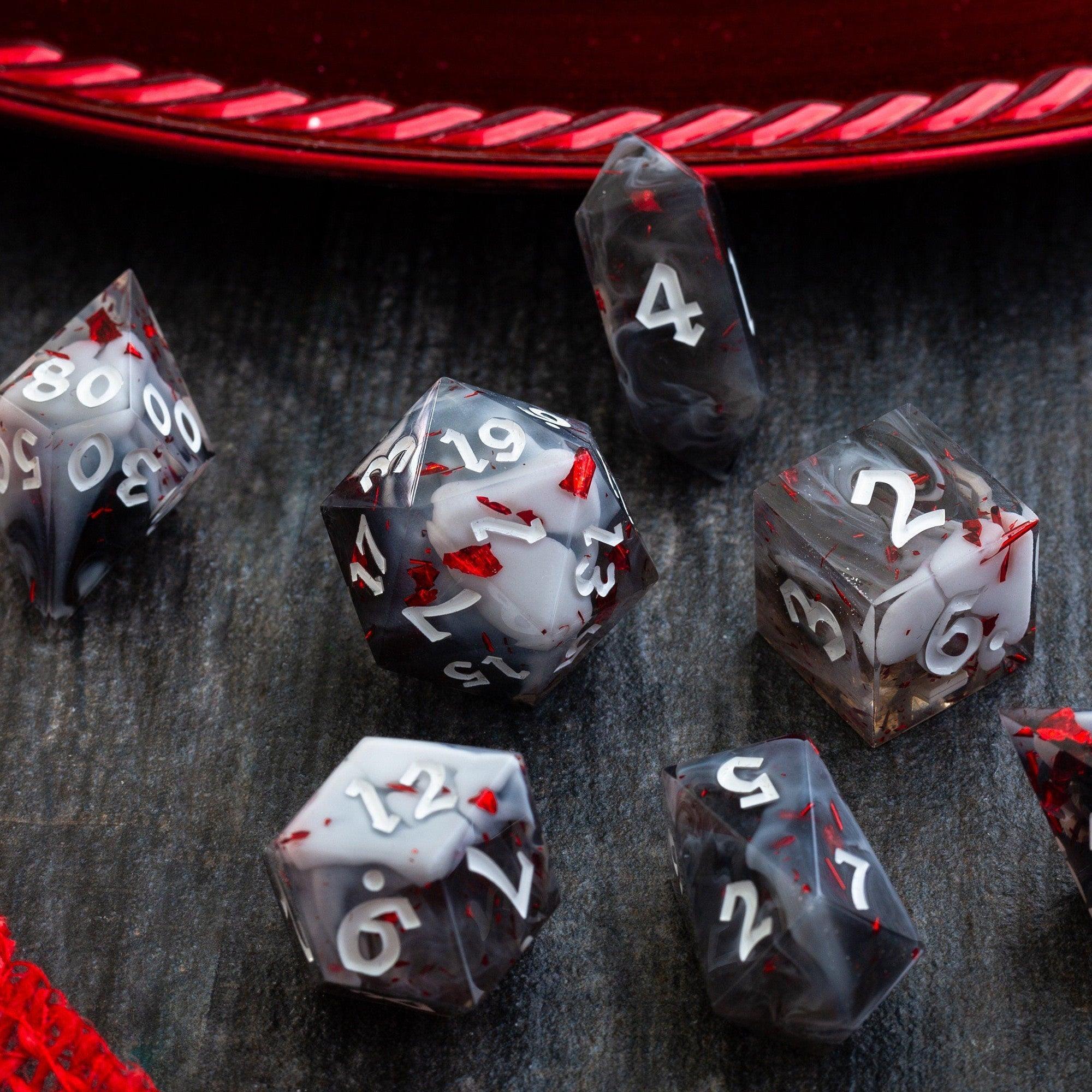
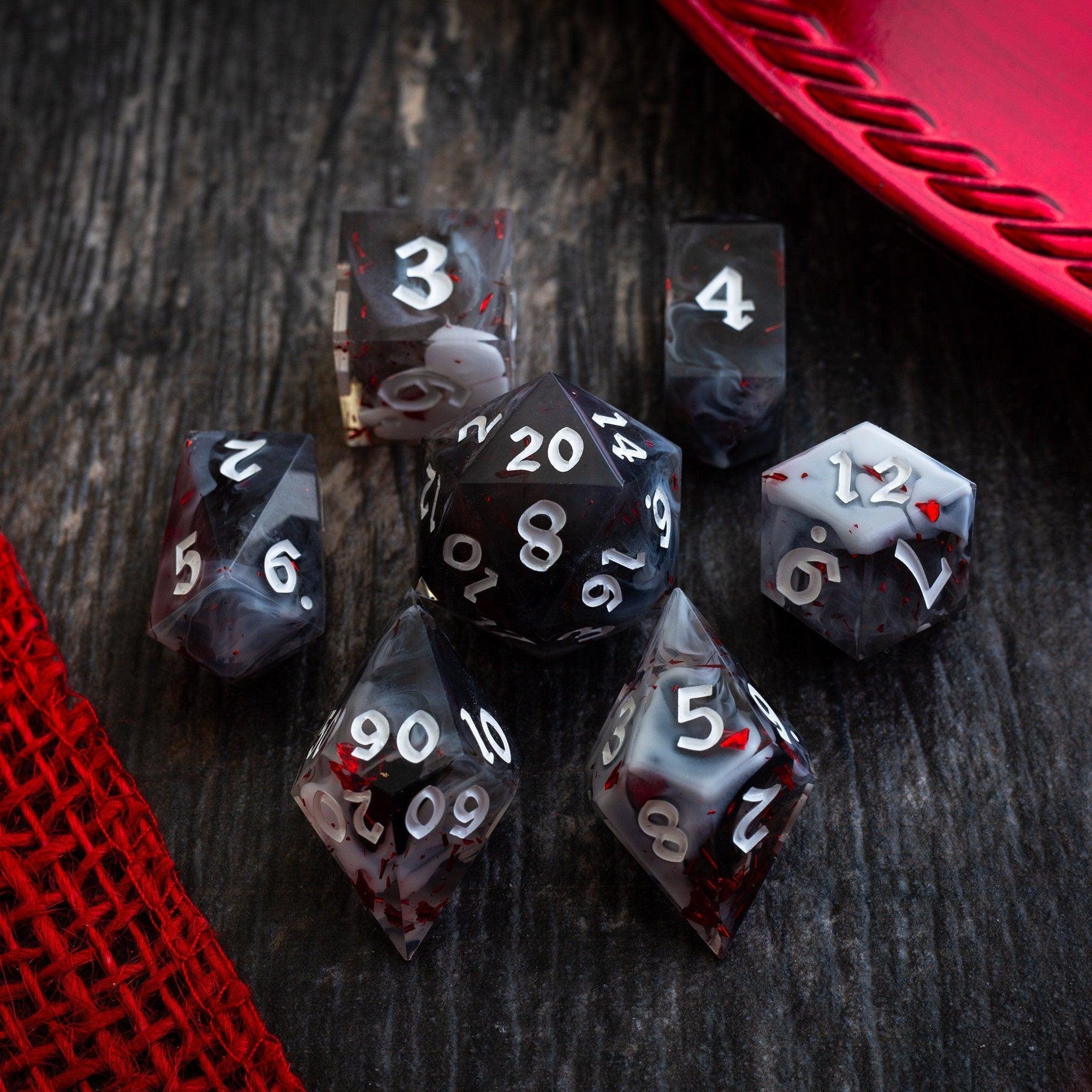
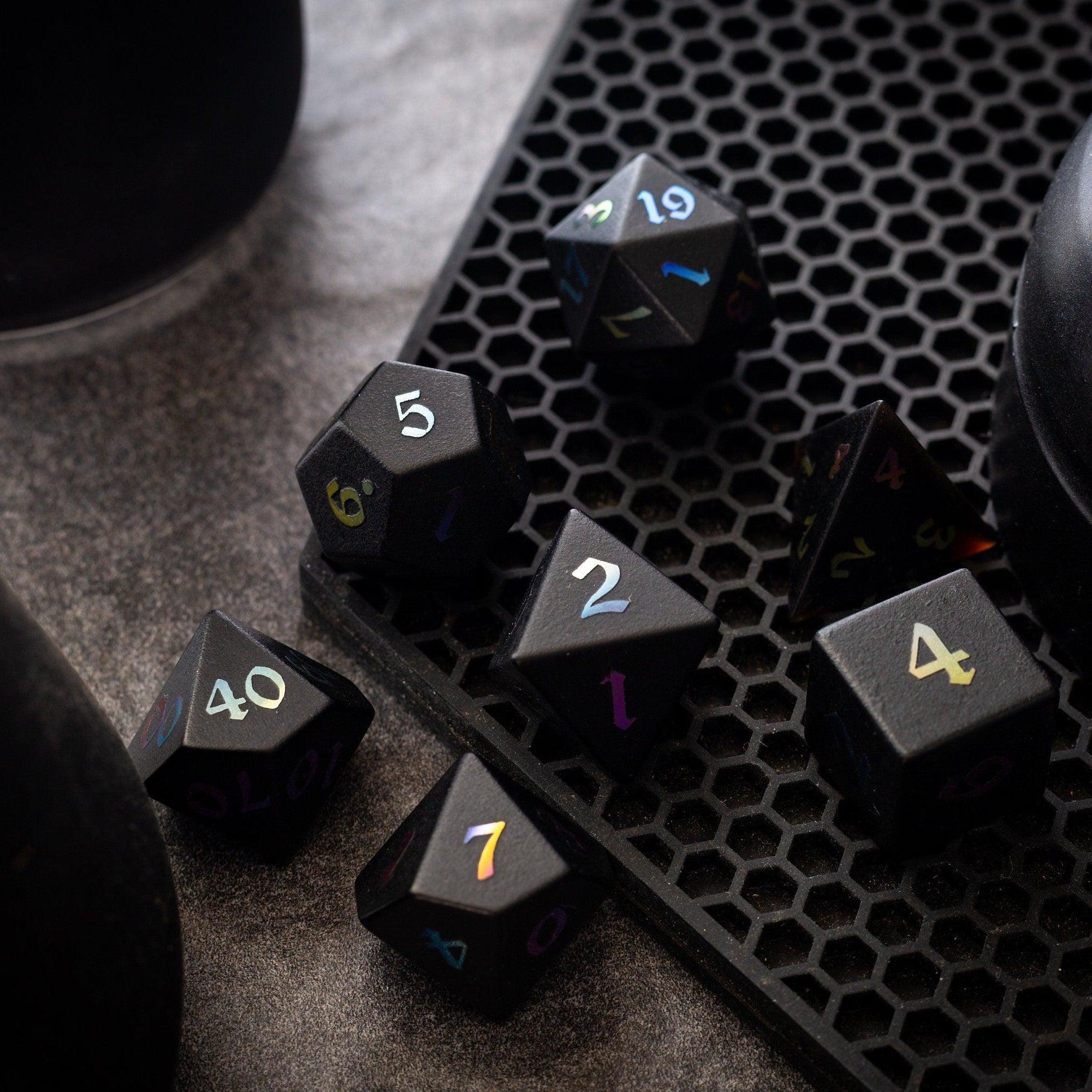
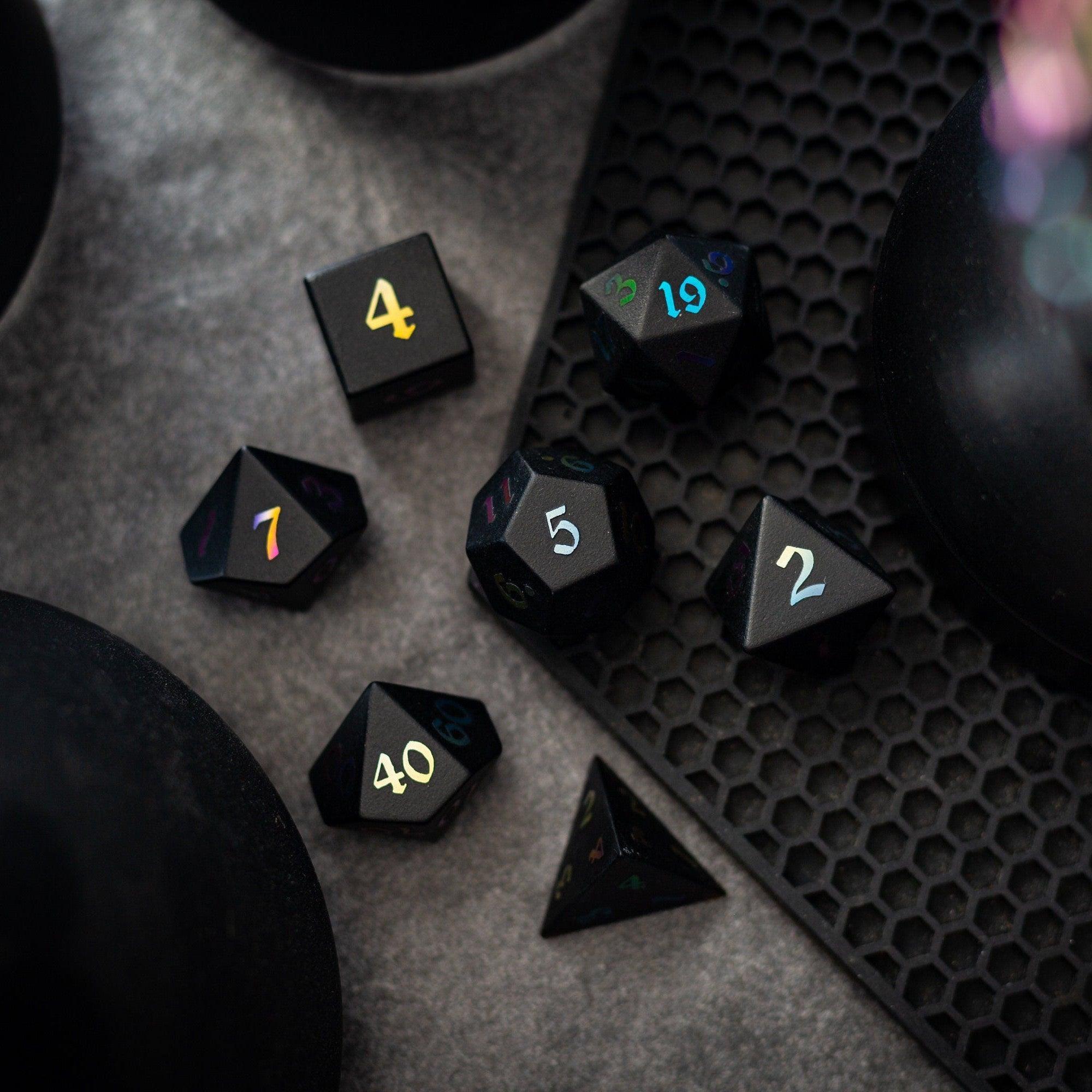
- Durable inspiration: Physical prompts—maps, tokens, or a favorite set of liquid core dice—can reinforce themes and keep prep feeling creative and enjoyable.
Quick Tips
- Start small: Write one neighborhood or starport with three landmarks, three NPCs, and one mystery that gently tugs the party forward.
- Use the “Scene Card”: List goal, location, sensory cues, obstacle, and a twist that enters if players pause.
- Track threads: Keep a simple list of unresolved rumors and who cares about them; revisit this at the end of each session.
- Name with purpose: Choose names that signal culture or mood; note how names differ across regions or factions.
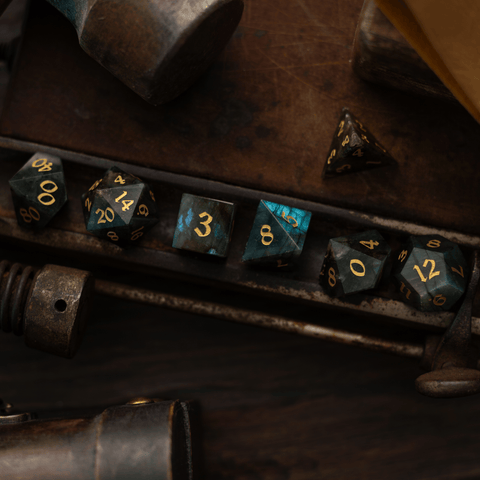
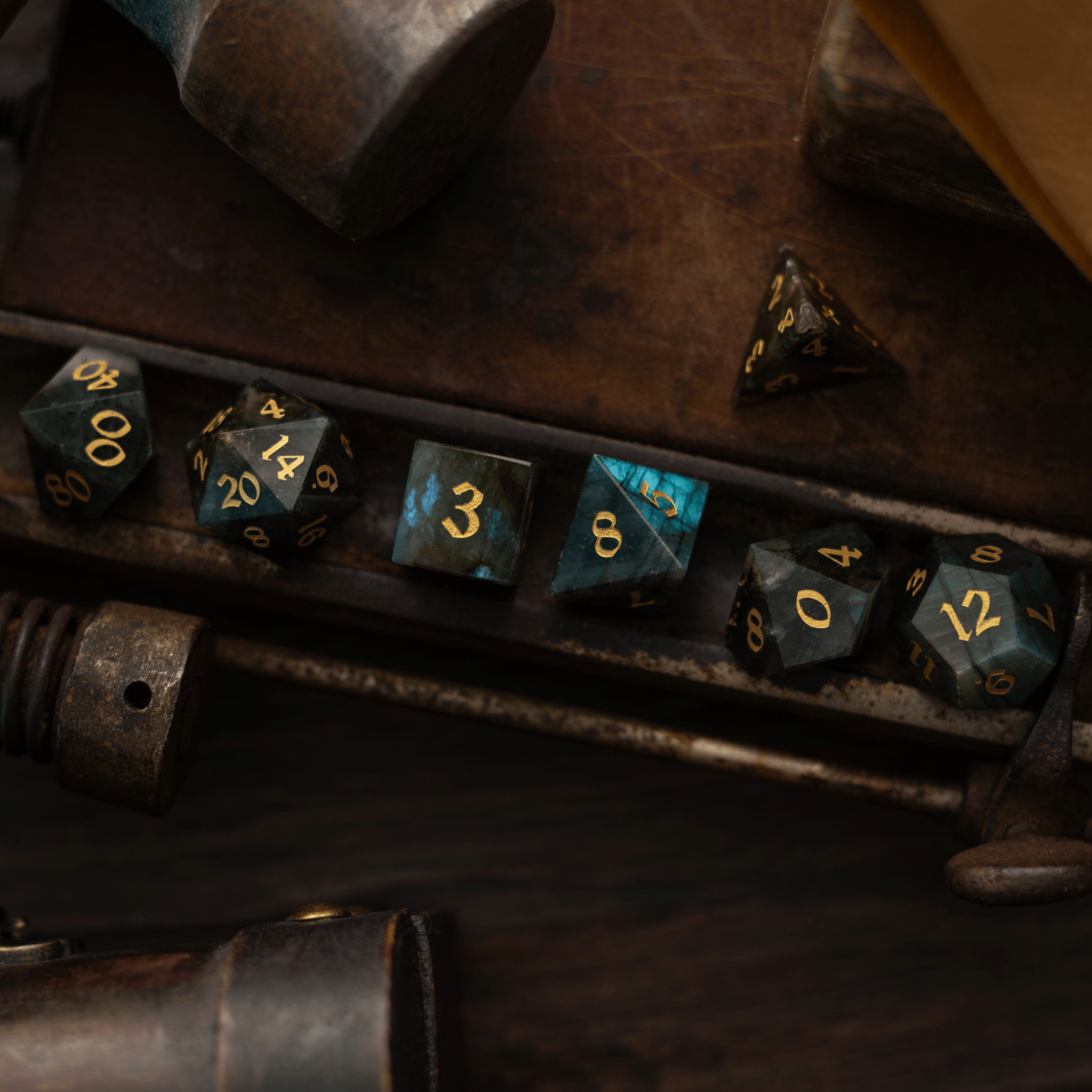
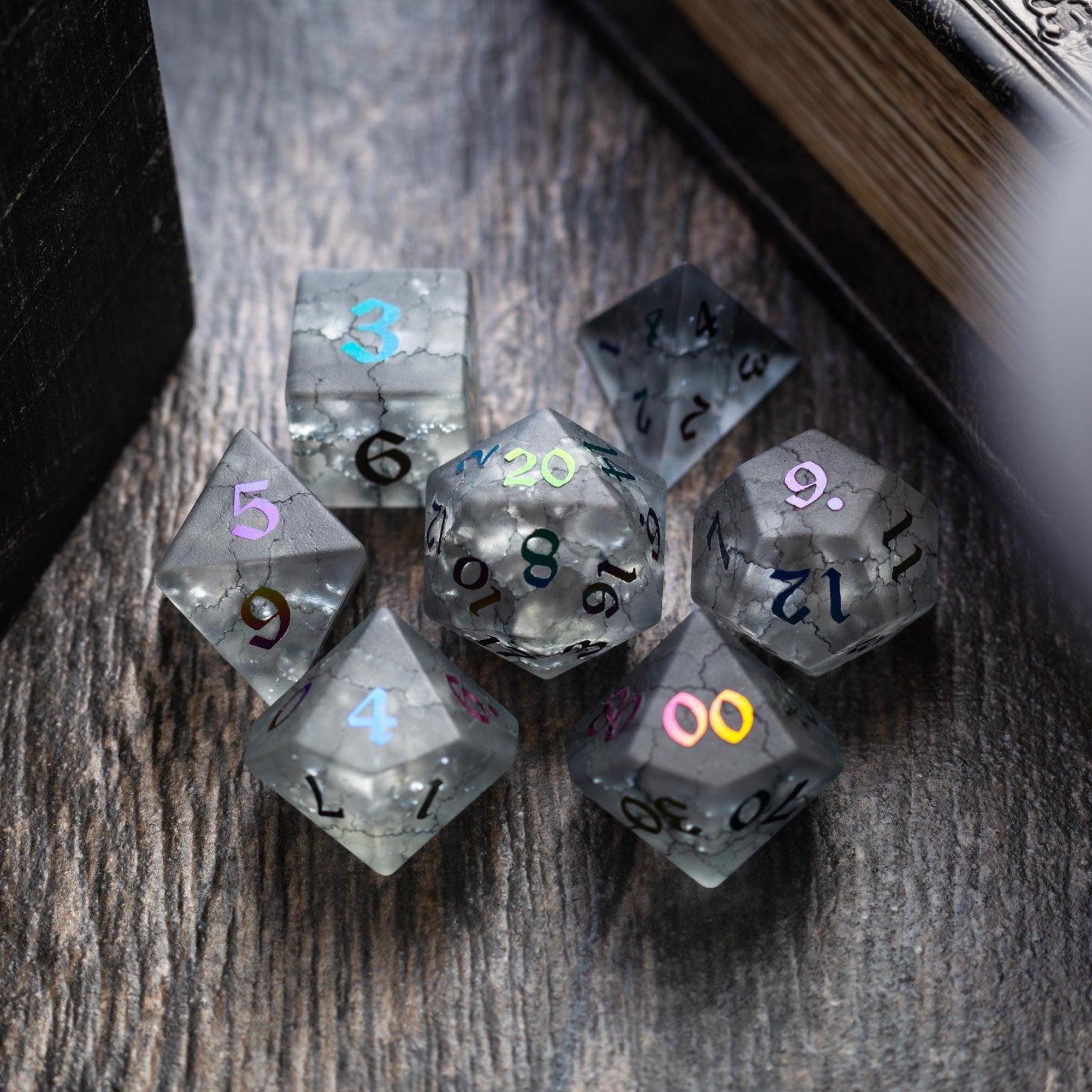
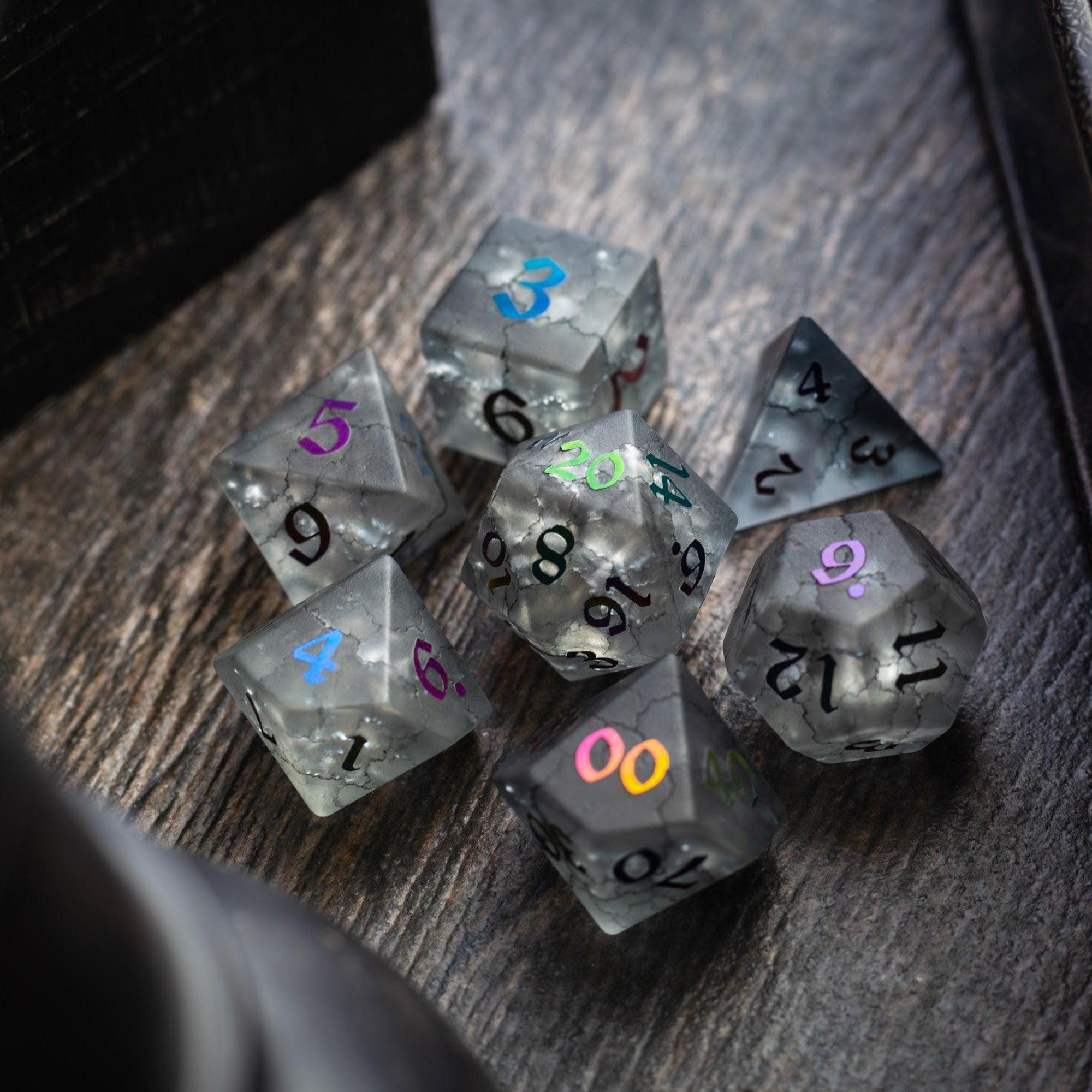
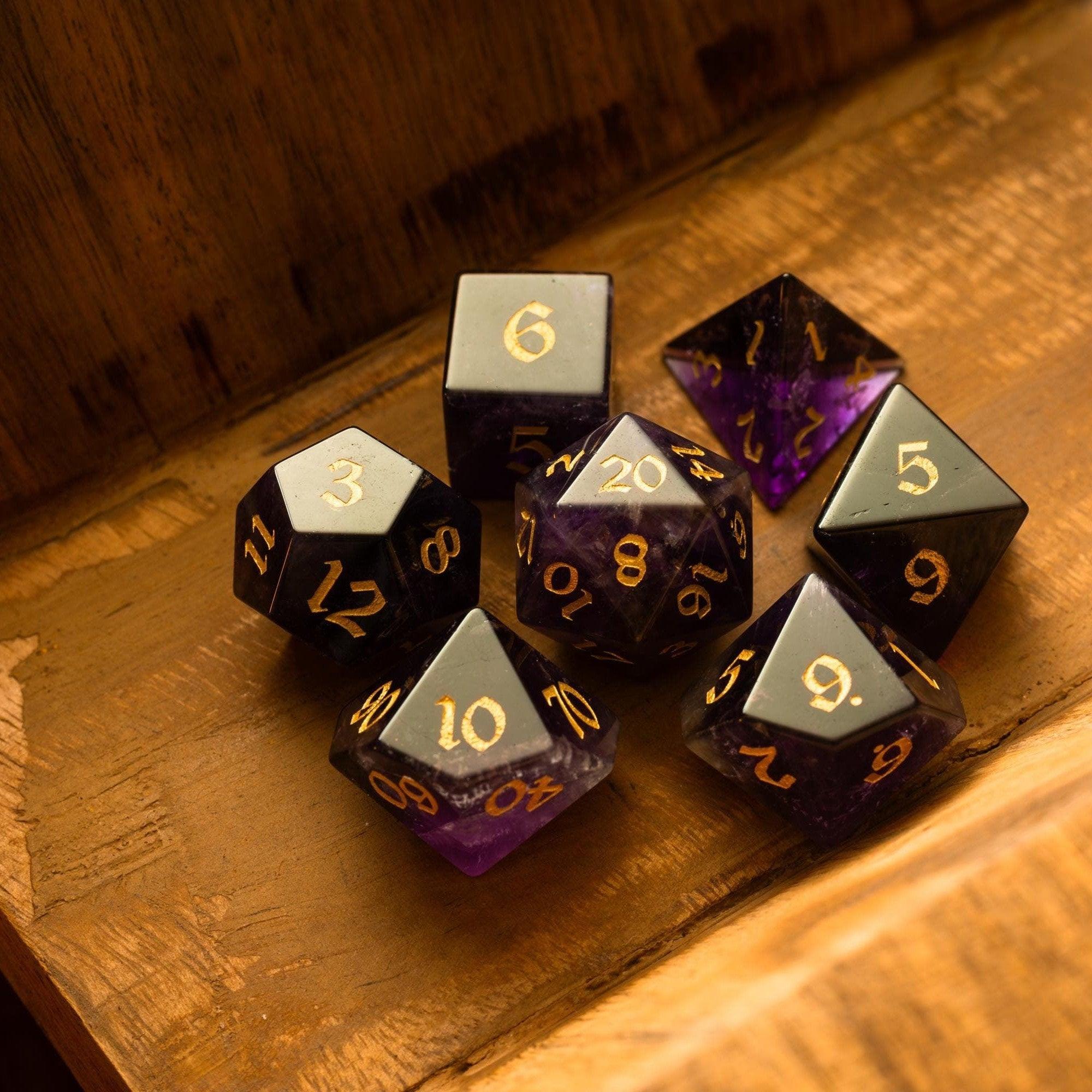
- Let objects speak: A distinctive item—a cracked compass, a violet token, or a labradorite set—can hint at history without long exposition.
- Shape soft fronts: Give each faction a motive, a method, and a milestone; advance one step after each session to keep the world alive.
- Sketch maps loosely: Doodle routes and landmarks; leave space for discovery so players feel free to explore.
- Borrow structure: Adapt fairy-tale beats, heist steps, or investigation loops to provide a gentle spine for your session.
- Prep feelings, not scripts: Write how places feel (tense, hopeful, secretive) and why; let dialogue arise at the table.

- Use constraints: Limit yourself to three new lore facts per session so details stay memorable and digestible.
- Refresh between arcs: Retire tired motifs and introduce a new texture—foggy docks, desert starlight, bioluminescent forests—to keep the world vibrant.
- Organize your notes: Keep locations, NPCs, clues, and fronts on separate pages; cross-link with short tags for quick reference.
- Invite table rituals: Rolling in a shared tray or using gentle sound cues creates a rhythm; a stable setup with dice towers can help keep the focus on the story.
- Celebrate surprises: When players invent a detail, note it and make it true; your setting grows alongside them.
Summary & Next Steps
World design does not need to be grand to be meaningful. A calm, repeatable process, centered on what your players will touch, can carry an entire campaign with grace. Consider using a light checklist before each session: a scene goal, two sensory details, one named NPC, a gentle obstacle, and one secret that can come to light. Keep a living page of rumors and unresolved threads, and let factions advance quietly in the background.
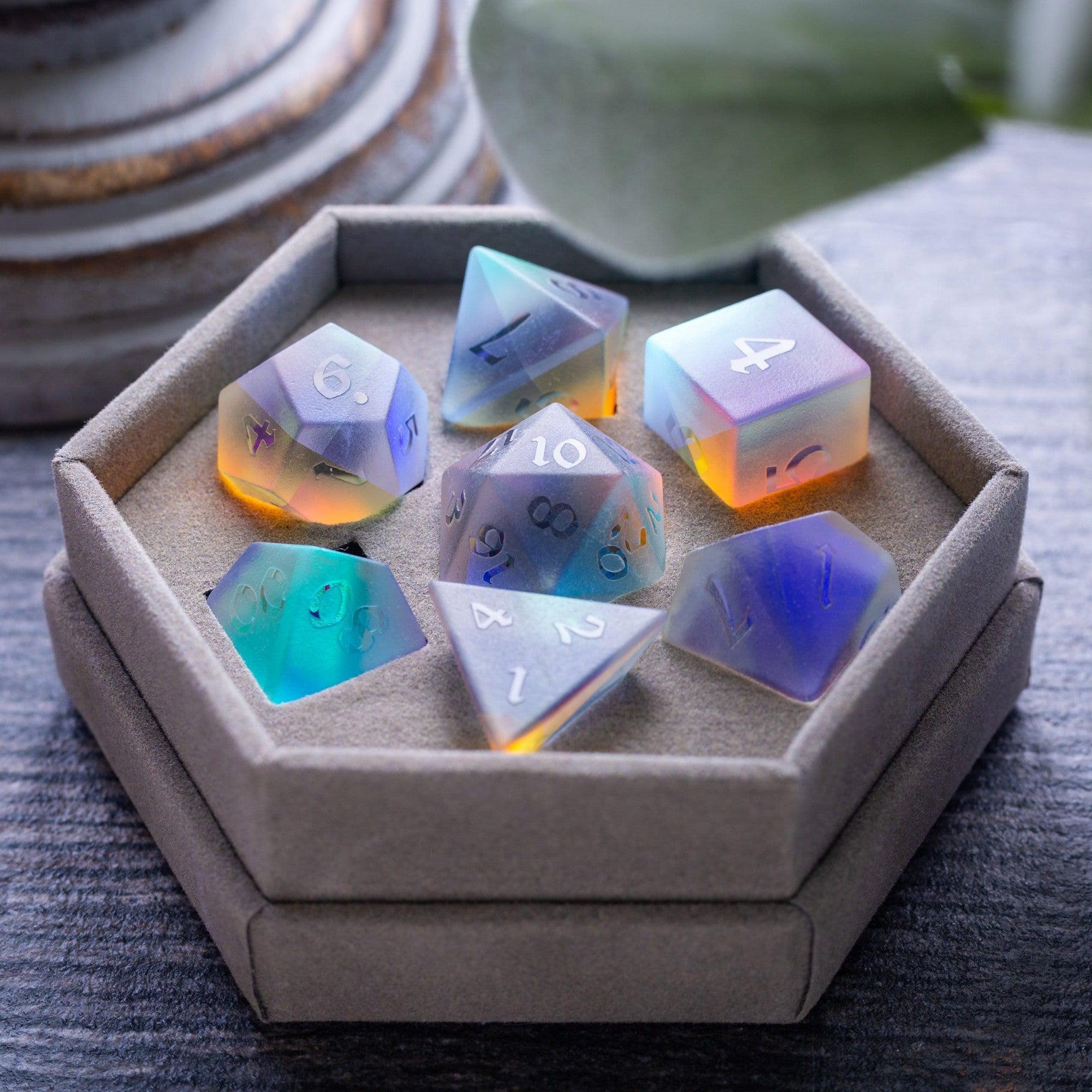
If it feels supportive, choose one tactile prompt to signal your theme. For example, a cool-toned set from the gemstone dice collection may suggest coastal myths or ancient ice roads. As you prepare, trust small details and steady rhythms. With a few thoughtful tools, your world can feel both grounded and wonderfully open, ready to welcome each new choice your table makes.
How do I choose the right tools without overwhelming myself?
It may help to start with one digital notes app and one tactile prompt. Many GMs find that a single template page for locations, NPCs, and clues is enough to keep things consistent. Add only when a gap appears. If you notice you often forget sensory detail, create a five-sense checklist. If you struggle to track plots, keep a short, ordered list of unresolved threads. A modest accessory that inspires you—like a favorite resin or stone set—can provide a sense cue and a ritual that eases you into prep. Simple tools, used gently and often, tend to beat complex systems used rarely.
Is this approach helpful for brand-new GMs?
Yes, many new GMs find a light structure reassuring. Instead of building a full atlas, begin with a small start location and three problems the players can see. Prepare two NPC names and a single secret that could reshape the situation. This gives you enough to start, without closing doors. During play, listen for what your group cares about, and let that guide the next step. Over time, your map, cultures, and conflicts will grow naturally, and your notes will reflect the game you are actually running. If a small physical cue helps you settle in, a distinct set such as liquid core dice can make the ritual of prep feel welcoming.
How can I prevent worldbuilder’s burnout?
Burnout often comes from trying to hold too much in your head. To soften this, shrink the canvas and adopt kind limits. Focus each prep session on one location or one faction step. Cap yourself at three new lore facts. Reuse motifs across places to reduce cognitive load. When you feel stuck, step away and collect inspiration through art, music, or a tactile object that suggests a new texture or culture. A small change in palette—perhaps moving from coastal blues to volcanic reds—can refresh your imagination. If you wish, a distinctive accessory like a deep, reflective set from the gemstone dice lineup can mark the shift between arcs and keep prep feeling new.

Leave a comment
This site is protected by hCaptcha and the hCaptcha Privacy Policy and Terms of Service apply.