

Wizard Build Guide 5.5e A Practical Spellcaster Template
Updated on: 2026-02-06
Creating the perfect spellcaster character in Dungeons and Dragons 5e requires careful planning and strategic choices. This comprehensive guide walks you through building a powerful wizard from ability scores to spell selection, helping you understand how to maximize your character's potential. Whether you're a newcomer or an experienced player, you'll discover practical tips for optimizing your magical prowess and becoming an invaluable member of your adventuring party.
- Ability Scores and Stats
- Choosing Your Race
- Understanding Subclass Choices
- Spellcasting Strategy and Cantrips
- Equipment and Gear
- Leveling Progression Tips
- Expert Tips for Success
- Frequently Asked Questions
Building Your Wizard: A Complete 5e Strategy Guide

Building a wizard in Dungeons and Dragons 5e is an exciting journey that combines tactical thinking with creative roleplay. Your wizard is the heart of magical power in any party, capable of dealing massive damage, controlling the battlefield, and solving problems that warriors can't handle alone. Whether you're crafting your first character or optimizing your tenth, understanding the fundamentals of wizard creation will help you become the spellcaster everyone wants in their campaign.
The beauty of a wizard build guide for 5.5e lies in its flexibility. You have countless combinations of races, subclasses, spells, and equipment choices that can create wildly different characters. Some wizards focus on raw damage output, while others excel at control and support. The key is understanding your options and making deliberate choices that align with your vision and your party's needs.
Step-by-Step Guide to Building Your Wizard
Step 1: Prioritize Ability Scores
Your ability scores form the foundation of your character's capabilities. Intelligence is your primary stat—this determines your spell attack bonus, spell save DC, and prepared spells. You'll want at least a 15 or 16 in Intelligence before racial bonuses. Constitution comes next because it directly affects your hit points, and wizards aren't particularly durable. Every wizard player knows that surviving long enough to cast spells is crucial.
Dexterity is your third priority since it improves your armor class and initiative. Wisdom helps with Perception and Insight checks, making it valuable for survival. Charisma and Strength are typically your dump stats unless you're building for a specific multiclass or roleplay concept. Use the standard array (15, 14, 13, 12, 10, 8) or point-buy system to maximize Intelligence and Constitution while maintaining reasonable scores in other abilities.
Step 2: Select Your Race
Your racial choice provides ability score bonuses and special traits that shape your wizard's identity. High Elves gain an Intelligence bonus and extra cantrips, making them a classic wizard choice. Humans offer flexibility with an extra ability score increase, while Gnomes provide Intelligence bonuses and inherent magical resistance. Tieflings can work well if you're building toward multiclassing or want unique roleplay opportunities.
Don't underestimate the value of racial features beyond ability scores. Darkvision helps you navigate dungeons without relying on light spells. Resistance to specific damage types can save your life. Special abilities like the High Elf's extra cantrip or the Gnome's resistance to magic can be incredibly powerful in the right situations.
Step 3: Choose Your Wizard Subclass
Your wizard's arcane tradition defines your magical focus and grants powerful features at different levels. Evocation wizards specialize in raw damage output and can protect allies from their own spells. Divination wizards manipulate fate itself, gaining portent dice that let you influence outcomes. Abjuration wizards become defensive specialists with protective barriers and banishment spells.
Transmutation wizards excel at transformation and self-enhancement, while Necromancy wizards raise undead minions and drain life force. Enchantment wizards control minds and personalities, and Conjuration wizards summon allies and teleport across battlefields. Your subclass choice dramatically affects your playstyle, so pick one that resonates with your character concept.
Step 4: Select Your Spells Carefully
Spell selection is where your wizard truly comes alive. At first level, you know three cantrips and prepare a number of spells equal to your Intelligence modifier plus your wizard level. Fire Bolt is an excellent default cantrip, but consider Mage Hand Legerdemain or Ray of Frost depending on your build. For leveled spells, Magic Missile provides reliable damage, while Mage Armor boosts your defense significantly.
As you level up, prioritize utility and control spells alongside damage dealers. Fireball remains iconic at third level, but don't overlook Counterspell at sixth level—it's perhaps the single most powerful spell in the game. Cone of Cold, Telekinesis, and Polymorph offer incredible versatility. Remember that you can change your prepared spells each day, so experiment and adapt to different challenges.
Step 5: Choose Your Equipment
Equipment might seem secondary, but it significantly impacts your survival. A quarterstaff provides a melee option without reducing your spell-casting capability. A component pouch holds your spell materials, and many wizards carry a spellbook—your most precious possession. Scrolls of useful spells can save the day when you've exhausted your spell slots.
Consider purchasing a wand or staff once you can afford one. These magical items enhance your spellcasting and often provide additional spell slots. Protective items like a cloak or bracers improve your armor class. A rope, grappling hook, and basic survival gear often prove invaluable in dungeon exploration, helping your wizard contribute beyond combat.

Expert Tips for Success
- Manage your spell slots wisely by reserving high-level slots for crucial moments rather than using them immediately in every encounter.
- Position yourself carefully in battle, staying at least 60 feet from melee combat while maintaining sight lines to cast spells accurately.
- Prepare utility spells before adventures—Detect Magic, Identify, and Dispel Magic help solve non-combat problems efficiently.
- Communicate with your party about your role; knowing what your allies need helps you select appropriate spells and support options.
- Invest in a high Constitution score or take the Resilient feat to improve your concentration saves, keeping active spells intact during combat.
- Balance offensive spells with control spells; slowing or immobilizing enemies is often more effective than direct damage.
- Remember that your Intelligence modifier affects your prepared spell count, so every point matters—consider boosting Intelligence at level 4.
- Use quality dice sets to track your rolls accurately and maintain game flow during intense moments.
- Take the War Caster feat if you plan multiple concentration spells to gain advantage on these critical saves.
- Explore multiclassing only after mastering single-class wizardry, as pure wizards become incredibly powerful at higher levels.
Frequently Asked Questions
What's the difference between preparing spells and knowing spells?
Wizards know all spells they've learned and copied into their spellbook, but they only prepare a limited number each day. This preparation equals one plus your Intelligence modifier plus your wizard level. You can change which spells you've prepared after a long rest, giving you amazing flexibility. This differs from sorcerers, who know fewer spells but can cast any of them without preparation.
Should I multiclass my wizard, or stay pure?
Pure wizards become phenomenally powerful at higher levels, gaining access to ninth-level spells and incredible features from their arcane tradition. Multiclassing can add interesting abilities but delays your progression significantly. If you're new to the game, stick with pure wizard. Once you understand the class deeply, experimentation with multiclassing becomes more rewarding. Consider your campaign length—short campaigns favor single-class power, while long campaigns let you explore creative combinations.
How do I improve my wizard's survivability?
Several strategies enhance wizard durability. First, maximize your Dexterity and Constitution scores. Cast Mage Armor during preparation to increase your armor class to 13 plus Dexterity modifier. Take the Resilient or War Caster feat to improve concentration saves. Consider the Abjuration subclass for protective abilities. Position yourself carefully, staying behind allies during combat. Use control spells like Hold Person or Hypnotic Pattern to neutralize threats before they reach you. Remember that the best offense is a good defense—keeping yourself alive ensures you can keep casting.
What are the best spells for a beginner wizard?
New wizards should prioritize clear, reliable spells. For cantrips, choose Fire Bolt for damage and Mage Hand Legerdemain for utility. For leveled spells, Magic Missile and Mage Armor at first level provide essential offense and defense. Scorching Ray and Mirror Image at second level offer flexibility. By third level, Fireball gives you iconic damage output, though Hypnotic Pattern provides incredible battlefield control instead. Don't memorize every spell—focus on understanding a few well rather than spreading yourself thin.
Optimizing Your Magical Arsenal
Your equipment supports your spellcasting in subtle but important ways. A spellbook is non-negotiable—losing it cripples your character. Some wizards carry backup scrolls of essential spells for insurance. An arcane focus or component pouch lets you cast spells without material components. Once you reach higher levels and have gold to spare, magical items transform your effectiveness dramatically.
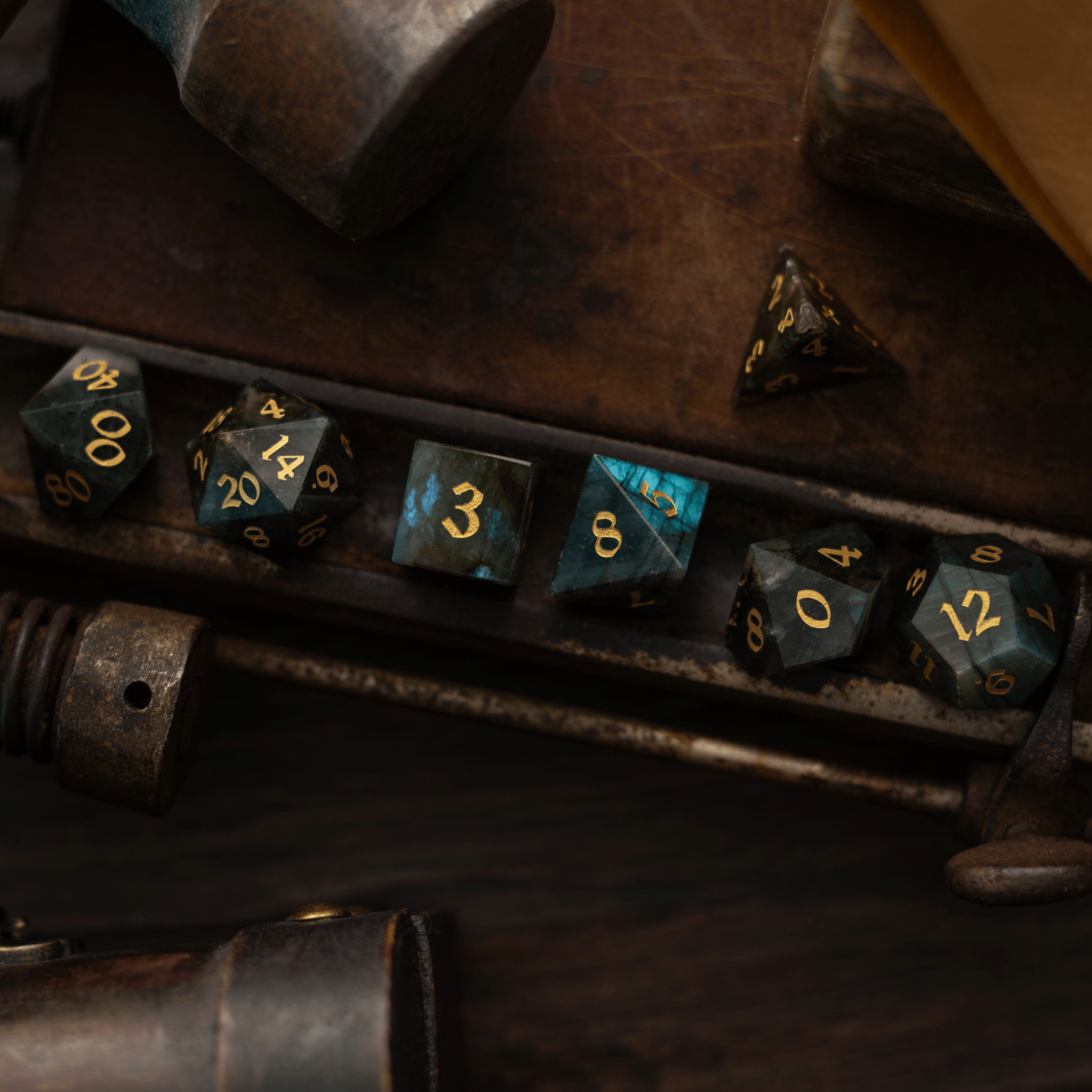
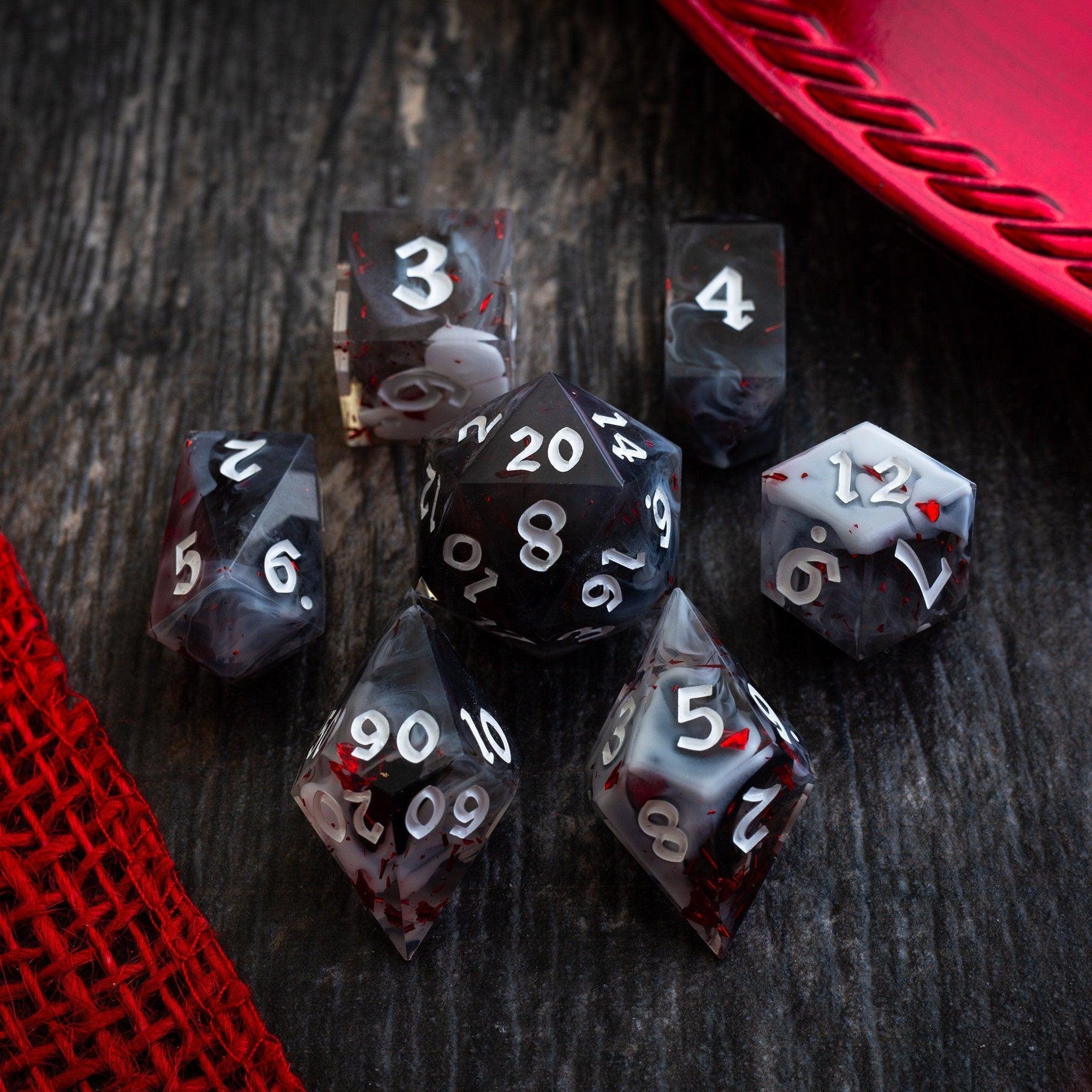
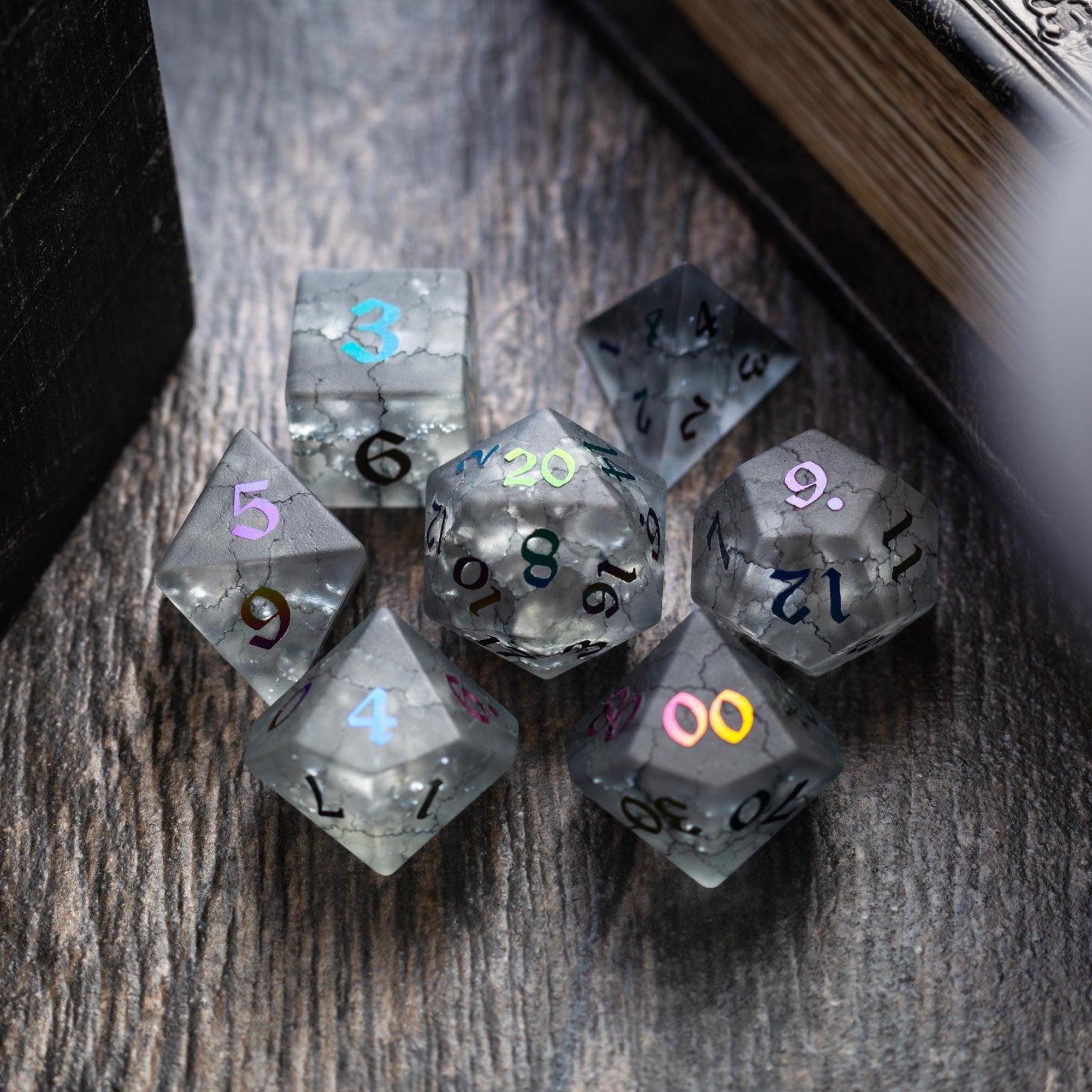
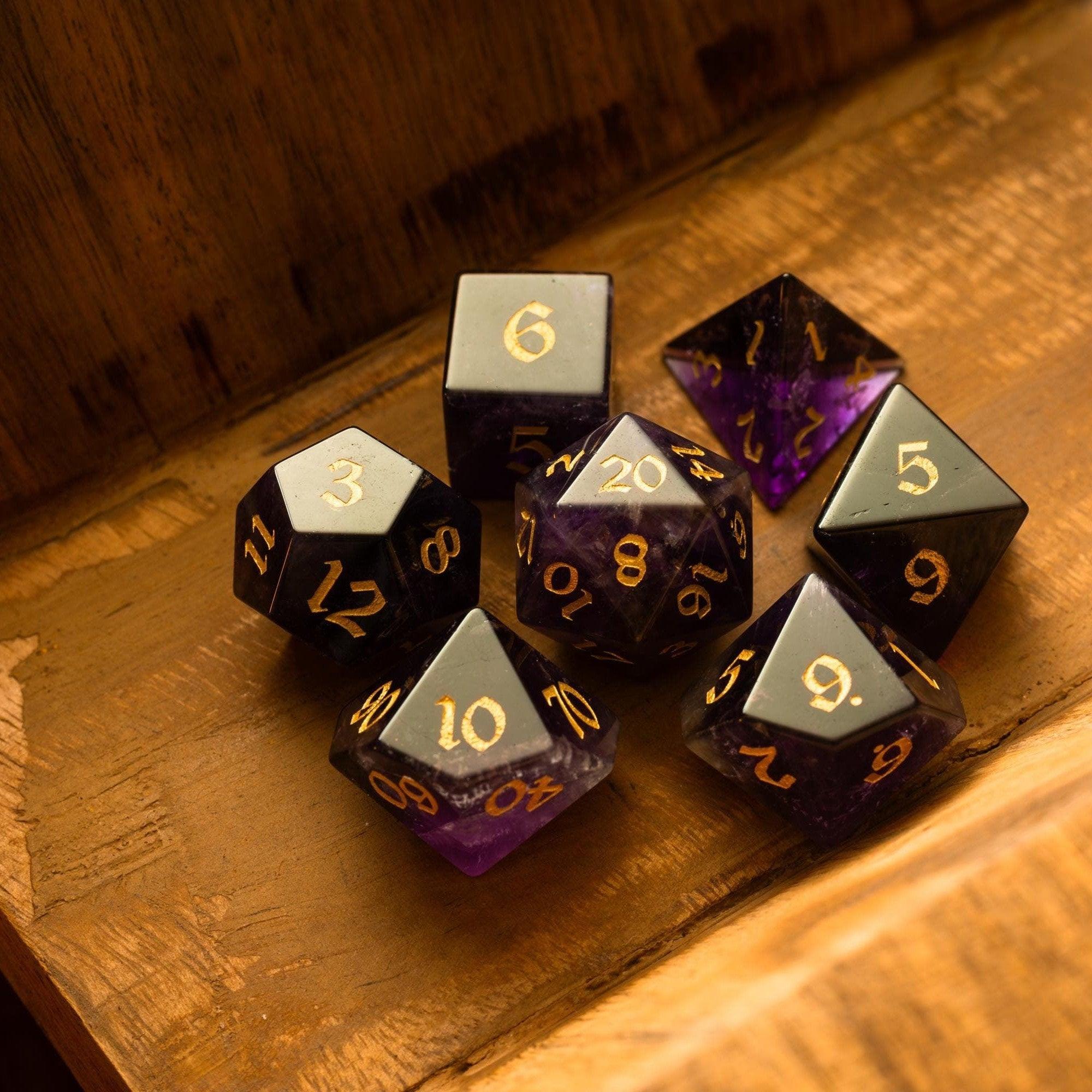
Consider acquiring a gemstone dice set to roll with style and confidence during crucial moments. Many wizards also appreciate aesthetic choices—your spellbook's appearance, your robes' color, your wand's material—all contribute to your character's personality. These choices don't mechanically matter but enhance your immersion and connection to the character you're bringing to life.
Leveling Progression and Feature Choices
As your wizard advances, you'll make important decisions about ability score increases and feat selections. At level 4, most wizards boost Intelligence to 20, maximizing spell attacks and prepared spells. At level 8, consider increasing Constitution for survivability or taking the War Caster feat for concentration advantages. Level 12 often sees a final Intelligence boost or utility feat selection.
Your arcane tradition grants powerful features at levels 2, 6, 10, and 14. These features often define your playstyle more than anything else. An Evocation wizard's ability to protect allies from their own spells at level 2 is transformative. A Divination wizard's Portent dice at level 2 literally changes how D&D works. Understanding these progression points helps you appreciate your wizard's growing power throughout the campaign.
Spell slot progression is another crucial consideration. You gain access to higher-level spells as you level up, dramatically expanding your options. A level 9 wizard accessing fourth-level spells gains access to Polymorph, Dimension Door, and Stone Shape—game-changing abilities. By level 11, fifth-level spells become available, including Telekinesis and Cone of Cold. This progression keeps wizards fresh and exciting throughout long campaigns.
Advanced Spellcasting Tactics
Mastering your wizard build guide requires understanding tactical spellcasting. Concentration is your most limited resource—you can only maintain one concentration spell at a time. Choosing between Hold Person and Hypnotic Pattern requires understanding your enemy's capabilities and defenses. Some encounters favor damage-focused spells, while others reward control abilities.
Action economy matters tremendously. Your action each turn can cast a spell (which takes your action), activate an item, or take the Dash, Dodge, or Hide action. Your bonus action might come from your subclass features or magic items. Understanding how to use these resources efficiently separates competent wizards from exceptional ones. Sometimes doing nothing but dodging keeps you alive longer than casting every spell in your arsenal.
Building relationships with your party enhances your effectiveness. If your rogue knows you'll cast Invisibility on them before sneaking, that's powerful coordination. If your fighter understands you'll cast Haste on them during critical moments, they can prepare accordingly. Discussing tactics outside of combat ensures smooth execution during tense encounters.
Don't overlook ritual casting. Spells like Detect Magic and Identify can be cast without using spell slots if you have them in your spellbook, freeing your slots for combat use. This mechanic makes wizards exceptional problem-solvers outside of battle.
Deep Dive: Subclass Comparison
Each wizard subclass creates distinct playstyles worth exploring. Evocation wizards become siege weapons, dealing massive area damage while protecting allies. Divination wizards become incredibly lucky, manipulating outcomes in their favor. Abjuration wizards become magical tanks, protecting themselves and others with barriers.
Transmutation wizards gain Transmuter's Stone, granting permanent benefits like darkvision or healing. Necromancy wizards build undead armies and drain life force. Enchantment wizards control minds and personalities. Conjuration wizards teleport and summon allies. Each subclass rewards different playstyles and party compositions, making wizard selection personal and strategic.
Consider your campaign setting and party composition when choosing. A party lacking healing benefits from supporting spells more than additional damage. A party facing many magical enemies needs counterspell and dispel magic. Your subclass choice should complement these considerations while exciting you mechanically and narratively.
Looking to enhance your wizard experience? Check out specialty dice collections that make spell rolls memorable and satisfying. Quality components elevate your entire gaming experience.
Final Thoughts on Wizard Mastery
Building an effective wizard requires understanding multiple interconnected systems—ability scores, spells, equipment, and tactical positioning all matter. The wizard build guide principles apply whether you're playing 5.5e or standard 5e, with minor variations in available options. Your success depends on deliberate choices, tactical thinking during combat, and cooperation with your adventuring party.
Remember that optimization isn't everything. Playing a character you love matters more than having the mathematically perfect build. Some of the best gaming moments come from unexpected spell choices or creative problem-solving with unconventional abilities. Embrace your wizard's unique personality while respecting the mechanical foundations that make wizards powerful.
As you progress through your campaign, your wizard will grow from a nervous novice into a legendary mage capable of reshaping reality through magic. Enjoy the journey, experiment with different spells and tactics, and don't fear failure. Every mistake teaches you something valuable about the game and your character.
Ready to roll with confidence? Grab a beautiful gemstone dice set that inspires your spellcasting and makes every roll feel momentous. Your wizard's story awaits, and every die roll writes the next chapter of their legend.
















Leave a comment
This site is protected by hCaptcha and the hCaptcha Privacy Policy and Terms of Service apply.