
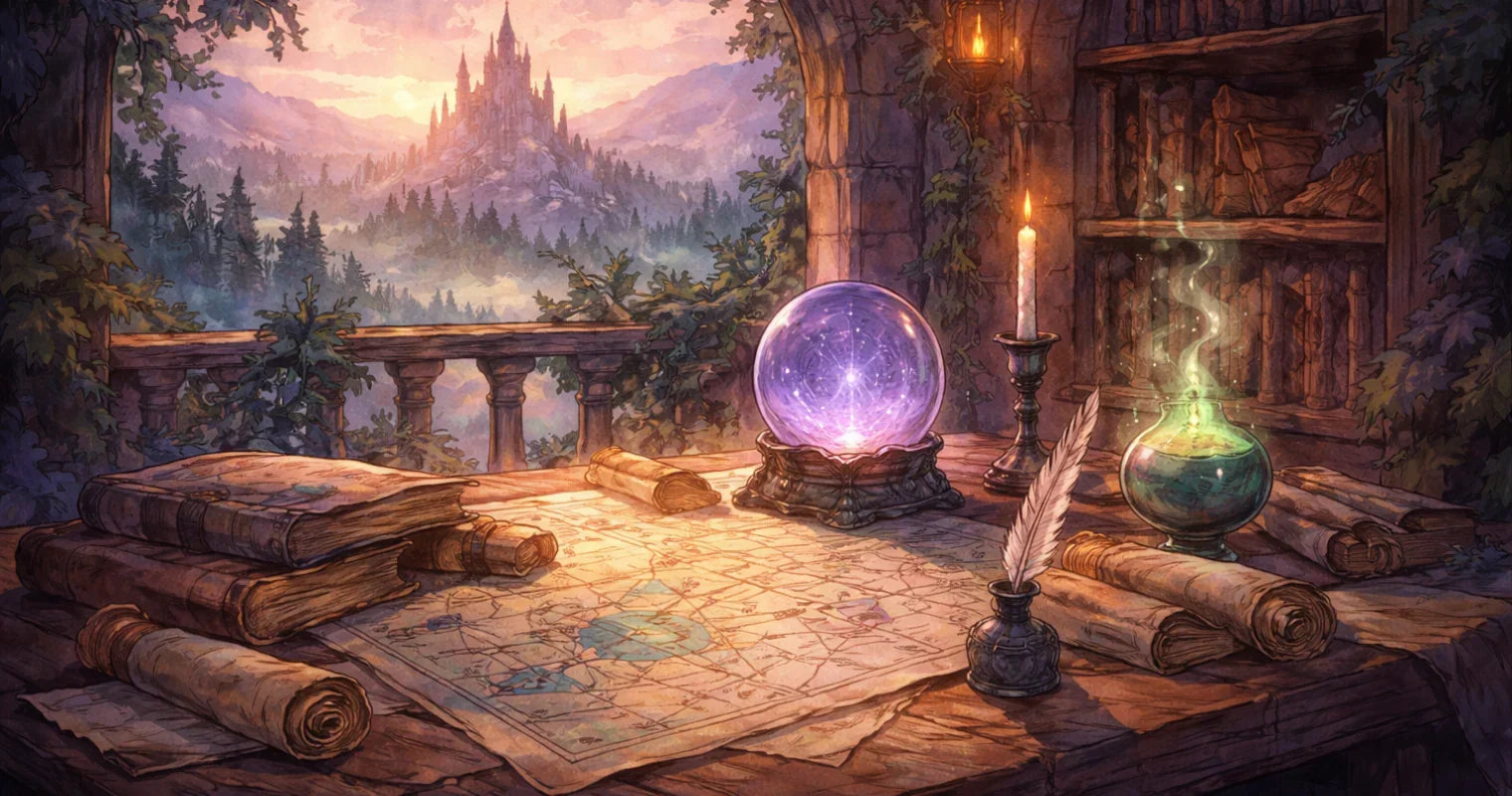
Build the Ultimate Fantasy RPG Resource Toolkit for Richer Campaigns
Whether you're preparing your first dungeon crawl or managing a years-long homebrew saga, having the right fantasy RPG resources can make every session smoother, more immersive, and far less stressful. A well-organized toolkit helps Game Masters spend less time searching for information and more time creating memorable adventures. It also gives players the resources they need to stay engaged, understand their characters, and contribute to the story.
The key is not collecting every tool you can find. Instead, it's about assembling a balanced collection of tabletop RPG resources that support the way you and your group actually play.
This guide explores the essential categories of campaign resources that help before, during, and after every game session. Whether you enjoy Dungeons & Dragons, Pathfinder, or other fantasy roleplaying games, these ideas can help you build a toolkit you'll rely on throughout every campaign.
Why Every Great Campaign Starts with Good Resources
A memorable campaign rarely happens by accident. Behind every exciting encounter, memorable villain, and dramatic story twist is thoughtful preparation.
Preparation doesn't mean planning every possible decision your players might make. Instead, it means having reliable Game Master tools that allow you to adapt when the unexpected happens.
A practical toolkit helps you:
-
Find rules quickly
-
Track important campaign details
-
Build encounters faster
-
Keep players engaged
-
Reduce downtime during sessions
-
Encourage collaborative storytelling
One common mistake is confusing preparation with collecting. It's easy to accumulate dozens of books, apps, and accessories without improving your game.
A better approach is to choose resources that solve real problems at your table. Every addition should make preparation easier, gameplay smoother, or storytelling richer.
Building Your Fantasy RPG Resource Toolkit
Most successful Game Masters build their toolkit around several core categories rather than relying on a single resource.
Rule References
Every campaign benefits from easy access to game rules.
Quick-reference sheets, bookmarked rulebooks, and organized indexes reduce interruptions when unusual situations arise. Instead of stopping the session for lengthy searches, everyone can return to the adventure quickly.
Character Creation Resources
Character builders, printable sheets, and class references help players create heroes with confidence.
These resources are especially valuable for new players who may still be learning how abilities, equipment, and progression fit together.
Campaign Journals
Campaign journals become the memory of your world.
They can include:
-
Session summaries
-
Important NPCs
-
Maps
-
Treasure records
-
Player goals
-
Major story events
Over time, these notes become invaluable during long campaigns.
Initiative Trackers
Combat flows much better when everyone knows whose turn comes next.
Whether you use cards, magnetic trackers, tokens, or digital solutions, initiative trackers reduce confusion and help maintain momentum during battles.
Encounter Builders
Encounter planning resources help balance combat while leaving room for creativity.
These tools assist with:
-
Monster selection
-
Terrain ideas
-
Encounter pacing
-
Difficulty planning
-
Environmental hazards
Rather than replacing creativity, they provide a framework that lets you focus on storytelling.
RPG Worldbuilding Resources
Strong RPG worldbuilding starts with organization.
Maps, calendars, faction summaries, city descriptions, and historical timelines help create settings that feel consistent and believable.
NPC Generators
No matter how carefully you prepare, players will eventually talk to someone you never expected.
NPC generators provide names, personalities, occupations, and motivations that help unexpected characters feel believable instead of improvised.
Adventure Inspiration
Creative inspiration can come from many places:
-
Folklore
-
Mythology
-
History
-
Fantasy novels
-
Ancient architecture
-
Travel journals
-
Nature
These resources provide ideas while leaving plenty of room for your own creativity.
Resources That Help Before the Session
Preparation often determines how smoothly the game runs.
The goal isn't writing an entire novel before each session. Instead, focus on organizing information you'll actually use.
Helpful preparation resources include:
Campaign Notebooks
A dedicated notebook keeps important information together.
Sections might include:
-
Current quests
-
Player objectives
-
Important NPCs
-
Locations
-
Future plot hooks
Having everything in one place reduces last-minute scrambling.
Worldbuilding Guides
Worldbuilding references encourage consistency.
Instead of inventing every village from scratch, develop reusable templates for settlements, cultures, religions, and governments.
As your world grows, these references become increasingly valuable.
Session Planning Templates
Simple planning templates often work better than detailed scripts.
Many Game Masters prepare:
-
Opening scene
-
Three major encounters
-
Important clues
-
NPC motivations
-
Possible complications
This structure provides flexibility while keeping the story moving.
NPC Creation Tools
Quick NPC references save enormous amounts of preparation time.
Rather than designing every detail, record:
-
Name
-
Occupation
-
Personality
-
Goal
-
Secret
Those few notes often create surprisingly memorable characters.
Random Encounter Tables
Random tables aren't just for combat.
They can also generate:
-
Travelers
-
Weather
-
Rumors
-
Festivals
-
Merchant caravans
-
Strange discoveries
These additions help the world feel alive.
Resources That Improve Gameplay at the Table
Even excellent preparation can stall if gameplay becomes disorganized.
The best tabletop RPG resources reduce interruptions without removing imagination.
[Image: tabletop gaming session with books, dice, and accessories]
Useful tools include:
Initiative Tracking
Knowing turn order keeps battles moving.
Players stay engaged because they know when their turn is approaching.
Condition Markers
Small condition markers prevent repeated reminders about ongoing effects.
Everyone can immediately see who is poisoned, stunned, frightened, or concentrating on a spell.
Spell References
Quick spell summaries reduce constant page flipping.
Spellcasters spend less time searching through books and more time making interesting tactical decisions.
Combat Organizers
Combat often involves multiple monsters, environmental effects, and ongoing abilities.
Simple tracking sheets help Game Masters manage everything without becoming overwhelmed.
Character Trackers
Players benefit from tracking:
-
Resources
-
Equipment
-
Spell slots
-
Inspiration
-
Conditions
-
Temporary bonuses
Keeping everything organized speeds up turns considerably.
Physical accessories also contribute to smoother gameplay. A sturdy Dice Tray keeps rolls contained while protecting the table, especially during crowded sessions. When larger battles involve dozens of rolls, a Dice Tower provides consistent, controlled results that everyone can clearly see.
Comparing Essential Campaign Resources
| Resource Type | Best For | Primary Benefit |
|---|---|---|
| Campaign Journal | Long campaigns | Organization |
| Battle Maps | Combat | Tactical clarity |
| NPC Generator | Improvisation | Faster storytelling |
| Rule References | New players | Fewer interruptions |
| Initiative Tracker | Combat | Faster turns |
| Worldbuilding Notes | Homebrew campaigns | Better immersion |
Resources That Inspire Better Stories
Preparation isn't only about organization.
Creative inspiration helps campaigns remain exciting month after month.
Excellent inspiration often comes from unexpected sources.
Consider exploring:
-
Historical civilizations
-
Mythological creatures
-
Fairy tales
-
Ancient legends
-
Medieval architecture
-
Geography
-
Classic fantasy literature
Fantasy name generators can quickly produce believable names for kingdoms, nobles, villages, and taverns.
Settlement builders help populate the world with interesting locations that feel distinct from one another.
Quest generators can also spark ideas when you need a fresh adventure between major story arcs.
Perhaps most importantly, inspiration resources help prevent creative burnout. Instead of forcing ideas, they provide starting points your imagination can expand into something uniquely your own.
Staying Organized During Long Campaigns
Campaign organization becomes increasingly important as adventures grow.
A campaign lasting several months may involve:
-
Hundreds of NPCs
-
Multiple kingdoms
-
Numerous storylines
-
Complex political relationships
-
Long-running mysteries
Maintaining a few consistent records makes everything easier.
Session Summaries
Write a brief summary after every session.
Include:
-
Major events
-
Important discoveries
-
Character decisions
-
Unanswered questions
Players appreciate having previous events available before the next session.
NPC Logs
Record when each NPC appears and why they matter.
Even minor shopkeepers sometimes become fan favorites.
Timeline Tracking
Chronological timelines help maintain consistency across months or years of gameplay.
They also reveal opportunities for recurring villains, seasonal festivals, or political changes.
Treasure Records
Treasure logs prevent forgotten magic items and duplicate rewards.
They also help maintain balanced progression.
Player Notes
Record each character's:
-
Goals
-
Relationships
-
Personal quests
-
Important backstory details
These notes create opportunities for memorable character-focused moments.
Location Indexes
Organized location references help Game Masters revisit previous towns without reinventing them each time.
Physical Resources That Improve Every Session
Digital resources are incredibly useful, but physical tools still play an important role in tabletop gaming.
Different accessories solve different problems throughout a campaign.
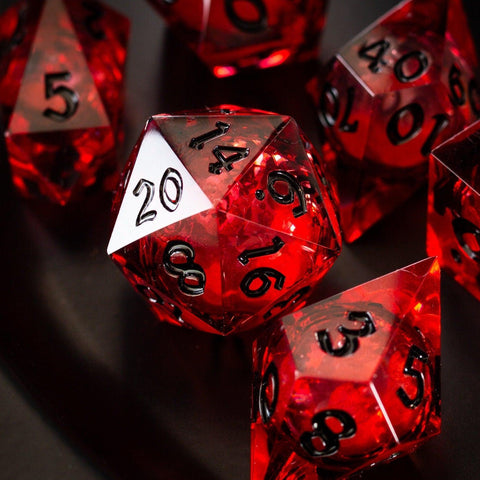
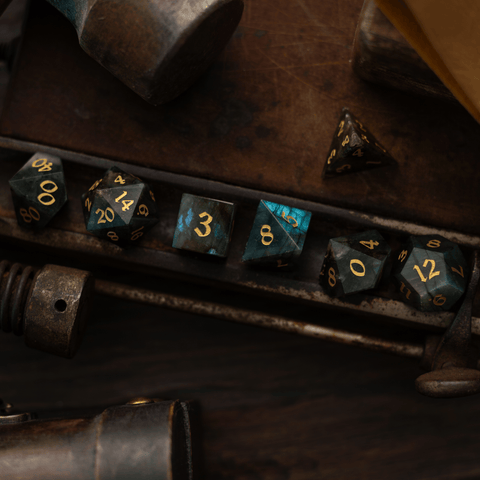
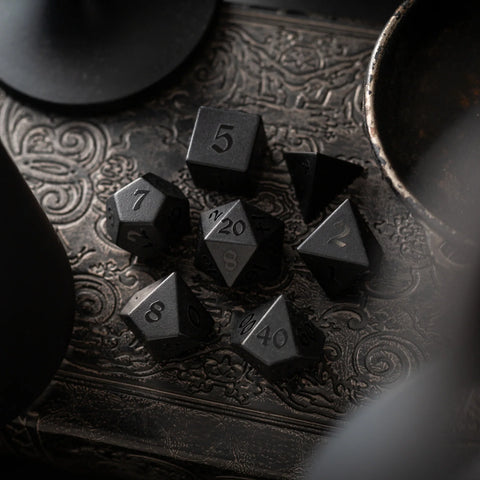
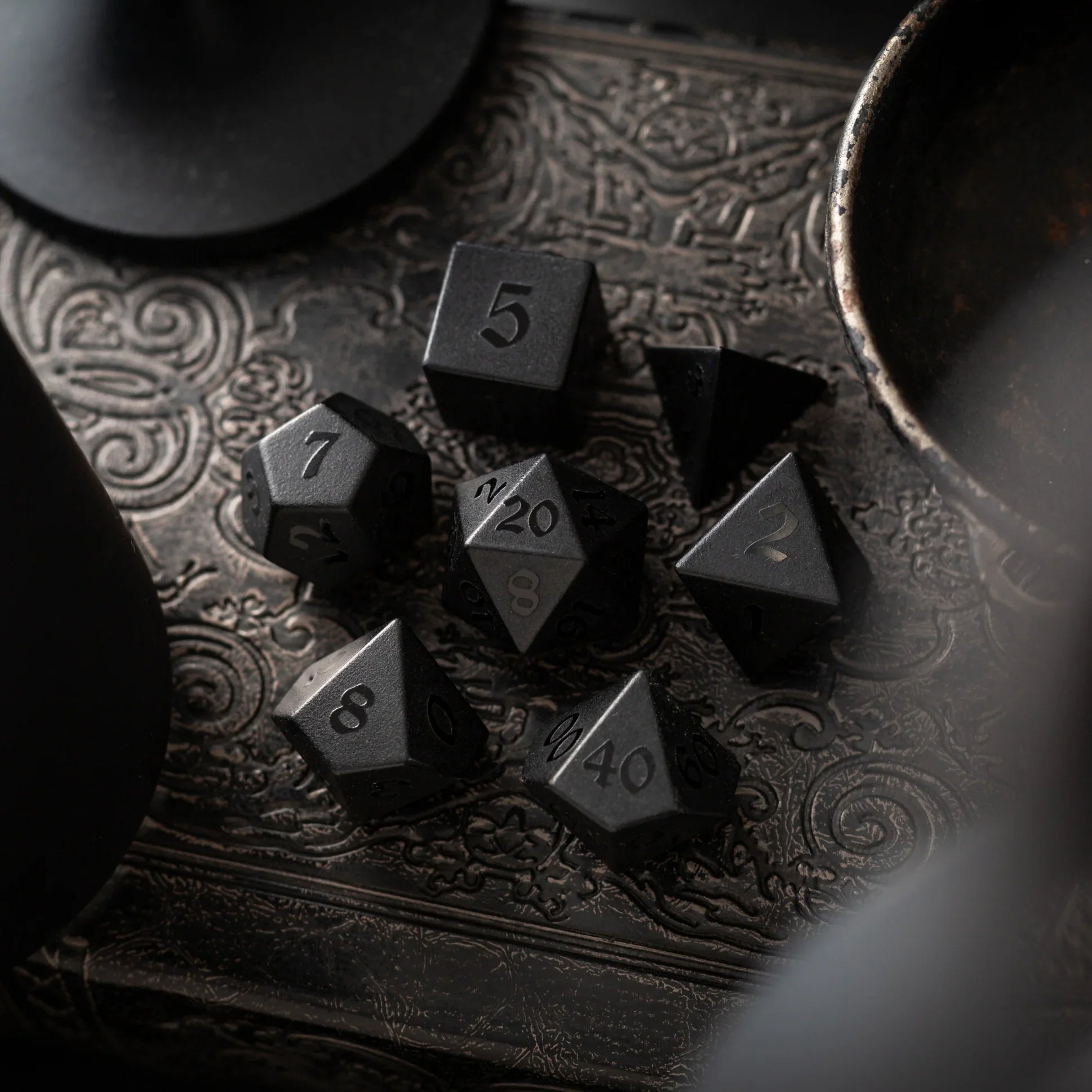
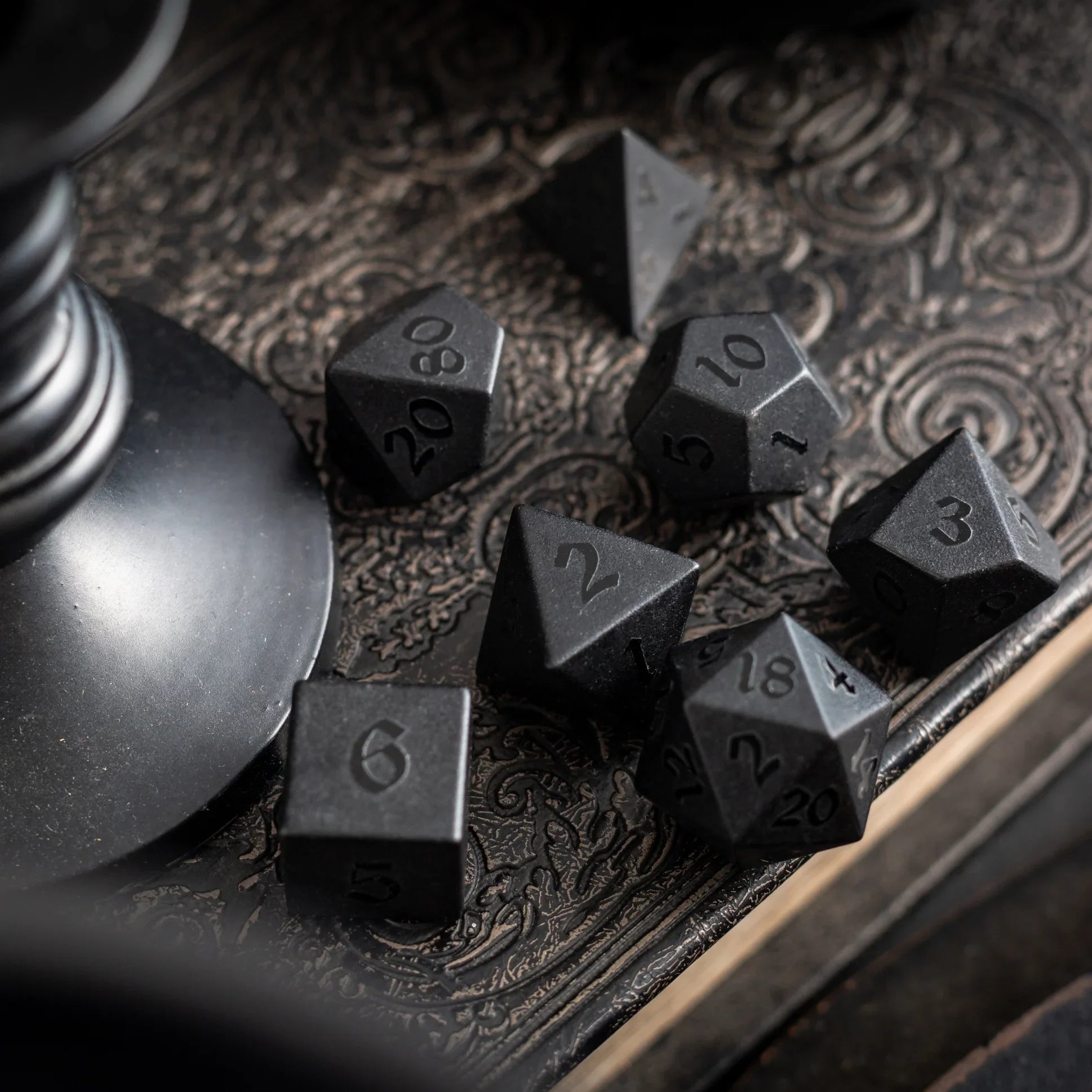
For example, colorful Resin Dice are often easy to read during fast-paced encounters, making them a practical choice for players learning the game. Many experienced players also enjoy Metal Dice for important character moments because their weight creates a satisfying rolling experience.
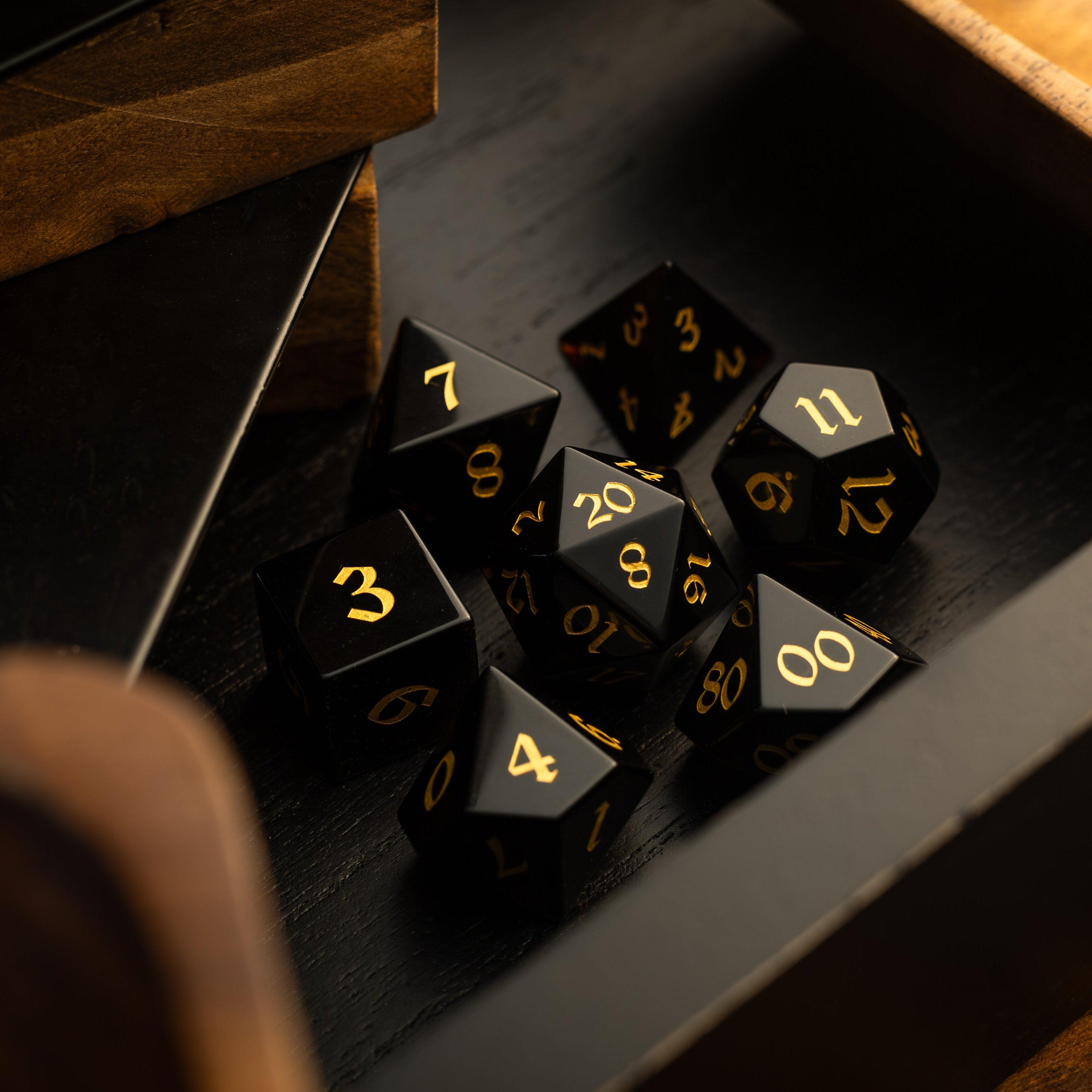
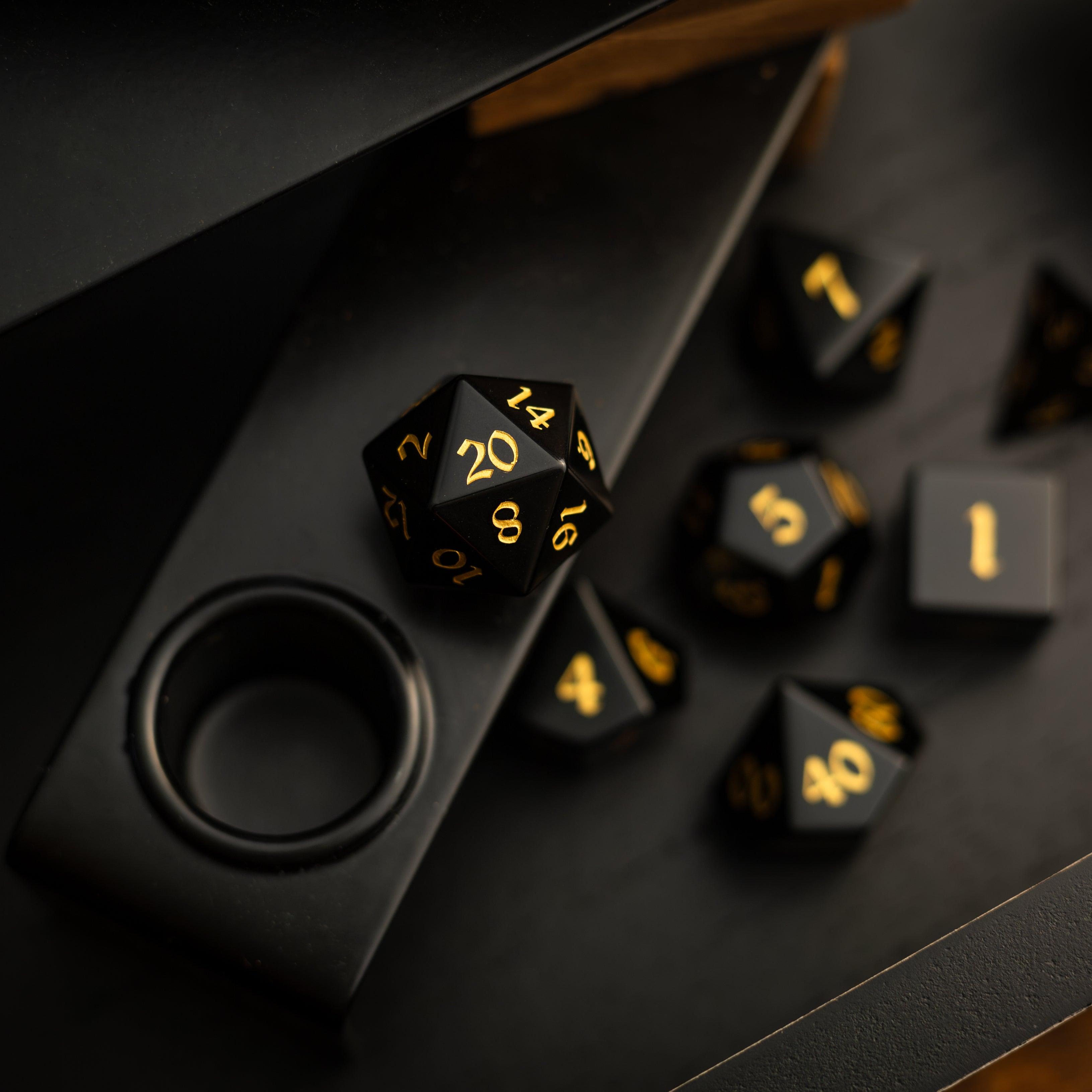
Collectors who appreciate craftsmanship may reserve Gemstone Dice or Glass Dice for milestone sessions, while Sharp-Edge Dice offer crisp edges and highly legible numbering that many players enjoy during dramatic encounters.
Keeping these collections protected is just as important. Quality storage cases help organize multiple sets while preventing unnecessary wear between game nights.
Rather than replacing storytelling, these accessories support a smoother experience by keeping equipment organized and reducing distractions.
Digital and Physical Resources Working Together
Modern campaigns rarely rely on only one type of resource.
Many Game Masters combine:
-
Printed rulebooks
-
Campaign notebooks
-
Digital character builders
-
Online campaign managers
-
Virtual battle maps
-
Physical dice
-
Printed maps
-
Table accessories
Each serves a different purpose.
Digital notes make searching information quick.
Printed references remain easy to browse during play.
Physical maps encourage player interaction.
Premium dice provide satisfying tactile feedback that many players enjoy throughout long campaigns.
The strongest toolkit combines both digital convenience and physical immersion.
Avoiding Resource Overload
It's tempting to believe more resources automatically create better campaigns.
Usually, the opposite is true.
Common mistakes include:
-
Buying every supplement immediately
-
Depending on too many apps
-
Over-preparing unused material
-
Organizing information nobody references
-
Switching between multiple tracking systems
Instead, start small.
Whenever you identify a recurring problem during your sessions, add one resource that solves it.
Your toolkit should grow naturally alongside your experience.
Building Better Campaigns One Resource at a Time
The best campaign resources aren't necessarily the most expensive or the most numerous. They're the ones that help your group spend less time searching for information and more time creating unforgettable stories together.
As your experience grows, so will your toolkit. A simple notebook may eventually expand into detailed campaign journals. Basic battle maps may lead to elaborate world atlases. A dependable set of dice may grow into a collection suited for different characters and occasions, complemented by trays, towers, and organized storage that keep every session running smoothly.
Every Game Master develops their own style, and every group values different tools. By building your collection gradually and choosing resources that genuinely improve preparation, organization, and storytelling, you'll create a toolkit that supports countless adventures for years to come. Whether you're exploring ancient ruins, negotiating with rival kingdoms, or facing legendary dragons, the right combination of fantasy RPG resources helps every session feel a little more immersive, a little more organized, and a lot more memorable.













Leave a comment
This site is protected by hCaptcha and the hCaptcha Privacy Policy and Terms of Service apply.