
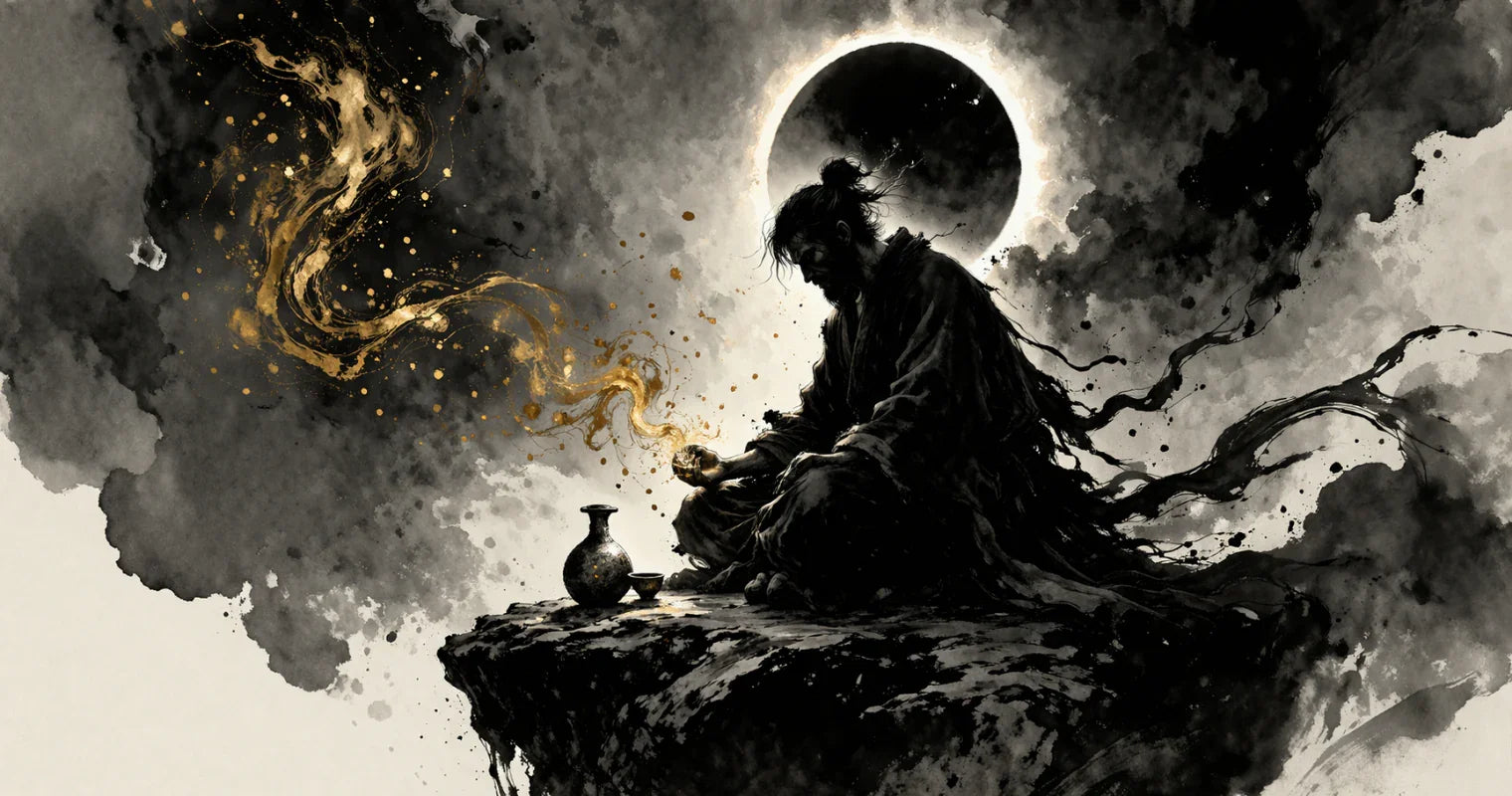
Warrior of Intoxication Monk Guide: Master Fluid Combat in D&D

Few Dungeons & Dragons characters feel as alive in battle as a monk who refuses to move in a straight line.
One moment, they appear off-balance. The next, they slip past a spear thrust, pivot around a charging enemy, and land a sharp strike before anyone understands how they got there. That is the heart of the Warrior of Intoxication fantasy: a martial artist whose combat style looks loose, wandering, and unpredictable, but hides tremendous discipline beneath every step.
For players who enjoy fast movement, cinematic action, and a character who turns every fight into a flowing martial arts scene, this style of monk offers a memorable way to play. In many D&D 5e games, this fantasy is closely tied to the Drunken Master monk archetype, built around misdirection, agility, and sudden bursts of motion.
What Is the Warrior of Intoxication Fantasy?
The Warrior of Intoxication is not simply a monk who acts silly in combat. The real appeal comes from controlled chaos.
This kind of character may sway, stumble, or move with strange rhythm, but those motions are intentional. Their enemies misread them. A foe expects a clumsy retreat and instead walks into a counterattack. A bandit thinks the monk has lost balance, only to watch them roll beneath a blade and spring back to their feet.
At its best, this fantasy combines:
-
Unpredictable fighting styles
-
Misdirection and feints
-
Sharp reflexes hidden behind relaxed movement
-
Calm discipline beneath apparent disorder
-
A cinematic martial arts tone
The drunken monk dnd fantasy works because it feels different from a knight standing firm with a shield or a barbarian charging forward through sheer force. This monk wins through flow, timing, and the ability to make danger miss by inches.
Why Monk Gameplay Feels Different
A monk guide 5e article should always begin with one simple truth: monks are not built to feel static.
They are fast, mobile combatants who excel when they can choose where the fight happens. The class naturally supports unarmed strikes, martial arts flair, and movement-based decision-making. Classic 5e monks also use ki to fuel special techniques, while the 2024 rules describe a similar inner-resource system through Monk’s Focus and Focus Points. In either version, the fantasy remains the same: disciplined energy turns movement into power.
High Mobility
Monks are at their best when they keep moving. Their speed and mobility help them:
-
Reach distant threats
-
Weave around larger battles
-
Escape bad positions
-
Support allies who are under pressure
-
Turn the battlefield into part of their fighting style
A Warrior of Intoxication monk should feel like they are always one step away from where the enemy expected them to be.
Fast, Flowing Attacks
Monks often fight through strings of quick blows rather than one massive hit. That rhythm is perfect for this archetype. A flurry of attacks can feel like elbows, palm strikes, low kicks, shoulder bumps, and spinning follow-ups packed into a single burst of motion.
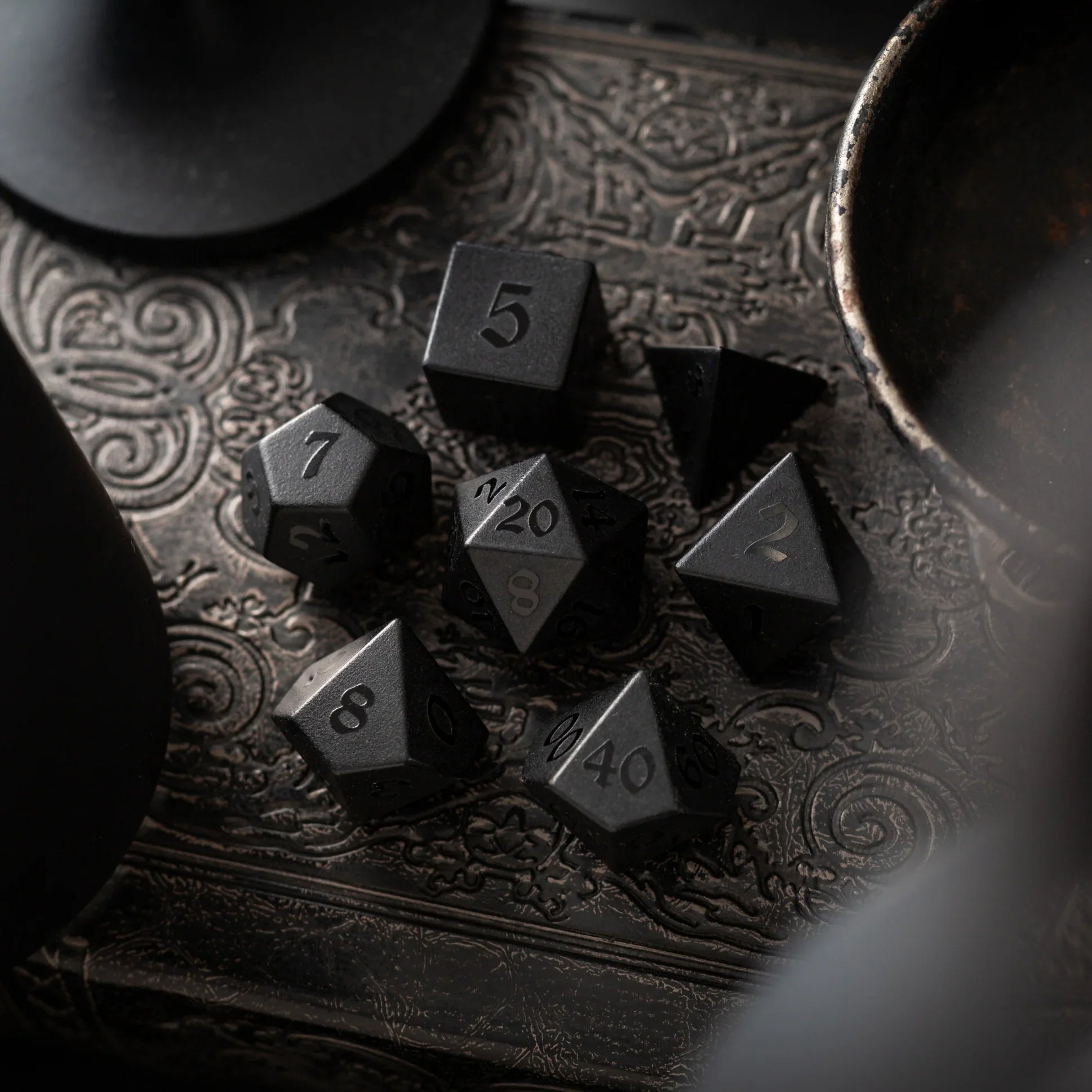
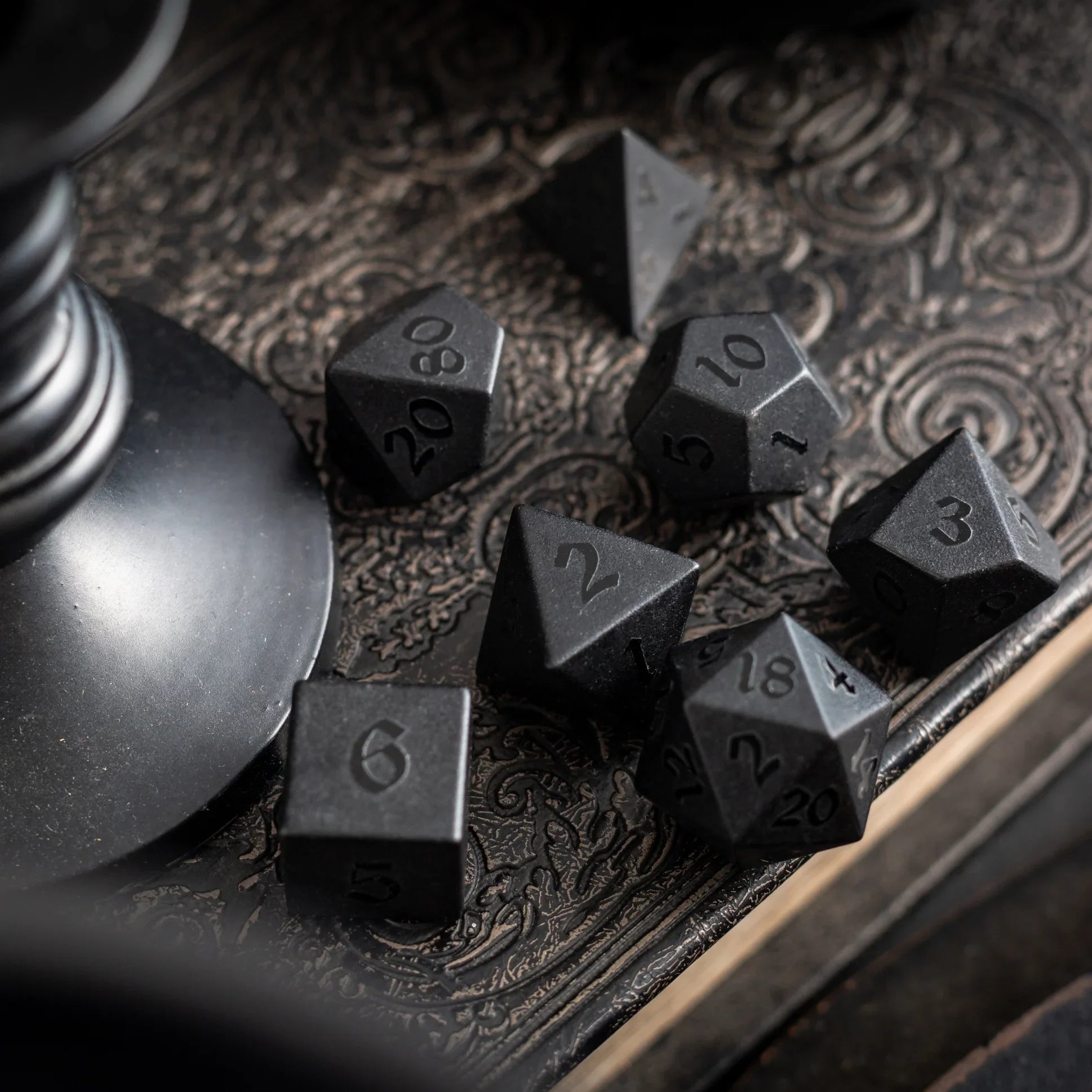
At the table, resin chonk dice can make those dramatic attack rolls feel especially satisfying. A heavy critical hit landing during a fast-moving martial arts exchange has a different kind of table presence when the die itself feels bold and theatrical.
Inner Discipline
The character may appear casual, but the monk class is rooted in discipline. Whether you describe it as ki, breath control, spiritual focus, or practiced instinct, this inner steadiness keeps the Warrior of Intoxication from becoming random or sloppy.
Their combat is not careless. It is refined enough to look effortless.
Core Combat Strengths of This Monk Style
The Warrior of Intoxication shines through movement, disruption, and creative storytelling.
Dodging and Repositioning
Standing still for too long weakens the fantasy. This monk wants to:
-
Slip away after striking
-
Circle around enemies
-
Draw foes into awkward spaces
-
Stay mobile instead of trading hits directly
This mirrors the classic Drunken Master-style idea of turning erratic footwork into practical defense and offense.
Disrupting Enemy Plans
A good dnd monk build does more than deal damage. It changes what enemies are allowed to do comfortably.
A mobile monk can:
-
Harass archers or spellcasters
-
Pull attention away from injured allies
-
Break up enemy formations
-
Pressure isolated targets
-
Create openings for the rest of the party
This makes monk combat tactics feel clever and active rather than repetitive.
Fluid Movement Patterns
The Warrior of Intoxication should never feel rigid. Even simple actions can sound dynamic when described well.
Instead of:
“I move up and attack.”
Try:
“I drift toward the guard with an unsteady half-step, plant one foot on the bench beside him, and snap a kick toward his ribs as I pivot away.”
The mechanics stay simple. The scene becomes memorable.
Dice That Match the Motion
A character built around rhythm and movement pairs naturally with dice that visually echo that style.
-
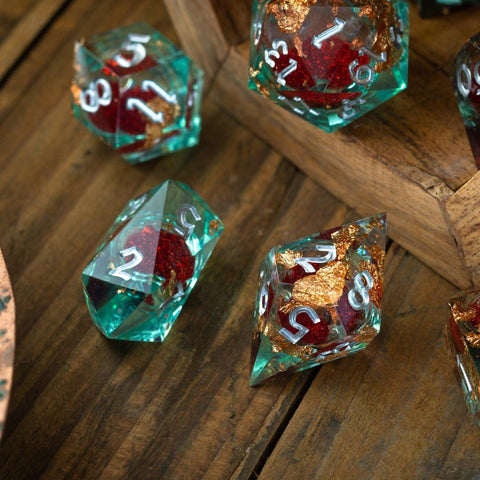
Liquid core dice can reflect swirling ki, shifting momentum, and constantly changing motion.
-
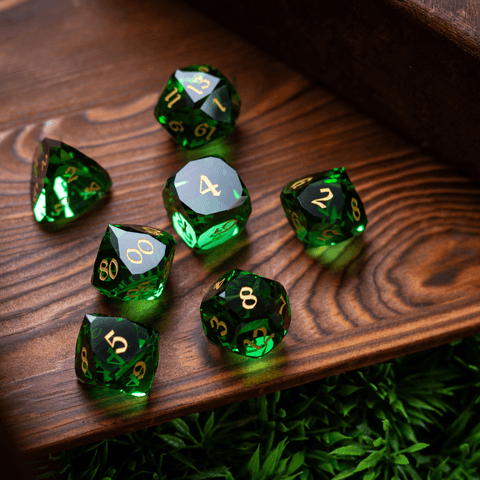
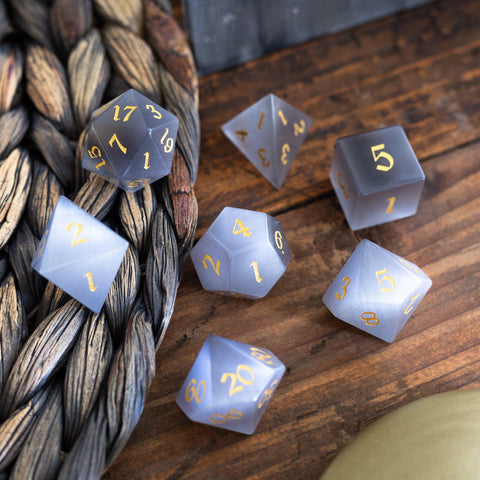
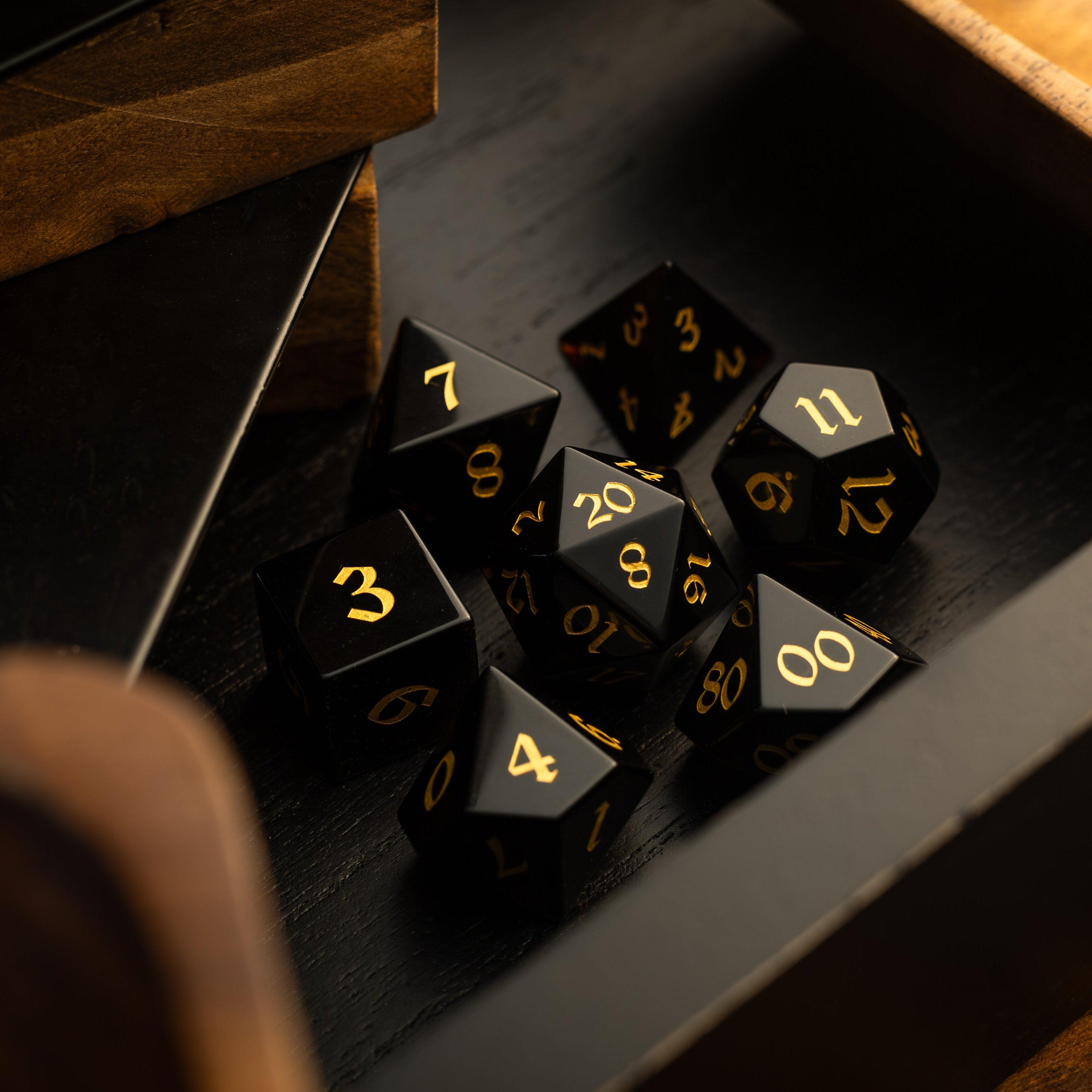
Gemstone dice feel fitting for a disciplined spiritual warrior shaped by patience and practice.
-
Resin dice suit monks with colorful personalities, wandering stories, and unpredictable flair.
These choices help build character identity at the table without turning the moment into a sales pitch. They simply make the play experience feel more connected.
Monk Combat Tactics Table
|
Combat Situation |
Monk Technique |
Tactical Benefit |
Fantasy Flavor |
|
Enemy archer stands behind the frontline |
Sprint past distractions and close the gap |
Pressures a vulnerable ranged threat |
The monk glides through the battlefield like a gust of wind |
|
A large foe tries to pin the party down |
Strike, reposition, and force it to turn |
Makes enemies waste movement and attention |
Loose footwork hides precise control |
|
An ally is surrounded |
Move in quickly and create a distraction |
Gives the ally space to escape or recover |
The monk becomes the sudden center of chaos |
|
Combat breaks out in a tavern |
Use tables, stools, rails, and narrow lanes |
Turns the environment into an advantage |
Every obstacle becomes part of the martial dance |
|
A dangerous enemy focuses on you |
Dodge, retreat, then return at a better angle |
Improves survival through movement |
The foe keeps swinging at where you used to be |
|
Several enemies cluster together |
Dart through the group and strike selectively |
Splits enemy attention |
Erratic motion becomes tactical confusion |
Roleplay Ideas for a Warrior of Intoxication Monk
This archetype offers some of the richest roleplay potential among martial characters.
The Wandering Traveler
Your monk may move from town to town with no obvious destination. They collect stories, local sayings, unusual martial techniques, or bits of folk wisdom from roadside inns.
They can feel playful without becoming shallow.
Relaxed but Observant
A Warrior of Intoxication monk often looks like the least serious person in the room, yet notices the most.
They may:
-
Lean against a wall while studying exits
-
Joke during tense negotiations
-
Pretend to be distracted while reading body language
-
Speak softly just before offering surprisingly sharp insight
Hidden Wisdom Beneath Chaos
One of the best roleplay angles is the contrast between outer looseness and inner discipline. Your monk may stumble over a proverb, then unexpectedly deliver the exact advice another character needed.
Humor Mixed With Discipline
This monk style welcomes humor, but the character does not need to become a walking gag. Their lightness can come from confidence. They are comfortable in their own rhythm, and that makes them fun to watch.
How to Make Combat Feel Cinematic
The Warrior of Intoxication archetype comes alive when players and DMs treat movement as part of the story.
Describe Movement, Not Just Results
Say how the monk gets somewhere. Mention the sway of their shoulders, the sudden burst of speed, the quick lean that turns a near miss into a clean dodge.
Use the Environment
This monk thrives in interesting terrain:
-
Taverns
-
Market streets
-
Rope bridges
-
Temple stairs
-
Wagon tops
-
Crowded festival scenes
A battlefield with objects, elevation, and clutter gives the monk more ways to feel creative.
Emphasize Rhythm and Speed
Combat should read like a sequence, not isolated actions. Your monk can step, pivot, strike, retreat, and turn in one fluid motion. Even a simple round becomes vivid when it feels connected.
Let Big Rolls Feel Big
A critical hit during a flurry of attacks deserves a memorable description. Resin chonk dice work beautifully for those table-shaking moments, while liquid core dice add visual flair to tense martial exchanges where every roll feels like movement suspended in glass.
Best Party Roles for This Monk Archetype
The Warrior of Intoxication monk is not only stylish. It also fills valuable roles in a party.
Mobile Skirmisher
You move quickly, strike opportunistically, and avoid getting locked down. This is the most natural role for the archetype.
Distraction Specialist
Your movement can redirect enemy attention. Sometimes pulling pressure away from a wounded ally matters more than landing the hardest blow.
Enemy Disruptor
By chasing ranged threats, moving around defenders, and forcing enemies to reposition, you interrupt enemy plans.
Supportive Battlefield Controller
You may not cast control spells, but you still influence space. You decide which enemies feel safe and which ones suddenly have a monk at their shoulder.
Common Beginner Mistakes With Monk Characters
Monks become much more enjoyable once players stop treating them like stationary frontliners.
Mistake 1: Standing Still Too Often
A monk who plants their feet every round gives up one of their greatest advantages.
Try this instead: Think of movement as part of your defense. Attack, shift, retreat, circle, or move to a better lane.
Mistake 2: Ignoring Mobility Advantages
Your speed matters. Use it to reach targets other characters struggle to engage.
Try this instead: Look for enemies on the edges of battle, not only the one directly in front of you.
Mistake 3: Overusing Resources Early
Ki or Focus-style features are exciting, but spending everything in the first moment can leave the monk feeling flat later.
Try this instead: Save resources for moments where movement, defense, or control truly changes the encounter.
Mistake 4: Focusing Only on Damage
A monk’s value also comes from mobility, pressure, disruption, and style.
Try this instead: Ask, “Where can I be most annoying to the enemy?” That is often the right monk question.
Bringing Martial Arts Fantasy Into Your Campaign
The Warrior of Intoxication monk fits naturally into many kinds of D&D adventures.
Tavern Encounters
A tavern brawl, crowded inn, or noisy roadside stop is perfect for this archetype. Furniture becomes terrain. Momentum becomes storytelling.
Travel-Focused Stories
A wandering monk pairs beautifully with campaigns about roads, mountain passes, drifting caravans, and strange villages.
Ancient Monastery Themes
A forgotten school of fluid martial arts, a lost master, or a rival tradition can give the character strong personal stakes.
Self-Mastery Arcs
This archetype also supports deeper growth. The monk may begin as someone who hides behind humor, then gradually reveal their discipline, grief, or sense of purpose.
For players who enjoy character-driven sessions, gemstone dice can feel especially fitting here. Their weight and natural texture suit the grounded, meditative side of a monk whose wild battle style comes from deep control rather than true disorder.
[Image: tabletop session featuring monk character art and dice]
Why Players Love Agile Monk Characters
Agile monks remain beloved because they feel active in every scene. They are visually expressive, easy to imagine, and full of motion.
Players are drawn to them for:
-
Freedom of movement
-
Stylish martial arts combat
-
Inventive roleplay opportunities
-
Strong battlefield presence
-
High-energy action scenes
-
A fantasy that feels graceful instead of brute-force
The drunken master monk style adds even more personality by blending looseness, humor, and precision into one unforgettable combat identity.
Conclusion: Fight Like Motion Itself
The Warrior of Intoxication monk is a character built around rhythm.
They do not dominate by standing tallest or swinging hardest. They win by moving where enemies do not expect, striking when an opening appears, and turning the battlefield into a dance of momentum and precision.
For players who love martial arts dnd characters, this archetype offers a beautiful mix of cinematic combat, roleplay depth, and tactical creativity. Whether your monk laughs through danger, drifts across a tavern floor with impossible balance, or channels inner focus through every flowing strike, the result is the same:
A hero who makes combat feel alive.














Leave a comment
This site is protected by hCaptcha and the hCaptcha Privacy Policy and Terms of Service apply.