
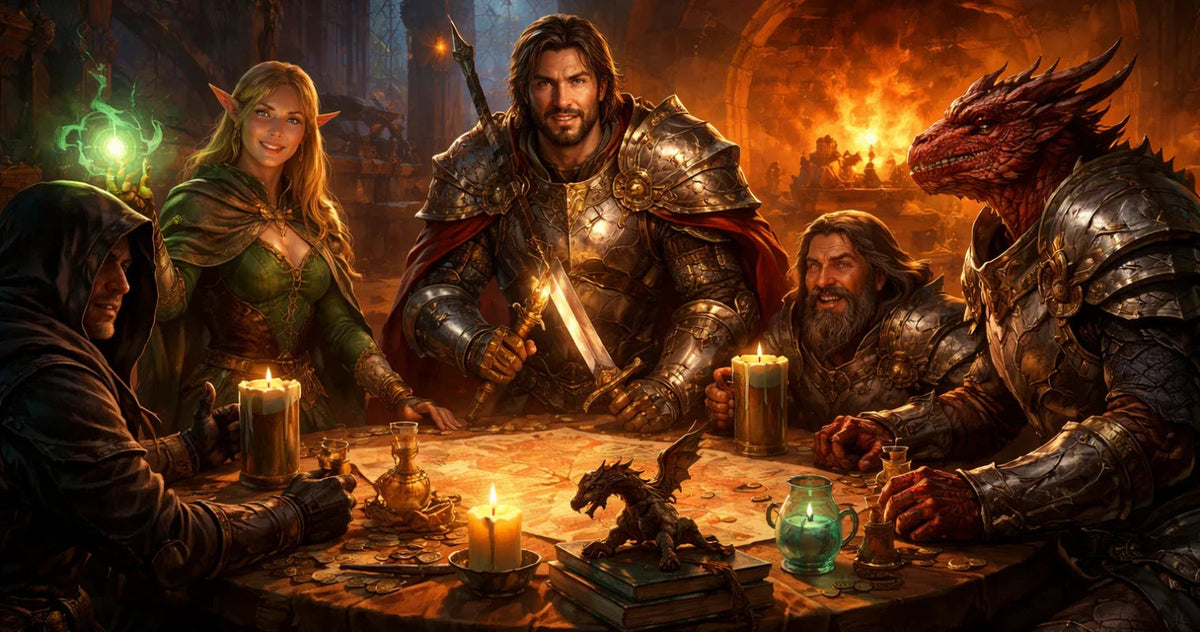
Unveiling Faerûn's Forgotten Realms Heroes at the Table
The world of D&D Forgotten Realms is filled with legendary adventurers whose stories have shaped kingdoms, challenged ancient evils, and inspired generations of heroes. From wandering rangers and wise archmages to fearless warriors and determined rulers, these Forgotten Realms heroes bring the rich history of Faerûn to life while offering countless ideas for tabletop campaigns.
Whether you are a Dungeon Master introducing the setting to new players or a longtime fan exploring deeper Faerûn lore, these iconic figures can serve as mentors, historical legends, allies, or sources of adventure without taking the spotlight away from the player characters.
The Forgotten Realms has evolved through multiple editions of Dungeons & Dragons, and some events or character histories may vary depending on the sourcebook or a Game Master's interpretation. Fortunately, the heart of the setting remains the same: legendary heroes inspire new stories rather than dictate them.
Why Heroic Figures Bring Faerûn to Life
One reason the Forgotten Realms remains one of the most beloved fantasy settings is its living history. Throughout the centuries, remarkable individuals have left their mark on cities, forests, mountains, and kingdoms across Faerûn.
These heroes help create a world that feels alive because they:
-
Give important locations meaningful history
-
Connect players to famous events in Dungeons & Dragons lore
-
Provide memorable allies or historical figures
-
Offer inspiration without limiting creativity
-
Encourage exploration of legendary regions
Instead of viewing these characters as untouchable celebrities, think of them as landmarks in history. Their accomplishments create opportunities for new adventures where player characters write the next chapter.
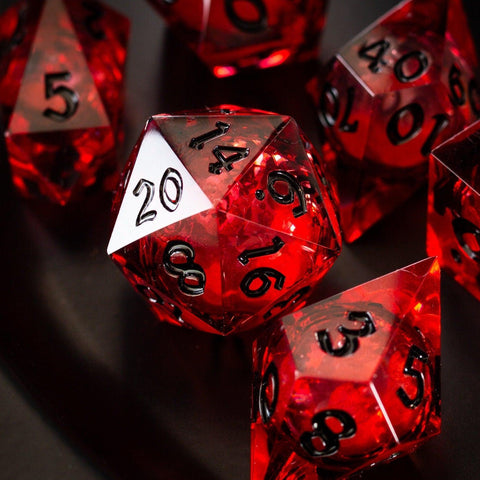
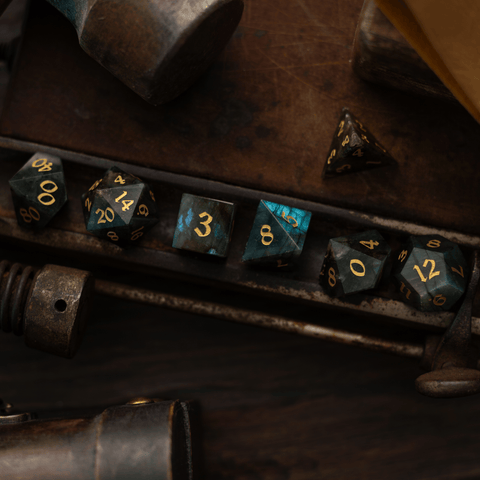
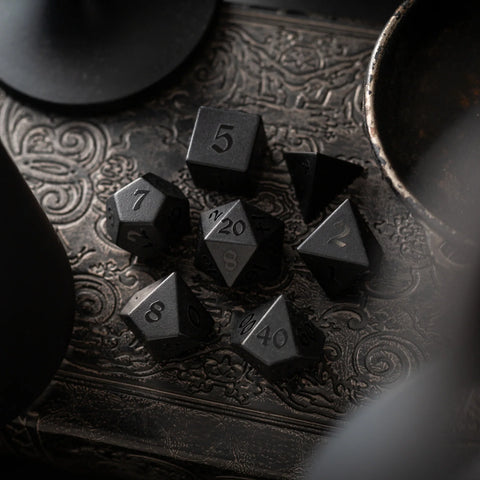
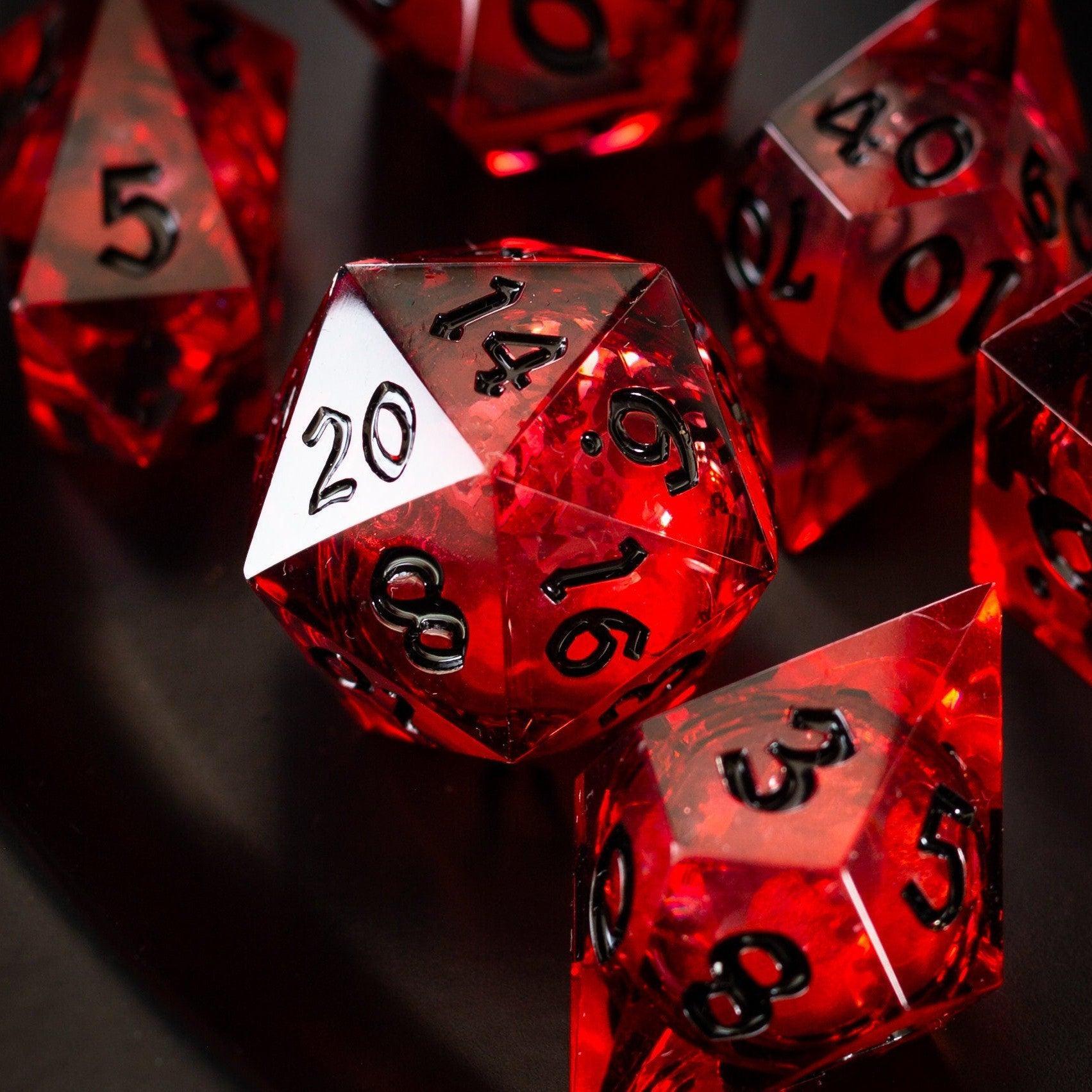
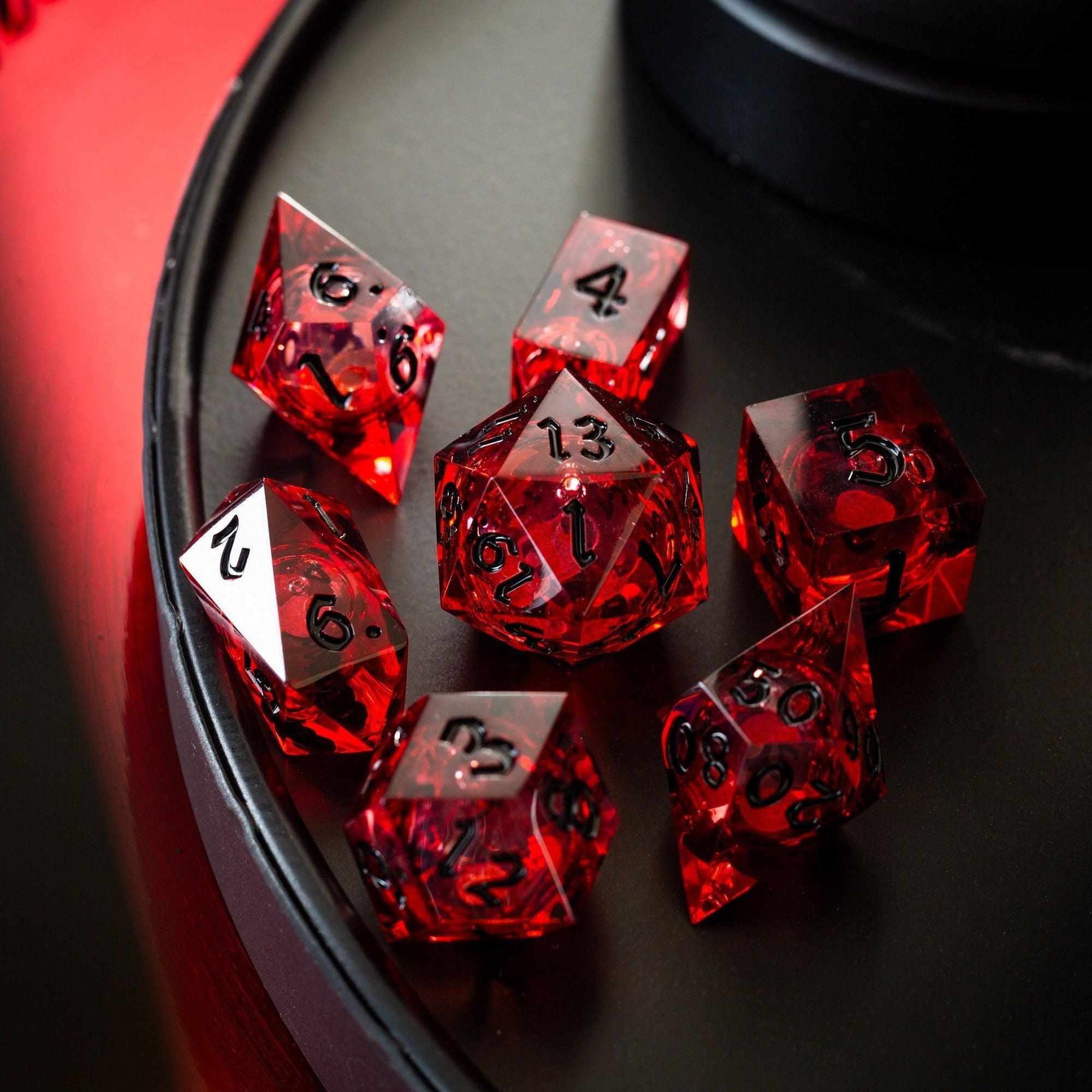
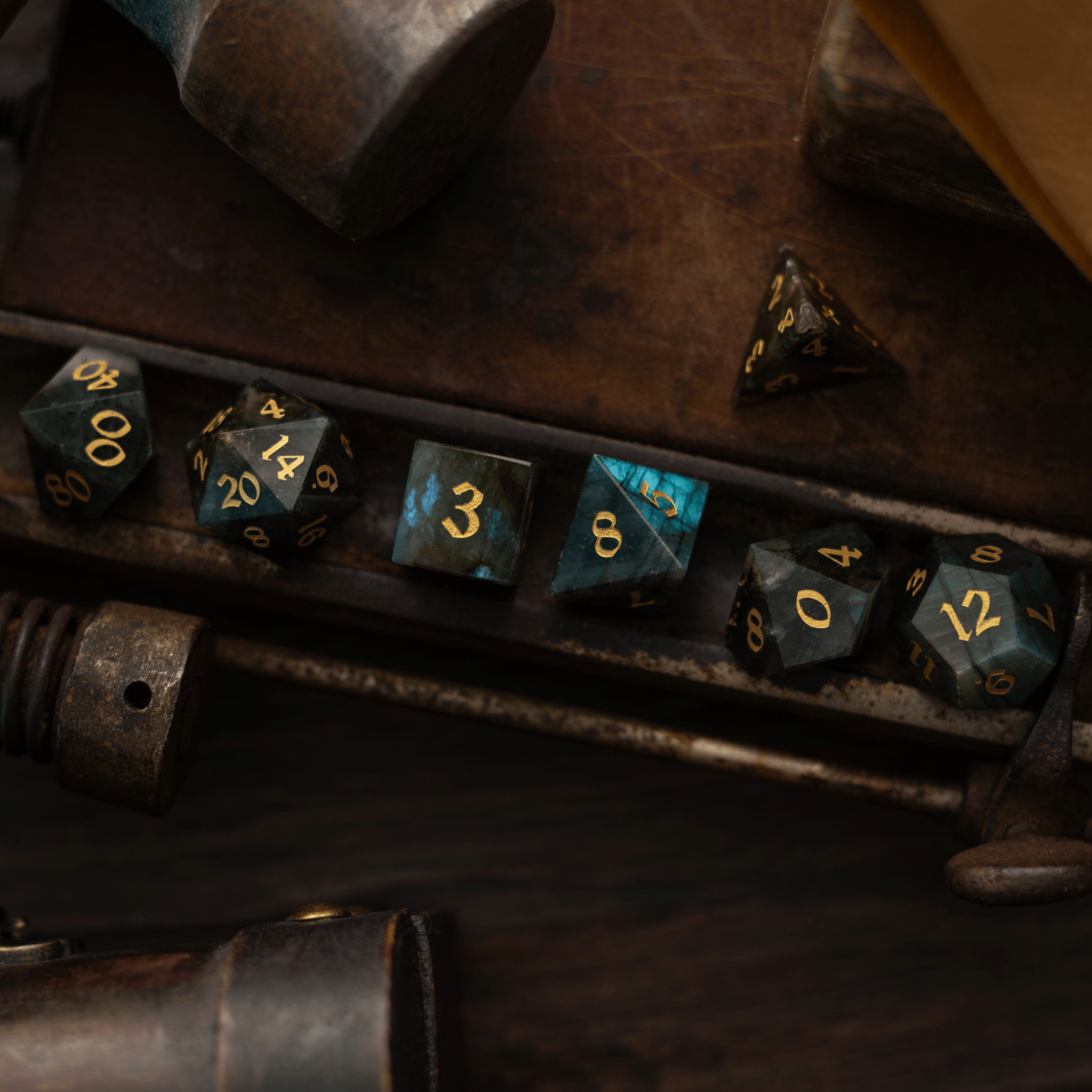
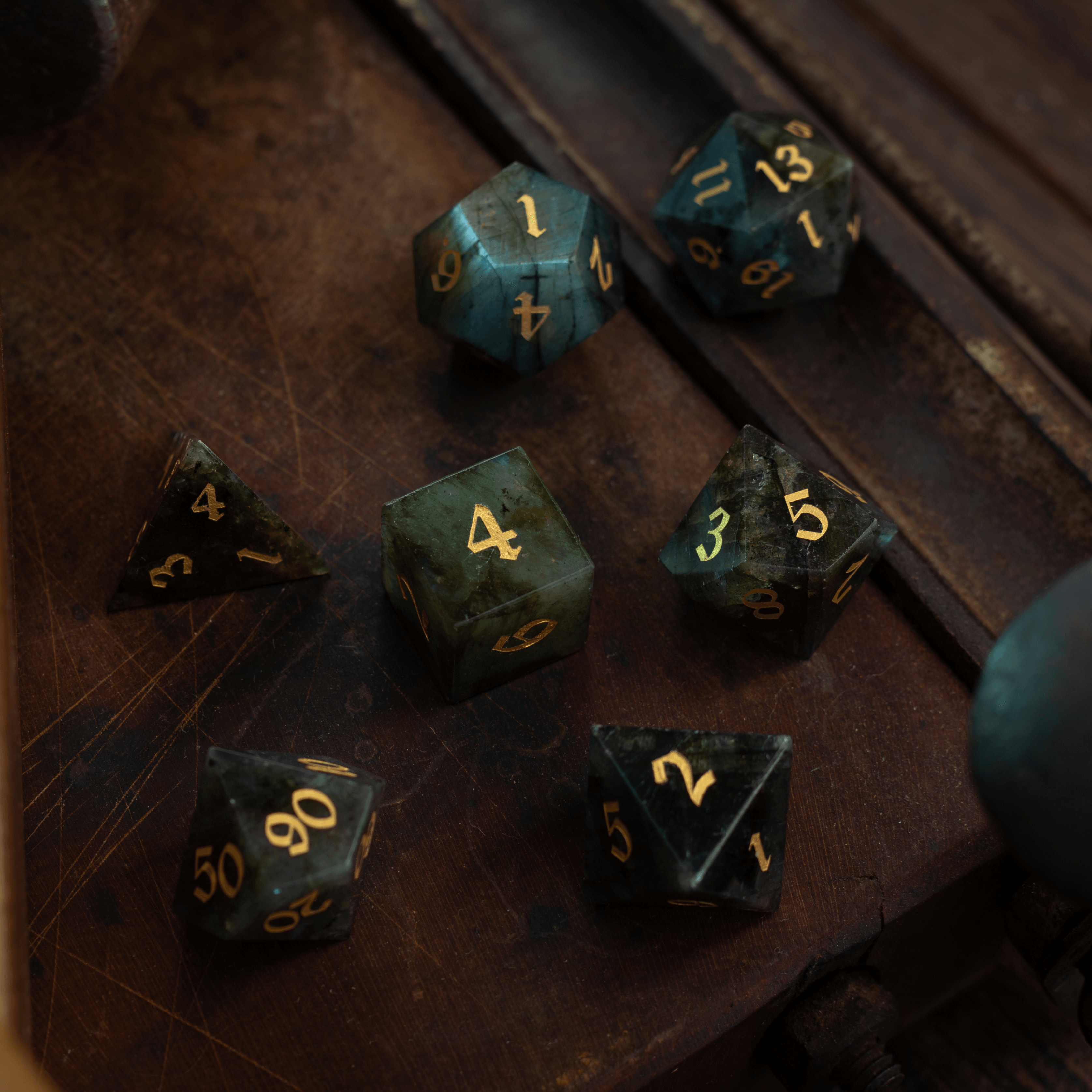
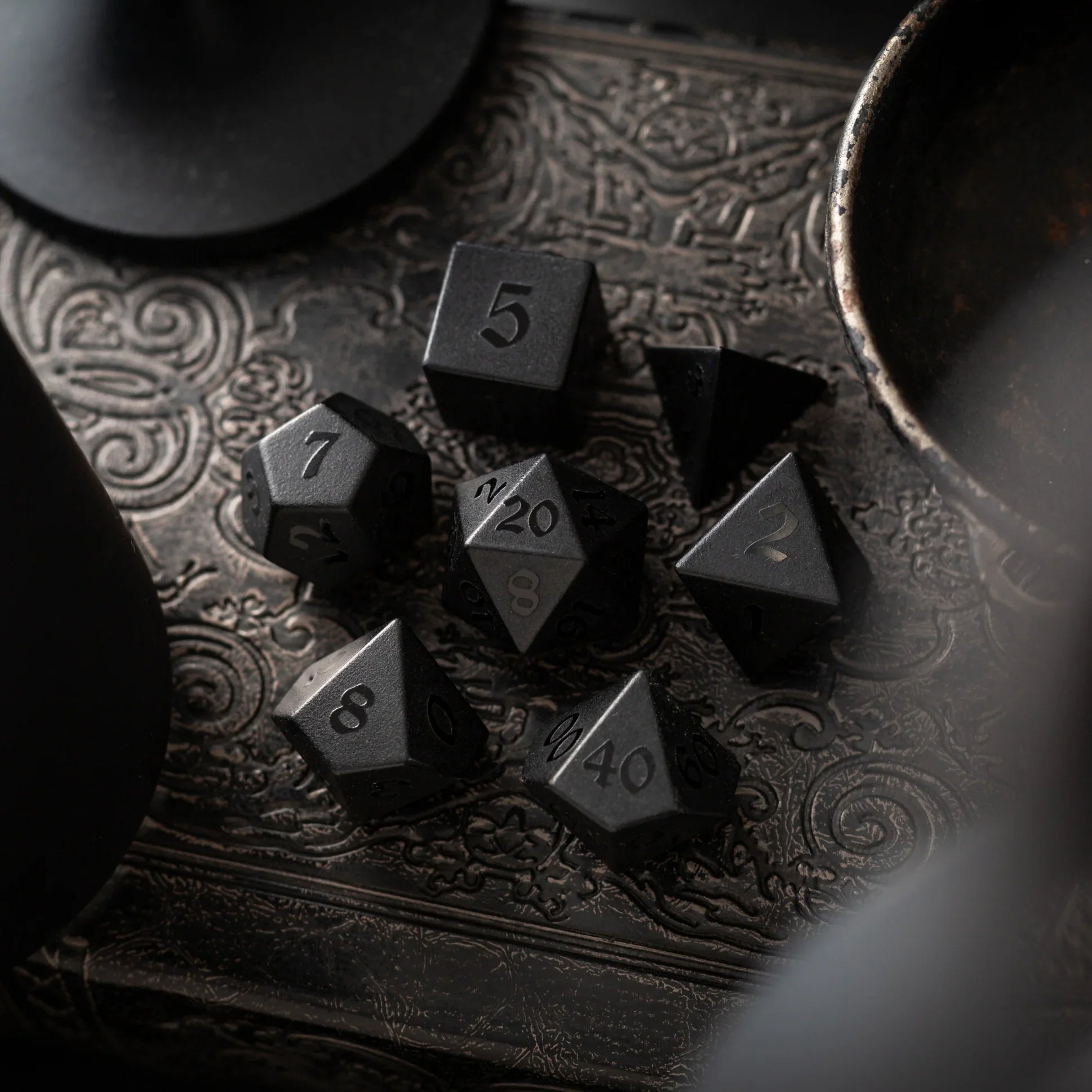
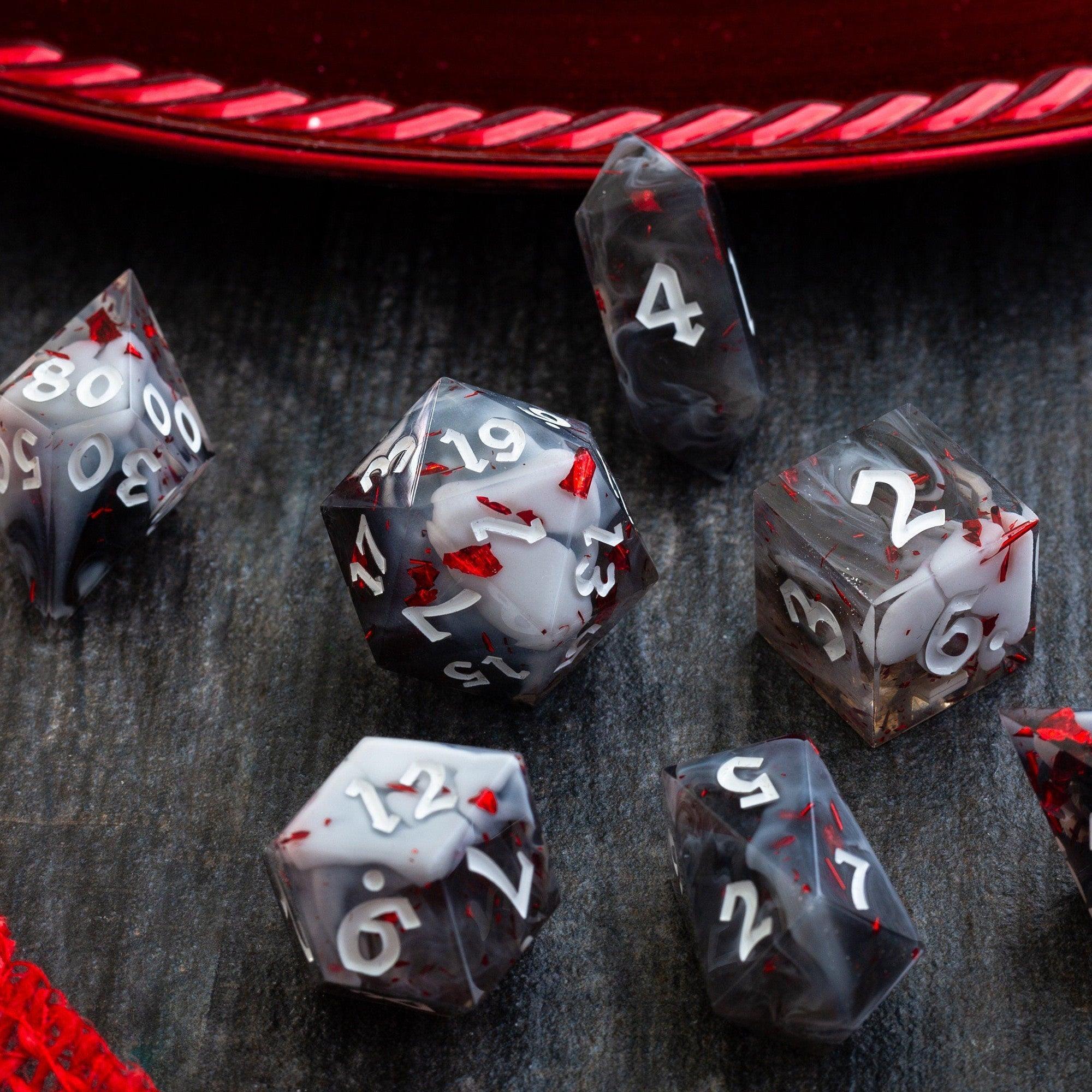
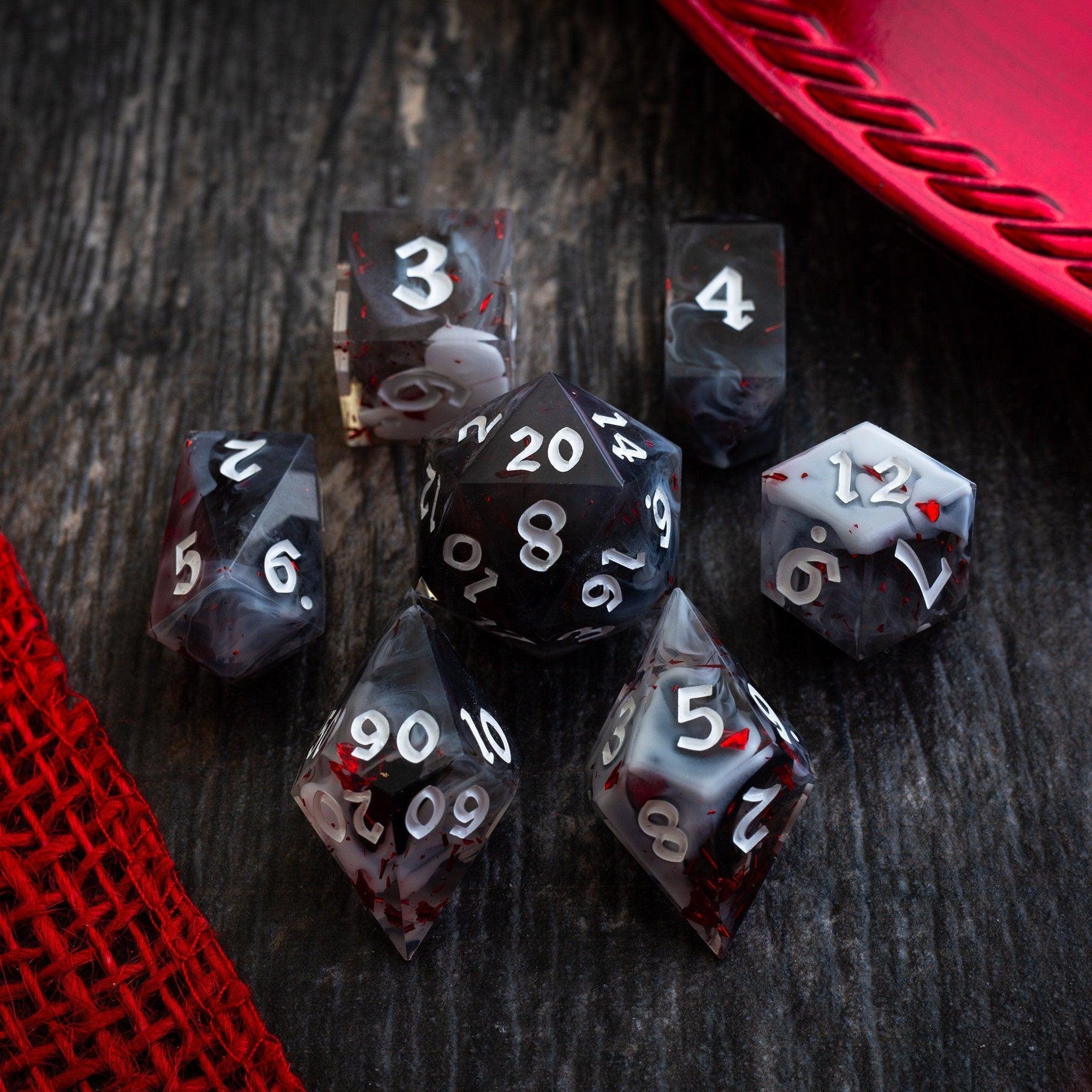
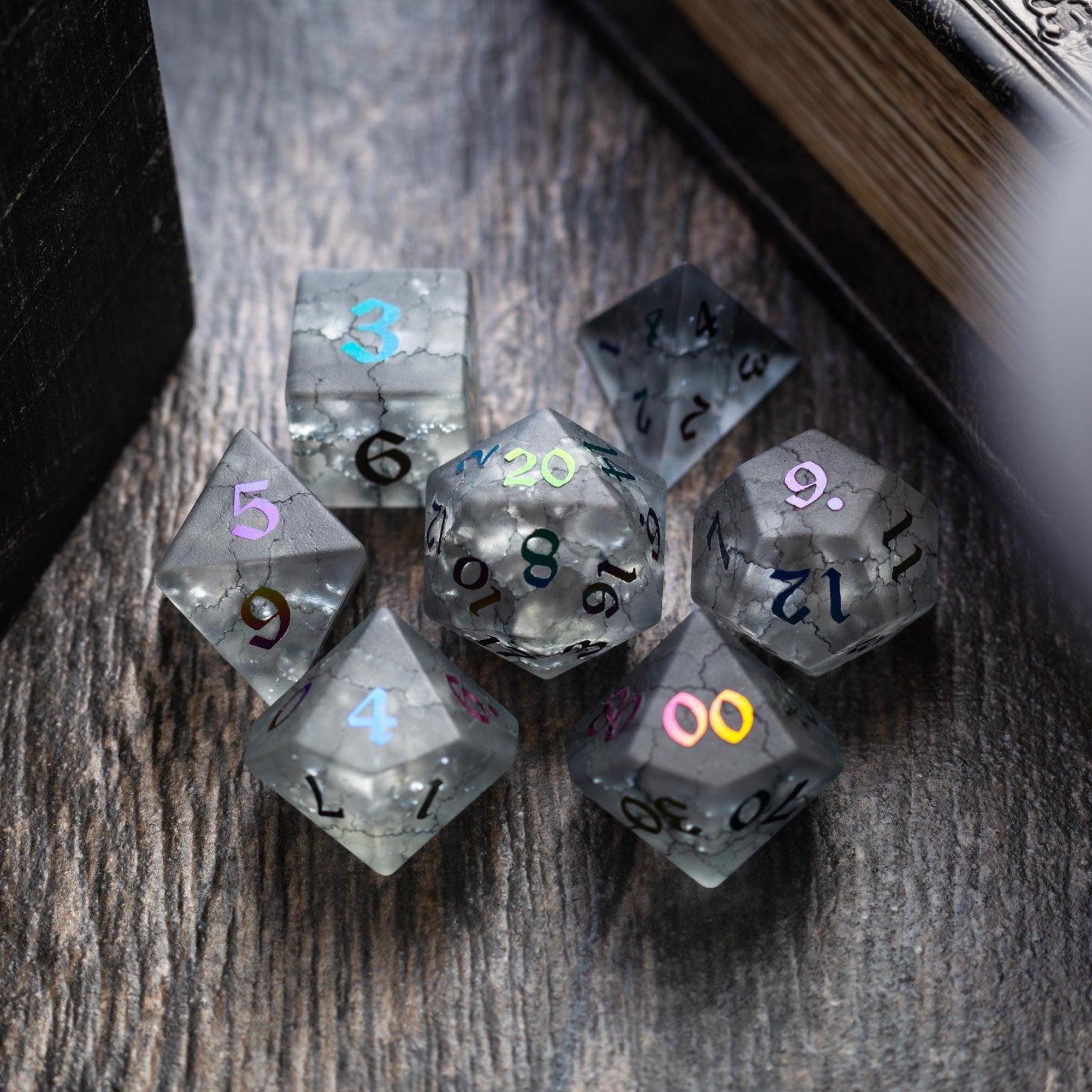
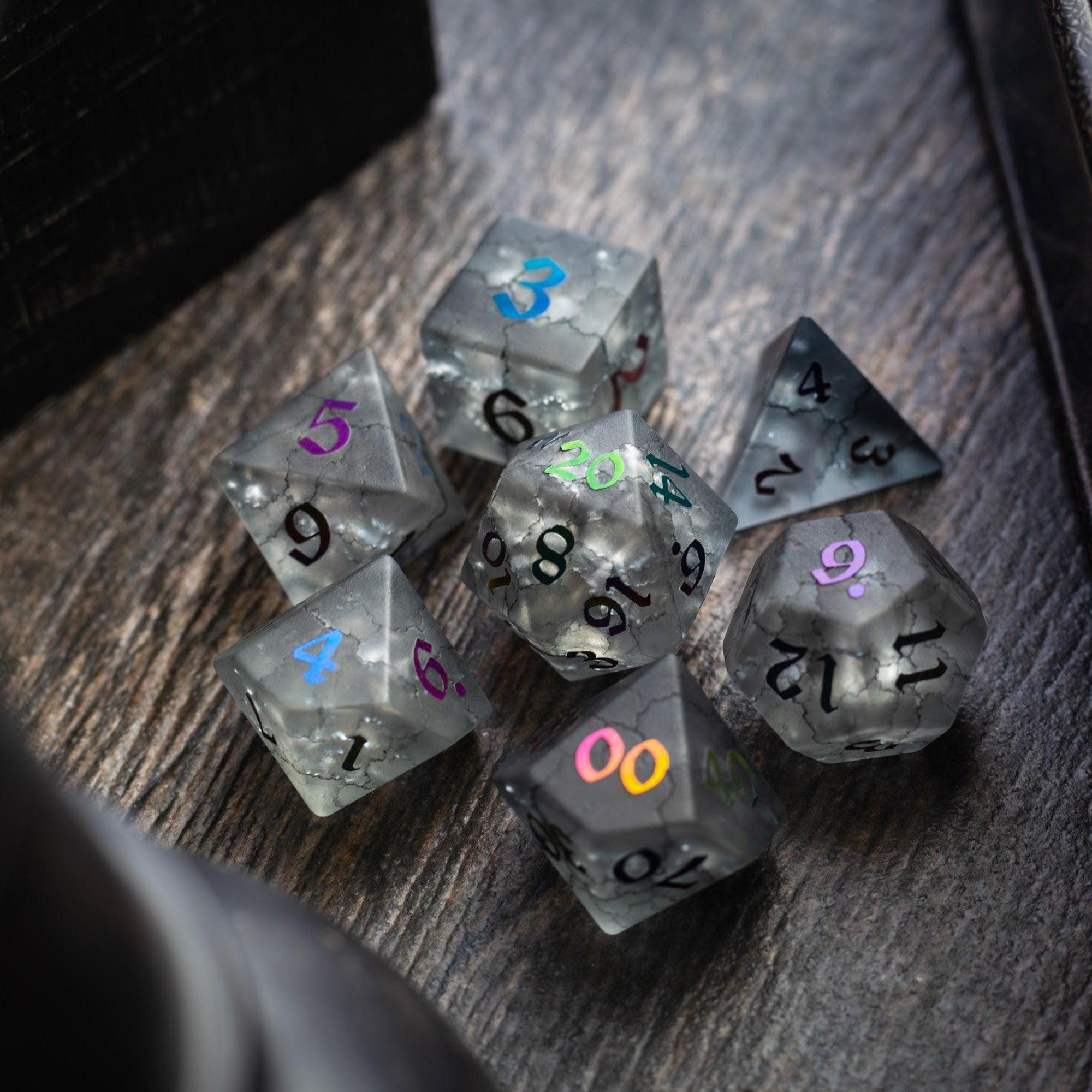
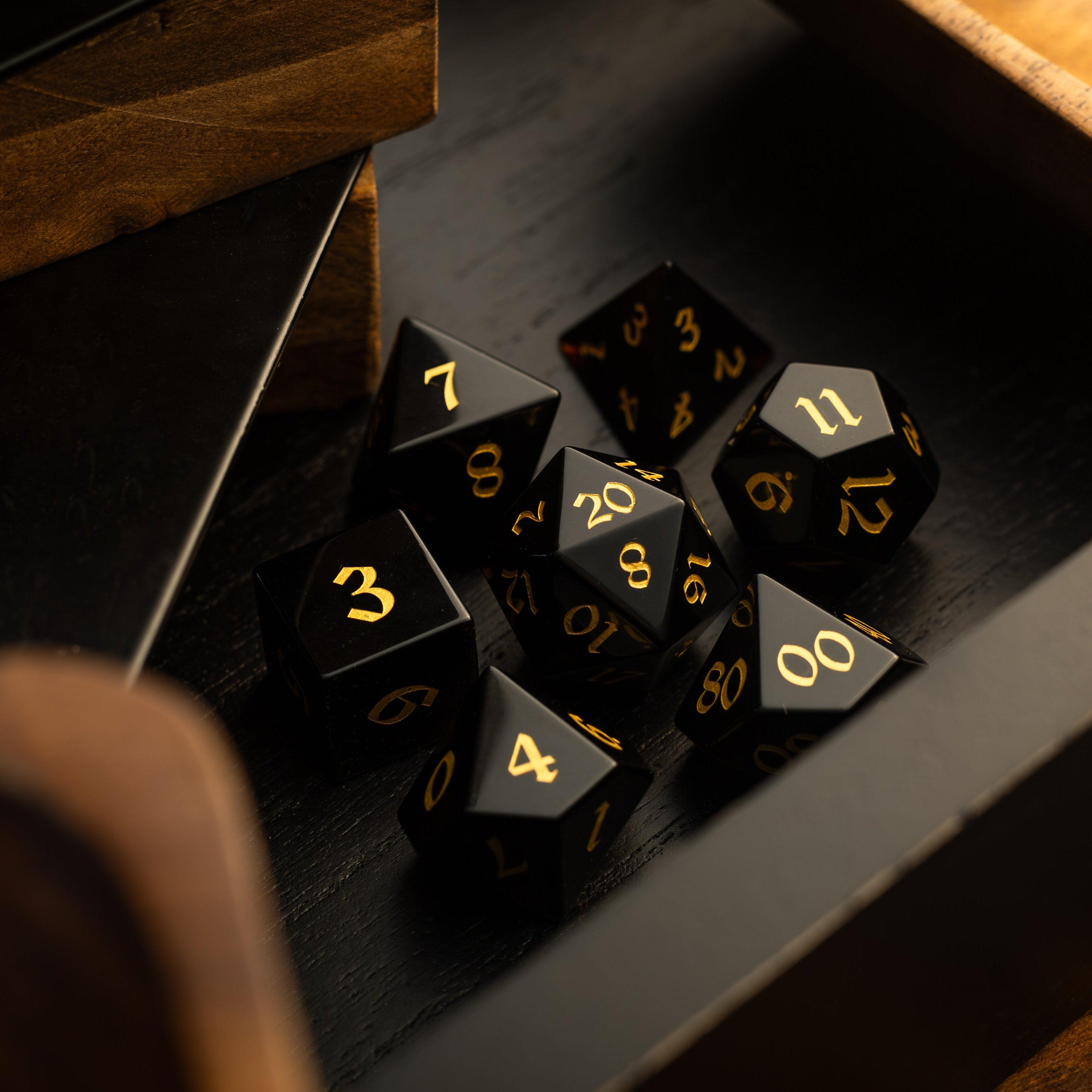
During campaign preparation, many Game Masters enjoy organizing maps, notes, and premium gemstone, resin, or metal dice from Runic Dice to help capture the atmosphere of legendary journeys across Faerûn.
Notable Forgotten Realms Heroes and Their Lasting Influence
Many Forgotten Realms characters have become legendary because of their courage, wisdom, or lasting influence on the world.
Drizzt Do'Urden
Perhaps the best-known hero in modern Forgotten Realms fiction, Drizzt Do'Urden is a drow ranger who rejected the cruel traditions of the Underdark in search of a more honorable life.
His adventures explore themes of identity, friendship, prejudice, and perseverance.
Campaign inspiration includes:
-
A remote ranger protecting isolated villages
-
Ancient enemies from the Underdark
-
Moral choices that challenge appearances
-
Unexpected alliances between unlikely companions
Dungeon Masters should remember that Drizzt works best as distant inspiration rather than a frequent campaign companion.
Elminster Aumar
Few figures are more recognizable in Faerûn lore than Elminster.
Often called the Sage of Shadowdale, Elminster is a powerful wizard whose knowledge stretches across centuries of history. While his magical abilities are extraordinary, his greatest storytelling value often comes from his wisdom and guidance.
Rather than solving problems for adventurers, he may:
-
Point heroes toward forgotten ruins
-
Explain ancient magical mysteries
-
Warn of growing dangers
-
Share incomplete historical knowledge
Using Elminster sparingly preserves both his mystique and the importance of the players' decisions.
Alustriel Silverhand
As one of the famed Seven Sisters, Alustriel represents compassionate leadership and diplomacy.
She has long been associated with the city of Silverymoon, promoting cooperation between many peoples throughout the North.
Campaign ideas include:
-
Political negotiations
-
Diplomatic missions
-
Defending peaceful cities
-
Magical academies seeking capable adventurers
Her influence reminds players that heroism extends beyond combat.
Bruenor Battlehammer
King Bruenor Battlehammer is remembered for determination, loyalty, and rebuilding ancient dwarven kingdoms.
His stories emphasize:
-
Honor
-
Family
-
Leadership
-
Perseverance
-
Ancient traditions
Dwarven strongholds, lost mines, and forgotten fortresses become even more compelling when tied to legends inspired by Bruenor's legacy.
The Harpers
Although not a single hero, the Harpers represent one of the setting's most influential organizations.
Many famous heroes have worked alongside this secretive group to preserve balance throughout Faerûn.
The Harpers provide excellent adventure hooks involving:
-
Secret missions
-
Gathering intelligence
-
Protecting innocent communities
-
Recovering dangerous artifacts
-
Preventing powerful villains from gaining influence
Because individual Harper agents vary greatly, Game Masters can introduce original NPCs while remaining faithful to established lore.
Forgotten Realms Hero Reference Table
| Hero | Role | Region | Defining Traits | Campaign Inspiration |
|---|---|---|---|---|
| Drizzt Do'Urden | Ranger | Icewind Dale, the North | Honor, independence, compassion | Wilderness adventures, moral choices |
| Elminster Aumar | Archmage | Shadowdale | Wisdom, magical knowledge | Ancient mysteries, forgotten lore |
| Alustriel Silverhand | Ruler and spellcaster | Silverymoon | Diplomacy, leadership | Political intrigue, alliances |
| Bruenor Battlehammer | Dwarven king | Mithral Hall | Courage, loyalty, resilience | Lost kingdoms, dwarven history |
| Dove Falconhand | Harper and ranger | Various regions | Steadfast protector | Secret missions, wilderness travel |
| Khelben "Blackstaff" Arunsun | Archmage | Waterdeep | Strategy, magical mastery | Urban campaigns, magical threats |
This table highlights only a handful of the many iconic D&D heroes found throughout the Forgotten Realms. Countless additional characters enrich the setting across novels, sourcebooks, and adventures.
How Game Masters Can Use Legendary Heroes Without Overshadowing Players
One of the most important Game Master tips is remembering that the campaign belongs to the players.
Legendary NPCs should support the story rather than dominate it.
Effective approaches include:
-
Let famous heroes appear briefly.
-
Allow players to solve the central conflict.
-
Keep legendary figures occupied with larger responsibilities.
-
Use historical stories instead of constant appearances.
-
Give players opportunities to surpass expectations.
If Elminster appears only to point adventurers toward an ancient ruin, the players remain responsible for overcoming its dangers.
Similarly, if Drizzt passes through a frontier village after defeating another threat elsewhere, his appearance enriches the world without stealing the spotlight.
Using Famous Heroes as Mentors, Allies, Historical Figures, or Legends
The most successful Forgotten Realms campaign often treats famous heroes as part of the world's background.
Consider introducing them in different ways.
Historical Legends
Ancient statues, songs, journals, and forgotten monuments remind players that great heroes once walked these lands.
This method enriches the setting while allowing complete player freedom.
Mentors
A legendary figure may provide advice before departing on another urgent mission.
Short interactions often feel more meaningful than constant companionship.
Allies
Well-known heroes can occasionally assist during large-scale events while leaving the critical objectives to the adventuring party.
Stories Told by Others
Tavern keepers, merchants, scholars, and traveling bards often spread tales that mix fact with exaggeration.
This approach creates mystery while encouraging players to separate legend from reality.
When these memorable encounters occur, rolling beautifully crafted resin or gemstone dice from Runic Dice can make important conversations and dramatic discoveries feel even more immersive around the table.
Balancing Established Lore with Original Storytelling
Some Dungeon Masters worry about making mistakes when using famous Forgotten Realms characters.
Fortunately, official lore exists to inspire rather than restrict.
Good ways to balance both include:
-
Respect established history where practical.
-
Create original villains and supporting NPCs.
-
Expand unexplored regions.
-
Build adventures around local communities.
-
Allow player actions to shape future events.
Even if official material describes a city's past, your campaign determines its future.
That flexibility is one of the greatest strengths of fantasy roleplaying.
Common Mistakes When Introducing Iconic Characters
Even experienced Dungeon Masters occasionally rely too heavily on legendary NPCs.
Avoid these common pitfalls:
-
Allowing famous heroes to defeat major villains for the party
-
Making every important NPC an established character
-
Explaining every mystery through legendary figures
-
Assuming players know extensive Forgotten Realms history
-
Following published stories so closely that player choices lose importance
Instead, treat these heroes as inspiring pieces of a much larger world.
Condition rings from Runic Dice can also help keep large encounters organized if adventurers fight alongside important allies during memorable battles, while a dice tower adds extra drama when critical moments determine the outcome of legendary conflicts.
Quick Forgotten Realms Inspiration Checklist
Before introducing a legendary hero into your campaign, ask yourself:
-
Does this character serve the players' story?
-
Could the same goal be achieved through a letter, rumor, or historical record?
-
Will players still make the important decisions?
-
Does the appearance deepen the world's history?
-
Are new players able to understand the situation without extensive lore knowledge?
-
Does the hero inspire rather than dominate the adventure?
Keeping these questions in mind helps maintain a healthy balance between official setting history and original storytelling.
The enduring appeal of the Forgotten Realms heroes lies not only in their legendary accomplishments but also in the worlds of possibility they open for every gaming table. Their courage, wisdom, and sacrifices enrich Faerûn heroes with stories that stretch across centuries, yet the greatest adventures are still waiting to be written by your own party. Whether players encounter a famous archmage through an old journal, hear a bard sing of a legendary ranger, or uncover forgotten relics tied to ancient champions, these moments should encourage curiosity rather than dictate the adventure. Let the legends illuminate the road ahead, while your players become the next generation of heroes whose deeds future storytellers will one day celebrate.







Leave a comment
This site is protected by hCaptcha and the hCaptcha Privacy Policy and Terms of Service apply.