
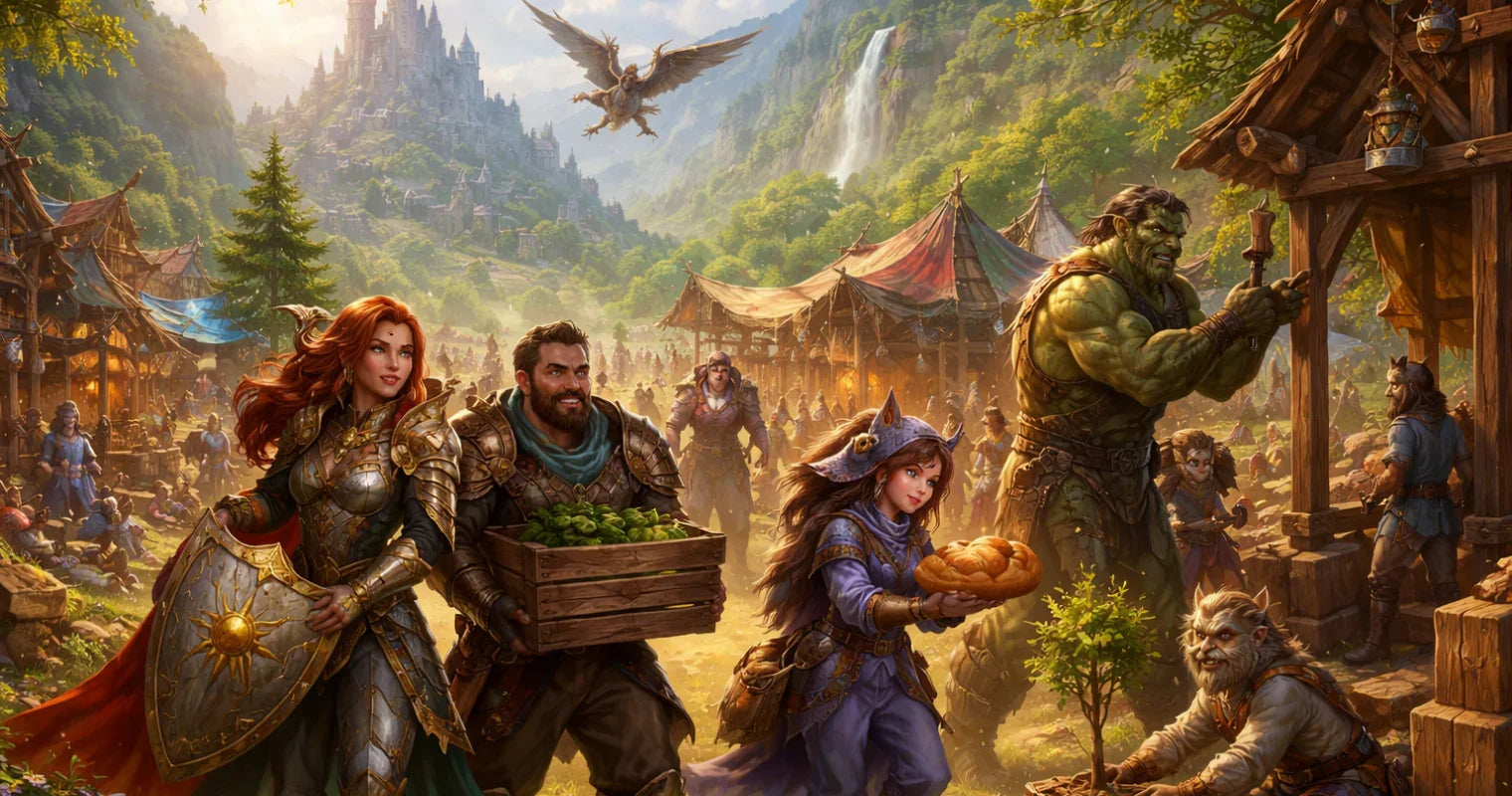
Driving Positive Change Through Gaming Community Initiatives
Tabletop roleplaying games have always been about more than rolling dice and defeating dragons. Every campaign creates opportunities for people to collaborate, solve problems together, and share memorable stories. Those same qualities also make tabletop gaming an excellent way to build stronger local communities through thoughtful gaming community initiatives.
Whether you are a Dungeon Master hosting your first beginner session, a club leader organizing regular meetups, or a volunteer planning a charity event, community-focused activities can help players feel welcome while strengthening connections that extend beyond the game table.
Successful initiatives do not require large budgets or professional event organizers. Many begin with a small group of enthusiastic players, a welcoming attitude, and a shared goal of bringing people together. By understanding your local interests, available resources, and the needs of your participants, you can create experiences that encourage lasting friendships and a thriving tabletop RPG community.
Why Strong Tabletop Communities Matter
Every gaming group has its own personality, but healthy communities often share a few common traits. They make room for experienced players and newcomers alike, encourage respectful collaboration, and create spaces where everyone can enjoy storytelling together.
A strong D&D community benefits everyone involved.
For players, it can provide:
-
Opportunities to meet new gaming groups
-
A welcoming place to learn the rules
-
Exposure to different play styles
-
Lasting friendships through shared adventures
For Game Masters, it can offer:
-
New players for future campaigns
-
Opportunities to exchange Game Master tips
-
Inspiration from other storytelling styles
-
Support when trying new adventures or homebrew ideas
Communities also grow stronger when members contribute in different ways. Some enjoy running games, while others volunteer to organize schedules, prepare maps, teach beginners, or help set up shared gaming spaces.
Rather than focusing on attendance numbers alone, successful gaming community initiatives often prioritize creating enjoyable experiences that encourage players to return because they feel included.
Organizing Welcoming Game Nights
Community game nights are one of the easiest ways to introduce people to tabletop RPGs.
A welcoming atmosphere starts before the first adventure begins. Clear communication, friendly hosts, and accessible adventures help reduce anxiety for players trying tabletop gaming for the first time.
Consider these ideas when planning community game nights:
-
Offer beginner-friendly adventures with simple rules
-
Clearly explain session length and expectations
-
Provide pre-generated characters for new players
-
Mix experienced players with beginners when possible
-
Schedule breaks during longer sessions
-
Encourage questions throughout the game
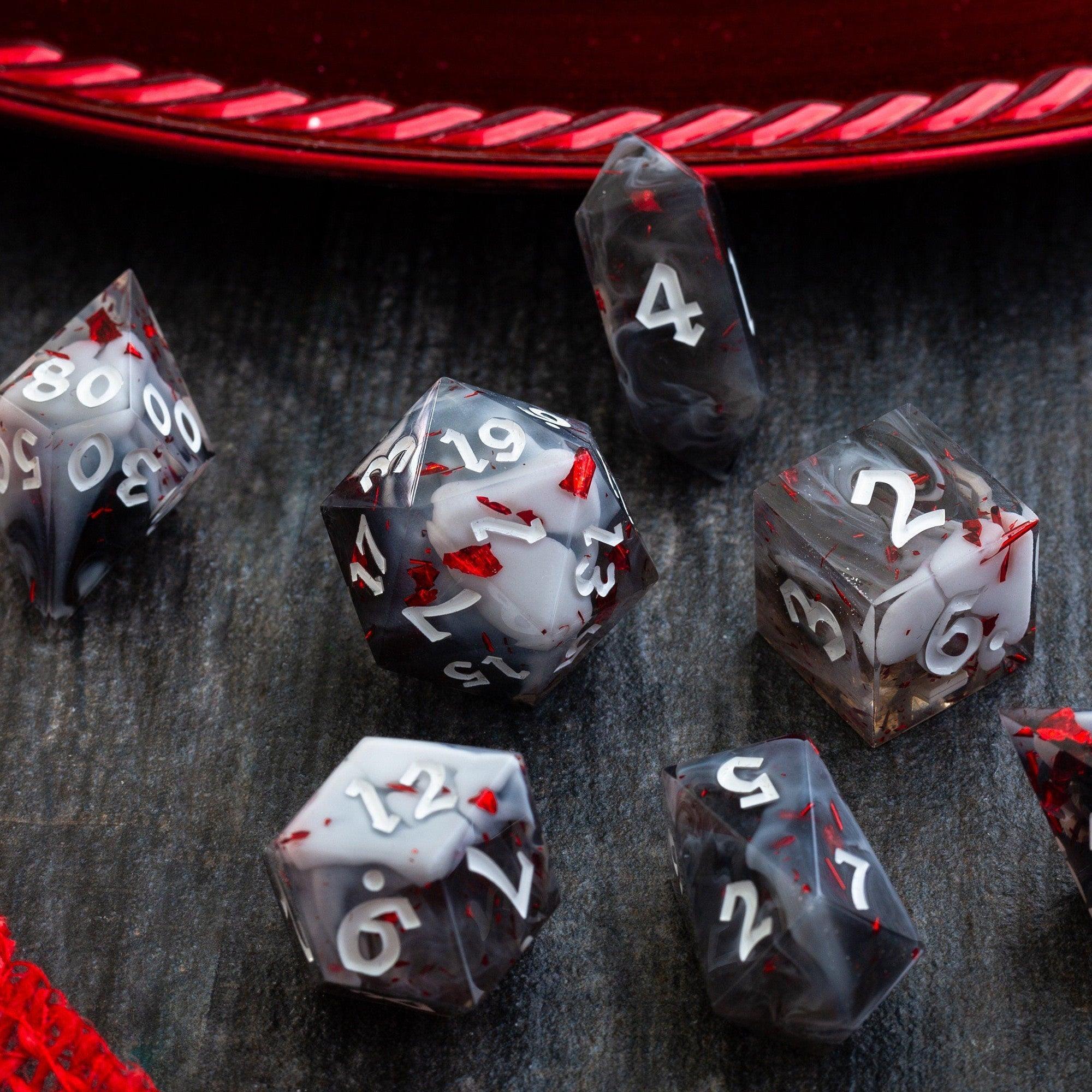
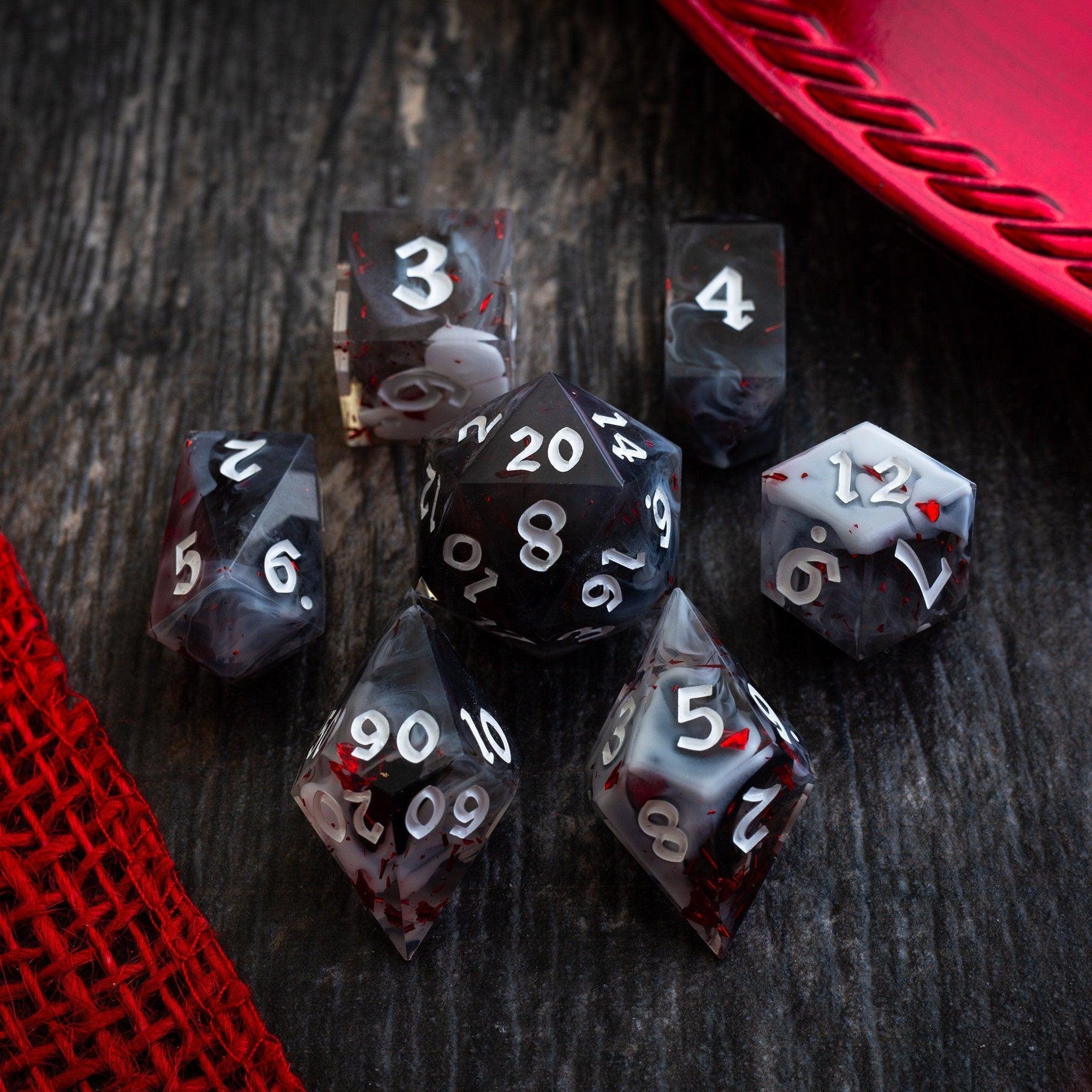
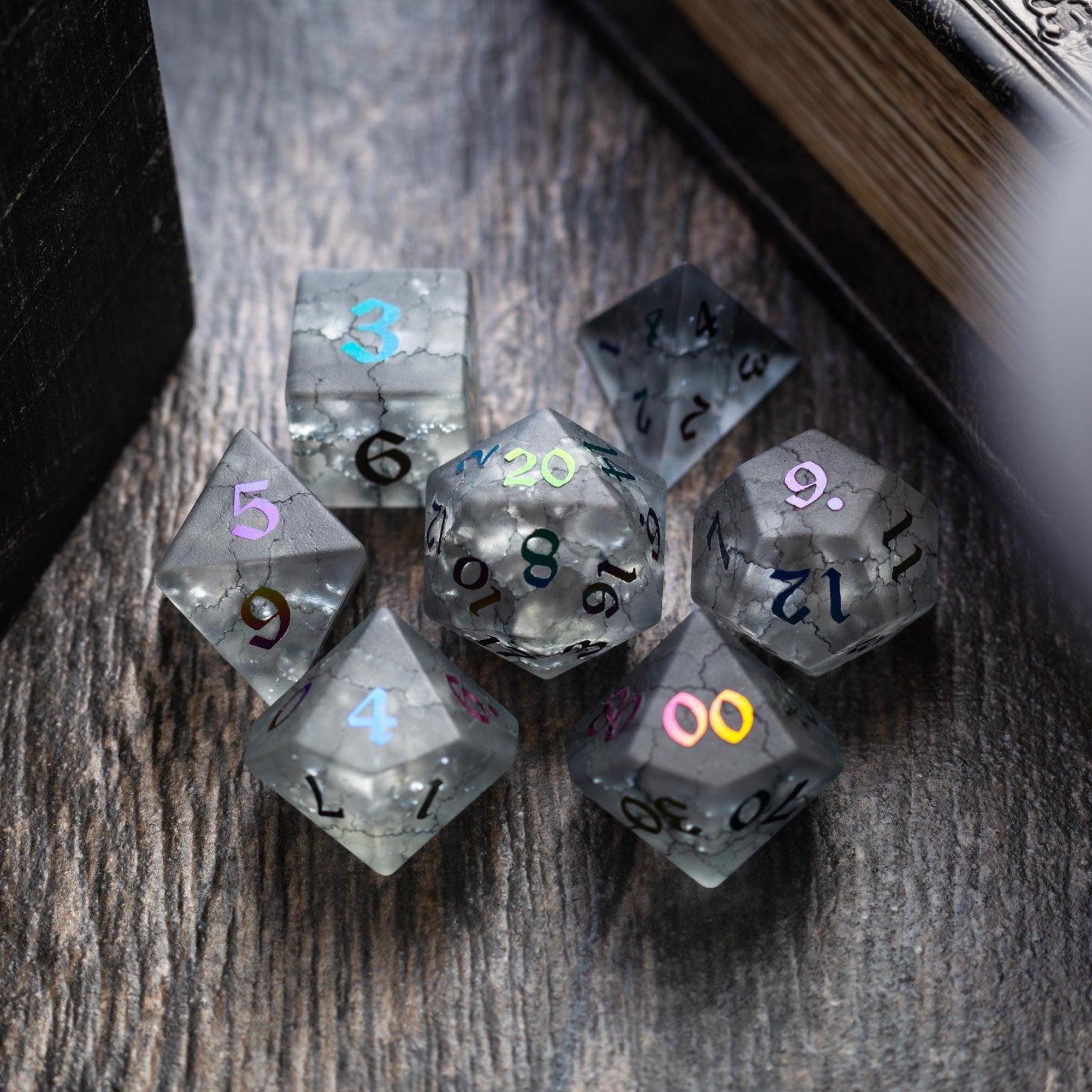
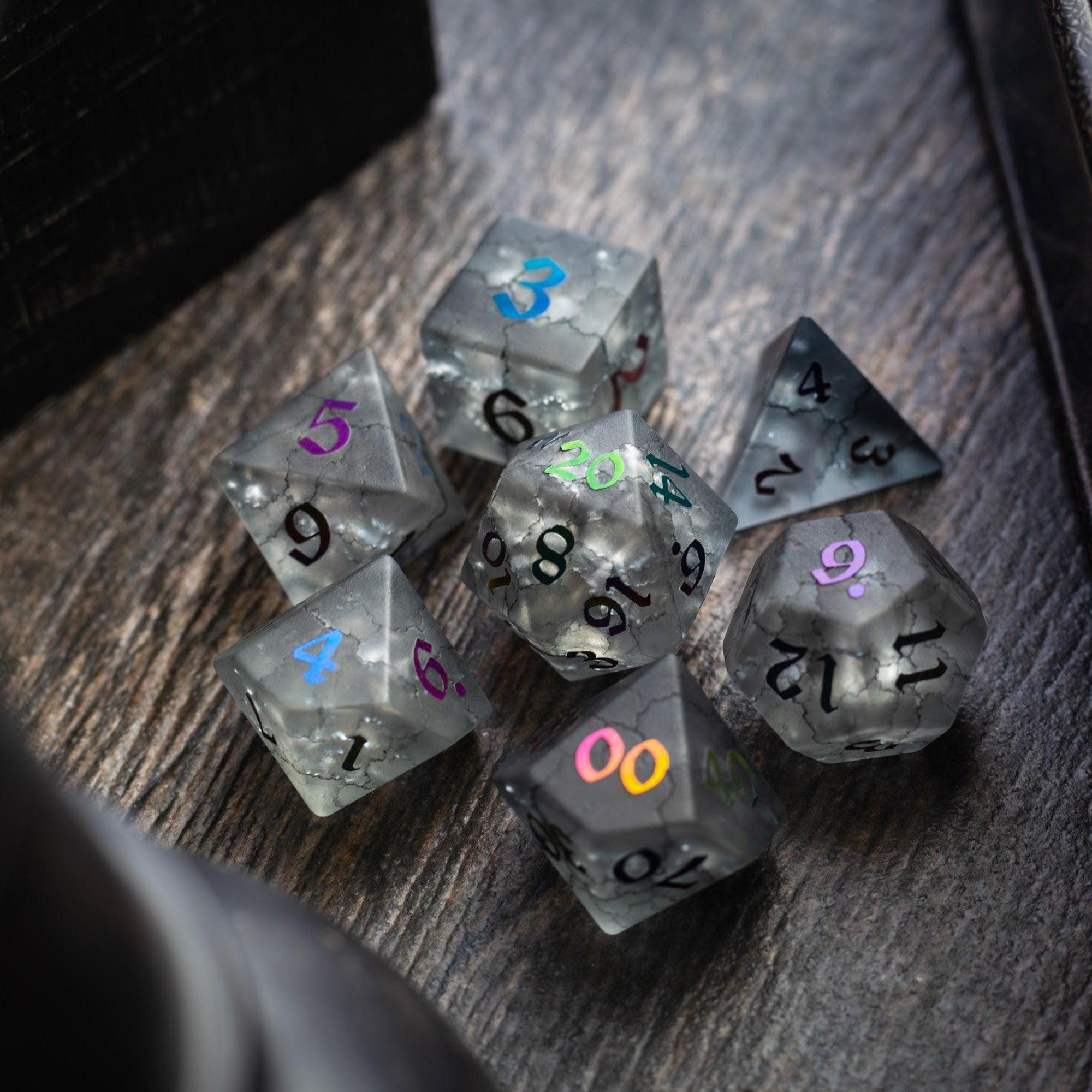
Physical organization also helps improve the experience. Dice trays can keep shared tables organized by preventing dice from rolling into maps or miniatures, while dice towers provide a consistent rolling area that keeps busy tables running smoothly. Having a few extra premium resin or metal dice available also allows first-time players to participate without needing to bring their own equipment.
No single event format works for every group. Some communities enjoy one-shot adventures, while others prefer ongoing campaigns, family-friendly sessions, or themed seasonal events. Listening to participant feedback can help organizers discover what works best locally.
Supporting Local Game Stores, Clubs, Schools, and Libraries
Community building extends beyond weekly campaigns.
Many local game stores, schools, libraries, and community centers already provide spaces where tabletop gamers can gather. Supporting these locations helps strengthen the overall tabletop ecosystem while making it easier for new players to discover the hobby.
Ways to support local organizations include:
-
Hosting beginner Dungeons & Dragons sessions
-
Running learn-to-play workshops
-
Organizing RPG clubs for students
-
Participating in store-sponsored campaigns
-
Volunteering during tabletop gaming events
-
Donating gently used gaming materials
Schools and libraries often appreciate structured activities that encourage teamwork, reading, and creative problem solving. Likewise, RPG clubs can introduce students and community members to collaborative storytelling in a welcoming environment.
Transportation also becomes easier when organizers keep gaming supplies organized. Dice bags make it simple to carry character sheets, dice, pencils, and other accessories between home, stores, schools, and community venues without leaving important items behind.
Planning Community Initiatives
Every community has different interests, available volunteers, and meeting spaces. Taking time to plan before announcing an event can make the experience smoother for everyone involved.
The table below offers examples of community activities that may fit different groups.
| Activity | Purpose | Participants | Preparation | Potential Impact |
|---|---|---|---|---|
| Beginner One-Shot | Introduce new players | New and experienced players | Prepare simple characters and adventure | Helps newcomers learn the game comfortably |
| Open Community Game Night | Build local connections | General public | Reserve tables and Game Masters | Encourages ongoing participation |
| School or Library RPG Club | Regular educational play | Students and educators | Coordinate schedules and materials | Supports collaborative learning |
| Charity Adventure Event | Raise funds for a local cause | Community volunteers | Organize tables, donations, and schedules | Combines gaming with community support |
| Game Master Workshop | Share experience and ideas | Current and aspiring GMs | Prepare discussion topics | Strengthens local leadership within the community |
Every initiative should remain flexible. Attendance, volunteer availability, and community interests may change over time, making regular adjustments both practical and expected.
Charity Gaming Events and Collaborative Campaigns
Many tabletop communities enjoy participating in charity gaming events that combine shared adventures with support for local organizations.
Examples include:
-
Twenty-four hour gaming marathons
-
Multi-table adventure weekends
-
Raffles supporting community charities
-
Sponsored campaigns
-
Holiday-themed one-shot events
-
Collaborative worldbuilding events
Some groups contribute through entry donations, while others collect gaming supplies or support local nonprofit organizations chosen by participants. The most suitable approach depends on community interests and available resources rather than following a single model.
Large collaborative campaigns can also connect multiple tables within one shared fantasy setting. Different groups might complete separate quests that influence a larger story, creating excitement while allowing many players to contribute.
Shared accessories help keep these larger events organized. Dice towers reduce congestion at crowded tables, while clearly marked dice trays help separate rolling spaces when multiple games are running simultaneously.
Creating Respectful and Inclusive Gaming Spaces
Positive communities grow through consistent habits rather than one-time events.
Organizers can encourage welcoming environments by establishing expectations early and modeling respectful behavior throughout every session.
Helpful practices include:
-
Greeting new players personally
-
Explaining table expectations clearly
-
Respecting different experience levels
-
Encouraging teamwork over competition
-
Allowing everyone opportunities to participate
-
Listening to player feedback
-
Addressing conflicts calmly and respectfully
Game Masters also play an important role by ensuring everyone has opportunities to contribute to the story instead of allowing a few players to dominate the session.
Inclusivity looks different for every group, so remaining open to participant feedback helps organizers continue improving future events.
Common Mistakes When Organizing Community Initiatives
Even experienced organizers continue learning with every event.
Some common challenges include:
-
Planning activities without considering local interests
-
Scheduling events at inconvenient times
-
Making adventures too complex for beginners
-
Overloading volunteers with too many responsibilities
-
Assuming every participant has their own gaming supplies
-
Forgetting to gather feedback afterward
-
Expecting immediate community growth
Remember that meaningful communities develop gradually. A smaller event where participants feel welcome often has a greater long-term impact than a large event that feels disorganized.
Quick Community Event Planning Checklist
Before hosting your next gathering, review this simple checklist.
-
Define the purpose of the event.
-
Choose a location that fits your community.
-
Recruit enough Game Masters or volunteers.
-
Prepare beginner-friendly materials if needed.
-
Bring extra character sheets and pencils.
-
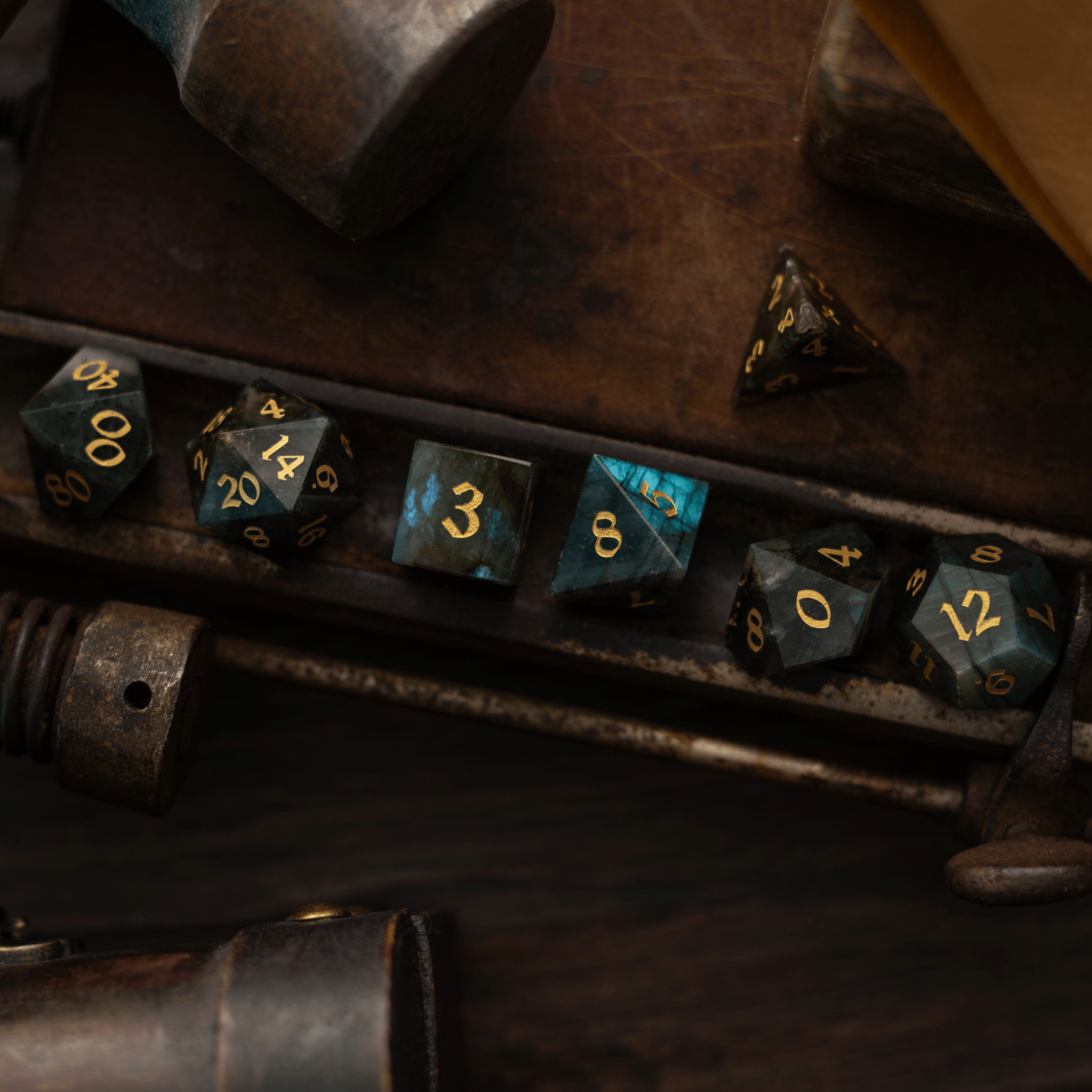
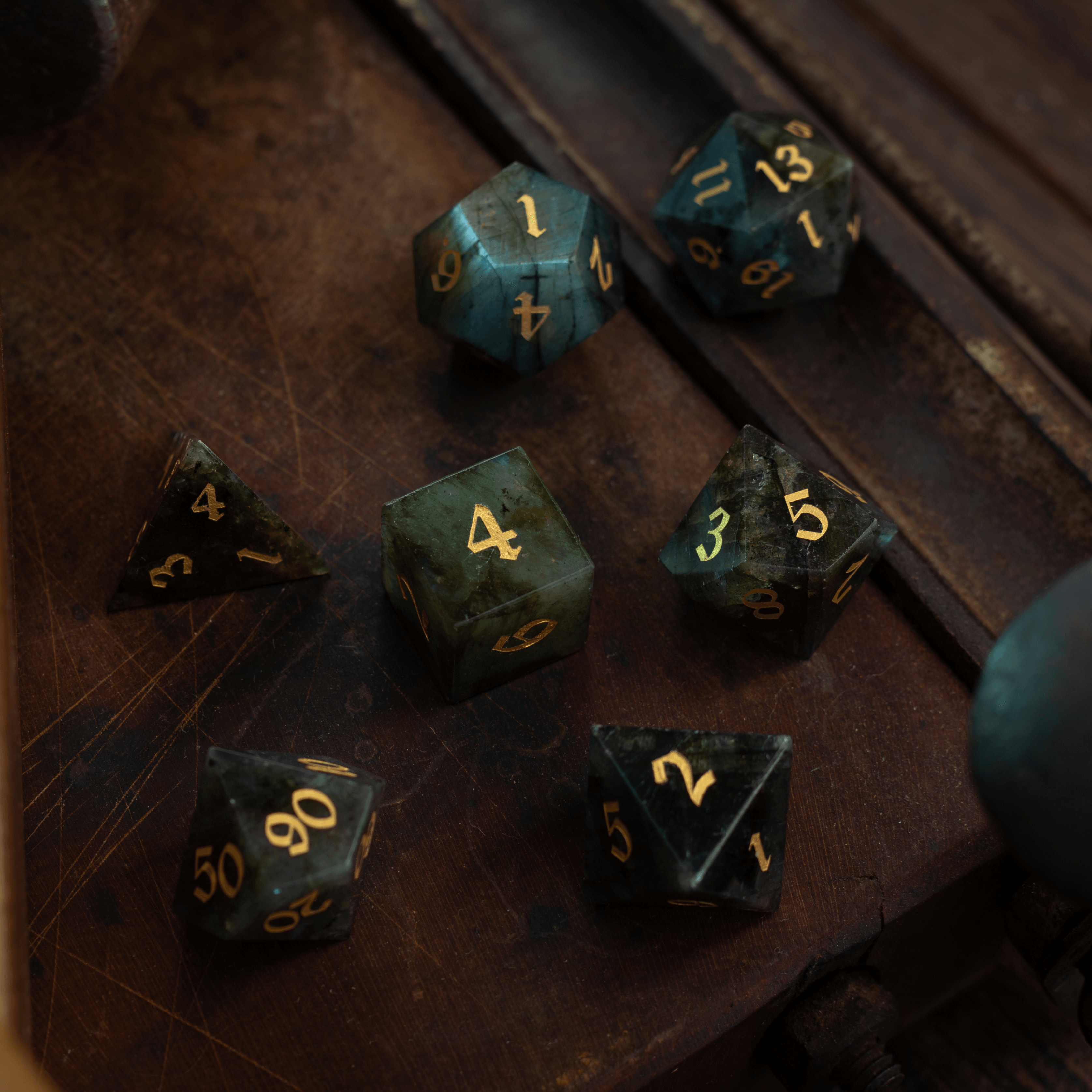
Pack spare dice, along with a few resin, gemstone, or metal sets for newcomers who may not own any.
-
Use dice trays or dice towers to help keep shared tables organized.
-
Communicate schedules and expectations clearly.
-
Leave time for feedback after the session.
Building a thriving tabletop gaming community is less about creating the biggest event and more about creating meaningful experiences that encourage people to return. Every welcoming introduction, shared adventure, and collaborative campaign strengthens the connections between players, Game Masters, and local organizers. As your community grows, remain open to new ideas, adapt to local interests, and celebrate the creativity that tabletop roleplaying inspires. Through thoughtful gaming community initiatives, shared storytelling can continue bringing people together, one adventure at a time.













Leave a comment
This site is protected by hCaptcha and the hCaptcha Privacy Policy and Terms of Service apply.