
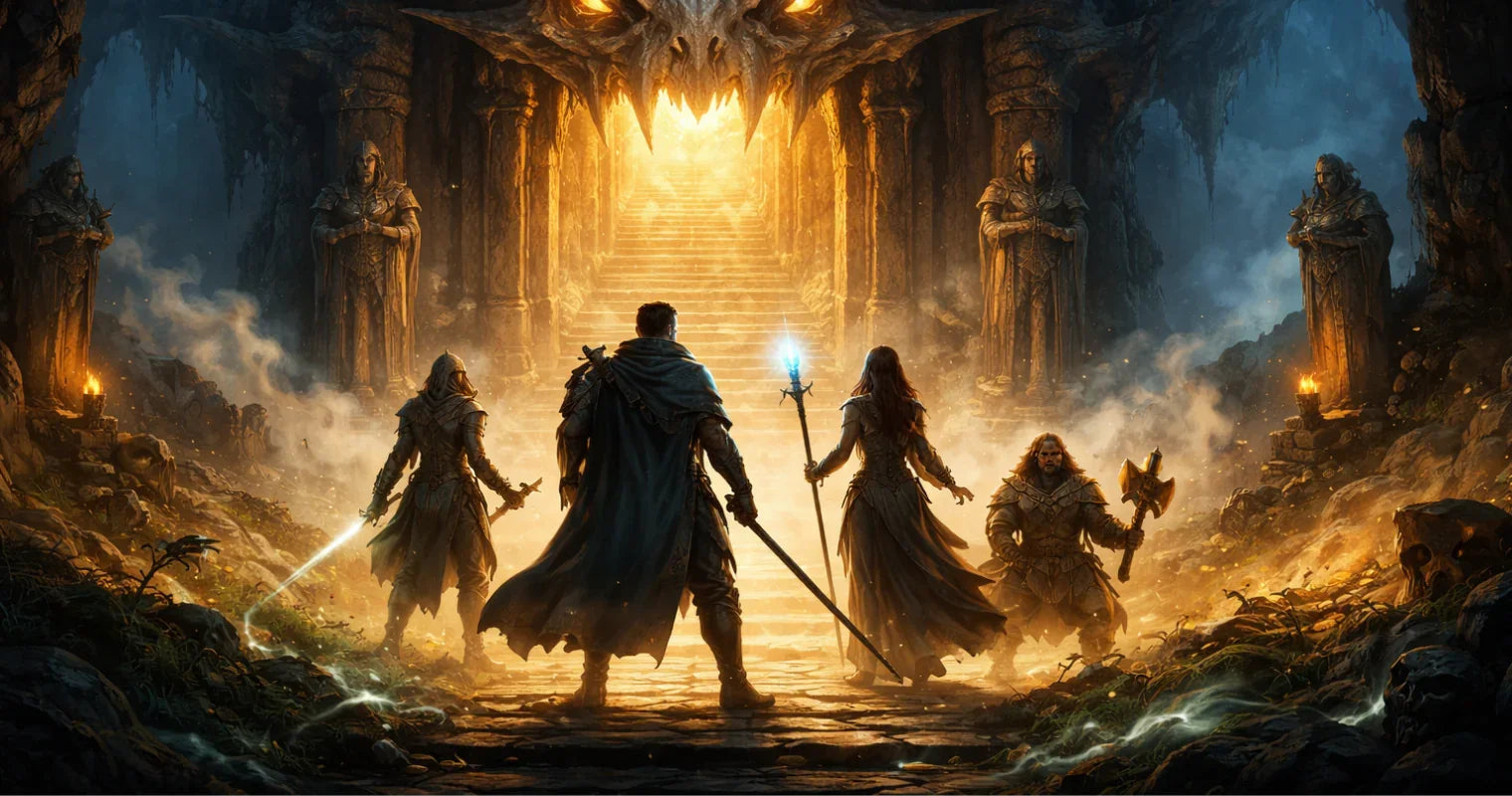
Unspoken Rules of Dungeons & Dragons Every Player Should Know
Dungeons & Dragons is a game built on rules… but the best sessions don’t run on mechanics alone.
They run on people.
Every table develops its own rhythm, its own style, and its own inside jokes. Along the way, players naturally pick up on a set of unspoken rules—small habits and social expectations that make the game smoother, more fun, and more collaborative.
If you’ve ever wondered how to be a better D&D player or improve your group’s vibe, these unwritten guidelines are where it all starts.
What Are Unspoken Rules in D&D?
Unspoken rules in D&D aren’t found in the rulebooks. They’re not about spell slots or armor class. Instead, they’re the shared expectations that help everyone enjoy the game together.
Think of them as:
-
Social guidelines for how to act at the table
-
Habits that keep the game flowing
-
Ways to respect other players and the Dungeon Master
These are the things that turn a decent session into a memorable one.
Respect Everyone’s Spotlight
One of the most important pieces of dnd table etiquette is knowing when to step back.
Every player deserves their moment to shine. Maybe it’s the rogue sneaking through shadows, the bard delivering a dramatic speech, or the wizard solving a puzzle.
Good players:
-
Let others finish their scenes
-
Avoid interrupting important roleplay moments
-
Celebrate each other’s successes
You don’t lose anything by sharing the spotlight. In fact, the whole table gains from it.
Pay Attention (Even When It’s Not Your Turn)
It’s easy to drift off when your character isn’t actively involved. But staying engaged is one of the most underrated dnd player tips.
When you pay attention:
-
You react naturally to what’s happening
-
You avoid slowing the game with repeated explanations
-
You help build immersion for everyone
Even something simple like listening closely or reacting in character can elevate the entire session.
Be Ready on Your Turn
Combat can be exciting… or it can drag.
One of the biggest ways to improve dnd group etiquette is being prepared when your turn comes up.
Try this:
-
Think about your action before your turn starts
-
Keep your spells or abilities easy to access
-
Roll your dice promptly and clearly
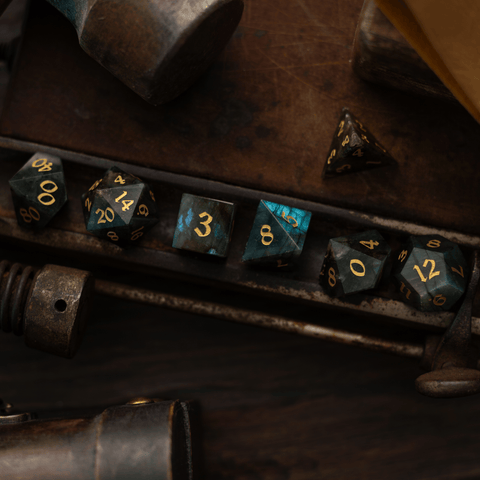
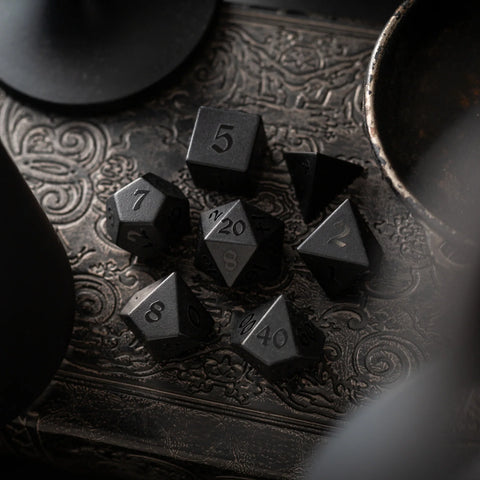
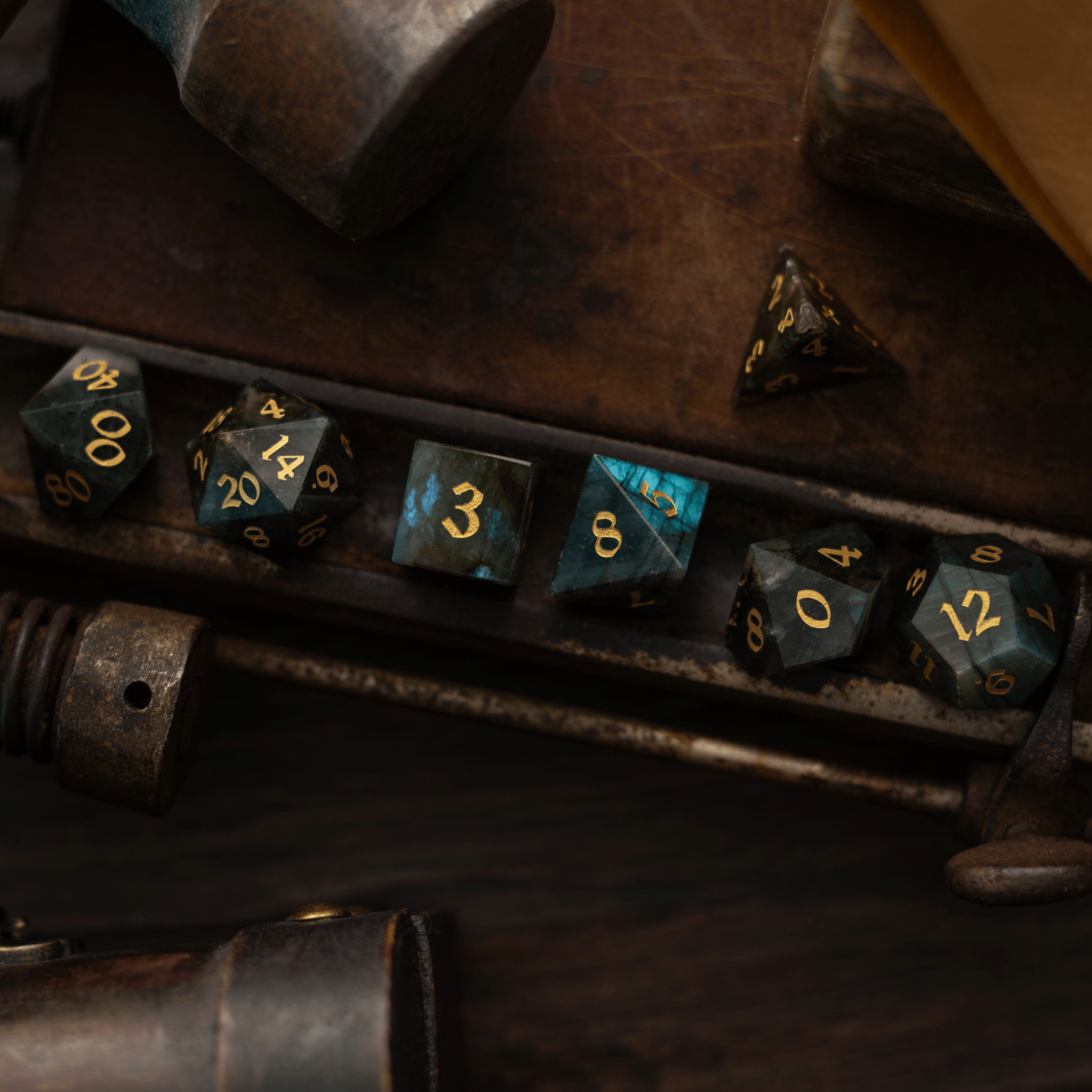
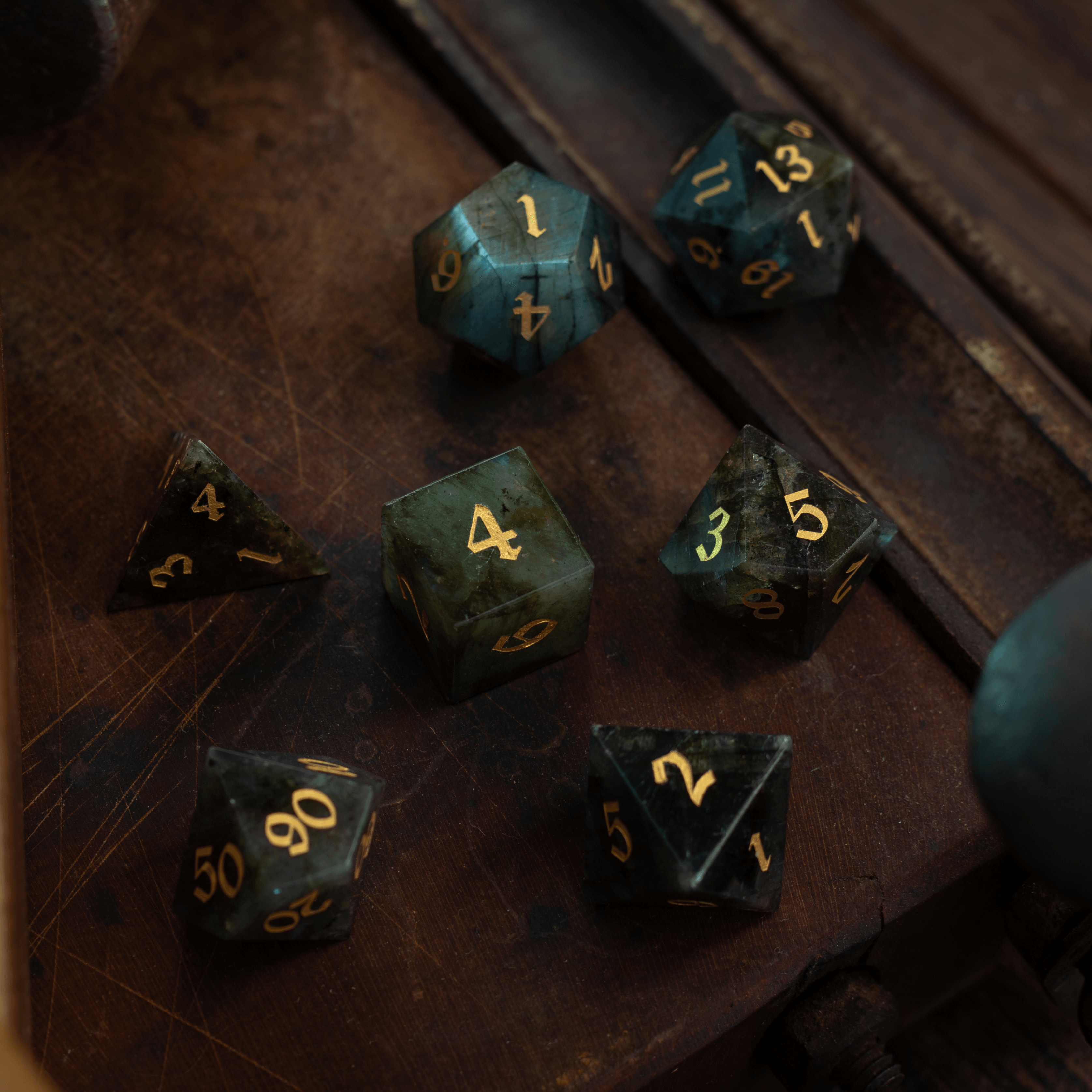
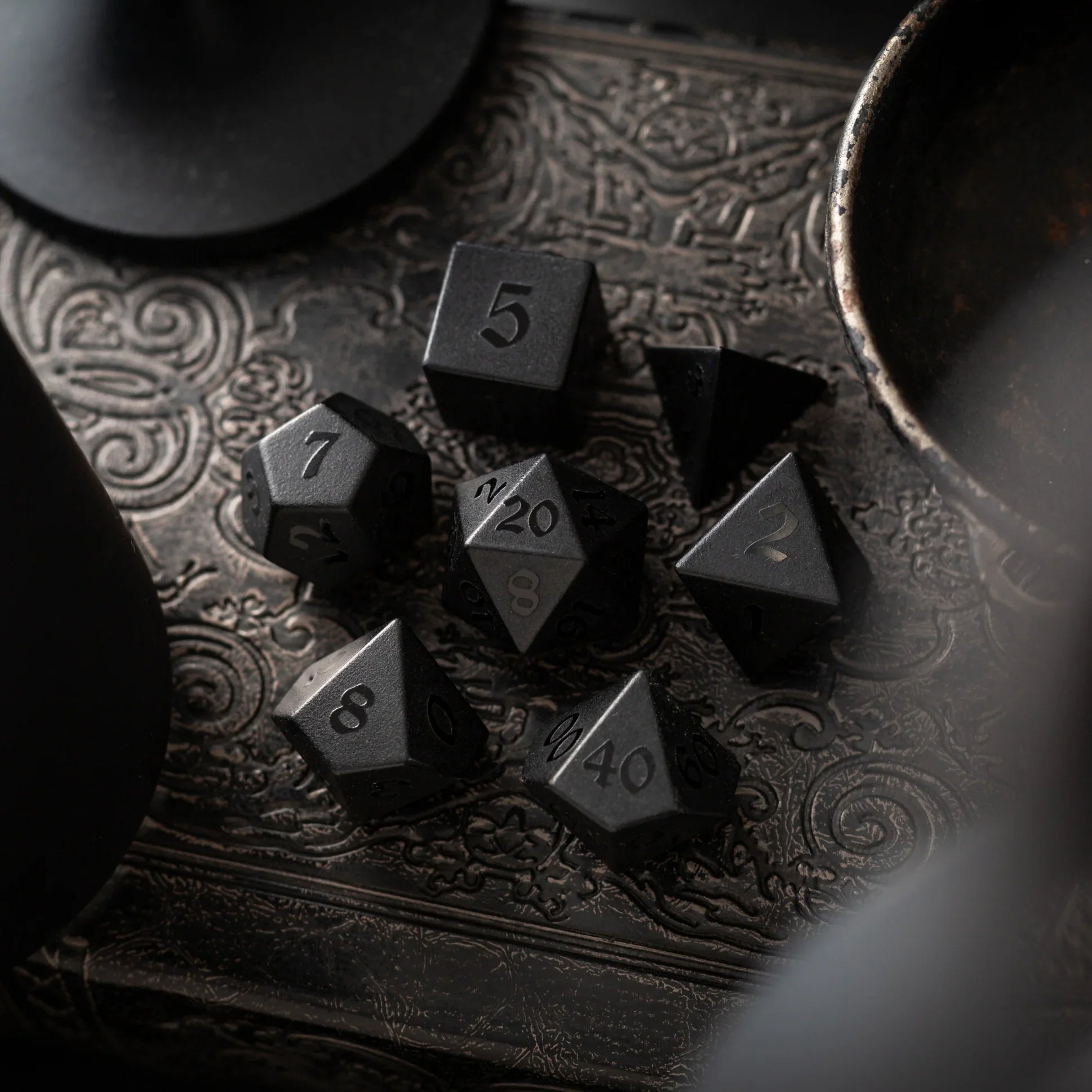
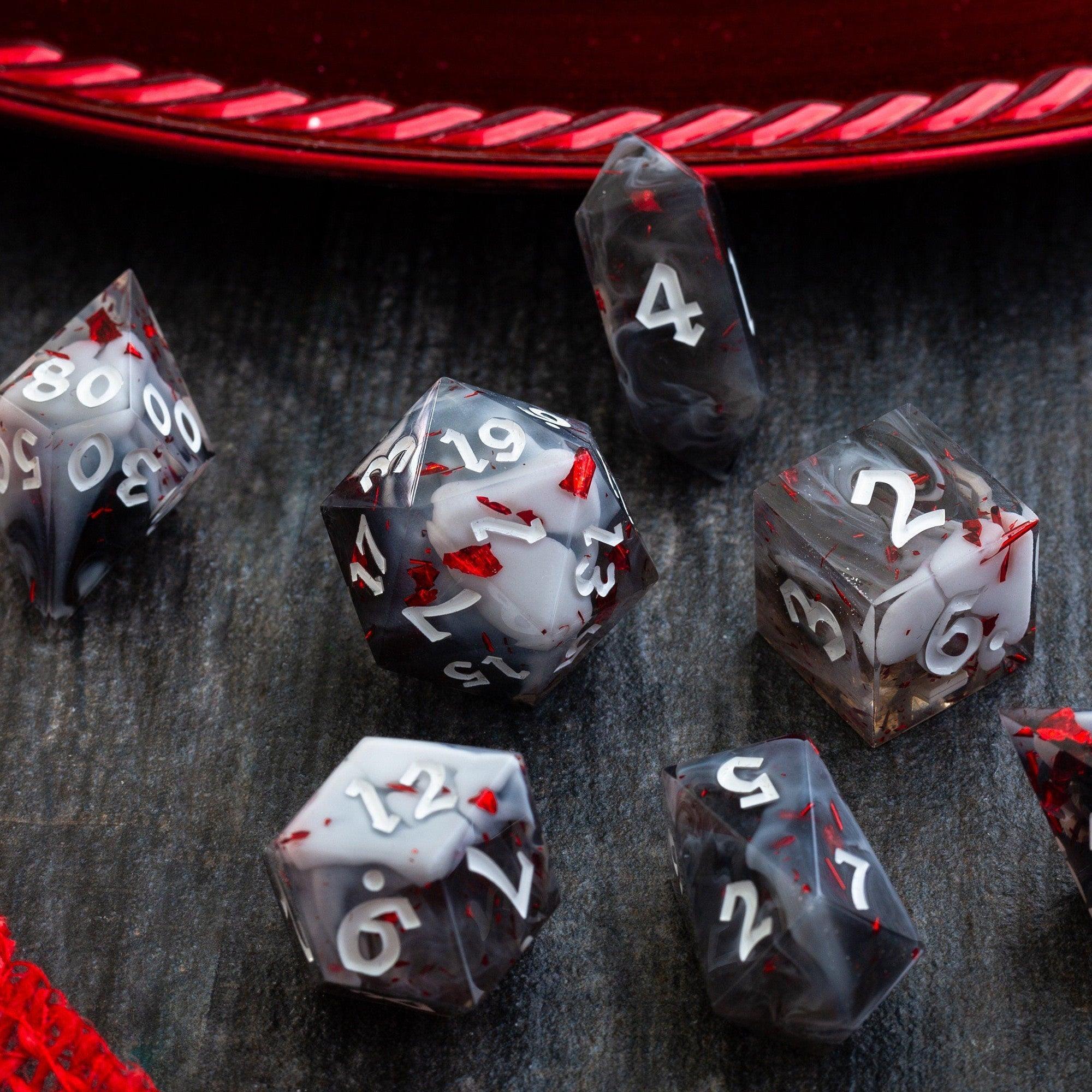
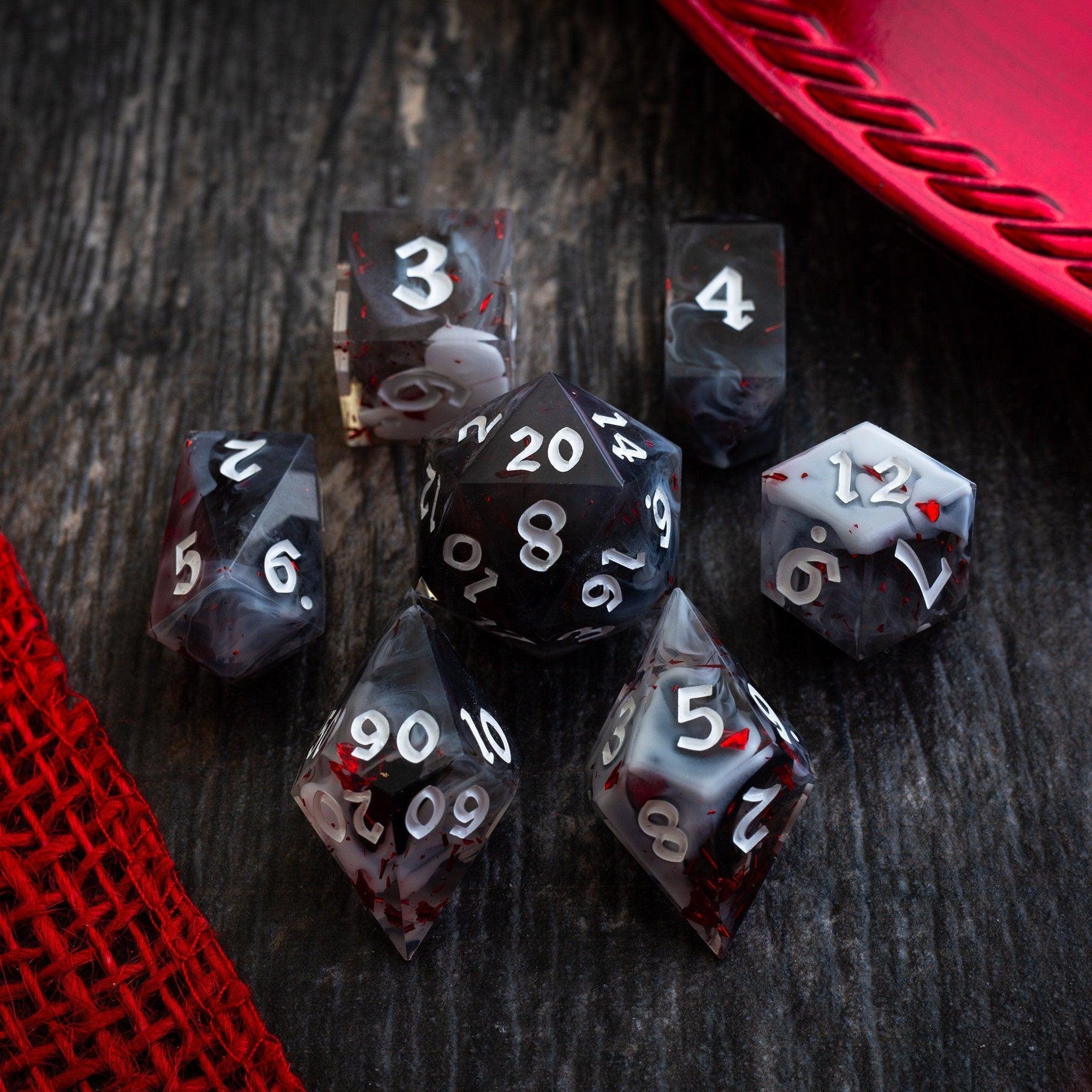
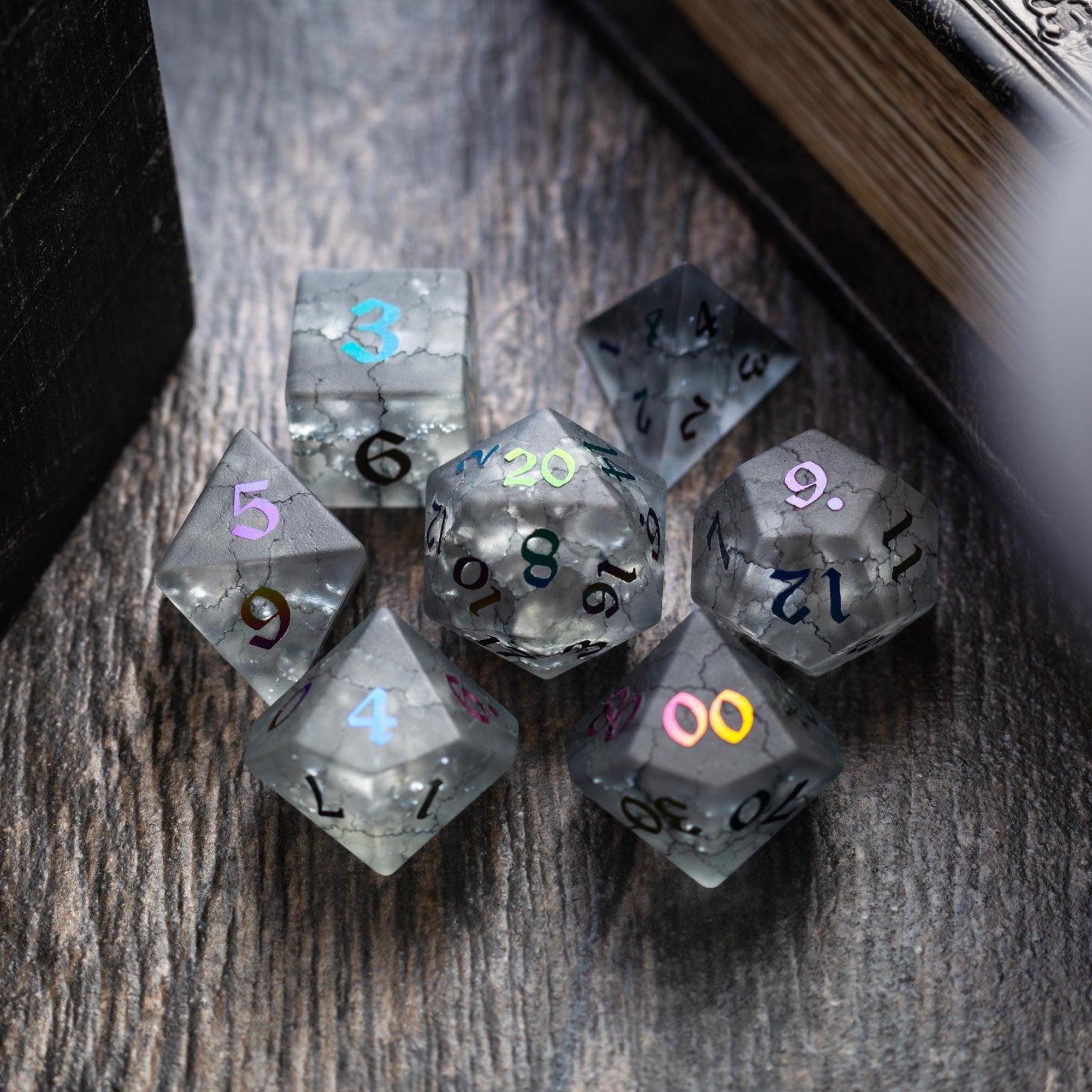
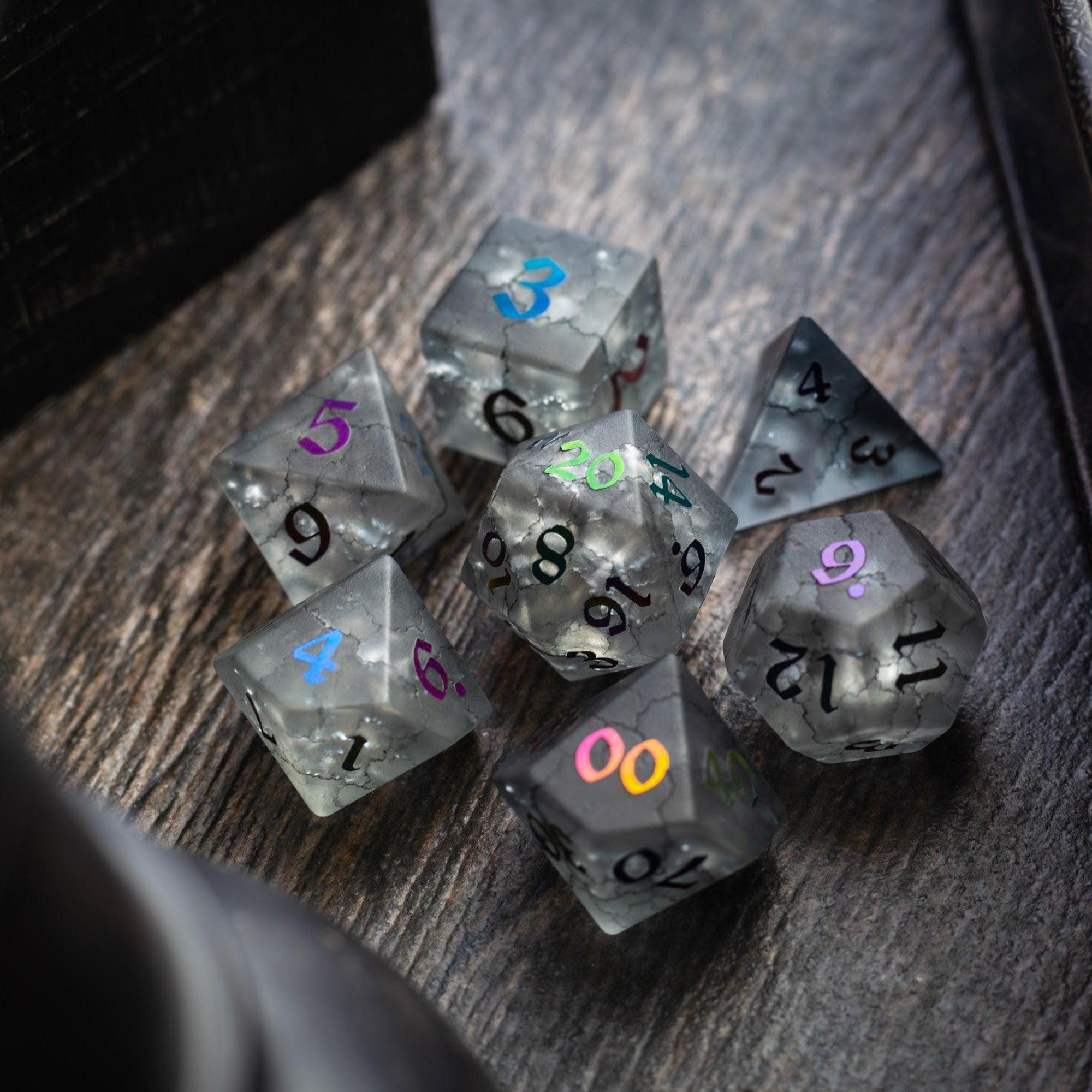
This is where small tools make a difference. Having your dice organized and easy to grab keeps things moving. Readable dice also help avoid confusion, so everyone can quickly see results without double-checking numbers.
The smoother your turn goes, the more exciting combat feels for everyone.
Don’t Metagame Excessively
Metagaming happens when you use player knowledge that your character wouldn’t realistically have.
A little bit is natural. But too much can break immersion.
Good habits include:
-
Making decisions based on your character’s perspective
-
Accepting uncertainty when your character lacks information
-
Letting the story unfold naturally
When players stay in character, the game feels more like a living world instead of a puzzle to solve.
Unspoken Rules Table
Here’s a quick reference for some of the most important unwritten rules:
|
Situation |
Unspoken Rule |
Why It Matters |
|
Another player is roleplaying |
Let them finish without interrupting |
Keeps scenes immersive and respectful |
|
Combat turns |
Be ready and act quickly |
Maintains game flow and excitement |
|
Rules disagreements |
Don’t argue mid-session |
Keeps the game moving smoothly |
|
DM storytelling |
Listen and engage |
Shows respect for effort and builds immersion |
|
Rolling dice |
Roll clearly and honestly |
Builds trust at the table |
|
Group decisions |
Include everyone’s input |
Encourages teamwork and shared storytelling |
Respect the DM’s Effort
Being a Dungeon Master takes time, creativity, and energy.
Even if your DM improvises, they’re still building a world for you to explore.
You can support them by:
-
Paying attention to descriptions and story hooks
-
Engaging with the world instead of ignoring it
-
Avoiding constant rule challenges during play
You don’t have to agree with every ruling. But respecting the DM’s effort keeps the game enjoyable for everyone.
Keep the Game Collaborative
D&D isn’t a solo experience. It’s a shared story.
The best groups understand that success isn’t about one character being the strongest—it’s about everyone contributing to the adventure.
Strong dnd table rules often include:
-
Supporting other players’ ideas
-
Building on each other’s roleplay
-
Working together instead of competing
When players collaborate, the story becomes richer and more memorable.
Balance Humor with Immersion
D&D is supposed to be fun. Jokes, laughter, and ridiculous moments are part of what makes it special.
But there’s a balance.
If every serious moment turns into a joke, it can pull players out of the story.
A good approach:
-
Read the tone of the scene
-
Let emotional or dramatic moments breathe
-
Save the jokes for natural breaks
The contrast between humor and serious moments is what makes both feel stronger.
Communicate Like a Good Teammate
Good communication is at the heart of dnd group etiquette.
If something feels off, talk about it—but do it respectfully.
Helpful habits include:
-
Addressing concerns calmly
-
Avoiding confrontation during gameplay
-
Checking in with your group between sessions
A quick conversation can solve most problems before they become bigger issues.
The Role of Dice at the Table
Dice are more than just tools. They’re part of the shared ritual of the game.
That moment when everyone leans in to see the roll—that’s part of the magic.
Small habits around dice can improve the experience:
-
Keep your dice organized to avoid slowing things down
-
Use clear, readable dice so results are easy to confirm
-
Roll in a consistent space so everyone can see
Quality dice don’t just look good. They make gameplay smoother, reduce confusion, and add to the overall feel of the table.
It’s a small detail, but it makes a difference.
Common Mistakes to Avoid
Even experienced players slip into habits that can disrupt the flow of a session.
Here are a few to watch for:
-
Talking over other players
-
Ignoring the story or disengaging
-
Arguing rules too often during gameplay
-
Trying to “win” instead of enjoying the experience
-
Dominating decisions without group input
None of these make someone a bad player. They’re just easy pitfalls to fall into—and easy to fix with awareness.
Great Games Come from Great Players
The best D&D sessions don’t happen because of perfect rules knowledge or optimized characters.
They happen because of thoughtful players who respect each other, stay engaged, and contribute to the story.
If you focus on:
-
Sharing the spotlight
-
Staying present
-
Supporting your group
-
Keeping the game flowing
…you’ll naturally become someone every table is happy to have.
And the best part?
These small improvements don’t just make you a better player. They make the entire game better for everyone.











Leave a comment
This site is protected by hCaptcha and the hCaptcha Privacy Policy and Terms of Service apply.