
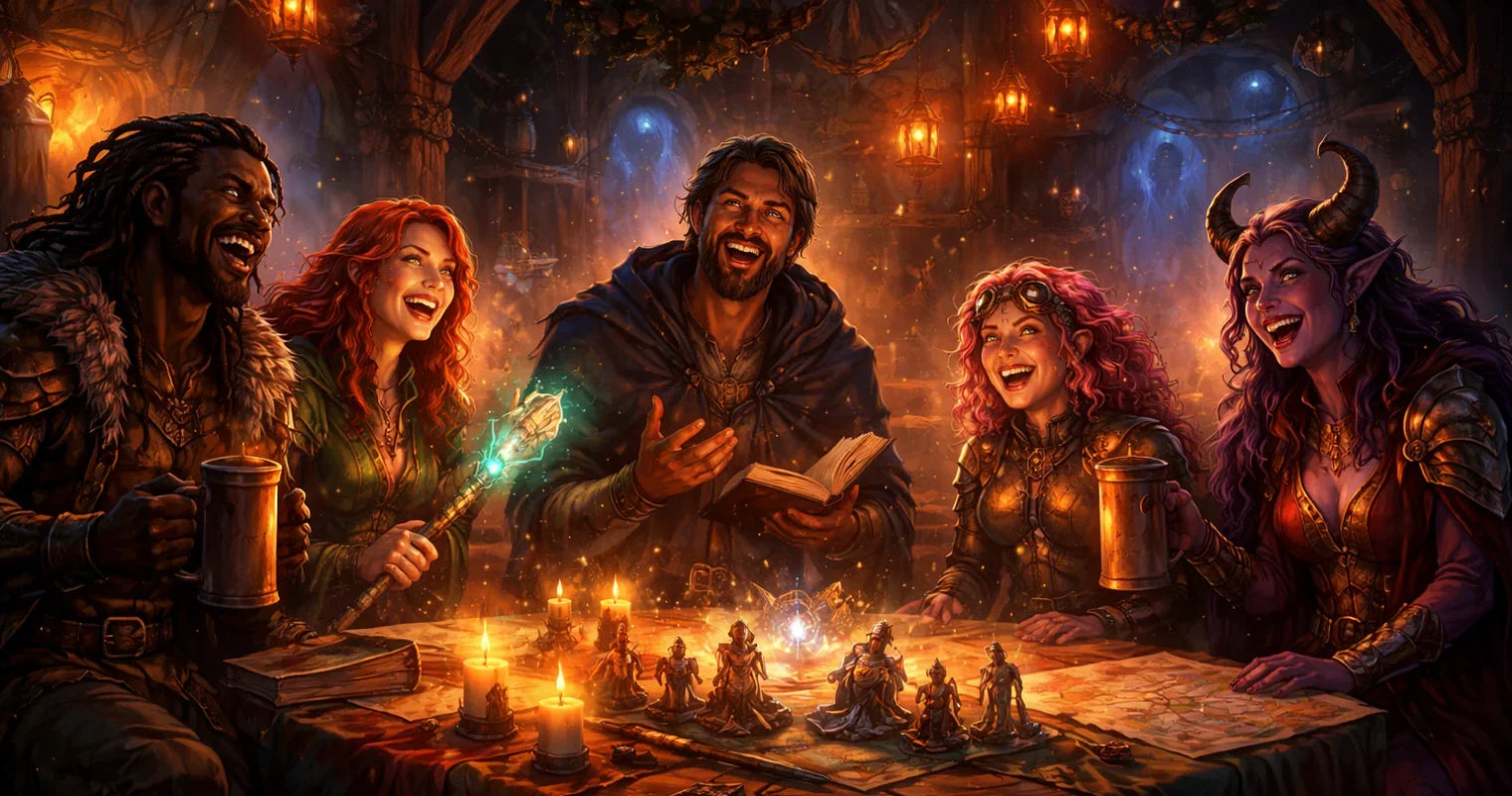
Types of D&D Players (Which One Are You?)
Sit down at any Dungeons & Dragons table and you’ll notice something right away. No two players approach the game the same way.
Some players are deep in character, speaking in accents and weaving emotional stories. Others are studying the battlefield, planning the perfect move. Someone is cracking jokes. Someone else is quietly flipping through their notes, absorbing every detail.
That mix is what makes D&D special.
Understanding the different types of D&D players doesn’t just help you recognize your own style. It helps you understand your group, avoid friction, and make the game more fun for everyone.
So… which one are you?
Why Player Types Matter
D&D is a group storytelling game. That means the experience depends just as much on the players as it does on the rules or the Dungeon Master.
Knowing different D&D player personalities helps with:
-
Better teamwork – You understand what others enjoy
-
Smoother sessions – Fewer misunderstandings at the table
-
More fun – Everyone gets their moment to shine
Instead of clashing playstyles, you start seeing how different approaches complement each other.
The Most Common Types of D&D Players
Let’s take a look at some familiar faces you’ll probably recognize at your table.
The Storyteller
This player lives for narrative.
They care about character arcs, emotional moments, and the bigger story. They’ll remember NPC names, reference past events, and often drive roleplay scenes forward.
What they love:
-
Character backstories
-
Meaningful decisions
-
Dramatic moments
At the table:
They might turn a simple tavern conversation into a memorable scene that everyone talks about for weeks.
The Strategist
The Strategist is always thinking three steps ahead.
They know their abilities, understand the rules, and love optimizing combat turns or solving problems efficiently.
What they love:
-
Tactical combat
-
Smart positioning
-
Creative use of abilities
At the table:
They’re the one saying, “If we flank from here and hold our reactions, we can control the fight.”
The Actor
The Actor doesn’t just play a character—they become them.
Voices, mannerisms, in-character decisions… this player brings a theatrical energy to the table.
What they love:
-
Speaking in character
-
Immersion
-
Roleplay interactions
At the table:
You’ll hear distinct voices, accents, and dramatic speeches that make the world feel alive.
The Explorer
The Explorer is curious about everything.
They want to know what’s behind every door, who built the ruins, and what that strange symbol means.
What they love:
-
Worldbuilding
-
Lore
-
Discovery
At the table:
They’ll ask questions like, “What does this place smell like?” or “Do I recognize this symbol?”
The Joker
Every table has one—and they’re often the glue that keeps things fun.
The Joker brings humor, breaks tension, and keeps the energy light.
What they love:
-
Funny moments
-
Unexpected choices
-
Table banter
At the table:
They might name their sword something ridiculous or turn a serious moment into laughter just when it’s needed.
The New Player
Everyone starts here.
The New Player is learning the rules, discovering what they enjoy, and figuring out their style.
What they love:
-
Learning the game
-
Trying new things
-
Asking questions
At the table:
They might hesitate at first, but they often bring fresh creativity and unexpected ideas.
Player Types at a Glance
Here’s a quick comparison of these D&D player types:
|
Player Type |
Playstyle |
Strengths |
Watch-Outs |
|
Storyteller |
Narrative-driven |
Deep immersion, emotional moments |
Can dominate roleplay scenes |
|
Strategist |
Tactical and optimized |
Efficient, smart decisions |
May focus too much on mechanics |
|
Actor |
In-character performance |
Strong immersion, memorable RP |
Can overshadow quieter players |
|
Explorer |
Curious and investigative |
Expands world depth |
May slow pacing with questions |
|
Joker |
Humor-focused |
Keeps energy fun and relaxed |
Can break immersion at times |
|
New Player |
Learning and experimenting |
Fresh ideas, open-minded |
Needs support and guidance |
Finding Your Playstyle
You might already see yourself in one of these. Or maybe you’re a mix.
Ask yourself:
-
Do I enjoy story moments or strategy more?
-
Do I like being in character, or thinking from the outside?
-
Do I enjoy exploring the world or solving problems efficiently?
-
Do I bring energy and humor to the table?
Most players aren’t just one type. You might be a Storyteller who loves strategy, or a Joker who occasionally dives into serious roleplay.
And that flexibility is a strength.
How Different Player Types Work Together
A great D&D group isn’t made of identical players. It’s a mix.
When it works well, it looks like this:
-
The Storyteller creates emotional depth
-
The Strategist keeps the party alive
-
The Actor brings scenes to life
-
The Explorer uncovers hidden details
-
The Joker keeps things fun
-
The New Player adds fresh perspective
The key is balance.
Everyone gets time in the spotlight, and no one playstyle dominates the game.
Avoiding Common Conflicts
Even the best groups can run into friction when playstyles clash.
Here’s how to keep things smooth:
When playstyles collide:
-
A Strategist wants efficiency, while a Storyteller wants drama
-
A Joker interrupts a serious roleplay moment
-
An Explorer slows down a fast-paced scene
How to handle it:
-
Communicate openly and respectfully
-
Be aware of the table’s mood
-
Adjust your approach when needed
Good D&D table etiquette isn’t about changing who you are. It’s about being mindful of the group.
Using Your Strengths to Improve the Game
Whatever your style is, it brings something valuable.
-
Storytellers make moments meaningful
-
Strategists keep things exciting and dynamic
-
Actors deepen immersion
-
Explorers expand the world
-
Jokers create unforgettable fun
-
New players remind everyone why the game is magical
Lean into what you enjoy—but leave space for others to shine too.
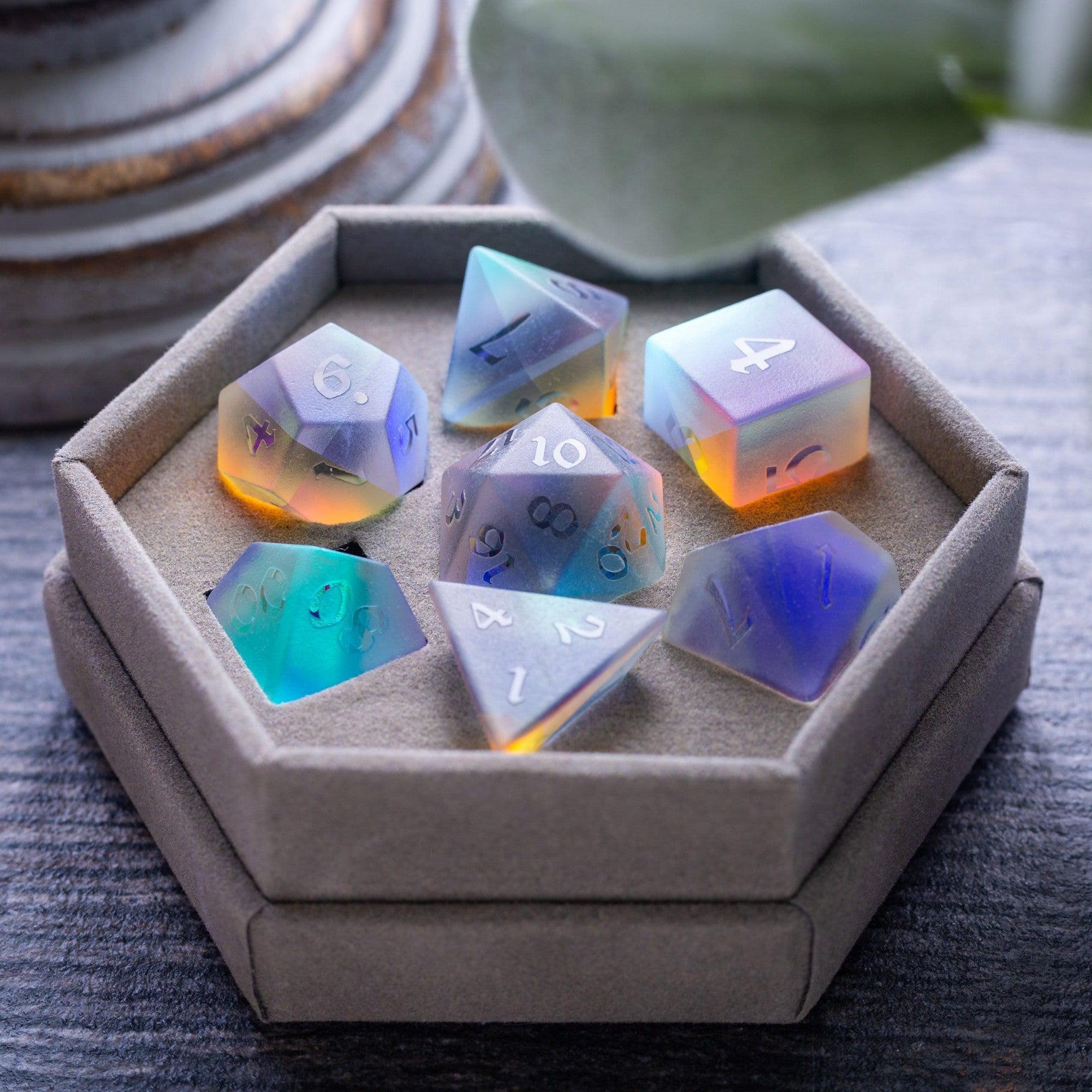
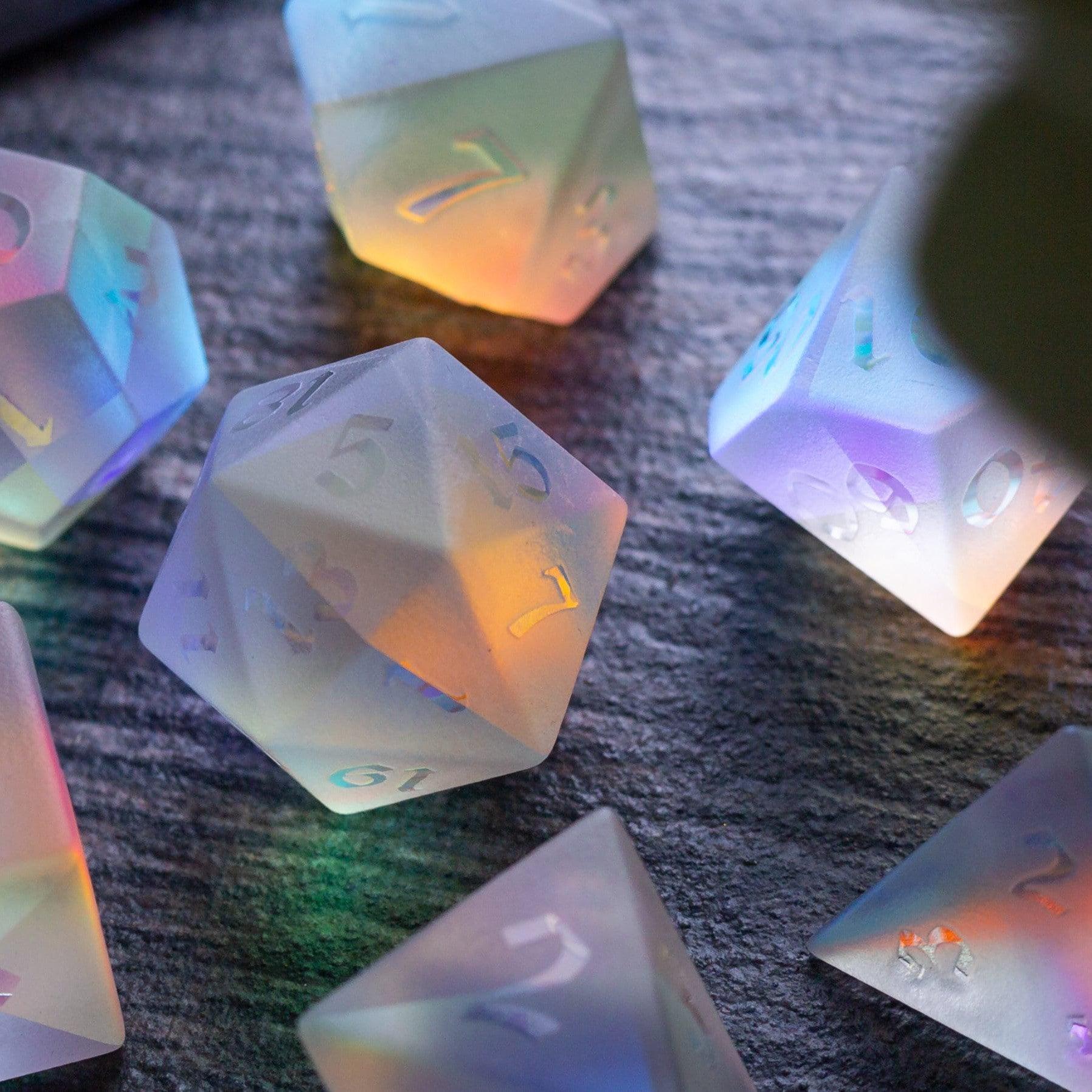
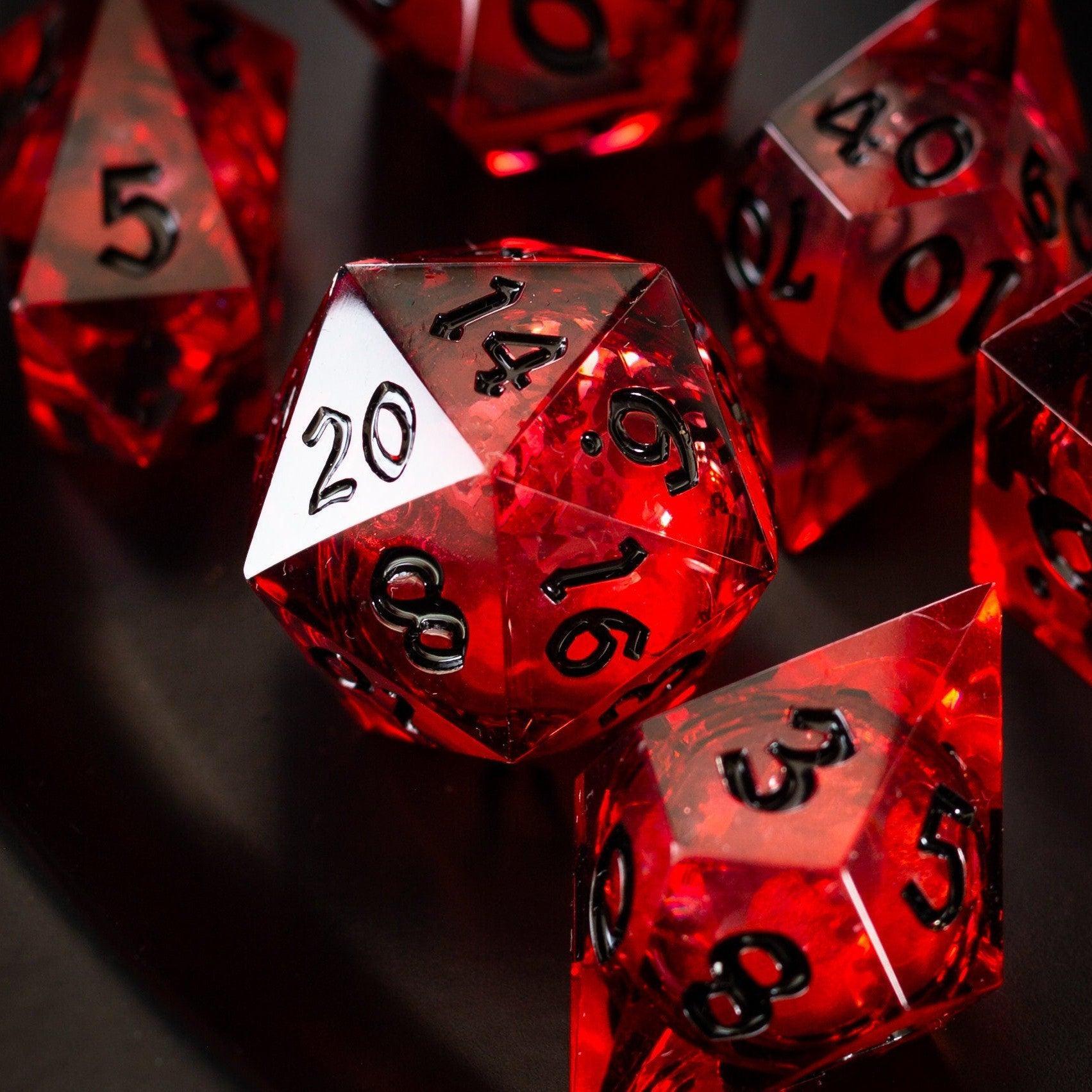
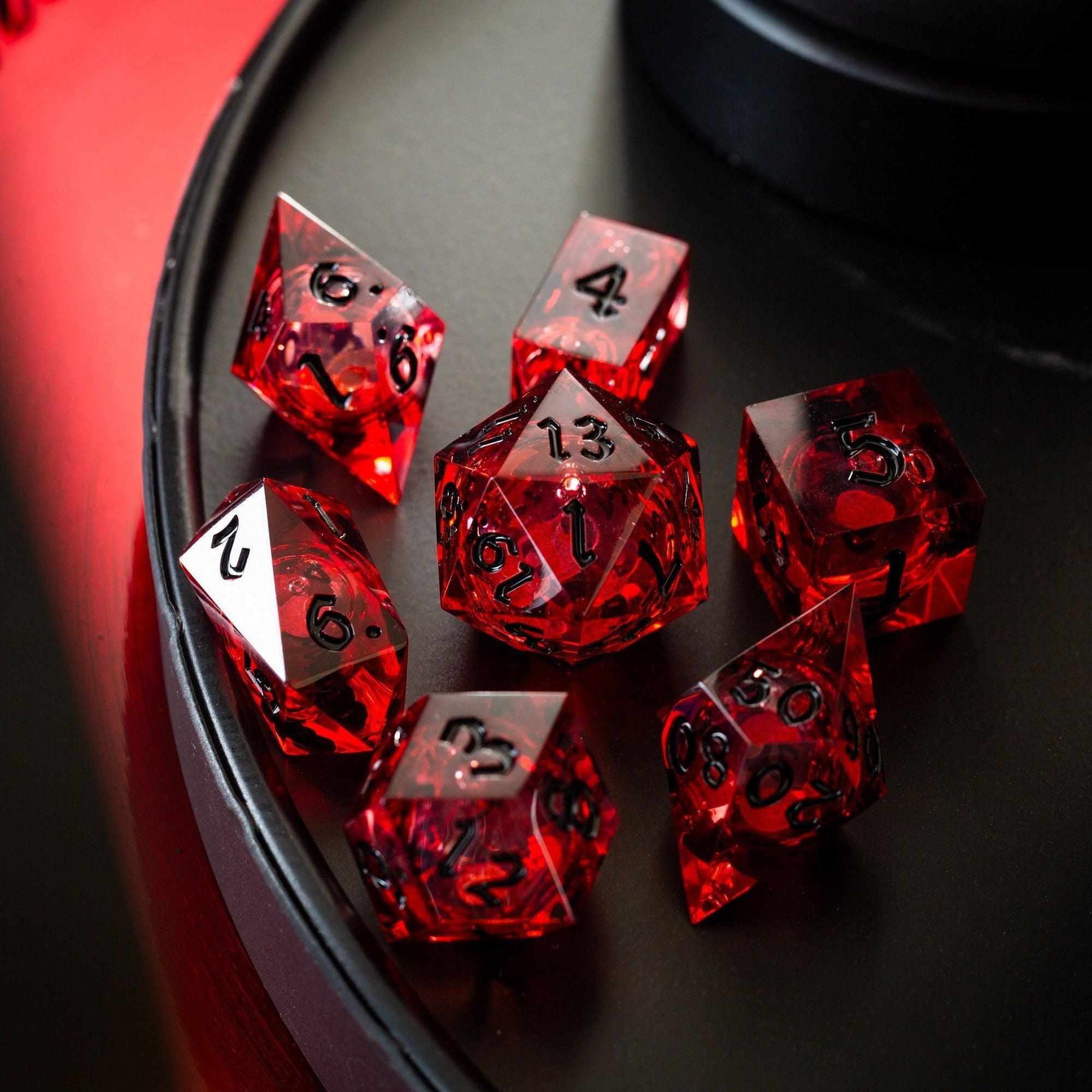
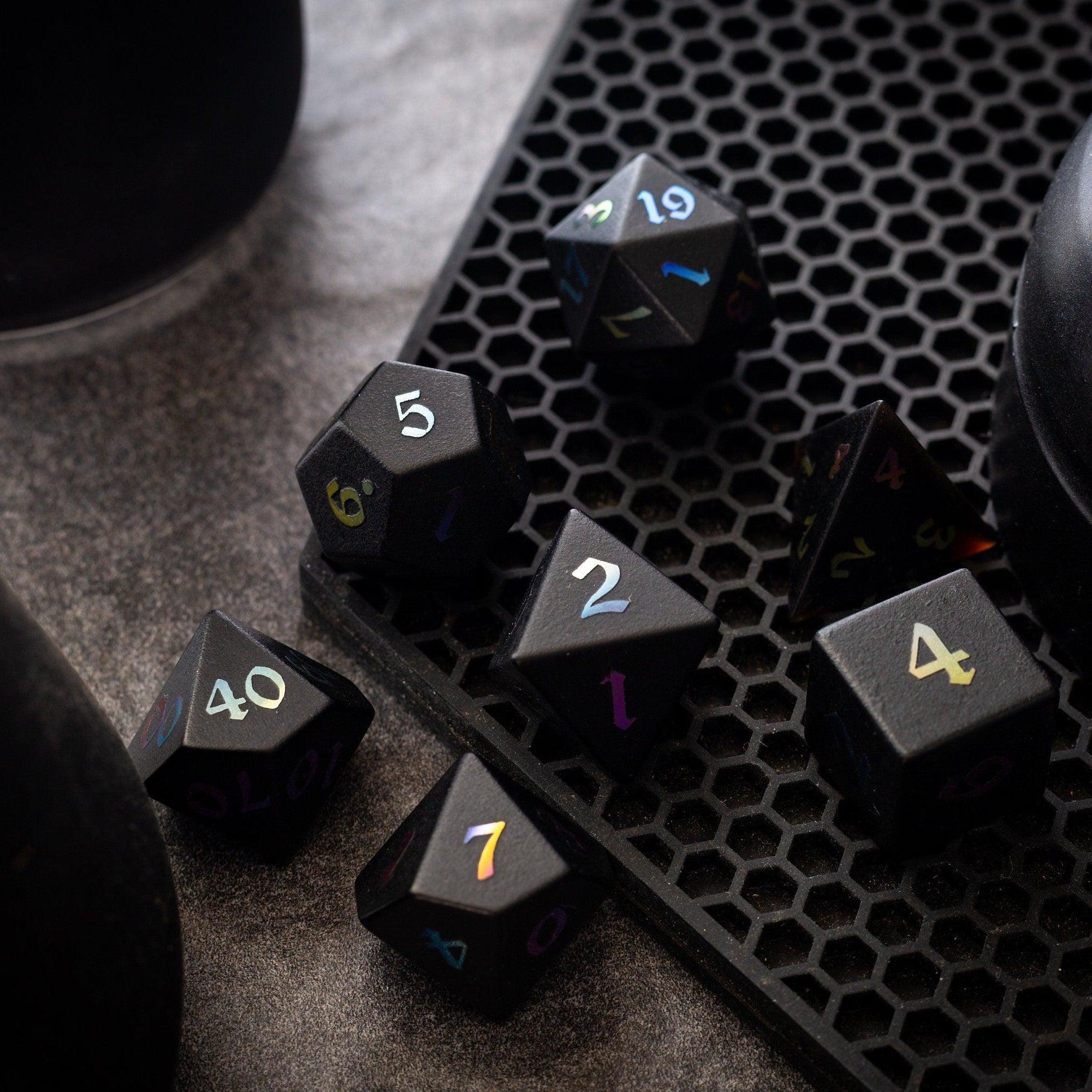
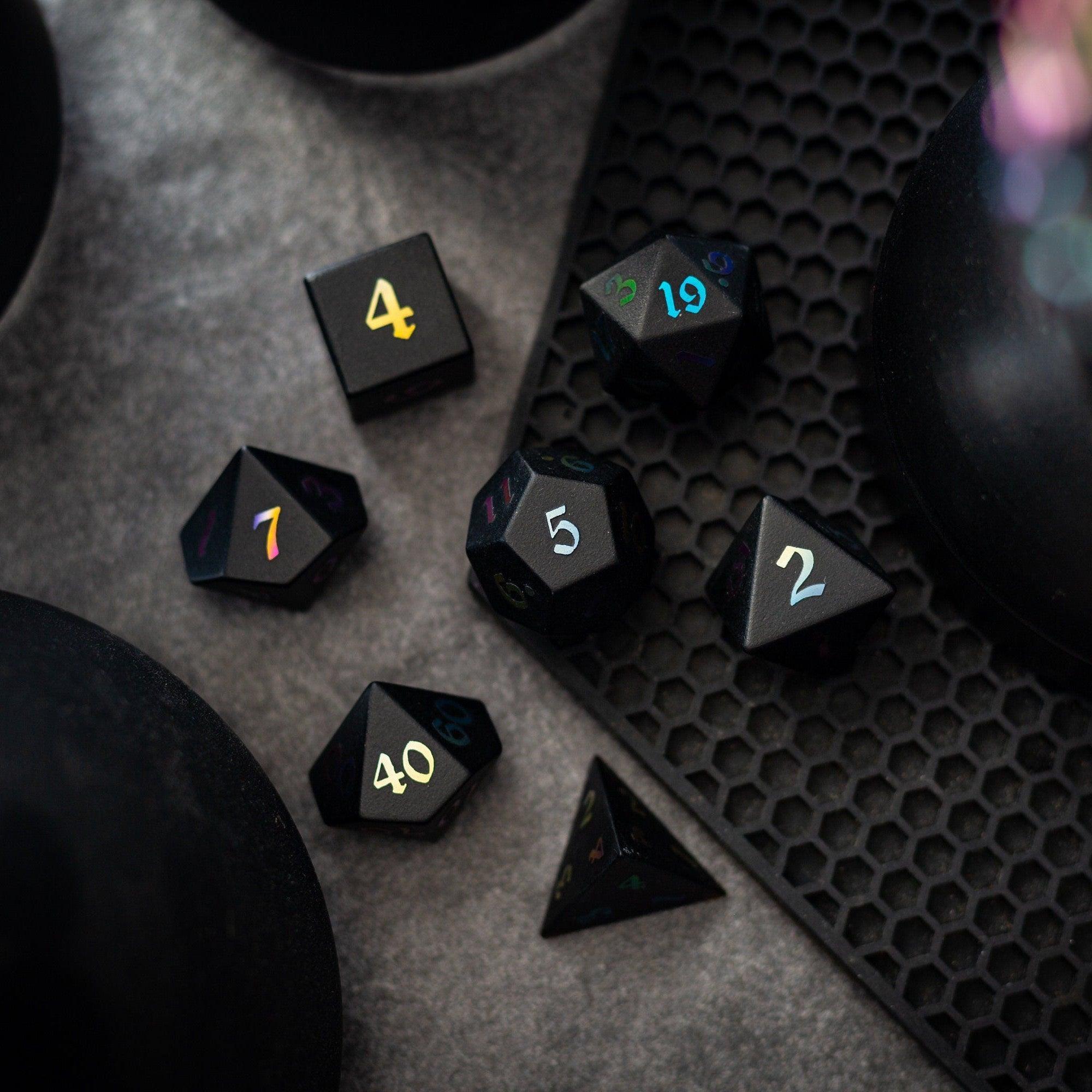
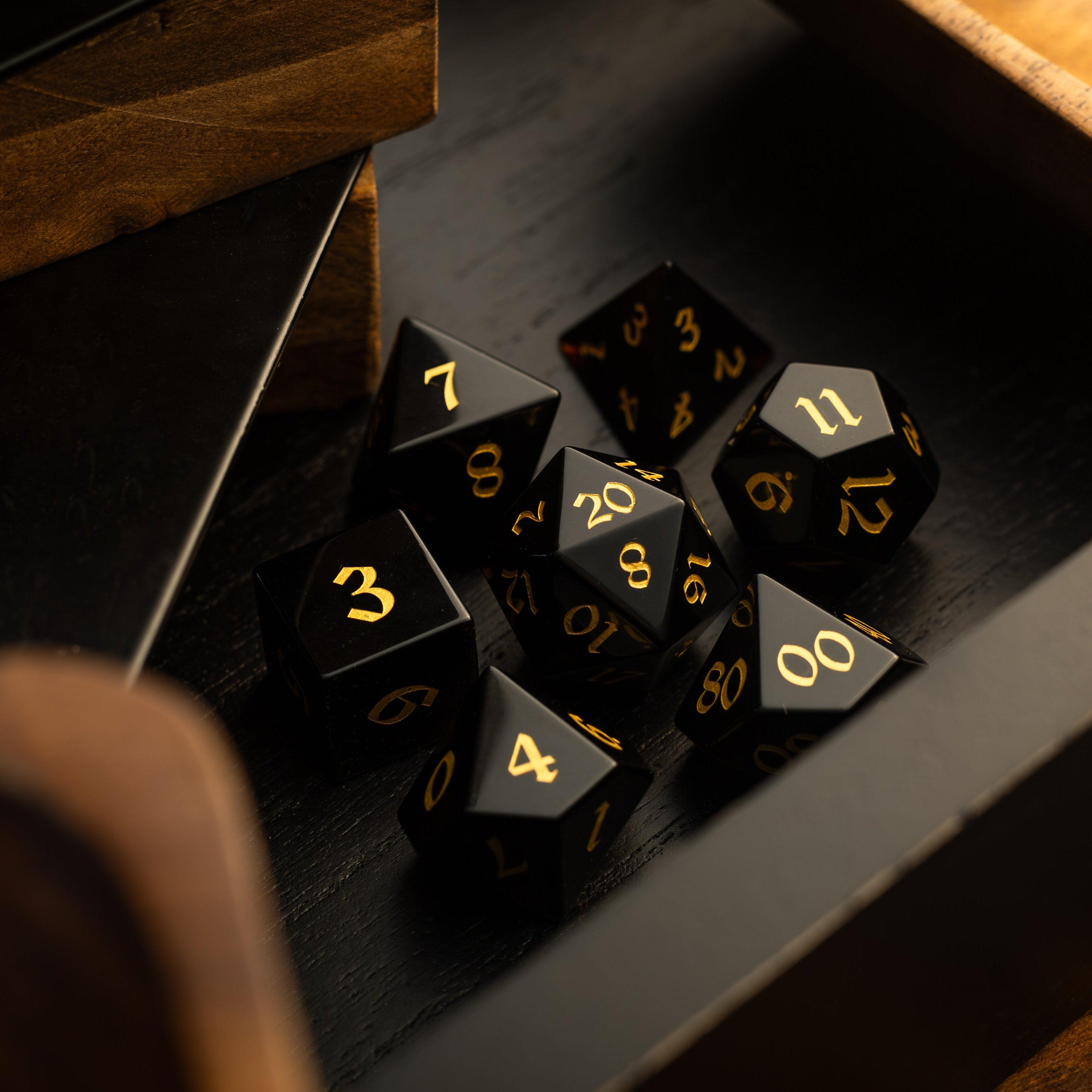
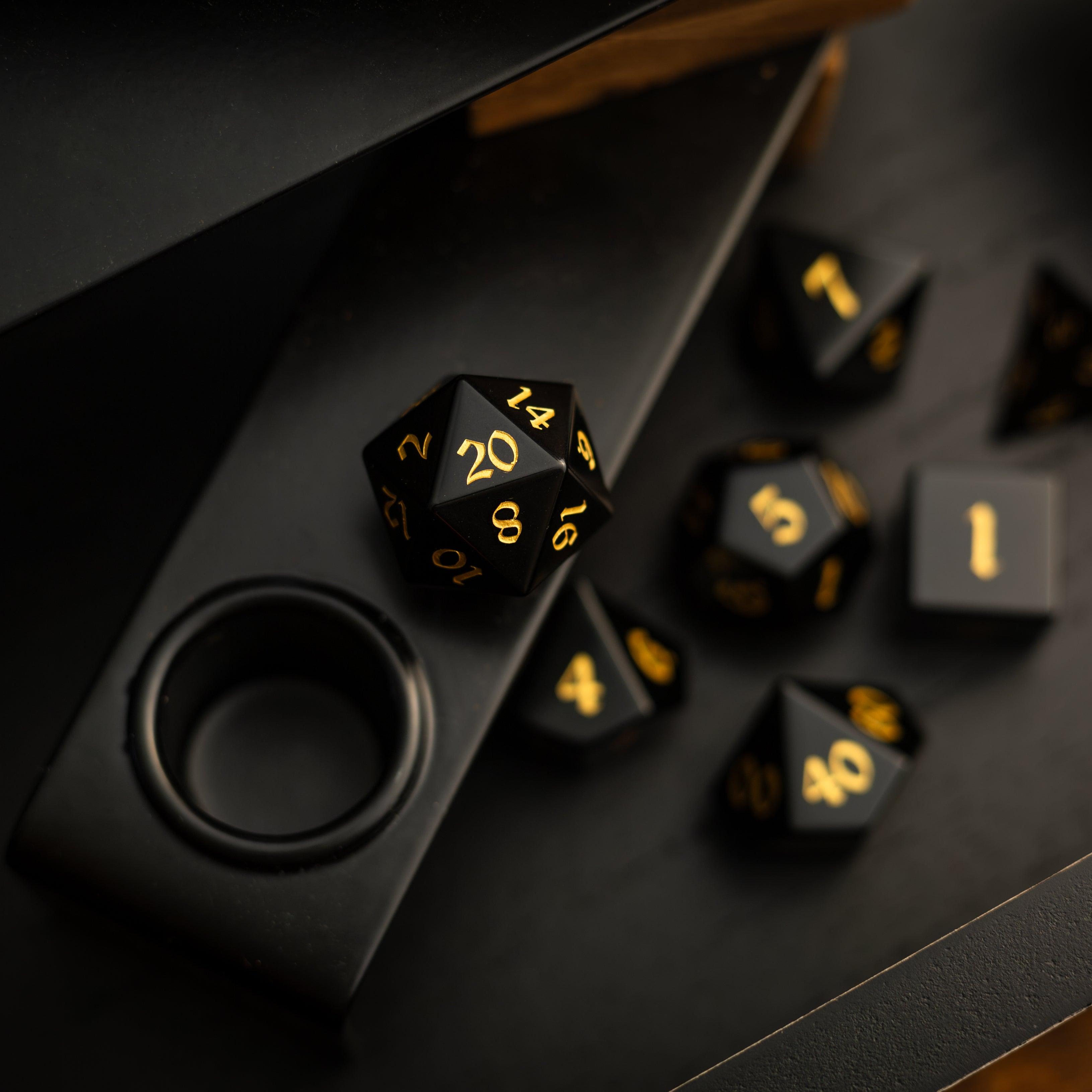
Expressing Your Player Identity
One of the most fun parts of D&D is expressing your personality—not just through your character, but through how you play.
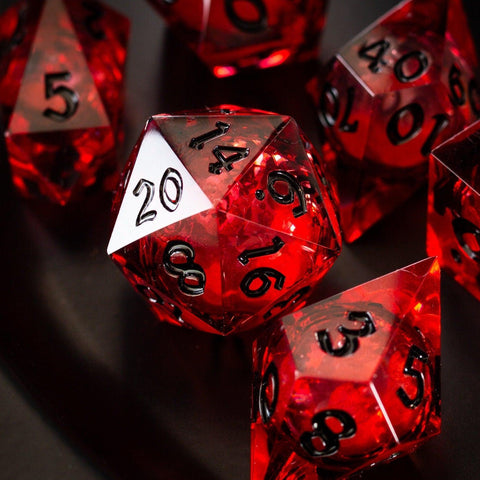
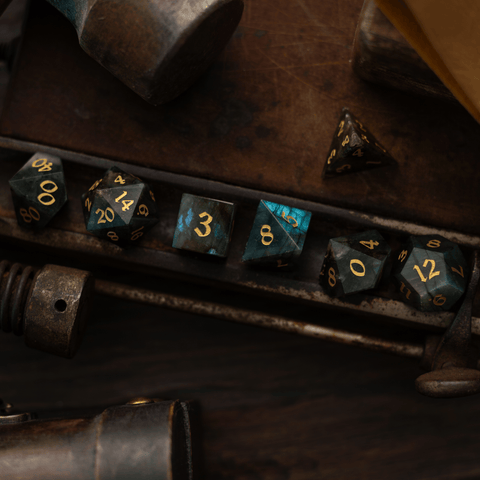
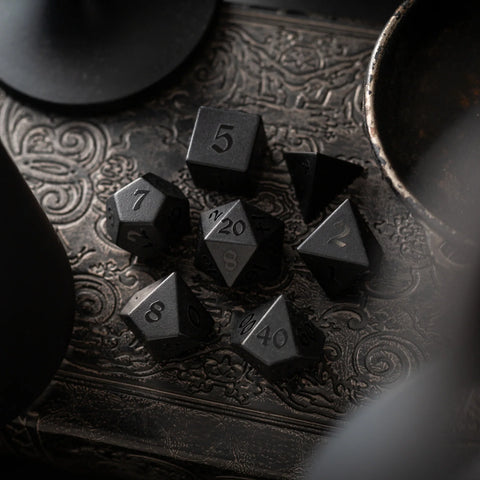
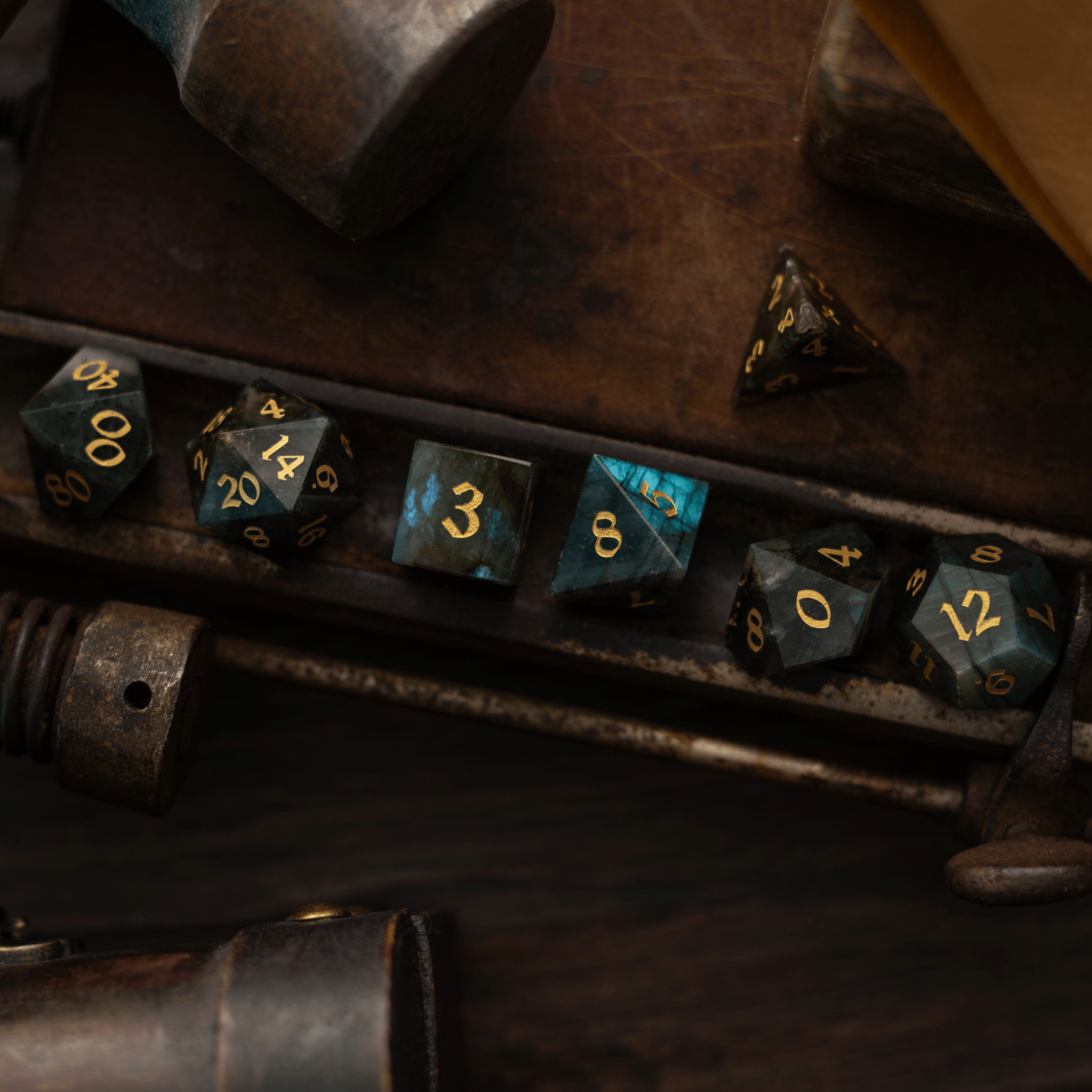
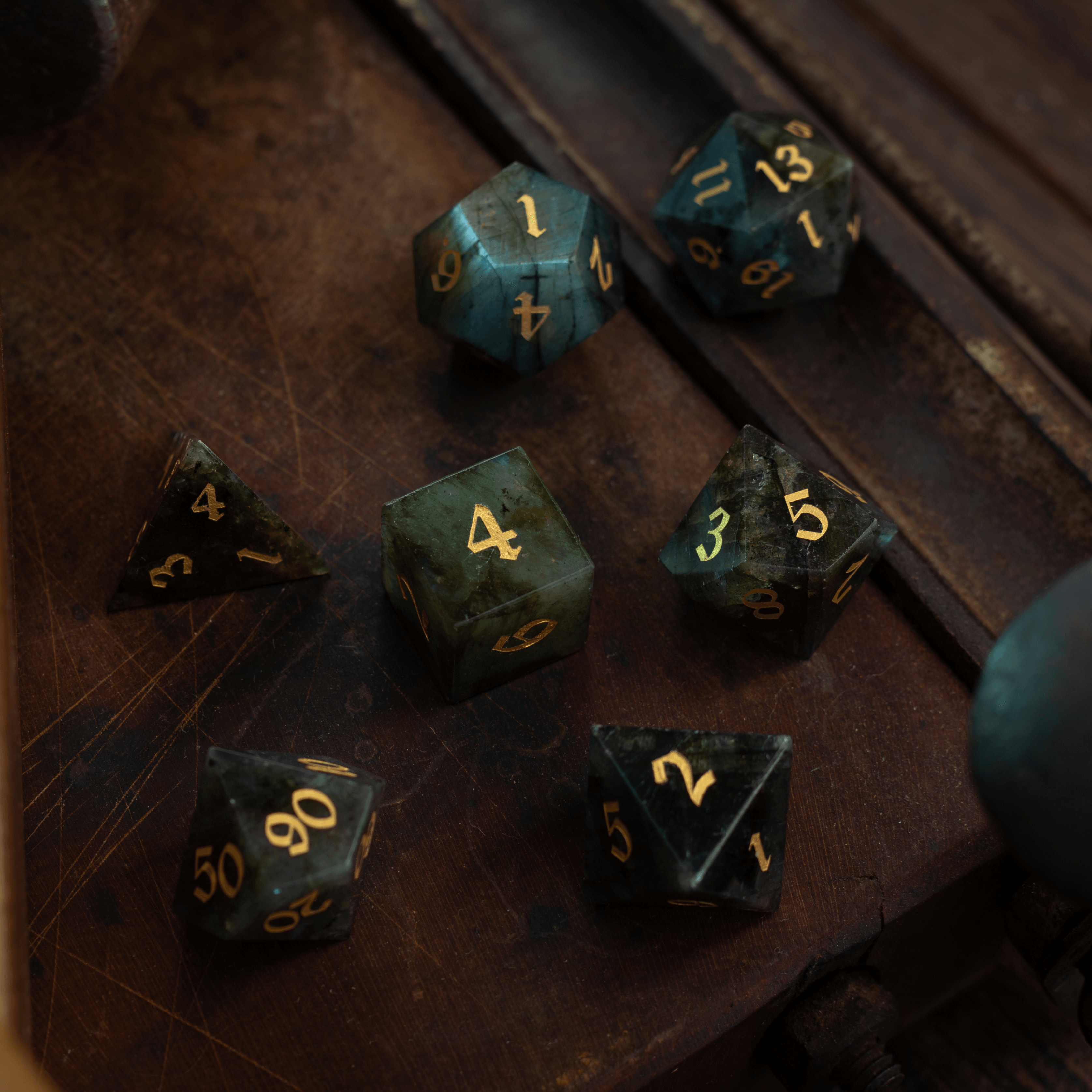
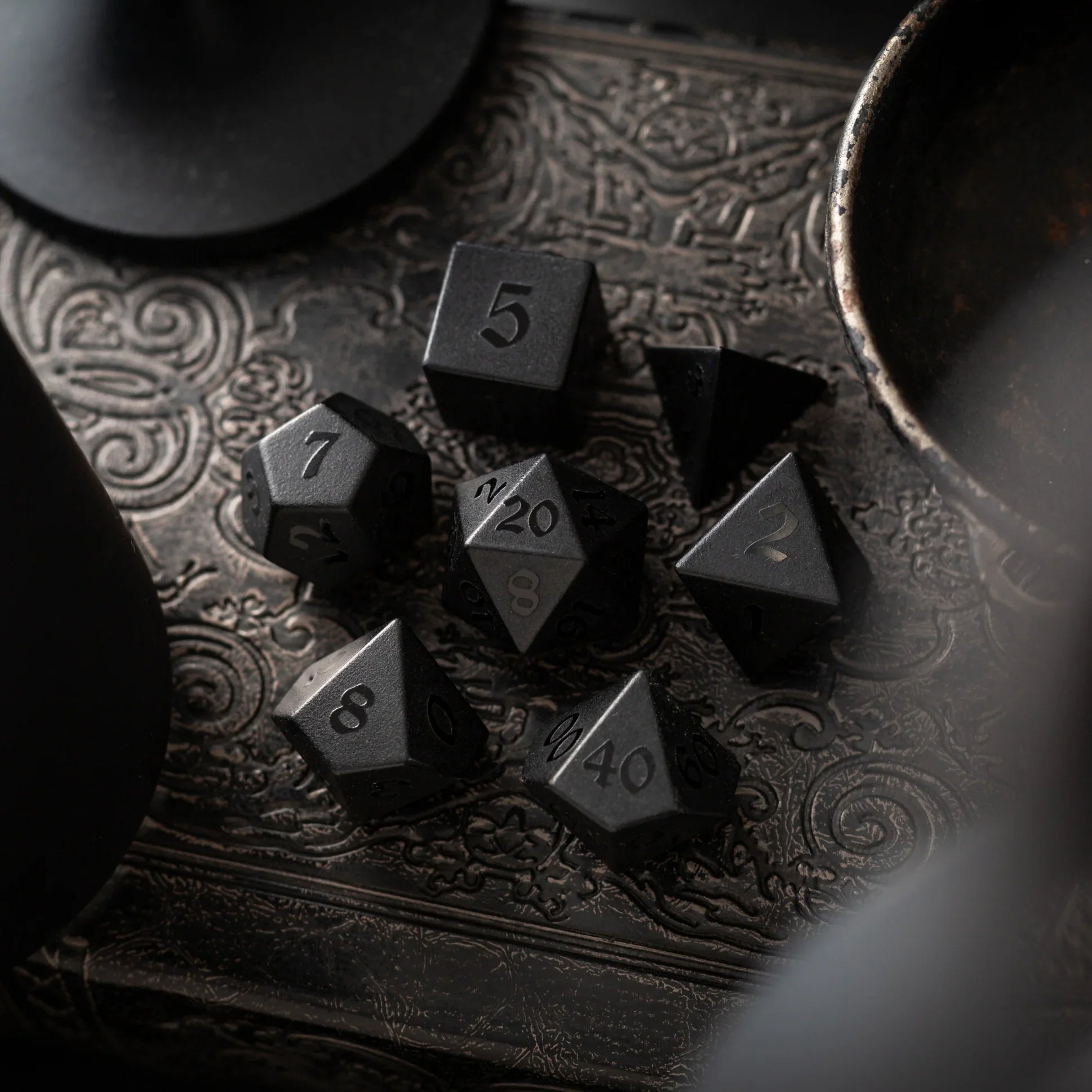
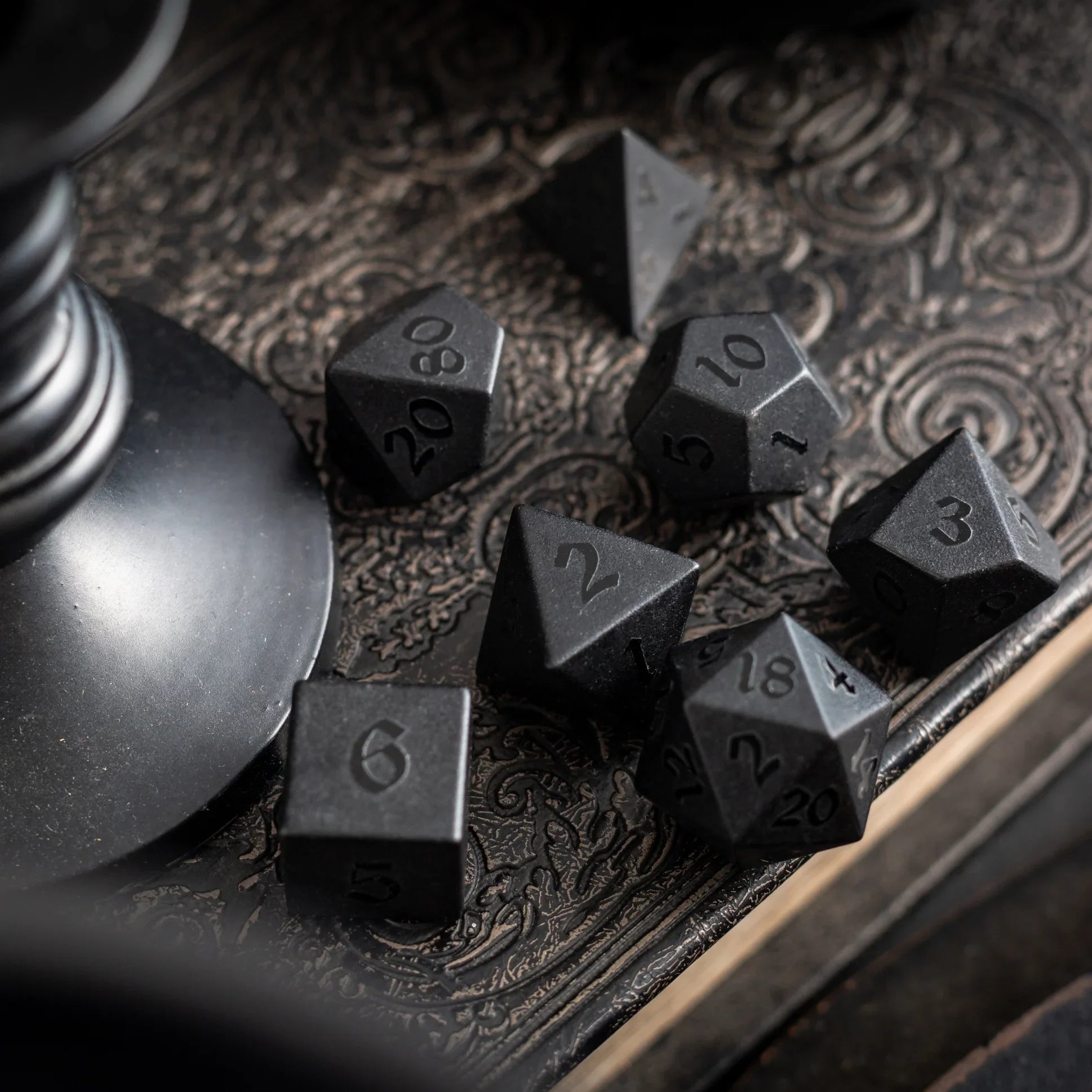
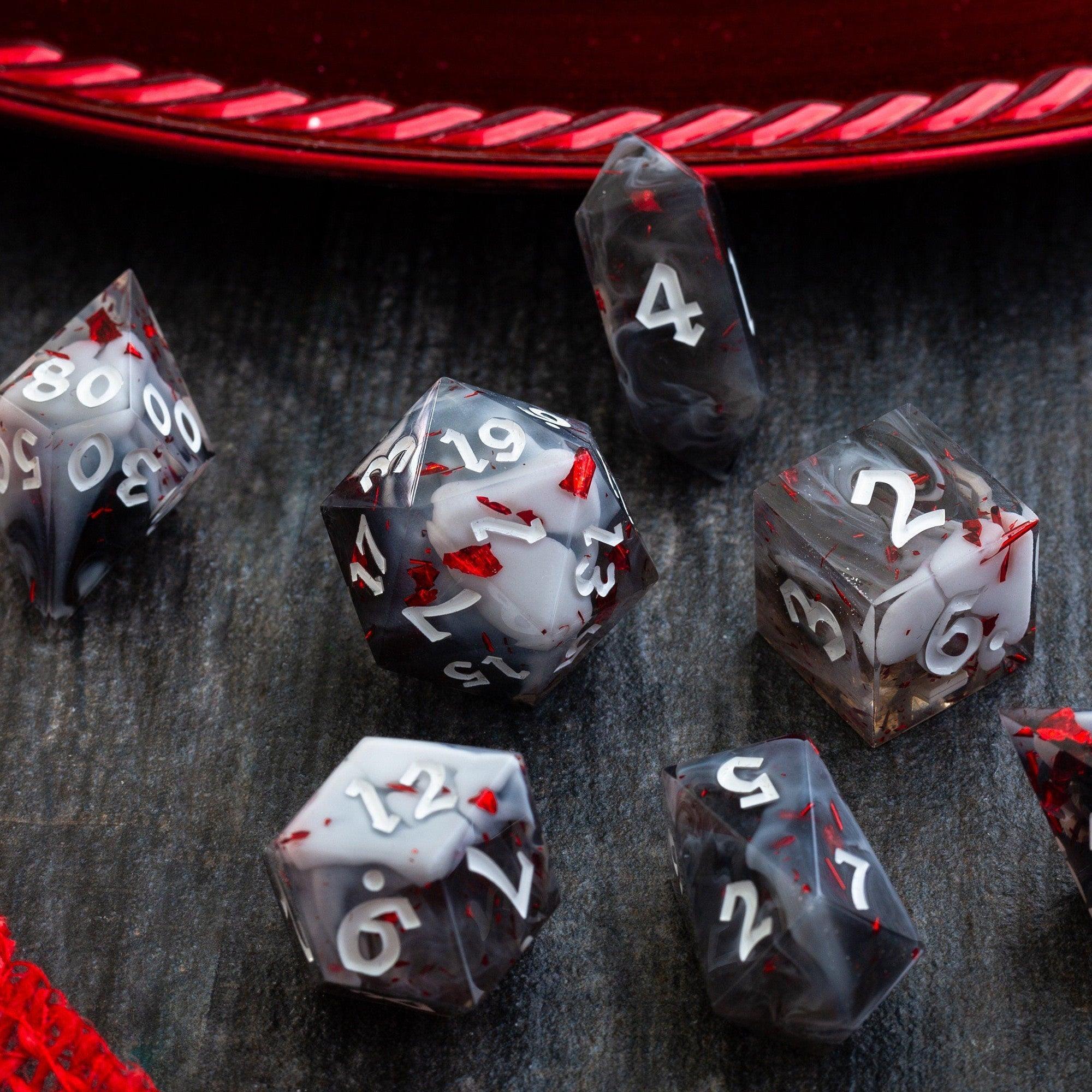
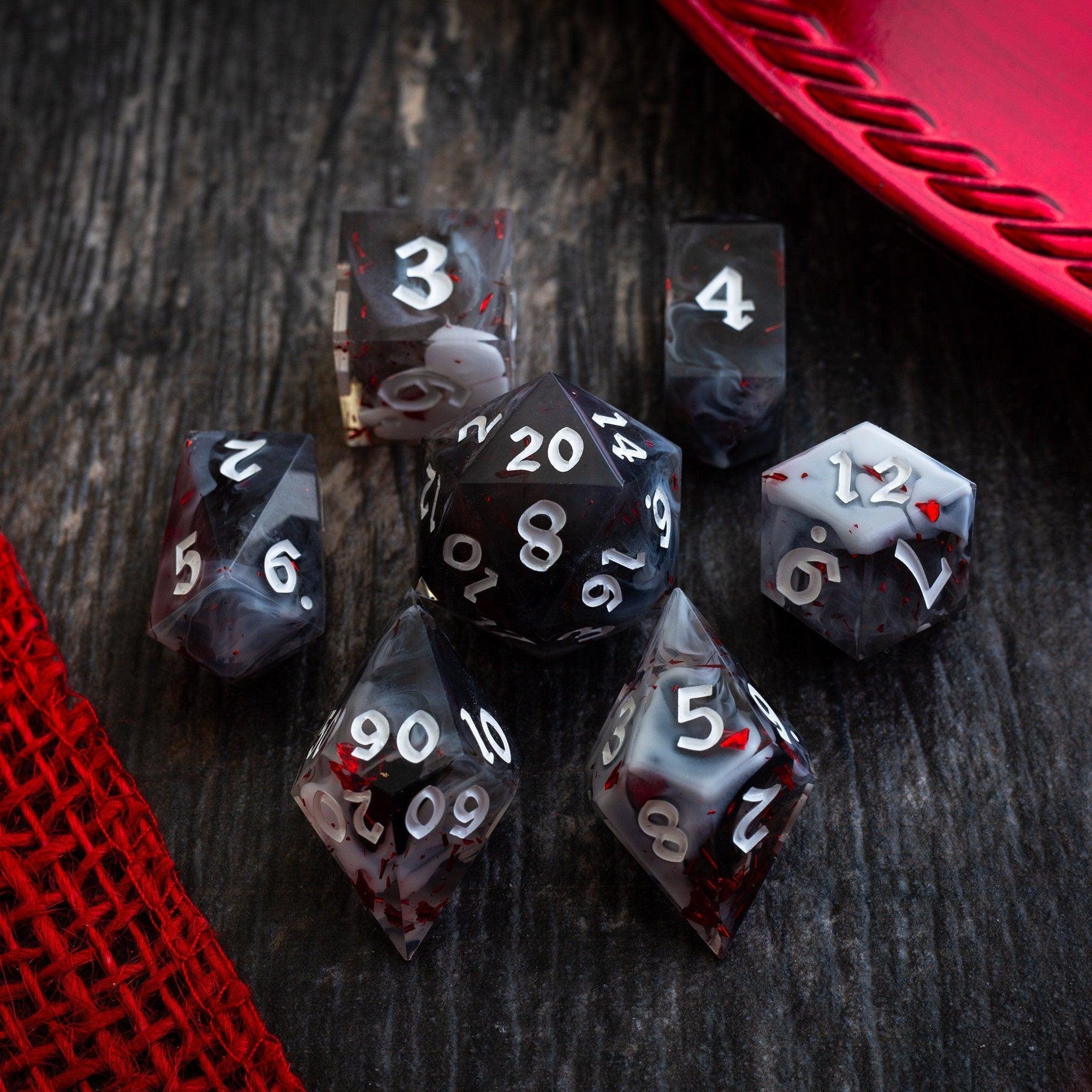
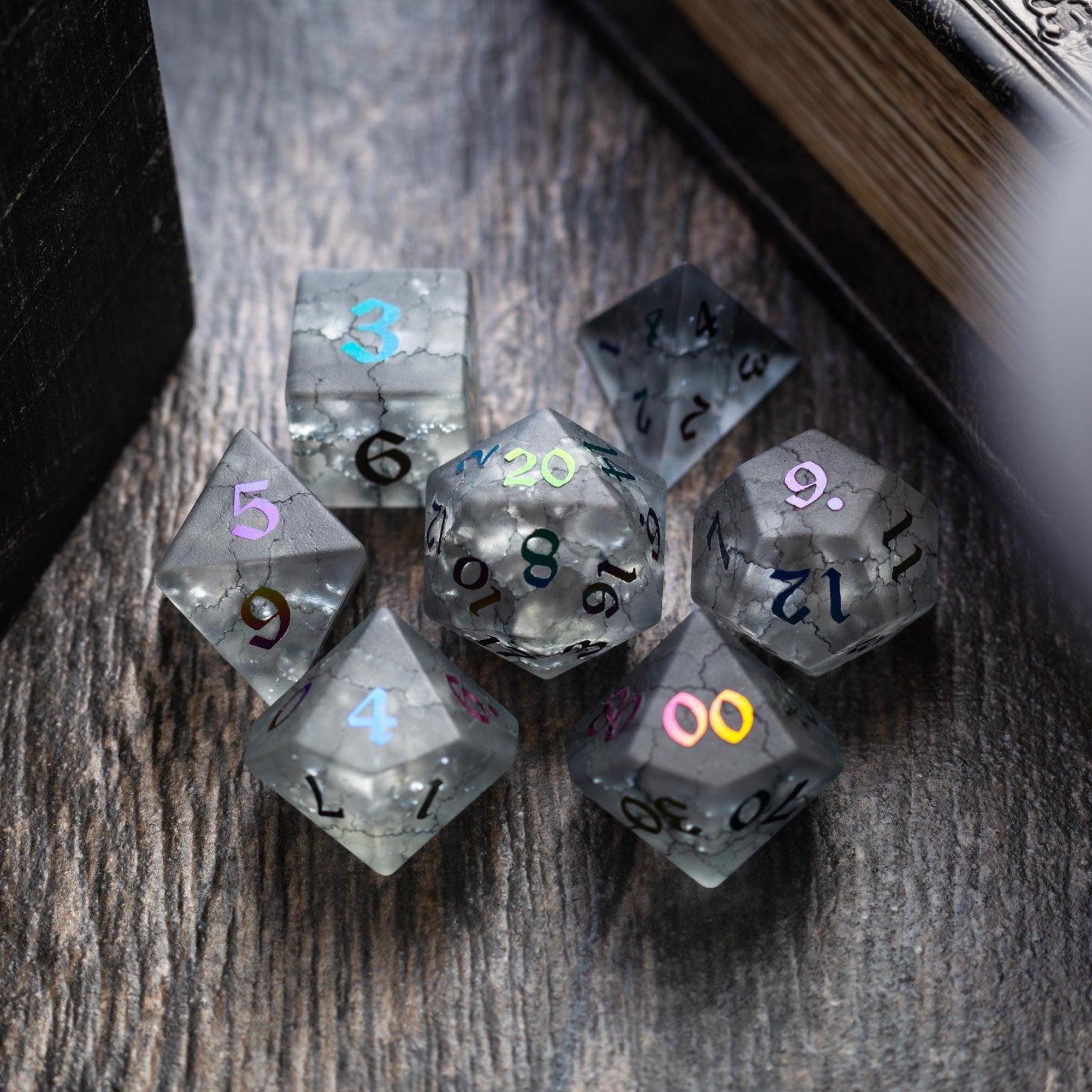
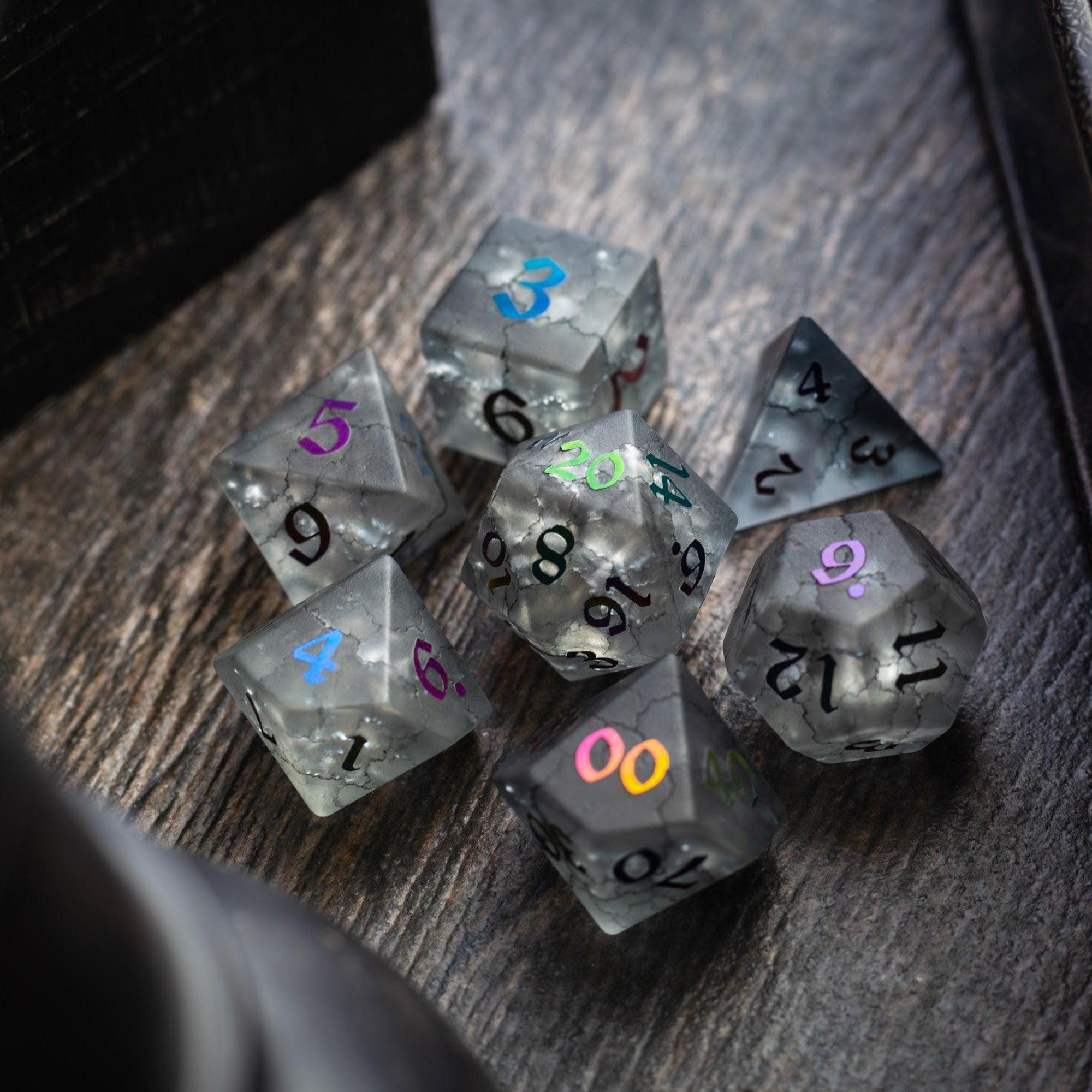
Many players naturally gravitate toward dice and accessories that match their style:
-
A Storyteller might choose elegant, thematic dice that fit their character’s story
-
A Strategist may prefer clean, easy-to-read sets for quick decisions
-
An Actor might pick bold, eye-catching dice that match their character’s flair
-
An Explorer could lean toward natural or gemstone styles that feel tied to the world
-
A Joker might go for something colorful or unexpected
Over time, a lot of players end up with a “signature” set—the one they always reach for during big moments.
There’s something satisfying about that tactile experience too. The weight of the dice, the sound of the roll, the way they look on the table. It all adds to the feeling of being part of the world.
Common Mistakes to Avoid
When thinking about types of D&D players, it’s easy to fall into a few traps:
-
Labeling too rigidly
People aren’t just one type -
Judging other playstyles
Different doesn’t mean wrong -
Forgetting the group experience
D&D is collaborative, not competitive
The goal isn’t to put players in boxes. It’s to understand and appreciate what everyone brings.
Tips for Becoming a More Well-Rounded Player
If you want to grow as a player, try stepping outside your usual style.
-
If you’re a Strategist, try leaning into roleplay
-
If you’re a Storyteller, experiment with tactical thinking
-
If you’re shy, try small in-character moments
-
If you’re always joking, try playing a serious scene
You don’t have to change who you are. Just expand your range.
Some of the best D&D moments come from trying something new.
Final Thoughts: Which One Are You?
Every D&D table is a mix of personalities, and that’s what makes the game feel alive.
There’s no “best” type of player. The Storyteller, the Strategist, the Actor, the Explorer, the Joker, and the New Player all bring something important to the experience.
So the real question isn’t just which one are you?
It’s also:
How do you make the game better for everyone at your table?
Because at the end of the day, the best kind of player is the one who helps everyone have a great time.

Leave a comment
This site is protected by hCaptcha and the hCaptcha Privacy Policy and Terms of Service apply.