

Unlocking Sorcerer Innate Magic: A Practical Arcane Guide
A Wizard studies magic. A Warlock receives power through a pact. A Sorcerer carries magic within.
That difference defines the DnD Sorcerer. Their power might come from draconic influence, wild magic, psychic forces, or another supernatural origin. Sorcerer innate magic is personal, shaping how the character casts and understands magic.
This guide uses the 2024 revised Dungeons & Dragons rules, often called D&D 5.5e by players. Here, Innate Sorcery is a specific class feature, while “innate magic” also describes the Sorcerer’s broader identity.
What Is Sorcerer Innate Magic?
A Sorcerer does not need to approach magic like an academic subject. The power is already connected to their existence.
Its source might involve a magical bloodline, draconic influence, supernatural exposure, aberrant or psychic power, Wild Magic, or another extraordinary event.
In the 2024 rules, Innate Sorcery is a level 1 class feature. As a Bonus Action, you can activate it for 1 minute. During that time, your Sorcerer spell save DC increases by 1, and you have Advantage on attack rolls for Sorcerer spells. You can use the feature twice and regain both uses after a Long Rest.
How Sorcerer Spellcasting Works
Charisma is the Sorcerer’s spellcasting ability. It affects spell attacks and the saving throw DC for many Sorcerer spells.
Sorcerers use spell slots for level 1+ spells and cantrips for repeatable magic. Under the 2024 rules, Sorcerers prepare a limited number of spells shown on the class table. When you gain a Sorcerer level, you can replace one prepared spell with another Sorcerer spell for which you have spell slots.
Why Charisma Matters
Charisma is normally the most important ability score for a Sorcerer because it strengthens core spellcasting. A higher score makes spell attacks more accurate and saving throw spells harder to resist.
Charisma also supports Persuasion, Deception, and Intimidation. Constitution helps with hit points and Concentration saves, while Dexterity can improve Armor Class and initiative.
Sorcery Points: Managing Flexible Magic
At level 2, Font of Magic gives the Sorcerer Sorcery Points. These points fuel Metamagic and can also interact with spell slots through the class’s conversion rules.
The key question is not simply, “Can I spend Sorcery Points?” Ask whether spending them will meaningfully change the situation.
Metamagic: The Sorcerer’s Signature Advantage
Metamagic changes how Sorcerer spells work. The best options depend on the spells you actually prepare.
Quickened Spell
Quickened Spell changes an eligible spell with an Action casting time to a Bonus Action. This can improve your action economy, but the 2024 rules restrict how it interacts with other level 1+ spells cast on the same turn.
Heightened Spell
Heightened Spell can give one target Disadvantage on saving throws against a spell. It is useful when one failed save could significantly change an encounter.
Subtle Spell
Subtle Spell removes Verbal, Somatic, and most Material components. Material components that are consumed or have a stated cost still apply. The option also does not automatically hide visible magical effects.
Distant and Careful Spell
Distant Spell increases the reach of suitable magic, while Careful Spell helps protect selected creatures when they are caught inside one of your saving-throw spells.
Practical Metamagic Decisions
| Goal | Spell Type | Metamagic | Practical Benefit |
|---|---|---|---|
| Pressure a key enemy | Save-based spell | Heightened Spell | Makes an important save harder |
| Reduce obvious casting cues | Social or utility | Subtle Spell | Removes most components |
| Reach farther | Suitable ranged spell | Distant Spell | Improves positioning options |
| Protect allies in an area | Saving-throw area spell | Careful Spell | Protects selected creatures |
| Free your Action | Action spell | Quickened Spell | Changes casting time to a Bonus Action |
Choosing Sorcerer Spells Without Regret
A focused spell selection becomes stronger when every spell has a clear job. Try to cover several needs instead of preparing several spells that solve the same problem.
Before preparing a spell, ask:
- What problem does this solve?
- Do I already have a similar option?
- Does it work well with my Metamagic?
- Does it require Concentration?
- Will I realistically use it?
Concentration deserves special attention. You can normally concentrate on only one spell at a time, so too many Concentration spells can compete with each other.
Beginner-Friendly Sorcerer Build Example
If you are building your first Sorcerer, keep the character simple and give each choice a clear purpose. Prioritize Charisma first, followed by Constitution and Dexterity. Charisma powers your spells, Constitution helps you survive and maintain Concentration, and Dexterity improves initiative and defense.
At level 1, choose at least one reliable ranged damage cantrip and mix your prepared spells between offense, defense, and utility. Magic Missile is straightforward because its darts automatically hit, while Shield gives you a strong defensive Reaction when an attack would hit you.
At level 2, a beginner could choose Careful Spell and Subtle Spell for Metamagic. Careful Spell is useful when allies are close to an area effect, while Subtle Spell gives you a simple utility option for situations where normal casting components would cause trouble.
At level 3, Draconic Sorcery is an approachable subclass option. Draconic Resilience increases your durability and gives you an unarmored AC calculation based on Dexterity and Charisma. The subclass also provides additional always-prepared spells, including Chromatic Orb and Dragon’s Breath.
At level 4, improving Charisma is a simple choice if it is not already high. By level 5, spells such as Fireball can give you a clear area-damage option. This creates an easy basic routine: stay behind tougher allies, use cantrips when a spell slot is unnecessary, spend stronger spells when several enemies or an important threat justify them, and activate Innate Sorcery when improving your spell attacks or save DC could matter.
This is only one beginner-friendly approach. Sorcerers can be built around control, social magic, mobility, support, or other themes instead of direct damage.
Playing a Sorcerer in Combat
Sorcerers can influence a battle dramatically, but they are usually safer away from direct melee pressure.
Before casting, identify the greatest threat. Decide whether damage, control, defense, or movement solves the problem best. Then consider whether Innate Sorcery or Metamagic is worth spending resources on.
Positioning matters because losing Concentration can waste a major spell. Use distance, cover when available, defensive magic, and cooperation with frontline allies.
Using Innate Magic Outside Combat
DnD magic matters beyond initiative. High Charisma can make a Sorcerer useful in negotiations, deception, and other social encounters. Utility spells can also support exploration, infiltration, investigation, and problem-solving.
Subtle Spell can help when obvious spellcasting components would create problems, but it does not automatically hide the effects or consequences of a spell.
Building a Sorcerer’s Magical Identity
Mechanics explain what a spell does. Roleplaying explains what your magic feels like.
Ask how your character discovered their abilities. Do they welcome their power, fear it, or treat it as an ordinary part of themselves? The same spell might appear as draconic flame, psychic distortion, celestial light, shadowy force, or unstable Wild Magic.
Common Sorcerer Mistakes to Avoid
Choosing Metamagic without checking your spells can leave you with combinations you rarely use. Build the two parts together.
Standing too close to frontline enemies makes survival and maintaining Concentration harder. Position deliberately.
Focusing only on damage also ignores the Sorcerer’s control, utility, mobility, and social strengths.
Finally, do not mix 2014 and 2024 class mechanics. Confirm which ruleset your table uses before planning your character.
Helpful Tabletop Tools for a Sorcerer
Spell-heavy turns become easier when your resources are visible. Spell cards or concise notes can reduce repeated rule checking, while counters can help track Sorcery Points and Concentration.
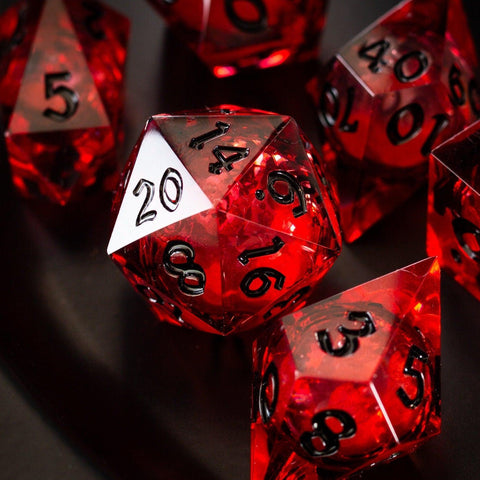
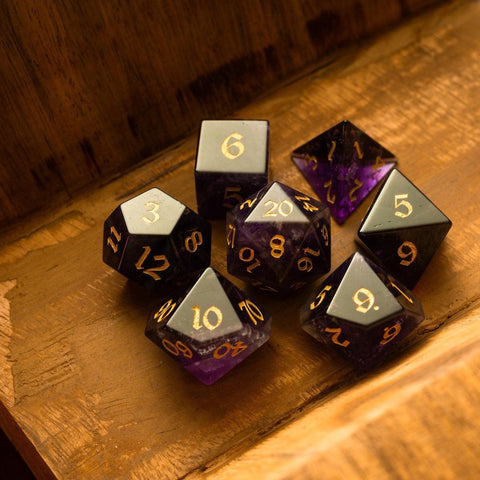
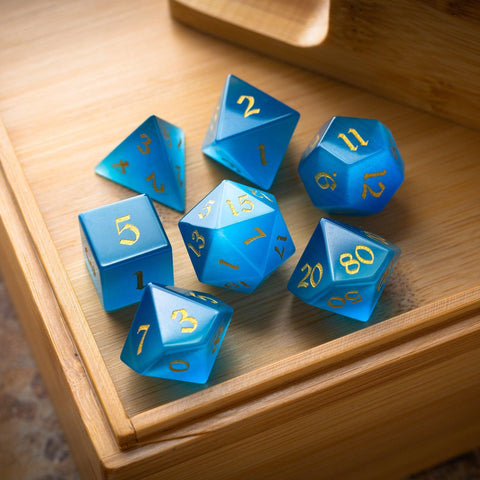
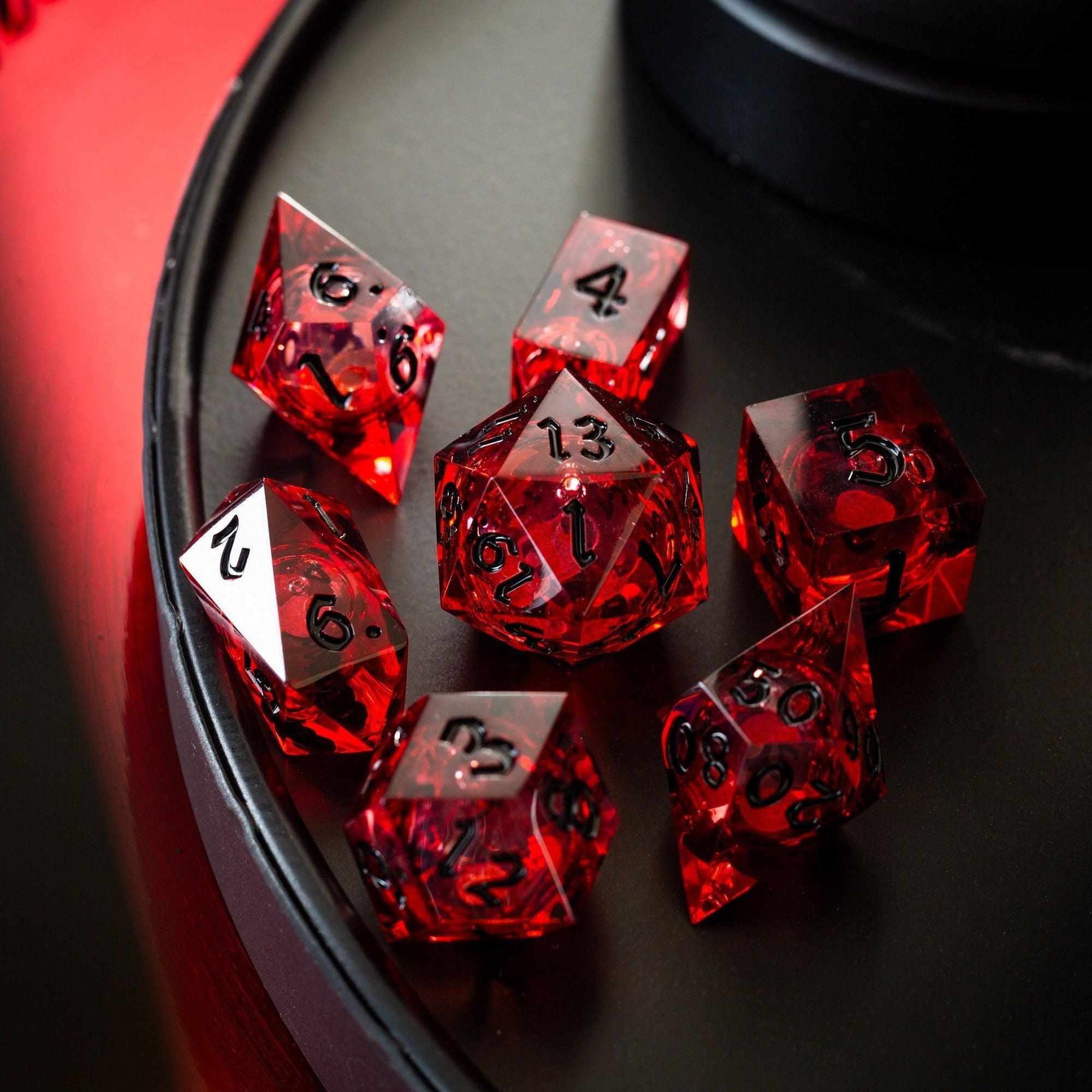
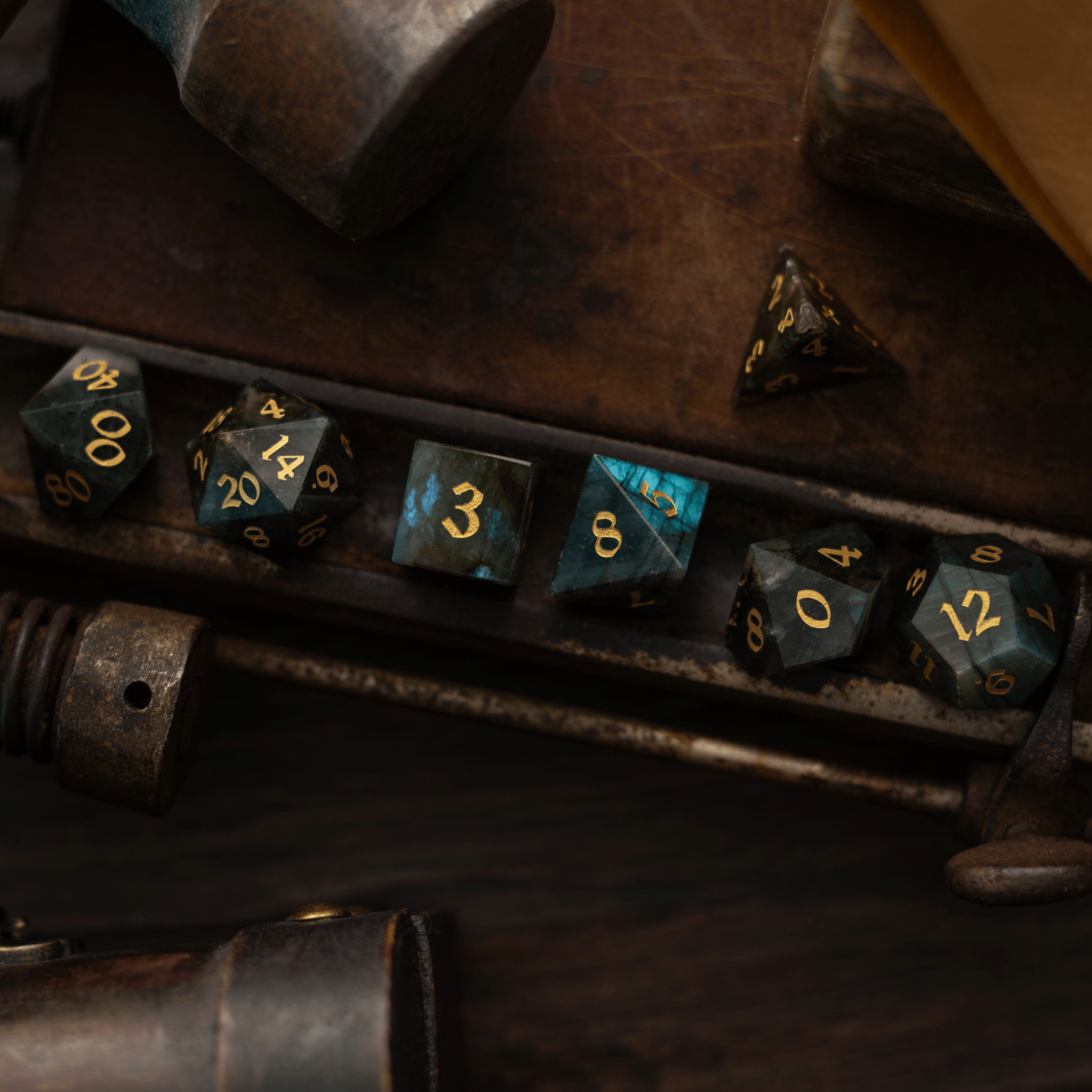
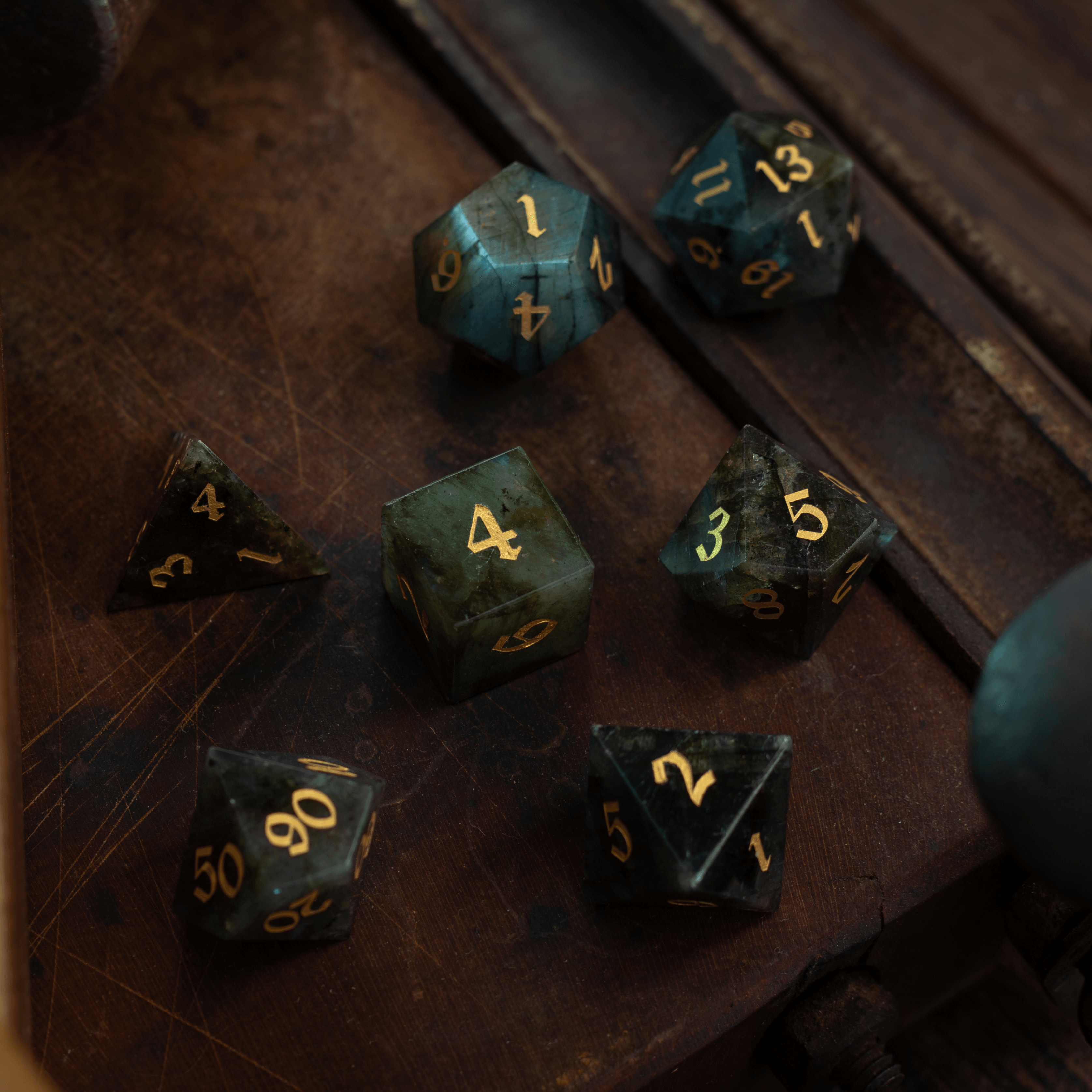
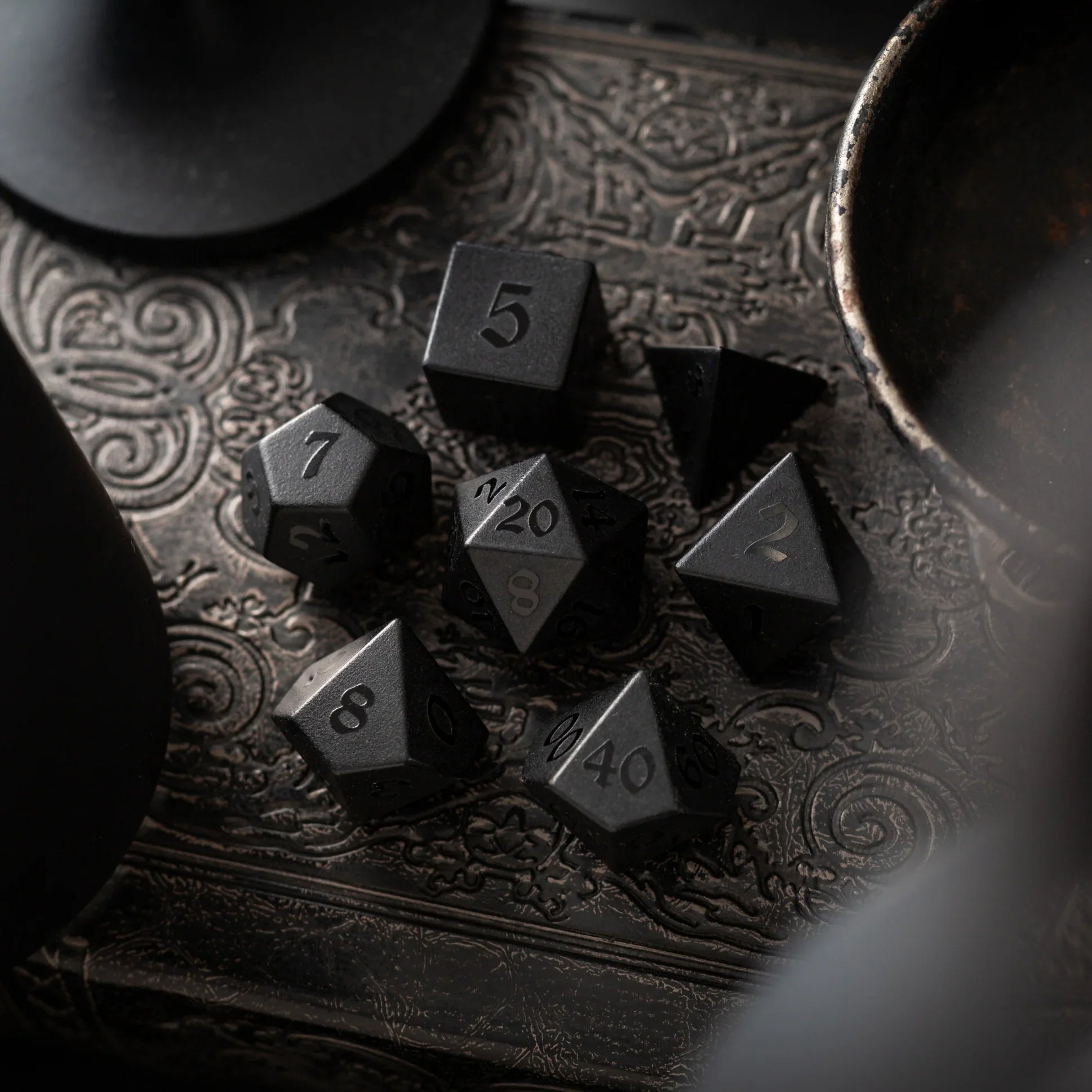
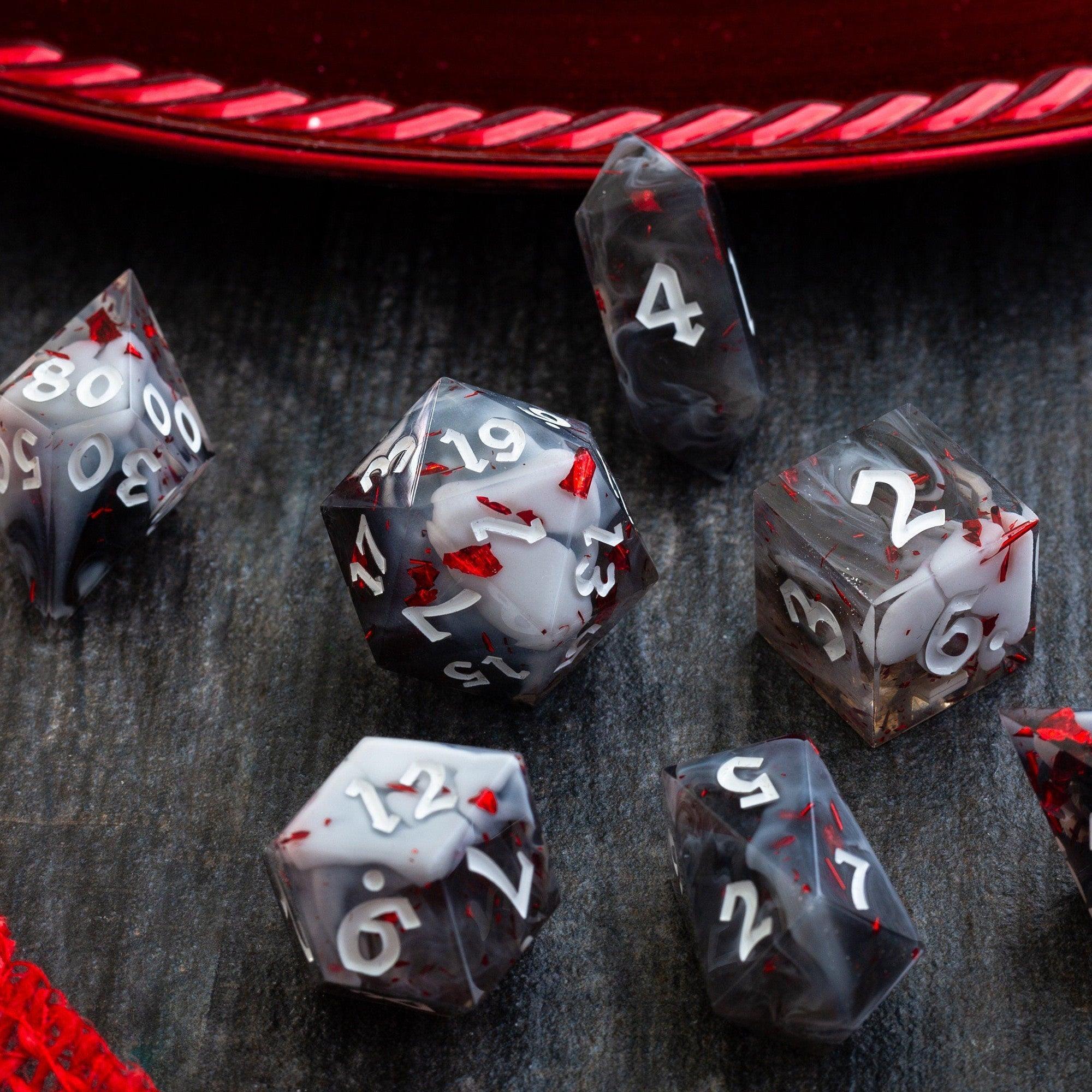
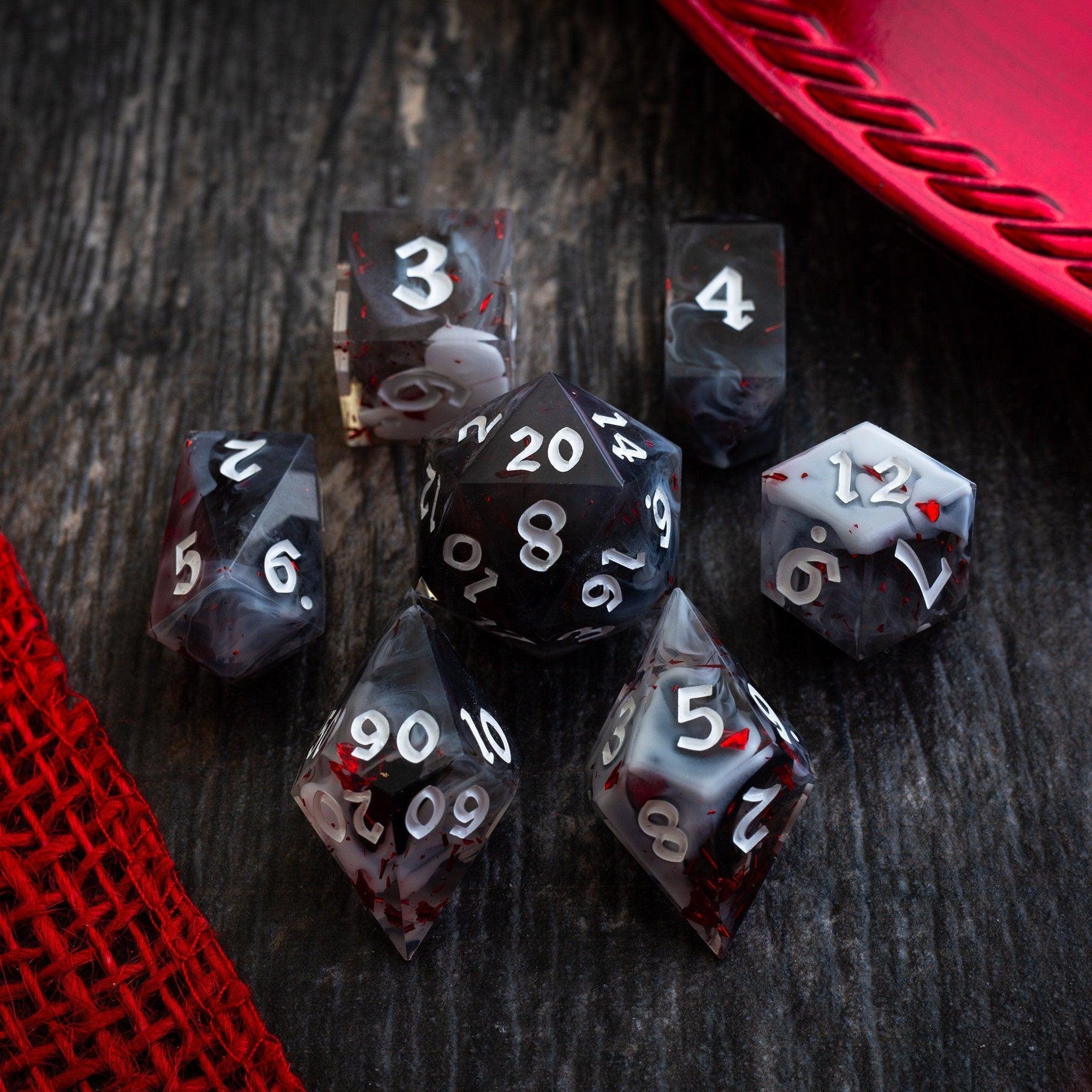
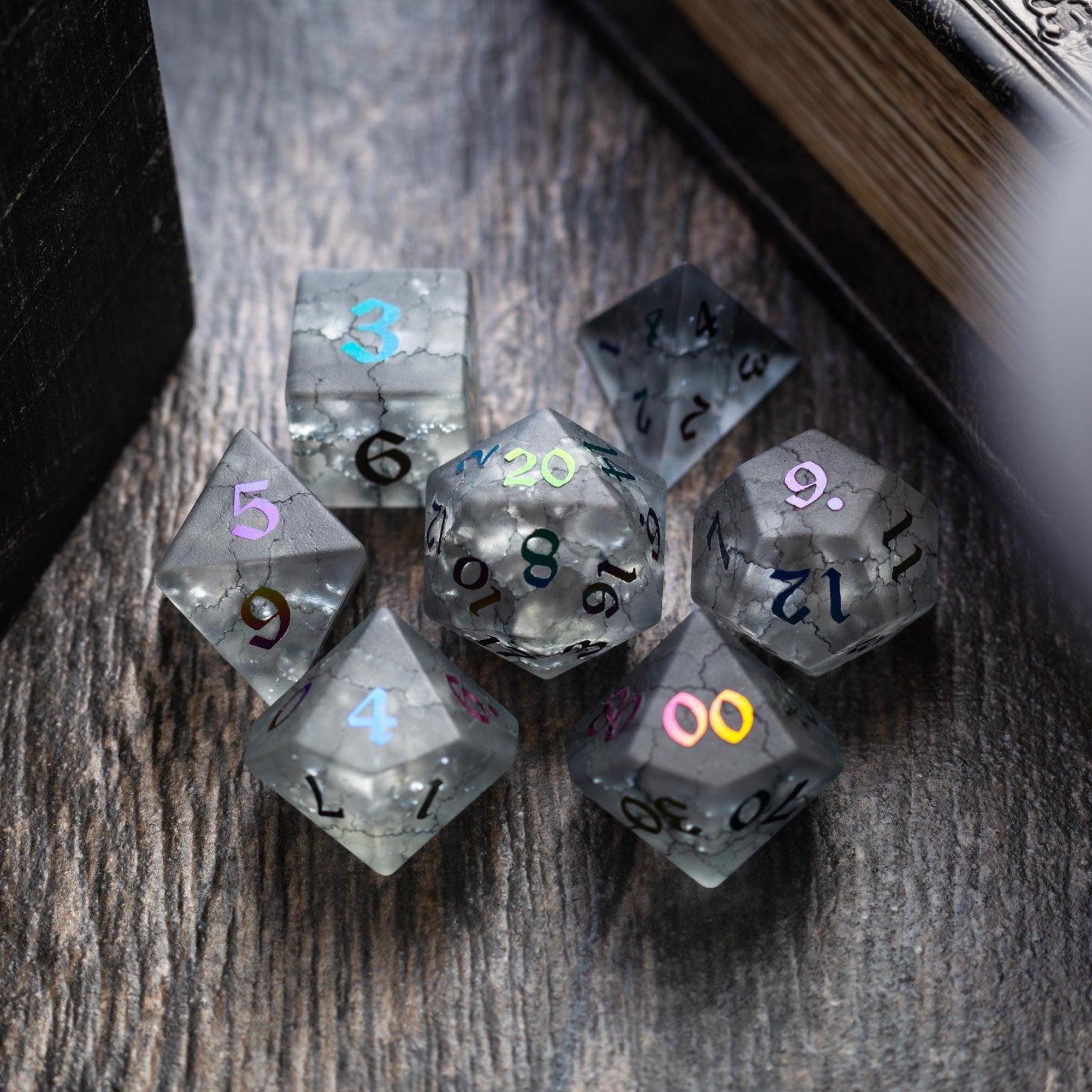
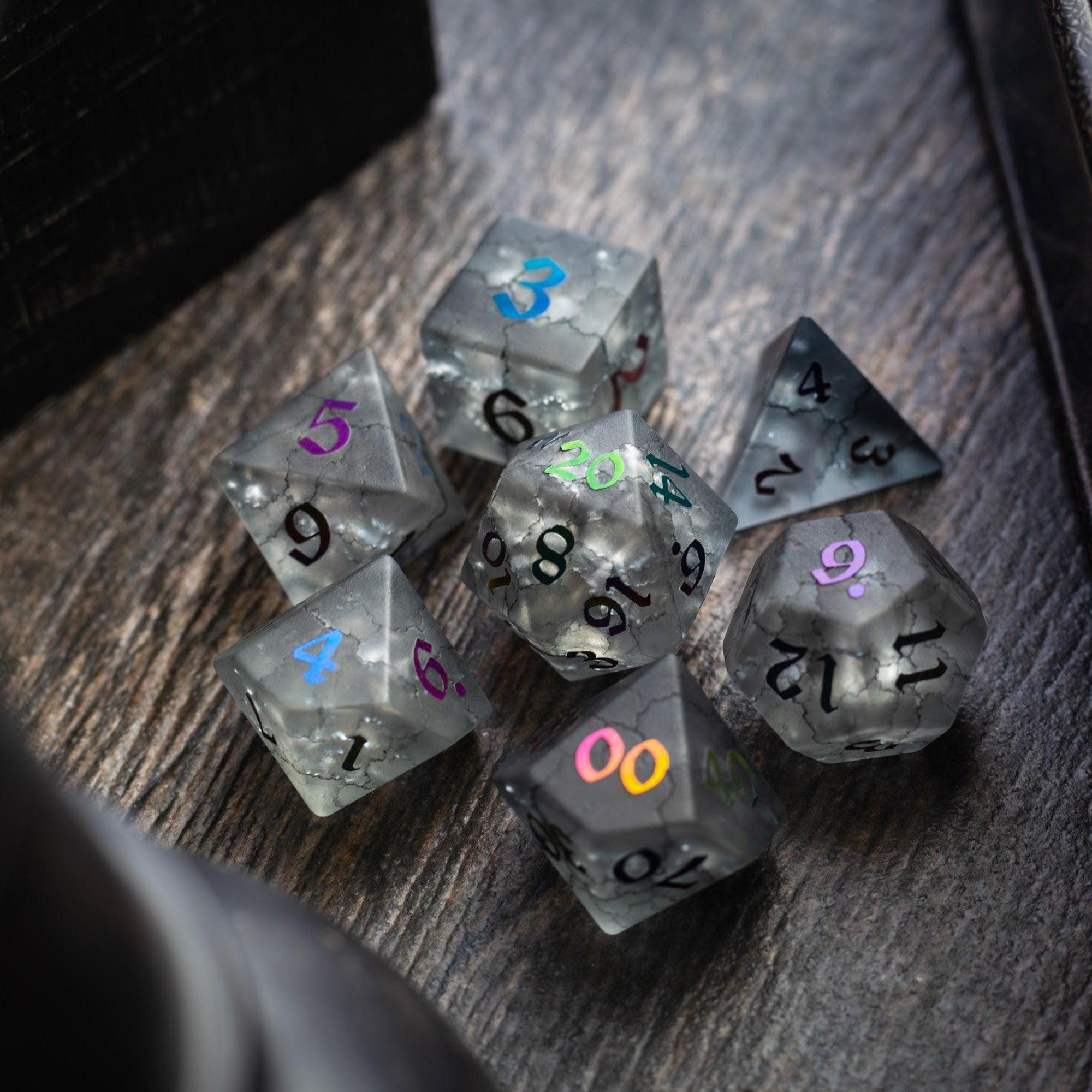
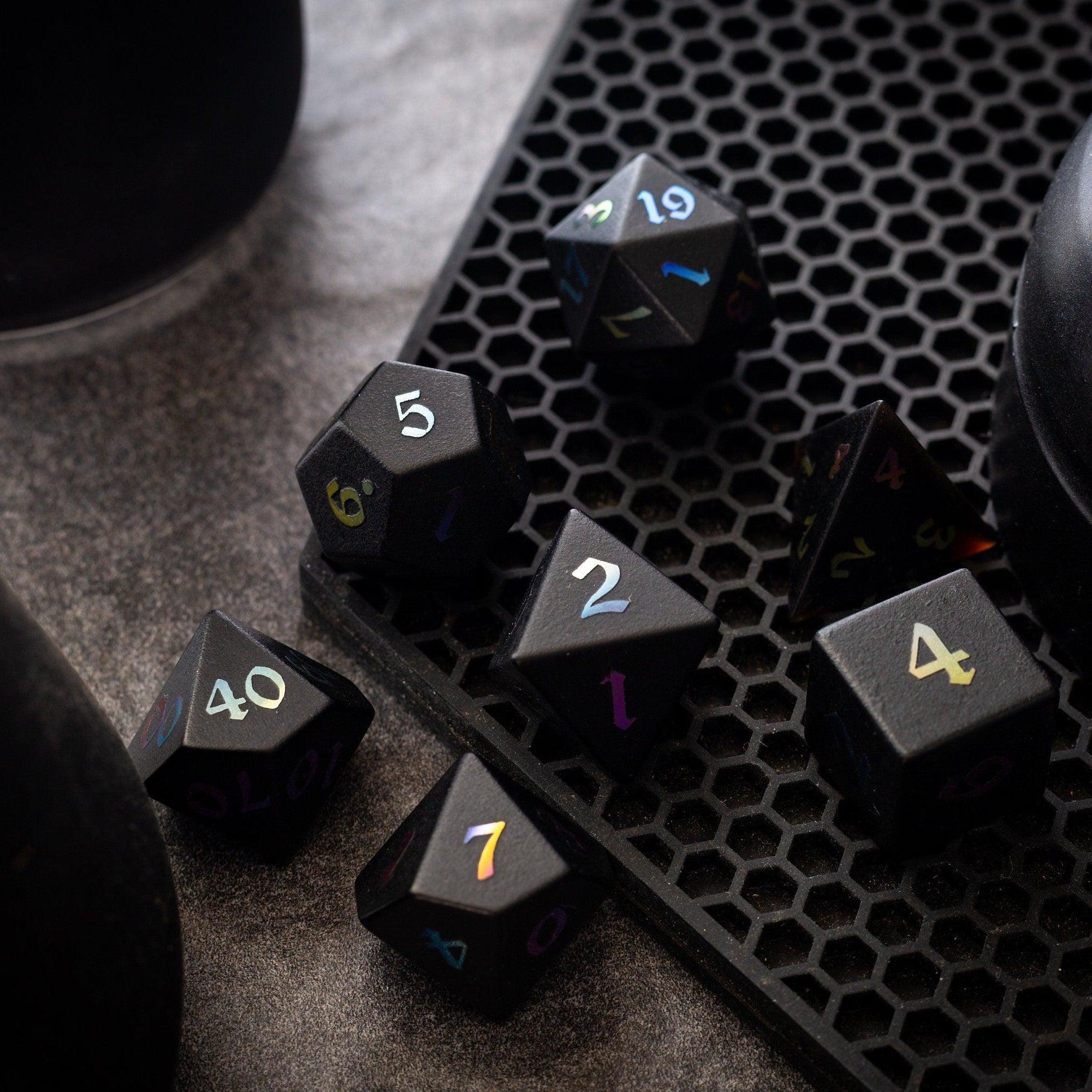
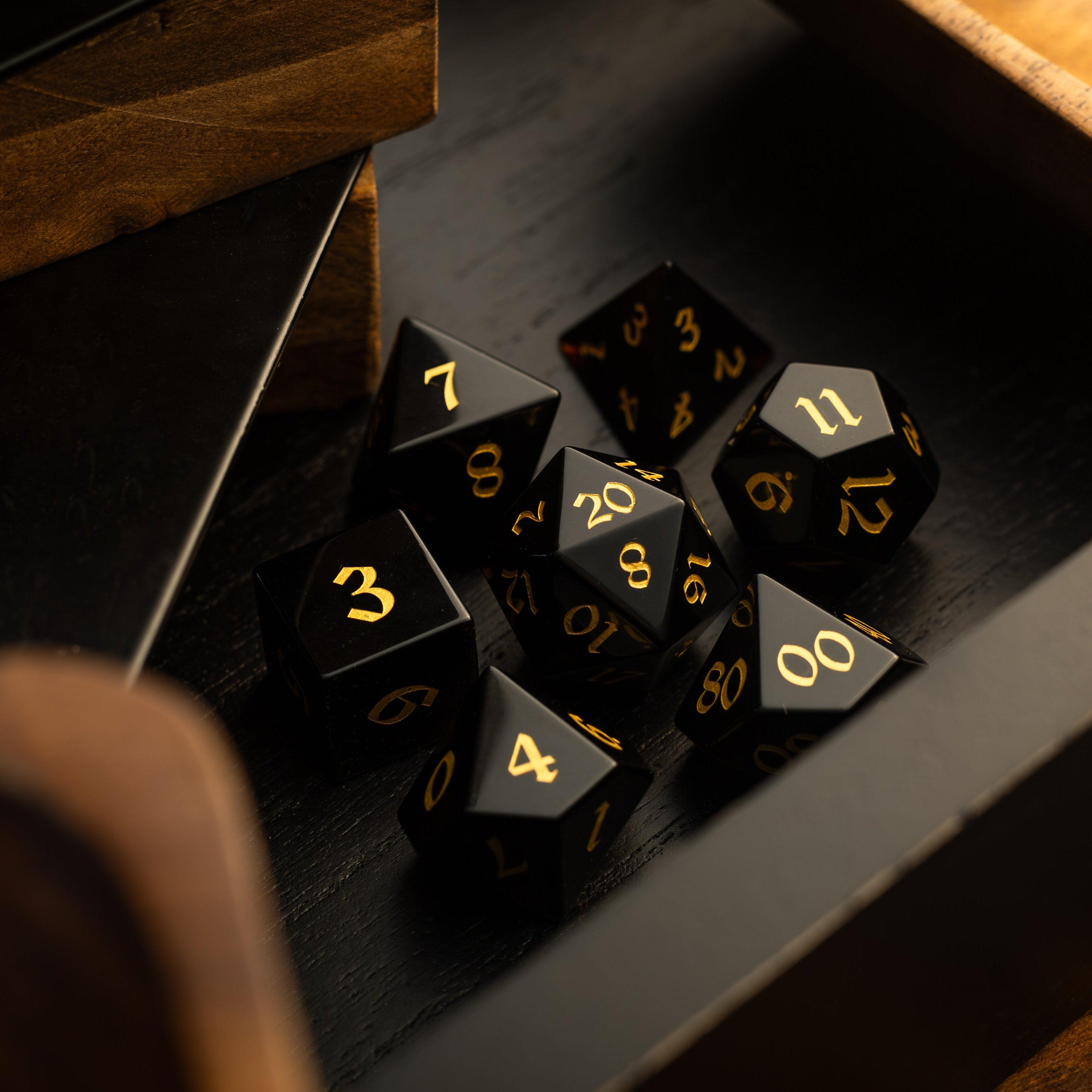
A dedicated DnD dice set can also keep spell attacks and damage rolls organized. Extra dice help with larger damage pools, and a dice tray keeps rolls contained on a crowded table.
FAQ: Sorcerer Innate Magic
Where does a Sorcerer’s magic come from?
It comes from an internal supernatural connection, such as magical ancestry, extraordinary exposure, psychic influence, or another origin represented through the character and subclass.
What ability score does a Sorcerer use?
Charisma is the Sorcerer’s spellcasting ability and affects spell attacks and spell save DCs.
What is Innate Sorcery?
Innate Sorcery is a level 1 feature in the 2024 rules that temporarily raises your Sorcerer spell save DC and gives you Advantage on attack rolls for Sorcerer spells.
How do Sorcery Points work?
Sorcery Points are a class resource gained through Font of Magic. They fuel Metamagic and interact with spell-slot conversion mechanics.
What is the best Metamagic?
There is no universal answer. The best option is one that works regularly with your prepared spells and preferred role.
Is Sorcerer good for beginners?
Yes, although spell selection and Sorcery Point management require attention. A beginner can make the class easier to learn by choosing spells with clear roles and using a small number of reliable tactics.
Making Innate Magic Your Own
A successful Sorcerer chooses spells with purpose, matches Metamagic to those choices, manages Sorcery Points carefully, and recognizes when spending an important resource will truly matter.
Position safely. Protect Concentration. Use cantrips when a spell slot is unnecessary. Remember that Charisma and utility magic can contribute outside combat.
Two Sorcerers can prepare similar spells and still feel completely different. Their origins, subclasses, Metamagic choices, tactics, personalities, and descriptions of magic create distinct characters.
That is the heart of Sorcerer innate magic. The power comes from within, but learning when and how to shape that power turns natural talent into effective adventuring magic.






Leave a comment
This site is protected by hCaptcha and the hCaptcha Privacy Policy and Terms of Service apply.