
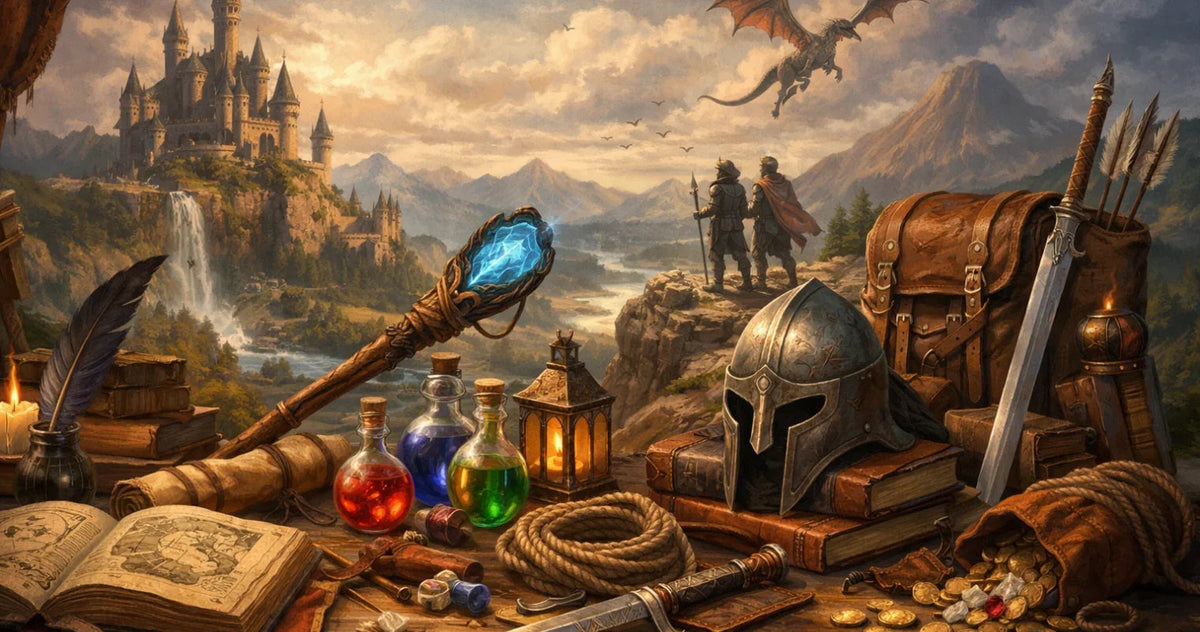
D&D Resources for Better Campaign Prep and Play
A memorable Dungeons & Dragons campaign rarely comes from improvisation alone. Creativity drives the adventure, but the right D&D resources make it easier to organize rules, characters, encounters, locations, and storylines.
Whether you are planning your first homebrew adventure or a long-running campaign, good preparation is about keeping useful information easy to find. The best Dungeons and Dragons resources support your imagination, reduce interruptions during play, and help the table stay focused on decisions, exploration, and roleplaying.
Why Great Resources Lead to Better Campaigns
Preparation is mostly about reducing friction. If you can find a rule, NPC note, map, or encounter detail quickly, you spend less time searching and more time responding to players.
Well-organized Dungeon Master resources can help you:
- Spend less time preparing each session
- Keep campaign lore and NPC details consistent
- Find rules and character information faster
- Respond more confidently to unexpected player choices
- Keep combat and exploration moving
Players benefit too. Objectives are easier to remember, combat has fewer pauses, and recurring characters or locations feel more consistent from one session to the next.
Types of D&D Resources Every Table Should Use
Not every group needs the same toolkit, but a few categories of tabletop RPG resources are useful in almost any campaign.
Rulebooks and Rules References
Rulebooks cover character creation, combat, spells, equipment, monsters, exploration, and other mechanics. Searchable digital references help you quickly check a condition, action, spell, or class feature.
In 2026, it is also important to know which fifth-edition ruleset your group uses. D&D Beyond now labels the 2014 rules as 5e and the updated 2024 rules as 5.5e. Both remain supported on D&D Beyond. Agree on a main ruleset before character creation so players do not accidentally mix different versions of the same spell, class feature, or rule.
Character Builders and Character Sheets
Character builders help track abilities, equipment, spells, hit points, and level progression. They are especially useful for new players or characters with many features.
A digital sheet should still support understanding rather than replace it. Players should know what their main abilities do and which resources reset on a Short or Long Rest. That familiarity can prevent long pauses during combat.
Campaign Planners
Campaign planners keep an adventure's moving pieces in one place. Track session summaries, NPCs, locations, active quests, treasure, factions, decisions, and unresolved hooks.
You do not need a complicated app. A notebook, shared document, folder system, or digital workspace can work well as long as information is easy to find.
Encounter and NPC Generators
Generators can save time when you need inspiration for wilderness encounters, dungeon rooms, names, motivations, hazards, treasure, or unexpected discoveries. Treat generated results as starting points, then adjust them to fit your setting, storyline, party level, and player choices.
Initiative and Condition Trackers
Combat often slows down because the table loses track of turn order, concentration, temporary effects, or conditions. Initiative trackers and condition markers make that information visible and help players plan their turns sooner.
Resources That Save Dungeon Masters Time
The best D&D campaign tools remove repetitive work and keep important information close at hand.
Session Planning
Instead of scripting every conversation, build a flexible session outline. Include the opening situation, several likely scenes, important NPCs, current objectives, and a few possible directions the party could take. Prepare situations rather than exact outcomes so your notes remain useful when players choose an unexpected approach.
Encounter Organization
Before the session, keep monster statistics, terrain notes, hazards, special rules, and encounter objectives together. For a social scene, do the same with NPC goals, useful information, and likely reactions.
Treasure and Quest Tracking
Keep a clear record of magic items, gold, consumables, quest rewards, and shared party inventory. Separate active objectives, completed goals, and unresolved hooks so old details do not disappear into pages of session notes.
NPC Management
Most NPCs do not need a full biography. Record a name, noticeable trait, goal, relationship with the party, and current location. Add more only when that character becomes important.
Resources That Help Players Stay Engaged
Players can also use simple references to remember important information and make faster decisions during sessions.
Helpful player resources include:
- Character journals
- Spell and ability reference sheets
- Equipment inventories
- Condition markers
- Shared party notes
- Quest and clue trackers
These tools are especially useful for groups that meet only every few weeks. A short recap, shared quest list, and a few personal notes can save time when everyone sits down to play again.
Building Better Worlds With D&D Resources
Organized D&D worldbuilding resources improve consistency. Players notice when settlements, factions, characters, and locations connect instead of feeling newly invented every session.
Settlements and Factions
For settlements, track a few distinctive details such as culture, economy, landmarks, leadership, and current problems. For factions, record goals, rivals, leaders, resources, and influence. A handful of strong details is usually enough to answer common player questions.
Dungeons and Maps
Interesting dungeons include more than combat. Add clues, hazards, alternate routes, environmental storytelling, puzzles, and evidence of what happened before the characters arrived.
D&D maps do not need elaborate artwork to be useful. A clear map showing roads, rivers, cities, ruins, mountains, doors, or major rooms can make travel and exploration easier to understand. For remote groups, a digital map or virtual tabletop can keep everyone looking at the same space.
Random Encounters
Random encounters work best when they reveal something about the setting. A damaged bridge, nervous merchant, strange weather pattern, local festival, abandoned shrine, or wounded traveler can create a decision without turning every interruption into combat.
Digital vs Physical D&D Resources
| Resource Type | Best Used For | Main Benefit |
|---|---|---|
| Digital rules references | Rules and character lookup | Fast searching |
| Campaign planners | Long-term adventures | Centralized organization |
| Map tools | Exploration and combat | Clear visual information |
| NPC generators | Unexpected characters | Faster preparation |
| Physical notebooks | Session notes | Quick access without screens |
Digital resources work well for searchable notes, shared documents, character management, remote play, and backups. Physical resources suit handwritten reminders, table references, handouts, and groups that prefer fewer screens. Many Dungeon Masters use both.
Building an Efficient Campaign Workflow
Strong D&D campaign preparation becomes easier when you use the same basic process each session:
- Review the previous session. Check unresolved decisions, clues, quests, and NPC interactions.
- Outline the next situation. Prepare major locations, conflicts, and likely developments without deciding what the players must do.
- Prepare encounters. Gather monster information, maps, hazards, puzzles, and social-scene notes you may need.
- Review player goals. Look for motivations or unfinished stories that could naturally matter this session.
- Gather references. Keep important rules, maps, notes, and character information easy to reach.
- Leave room for improvisation. Prepare enough structure to react confidently without scripting the outcome.
Common Resource Mistakes to Avoid
Collecting Too Many Tools
Constantly switching planners, generators, note systems, and apps can create more work than it saves. Choose a small set of tools you understand and use them consistently.
Over-Preparing Every Session
Trying to prepare every possible player choice is rarely practical. Focus on locations, motivations, conflicts, and information that can adapt when the party changes direction.
Depending Entirely on Generators
Generators provide ideas, not campaign context. Customize the results so they fit your world and connect to what the players already know.
Forgetting Player Feedback
Ask players which moments they enjoyed, which NPCs they remembered, and what they want to explore next. Their answers show which parts of the campaign are holding their attention.
Small Accessories That Make a Big Difference
Organization also extends to the physical table. Dice trays keep rolls contained, while condition markers and initiative trackers make combat information easier to see. Notebooks and storage organizers can keep maps, miniatures, tokens, and handouts from becoming scattered between sessions.
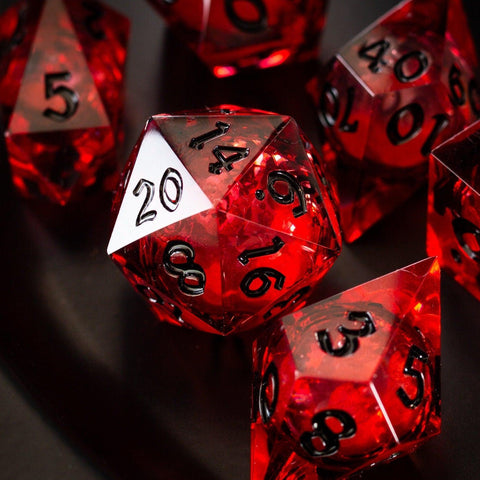
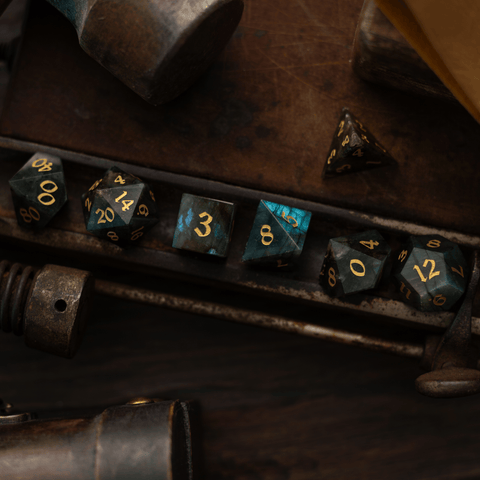
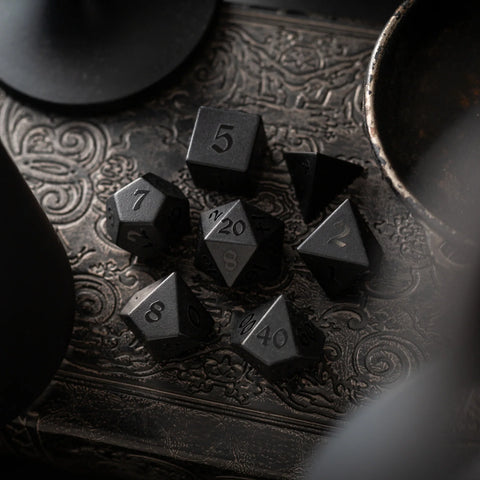
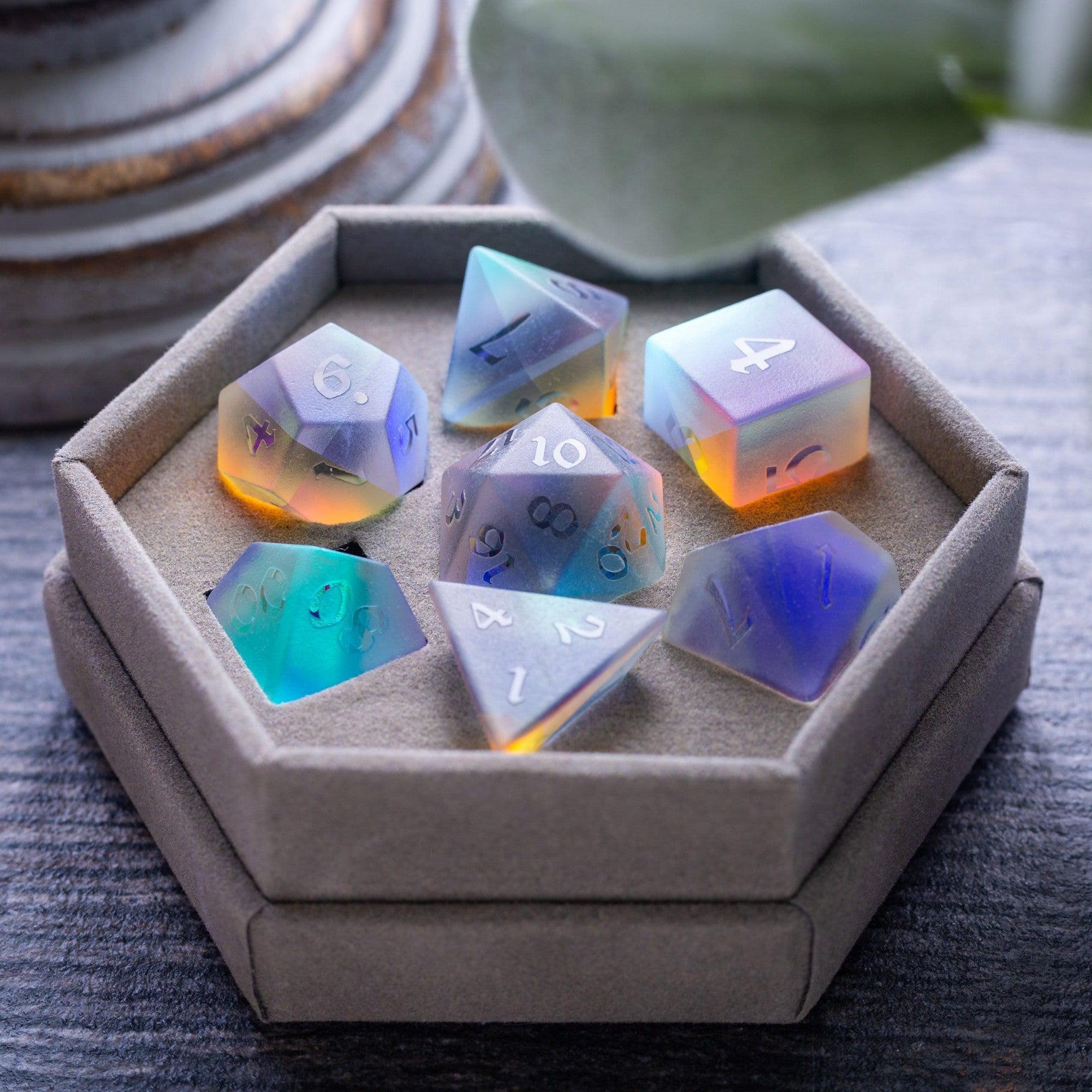
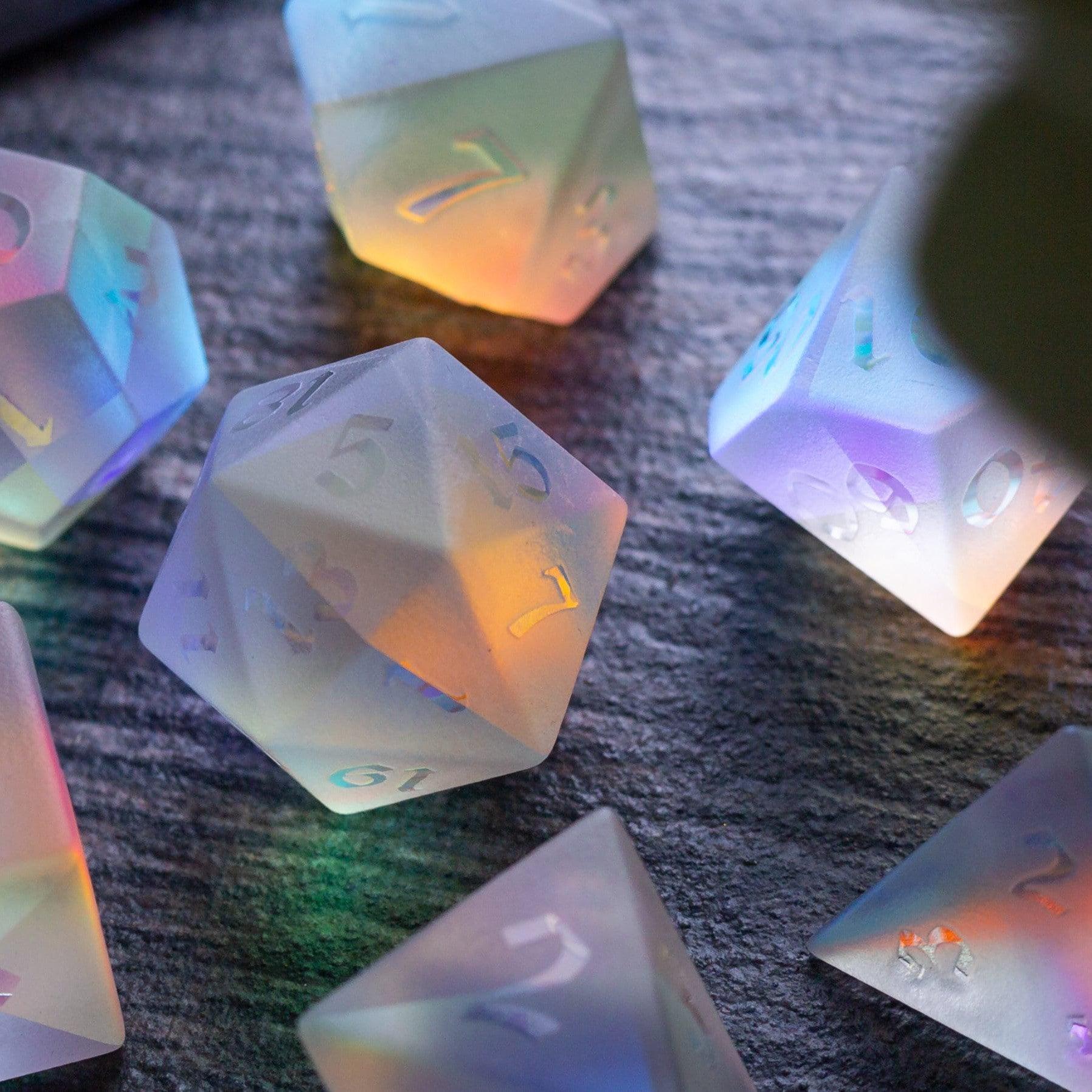
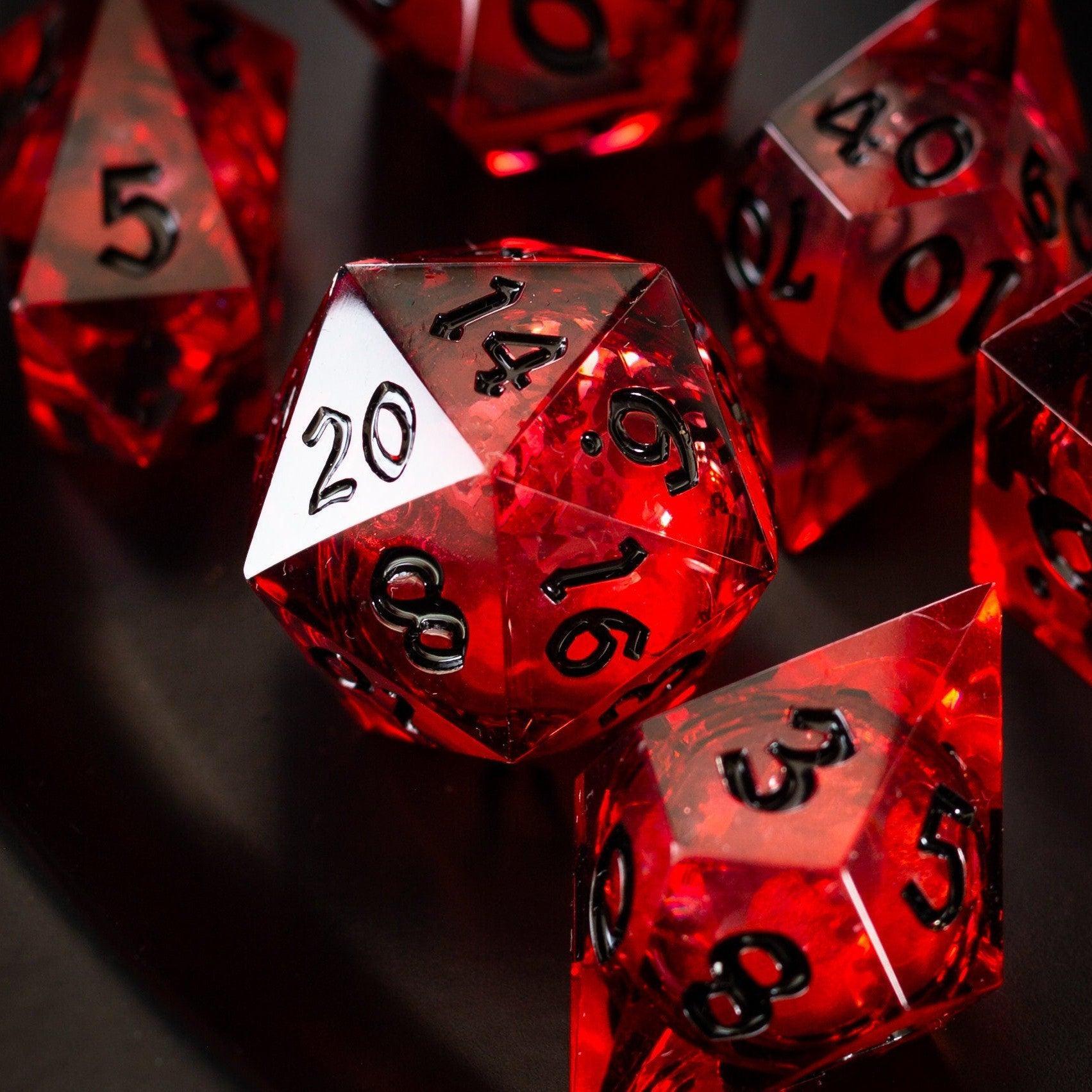
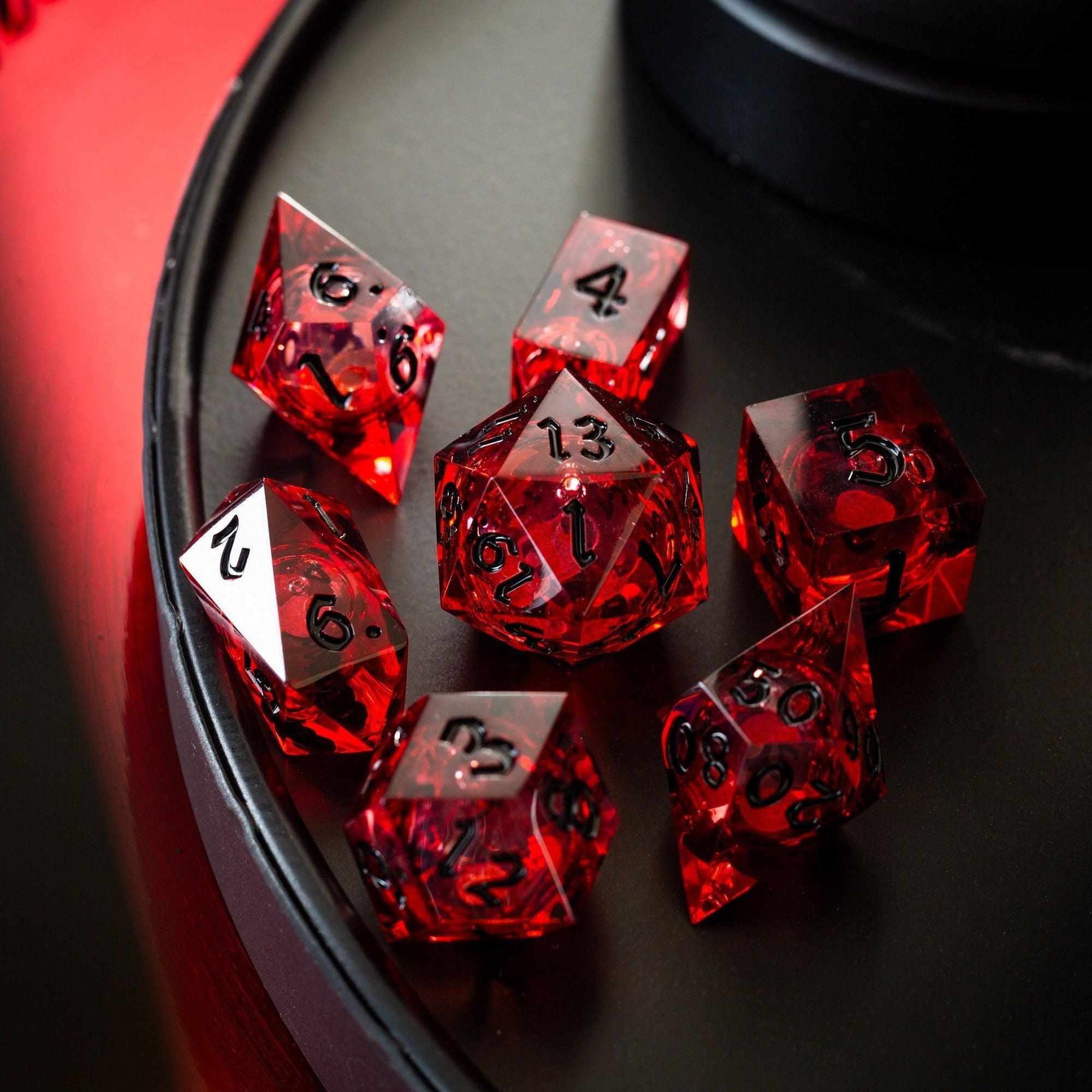
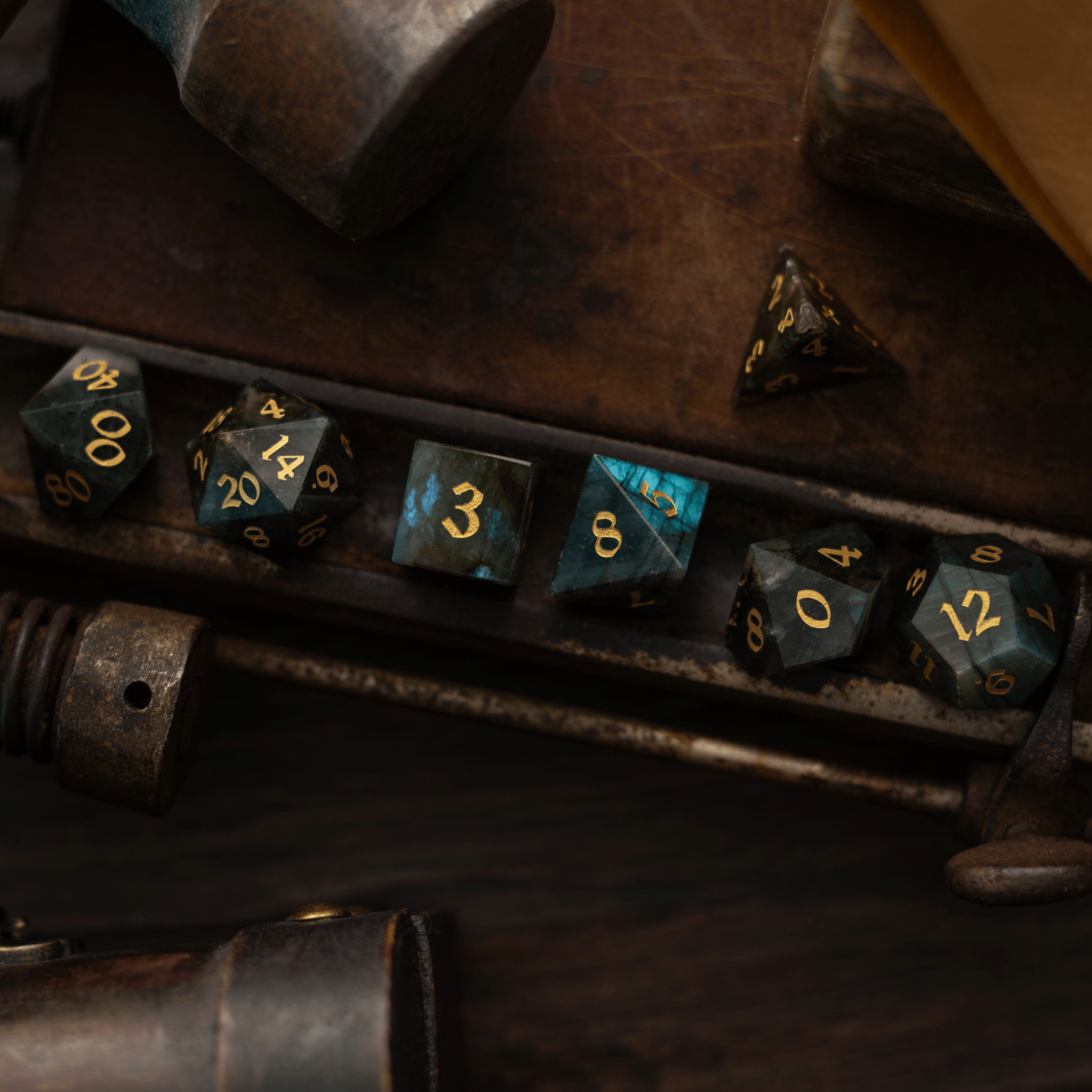
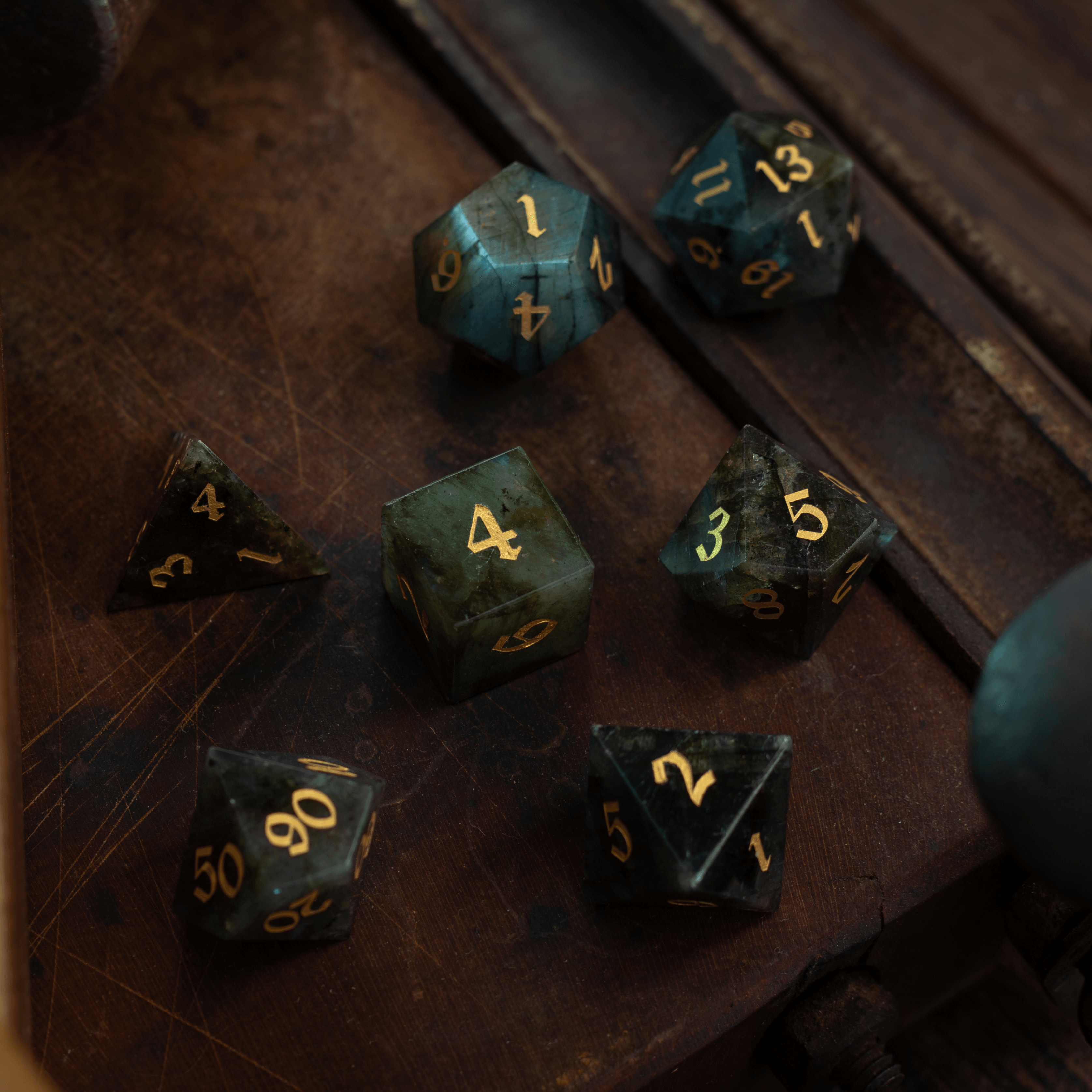
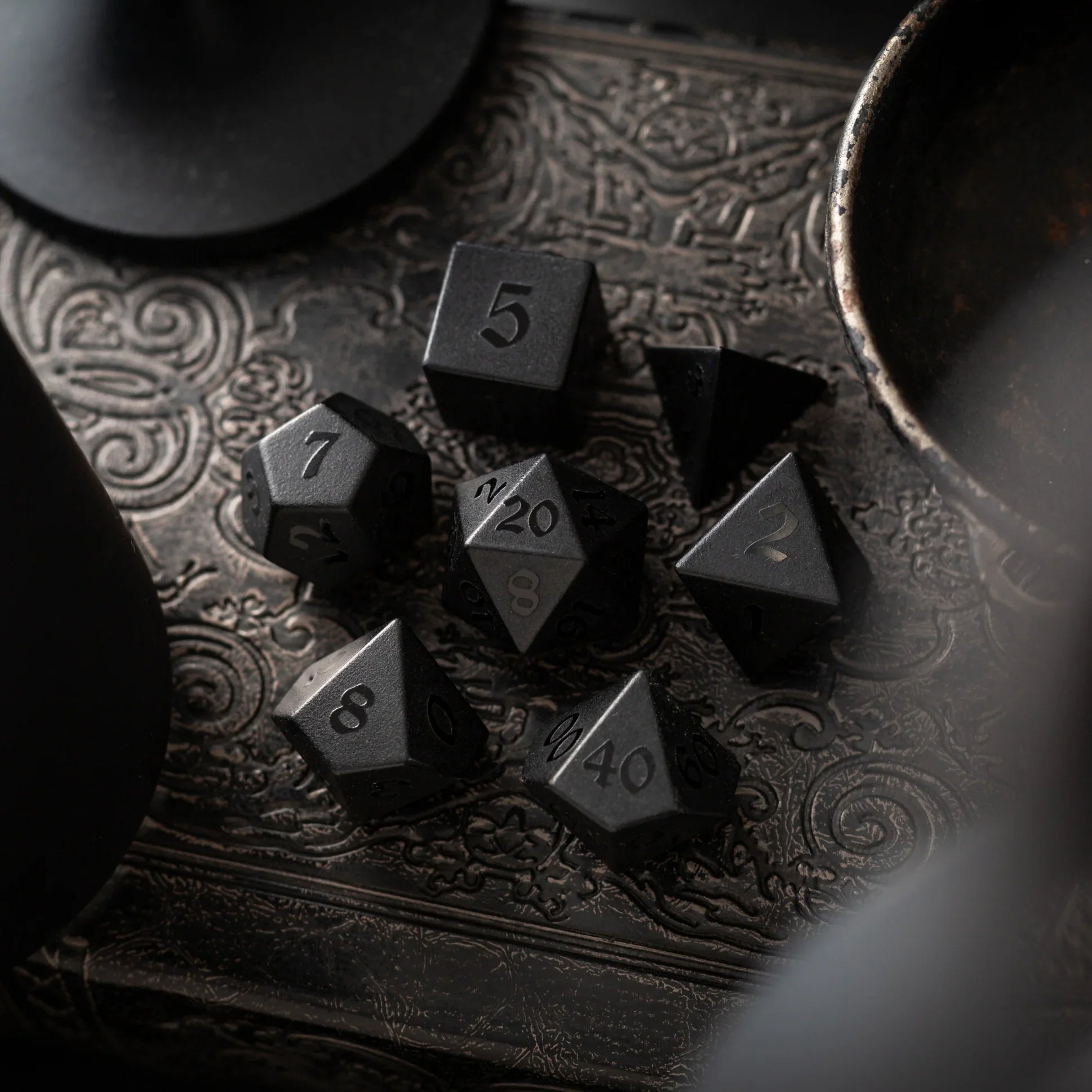
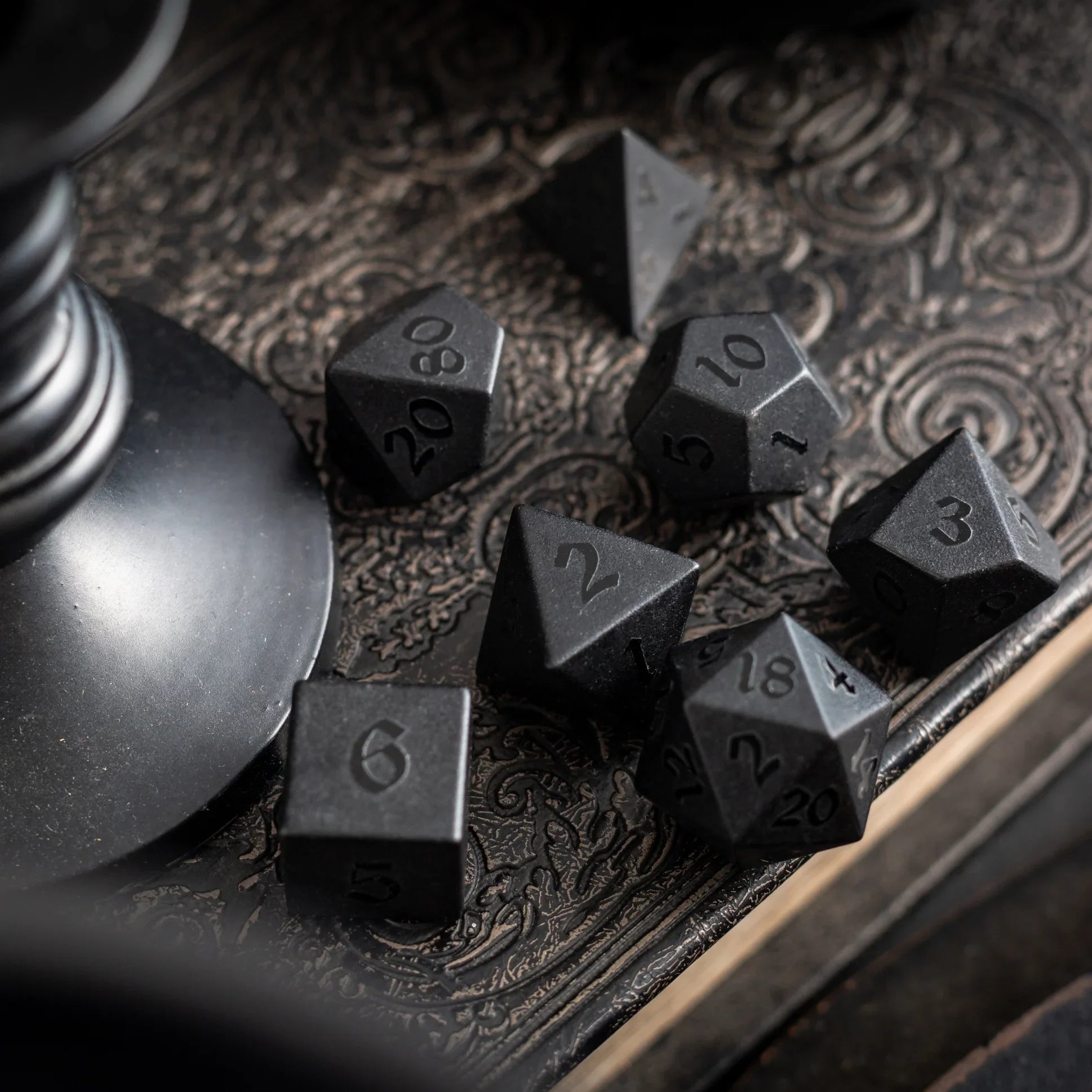
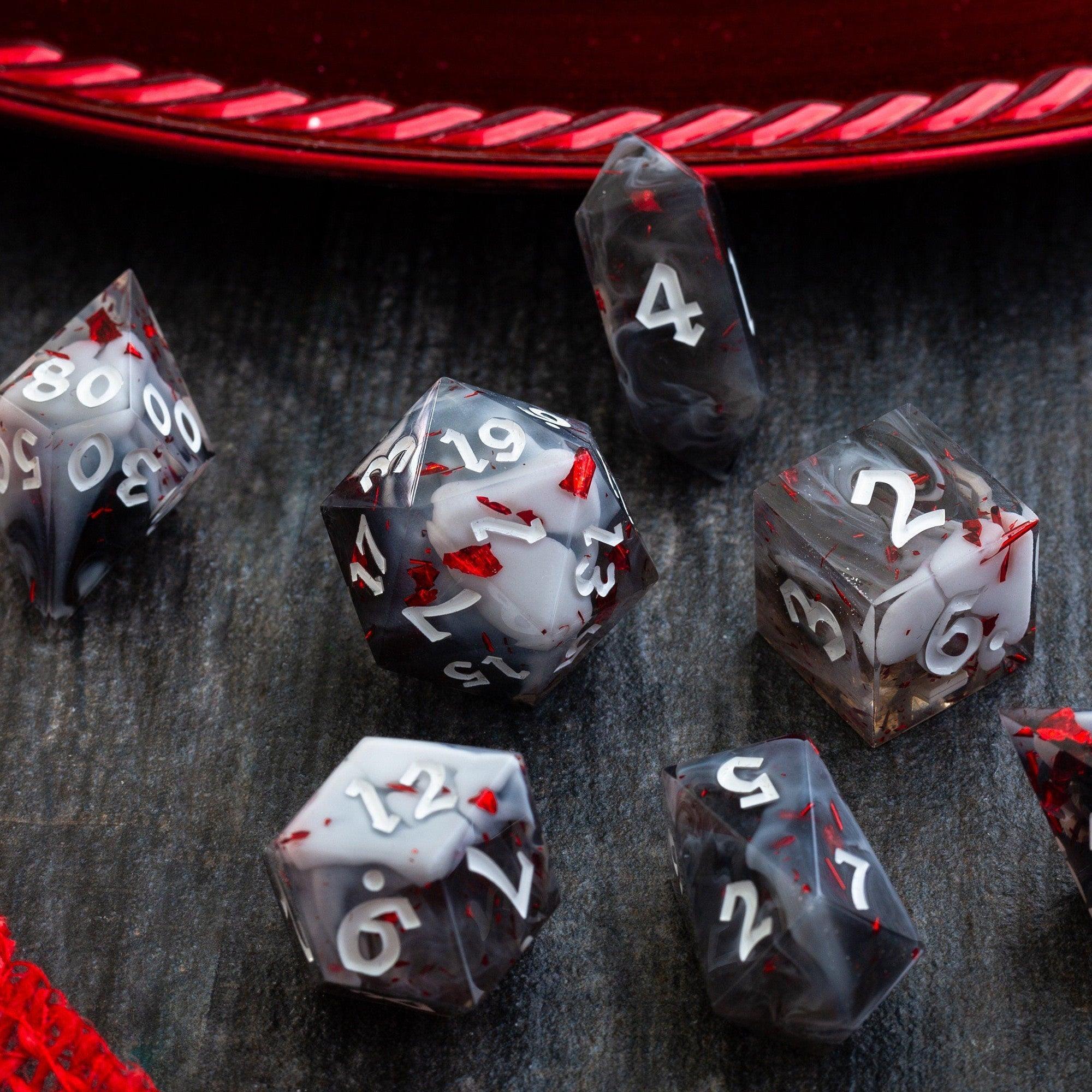
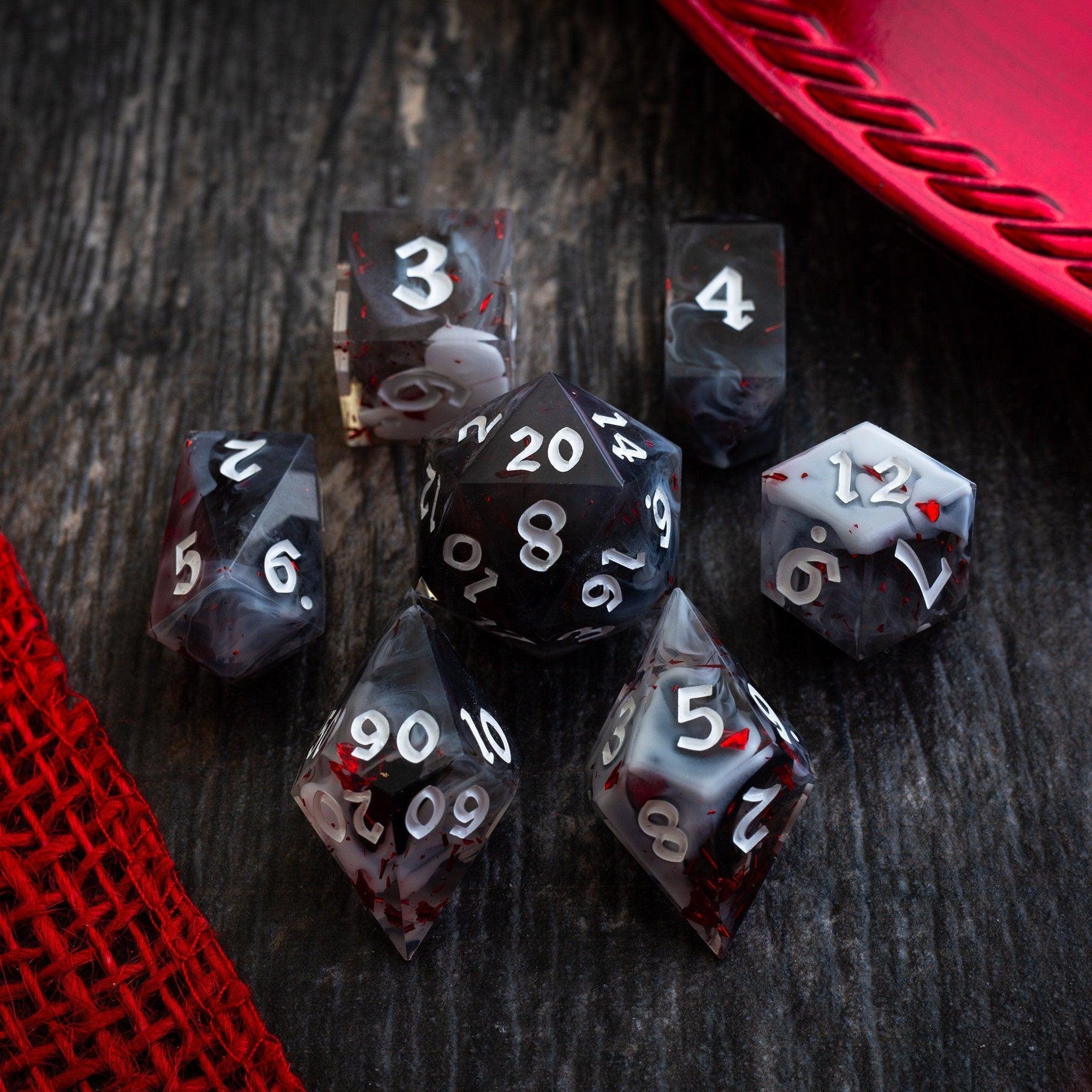
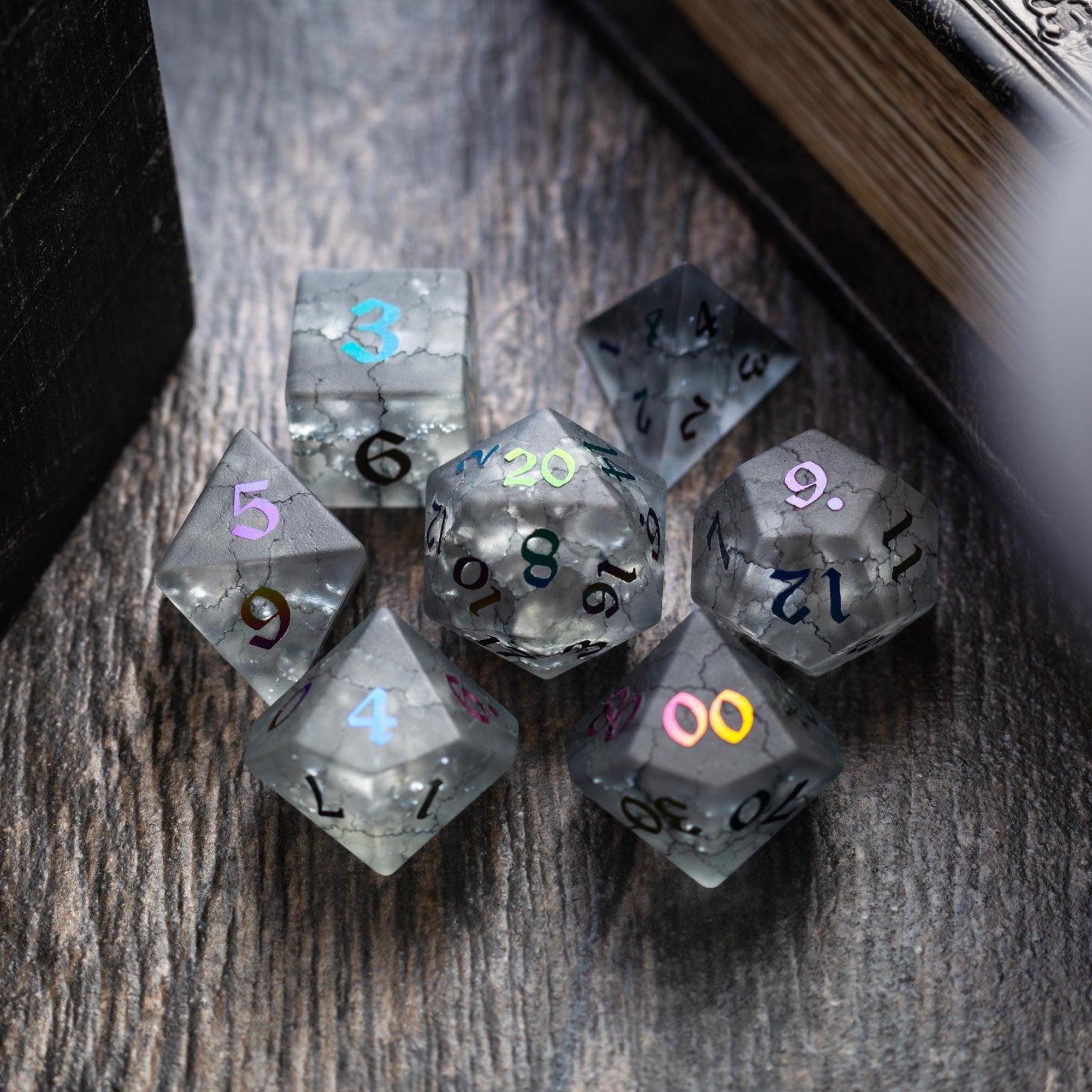
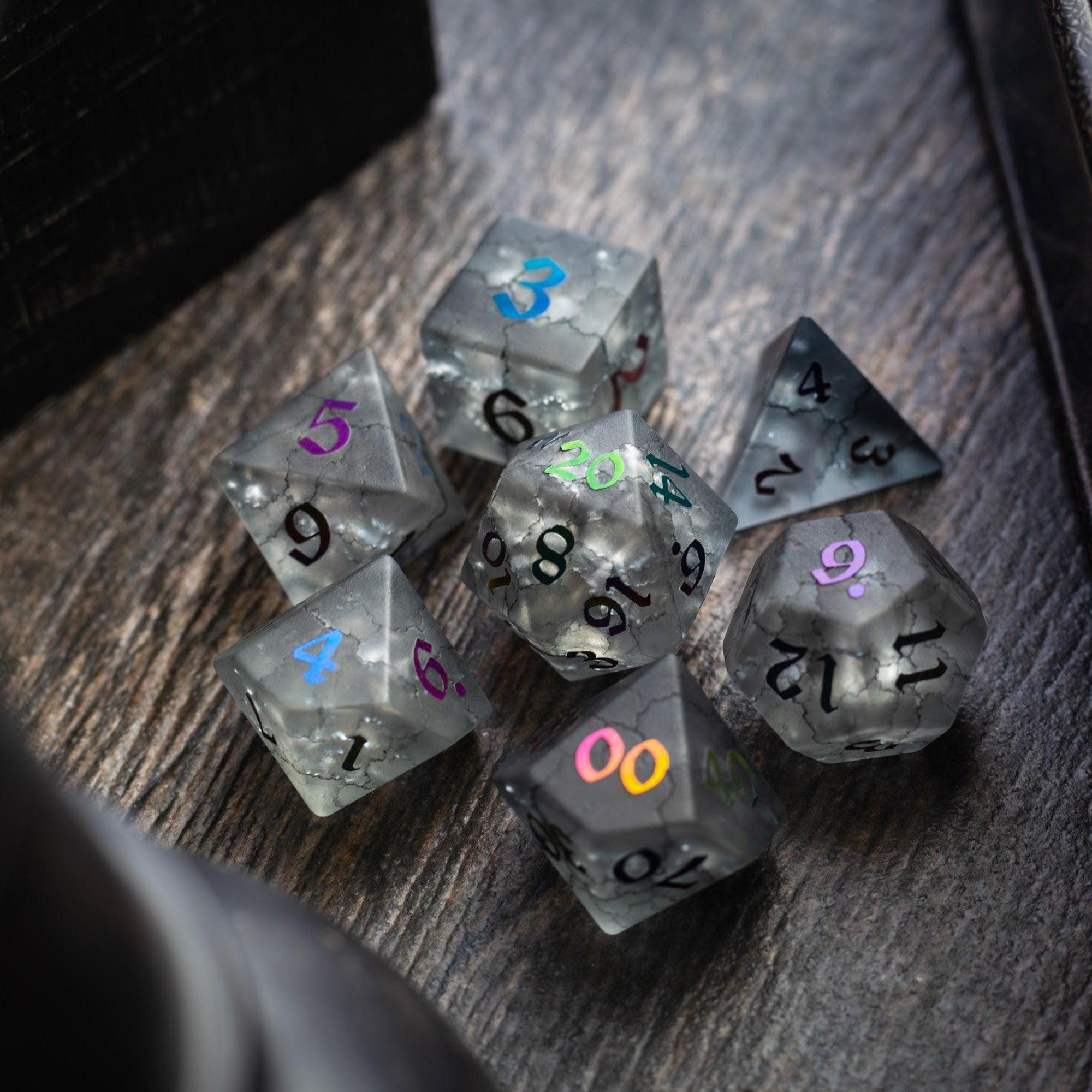
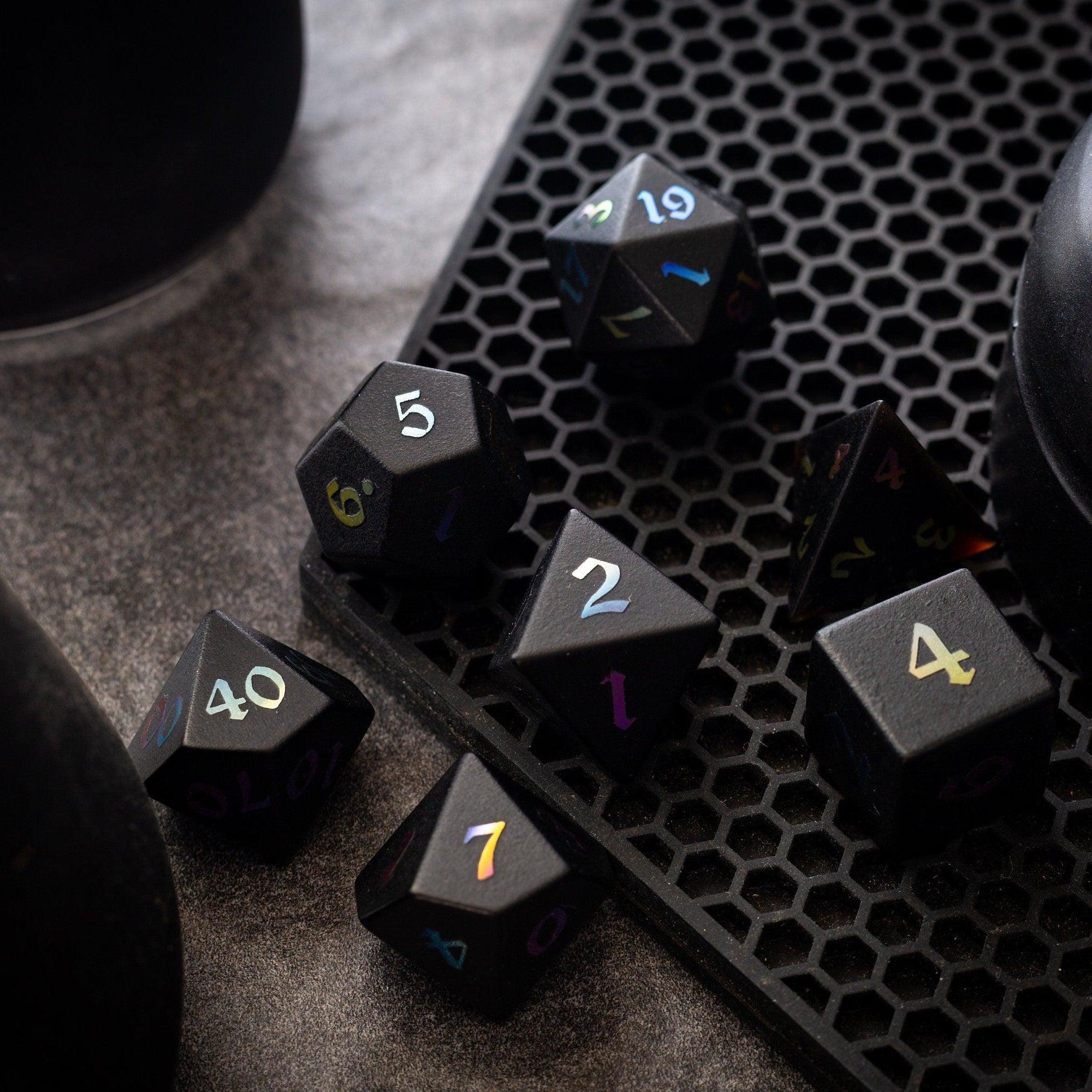
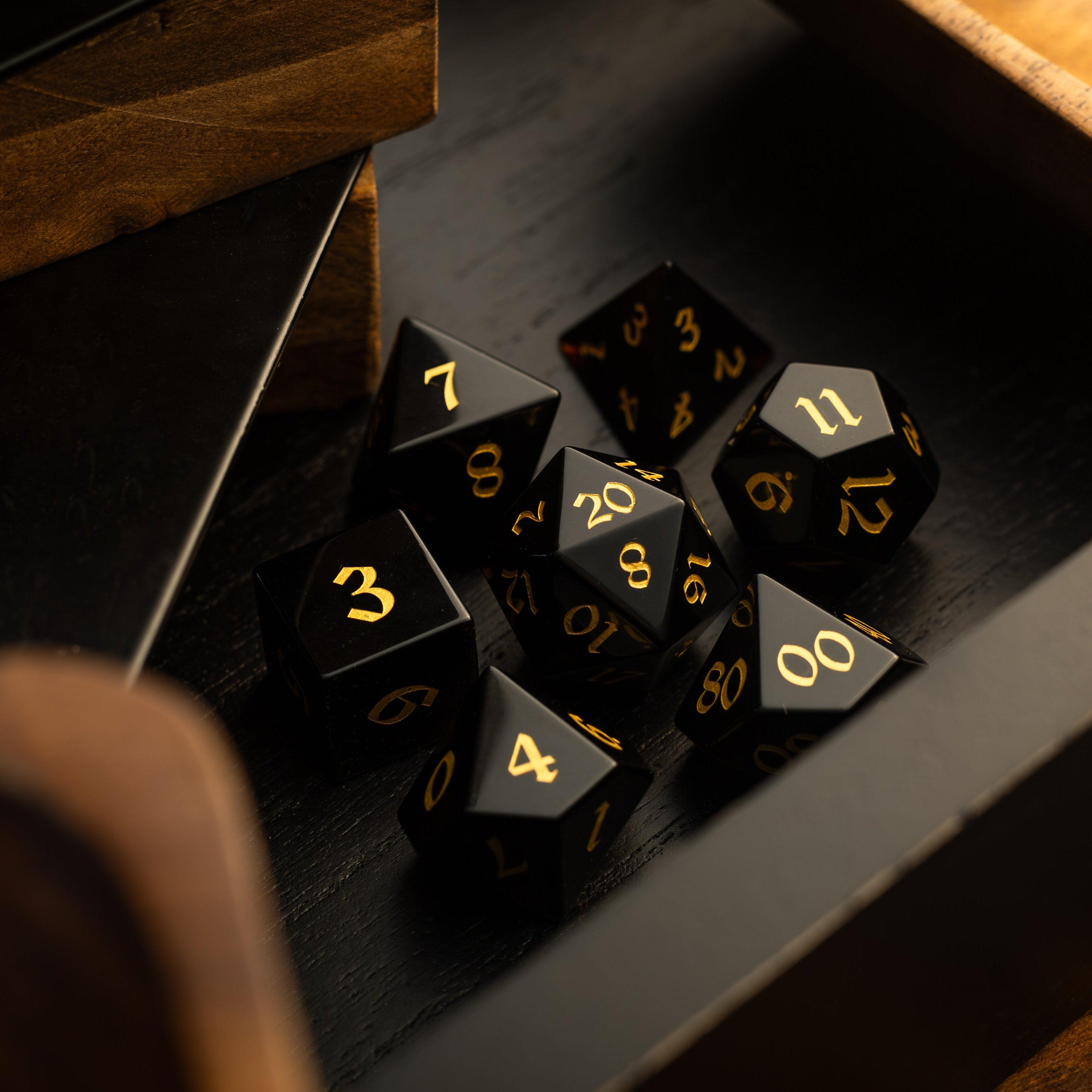
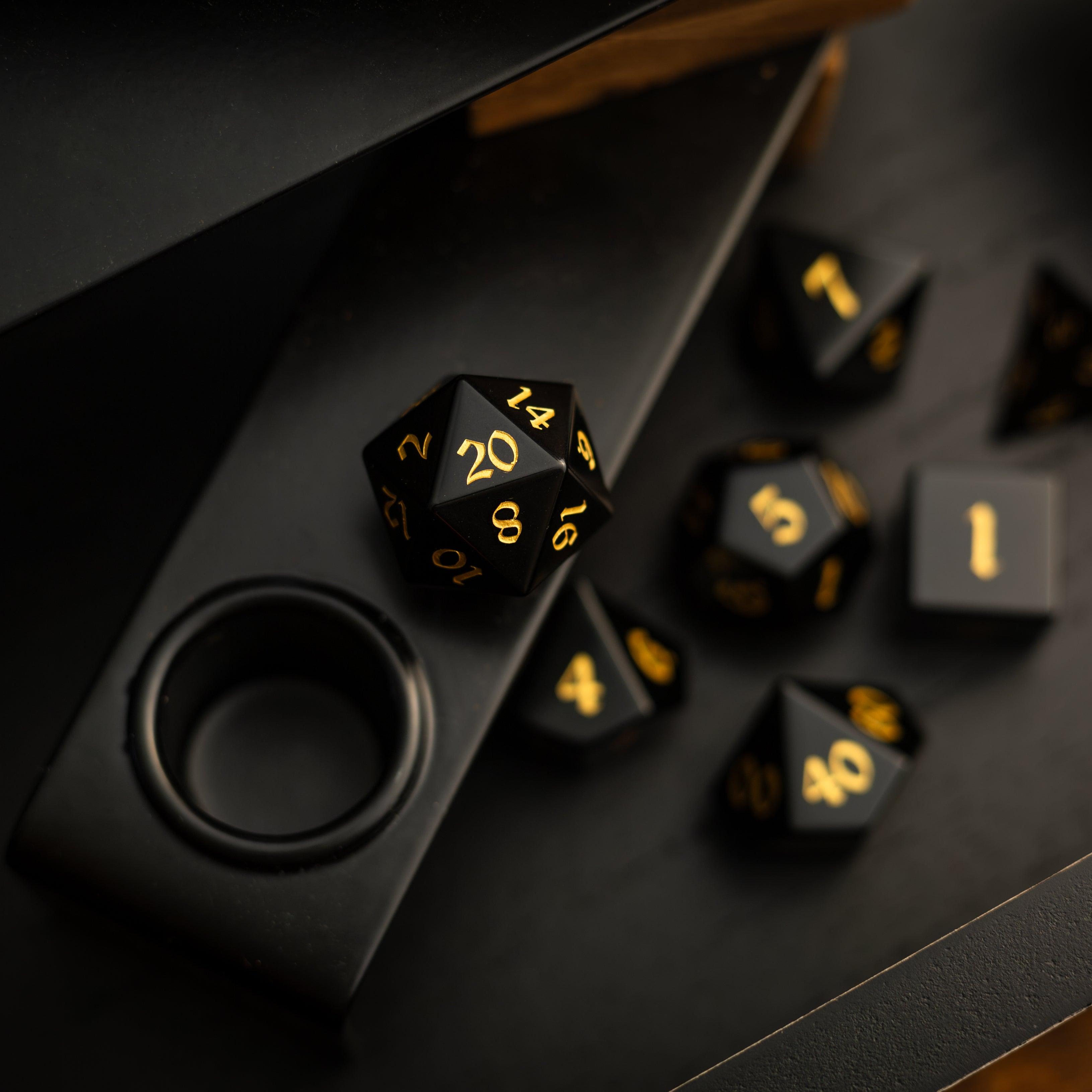
Dice can also support a campaign's visual theme without changing the rules. A darker adventure may pair naturally with gemstone dice, while a high-magic setting may suit liquid core dice. Players who prioritize everyday durability may prefer resin dice or metal dice.
Building Adventures Players Will Remember
No collection of D&D resources can replace creativity or listening to your players. Good tools simply make those parts of Dungeon Mastering easier to focus on.
Start with a small set of reliable Dungeon Master resources, build a preparation routine that fits your campaign, and remove anything that creates unnecessary work. Over time, your notes, maps, NPC records, encounter templates, and player feedback become a personalized toolkit that makes future sessions easier to prepare and more consistent to run.
The goal is not perfect preparation. It is having the right information available when you need it so your table can spend more time making choices, exploring the world, and building stories together.


Leave a comment
This site is protected by hCaptcha and the hCaptcha Privacy Policy and Terms of Service apply.