
DND Heroic Chronicles: Build Epic Campaign Stories Players Remember

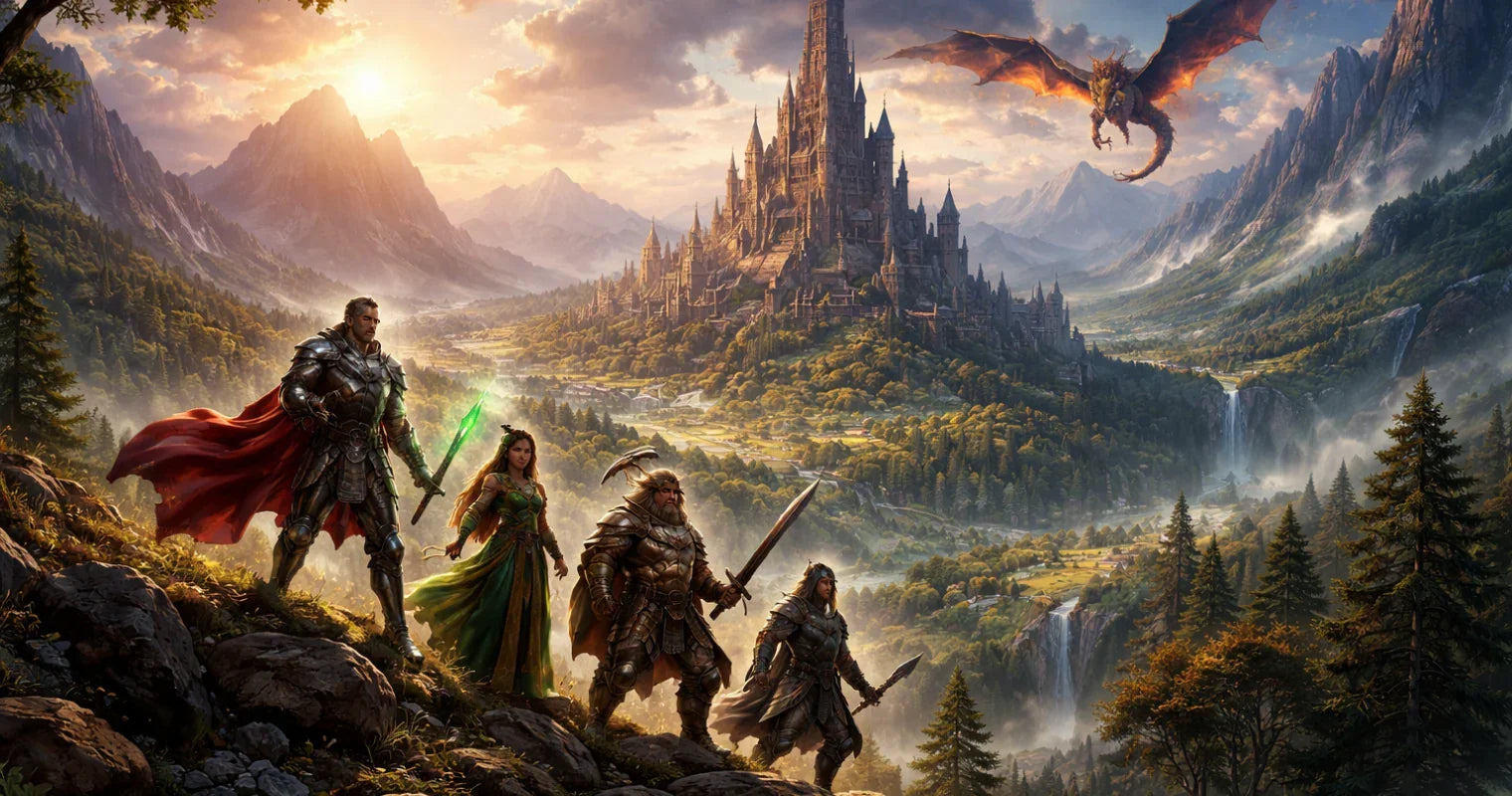
Long-form Dungeons & Dragons campaigns create the kinds of stories players talk about for years. They are the adventures where heroes rise from frightened travelers to legendary champions. They are the campaigns where rival kingdoms fall, ancient dragons awaken, and characters make impossible choices that shape the fate of entire worlds.
What makes these heroic fantasy campaigns unforgettable is not just combat or treasure. It is the emotional journey shared around the table. A campaign becomes legendary when players genuinely care about their characters, their allies, and the world they are trying to protect.
The best dungeons and dragons campaigns feel alive. Every victory matters. Every sacrifice leaves a mark. Every session builds toward something larger than a single dungeon crawl.
What Makes a D&D Campaign Feel Epic?
Many Dungeon Masters think epic D&D adventures require giant battles every session or endless lore documents. In reality, memorable tabletop RPG storytelling usually comes from emotional investment.
A heroic campaign feels meaningful because players believe their actions matter.
Here are some of the elements that make long form DND campaigns unforgettable:
Meaningful Character Growth
Characters should evolve over time. A cowardly thief might become a selfless hero. A reckless barbarian could grow into a respected war leader. Players remember emotional transformation far more than damage numbers.
Memorable Villains
The best villains feel personal. A necromancer who destroyed a player’s homeland creates stronger motivation than a random evil wizard hiding in a tower.
Great villains often:
-
Challenge the party emotionally
-
Force difficult moral choices
-
Have understandable motivations
-
Appear throughout the campaign
-
Change alongside the heroes
Dangerous Choices
Epic storytelling depends on consequences. Saving one kingdom might doom another. Destroying an artifact may also erase ancient magic forever.
Players become deeply invested when there is no perfect answer.
Legendary Locations
Fantasy campaign storytelling becomes more immersive when the world feels ancient and mysterious.
Think about locations like:
-
Floating cities above storm clouds
-
Frozen temples buried beneath glaciers
-
Forgotten dwarven kingdoms beneath mountains
-
Forests haunted by spirits older than civilization
-
Battlefields scarred by dragonfire centuries ago
These places create atmosphere before combat even begins.
Emotional Stakes Over Endless Combat
Some of the most memorable DND sessions happen without initiative rolls.
A dying king naming one of the players as heir. A former ally returning as an enemy. A party member sacrificing themselves to save a city. Those moments stay with players long after the campaign ends.
Building Heroic Character Arcs
Strong character arcs are the heart of heroic fantasy campaigns. When players feel emotionally connected to their heroes, every victory becomes more satisfying.
Here are a few character arc ideas that work especially well in long campaigns.
Redemption Stories
A former mercenary seeking forgiveness. A disgraced knight trying to restore their family honor. A warlock attempting to break free from a dark pact.
Redemption arcs create emotional tension and powerful roleplay opportunities.
Rivalries
Rival adventuring parties can become incredible recurring characters. Sometimes they help the heroes. Sometimes they sabotage them. Sometimes they become tragic enemies.
Friendly competition often creates stronger roleplay than simple hatred.
Leadership Struggles
As campaigns grow larger, characters naturally step into leadership positions. Suddenly the rogue who once stole bread in alleyways is commanding armies during a kingdom-wide war.
That kind of progression makes players feel like true heroes.
Sacrifice and Loyalty
Nothing strengthens party bonds like sacrifice.
Maybe the cleric gives up divine power to save a companion. Maybe the fighter stays behind to hold a collapsing bridge while the others escape.
These moments create the emotional core of memorable dungeons and dragons campaigns.
Designing Memorable Campaign Worlds
DND worldbuilding becomes more effective when the setting supports the characters instead of overshadowing them.
Players do not need fifty pages of history. They need a world that reacts to their actions.
Ancient Kingdoms and Lost Civilizations
Ruins tell stories without requiring long explanations. Crumbling statues, abandoned fortresses, and shattered temples all hint at forgotten history players naturally want to uncover.
Political Conflict
Kingdoms should feel complicated. Alliances shift. Nobles betray each other. Religious factions compete for influence.
Political intrigue gives players reasons to care about the larger world.
Mythical Creatures
Dragons, giants, liches, and ancient spirits should feel rare and important.
When an ancient dragon finally appears after months of foreshadowing, the encounter feels legendary.
Dangerous Frontiers
Exploration is a huge part of fantasy campaign storytelling. Untamed wilderness creates tension and discovery.
A dangerous frontier might include:
-
Monster-infested ruins
-
Cursed forests
-
Unstable magical zones
-
Isolated villages
-
Ancient battlefields
These environments make exploration feel rewarding.
Heroic Campaign Ideas Table
| Campaign Theme | Story Focus | Player Experience |
|---|---|---|
| Fallen Kingdom | Reclaiming lost lands | Heroic leadership |
| Dragon War | Ancient creatures awaken | Epic battles |
| Cursed Empire | Dark corruption spreads | Moral choices |
| Relic Hunt | Search for legendary artifacts | Exploration and discovery |
| Shadow Invasion | Defending civilization | Large-scale heroism |
These DND campaign ideas work especially well for groups that enjoy emotional storytelling and long-term progression.
Creating Memorable Party Dynamics
Party relationships often matter more than the main plot.
A campaign becomes unforgettable when players genuinely care about one another’s characters.
Shared Goals
The strongest parties usually unite around a common purpose. Maybe they want to stop an apocalypse. Maybe they are trying to rebuild a destroyed homeland.
Shared goals create cohesion while still allowing personal stories to grow.
Conflicting Personalities
Conflict between party members can create amazing roleplay when handled respectfully.
A noble paladin traveling beside a ruthless assassin creates tension that can lead to fantastic storytelling.
Trust and Betrayal
Trust takes time to build. Betrayal can completely change a campaign.
When players develop meaningful relationships, emotional moments feel earned rather than scripted.
Emotional Roleplay Moments
Small scenes often become the most memorable.
Characters sharing stories around a campfire. A wizard quietly mourning a fallen mentor. A barbarian struggling to comfort a grieving ally.
These scenes make the world feel human.
Using Dice and Table Atmosphere to Enhance Epic Adventures
Atmosphere plays a huge role in immersion.
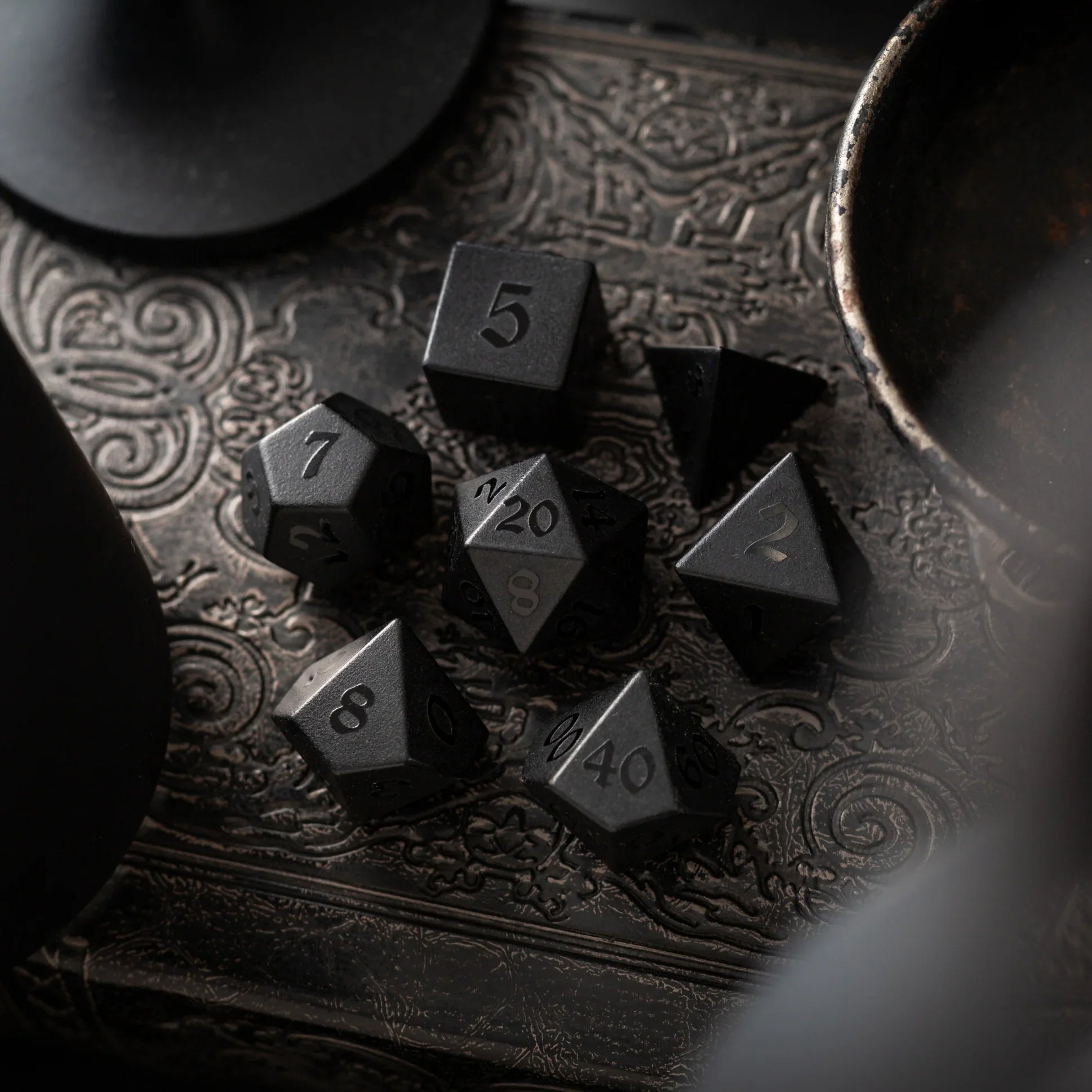
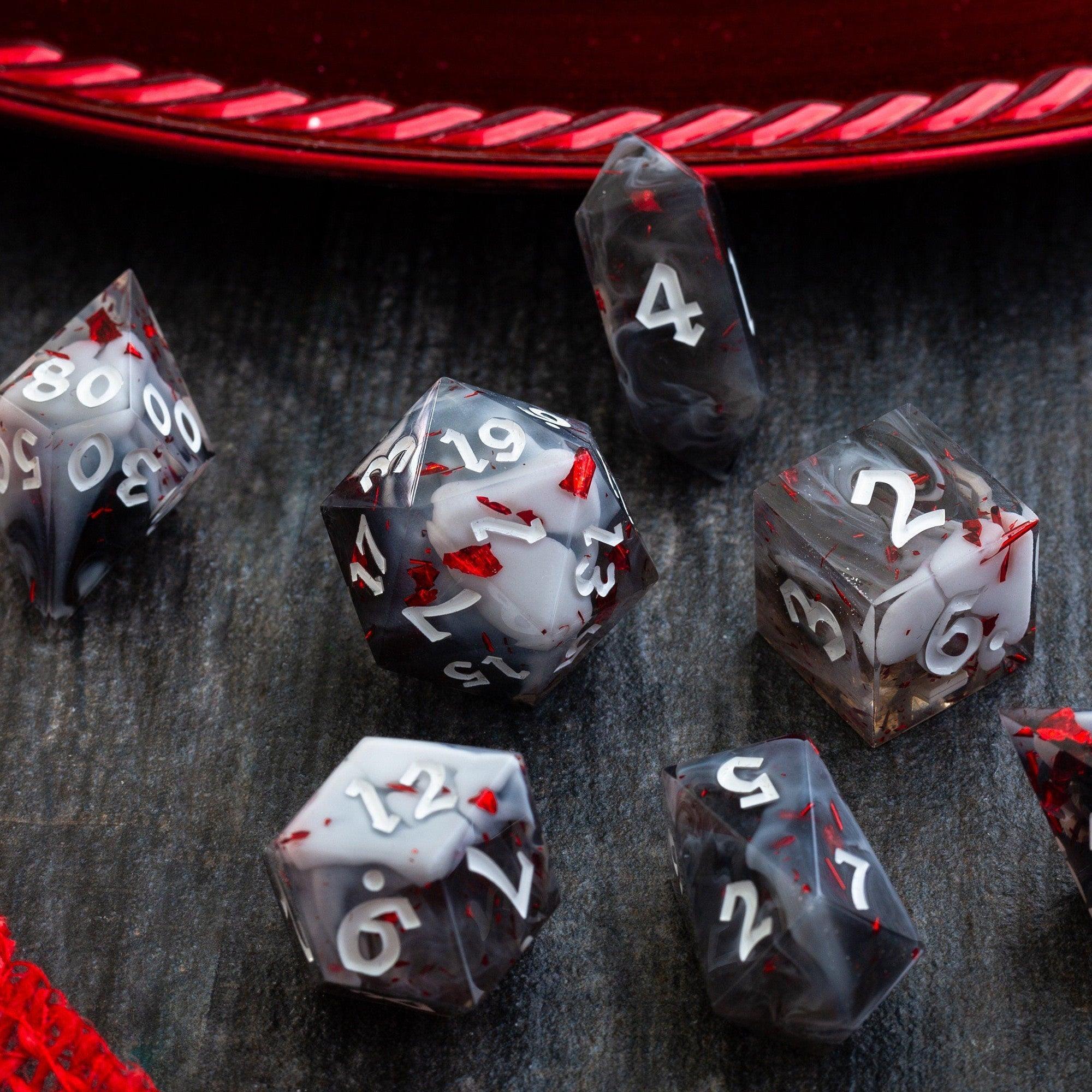
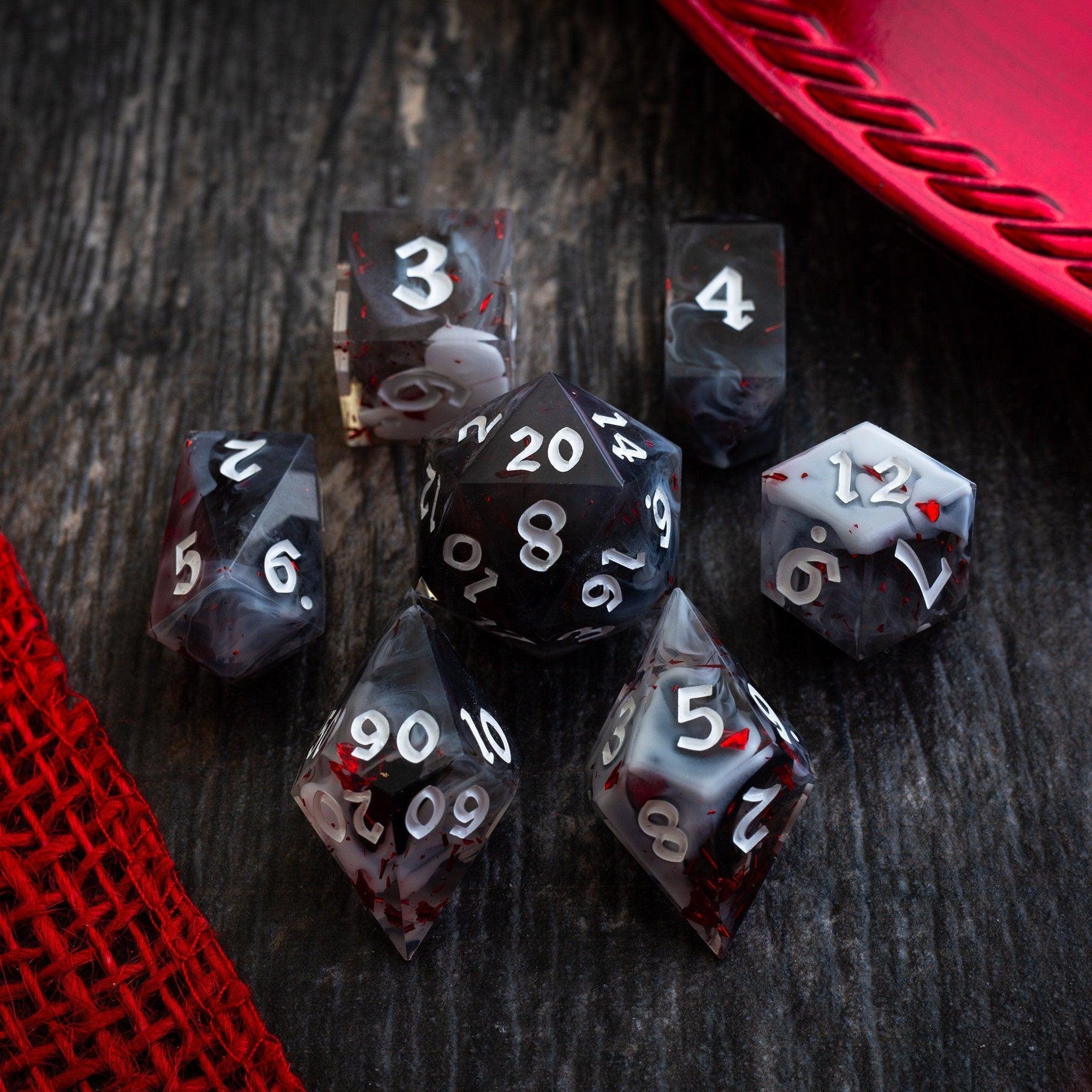
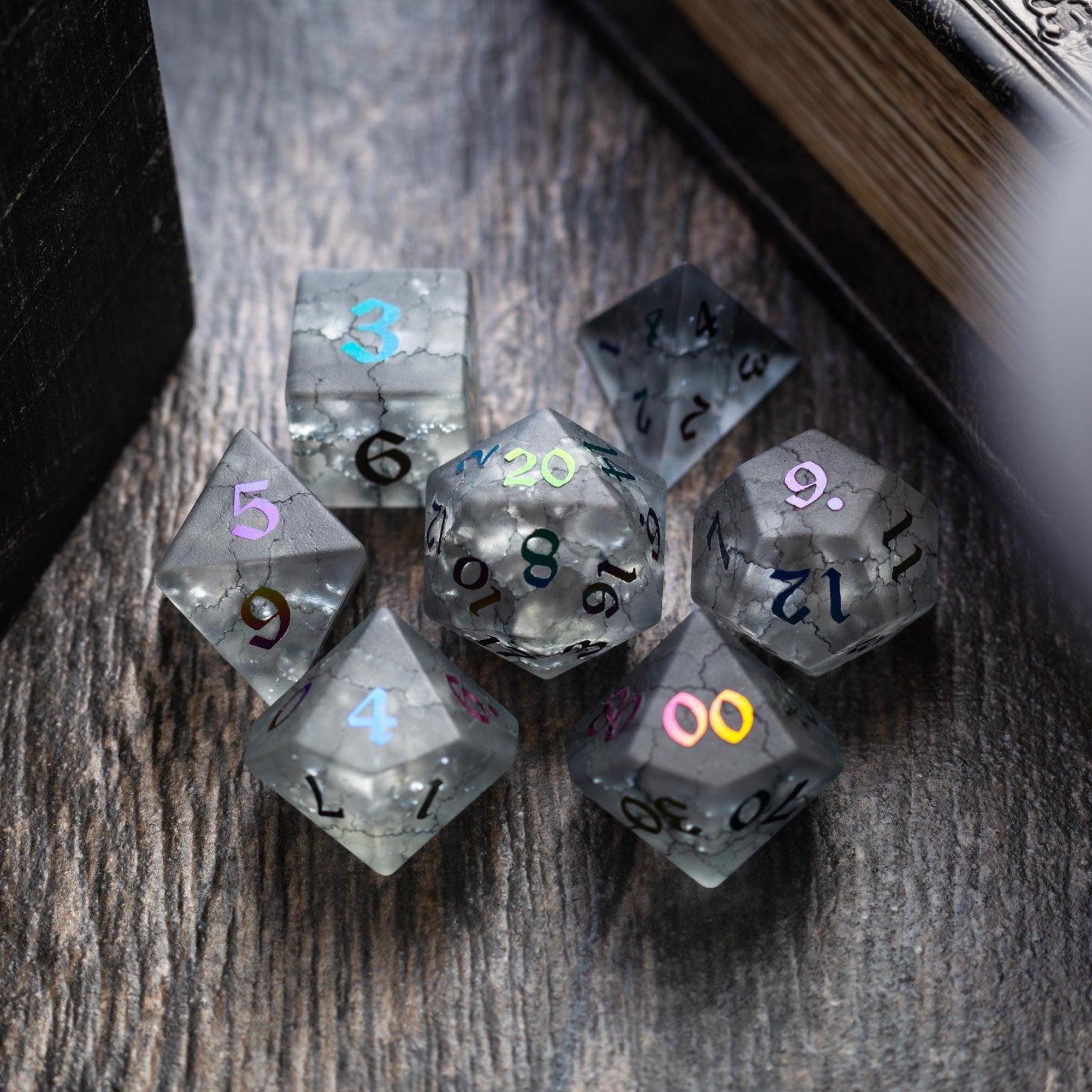
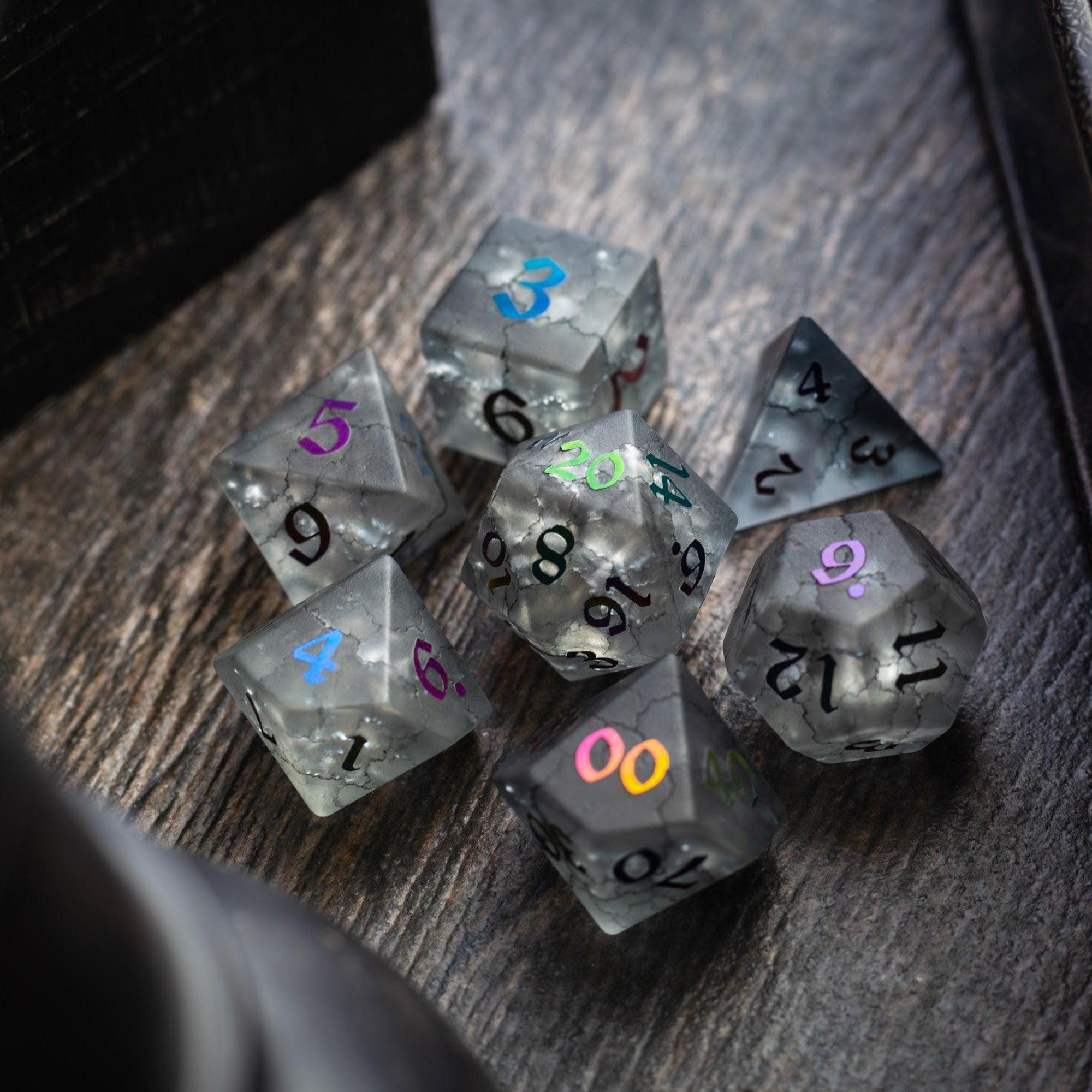
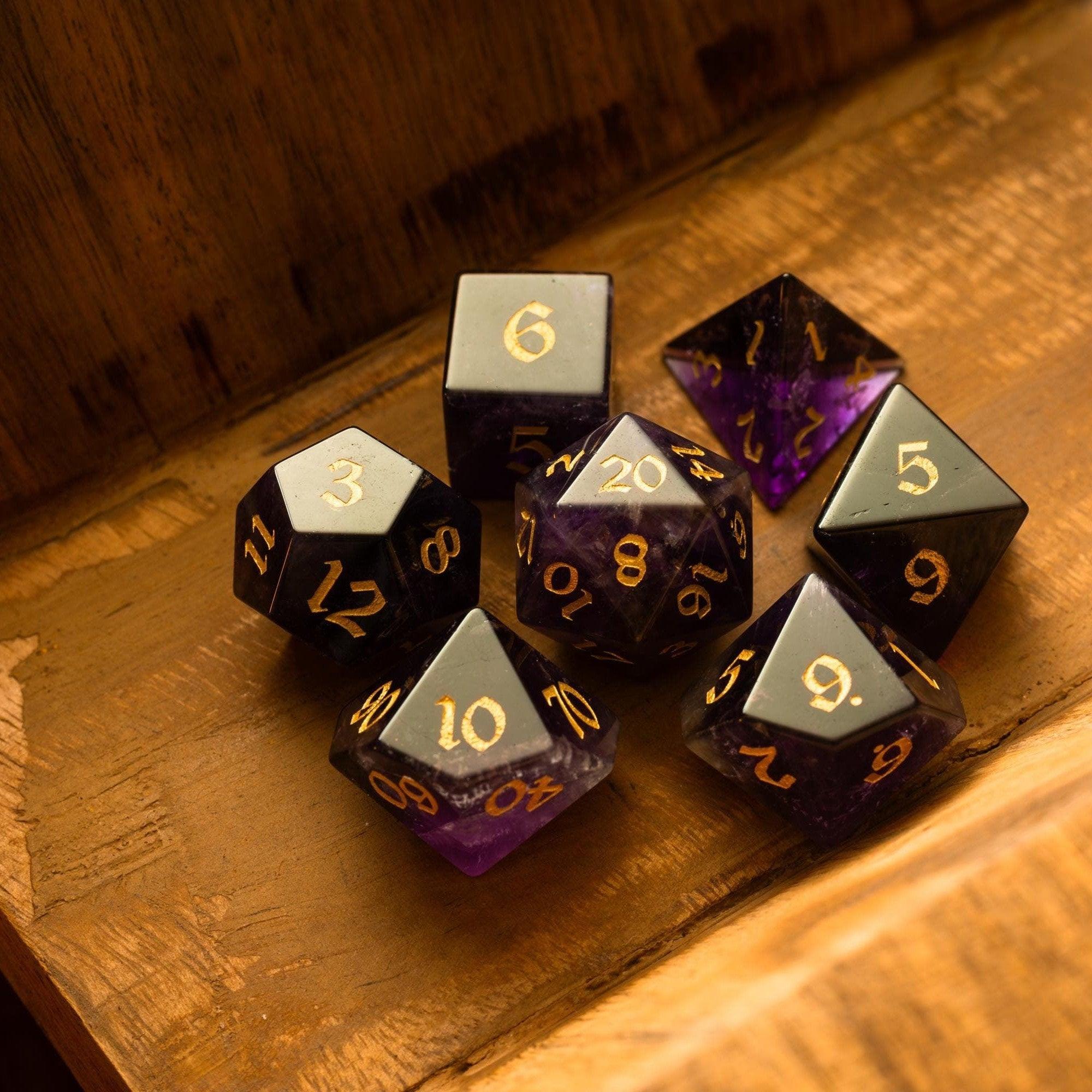
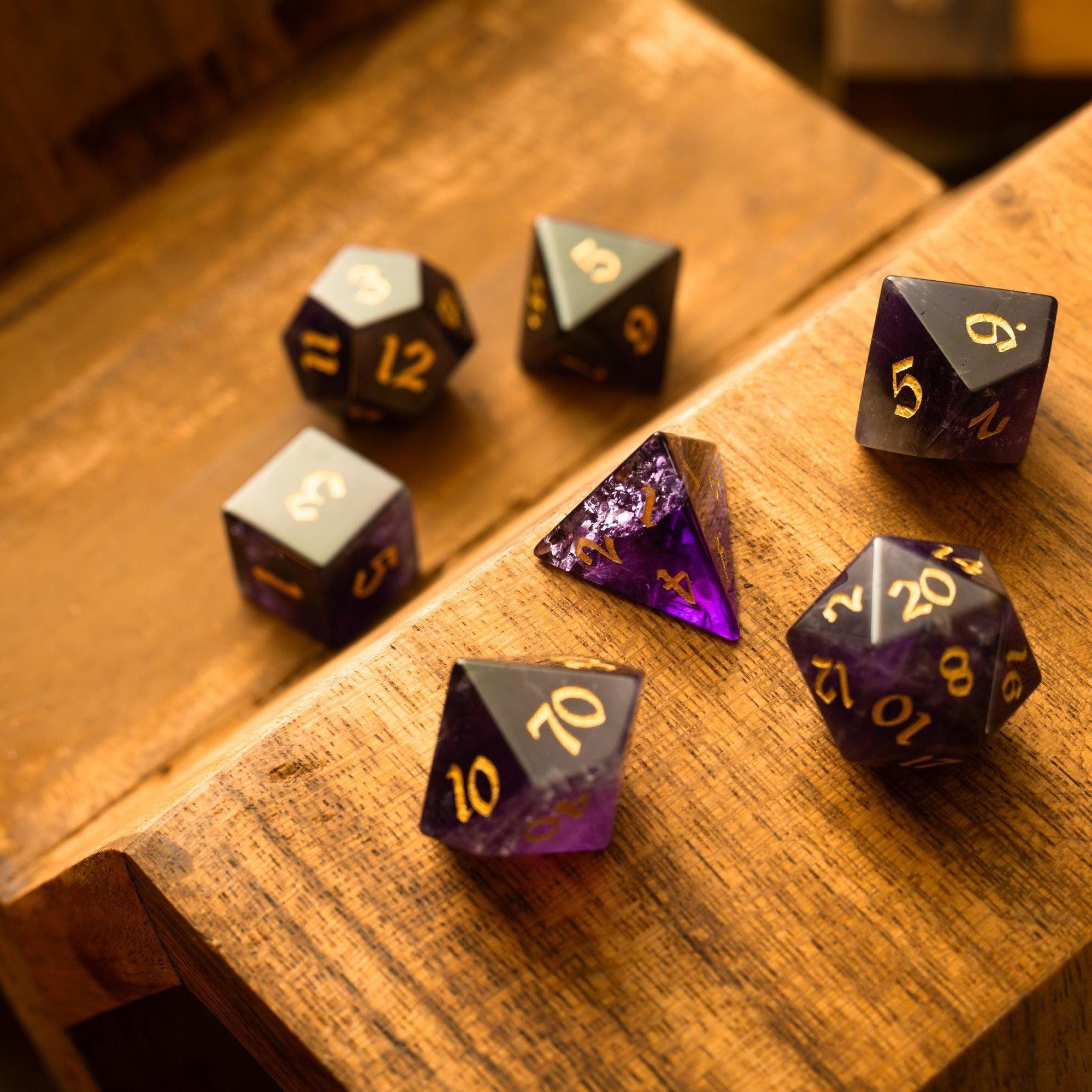
Themed dice and fantasy accessories may seem small at first, but they help players connect with their characters and the campaign world.
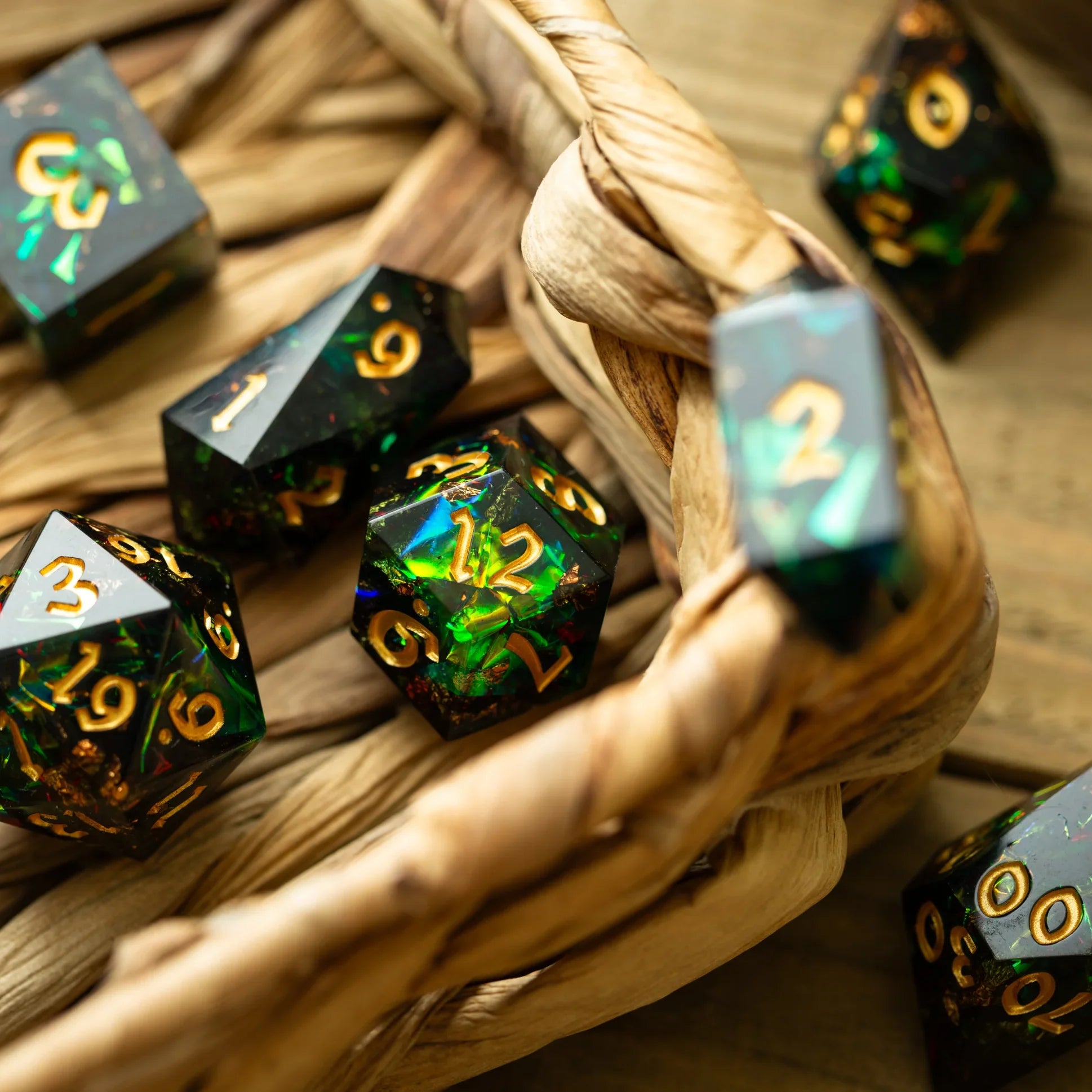
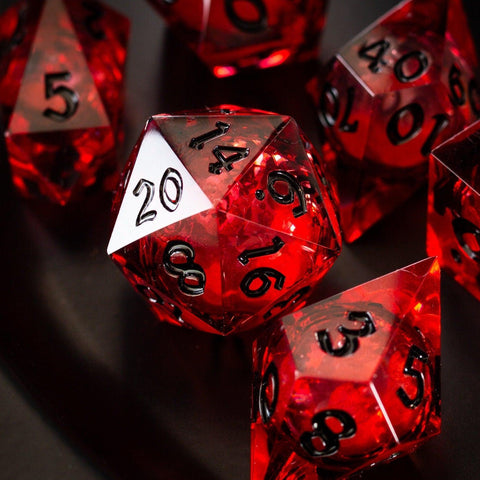
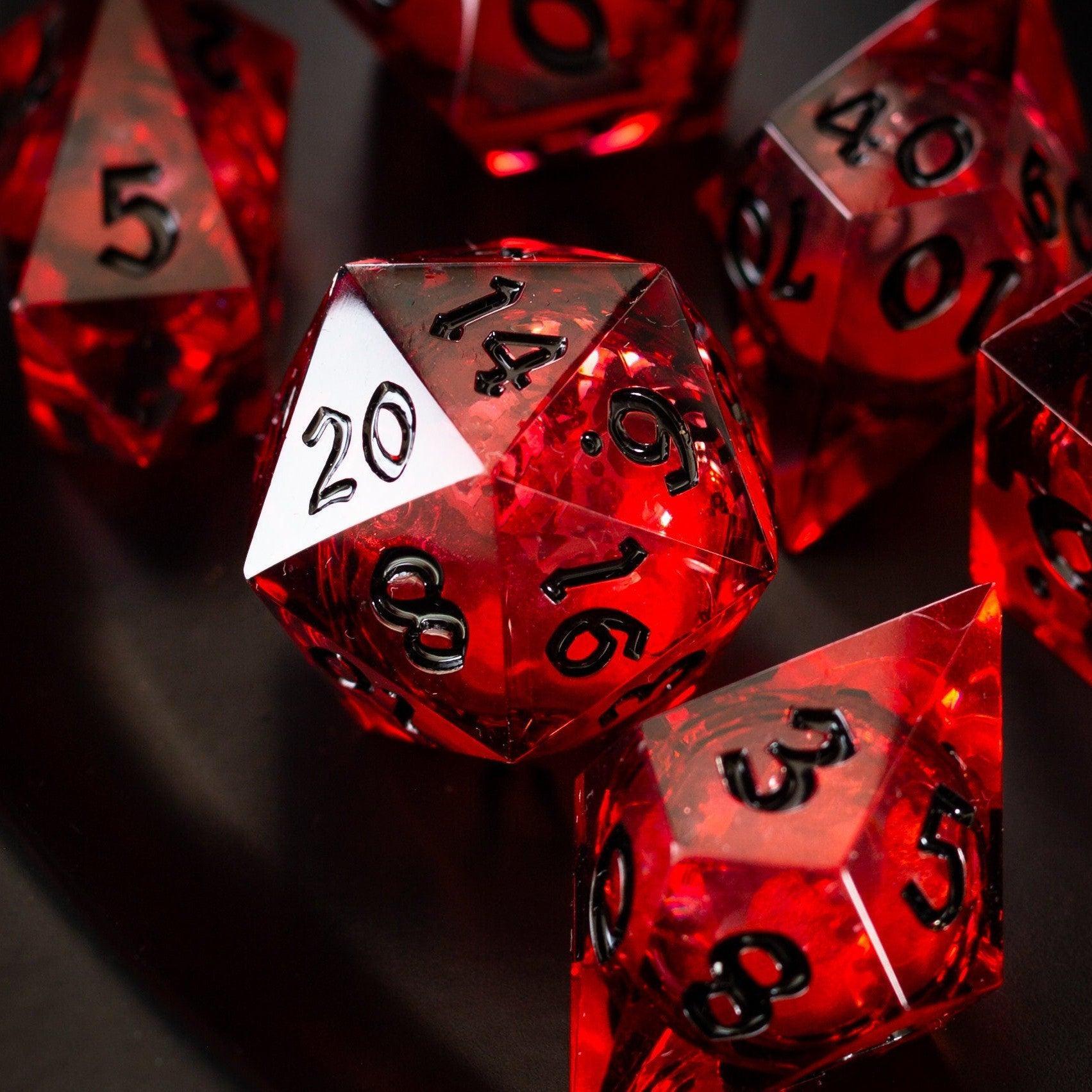
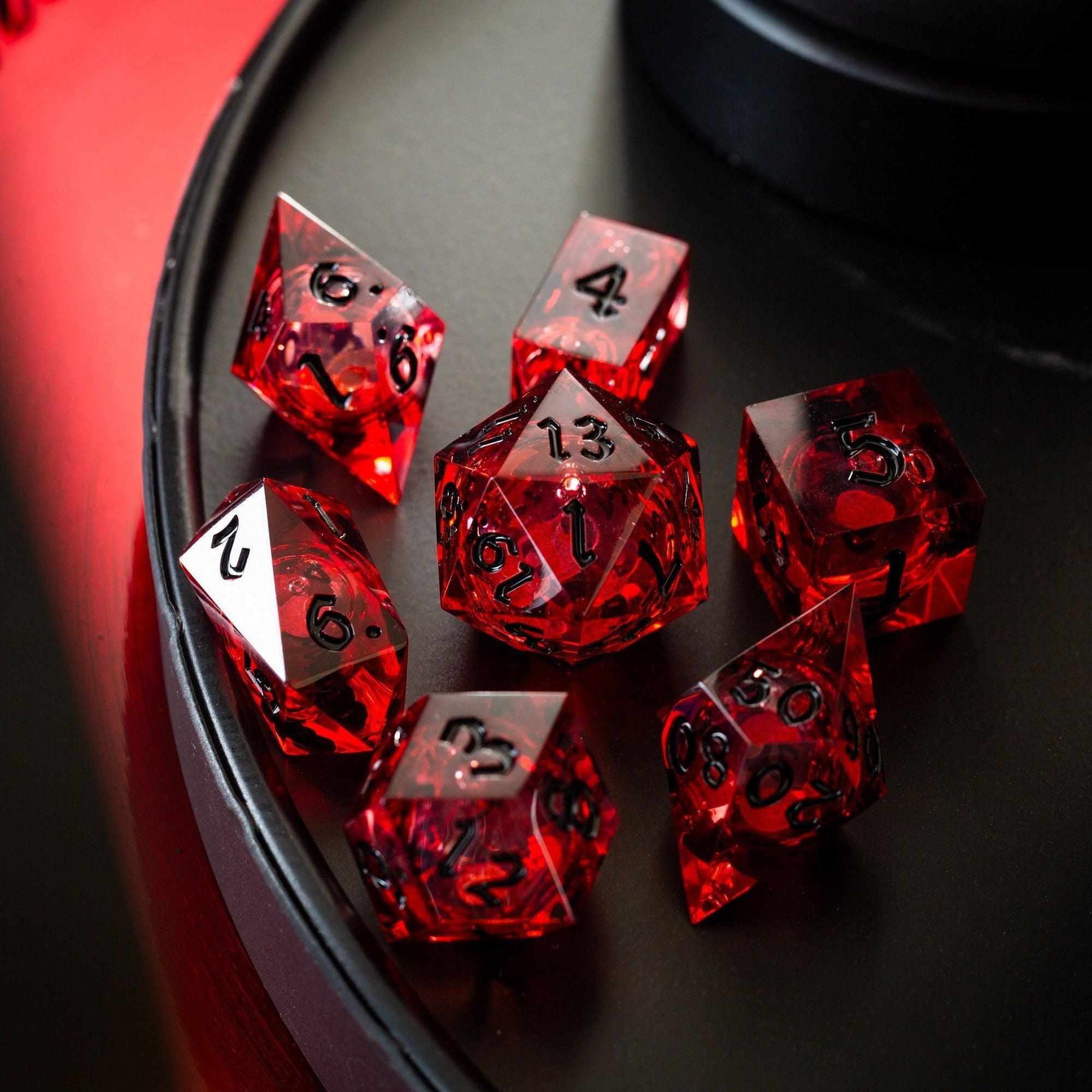
A paladin rolling metallic gold dice during a final battle against a demon lord simply feels different. Deep blue galaxy dice can perfectly match a wizard obsessed with cosmic magic. Crimson resin dice fit dramatic war stories filled with blood-soaked battlefields and desperate last stands.
Some players even build their entire character aesthetic around their dice.
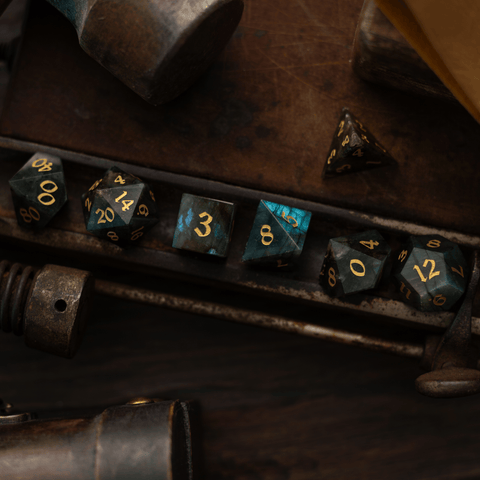
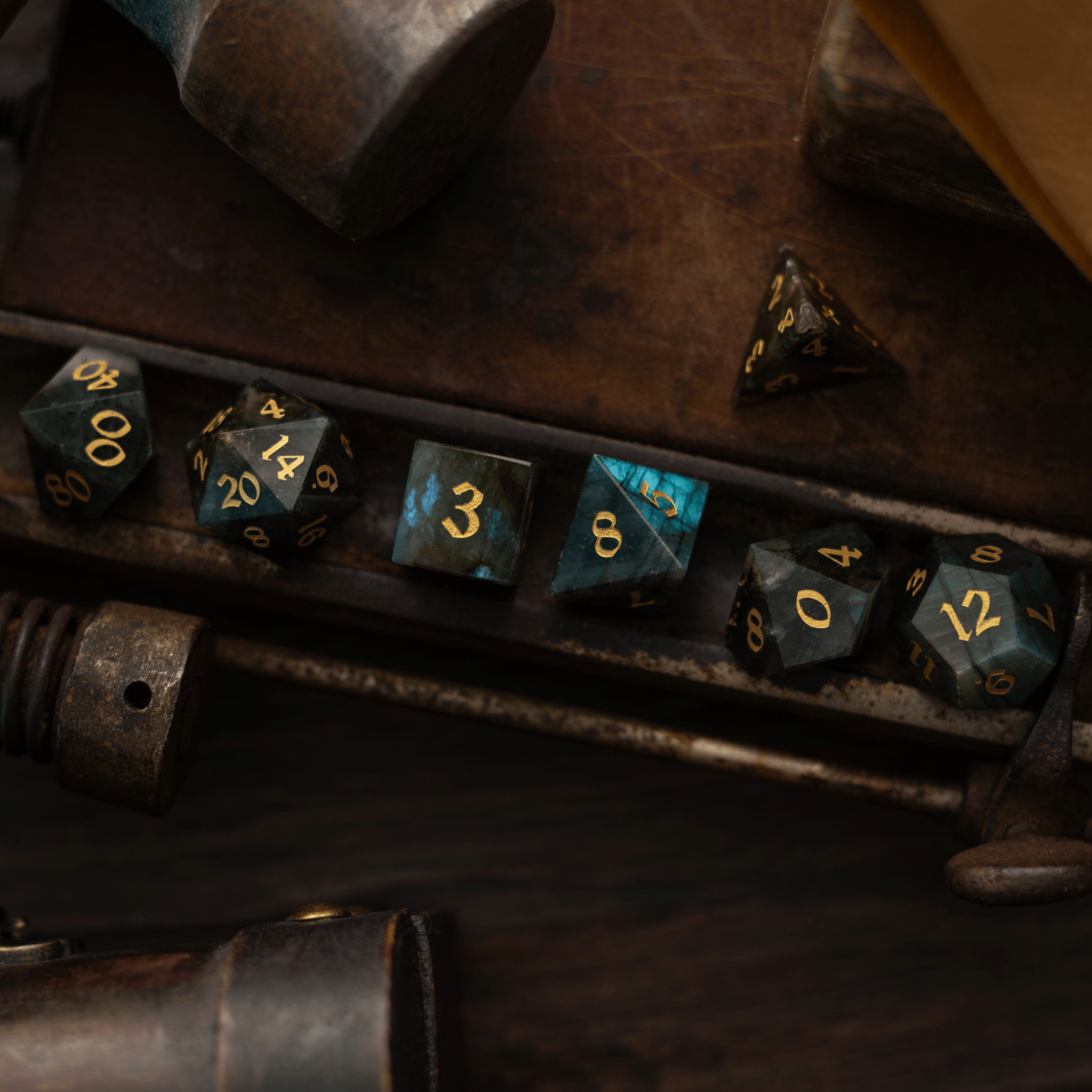
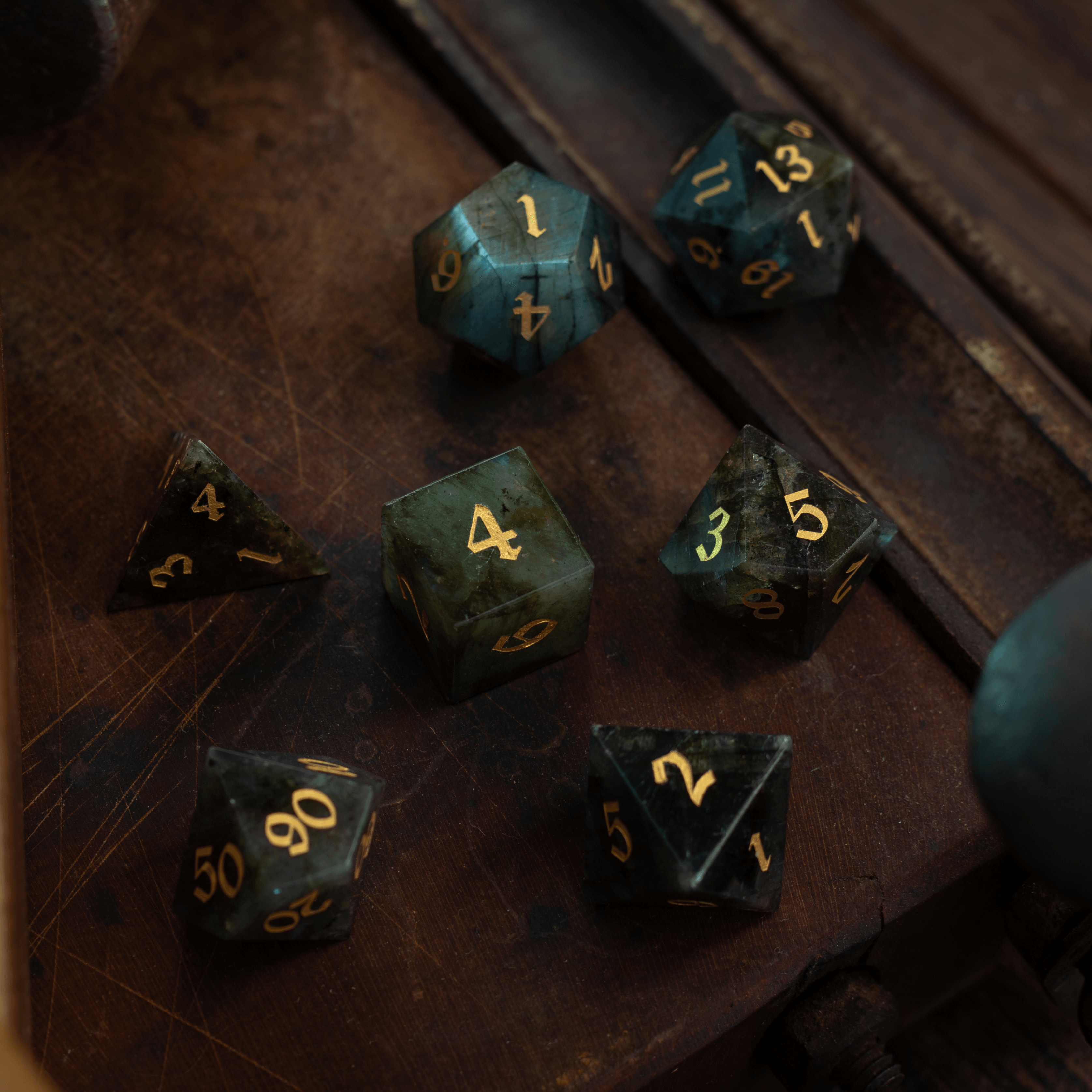
Gemstone-inspired dice often feel perfect for legendary heroes or ancient bloodlines, while rune-themed sets add atmosphere to campaigns focused on forgotten magic and ancient civilizations.
These details strengthen:
-
Character identity
-
Table immersion
-
Emotional investment
-
Visual storytelling
-
Dramatic moments during important rolls
In long form DND campaigns, small visual details help make the world feel tangible.
Common Mistakes in Long Campaign Storytelling
Even experienced Dungeon Masters sometimes struggle with pacing and narrative focus.
Here are a few common problems that can weaken heroic fantasy campaigns.
Overcomplicated Lore
Players rarely remember massive history lectures. Focus on details that directly affect the party.
Ignoring Player Agency
The story should react to player decisions. Railroading weakens emotional investment.
Weak Villains
Generic evil villains are forgettable. Give enemies clear motivations and personal connections to the heroes.
Poor Pacing
Constant combat becomes exhausting. Endless roleplay without momentum can also drag.
Great campaigns balance action, exploration, mystery, and emotional scenes.
Forgetting Character Motivations
Character goals should shape the campaign whenever possible. Personal stakes create stronger storytelling than random quests.
Conclusion
The greatest dungeons and dragons campaigns are not remembered because every rule was perfect or every battle was balanced flawlessly.
They are remembered because players felt something.
They remember the final stand against impossible odds. The rival who became a trusted ally. The kingdom they saved after years of adventure. The quiet campfire conversations between battles. The legendary dice rolls that changed the story forever.
That is the magic of heroic fantasy campaigns.
Around a table filled with maps, battle scars, glowing lanterns, and well-worn dice, players create stories that feel larger than life. Long after the campaign ends, those shared adventures continue to live on in memories, inside jokes, and tales retold between friends.
The next unforgettable epic starts with a single session, a handful of heroes, and a world waiting to be changed.







Leave a comment
This site is protected by hCaptcha and the hCaptcha Privacy Policy and Terms of Service apply.