

Unearthed Arcana Playtest Fresh Options for 5e Tables
Updated on: March 5, 2026
Exploring the experimental rules and content from Dungeons and Dragons playtests can transform your gaming experience. This guide walks you through understanding what these experimental mechanics offer, how to implement them at your table, and why they matter for your campaigns. Whether you're a seasoned Dungeon Master or a curious player, learning about these playtested options helps you create more dynamic and engaging adventures. We'll cover practical steps, answer common questions, and show you how to integrate these exciting new rules into your regular sessions.
- What is the Experimental Rules System?
- How to Use Experimental Rules at Your Table
- Implementing New Mechanics Effectively
- Common Questions Answered
- Resources and Next Steps
What is the Experimental Rules System?

The experimental rules system in Dungeons and Dragons represents one of the most exciting aspects of tabletop role-playing game development. These are optional mechanics and content pieces that the game designers release to the community before final publication. When Wizards of the Coast releases these experimental options, they're inviting players and Dungeon Masters to test them out, provide feedback, and help shape the official rules that eventually make their way into published books.
Think of it like a collaborative partnership between the creators and the gaming community. The developers create new class features, spells, subclasses, or mechanical adjustments, and then real people like you try them out in actual games. Your feedback—what works well, what feels unbalanced, what's confusing—directly influences the final version that gets published. This process ensures that the game continues to evolve in ways that feel fun and fair to everyone playing.
One major benefit is that you get early access to content before it's officially released. If you're someone who loves being on the cutting edge of new material, experimental playtests offer exactly that opportunity. You'll discover new character options, abilities, and rules before your friends at other tables even know they exist.

How to Use Experimental Rules at Your Table
Step 1: Find and Review the Official Materials
Start by visiting the official Dungeons and Dragons website or checking your digital subscription service for the latest experimental content. Read through the material carefully, noting any new mechanics, class features, or adjustments to existing rules. Take your time understanding how these pieces work before introducing them to your group. You might want to highlight key changes or make notes about how they differ from the standard rules your table normally uses.
Step 2: Discuss with Your Gaming Group
Before implementing anything new, have an open conversation with your players. Explain that you want to test out some experimental material and ask if everyone's comfortable trying it out. Some players love the idea of cutting-edge content, while others prefer sticking with established rules. Getting buy-in from your group ensures everyone feels heard and excited about the experiment.
Step 3: Start with a Single Element
Don't overload your table by introducing five new subclasses and a dozen spell changes all at once. Instead, pick one or two experimental pieces to test in your current campaign or a new session. Maybe introduce a new subclass option for your next character, or test a revised spell mechanic in your next encounter. This approach helps you and your players isolate what's working and what might need adjustment.
Step 4: Play Multiple Sessions with the New Rules
Give the experimental content time to breathe. Play at least three to five sessions using the new mechanics before forming final opinions. Sometimes mechanics feel strange at first but become intuitive once you've used them a few times. Other times, you'll quickly discover genuine balance issues or confusing interactions. Multiple sessions give you real data about how things actually function at your table.
Step 5: Document Your Experience
Keep notes during play about what happened with the experimental rules. Did the new subclass feel powerful or weak compared to existing options? Did players enjoy using the revised spell mechanics? Were there moments of confusion about how the rules worked? Specific examples and observations are much more helpful than vague impressions when you're evaluating whether something works well.
Step 6: Gather Feedback and Provide Reports
Ask your players what they thought about the experimental content. Make sure everyone understands that their honest feedback—positive and negative—is genuinely useful. The official feedback channels exist specifically so that real players can share their experiences. If you found something that felt unbalanced or confusing, that information helps the designers refine the rules before publication.

Implementing New Mechanics Effectively
Successfully integrating experimental rules goes beyond just reading them aloud at the table. You'll want to make sure everyone understands how they work and feels prepared to use them. Create quick reference cards for your players if the new mechanics are complex. Sometimes a simple one-page handout can prevent confusion and speed up gameplay significantly.
When you're testing new mechanics, embrace a collaborative mindset at your table. If something feels confusing during play, pause and discuss it together. You might say something like, "This rule isn't clear to me either. Let's talk about what makes sense here." This approach normalizes the idea that you're all exploring these rules together, rather than you being the authority figure who must know everything immediately.

Consider creating a house rule or clarification document that explains how you're interpreting the experimental content. Share this with your players before the session so everyone's on the same page. This prevents arguments mid-game and makes it easier to remember how you decided to handle specific situations.
Be prepared to make judgment calls in the moment. Sometimes experimental rules interact with existing mechanics in ways that aren't clearly defined. As the Dungeon Master, you might need to make a quick decision during play and then investigate the rules more carefully between sessions. Write down these judgment calls and revisit them after the session to ensure consistency.
Common Questions Answered
Are Experimental Rules Official for Organized Play?
Most official organized play programs don't allow experimental or playtest content in sanctioned events. However, this varies depending on the program and the specific content being tested. Always check your organized play program's rules before bringing experimental material to a public event or game store session. For your home games with friends, you have complete freedom to use whatever content you want.
What Happens if I Love Experimental Content That Doesn't Get Published?
Sometimes playtest content gets modified significantly or doesn't make it into the final published product at all. If you've fallen in love with a piece of experimental material, you have a few options. You can continue using it as a house rule at your table permanently. You can provide strong feedback to the developers explaining why you think it should be published. Or you can adapt the core concept to work with the official rules that eventually get released. Remember, the playtest process means some things will change, and that's actually a good thing for the health of the game overall.
How Do I Submit Feedback About Experimental Content?
Official playtest feedback surveys are typically provided alongside the experimental content materials. These surveys are specifically designed to capture player experiences and opinions. Fill them out honestly and thoroughly. The more specific your feedback—with concrete examples from your sessions—the more useful it is to the developers. Your feedback truly matters in shaping the published content that eventually reaches all players.
Can I Mix Experimental Content with Official Published Rules?
Absolutely. At your home table, you're free to use experimental material alongside any officially published content. You might create a character using a published subclass with an experimental spell, or combine a new experimental mechanic with established rules. The only limitation is organized play, where you need to follow the specific guidelines of that program.
What's the Difference Between Playtest Content and Published Content?
Playtest content is experimental and subject to change. Published content in official books is final and fully supported by the game company. Once something is officially published, you can rely on it remaining stable and being allowed in organized play. Playtest content, by contrast, might be adjusted or completely replaced before publication. This is why providing feedback during the playtest phase is so important—your voice helps shape what becomes official.
Resources and Next Steps
Now that you understand how experimental content works, you're ready to explore it at your own table. Start by checking the official sources for current playtest materials. Reading through the content carefully and discussing it with your group will help you decide what to test first. Remember that your role as a tester isn't to judge whether something is "good" or "bad"—it's to honestly report how it functions in real play situations.
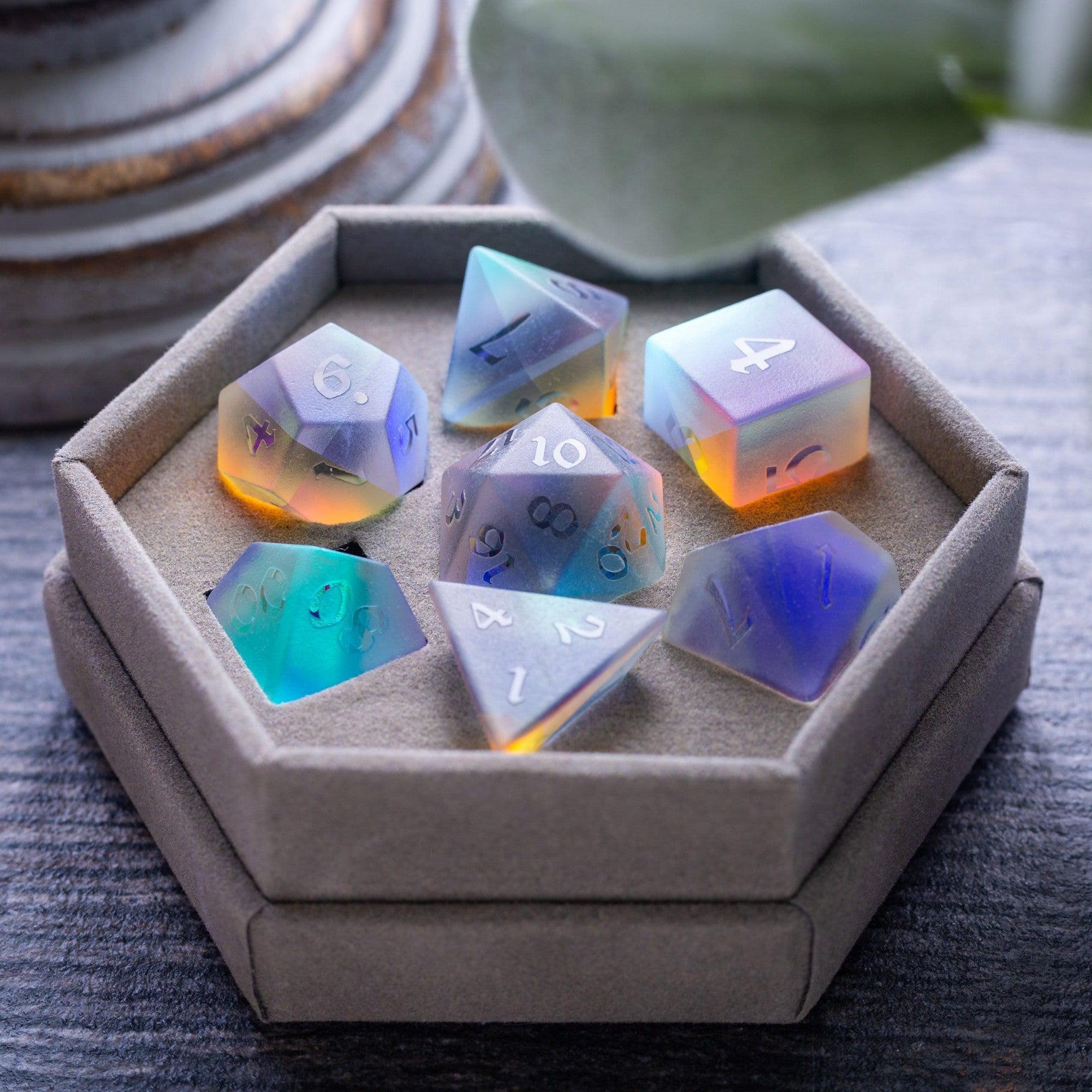
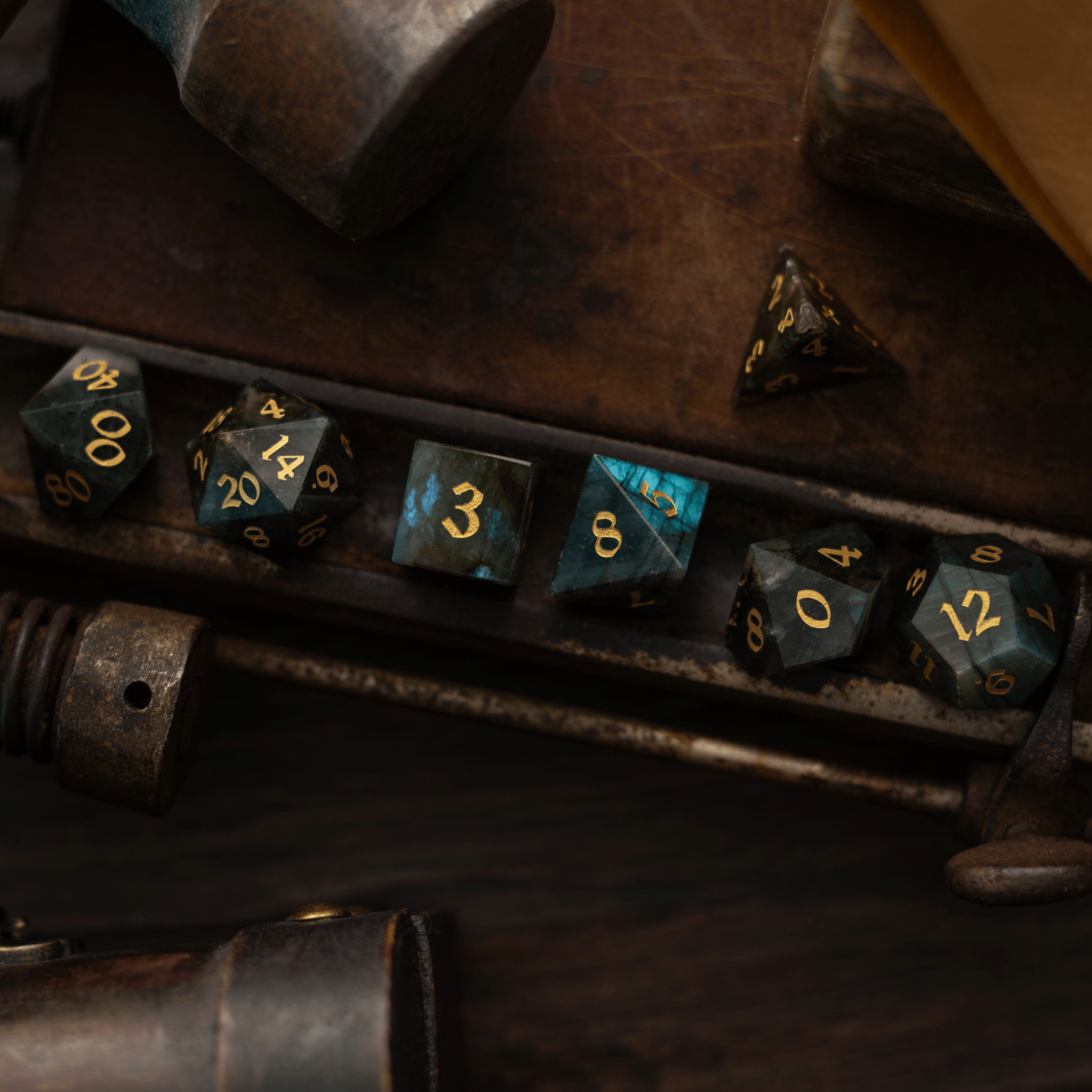
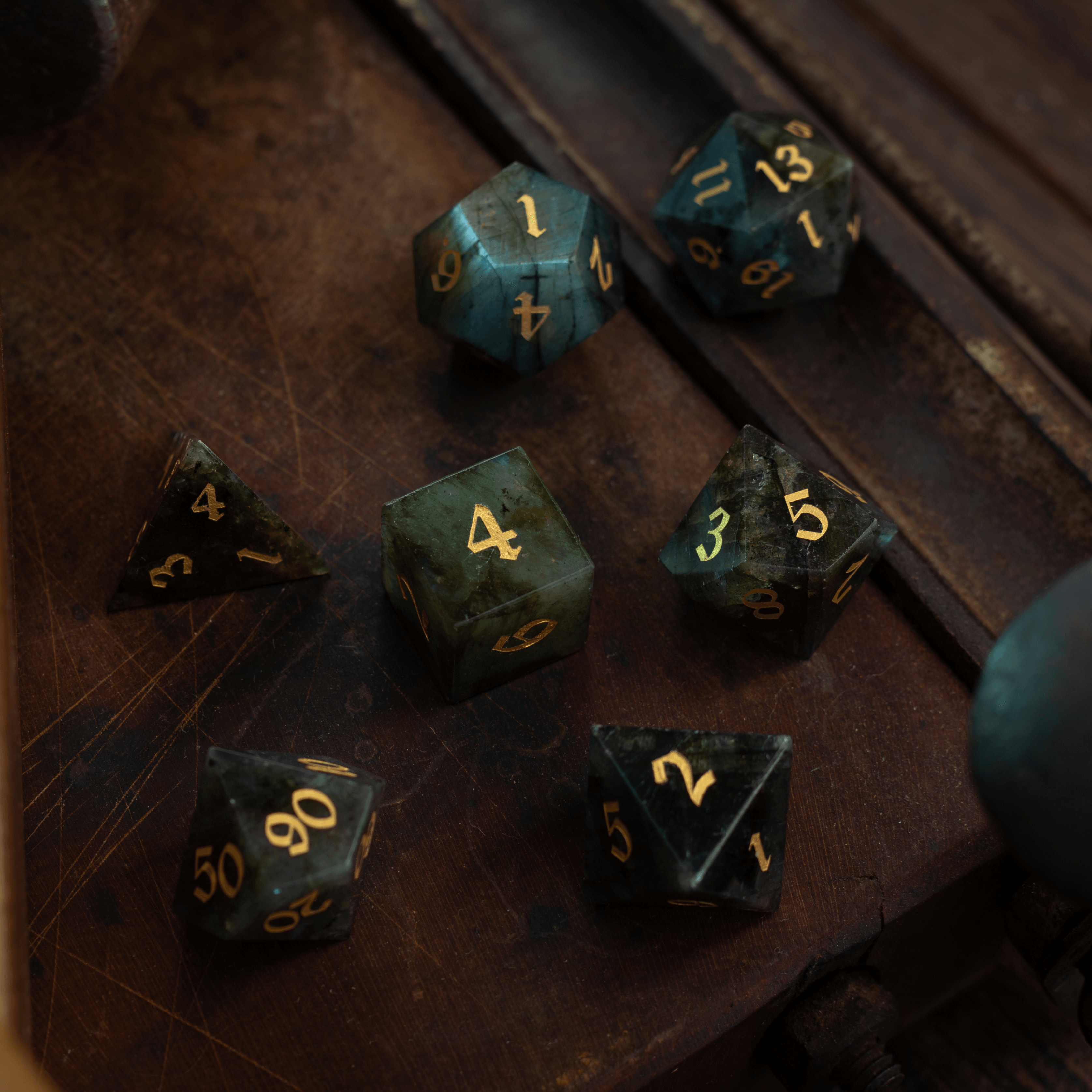
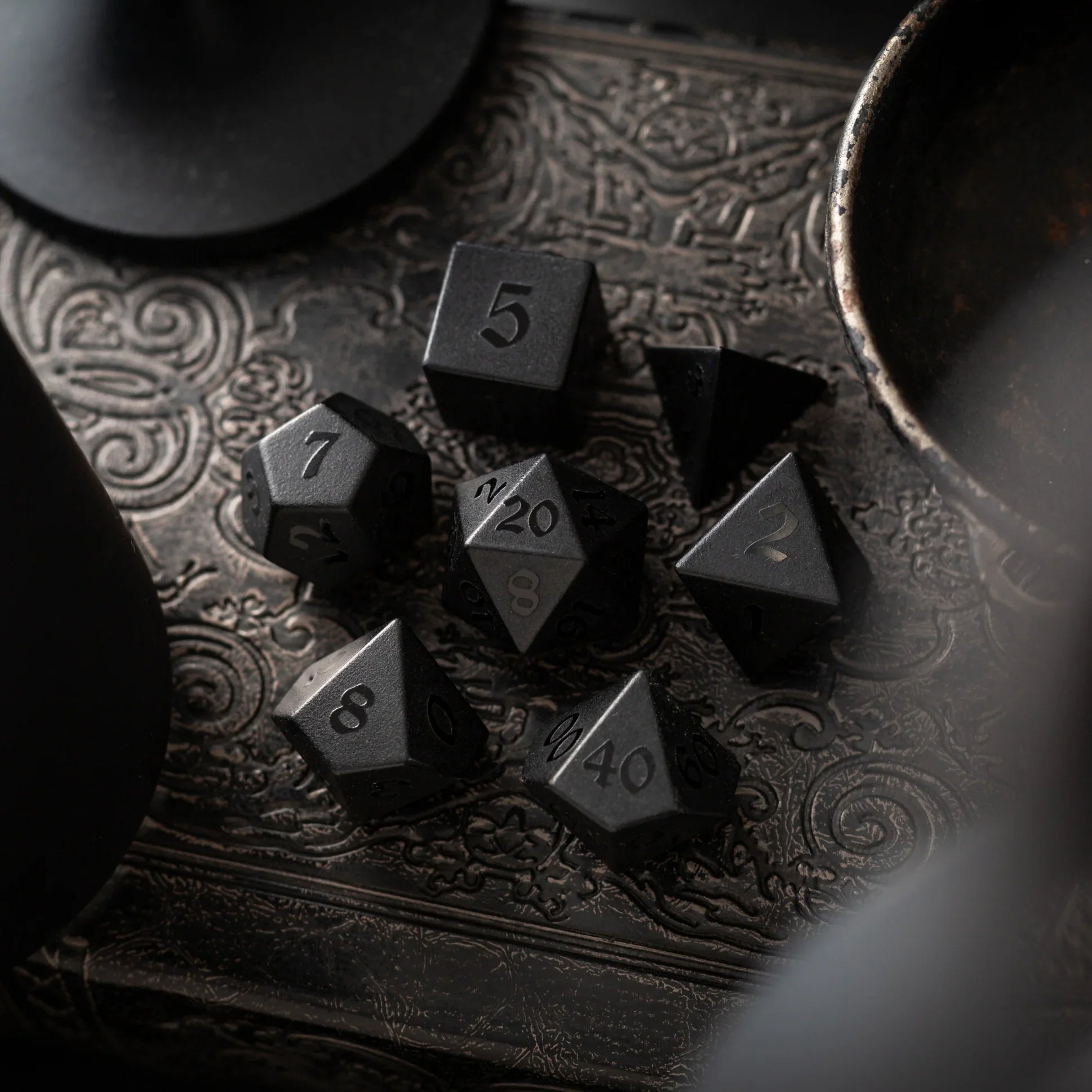
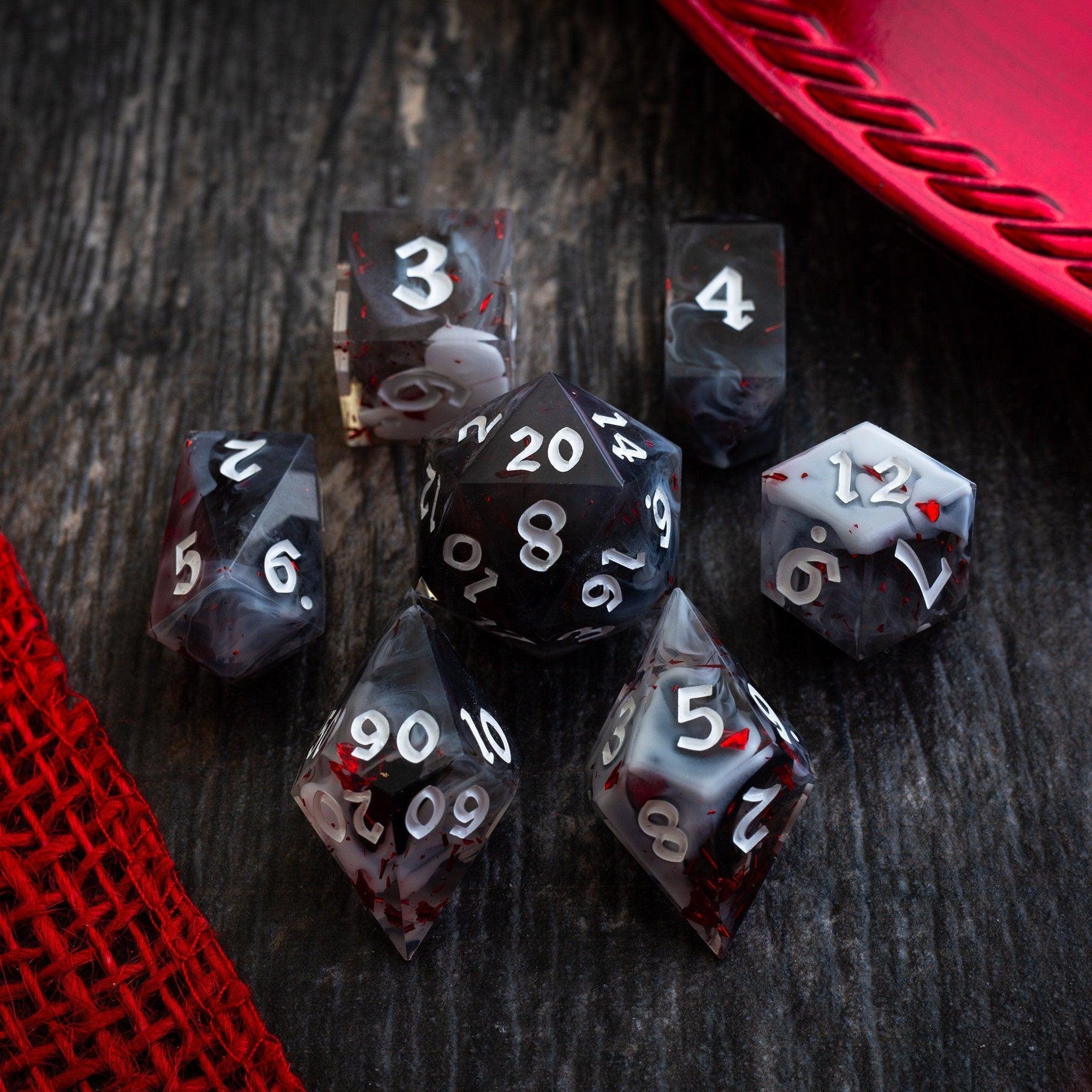
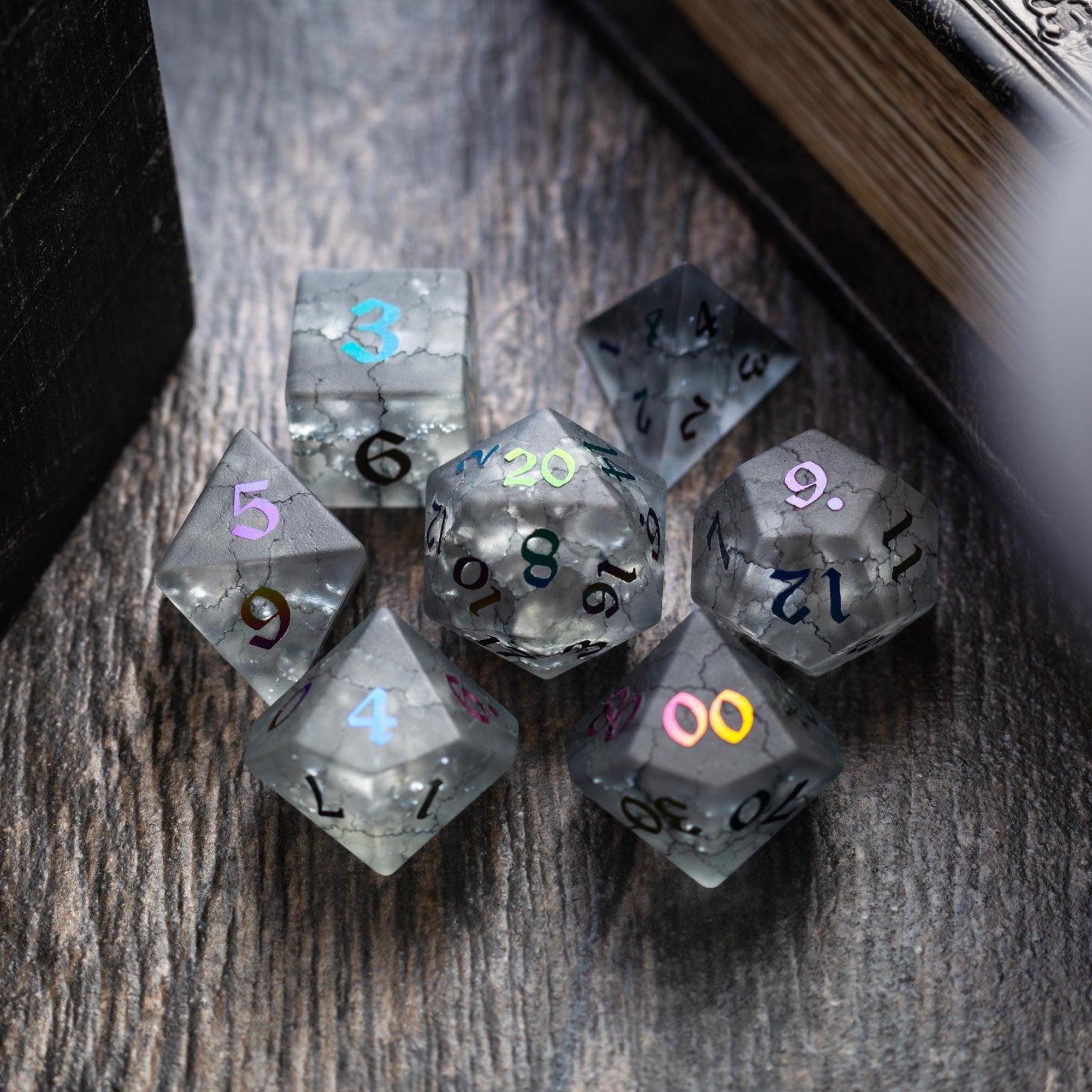
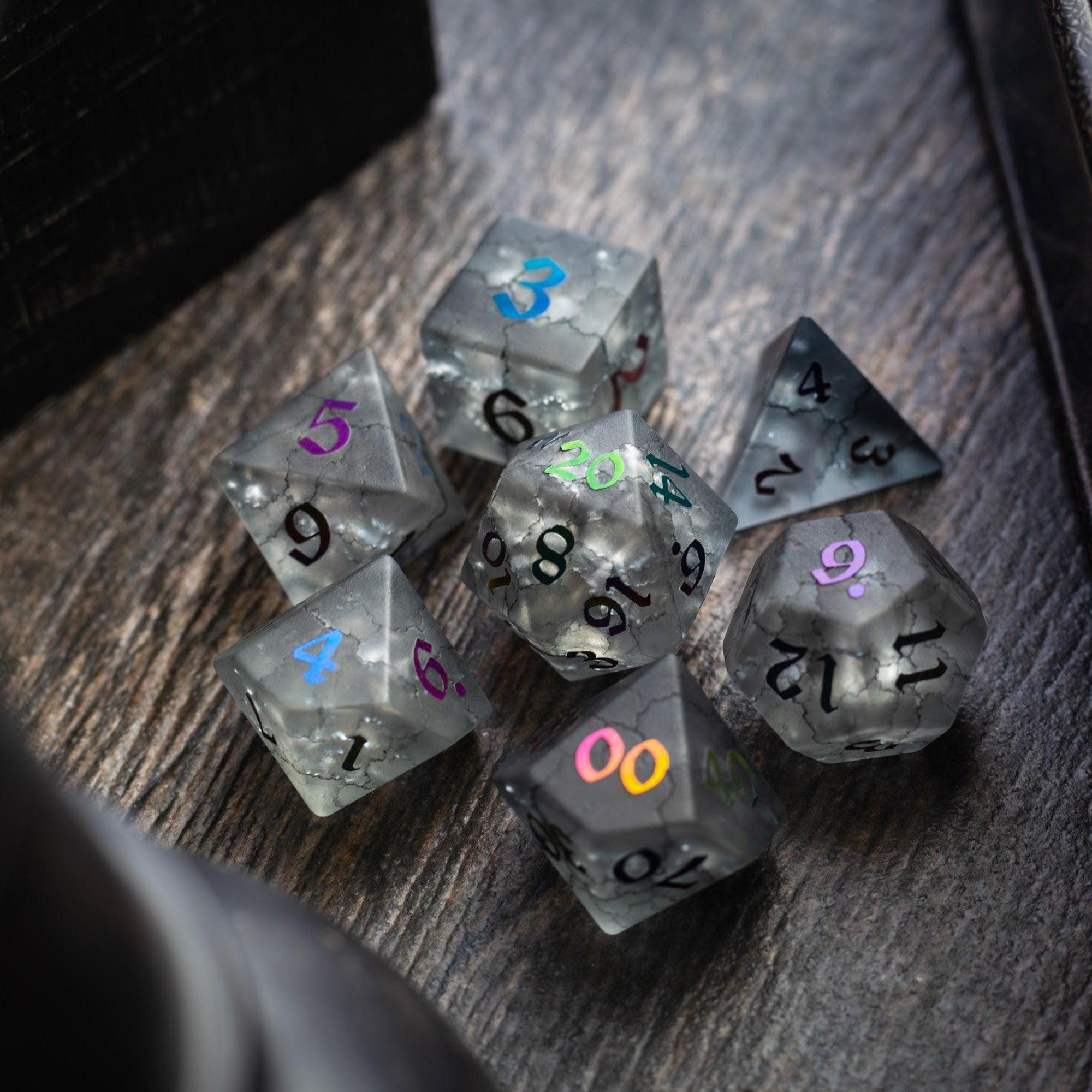
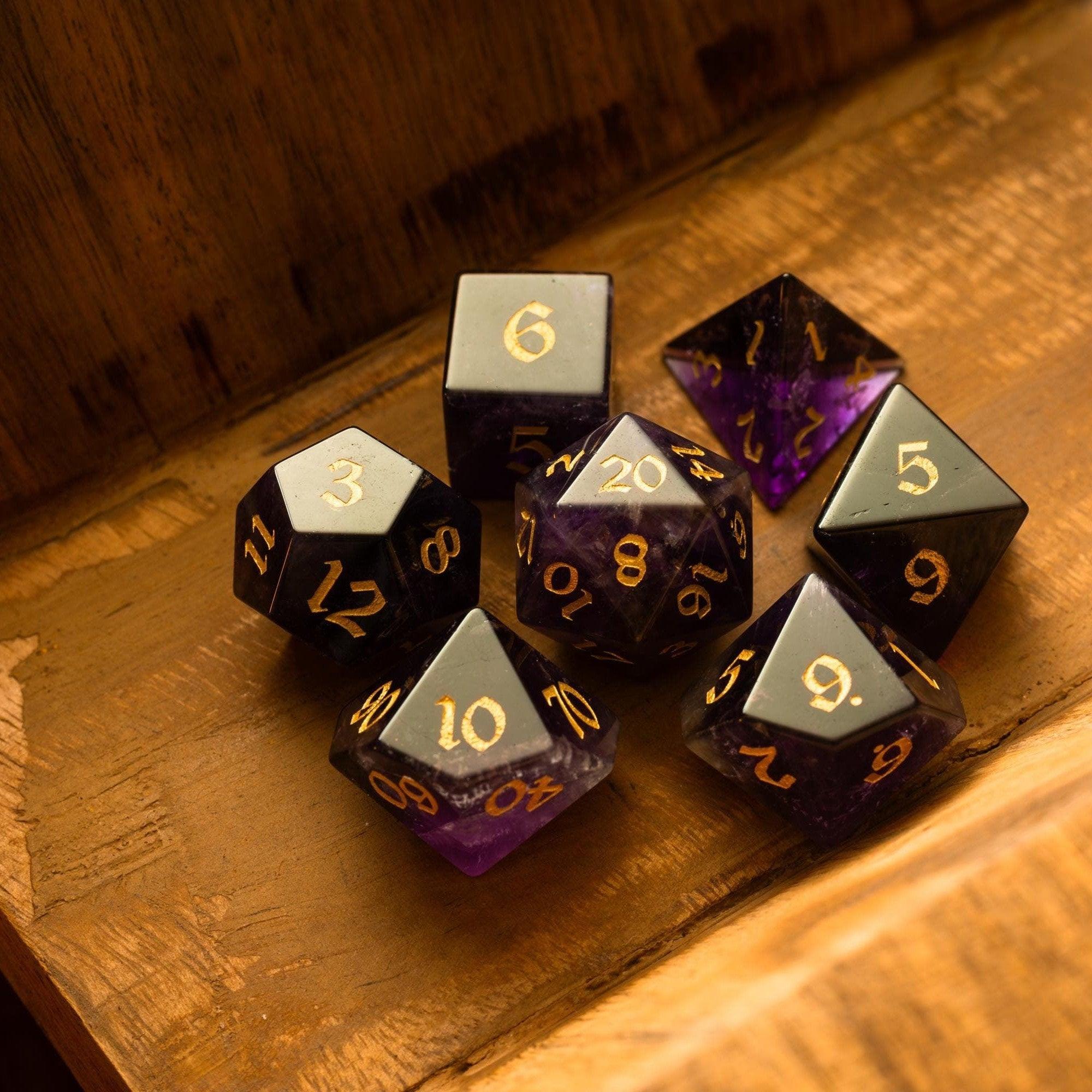
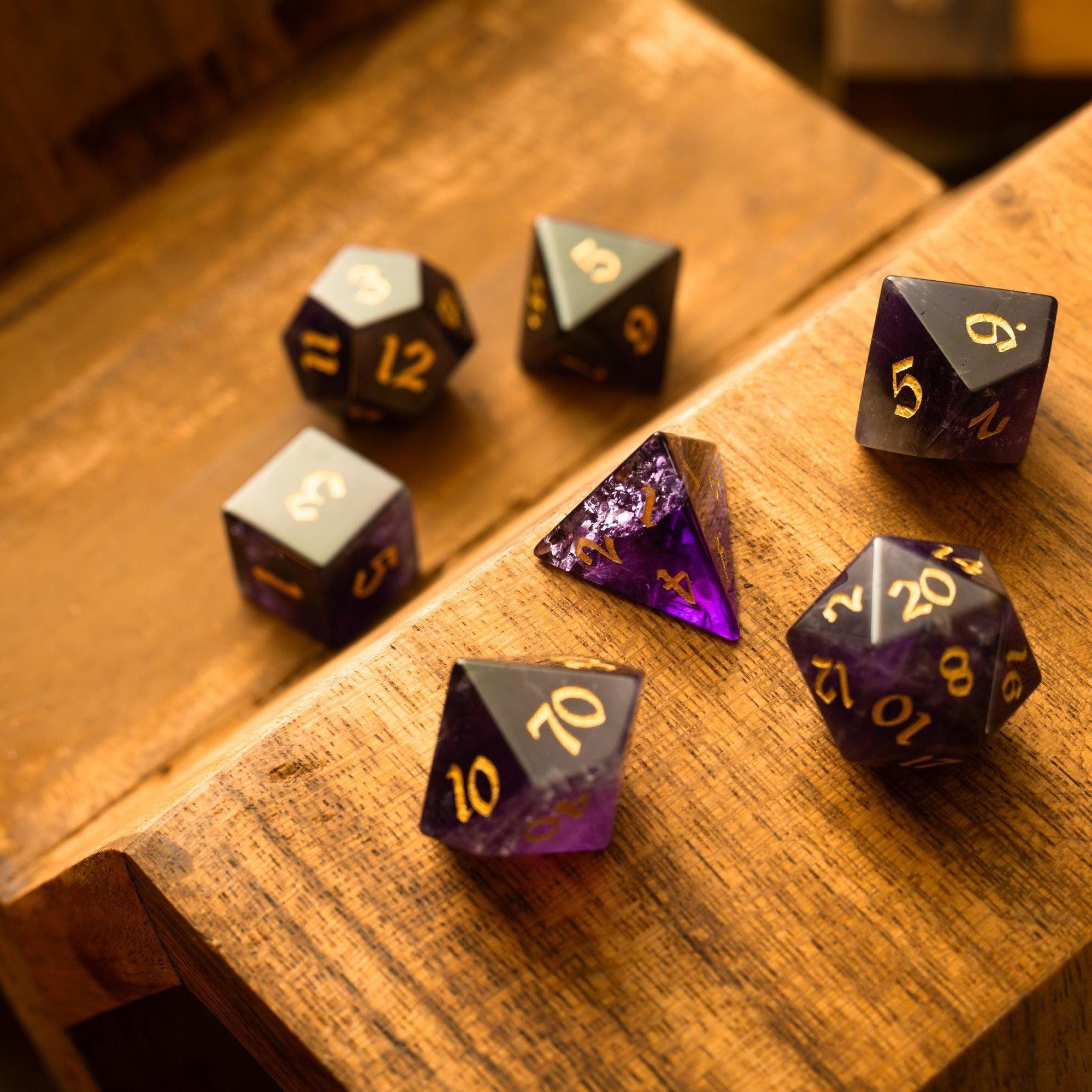
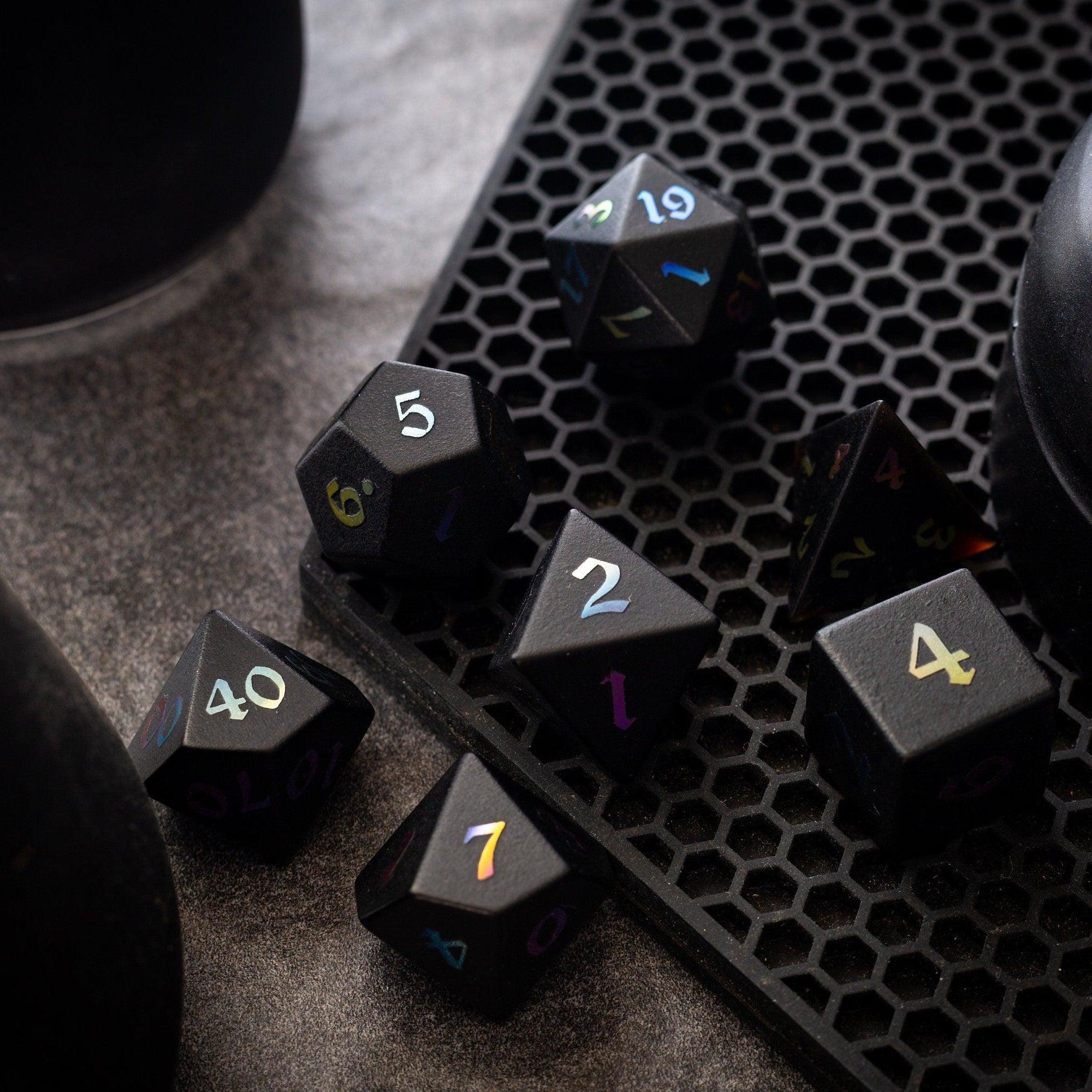
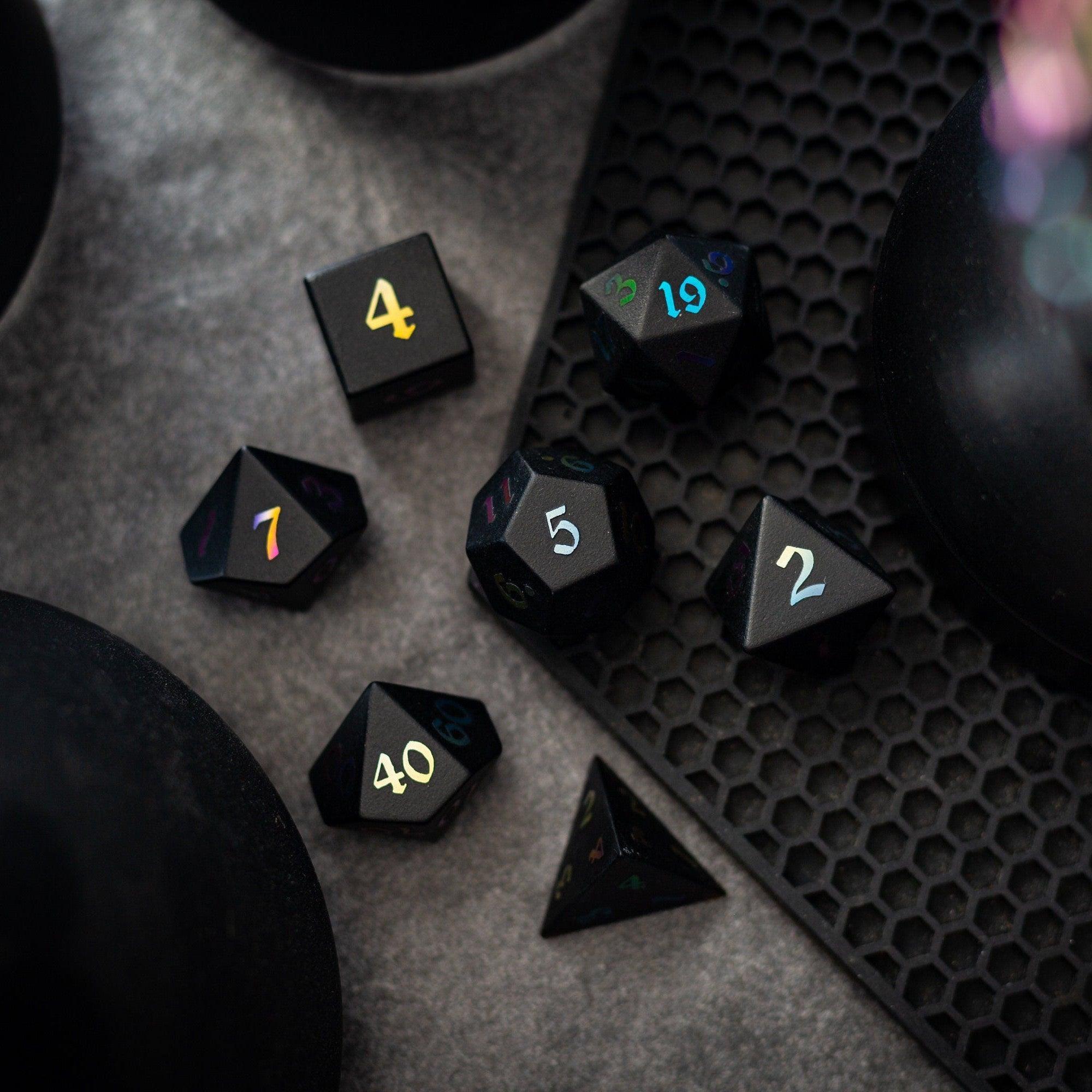
When you're building characters or planning encounters with experimental content, having quality tools and materials at your table makes everything smoother. Many players find that using well-crafted gemstone dice sets or premium dice collections helps them stay focused and engaged during sessions. Some groups even like to use special dice for experimental mechanics as a visual reminder that these rules are being tested.
Keep detailed notes throughout your playtest experience, and remember that honest feedback—both positive and critical—is exactly what the developers want. If something feels unbalanced, confusing, or overpowered, mention it in your feedback report. If something feels amazing and intuitive, let the developers know that too. Your real-world experience is invaluable to the game design process.
Whether you're testing new subclass options, revised spells, or completely new mechanical systems, approaching the playtest process with curiosity and enthusiasm makes your gaming sessions more enjoyable for everyone involved. You're not just playing a game—you're actively participating in the evolution of Dungeons and Dragons itself. That's pretty exciting, and it's an opportunity that most tabletop gamers never get to experience.
So gather your group, find some experimental content that interests you, and dive in. Take notes, have fun, and remember that the point isn't to reach a verdict immediately. It's to explore, experiment, and share your findings with a community of creators and players who genuinely want to make the game better for everyone.






Leave a comment
This site is protected by hCaptcha and the hCaptcha Privacy Policy and Terms of Service apply.