Top 10 Spells Every Dungeons & Dragons Wizard Should Know
In Dungeons & Dragons, wizards are defined by preparation, flexibility, and a spellbook that can grow throughout a campaign. A good wizard spell list is not just about dealing the most damage. It should help you survive, control the battlefield, interrupt enemy magic, move safely, and solve problems outside combat.
This guide covers 10 essential D&D wizard spells that stay useful in many campaigns. It follows the current Player's Handbook rules used on D&D Beyond in 2026, so some details differ from the legacy 2014 rules. These are not the only strong choices. Your best prepared spells will still depend on your level, party, campaign, and the challenges your DM tends to use.
1. Fireball
Level: 3rd
School: Evocation
Fireball remains one of the most recognizable D&D wizard spells because it combines long range, a large area, and dependable damage. You choose a point within 150 feet, creating a 20-foot-radius sphere. Every creature in that area makes a Dexterity saving throw, taking 8d6 fire damage on a failed save or half as much on a successful one. Flammable objects that are not worn or carried also catch fire.
Fireball is strongest when several enemies are grouped together. The tradeoff is friendly fire, so placement matters when allies are already mixed into melee.
Why It Is Useful:
- Deals strong area damage against groups.
- Has a long 150-foot range.
- Gains 1d6 damage for each spell slot level above 3rd.
2. Counterspell

Level: 3rd
School: Abjuration
Counterspell is a Reaction you can use when you see a creature within 60 feet casting a spell with Verbal, Somatic, or Material components. Under the current rules, the caster makes a Constitution saving throw against your spell save DC. On a failed save, the spell has no effect, the Action, Bonus Action, or Reaction used to cast it is wasted, and any spell slot used for that spell is not expended.
This is a major change from the legacy version, which could automatically stop some lower-level spells. Current Counterspell depends on the enemy failing its Constitution save, so timing it against a dangerous spell is often more important than using it on the first spell you see.
Why It Is Useful:
- Can interrupt a dangerous spell before it takes effect.
- Uses your Reaction instead of your action.
- Becomes more reliable as your spell save DC improves.
3. Shield

Level: 1st
School: Abjuration
Shield is one of the most dependable defensive spells for a wizard. When an attack roll hits you or you are targeted by Magic Missile, you can cast Shield as a Reaction. Until the start of your next turn, you gain a +5 bonus to AC, including against the attack that triggered the spell, and you take no damage from Magic Missile.
Shield is especially valuable because the AC bonus lasts beyond the first attack. If several enemies can reach you before your next turn, one casting may protect you from multiple attack rolls. A natural 20 still hits regardless of AC, so Shield cannot prevent every attack.
Why It Is Useful:
- Provides +5 AC until the start of your next turn.
- Can turn several ordinary hits into misses.
- Completely prevents damage from Magic Missile.
4. Mage Hand

Level: Cantrip
School: Conjuration
Mage Hand creates a spectral hand within 30 feet that can handle simple objects. When you cast it, you can manipulate an object, open an unlocked door or container, retrieve or stow an item in an open container, or pour out a vial. On later turns, controlling it requires a Magic action, and you can move the hand up to 30 feet as part of that action.
The hand cannot attack, activate magic items, or carry more than 10 pounds. Even with those limits, it is useful for cautious exploration, reaching awkward objects, and interacting with something you would rather not touch directly.
Why It Is Useful:
- Costs no spell slot because it is a cantrip.
- Lets you handle simple objects from a distance.
- Supports exploration and creative problem-solving.
5. Invisibility

Level: 2nd
School: Illusion
Invisibility gives a creature you touch the Invisible condition for up to one hour with Concentration. While Invisible, the target is harder to attack, gains benefits on its own attacks against creatures that cannot see it, and cannot be targeted by effects that require the target to be seen unless the effect's creator can somehow see it.
The spell ends early immediately after the target makes an attack roll, deals damage, or casts a spell. It is excellent for scouting, repositioning, or avoiding attention, but it does not make the target silent. The DM may still call for Stealth checks when sound, tracks, or other clues could reveal where the creature is.
Why It Is Useful:
- Helps with scouting and careful positioning.
- Can protect a creature from many sight-based effects.
- Can affect additional creatures when cast with higher-level slots.
6. Lightning Bolt

Level: 3rd
School: Evocation
Lightning Bolt deals the same base damage as Fireball but uses a different shape and damage type. A 100-foot-long, 5-foot-wide line extends from you in a direction you choose. Creatures in the line make Dexterity saving throws, taking 8d6 lightning damage on a failed save or half as much on a successful one.
Fireball is usually easier to place against clustered enemies, while Lightning Bolt can shine in hallways, narrow spaces, or fights where several creatures line up. Having access to both also gives you another damage type when fire is a poor choice.
Why It Is Useful:
- Deals 8d6 lightning damage in a long line.
- Works well in corridors and narrow battlefields.
- Gains 1d6 damage for each spell slot level above 3rd.
7. Dispel Magic

Level: 3rd
School: Abjuration
Dispel Magic is a practical answer to ongoing spells. You choose a creature, object, or magical effect within 120 feet. Any ongoing spell of level 3 or lower on that target ends. For each level 4 or higher spell on the target, you make an ability check using your spellcasting ability against DC 10 plus the spell's level.
Using a higher-level slot automatically ends a spell if its level is equal to or lower than the slot you used. The important limit is that Dispel Magic ends spells. It does not automatically remove every magical, supernatural, or monster ability just because it looks magical.
Why It Is Useful:
- Ends many harmful or beneficial ongoing spells.
- Works from up to 120 feet away.
- Can automatically handle stronger spells when upcast.
8. Misty Step

Level: 2nd
School: Conjuration
Misty Step is one of the simplest ways for a wizard to fix a bad position. As a Bonus Action, you teleport up to 30 feet to an unoccupied space you can see. Teleportation does not provoke Opportunity Attacks, making Misty Step especially useful when an enemy has reached you in melee.
Because it uses a Bonus Action, your action remains available. However, current spellcasting rules allow you to expend only one spell slot to cast a spell on a turn. If Misty Step uses a spell slot, you cannot also spend another spell slot on a different spell that same turn. You can still use your action for options that do not expend another spell slot, such as casting a cantrip.
Why It Is Useful:
- Teleports up to 30 feet as a Bonus Action.
- Does not provoke Opportunity Attacks.
- Helps escape melee, reach cover, or cross small gaps.
9. Hold Person

Level: 2nd
School: Enchantment
Hold Person targets a Humanoid you can see within 60 feet. On a failed Wisdom saving throw, the target has the Paralyzed condition for up to one minute with Concentration. It repeats the saving throw at the end of each of its turns, ending the spell on itself on a success.
Paralyzed creatures have Speed 0, automatically fail Strength and Dexterity saving throws, and grant Advantage to attack rolls against them. Any attack roll that hits a Paralyzed creature becomes a Critical Hit if the attacker is within 5 feet. The main limitation is creature type: Hold Person works only on Humanoids, so it will not affect Beasts, Constructs, Undead, or other non-Humanoid enemies.
Why It Is Useful:
- Can temporarily remove a dangerous Humanoid from the fight.
- Creates strong opportunities for nearby attackers.
- Can target one additional Humanoid for each slot level above 2nd.
10. Greater Invisibility

Level: 4th
School: Illusion
Greater Invisibility gives a creature you touch the Invisible condition for up to one minute with Concentration. Unlike the 2nd-level Invisibility spell, Greater Invisibility does not end when the target attacks, deals damage, or casts a spell. That makes it much better suited to combat.
Against creatures that cannot see through the effect, the Invisible target has Advantage on attack rolls and attacks against it have Disadvantage. It can also avoid effects that require the target to be seen. This makes Greater Invisibility useful on a hard-hitting ally or on a wizard who needs protection while continuing to cast offensive spells.
Why It Is Useful:
- Maintains the Invisible condition during offensive actions.
- Can improve both offense and defense against creatures that cannot see the target.
- Works well in difficult fights where one ally needs extra protection.
Choosing the Right Wizard Spells
The best wizard spell list is not the one with the highest damage numbers. A strong list gives you answers to different problems. Fireball and Lightning Bolt handle groups, Shield protects you when enemies get close, Misty Step fixes bad positioning, Counterspell and Dispel Magic answer enemy spellcasting, and Mage Hand gives you useful options without spending a spell slot.
It is also worth changing your prepared spells instead of treating one list as permanent. Current Wizard rules let you replace any number of your prepared level 1+ Wizard spells after a Long Rest, choosing replacements from your spellbook that are of a level for which you have spell slots. If you expect stealth, travel, magical traps, social challenges, or a major spellcaster, prepare for that situation instead of relying on the same setup every day.
These 10 spells cover damage, defense, control, utility, movement, and magical counterplay, which is why they remain useful choices for many wizards. Your spellbook can hold far more than these options, so treat this list as a flexible foundation rather than a mandatory loadout.
Do you have a go-to wizard spell that did not make the list? Maybe you prefer Magic Missile, Web, Fly, or a clever use of Mage Hand. Share your picks in the comments or tag us @RunicDice with your wizard builds and tabletop moments.
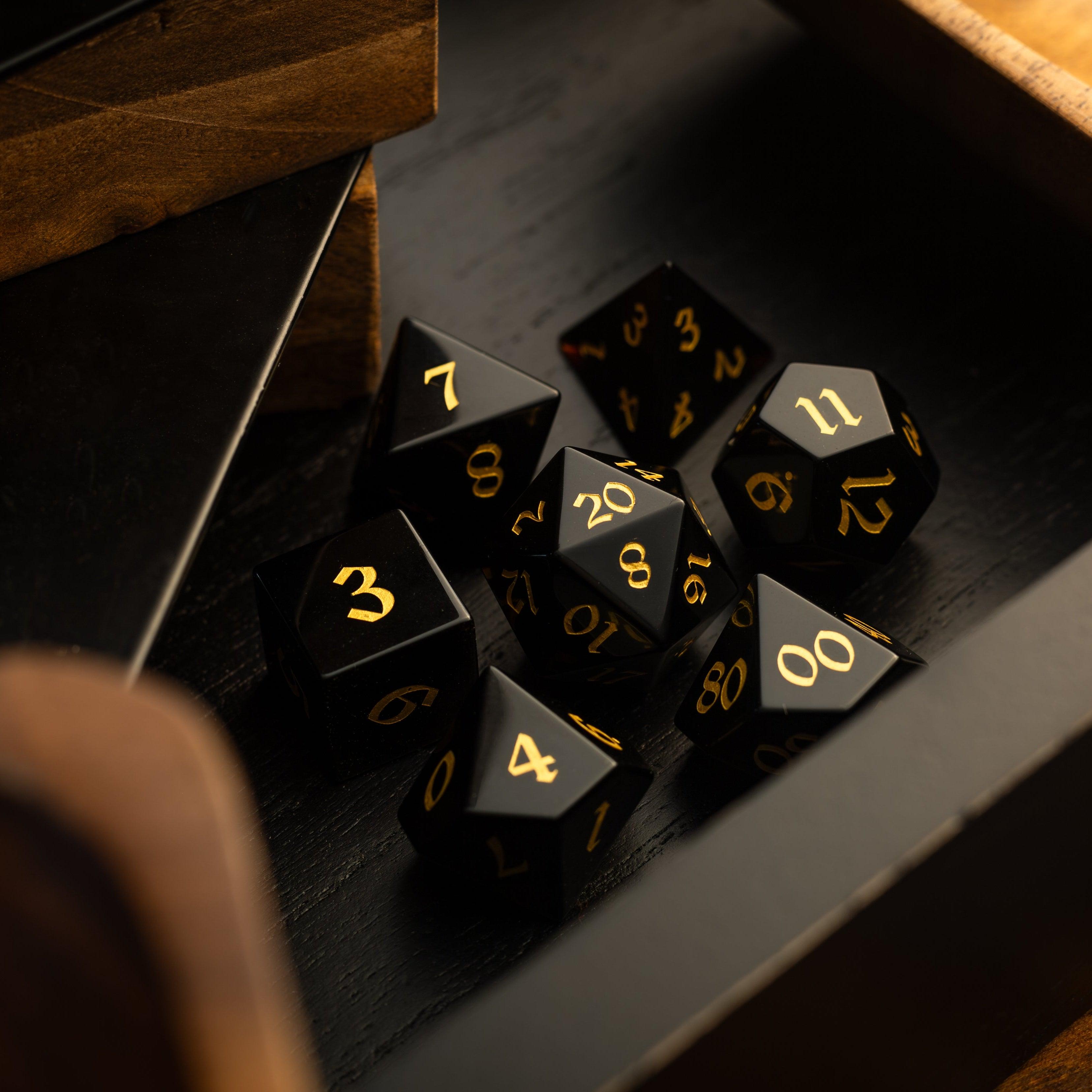
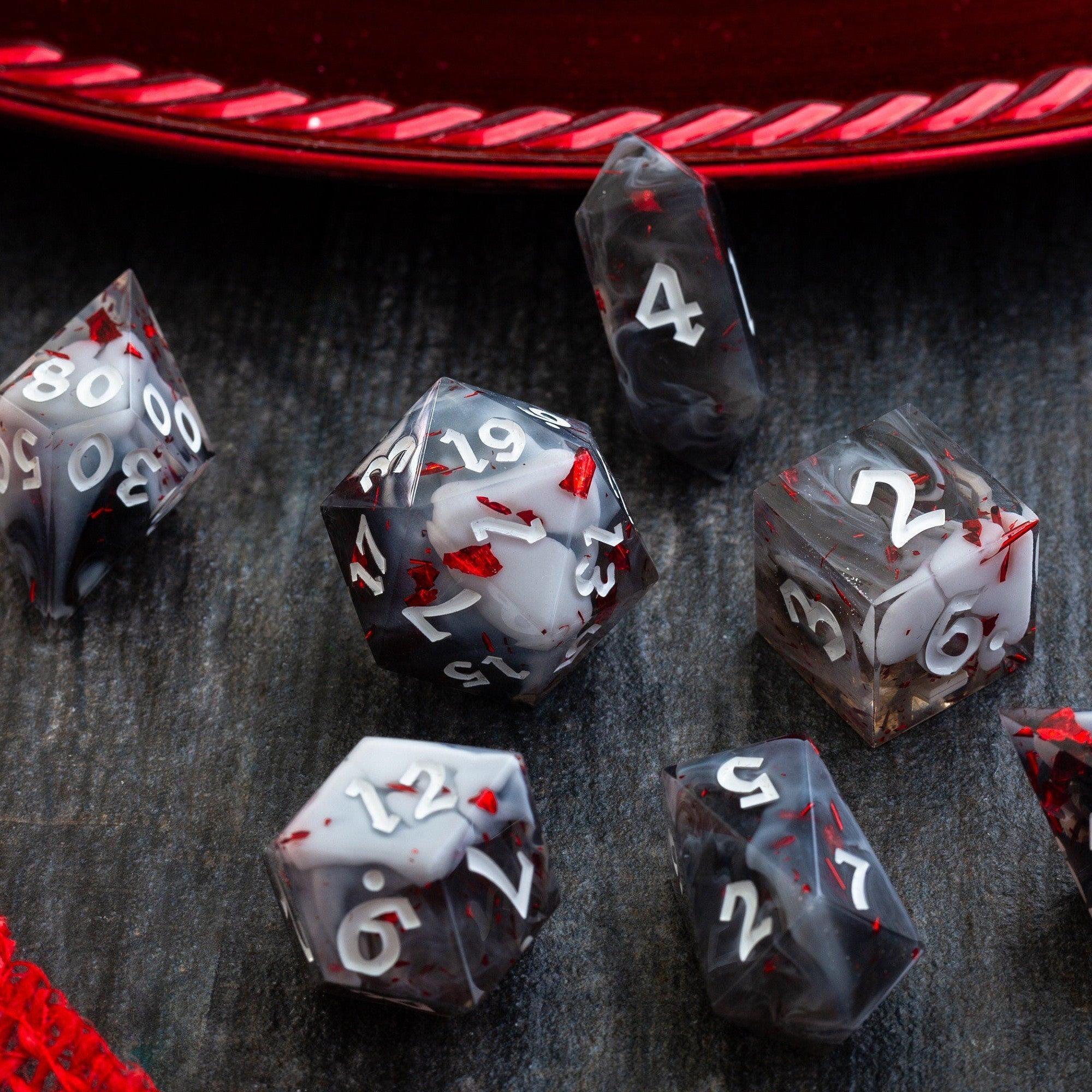
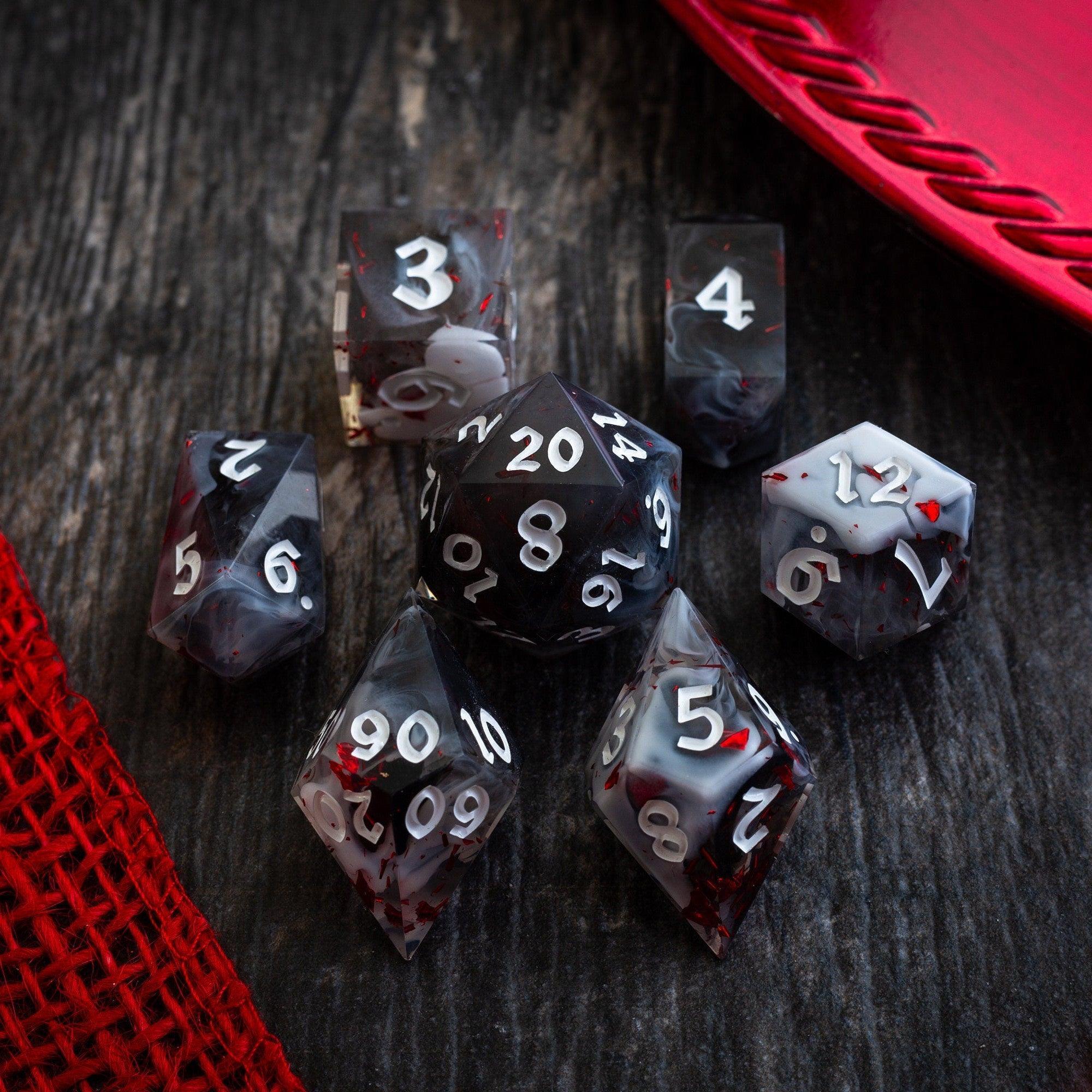
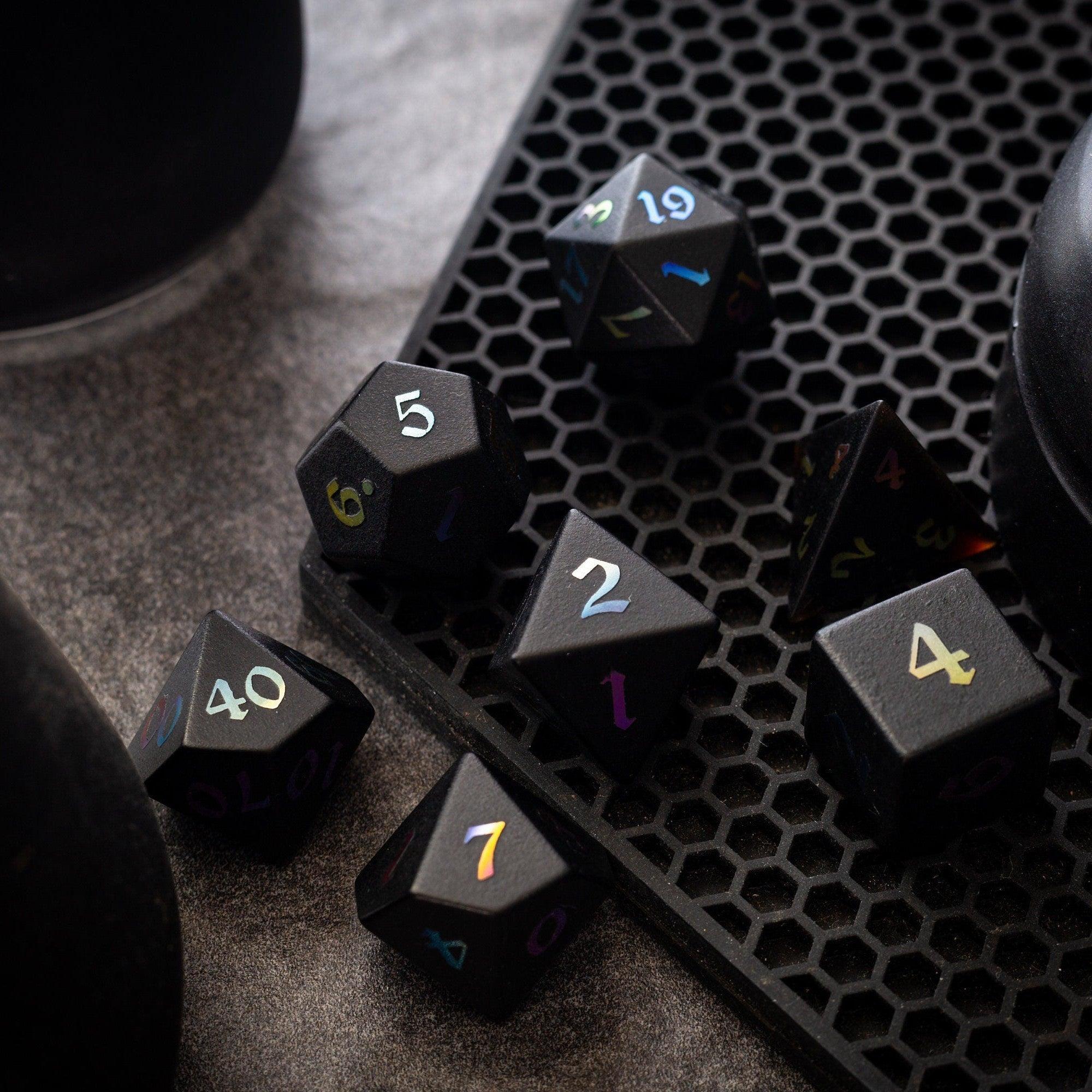
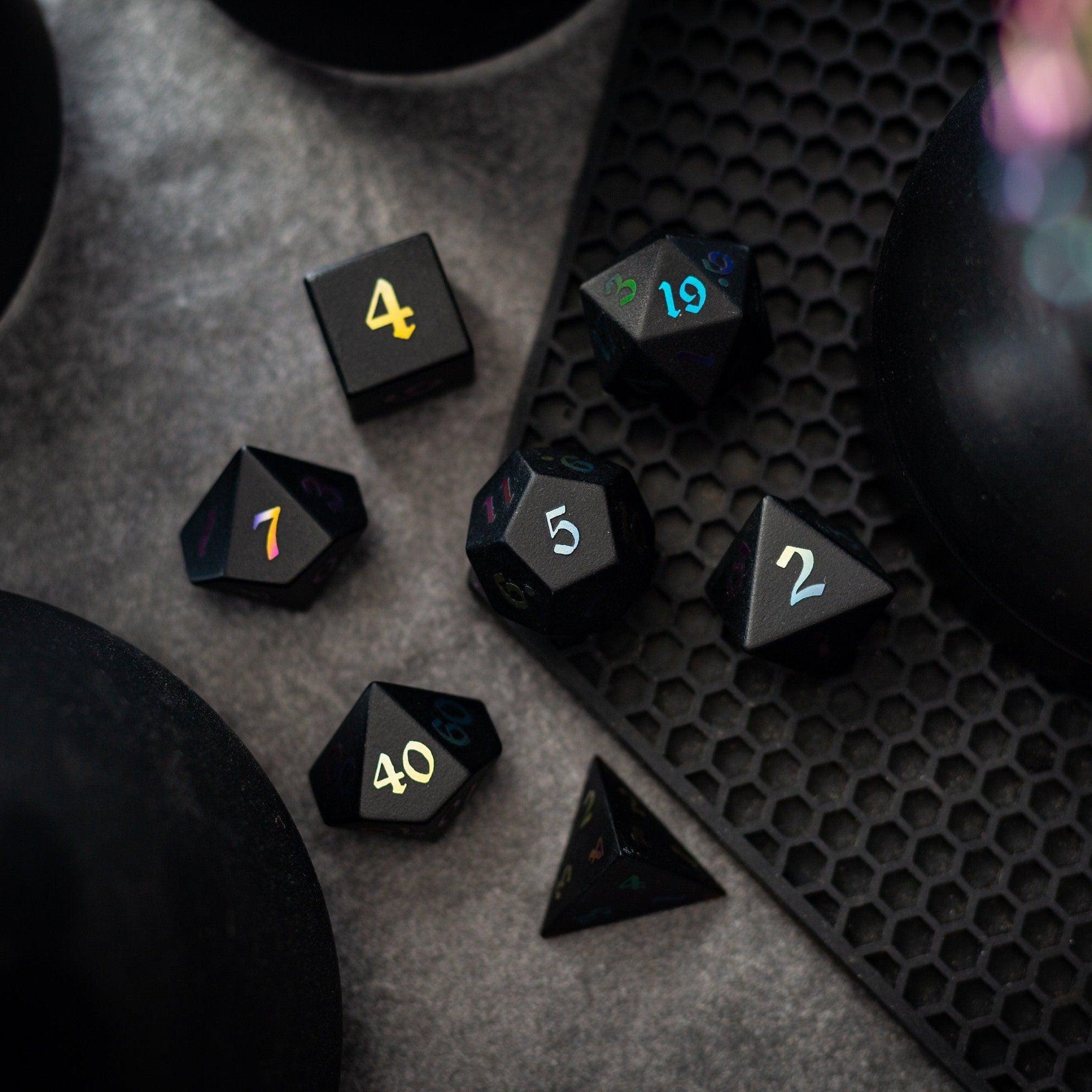
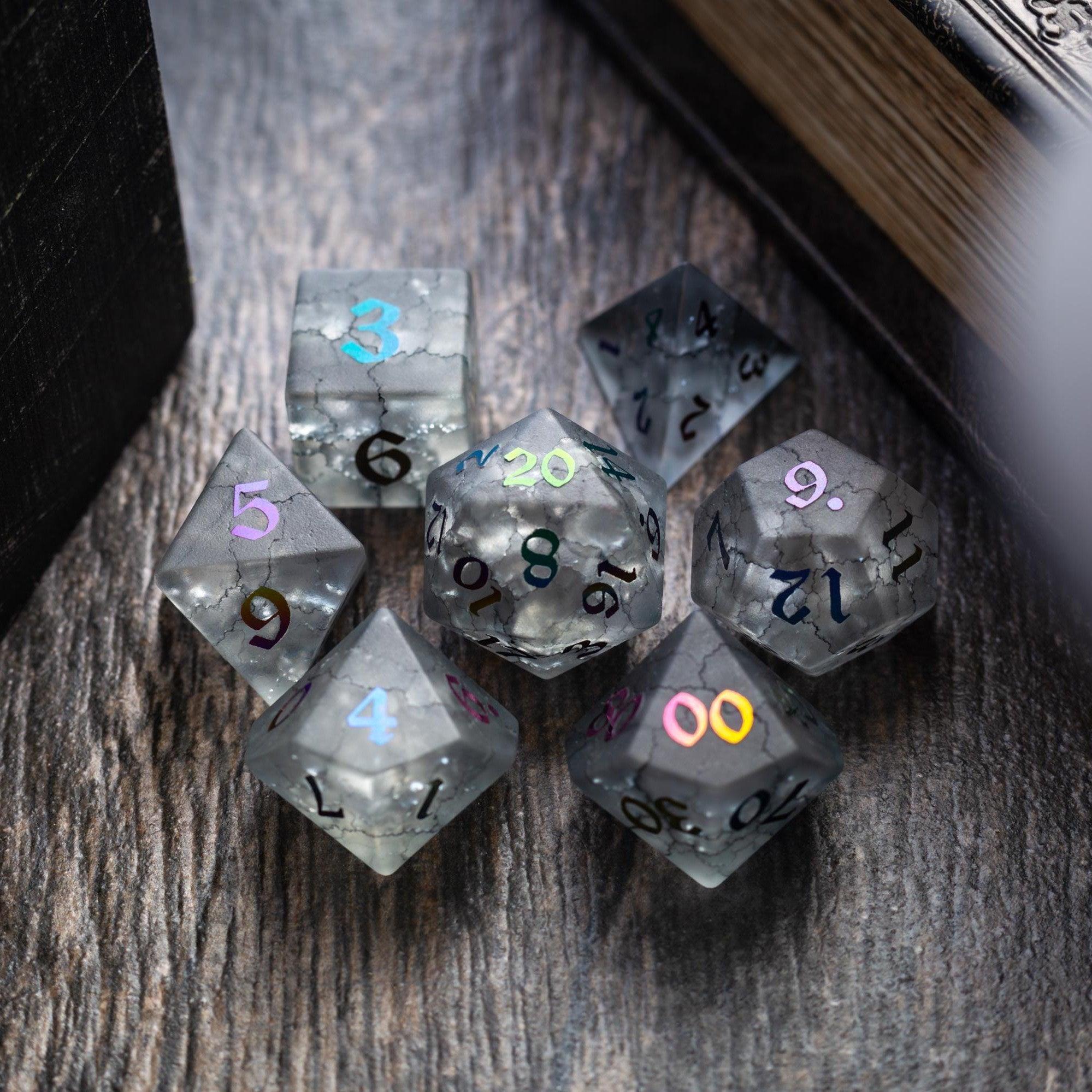
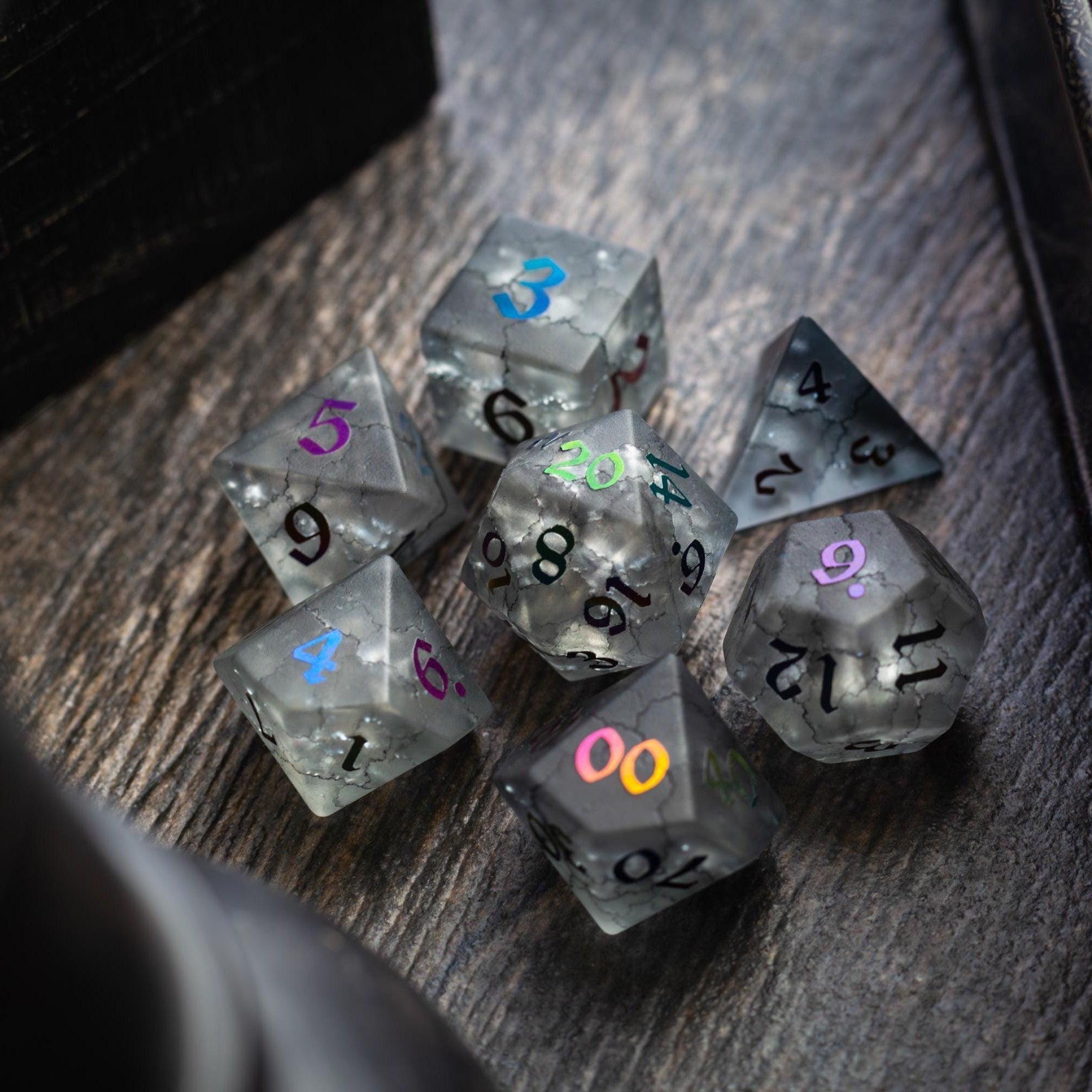
If you enjoy matching your character's theme with tabletop gear, you can also browse Runic Dice for dice sets and fantasy accessories for your next campaign.



Leave a comment
This site is protected by hCaptcha and the hCaptcha Privacy Policy and Terms of Service apply.