
Things D&D Players Secretly Hate (And How to Avoid Them)
Dungeons & Dragons is one of the most fun, creative games you can play with friends. But even the best tables run into small frustrations now and then.
The tricky part? Most players don’t talk about these things directly. They just quietly feel them.
The good news is that these moments are usually easy to fix. A few small habits can make your sessions smoother, more immersive, and way more enjoyable for everyone.
Let’s walk through some of the most common things D&D players secretly hate and how you can avoid them.
1. Talking Over Other Players
Why it’s frustrating
Everyone wants their moment to shine. When players interrupt or talk over each other, it can make quieter players feel ignored or pushed out of the story.
How to fix it
-
Pause and let others finish before jumping in
-
Share the spotlight during roleplay scenes
-
If someone hasn’t spoken in a while, invite them in
A simple “What does your character think?” can go a long way.
2. Taking Too Long on Your Turn
Why it slows the game
Combat is exciting… until it drags. Long pauses while someone decides what to do can break the flow and make other players lose focus.
How to fix it
-
Think about your action before your turn starts
-
Keep your character sheet organized
-
Know your main abilities and spells
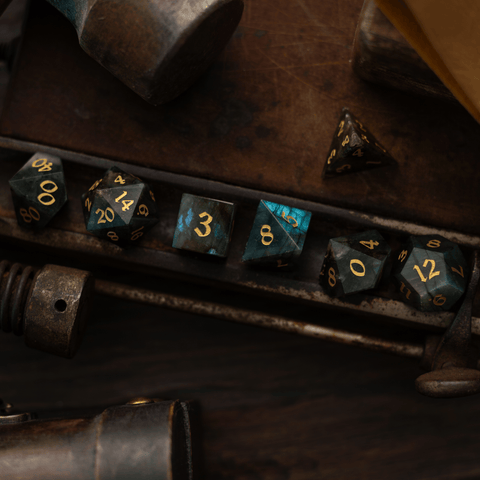
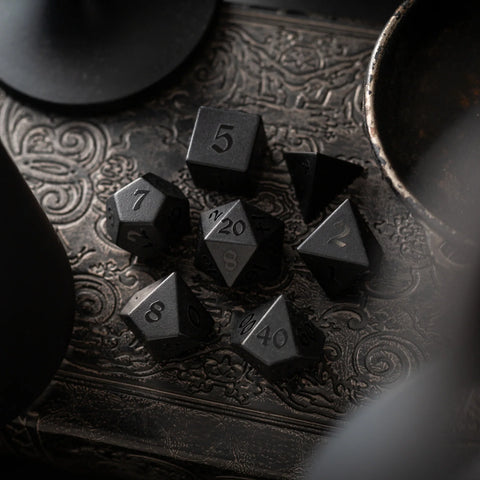
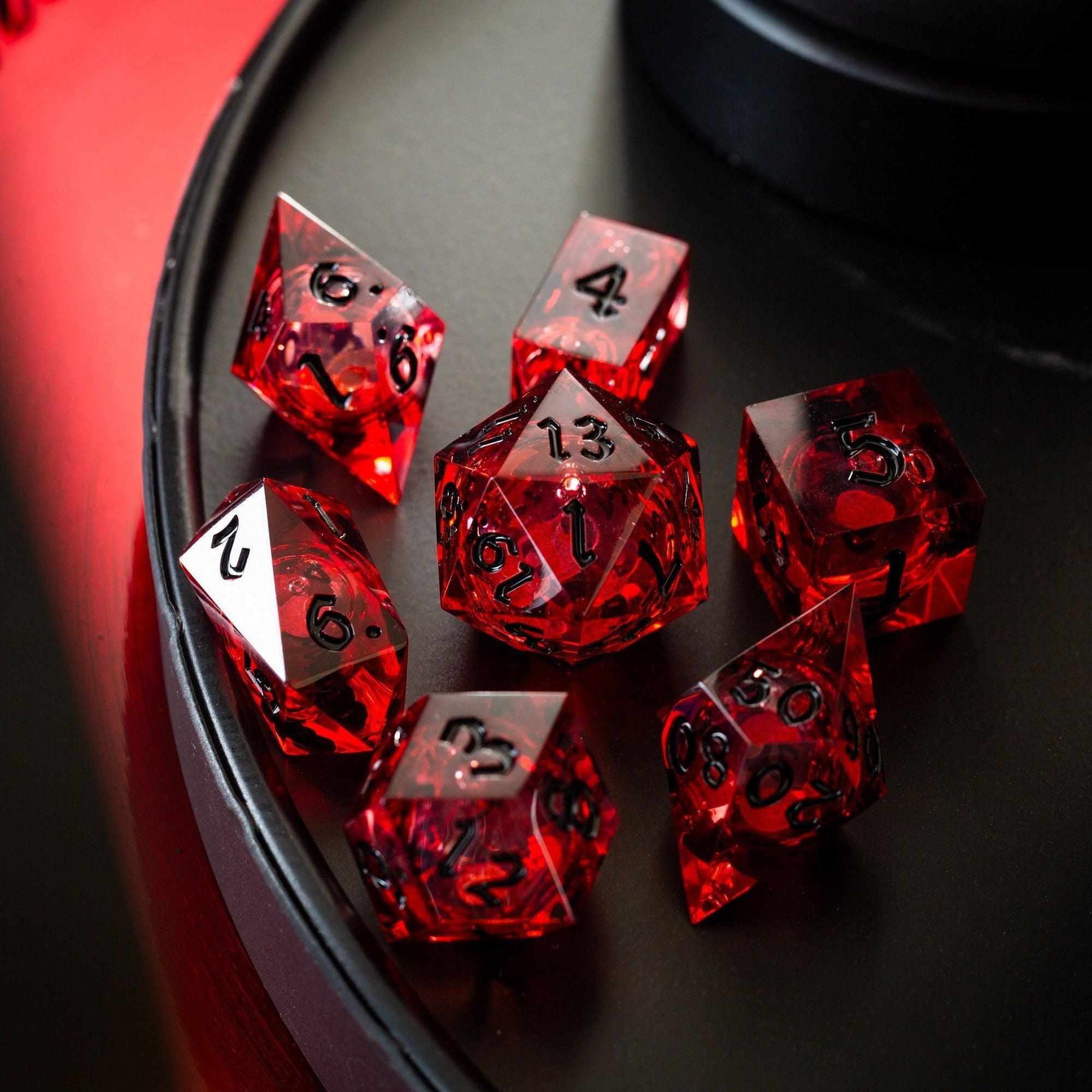
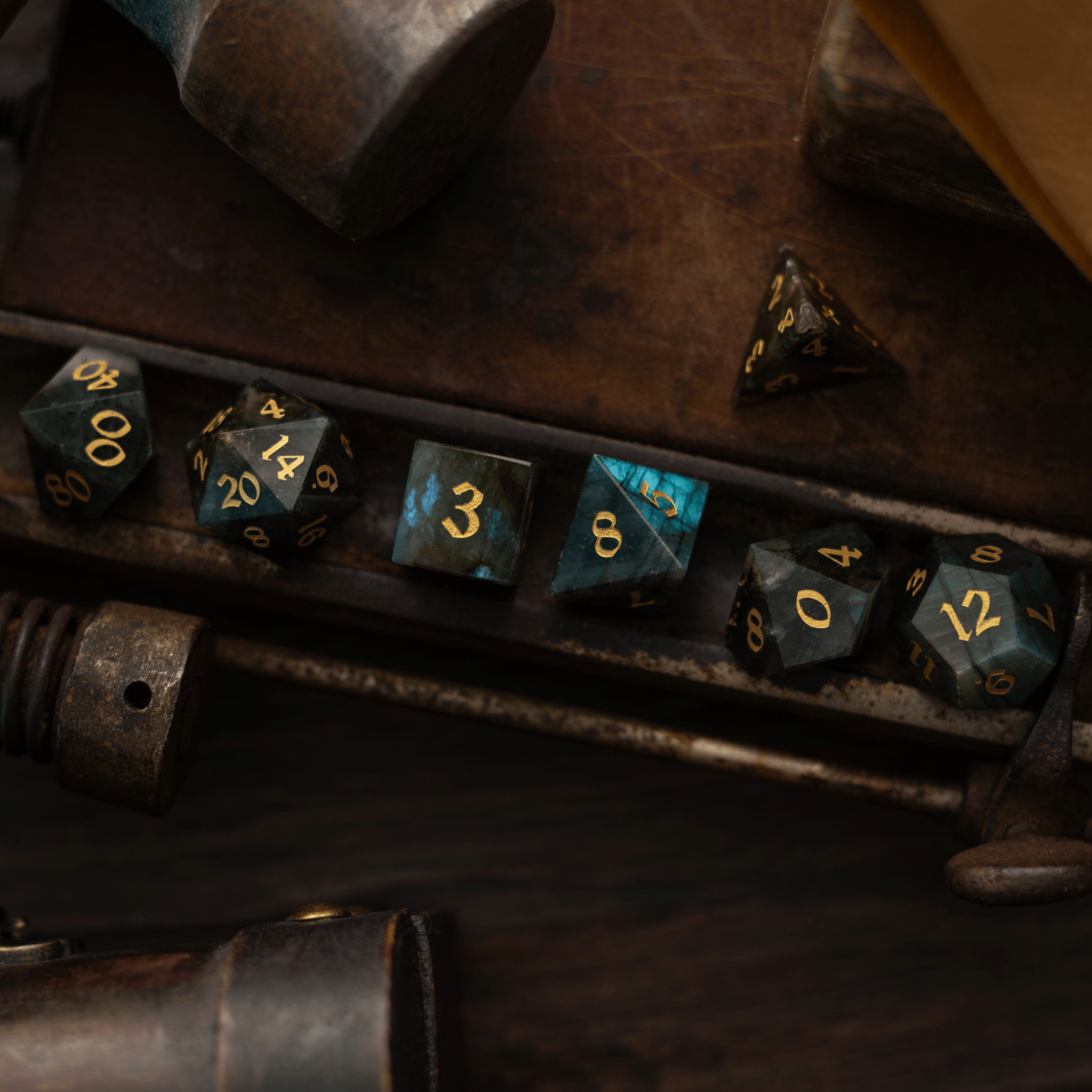
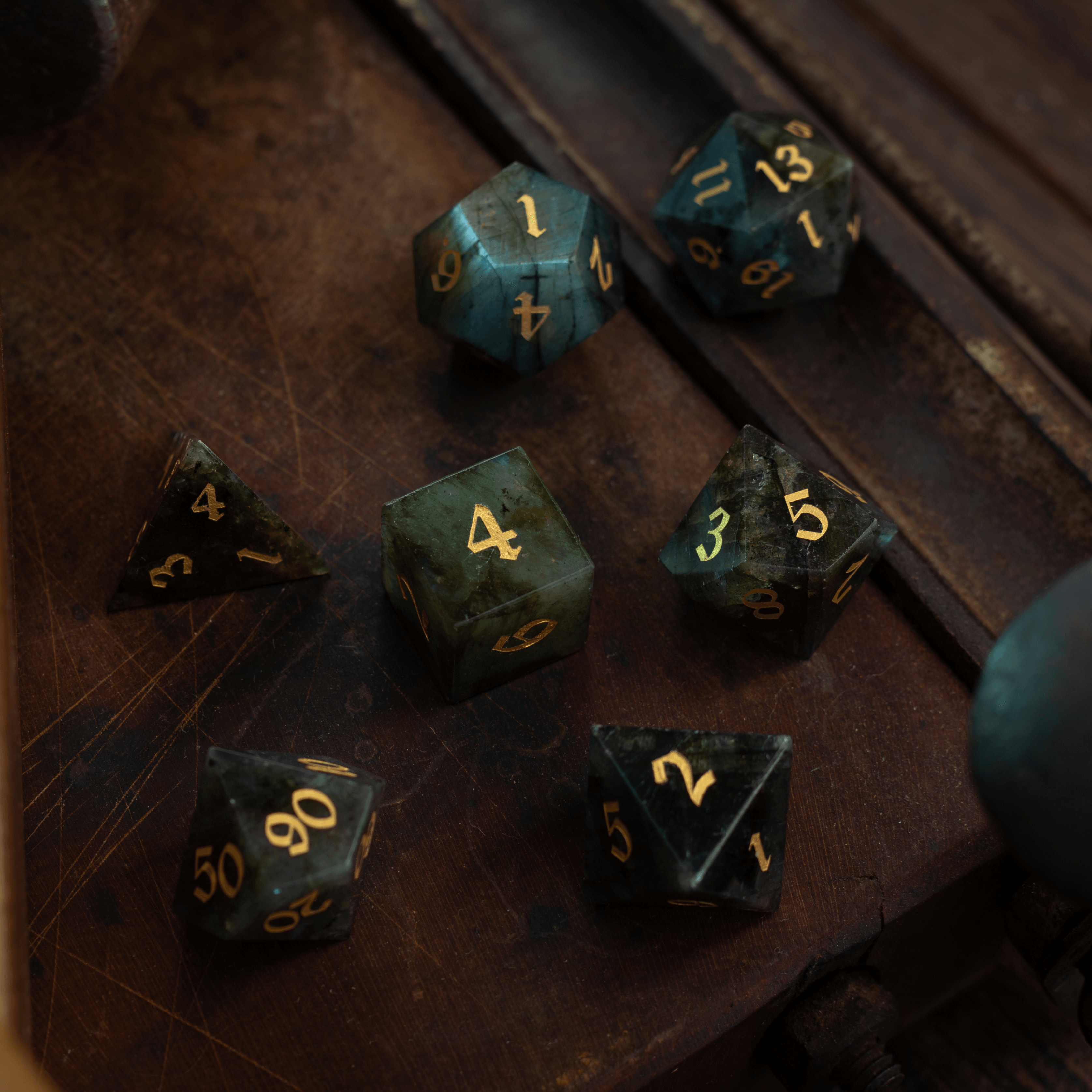
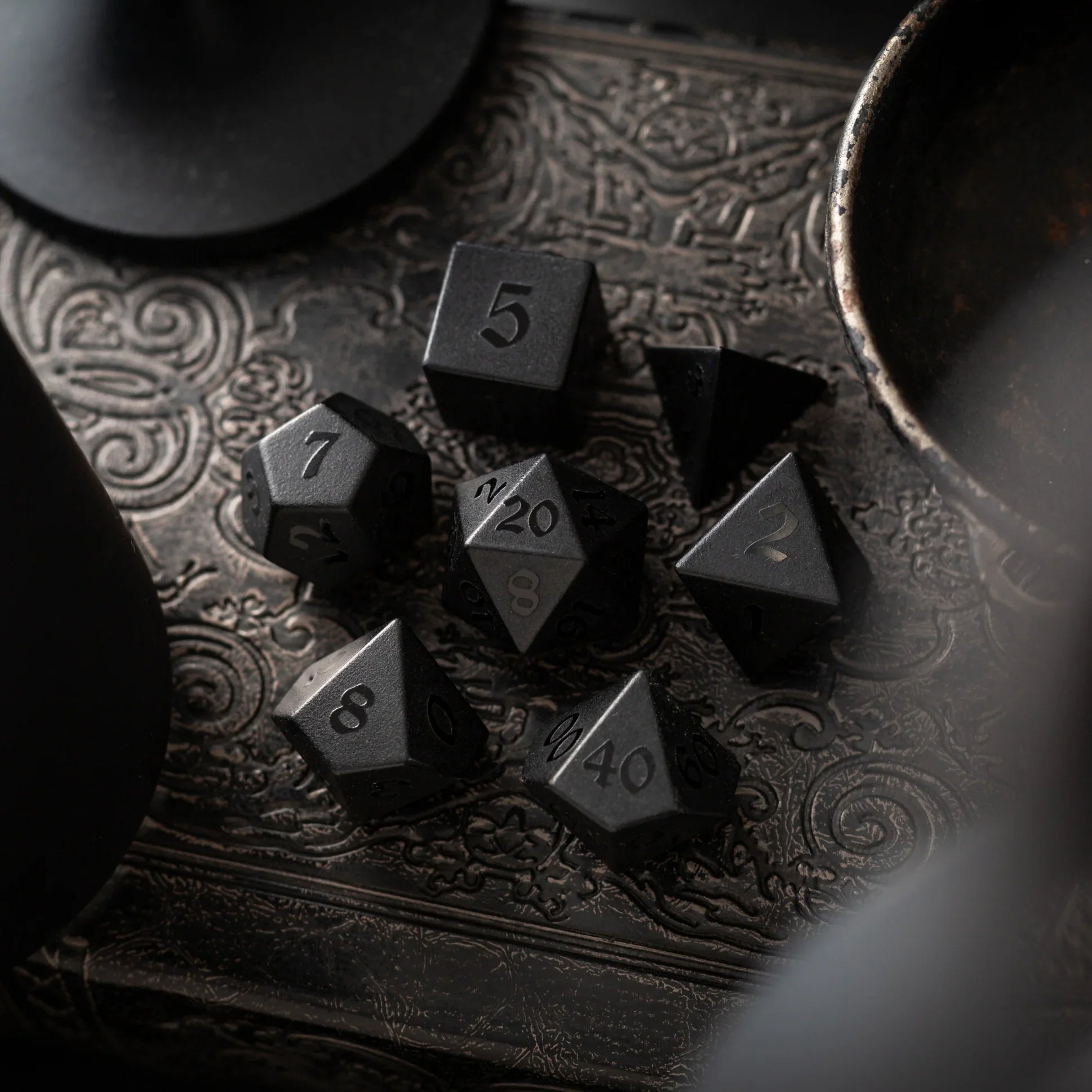
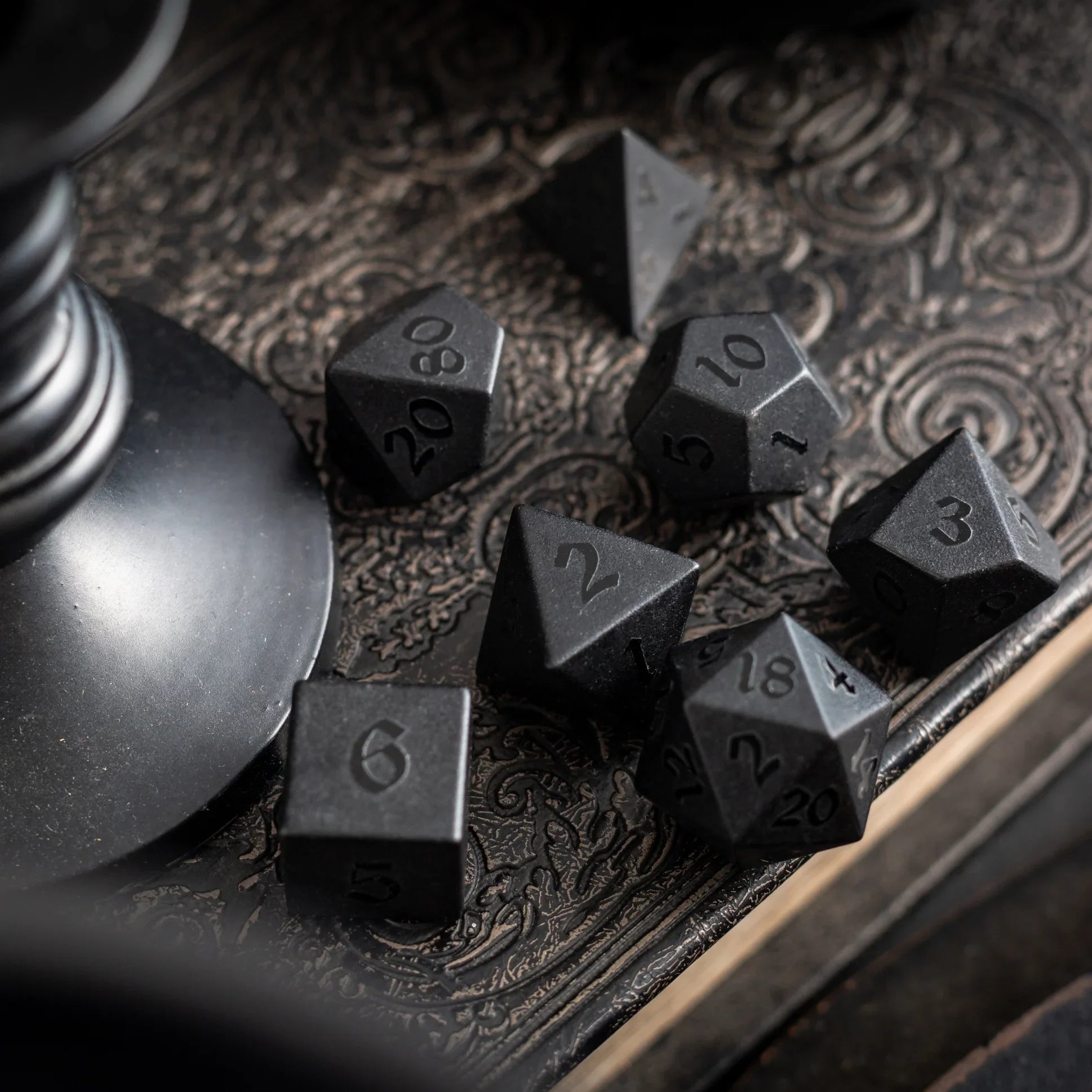
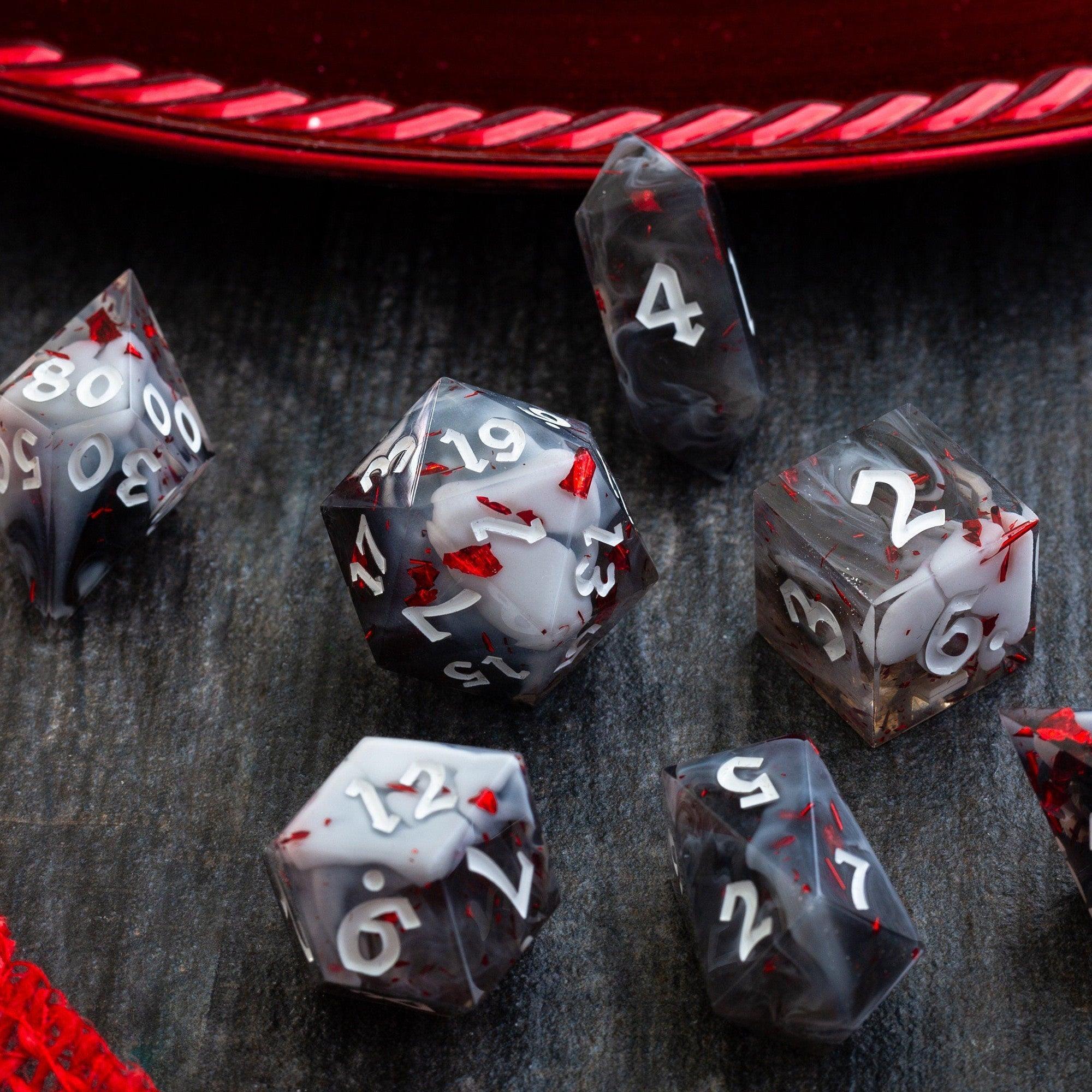
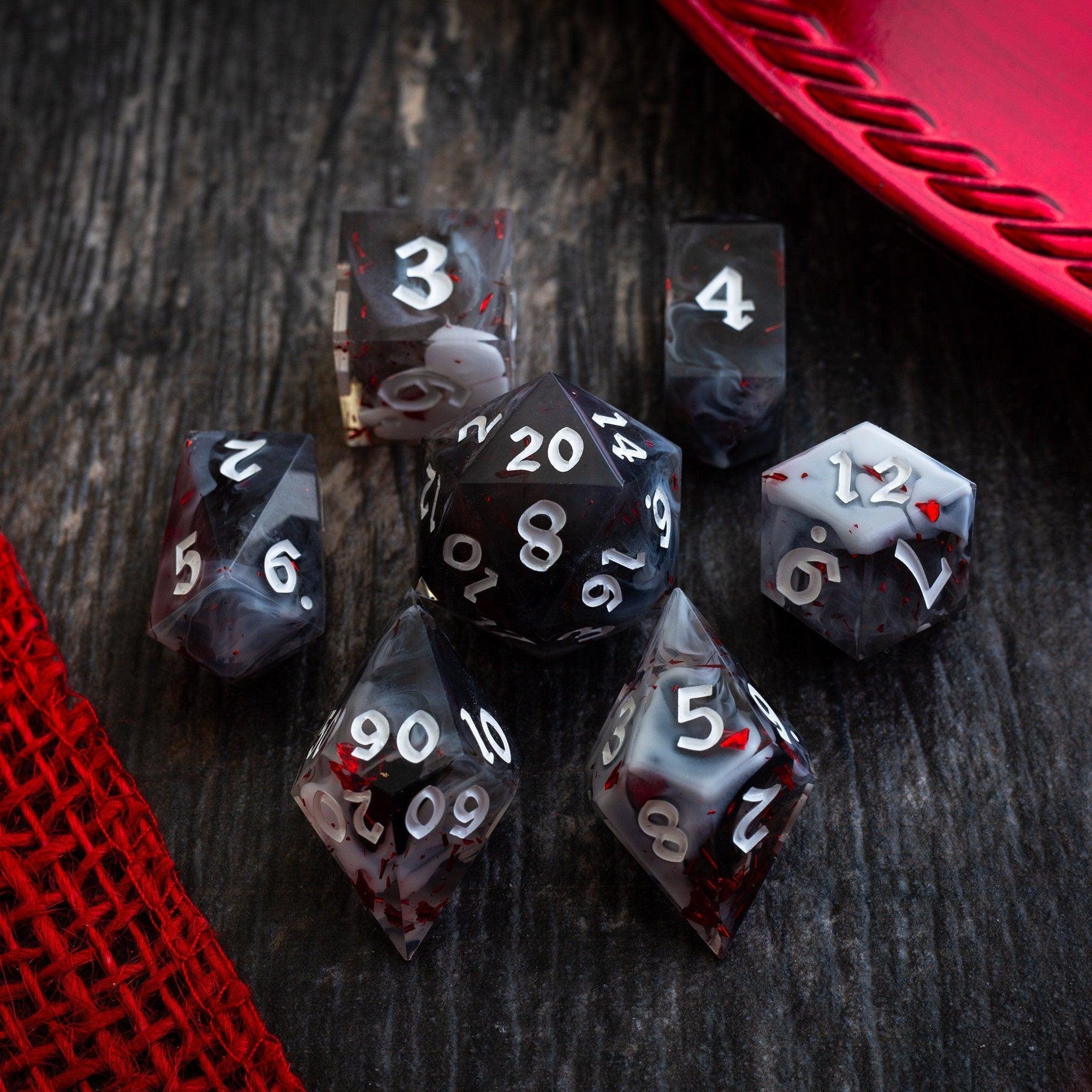
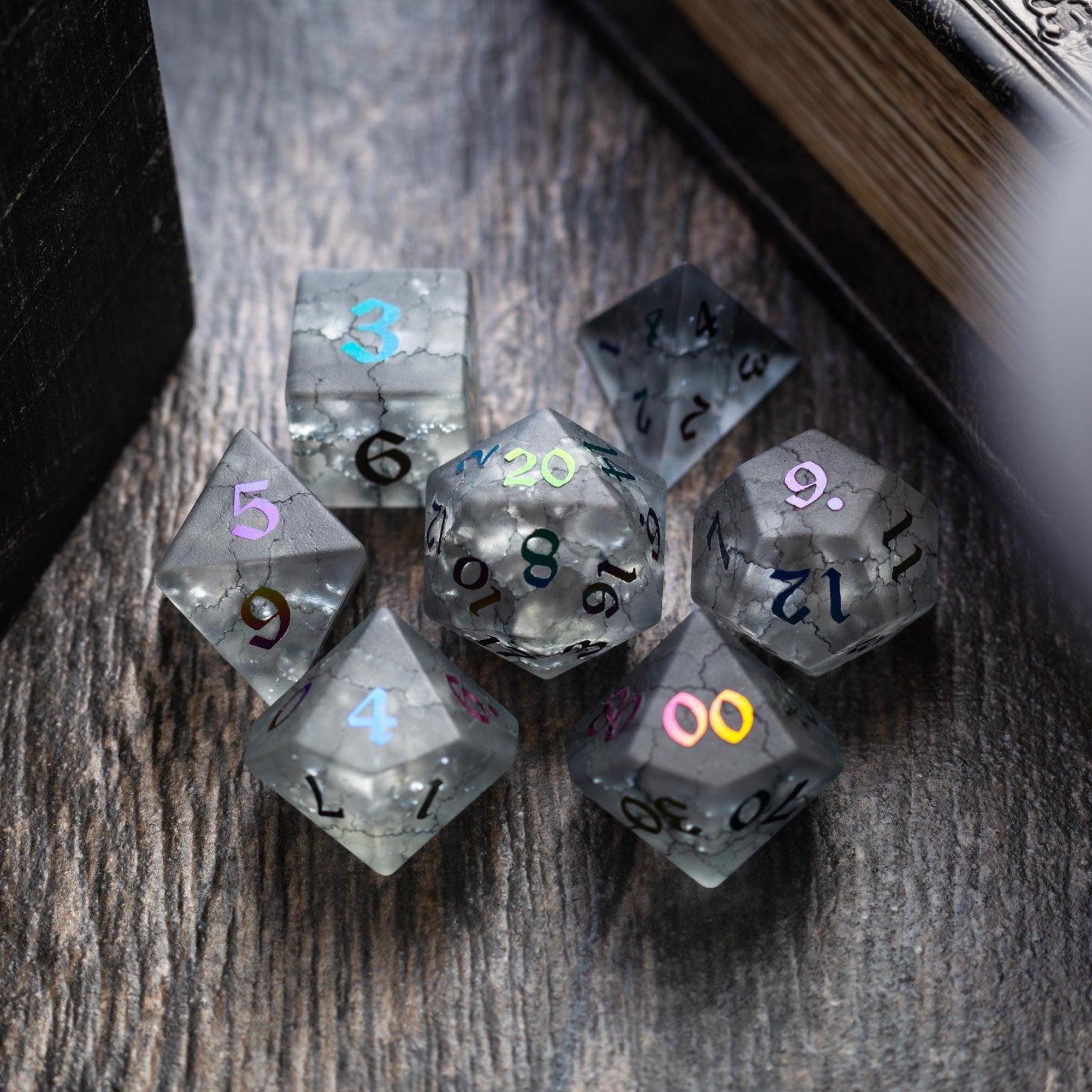
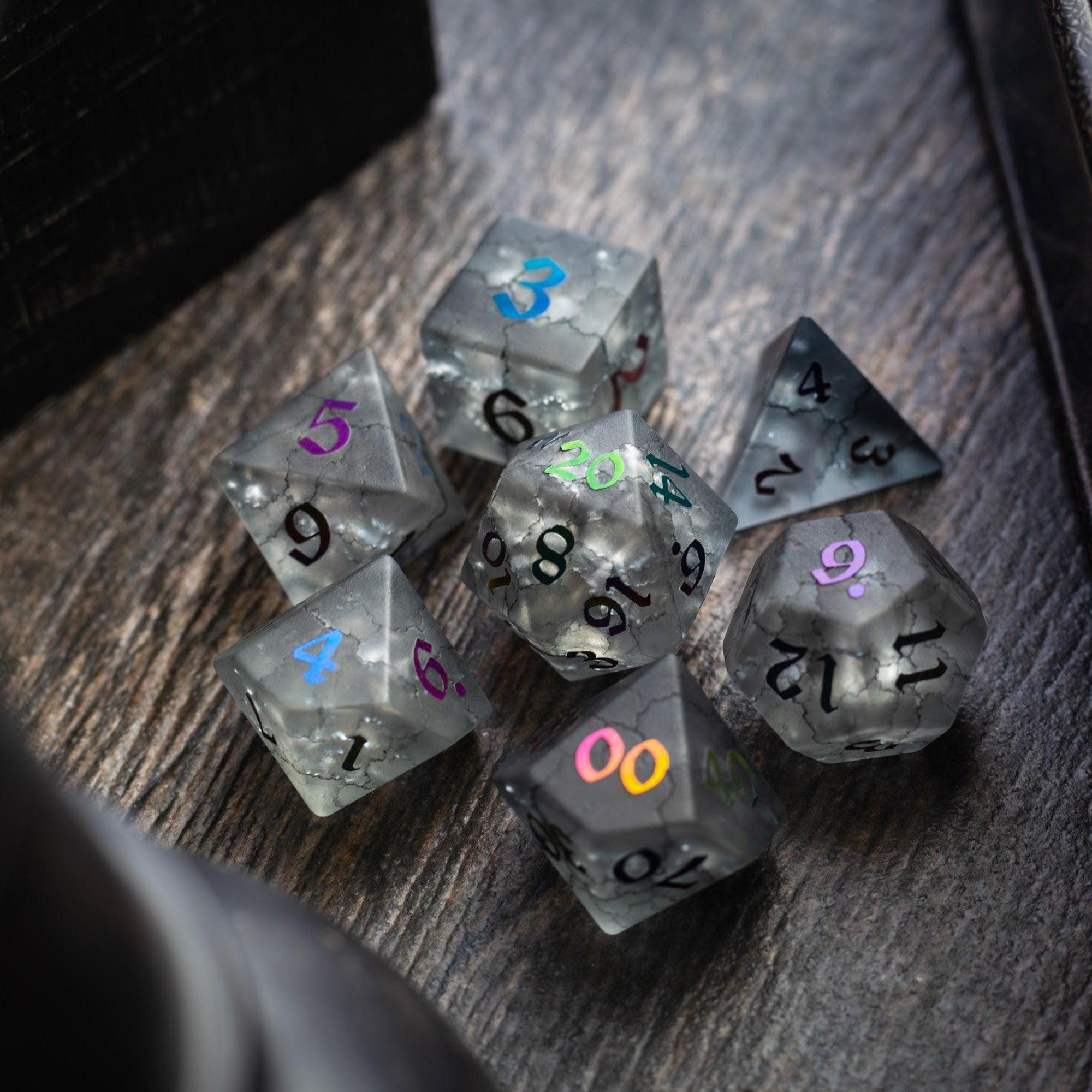
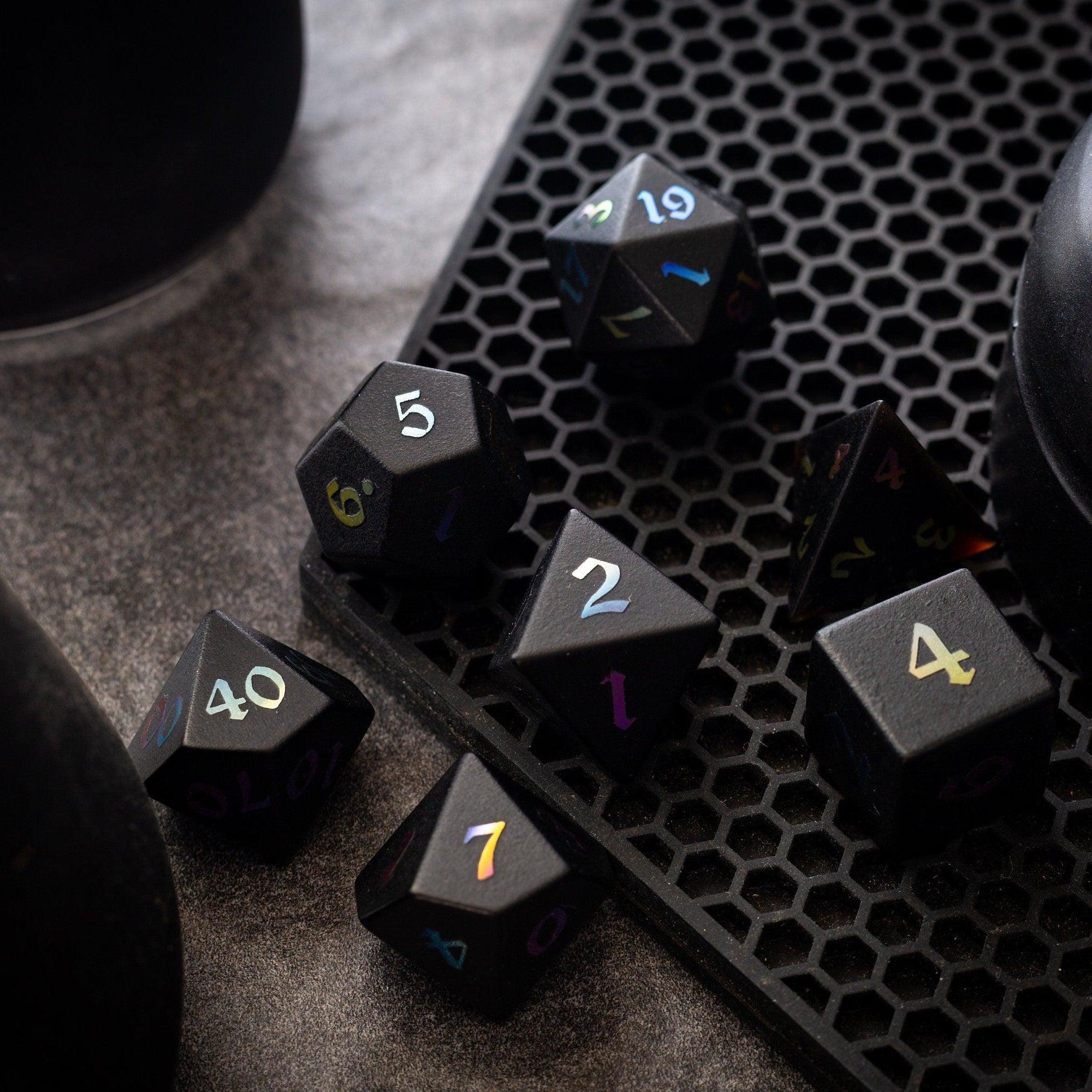
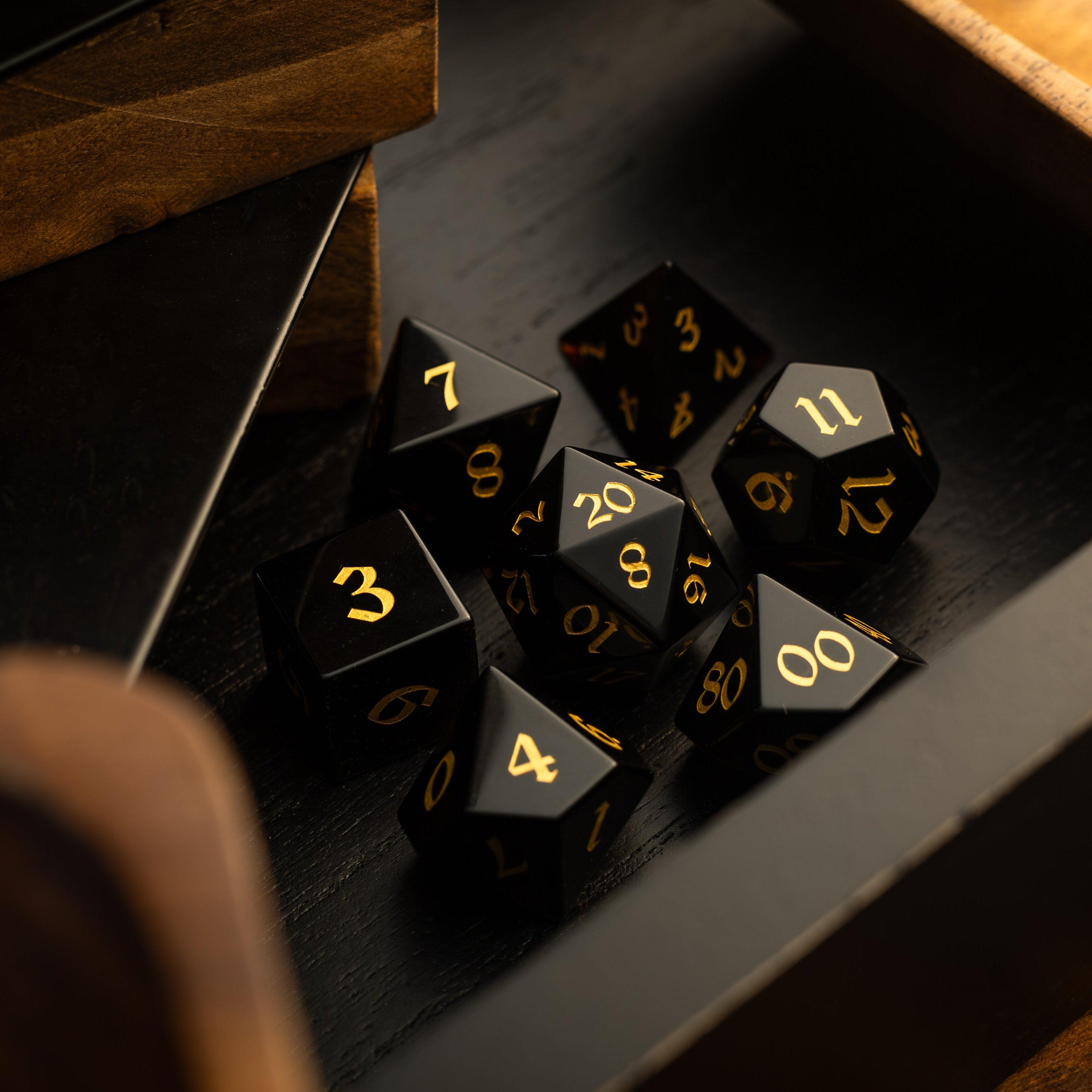
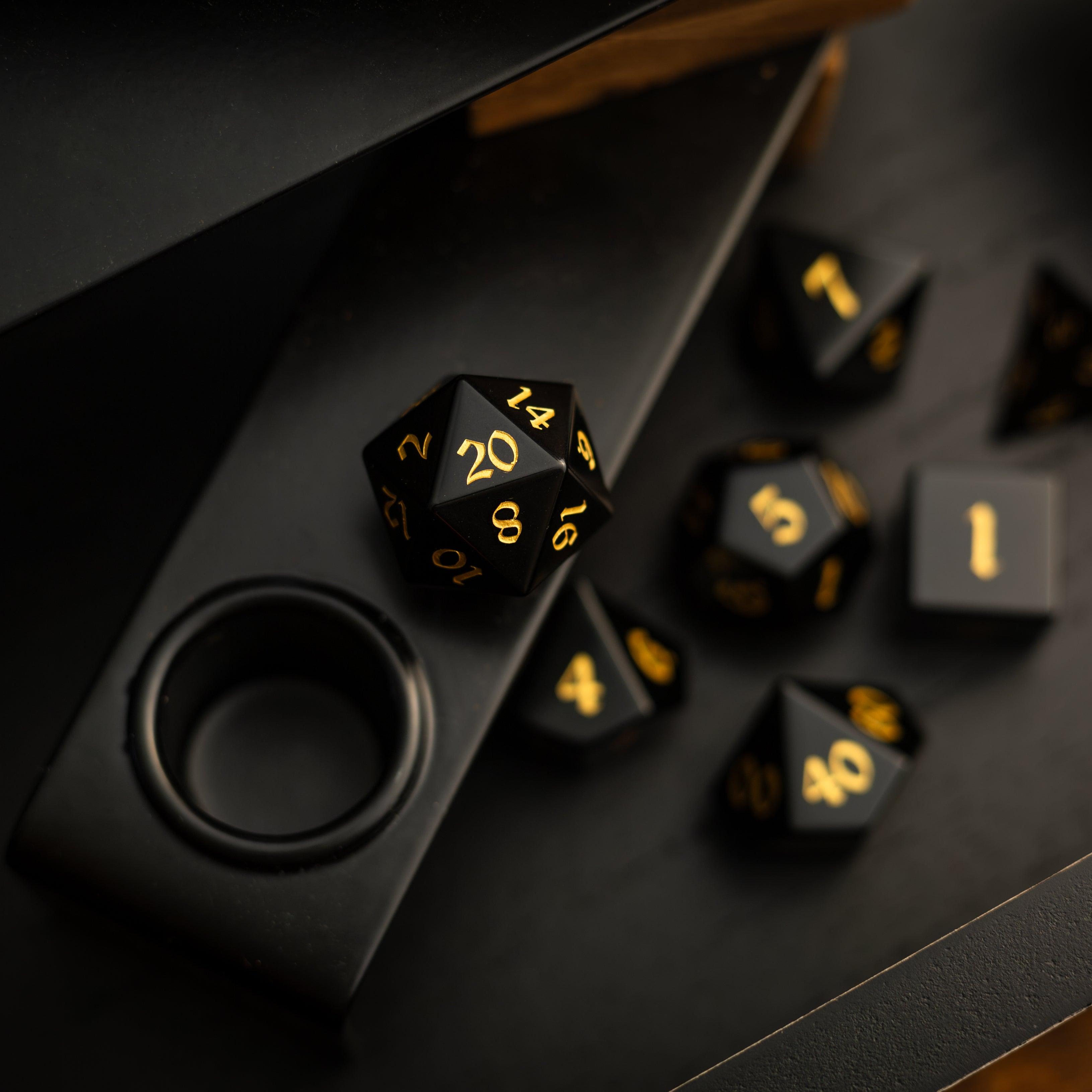
Having your dice ready helps more than you might think. Organized, easy-to-read dice make rolling quick and smooth, which keeps the momentum going and avoids those “Wait, which one is my d8?” moments.
3. Not Paying Attention
Why it breaks immersion
When someone constantly asks, “Wait, what’s happening?” it pulls everyone out of the story.
How to fix it
-
Stay engaged even when it’s not your turn
-
Take quick notes if needed
-
Put distractions aside during key moments
Even small attention habits help the whole table stay immersed in the world.
4. “Main Character Syndrome”
What it looks like
-
One player dominates every conversation
-
They make decisions for the whole group
-
They steer every scene back to themselves
How to be a better teammate
-
Let other players lead sometimes
-
Ask for group input before big decisions
-
Build moments that include the whole party
D&D is a shared story, not a solo campaign.
5. Rules Arguments That Kill the Mood
Why it hurts the game
Rules discussions are part of D&D, but constant debates can stop the game in its tracks.
When to speak up vs. move on
-
Speak up if it affects fairness or your character
-
Let it go if it’s a small ruling in the moment
-
Trust the DM to make a call and revisit later if needed
A good rule of thumb: keep the game moving first, clarify later.
6. Overcomplicating Simple Moments
Why it becomes a problem
Not every door needs a 10-minute strategy session. Sometimes overthinking slows the pacing and drains the energy from the table.
How to keep things flowing
-
Trust your instincts
-
Accept that not every decision needs to be perfect
-
Let the story move forward naturally
Quick decisions often lead to the most memorable moments.
7. Player Frustration Table
Here’s a quick breakdown of common issues and better approaches:
|
Situation |
Why Players Dislike It |
Better Approach |
|
Talking over others |
People feel ignored |
Pause and share the spotlight |
|
Slow turns in combat |
Breaks pacing and excitement |
Plan ahead and stay ready |
|
Not paying attention |
Repeats slow the game |
Stay engaged and take notes |
|
Main character syndrome |
Others feel left out |
Involve the whole group |
|
Rules arguments |
Stops the flow |
Resolve later, keep playing |
|
Overthinking actions |
Slows momentum |
Make decisions and move on |
8. Disrespecting the DM’s Effort
Why it matters
Dungeon Masters spend hours preparing sessions. Ignoring plot hooks, constantly joking through serious moments, or dismissing the story can feel discouraging.
How to support your DM
-
Engage with the world they’ve created
-
Follow story hooks when possible
-
Show appreciation for their effort
You don’t have to take everything seriously, but meeting the DM halfway makes the experience better for everyone.
9. Breaking Immersion Too Often
What happens
Jokes and out-of-character moments are part of the fun. But too many interruptions can make it hard to stay invested in the story.
How to balance it
-
Keep jokes between scenes when possible
-
Stay in character during key moments
-
Read the tone of the table
A well-timed joke is great. Constant interruptions can pull everyone out of the adventure.
10. Disorganized Dice and Table Setup
Why it matters more than you think
Scrambling for dice, misreading numbers, or knocking pieces off the table can slow things down and break focus.
Easy fixes
-
Keep your dice organized in one place
-
Use clear, readable dice to avoid confusion
-
Roll in a consistent area to keep things tidy
There’s something satisfying about smooth, clean rolls. When your tools are easy to use, the game naturally flows better. It’s a small detail, but it makes a noticeable difference in gameplay.
11. Simple Habits That Make You a Better Player
If you want to avoid most common D&D mistakes, focus on these simple habits:
Be prepared
-
Know your abilities
-
Have your dice and materials ready
-
Think ahead during combat
Be respectful
-
Listen to other players
-
Give everyone time to shine
-
Support group decisions
Be engaged
-
Stay focused on the story
-
React to what’s happening
-
Contribute to the experience
Support others
-
Encourage quieter players
-
Build off other characters’ ideas
-
Celebrate cool moments together
These small actions are the foundation of great dnd table etiquette and strong group dynamics.
Conclusion
Every D&D table has its quirks, and no one plays perfectly all the time. That’s part of the charm.
But being aware of these common frustrations can make a huge difference. A little preparation, a bit of awareness, and a willingness to support your group go a long way.
At the end of the day, D&D isn’t about perfect strategy or flawless roleplay. It’s about creating memorable moments together.
And when everyone at the table feels heard, engaged, and excited to play, that’s when the game really comes alive.






Leave a comment
This site is protected by hCaptcha and the hCaptcha Privacy Policy and Terms of Service apply.