

The Best Races for Sorcerer in D&D 5e (Race Guide for Magical Powerhouses)

The Sorcerer is an innate spellcaster in Dungeons & Dragons, using Charisma to shape magic through natural power rather than study. Under the updated fifth-edition rules, now labeled 5.5e on D&D Beyond, Sorcerers gain Innate Sorcery at level 1 and Metamagic at level 2. That combination makes the class especially good at improving important spell attacks, raising spell save DCs for a short time, and changing how selected spells work.
If you are searching for the best races for Sorcerer 5e, there is one major rules change to understand first. The 2024 Player's Handbook uses the term species, and ability score increases now come from your background rather than your species. You no longer need to pick a species mainly because it gives a Charisma bonus. For a current Sorcerer build, species traits such as extra spells, defenses, mobility, skills, and utility matter much more.
What Makes a Good Sorcerer Species?
Charisma is still the Sorcerer's primary ability because it powers Sorcerer spell attacks and spell save DCs. Constitution supports Hit Points and Concentration saves, while Dexterity helps Armor Class and Initiative because Sorcerers have no armor training by default. Your background handles your starting ability score increases, so your species can focus on adding abilities the class does not already provide.
A useful Sorcerer species can help by providing:
- Extra spells or cantrips beyond your normal Sorcerer choices
- Damage resistances or defensive traits
- Mobility such as teleportation, extra speed, or temporary flight
- Extra feats, skills, or rerolls
- Features that help a d6 Hit Die caster avoid or survive danger
There is no single species that is best for every Sorcerer. A blaster, controller, face character, and exploration-focused caster may value very different traits. The five options below are strong general choices from the current core rules.
Top 5 Best Species for Sorcerer in 5e
1. Human
The 2024 Human is one of the most flexible Sorcerer choices. Resourceful gives you Heroic Inspiration whenever you finish a Long Rest, Skillful grants one skill proficiency of your choice, and Versatile gives you an additional Origin feat beyond the feat supplied by your background.
That extra Origin feat can shape your Sorcerer from level 1. Alert can help you act earlier in combat, Magic Initiate can add spells from another class list, and Skilled can broaden a social or exploration-focused build. Human works with almost any Sorcerer subclass because its benefits are useful without depending on a particular damage type or magical theme.
2. Tiefling

Tieflings are a strong choice when you want more magic without using your limited Sorcerer spell selections. A 2024 Tiefling chooses an Abyssal, Chthonic, or Infernal legacy. Each legacy provides a damage resistance, a cantrip at level 1, and additional spells at character levels 3 and 5. Tieflings also know Thaumaturgy through Otherworldly Presence.
Infernal Tieflings, for example, gain fire resistance and Fire Bolt, followed by Hellish Rebuke and Darkness. Chthonic and Abyssal Tieflings offer different resistances and spells. Because the legacy spells can use Charisma as their spellcasting ability, they fit naturally into a Sorcerer's normal ability priorities.
3. Elf
Elf is an excellent choice if you want utility magic, exploration tools, and useful lineage features. The 2024 Elf has Darkvision, Fey Ancestry, Keen Senses, and Trance, then gains additional magic through an Elven Lineage.
High Elf is especially flexible because its starting Wizard cantrip can be replaced after a Long Rest. High Elves later gain Detect Magic and Misty Step. Drow gain Dancing Lights, Faerie Fire, and Darkness, while Wood Elves gain increased speed plus Druidcraft, Longstrider, and Pass without Trace. Those lineage spells can cover utility and movement needs without taking up your normal Sorcerer prepared-spell choices.
4. Aasimar

Aasimar bring a useful mix of resilience, healing, and temporary combat power. The 2024 version includes Darkvision, Celestial Resistance, Healing Hands, Light Bearer, and Celestial Revelation. Celestial Revelation becomes available at level 3, and you choose its form each time you activate it rather than permanently selecting one form.
For a Sorcerer, those traits add tools the class does not normally receive from its core features. Healing Hands gives you a small emergency heal, while Celestial Resistance helps against radiant and necrotic damage. Celestial Revelation can also provide flight, an area effect, or a frightening transformation depending on the form chosen.
5. Gnome
Gnome is a strong defensive choice for a caster. Gnomish Cunning gives Advantage on Intelligence, Wisdom, and Charisma saving throws. That protection is valuable because Sorcerers are already proficient in Constitution and Charisma saving throws, but they can still be vulnerable to effects that target Intelligence or Wisdom.
Forest Gnomes gain Minor Illusion and can repeatedly cast Speak with Animals using their species trait, while Rock Gnomes gain Mending and Prestidigitation along with their redesigned Tinker feature. These options do not directly increase spell damage, but they add dependable utility while Gnomish Cunning protects your character from many mental effects.
Other Strong Sorcerer Species
Several other 2024 Player's Handbook species can work very well depending on your campaign and play style:
- Halfling: Luck lets you reroll a 1 on the d20 of a D20 Test, while Brave gives Advantage on saves to avoid or end the Frightened condition.
- Dwarf: Dwarven Toughness increases your Hit Point maximum by 1 per level, while Dwarven Resilience gives poison resistance and Advantage on saves against the Poisoned condition.
- Dragonborn: Damage Resistance can cover a common elemental threat, and Draconic Flight at level 5 gives temporary flight without requiring a spell slot.
- Orc: Relentless Endurance can keep you at 1 Hit Point when you would otherwise drop to 0, while Adrenaline Rush provides Bonus Action movement and Temporary Hit Points.
- Goliath: Giant Ancestry offers several defensive, mobility, and damage options. Cloud's Jaunt is especially useful for quickly repositioning a caster.
What About Half-Elf, Fairy, Satyr, and Other Older Options?
Older species can still appear in campaigns that use expanded or legacy material, but they need to follow the current character-creation guidance. When you use an older species that includes an Ability Score Increase trait, you ignore that old species-based increase and use the ability score increases from your background instead.
This changes how older Sorcerer recommendations should be judged. Half-Elf, Fairy, Satyr, Changeling, Warforged, and similar options should not be chosen mainly because an older version gave a Charisma bonus. Instead, look at the traits that still matter under the current rules, such as flight, resistances, spellcasting, skills, movement, or defensive abilities. Your DM also decides which books and legacy options are available in the campaign.
Choosing a Sorcerer Species for Your Build
Start by deciding what problem you want your species to solve. If you want customization, Human is an easy fit. If you want extra spells, Tiefling and Elf offer built-in magical options. Aasimar adds healing and resistances, while Gnome improves several important mental saving throws. Dwarf and Orc are good alternatives when staying alive matters more than gaining extra magic.
Then connect the choice to your character if you want the mechanics and story to reinforce each other. A Tiefling Sorcerer might trace their magic to a fiendish ancestor, while a Dragonborn Draconic Sorcerer could treat sorcery as an expression of draconic heritage. A Human Sorcerer might be the first person in an ordinary family to develop unexplained magical power. None of these stories is required by the rules, so choose the combination that fits your campaign.
Best Sorcerer Species at a Glance
| Species | Main Benefit for Sorcerers | Good For |
|---|---|---|
| Human | Extra Origin feat, skill, Heroic Inspiration | Flexible builds |
| Tiefling | Extra spells and damage resistance | Spell variety and theme |
| Elf | Lineage spells and utility | Mobility and exploration |
| Aasimar | Healing, resistances, Celestial Revelation | Durability and support |
| Gnome | Advantage on Intelligence, Wisdom, and Charisma saves | Defensive caster builds |
Build Around Traits, Not Old Ability Score Bonuses
The biggest update for anyone researching the best races for Sorcerer 5e is that old Charisma-bonus rankings no longer match current 5.5e character creation. Your background provides your starting ability score increases, while your species contributes special traits.
Prioritize Charisma through a suitable background, keep Constitution and Dexterity in mind, and then choose species features you will actually use. More spells, stronger defenses, better movement, healing, and flexible feats can all be valuable. The right choice depends less on an old ability score bonus and more on how well the species supports your Sorcerer's role in the party.
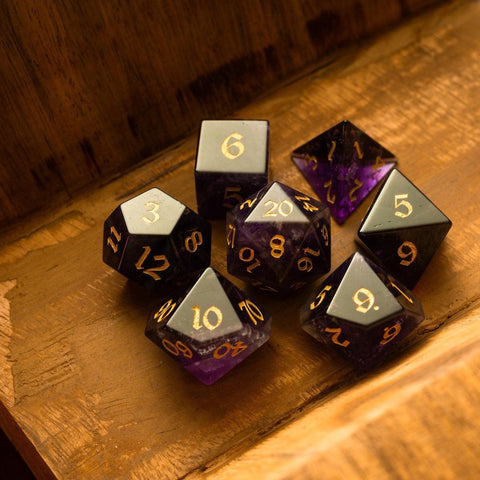
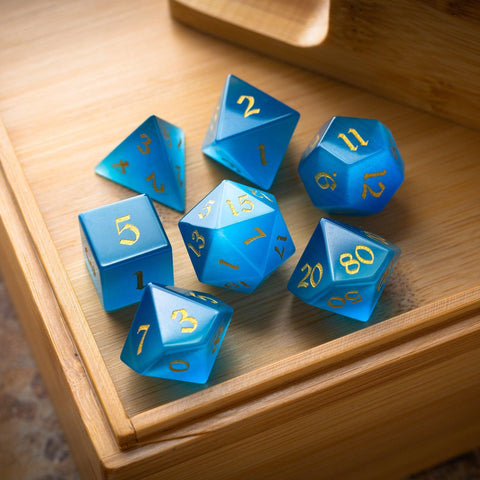
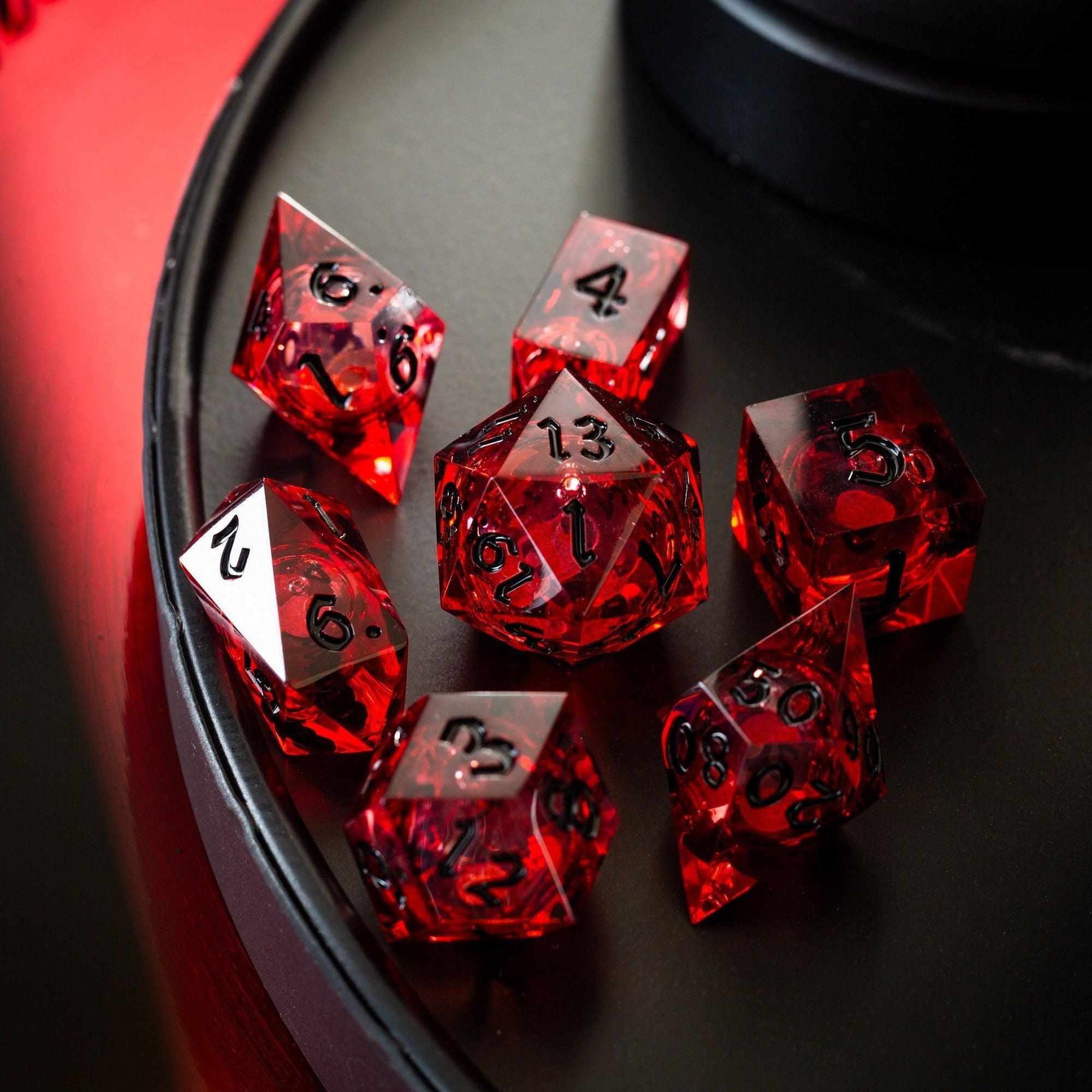
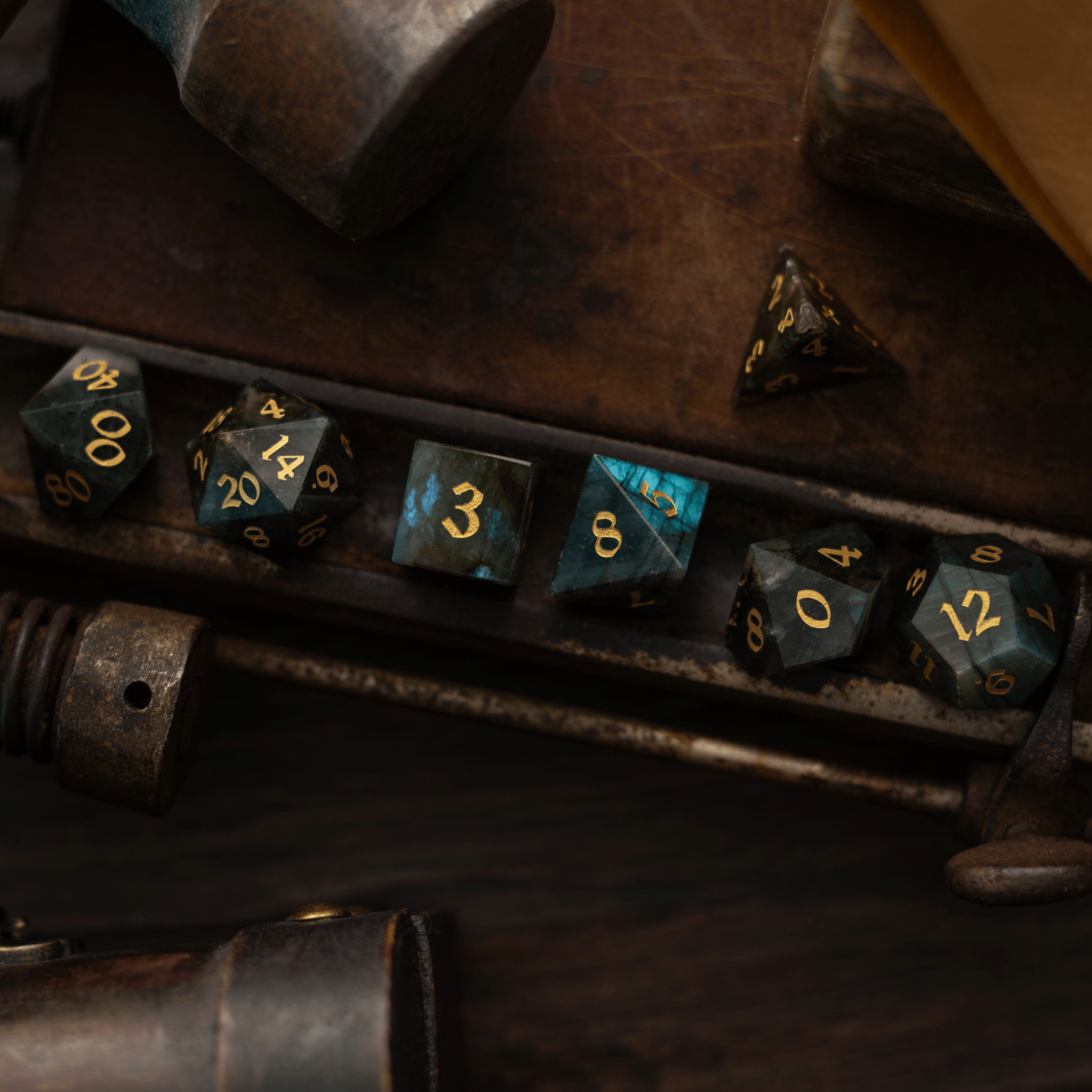
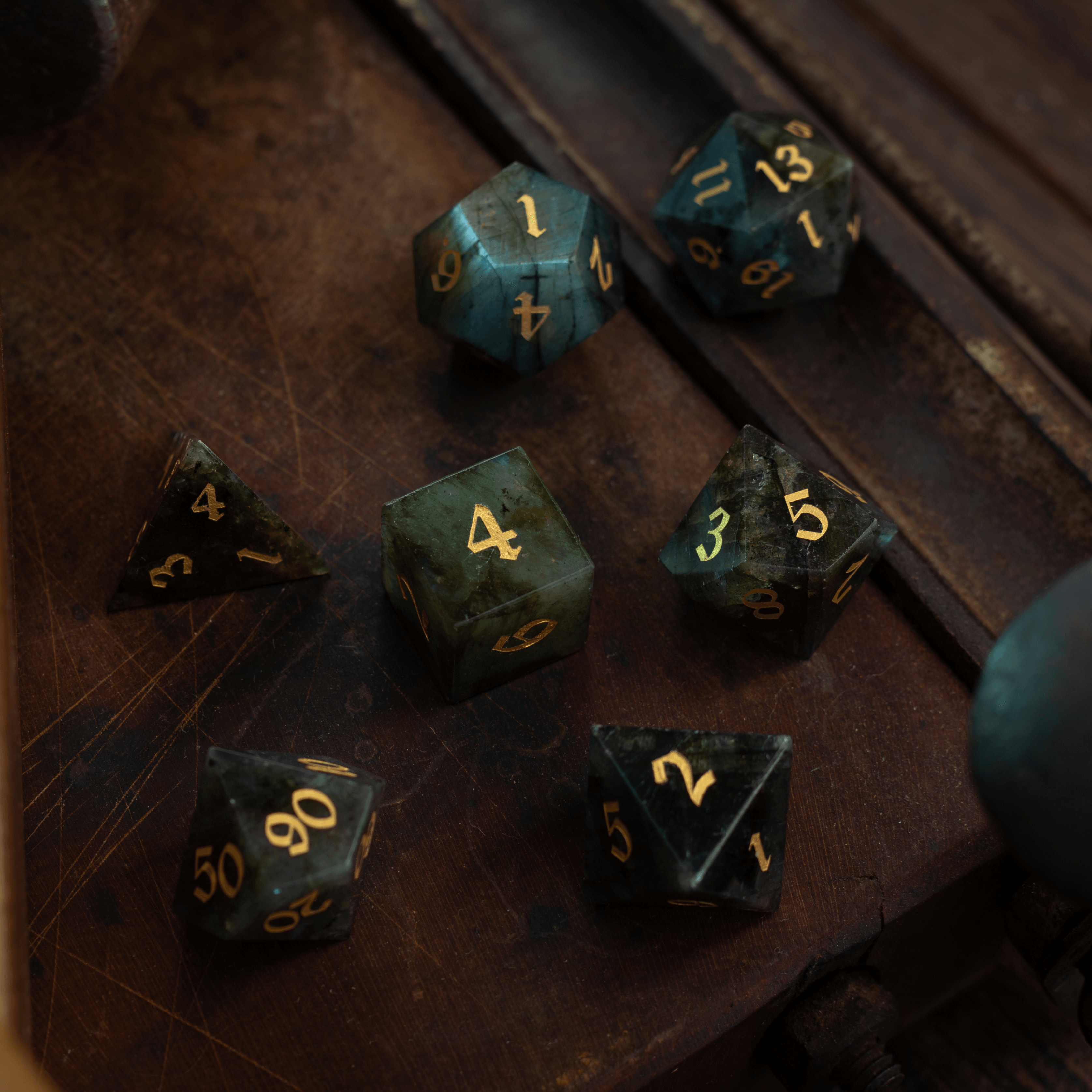
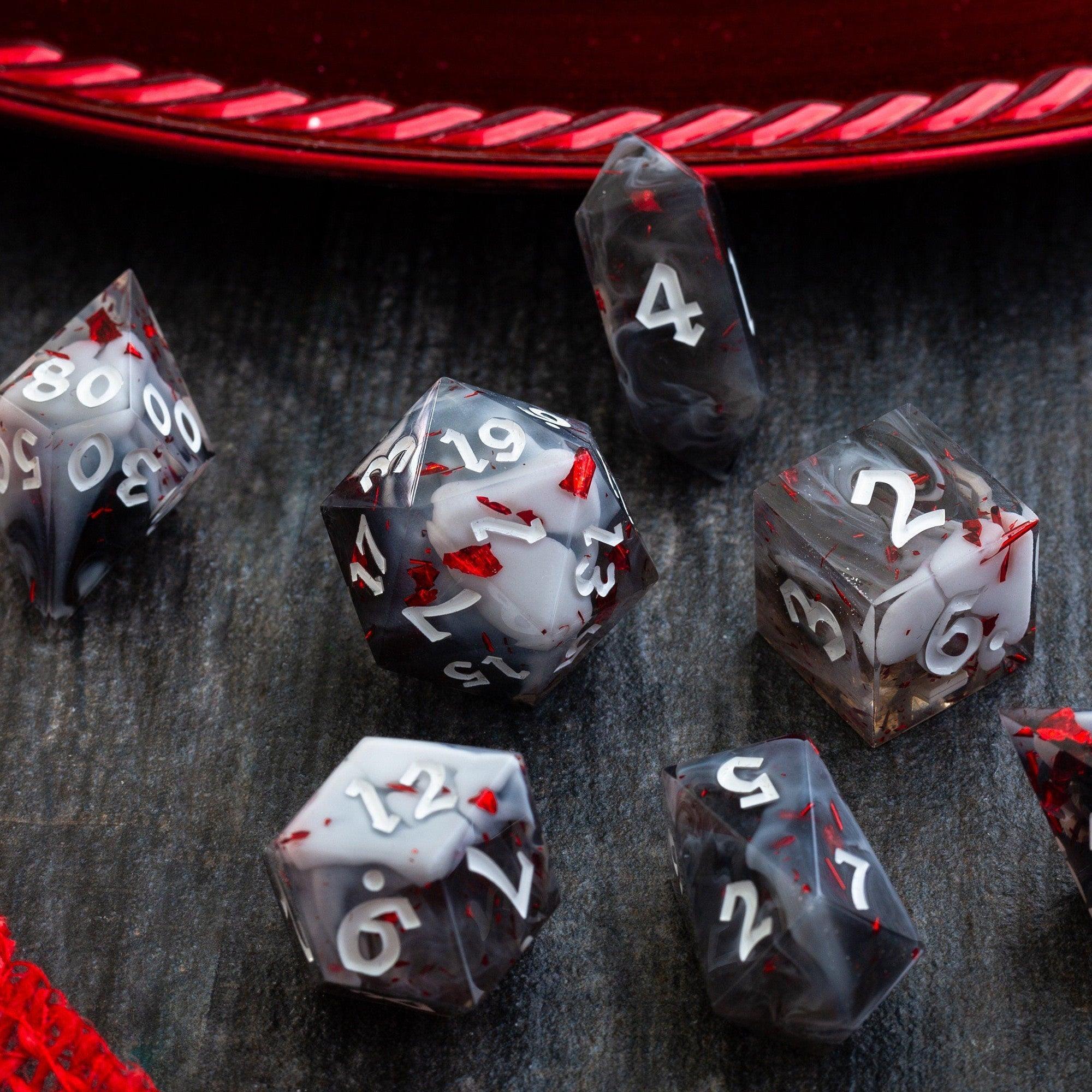
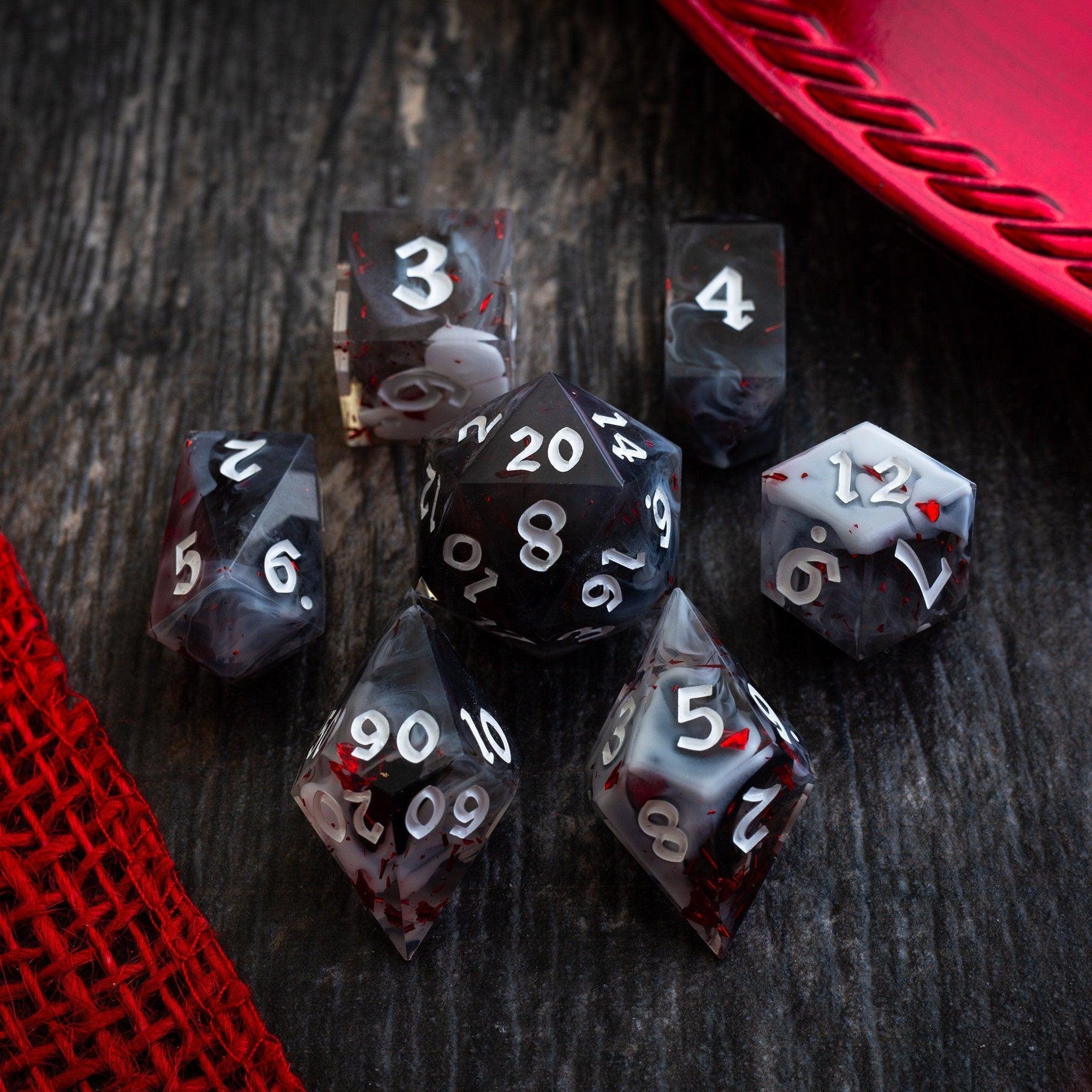
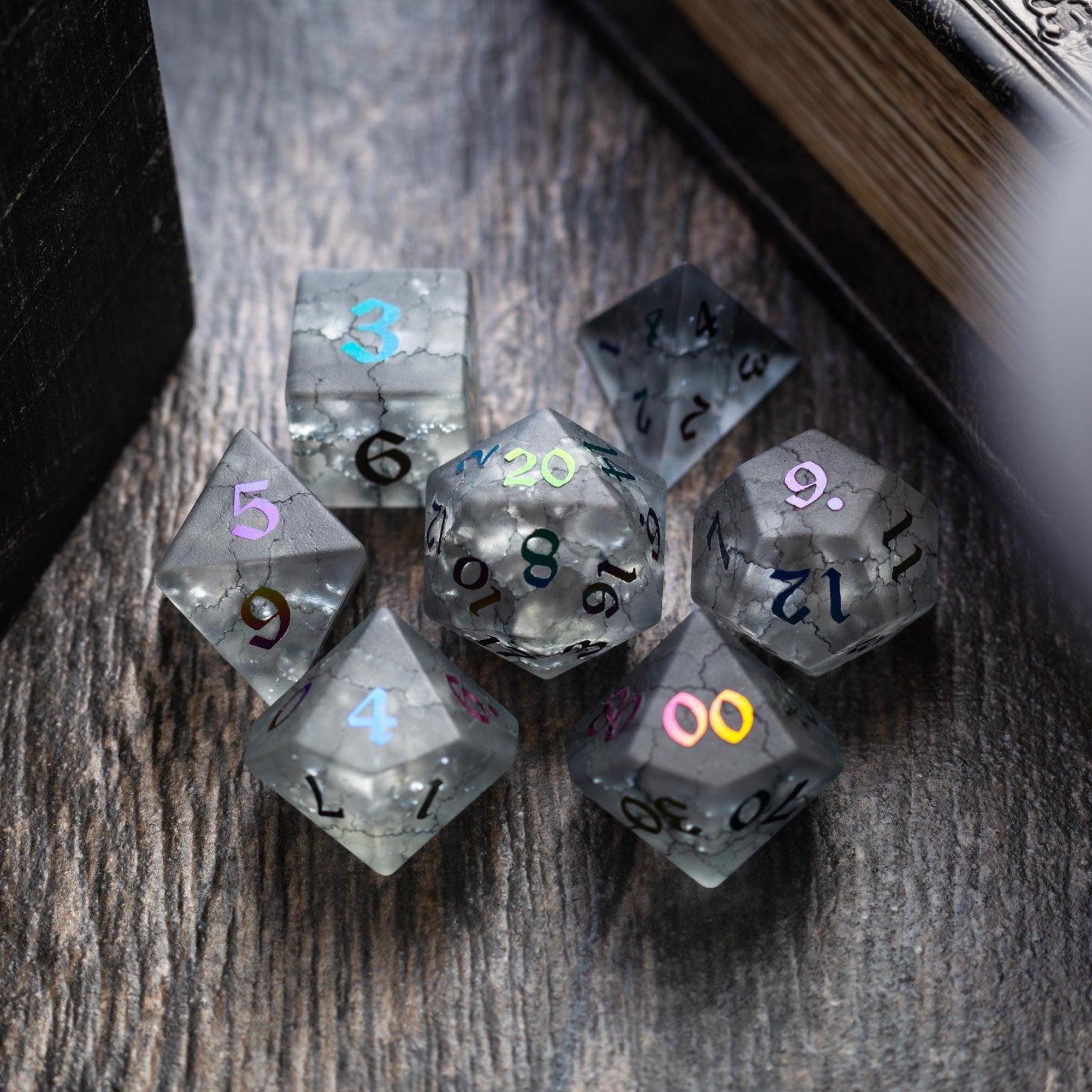
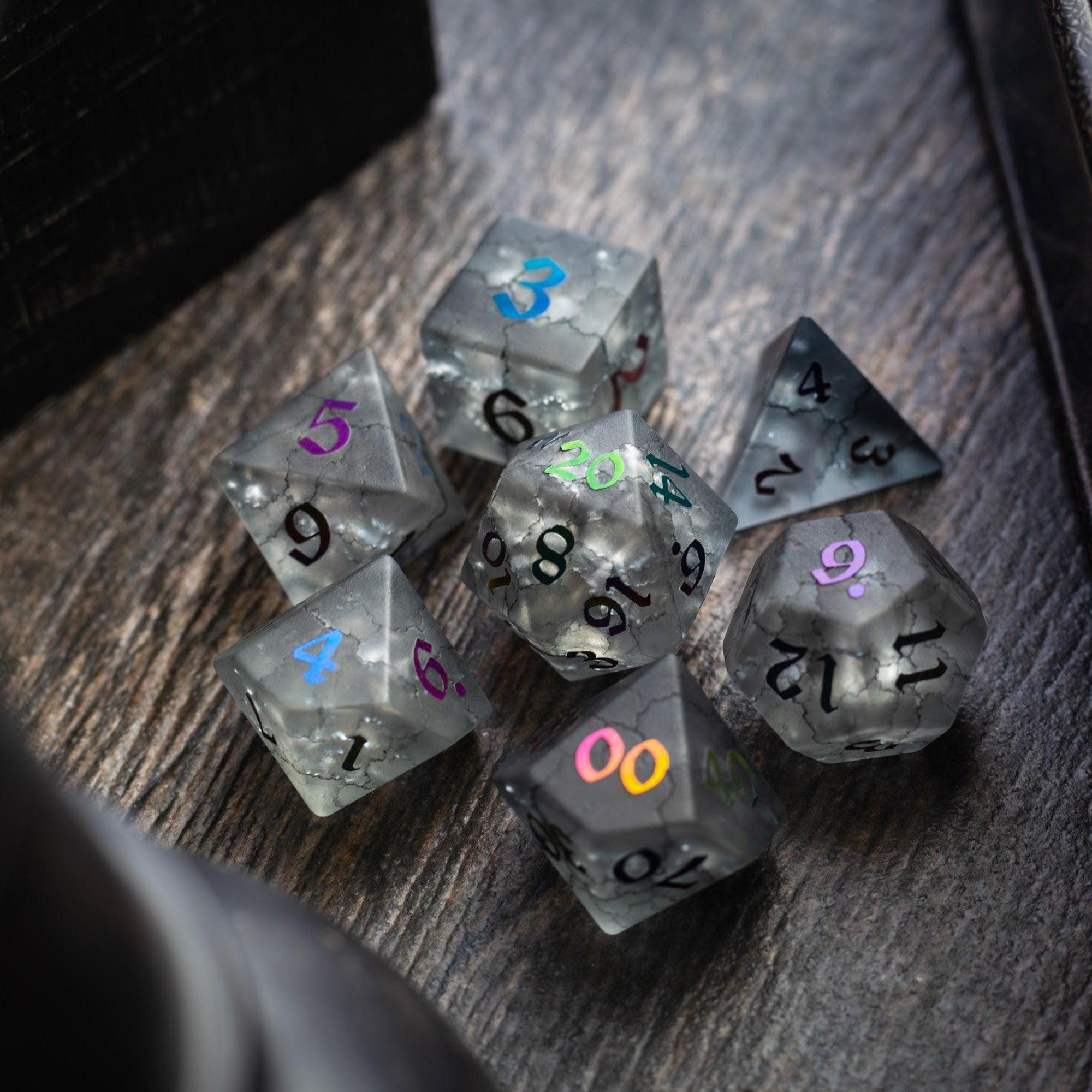
Tip: If you enjoy matching your character theme to your table setup, a gemstone dice set, liquid core dice, or resin DND dice set can reflect a Sorcerer's origin or spell theme without affecting the build itself.
For more character-focused ideas, see Top Dice Sets for Sorcerers in D&D 5e.











Leave a comment
This site is protected by hCaptcha and the hCaptcha Privacy Policy and Terms of Service apply.