The Best Races for Rogue in D&D 5e (Race Guide for Stealthy & Deadly Builds)

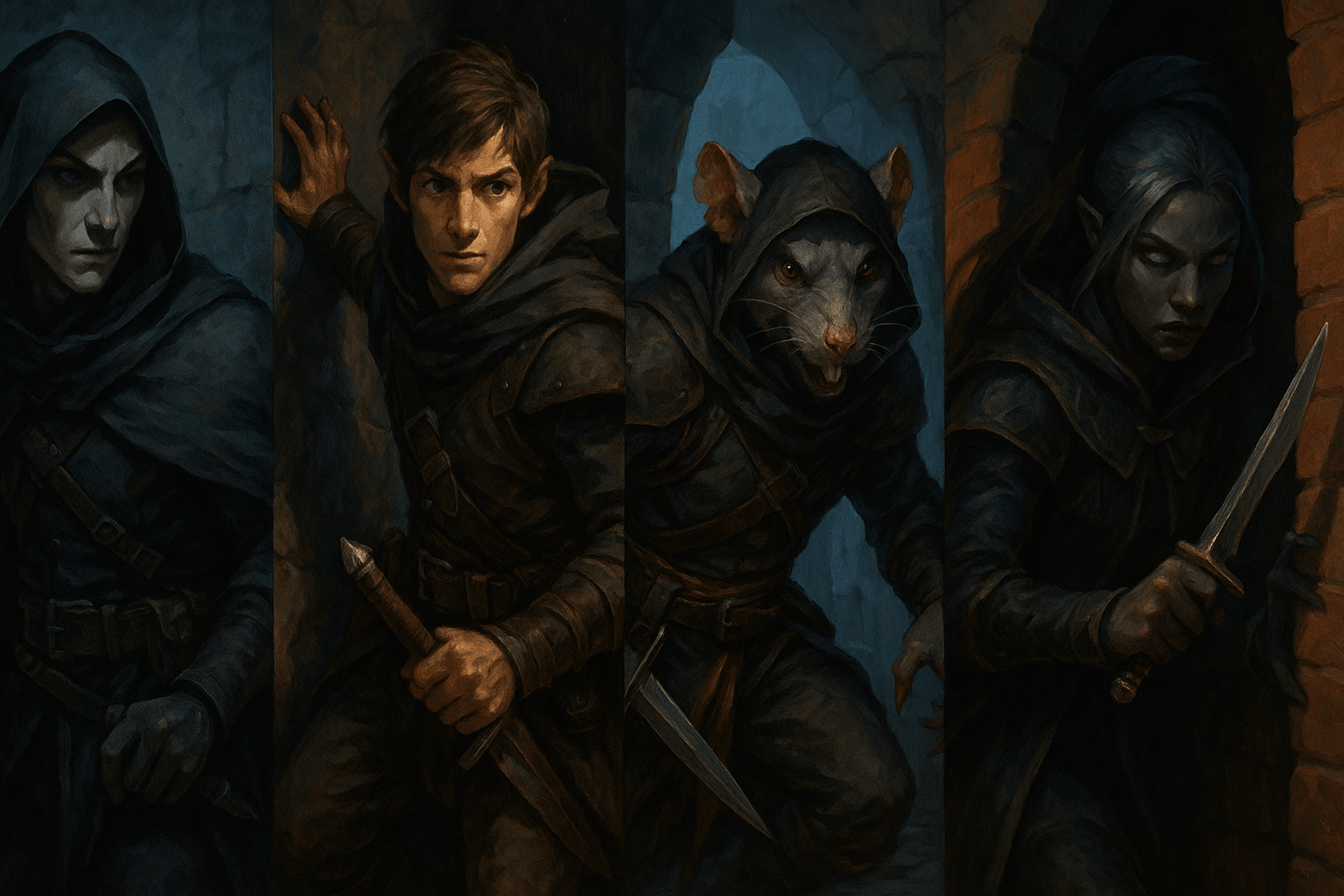
Rogues are masters of stealth, speed, and precision in Dungeons & Dragons 5e. They specialize in surprise attacks, clever maneuvers, and skill mastery. Whether you're aiming for consistent Sneak Attack damage or building the party's infiltration expert, choosing the right race can make your character more effective.
The best races for Rogue 5e include Halflings, Wood Elves, Tabaxi, Humans, and Goblins. Each offers different advantages through mobility, stealth, skill proficiencies, or combat abilities.
This Rogue DnD 5e race guide covers both the original 2014 rules and the revised 2024 rules used in 2026, helping you build an Assassin, Swashbuckler, Arcane Trickster, Thief, or another Rogue subclass.
Understanding the Rogue Class (Core Abilities Explained)
Rogues rely on finesse and precision rather than brute strength. Their Sneak Attack deals additional damage once per turn when they hit with a finesse or ranged weapon and meet the required conditions. Sneak Attack does not necessarily require hiding or surprising an enemy.
Expertise improves their chosen proficiencies, while Cunning Action allows them to Dash, Disengage, or Hide as a bonus action starting at level 2. These features make Rogues excellent scouts, infiltrators, and mobile combatants.
Key Stats for Rogues:
Dexterity: Your primary ability score, affecting Armor Class, Dexterity-based attacks, damage, initiative, and Stealth checks.
Constitution: Increases hit points and improves survivability.
Intelligence: Important for Arcane Trickster spellcasting and Investigation checks.
Charisma or Wisdom: Useful for social encounters, deception, perception, or subclass-specific abilities.
Aim for at least 16 Dexterity when creating your Rogue. Constitution is generally a reliable secondary ability unless your subclass benefits more from another score.
What Makes a Good Rogue Race?
The best race choices for Dungeons and Dragons Rogues provide useful features such as darkvision, additional movement, defensive abilities, stealth bonuses, or extra skill proficiencies.
Important rules update for 2026: Under the revised 2024 rules, races are officially called species, and ability score increases come from your background rather than your species. When using older species with the revised rules, ignore their original ability score increases. This makes more character combinations practical without sacrificing Dexterity.
You can find the updated character creation rules in the official D&D Basic Rules for Character Origins.
Top 5 Best Races for Rogue in 5e

1. Lightfoot Halfling
Why it's great: Lucky, sneaky, and naturally suited to crowded environments.
2014 ability scores: +2 Dexterity, +1 Charisma.
Luck: Reroll natural 1s on attack rolls, ability checks, and saving throws, keeping the replacement roll.
Naturally Stealthy: Attempt to hide using creatures at least one size larger as concealment.
Brave: Helps resist the frightened condition.
2024 rules: Halflings receive Naturally Stealthy without selecting a Lightfoot subrace, and their movement speed increases to 30 feet.
Suggested build: An Assassin or Thief who uses crowds and larger companions to find hiding opportunities. Halflings are an excellent starting choice for beginner Rogues.

2. Wood Elf
Why it's great: Excellent movement, keen senses, and wilderness utility.
2014 ability scores: +2 Dexterity, +1 Wisdom.
35-foot movement speed: Useful for repositioning and escaping enemies.
Darkvision: See in darkness within 60 feet, treating it as dim light.
Mask of the Wild (2014): Allows hiding attempts when lightly obscured by certain natural phenomena.
2024 rules: Wood Elves retain their 35-foot speed and receive Druidcraft, Longstrider at level 3, and Pass without Trace at level 5 instead of Mask of the Wild.
Suggested build: Scout Rogue, ranged Assassin, or a Rogue and Gloom Stalker Ranger multiclass. Pass without Trace makes the revised Wood Elf especially useful for helping the entire party sneak through dangerous areas.

3. Tabaxi
Why it's great: Exceptional mobility, climbing abilities, and useful skill proficiencies.
Original ability scores: +2 Dexterity, +1 Charisma in Volo's Guide to Monsters.
Feline Agility: Doubles your speed for a combat turn. You must spend a subsequent turn without moving before using it again.
Climbing speed: Equal to walking speed in Monsters of the Multiverse.
Cat's Talent: Proficiency in Perception and Stealth.
Suggested build: A Swashbuckler or mobile melee Rogue. Combining Feline Agility with Cunning Action allows a Tabaxi to cover impressive distances, reach elevated positions, or quickly escape dangerous encounters.

4. Variant Human / Custom Lineage
Why it's great: Early access to feats and flexible character customization.
Variant Human (2014): +1 to two different ability scores, one additional skill proficiency, and a feat.
Custom Lineage: +2 to one ability score, a qualifying feat, and either darkvision or a skill proficiency under its original rules.
2024 Human: An additional Origin feat, a skill proficiency, and Heroic Inspiration after completing a Long Rest.
Suggested build: A versatile Thief, ranged Assassin, or skill-focused Arcane Trickster. Under the revised rules, Alert, Lucky, and Skilled are useful starting Origin feats. General feats such as Skulker become available when their prerequisites are met.

5. Goblin (MOTM)
Why it's great: Small size, defensive traits, and additional damage against larger opponents.
Flexible ability scores: Available under the Monsters of the Multiverse character creation rules.
Nimble Escape: Hide or Disengage as a bonus action.
Fury of the Small: Deal additional damage equal to your proficiency bonus against larger creatures, with limited uses per Long Rest.
Darkvision and Fey Ancestry: Useful for dungeon exploration and resisting charm effects.
Suggested build: A melee or ranged Rogue who specializes in opportunistic attacks. Remember that Nimble Escape overlaps with Cunning Action after level 2, so Goblins gain less additional action economy than other classes.
Honorable Mentions: Clever and Thematic Rogue Races
These additional top races for Rogue in 5e offer useful alternatives for players who prefer unusual abilities, magical utility, or creative roleplay.
Kenku
Mimicry: Reproduce voices and sounds you have heard.
Kenku Recall: Gain two skill proficiencies and limited opportunities to gain advantage on proficient skill checks in Monsters of the Multiverse.
Expert Duplication: Useful for copying documents and crafted objects.
Why it works: Excellent for Thieves, spies, and infiltration specialists who rely on disguises, forgery, and deception.
Tiefling (2014 or 2024)
2014 ability scores: +2 Charisma, +1 Intelligence.
Darkvision and magical damage resistance: Resistance depends on your chosen legacy under the revised rules.
Innate spellcasting: Options include the Abyssal, Chthonic, and Infernal legacies in the 2024 rules.
Why it works: Tieflings provide additional magical tools for Arcane Tricksters, con artists, and supernatural spies.
Feral Tiefling (SCAG)
Original ability scores: +2 Dexterity, +1 Intelligence.
Retains standard Tiefling abilities unless other variant traits are selected.
Why it works: A particularly strong option for Arcane Tricksters using the original 2014 rules. Its fixed Dexterity advantage is no longer relevant under revised character creation.
Custom Lineage and Tasha's Rules: Shadow Builds Made Easy
Tasha's Cauldron of Everything introduced optional rules for reassigning racial ability score increases. Custom Lineage is a separate character option rather than a way to combine multiple racial abilities.
With flexible ability scores available, consider these alternative Rogue builds:
Fairy Rogue: Uses flight to bypass certain ground-based obstacles and reach elevated positions.
Warforged Rogue: Remains conscious during its required resting state and benefits from defensive traits.
Tortle Rogue: Benefits from natural armor with a base Armor Class of 17.
Ask your Dungeon Master which older character options are permitted before finalizing your build.
Best Rogue Race by Subclass
Assassin: Halfling or Human for dependable rolls and initiative-focused builds.
Thief: Tabaxi or Halfling for mobility and infiltration.
Arcane Trickster: Human or Tiefling for customization and magical utility.
Swashbuckler: Tabaxi for mobile melee combat.
Soulknife: Kenku or Human for additional skill versatility.
Scout: Wood Elf for wilderness exploration and movement.
Beginner-Friendly Rogue Build Example (2024 Rules)
Species: Halfling.
Background: Criminal.
Starting ability scores: Strength 8, Dexterity 17, Constitution 14, Intelligence 12, Wisdom 14, Charisma 10.
Origin feat: Alert, provided by the Criminal background.
Expertise: Stealth and Sleight of Hand.
Recommended subclass: Thief at level 3.
This build uses the standard array with +2 Dexterity and +1 Constitution from the Criminal background. It offers reliable scouting, good initiative, and useful skills without complicated character mechanics.
Choosing a Race for Roleplay and Story
A Rogue doesn't have to be a criminal. Your character might be a treasure hunter, detective, military scout, or traveling performer.
Ask yourself:
Who taught your character their specialized skills?
Why did they become an adventurer?
How do their abilities help the rest of the party?
A Kenku might imitate guards during infiltration, a Tiefling could investigate supernatural crimes, and a Halfling might specialize in recovering stolen treasures.
Strike from the Shadows
The best race for Rogue 5e depends on your preferred playstyle. Halflings offer reliability, Wood Elves provide wilderness utility, Tabaxi excel at mobility, Humans offer customization, and Goblins bring situational combat advantages.
With the revised character creation rules, virtually any approved species can become an effective Rogue. Choose abilities that complement your subclass, support your party, and fit the character you want to play.
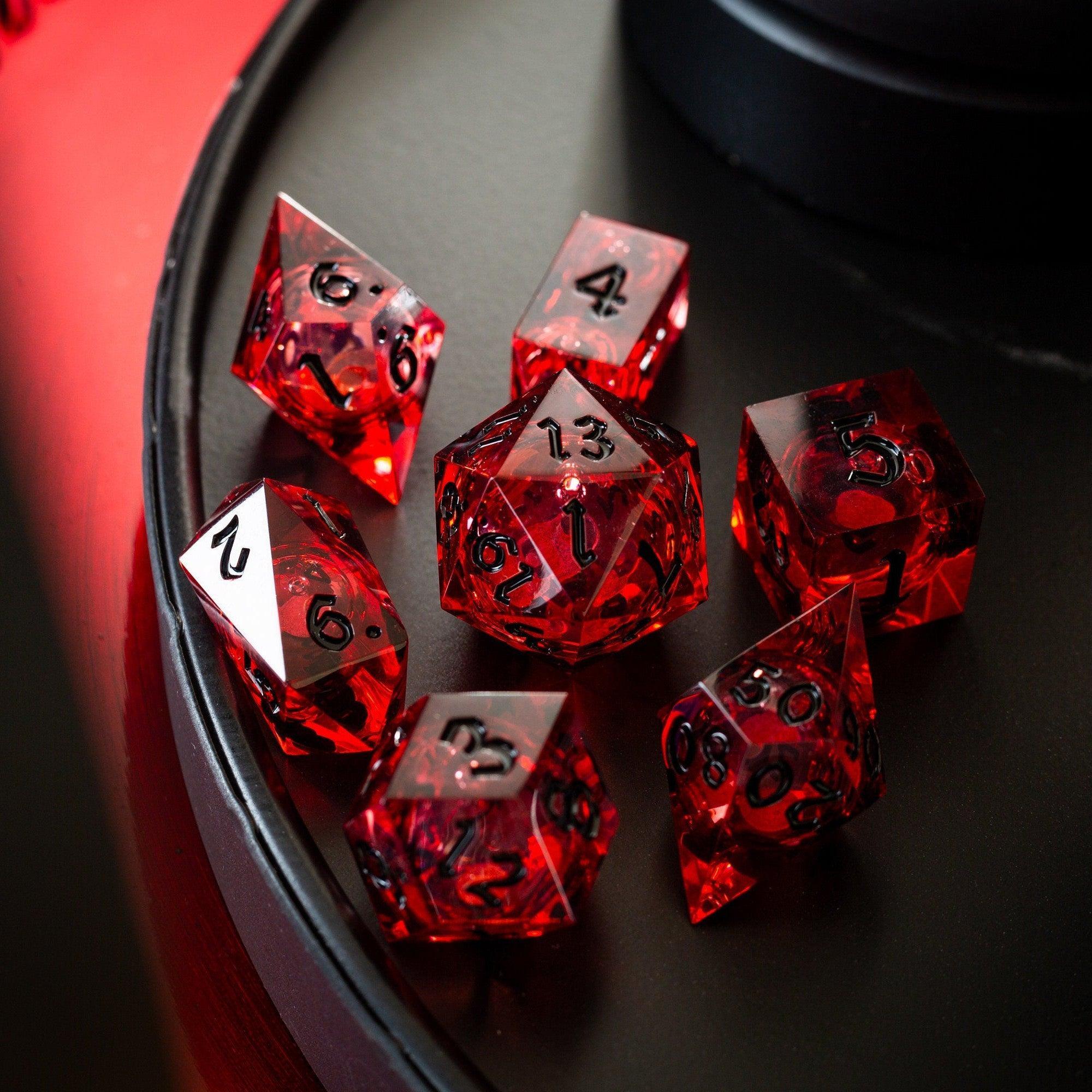
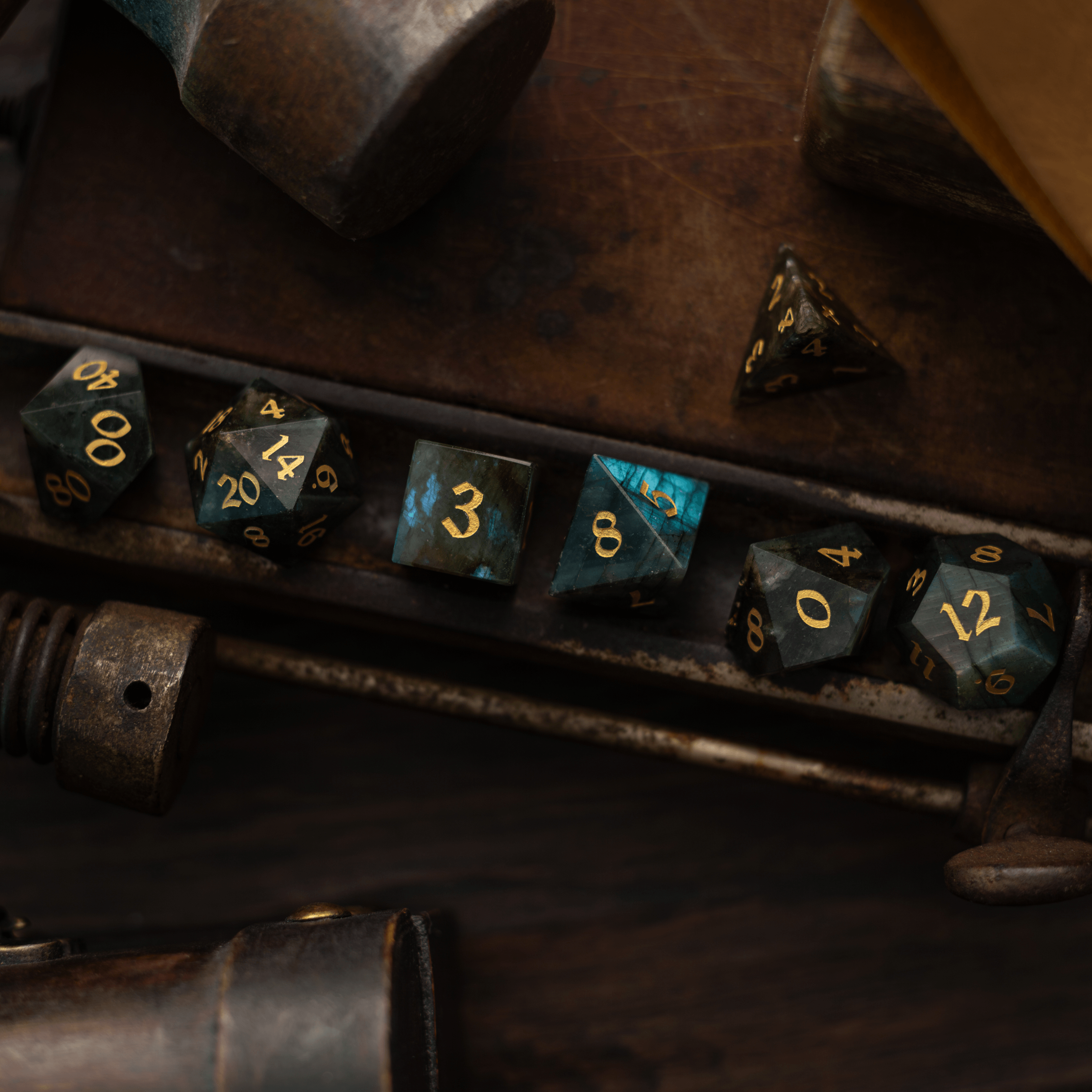
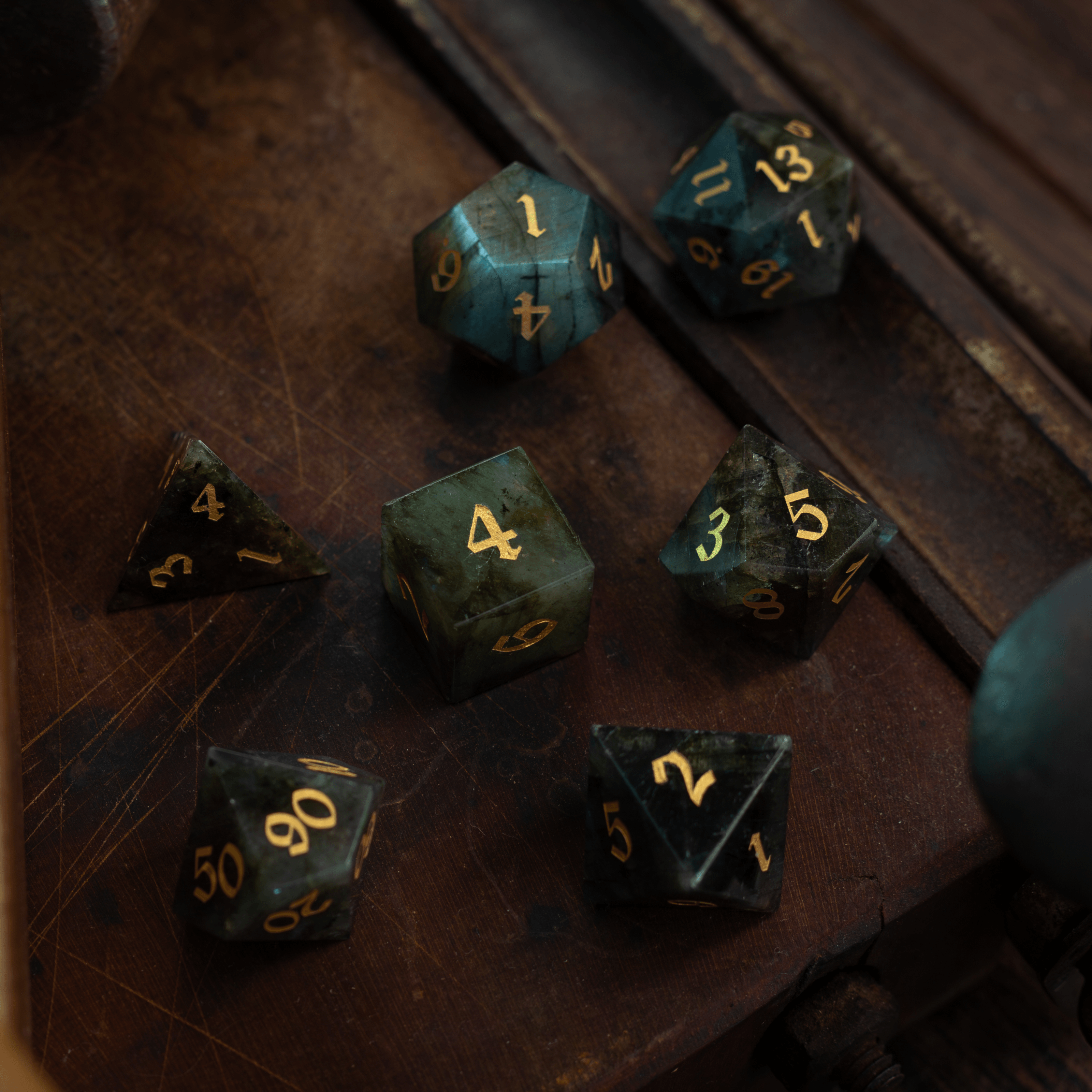
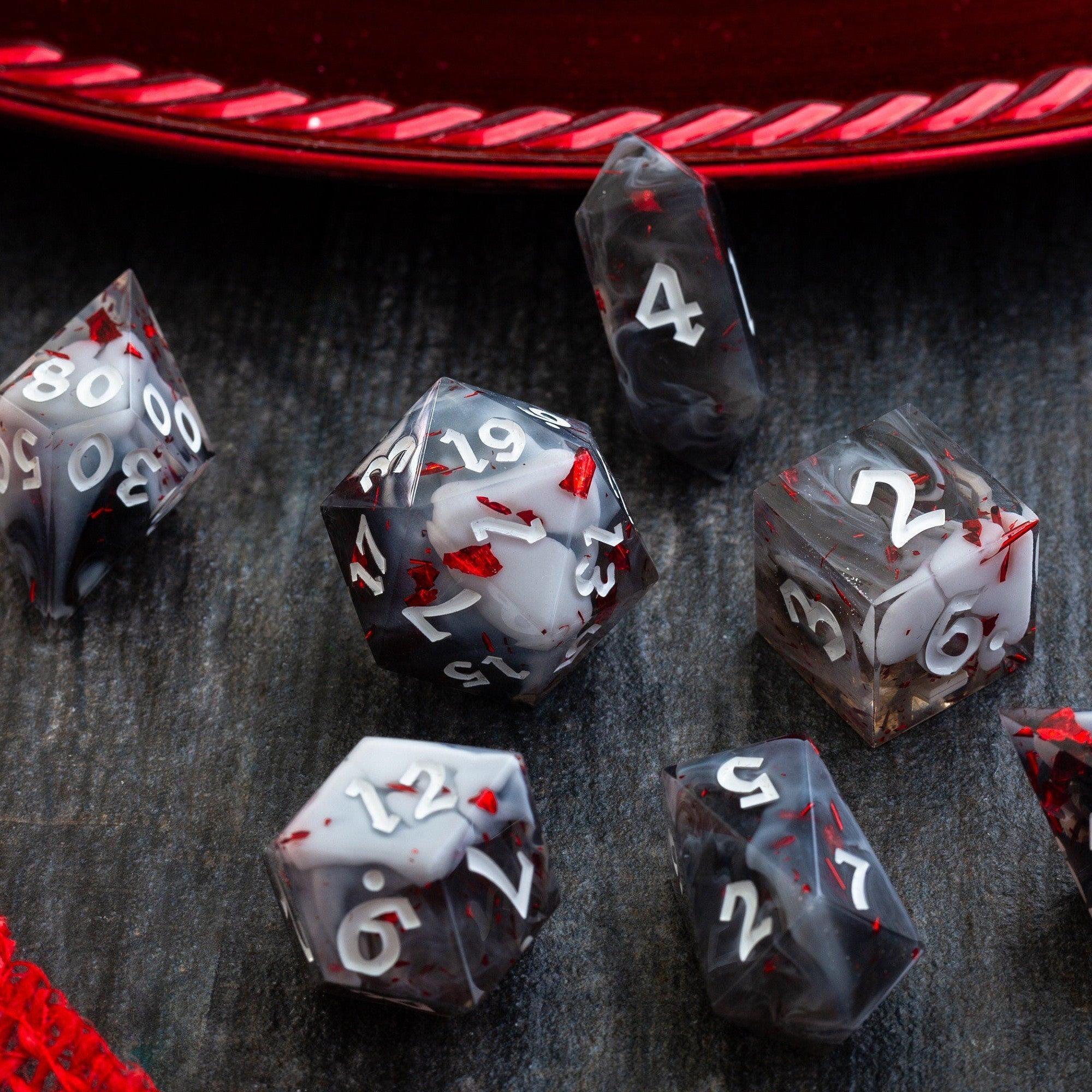
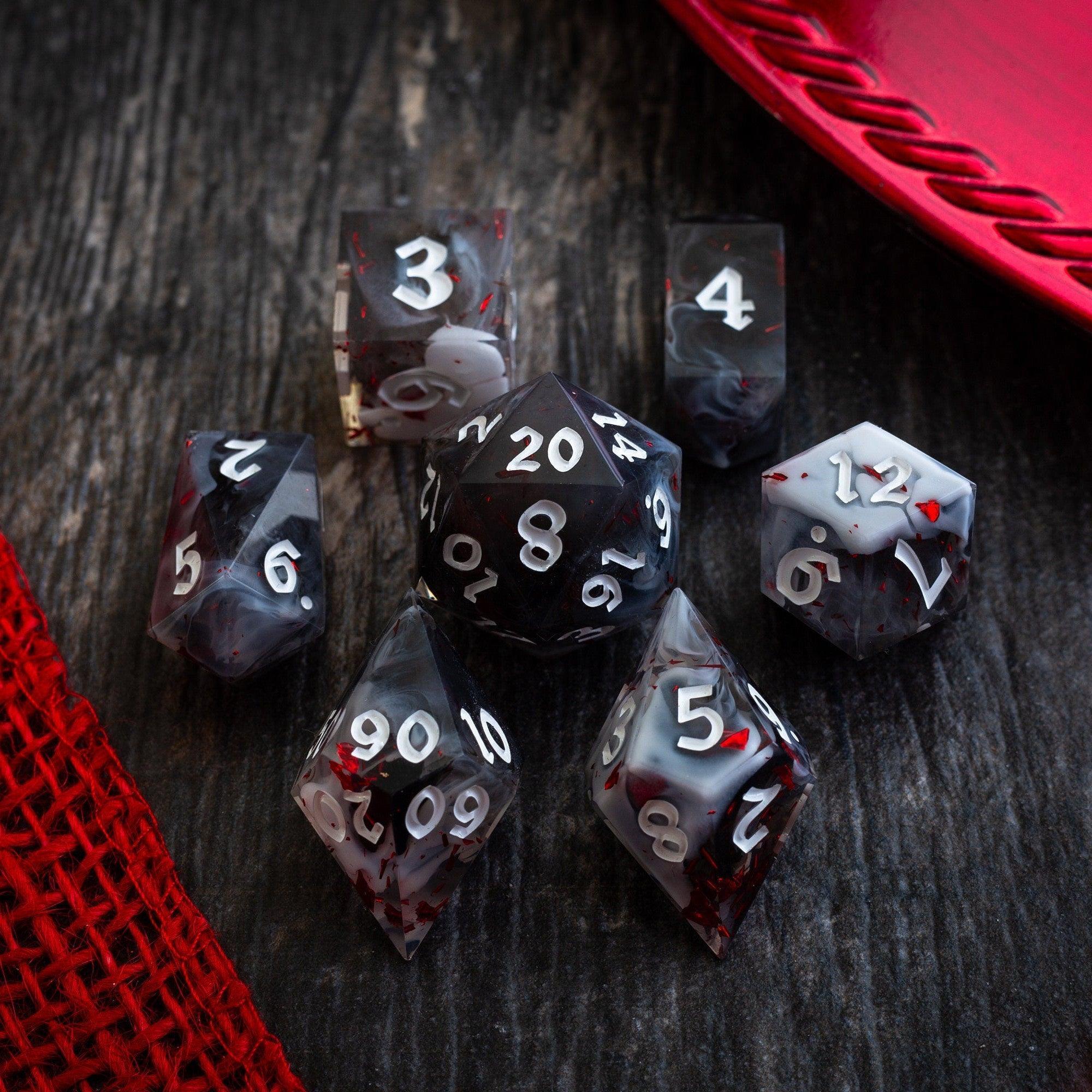
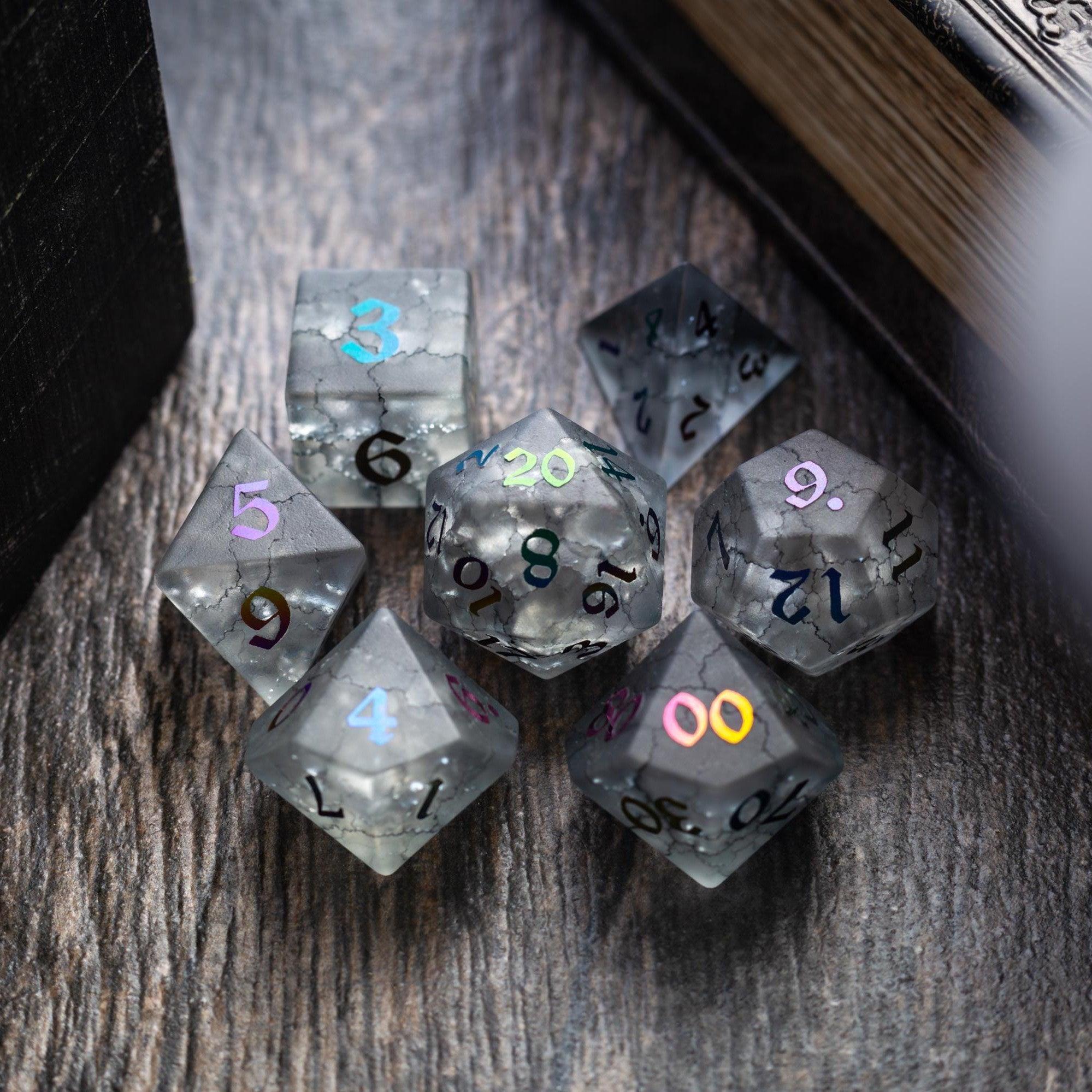
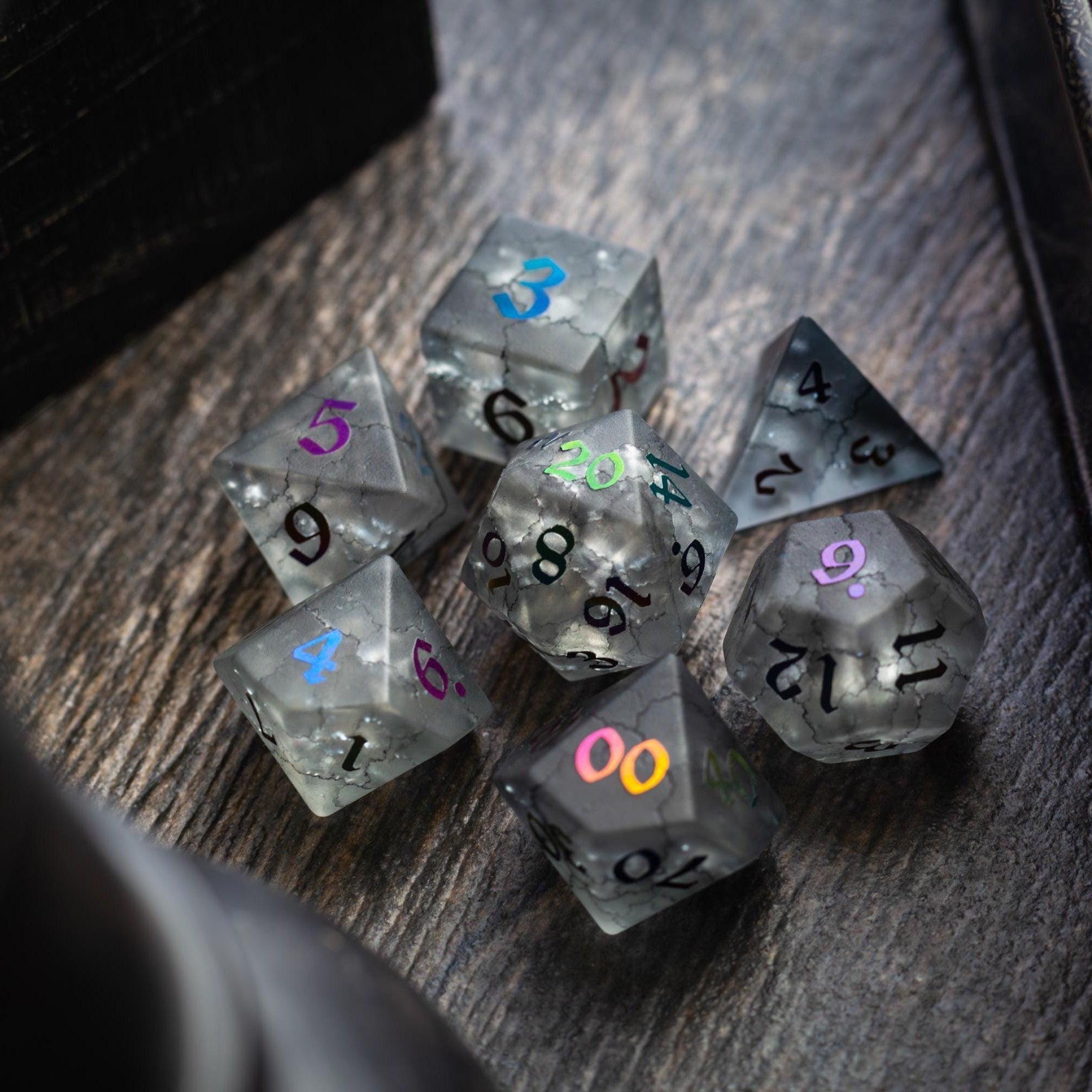
When you're ready to bring your Rogue to life at the table, check out our Best Dice Sets for Rogues in D&D 5e to find a dice set that matches your character's cunning, personality, and playstyle.













Leave a comment
This site is protected by hCaptcha and the hCaptcha Privacy Policy and Terms of Service apply.